
Maximizing Warehouse Efficiency with Push-Back Racking
By Tom Seest
At RackingWorld, we help guide you through selecting warehouse storage systems and racking.
Be sure to read our other related stories at RackingWorld to learn more about warehouse storage systems.
What Is Push-Back Racking and When Should It Be Used?
Are you looking for a storage solution that maximizes warehouse space and efficiency? Look no further than push-back racking. This innovative system allows for high-density storage by utilizing depth instead of width, making it an ideal choice for businesses with limited floor space.
Push-back racking works by storing pallets on rolling carts that are pushed back along inclined rails within the rack. When a new pallet is loaded onto the system, it pushes the existing pallets back, creating a space for the new pallet to be stored. This system is perfect for businesses that need to store multiple pallets of the same SKU, as it allows for easy access to all stored items without the need for manual loading and unloading.
When should push-back racking be used? This system is best suited for businesses that have a high volume of inventory with limited space. For example, food and beverage distributors, pharmaceutical companies, and manufacturing facilities can benefit greatly from push-back racking due to its ability to maximize storage capacity and streamline inventory management processes.
In recent years, the popularity of push-back racking has surged as businesses strive to increase efficiency and reduce operational costs. With the rise of e-commerce and the demand for faster order fulfillment, push-back racking offers a solution that allows businesses to store more inventory in less space while maintaining easy access to goods. This is especially important in today’s competitive market, where customer expectations for quick delivery and accurate order fulfillment are higher than ever.
By investing in push-back racking, businesses can make the most of their available warehouse space, increase picking and packing efficiency, and ultimately improve their bottom line. So, if you’re looking for a storage solution that combines space-saving design with optimal functionality, consider implementing push-back racking in your warehouse today. Your business will thank you for it.

What Is Push-Back Racking and When Should It Be Used?
What Is Push-Back Racking and When Should It Be Used?
- Push-back racking maximizes warehouse space and efficiency.
- This system allows for high-density storage by utilizing depth instead of width.
- Pallets are stored on rolling carts that are pushed back along inclined rails within the rack.
- Push-back racking is best suited for businesses with high volume of inventory and limited space.
- Popularity of push-back racking has surged in recent years due to increasing efficiency demands.
- Businesses in industries such as food distribution, pharmaceuticals, and manufacturing can benefit from push-back racking.
- Implementing push-back racking can increase warehouse space utilization and improve bottom line.

What Is Push-Back Racking and When Should It Be Used?
Table Of Contents
- What Is Push-Back Racking and When Should It Be Used?
- What Are The Benefits Of Push-Back Racking?
- How Does Push-Back Racking Differ From Other Storage Options?
- How Can Push-Back Racking Help Maximize Warehouse Space?
- When Is Push-Back Racking A Better Choice Than Drive-In Racking?
- How Does Push-Back Racking Differ From Other Storage Systems?
- What Are The Benefits Of Using Push-Back Racking?
- When Is Push-Back Racking A Suitable Option For Warehouse Storage?
- What Types Of Products Are Best Suited For Push-Back Racking?
- How Does Push-Back Racking Help Maximize Storage Space?
- What Are The Potential Drawbacks Of Implementing Push-Back Racking?
- How Does Push-Back Racking Help With Inventory Management?
- Conclusion
- Other Resources
- Glossary Of Terms
- Other Questions
- Checklist
What Are The Benefits Of Push-Back Racking?
Push-back racking is a popular storage solution that offers numerous benefits to businesses looking to optimize their warehouse space and streamline their operations. This unique system allows for increased storage density by utilizing vertical space and maximizing available room within a facility. By allowing pallets to be stored on multiple levels and positions, push-back racking can significantly increase storage capacity compared to traditional shelving systems.
One of the key benefits of push-back racking is its ability to improve the efficiency of inventory management. With this system, businesses can easily access and rotate their inventory, ensuring that older stock is used first to prevent spoilage or obsolescence. This can lead to more accurate inventory control, reduced waste, and lower carrying costs for businesses.
Moreover, push-back racking can also contribute to a safer working environment for warehouse staff. By reducing the need for forklifts to enter the racking system, the risk of accidents is minimized, enhancing workplace safety and reducing the likelihood of costly injuries or damage to goods. This can lead to lower insurance premiums and improved employee morale.
Another advantage of push-back racking is its flexibility in accommodating a wide range of pallet sizes and weights. This makes it a versatile solution for businesses with diverse product offerings or fluctuating inventory levels. With the ability to adjust the racking configuration to suit specific requirements, businesses can easily adapt to changing market demands and operational needs without the need for significant investment in new storage equipment.
In addition, push-back racking can also contribute to sustainability efforts within a business. By maximizing storage capacity and reducing wasted space, businesses can become more environmentally responsible by utilizing resources more efficiently. This can also lead to cost savings in terms of energy consumption and operational expenses, making push-back racking a cost-effective long-term investment for businesses looking to reduce their carbon footprint.
Push-back racking offers a multitude of benefits for businesses looking to optimize their warehouse operations and improve their bottom line. From increased storage capacity and efficiency to enhanced workplace safety and sustainability, this innovative storage solution can help businesses stay competitive in today’s fast-paced market.With the demand for efficient warehouse storage solutions on the rise, investing in push-back racking can give businesses a competitive edge and set them up for long-term success in a rapidly evolving industry.

What Are The Benefits Of Push-Back Racking?
What Are The Benefits Of Push-Back Racking?
- Push-back racking offers increased storage density by utilizing vertical space.
- Allows for storing pallets on multiple levels to increase storage capacity.
- Improves inventory management efficiency by enabling easy access and rotation of inventory.
- Contributes to a safer working environment for warehouse staff by minimizing accidents.
- Provides flexibility in accommodating various pallet sizes and weights.
- Contributes to sustainability efforts by maximizing storage capacity and reducing wasted space.
- Can help businesses stay competitive by improving efficiency, safety, and sustainability.

What Are The Benefits Of Push-Back Racking?
How Does Push-Back Racking Differ From Other Storage Options?
Push-back racking offers a unique storage solution that sets it apart from other traditional options such as selective pallet racking or drive-in racking. The main difference lies in its ability to maximize storage capacity while maintaining accessibility to all stored items.
With push-back racking, pallets are placed on wheeled carts that are pushed back along inclined rails as new pallets are added. This allows for a high-density storage system that can store multiple pallets deep, without the need for aisles between each storage section. This results in a significant increase in storage capacity compared to other racking options.
In contrast, selective pallet racking requires aisles between each storage section, limiting the amount of pallets that can be stored in a given space. Drive-in racking also offers high-density storage, but it lacks the flexibility and accessibility of push-back racking. With drive-in racking, forklifts must enter the storage system to retrieve or replace pallets, causing potential damage to the racking system and limiting access to specific pallets.
The recent trend towards e-commerce and the rise of online shopping has created a demand for storage solutions that can efficiently handle a large volume of inventory. Push-back racking is an ideal choice for businesses looking to optimize their warehouse storage space and increase efficiency in picking and stocking operations.
For example, a popular online retailer that experienced a surge in demand during the COVID-19 pandemic turned to push-back racking to streamline their storage process and keep up with customer orders. By implementing a push-back racking system, they were able to increase their storage capacity by 50% and reduce picking times, resulting in faster order fulfillment and improved customer satisfaction.
Push-back racking offers a unique storage solution that differs from other traditional options by maximizing storage capacity, maintaining accessibility, and optimizing warehouse operations. As businesses continue to adapt to the changing landscape of e-commerce and online shopping, push-back racking provides a competitive advantage in efficiently managing inventory and meeting customer demand.

How Does Push-Back Racking Differ From Other Storage Options?
How Does Push-Back Racking Differ From Other Storage Options?
- Push-back racking maximizes storage capacity while maintaining accessibility.
- Pallets are placed on wheeled carts and pushed back along inclined rails.
- High-density storage system stores multiple pallets deep without aisles.
- Selective pallet racking and drive-in racking have limitations compared to push-back racking.
- Push-back racking is ideal for businesses handling large volumes of inventory.
- An online retailer increased storage capacity by 50% with push-back racking.
- Push-back racking provides a competitive advantage in efficiently managing inventory.

How Does Push-Back Racking Differ From Other Storage Options?
How Can Push-Back Racking Help Maximize Warehouse Space?
In today’s fast-paced business world, maximizing warehouse space is more critical than ever. With the rise of e-commerce giants like Amazon setting the standard for lightning-speed deliveries, companies must find innovative ways to store and organize their inventory efficiently. One such solution that is gaining momentum in the industry is push-back racking.
Push-back racking systems are designed to maximize the use of vertical space in a warehouse by allowing pallets to be stored several deep on each level. This means that more inventory can be stored in a smaller footprint, saving valuable floor space for other operations. By utilizing the space more efficiently, businesses can increase their storage capacity without having to expand their physical footprint.
Not only does push-back racking help save space, but it also improves organization and accessibility within the warehouse. With push-back systems, pallets are stored on inclined rails that allow them to slide forward and back with ease. This makes it easy for warehouse operators to access and rotate inventory, reducing the time and labor required to locate specific items. Additionally, the ability to store multiple pallets deep means that similar items can be grouped together, making it easier to pick and pack orders quickly and accurately.
One recent example of how push-back racking can help maximize warehouse space comes from the grocery industry. With the surge in online grocery shopping during the COVID-19 pandemic, many grocery retailers have had to rethink their warehouse operations to handle the increased demand. By implementing push-back racking systems, these companies have been able to optimize their storage capacity and improve efficiency, allowing them to meet the needs of their customers more effectively.
Push-back racking is a highly effective solution for maximizing warehouse space and improving operational efficiency. By utilizing vertical space more efficiently and improving organization within the warehouse, businesses can increase their storage capacity without the need for costly expansions. As the demand for faster deliveries and streamlined operations continues to grow, push-back racking is becoming an essential tool for businesses looking to stay ahead of the competition in today’s fast-paced market.

How Can Push-Back Racking Help Maximize Warehouse Space?
How Can Push-Back Racking Help Maximize Warehouse Space?
- Push-back racking systems maximize vertical space in warehouses by allowing pallets to be stored several deep on each level.
- More inventory can be stored in a smaller footprint, saving valuable floor space for other operations.
- Push-back racking improves organization and accessibility within the warehouse by allowing pallets to slide forward and back easily.
- It reduces the time and labor required to locate specific items and allows for grouping similar items together for better order picking.
- Push-back racking has been successfully implemented in the grocery industry to handle increased demand from online shopping during the COVID-19 pandemic.
- It is a cost-effective solution for increasing storage capacity without the need for physical expansions.
- Push-back racking is essential for businesses striving to meet the demand for faster deliveries and improved operational efficiency in today’s competitive market.

How Can Push-Back Racking Help Maximize Warehouse Space?
When Is Push-Back Racking A Better Choice Than Drive-In Racking?
In the world of warehouse storage solutions, there are a plethora of options available to maximize space and efficiency. Two popular choices are push-back racking and drive-in racking, each with their own unique benefits and considerations. But when should you choose push-back racking over drive-in racking for your storage needs?
One key factor to consider is the level of flexibility needed in your warehouse operations. Push-back racking offers the advantage of being able to store multiple SKUs in a single lane, allowing for easier access to different products. This can be especially beneficial in a dynamic warehouse environment where products are constantly shifting and need to be easily accessible. For example, in the wake of the COVID-19 pandemic, many warehouses had to quickly adapt to changing consumer demand for essential goods. Push-back racking would have allowed for easy reorganization of inventory to accommodate these new trends.
Another consideration is the level of selectivity required for your products. Drive-in racking is best suited for high-density storage of homogeneous products, where selectivity is not a top priority. However, if you have a mix of products with varying levels of demand, push-back racking may be a better choice as it allows for greater selectivity and easier access to individual items. This can be particularly advantageous in industries like retail where seasonal products or promotions require quick and easy access for fulfillment.
Furthermore, push-back racking can offer better space utilization compared to drive-in racking. With push-back racking, products are stored on a series of nested carts that can be pushed back along the lane, allowing for greater depth of storage. This can be particularly useful for maximizing vertical space in a warehouse with limited floor space. In contrast, drive-in racking requires a larger footprint for forklift maneuvering, reducing the overall storage capacity of the system.
While both push-back racking and drive-in racking have their own benefits and applications, push-back racking may be the better choice in situations where flexibility, selectivity, and space utilization are key considerations. By understanding the specific needs and demands of your warehouse operations, you can make an informed decision on which storage solution is right for your business.

When Is Push-Back Racking A Better Choice Than Drive-In Racking?
When Is Push-Back Racking A Better Choice Than Drive-In Racking?
- Push-back racking and drive-in racking are popular warehouse storage solutions.
- Push-back racking allows for storing multiple SKUs in a single lane for easier access.
- Push-back racking offers flexibility for dynamic warehouse environments.
- Drive-in racking works best for high-density storage of homogeneous products.
- Push-back racking provides better space utilization compared to drive-in racking.
- Push-back racking allows for greater selectivity and easier access to individual items.
- Push-back racking is a better choice for situations requiring flexibility, selectivity, and space utilization.

When Is Push-Back Racking A Better Choice Than Drive-In Racking?
How Does Push-Back Racking Differ From Other Storage Systems?
Push-back racking is a highly efficient storage system that stands out from other traditional systems like selective pallet racking or drive-in racking. Its unique design allows for more storage density and easier access to products, making it a popular choice for many warehouses and distribution centers.
One key difference between push-back racking and other storage systems is its ability to maximize storage space. With push-back racking, pallets are stored on a series of nested carts that are pushed back along inclined rails. This allows for multiple pallets to be stored in each lane, maximizing the use of vertical space in the warehouse. In comparison, selective pallet racking only allows for one pallet per level, limiting the amount of storage space available.
Another advantage of push-back racking is its ease of access to products. Unlike drive-in racking where forklifts must drive into the storage lanes to retrieve pallets, push-back racking allows for easy access to each pallet by simply pushing back the carts. This means that products can be retrieved quickly and efficiently, reducing the time and labor required to pick orders.
In addition, push-back racking offers a high level of selectivity, allowing for each lane to store a different SKU. This is especially beneficial for warehouses with a wide variety of product types and sizes, as it allows for better organization and inventory management.
Recent events, such as the surge in e-commerce sales and the global supply chain disruptions, have put a spotlight on the importance of efficient storage systems in warehouses. With the rise of online shopping, warehouses are facing increasing pressure to fulfill orders quickly and accurately. Push-back racking offers a solution to this challenge by allowing for faster order picking and replenishment, ultimately improving overall warehouse efficiency.
Overall, push-back racking stands out from other storage systems for its ability to maximize storage space, improve product accessibility, and offer high selectivity. With its benefits becoming increasingly important in today’s rapidly changing business landscape, push-back racking is a smart choice for any warehouse looking to optimize their storage capabilities.

How Does Push-Back Racking Differ From Other Storage Systems?
How Does Push-Back Racking Differ From Other Storage Systems?
- Push-back racking maximizes storage space by allowing multiple pallets to be stored in each lane.
- Easy access to products is achieved by simply pushing back the carts, reducing time and labor required.
- High level of selectivity allows for each lane to store a different SKU, improving organization and inventory management.
- Push-back racking is particularly beneficial in the current business landscape with the surge in e-commerce sales.
- Efficient storage system that improves overall warehouse efficiency.
- Stand out from other storage systems with its ability to maximize storage space, improve product accessibility, and offer high selectivity.
- A smart choice for warehouses looking to optimize their storage capabilities.

How Does Push-Back Racking Differ From Other Storage Systems?
What Are The Benefits Of Using Push-Back Racking?
Push-back racking is a highly effective warehousing solution that offers numerous benefits to businesses of all sizes. By utilizing the push-back racking system, companies can maximize their storage space, increase efficiency, and streamline their operations.
One of the primary advantages of using push-back racking is the ability to store a large number of pallets in a compact space. This is particularly beneficial for businesses with limited warehouse space or those looking to optimize their existing space for increased storage capacity. By utilizing the push-back system, companies can store multiple pallets deep, allowing them to make the most of their available space.
Moreover, push-back racking also enables businesses to improve their picking and stocking processes. The design of the system ensures that pallets are easily accessible and can be quickly retrieved, reducing the time and labor required for both picking and stocking operations. This increased efficiency leads to greater productivity and ultimately, cost savings for the business.
Additionally, push-back racking helps to protect inventory and reduce the risk of damage. With each pallet stored securely in its designated position, the risk of pallets falling or becoming misplaced is significantly reduced. This minimizes the likelihood of product damage, ultimately saving businesses money in the long run.
In light of current events, such as the global supply chain disruptions caused by the COVID-19 pandemic, businesses are increasingly looking for ways to optimize their warehousing operations. The use of push-back racking can help companies adapt to the changing business landscape by providing them with a flexible and efficient storage solution that can easily accommodate fluctuations in inventory levels.
Overall, push-back racking offers a wide range of benefits for businesses looking to improve their warehousing operations. From maximizing storage space to increasing efficiency and reducing the risk of damage, the system provides a cost-effective solution for companies of all sizes. By investing in push-back racking, businesses can streamline their operations, boost productivity, and ultimately, improve their bottom line.

What Are The Benefits Of Using Push-Back Racking?
What Are The Benefits Of Using Push-Back Racking?
- Push-back racking is a highly effective warehousing solution that offers numerous benefits to businesses of all sizes.
- The system allows companies to store multiple pallets deep, maximizing storage space in a compact area.
- Push-back racking helps improve picking and stocking processes, making pallets easily accessible for quicker retrieval.
- This increased efficiency leads to greater productivity and cost savings for businesses.
- Push-back racking helps protect inventory and reduces the risk of damage by securely storing pallets.
- The system provides a flexible and efficient storage solution that can adapt to fluctuating inventory levels.
- Overall, push-back racking offers a cost-effective way for businesses to streamline operations, boost productivity, and improve their bottom line.

What Are The Benefits Of Using Push-Back Racking?
When Is Push-Back Racking A Suitable Option For Warehouse Storage?
In the fast-paced world of warehouse logistics, efficiency is key. With the rise of e-commerce and the ever-increasing demand for quick order fulfillment, companies are constantly looking for ways to maximize their storage space and improve their operations. One storage solution that has gained popularity in recent years is push-back racking.
Push-back racking is a type of pallet storage system that allows for dense storage of multiple SKUs in a single aisle. The system works by using carts that are mounted on inclined rails, allowing pallets to be pushed back along the slope to make room for new pallets. This means that multiple pallets can be stored in a deep lane, maximizing the available space in the warehouse.
So when is push-back racking a suitable option for warehouse storage? One key factor to consider is the need for high-density storage of multiple SKUs. Push-back racking is particularly well-suited for warehouses that have a large number of SKUs with a high turnover rate. By storing multiple pallets in a single lane, companies can significantly increase their storage capacity while still maintaining easy access to each SKU.
Additionally, push-back racking is a great option for warehouses that deal with perishable goods or products with expiration dates. The system allows for a first-in, last-out (FILO) inventory management method, ensuring that older products are used first before newer products. This can help reduce product spoilage and waste, ultimately saving companies money in the long run.
Moreover, push-back racking is ideal for companies that are looking to streamline their operations and improve overall efficiency. By utilizing a dense storage system like push-back racking, companies can reduce the amount of aisle space needed and increase the speed at which products can be retrieved. This can lead to faster order fulfillment times and ultimately, happier customers.
Push-back racking is a suitable option for warehouse storage in a variety of situations. From high-density storage of multiple SKUs to perishable goods management and improved efficiency, push-back racking offers a range of benefits for companies looking to optimize their warehouse operations. If you’re looking to take your warehouse to the next level, push-back racking may be the solution you’ve been searching for.

When Is Push-Back Racking A Suitable Option For Warehouse Storage?
When Is Push-Back Racking A Suitable Option For Warehouse Storage?
- Push-back racking is a type of pallet storage system allowing dense storage of multiple SKUs in a single aisle.
- The system uses carts on inclined rails to push pallets back to make room for new pallets, maximizing space.
- Push-back racking is suitable for warehouses with high-density storage needs and many SKUs with a high turnover rate.
- It is ideal for warehouses dealing with perishable goods, using a first-in, last-out inventory method to reduce waste.
- This system helps streamline operations, increase efficiency, and improve order fulfillment times.
- Push-back racking offers benefits like high-density storage, perishable goods management, and improved efficiency.
- If you want to optimize your warehouse operations, push-back racking might be the solution you need.

When Is Push-Back Racking A Suitable Option For Warehouse Storage?
What Types Of Products Are Best Suited For Push-Back Racking?
Push-back racking systems are a popular choice for many businesses looking to optimize their warehouse space and streamline their operations. These systems are best suited for certain types of products that can benefit from the unique storage capabilities they offer.
One type of product that is particularly well-suited for push-back racking is perishable goods. With push-back racking, products are stored on inclined rails, allowing for easy access and rotation of inventory. This is ideal for perishable items that have a short shelf life, such as food and beverages. By using push-back racking, businesses can ensure that older products are used first, helping to reduce waste and improve overall inventory management.
Another type of product that works well with push-back racking is seasonal items. For businesses that experience fluctuations in demand throughout the year, push-back racking offers a flexible storage solution that can accommodate varying inventory levels. This is especially important during peak seasons, when businesses may need to quickly access and restock popular products. Push-back racking allows for easy retrieval of items, making it an ideal choice for seasonal products that require quick turnaround times.
Additionally, push-back racking is well-suited for businesses that store a large quantity of the same item. For example, automotive parts manufacturers often use push-back racking to store a high volume of the same product. With push-back racking, businesses can maximize their storage space and efficiently organize inventory to meet customer demand. This can help businesses improve their supply chain management and increase overall productivity.
In today’s fast-paced business environment, efficiency and productivity are key factors in determining the success of a company. By investing in push-back racking systems, businesses can optimize their warehouse space, streamline their operations, and improve overall inventory management. With the ability to store perishable goods, seasonal items, and high-volume products, push-back racking is an ideal choice for businesses looking to enhance their storage capabilities and stay ahead of the competition.
As businesses continue to adapt to changing market conditions and increased competition, it is crucial to invest in solutions that can help streamline operations and improve efficiency. Push-back racking offers a cost-effective and reliable storage solution that is well-suited for a variety of products, making it an essential tool for businesses looking to maximize their warehouse space and accelerate their growth.

What Types Of Products Are Best Suited For Push-Back Racking?
What Types Of Products Are Best Suited For Push-Back Racking?
- Push-back racking systems are popular for optimizing warehouse space and streamlining operations.
- Perishable goods are well-suited for push-back racking due to the easy access and rotation of inventory.
- Seasonal items benefit from push-back racking’s flexible storage solution for varying inventory levels.
- Push-back racking is ideal for storing a large quantity of the same item, maximizing storage space.
- Investing in push-back racking systems can improve overall inventory management and productivity.
- Efficiency and productivity are crucial in today’s business environment
- push-back racking helps businesses stay ahead of the competition.
- Businesses looking to optimize warehouse space and accelerate growth can benefit from push-back racking.

What Types Of Products Are Best Suited For Push-Back Racking?
How Does Push-Back Racking Help Maximize Storage Space?
Push-back racking is a revolutionary storage solution that helps businesses maximize their storage space like never before. By utilizing a system of inclined rails and carts, push-back racking allows for dense, high-capacity storage that significantly increases warehouse efficiency.
One of the key ways push-back racking helps maximize storage space is by allowing for multiple pallets to be stored deep within the racks. Unlike traditional pallet racking systems where only one pallet can be stored per space, push-back racking enables businesses to store anywhere from 2 to 6 pallets deep. This means more products can be stored in a smaller footprint, freeing up valuable floor space for other operations.
Furthermore, push-back racking is ideal for businesses with a high turnover of inventory. The last-in, first-out (LIFO) system allows easy access to the most recently stocked pallets, ensuring efficient rotation of stock and minimizing the risk of product spoilage. This is especially beneficial for industries like food and beverage, pharmaceuticals, and automotive where inventory turnover is key to maintaining profitability.
In addition, push-back racking can help businesses make the most of their overhead space. By stacking pallets vertically and utilizing the full height of the warehouse, businesses can maximize their storage capacity without the need for costly expansions or moving to a larger facility. This is particularly relevant in today’s economic climate where businesses are looking for ways to cut costs and improve efficiency.
Moreover, push-back racking can also help businesses adapt to changing market demands. With the ability to easily reconfigure the racks to accommodate different pallet sizes and product types, businesses can quickly adjust their storage capacity to meet evolving customer needs. This flexibility is crucial in today’s fast-paced business environment where agility and responsiveness are key to staying competitive.
Overall, push-back racking is a game-changer for businesses looking to optimize their storage space and improve warehouse efficiency. By maximizing storage capacity, improving inventory management, and adapting to changing market demands, push-back racking is a smart investment for businesses looking to enhance their bottom line. With the right storage solution in place, businesses can achieve greater productivity, profitability, and success in today’s competitive marketplace.

How Does Push-Back Racking Help Maximize Storage Space?
How Does Push-Back Racking Help Maximize Storage Space?
- Push-back racking maximizes storage space by allowing for multiple pallets to be stored deep within the racks.
- It enables storing anywhere from 2 to 6 pallets deep, increasing warehouse efficiency.
- Ideal for businesses with high inventory turnover, utilizing a last-in, first-out (LIFO) system.
- Maximizes overhead space by stacking pallets vertically and utilizing full warehouse height.
- Allows for easy reconfiguration to adapt to changing market demands and product types.
- A smart investment for businesses looking to enhance bottom line through improved storage and efficiency.
- Provides greater productivity, profitability, and success in today’s competitive marketplace.
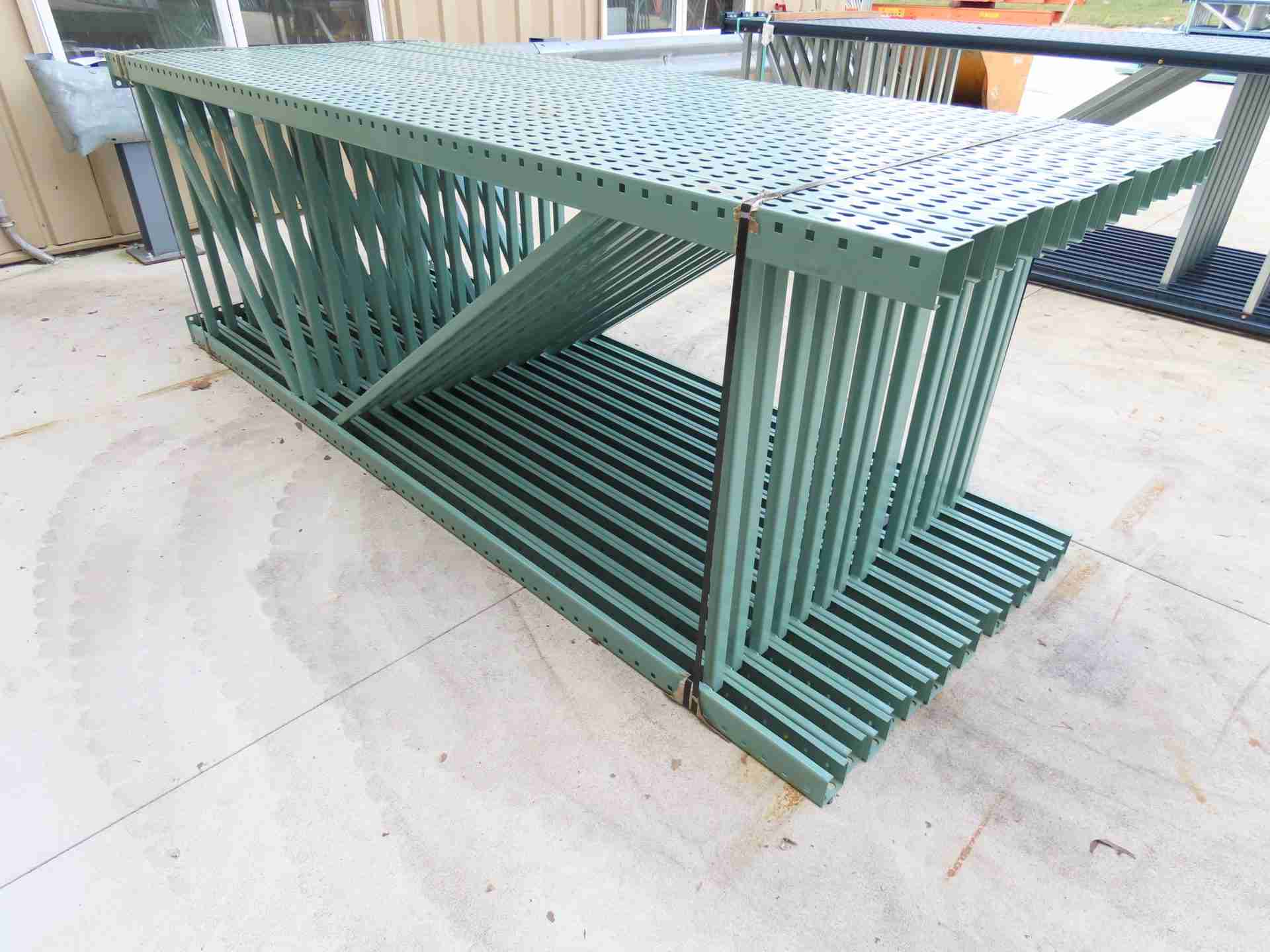
How Does Push-Back Racking Help Maximize Storage Space?
What Are The Potential Drawbacks Of Implementing Push-Back Racking?
While push-back racking systems offer numerous advantages for warehouses looking to increase storage capacity and efficiency, there are also potential drawbacks that should be considered before implementing this type of system.
One major drawback of push-back racking is the initial investment required. These systems can be more expensive to install compared to traditional pallet racking systems, as they involve specialized equipment and installation techniques. This upfront cost may deter some businesses from adopting push-back racking, especially if they are operating on a tight budget.
Additionally, push-back racking systems can be more complex to operate and maintain compared to other types of racking. The mechanisms that allow pallets to be pushed back and retrieved easily can require more frequent maintenance and upkeep to ensure they are functioning properly. This can result in increased downtime for the warehouse operation, impacting overall productivity.
Another potential drawback of push-back racking is the limited accessibility to individual pallets. While push-back systems allow for dense storage of pallets, this can also make it more difficult to access specific items quickly. For warehouses that frequently need to pick and retrieve specific products, push-back racking may not be the most efficient option.
Furthermore, there is a risk of pallets becoming jammed or stuck in a push-back racking system. If pallets are not loaded and aligned correctly, it can cause issues with the system, leading to delays in retrieving products and potential damage to the racking components. This can disrupt the flow of operations and impact overall efficiency in the warehouse.
Despite these potential drawbacks, many businesses continue to see the benefits of implementing push-back racking in their warehouses. By carefully considering both the advantages and disadvantages of this type of system, businesses can make an informed decision on whether push-back racking is the right choice for their storage needs.
While push-back racking systems offer numerous advantages for increasing storage capacity and efficiency, there are also potential drawbacks that should be taken into consideration. By weighing the costs and complexities associated with push-back racking, businesses can make an informed decision on whether this type of system is the right fit for their warehouse operation.

What Are The Potential Drawbacks Of Implementing Push-Back Racking?
What Are The Potential Drawbacks Of Implementing Push-Back Racking?
- One major drawback of push-back racking is the initial investment required.
- Push-back racking systems can be more complex to operate and maintain.
- Limited accessibility to individual pallets is another potential drawback.
- There is a risk of pallets becoming jammed or stuck in a push-back racking system.
- Despite drawbacks, many businesses still see benefits of push-back racking.
- Businesses should carefully consider advantages and disadvantages before implementing push-back racking.

What Are The Potential Drawbacks Of Implementing Push-Back Racking?
How Does Push-Back Racking Help With Inventory Management?
Push-back racking is a revolutionary storage solution that can greatly enhance inventory management for businesses of all sizes. By utilizing a system of nested carts that slide along inclined rails, push-back racking allows for multiple pallets to be stored in a single lane, maximizing storage capacity and improving organization.
One of the key benefits of push-back racking is its ability to streamline picking and restocking processes. With traditional racking systems, workers often have to navigate narrow aisles and maneuver heavy pallets in order to retrieve or replenish inventory. This can be time-consuming and labor-intensive, leading to inefficiencies in the warehouse. However, push-back racking eliminates the need for manual handling of pallets, as the carts automatically move forward as the front pallet is removed. This not only saves time and reduces the risk of injury, but also ensures that inventory is rotated properly to prevent stockouts and minimize shrinkage.
In addition to improving efficiency, push-back racking also enhances visibility and accessibility of inventory. By allowing for multiple pallets to be stored in a single lane, businesses can easily identify and retrieve specific SKUs without having to dig through multiple layers of product. This is especially beneficial for businesses with a high SKU count or fast-moving inventory, as it helps to reduce picking errors and increase order fulfillment accuracy.
Furthermore, push-back racking can help businesses adapt to changing market demands and seasonal fluctuations. With the ability to store more inventory in a smaller footprint, businesses can scale their operations more effectively and respond quickly to shifts in consumer preferences. This can be particularly advantageous in today’s volatile marketplace, where supply chain disruptions and inventory shortages are becoming increasingly common.
Overall, push-back racking is a cost-effective solution for businesses looking to optimize their warehouse operations and improve inventory management. By maximizing storage capacity, streamlining processes, and enhancing visibility, push-back racking can help businesses increase productivity, reduce costs, and ultimately drive profitability.
Push-back racking is a game-changer for businesses looking to stay ahead of the competition and navigate the challenges of today’s dynamic marketplace. With its innovative design and proven benefits, push-back racking is a must-have investment for any business serious about optimizing their warehousing operations and maximizing their bottom line.

How Does Push-Back Racking Help With Inventory Management?
How Does Push-Back Racking Help With Inventory Management?
- Push-back racking maximizes storage capacity and improves organization.
- Streamlines picking and restocking processes, eliminating manual handling of pallets.
- Enhances visibility and accessibility of inventory, reducing picking errors.
- Helps businesses adapt to changing market demands and seasonal fluctuations.
- Cost-effective solution for optimizing warehouse operations and improving inventory management.
- Increases productivity, reduces costs, and drives profitability.
- A game-changer for businesses looking to stay ahead of the competition and navigate today’s dynamic marketplace.

How Does Push-Back Racking Help With Inventory Management?
Conclusion
Get ready to revolutionize your warehouse and maximize efficiency with push-back racking from Arrow Industrial Sales! As businesses strive to stay competitive in todays fast-paced market, finding innovative solutions to optimize storage space and streamline operations is key. Push-back racking offers a game-changing storage solution that allows for high-density storage, increased picking and packing efficiency, and improved inventory management.
With the ability to store multiple pallets deep in a single lane, push-back racking maximizes storage capacity while maintaining easy access to all stored items. This makes it an ideal choice for businesses with high inventory turnover and limited space, such as food and beverage distributors, pharmaceutical companies, and manufacturing facilities. By investing in push-back racking, businesses can make the most of their warehouse space, improve operational efficiency, and ultimately boost their bottom line.
But dont wait too long to take advantage of this incredible storage solution! With the demand for efficient warehouse storage solutions on the rise, now is the perfect time to invest in push-back racking from Arrow Industrial Sales. Call us today at (574) 349-6575 for more information and to get started on enhancing your warehouse operations. Dont miss out on the opportunity to transform your warehouse into a model of efficiency and productivity with push-back racking. Call now and experience the difference for yourself!

Conclusion
Conclusion:
- Revolutionize your warehouse and maximize efficiency with push-back racking from Arrow Industrial Sales.
- Push-back racking offers high-density storage, increased picking and packing efficiency, and improved inventory management.
- Store multiple pallets deep in a single lane for maximum storage capacity and easy access.
- Ideal for businesses with high inventory turnover and limited space, such as food and beverage distributors, pharmaceutical companies, and manufacturing facilities.
- Investing in push-back racking can improve operational efficiency and boost the bottom line.
- Now is the perfect time to invest in push-back racking from Arrow Industrial Sales.
- Call (574) 349-6575 to enhance your warehouse operations and experience the difference for yourself.

Conclusion
Other Resources

Other Resources
Here is a list of other resources you can review online to learn more:
- “Push-Back Pallet Racking”
- “Push-Back Racking – Get a Quote Today”
- “Pushback Pallet Rack for the Food & Beverage Industry”
- “Maximizing Efficiency: Push-Back Racking Systems Unveiled”
- “Push-Back Pallet Rack | Last-In-First-Out Solutions System”
- “Push Back Rack | Material Handling Solutions”
- “Push Back Pallet Racking Market Size 2024 & Analysis By …”
- “Food & Beverage Application”
- “””Pallet Racking Systems”” Trends to rack your inventories in …”
- “Warehouse & Distribution Science”
- “Warehouse & Distribution Science”
- “MHI – The Industry That Makes Supply Chains Work”
- “PROJECT GUIDE”
- “filter solution warehousing – Tag”
- “Food Logistics May/June 2024”
- “Future of retail operations: Winning in a digital era”
- “Mastering Crossdocking and Warehouse Assessment”
- “Glossary of Retail Supply Chain Terms”
- “eCommerce Warehousing Archives | Page 2 of 4”

Other Resources
Glossary Terms
What Is Push-Back Racking and When Should It Be Used? – Glossary Of Terms
1. Push-Back Racking : Storage system where pallets are placed on nested carts that move along inclined rails, allowing for high-density storage and easy access.
2. Density : Refers to the compactness of the storage area, enabling more items to be stored in a smaller space.
3. Pallet : A platform used for storing and transporting goods in a stable manner, often used in push-back racking systems.
4. Nested Carts : Trolleys that sit on top of each other; when one is loaded, it pushes the others back, allowing for dense storage of pallets in the same lane.
5. Inclined Rails : Sloped tracks that allow the nested carts to move backward and forward, enabling the push-back mechanism.
6. FIFO : First In, First Out; an inventory system where older items are used before newer ones, not typically facilitated by push-back racking.
7. LIFO : Last In, First Out; an inventory system where newer items are accessed before older ones, ideal for push-back racking systems.
8. Pick Face : The front area of a storage system from which items are picked for order fulfillment.
9. Selective Racking : A racking system allowing individual access to each pallet, in contrast to the layered storage of push-back racking.
10. Double Deep Racking : A racking system that stores two pallets deep, requiring special forklifts for access. Push-back racking can serve a similar space-saving purpose but with higher density.
11. Forklift : A vehicle with a pronged device for lifting and moving goods; essential for maneuvering pallets in push-back racking systems.
12. SKU : Stock Keeping Unit; a unique identifier for each product type, managed within the storage system.
13. Inventory Turnover : A metric indicating how often inventory is sold and replaced over a period, can be optimized using efficient storage systems like push-back racking.
14. Storage Aisle : The spaces between rows of racking that allow for the movement of forklifts and retrieval of goods.
15. Operational Efficiency : The effectiveness of a warehouse or storage facility in managing and processing goods, often improved by high-density racking solutions.
16. Cube Utilization : The extent to which the vertical and horizontal space in a warehouse is maximized, highly efficient in push-back racking.
17. Retrieval Time : The time it takes to pick an item from storage, which can be influenced by the type of racking system used.
18. Load Capacity : The maximum weight that a racking system can safely hold, crucial for maintaining safe operations.
19. Gravity Flow : The natural force used in inclined rail systems to move items; central to the operation of push-back racking systems.
20. Dynamic Storage : Storage systems like push-back racking where the inventory is moved within the racking structure, enhancing flexibility and accessibility.
21. Safety Features : Elements designed to protect workers and inventory, such as pallet stops or safety bars in push-back racking systems.
22. Pallet Stops : Barriers that prevent pallets from being pushed too far back or falling out of the racking system.
23. Cart Return Mechanism : The system that ensures nested carts return to the front position when unloaded, preparing for the next loading.
24. Product Mix : Variety and assortment of products stored, affecting the choice of racking system based on density and accessibility needs.
25. Warehouse Layout : The design and organization of a warehouse, which significantly influences the type of racking system used.
26. Cold Storage : Warehouses or areas within warehousing environments that are temperature-controlled, suitable for certain types of push-back racking.
27. Peak Season : Times of the year when inventory levels and demand are highest, requiring efficient storage solutions.
28. Maintenance : Regular upkeep necessary to ensure the smooth operation of racking systems, including checking rails and carts in push-back racking.
29. Ease of Access : The level of difficulty in retrieving stored items, a factor influencing the choice of racking systems like push-back racking.
30. Installation Complexity : Refers to how difficult or time-consuming it is to set up a racking system, with push-back racking typically requiring professional installation.
When to Use Push-Back Racking
– Consider push-back racking for high-density storage needs, especially when managing a moderate number of SKUs with medium inventory turnover.
– It’s ideal for LIFO inventory management, effective in warehouses with limited space but higher volume storage requirements.
– Suited for operations needing quick and easy access to multiple pallets without extensive aisle space.

Glossary Of Terms
Other Questions
What Is Push-Back Racking and When Should It Be Used? – Other Questions
If you wish to explore and discover more, consider looking for answers to these questions:
- What are the different types of racking systems available for warehouse storage?
- What are the installation costs of push-back racking compared to other racking systems?
- How do you maintain and manage a push-back racking system?
- What are the space requirements and dimensions for installing push-back racking?
- Can push-back racking accommodate different pallet sizes and weights?
- How does push-back racking integrate with existing warehouse management systems (WMS)?
- What industries benefit the most from using push-back racking systems?
- Are there any safety concerns or regulations to consider when using push-back racking?
- What are the key differences and advantages of push-back racking over selective pallet racking?
- How does push-back racking help reduce labor costs and improve warehouse efficiency?
- What are the common challenges faced when using push-back racking, and how can they be mitigated?
- How long does it typically take to install a push-back racking system in a warehouse?
- How does push-back racking support sustainability and eco-friendly initiatives within a business?
- What should businesses consider when deciding between push-back racking and other high-density storage solutions like pallet flow or drive-in racking?
- How can push-back racking be customized to fit specific operational needs or warehouse layouts?
- What are the latest technological advancements in push-back racking systems?
- How do businesses calculate the return on investment (ROI) for implementing push-back racking?
- How does push-back racking improve the overall workflow and productivity of a warehouse?
- What are some case studies or examples of businesses that have successfully implemented push-back racking?
- How often do push-back racking systems need to be inspected and maintained?
Checklist
What Is Push-Back Racking and When Should It Be Used? – A Checklist
Push-Back Racking Implementation Checklist

Other Questions
Before Implementing Push-back Racking in Your Warehouse:
1. Assess Storage Space Needs:
_____ Measure available vertical and horizontal warehouse space.
_____ Evaluate current storage capacity and identify areas for optimization.
2. Inventory Analysis:
_____ Determine the types of products and their turnover rates.
_____ Identify products suitable for push-back racking (perishables, high-volume SKUs, seasonal items).
3. Budget Planning:
_____ Calculate the initial investment cost.
_____ Estimate long-term maintenance costs.
_____ Compare costs with other storage solutions like selective or drive-in racking.
4. Operational Requirements:
_____ Assess the need for flexibility in storage.
_____ Evaluate forklift specifications and compatibility with the push-back racking system.
_____ Check weight and size limits of pallets to ensure system compatibility.
5. Safety Considerations:
_____ Review warehouse safety protocols.
_____ Ensure proper alignment and securing mechanisms are in place.
_____ Train staff on safe use of the new system.
6. Accessibility and Efficiency:
_____ Plan for ease of access to various SKUs.
_____ Evaluate ways to improve picking and restocking processes.
7. System Configuration:
_____ Determine the number of levels and depth of lanes needed.
_____ Customize racking configuration to match inventory needs.
8. Sustainability Goals:
_____ Assess how the new system aligns with your company’s sustainability initiatives.
_____ Consider energy savings and reduced operational waste.
9. Vendor and Installation:
_____ Research and select a reliable vendor.
_____ Plan for installation with minimal disruption to current operations.
_____ Ensure vendor support for maintenance and troubleshooting.
10. Future-Proofing:
_____ Assess the scalability of the racking system for future needs.
_____ Plan for potential changes in inventory types and volumes.
Post-Implementation Steps:
1. Testing and Fine-Tuning:
_____ Test the system with a variety of products.
_____ Make any necessary adjustments to improve performance.
2. Staff Training:
_____ Conduct comprehensive training for warehouse staff.
_____ Ensure staff is familiar with loading, picking, and safety protocols.
3. Performance Monitoring:
_____ Regularly review system performance.
_____ Monitor inventory turnover rates and picking speeds.
4. Ongoing Maintenance:
_____ Schedule regular maintenance checks.
_____ Keep an eye out for wear and tear on the carts and rails.
5. Inventory Management:
_____ Implement an efficient inventory management system.
_____ Regularly review and rotate stock for optimal use of the racking system.
By following this checklist, you’ll ensure a seamless transition to push-back racking, optimizing your warehouse for better space utilization, improved efficiency, and overall cost-effectiveness.

Checklist
At RackingWorld, we help guide you through selecting warehouse storage systems and racking.
Be sure to read our other related stories at RackingWorld to learn more about warehouse storage systems.
0 Comments