
Maximizing Safety, Space, And Efficiency In Heavy Storage Solutions
By Tom Seest
At RackingWorld, we help guide you through selecting warehouse storage systems and racking.
Be sure to read our other related stories at RackingWorld to learn more about warehouse storage systems.
How Do Heavy Plate and Coil Storage Facilities Leverage Cantilever Racking?
When you step into a heavy plate and coil storage facility, what do you see? Rows upon rows of massive steel, stacked and waiting, not just for the next job, but for safe handling, quick access, and no shortcuts. That’s where cantilever racking comes into play—no fancy bells and whistles, just solid, straightforward engineering that gets the job done. Unlike pallet racking, which is great for boxes and lighter items, cantilever racks are built to carry the muscle—the long, heavy plates and coils that demand respect and careful handling.
There’s something almost comforting in the way cantilever arms hold those heavyweight coils off the ground, each arm like a careful hand supporting a load that could easily crush anything not designed for the task. It’s about trust—trust that the rack won’t buckle or bend when the pressure’s on, trust that your crew can work efficiently without wrestling with cumbersome gear. The design doesn’t just save space; it empowers workers by making handling safer, speeding up the workflow and cutting down the risk of costly damage. That, in turn, protects profits and solidifies reputations. When your storage system proves it can take the heaviest loads, it builds confidence from the floor up.
From an ethical standpoint, this isn’t just about racks and storage—it’s about employee safety and responsible management. Choosing cantilever racking means prioritizing the folks who handle these loads daily, recognizing that a well-designed facility reduces accidents and injuries. It’s common sense and respect rolling together: a workplace that looks out for its own.
The story of every plate and coil passing through the yard is a tale of hard work, sweat, and precision. No one wants to second-guess if their rack will hold up when the pressure’s on. Cantilever racking has earned its stripes by standing firm through years of tough use, much like the workers it supports. It’s the quiet backbone keeping operations moving—unassuming but indispensable.
So, if you know your steel storage needs demand more than just any solution, lean into cantilever racking. It’s the choice that says you understand the weight of your work—literally—and you respect the hands that handle it. Pallet racking has its place, but when the plates get heavy and the coils stack up, cantilever is where you find reliability, safety, and smart storage all in one.

How Do Heavy Plate and Coil Storage Facilities Leverage Cantilever Racking?
How Do Heavy Plate and Coil Storage Facilities Leverage Cantilever Racking?
- Cantilever racking is designed for heavy plates and coils, providing safe, sturdy storage unlike pallet racks meant for lighter items.
- The arms of cantilever racks securely hold heavy loads off the ground, ensuring trust in their strength under pressure.
- The design enhances worker efficiency by improving safety, speeding workflows, and reducing damage risks.
- Using cantilever racking reflects ethical responsibility, prioritizing employee safety and reducing workplace accidents.
- The racks have proven durability, reliably supporting heavy loads through years of tough use.
- Cantilever racking acts as a fundamental, dependable backbone in steel storage operations.
- It offers a reliable, safe, and efficient storage solution that respects the demands of heavy steel handling better than pallet racks.

How Do Heavy Plate and Coil Storage Facilities Leverage Cantilever Racking?
Table Of Contents
- How Do Heavy Plate and Coil Storage Facilities Leverage Cantilever Racking?
- How Does Cantilever Racking Improve Heavy Plate Storage Efficiency?
- What Safety Benefits Come From Using Cantilever Racks for Coils?
- Why Do Industry Leaders Prefer Cantilever Racking Systems?
- How Does Cantilever Design Accommodate Varying Plate and Coil Sizes?
- Can Cantilever Racks Withstand the Weight and Stress Of Heavy Coils?
- What Environmental Impacts Are Minimized Using Cantilever Racking?
- Conclusion
- Other Resources
- Glossary Of Terms
- Other Questions
- Checklist
How Does Cantilever Racking Improve Heavy Plate Storage Efficiency?
When you’re dealing with heavy plates, you quickly learn that not all storage systems are cut out for the job. Pallet racking might be the go-to for a lot of warehouse needs, but it often feels like trying to fit a square peg in a round hole when it comes to thick, bulky steel or thick slabs. Cantilever racking steps in like the reliable workhorse it is—built tough, flexible, and tailor-made to handle the kind of heavy plates that would make a standard rack groan under pressure.
Picture a busy shop floor where every minute counts and safety isn’t just a policy, it’s a lifeline. Cantilever racking offers open arms—literally—no front columns, no barriers getting in the way of forklifts or workers grabbing those heavy plates. That means no struggling, no awkward maneuvers, just straightforward loading and unloading, cutting down time and muscle strain. Your crew’s backs thank you, and the whole place runs smoother when your storage system works *with* your crew, not against them.
There’s a certain pride too in knowing your storage setup respects the weight and size of the materials you work with every day. Cantilever racking isn’t about squeezing things in; it’s about giving heavy plates the sturdy, reliable home they deserve. It’s a practical, no-nonsense solution that aligns perfectly with the ethos of getting the job done right while valuing the people who do it. That’s not just efficiency—that’s dignity in the workspace.
From a cost perspective, cantilever systems reduce damage to both materials and equipment by providing a stable platform that minimizes shifting and accidents. The smarter you are about storing heavy plates, the fewer headaches you face—and that’s cold, hard common sense. Warehouses that integrate cantilever racking see fewer scrapped materials and lower maintenance bills, and those savings stack up fast.
It’s the kind of choice that makes your whole operation look sharp. When vendors and partners drop by, they see a well-organized facility where heavy plates aren’t an afterthought but a priority. That builds trust—people notice when work is done thoughtfully, and it sets you apart in a business where reputation is mile-wide and inch-deep.
Cantilever racking is more than just steel beams; it’s peace of mind, a way to honor the hard work that goes into handling heavy plates every day. You’re not just stacking metal—you’re building a foundation for smoother workdays, safer teams, and a leaner, smarter operation. That’s heavy plate storage done right.
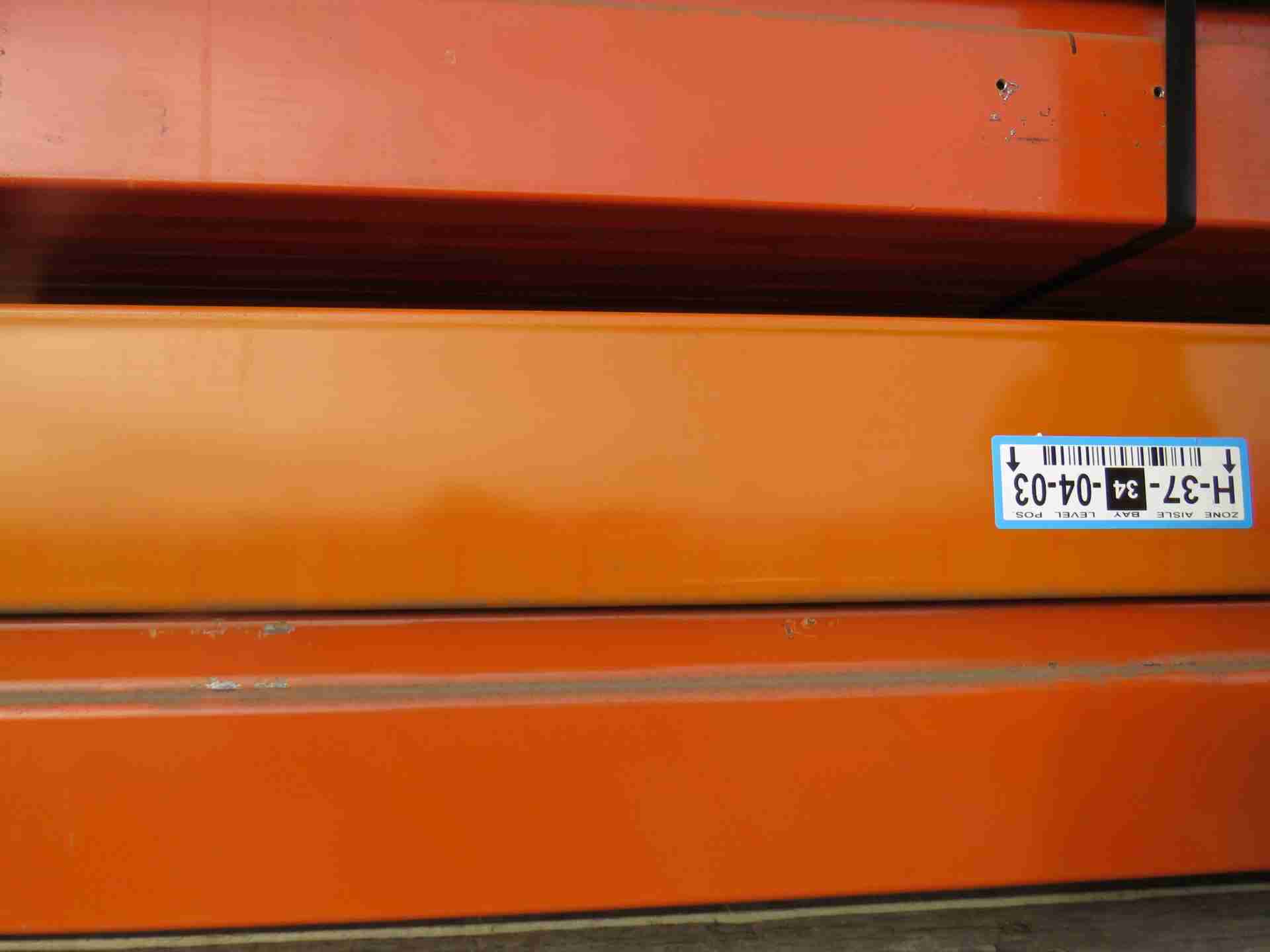
How Does Cantilever Racking Improve Heavy Plate Storage Efficiency?
How Does Cantilever Racking Improve Heavy Plate Storage Efficiency?
- Cantilever racking is specifically designed to handle heavy, bulky steel plates better than standard pallet racking.
- Open-front design eliminates barriers for forklifts and workers, enabling easier and safer loading and unloading.
- Provides a sturdy, reliable storage solution that respects the weight and size of heavy materials.
- Reduces damage to materials and equipment by minimizing shifting and accidents, lowering maintenance costs.
- Improves operational efficiency by saving time and reducing physical strain on workers.
- Enhances facility appearance and professionalism, building trust with vendors and partners.
- Offers peace of mind by creating a safer, smoother work environment and supporting smarter, leaner operations.
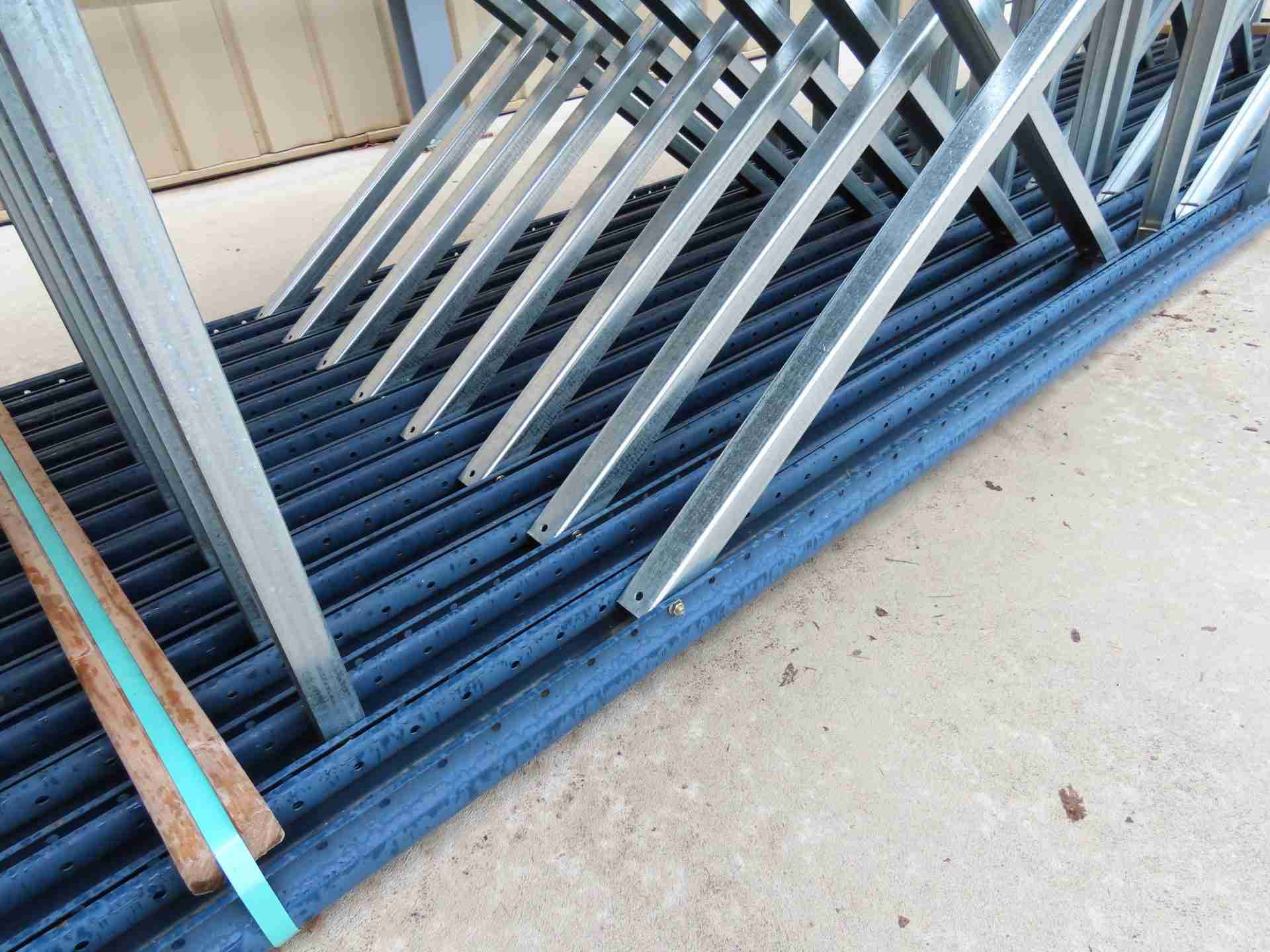
How Does Cantilever Racking Improve Heavy Plate Storage Efficiency?
What Safety Benefits Come From Using Cantilever Racks for Coils?
When you’re stacking heavy coils day in and day out, safety isn’t just a box to check – it’s the lifeline that keeps every hard-working soul on the floor coming home in one piece. You’ve seen it before: a stack shifted just wrong, a coil teetering like a loose tooth, and suddenly it spells danger for folks nearby. That’s where cantilever racks step up, making safety a straightforward, no-nonsense promise.
Unlike traditional pallet racking, cantilever racks are designed with arms that stick out, leaving the front completely open. This open design isn’t just for ease; it’s a smart way to store those bulky, heavy coils securely without cramming or squeezing. No more wrestling with boxes or unsteady piles. When coils have a dedicated, stable home, the chances of a mishap drop faster than you can say “accident waitin’ to happen.” That means fewer strained backs, fewer near-misses, and fewer hearts sunk every time the forklift backs up.
You can trust the rigged steel arms on a cantilever rack to hold their ground. These racks aren’t some flimsy frames; they’re built solid for the specific ups and downs of coil storage. The strength and sturdiness translate directly into safer workplaces, where supervisors can leave the safety talks to focus on moving product, knowing the racks won’t be the weak link.
From an ethical standpoint, putting your crew’s safety front and center with cantilever storage is the right call. It’s like rolling up your sleeves and saying, “We care enough to do this job right.” It means less worry about injuries, less downtime, and fewer medical claims eating up your hard-earned cash. More importantly, it shows every worker that their well-being is valued on the floor, building trust one safe lift at a time.
There’s a story common in shops using these racks: bosses note the reduced accidents, workers feel the difference in their day-to-day, and everyone gains confidence without the usual edge of “what if something falls.” It’s this dependable peace of mind that keeps the team tight and the work steady.
So when it comes to choosing between pallet racking and cantilever racks, think beyond just space—it’s about safeguarding lives and livelihoods. Using cantilever racks for coils means you’re not cutting corners; you’re investing in a system designed to keep coils in place and your crew out of harm’s way. That’s common sense, plain and simple, built right into your operation.

What Safety Benefits Come From Using Cantilever Racks for Coils?
What Safety Benefits Come From Using Cantilever Racks for Coils?
- Cantilever racks improve safety by securely holding heavy coils, preventing dangerous shifts and accidents.
- The open-front design of cantilever racks allows for easy, stable storage of bulky coils without squeezing or stacking hazards.
- Rigid steel arms provide strong, durable support tailored for coil storage, enhancing workplace safety.
- Using cantilever racks demonstrates ethical responsibility by prioritizing worker safety and reducing injury risks.
- Fewer accidents and injuries lead to less downtime, fewer medical claims, and increased workforce trust.
- Workers and supervisors gain confidence from the reliability of cantilever racks, creating a steadier work environment.
- Choosing cantilever racks is an investment in safeguarding lives and productivity, not just optimizing storage space.
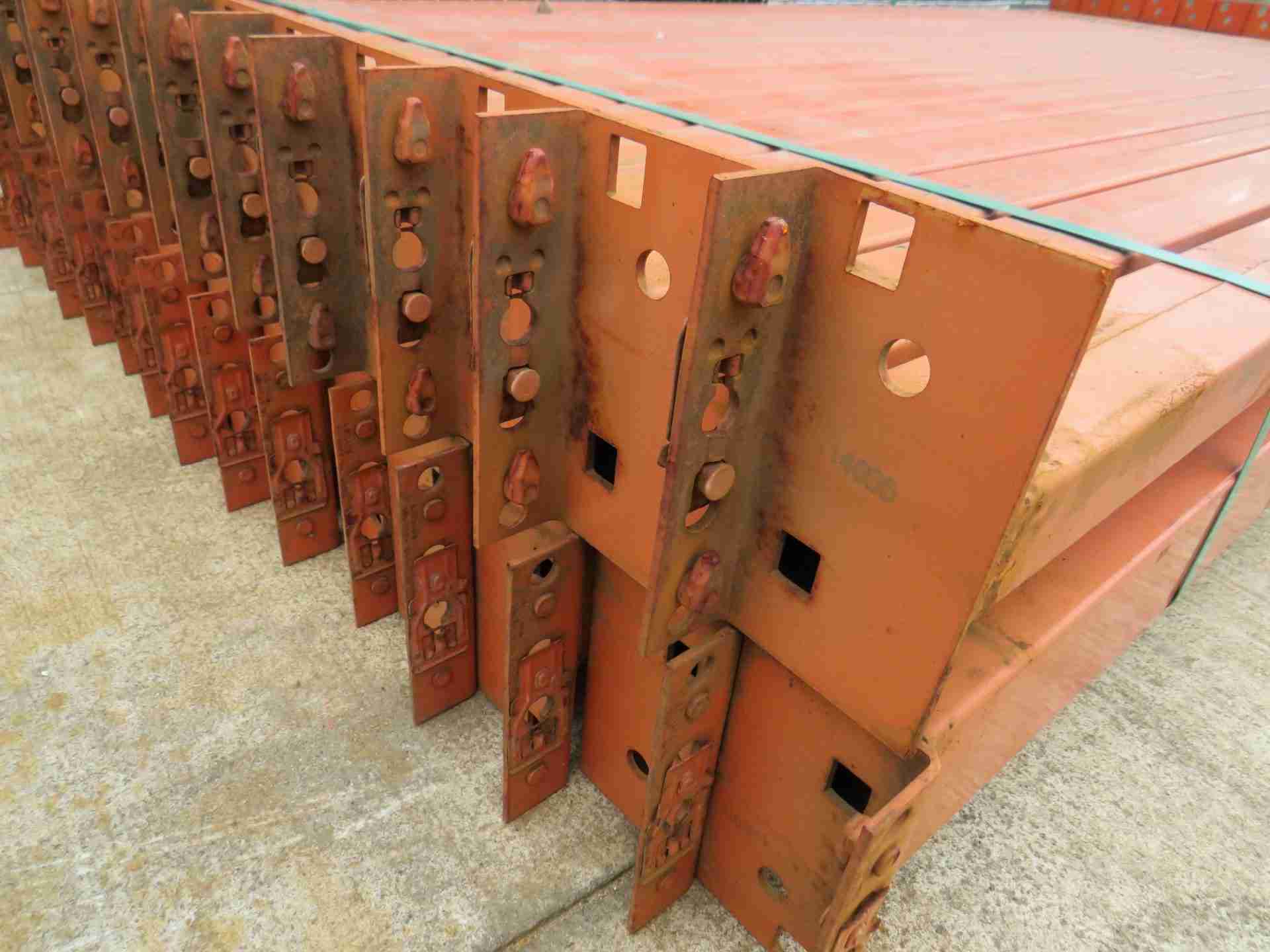
What Safety Benefits Come From Using Cantilever Racks for Coils?
Why Do Industry Leaders Prefer Cantilever Racking Systems?
When it comes to organizing heavy, awkward, or long materials, industry leaders don’t just guess—they rely on cantilever racking systems for a reason. These aren’t just fancy shelves; they’re the backbone of many warehouses and workshops where real work gets done. You know that feeling when you’re wrestling with a bulky piece of material that just won’t fit in the usual pallet racking? Cantilever racks step in there like a straightforward solution, ready to handle lengths and weights without fuss.
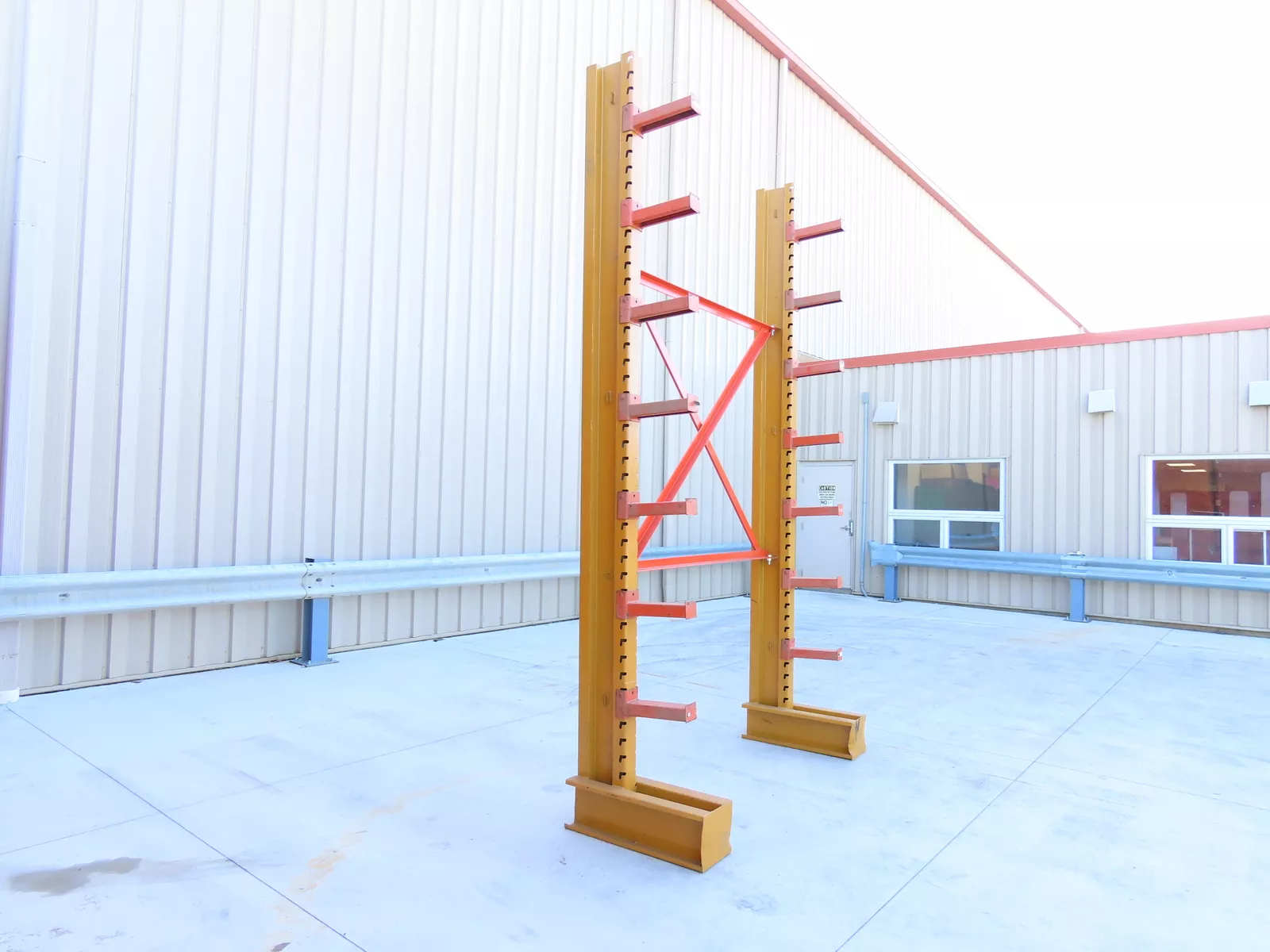
Pallet racking has its place, no doubt. It’s great for boxes and pallets stacked neat and square. But when you’re dealing with lumber, pipes, or steel bars—the kind of inventory that sticks out or defies the normal boxes—cantilever systems shine. They’re built with arms that reach out, holding those one-of-a-kind shapes without bending, breaking, or causing you a headache. This isn’t about having the fanciest setup; it’s about practical muscle that doesn’t quit on you.
There’s an ethical side to it, too. Safety matters, and cantilever racking systems keep things secure and accessible. Nobody wants to risk an injury just to fetch the materials they need. Industry leaders recognize that by investing in these racks, they’re not only protecting their workforce but also creating a smoother, more reliable workflow. It shows respect for the people who keep operations running—nothing fancy, just doing right by the job and the folks doing it.
Trust builds fast when the rack holds steady under pressure, day in and day out. It’s the kind of trust that comes from hands-on proof, not slick sales pitches. When a system can handle heavy loads, adapt to weird shapes, and still let you grab what you need without hassle, it earns its spot in the warehouse. That confidence translates into saving time, reducing wasted space, and cutting down on downtime. Leaders don’t waste time with systems that fumble—they want the ones that work, plain and simple.
Behind every smoothly run site is a lineup of equipment that just gets it done. Cantilever racking is a tried and true ally in that lineup, winning respect because it meets the real-world demands head-on. Pallet racking is part of the picture, sure, but when it’s time for strength, flexibility, and common-sense design, these racks come out on top. That’s why the pros choose them—because in the end, it’s about doing the job right, safely, and without fuss.
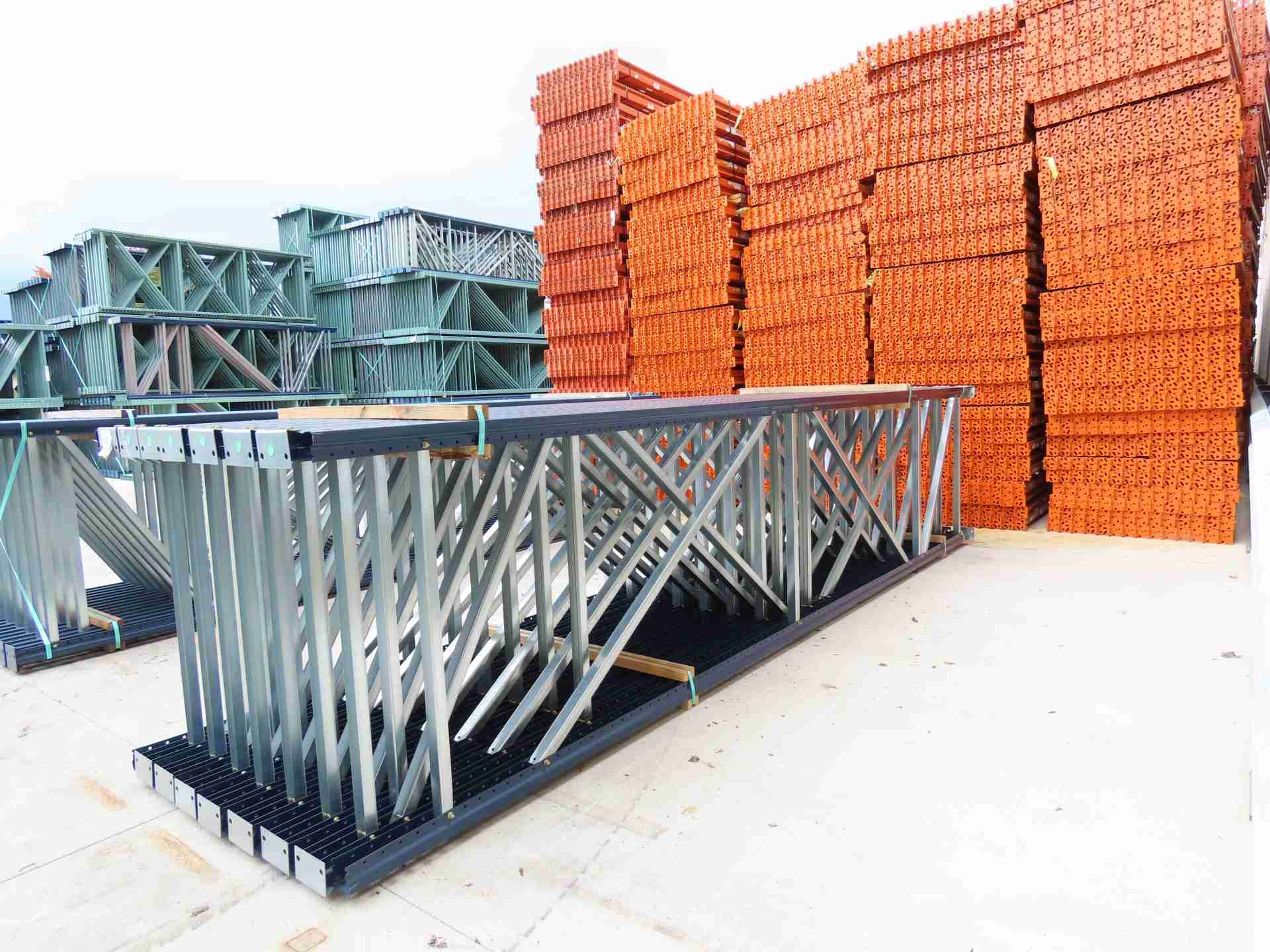
Why Do Industry Leaders Prefer Cantilever Racking Systems?
Why Do Industry Leaders Prefer Cantilever Racking Systems?
- Cantilever racking systems are essential for organizing heavy, awkward, or long materials in warehouses and workshops.
- Unlike pallet racking, cantilever racks handle lumber, pipes, and steel bars that don’t fit standard boxes or pallets.
- These racks feature arms designed to hold unusual shapes securely without bending or breaking.
- Safety is a key benefit, protecting workers and promoting a smoother, more reliable workflow.
- Trust in cantilever racks comes from their proven ability to hold heavy loads and adapt to various shapes consistently.
- Using cantilever racking saves time, reduces wasted space, and minimizes downtime in operations.
- Cantilever racks are chosen for their strength, flexibility, and practical design, making them a preferred solution over pallet racking for certain materials.
Why Do Industry Leaders Prefer Cantilever Racking Systems?
How Does Cantilever Design Accommodate Varying Plate and Coil Sizes?
When you step onto a shop floor or a warehouse packed tight with all kinds of heavy goods, the last thing you want is a storage system that can’t keep up. Pallet racking does its job, but when you’re dealing with oddball shapes like coils and plates that don’t fit the regular mold, cantilever design steps in like the trusty workhorse it is. These racks don’t just hold weight; they adapt, flex, and stand firm with the kind of no-nonsense reliability every tradesperson respects.
Cantilever racks are built around a simple, honest idea: arms sticking out from a single upright, ready to catch the weight no matter the shape or size. Unlike your typical pallet racking, where boxes sit on fixed beams, cantilever arms let you slide those big steel plates or coils in and out without a fuss. This design suits a range that’s as wide as your workday challenges, from narrow strips to hefty coils weighing thousands of pounds. The flexibility isn’t some fancy gadgetry—it’s basic engineering combined with a deep understanding of what a warehouse actually needs. That hands-on practicality is what makes it trustworthy.
Adjustability is the name of the game here. You can swap out or reposition those arms up and down the upright, tweaking the height and reach to match whatever item’s coming through the door. This isn’t just about convenience—it’s about safety and efficiency. When plates or coils are secure and well supported, the risk of accidents drops, workers are less worn down by manual shuffling, and productivity ticks upward. It makes sense: saving time and effort while protecting your crew is the kind of win you don’t easily overlook.
There’s an ethical backbone too. Warehouses and workshops handle valuable, often dangerous stock. Cantilever racks help respect that by providing stable, dependable storage that treats materials—and people—with the care they deserve. It’s not glamorized, but it’s essential. This design honors the reality of the job: heavy, awkward loads that need a storage solution as tough and adaptive as the folks on the floor.
At the end of the day, cantilever racks are more than steel and bolts—they’re partners in the daily grind. They accommodate varying plate and coil sizes smartly, so your operation hums along without unnecessary stops or breakages. That’s the kind of practical support that earns trust, boosts confidence, and simply gets the job done right.

How Does Cantilever Design Accommodate Varying Plate and Coil Sizes?
How Does Cantilever Design Accommodate Varying Plate and Coil Sizes?
- Cantilever racks provide adaptive and reliable storage for heavy, irregularly shaped goods like coils and plates that standard pallet racking cannot accommodate.
- Designed with arms extending from a single upright, cantilever racks allow easy sliding of bulky items without obstruction.
- The design supports a wide range of sizes, from narrow strips to heavy coils weighing thousands of pounds.
- Adjustable arms can be repositioned vertically to match the dimensions of incoming items, enhancing safety and efficiency.
- Secure support reduces accident risk, minimizes manual handling strain, and increases workplace productivity.
- Cantilever racks provide stable, dependable storage, respectfully handling valuable and potentially hazardous materials.
- They function as practical partners in daily operations, accommodating diverse loads to ensure smooth, uninterrupted workflow.
How Does Cantilever Design Accommodate Varying Plate and Coil Sizes?
Can Cantilever Racks Withstand the Weight and Stress Of Heavy Coils?
When it comes to handling heavy coils, you don’t want to be left wondering if your storage system will hold up or fold under pressure. Cantilever racks, by design, are a workhorse in the warehouse world, built to carry long, bulky loads that don’t fit on traditional pallet racking. They’re like that dependable old truck in the yard—nothing flashy, but they get the job done day in and day out without complaint.
Heavy coils aren’t just heavy; they’re unforgiving. Their weight and awkward shape can turn lesser racks into a twisted heap. Here’s where cantilever racks earn their stripes. They’re engineered specifically to support the uneven stress those coils dish out, with arms that reach out like strong arms to cradle each load securely. It’s not guesswork—it’s physics and smart engineering, tested and proven under tough conditions where everything is on the line.
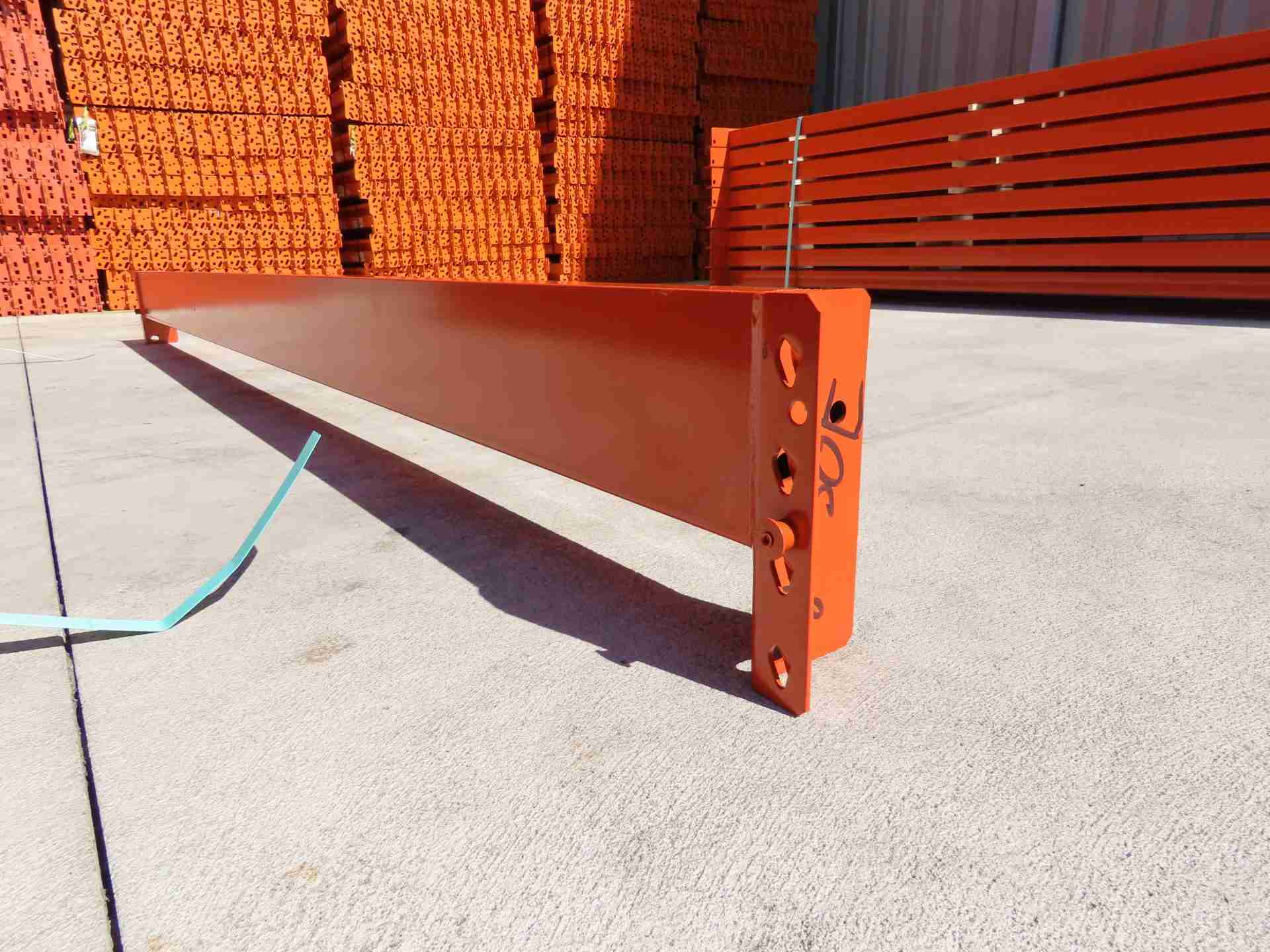
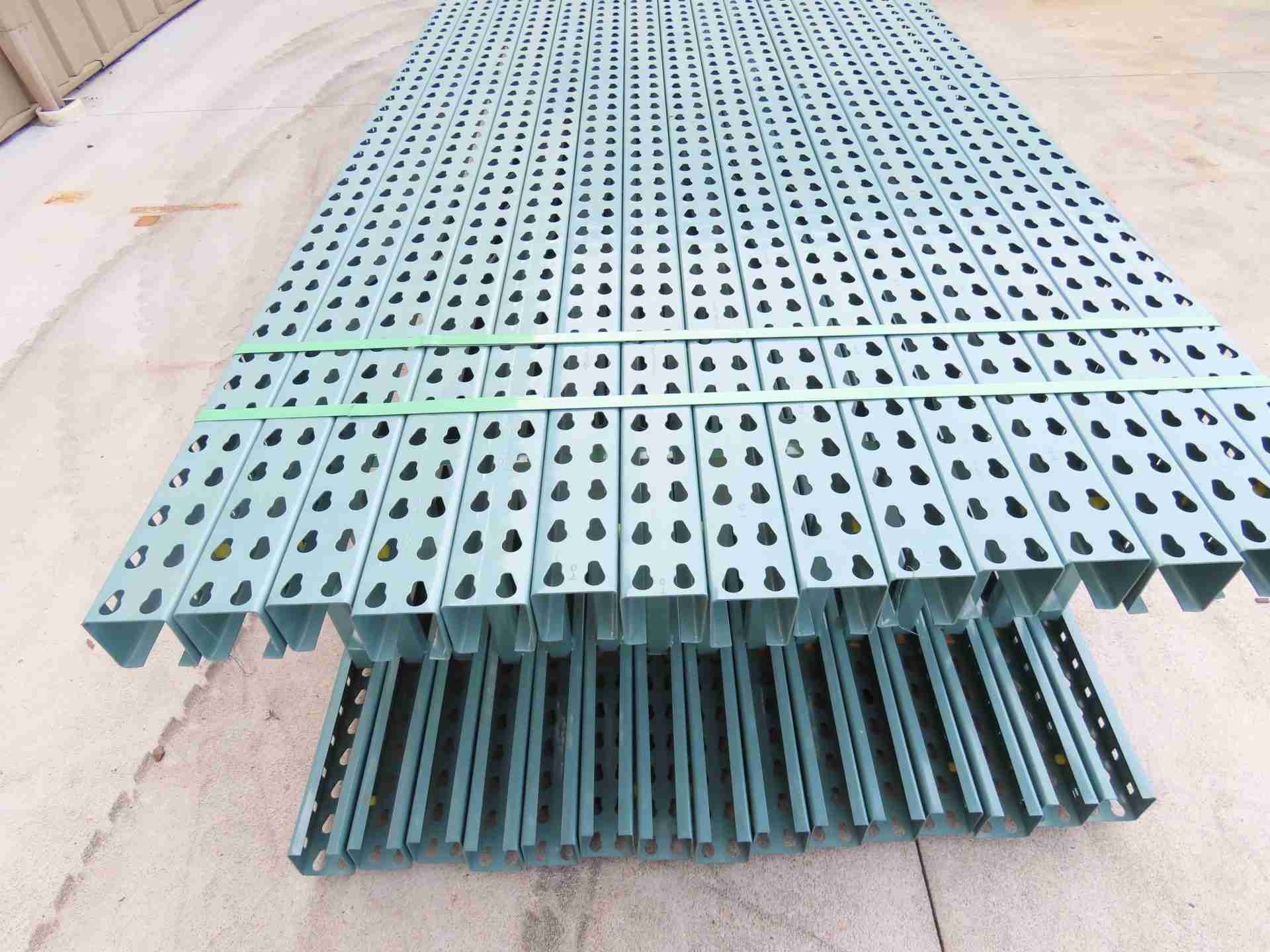
From the ground up, a well-built cantilever rack considers the realities of your operation—the weight of each coil, the frequency of loading and unloading, and how the stress concentrates at certain points. This isn’t just a rack; it’s a partner in your workflow. Built from thick steel, anchored firmly, and designed with adjustable arms, cantilever racks adapt to your needs, knowing that every coil is a promise you need to keep—to customers, to schedules, to the pride in a job well done.
On the shop floor, trust is earned in silence. When you stack your coils on a cantilever rack and walk away confident that the setup won’t fail you, that’s where trust lives. It’s not about flashy specs; it’s about real-world reliability that saves time, protects your investment, and keeps your team safe. And when the boss knows the gear can take the heat, the whole crew feels it—that quiet relief and resolve that comes from knowing the job is in good hands.
You need a storage system that stands up under genuine strain, like pallet racking but tailored for coils that defy standard stacking. Cantilever racks do more than hold weight; they hold your trust, hard-earned from solid, hands-on experience. When your operation depends on it, that’s worth its weight in steel.
Can Cantilever Racks Withstand the Weight and Stress Of Heavy Coils?
Can Cantilever Racks Withstand the Weight and Stress Of Heavy Coils?
- Cantilever racks are designed to handle long, bulky loads like heavy coils that do not fit on traditional pallet racks.
- Heavy coils exert uneven stress and weight that can damage lesser racks; cantilever racks are engineered specifically to support these demands.
- Constructed from thick steel with adjustable arms, cantilever racks adapt to operational needs and provide secure load support.
- These racks consider factors such as coil weight, loading frequency, and stress concentration for durability and reliability.
- Cantilever racks offer real-world reliability, protecting investments, saving time, and ensuring team safety.
- They build trust on the shop floor by consistently performing under pressure without failure.
- Cantilever racks are a specialized storage solution that holds weight and trust, essential for operations relying on secure coil handling.
Can Cantilever Racks Withstand the Weight and Stress Of Heavy Coils?
What Environmental Impacts Are Minimized Using Cantilever Racking?
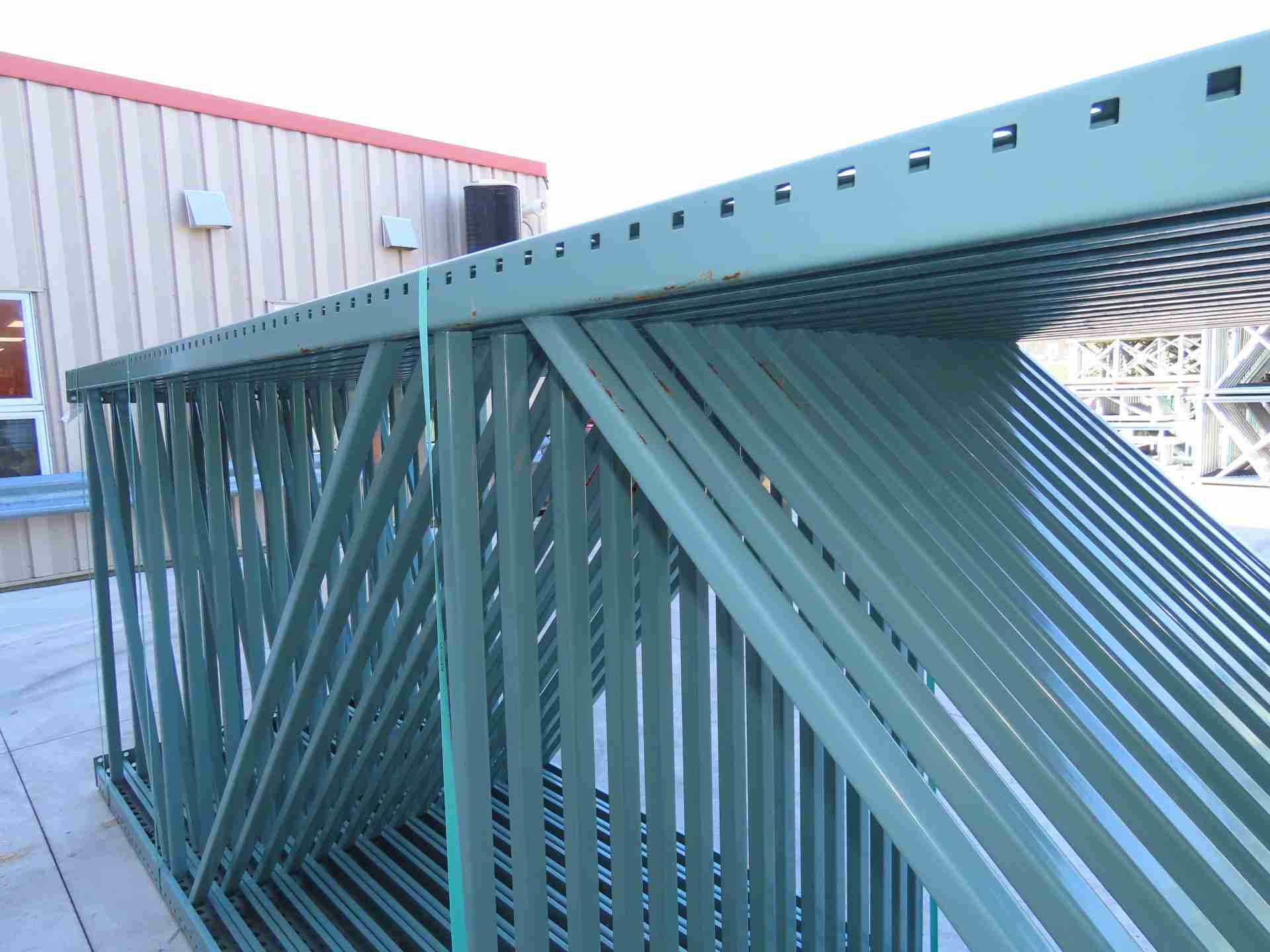
When you think about the way we store and stack things, it might not strike you as an environmental issue right off the bat. But that’s where cantilever racking steps in and quietly does its part. Unlike traditional pallet racking, which usually gobbles up a lot of space and materials, cantilever racking uses an open, straightforward design. This means you get more storage using less steel, less wood, and fewer resources overall. That’s a win not just for your budget but for the planet too.
Here’s the honest truth: factories, warehouses, and workshops run on efficiency—both in how they handle goods and how they handle the Earth. Cantilever racking helps minimize the environmental footprint by cutting down the raw materials needed for racking systems. Less steel means less mining and less energy spent on production. It’s like plugging a leak in a system you didn’t realize was wasting so much. When you reduce these demands, you’re easing the stress on natural resources, and that ripple effect benefits everyone.
It’s not just about saving resources, either. The simpler setup means assembling and adjusting racking takes less time and energy. This cuts down on the machinery run-time and the fuel burnt while workers wrangle parts into place. Over years, those small savings add up to significantly less carbon released into the air. For anyone who’s seen the haze hanging over industrial districts or knows what it’s like to breathe clean air, that difference is real and worth striving for.
Put yourself in the shoes of folks on the ground—whether they’re stacking lumber, steel pipes, or oddly shaped bulky items. Pallet racking is a go-to, sure, but it’s the cantilever style that’s often the unsung hero when it comes to handling those tricky loads without wasting space or material. By making better use of vertical and horizontal space, you’re cutting down waste, shipping needs, and the warehouse footprint. That’s a nod to smart, responsible use of land and resources, which respects communities nearby and the people who live there.
There’s a bigger ethical story here. When companies choose smarter storage solutions like cantilever racking, they’re acknowledging their role as stewards. It’s about responsibility: toward their staff, customers, and the world they share. Doing business with this kind of care builds trust—trust that what’s inside those walls isn’t just about profits, but about doing right by the planet and the folks who come after us.
It’s practical, it’s smart, and yes, it’s the kind of common-sense approach that earns respect. So, the next time you hear “pallet racking,” remember the underdog that’s quietly cutting waste, saving resources, and helping us tread a little lighter on this Earth. That’s cantilever racking doing its bit, right where it counts.
What Environmental Impacts Are Minimized Using Cantilever Racking?
What Environmental Impacts Are Minimized Using Cantilever Racking?
- Cantilever racking uses an open design that requires less steel, wood, and resources than traditional pallet racking, benefiting both budgets and the environment.
- It reduces the environmental footprint by minimizing raw material use, leading to less mining and energy consumption.
- Simpler assembly and adjustment save time, energy, fuel, and reduce carbon emissions over time.
- Cantilever racking efficiently handles bulky, irregularly shaped items, optimizing vertical and horizontal storage space.
- This system decreases waste, lowers shipping demands, and reduces warehouse footprint, promoting responsible land and resource use.
- Choosing cantilever racking reflects ethical responsibility towards workers, customers, and the planet, fostering trust and stewardship.
- It represents a practical, smart, and respectful approach to storage that helps reduce environmental impact quietly but effectively.

What Environmental Impacts Are Minimized Using Cantilever Racking?
Conclusion
When it comes to handling heavy plates and coils, cantilever racking is the unsung workhorse that stands tall where others fall short. It’s simple, tough, and built for the real deal—the big, bulky steel that doesn’t play nice with standard pallet racks. This isn’t about flash or gimmicks; it’s about solid engineering that respects both the weight on the arms and the backs of the workers who wrestle these loads every day. Cantilever racks hold those heavy goods like a steady hand, giving crews the confidence to move fast without fearing that the whole thing might fold under pressure.
Safety isn’t just a buzzword here, it’s the backbone of every choice. By leaving the front open and sturdy, cantilever racking makes loading and unloading easier and safer, cutting down on the muscle strain and mishaps that come with fighting the wrong storage system. The payoff isn’t just fewer accidents—it’s a workplace that cares enough to put crew welfare first, guaranteeing that folks get home in one piece. That’s respect in action, the kind you don’t find in hollow promises or glossy brochures, but in the lived experience of a smooth, secure operation.
Cantilever racking also makes smart use of space and resources. Its design isn’t about cramming everything in but about working with the shape and size of materials to maximize efficiency without beating up your stock or your budget. It’s a practical solution that shrinks waste, cuts damage, and saves time—because when your system works with you, profits follow. And beyond the numbers, this approach sends a clear message to vendors and partners: you’re running your yard right. Trust isn’t bought. It’s built in, beam by beam.
What’s more, these racks bend to the will of the job with adjustable arms that handle everything from narrow plates to massive coils. They’re engineered not just to bear the weight but to endure the strain, cradle the awkward shapes, and keep the whole operation humming safely and steadily, day in and day out. This isn’t some fancy gadgetry—it’s straightforward, no-nonsense strength, a quiet partner in the daily grind, earning trust through reliability, not sales pitches.
On the ethical front, choosing cantilever storage is a commitment to doing right by workers and the planet alike. Using less steel and minimizing waste, these racks cut down resource use and shrink the environmental footprint of your facility. It’s a common-sense, responsible approach that respects the future as much as the present. When your storage system reflects care for safety, efficiency, and sustainability, it shows that running a good business means more than just the bottom line—it means looking out for people and the world they live in.
At the end of the day, cantilever racking isn’t just racks holding steel; it’s a foundation of trust, safety, and common sense that keeps heavy plate and coil storage moving forward. It’s where strength meets smarts, and care meets grit—the no-nonsense choice for those who know the weight of the work and the value of the hands doing it.

Conclusion
Conclusion:
- Cantilever racking is designed to handle heavy plates and coils, providing a tough, reliable alternative to standard pallet racks.
- Its open, sturdy front design enhances safety by making loading and unloading easier, reducing muscle strain and accidents.
- The system maximizes space and resource efficiency by accommodating various shapes and sizes without damaging stock or overspending.
- Adjustable arms allow the racks to handle a range of materials, from narrow plates to large coils, ensuring durability and stability.
- Cantilever racks prioritize worker welfare and operational reliability through solid engineering and everyday practicality.
- Choosing cantilever storage supports environmental responsibility by using less steel and minimizing waste.
- The racks embody trust, safety, and common sense, making them a practical, long-term solution for heavy steel storage needs.
Conclusion
Other Resources

Other Resources
Here is a list of other resources you can review online to learn more:
- Rack Manufacturers Institute
- Cantilever Racking Specialists – Get the Right Racks
- Logic Material Handling
- Pallet Racking 101: A Comprehensive Guide & Options Explained
- Selective Racking
- Bradford Systems
- Warehouse Automation
- Rack Manufacturers Institute
- Selective Rack – Raymond West
- Pallet Racking systems in Illinois and Great Lakes
- Teardrop Pallet Rack – Ridg-U-Rak
- Used Teardrop Pallet Rack – American Surplus
- Teardrop Racks – Pallet Rack World
- NSC
- IIWS Inc. Rack Installation Illinois & Rack Repairs Illinois
- What is Cantilever Racking? – AK Material Handling Systems
- Selective Racking
- The Ultimate Pallet Racking Guide – Speedrack West
- Cantilever Rack Guide: Ordering Cantilever Racking
- RMI
Use This Prompt To Get More Resources With Your Favorite Online AI Tool: Please provide me with a list of online articles with their URLs in a bulleted list that I can read regarding How Do Heavy Plate and Coil Storage Facilities Leverage Cantilever Racking?

Other Resources
Glossary Terms
How Do Heavy Plate and Coil Storage Facilities Leverage Cantilever Racking? – Glossary Of Terms
1. Cantilever Racking: A storage system using horizontal arms extending from vertical columns to hold long, bulky materials without front columns.
2. Heavy Plate: Thick sheets of metal used in construction, manufacturing, or industrial applications.
3. Coil Storage: The method of storing rolled metal coils securely in an organized fashion.
4. Vertical Columns: Upright supports in cantilever racks that bear the load of stored materials.
5. Horizontal Arms: Projecting supports attached to vertical columns that hold the stored heavy plates or coils.
6. Load Capacity: The maximum weight that a cantilever rack can safely support.
7. Accessibility: Ease of reaching stored materials in a storage system.
8. Space Optimization: Efficient use of storage area to maximize capacity.
9. Industrial Storage: Storage solutions designed for heavy-duty and large-sized materials.
10. Material Handling: The process of moving, storing, and controlling materials throughout manufacturing or storage areas.
11. Structural Steel: Steel components used to construct cantilever racks and storage infrastructure.
12. Adjustable Arms: Arms on cantilever racks that can be repositioned to accommodate different load sizes.
13. Shelf Life: Duration materials remain stored before use or processing.
14. Warehouse Efficiency: Improvement in storage and retrieval processes in a warehouse setting.
15. Load Distribution: Even spreading of weight across the cantilever rack to prevent structural strain.
16. Long-Length Materials: Items such as pipes, beams, or plates that require extended storage space.
17. Forklift Access: The ability for forklifts to reach and handle materials in storage racks.
18. Inventory Management: Tracking and organizing stored materials for operational efficiency.
19. Safety Clearance: Required space around racks to prevent accidents during material handling.
20. Corrosion Protection: Measures to prevent rust or degradation of stored metal plates or coils.
21. Modular Design: Racking systems designed for flexible assembly and scalability.
22. Load Stability: Resistance of stored items to shifting or falling during storage or retrieval.
23. Heavy-Duty Racking: Storage racks engineered to support very heavy or dense materials.
24. Pallet Storage: Storage of materials stacked on pallets, sometimes integrated with cantilever racks.
25. Material Toxicity: Consideration of harmful properties of stored materials affecting storage methods.
26. Automated Storage Systems: Storage systems using robotics or automation to handle materials.
27. Load Identification: Labeling and recording of the contents and weight of stored items.
28. Structural Integrity: The ability of the racking system to maintain strength under load.
29. Bay: A single storage section or unit within a cantilever racking system.
30. Inventory Turnover: The rate at which stored materials are used and replaced in a warehouse.
Glossary Of Terms
Other Questions
How Do Heavy Plate and Coil Storage Facilities Leverage Cantilever Racking? – Other Questions
If you wish to explore and discover more, consider looking for answers to these questions:
- What are the maximum load capacities per arm and per column for cantilever racking used with heavy plates and coils?
- How do you calculate required rack capacity based on coil diameter, width, and weight?
- What design standards and building codes apply to cantilever racking for heavy materials?
- What anchoring and foundation requirements are needed for heavy coil and plate racks?
- How do cantilever racks perform under dynamic loads from forklifts and handling equipment?
- What seismic or wind bracing is required in areas with earthquake or high-wind risk?
- How often should cantilever racks be inspected and what is a recommended inspection checklist?
- What are common signs of rack fatigue, corrosion, or structural damage to watch for?
- What maintenance and repair procedures are recommended for extending rack life?
- How do you choose between single-sided and double-sided cantilever configurations?
- What options exist for storing coils vertically versus horizontally and when is each preferred?
- What coil cradles, saddles, or protective fixtures are recommended to prevent coil shifting and edge damage?
- How do you secure coils to cantilever arms to prevent rolling or shifting during storage?
- What forklift attachments and handling equipment are compatible with cantilever-stored coils and plates?
- How does cantilever racking integrate with automated retrieval systems or warehouse management systems?
- What are typical lead times, installation timeframes, and site preparation steps for new cantilever systems?
- How do floor load limits and warehouse layout influence cantilever rack design and placement?
- What are the cost differences (initial and lifecycle) between cantilever racking and alternative systems like pallet racking or vertical storage?
- How do manufacturers certify or test cantilever racks for heavy coil use?
- What warranties and liability protections should buyers expect from suppliers?
- How can cantilever racking be modified or expanded as storage needs change?
- What safety accessories (end stops, column guards, arm protectors) are essential for heavy storage?
- What training and operator qualifications are required to safely load, unload, and manage cantilever-stored coils?
- How does cantilever racking affect emergency response and evacuation plans in a facility?
- What are best practices for labeling, inventory control, and stock rotation with cantilever storage?
- How does environmental exposure (humidity, salt air, chemicals, temperature extremes) affect rack material choice and coatings?
- What corrosion protection options (galvanizing, powder coat, specialized paints) are recommended for outdoor or corrosive environments?
- Can cantilever racking be used outdoors and what weatherproofing or drainage considerations are needed?
- What are the environmental and sustainability trade-offs of cantilever racking compared with other storage systems?
- How is ROI typically calculated for investing in cantilever racking (including reduced damage, faster handling, and space savings)?
- What insurance implications or premium changes can result from upgrading to engineered cantilever systems?
- How do you plan aisle widths and traffic flow to optimize safe access to cantilever-stored materials?
- What are common retrofit strategies for converting pallet racking areas to cantilever storage?
- What monitoring or sensor technologies (load cells, tilt sensors, IoT) exist to detect overloading or damage in real time?
- How should cantilever racking be documented in facility safety programs, risk assessments, and SOPs?

Other Questions
Checklist
How Do Heavy Plate and Coil Storage Facilities Leverage Cantilever Racking? – A Checklist
Pre-Design Assessment
✅______ Catalog all SKUs: plate thicknesses and widths/lengths; coil OD/ID, widths, weights
✅______ Define maximum unit weight, average weight, and stacking patterns per SKU
✅______ Confirm throughput needs: picks per day, peak loads, dwell time
✅______ Determine handling methods: forks, coil rams, C-hooks, plate clamps, magnets
✅______ Identify special conditions: outdoor use, corrosion, temperature, contamination
Rack Design and Specification
✅______ Select single- or double-sided frames based on access and footprint
✅______ Specify column spacing and arm length to fully support the load footprint
✅______ Verify rated capacity per arm, per column, and per bay exceeds worst-case loads
✅______ Choose arm type: straight or inclined; with lips or stops; saddles or cradles for coils
✅______ Set vertical arm pitch to suit load heights and equipment clearance
✅______ Include end stops, dividers, or V-saddles for coil restraint where needed
✅______ Confirm deflection and stability within manufacturer limits under full load
✅______ Select finish appropriate to the environment (paint or galvanized)
Floor and Building Readiness
✅______ Verify slab thickness, reinforcement, and load capacity with engineering review
✅______ Confirm anchorage pattern and embedment per manufacturer or engineer
✅______ Check building clear heights, obstructions, doors, and column interferences
✅______ Review seismic and wind requirements and obtain engineering sign-off if applicable
✅______ Ensure fire protection clearances and sprinkler considerations are met
Aisle Layout and Equipment Interface
✅______ Set aisle widths for chosen equipment, turning radius, and load size
✅______ Define loading and unloading sides and travel paths to minimize cross-traffic
✅______ Add floor guide angles or rails if required for narrow-aisle operation
✅______ Provide column and base guards and end-of-aisle protection
✅______ Validate visibility and lighting at all rack faces and pick levels
Load Configuration: Plates
✅______ Use dunnage of uniform height and adequate strength on arms
✅______ Ensure plate edges are fully supported without overhang beyond arm limits
✅______ Standardize bundle sizes and banding to match arm spacing
✅______ Establish safe stacking heights and tier counts per level
Load Configuration: Coils
✅______ Match coil ID handling to equipment (ram or hook) and rack arm geometry
✅______ Use V-saddles or cradles, or contoured arm caps, to prevent rolling
✅______ Install mechanical stops or pins where coil movement is possible
✅______ Define maximum coils per arm and per level by size and weight class
Identification and Controls
✅______ Post load plaques showing arm, level, and bay capacities and design limits
✅______ Label aisles, bays, and levels for fast identification and inventory control
✅______ Color-code arms and levels by permissible load class where helpful
✅______ Implement barcode or RFID locations for traceability
Operations and SOPs
✅______ Document loading sequence to avoid point overloads and uneven frames
✅______ Define safe travel speeds, lift heights, and staging zones
✅______ Establish coil and plate handling SOPs specific to attachments used
✅______ Keep aisles and rack bases free of debris and loose dunnage
Training and Competency
✅______ Train operators on rack capacities, signage, and prohibited practices
✅______ Certify forklift and attachment use and refresh at defined intervals
✅______ Instruct staff on coil restraint methods and plate edge handling
✅______ Conduct toolbox talks for new SKUs or layout changes
Inspection and Maintenance
✅______ Perform pre-use visual checks for bent arms, damaged columns, or missing pins
✅______ Schedule formal inspections (weekly, monthly, and annual) with documented findings
✅______ Tag and quarantine damaged components; repair or replace per manufacturer guidance
✅______ Verify anchor tightness and base condition regularly
✅______ Revalidate capacities after any reconfiguration
Change Management
✅______ Obtain engineering review for new SKUs, higher weights, or altered arm spacing
✅______ Update plaques, labels, and SOPs after changes
✅______ Communicate layout or procedure updates to all shifts
Environmental and Efficiency
✅______ Optimize vertical spacing to maximize density without restricting access
✅______ Use modular components to enable reuse and reduce material waste
✅______ Specify durable finishes to extend service life and reduce replacements
✅______ Plan for future expansion zones and standardized arm pitches
Go-Live Readiness
✅______ As-built drawing matches installed layout and capacities
✅______ All signage, guards, and accessories installed and verified
✅______ Operators trained; SOPs posted at point of use
✅______ First-article load test conducted within manufacturer guidance
✅______ Maintenance and inspection schedule activated

Checklist
At RackingWorld, we help guide you through selecting warehouse storage systems and racking.
Be sure to read our other related stories at RackingWorld to learn more about warehouse storage systems.
0 Comments