
Safeguarding Your Warehouse: The Essential Guide
By Tom Seest
At RackingWorld, we help guide you through selecting warehouse storage systems and racking.
Be sure to read our other related stories at RackingWorld to learn more about warehouse storage systems.
Exploring End-Of-Aisle Guards and Upright Protectors
Take a stroll through any grocery store or convenience mart, and you’ll likely see them: those unassuming but crucial end-of-aisle guards and upright protectors. These silent sentinels stand ready to defend not just the products we cherish but the very fabric of our shopping experience. Let’s peel back the layers and appreciate what these humble fixtures truly represent.
When you think about it, every aisle is a carefully curated journey. Racking isn’t just about displaying products; it’s a promise—a commitment to safety and accessibility. The end of the aisle is often where impulse buys happen, those spur-of-the-moment decisions prompted by eye-catching displays. But what good is a well-placed, brilliantly designed product if it tumbles to the ground because of a clumsy accidental nudge? No one wants to see their prized gourmet salsa splattered on the tile; it’s a waste of food and money. End-of-aisle guards provide essential support, ensuring that our shopping choices remain intact, and that life’s little pleasures aren’t lost in an avalanche of mismanaged inventory.
From a rational standpoint, the durability and design of upright protectors speak volumes about a store’s attention to detail. These fixtures help streamline the shopping process, optimizing product placement and visibility. This isn’t merely about visual appeal; it’s about effective navigation through a sea of choices. When a store prioritizes order and safety through intelligent racking, shoppers feel more relaxed, ready to explore, and make those all-important purchasing decisions.
Yet, it’s more than just economics or aesthetics. It’s ethical. When businesses invest in the safety of their customers by employing sturdy guards and protective equipment, they send a clear message: “We care.” It’s a small but powerful gesture that fosters trust. People want to feel safe when they shop, and these protective measures help cultivate an environment of assurance.
Every trip to the store offers an opportunity to connect not just with the products we love but with the larger community that shares our shopping experience. Solid racking and thoughtful design invite us to linger a bit longer, encouraging camaraderie, conversation, and that simple joy of discovery. The next time you find yourself wandering the aisles, take a moment to appreciate these unsung heroes of retail. They’re working hard to keep our experience tidy, safe, and connected—one carefully protected product at a time.
Exploring End-Of-Aisle Guards and Upright Protectors
Exploring End-Of-Aisle Guards and Upright Protectors
- End-of-aisle guards and upright protectors play a crucial role in the grocery and convenience store experience.
- Aisle racking ensures safety, accessibility, and creates an engaging shopping journey.
- These fixtures prevent product damage from accidental nudges, helping to minimize waste.
- Durable design of these protectors reflects a store’s commitment to detail and optimized shopping.
- Proper racking enhances customer navigation, leading to more relaxed and confident purchasing decisions.
- Investing in protective measures sends a message of care and fosters trust in the shopping environment.
- Thoughtful store design encourages community connections, camaraderie, and enjoyment during shopping trips.
Exploring End-Of-Aisle Guards and Upright Protectors
Table Of Contents
- Exploring End-Of-Aisle Guards and Upright Protectors
- What Safety Issues Are End-Of-Aisle Guards Meant to Address?
- How Do Upright Protectors Enhance Store Organization and Flow?
- What Potential Injuries Can Occur Without Proper Aisle Protections?
- How Do These Guards Impact Customer Shopping Experiences Positively?
- What Are the Long-Term Cost Benefits Of Investing In Aisle Protection?
- Conclusion
- Other Resources
- Glossary Of Terms
- Other Questions
- Checklist
What Safety Issues Are End-Of-Aisle Guards Meant to Address?
When you walk into a warehouse or a big-box store, you might not pay much attention to those unassuming end-of-aisle guards, but let’s take a moment to appreciate what they really do. These sturdy little sentinels are there for more than just decoration; they serve a critical purpose in preventing accidents and protecting both customers and employees. Imagine yourself navigating through rows of towering racking. You’re pushing a cart, maybe distracted by your phone or lost in thought about what to make for dinner. Suddenly, a display of products teeters dangerously, and in that split second, chaos could erupt. That’s where end-of-aisle guards come in—standing like loyal soldiers, ready to cushion against potential disaster.
Now, let’s engage your mind for a moment. Statistics show that accidents caused by falling merchandise can lead not just to injuries, but serious financial repercussions for businesses. The cost of a single injury can ripple through an entire organization, affecting insurance premiums and employee morale. Companies that prioritize safety recognize that investing in these guards is not merely a reluctance to gamble on chance; it’s a rational move that fortifies their work environment and maintains employee trust. If employees feel safe at work, they’re more productive, fostering a culture of engagement and responsibility.
But it’s not just numbers and logic; there’s an ethical component too. Every employee and customer has the right to a safe environment. When we prioritize safety measures like end-of-aisle guards, we are actively contributing to a community where every individual feels valued, respected, and protected. This sense of care can turn a mundane shopping trip into a positive experience, reinforcing the notion that businesses genuinely care about their patrons’ well-being.
Let’s not forget the power of stories. Think about the last time you heard about someone who suffered a preventable injury. It sticks with you, doesn’t it? In stark contrast, consider the relief of knowing that a simple safety measure could have averted that situation. By choosing to install end-of-aisle guards, businesses safeguard not just their bottom line, but also the well-being of everyone who walks through their doors.
So next time you stroll down an aisle, take a moment to appreciate the silent watchfulness of those guards. They stand for safety, for community, and for a future where well-being isn’t just an afterthought, but a priority.
What Safety Issues Are End-Of-Aisle Guards Meant to Address?
What Safety Issues Are End-Of-Aisle Guards Meant to Address?
- End-of-aisle guards play a crucial role in preventing accidents and ensuring safety for customers and employees.
- They help prevent chaos by stabilizing products, particularly in busy environments like warehouses and big-box stores.
- Accidents from falling merchandise can result in significant financial costs for businesses, including increased insurance premiums.
- Investing in safety measures, like end-of-aisle guards, can enhance employee morale and productivity by fostering a secure work environment.
- Every individual has the right to a safe shopping experience, contributing to a community where they feel valued and protected.
- Stories of preventable injuries highlight the importance of safety measures; end-of-aisle guards can prevent such situations.
- End-of-aisle guards symbolize a commitment to safety, community, and prioritizing well-being in the retail environment.
What Safety Issues Are End-Of-Aisle Guards Meant to Address?
How Do Upright Protectors Enhance Store Organization and Flow?
Upright protectors may seem like a trivial part of the retail landscape, but they are the unsung heroes that transform chaos into order. When you walk into a store, the last thing you want is a maze of racking that feels more like a daunting obstacle course than a curated shopping experience. Think about it: when shoppers can navigate with ease, they’re more likely to linger, explore, and eventually make a purchase. That’s not just good for business; it’s good for connections.
Have you ever witnessed the frustration of a customer trying to pick up a heavy item from a precarious shelf? The racking might be sturdy, but without proper reinforcement, items can tumble, leading to a heart-stopping moment for both the shopper and the merchandise. Here, upright protectors come into play. They defend against spills and drops, ensuring products remain accessible and intact—ultimately safeguarding a store’s reputation. In a world where trust is earned, these protectors offer reassurance that everything is where it should be, setting a standard for safety and care.
Now, consider the ethics of it all. For store owners and operators, it’s not just about selling a product; it’s also about fostering an environment where customers feel valued. When shoppers see a well-organized layout bolstered by sturdy racking and protective elements, they recognize a commitment to quality and conscientiousness. This simple gesture speaks volumes; it shows you care about their experience and their safety.
The narrative is powerful: Every upright protector tells a story of diligence. They reflect the hard work and thoughtful planning behind the scenes, crafted by individuals who understand the nuances of retail. It’s not just about aesthetics; it’s about functionality that enhances flow, eases traffic, and promotes a positive shopping experience. Imagine the smiles on shoppers’ faces as they glide effortlessly through aisles, discovering new products and feeling at home in an organized space.
In a world where businesses are frequently judged by first impressions, every detail counts. By incorporating upright protectors into your store layout, you’re not just investing in equipment; you’re investing in a seamless experience. This is your call to action: let’s embrace the tools that enhance our environments, nurture our communities, and ultimately, create spaces that resonate with order, safety, and intention. Together, we can transform the mundane into something extraordinary.
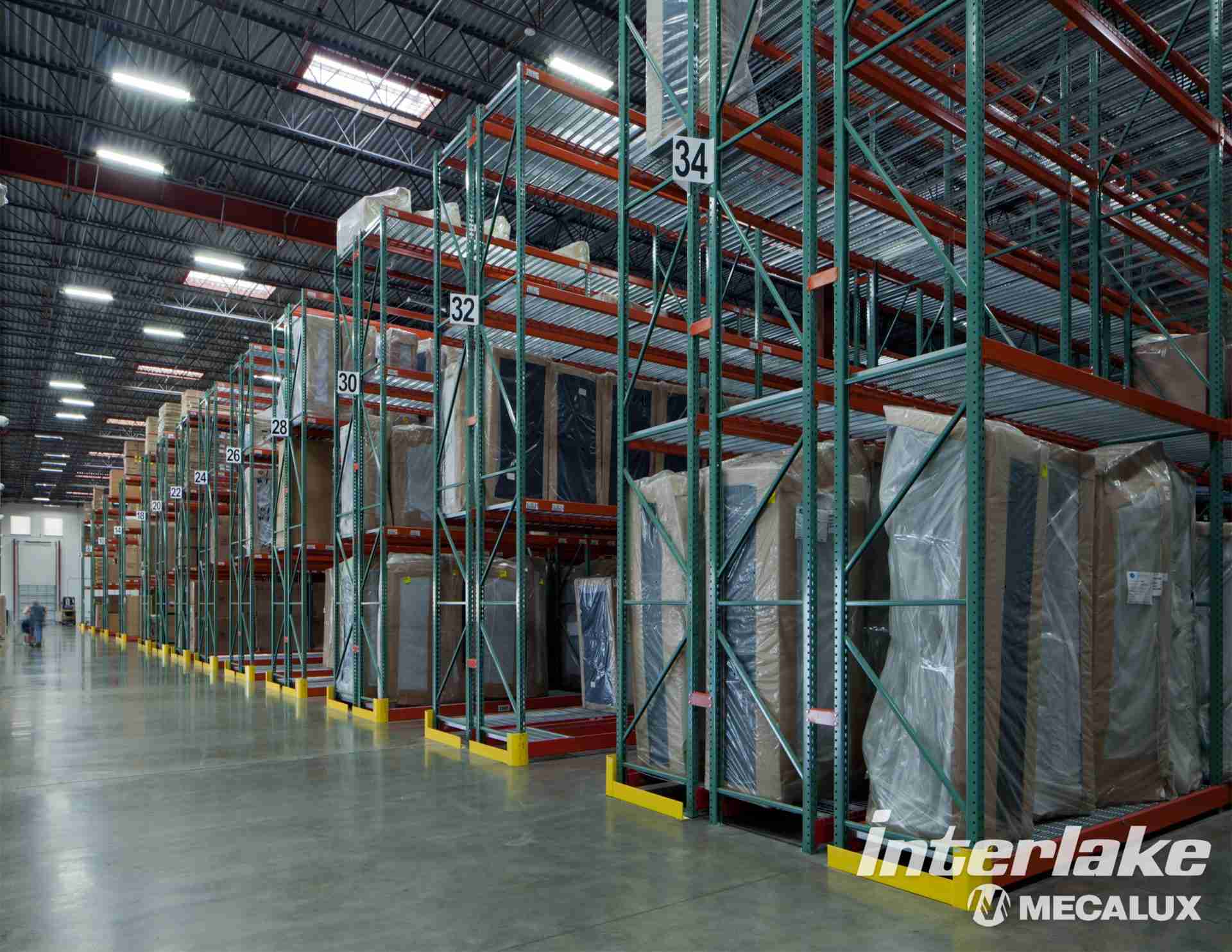
How Do Upright Protectors Enhance Store Organization and Flow?
How Do Upright Protectors Enhance Store Organization and Flow?
- Upright protectors play a crucial role in organizing retail spaces, improving the shopping experience.
- A clear, navigable store layout encourages customers to linger and explore, boosting sales.
- Protectors prevent spills and drops, helping to maintain product integrity and store reputation.
- Store owners show they value customer safety and experience through well-organized layouts.
- Every upright protector reflects thoughtful planning and hard work in the retail environment.
- Incorporating these tools enhances the flow of traffic and promotes a positive shopping atmosphere.
- Investing in upright protectors is about more than equipment; it’s about creating a seamless, welcoming experience.
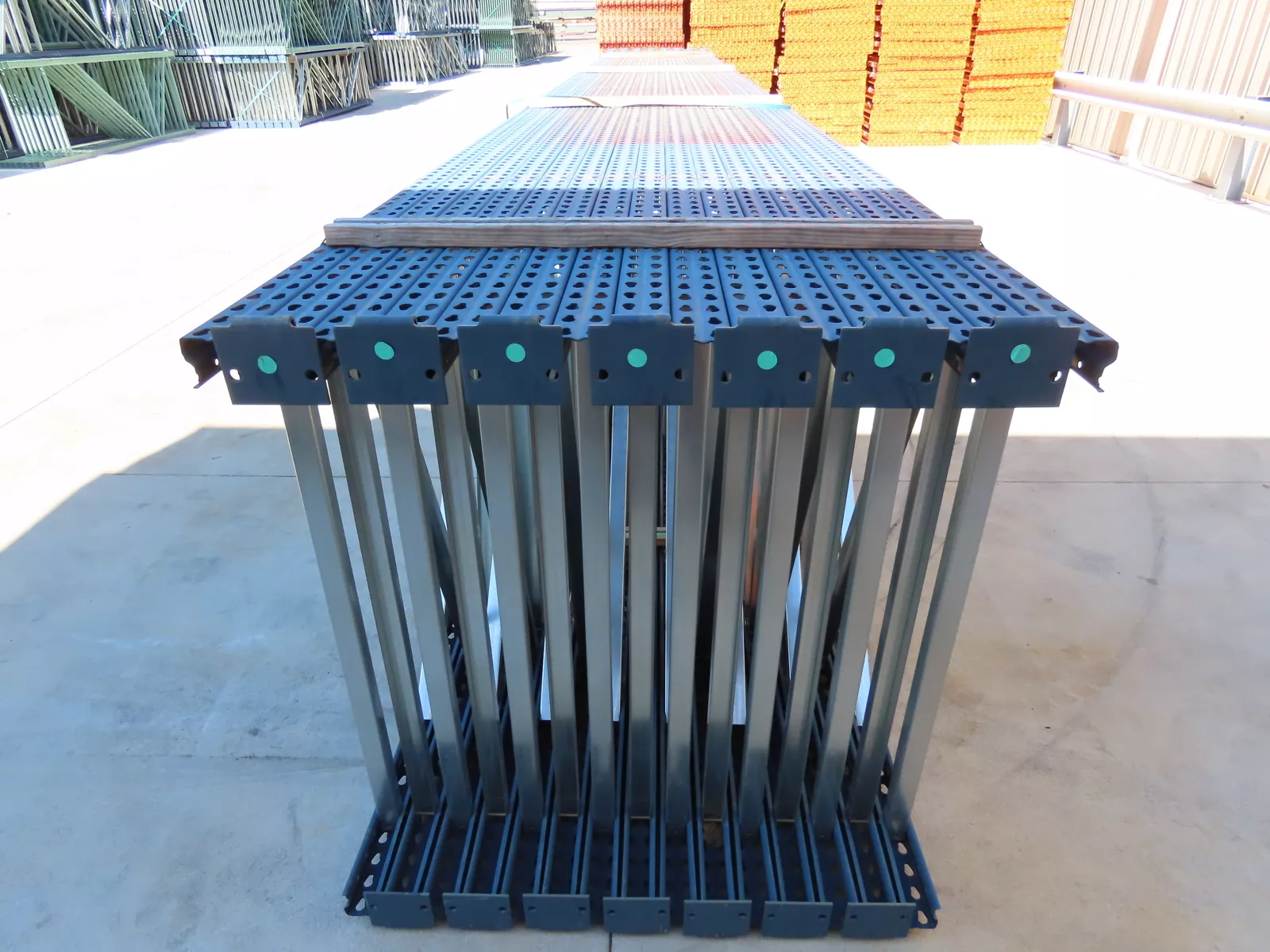
How Do Upright Protectors Enhance Store Organization and Flow?
What Potential Injuries Can Occur Without Proper Aisle Protections?
When you think about the world of warehousing and logistics, you might picture rows of towering racking systems, gleaming forklifts whizzing by, and workers diligently moving products from one place to another. But hold on; behind that bustling scene lies a serious risk—a risk that can lead to devastating injuries if proper aisle protections aren’t in place.
Imagine a worker navigating their way through narrow aisles, surrounded by towering shelves filled with products. The excitement of the job can quickly turn to fear if a careless moment causes a racking system to tip or a heavy item to fall. Injuries from such incidents aren’t just painful; they can change lives forever. A sudden bump of a pallet jack or a negligent turn can lead to crushed limbs, spinal injuries, or even worse. These are not just statistics; these are real people—fathers, mothers, friends—who face long-term consequences from preventable accidents.
Rationally speaking, the cost of inadequate aisle protections doesn’t just sit on the balance sheet; it impacts productivity and employee morale. Companies may save a few dollars by skimping on safety measures, but the fallout from workplace injuries is astronomical. Medical bills, lost wages, and the cost of hiring and training replacements climb sky-high when someone is hurt. It’s a weighty price to pay for neglecting the vital importance of safety in the workplace.
Ethically, we owe it to our coworkers to ensure they return home safely every day. A warehouse environment can be chaotic, but it’s our responsibility to implement effective safety measures that protect every person who walks through those doors. We must advocate for the right resources—whether that means robust aisle dividers, reflective signage, or simply a culture of safety awareness.
And here’s where the power of community comes into play. Picture yourself in those aisles, feeling the responsibility of not just your safety but also the safety of your team. We must foster an environment where speaking up about safety concerns is the norm, not the exception, where sharing stories of near misses leads to stronger protocols.
The truth is, the threat of injury is real, but so are the solutions. By fortifying our spaces and respecting the potential hazards, we’re not just protecting ourselves—we’re showing we care. So let’s commit to giving our colleagues the safest workplace possible, ensuring that every person can make it through the day unscathed and return to their loved ones, ready to share stories that don’t involve injuries, but triumphs.

What Potential Injuries Can Occur Without Proper Aisle Protections?
What Potential Injuries Can Occur Without Proper Aisle Protections?
- Warehousing and logistics involve serious risks if proper aisle protections are overlooked.
- Workers face potential injuries from incidents like tipping racking systems or falling heavy items.
- Injuries can cause long-term consequences, affecting the lives of workers and their families.
- The cost of neglecting safety measures includes medical bills, lost wages, and training replacements.
- It is an ethical responsibility to ensure all coworkers can return home safely every day.
- Community engagement and open discussions about safety can lead to better protective measures.
- Fostering a culture of safety ensures all individuals can work without fear of injury and return safely to their loved ones.

What Potential Injuries Can Occur Without Proper Aisle Protections?
How Do These Guards Impact Customer Shopping Experiences Positively?
In the bustling world of retail, where every aisle tells a story and each product is a doorway to a new experience, the often-overlooked presence of security guards plays a crucial role in shaping customer shopping experiences. It’s easy to dismiss them as mere sentinels in uniforms, but their impact stretches far beyond the surface.
Picture this: you walk into a store, ready to explore the latest trends, but an undercurrent of anxiety lingers, perhaps from a past encounter that didn’t go smoothly. That’s where the folks in uniforms come in. With their composed demeanor and watchful eyes, they create an atmosphere of safety, allowing customers to focus on what truly matters—finding that perfect pair of shoes or discovering a hidden gem on a crowded rack. The simple act of being present and engaged is incredibly powerful. It whispers, “You’re safe here,” encouraging exploration and spontaneity—a crucial component of the retail experience.
Now, let’s engage the head, where reason meets necessity. Retail theft is a significant issue that can lead to higher prices and less variety for customers. When guards are visibly present, they deter potential theft, which, in turn, ensures that shoppers won’t pay inflated prices to cover losses. This rational exchange nurtures a sense of trust, reinforcing the idea that the business is looking out for its customers’ best interests, weaving together affordability, choice, and security.
Ethics come into play as well. A well-trained security guard is more than a bouncer; they’re an ambassador for customer service. They have the authority to resolve conflicts, guide patrons in distress, and navigate sensitive situations with poise and understanding. This authoritative support makes shoppers feel respected and valued, fostering a genuine connection between them and the brand.
On a social level, a friendly greeting or a simple nod from a guard can alter the trajectory of someone’s day. In a world that often feels disconnected, this creates a ripple effect of positivity, making the shopping experience not just transactional but relational. Knowing someone is there to assist instills confidence and inspires loyalty, transforming casual shoppers into lifelong customers.
So the next time you stroll through the aisles and spot that security guard at the end, don’t just see a monitor of safety. See a partner in your shopping venture, someone whose mission is to ensure that each visit is not just a transaction but an experience worth cherishing.
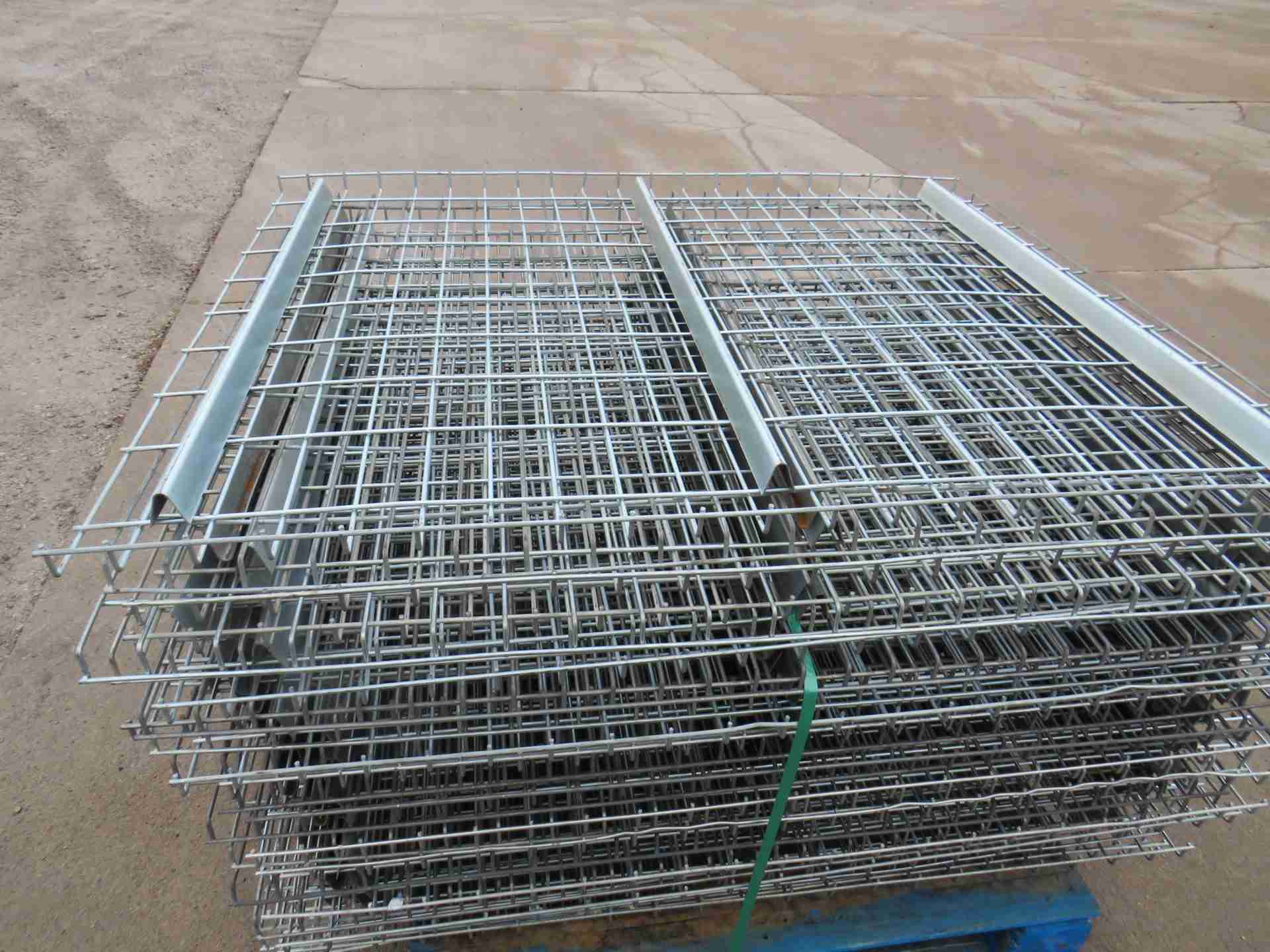
How Do These Guards Impact Customer Shopping Experiences Positively?
How Do These Guards Impact Customer Shopping Experiences Positively?
- Security guards play a crucial role in enhancing customer shopping experiences in retail.
- Their presence creates a sense of safety, allowing customers to explore products with less anxiety.
- Visible security helps deter theft, which can lead to lower prices and more variety for shoppers.
- Well-trained guards act as ambassadors for customer service, helping to resolve conflicts and support patrons.
- A friendly interaction from a security guard can positively impact a customer’s day and foster loyalty.
- Their engagement transforms shopping into a relational experience rather than just a transactional one.
- Recognizing security guards as partners can enhance the overall shopping experience.
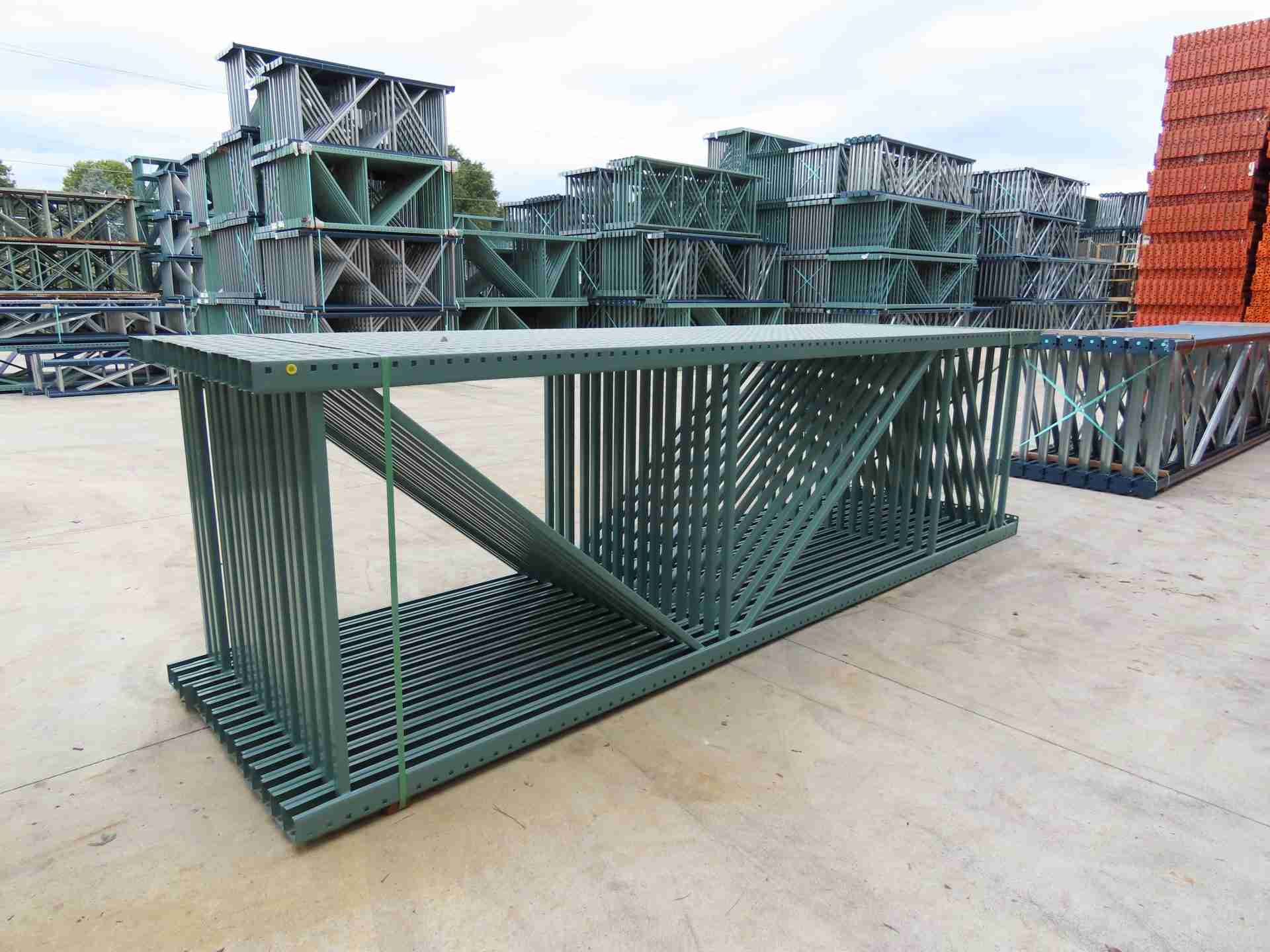
How Do These Guards Impact Customer Shopping Experiences Positively?
What Are the Long-Term Cost Benefits Of Investing In Aisle Protection?
When you think about the long-term benefits of investing in aisle protection, imagine this: a bustling warehouse, the hum of activity, and the satisfaction of knowing every item is safe and sound. This isn’t just about racking systems or the cost associated with them; it’s about the lives they touch and the businesses they uphold. Aisle protection is not merely a safety feature; it’s the backbone of efficiency and accountability in operations.
Now, let’s take a step back and assess the gut feeling in this scenario. Picture a long-time employee, someone who has poured their heart and soul into this operation. Every time they walk down an aisle, they want to feel assured that they are safe. An effective aisle protection system puts that employee’s mind at ease, allowing them to focus on what truly matters—getting the job done right. It’s a subtle assurance, but it’s powerful; it speaks to the inherent human need for security in the workplace.
Then comes the financial angle—the head part of the equation. Long-term investment in aisle protection can save a company hundreds of thousands—or even millions—of dollars. Beyond the immediate savings from potential accidents avoided, think about the legal costs, downtime, and lost productivity that can arise from insufficient racks. The return on investment is clear. Improving aisle safety decreases accidents, which means fewer workman’s compensation claims and reduced liability. This isn’t just smart business; it’s rational, sensible decision-making.
Ethically, investing in aisle protection shows that a company values its employees. It sends a strong message: your safety matters. This resonates not only with current workers but also with potential hires who seek workplaces that prioritize well-being. Millennials and Gen Z are particularly motivated by companies that demonstrate a commitment to their people.
When the community sees a business that prioritizes safety and responsibility, it enhances the organization’s reputation. This social appeal builds loyalty and trust—not just within the workforce but among customers who appreciate responsible practices.
Ultimately, when you consider aisle protection, envision it as more than just racks and guardrails. It’s a commitment to the people who make a business thrive. It’s an investment in a culture of safety, efficiency, and shared success—a legacy worth pursuing. Investing wisely today reaps benefits that echo for years to come.
What Are the Long-Term Cost Benefits Of Investing In Aisle Protection?
What Are the Long-Term Cost Benefits Of Investing In Aisle Protection?
- Aisle protection ensures the safety and security of items in a bustling warehouse environment.
- It serves as the backbone of operational efficiency and accountability, impacting lives and businesses.
- Employees feel more secure with effective aisle protection, allowing them to focus on their work.
- Long-term investment in aisle protection can lead to significant financial savings for companies.
- Improving aisle safety decreases workplace accidents, reducing legal costs and liability.
- Investing in employee safety conveys a company’s value for its workforce, attracting talent.
- Prioritizing safety enhances a business’s reputation, fostering loyalty and trust among employees and customers.
What Are the Long-Term Cost Benefits Of Investing In Aisle Protection?
Conclusion
Picture yourself in the aisles of your favorite grocery store, surrounded by vibrant products, navigating a carefully curated landscape. Yet, lurking behind the colors and displays are unsung heroes—end-of-aisle guards and upright protectors. These sturdy fixtures serve a dual purpose: they safeguard your shopping choices while ensuring a seamless and enjoyable experience. In essence, they represent a commitment to safety and community, making each outing feel less like a mundane task and more like a journey.
Every time you grab that impulse buy, there’s a safety net orbited by those guards, quietly working to keep the chaos at bay. When products tumble, it’s not just a loss of merchandise; it’s the potential frustration affecting your day. From a rational standpoint, investing in these protective measures reflects sound business practice, demonstrating that a store values its patrons’ experiences as much as its bottom line. After all, a safe environment encourages shoppers to explore, linger, and make those all-important purchases.
But think about the ethical dimension as well. A store that prioritizes safety is a store that cares, sending a powerful message: we value your well-being. This translates into trust, fostering an environment where customers feel respected and valued. Every visit to the store becomes an opportunity for connection—whether through shared experiences with fellow shoppers or friendly interactions with employees. The importance of a well-organized shopping space can’t be overstated; it enhances flow, eases navigation, and invites community.
Let’s shift to the broader implications. In warehouses, the stakes are even higher. A work environment without proper aisle protection can lead to life-altering injuries; illustrating the real human cost behind falling merchandise. Institutions that neglect safety procedures risk not just injuries, but the vitality of their workforce and the morale of their employees. A simple commitment to thoughtful design—a few strong protective barriers—can lay the groundwork for productive, engaged, and safe workplaces.
In conclusion, when you meander through those aisles, remember that every guard and upright protector holds a story of care, diligence, and intention. It’s an invitation to appreciate how safety dovetails with community, making our shared shopping experiences enjoyable and enriching. Next time you hit the store, take a moment to acknowledge the silent protectors helping create a world where safety and connection thrive together.

Conclusion
Conclusion:
- Grocery stores feature end-of-aisle guards and upright protectors that enhance shopping experiences.
- These fixtures ensure safety while allowing customers to enjoy their shopping journey.
- Protective measures prevent merchandise loss and reduce potential customer frustration.
- A store’s commitment to safety conveys care for patrons, fostering trust and connection.
- Well-organized spaces invite community interaction and enhance overall navigation.
- In warehouses, proper aisle protection is crucial to prevent serious injuries and maintain employee morale.
- Every shopping experience is enriched by the presence of silent protectors dedicated to safety and community.
Conclusion
Other Resources
Other Resources
Here is a list of other resources you can review online to learn more:
- Teardrop Industrial Shelving Rack
- IWLA
- The Ultimate Pallet Racking Guide – Speedrack West
- Selective Pallet Racking Systems – Container Systems
- Interlake Mecalux
- MHI
- What is Selective Racking: Understanding Benefits & Options
- Warehouse Storage Racks
- BMH
- Warehousing Education and Research Council: https://www.werc.org/
- Warehouse Racking System: Powerful Guide to Optimise, 2024
- Interlake Mecalux
- ASSP
- Pallet Rack Systems – New and Used Pallet Racking and Shelving Experts
- Intro to Warehouse Racks & Warehouse Racking Systems – ShipBob
- Selective Rack – Raymond West
- Storage Equipment Manufacturers’ Association
- Crane Manufacturers Association Of America Inc.
- Illinois Pallet Racking – Storage Solutions
Use This Prompt To Get More Resources With Your Favorite Online AI Tool: Please provide me with a list of online articles with their URLs in a bulleted list that I can read regarding Exploring End-Of-Aisle Guards and Upright Protectors

Other Resources
Glossary Terms
Exploring End-Of-Aisle Guards and Upright Protectors – Glossary Of Terms
1. End-of-Aisle Guards: Protective barriers at the ends of retail aisles to prevent product damage and improve safety.
2. Upright Protectors: Supports designed to reinforce the structural integrity of shelving units, preventing product spillage or damage.
3. Retail Fixtures: Items used to display products in stores, which include shelves, racks, and cabinets.
4. Product Loss Prevention: Strategies and measures taken to minimize theft and damage of merchandise in retail environments.
5. Shelf Height: The vertical measurement of a shelf, crucial for product display and accessibility.
6. Aisle Safety: Protocols and designs implemented to ensure safe movement for customers and staff within a store aisle.
7. Retail Layout: The design and arrangement of products and fixtures in a retail space to optimize customer flow and sales.
8. Impact Resistance: The ability of a material or barrier to withstand force without breaking or deforming.
9. Merchandising: The process of promoting and selling products through visual display and presentation strategies.
10. Product Display: The arrangement and presentation of products to attract customers and boost sales.
11. Store Navigation: The ease with which customers can move through a retail space, influenced by layout and fixture placement.
12. Barrier System: A series of protective installations designed to guard against accidents and product damage within a retail setting.
13. Spill Management: Techniques and products used to address and prevent leaks or product spillage in retail locations.
14. Customer Accessibility: The ease with which shoppers can reach and interact with products in a store environment.
15. Visual Merchandising: The art and science of displaying products in appealing ways to entice customers.
16. Point-of-Sale Display: Displays located near checkout areas to encourage impulse buying and highlight special promotions.
17. Shelf Stability: The ability of shelving units to maintain their position and hold products securely without collapsing.
18. Retail Safety Standards: Guidelines and regulations designed to protect customers and employees within a retail space.
19. Inventory Management: The process of overseeing stock levels and product availability to meet customer demand.
20. Fixtures Configuration: The arrangement and design of retail fixtures to optimize space and improve customer experience.
21. Maintenance Protocol: Routine procedures for ensuring retail fixtures, like guards and protectors, remain effective and undamaged.
22. Promotion Display: Special displays used to highlight sales, discounts, or new products to attract customer attention.
23. Retail Security: Systems and practices put in place to prevent theft, fraud, and damage in stores.
24. Accident Prevention: Measures taken to reduce the risk of injuries and accidents in retail spaces.
25. Customer Flow: The movement of shoppers through a store, heavily influenced by fixture placement and aisle design.
26. Structural Integrity: The ability of a shelf or fixture to remain sound and support weight without failure.
27. Impulse Buy: Unplanned purchases typically influenced by product placement and marketing strategies.
28. Loss Prevention Techniques: Tactics used to deter theft, such as surveillance and employee training.
29. Retail Ergonomics: The study and design of retail environments to enhance comfort and efficiency for both customers and staff.
30. Product Protection: Various methods employed to shield products from damage during display, transport, or storage.

Glossary Of Terms
Other Questions
Exploring End-Of-Aisle Guards and Upright Protectors – Other Questions
If you wish to explore and discover more, consider looking for answers to these questions:
- What materials are typically used in the construction of end-of-aisle guards and upright protectors?
- How can retailers assess the effectiveness of their aisle protection systems?
- What are the installation requirements for end-of-aisle guards?
- Are there specific regulations or standards that govern the use of aisle protection in retail environments?
- How do different designs of upright protectors affect shopper behavior?
- What industries beyond retail can benefit from aisle protection systems?
- What are common misconceptions about end-of-aisle guards and upright protectors?
- How can technology be integrated into aisle protection solutions?
- What are the maintenance requirements for end-of-aisle guards and upright protectors?
- What training do employees need regarding safety measures associated with aisle protection?
Other Questions
Checklist
Exploring End-Of-Aisle Guards and Upright Protectors – A Checklist
Checklist: Safeguarding Your Warehouse and Enhancing Your Store Experience
Heart: Emotional Appeals
_____ Reflect on a recent shopping experience. Did you feel safe and comfortable? Jot down what contributed to that feeling.
_____ Think about a time when you or someone you know experienced a shopping accident. How did it impact your perception of the store? Share this story.
_____ Consider the role that safety measures like aisle guards play in your emotional well-being while shopping. Write down your thoughts.
Head: Rational Appeals
_____ Review the statistics or data on accidents caused by falling merchandise. How might they affect a business’s bottom line?
_____ List potential benefits of investing in end-of-aisle guards and upright protectors in terms of employee productivity and customer satisfaction.
_____ Compare the financial implications of accidents with the cost of investing in aisle protection. What does your analysis reveal?
Gut: Ethical Appeals
_____ Reflect on your values. What does workplace safety mean to you? How would you feel if your workplace was unsafe?
_____ Consider the ethical responsibilities of businesses towards employees and customers. What safeguards would you expect?
_____ Ask yourself: Are the businesses I support committed to creating a safe environment for their employees and customers?
Authority: Expert and Community Engagement
_____ Identify any industry guidelines or standards related to warehouse safety. Are these being followed by your workplace?
_____ Seek out testimonials or case studies from businesses that have successfully implemented aisle protections. What did they learn?
_____ Connect with safety experts or colleagues to discuss best practices. What insights can you gather from their experiences?
Narrative: Storytelling
_____ Share a story about a time you felt truly safe in a store. What elements made that experience positive?
_____ Think of an example where a business failed to provide a safe environment. What lessons can be learned from that situation?
_____ Craft a narrative about how improved safety measures can transform the shopping experience for everyone.
Social: Community and Connections
_____ Make a list of people in your community who prioritize safety in their business practices. How can you support them?
_____ Discuss with friends or coworkers how end-of-aisle guards can influence the shopping experience. What collective insights can arise?
_____ Organize a community event promoting awareness of safety measures in stores and warehouses. What topics will be covered?
Checklist
At RackingWorld, we help guide you through selecting warehouse storage systems and racking.
Be sure to read our other related stories at RackingWorld to learn more about warehouse storage systems.
0 Comments