
Maximizing Space And Efficiency: The Power Of Cantilever Racking For Distributors
By Tom Seest
At RackingWorld, we help guide you through selecting warehouse storage systems and racking.
Be sure to read our other related stories at RackingWorld to learn more about warehouse storage systems.
How Do Exterior Trim and Moulding Distributors Leverage Cantilever Racking?
When you’re running an exterior trim and moulding distribution business, every inch of space matters and every second counts. Cantilever racking comes into play like a trusty workhorse on the jobsite—not flashy, but downright indispensable. Unlike standard pallet racking that boxes you in with beams and columns, cantilever racking opens up a whole new level of flexibility. Long boards, pipes, or mouldings don’t have to be wrestled into awkward stacks anymore; they simply rest on sturdy arms that you can load and unload without breaking your back or losing time.
This system speaks to the practical side of any seasoned distributor: maximizing storage while keeping operations swift and sensible. The way cantilever racks handle awkward, often bulky exterior trims means you’ve got fewer trips to move stock around and more room for what really matters—getting the job done right and on schedule. That’s the kind of reliability that earns respect from crews in the trenches and keeps customers coming back.
Beyond just efficiency, it adds a layer of safety and organization that’s hard to put a number on. When long pieces aren’t stacked haphazardly or thrown into a corner, there’s less chance of costly damage or accidents. It’s honest, no-nonsense engineering that protects your investment and your team. It’s a quiet nod to integrity in the way you care for your product and the people handling it.
Distributors who lean on cantilever racking aren’t just storing goods—they’re shaping a smoother workflow where every piece has its place. There’s a certain peace of mind knowing that when the orders pile up and the clock ticks down, your system won’t trip you up. That kind of confidence, earned through solid design and smart planning, spreads through the entire operation, from warehouse floor to front office.
This sort of grounded solution is more than just storage; it’s the backbone of a distribution business that respects hard work and gets results. If your operation values practicality, safety, and straightforward efficiency wrapped up in one, cantilever racking isn’t just a tool—it’s a partner. Pallet racking might do the job for boxes, but when you’re dealing with the long, weighty, unwieldy stuff that shapes a building’s character, cantilever racking stands tall where it counts.

How Do Exterior Trim and Moulding Distributors Leverage Cantilever Racking?
How Do Exterior Trim and Moulding Distributors Leverage Cantilever Racking?
- Cantilever racking offers flexible storage for long, bulky items unlike standard pallet racking, improving ease of loading and unloading.
- It maximizes storage space and streamlines operations, reducing the need for multiple stock moves and saving time.
- Enhances safety and organization by preventing haphazard stacking, reducing damage and accidents.
- Its practical design protects investments and supports the well-being of workers handling materials.
- Creates a smoother workflow where every item has a designated place, boosting operational confidence and efficiency.
- Serves as a reliable backbone for distribution businesses focused on hard work, safety, and straightforward efficiency.
- Cantilever racking excels in handling long, heavy materials that standard pallet racks cannot accommodate effectively.

How Do Exterior Trim and Moulding Distributors Leverage Cantilever Racking?
Table Of Contents
- How Do Exterior Trim and Moulding Distributors Leverage Cantilever Racking?
- How Does Cantilever Racking Improve Storage Efficiency?
- What Emotional Relief Comes From Better Organized Inventory?
- How Does Cantilever Racking Reduce Product Damage Risks?
- Can Cantilever Systems Support Varying Trim Lengths Safely?
- How Do Distributors Justify Cantilever Racking Costs Rationally?
- What Ethical Benefits Arise From Safer Workplace Storage?
- Conclusion
- Other Resources
- Glossary Of Terms
- Other Questions
- Checklist
How Does Cantilever Racking Improve Storage Efficiency?
When you’ve been around warehouses and workshops long enough, you notice one thing quick: not all storage solutions are made equal. Pallet racking might be the old reliable, but cantilever racking? Now that’s the stubborn, clever cousin that knows how to get the job done right when the usual won’t cut it. It’s like the tool in your kit that, when you pull it out, just fits the problem perfectly, making you wonder why you ever settled for anything less.
Cantilever racking shines because it’s built for those awkward, bulky items that don’t stack neatly on pallets—think pipes, lumber, steel bars, or furniture frames. Unlike standard pallet racking, which clamps you into neat squares and lanes, cantilever arms give you an open front. That open freedom lets you slide in and out long, heavy stuff with a forklift or even by hand without wrestling with strange shapes or collapsing towers of inventory. It’s a simple idea, but it saves time, energy, and headaches every day. That’s efficiency you can feel in your bones.
But here’s where it gets good—the real-world hustle isn’t just about fitting stuff on shelves. It’s about trust: trusting your storage to keep things safe, orderly, and ready to move on a moment’s notice. Cantilever racking does that by being rugged and adaptable, built sturdy enough to handle serious weight without cracking under pressure, all while flexible enough to rearrange when your business changes gears. It’s storage with a backbone, literally and figuratively.
There’s an ethical angle here too. When your team spends less time hunting for materials or dealing with cluttered aisles, you’re not just improving productivity—you’re protecting their backs and their peace of mind. Safe workspaces matter. Cantilever racking helps turn chaos into order, and that’s a responsibility you carry every day.
Owning or managing a warehouse means figuring out how to get the most from every inch of space. Switching some or all of your pallet racking to cantilever isn’t flashy; it’s practical. It’s about rolling up your sleeves and making smart choices that add clear, measurable value. When you see how it frees up room, cuts down labor, and makes loads easier to handle, you know you’re looking at a solution built on common sense and grit.
Cantilever racking improves storage efficiency by being tough, versatile, and straightforward—the kind of gear that earns respect on the job site. It’s the quiet hero for businesses tired of wrestling with their storage and ready to work smarter, not harder.

How Does Cantilever Racking Improve Storage Efficiency?
How Does Cantilever Racking Improve Storage Efficiency?
- Cantilever racking excels at storing awkward, bulky items like pipes, lumber, steel bars, and furniture frames that don’t fit well on standard pallet racks.
- Its open-front design allows easy loading and unloading of long, heavy items by forklift or hand, saving time and effort.
- Built to be rugged and adaptable, cantilever racking supports heavy weights without compromising stability and can be rearranged to fit changing needs.
- Improves workplace safety and organization by reducing clutter and minimizing material hunting, protecting workers’ well-being.
- Offers practical, space-saving solutions for warehouses, enhancing storage efficiency and reducing labor demands.
- Represents a smart, durable investment that delivers clear, measurable value and operational flexibility.
- Seen as a reliable, versatile storage system that helps businesses work smarter and more efficiently.

How Does Cantilever Racking Improve Storage Efficiency?
What Emotional Relief Comes From Better Organized Inventory?
There’s something about walking into a workspace where every box, crate, and piece of gear has its own spot that just settles the nerves. It’s not just about neatness—though that counts—it’s about feeling like you’re in control rather than chasing your tail. When your inventory’s strapped down tight on well-built pallet racking, you stop wasting time digging through piles of junk. That’s emotional relief right there: less stress from chaos, more confidence knowing you can find what you need when you need it.
Your head knows it’s smart business, too. Organized inventory doesn’t just make the place look tidy; it cuts mistakes and keeps the workflow moving smooth. It’s about using space wisely and avoiding costly downtime because something’s missing or lost. That kind of efficiency translates to dollars saved and customers kept happy. The ethical bit? When inventory’s in order, people work safer, gear doesn’t get damaged, and you avoid throwing money down the drain. You’re treating your crew and your business with respect.
There’s a gut feeling tied up in this, too. Folks in the trenches know when a workspace is a mess—it’s draining and exhausting. But when it’s organized, you stop dreading the day. The physical act of putting stuff where it belongs—whether it’s on sturdy pallet racking or neatly stacked shelves—builds pride. You’re not just a cog in the machine; you’re someone who gets the job done right. That pride rubs off, creating a stronger team that trusts each other to handle the load without breaking under pressure.
Think about it: the simple act of better organized inventory invites connection. It’s teamwork made visible. Everyone gets to share in a system that works rather than scraps of frustration. That builds trust because you know where things stand, literally and figuratively. It’s a quiet assurance that even when things get tough, you’ve got a backbone to lean on. Taking control of your inventory with proper pallet racking isn’t just smart; it’s a way to bring order to the day-to-day grind and get a little peace of mind alongside the job done right.
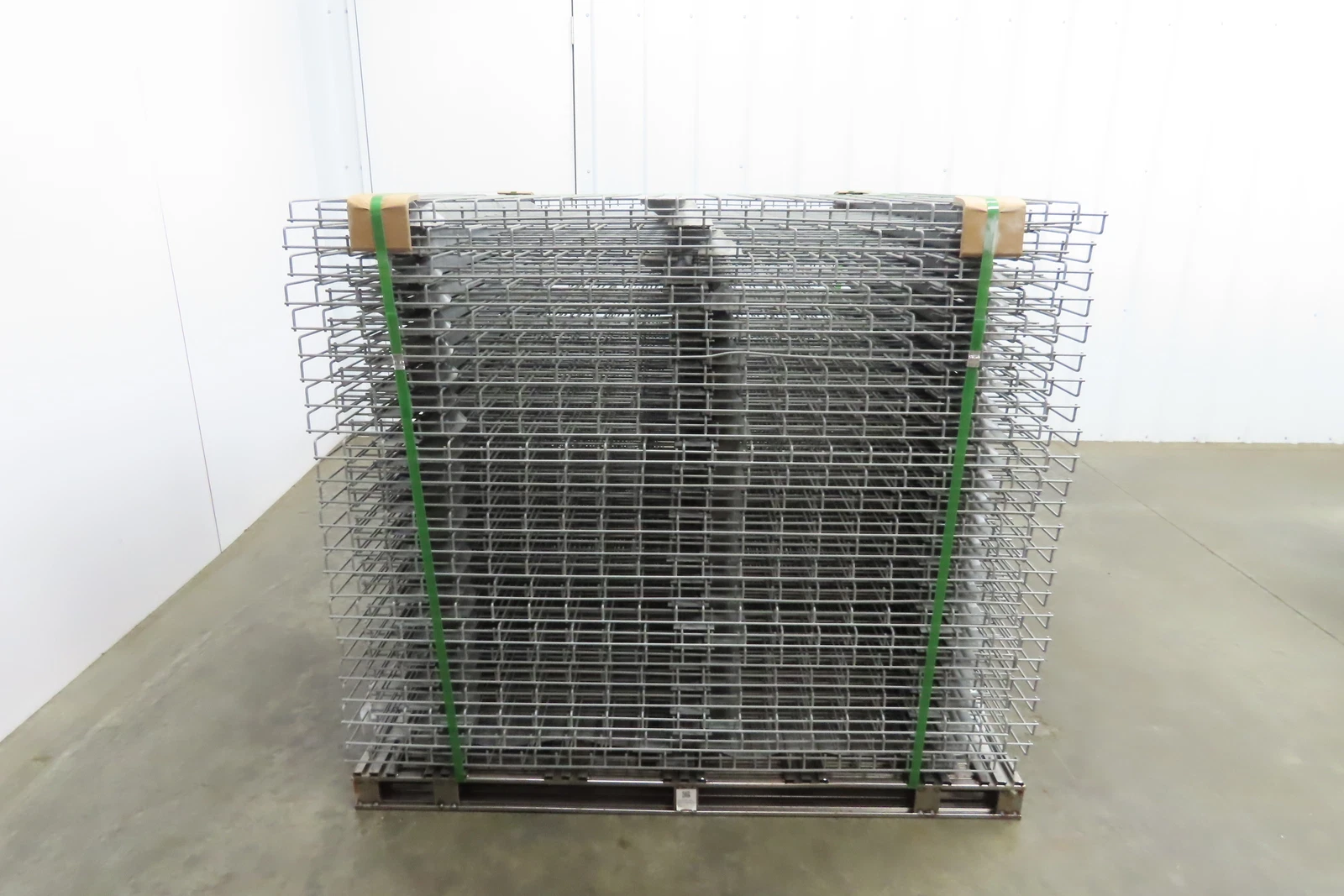
What Emotional Relief Comes From Better Organized Inventory?
What Emotional Relief Comes From Better Organized Inventory?
- Organized workspaces with designated spots for every item reduce stress and create a sense of control.
- Using sturdy pallet racking prevents time wasted searching through clutter and provides emotional relief.
- Efficient inventory management minimizes mistakes, optimizes space, and prevents costly downtime.
- Proper organization enhances safety, prevents gear damage, and respects both employees and business resources.
- Maintaining an orderly workspace builds pride and motivation among workers, strengthening team trust.
- Visible teamwork through shared organization reduces frustration and fosters reliable collaboration.
- Controlling inventory with pallet racking brings daily order and peace of mind while improving job performance.

What Emotional Relief Comes From Better Organized Inventory?
How Does Cantilever Racking Reduce Product Damage Risks?
When it comes to keeping your goods safe and sound, there’s no substitute for a racking system that just works without making you sweat. Cantilever racking isn’t some fancy new gadget—it’s a straightforward solution built on solid, time-tested principles that anyone who’s worked a warehouse or loading dock can appreciate. Unlike traditional pallet racking, which forces you to wrestle bulky pallets into tight slots, cantilever racking offers open arms—literally—making it easier to store long, awkward, or odd-shaped items without smashing them up or knocking over a row like dominos.
Think about it: when you’re juggling heavy pipes, lumber, or steel rods, you don’t want to be second-guessing if the rack’s going to hold up or if your product’s going to bounce around like it’s in a rodeo. Cantilever racks cradle these long goods with a little elbow room, cutting down the chance of dings, dents, or breaks. That peace of mind isn’t just about saving money on damaged merchandise—it’s about backing every worker and customer who relies on those products to be just right.
From a practical standpoint, cantilever racking reduces product damage by eliminating the tight squeeze and awkward angles that traditional pallet racking demands. No need to shuffle and pry items into pallets that don’t want to play nice. The open-front design means loading and unloading are smoother, faster, and less prone to those costly mistakes that come from forcing things into a space that’s too small or the wrong shape. Smooth operations, fewer headaches, less waste—who wouldn’t want that?
Ethically, handling materials carefully reflects respect—not just for the stuff itself, but for the folks down the line: the warehouse crew, the drivers, and the customers. When your racking system protects product integrity, it’s more than just a business decision—it’s a promise that you value the work and effort it took to get those goods from raw materials to ready-to-use.
Socially, teams working around a practical, dependable cantilever system feel the difference. There’s less grumbling, fewer last-minute product scrambles, and a stronger sense of being looked after by solid, no-nonsense equipment. It’s about trust—trust that the system won’t let you down and confidence in the job you’re doing every day.
In plain terms, cantilever racking reduces product damage risks because it’s built smart for how things really get moved and stored. No fuss, no frills—just reliable, respectable gear that does right by your goods, your people, and your bottom line. Pallet racking has its place, but when you need to guard against the rough and tumble nature of handling long or bulky products, cantilever’s the steady hand you want on your side.

How Does Cantilever Racking Reduce Product Damage Risks?
How Does Cantilever Racking Reduce Product Damage Risks?
- Cantilever racking is a simple, reliable system ideal for storing long, awkward, or odd-shaped items without damage.
- Unlike traditional pallet racking, it offers open access, making loading and unloading easier and reducing product damage.
- It provides better protection for heavy items like pipes, lumber, and steel rods, minimizing dings, dents, and breaks.
- The design improves operational efficiency by eliminating tight squeezes and awkward angles, leading to smoother handling and less waste.
- Using cantilever racking reflects ethical commitment to respecting goods and supporting workers, drivers, and customers.
- It fosters trust and confidence among teams by providing dependable, no-nonsense equipment that reduces stress and errors.
- Cantilever racking is a practical, durable solution that protects products, people, and profits, especially suited for bulky goods.

How Does Cantilever Racking Reduce Product Damage Risks?
Can Cantilever Systems Support Varying Trim Lengths Safely?
When you’re knee-deep in the daily grind of managing a warehouse or loading dock, the last thing you want to worry about is whether your cantilever system can handle all those oddball trim lengths tossed in there. You see, pallet racking systems have their rules, but cantilever arms? They’re a different breed. They’re built to deal with the long and the unwieldy, the kind of stuff that just won’t fit neatly on a standard shelf. But can they handle varying trim lengths safely? Straight talk: yes, but with some muscle, know-how, and respect for the gear.
First off, these systems thrive on flexibility. Cantilever racks don’t box you in like pallet racking. They let you stack pipes, lumber, and trims of all sizes without turning your storage space into a jumbled mess. That’s a relief when the job demands you stash everything from skinny strips to beefy beams all at once. But safety? That’s the name of the game. Ignoring the variation in trim lengths is like driving a truck with one tire bigger than the others—eventually, it’ll catch up with you.
Experience tells you it’s not just about throwing everything onto a cantilever and calling it done. It’s the common-sense stuff that matters: distribute the weight evenly, keep the longer pieces supported well, and never overload an arm trying to carry more than it can handle. When you do that, the system stands strong. It doesn’t just hold your materials; it protects your people and your bottom line from accidents and costly downtime. And that’s where trust builds—knowing the rigged setup won’t fail you just because you needed to stretch the limits.
Ethically, it comes down to responsibility. Using a cantilever system isn’t just a technical choice; it’s a commitment to everyone who works around it. You’re saying you’ve got their safety covered, that your care extends beyond the job order to the real lives depending on that gear day in, day out. This isn’t some theoretical engineering guesswork; it’s the kind of hard-earned wisdom you get from sweating over setups that hold up under pressure.
If you’ve been around warehouses or construction yards, you know that social trust in your system matters. When the crew sees that the storage holds firm, even when trim lengths vary and loads shift, confidence grows. They work harder, safer, and with less nagging worry about what might fall or tip. Cantilever systems can absolutely support varying trim lengths safely—as long as you treat them with the same respect, planning, and hands-on care you’d want for your own family’s tools.

Can Cantilever Systems Support Varying Trim Lengths Safely?
Can Cantilever Systems Support Varying Trim Lengths Safely?
- Cantilever systems are designed for flexibility, accommodating long and irregular trim lengths that pallet racking cannot.
- They allow stacking of pipes, lumber, and trims of various sizes without cluttering storage space.
- Safety is crucial: uneven weight distribution or overloading can lead to system failure.
- Proper use involves evenly distributing weight, supporting longer pieces, and avoiding overload.
- Using cantilever racks responsibly is an ethical commitment to worker safety and operational reliability.
- Trust in the system grows when crews see it hold firm despite varying trim lengths and shifting loads.
- With proper care, planning, and respect, cantilever systems safely support varying trim lengths and protect both people and assets.

Can Cantilever Systems Support Varying Trim Lengths Safely?
How Do Distributors Justify Cantilever Racking Costs Rationally?
When you’re running a warehouse or distribution center, every dollar spent has to pull its weight. Cantilever racking might look like a fancy setup upfront, but seasoned distributors know it’s about more than just steel and bolts—it’s about solving real problems in a smart, efficient way that saves time and sweat down the road.
Look, pallet racking has been the go-to for decades because it’s straightforward, reliable, and works well for most loads stacked on forklifts. But when you’re dealing with bulky, awkward items like pipes, lumber, or furniture that don’t fit neatly on pallets, cantilever racking is a game changer. It’s designed to hold what pallet racking can’t, without forcing you into clumsy workarounds or risking product damage. That means less frustration for the crew, fewer scrapped items, and a cleaner, safer operation overall. It’s a classic case where spending a bit more now avoids headaches and costs piling up later.
There’s an ethical side to it too. When your workers don’t have to wrestle with dangerous setups, you’re showing respect for their hard work and health. Simple as that. It’s about valuing the folks who keep the wheels turning by giving them tools that make their work safer and smarter. Nobody likes a cut corner when people’s wellbeing is on the line.
From a numbers standpoint, cantilever racks can boost storage density and accessibility in ways pallet racking simply can’t match. That saves space—a precious and pricey commodity in any distribution center. More efficient use of your footprint means fewer expansions, less wasted motion, and faster turnaround. That adds up to a real competitive edge, one that keeps customers happy and contracts coming.
Distributors who’ve seen their warehouses grow and change understand this isn’t just about buying racks; it’s about investing in a system that adapts. That’s why there’s an unspoken confidence in the room when you mention cantilever racking—it’s proven, practical, and respected among the folks who’ve been around the block.
At the end of the day, justifying the cost of cantilever racking is about connecting dots—protecting your team, maximizing your space, and staying lean and capable in a tough market. It’s the kind of hard-headed, hands-on decision that feels right because it’s grounded in real-world wins, not just theory. In the trenches, that’s worth every penny.

How Do Distributors Justify Cantilever Racking Costs Rationally?
How Do Distributors Justify Cantilever Racking Costs Rationally?
- Cantilever racking addresses specific storage challenges by efficiently holding bulky, awkward items that pallet racking cannot accommodate.
- It reduces product damage, minimizes crew frustration, and contributes to a safer, cleaner warehouse environment.
- Investing in cantilever racking shows respect for worker safety and wellbeing by eliminating dangerous handling setups.
- Cantilever racks improve storage density and accessibility, maximizing the use of expensive warehouse space.
- Better space utilization leads to fewer expansions, reduced wasted movement, and faster operational turnaround times.
- Seasoned distributors value cantilever racking as a proven, adaptable investment that supports changing warehouse needs.
- The cost justification lies in practical benefits: protecting employees, optimizing space, and maintaining efficiency in a competitive market.

How Do Distributors Justify Cantilever Racking Costs Rationally?
What Ethical Benefits Arise From Safer Workplace Storage?
Look, when it comes to keeping a workplace safe with solid pallet racking, it’s about more than just ticking boxes or meeting some checklist. It hits right at the heart of respect—respect for the folks who show up every day, punch the clock, and trust that they’ll make it home in one piece. When storage areas are cluttered or poorly managed, accidents aren’t just numbers on a report—they’re real people hurtin’, families shaken up, and communities disrupted. So, safer pallet racking isn’t just smart business; it’s a moral call to protect those who depend on safe conditions to earn an honest day’s work.
On the practical side, common sense says better storage solutions mean fewer spills, less damage, and a smoother-running operation. Everyone knows that a well-organized area cuts down on mistakes and keeps the workflow moving. Keeping pallets stacked right and racks in good shape reduces the risk of collapse or injury. It’s about taking responsibility—doing the job right so nobody gets caught under a load or tangled up in a preventable mess. That builds trust, both inside and outside the company, because when people see care put into the workplace, it shows that leadership values human life above just profit margins.
Ethically, safer storage speaks to fairness and dignity. People deserve to feel safe, not just because rules say they should but because it’s the right thing to do. It sets a tone where cutting corners isn’t tolerated, and safety isn’t optional. When you invest in strong pallet racking and keep it maintained, it sends a clear message: every worker counts and their health matters. That creates a culture where folks look out for each other—not just the boss looking down from an office but everyone in the trenches having each other’s backs.
There’s also a social angle here—strong safety standards ripple beyond the workplace. They build community trust and pride, turning the job site into a place where people want to work and grow. When companies commit to safer storage and better practices, it elevates the whole industry’s reputation. Workers talk, families talk, neighbors talk—and that word-of-mouth can be the backbone of long-term success. Investing in safer pallet racking isn’t just about bolts and steel; it’s about building a workplace everyone can believe in.

What Ethical Benefits Arise From Safer Workplace Storage?
What Ethical Benefits Arise From Safer Workplace Storage?
- Workplace safety with solid pallet racking centers on respect for employees’ well-being and ensuring they return home unharmed.
- Poorly managed storage areas lead to accidents that affect real people, families, and communities beyond just statistics.
- Better storage solutions reduce spills, damage, and operational disruptions by keeping pallets properly stacked and racks maintained.
- Taking responsibility for safe storage builds internal and external trust and demonstrates leadership values human life over profit.
- Ethical safety practices promote fairness and dignity, rejecting shortcuts and emphasizing that every worker’s health matters.
- Safe storage fosters a culture of mutual care among workers, supporting each other throughout the workplace hierarchy.
- Strong safety standards enhance community trust, elevate industry reputation, and contribute to long-term business success through positive word-of-mouth.
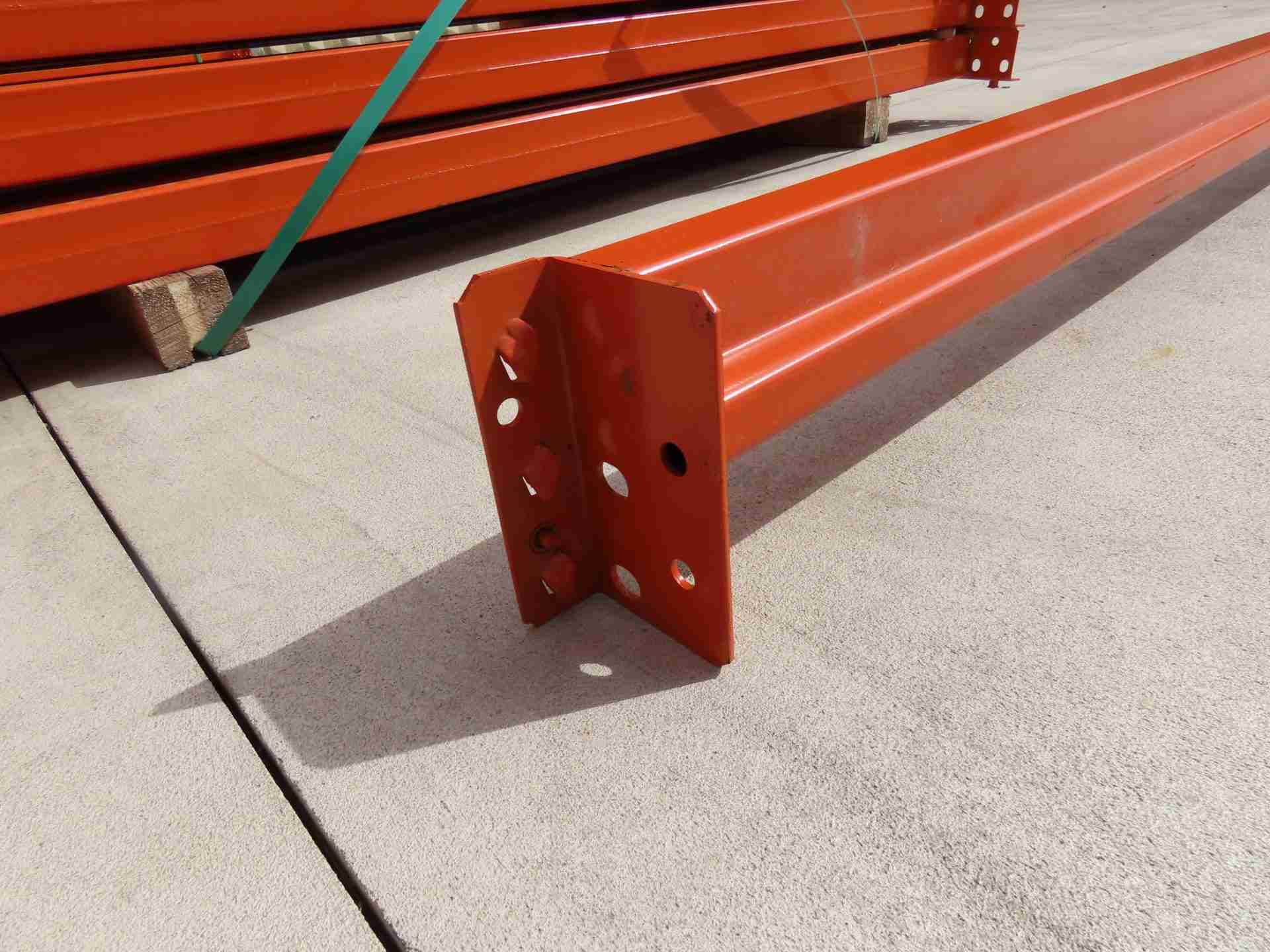
What Ethical Benefits Arise From Safer Workplace Storage?
Conclusion
When it comes to running a trim and moulding distribution business, space and time aren’t just numbers—they’re the lifeblood of getting things done. Cantilever racking steps in as the unsung workhorse, turning a cluttered, stressful warehouse into a smooth-running operation. It’s not flashy, but it’s built to handle the long, awkward, bulky stuff that standard pallet racks just don’t play nice with. Think of it as a system that respects the hustle: sturdy arms that hold your lumber, pipes, and mouldings without demanding you wrestle them into cramped slots or dangerous piles. This straightforward design doesn’t just make loading and unloading easier—it cuts down on wasted steps, workplace injuries, and product damage, all of which saves money and spares headaches.
There’s a real peace of mind that comes from knowing your inventory isn’t haphazardly stacked or trapped in a maze of beams and columns. An organized, well-planned rack system turns chaos into order, giving crews confidence to focus on the job instead of scrambling for materials. That sense of control isn’t just good for the bottom line; it protects the people handling the product—because safe storage means fewer accidents and less wear and tear on pricey goods. It’s a quiet testament to respect, both for your team’s hard work and for the integrity of what you’re selling.
Cantilever racking’s flexibility shines in handling varying trim lengths and weights with a sort of no-nonsense reliability. When you pay attention to proper loading and distribution, these racks hold up like champs, supporting everything from thin strips to hefty beams without turning into a hazard. That trust builds a culture where safety and efficiency walk hand in hand—a culture that values people’s well-being just as much as productivity.
From a cold, hard business angle, putting dollars into cantilever systems makes sense. It frees up floor space, streamlines workflow, and reduces labor costs tied to handling cumbersome materials. It’s not just steel and bolts sitting there; it’s a strategic investment that keeps customers satisfied, orders flowing, and expansions at bay. When you weigh the upfront cost against the long-term gains—less damage, fewer injuries, faster turnaround—it’s clear the smart money’s on racks that work as hard as you do.
At its core, choosing cantilever racking is about doing right by your crew, your stock, and your business. It’s a grounded, practical move that respects the daily grind and honors the unglamorous, stubborn work behind every successful distribution operation. In a world full of hassle, this kind of solid, dependable gear is exactly the partner you need to keep the wheels turning—no fuss, no frills, just real results.

Conclusion
Conclusion:
- Cantilever racking optimizes space and time by efficiently storing long, bulky items like lumber, pipes, and mouldings that standard pallet racks cannot handle.
- The design simplifies loading and unloading, reducing wasted steps, workplace injuries, and product damage, which saves money and operational headaches.
- Organized racks prevent haphazard stacking, enhancing inventory management and providing workers with confidence and a safer environment.
- These racks are flexible, accommodating varying trim lengths and weights while maintaining safety and reliability.
- Proper use of cantilever racking promotes a culture that values both safety and efficiency, supporting worker well-being and productivity.
- From a business perspective, investing in cantilever racks frees up floor space, streamlines workflow, and reduces labor costs related to handling cumbersome materials.
- Overall, cantilever racking is a practical, dependable solution that supports the workforce, protects inventory, and contributes to the success of distribution operations.

Conclusion
Other Resources

Other Resources
Here is a list of other resources you can review online to learn more:
- Illinois
- Crane Manufacturers Association Of America Inc.
- International Warehouse Logistics Association
- CMMA
- Pallet Rack Systems – New and Used Pallet Racking and Shelving Experts
- Teardrop Industrial Shelving Rack
- What is Cantilever Racking? – AK Material Handling Systems
- ASSP
- Warehouse Automation
- New Cantilever Racks and Racking Kits
- What is Selective Racking: Understanding Benefits & Options
- The Ultimate Pallet Racking Guide – Speedrack West
- BMH Equipment LLC
- Overhead Lifting
- Chicago Pallet Racking
- Illinois Pallet Racking – WPRP
- Intro to Warehouse Racks & Warehouse Racking Systems – ShipBob
- Pallet Racking 101: A Comprehensive Guide & Options Explained
- Mustang Material Handling
- IIWS Inc. Rack Installation Illinois & Rack Repairs Illinois
Use This Prompt To Get More Resources With Your Favorite Online AI Tool: Please provide me with a list of online articles with their URLs in a bulleted list that I can read regarding How Do Exterior Trim and Moulding Distributors Leverage Cantilever Racking?

Other Resources
Glossary Terms
How Do Exterior Trim and Moulding Distributors Leverage Cantilever Racking? – Glossary Of Terms
Cantilever Racking: A storage system designed for long, bulky items using horizontal arms extending from a vertical frame.
Exterior Trim: Decorative or protective features applied to the outside edges of a building.
Moulding: A strip of material with various profiles used to decorate or finish edges and surfaces.
Distributor: A company or individual that supplies products from manufacturers to retailers or contractors.
Storage Efficiency: The optimal use of space to store goods safely and accessibly.
Load Capacity: The maximum weight a racking system can support.
Vertical Upright: The main vertical structural component in cantilever racking.
Horizontal Arm: The projecting support element in cantilever racking that holds stored items.
Inventory Management: The process of monitoring and controlling stock levels.
Space Optimization: Arranging storage to maximize use of available area.
Accessibility: The ease with which items can be reached in storage.
Stock Rotation: The process of moving older inventory to the front for use or sale first.
Durability: The ability of materials or systems to withstand wear and tear over time.
Heavy-Duty Storage: Storage solutions capable of supporting large, heavy items.
Modularity: The feature allowing components of a system to be easily added, removed, or rearranged.
Safety Standards: Regulations to ensure storage systems operate without risk to personnel or goods.
Load Distribution: The manner in which weight is spread across a racking system.
Warehouse Organization: The systematic arrangement of products within a storage facility.
Material Handling: The movement, protection, storage, and control of products throughout manufacturing and distribution.
Ergonomics: Designing systems to optimize human interaction and reduce strain.
Space Utilization: Maximizing the functional use of physical space.
Custom Configurations: Tailoring storage solutions to specific needs or products.
Installation Time: The duration required to set up a racking system.
Maintenance: Routine actions to keep equipment in good working condition.
Cost Efficiency: Minimizing expenses while maximizing output or performance.
Load Bearing Arms: Cantilever rack components supporting stored materials.
Bulk Storage: Storing large quantities of similar items together.
Inventory Visibility: The ability to track and locate stock easily.
Order Picking: The process of retrieving items from storage to fulfill customer orders.
Scalability: The capability to expand storage as business grows.

Glossary Of Terms
Other Questions
How Do Exterior Trim and Moulding Distributors Leverage Cantilever Racking? – Other Questions
If you wish to explore and discover more, consider looking for answers to these questions:
- What are the load capacities of different cantilever arm sizes and configurations?
- How do you calculate safe load distribution for varying trim lengths?
- What floor anchoring methods are required for cantilever racking?
- How does cantilever racking compare to pallet racking in cost per cubic foot of storage?
- What maintenance and inspection schedule should be followed for cantilever systems?
- What are common signs of wear or damage to cantilever arms and uprights?
- How do you retrofit cantilever racking into an existing warehouse layout?
- What are recommended bay depths and arm spacings for different product types?
- How do wind, seismic, or other local codes affect cantilever rack design?
- Can cantilever racking be used outdoors, and what weatherproofing is needed?
- What surface coatings (galvanized, powder coat) are best for durability and corrosion resistance?
- How does cantilever racking affect forklift aisle width and traffic patterns?
- What training do forklift operators need for safe loading/unloading of long goods?
- Are there standard safety accessories (end stops, safety bars, signage) to add?
- How does cantilever racking integrate with inventory management systems and warehouse software?
- What are the lead times and installation timelines for new cantilever systems?
- How do you plan storage zones by product length, weight, and turnover rate?
- What are the upfront and lifecycle cost components (purchase, installation, maintenance, replacement)?
- How do you calculate ROI for switching from pallet to cantilever racking?
- What warranty options and service agreements do manufacturers offer?
- Can cantilever racks be reconfigured or expanded easily as inventory changes?
- What safety regulations and standards apply (e.g., OSHA, local building codes)?
- How should long or asymmetrical loads be supported to prevent sagging or bending?
- What are best practices for stacking different lengths on one arm or within one bay?
- How do cantilever systems handle mixed-material loads (wood, metal, PVC) in the same bay?
- What are common installation mistakes to avoid?
- How do you secure product to prevent roll-off or shifting during handling?
- Are there modular or mobile cantilever options for temporary or seasonal storage?
- What are the recommended inspection checklists and documentation practices?
- How does cantilever racking impact insurance premiums or liability exposure?
- What options exist for pallet/cantilever hybrid systems to store mixed SKUs?
- How do you store and protect finished trim/moulding finishes from moisture and UV damage?
- What ergonomic benefits or risks should be considered for manual handling?
- How do you size and specify cantilever systems for high-turnover versus long-term stock?
- What accessories (dividers, cradle supports, end stops) improve organization and safety?
- How do you manage inventory picking flows with long goods—FIFO, LIFO, batch picking?
- Can automated or semi-automated handling equipment be used with cantilever racks?
- What are the environmental and recyclability considerations for cantilever rack materials?
- How should you plan for future growth when selecting rack height and bay spacing?
- What are typical failure modes and how are repairs safely performed?
- Which suppliers or manufacturers have proven track records with exterior trim distributors?
- Are financing, leasing, or rental options available for cantilever racking?
- What metrics should distributors track to measure cantilever racking performance (space utilization, damage rate, picking time)?
- How do you handle regulatory inspections and demonstrate compliance for racking systems?

Other Questions
Checklist
How Do Exterior Trim and Moulding Distributors Leverage Cantilever Racking? – A Checklist
Objective and Fit
✅______ Define primary goals: space utilization, faster handling, damage reduction, safety.
✅______ Identify SKUs best suited for cantilever racking (long, bulky, or odd-shaped items).
✅______ Baseline current KPIs: damage rate, picks per hour, travel time, order accuracy, and incident rate.
Inventory Profile
✅______ Document typical, maximum, and minimum lengths, and variability.
✅______ Record weights per bundle and per piece, by profile.
✅______ Note material characteristics (flexible, rigid, fragile edges, finish sensitivity).
✅______ Determine turnover frequency and slot high movers at optimal heights.
Facility & Equipment
✅______ Verify floor slab capacity and condition; confirm anchor pull-out values.
✅______ Confirm forklift type, mast height, and fork or attachment needs (carpet pole, boom, clamps).
✅______ Set aisle width for the longest load and equipment maneuvering.
✅______ Assess indoor or outdoor location, corrosion exposure, and lighting.
System Design & Specification
✅______ Choose single- or double-sided racks based on flow and footprint.
✅______ Specify column spacing, arm length, arm capacity, and base length to suit loads.
✅______ Ensure arm spacing provides proper support for the longest and most flexible trims.
✅______ Include arm end stops or lips, dividers, or saddles to cradle profiles.
✅______ Select finish (galvanized or coated) for the environment; include row bracing as needed.
✅______ Confirm overall rack height versus forklift mast and ceiling and sprinkler clearances.
✅______ Post load rating plaques and level capacities.
Layout & Space Efficiency
✅______ Zone by length range and profile family to minimize travel.
✅______ Place heavy and fast movers at lower levels and near docks.
✅______ Provide staging space for inbound and outbound without blocking aisles.
✅______ Maintain required flue spaces and egress per local codes.
Safe Handling & Damage Prevention
✅______ Use a minimum of two-arm support; three or more for flexible stock.
✅______ Align dunnage and straps with arm locations to prevent bowing.
✅______ Keep overhang within manufacturer limits; avoid point loading.
✅______ Separate mixed lengths and profiles with dividers to prevent rolling or shifting.
✅______ Store heaviest bundles on lower levels; lighter on upper levels.
✅______ Add edge and corner protection, strapping, and end caps where needed.
SOPs and Training
✅______ Create load and unload SOPs for varying lengths and partial picks.
✅______ Train operators on even loading, arm capacity limits, and clearances.
✅______ Standardize staging, tie-down, and transport procedures.
✅______ Implement 5S housekeeping for aisles and rack bases.
Safety & Compliance
✅______ Inspect anchors, columns, arms, bases, and bracing before use.
✅______ Install rack protection (end guards, column protectors) at impact points.
✅______ Comply with manufacturer specifications and local building and fire codes.
✅______ Establish a stop-use protocol for damaged components and a tag-out process.
✅______ Ensure PPE and traffic rules for shared pedestrian and forklift zones.
Labeling & Visual Management
✅______ Label bays, levels, and arm positions with length ranges and profiles.
✅______ Color-code by length class or product family.
✅______ Display maximum load signage at eye level for operators.
✅______ Use location barcodes for WMS or simple scan sheets.
Maintenance & Inspections
✅______ Perform weekly visual checks for damage, loosened bolts, and bent arms.
✅______ Torque-check anchors and critical fasteners on schedule.
✅______ Document monthly and quarterly inspections; keep service records.
✅______ Replace damaged components with manufacturer-approved parts only.
✅______ Recoat or touch up galvanizing for outdoor systems as needed.
Operations & Flow
✅______ Define inbound QC and put-away processes by length and profile.
✅______ Review slotting each quarter to match demand changes.
✅______ Provide a safe cut-down area for trims, with scrap handling.
✅______ Set clear pick paths to reduce cross traffic and backtracking.
Metrics & ROI Tracking
✅______ Track space utilization before and after (percent of floor freed and vertical utilization).
✅______ Measure handling time per pick and per load.
✅______ Monitor product damage rate and returns.
✅______ Track incident and near-miss rates around racks.
✅______ Calculate payback using labor savings, damage reduction, and throughput gains.
Scalability & Change Management
✅______ Reserve capacity for new SKUs and length ranges.
✅______ Keep spare arms and dividers for quick reconfiguration.
✅______ Review future forklift and attachment needs for growing profiles.
✅______ Plan expansion bays and knockouts in the layout.
Go-Live Readiness
✅______ Verify installation per drawings; obtain sign-off.
✅______ Place load plaques and safety signage.
✅______ Conduct operator training and certify competency.
✅______ Pilot with a limited SKU set; confirm SOPs; then scale.
✅______ Schedule the first 30-, 60-, and 90-day audits and continuous improvements.

Checklist
At RackingWorld, we help guide you through selecting warehouse storage systems and racking.
Be sure to read our other related stories at RackingWorld to learn more about warehouse storage systems.
0 Comments