
Maximizing Efficiency And Safety: Choosing The Right Decking For Your Space
By Tom Seest
At RackingWorld, we help guide you through selecting warehouse storage systems and racking.
Be sure to read our other related stories at RackingWorld to learn more about warehouse storage systems.
Wire Decking Vs. Solid Decking: Pros and Cons
When it comes to storage solutions, the choice between wire decking and solid decking is more than just a decision; it’s about understanding your needs and the environment in which you’re working. Let’s dive into the pros and cons of each to get a real sense of what’s at stake.
Wire decking often takes the crown in versatility. It’s got that open design that allows air to circulate freely, which can be crucial for those of you storing items that need breathability. Think of items like clothing or fresh produce—wire decking’s structure helps keep them from becoming musty or moldy. And let’s be real: in a bustling warehouse, those benefits aren’t just nice to have; they’re essential. The transparency of wire also means you can see exactly what’s stored on your racking, reducing the time spent searching for items and increasing efficiency. But let’s not kid ourselves, it’s not all roses. The gapping can allow smaller items to potentially slip through, leading to headaches and lost inventory.
Now let’s talk about solid decking. This option offers a bulletproof barrier between your goods and whatever’s going on below. It’s a matter of security; with solid decking, you don’t have to worry about small parts tumbling into oblivion. This can be particularly important in industries that deal with hazardous materials or small components. Solid decking provides a stable platform that won’t flex under weight, which can give you peace of mind when stacking heavier items.
On the flip side, solid decking can lead to issues with airflow and drainage. If your products are prone to moisture, you might find yourself battling a mold problem instead of a productivity issue. Plus, when it comes to visibility, solid decking can be a real blind spot. You’ll need to keep organized to avoid the “out of sight, out of mind” syndrome.
Both options have their merits and challenges, and the right choice hinges on your unique needs. Ask yourself: what are you trying to accomplish? Are you prioritizing airflow, visibility, and flexibility, or is robust support and protection more of a concern? Whatever you choose, make it a decision rooted in knowledge and understanding, paving the way for a more effective and responsive storage solution. In the world of storage, being informed is your best tool, so take the time to analyze your requirements and make a call that fits your mission.

Wire Decking Vs. Solid Decking: Pros and Cons
Wire Decking Vs. Solid Decking: Pros and Cons
- Choosing between wire decking and solid decking involves understanding your specific needs and environment.
- Wire decking offers versatility with an open design that promotes air circulation, essential for breathable items.
- It allows better visibility of stored items, increasing efficiency and reducing search time.
- However, the gaps in wire decking can lead to smaller items slipping through and potential loss of inventory.
- Solid decking provides a secure barrier, preventing small items from falling and offering stability for heavy goods.
- It can, however, restrict airflow and drainage, potentially leading to moisture and mold issues.
- Ultimately, the choice between the two should be based on prioritizing airflow and visibility versus support and protection.

Wire Decking Vs. Solid Decking: Pros and Cons
Table Of Contents
- Wire Decking Vs. Solid Decking: Pros and Cons
- What Emotional Security Do You Feel with Different Decking Options?
- Is the Initial Cost Of Solid Decking Worth Its Long-Term Durability?
- What Ethical Considerations Arise When Choosing Between Decking Types?
- How Do Social Pressures Influence Your Decking Decisions At Work?
- What Are the Hidden Costs Of Maintenance for Each Decking Type?
- Conclusion
- Other Resources
- Glossary Of Terms
- Other Questions
- Checklist
What Emotional Security Do You Feel with Different Decking Options?
When it comes to decking options, the choice can often feel overwhelming. Yet, at the heart of that choice lies something much deeper than aesthetics or functionality—it’s about emotional security. Think about the times you’ve shared laughter and stories on your deck, the warm sunlight filtering through leaves as friends gather for a barbecue, or the quiet solitude of a rainy evening with a good book. The materials you choose become the stage where life unfolds, and that’s a powerful notion.
Now, let’s consider the practical side for a moment. Different decking materials come with varying costs, maintenance routines, and durability factors. A well-respected composite deck might require less racking in maintenance, freeing you up to enjoy those cherished moments instead of worrying about splinters or fading colors. From a rational standpoint, the right choice stands solid in both performance and peace of mind, aligning with your budget and lifestyle.
But what about ethics? It’s important to think about sourcing and sustainability. Choosing natural materials or composites made from recycled products not only ensures you enjoy a beautiful deck but also fosters a connection to the environment. It feels good to know that your choices reflect a commitment to the planet and future generations, an ethical stance that resonates with the values many of us hold dear.
Socially, your deck is where friendships are forged. A wooden or composite deck can serve as more than just a backyard feature; it’s a gathering space for community. Think of the potlucks, birthday celebrations, or quiet evenings with neighbors. Your choice sends a message: this is a welcoming place, an extension of home where memories are built and bonds are strengthened.
Narratively, each board has a story. Whether it’s reclaimed wood with its unique history or a sleek, modern composite, every decking option carries tales of craftsmanship and origin. When you invest in your deck, you’re also investing in the stories that will unfold on it—creating a narrative rich in experience.
Ultimately, the emotional security you gain from your decking choice extends beyond material. By thinking of your deck not just as a surface to stand on, but as a foundation for life’s moments, you’re opting for a space that nurtures connections and resonates with authenticity. So, let’s make decisions that invite the heart, engage the head, and stir the gut—let’s create a space that feels like home.

What Emotional Security Do You Feel with Different Decking Options?
What Emotional Security Do You Feel with Different Decking Options?
- Decking choices encompass more than aesthetics; they provide emotional security.
- Shared experiences on the deck enhance the atmosphere of gatherings and solitude.
- Different decking materials vary in cost, maintenance, and durability, impacting lifestyle and peace of mind.
- Ethical considerations include sourcing sustainable or recycled materials, promoting environmental connection.
- Decks serve as social spaces that foster community and strengthen relationships.
- Each decking option has a story, reflecting craftsmanship and personal narrative.
- Viewing the deck as a foundation for life’s moments nurtures connections and authenticity.

What Emotional Security Do You Feel with Different Decking Options?
Is the Initial Cost Of Solid Decking Worth Its Long-Term Durability?
When considering solid decking, the initial investment can feel like a steep hill to climb. You might stare at the price tag and wonder if it’s worth every penny. But let’s take a moment to think beyond that upfront cost. Think about your backyard gatherings, the laughter shared, the summer barbecues sizzling with flavors, and the quiet moments spent with loved ones, watching the sunset paint the sky. These are the memories that solid decking can help create, memories that last far longer than the fleeting sting of an initial expenditure.
Now, let’s put our rational hats on. Solid decking offers a durability that composite materials often can’t match. You’re not just buying boards; you’re investing in the resilience to withstand the elements—rain, snow, and intense heat. Unlike flimsy alternatives that may start to show wear after a few seasons, solid wood can outlast its cheaper counterparts by decades. Each scratch and scuff tells a story, but they’re far less frequent when you choose quality over quantity. You get stability, reducing the risk of racking that leads to safety hazards, and preventing future mishaps that could cost you more than just money.
From an ethical standpoint, consider the environmental impact. Choosing sustainably sourced wood means you’re not just building a deck; you’re making a statement about your values. You’re supporting practices that protect our resources, doing your part to keep our forests healthy, and preserving the world for future generations.
And let’s not overlook the social angle: when you choose solid decking, you’re saying “yes” to community. A strong, well-built deck becomes a gathering place for friends and family, a hub for celebrations, storytelling, and fellowship. It’s more than just a physical structure; it’s the bridge that connects us to one another.
When you weigh the emotional and practical sides of the equation, the initial cost starts to look more like a wise investment. This isn’t just about wood; it’s about building a lasting legacy, creating a sanctuary, and fostering relationships that enrich our lives. So while the price may seem high today, the return on that investment—a lifetime of memories—makes it absolutely worth it.

Is the Initial Cost Of Solid Decking Worth Its Long-Term Durability?
Is the Initial Cost Of Solid Decking Worth Its Long-Term Durability?
- Solid decking may have a high initial investment but can lead to lasting memories.
- It provides exceptional durability, often outlasting composite materials by decades.
- Quality solid wood reduces risks of safety hazards compared to cheaper alternatives.
- Choosing sustainably sourced wood supports environmental protection and resource conservation.
- A solid deck fosters community gatherings and strengthens social connections.
- The emotional and practical benefits make the initial cost a wise investment.
- Investing in solid decking contributes to a legacy of cherished moments and relationships.

Is the Initial Cost Of Solid Decking Worth Its Long-Term Durability?
What Ethical Considerations Arise When Choosing Between Decking Types?
When it comes to choosing the right decking material, the decisions we make go beyond aesthetics and durability; they touch the very essence of our values and responsibilities. Picture this: you’ve spent hours planning the perfect outdoor space for family gatherings, barbecues, and quiet evenings under the stars. But as you racked your brain over the choices before you—wood, composite, or something else entirely—it’s essential to consider the ethical implications intertwined in that selection.
First, think about the environmental impact. Choosing sustainably sourced wood can evoke a sense of pride, knowing your decking doesn’t contribute to deforestation or habitat loss. Every board has a story, a connection to the earth, the trees that stood tall for decades before being ethically harvested. On the other hand, while composite materials may boast longevity and less maintenance, they often rely on petrochemicals, raising questions about their life cycle and long-term ecological footprint. The challenge lies in balancing your desire for a beautiful backyard with the responsibility of choosing materials that honor the planet.
Then there’s the question of community and social responsibility. Purchasing from local suppliers not only supports the local economy but fosters relationships within your community. You’re not just buying wood; you’re investing in local craftsmanship and the tradition of quality that often comes with it. This local connection infuses your space with character and adds resonance, making those shared evenings with friends and family feel even more special.
And let’s not forget the ethical angle. When we consider labor practices, choosing a decking supplier with fair labor conditions feels right on a fundamental level. It assures us that the hands that crafted our space were treated with dignity and respect. Each choice reflects our values and sets a standard for how we wish to engage with the world around us.
Ultimately, this decision isn’t just about planks and screws; it’s about building a life that aligns with who you are and what you believe. By thoughtfully weighing the ethical considerations of each decking type, you aren’t merely flooring your backyard; you’re laying the foundation for a life that resonates with integrity, sustainability, and connection. So the next time you step out for that barbecue, take a moment to appreciate not just your deck, but the choices that brought it to life.

What Ethical Considerations Arise When Choosing Between Decking Types?
What Ethical Considerations Arise When Choosing Between Decking Types?
- Choosing decking materials involves considerations beyond aesthetics and durability, touching on ethics and responsibilities.
- Sustainably sourced wood helps prevent deforestation and habitat loss, giving a sense of connection to nature.
- Composite materials, while low-maintenance, often rely on petrochemicals, raising concerns about their ecological footprint.
- Supporting local suppliers promotes the local economy and fosters community relationships.
- Investing in local craftsmanship enhances the character of outdoor spaces and makes gatherings more special.
- Choosing suppliers with fair labor practices ensures respect and dignity for workers involved in crafting the decking.
- This decision reflects personal values and contributes to building a life grounded in integrity, sustainability, and connection.

What Ethical Considerations Arise When Choosing Between Decking Types?
How Do Social Pressures Influence Your Decking Decisions At Work?
When it comes to decking decisions at work, the influence of social pressures can feel like a tug-of-war pulling at your very core. On one side, you’ve got the expectations of colleagues, managers, and even the industry standard, creating an environment where the fear of judgment is as palpable as the wood grain beneath your fingers. It’s only natural for our choices to reflect the values and styles of those around us; we want to fit in, to be part of the team, and yet, we must confront the reality that every decision we make speaks volumes about who we are.
Think about it. As you stand in the midst of a team meeting, showcasing your plans for the new outdoor decking, what’s really happening? The eyes are on you, racking their opinions and subtly weighing your choices against their beliefs. Will your choice not only stand the test of time but also signal your commitment to quality and innovation? Rationally speaking, we know that the materials we select impact not just the aesthetics but the durability of our environment. We want our work to withstand criticism, just as much as the weather.
Yet, let’s not overlook the ethical dimension. The right choice can transcend mere wood and nails; it speaks to sustainability, community, and our responsibility as stewards of our workplace. When we choose decking that aligns with these values, we resonate with a deeper purpose, igniting pride—and who wouldn’t want that?
Engagement comes from this very connection, this shared journey of creating spaces that tell a story. Imagine building a deck that doesn’t just serve its purpose but invites laughter, brainstorming, and bonding. You’re not just laying down planks; you’re crafting a platform for collaboration.
More importantly, trust breeds inspiration. When we empower ourselves to make choices rooted in authenticity and integrity, we pave the way for our colleagues to do the same. They’ll see you choosing a material that speaks not only to their needs but to the collective goals of the team. They’ll find confidence in their choices, using your example as a scaffolding for their decisions.
So, the next time you’re faced with decking decisions, remember: it’s not just about wood and design; it’s about community, values, and the legacy you leave behind. Engage with those pressures thoughtfully, and watch how they can transform mere decisions into monumental victories for everyone involved.

How Do Social Pressures Influence Your Decking Decisions At Work?
How Do Social Pressures Influence Your Decking Decisions At Work?
- Social pressures influence decking decisions at work, creating a tug-of-war between personal values and external expectations.
- The fear of judgment from colleagues and managers can impact choices, leading to conformity in decision-making.
- Decking choices reflect not only aesthetics but also durability and commitment to quality and innovation.
- Ethical considerations, such as sustainability and community responsibility, play a crucial role in decision-making.
- Creating spaces with decking fosters engagement and collaboration among team members.
- Making authentic and integrity-driven choices empowers colleagues to follow suit, building collective confidence.
- Decking decisions are about more than just design; they embody community values and the legacy left behind.

How Do Social Pressures Influence Your Decking Decisions At Work?
What Are the Hidden Costs Of Maintenance for Each Decking Type?
When you’re standing on that freshly built deck, basking in the glow of your handiwork, it’s easy to forget that the wood you used isn’t just a decorative floor; it’s a living thing requiring care, attention, and, yes, investment. Every different type of decking material comes with its own set of hidden maintenance costs that can take you by surprise, kind of like an unexpected bill or a late-night pizza craving you didn’t plan for.
Let’s talk about wood. Beautiful, timeless, but demanding. Softwoods, like pine, may look gorgeous, but they’re susceptible to racking under pressure. Those enduring sunbeams and seasonal rains? They wear down the fibers, creating splinters and requiring regular staining and sealing. You might love the look of a natural wood grain, but between the costs of treatments and labor, your initial investment may multiply faster than you anticipate.
Composite decking struts around like a genius, claiming to be ‘low-maintenance.’ Sure, you don’t need to stain or seal it, but those seemingly indestructible boards can fade, stain, or even warp over time if not cleaned properly. And let’s not forget the hidden costs of specialized cleaners and brushes. Good luck painting a pretty picture in your mind when the price tag bites back with each new bottle of maintenance potion.
Now, let’s not shy away from aluminum or vinyl. The decorative sacrifices can be real, especially with aluminum. It can endure harsh climates but will still require periodic checks for rust or corrosion—another hidden expenditure that may not align with your ‘install-and-forget’ approach. Vinyl might seem carefree, but if it’s not installed correctly, the expense of fixing misaligned panels or loose connectors can hit harder than a summer storm.
With each decking choice, you’re not just picking a stylish element for your yard; you’re committing to an ongoing relationship, one filled with love, care, and the occasional tears of frustration. It’s your space, your sanctuary, but remember, the romance isn’t all roses. By understanding the hidden costs of maintenance across different materials, you can make informed choices, securing a deck that not only suits your heart but also your head, gut, and wallet. Your deck can be the centerpiece of countless memories, but only if you foster that connection with conscientious maintenance. Choose wisely—your home, your family, and your future summers deserve nothing less.

What Are the Hidden Costs Of Maintenance for Each Decking Type?
What Are the Hidden Costs Of Maintenance for Each Decking Type?
- Decking materials require ongoing care and attention, not just initial investment.
- Wood decking, while beautiful, can incur high maintenance costs due to susceptibility to damage from the elements.
- Softwoods like pine may suffer from splintering and require regular staining and sealing.
- Composite decking is marketed as low-maintenance, but hidden costs for cleaning and upkeep exist.
- Aluminum decking is durable but needs periodic rust and corrosion checks, which add to maintenance costs.
- Vinyl decking can be trouble if installed incorrectly, leading to costly repairs.
- Choosing the right decking involves understanding hidden costs and committing to regular maintenance for long-term enjoyment.

What Are the Hidden Costs Of Maintenance for Each Decking Type?
Conclusion
Choosing the right decking—whether wire or solid—is more than just a functional decision; it’s an exploration of values, needs, and life’s little joys. Picture this: you’re in a warehouse bustling with activity, choosing between two materials. Wire decking brings versatility and visibility, allowing air to circulate and providing an inviting space for playing hide-and-seek with inventory. Yet, it has its drawbacks; small items can slip through, creating chaos. Solid decking, on the other hand, offers a formidable barrier of security, perfect for stacking heavy loads and ensuring nothing tumbles into oblivion. But be cautious—its lack of airflow can lead to mold, and hidden goods might evoke the dreaded “out of sight, out of mind” syndrome.
Ultimately, your choice should speak to your unique requirements. Are you after visibility and flexibility, or do you seek strength and protection? This is about understanding your space and making informed decisions to enhance efficiency and safety.
Now, beyond the practical aspects, let’s tap into the emotional core. Decking isn’t merely a surface; it’s the foundation for memories. Whether it’s a barbecue with friends or a quiet evening alone, the material you choose sets the stage for life’s cherished moments. Solid decking, while an upfront investment, offers long-term durability and the promise of countless gatherings. Each sunset seen from it carries the weight of laughter, connection, and stories shared, creating a narrative that resonates through time.
Ethically, the materials we choose reflect our commitment to the planet and our community. Sourcing sustainably affects future generations, ensuring our choices honor the earth’s resources while supporting local economies. And let’s not forget about social dynamics at work. Your decking decisions can foster camaraderie, igniting creativity and community, and solidifying trust among teams.
Let’s face it: the never-ending maintenance of decking materials can be a hidden cost lurking in the shadows. Wood may require regular love and attention, while composites boast low maintenance but can still surprise you with hidden expenses. Understanding these nuances prepares you for a long and fruitful relationship with your deck.
So, when it comes time to make that decision, engage your heart, head, and gut. Choose a decking solution that resonates not just with your immediate needs but reflects your values and desires. It’s not just about standing on something solid; it’s about building a foundation for life, connection, and community—one plank at a time.

Conclusion
Conclusion:
- Choosing decking material involves reflecting on values, needs, and personal joys.
- Wire decking offers visibility and airflow but can lead to small items slipping through.
- Solid decking provides security for heavy loads but may cause mold and hidden item issues.
- Your choice should align with your unique requirements, whether prioritizing visibility or strength.
- Decking serves as the foundation for memorable experiences and social gatherings.
- Ethical material choices impact sustainability and community, fostering trust and creativity.
- Consider maintenance costs associated with wood and composites before making a decision.
Conclusion
Other Resources

Other Resources
Here is a list of other resources you can review online to learn more:
- Illinois Pallet Racking – WPRP
- Chicago Pallet Racking
- Teardrop Industrial Shelving Rack
- Storage Equipment Manufacturers’ Association
- What is Selective Racking: Understanding Benefits & Options
- Teardrop Industrial Shelving Rack
- Storage Equipment Manufacturers Association
- National Safety Council
- Crane Manufacturers Association Of America Inc.
- Pallet Racking systems in Illinois and Great Lakes
- What is Cantilever Racking? – AK Material Handling Systems
- Logic Material Handling
- Selective Rack – Raymond West
- Cantilever Rack Configuration & Installation: A Comprehensive Guide – BMH
- Rack Manufacturers Institute
- Pallet Racking 101: A Comprehensive Guide & Options Explained
- Cantilever Racking Specialists – Get the Right Racks
- BMH
- Teardrop Pallet Rack – Ridg-U-Rak
- Overhead Lifting
Use This Prompt To Get More Resources With Your Favorite Online AI Tool: Please provide me with a list of online articles with their URLs in a bulleted list that I can read regarding Wire Decking Vs. Solid Decking: Pros and Cons

Other Resources
Glossary Terms
Wire Decking Vs. Solid Decking: Pros and Cons – Glossary Of Terms
1. Wire Decking: Open-framed shelving system typically made of steel wires, allowing visibility and ventilation.
2. Solid Decking: Continuous surface shelving made from materials like plywood or metal, providing a flat platform.
3. Ventilation: The process of circulating air, beneficial for moisture control and preventing mold growth.
4. Visibility: The degree to which items on a shelf can be seen, influenced by the structure of the decking.
5. Load Capacity: The maximum weight that a shelving unit can support, a critical factor in materials selection.
6. Durability: The ability of a decking material to withstand wear, pressure, or damage over time.
7. Cost-Effectiveness: Evaluation of initial investment versus long-term benefits and savings related to decking materials.
8. Maintenance: The upkeep required to ensure shelving remains in good condition, differing between wire and solid decks.
9. Cleaning Ease: The simplicity and convenience of maintaining a decking surface free from debris and contaminants.
10. Temperature Resistance: The capacity of decking to withstand extreme temperatures without warping or degrading.
11. Safety Standards: Regulations that shelving systems must adhere to ensure structural integrity and user safety.
12. Moisture Resistance: Ability of a decking solution to repel humidity and prevent rust or rot, significant for specific environments.
13. Weight Distribution: Method of spreading weight across a surface to prevent overload on any single point.
14. Installation Flexibility: The ease and adaptability with which shelving units can be set up in various configurations.
15. Aesthetic Appeal: The visual attractiveness of shelving materials, which can influence design choices in a space.
16. Compatibility: The ability of decking styles to work with existing racking systems, influencing purchase decisions.
17. Fire Resistance: The capacity of materials to withstand flame and heat, important for safety in warehouses.
18. Structural Integrity: The overall strength and stability of the shelving system, ensuring it can hold intended loads without failure.
19. Sustainability: Consideration of environmental impacts associated with materials used for decking, including recyclability.
20. Polymer Coating: A protective layer applied to steel wire decking to enhance durability and corrosion resistance.
21. Customization: The ability to modify shelving dimensions or features to meet specific storage needs.
22. Forklift Accessibility: The ease with which material handling equipment can operate around or on the decking system.
23. Environmental Control: Techniques for managing conditions such as humidity and temperature in storage spaces.
24. Impact Resistance: The ability of a decking system to absorb shocks or impacts without suffering damage.
25. Installation Time: The duration required to set up a shelving unit, which can vary based on decking type.
26. Modularity: Design feature allowing for easy rearrangement, expansion, or contraction of shelving units.
27. Footprint: The physical space occupied by a storage system, critical in maximizing warehouse efficiency.
28. Weight Rating: Specific measurement indicating the maximum load a decking type is designed to support safely.
29. Shelf Segmentation: The practice of dividing storage areas to optimize the organization and retrieval of items.
30. Inventory Management: Techniques and systems used to track and control stock levels on shelving units for efficiency.
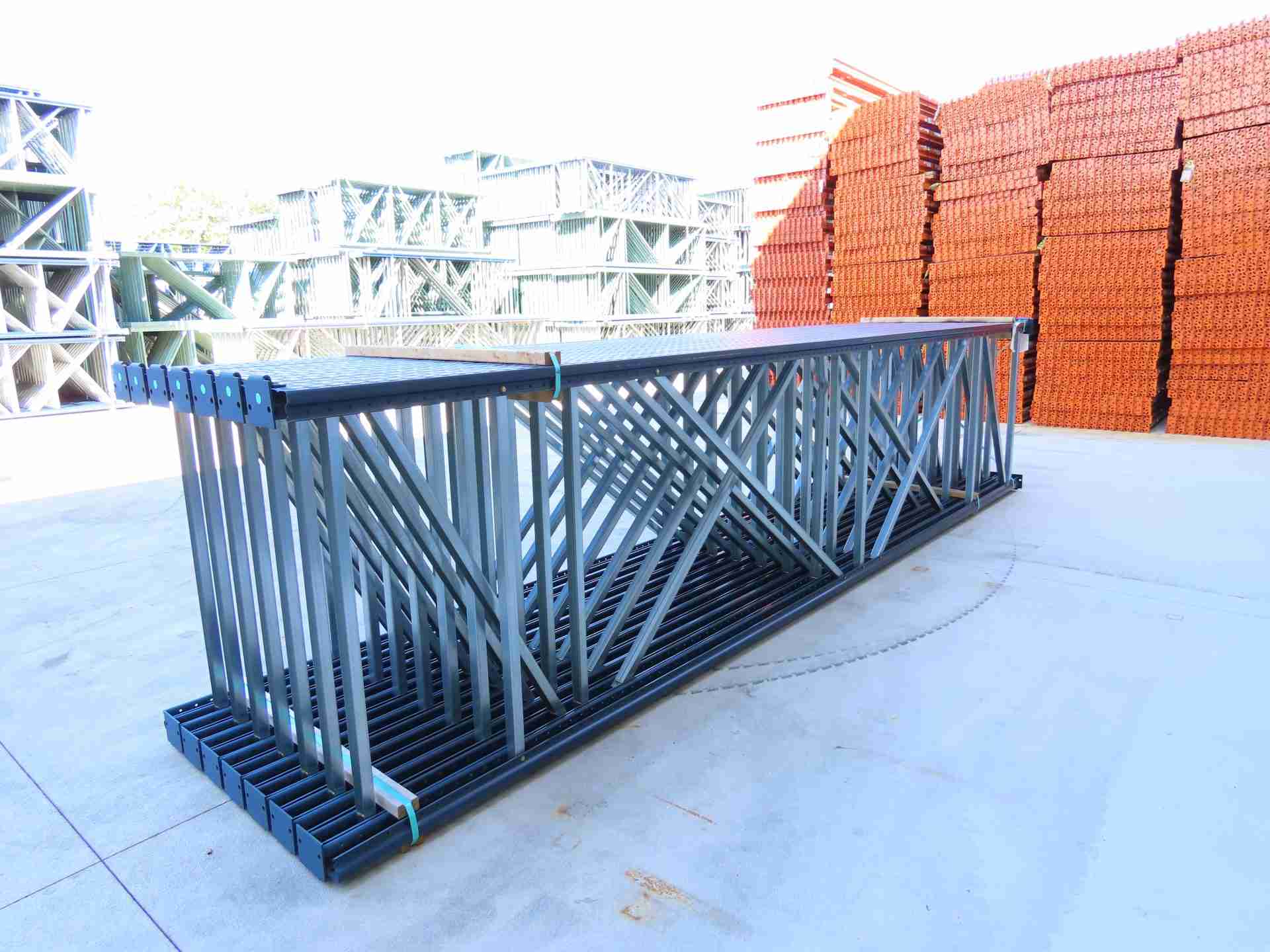
Glossary Of Terms
Other Questions
Wire Decking Vs. Solid Decking: Pros and Cons – Other Questions
If you wish to explore and discover more, consider looking for answers to these questions:
- What factors should I consider when choosing between wire decking and solid decking?
- How does airflow affect the longevity of stored items on different decking types?
- What are the best practices for maintaining wire and solid decking?
- What types of items are best suited for storage on wire decking versus solid decking?
- Can I combine wire and solid decking in my storage solution?
- If so, how?
- What are the environmental impacts of using different decking materials?
- How do different decking materials affect safety in a warehouse or storage environment?
- What is the cost-benefit analysis of investing in solid decking versus wire decking?
- How do social and community values affect decking choices in residential areas?
- What warranties or guarantees should I look for when purchasing decking materials?

Other Questions
Checklist
Wire Decking Vs. Solid Decking: Pros and Cons – A Checklist
Decking Decision Checklist: Balancing Emotion, Logic, and Ethics
Emotional Appeals
_____ Reflect on the memories you want to create on your deck: family gatherings, quiet moments, and celebrations.
_____ Choose a decking material that aligns with your sense of comfort and emotional security.
_____ Consider how the aesthetics of your deck will impact your overall outdoor experience.
Rational Appeals
_____ Assess the long-term durability and maintenance needs of each decking option.
_____ Calculate the initial costs versus the potential hidden maintenance expenses for wood, composite, aluminum, and vinyl decking.
_____ Research the benefits of airflow and moisture control associated with wire and solid decking.
Ethical Appeals
_____ Investigate the sourcing of materials: Are they sustainably harvested? Do they contribute to deforestation?
_____ Choose suppliers who prioritize ethical labor practices to support community welfare.
_____ Consider the environmental impact of composite materials and their reliance on petrochemicals.
Authority Appeals
_____ Consult industry experts or seek out research on decking materials and their performance over time.
_____ Read reviews and case studies from other consumers who have chosen wire versus solid decking.
_____ Attend workshops or seminars that focus on sustainable building and material choices.
Narrative Appeals
_____ Reflect on the stories behind different materials: from reclaimed wood with unique histories to modern composites with innovation at heart.
_____ Visualize how your chosen decking material will contribute to the narrative of your home and enhance your lifestyle.
_____ Imagine the gatherings, conversations, and experiences that will take place on your deck.
Social Appeals
_____ Discuss decking choices with friends and family to gather diverse opinions and insights.
_____ Consider trends in your community and how your decking choice may influence or reflect local standards.
_____ Build a deck that encourages social interaction and creates a welcoming environment for gatherings.
Final Thoughts
_____ Weigh your options carefully: Are you creating a space that enhances your home life and aligns with your values?
_____ Remember, your choice will impact not just your immediate surroundings but also future generations. Choose wisely.

Checklist
At RackingWorld, we help guide you through selecting warehouse storage systems and racking.
Be sure to read our other related stories at RackingWorld to learn more about warehouse storage systems.
0 Comments