
Protecting Lives And Assets: The Ethical And Practical Guide
By Tom Seest
At RackingWorld, we help guide you through selecting warehouse storage systems and racking.
Be sure to read our other related stories at RackingWorld to learn more about warehouse storage systems.
How to Safely Install Racks Near Fire Suppression Systems
When it comes to racking systems in warehouses or industrial settings, safety should always be the cornerstone of your operation. We’ve all heard the horror stories—overloaded racks, a misplaced item, and suddenly, an entire warehouse becomes a ticking time bomb in the face of fire. You don’t want to be the one who thought “it’ll never happen to me,” and then paid the price for that too-quick thinking. It’s about more than just regulations; it’s about protecting lives and livelihoods.
Picture a bustling warehouse, filled with the echoes of hard work and determination, each person there driven by purpose. Now imagine that environment suddenly doused in chaos because someone decided installing racks near fire suppression systems was a good idea, ignorance clouding their judgment. The heart of a workplace beats strongest when everyone feels safe, supported—and understands the vital nature of proper spacing and structure when racking.
By consulting fire safety guidelines before you even start placing those racks, you’re taking a stance not just against potential disasters, but also for your fellow workers. You’re creating a culture where safety reigns. That’s where the ethical side comes in; it’s our duty to look out for one another. If installing racks in a way that puts your team at risk feels wrong—and it certainly should—then we all need to be on board with the standards that keep us upright.
Let’s talk about the nuts and bolts of the situation: barriers, visibility, accessibility. Think of it as a narrative—the racks supply the story, but just like any good tale, it needs a compelling hero: the fire suppression system. Give it room to breathe; don’t box it in or clutter its space. It needs to operate effectively when the chips are down—or rather, when the flames are up.
This isn’t an abstract concept; it’s a real challenge that thousands of businesses face daily. It’s about rising to that challenge, motivating one another to follow best practices. When warehouse managers and employees rally together to establish a safe environment, that sense of camaraderie engenders a powerful defense against disaster. So, for everyone’s sake, let’s commit to these safety principles—because when we put safety first, we’re ensuring a brighter, more resilient future for all.
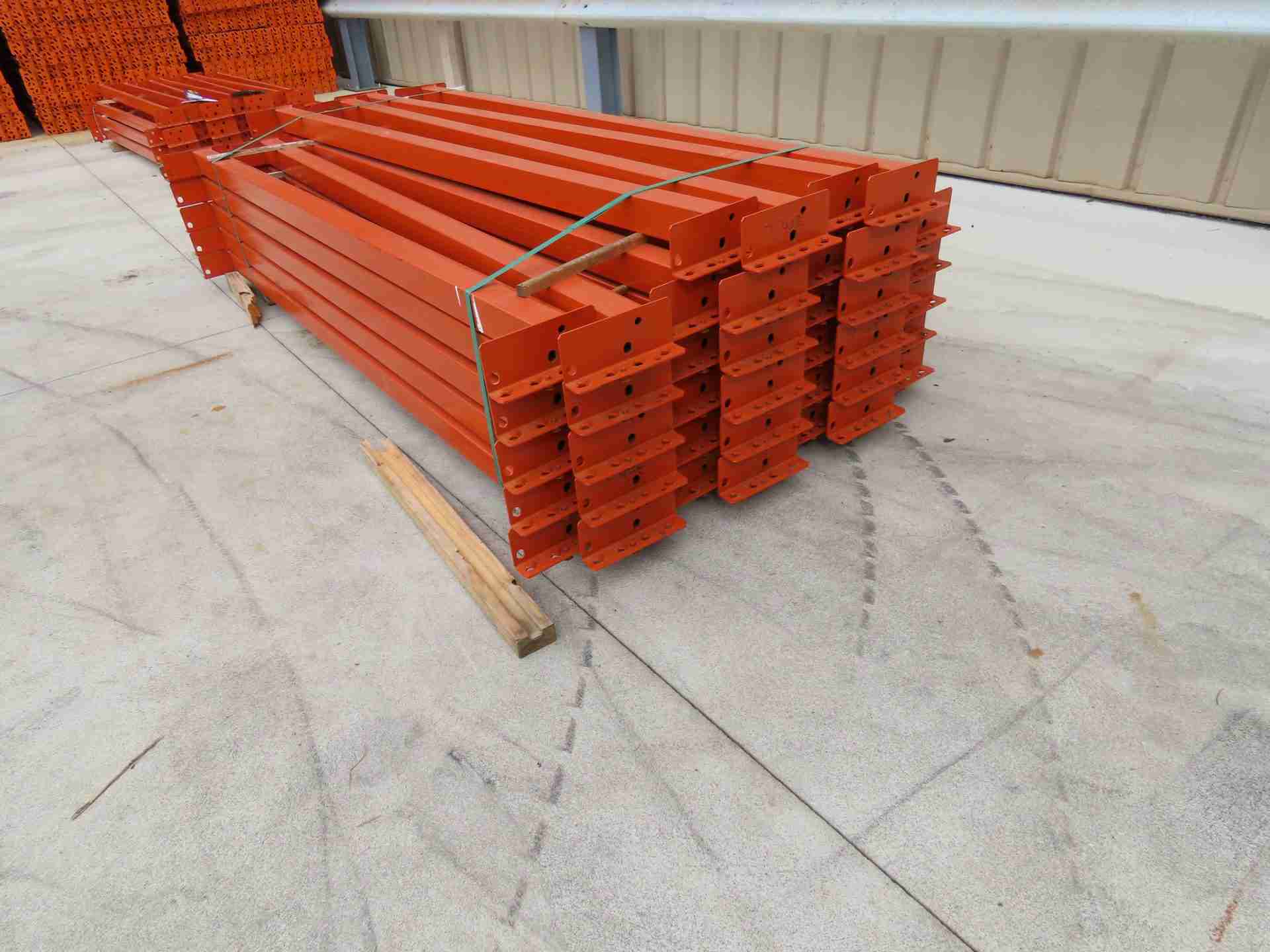
How to Safely Install Racks Near Fire Suppression Systems
How to Safely Install Racks Near Fire Suppression Systems
- Safety is paramount in warehouse racking systems; negligence can lead to disastrous consequences.
- Improperly installed racks near fire suppression systems can create chaotic and dangerous situations.
- Consulting fire safety guidelines is essential for the safety of all workers in the environment.
- Creating a culture of safety involves everyone taking responsibility for proper racking standards.
- Barriers, visibility, and accessibility are crucial elements to consider when installing racks.
- A collective commitment to best practices fosters camaraderie and defense against potential disasters.
- Prioritizing safety leads to a more resilient future for all warehouse employees and operations.
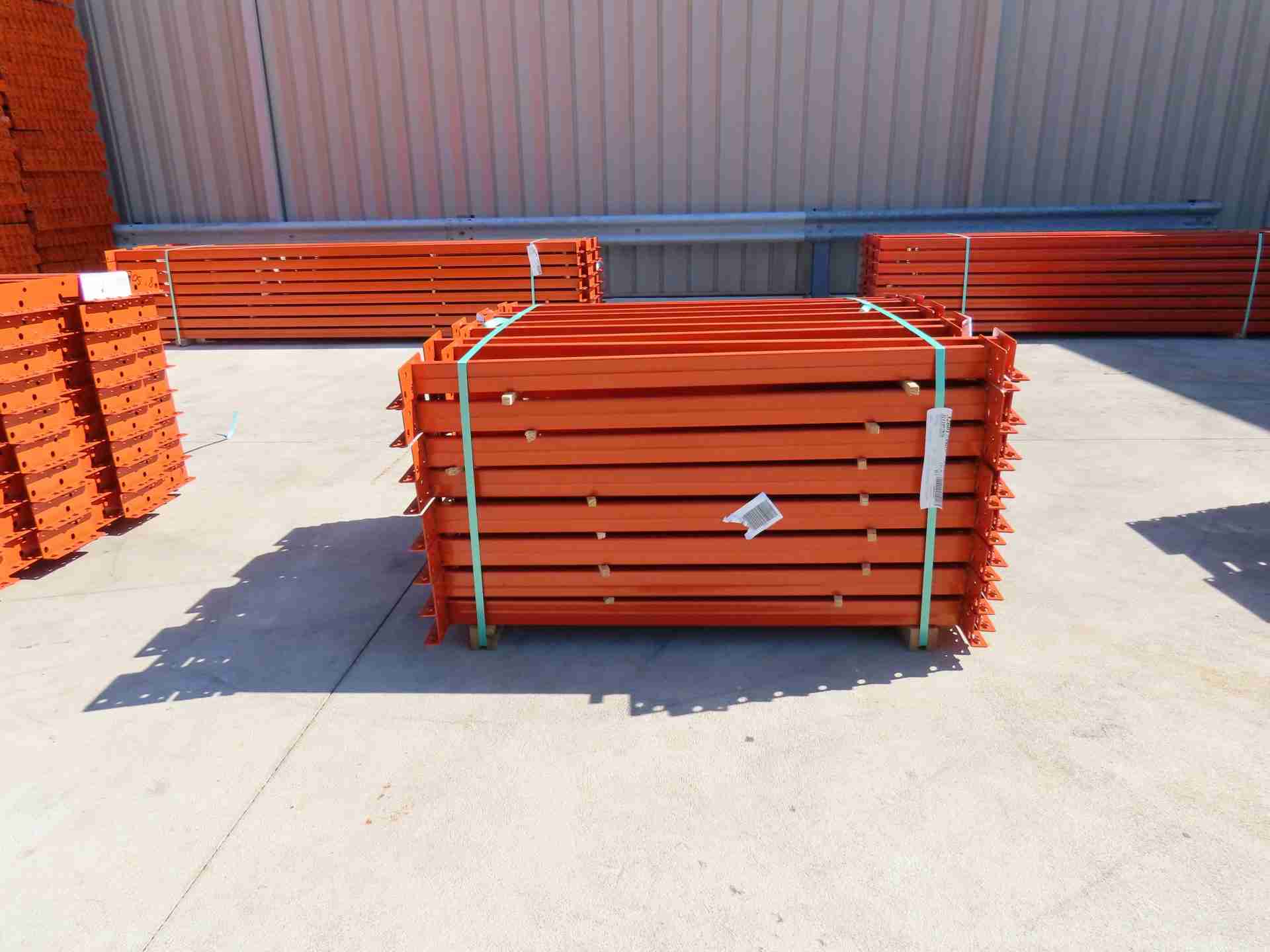
How to Safely Install Racks Near Fire Suppression Systems
Table Of Contents
- How to Safely Install Racks Near Fire Suppression Systems
- What Are the Risks Of Improper Rack Installation Near Sprinklers?
- How Can We Ensure Safety Without Compromising Storage Needs?
- How Do Fire Codes Influence the Design Of Storage Areas?
- Can Real-Life Stories Highlight the Importance Of Proper Installation?
- How Can Teamwork Prevent Potential Hazards In Storage Areas?
- Conclusion
- Other Resources
- Glossary Of Terms
- Other Questions
- Checklist
What Are the Risks Of Improper Rack Installation Near Sprinklers?
When we think about warehouse safety, our minds often race to the big stuff: heavy equipment, hazardous materials, or chaotic forklift traffic. But what about the racking? The often-overlooked racks that hold our livelihoods, our products, and sometimes our very dreams? Improper rack installation near sprinklers isn’t just an oversight—it’s a ticking time bomb that can cost more than a few dollars. It can cost lives.
Picture this: you walk into a warehouse filled with rows upon rows of racking. Some of it is pristine, and some? Well, it looks a bit like a house of cards. Now, if you consider sprinklers—those little heroes designed to save us in times of crisis—imagine what happens when racking blocks or interferes with their coverage. You have a system designed to douse flames, yet suddenly it’s rendered as useful as a chocolate teapot.
From a rational point of view, the figures are staggering. When fires break out in warehouses, the risk of losing not just products, but entire operations becomes real. Businesses have crumbled under the weight of preventable fire damage, and when this happens, it trickles down the chain—employees lose jobs, families lose income, and communities bear the burden.
Ethically speaking, ignoring proper racking installation is a disservice to your employees and their families. You don’t just work for the bottom line; you work for the people who show up day in and day out, trusting that their workplace is safe. What would you say to a loved one if they were injured because corners were cut? How would that feel as you faced them in recovery?
Authority figures in safety compliance understand this all too well. They know that a few extra minutes spent ensuring that racks are installed a safe distance from those critical sprinkler systems can save lives. It’s not just about compliance; it’s about caring for the people who depend on your business.
Remember, we’re in a world where the simplest action can ripple across neighborhoods and families. When we prioritize proper racking and consider its implications, we forge connections—not just within a warehouse, but in the broader fabric of community, safety, and integrity. Choose to take those extra steps, not just for compliance, but for the heart of your workforce and the well-being of everyone involved.
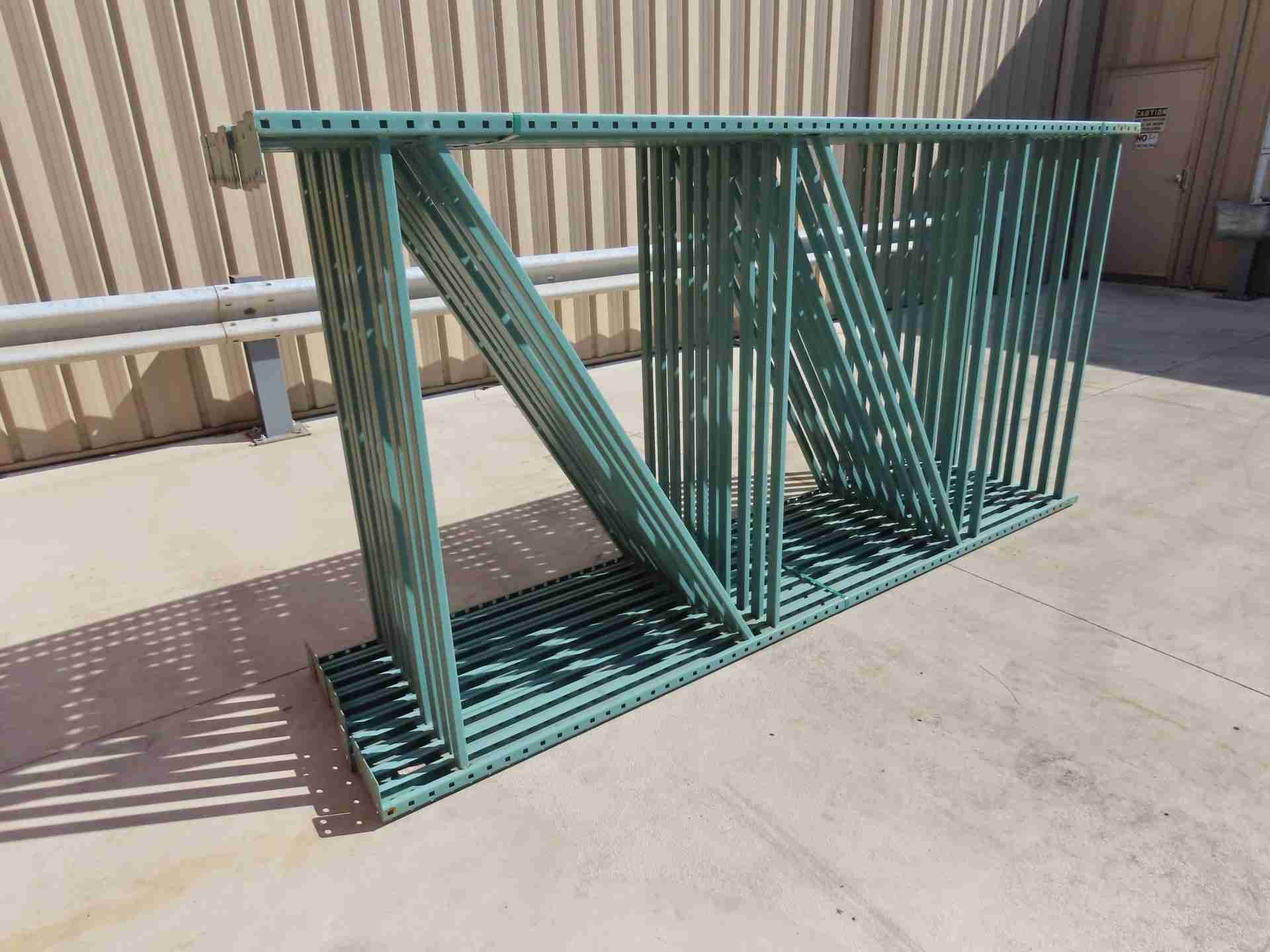
What Are the Risks Of Improper Rack Installation Near Sprinklers?
What Are the Risks Of Improper Rack Installation Near Sprinklers?
- Warehouse safety often focuses on heavy equipment and hazardous materials, but racking is crucial too.
- Improper rack installation near sprinklers poses significant risks, potentially costing lives and livelihoods.
- Blocked or interfered sprinklers can render fire suppression systems ineffective during emergencies.
- Fire incidents can lead to total operational loss, affecting employees, families, and communities alike.
- Neglecting proper racking is an ethical issue, jeopardizing the safety of employees who rely on their workplace.
- Safety compliance professionals emphasize the importance of proper rack installation for saving lives.
- Prioritizing proper racking fosters community relationships, safety, and caring for the workforce.
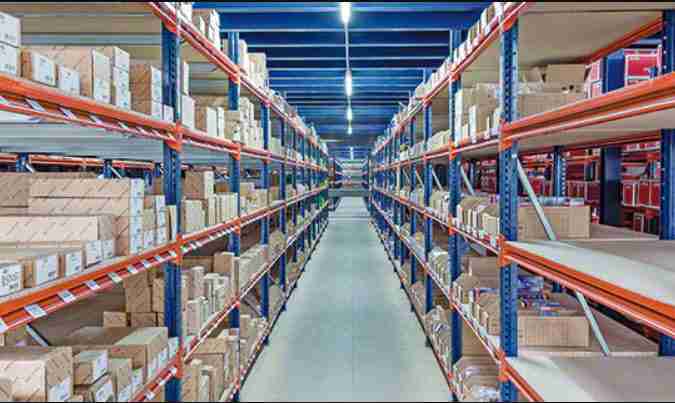
What Are the Risks Of Improper Rack Installation Near Sprinklers?
How Can We Ensure Safety Without Compromising Storage Needs?
When you step onto a warehouse floor, surrounded by towering shelves and meticulously arranged products, it’s easy to overlook the unsung heroes of that space — the racking systems that hold it all together. These systems are not just metal frameworks; they are lifelines that uphold our productivity while demanding respect for safety. The moment you compromise on the integrity of storage requirements, you invite hazards that can affect worker safety and operational efficiency. So, how do we strike that delicate balance between ensuring safety and meeting our storage needs?
Think about the heart of the matter: we’re not just dealing with materials; we’re dealing with people’s lives. Each item stored on those racks represents a job, a livelihood, and a future. It’s our moral obligation to create an environment where each worker feels secure and valued. When we invest in high-quality racking systems, we’re making a statement. We care about people — our employees, our community, and the larger web of lives connected to our operations.
Emotion, however, must be complemented by rationality. Consider the data: accidents due to inadequate storage solutions can lead to costly injuries and downtime. Investing in engineering-approved racking solutions is more than a compliance box to check; it’s a wise business move that reinforces reliability and performance. When storage solutions are designed with safety as a priority, they foster trust in your operation—from line workers to upper management.
But the ethical responsibility doesn’t stop there. As leaders in any industry, we have a duty to advocate for best practices, sharing our knowledge of safety standards and compliance with others. When we lead by example, we create a ripple effect, encouraging our peers to follow suit. After all, safety isn’t just an individual concern; it’s a collective one.
Picture a bustling warehouse where everyone works in harmony, confident in the racking systems that cradle their hard work. It’s not just about storing goods; it’s about building a community around shared values. It’s about standing together to ensure that safety never takes a back seat to operational needs. As we push forward, let’s engage in conversations, foster connections, and inspire action. The future depends not just on how we store and safeguard our resources but also on how we uphold the dignity of our workforce — that is the real measure of success.
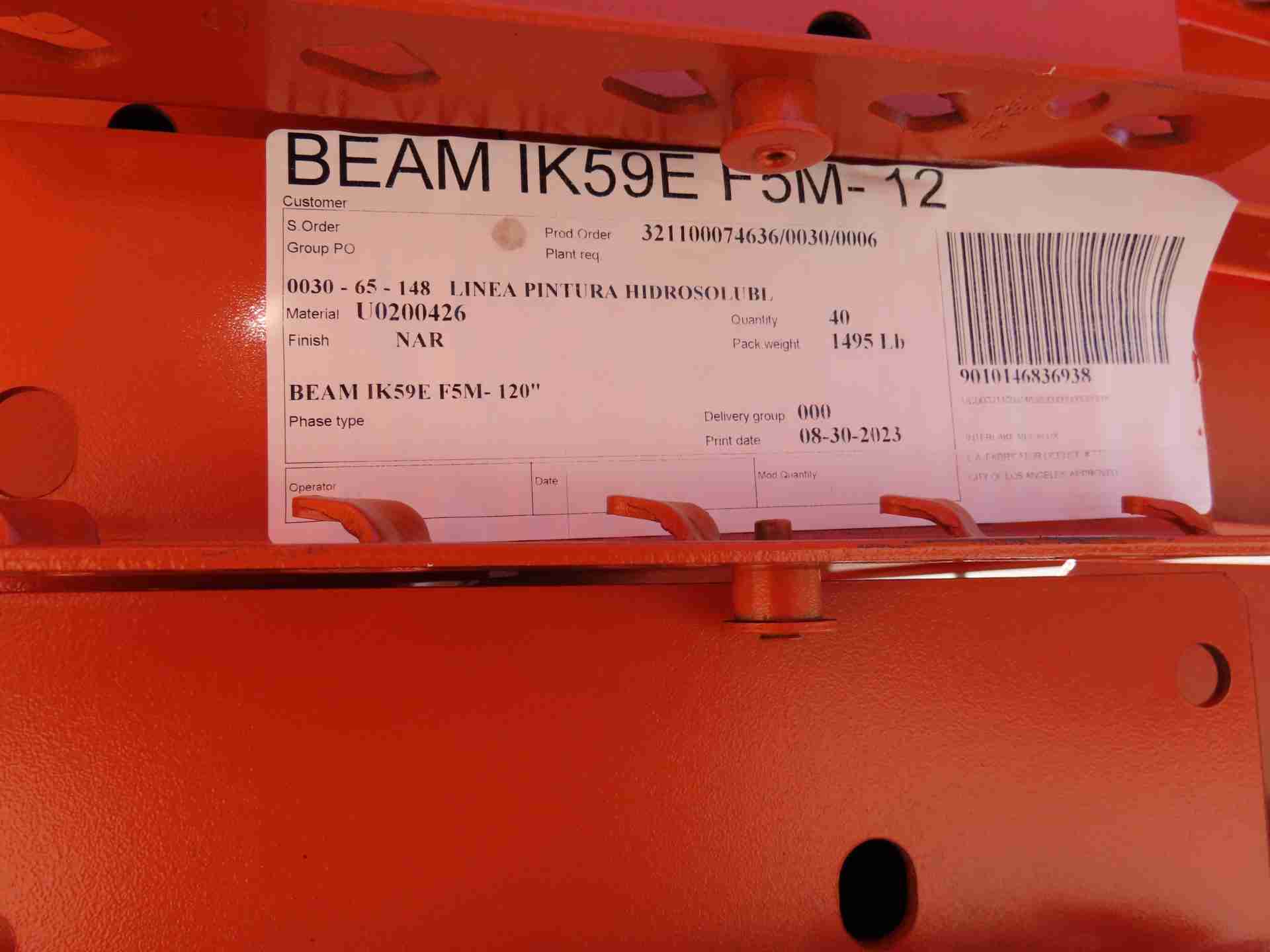
How Can We Ensure Safety Without Compromising Storage Needs?
How Can We Ensure Safety Without Compromising Storage Needs?
- Racking systems are essential for maintaining productivity and safety in warehouse operations.
- Compromising storage integrity invites hazards that threaten worker safety and operational efficiency.
- Each item in storage represents a job, underscoring the importance of worker safety and security.
- Investing in quality racking systems demonstrates a commitment to employees and community welfare.
- Accidents from inadequate storage can lead to significant costs due to injuries and downtime.
- Leaders must advocate for best practices and share safety knowledge to promote industry-wide compliance.
- Building a safe and supportive workplace is essential to upholding the dignity of the workforce and measuring success.
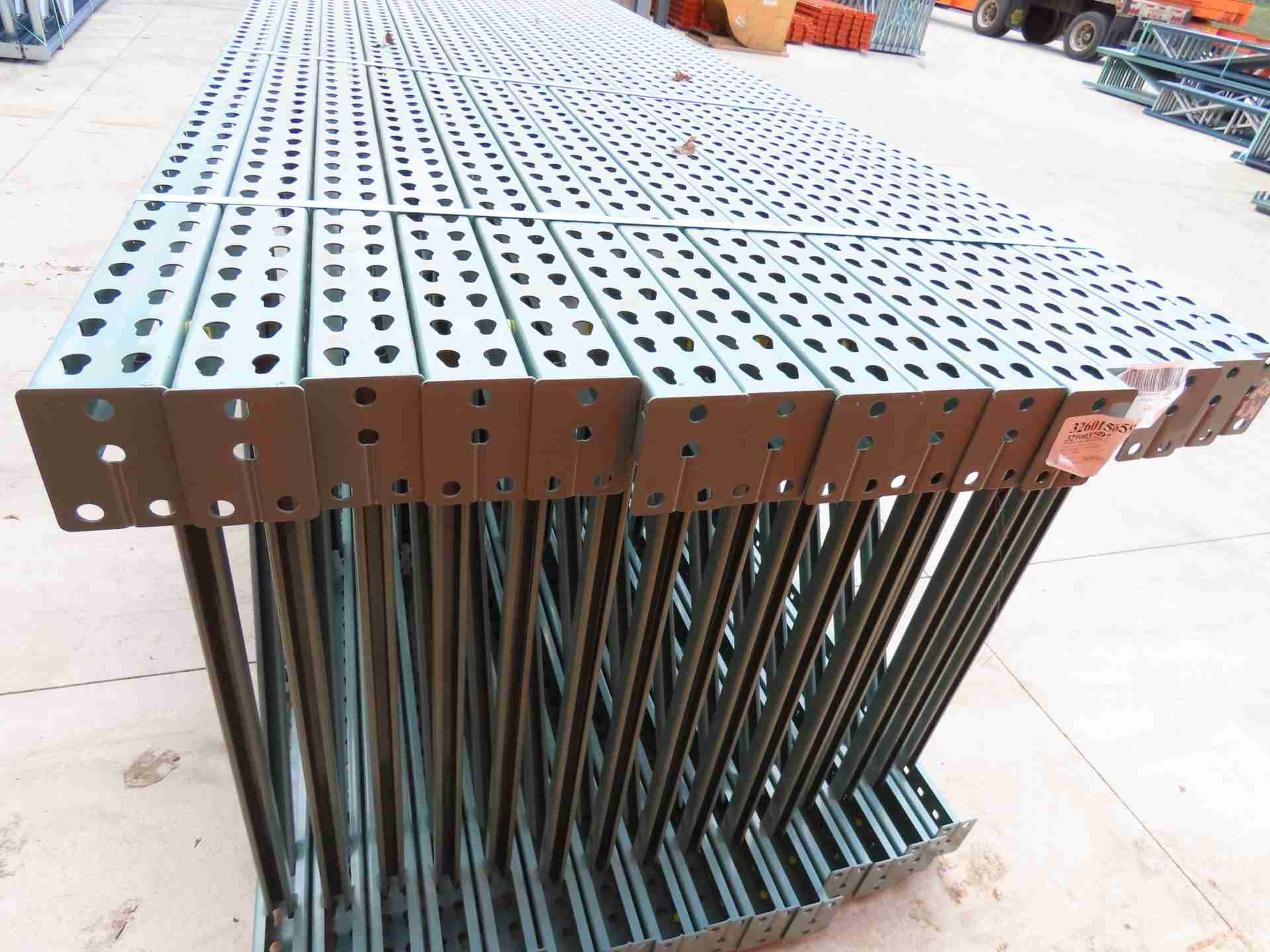
How Can We Ensure Safety Without Compromising Storage Needs?
How Do Fire Codes Influence the Design Of Storage Areas?
When you step into a warehouse, you might see rows of racking soaring toward the ceiling, a symphony of steel and storage efficiency. But there’s more to those structures than meets the eye. Fire codes are not just a backdrop; they are the unsung heroes that shape how we design storage areas. Their invisible hand guides everything we do, ensuring that safety is at the heart of our operations.
Imagine a bustling manufacturing facility that depends on seamless logistics. Employees navigate narrow aisles, expertly maneuvering around towering racking systems meant to maximize space. Now, let’s consider the consequences if those racks were to catch fire. Panic would ensue, lives would be at stake, and precious inventory would be reduced to charred remnants. Fire codes intervene as protectors, instilling confidence in workers and management alike.
From a practical standpoint, these regulations dictate the distance between racking systems, the materials used, and even how inventory is stored. Picture it: in a properly designed storage area compliant with fire safety standards, an emergency response can be quick and effective. This isn’t just a matter of policy—it’s about creating a safe working environment that values human life over profit. Navigating these codes requires not just a head for numbers but a deep ethical imposition to protect the lives that rely on these spaces day in and day out.
Moreover, understanding and adhering to fire codes offers a clear competitive advantage. Companies that prioritize compliance foster a culture of trust and responsibility. Employees feel secure in their workspace, which, in turn, boosts morale and productivity. This isn’t just an abstract concept; it’s a real, relatable scenario we’ve all witnessed—when a team believes in their environment, they perform at their best.
Think about it: when businesses take fire codes seriously, they are sending a powerful message to their community. They demonstrate that safety transcends mere compliance—it’s a commitment to the people who work hard every day. A facility built with fire codes in mind is one that honors the human spirit and the value of collaboration.
So, as we arrange those racks and fill those shelves, let’s not simply think about efficiency. Let’s remember that every component of design carries with it the weight of responsibility. In this intricate dance between safety and productivity, the influence of fire codes transforms mere storage areas into sanctuaries of safety and trust.

How Do Fire Codes Influence the Design Of Storage Areas?
How Do Fire Codes Influence the Design Of Storage Areas?
- Warehouses feature rows of racking designed for storage efficiency, greatly influenced by fire codes.
- Fire codes ensure safety in storage areas, guiding their design and implementation.
- In a manufacturing facility, the potential consequences of a fire can threaten lives and inventory.
- Compliance with fire codes allows for effective emergency responses and a safer working environment.
- Adhering to fire codes creates a culture of trust and responsibility, enhancing employee morale and productivity.
- Businesses that prioritize safety over mere compliance reflect their commitment to their workforce and community.
- Designing storage areas with fire safety in mind balances efficiency with the critical responsibility of protecting lives.
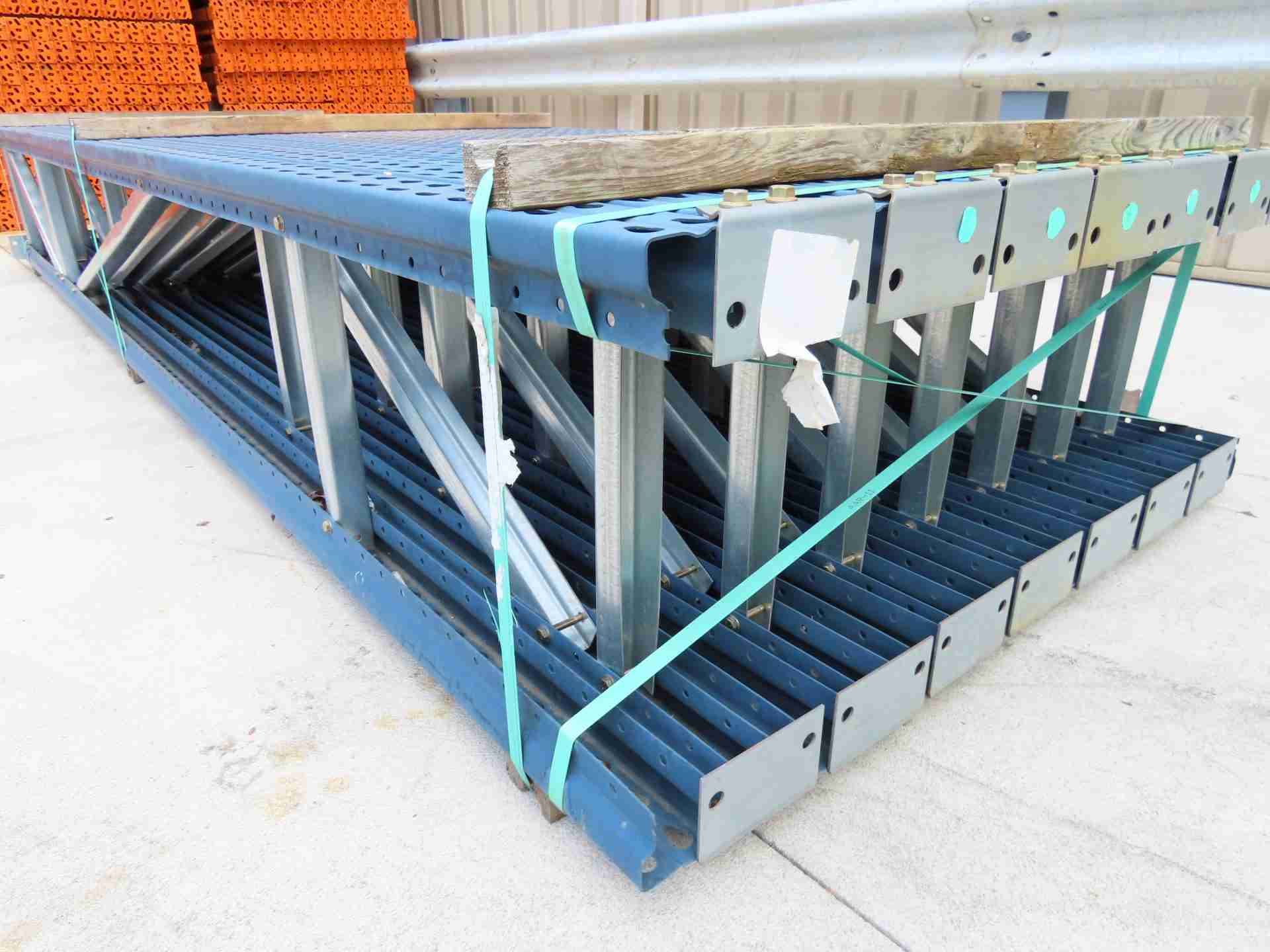
How Do Fire Codes Influence the Design Of Storage Areas?
Can Real-Life Stories Highlight the Importance Of Proper Installation?
The importance of proper installation isn’t just a matter of technical know-how; it’s a story woven with lives changed, and dreams unfulfilled. When we think of installation, whether it’s solar panels, kitchen cabinets, or a roof over our heads, we often overlook the stories in the shadows. This oversight can have dire consequences that ripple through families and communities.
Imagine a working-class dad, putting his heart and soul into a DIY project, fueled by an earnest desire to provide for his family. He meticulously follows a tutorial, but when it comes to racking those solar panels on his roof, he miscalculates just a bit. Three years later, the panels are not only inefficient; they start to cave under environmental stress. What follows? A cascade of issues: increased energy costs, damage to the roof, and mounting stress for a family that was already scraping by. Suddenly, a simple installation error transforms into a financial and emotional burden.
This father’s story isn’t unique. Across the nation, there are countless individuals turning to self-installation, driven by ambition but often lacking the training required for a job that demands precision and expertise. We’ve seen firsthand how poorly installed systems can lead to risk—homeowners living in houses that become hazards, small businesses suffering due to improper infrastructure. Installing anything—whether a water heater or a photovoltaic system—requires finesse. It’s about understanding the stakes: a roof over your children’s heads is not just a structure; it’s a sanctuary built on trust.
On the flip side, we meet professionals—installers who take pride in their work, ensuring every bolt is in its rightful place, every panel is securely racked. They’re the guardians of safety and efficiency, wielding their tools not just with skill but with a sense of responsibility. Their passion for perfection is palpable, and their dedication inspires confidence in every project they tackle.
Proper installation reflects a collective commitment to quality, a promise to ourselves and our neighbors that we value safety and reliability. It speaks ethically to our responsibility to maintain our homes and environments. So the next time you embark on an installation project, remember these narratives—themselves a call to action. Thousand lives hang in the balance, and it all starts with the integrity of that first step. Whether through expert hands or well-researched DIY attempts, let’s aim for precision. Because every project deserves a story worth telling.
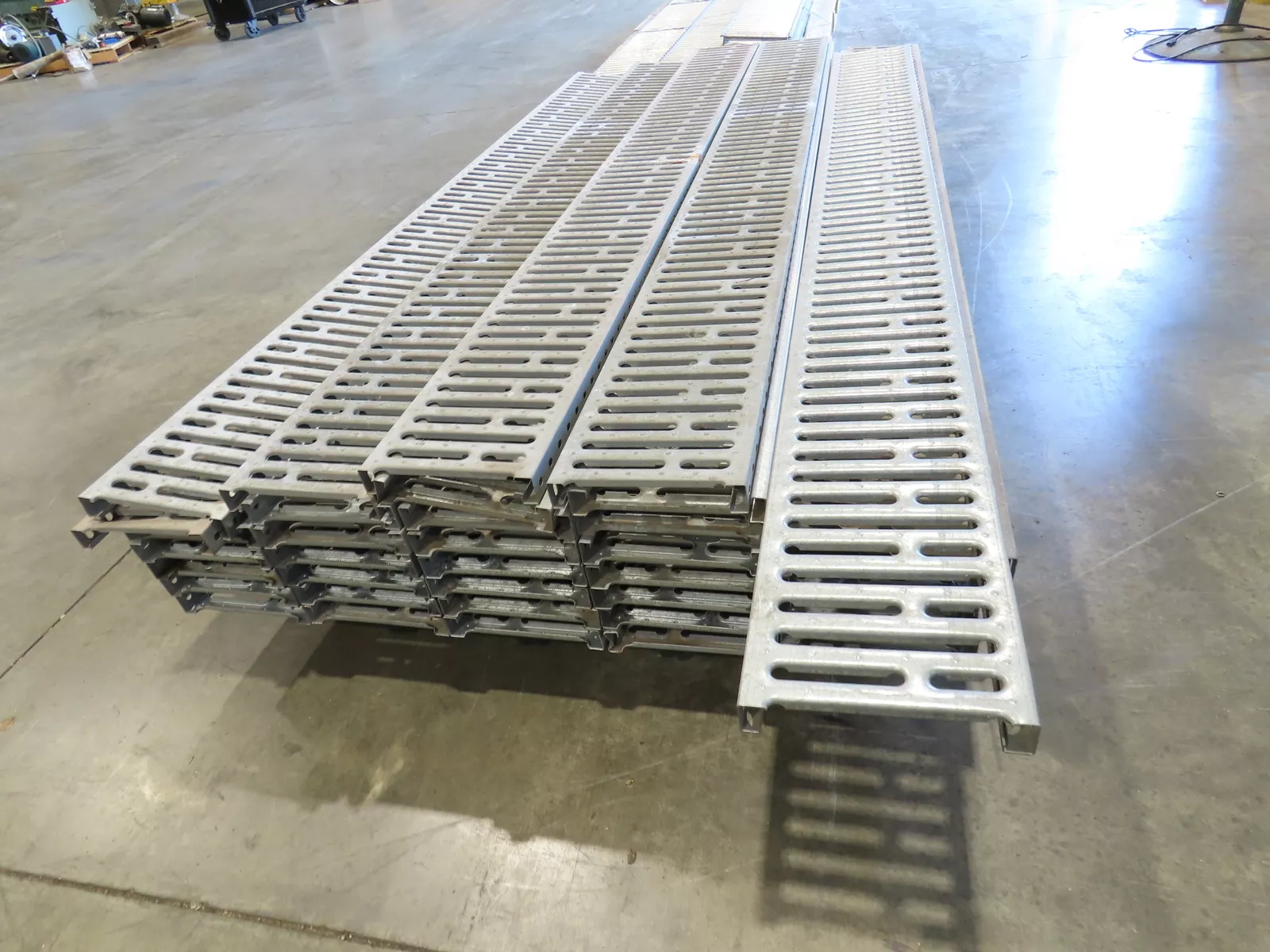
Can Real-Life Stories Highlight the Importance Of Proper Installation?
Can Real-Life Stories Highlight the Importance Of Proper Installation?
- Proper installation impacts lives and communities, affecting more than just technical aspects.
- DIY installation can lead to serious consequences when individuals lack training and precision.
- A father’s miscalculated solar panel installation resulted in inefficiency, financial strain, and emotional stress for his family.
- Inaccurate installations can turn homes into hazards and harm small businesses due to improper infrastructure.
- Professional installers prioritize safety and efficiency, often inspiring confidence through their commitment to quality.
- Quality installation reflects a collective commitment to safety, reliability, and community responsibility.
- Every installation project—DIY or professional—deserves precision for the sake of lives impacted.
Can Real-Life Stories Highlight the Importance Of Proper Installation?
How Can Teamwork Prevent Potential Hazards In Storage Areas?
In any warehouse or storage area, the importance of teamwork cannot be understated. Picture the chaotic scene of a busy loading dock—a beehive of activity where pallets are stacked high on racking systems, and every inch of space counts. In these bustling environments, hazards lurk around every corner. However, when individuals unite and collaborate, they don’t just manage the chaos; they prevent accidents that could have grave consequences.
When team members communicate effectively, hazards become less of a lurking threat and more of an acknowledged reality. Consider this: an unbalanced load on racking systems can lead to disaster, but with vigilant eyes watching each other’s backs, the likelihood of accident diminishes. This synergy is built on trust—a deep-rooted belief that each person is not just looking out for themselves, but for everyone involved. Imagine the profound relief of knowing your coworkers are alert and invested in your safety. It’s a heartwarming notion that resonates with the essence of teamwork.
Although no one intends to make mistakes, the human factor is undeniable. A single moment of distraction can lead to a stacked load tipping over. This is where rational thinking intersect with emotional investment. When everyone understands the risks—how improper handling can have serious implications not just for themselves, but for their colleagues and families—suddenly, safety protocols transform from mere rules into a collective responsibility. This shared understanding creates not just a workspace, but a protective community.
Ethically, it’s our duty to uphold safety standards, and a team that actively participates in identifying and mitigating risks embodies a culture of care. An authority figure in a warehouse might hold the title of “safety manager,” but true leadership emerges when every team member takes on the mantle of protector, ensuring their workplace remains secure.
Ultimately, collectivism fuels a movement toward greater vigilance. When employees value teamwork, they start holding each other accountable—making it a social norm to point out hazards or encourage safer practices. Each gesture not only inspires confidence in one another but also creates a ripple effect. A culture of safety thrives in environments where people feel empowered and compelled to act.
Working together isn’t just a strategy; it’s a lifeline. Let’s embrace the power of collaboration and transform our storage areas into environments where safety is paramount and teamwork is the beating heart.
How Can Teamwork Prevent Potential Hazards In Storage Areas?
How Can Teamwork Prevent Potential Hazards In Storage Areas?
- Teamwork is crucial in warehouses and storage areas, especially in busy environments like loading docks.
- Effective communication among team members helps reduce hazards and prevent accidents.
- Trust among coworkers fosters a collaborative atmosphere where everyone looks out for each other’s safety.
- Understanding risks transforms safety protocols into a collective responsibility within the team.
- Ethical duty to uphold safety standards is embodied in teams that actively participate in risk mitigation.
- Collectivism encourages accountability and creates a culture where safety practices are socially normalized.
- Collaboration is essential for fostering a safe environment; teamwork is vital for overall safety in storage areas.

How Can Teamwork Prevent Potential Hazards In Storage Areas?
Conclusion
In the world of warehouse management, safety isn’t just a checklist; it’s a commitment etched into every beam of those towering racking systems. We’re not here merely to stack products; we’re here to uphold a culture—a culture that values both the lives of the workers and the integrity of the space they inhabit. Picture a warehouse bustling with activity, each worker driven by a shared purpose, yet all too aware of the lurking hazards that improper installation of racking systems can bring. This oversight isn’t just a minor mistake; it can unleash chaos that endangers lives.
The narrative we tell ourselves matters. Ignoring fire codes or cramming racking systems too close to fire suppression equipment is akin to neglecting the very heart of safety. We must remember that behind every inch of space risked or every code ignored lies a worker’s family waiting at home. The emotions bound up in these stories are profound; no one wants to face the aftermath of preventable tragedies. That’s why consulting fire safety regulations isn’t merely compliance; it’s a pledge to our colleagues, a declaration that their lives are paramount.
Of course, the stakes rise when we factor in ethics. Every decision made about racking systems speaks volumes about how we value our people. Complacency in safety design is a disservice not only to our workforce but to the broader community. When teams come together—communicating, caring, and collaborating—they constitute a bulwark against danger. This teamwork doesn’t just enhance safety; it promotes an environment where vigilance transforms into a communal norm.
Each racking system symbolizes a connection—a network of lives intertwined in a shared mission. Businesses grounded in safety foster trust, boost morale, and harness productivity, translating to a culture where employees feel secure. Who wants to work in a space where safety is treated as secondary?
So as we evaluate our storage solutions, let’s strive for more than just efficiency. Each rack must stand not only as a pillar of productivity but also as a sentinel of safety, echoing our deep respect for the lives impacted by our choices. When we prioritize safety, we forge a future defined by shared responsibility, where every decision we make sends ripples of positive influence far beyond the warehouse floor. Let’s keep that heart beating strong and ensure our spaces remain sanctuaries, not just for goods, but for the well-being of everyone who steps inside.
Conclusion
Conclusion:
- Safety in warehouse management is a commitment, not just a checklist.
- A safety culture values the lives of workers and the integrity of the workspace.
- Improper installation of racking systems poses significant hazards to worker safety.
- Ignoring safety regulations, like fire codes, directly endangers lives and reflects poor ethics.
- Teamwork and communication enhance safety and create a vigilant work environment.
- Businesses prioritizing safety build trust, boost morale, and increase productivity.
- Every warehouse decision should prioritize safety, ensuring a secure environment for all.
Conclusion
Other Resources

Other Resources
Here is a list of other resources you can review online to learn more:
- Warehouse Storage Racks
- Warehouse Storage Racking in Illinois
- Pallet Racking systems in Illinois, Great Lakes
- New Cantilever Racks and Racking Kits
- Used Teardrop Pallet Rack – American Surplus
- Overhead Lifting
- Shipping Boxes, Packaging Materials, Pallet Racking
- Mustang Material Handling
- RMI
- Cantilever Rack Guide: Ordering Cantilever Racking
- Interlake Mecalux
- Teardrop Industrial Shelving Rack
- Selective Pallet Racking Systems
- Warehouse Racking System: Powerful Guide to Optimise, 2024
- Storage Equipment Manufacturers Association
- Wolter
- CA Wire
- What is Selective Racking: Understanding Benefits & Options
- Crane Manufacturers Association Of America Inc.
Use This Prompt To Get More Resources With Your Favorite Online AI Tool: Please provide me with a list of online articles with their URLs in a bulleted list that I can read regarding How to Safely Install Racks Near Fire Suppression Systems

Other Resources
Glossary Terms
How to Safely Install Racks Near Fire Suppression Systems – Glossary Of Terms
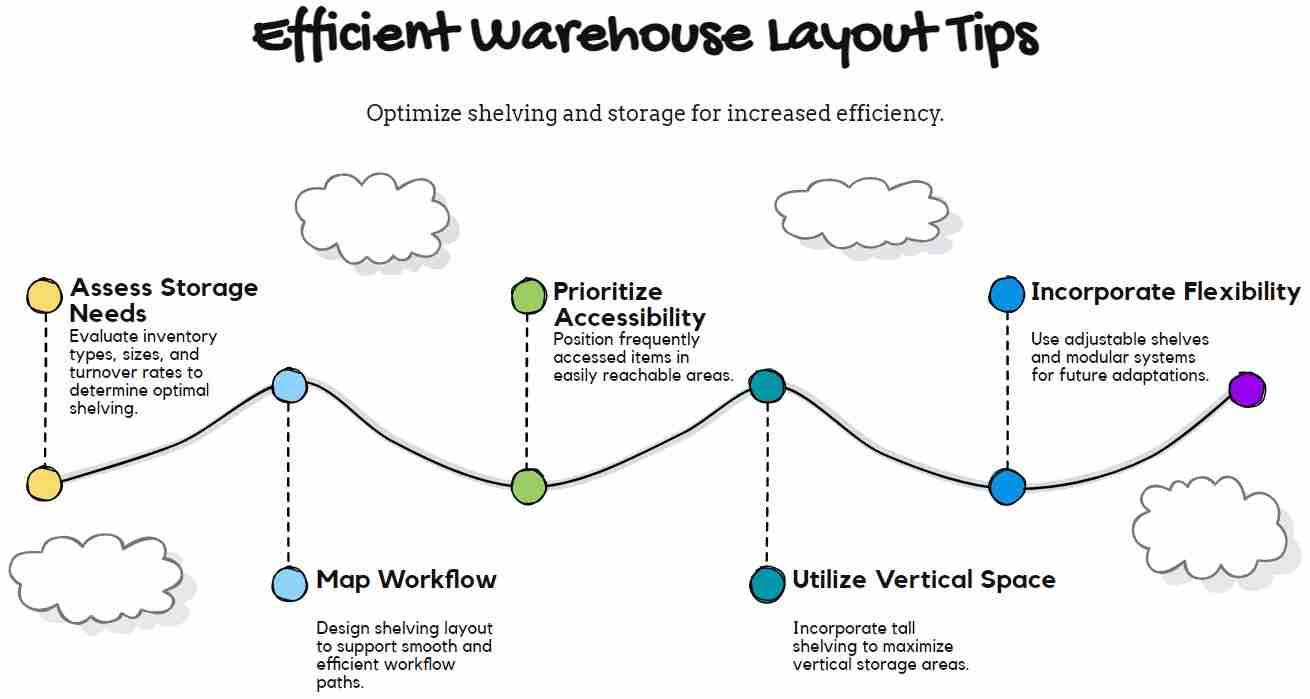
1. Fire Suppression System: A system designed to extinguish or control fires automatically, typically using water, foam, or other extinguishing agents.
2. Rack Installation: The process of setting up storage racks for organization, typically in warehouses or industrial settings.
3. Clearance: The required distance between storage racks and fire suppression systems to ensure effective operation and compliance with safety regulations.
4. Sprinkler Head: A component of fire suppression systems that releases water when heat is detected, essential for fire control.
5. Code Compliance: Adherence to local, state, and federal regulations regarding safety practices and fire prevention measures.
6. Fire Code: A set of regulations established to provide guidelines for fire prevention, protection, and safety in buildings.
7. Storage Height: The vertical limit to which items can be placed on racks, impacting fire safety and suppression effectiveness.
8. Risk Assessment: The process of evaluating potential fire hazards associated with rack installations near suppression systems.
9. Fire Barrier: A construction element designed to prevent the spread of fire, helping to protect both people and property.
10. Access Space: The area needed for maintenance and inspection of fire suppression equipment, critical for operational readiness.
11. Material Safety Data Sheet (MSDS): Documentation that provides safety information about materials stored, important for identifying fire hazards.
12. Fire Load: The total amount of combustible material within a space, influencing the design and installation of fire suppression systems.
13. Seismic Bracing: Structural supports used to secure racks and mitigate the risk of tipping during an earthquake, affecting fire safety.
14. Fire Watch: A temporary procedure where designated personnel monitor an area for fire hazards, especially during rack installation.
15. Hazardous Materials: Substances that pose a risk of fire or health hazards, which require special storage considerations near suppression systems.
16. Egress: The path for exiting a building, which must remain clear of obstructions, including storage racks, for safety during a fire.
17. Inspection: Regular checks of fire suppression systems to ensure they are functional and compliant with safety regulations.
18. Ventilation: The process of providing fresh air, which can affect fire behavior and the effectiveness of suppression systems.
19. Fire Rating: A measure of how long a fire barrier can withstand fire exposure, critical for safe rack placements.
20. Non-Combustible Materials: Materials that do not catch fire easily, often recommended for use in areas near fire suppression systems.
21. Spacing Requirements: Specific distances mandated between racks and fire suppression components to ensure optimal operation.
22. Emergency Response Plan: A documented strategy outlining procedures to follow in case of fire, including rack evacuation.
23. Training: Programs designed to educate employees on fire safety procedures related to storage rack installations.
24. Obstruction: Any item or structure that impedes the function of fire suppression systems, potentially compromising safety.
25. Fire Extinguisher: A portable device used to suppress small fires, often strategically placed near storage areas.
26. Flammable Liquids: Liquids that can easily ignite and burn, requiring special precautions when stored near racks.
27. Pallet Configuration: The arrangement of pallets on racks, which can influence airflow and fire safety.
28. Fire Alarm System: An automated system designed to detect smoke or heat and alert occupants, essential for maintaining safety.
29. Modular Racking: A flexible racking system that can be adjusted for various storage needs while observing fire safety regulations.
30. Safety Signage: Signs that provide important fire safety information, including emergency exits and fire extinguishing procedures.
Glossary Of Terms
Other Questions
How to Safely Install Racks Near Fire Suppression Systems – Other Questions
If you wish to explore and discover more, consider looking for answers to these questions:
- What specific fire safety guidelines should be consulted before installing racks?
- What are the common mistakes made when installing racks near fire suppression systems?
- How can warehouse managers assess the risks of improper rack installation?
- What are the best practices for maintaining proper spacing around fire suppression systems?
- How can training for employees on safety protocols be effectively implemented?
- What role does regular maintenance play in ensuring compliance with fire codes?
- How can technology assist in monitoring and ensuring safe rack installations?
- What resources are available for companies to stay updated on fire codes and safety regulations?
- Are there industry-specific guidelines for rack installation and fire safety?
- How frequently should safety audits be conducted in warehouse environments?
- What are the potential legal ramifications of unsafe rack installations?
- How can storytelling be used to improve safety awareness among employees?
- In what ways can leadership promote a culture of safety within an organization?
Other Questions
Checklist
How to Safely Install Racks Near Fire Suppression Systems – A Checklist
Safety Installation Checklist for Racks Near Fire Suppression Systems
Emotional Appeals
_____ Share a personal story of how safety impacted your workplace.
_____ Discuss how a safe environment can enhance morale and productivity among employees.
_____ Create a visual reminder of why safety matters (e. g. , images of team members working securely).
Rational Appeals
_____ Review local fire safety regulations and codes relevant to racking systems.
_____ Conduct a risk assessment to identify potential hazards related to rack installation.
_____ Calculate the costs associated with accidents due to improper installations versus compliance costs.
Ethical Appeals
_____ Reflect on the moral responsibility to protect coworkers and their families.
_____ Promote a culture of accountability where everyone understands their role in maintaining safety.
_____ Share safety responsibilities across all levels of staff, encouraging team involvement in safety practices.
Authority Appeals
_____ Consult with safety professionals or fire code experts during the installation process.
_____ Regularly update yourself and your team on best practices and compliance standards in racking installation.
_____ Provide training sessions led by industry authorities on fire safety guidelines and racking systems.
Narrative Appeals
_____ Collect and share stories from employees or businesses about near misses or accidents due to improper rack placement.
_____ Illustrate successful installations through case studies or testimonials highlighting safety measures taken.
_____ Create a narrative around teamwork where every member contributes to a safer environment.
Social Appeals
_____ Foster a team environment where everyone feels comfortable reporting hazards.
_____ Develop a buddy system where team members check each other’s work related to rack installations.
_____ Organize regular safety drills that involve everyone in the warehouse to reinforce team collaboration on safety.
By following this checklist, you cultivate a culture of safety that protects lives and assets while strengthening camaraderie among team members.
Checklist
At RackingWorld, we help guide you through selecting warehouse storage systems and racking.
Be sure to read our other related stories at RackingWorld to learn more about warehouse storage systems.
0 Comments