
Maximizing Space And Efficiency: Mastering Cantilever Rack Layout
By Tom Seest
At RackingWorld, we help guide you through selecting warehouse storage systems and racking.
Be sure to read our other related stories at RackingWorld to learn more about warehouse storage systems.
How to Layout Cantilever Racks for Long Load Handling
When it comes to handling long, heavy loads, the layout of your cantilever racking system is not just a matter of practicality; it’s a commitment to safety and efficiency that can change the way your entire operation runs. Picture this: a vibrant warehouse bustling with activity, workers deftly navigating aisles, seamlessly retrieving the materials they need. That’s the magic of a well-designed racking system, and it begins with a thoughtful layout.
Start by assessing your inventory. Understand the types of loads you’ll be handling, whether it’s lumber, pipes, or steel beams. Every item has its own personality, and recognizing their needs will help you align your racking strategy with the reality of what you’ve got. Create designated zones based on size and weight to optimize your space. This isn’t just about stacking materials; it’s about building a logical flow that minimizes time wasted and maximizes productivity.
And let’s talk about safety. With heavy, long loads, stability becomes paramount. Proper layout ensures that you’re not just tidying up your workspace; you’re actively reducing the risk of accidents. Imagine the peace of mind that comes from knowing your team can work confidently, without fear of a precarious load toppling over. By strategically placing your heavier items at the lowest levels and reserving higher locations for lighter goods, you’re not only protecting your precious cargo but also your most valuable asset—your employees.
But there’s an ethical layer to this as well. A well-organized warehouse isn’t just better for business; it’s a place where workers feel respected and valued. It’s a reflection of leadership that cares about the people who show up day in and day out to make the operation thrive. You build loyalty and morale with a space that promotes efficiency and safety.
To engage the heart, head, and gut, consider this: a smart racking layout isn’t just functional; it tells a story. It’s about the countless hours you’ve put into honing your craft, the trust your team places in your decisions, and the community you’re nurturing within your workplace. Be the leader who not only knows the numbers but also appreciates the human side of the equation. After all, a well-laid-out cantilever racking system is more than simple racking; it’s a blueprint for success, made to stand the test of time—and the heaviest of loads.

How to Layout Cantilever Racks for Long Load Handling
How to Layout Cantilever Racks for Long Load Handling
- Layout of cantilever racking systems is vital for safety and efficiency in warehouse operations.
- Assess your inventory to understand the types of loads (lumber, pipes, steel beams) for better racking strategy.
- Create designated zones based on size and weight to optimize space and enhance productivity.
- Proper layout reduces the risk of accidents by ensuring stability with heavier items placed lower.
- A well-organized warehouse fosters a respectful environment, improving employee morale and loyalty.
- A smart racking layout reflects leadership that values the human aspect of the workplace.
- Effective racking systems are a blueprint for success, ensuring safety and operational longevity.

How to Layout Cantilever Racks for Long Load Handling
Table Of Contents
- How to Layout Cantilever Racks for Long Load Handling
- What Emotional Benefits Do Cantilever Racks Bring to Warehouses?
- How Do Cantilever Racks Improve Load Efficiency and Space Utilization?
- What Ethical Considerations Must Be Addressed When Installing Racks?
- How Can Experts Help Ensure the Best Layout for Cantilever Racks?
- What Narratives Can Inspire Better Practices In Load Handling Setups?
- Conclusion
- Other Resources
- Glossary Of Terms
- Other Questions
- Checklist
What Emotional Benefits Do Cantilever Racks Bring to Warehouses?
When you walk into a warehouse, the sheer scale of the operation can be awe-inspiring. Rows upon rows of racking systems, including the robust cantilever racks, showcase not just the physical might of the inventory held, but the heart of the operation itself. It’s more than just metal and space; it’s about the value these structures bring to the people who work with them, every single day.
Picture this: Employees glide through neatly organized aisles, confidence blooming as they know exactly where to find what they need. That is the brilliance of cantilever racks. By maximizing vertical space, they don’t just offer a practical solution; they create a sense of order that resonates deeply with the workforce. It’s like a well-tuned engine where every part, from the smallest bolt to the largest beam, plays its role to perfection. This bolstering of efficiency fosters a positive atmosphere, allowing employees to take pride in their workspace, emotionally connecting them to the greater mission of the warehouse.
But let’s not forget the ethical dimensions. A well-organized warehouse reduces the chaos that can lead to accidents, strikes at the core of worker safety, and speaks volumes about a company’s commitment to its staff. When workers feel safe and supported, their productivity skyrockets. This is not just a matter of numbers; it’s about creating an environment where people are respected and valued. It’s a balancing act of responsibility and care that inspires loyalty and hard work.
Now, think about how this stacks up socially. A workplace that values structure leads to teamwork and collaboration. Employees share the same understanding of where tools and materials are located, either through experience or training. Knowledge flows freely, and relationships are built on the foundation of trust and shared goals. By harnessing the potential of racking systems like cantilever racks, companies foster a sense of community, turning mere co-workers into a team working toward a common dream.
Cantilever racks aren’t just about creating space; they are about creating a heartbeat within the warehouse—a pulse of organization and safety that resonates with every stakeholder involved. When you support those structures, you support people, purpose, and passion. And when all those elements align, magic happens.
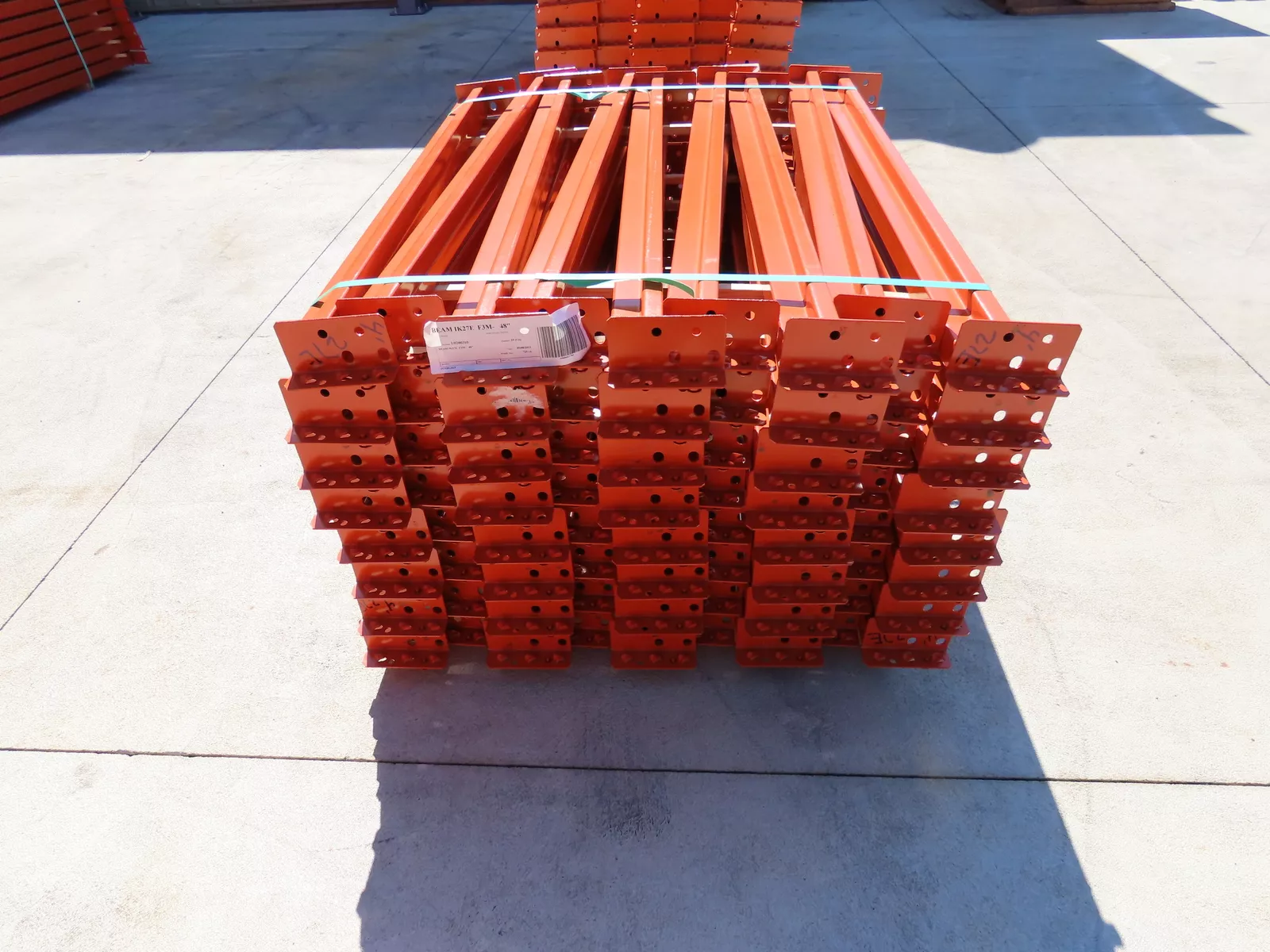
What Emotional Benefits Do Cantilever Racks Bring to Warehouses?
What Emotional Benefits Do Cantilever Racks Bring to Warehouses?
- Warehouses exhibit an awe-inspiring scale with extensive racking systems, including cantilever racks.
- Cantilever racks maximize vertical space, creating order and aiding employees in efficiently locating items.
- The efficiency of racking systems fosters pride among employees and strengthens their connection to the warehouse mission.
- A well-organized warehouse promotes safety, reducing accidents and reflecting a company’s commitment to its staff.
- Feeling safe and supported boosts employee productivity and fosters a respectful work environment.
- Structured workplaces enhance teamwork, collaboration, and the sharing of knowledge among employees.
- Cantilever racks represent more than storage; they nurture organization, safety, and community within the workplace.
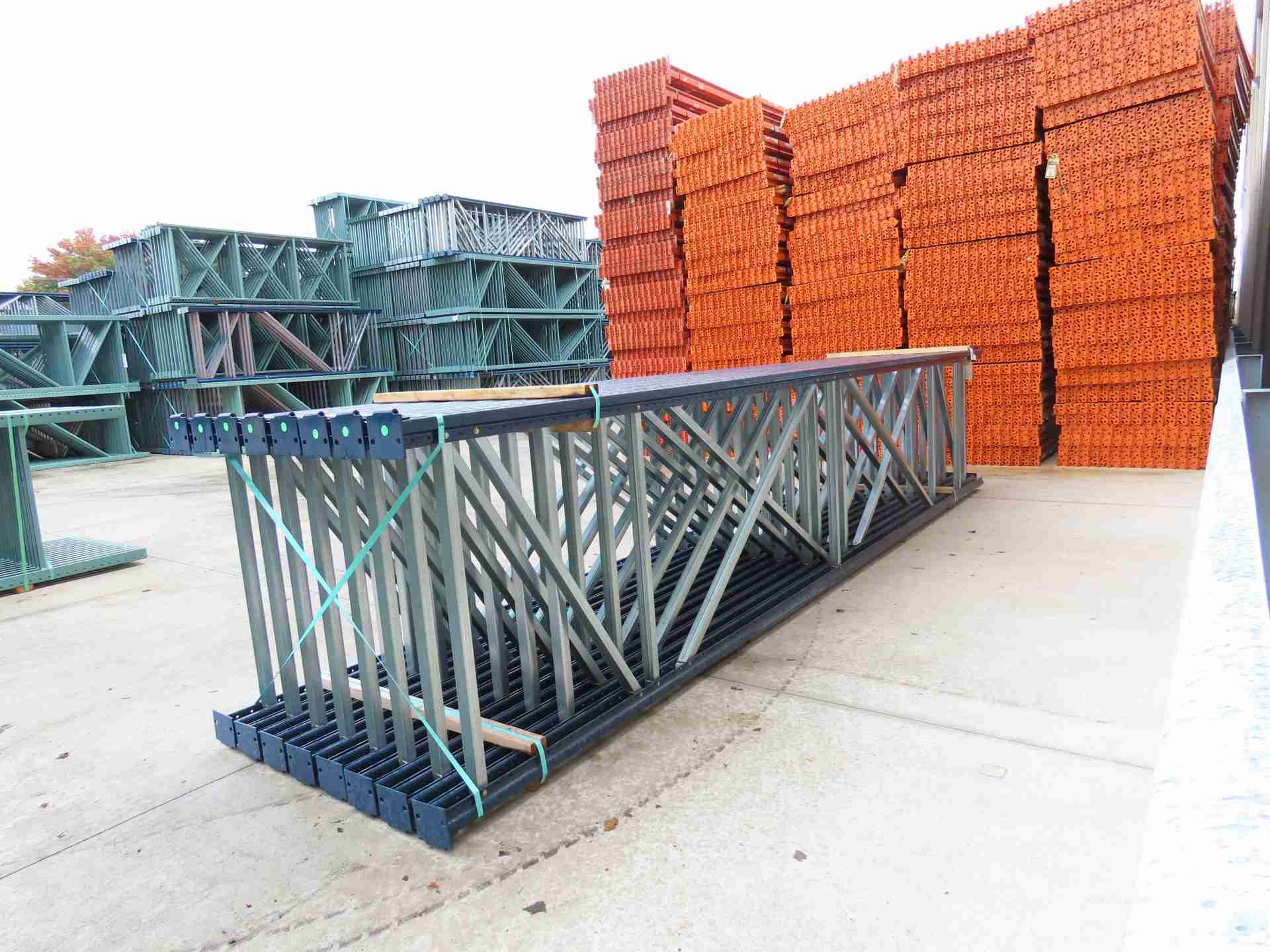
What Emotional Benefits Do Cantilever Racks Bring to Warehouses?
How Do Cantilever Racks Improve Load Efficiency and Space Utilization?
When it comes to maximizing load efficiency and space utilization, cantilever racks are like the unsung heroes of warehouse management. Think about it: every square foot of space in a warehouse represents potential—potential profits, potential organization, potential transformation. The introduction of cantilever racking systems taps into this potential, creating a symphony of order in what often feels like chaos.
Imagine walking through a warehouse that’s crammed to the rafters, where every aisle feels cramped and every product is fighting for its moment in the spotlight. Now picture that same space, transformed into a seamless flow of product display, thanks to the strategic use of cantilever racks. These ingenious structures are designed to hold heavy loads with grace and efficiency, offering the flexibility to store long, bulky items that traditional shelving just can’t handle. They stand tall and proud, maximizing vertical space, and reducing the smaller footprint required by conventional racking systems.
But it’s about more than just lifting things off the ground—it’s about lifting your operations. When you choose cantilever racking, you’re not just making a choice for better space utilization; you’re making a statement about your commitment to efficiency and productivity. Each beam and bracket speaks to a promise held by the tools we use: that in this relentless pursuit of better operations, there’s no room for mediocrity.
Let’s connect the dots. Picture a small business owner, hard at work navigating inventory challenges. With every day that passes in a cluttered space, frustration builds, and opportunities slip through the cracks. Now, imagine the relief and empowerment that comes from a well-organized warehouse. Reduced labor costs, fewer accidents, and improved inventory management—these are not just numbers; they’re the heartbeat of a thriving business. They signify progress.
Ethically, choosing cantilever racking systems isn’t just a smart financial decision; it’s a responsible one. When you invest in durability and reliability, you’re valuing the safety and efficiency of your workforce. By setting them up for success, you foster a culture of trust and motivation.
So when you’re ready to transform your warehouse, look towards cantilever racks not just as tools of load efficiency, but as enablers of a vision—where space is optimized, ambitions are elevated, and every inch of that warehouse floor tells a story of success and purpose. Trust in this choice, and you’ll inspire not only your team but also the growth that comes with a well-organized, high-functioning space. It’s more than racking; it’s the future of your business.
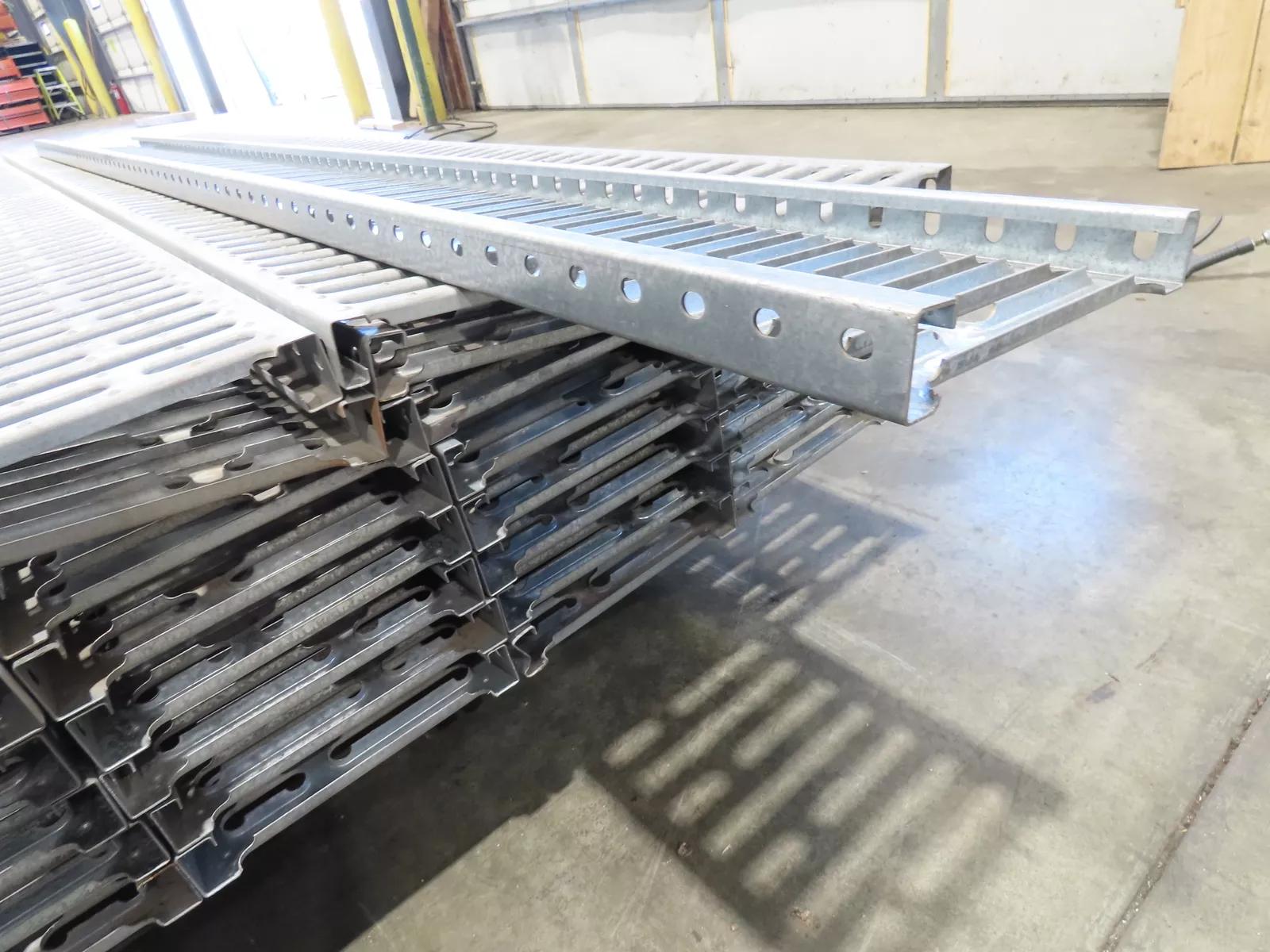
How Do Cantilever Racks Improve Load Efficiency and Space Utilization?
How Do Cantilever Racks Improve Load Efficiency and Space Utilization?
- Cantilever racks enhance load efficiency and space utilization in warehouses.
- They maximize vertical space and reduce the footprint compared to traditional racking systems.
- Designed to accommodate heavy and bulky items that traditional shelving cannot.
- Utilizing cantilever racks improves organization, reducing clutter and improving workflow.
- Benefits include reduced labor costs, fewer accidents, and better inventory management.
- Choosing cantilever racking systems promotes a culture of safety and efficiency within the workforce.
- The adoption of these racks reflects a commitment to operational excellence and business growth.
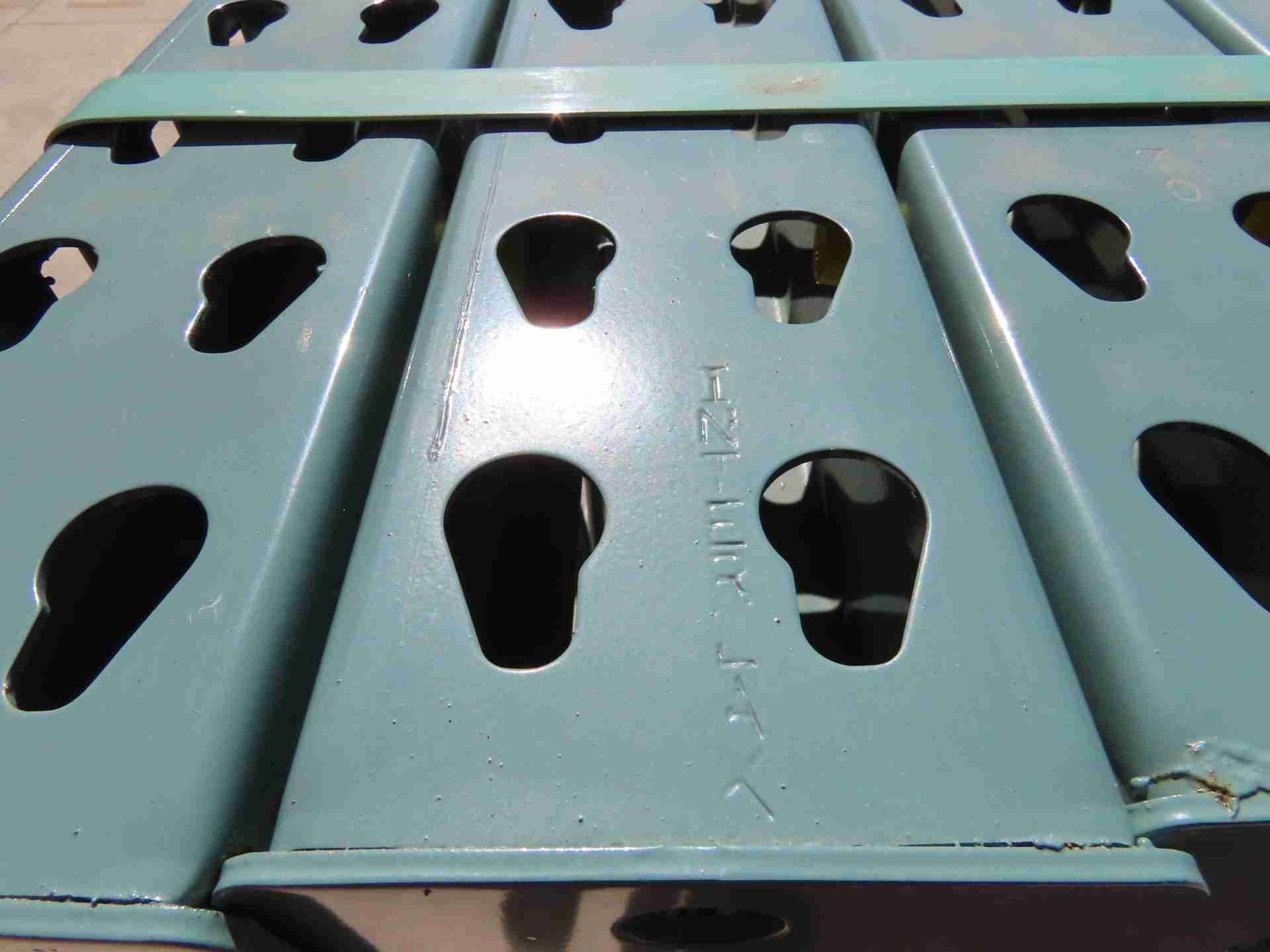
How Do Cantilever Racks Improve Load Efficiency and Space Utilization?
What Ethical Considerations Must Be Addressed When Installing Racks?
When it comes to installing racking, the ethical dimensions are not just a box to check but a fundamental component that deserves our full attention. Picture this: a bustling warehouse, humming with the promise of productivity. Racking is the backbone, allowing countless goods to be stored efficiently, but behind that promise lies a deeper responsibility. It’s about the people who work in these spaces. Their safety, well-being, and dignity hang in the balance every time a new rack is erected.
First, consider the workers. They’re not just employees; they’re individuals with lives, dreams, and families. When decisions are made regarding racking systems—how they’re installed, how safe they are, how accessible—they must be guided by the principle that every worker deserves a safe environment. Ethically, it’s not enough to merely comply with regulations; there’s a moral obligation to exceed them. By prioritizing safety protocols and conducting thorough risk assessments, organizations can establish trust among their workforce. This fosters a culture where employees feel valued and secure, ultimately leading to higher productivity, enhanced morale, and reduced turnover.
Now, let’s engage the head. Rational decision-making demands that companies evaluate the long-term implications of their racking systems. Choosing cheaper, lower-quality materials might save money upfront, but what about the cost of injury, product loss, or damage to reputation later on? The ethical choice is often the smarter one; investing in robust, durable racking solutions pays dividends in the long run. Companies should not just ask, “What’s the quickest fix?” but rather, “How can we build something that stands the test of time?”
And then there’s the larger community to consider. Racking decisions ripple outward. When companies practice ethical integrity, they contribute to a culture of respect and responsibility, inspiring others to follow suit. Imagine a warehouse where every safety protocol is adhered to, where every worker feels empowered and respected, and where the community benefits from businesses that put people first. Isn’t that a legacy worth building?
So, as we forge ahead with racking installations, let’s do it with the heart, head, and gut. Let’s ensure that every beam, every shelf, and every square foot of racking serves the greater good—because in the end, it’s the people who matter most.
What Ethical Considerations Must Be Addressed When Installing Racks?
What Ethical Considerations Must Be Addressed When Installing Racks?
- Racking installation involves ethical considerations that go beyond mere compliance; it is crucial for worker safety and dignity.
- Workers are individuals with lives and families, and their safety should be a priority when making racking system decisions.
- Organizations have a moral obligation to exceed safety regulations and establish trust through thorough risk assessments.
- Prioritizing safety leads to increased productivity, enhanced morale, and reduced employee turnover.
- Long-term implications of racking systems must be evaluated, as cheaper materials can lead to higher future costs due to injuries or reputation damage.
- Ethical practices in racking decisions promote respect and responsibility within the broader community.
- Racking installations should focus on serving the greater good, emphasizing that people are the most important factor.
What Ethical Considerations Must Be Addressed When Installing Racks?
How Can Experts Help Ensure the Best Layout for Cantilever Racks?
When it comes to optimizing the layout for cantilever racks, tapping into the expertise of seasoned professionals isn’t just a logistical necessity; it’s a lifeline. Imagine a bustling warehouse, where chaos and clutter threaten to swallow efficiency whole. You can feel the weight of lost opportunities, the frustration of mismanagement, and the looming specter of wasted resources. This is where experts step in, armed not just with degrees and experience, but with a heartfelt commitment to transforming spaces.
Let’s break it down: the heart, head, and gut of racking solutions. At its core, this isn’t just about stacks of metal beams holding up inventories. It’s about how those beams can support the lifeblood of a business. Professionals understand that the right layout increases storage density, enhances safety, and improves workflow. They see the big picture—not just rows of products but a thriving ecosystem where every inch counts. Their insight is a compass guiding decision-makers through the murky waters of design and engineering.
Rationality plays a crucial role here. Experts use proven methodologies and data analysis to map out layouts that aren’t just intuitive but scientifically sound. They consider weight distribution, aisle widths, and accessibility with a meticulous eye. This isn’t guesswork; it’s the application of expertise that demands respect. When they walk through a facility, they don’t just see racks; they see potential—potential clutter transformed into organized efficiency.
On an ethical level, embracing expert advice means prioritizing the safety of your team and the integrity of your operations. Improperly configured racks can be a hazard; a small oversight can lead to significant accidents. When you choose to consult with professionals, you’re not just investing in storage solutions—you’re investing in the safety and well-being of those who make your business thrive.
Socially, there’s strength in collaboration. Engaging with experts fosters a culture of continuous improvement within your organization. It opens the door for conversations, whether during coffee breaks or strategy meetings, about how the best practices in racking can create ripple effects of productivity.
At the end of the day, choosing the right expert isn’t just a business decision; it’s a partnership based on trust and a shared vision. So when you’re ready to tackle that layout, remember: in that consultation lies a promise. A promise to elevate your operation, safeguard your assets, and champion your team. Embrace the opportunity to connect with those who know what they’re doing, and watch as your space transforms, bringing order to chaos one rack at a time.
How Can Experts Help Ensure the Best Layout for Cantilever Racks?
How Can Experts Help Ensure the Best Layout for Cantilever Racks?
- Expertise in optimizing cantilever rack layouts is essential for enhancing efficiency in warehouses.
- Professionals offer insights that boost storage density, safety, and workflow, viewing racks as vital business components.
- Experts apply proven methodologies and data analysis to create scientifically sound layouts, considering factors like weight distribution and accessibility.
- Consulting with professionals prioritizes team safety and operational integrity, preventing hazards from improper rack configurations.
- Engaging experts fosters collaboration and a culture of continuous improvement within organizations, enhancing productivity.
- Choosing the right expert establishes a partnership based on trust, promoting a shared vision for operational excellence.
- Consultation with experts transforms chaotic spaces into organized, efficient environments, safeguarding assets and empowering teams.
How Can Experts Help Ensure the Best Layout for Cantilever Racks?
What Narratives Can Inspire Better Practices In Load Handling Setups?
When it comes to load handling setups, consider the stories that shape our understanding of how to do things right. Picture a small warehouse in a tight-knit community, where the owner, Bob, dedicated his life to building an efficient space. One day, his team struggled with the racking system; boxes were stacked high, yet chaos ensued. That moment became a turning point—not just for Bob but for everyone involved.
This wasn’t just about improving practices; it was about fostering a culture of safety and efficiency. As workers gathered around, they shared experiences and ideas, realizing that everyone had a stake in the workspace. Suddenly, the racking system became more than just metal and shelves; it was a crucial part of their daily lives, an embodiment of their collective effort, and a source of pride. That connection transformed the mundane into something remarkable.
In the world of load handling, we often roll our eyes at perceived inefficiencies, thinking, “That’s just how it’s done.” But let’s challenge that assumption. A strong narrative has the power to inspire change when appealing to our hearts, heads, and guts. If we share Bob’s story—and countless others like it—we create a ripple effect. People start asking, “How can we improve this?” They realize they don’t want to merely exist in a chaotic environment; they want to thrive. The emotional investment becomes evident as the burden of unsafe practices weighs on everyone’s conscience.
Moreover, ethical considerations come into play. Is a broken racking system really acceptable when people’s lives are at stake? By recognizing that every decision affects our colleagues, families, and communities, we elevate the conversation from mundane tasks to vital responsibilities.
When leaders and employees unite under a common narrative, they cultivate authority born from shared experiences—transforming routine operations into something that demands respect. Bottles-necking in the loading zone is no longer tolerated. Instead, they innovate, discovering streamlined solutions to boost efficiency.
As stories like Bob’s circulate, they inspire trust and confidence in new practices. Everyone is suddenly part of a larger narrative—one where they can contribute ideas, voice concerns, and take ownership of the space they occupy. That’s the magic of harnessing narratives in load handling: they build bridges, foster connections, and ultimately lead to a safer, more effective workplace for all.
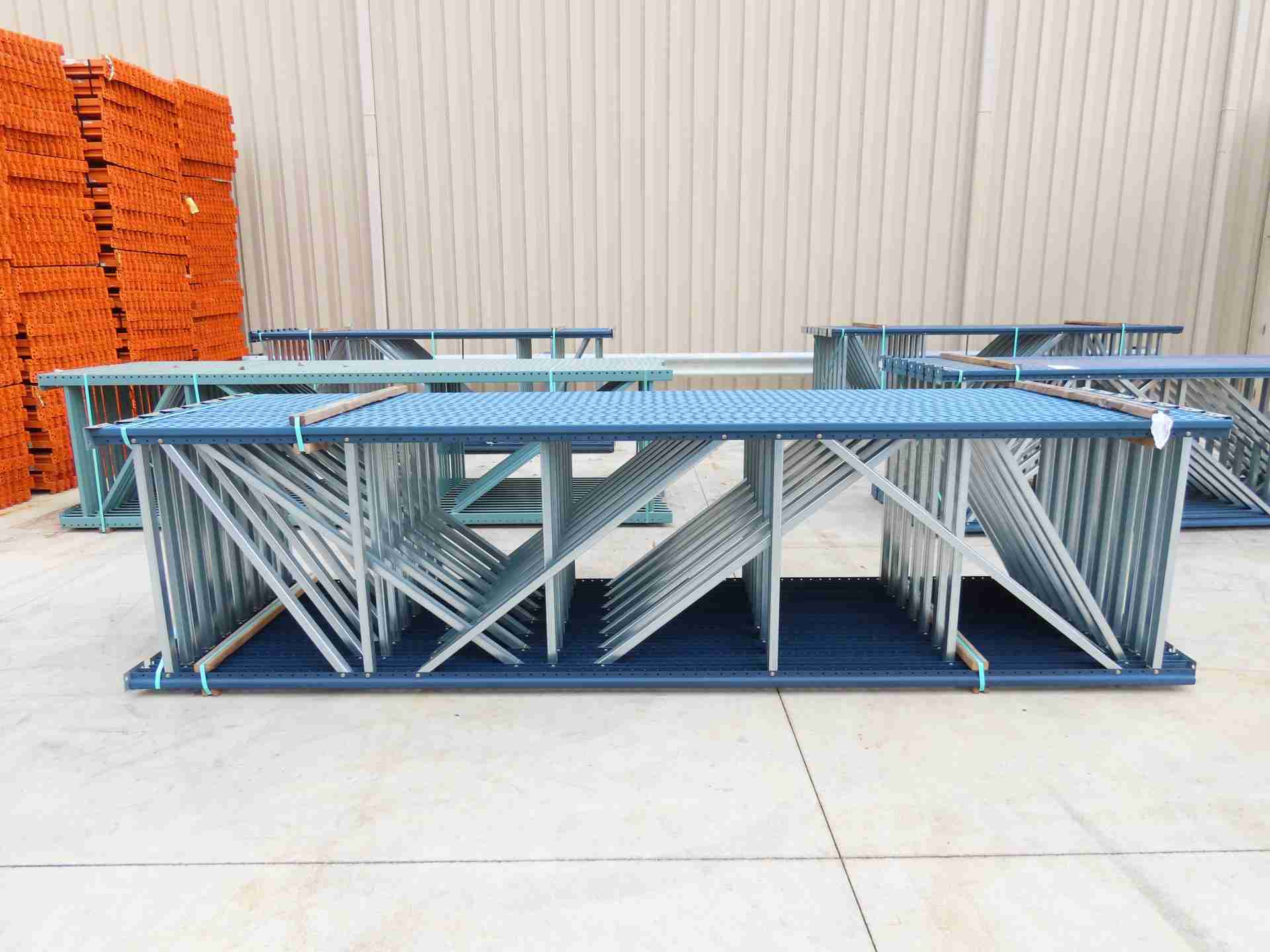
What Narratives Can Inspire Better Practices In Load Handling Setups?
What Narratives Can Inspire Better Practices In Load Handling Setups?
- The story of Bob, a warehouse owner, highlights the importance of efficient load handling practices.
- Initial struggles with the racking system led to a cultural shift towards safety and efficiency within the team.
- Workers became invested in their workspace, turning the racking system into a source of pride and collective effort.
- A strong narrative can inspire change and challenge the status quo of perceived inefficiencies.
- Ethical considerations regarding safety elevate the importance of every decision made in the workplace.
- Leaders and employees sharing common narratives foster respect and innovation in operations.
- Circulating stories like Bob’s encourage collaboration and ownership, creating a safer and more effective workplace.
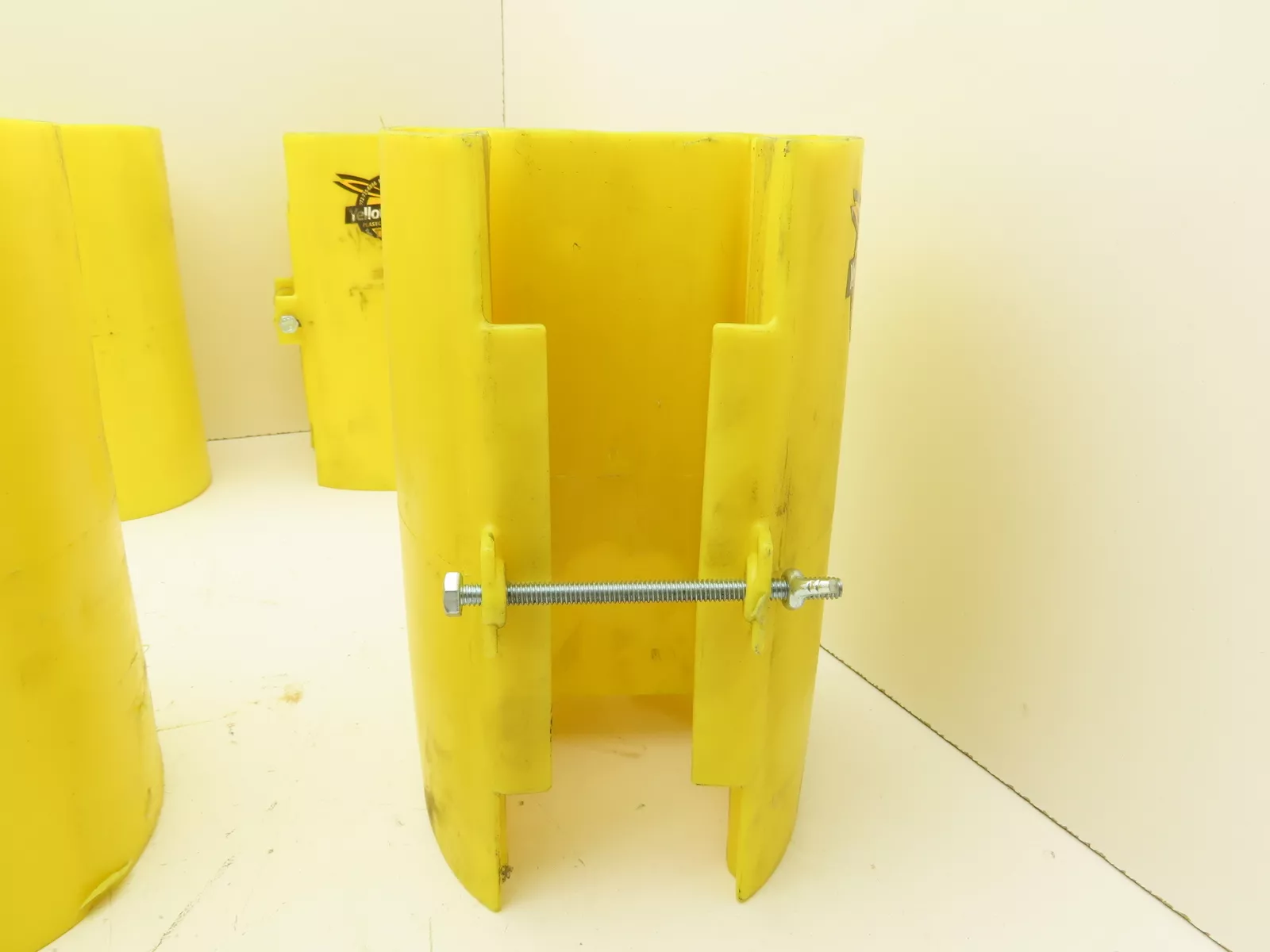
What Narratives Can Inspire Better Practices In Load Handling Setups?
Conclusion
When considering how to lay out cantilever racks for long load handling, we delve deep into a world where safety meets efficiency, and perception shapes reality. Picture a lively warehouse where the hustle and bustle bring the business to life. It’s not just a space filled with racks and materials; it’s a dynamic environment that reflects the values of leadership, the trust of employees, and the potential for growth. The journey begins with an assessment of your inventory—understanding the unique traits of lumber, pipes, or steel beams. By grouping these materials logically based on size and weight, you create a flow that not only enhances productivity but also fosters a culture of respect among workers who navigate this organized system daily.
Safety is paramount. Imagine the peace of mind that comes from a well-thought-out layout where heavy items are stored at lower levels, effectively reducing risks. This isn’t a mere operational trick; it’s an ethical choice that prioritizes human dignity and safety, making it clear that the workforce’s well-being is fundamental to the company’s ethos. When employees feel secure in their environment, their effectiveness skyrockets, generating a ripple effect that reinforces loyalty and morale throughout the organization.
Take a moment to visualize the emotional landscape of a well-organized warehouse. Employees can confidently traverse these aisles, where every item is in its rightful place. This environment instills pride and ownership among workers, connecting them to the broader mission and values of the company. Each racking decision carries weight beyond dollars and cents; it feeds a narrative of community and shared purpose—turning colleagues into confidants and creating a unified team pursuing common goals.
Engaging experts to innovate the layout of cantilever racks is an investment in this narrative. Their expertise transforms potential chaos into harmony, maximizing both load efficiency and employee satisfaction. This is not merely a functional endeavor; it’s a commitment to creating a space where innovation thrives and workers feel supported. When businesses prioritize ethical racking practices, they lay a foundational blueprint for future success, one built on trust, collaboration, and respect for each individual’s role.
So, when contemplating how best to approach cantilever rack layout, remember: it’s more than just a practical decision. It’s an emotional, rational, and ethical commitment to fostering a vibrant workplace where safety and efficiency unite to tell a story of shared achievement and community spirit. In every beam and bolt lies the promise of a thriving operation, setting the stage for success in the face of even the heaviest loads.
Conclusion
Conclusion:
- Consider the balance of safety and efficiency in cantilever rack layout for long load handling.
- Assessment of inventory is crucial for grouping materials logically, enhancing productivity.
- Storing heavy items at lower levels reduces risks and emphasizes safety in the workplace.
- A well-organized warehouse fosters pride and ownership among employees, enhancing morale.
- Investing in expert assistance for layout design maximizes load efficiency and employee satisfaction.
- Ethical racking practices establish a foundation of trust and collaboration for future success.
- Overall, rack layout decisions reflect a commitment to a vibrant workplace and community spirit.
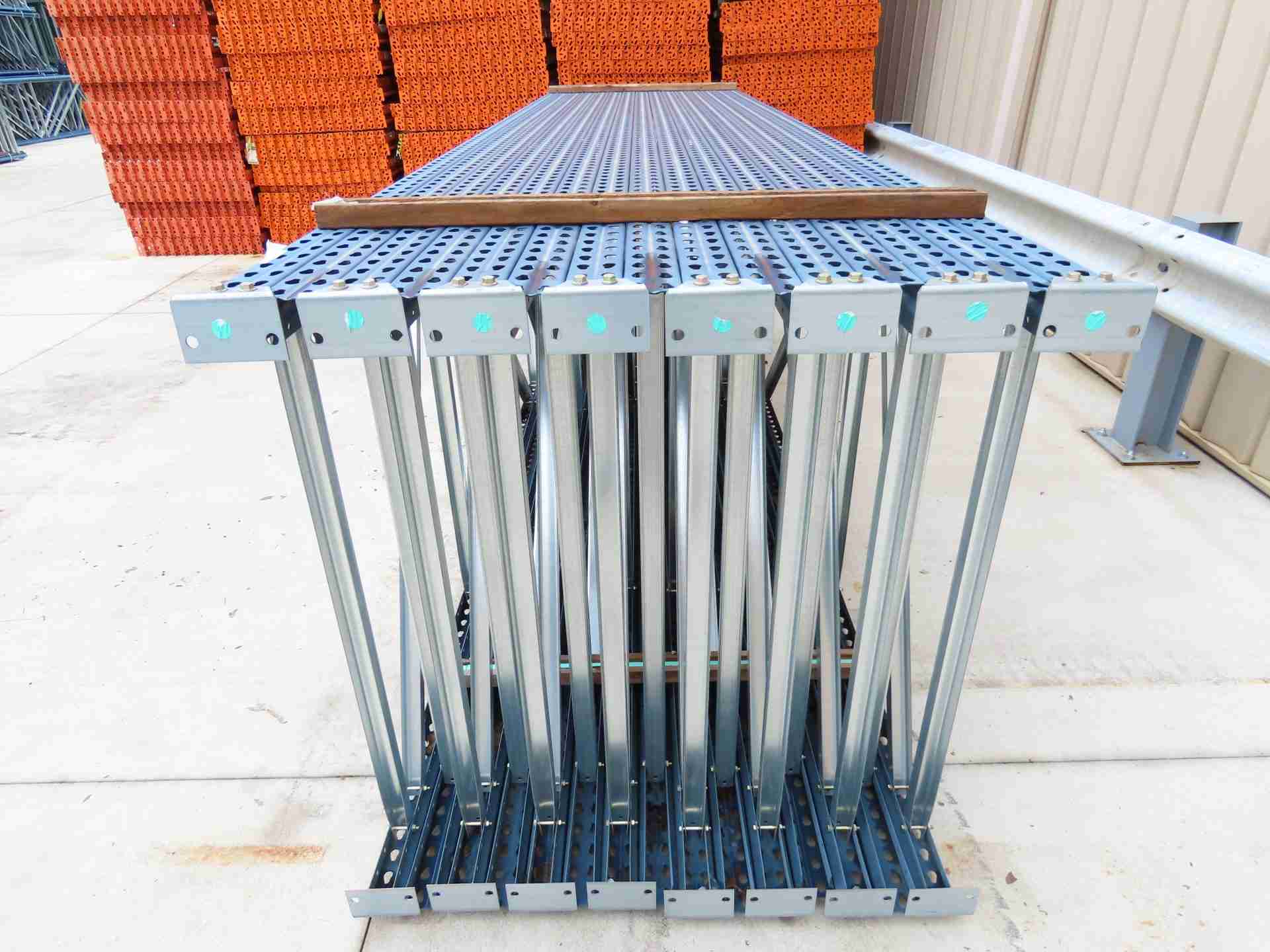
Conclusion
Other Resources
Other Resources
Here is a list of other resources you can review online to learn more:
- BMH
- Selective Rack – Raymond West
- National Safety Council
- Warehouse Racking Systems: Beginner’s Guide to Rack Systems
- Cantilever Racking Specialists – Get the Right Racks
- Warehouse Racking System: Powerful Guide to Optimise, 2024
- Warehouse Racking Layout: The Ultimate Guide – Conger
- Pallet Racking systems in Illinois and Great Lakes
- ASSP
- CMMA
- American Surplus
- Teardrop Pallet Rack – Ridg-U-Rak
- Pallet Racking systems in Illinois, Great Lakes
- New Cantilever Racks and Racking Kits
- Teardrop Racks – Pallet Rack World
- Chicago Pallet Racking
- Heavy-Duty Cantilever Storage Racks
- NSC
- Selective Pallet Racking Systems
- IWLA
Use This Prompt To Get More Resources With Your Favorite Online AI Tool: Please provide me with a list of online articles with their URLs in a bulleted list that I can read regarding How to Layout Cantilever Racks for Long Load Handling
Other Resources
Glossary Terms
How to Layout Cantilever Racks for Long Load Handling – Glossary Of Terms
1. Cantilever Rack: A storage system designed with arms that extend out from a central vertical frame, ideal for storing long, heavy items.
2. Load Beam: The horizontal support structure connecting the vertical posts of a rack, designed to hold the weight of items stored.
3. Vertical Frame: The upright structure of a rack that provides support and stability to the load and arms.
4. Arm: The projection extending from the vertical frame where items are placed; can be fixed or adjustable.
5. Base Support: The lower section of a cantilever rack that provides stability and support for the entire structure.
6. Weight Capacity: The maximum weight that each level or arm of the rack can safely hold without risk of collapse.
7. Load Distribution: The way in which weight is spread across the load beams and racks to ensure stability and prevent tipping.
8. Storage Density: The efficiency of space utilization within a warehouse when using cantilever racks for long items.
9. Accessibility: The ease with which stored items can be retrieved or stored back on the cantilever rack.
10. Forklift Compatibility: The design consideration ensuring that forklifts can maneuver around and under the cantilever rack for efficient loading and unloading.
11. Safety Factor: A design aspect that accounts for unexpected overloads or stresses beyond the maximum weight capacity.
12. Installation: The process of setting up cantilever racks, including securing them to the ground or additional structures for safety.
13. Adjustable Arms: Arms that can be moved into different positions to accommodate items of varying lengths and sizes.
14. Column Spacing: The distance between vertical frames, which affects the overall stability and load capacity of the rack.
15. Horizontal Stability: The ability of a cantilever rack to remain stable under loading conditions without tipping or swaying.
16. Material Type: The composition of the rack, typically steel, which influences strength, durability, and weight capacity.
17. End Cap: A protective cover or device placed on the end of the rack to prevent items from slipping off.
18. Pallets: Flat structures used to support goods in storage and during handling, often compatible with cantilever racks for organization.
19. Custom Racking: Tailored cantilever rack solutions designed to meet specific storage requirements for unusual or oversized items.
20. Overloading: Placing more weight than the designed capacity of the rack, which can lead to structural failure.
21. Aisle Space: The width between racks that allows for the maneuvering of equipment and personnel safely.
22. Protection Guard: Safety equipment installed on the cantilever rack to shield the structure from impact damage.
23. Rack Identification: Labels or markers used to identify different sections of the cantilever rack for efficient inventory management.
24. Inspection Protocol: Scheduled checks to assess the structural integrity and safety of the cantilever racks.
25. Environmental Considerations: Factors such as humidity, temperature, and corrosive elements that can affect the material and functionality of the racks.
26. Inventory Management: The process of tracking stored items within the cantilever rack system to maintain stock and optimize organization.
27. Load Testing: The evaluation process to determine the maximum capacity and performance of the cantilever rack under specified conditions.
28. Modular Design: A flexible design approach allowing racks to be expanded or modified based on changing storage needs.
29. Weight Balancing: The technique of distributing weight evenly across the cantilever rack to maintain stability.
30. Regulatory Compliance: Adhering to safety standards and guidelines set by industry regulations for storage systems, including cantilever racks.
Glossary Of Terms
Other Questions
How to Layout Cantilever Racks for Long Load Handling – Other Questions
If you wish to explore and discover more, consider looking for answers to these questions:
- What are the best practices for assessing inventory before designing a cantilever rack layout?
- How can a cantilever rack system be adapted for different types of loads?
- What are the key safety protocols to follow when using cantilever racks?
- How do cantilever racks compare to other racking systems in terms of efficiency?
- What type of training should employees receive regarding the use of cantilever racks?
- How can companies ensure ongoing safety and efficiency after installing cantilever racks?
- What metrics should be used to measure the effectiveness of a cantilever rack layout?
- What common mistakes should be avoided when installing cantilever racks?
- How can technology enhance the functionality of cantilever racks?
- What are the cost implications of investing in high-quality cantilever racks?
- How do community-driven initiatives impact the ethical considerations surrounding warehouse layouts?
- What role does employee feedback play in improving load handling practices?
Other Questions
Checklist
How to Layout Cantilever Racks for Long Load Handling – A Checklist
Checklist for Optimizing Cantilever Rack Layouts
Emotional Appeals
_____ Visualize Success: Imagine a warehouse where efficiency flows, and employees confidently navigate organized aisles.
_____ Create a Positive Atmosphere: Foster pride and morale among workers by maintaining an orderly space.
_____ Encourage Team Spirit: Build a community where workers share tools and collaborate, nurturing trust and relationships.
Rational Appeals
_____ Conduct Inventory Assessments: Determine load types and weights to align your racking system with operational needs.
_____ Analyze Space Utilization: Maximize vertical space and plan designated zones to improve productivity.
_____ Evaluate Long-term Costs: invest in durable, high-quality racking to prevent future damage or safety issues.
Ethical Appeals
_____ Prioritize Worker Safety: Ensure proper layout reduces accident risks and adheres to safety protocols.
_____ Respect Employee Well-being: Maintain an environment that values the safety and dignity of all team members.
_____ Commit to Best Practices: Exceed compliance regulations, fostering a culture of responsibility and care.
Authority Appeals
_____ Engage Experts: Collaborate with professionals for scientifically sound layout designs that enhance safety and efficiency.
_____ Leverage Proven Methodologies: Implement data-driven strategies for optimal weight distribution and accessibility.
_____ Learn from Success Stories: Look to case studies of effective racking systems to guide your decision-making.
Narrative Appeals
_____ Share Inspiring Stories: Use real-life examples, like those of small businesses turning chaos into order through effective racking.
_____ Cultivate a Collective Vision: Encourage all employees to contribute ideas and take ownership of the workspace.
_____ Frame Operations as Integral to Culture: Present racking as a reflection of the team’s values and commitment to safety.
Social Appeals
_____ Encourage Open Communication: Foster discussions about racking systems in informal settings to promote teamwork.
_____ Build Community Values: Establish a culture where racking decisions reflect the organization’s commitment to both people and productivity.
_____ Recognize Contributions: Celebrate improvements in workspace organization and safety, reinforcing a sense of collective achievement.
Checklist
At RackingWorld, we help guide you through selecting warehouse storage systems and racking.
Be sure to read our other related stories at RackingWorld to learn more about warehouse storage systems.
0 Comments