
Discover The Hidden Impact Of Inefficient Warehouse Organization
By Tom Seest
At RackingWorld, we help guide you through selecting warehouse storage systems and racking.
Be sure to read our other related stories at RackingWorld to learn more about warehouse storage systems.
Why Is Your Warehouse Organization Creating Stress for Everyone?
Picture this: an army of hard-working employees, all dedicated to ensuring your warehouse runs like a well-oiled machine. But lurking beneath the surface, wasteful chaos is brewing. Is your warehouse organization contributing to an unspoken level of stress for your team? If your answer is “maybe,” it’s time to dig deeper.
Often, the culprits behind this stress are the very systems designed to streamline your operations. Take pallet racking, for example. When it’s set up haphazardly, it can transform the once efficient retrieval of products into a frustrating scavenger hunt. Workers find themselves scrambling through aisles, wasting precious time and energy trying to locate the items they need. This ineffectiveness not only diminishes productivity but breeds annoyance. And what happens when your team feels degraded by their environment? The spark that ignited their passion gradually fizzles out, leaving just a dull ember of discontent.
Now, let’s not overlook the elephant in the room: the impact of a disorganized warehouse on customer satisfaction. When your team is on edge trying to fulfill orders, errors loom large. Products are mispicked, shipments are delayed, and your reputation takes a significant hit. No business wants angry customers whispering negative reviews, yet a cluttered space is often the first domino that falls—and it can lead to a cascade of problems.
So, what’s the solution? It starts with a strategic overhaul. By embracing a well-thought-out layout incorporating efficient pallet racking, you can create a flow that not only increases productivity but also fosters a supportive work environment. Train your staff on the best practices to utilize these systems effectively. When employees feel empowered and supported, you’ll see their morale soar. They’ll be energized, focused, and ready to tackle challenges with renewed passion.
At its core, improving warehouse organization is a profound investment—not just in systems and structures but in your team’s well-being and your business’s future. Let’s be real: no company achieves greatness with a stressed-out workforce. By addressing the fundamental issues plaguing your operation, you can replace that tension with a harmonious atmosphere, where responsibility is shared, goals are met, and every team member feels valued. Take action now, and watch as your warehouse transforms into a sanctuary of efficiency, productivity, and improvement!
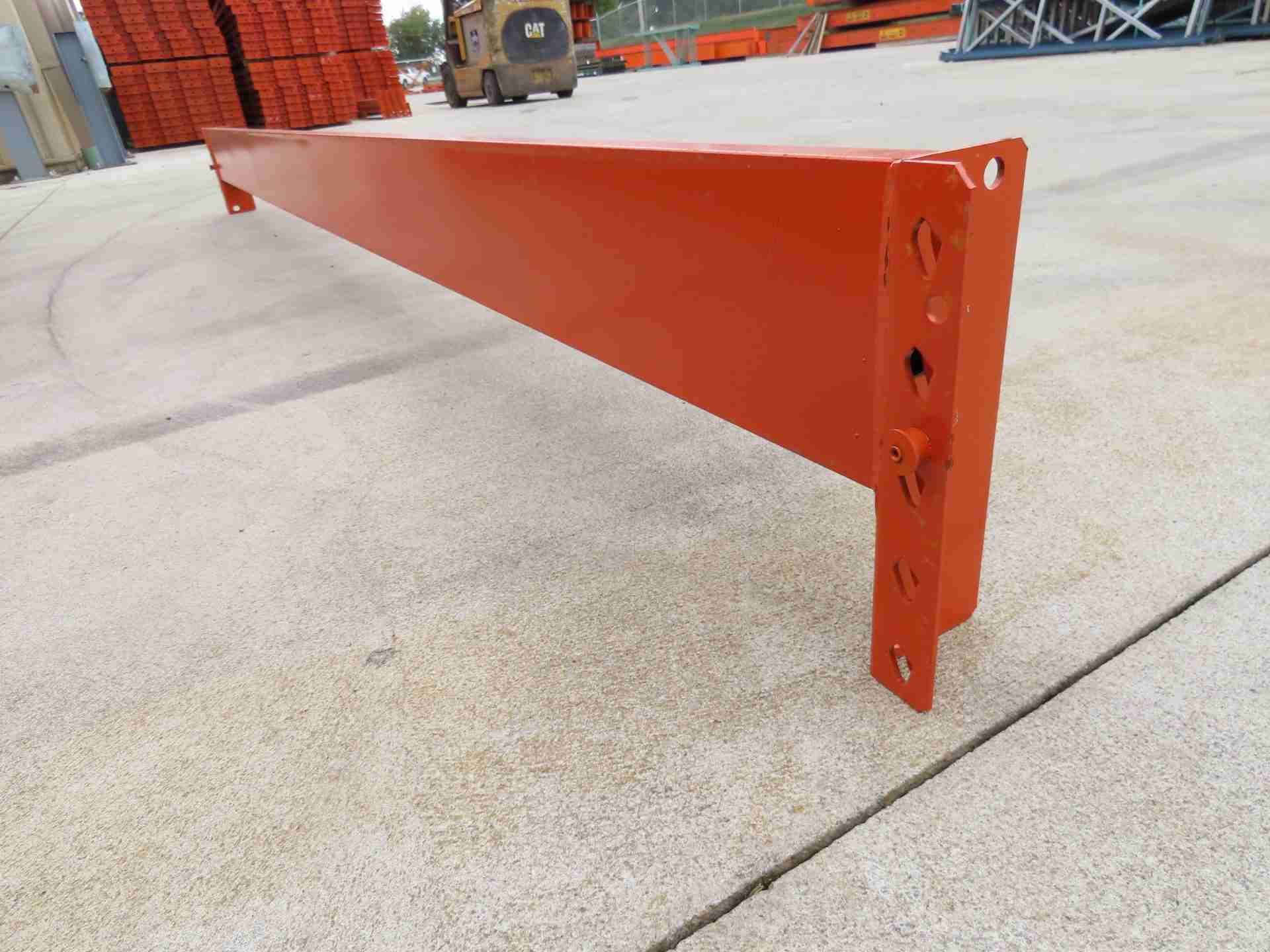
Why Is Your Warehouse Organization Creating Stress for Everyone?
Why Is Your Warehouse Organization Creating Stress for Everyone?
- Employees are dedicated to maintaining an efficient warehouse, but organizational chaos may cause stress.
- Poorly organized systems, like haphazard pallet racking, lead to wasted time and frustration for workers.
- A disorganized warehouse negatively impacts team morale, dimming their initial passion for their tasks.
- Organizational issues can lead to customer dissatisfaction through mispicked orders and delayed shipments.
- Improving warehouse layout and practices can enhance productivity and create a supportive work environment.
- Empowering staff through training increases morale and enables them to face challenges effectively.
- Investing in warehouse organization ultimately benefits team well-being and the long-term success of the business.

Why Is Your Warehouse Organization Creating Stress for Everyone?
Table Of Contents
- Why Is Your Warehouse Organization Creating Stress for Everyone?
- What Are The Common Signs Of Disorganization In A Warehouse?
- How Does Warehouse Layout Impact Employee Productivity?
- Why Is Effective Inventory Management Crucial For Stress Reduction?
- How Can Poor Communication Exacerbate Warehouse Stress?
- What Role Does Technology Play In Warehouse Organization?
- How Do Safety Hazards Contribute To Warehouse Stress Levels?
- Conclusion
- Other Resources
- Glossary Of Terms
- Other Questions
- Checklist
What Are The Common Signs Of Disorganization In A Warehouse?
Every seasoned warehouse manager knows that the heart of a successful operation beats strongest when everything is in order. Yet, amidst the hustle and bustle of daily activities, it’s all too easy for disorganization to creep in. Identifying the common signs early can save you headaches down the line. Let’s shine a light on some telltale indicators that your warehouse might be operating beneath its potential.
First and foremost, take a look at your inventory management practices. Are you constantly scrambling to locate products? If your team spends more time searching for items than shipping them out, that’s a red flag. Intelligent systems and clear processes are vital, and without them, chaos often reigns. This includes your pallet racking setup. When pallets are stacked haphazardly or too high, it not only poses a safety risk; it signifies a lack of structure that can lead to catastrophic consequences.
Another glaring sign of disorganization is the state of your receiving and shipping areas. Are they overflowing with boxes and materials? A congested space is not just a visual problem; it can obstruct workflows and slow down productivity. A cluttered environment can overwhelm employees and decrease morale. Remember, your team is more effective when they can navigate their workspace with confidence and ease.
Furthermore, keep an eye on your workflow. Are tasks frequently delayed or overlooked? If you notice that your team is often overwhelmed with orders that seem to pile up, it’s time to take action. Streamlined operations rely on clear communication and well-defined roles. Without this, your warehouse can resemble a chaotic maze rather than a fine-tuned machine.
Lastly, consider the condition of your equipment. Are forklifts and other machinery well-maintained? Poor maintenance can lead to inefficiencies and even accidents. Prioritizing upkeep translates into increased safety and a proactive atmosphere, countering the signs of disorganization that can fester if left unchecked.
Recognizing the signs of disorganization is the first step toward a more efficient and productive warehouse. By taking the time to declutter your physical and operational spaces, you foster trust and confidence in your team, ensuring that morale remains high and productivity soars. It’s time to embrace the signs, tackle the issues head-on, and create an organized environment where everyone can thrive. Your warehouse deserves it!
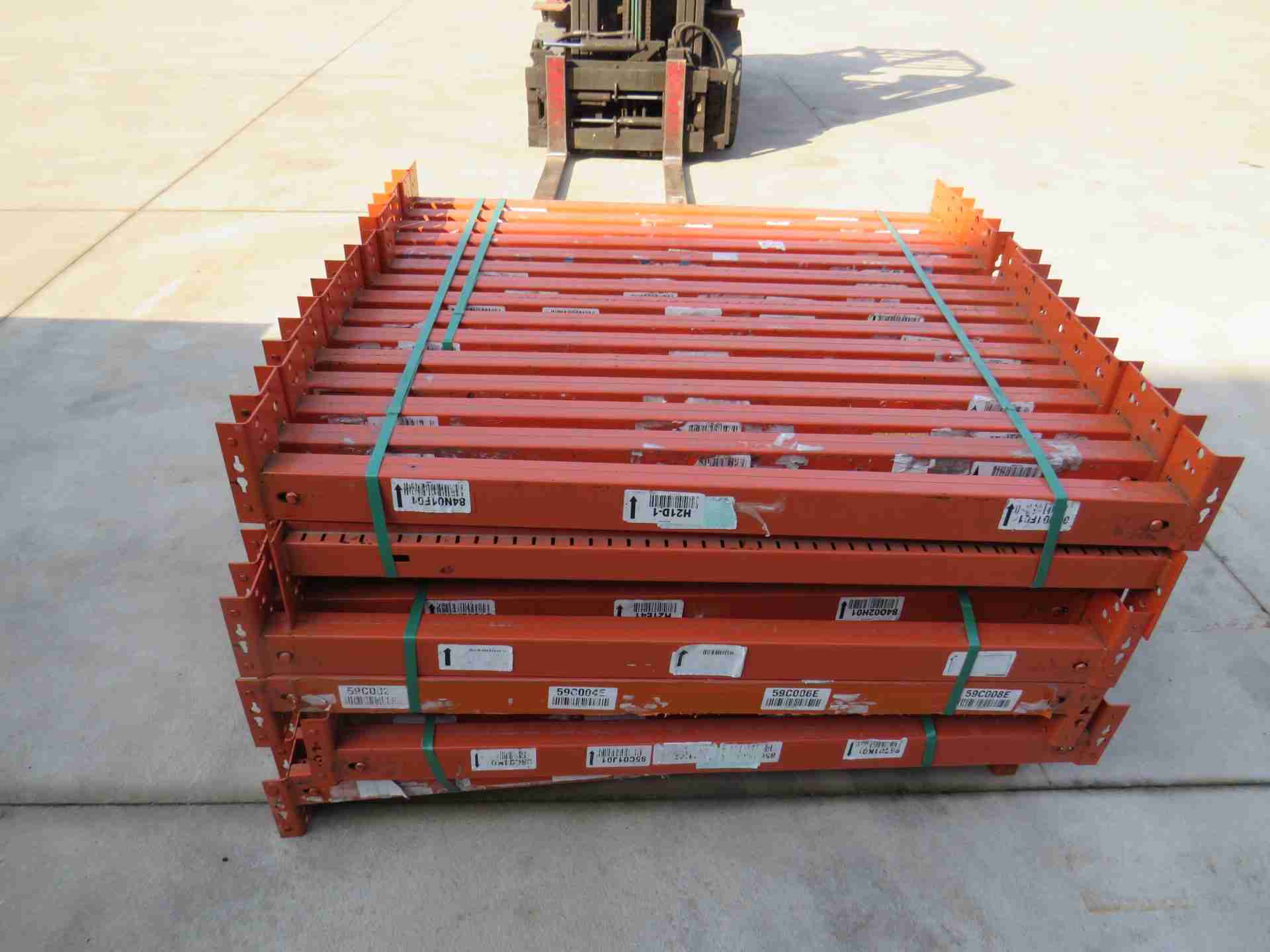
What Are The Common Signs Of Disorganization In A Warehouse?
What Are The Common Signs Of Disorganization In A Warehouse?
- Disorganization in a warehouse can lead to inefficiencies and headaches.
- Inventory management practices should be streamlined; frequent searching for products is a warning sign.
- Pallet racking must be organized to ensure safety and structure.
- Cluttered receiving and shipping areas can obstruct workflows and reduce employee morale.
- Delayed or overlooked tasks indicate a need for clearer communication and defined roles.
- Proper maintenance of equipment, like forklifts, is crucial for safety and productivity.
- Recognizing and addressing signs of disorganization can lead to a more efficient and motivated workplace.

What Are The Common Signs Of Disorganization In A Warehouse?
How Does Warehouse Layout Impact Employee Productivity?
Imagine walking into a bustling warehouse where everything flows seamlessly, like a well-rehearsed performance. Employees navigate the aisles with purpose, picking and packing products as if they’ve choreographed their every move. Now, consider the opposite scenario: a cluttered, chaotic space where workers struggle to locate items and trip over pallets. The difference? It all boils down to warehouse layout.
Think of your warehouse as a finely tuned machine, and every part – from the Pallet Racking systems to the pathways between them – plays a crucial role in how efficiently it operates. An optimized layout doesn’t just enhance the workflow; it actively sparks productivity. Employees who can easily access products spend less time searching and more time doing what they do best. This can translate into faster order fulfillment, reduced errors, and ultimately, happier customers.
Let’s discuss that Pallet Racking for a moment. These towering structures are not just shelves; they are strategic assets that can transform your workspace. By designing your racking systems mindfully, you free up floor space, promote a clearer path for movement, and reduce the risk of accidents. When employees know exactly where to find what they need, it minimizes frustration and maximizes output.
But it’s not only about the physical layout. It’s about creating an environment that fosters motivation and efficiency. Studies show that employees who work in organized, thoughtfully designed spaces report higher job satisfaction. And when workers feel satisfied, they’re more likely to produce at their highest capacity. It’s a win-win scenario.
Now, envision enhancing your warehouse layout could elevate your business from just average to extraordinary. Create zones based on function—receiving, storage, packing, and shipping—all seamlessly connected yet distinct. This organization gives clarity to your processes, boosting not just productivity but also confidence in every team member.
So, what’s holding you back? Investing time and resources into optimizing your warehouse layout isn’t just a cost; it’s a promise to your employees that their environment matters. When they thrive, your business thrives. Now’s the time to pave the way for a more efficient workplace. With every improvement you make, you send a powerful message: you believe in your team’s potential, and their productivity will reflect that belief. Get started today, and watch the transformation unfold!

How Does Warehouse Layout Impact Employee Productivity?
How Does Warehouse Layout Impact Employee Productivity?
- A well-organized warehouse enhances workflow and boosts productivity.
- Efficient layouts help employees easily access products, leading to faster order fulfillment and reduced errors.
- Pallet Racking systems are strategic assets that maximize floor space and improve movement safety.
- Organized and thoughtfully designed workspaces increase employee job satisfaction and productivity.
- Creating distinct zones for different functions (receiving, storage, packing, shipping) enhances clarity in processes.
- Investing in warehouse optimization is a commitment to employees’ work environment and well-being.
- Improving warehouse layout sends a message of belief in team potential, leading to higher productivity.
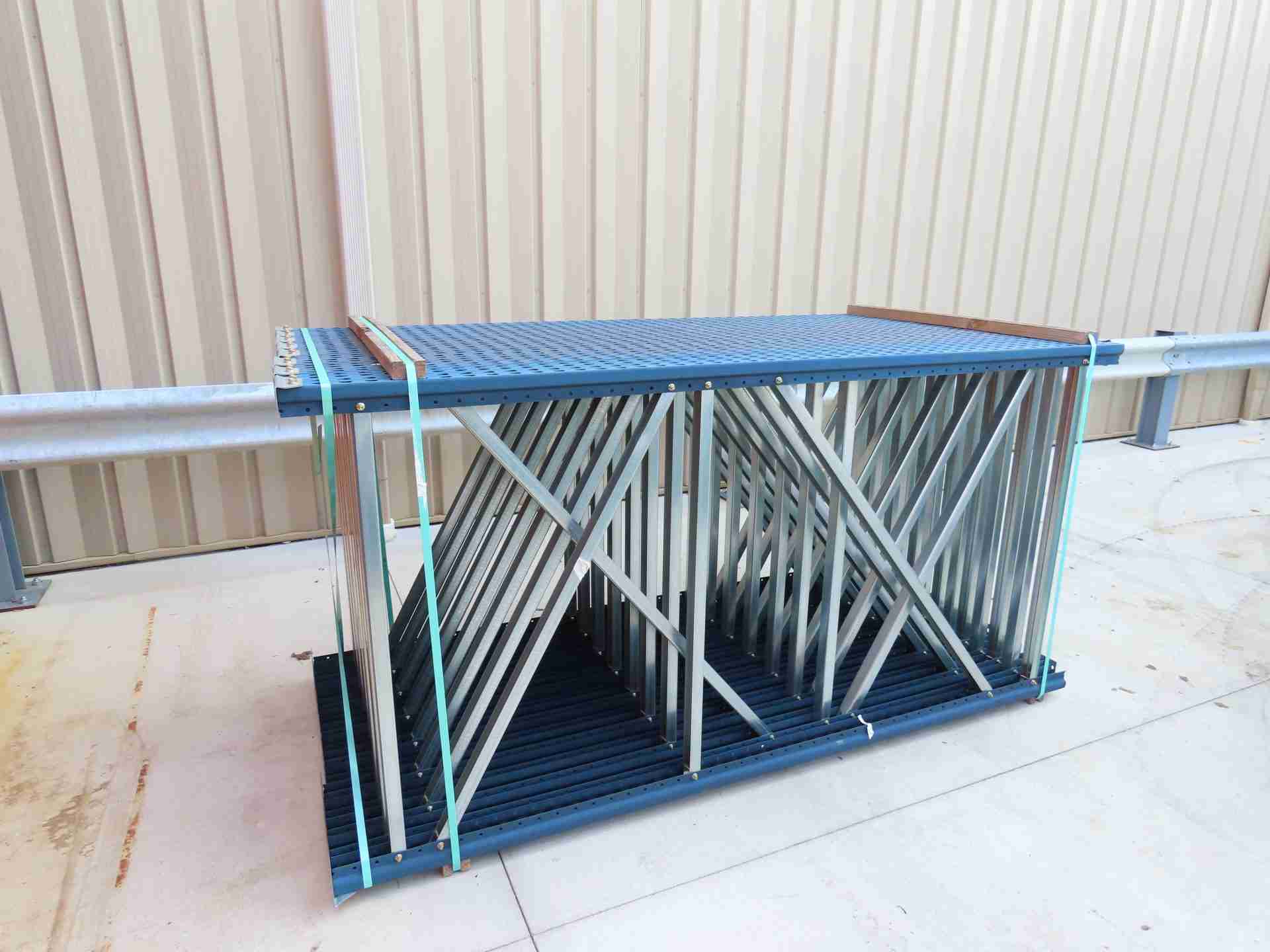
How Does Warehouse Layout Impact Employee Productivity?
Why Is Effective Inventory Management Crucial For Stress Reduction?
Stress is often an uninvited guest in the world of business, creeping in during those chaotic moments when inventory goes missing or when overstocked items crowd your valuable space. Remember that sinking feeling when you open your storage area and see chaos reign? It’s enough to send anyone’s heart racing. That’s where effective inventory management comes into play—not just as a system of organization, but as a vital lifeline to peace of mind.
Imagine walking into your warehouse or retail space. Instead of feeling overwhelmed by disarray, you step into order and efficiency. With the right strategies in place, including tools like *pallet racking*, your inventory management transforms from a burden into a streamlined process. With each item precisely placed, you can easily locate what you need, when you need it. This reduction in time spent searching for products not only boosts productivity but also removes one of the primary stressors in business.
Effective inventory management equips you to face supply chain uncertainties head-on. Gone are the days of uncertainty regarding stock levels or delivery times. By maintaining optimal levels, you not only avoid the dreaded “out of stock” syndrome that can frustrate customers, but you also mitigate the anxiety stemming from dwindling supplies. You’ll rest easy, knowing your inventory strategy is robust enough to handle fluctuations in demand.
Moreover, simple changes like implementing inventory management systems and strategic *pallet racking* can yield powerful results. These systems enable you to forecast inventory needs, analyze sales trends, and automate reordering processes. There’s no need to rely on guesswork, which often leads to panic-driven decisions that can have a long-term negative impact on your bottom line and peace of mind.
Every business faces challenges, but with an effective inventory management system, you can rise above the noise. When your products are organized and readily available, you can focus on what truly matters—growing your business, delighting your customers, and savoring each victory, big or small.
So, take a moment to evaluate your current inventory practices. What steps can you take today to bring order and control to your stock? Remember, the secret to reducing stress in business doesn’t just lie in working harder but in working smarter. Embrace effective inventory management and reclaim your peace of mind, one organized pallet at a time!
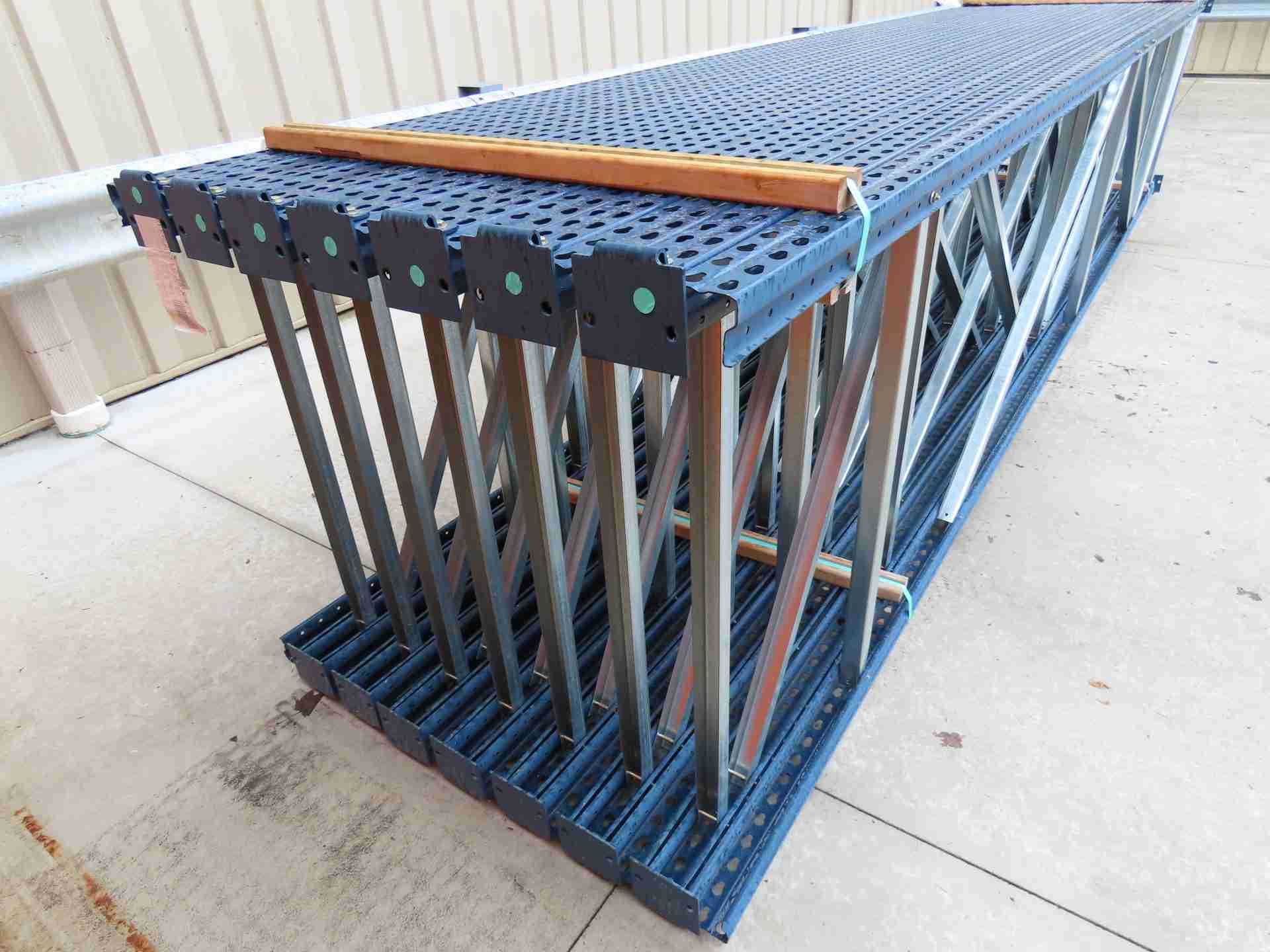
Why Is Effective Inventory Management Crucial For Stress Reduction?
Why Is Effective Inventory Management Crucial For Stress Reduction?
- Stress in business often arises from chaotic inventory situations, such as missing items or overstocked spaces.
- Effective inventory management serves as a vital lifeline to achieving order and peace of mind.
- Implementing strategies like pallet racking can transform inventory management into a streamlined process.
- Proper organization reduces time spent searching for products, which boosts productivity and alleviates stress.
- Maintaining optimal stock levels helps avoid “out of stock” issues and mitigates supply chain anxiety.
- Inventory management systems allow for forecasting, analyzing sales trends, and automating reordering processes.
- Evaluating and improving inventory practices can lead to greater control and success in growing your business.

Why Is Effective Inventory Management Crucial For Stress Reduction?
How Can Poor Communication Exacerbate Warehouse Stress?
In the bustling world of warehouse operations, every hour counts, and every decision matters. But what happens when communication falters? Picture this: a team managing an intricate pallet racking system is left in the dark about critical inventory updates. Suddenly, the entire operation grinds to a halt, impacting not only productivity but also morale. Poor communication may seem like a minor hiccup, yet it can spiral into a major stressor that affects every employee.
Imagine a situation where team members are unclear about their roles or the specific tasks at hand. A breakdown in communication leads to duplicated efforts, confused directives, and critical delays. No one knows who’s responsible for restocking those shelves, and the once organized pallet racking system becomes a chaotic mess. It’s like having the right tools but not knowing how to use them. Employees begin to feel overwhelmed, leading to heightened anxiety and, ultimately, burnout.
The ripple effects of miscommunication go beyond immediate chaos. Teams often lose trust in one another when clarity is absent. When expectations aren’t conveyed properly, fingers are pointed, and frustration brews. What could be a collaborative environment filled with shared goals turns into a pressure cooker of resentment and blame. The warehouse environment is meant to be efficient and orderly—poor communication, however, breeds confusion that robs your business of productivity and profits.
You may wonder, how do you address this? The solution lies in fostering an open communication culture. Invest in tools and training that enhance collaboration. Regular check-ins, clear directives, and utilizing technology to track inventory and tasks can mitigate the stress levels and transform your warehouse from a chaotic hub into a smoothly operating machine.
Engage your team in dialogue about processes involving pallet racking. Make sure they understand the importance of each step and how it ties into the overall mission. When your team feels heard and informed, not only do errors diminish, but morale skyrockets.
So, take action today. Examine your communication practices and identify gaps. Empower your team to thrive in a stress-free environment. After all, when your warehouse runs smoothly, everybody wins—your employees will thank you, your bottom line will reflect it, and you’ll cultivate a culture of trust that stands tall like your most secure pallet racks.

How Can Poor Communication Exacerbate Warehouse Stress?
How Can Poor Communication Exacerbate Warehouse Stress?
- Effective warehouse operations depend on clear communication; issues can halt productivity.
- Poor communication leads to confusion about roles and tasks, resulting in duplicated efforts and critical delays.
- A chaotic environment develops when teams lack clarity, causing stress and burnout among employees.
- Miscommunication erodes trust within teams, fostering frustration and a blame culture.
- To combat these issues, cultivate an open communication culture and invest in collaboration tools and training.
- Regular check-ins and clear directives can improve organization and reduce stress levels.
- Engage employees in process discussions to elevate morale and enhance overall efficiency.
How Can Poor Communication Exacerbate Warehouse Stress?
What Role Does Technology Play In Warehouse Organization?
In an age where efficiency is paramount, technology serves as the unsung hero of warehouse organization. Picture a vast expanse of pallet racking, towering and expertly arranged, but without the right technology, it could be little more than a maze of confusion. With state-of-the-art software and cutting-edge equipment, the art of stocking and retrieving has evolved into a synchronized dance, maximizing both space and productivity.
Think about it: every inch of space within your warehouse is valuable. Pallet racking allows you to stack goods vertically, but how do you ensure that the right pallet reaches the right destination at the right time? Enter warehouse management systems (WMS), the backbone of modern storage solutions. These sophisticated platforms act as a digital brain, overseeing inventory levels, tracking movement, and enhancing accuracy in fulfillment processes. With real-time data at your fingertips, you can make informed decisions that save time and reduce errors, all while providing stellar service to your customers.
Moreover, consider how automation is reshaping the landscape of warehousing. Automated guided vehicles and robotic picking arms work in harmony with your pallet racking setups, creating a seamless flow of items from storage to shipping. This is no longer a far-off vision but a reality unfolding in warehouses around the globe. Embracing automation not only speeds up operations but also empowers your workforce to focus on high-value tasks, fostering a sense of purpose and engagement.
And let’s not forget the power of mobile technology. A dedicated app can grant your staff instant access to inventory information, task assignments, and operational updates—right from their smartphones. This flexibility translates into a workforce that is informed, equipped, and ready to tackle challenges head-on.
Now, if you’re sitting back and wondering how you can transform your warehouse into a model of efficiency, look no further. The integration of technology goes beyond mere convenience; it establishes a foundation of trust and reliability. When your warehouse operates smoothly, it creates a ripple effect that enhances customer satisfaction and boosts your bottom line.
So, whether you’re managing a small operation or overseeing a large distribution center, the question isn’t whether you can afford to invest in technology; it’s whether you can afford not to. Take that leap and watch as your warehouse transforms into an organized marvel, where every pallet is easy to find, and efficiency reigns supreme. Don’t wait—ignite the change today!
What Role Does Technology Play In Warehouse Organization?
What Role Does Technology Play In Warehouse Organization?
- Technology plays a crucial role in warehouse organization, turning a complex layout into a streamlined process.
- Warehouse management systems (WMS) act as the digital brain, overseeing inventory and enhancing fulfillment accuracy.
- Real-time data enables informed decision-making that saves time and reduces errors.
- Automation, through guided vehicles and robotic arms, creates a seamless operation from storage to shipping.
- Mobile technology provides staff with instant access to inventory and task information on their smartphones.
- Integrating technology fosters customer satisfaction by ensuring reliable warehouse operations.
- Investing in technology is essential for transforming any warehouse into a highly efficient operation.

What Role Does Technology Play In Warehouse Organization?
How Do Safety Hazards Contribute To Warehouse Stress Levels?
Picture this: you’re in a bustling warehouse, surrounded by towering pallet racking filled with goods, the heart of your operations. But lurking among those stacks is an unseen turmoil—safety hazards that can quickly escalate stress levels among your workforce. The truth is, a chaotic environment not only threatens the physical safety of your team but weighs heavily on their mental well-being.
Every day, employees navigate the intricate dance between efficiency and safety. When safety hazards, whether it’s poorly secured loads on pallet racking or a cluttered aisle, become an afterthought, stress rears its head. Workers can’t focus on their tasks with the constant worry of accidents or injuries. This unease can manifest in reduced productivity and increased absenteeism, creating a vicious cycle that drains morale and affects your bottom line.
Imagine a warehouse manager, shoulder-deep in the logistics of operations, feeling the weight of every precarious item stacked high on the pallet racking. The pressure mounts—not just from the workload but from an alarming potential for accidents. Each creak of the floor beneath heavy machinery sends ripples of anxiety through the team. These emotional tolls can erode trust and dedication among employees, leading to disengagement and high turnover rates.
Here’s the deal: when your team feels secure, they thrive. Creating a culture that prioritizes safety transforms the atmosphere from one of anxiety to empowerment. Investing in proper training and equipment not only protects your team but fosters a sense of pride in their workplace. This simple shift can ignite passion, productivity, and a renewed sense of purpose within your workforce.
It’s time to take action. Regular safety audits can help identify potential hazards in your warehouse, turning you into a proactive leader who prioritizes employee well-being. Encourage open communication; when team members feel their concerns are heard, you build a fortress of trust. A well-structured safety plan doesn’t just comply with regulations—it builds resilient teams ready to tackle challenges head-on.
So, let’s reduce those stress levels. By tackling safety hazards directly, you empower your workforce to focus on what matters most. Safety is not just a checkbox; it’s a foundation that holds together the structure of your business. When you invest in safety, you invest in the hearts and minds of your team. Together, let’s create an environment where your workforce feels safe, respected, and motivated to excel.

How Do Safety Hazards Contribute To Warehouse Stress Levels?
How Do Safety Hazards Contribute To Warehouse Stress Levels?
- Safety hazards in warehouses can escalate stress among employees, affecting both physical and mental well-being.
- A chaotic environment leads to decreased productivity and increased absenteeism due to employee worries about accidents.
- Warehouse managers face pressure from both workload and potential safety risks, impacting team morale and trust.
- Creating a safety-focused culture enhances employee empowerment, productivity, and workplace pride.
- Regular safety audits help identify hazards, promoting a proactive approach to employee well-being.
- Encouraging open communication builds trust among team members and contributes to a safer working environment.
- Investing in safety acts as a foundation for business success, fostering motivation and respect among employees.

How Do Safety Hazards Contribute To Warehouse Stress Levels?
Conclusion
In today’s fast-paced business environment, the organization of your warehouse is not just about efficiency—it’s about creating an environment that reduces stress and promotes productivity for your team. When warehouse organization falters, the consequences ripple through your operations, affecting team morale, customer satisfaction, and ultimately, your bottom line. For many businesses, inefficient layouts and chaotic inventory systems are not merely nuisances; they’re significant stressors that cause frustration and burnout among employees, resulting in lower productivity and higher turnover rates.
At Arrow Industrial Sales, we recognize that your team deserves an organized, streamlined space that empowers them to perform at their best. The key lies in understanding the pivotal role that effective warehouse organization plays in reducing stress levels. An optimized warehouse layout, complemented by strategic pallet racking, can transform chaos into a harmonious workflow where every product is easily accessible. This enhances not only operational efficiency but also elevates job satisfaction, igniting passion and productivity in your workforce.
Moreover, effective inventory management, bolstered by innovative technology, serves as the backbone of a successful warehouse. With tools designed to track stock levels and forecast demands, you can foster an environment of clarity and confidence, where employees can tackle challenges head-on without the looming anxiety of uncertainty. And as they gain control over their tasks, your customers will reap the benefits through timely and accurate order fulfillment, solidifying your reputation in the market.
The urgency to act is now. Don’t let a disorganized warehouse drain the energy and enthusiasm from your team. Take the essential steps to revamp your layout, invest in effective systems, and prioritize safety to foster a culture of accountability and empowerment.
We invite you to reach out to Arrow Industrial Sales at (574) 349-6575 today to discover how we can help revolutionize your warehouse environment. Invest in your future and the well-being of your team by creating a workspace that thrives on organization and excellence. Remember: a well-organized warehouse is not just an operational necessity—it’s a transformative strategy that propels your business towards success. Act now, and watch the productivity and morale in your operation soar!
Conclusion
Conclusion:
- Warehouse organization significantly impacts team stress and productivity.
- Inefficient layouts and inventory systems can lower morale and increase burnout.
- Arrow Industrial Sales promotes an organized workspace for enhanced performance.
- Effective warehouse organization leads to improved operational efficiency and job satisfaction.
- Innovative inventory management tools help track stock levels and forecast demand.
- A disorganized warehouse can drain team energy; prompt action is essential.
- Contact Arrow Industrial Sales to transform your warehouse for future success.

Conclusion
Other Resources
Other Resources
Here is a list of other resources you can review online to learn more:
- What is Selective Racking: Understanding Benefits & Options
- Cantilever Rack Configuration & Installation: A Comprehensive Guide – BMH
- CA Wire
- ASSP
- WERC
- Wolter
- Material Handling Industry
- American Surplus
- Logic Material Handling
- Selective Racking
Use This Prompt To Get More Resources With Your Favorite Online AI Tool: Please provide me with a list of online articles with their URLs in a bulleted list that I can read regarding Why Is Your Warehouse Organization Creating Stress for Everyone?
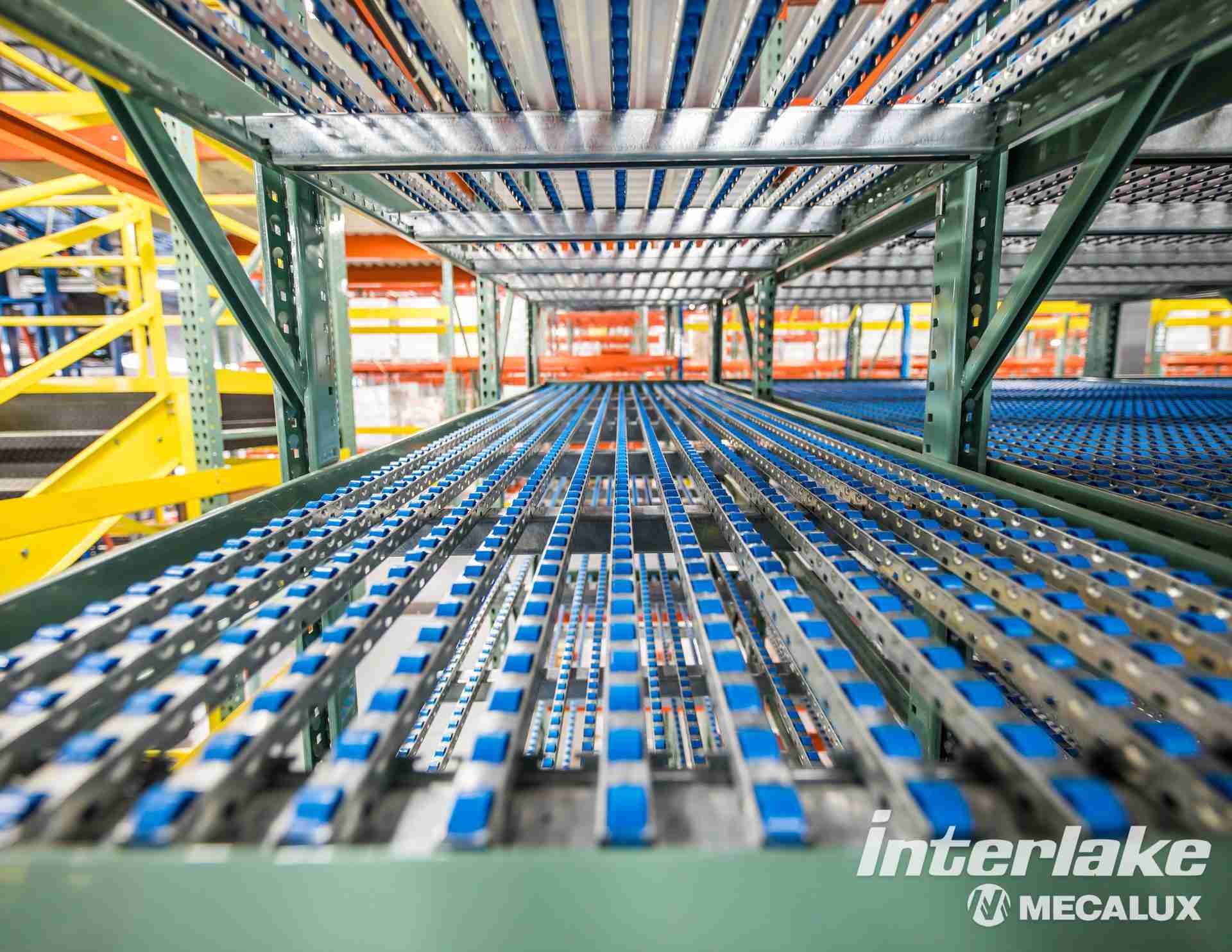
Other Resources
Glossary Terms
Why Is Your Warehouse Organization Creating Stress for Everyone? – Glossary Of Terms
1. Warehouse Management: The process of overseeing all activities in a warehouse, including inventory control, order fulfillment, and labor management.
2. Inventory Control: The supervision of supply levels to ensure that a warehouse has the right amount of stock available to meet customer demand without overstocking.
3. Flow Efficiency: The ability to minimize delays and bottlenecks in warehouse processes, ensuring smooth movement of goods.
4. Layout Optimization: The strategic arrangement of storage systems and aisles within a warehouse to enhance accessibility and efficiency.
5. Ergonomics: The study of people’s efficiency in their working environment, aimed at designing tasks and spaces to reduce physical strain and injury.
6. Process Standardization: The establishment of uniform procedures for tasks to ensure consistency, reduce errors, and improve efficiency.
7. Stressors: Factors that induce stress in warehouse workers, such as disorganization, heavy workloads, and inadequate training.
8. Lean Inventory: A method of inventory management aimed at minimizing waste while ensuring enough stock to meet customer demand.
9. Technology Integration: The incorporation of software and hardware solutions (like warehouse management systems) to streamline operations and reduce manual processes.
10. Safety Protocols: Established guidelines and procedures designed to maintain a safe working environment and prevent accidents.
11. Team Communication: The exchange of information among warehouse staff regarding tasks, issues, and goals, critical for teamwork and efficiency.
12. Employee Burnout: A state of physical, emotional, and mental exhaustion caused by prolonged stress and overwork in a warehouse environment.
13. Supply Chain Disruptions: Interruptions that affect the smooth flow of goods from suppliers to warehouses, often leading to stress during peak demand periods.
14. Cycle Counting: A periodic inventory auditing process where a subset of inventory is counted on a specific day to ensure accuracy without halting operations.
15. Workload Distribution: The equitable assignment of tasks among workers to avoid overburdening certain individuals and to minimize stress.
16. Storage Systems: Various types of shelving and racking used to store goods in a warehouse, each designed for specific types of products.
17. Capacity Planning: The process of determining warehouse capacity needs based on anticipated demand to prevent overloading.
18. Training Programs: Structured educational initiatives aimed at equipping employees with the skills necessary for effective warehouse operations.
19. Onboarding: The process of integrating new employees into warehouse operations, ensuring they understand procedures and culture.
20. Quality Control: Measures taken to ensure that products stored and shipped meet established standards, preventing returns and dissatisfaction.
21. Order Fulfillment: The complete process from receiving an order to ensuring the product is picked, packed, and shipped to the customer.
22. Time Management: The act of planning and controlling how much time is spent on specific activities to increase efficiency and decrease stress.
23. FIFO: “First In, First Out”; an inventory management principle where the oldest stock is sold first to reduce waste and obsolescence.
24. Collaborative Tools: Software solutions that facilitate communication and teamwork among warehouse staff, enhancing coordination and reducing stress.
25. Peak Season: A period of high demand for warehouse services, often leading to increased pressure and stress for workers.
26. Workflow Optimization: The process of improving the sequence of tasks to enhance productivity and reduce the time taken for operations.
27. Maintenance Procedures: Scheduled inspections and repairs of warehouse equipment to ensure longevity and safe operation, minimizing unexpected downtime.
28. Temporary Staffing: The use of short-term employees during high-demand periods to manage workload fluctuations, potentially alleviating stress on permanent staff.
29. Feedback Mechanism: Structures that allow employees to voice concerns and suggestions, fostering a positive work environment and addressing stressors.
30. Crisis Management: Strategies to handle unexpected disruptions or emergencies within the warehouse to ensure continuity and employee safety, preserving morale.
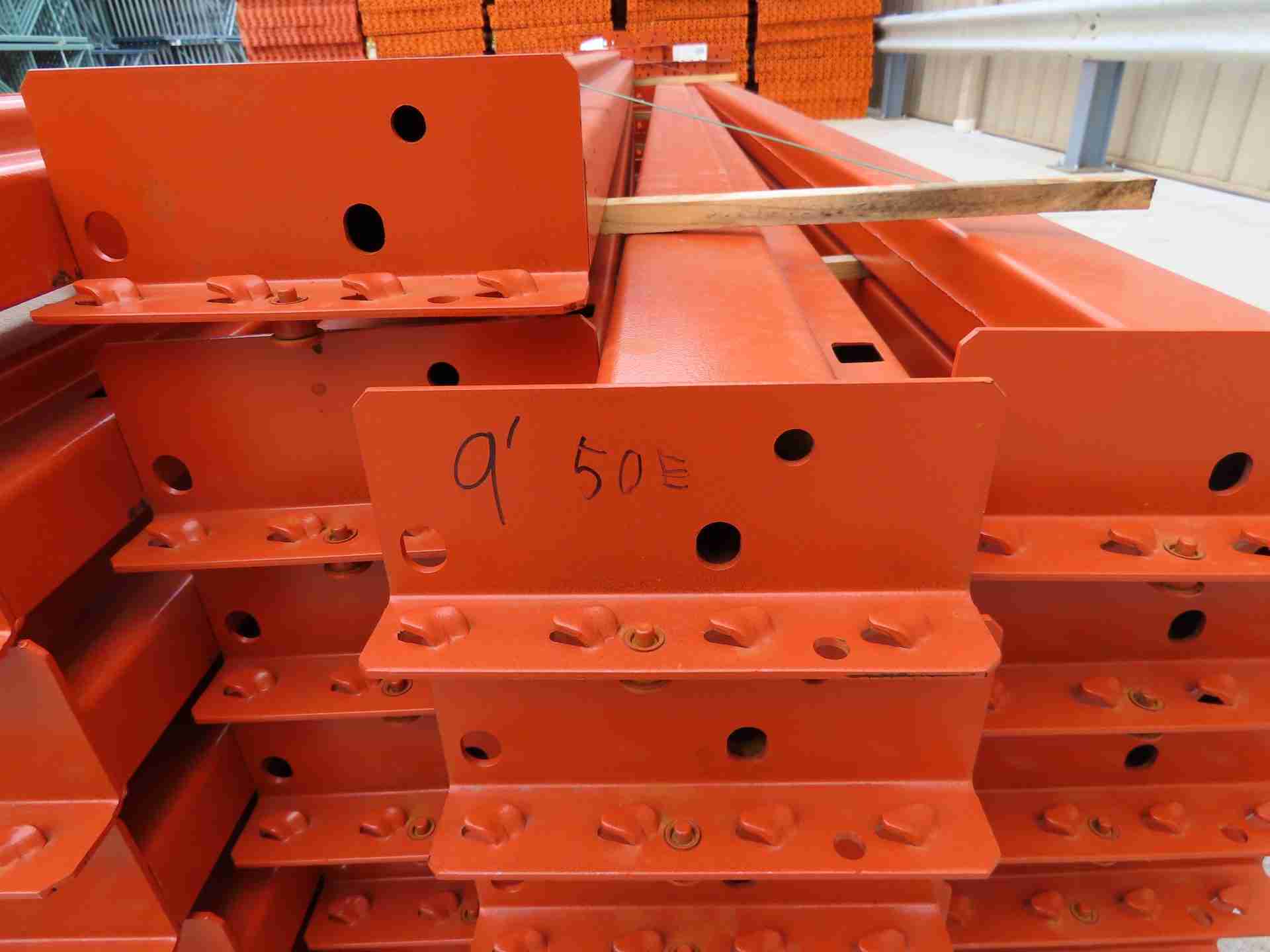
Glossary Of Terms
Other Questions
Why Is Your Warehouse Organization Creating Stress for Everyone? – Other Questions
If you wish to explore and discover more, consider looking for answers to these questions:
- What specific systems and practices can be implemented to improve warehouse organization?
- How can employees be trained to better navigate an organized warehouse environment?
- What are the long-term benefits of investing in warehouse organization for a business?
- How can a cluttered warehouse affect employee retention and turnover rates?
- What role does leadership play in fostering effective communication within the warehouse team?
- How can technology be effectively integrated into existing warehouse operations?
- What are the regulatory requirements concerning safety in a warehouse environment?
- What metrics can be used to measure the impact of warehouse organization on productivity?
- How do the emotional impacts of stress in the workplace affect overall team performance?
- What resources are available for warehouse managers seeking to implement better organization practices?

Other Questions
Checklist
Why Is Your Warehouse Organization Creating Stress for Everyone? – A Checklist
Checklist: Ensuring a Stress-Free Warehouse Environment
1. Assess Warehouse Layout
_____ Evaluate current warehouse layout for efficiency.
_____ Create distinct zones for receiving, storage, packing, and shipping.
_____ Ensure clear pathways between pallet racking systems.
2. Optimize Inventory Management
_____ Implement effective inventory management systems.
_____ Regularly conduct inventory audits to ensure accuracy.
_____ Utilize strategic pallet racking for space optimization.
3. Improve Communication Practices
_____ Foster an open communication culture among team members.
_____ Schedule regular check-ins and updates to keep all staff informed.
_____ Clearly define roles and responsibilities to avoid confusion.
4. Maintain Equipment and Safety Standards
_____ Conduct regular maintenance checks on forklifts and other equipment.
_____ Perform safety audits to identify and rectify hazards.
_____ Provide safety training and equipment for all staff members.
5. Encourage a Supportive Work Environment
_____ Empower team members through training on efficient practices.
_____ Create a culture of recognition to uplift employee morale.
_____ Promote teamwork and collaboration in daily operations.
6. Utilize Technology Effectively
_____ Invest in warehouse management systems (WMS) for tracking and organizing.
_____ Consider automation solutions (e. g. , robotic picking, guided vehicles).
_____ Provide mobile technology for real-time information access.
7. Monitor Employee Well-Being
_____ Survey employees regularly to assess stress levels and job satisfaction.
_____ Address any concerns raised by team members promptly.
_____ Foster a healthier work-life balance through flexible scheduling where possible.
8. Continuous Improvement
_____ Implement feedback loops for ongoing evaluation of warehouse processes.
_____ Encourage team ideas for improvements in organization and efficiency.
_____ Stay updated with industry best practices for warehouse management.
By following this checklist, you can help ensure your warehouse environment minimizes stress, maximizes productivity, and fosters a positive atmosphere for all employees.
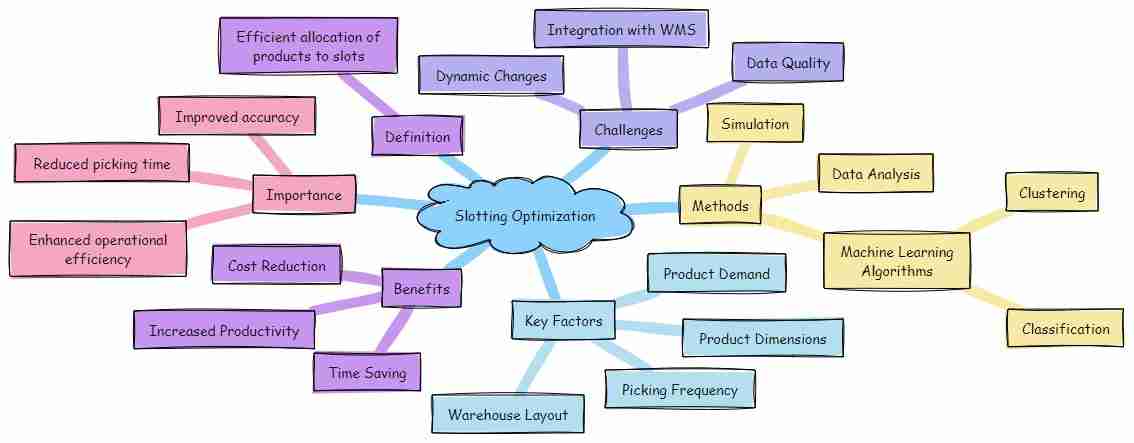
Checklist
At RackingWorld, we help guide you through selecting warehouse storage systems and racking.
Be sure to read our other related stories at RackingWorld to learn more about warehouse storage systems.
0 Comments