
The Critical Role Of Training In Warehouse Racking
By Tom Seest
At RackingWorld, we help guide you through selecting warehouse storage systems and racking.
Be sure to read our other related stories at RackingWorld to learn more about warehouse storage systems.
What Role Does Training Play In Effective Warehouse Racking Systems?
When it comes to orchestrating a symphony of efficiency in your warehouse, the unsung hero behind successful pallet racking systems is often training. Imagine the chaos that can ensue in an environment where team members aren’t equipped with the know-how to navigate the intricacies of their racking systems. It’s not just about stacking and storing; it’s an art, a science, and a responsibility that encompasses safety, organization, and productivity.
Let’s face it—warehouse environments can be hectic. Demand spikes, inventory shifts, and new staff can create a perfect storm of potential pitfalls. Here’s where robust training comes into play. Think of it as the cornerstone of your operational framework. When staff are educated about the specifics of pallet racking—understanding the weight limits, the layout designed for maximum efficiency, and how to safely maneuver products—they become empowered. This empowerment translates directly into fewer accidents, quicker turnarounds, and a workplace that runs like a finely tuned machine.
Investing in comprehensive training is not merely an expense; it’s a strategy that cultivates a culture of safety and performance. Employees who are well-versed in their roles and responsibilities are more likely to take ownership and put forth their best efforts. You want your workforce confidently navigating the aisles of pallet racking, adeptly retrieving and storing goods with the finesse of a seasoned pro. This doesn’t just foster productivity; it eliminates errors that cost time and resources.
And let’s not overlook the impact this has on morale. A confident, knowledgeable team is a happy team. When workers know they are backed by a thorough training program, they feel valued and capable. And when they’re thriving, so is your business!
Moreover, regulatory compliance in warehouse operations is a non-negotiable. Regular training ensures your workforce is updated on safety protocols and operational guidelines, safeguarding your business from potential liabilities.
Incorporate ongoing training sessions and refreshers, engaging your team through simulated scenarios and feedback loops. This way, you’re not just training; you’re building a community that values continuous improvement and responsiveness. So, if you’re seeking to elevate your warehouse operations, remember that effective pallet racking systems start with well-trained employees who can effectively transform chaos into clarity. Your journey to a more efficient and safer warehouse begins with a single step—commit to training today!
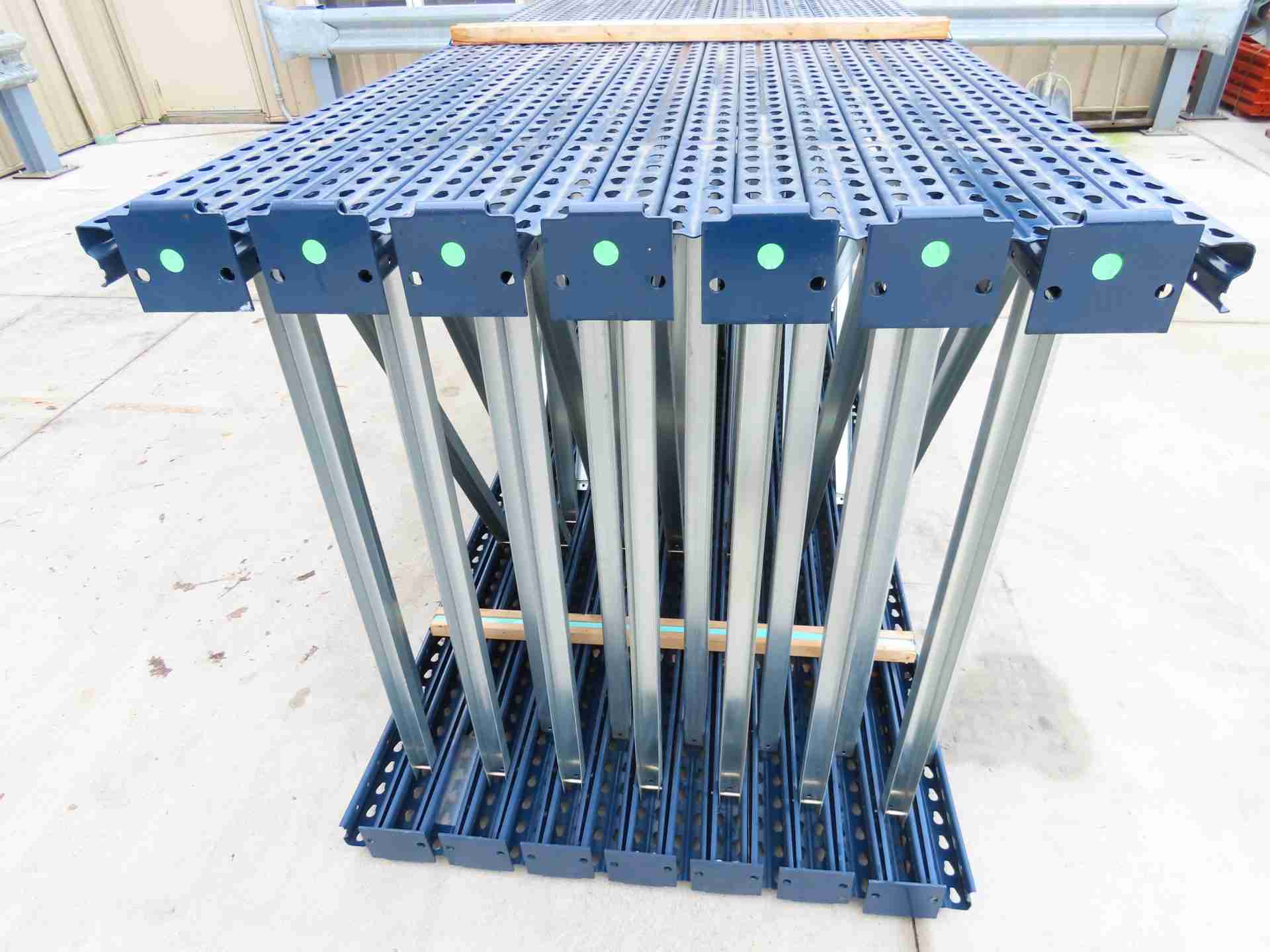
What Role Does Training Play In Effective Warehouse Racking Systems?
What Role Does Training Play In Effective Warehouse Racking Systems?
- Training is essential for effective pallet racking systems in warehouses, promoting safety and organization.
- Proper training empowers staff to handle complex tasks, reducing accidents and enhancing productivity.
- Investing in training cultivates a culture of safety, where employees take ownership of their roles.
- Well-trained employees improve morale, making them feel valued and confident in their abilities.
- Regular training ensures compliance with safety protocols, protecting the business from liabilities.
- Ongoing training sessions foster a community focused on continuous improvement and adaptability.
- Effective warehouse operations begin with a commitment to training, transforming chaos into clarity.
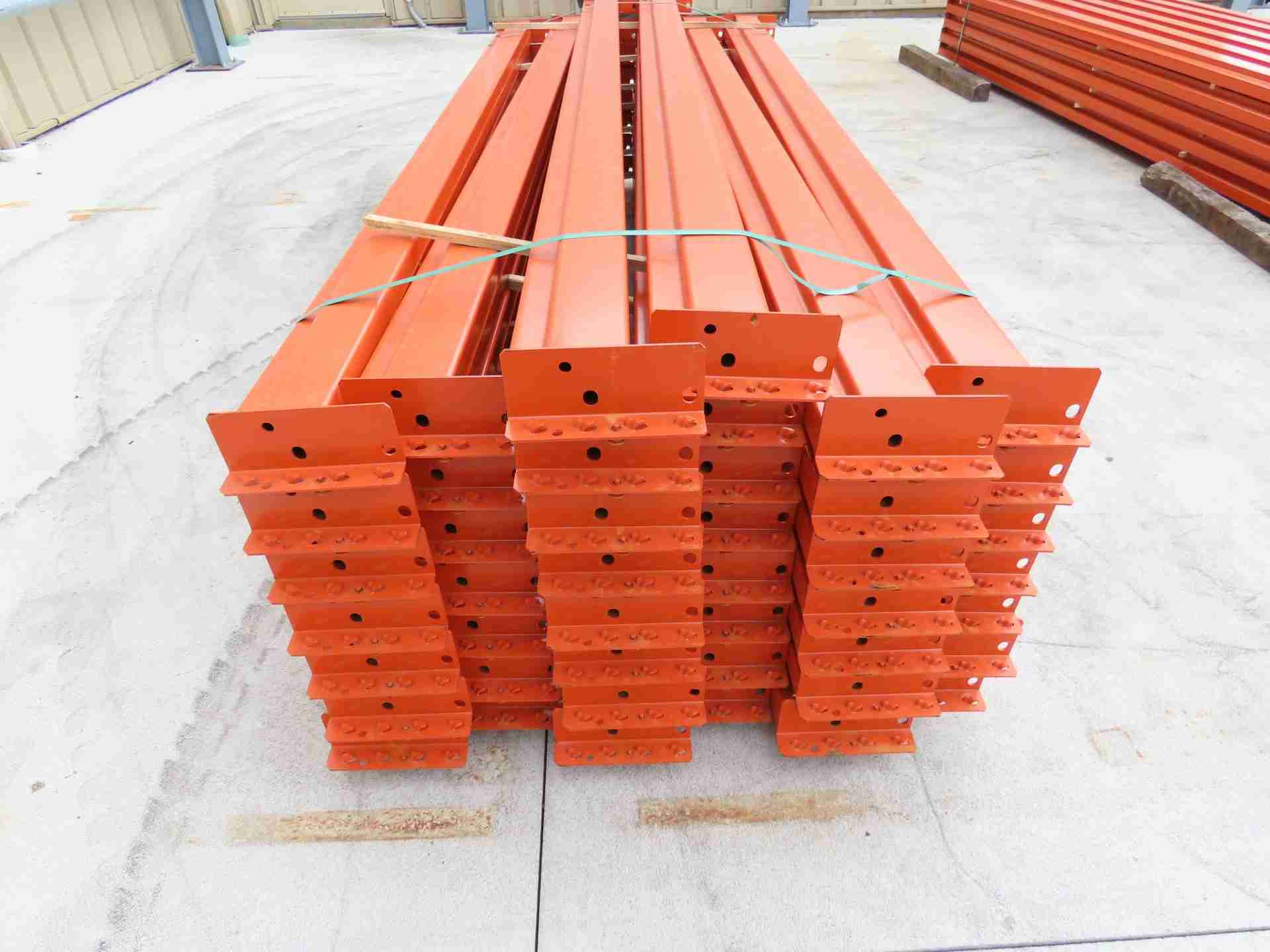
What Role Does Training Play In Effective Warehouse Racking Systems?
Table Of Contents
- What Role Does Training Play In Effective Warehouse Racking Systems?
- What Is The Importance Of Training For Warehouse Staff?
- How Can Training Improve Racking Safety?
- What Specific Skills Should Warehouse Training Include?
- How Do Training Programs Affect Racking System Efficiency?
- What Are The Benefits Of Ongoing Training For Warehouse Employees?
- How Can Technology Enhance Training In Racking Systems?
- Conclusion
- Other Resources
- Glossary Of Terms
- Other Questions
- Checklist
What Is The Importance Of Training For Warehouse Staff?
Imagine walking through a bustling warehouse, where the rhythm of productivity and efficiency hums in the background. Every item is accounted for, every pallet loaded with care, and every staff member navigates the space with a confidence that comes from knowing they are well-trained. In an industry where the stakes are high and errors can be costly, the importance of training for warehouse staff cannot be overstated.
Training isn’t just a checkbox on a manager’s to-do list; it’s a cornerstone of effective warehouse operations. When employees understand the layout of the warehouse, including how to safely maneuver around intricate structures like pallet racking, they are empowered to act decisively. Proper training incorporates the best practices for using equipment and tools, leading to a safer environment, fewer accidents, and ultimately, collective peace of mind.
Moreover, effective training fosters a culture of accountability and pride among staff members. When each employee feels skilled and confident in their role, they become invested in the success of the whole operation. Training equips them with the knowledge to solve problems, improving their ability to handle unexpected challenges. Picture a scenario where a minor issue arises with a pallet racking system; a well-trained staff member could swiftly identify the problem and implement a solution, minimizing downtime and ensuring that productivity remains uninterrupted.
Trust plays a significant role here—trust between employees and management, and trust in the processes that are put in place. Employees don’t just need to understand how to do their job; they need to trust that they can rely on their training to guide them. When you invest in their training, you send a clear message that their growth and competency are paramount to the organization.
But this is more than just a safety measure or a productivity enhancer. Comprehensive training transforms warehouse staff from being mere cogs in a machine into dynamic contributors who actively participate in the success of the business. You’re not just providing them with skills; you’re empowering them to take ownership, leading to innovation and improvement that elevates the entire operation.
In a world where excellence is a standard, don’t let your warehouse staff lag behind. Elevate their training and watch as they become the backbone of your success!
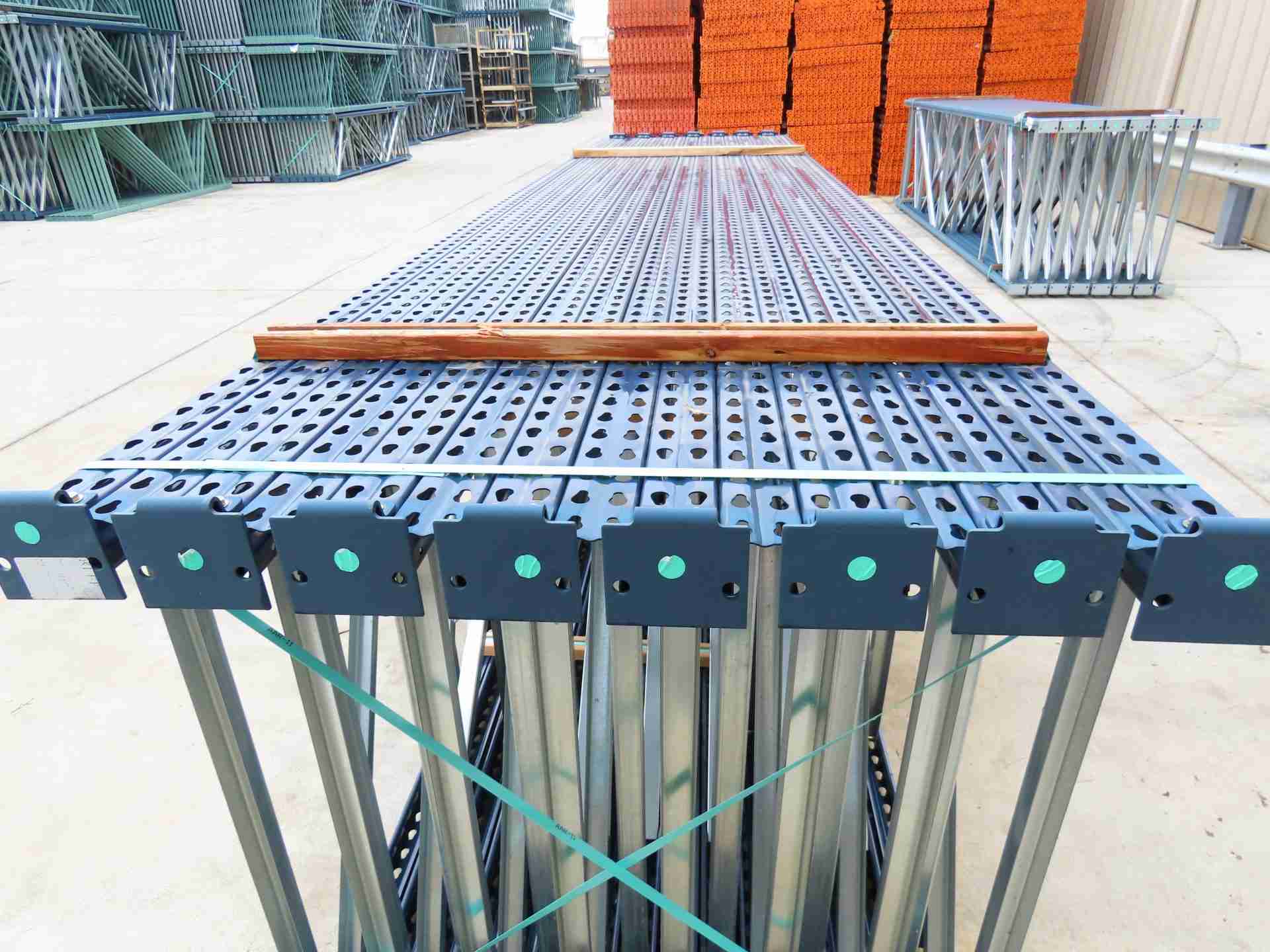
What Is The Importance Of Training For Warehouse Staff?
What Is The Importance Of Training For Warehouse Staff?
- Warehouse training is crucial for productivity and efficiency, reducing costly errors.
- Understanding warehouse layout and safe maneuvering enhances employee confidence.
- Proper training leads to a safer work environment and fewer accidents.
- It promotes accountability and pride among staff, fostering meaningful investment in their roles.
- Well-trained employees can effectively solve problems, minimizing downtime and maintaining productivity.
- Trust in management and processes is built through thorough training, reinforcing employee growth.
- Comprehensive training transforms staff into proactive contributors and empowers innovation.

What Is The Importance Of Training For Warehouse Staff?
How Can Training Improve Racking Safety?
In the bustling world of warehouses, pallet racking is the backbone of efficient operations. Yet, without the right training, this vital component can also become a source of danger. Imagine unwittingly putting your staff and inventory at risk simply because they haven’t received the proper guidance on handling this essential equipment. But here’s the good news: training can transform this narrative and elevate your racking safety to new heights.
Training is more than just a checkbox; it’s a commitment to creating a culture of safety. When your employees are equipped with the knowledge and skills to manage pallet racking effectively, they are empowered to identify potential hazards before they escalate into serious issues. Think of it as giving your team a toolkit; each piece of training serves as a tool that helps them navigate their environment with confidence and care.
Let’s get practical. Consider the implications of a poorly stacked pallet or a racking system that isn’t utilized correctly. The potential for costly accidents—damaged inventory, lost productivity, and even injuries—can be staggering. But when your workforce understands the significance of load capacities, proper stacking techniques, and safety protocols, they become your first line of defense against these risks. Investing in training doesn’t just protect your people; it safeguards your assets and ensures your operations run smoothly.
Now, you might wonder how to implement a training plan that actually works. Start by assessing your existing knowledge gaps. Create a comprehensive training program that covers not only the basics of pallet racking safety but also dives into real-world scenarios that your staff can relate to. Use engaging materials, interactive workshops, and hands-on experiences to ensure your team absorbs the information meaningfully. The best training sessions are those that inspire dialogue and encourage questions. This creates an environment where learning is ongoing, not just a one-time event.
Moreover, encourage seasoned employees to share their experiences and insights. Real-life stories foster connection and illustrate the importance of adherence to safety practices. A well-trained workforce is not just a benefit; it’s an essential ingredient for maintaining a safe, productive workspace.
Remember, when it comes to pallet racking safety, a proactive approach through training is a cornerstone of success. Empower your team with the knowledge to act decisively, and watch as your organization transforms its racking safety standards from a necessary task into a core value. Let’s take that step toward a safer future together. Your commitment to training today will yield dividends tomorrow—for you and your entire operation!

How Can Training Improve Racking Safety?
How Can Training Improve Racking Safety?
- Pallet racking is crucial for efficient warehouse operations but poses risks without proper training.
- Training creates a culture of safety, empowering employees to identify hazards and handle equipment effectively.
- Proper training helps prevent costly accidents related to inventory damage and injuries, ensuring smooth operations.
- Assess knowledge gaps and develop a comprehensive training program that includes real-world scenarios.
- Use engaging materials and interactive workshops to promote meaningful information absorption and ongoing learning.
- Encourage experienced employees to share real-life stories, enhancing connection and emphasizing safety practices.
- A proactive training approach is vital for transforming pallet racking safety into a core organizational value.
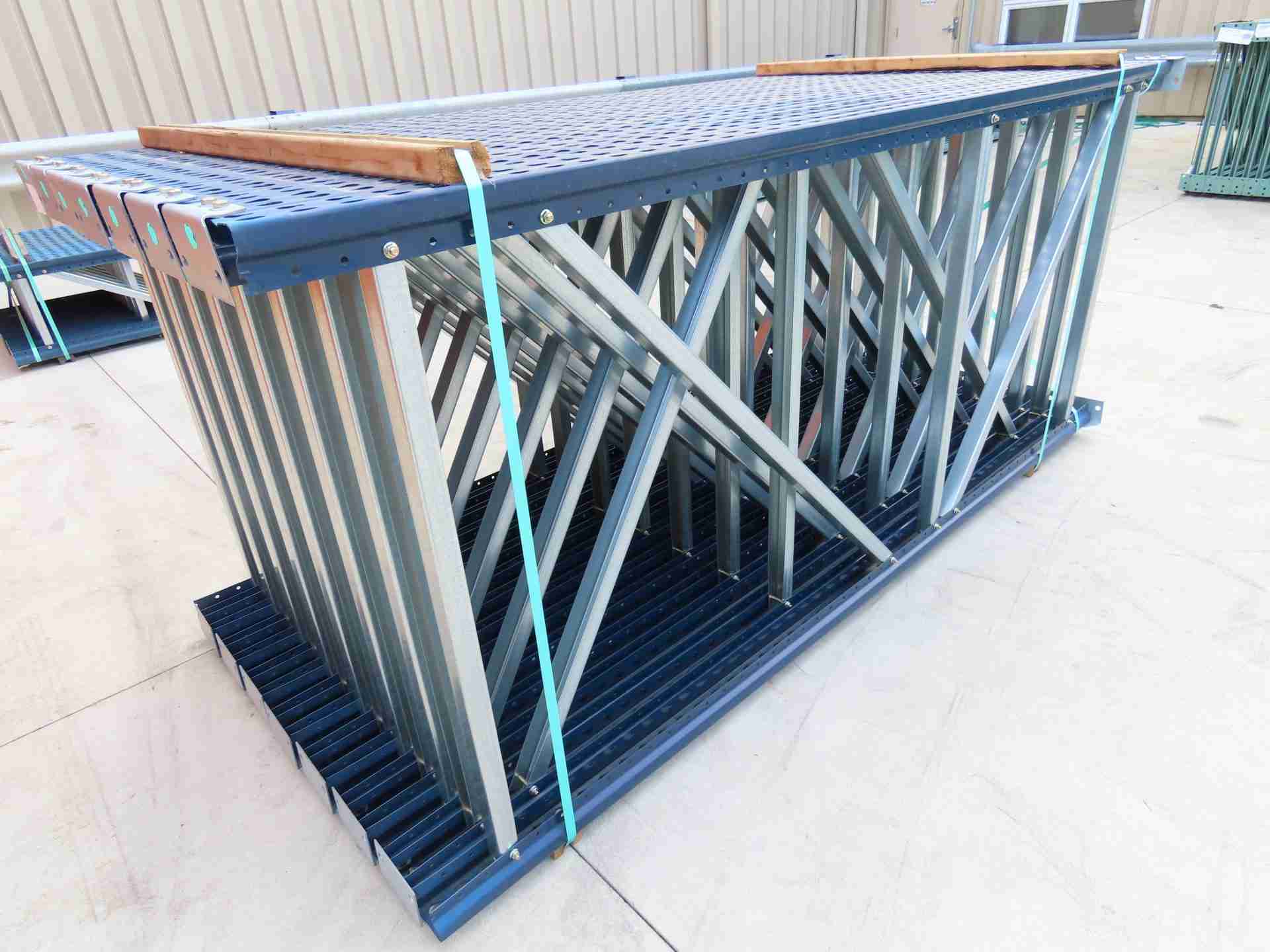
How Can Training Improve Racking Safety?
What Specific Skills Should Warehouse Training Include?
When it comes to efficient warehouse operations, training isn’t just a checkbox on your to-do list; it’s the backbone of a thriving inventory management system. To ensure that your workforce is not just functional but exceptional, here are the key skills that your warehouse training should encompass.
First and foremost, pallet racking proficiency is non-negotiable. In any warehouse, the right use of pallet racking can mean the difference between chaos and an orderly workflow. Employees should understand how to safely maneuver pallets, maximize space, and ensure structural integrity while storing products. Imagine a well-organized warehouse where each item is easily accessible – that’s the power of effective pallet racking.
Next up is equipment handling. This includes training on forklifts, pallet jacks, and other heavy machinery. Empower your team to handle these tools with confidence. A worker trained in safe equipment operations is not only a valuable asset but also plays a crucial role in workplace safety, reducing the risk of costly accidents and ensuring compliance with industry standards.
Let’s not overlook inventory management. Employees must be trained in modern inventory systems, from barcode scanning to warehouse management software. When your team knows how to efficiently track stock levels, reorders, and product locations, you’ll see significant improvements in both speed and accuracy. A well-trained employee can keep a finger on the pulse of inventory, preventing costly stockouts or overages.
Communication skills are another pivotal area. In a bustling warehouse, clear communication can save time and prevent misunderstandings. Train your employees to communicate effectively with one another and with management. Whether it’s via handheld devices or face-to-face interactions, fostering a culture of clear dialogue reduces errors and enhances teamwork.
Lastly, instilling a strong sense of safety culture is essential. Accidents can happen in the hectic environment of a warehouse; however, a well-trained team that prioritizes safety can mitigate risks significantly. Regular safety drills and discussions about proper lifting techniques, emergency procedures, and the importance of personal protective equipment can build a proactive mindset that values workplace safety above all.
By investing in comprehensive training that includes these specific skills, you not only boost morale and efficiency but create a workforce that’s aligned with your business goals. It’s time to take action; your warehouse—and your bottom line—will thank you!
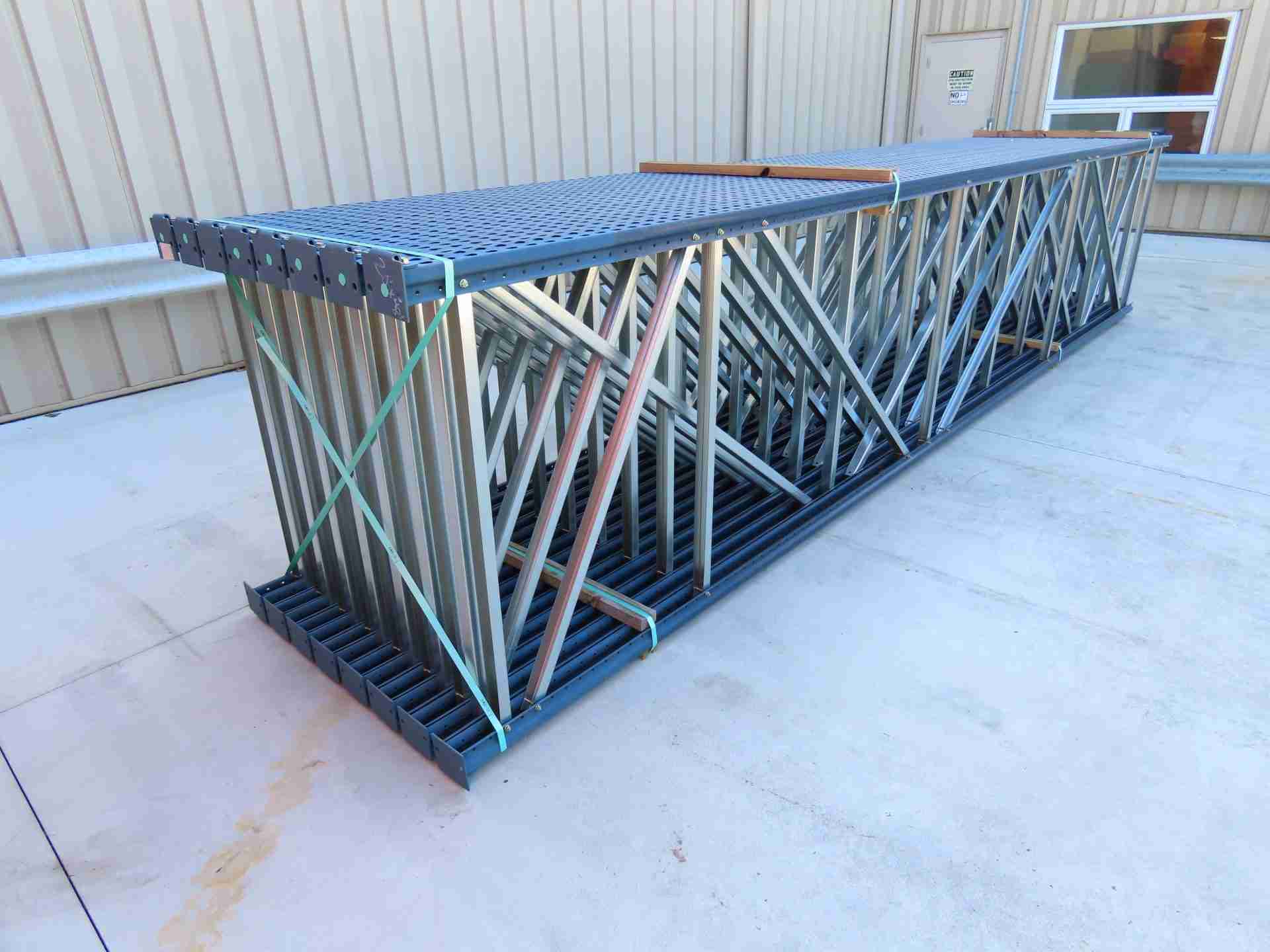
What Specific Skills Should Warehouse Training Include?
What Specific Skills Should Warehouse Training Include?
- Warehouse training is essential for efficient inventory management.
- Pallet racking proficiency is crucial for maintaining an orderly workflow and safe storage.
- Proper training in equipment handling (forklifts, pallet jacks, etc.) enhances workplace safety and compliance.
- Employees should be skilled in modern inventory management systems to track stock and prevent costly errors.
- Effective communication is vital in bustling warehouse environments to reduce misunderstandings and errors.
- Cultivating a strong safety culture through training can significantly mitigate risks associated with warehouse operations.
- Investing in comprehensive training boosts morale, efficiency, and aligns the workforce with business goals.
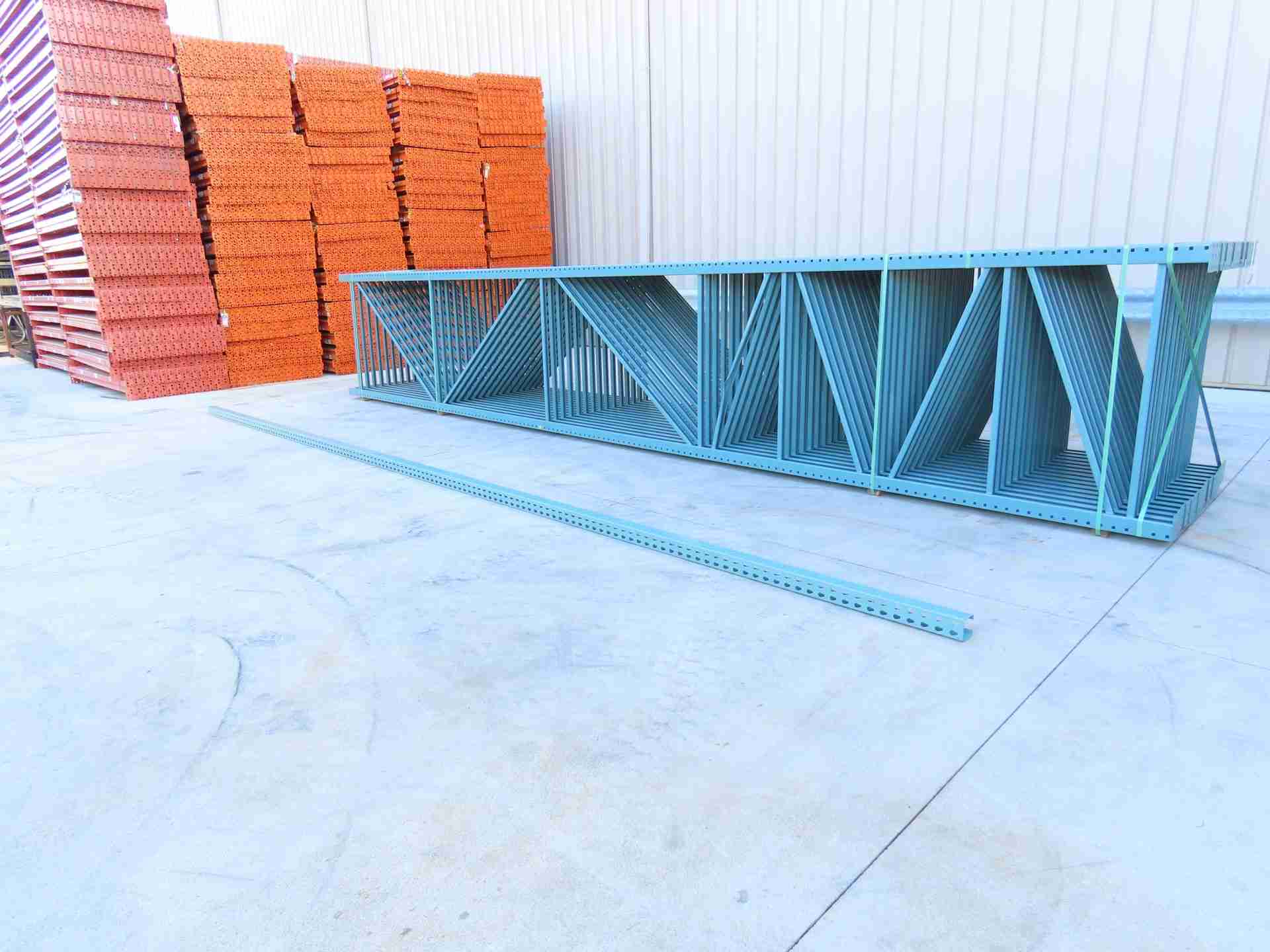
What Specific Skills Should Warehouse Training Include?
How Do Training Programs Affect Racking System Efficiency?
Imagine your warehouse humming along like a well-oiled machine, every employee seamlessly navigating between aisles of organized Pallet Racking, expertly handling inventory with speed and precision. Now picture a different scene: workers fumbling around, uncertainty hanging in the air, and inefficiencies piling up like the stacked pallets in the back. The difference? A robust training program.
When it comes to optimizing your racking system efficiency, training is not just a luxury; it’s a necessity. Think of it as an investment in your workforce. Properly trained employees not only understand the ins and outs of handling Pallet Racking but also become advocates for best practices in safety, organization, and productivity. They recognize the importance of weight distribution, loading protocols, and inventory management—critical factors that can make or break your operational flow.
Let’s face it: the cost of poor training can manifest in various ways—damaged products, employee injuries, and even costly disruptions in service. The ripple effect of these mishaps is felt throughout the organization. However, when your team is thoroughly trained in the specifics of Pallet Racking systems, they gain confidence in their roles, leading to improved performance. An engaged workforce not only works faster but also innovates new solutions to everyday challenges, creating a culture of continuous improvement that enhances your bottom line.
So, what does an effective training program look like? It’s interactive, hands-on, and tailored to the unique needs of your operation. You want training that goes beyond just theory—it should involve simulations, role-playing scenarios, and real-life case studies that resonate with day-to-day challenges. This practical approach fosters a sense of ownership among employees, encouraging them to take pride in their roles and the efficiency of your racking systems.
But don’t stop there! Continual education is key. Regular refreshers on best practices and updates on new technologies can keep your workforce sharp and your Pallet Racking systems running at peak efficiency. The more knowledgeable your team is, the more adept they become at minimizing downtime and maximizing throughput.
Start the conversation today about how an invested, well-trained team can enhance your racking system efficiency. It’s not just about the systems you have in place; it’s about the people who operate them. Trust in their potential, and you’ll see your operational performance soar.
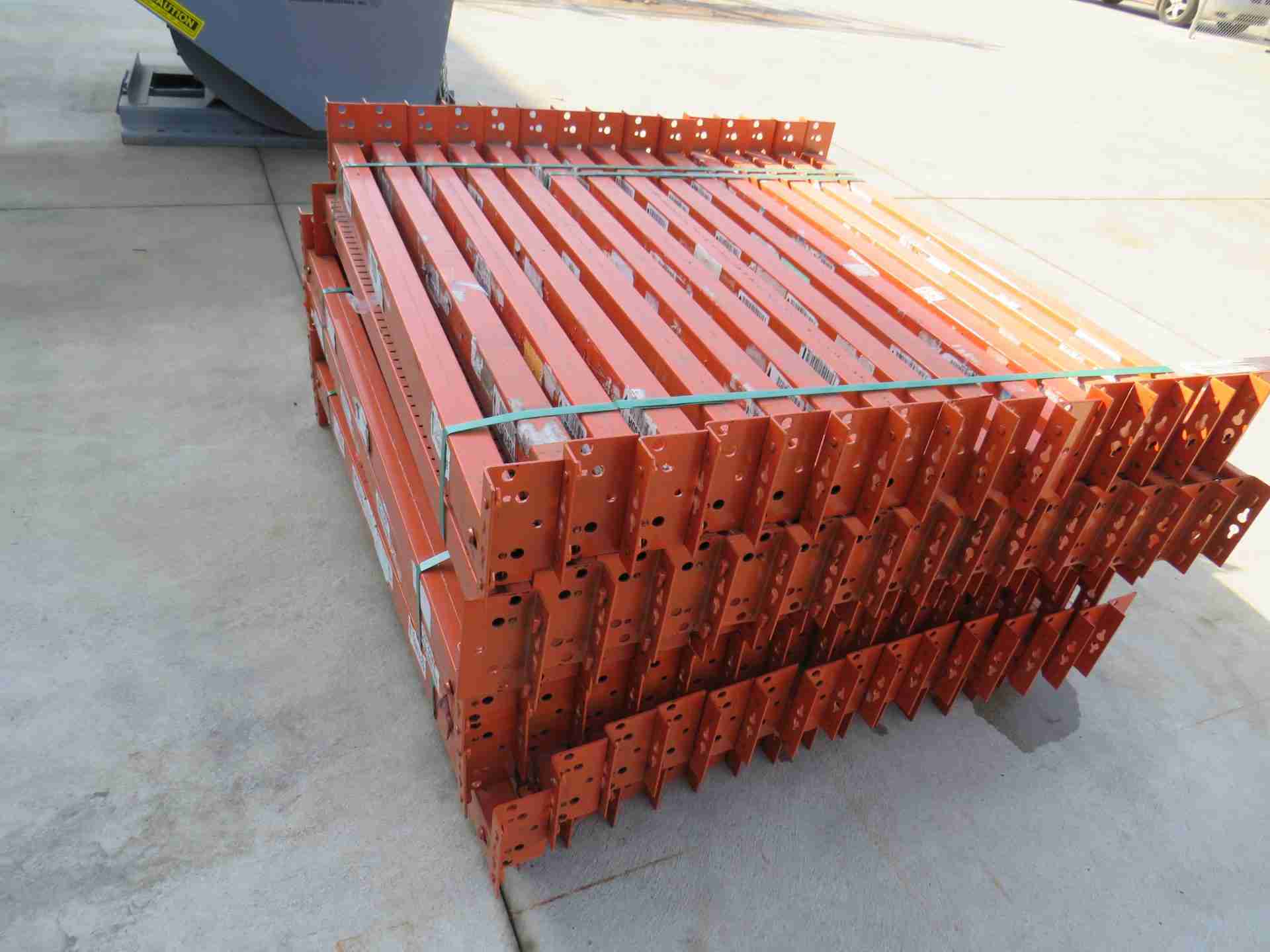
How Do Training Programs Affect Racking System Efficiency?
How Do Training Programs Affect Racking System Efficiency?
- A well-trained workforce enhances warehouse efficiency, facilitating smooth navigation among organized Pallet Racking.
- Training is essential, serving as an investment in employees who understand crucial aspects like weight distribution and inventory management.
- Poor training can lead to damaged products, employee injuries, and costly operational disruptions.
- Thorough training instills confidence in employees, improving their performance and fostering a culture of continuous improvement.
- An effective training program should be interactive, hands-on, and tailored to operational needs, incorporating simulations and real-life case studies.
- Continual education and regular refreshers on best practices keep the workforce sharp and maintaining peak efficiency of Pallet Racking systems.
- Investing in employee training not only optimizes systems but also enhances overall operational performance.
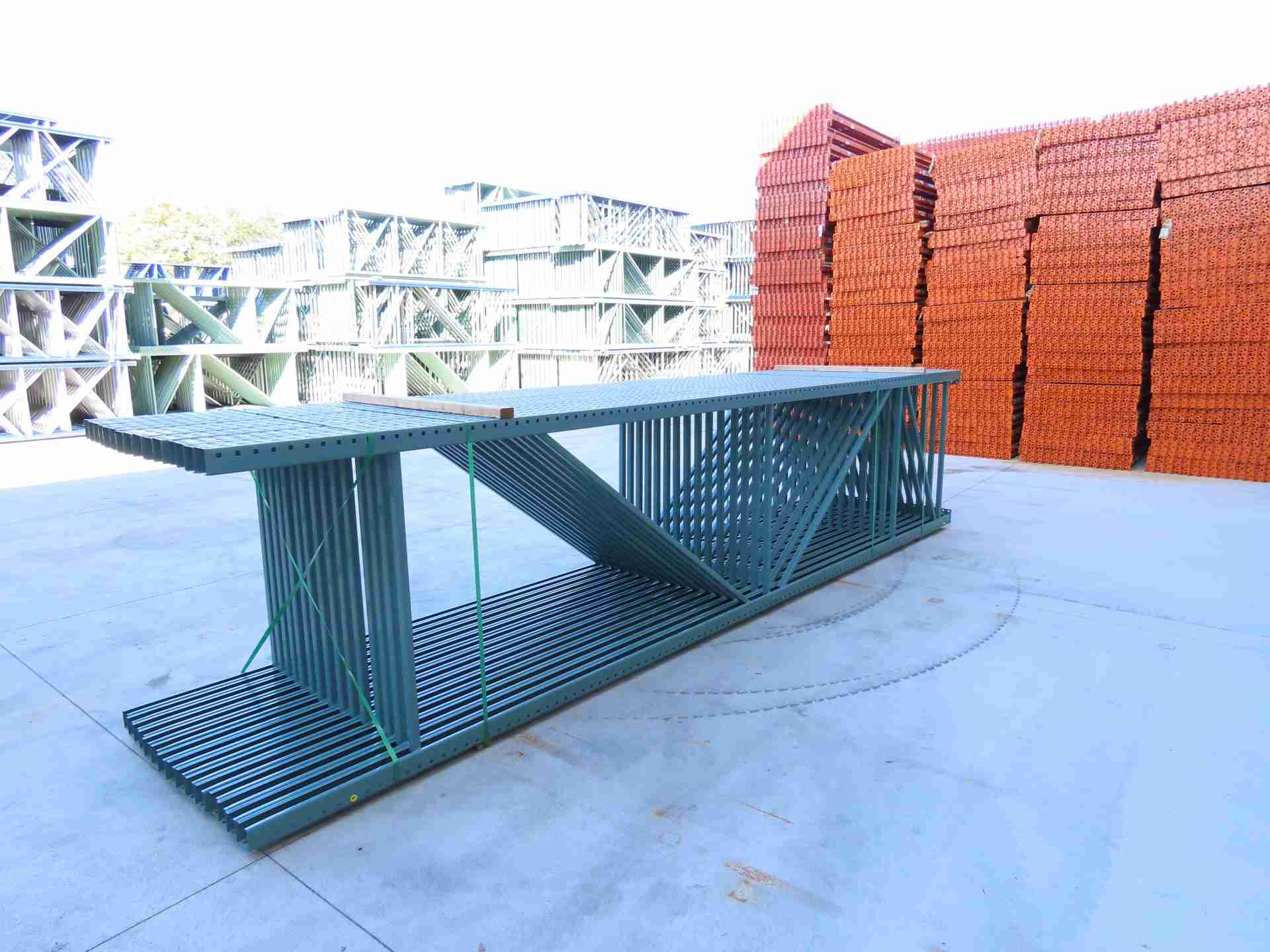
How Do Training Programs Affect Racking System Efficiency?
What Are The Benefits Of Ongoing Training For Warehouse Employees?
In the bustling world of warehousing, the foundation of success lies not just in the technology you employ or the layout you design, but in the people who make it all happen—the warehouse employees. The benefits of ongoing training for these dedicated individuals are profound, leading to a more efficient, safe, and cohesive workplace.
Consider the often-overlooked impact of regular training on your team’s confidence and skill set. Properly training employees on the nuances of equipment, such as pallet racking systems, not only enhances their operational efficiency but also fosters a sense of pride in their work. Each worker becomes a true master of their environment, which translates to smoother operations and surprisingly effective problem-solving. It’s a reality: well-trained employees face their daily tasks with ease, ensuring that everything flows seamlessly, from receiving to storage to shipping.
But training goes beyond simply knowing how to stack pallets or navigate complex racking systems. It cultivates a culture of safety which is paramount in a warehouse setting. Statistics show that workplaces with regular, updated training have significantly lower injury rates. Employees who are well-versed in safety protocols are not just more resilient; they are also more engaged, knowing that their well-being is a priority. Imagine a workforce that feels secure and valued—this peace of mind ripples through the entirety of your operations.
Moreover, ongoing training can significantly reduce turnover. When employees see that their company is committed to continuous learning and development, they’re more likely to remain loyal. They appreciate the investment in their future and the opportunities for advancement that come with a well-rounded skill set. Retaining experienced workers not only saves on the costs and disruptions associated with hiring and training new staff but also fosters an environment where your team’s skills are continuously honed, leading to higher productivity.
Lastly, let’s talk about adaptability. In an industry that changes as swiftly as a well-oiled forklift, trained employees are equipped to stay on top of industry trends and innovations. Ongoing training prepares your team for whatever the future holds, enabling them to evolve alongside your business and keep pace with advancements in technology and efficiency.
Incorporate ongoing training into your warehouse operations strategy, and watch as your team transforms. Their success becomes your success—an undeniable win-win for everyone involved. So, why wait? Start today, invest in your people, and unleash the full potential of your warehouse!
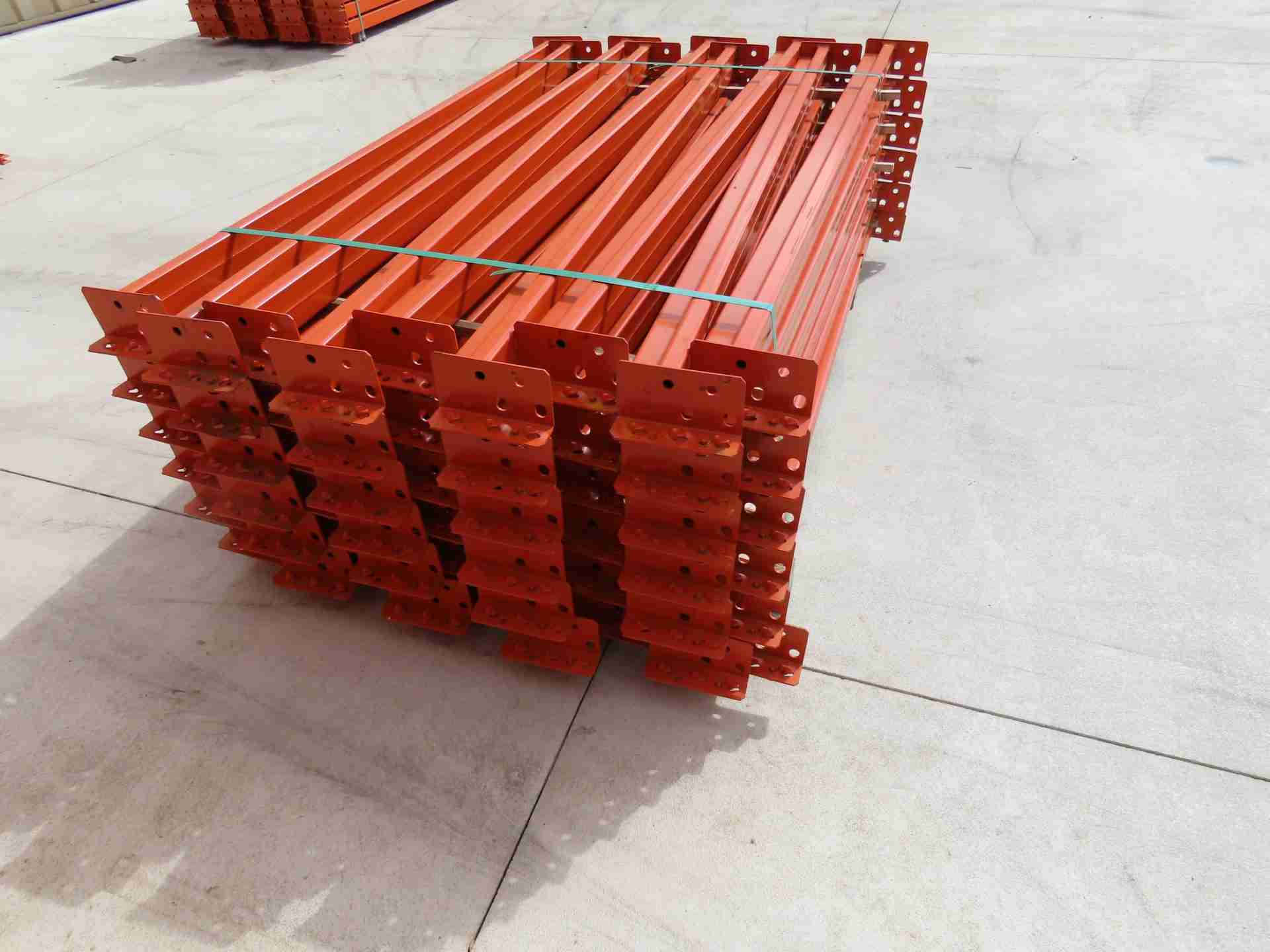
What Are The Benefits Of Ongoing Training For Warehouse Employees?
What Are The Benefits Of Ongoing Training For Warehouse Employees?
- The foundation of warehousing success lies in the people, especially warehouse employees.
- Ongoing training enhances employees’ confidence, operational efficiency, and pride in their work.
- Well-trained employees improve problem-solving and ensure smoother operations across all tasks.
- Regular training cultivates a culture of safety, leading to lower injury rates and better employee engagement.
- Companies that invest in employee training experience reduced turnover and increased loyalty.
- Ongoing training equips employees to adapt to industry changes and advancements in technology.
- Investing in employee training transforms warehouse operations and enhances overall success.
What Are The Benefits Of Ongoing Training For Warehouse Employees?
How Can Technology Enhance Training In Racking Systems?
##
In today’s fast-paced logistics environment, proper training in pallet racking systems is not just a necessity; it’s a game-changer. Imagine transforming your warehouse operations into a symphony of efficiency, safety, and productivity, all thanks to cutting-edge technology. Whether you’re a business owner, a warehouse manager, or a dedicated team member, embracing technological enhancements in your training programs can propel your operations to new heights.
Think about it. The traditional methods of training can sometimes resemble reading a user manual while trying to assemble complex furniture—it usually results in confusion and frustration. But with technology, we can shift gears. Virtual reality (VR) and augmented reality (AR) provide immersive training experiences that simulate real-world scenarios without the associated risks. Employees can navigate through their pallet racking practices in a digital environment, learning hands-on techniques while inspecting different layouts and weight distributions in a controlled space.
Let’s not forget about mobile training applications. These apps offer bite-sized lessons and easy-to-digest visuals that are accessible right from a smartphone or tablet. Imagine your team learning about the critical aspects of pallet racking systems while on break or in between tasks. It turns tedious sessions into moments of quick engagement, maximally utilizing their time without compromising their productivity.
Moreover, data analytics are revolutionizing the way we assess training effectiveness. By monitoring how employees interact with the training material and tracking their performance in handling pallet racking systems, businesses can identify areas needing improvement. This approach allows for tailored training that speaks directly to your workers’ needs, fostering an environment of continuous growth and development.
And let’s not underestimate the power of online communities and forums that technology enables. Your workforce can connect with other professionals across the globe, sharing strategies for effective pallet racking implementations. This peer-to-peer approach cultivates a culture of learning, driving your organization closer to best practices while solidifying trust among team members.
In a world where safety and efficiency are paramount, the stakes couldn’t be higher. Technology is not just an ally; it’s your competitive edge. By investing in enhanced training technologies, you’re not only ensuring compliance and safety; you’re planting the seeds for operational excellence. So, take the leap—because an investment in training today translates into smoother operations, higher morale, and ultimately, greater customer satisfaction tomorrow.
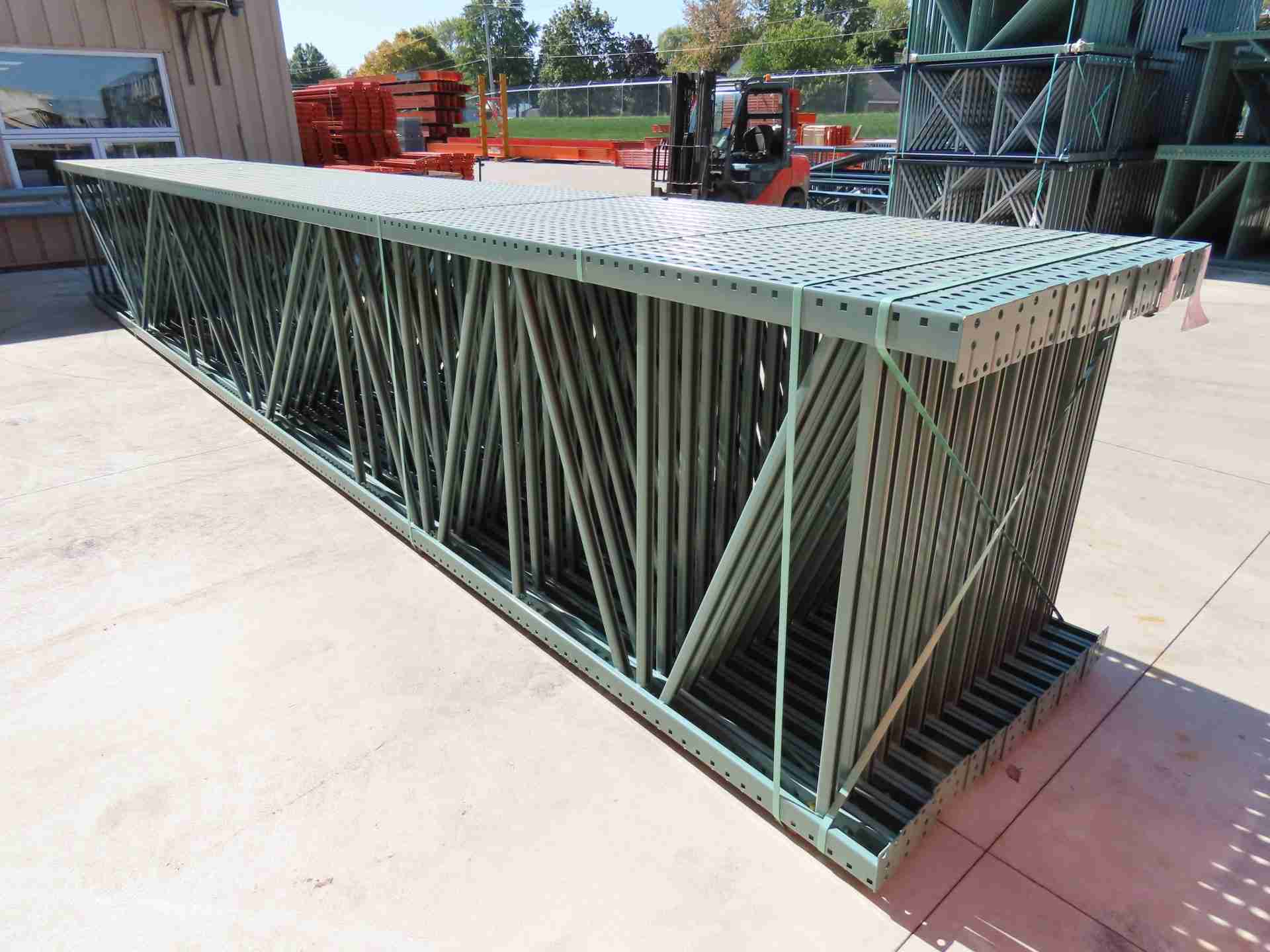
How Can Technology Enhance Training In Racking Systems?
How Can Technology Enhance Training In Racking Systems?
- Proper training in pallet racking systems significantly enhances warehouse operations, driving efficiency, safety, and productivity.
- Traditional training methods can be confusing, while technology offers solutions like virtual reality (VR) and augmented reality (AR) for immersive learning experiences.
- Mobile training applications provide convenient, bite-sized lessons accessible from smartphones, allowing training during breaks or downtime.
- Data analytics improve training effectiveness by tracking employee interactions and performance, enabling tailored learning experiences.
- Online communities and forums foster connections between professionals, promoting the sharing of best practices and strategies.
- Investing in advanced training technologies helps ensure compliance, safety, and operational excellence in the logistics industry.
- Enhanced training leads to smoother operations, higher employee morale, and improved customer satisfaction in the long run.
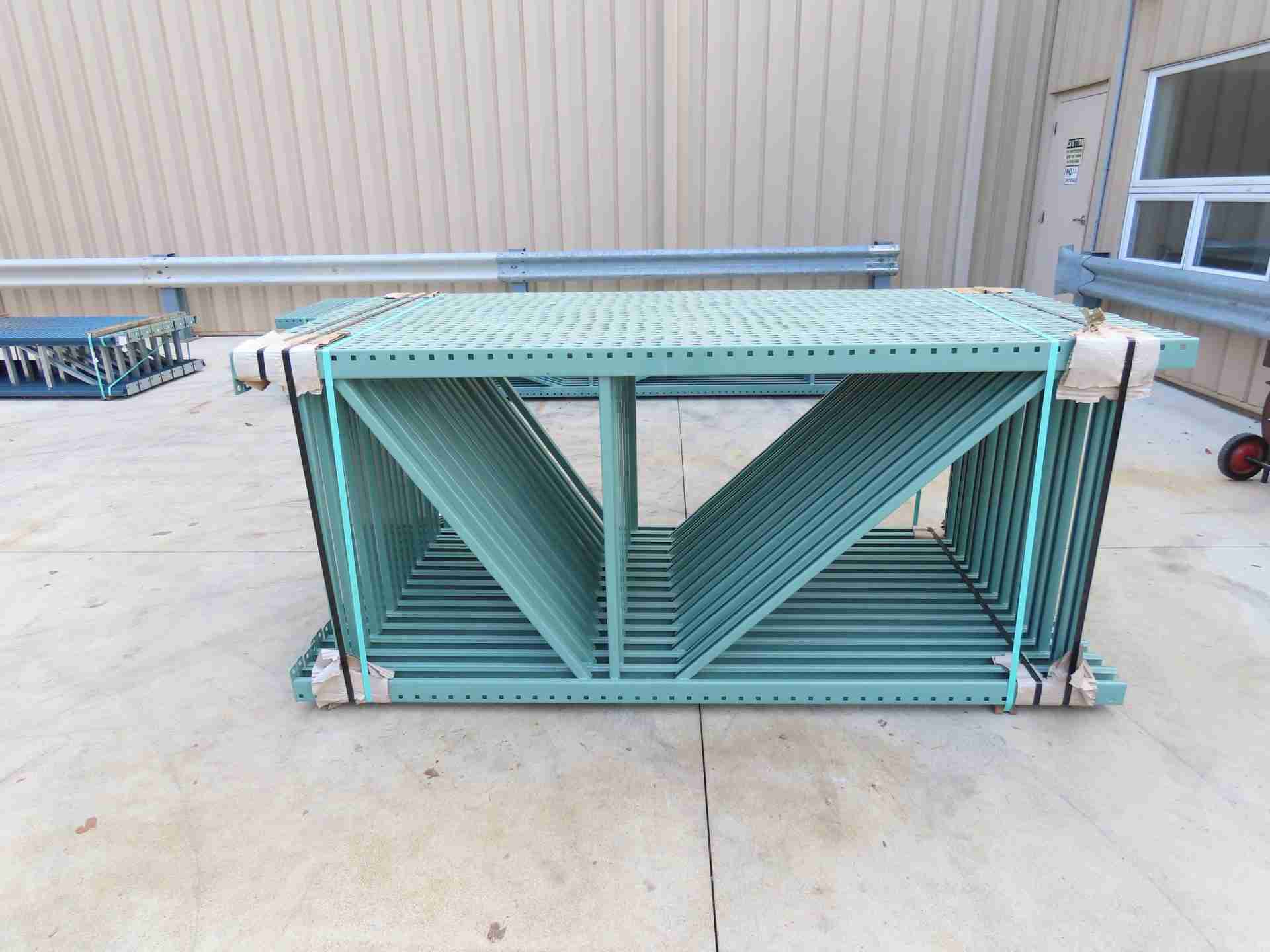
How Can Technology Enhance Training In Racking Systems?
Conclusion
Conclusion: Elevating Your Warehouse Efficiency through Training
In an era where warehouse operations are increasingly complex and fast-paced, the foundation of efficiency rests squarely on one critical element: training. As highlighted throughout our exploration, the profound impact of a robust training program extends far beyond merely checking off a managerial task. It is, in fact, a vital investment—one that pays dividends in safety, productivity, and staff morale.
Imagine your warehouse transformed into a finely tuned machine, where each employee operates with confidence and efficiency. Proper training equips your team with the knowledge they need to navigate the intricacies of pallet racking systems, empowering them to identify hazards, manage inventory intelligently, and adhere to safety protocols. With well-trained staff, accidents decrease, turnaround times are expedited, and your entire operation runs smoothly.
Moreover, ongoing training cultivates a culture of accountability and pride. When every team member feels empowered by their training, they become active contributors to your organization’s success. They think independently, solve problems creatively, and work together seamlessly. This collaboration builds trust—not just among colleagues, but in the operational processes themselves.
In today’s competitive landscape, the advantages of investing in training cannot be overstated. Regularly updated training ensures that your workforce is not just compliant with industry regulations but is also prepared to adapt to changes in technology and methods. Harnessing modern training technologies—like virtual reality and mobile applications—can further enhance learning experiences, making training engaging and relevant.
But here’s where urgency becomes vital: the longer you wait to implement comprehensive training programs, the more you risk falling behind industry standards. The costs of underprepared workers can accumulate quickly—in terms of accidents, inefficiencies, and employee turnover. The time to act is now!
At Arrow Industrial Sales, we are ready to support your journey toward operational excellence. Don’t wait—call us at (574) 349-6575 today to discover how tailored training solutions can elevate your warehouse performance to unprecedented heights. Invest in your team, and together we will build a safer, more efficient future. Your success is just a phone call away!
Conclusion
Conclusion:
- Investing in comprehensive training is crucial for enhancing warehouse efficiency.
- Proper training helps employees navigate pallet racking systems, manage inventory, and adhere to safety protocols.
- Well-trained staff lead to decreased accidents, expedited turnaround times, and smoother operations.
- Ongoing training fosters a culture of accountability, pride, and teamwork within the workforce.
- Regularly updated training helps ensure compliance with industry regulations and adaptability to technological changes.
- Delaying the implementation of training programs can result in costs related to underprepared workers.
- Arrow Industrial Sales offers tailored training solutions to help elevate warehouse performance and achieve operational excellence.
Conclusion
Other Resources

Other Resources
Here is a list of other resources you can review online to learn more:
- Pallet Racking systems in Illinois, Great Lakes
- Selective Racking
- Overhead Lifting
- Heavy-Duty Cantilever Storage Racks
- Selective Racking
- BMH
- Warehouse Storage Racking in Illinois
- Crane Manufacturers Association Of America Inc.
- The Ultimate Pallet Racking Guide – Speedrack West
- IWLA
Use This Prompt To Get More Resources With Your Favorite Online AI Tool: Please provide me with a list of online articles with their URLs in a bulleted list that I can read regarding What Role Does Training Play In Effective Warehouse Racking Systems?
Other Resources
Glossary Terms
What Role Does Training Play In Effective Warehouse Racking Systems? – Glossary Of Terms
1. Warehouse Racking: A storage system designed to hold goods and materials in a warehouse, enabling efficient use of space and easy access.
2. Inventory Management: The process of overseeing and controlling the flow of goods – from receiving and storing to picking and shipping – within a warehouse.
3. Training Programs: Structured educational sessions aimed at equipping employees with the knowledge and skills necessary for effective warehouse operations.
4. Safety Protocols: Established guidelines and procedures aimed at minimizing risks and ensuring the safety of employees while handling warehouse equipment and materials.
5. Maximizing Space Utilization: Strategies employed to use warehouse space optimally, ensuring that every area is used efficiently.
6. Pallet Racking: A type of storage system that allows for the stacking of pallets vertically to maximize vertical space.
7. FIFO (First In, First Out): An inventory management method where the oldest stock is sold or shipped first to minimize waste and obsolescence.
8. LIFO (Last In, First Out): An inventory management approach where the most recently acquired stock is sold first, which can be beneficial for certain types of perishable goods.
9. Material Handling Equipment (MHE): Tools and machines used in the movement, protection, storage, and control of materials and products throughout the manufacturing, warehousing, distribution, consumption, and disposal stages.
10. Ergonomics: The science of designing the workspace and tools to fit workers’ needs, thereby improving efficiency and reducing the risk of injury.
11. Load Capacity: The maximum weight a racking system can safely hold, which is critical for ensuring stability and safety in warehouse operations.
12. Racking Design: The layout and structure of the racking system tailored to the specific needs of a warehouse, considering factors like product type and turnover rate.
13. Training Methods: Various approaches for delivering training, including on-the-job training, simulations, workshops, and e-learning.
14. Standard Operating Procedures (SOPs): Detailed, written instructions that outline how to perform tasks consistently and safely in the warehouse.
15. Heavy-Lift Protocols: Safety measures and training focused on the correct methods for lifting and moving heavy items within a warehouse environment.
16. Pallet Load Patterns: The configurations used when stacking pallets in racking systems, which can affect stability and access.
17. Rack Inspections: Regular checks performed on racking systems to identify and address safety hazards or structural problems.
18. Warehouse Workflow: The systematic process of movement and storage that items go through in a warehouse, from receiving to shipping.
19. Performance Metrics: Measurements used to assess the efficiency and effectiveness of warehouse operations, including accuracy, speed, and safety.
20. Continuous Improvement: Ongoing efforts to enhance processes and systems; often involving employee feedback and training.
21. Lean Warehousing: A methodology focused on minimizing waste within the warehouse processes, improving efficiency and reducing costs.
22. Cross-Training: Training employees in multiple roles or tasks to create a more flexible workforce that can adapt to changing needs.
23. RFID Technology: Radio Frequency Identification technology used for tracking inventory in real-time through the use of tags and scanners.
24. Workplace Culture: The shared values, beliefs, and behaviors of employees within the warehouse that can significantly affect training outcomes.
25. Hazardous Material Training: Specialized training focused on the safe handling, storage, and disposal of hazardous materials present in a warehouse.
26. Order Fulfillment: The complete process of receiving, processing, and delivering customer orders, essential in warehouse operations.
27. Forklift Operation: Training specific to the safe and effective operation of forklifts, a common piece of MHE in warehouses.
28. Quality Control: Processes implemented to ensure that products meet certain standards, important for maintaining high customer satisfaction levels.
29. Dock Management: The organization of loading and unloading goods at the warehouse dock area to streamline operations and reduce turnaround times.
30. Employee Engagement: Involvement and motivation of warehouse staff, which can be enhanced through effective training and development initiatives.

Glossary Of Terms
Other Questions
What Role Does Training Play In Effective Warehouse Racking Systems? – Other Questions
If you wish to explore and discover more, consider looking for answers to these questions:
- What are the common challenges faced in warehouse training?
- How can training protocols be tailored for different warehouse roles?
- What metrics can be used to measure the effectiveness of warehouse training?
- How often should training programs be updated or revised?
- What are the cost implications of implementing comprehensive training programs?
- How can technology be integrated into training programs effectively?
- What types of training materials are most effective for warehouse staff?
- How can employee feedback be incorporated into training programs?
- What role does management play in facilitating effective training?
- How do different training styles impact employee learning and retention?
- What legal regulations affect training requirements in warehouses?
- How can training programs accommodate new hires versus seasoned employees?
- What strategies can be employed to keep training engaging and informative?
- How can training enhance teamwork and communication among warehouse staff?
- What are the long-term benefits of investing in ongoing employee training?
Other Questions
Checklist
What Role Does Training Play In Effective Warehouse Racking Systems? – A Checklist
Checklist: Enhancing Warehouse Racking Systems Through Training
1. Assess Training Needs
_____ Evaluate current employee knowledge of pallet racking systems
_____ Identify specific skill gaps related to equipment handling and safety
2. Develop Comprehensive Training Program
_____ Include pallet racking proficiency training
_____ Cover equipment handling (forklifts, pallet jacks)
_____ Implement inventory management training (barcode systems, warehouse management software)
_____ Provide communication skills training for effective teamwork
3. Implement Safety Protocols in Training
_____ Include training on safety standards and regulatory compliance
_____ Conduct regular safety drills and discussions
_____ Emphasize safe lifting techniques and the use of personal protective equipment (PPE)
4. Utilize Engaging Training Methods
_____ Incorporate hands-on training sessions and simulations
_____ Encourage role-playing scenarios to practice real-world challenges
_____ Use interactive materials and multimedia resources to enhance learning
5. Encourage Continuous Improvement
_____ Schedule regular refresher courses and updates on safety practices
_____ Foster a culture of feedback through discussions and feedback loops
_____ Promote peer-to-peer learning and sharing of experiences among team members
6. Leverage Technology for Training
_____ Explore the use of Virtual Reality (VR) and Augmented Reality (AR) for immersive training
_____ Integrate mobile training applications for on-the-go learning opportunities
_____ Utilize data analytics to assess training effectiveness and adjust content accordingly
7. Monitor and Evaluate Training Outcomes
_____ Set clear performance metrics for employee training
_____ Gather feedback from employees on training effectiveness
_____ Measure reductions in accidents and improvements in operational efficiency
8. Cultivate a Positive Workplace Culture
_____ Recognize and reward employees who demonstrate exemplary skills and safety practices
_____ Foster a sense of pride in work through effective training and skill acquisition
_____ Promote teamwork and collaboration across different operational areas
9. Stay Updated with Industry Trends
_____ Attend industry workshops and training conferences
_____ Keep abreast of new technology and techniques in warehouse operations
_____ Encourage employees to pursue additional certifications and learning opportunities
By following this checklist, you can ensure that your training programs effectively enhance warehouse racking systems, leading to increased safety, efficiency, and overall employee satisfaction.
Checklist
At RackingWorld, we help guide you through selecting warehouse storage systems and racking.
Be sure to read our other related stories at RackingWorld to learn more about warehouse storage systems.
0 Comments