
Maximizing Efficiency In Your Warehouse
By Tom Seest
At RackingWorld, we help guide you through selecting warehouse storage systems and racking.
Be sure to read our other related stories at RackingWorld to learn more about warehouse storage systems.
What Are The Best Practices for Optimizing Warehouse Space?
Every square inch of your warehouse matters. In the world of logistics and supply chain management, underutilizing space can mean lost profits and missed opportunities. But here’s the good news: optimizing warehouse space isn’t about cramming more into every nook and cranny; it’s about intelligent organization, strategic layout, and smart systems. Let’s explore some tried-and-true practices that can revolutionize the way you think about your warehouse.
First off, consider the power of pallet racking systems. Investing in customized pallet racking can dramatically increase your capacity without a significant footprint expansion. Think of it as vertical real estate. This strategy not only maximizes the available height in your warehouse but also streamlines picking processes, making it easier for your team to access products efficiently. It’s a simple shift that can yield tremendous returns when done correctly.
Understanding the flow of your inventory is another game-changer. Analyze how goods move through your warehouse from receiving to shipping. Identify the popular items and place them in easily accessible locations. This simple adjustment cuts down on search times, and we all know time is money. Remember, a well-organized warehouse isn’t just tidy; it’s a productivity powerhouse.
Don’t overlook the significance of technology in optimizing your space. Implementing Warehouse Management Systems (WMS) can provide real-time insights into your inventory levels, enabling smarter decision-making. You’ll have the data you need at your fingertips to make informed choices about space allocation and stock levels. By understanding your inventory dynamics, you can avoid overstocking and identify slow-moving items that might be taking up valuable floor space.
Another aspect that can’t be ignored is the importance of regular audits. Conducting regular evaluations of your warehouse processes will help you spot inefficiencies and opportunities for improvement. It keeps your operations lean and agile. Trust us, the insight gained from these assessments is priceless.
Finally, foster a culture of continuous improvement within your team. Encourage open communication about what’s working and what’s not. When your staff feels empowered to voice their opinions, you’re more likely to discover innovative solutions that can lead to space optimization.
So, why not take the leap today? Implement these best practices and watch your warehouse transform from a cluttered space into an efficient, productive powerhouse. Your bottom line will thank you.

What Are The Best Practices for Optimizing Warehouse Space?
What Are The Best Practices for Optimizing Warehouse Space?
- Every square inch of your warehouse is valuable; underutilization can lead to lost profits.
- Optimizing warehouse space focuses on intelligent organization, strategic layout, and smart systems.
- Investing in customized pallet racking systems maximizes capacity and streamlines picking processes.
- Analyze inventory flow to place popular items in accessible locations, reducing search times.
- Implement Warehouse Management Systems (WMS) for real-time inventory insights and smarter space allocation.
- Conduct regular audits to identify inefficiencies and foster continuous improvement in warehouse operations.
- Empower your team to communicate and suggest innovative solutions for space optimization.

What Are The Best Practices for Optimizing Warehouse Space?
Table Of Contents
- What Are The Best Practices for Optimizing Warehouse Space?
- What Factors Should Be Considered For Warehouse Space Optimization?
- How Can Layout Design Impact Warehouse Efficiency?
- What Role Does Inventory Management Play In Optimizing Space?
- How Can Technology Improve Warehouse Space Utilization?
- What Are The Benefits Of Vertical Storage Solutions?
- How Does Proper Labeling Contribute To Warehouse Organization?
- Conclusion
- Other Resources
- Glossary Of Terms
- Other Questions
- Checklist
What Factors Should Be Considered For Warehouse Space Optimization?
When it comes to warehouse space optimization, you must first understand that every square foot of your facility is a precious resource. The difference between simply ‘storing’ products and maximizing your operational efficiency lies in the strategic choices you make about your space. But where do you start? Let’s break it down into practical elements that matter.
First off, consider Pallet Racking systems. These structures can dramatically impact your storage efficiency. Do you have the right configuration? Are you leveraging vertical space effectively? Choosing adjustable pallet racking systems allows you the flexibility to rearrange as demand shifts. A well-configured pallet racking layout can lead to a significant increase in inventory capacity, freeing up space for more valuable operations, or simply reducing clutter in the process.
Next, think about your inventory turnover rates. Are there items occupying valuable shelf space that just aren’t moving? Optimize your warehouse by conducting regular audits. Identify dead stock and reposition your fast-moving items closer to loading docks. A streamlined inventory approach can transform your operational workflow, reducing the friction of excess handling and storage. Remember, efficiency isn’t just about reducing costs; it’s about creating a smoother experience for your employees and customers alike.
Don’t overlook technology, either! Investing in Warehouse Management Systems (WMS) can transform the way you access real-time data about your products and space utilization. Smart software tracks every move your products make, allowing you to identify patterns that inform space adjustments. Armed with this knowledge, you can make informed decisions that position your warehouse for success.
Also, employee engagement is a crucial element to consider. Enlist your team in brainstorming sessions about layout and process improvements. After all, they’re the ones navigating the floors daily. Involving them not only boosts morale but often reveals insights you may have overlooked. Engaged employees are key advocates for efficiency and continuous optimization.
Finally, don’t forget about safety and compliance. A well-organized warehouse not only meets operational needs but ensures that safety standards are closely adhered to. A happy workplace is one where accidents are minimized, and employees can focus on their tasks without the fear of injury.
By examining these facets—pallet racking, inventory management, technology, employee engagement, and safety—you position your warehousing operation to reach new heights. Remember, optimizing space isn’t merely about storage; it’s about creating an environment where efficiency and productivity flourish.

What Factors Should Be Considered For Warehouse Space Optimization?
What Factors Should Be Considered For Warehouse Space Optimization?
- Understand that every square foot of warehouse space is a valuable resource crucial for operational efficiency.
- Utilize pallet racking systems to enhance storage efficiency, with flexible configurations for better vertical space usage.
- Regularly audit inventory turnover rates to eliminate dead stock and reposition fast-moving items for better access.
- Invest in Warehouse Management Systems (WMS) to gain real-time insights on product movement and space utilization.
- Engage employees in layout and process improvement discussions to gather valuable insights and boost morale.
- Ensure safety and compliance through an organized workspace to minimize accidents and enhance employee focus.
- Optimize your warehousing operation by focusing on the interplay of storage, efficiency, and employee engagement.

What Factors Should Be Considered For Warehouse Space Optimization?
How Can Layout Design Impact Warehouse Efficiency?
Imagine walking into a warehouse where every aisle entices you like a well-curated shopping spree. Now, think about how the layout of this space shapes the entire operation. A thoughtful layout design is not just a strategic decision but a vital backbone supporting your warehouse’s efficiency and productivity. It’s your silent partner, ensuring every product, every pallet racking system, and every workflow is strategically aligned to maximize output and minimize hassle.
When it comes to warehouse design, let’s talk about pallet racking—the unsung hero behind your shelving solutions. An optimized pallet racking setup can either tighten or loosen the gears of your operations. If your racking is configured thoughtfully, you’ll notice a significant reduction in the time it takes to pick a product and get it on its way. Conversely, clutter and disorganization lead to chaos—where picking errors become rampant, and time is wasted wandering the aisles searching for misplaced items. Would you trust a physician who couldn’t efficiently navigate their own office? Similarly, can you trust a warehouse with a poorly laid out design?
Consider your team: entrust them with a well-structured environment and watch them thrive. When they can easily locate products, navigate the aisles with ease, and learn a system that feels intuitive, their morale gets a boost. It transforms their workday from a chaotic chase to a smooth operation. Let’s face it, a content team fuels a productive warehouse, and it all stems from smart layout design.
But it doesn’t stop there. The right layout can influence everything from inventory turnover to shipping efficiency. For instance, placing fast-moving items near loading docks minimizes travel time for your pickers, while proper zoning can reduce cross-traffic and streamline operations. These are little tweaks that lead to big wins.
As you think about redesigning your workspace or optimizing your current setup, remember: this isn’t just an aesthetic endeavor; you’re investing in a leaner, more efficient operation. Don’t shy away from seeking professional help to map out a custom strategy tailored to your specific needs. The returns on your investment will be visible in expedited operations and happier employees—a win-win situation in the world of warehousing. Trust in layout design; it’s your pathway to warehouse mastery.

How Can Layout Design Impact Warehouse Efficiency?
How Can Layout Design Impact Warehouse Efficiency?
- Warehouse layout is crucial for efficiency and productivity, serving as the backbone of operations.
- Pallet racking systems are essential for organized shelving solutions and can optimize operational speed.
- A well-designed racking setup reduces product picking time; disorganization leads to errors and wasted time.
- A structured environment boosts team morale, enabling employees to work more intuitively and efficiently.
- The right layout can enhance inventory turnover and shipping efficiency, especially for fast-moving items.
- Redesigning or optimizing space is an investment in efficiency, not merely aesthetic enhancement.
- Professional help can create a tailored strategy, leading to faster operations and happier employees.

How Can Layout Design Impact Warehouse Efficiency?
What Role Does Inventory Management Play In Optimizing Space?
In today’s fast-paced business environment, effective inventory management isn’t just about keeping stock—it’s about transforming your space into a powerhouse of efficiency and productivity. Imagine stepping into your warehouse or storage facility and feeling an immediate sense of order and purpose, where every inch is maximized, and everyone knows where to find what they need. This is the world of optimized space, and at its heart lies smart inventory management.
Picture your business like a finely tuned machine. Each component must work seamlessly together, and inventory is the oil that keeps the gears moving smoothly. So, how does proper inventory management open up new possibilities? One of the key players is pallet racking. It’s not just a storage solution; it’s a strategic advantage. By using pallet racking effectively, you can change the way you utilize vertical space, allowing you to store more items without sacrificing floor area. Suddenly, the chaos of overflowing aisles gives way to organized lanes of neatly stacked products, all within arm’s reach.
Now, think about the time wasted in searching for misplaced items or the frustration that comes from inefficient retrieval processes. An optimized space, grounded in solid inventory management practices, minimizes these pains. By implementing clear labeling systems and utilizing technology like inventory management software, your team can easily track stock levels and locate items quickly. This means getting products out the door faster, ultimately boosting your bottom line.
Furthermore, an organized inventory system fosters a culture of accountability and responsibility among your staff. When employees understand the layout and inventory levels, they feel empowered in their roles. This not only increases their efficiency but also heightens their engagement. Emotional connection to their roles translates to better performance, and your spirit of teamwork thrives in an environment where each member knows their part in the greater whole.
Lastly, investing in inventory management doesn’t just end with your current operations. It builds a framework for scalability. As your business grows, having an optimized layout allows you to expand without the usual stresses of relocation or overflow. You can quickly adapt to increased demand with confidence, knowing your space can handle new challenges.
Embrace the transformative power of inventory management today. Optimize your space, empower your team, and watch your business soar to new heights!

What Role Does Inventory Management Play In Optimizing Space?
What Role Does Inventory Management Play In Optimizing Space?
- Effective inventory management transforms spaces into efficient powerhouses.
- Pallet racking serves as a strategic advantage, maximizing vertical space.
- Organized spaces reduce time spent searching for items and improve retrieval processes.
- Clear labeling systems and inventory management software enhance tracking and accessibility.
- An organized inventory fosters accountability and responsibility among staff.
- Employee engagement and performance improve in an optimized inventory environment.
- Investing in inventory management builds a scalable framework for business growth.

What Role Does Inventory Management Play In Optimizing Space?
How Can Technology Improve Warehouse Space Utilization?
In the fast-paced world of logistics and distribution, the efficiency of warehouse operations can make or break a business. Space is often at a premium, and every square foot of your facility counts. So, how can technology step in to maximize your warehouse space utilization? Let’s delve into the game-changing tools and strategies that can transform your storage into a streamlined powerhouse.
First, consider the integration of advanced Warehouse Management Systems (WMS). These systems offer real-time tracking of inventory, allowing you to optimize the layout of your facility. By mapping out your Pallet Racking configurations digitally, you can identify areas that may be underutilized. No more guesswork—data does the heavy lifting, showing you exactly where to place your pallets for maximum efficiency.
Next, embrace automation, which is not merely a trend but a proven strategy for optimizing space. Automated guided vehicles (AGVs) and robotic systems can work tirelessly to reorganize inventory and retrieve items with lightning speed. This means you can rearrange your Pallet Racking more dynamically, adapting quickly to changes in demand. Imagine a scenario where you no longer dread the labor-intensive task of shifting heavy loads—technology does it for you, freeing your team to focus on value-added activities.
Let’s talk about the brain behind your operations: Artificial Intelligence (AI). A robust AI system can analyze patterns in your inventory flow. It will predict which items need to be closer to the picking zone, allowing for the intelligent redesign of your layout. With foresight gained from data insights, you can optimize your Pallet Racking setup to enhance picking efficiency.
Moreover, don’t underestimate the power of mobile technology. Equipping your staff with mobile devices enhances communication between team members and streamlines operations. Real-time updates on stock levels and locations keep everyone on the same page, drastically reducing the chances of errors and misplacement, further optimizing that precious warehouse space.
If your goal is to maximize every inch of your warehouse, you can’t afford to ignore the impact of technology. Embracing these innovations not only improves your space utilization but also boosts your bottom line. By leveraging the tools available today, you can transform your warehouse into an efficient, organized, and high-performing asset that meets the demands of your ever-changing market. Take the leap, and let technology work its magic in your warehouse!

How Can Technology Improve Warehouse Space Utilization?
How Can Technology Improve Warehouse Space Utilization?
- Warehouse efficiency is crucial for business success in logistics and distribution.
- Advanced Warehouse Management Systems (WMS) enable real-time inventory tracking, optimizing facility layout.
- Automation, including Automated Guided Vehicles (AGVs) and robotics, improves inventory organization and retrieval speed.
- Artificial Intelligence (AI) analyzes inventory patterns to predict and enhance layout designs for efficient picking.
- Mobile technology fosters better communication among staff, providing real-time stock updates and reducing errors.
- Embracing technology significantly improves space utilization and positively impacts the bottom line.
- Investing in these innovations transforms warehouses into efficient, high-performing assets for changing market demands.

How Can Technology Improve Warehouse Space Utilization?
What Are The Benefits Of Vertical Storage Solutions?
What Are The Benefits of Vertical Storage Solutions?
When it comes to maximizing your space, efficiency is not just a goal—it’s a necessity. Imagine transforming your warehouse, garage, or stockroom into a haven of organization, where every inch of vertical space is put to good use. Vertical storage solutions, particularly pallet racking systems, are your secret weapon in this quest for efficiency.
If you’ve ever walked into a cluttered space overflowing with inventory, you know how overwhelming it can feel. Vertical storage allows you to reclaim that space. It transforms chaos into order, allowing you to stack your goods upwards instead of spreading them out, which can consume valuable floor area. Think about it: every square foot of floor space represents potential revenue, and with an effective vertical storage system, you can significantly increase your capacity.
Consider the benefits of pallet racking specifically. These robust systems are not just about creating more space—they’re about making your operations smoother and more efficient. Easy access to products means your staff can locate and fulfill orders with incredible speed. In today’s fast-paced market, where customer satisfaction can make or break your business, this newfound efficiency can set you apart from the competition.
Moreover, investing in vertical storage solutions like pallet racking instills a sense of professionalism. A well-organized space conveys reliability and competence not only to your employees but also to your clients. When someone walks into a tidy environment with clearly defined storage systems, they immediately feel more confident in your abilities. It’s a subtle but powerful message: you know what you’re doing, and you take pride in your operations.
And let’s not forget about safety! Vertical storage solutions can lead to fewer accidents and injuries within your workspace. With products stacked securely and systematically, there’s less chance of things falling or obstructing walkways. This creates a healthier work environment that keeps your team safe, happy, and productive.
So why wait? Your space is a blank canvas, and vertical storage solutions can help you paint a masterpiece of organization. Embrace the advantages of pallet racking and watch your workspace transform into a model of efficiency. Discover the freedom that comes with an organized space and take action today. Your future self—and your profitability—will thank you!

What Are The Benefits Of Vertical Storage Solutions?
What Are The Benefits Of Vertical Storage Solutions?
- Vertical storage solutions, especially pallet racking systems, help maximize space and efficiency in warehouses, garages, and stockrooms.
- These systems allow businesses to reclaim cluttered spaces by utilizing vertical space, significantly increasing capacity.
- Pallet racking systems enable easy access to products, enhancing order fulfillment speed and customer satisfaction.
- A well-organized storage environment projects professionalism and reliability to both employees and clients.
- Improved safety is a key benefit, as vertical storage reduces the risk of accidents and injuries by keeping products secure.
- Investing in vertical storage transforms workspaces into efficient and organized areas, boosting productivity.
- Embracing these storage solutions not only enhances organization but also promotes future profitability.

What Are The Benefits Of Vertical Storage Solutions?
How Does Proper Labeling Contribute To Warehouse Organization?
In the fast-paced world of warehousing, efficiency is not just a goal—it’s a necessity. Imagine walking into a warehouse where everything is in its place, products can be located with a mere glance, and the chaos of misplaced inventory is a thing of the past. This is the magic of proper labeling. It transforms a scattered environment into a well-oiled machine, paving the way for streamlined operations and happier employees.
When it comes to pallet racking, the role of effective labeling is crucial. Think about it: each pallet holds valuable inventory, and if your team doesn’t know where to find that inventory, you’re losing precious time—and money. By implementing a clear labeling system, you empower your staff to locate items faster, which means they spend less time searching and more time fulfilling orders. Imagine the boost in productivity when your employees can zero in on the exact pallet they need, eliminating the guesswork and confusion!
But let’s not stop there. Proper labeling enhances safety as well. In a bustling warehouse filled with forklifts and quick-moving employees, clear labels make it easy to identify hazards or restricted areas. Workers can navigate with confidence, knowing they are following a well-established protocol. This not only protects your team but also shields your business from costly accidents or liability claims.
Moreover, investing in a robust labeling strategy sends a message to your team about the importance of organization. When your staff sees a clean, orderly space where everything is easy to find, it inspires a culture of accountability and pride. They recognize the value of their work, fostering a sense of ownership that transcends boundaries and departments.
Now, let’s talk about the future. Imagine a warehouse equipped with smart technology that integrates with your labeling system, allowing for real-time inventory tracking. This isn’t just a dream—it’s an evolution that businesses can reach through proper labeling practices. With RFID tags or barcodes for each pallet racking location, you can provide instant updates on stock levels, leading to better decision-making and forecasting.
The bottom line? Proper labeling isn’t just a tactical approach—it’s a strategic shift that can transform your warehouse operations. By investing in an organized system today, you lay the groundwork for efficiency, safety, and a thriving workplace culture tomorrow. Don’t let your warehouse remain a labyrinth of confusion; embrace the clarity and confidence that comes with effective labeling. Your team—and your bottom line—will thank you.
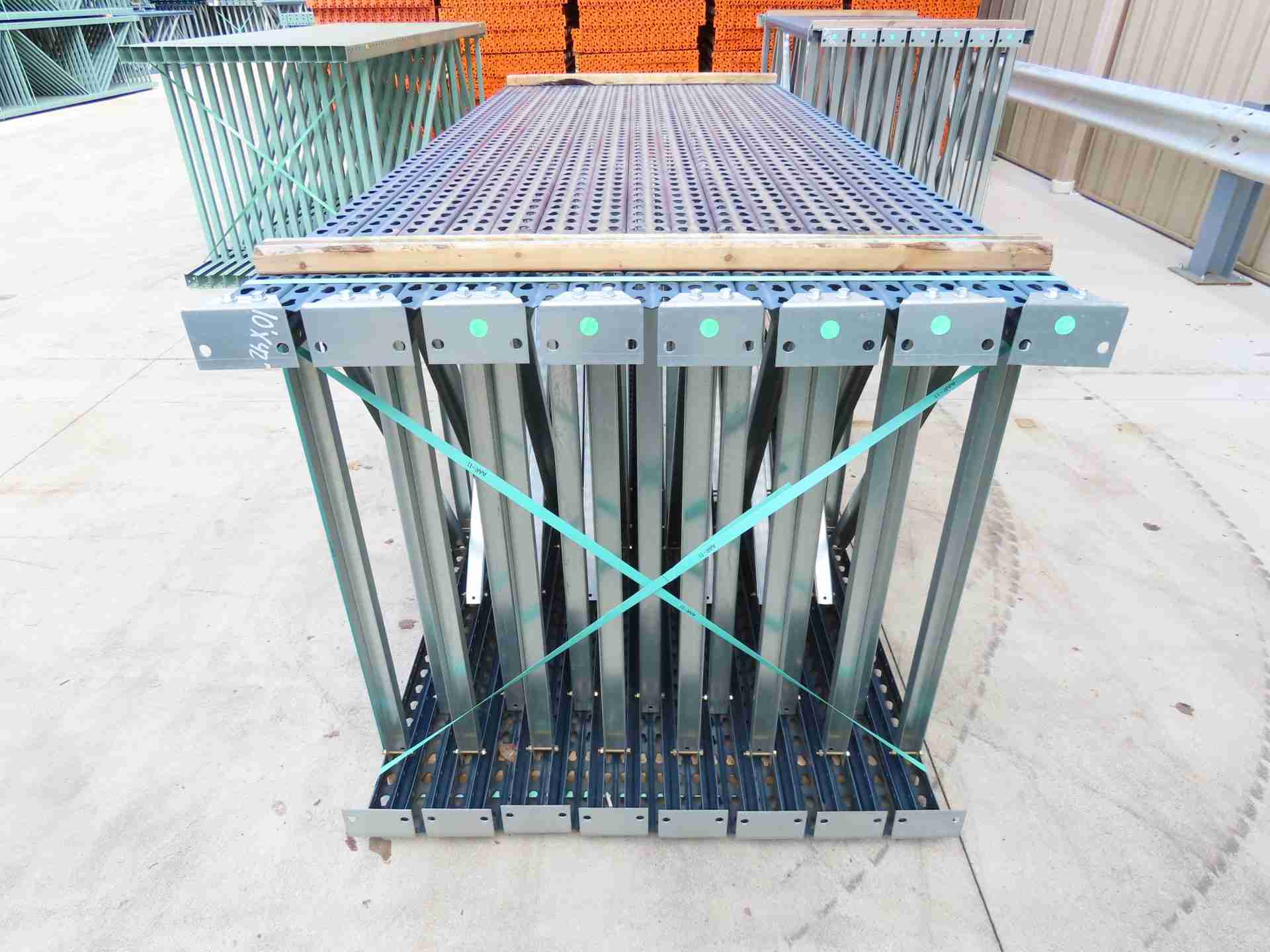
How Does Proper Labeling Contribute To Warehouse Organization?
How Does Proper Labeling Contribute To Warehouse Organization?
- Efficiency in warehousing is essential; proper labeling transforms chaotic environments into organized spaces.
- Effective labeling in pallet racking helps teams locate inventory quickly, saving time and reducing costs.
- Clear labels enhance safety by identifying hazards and restricted areas, promoting safe navigation for employees.
- A robust labeling strategy fosters a culture of accountability and pride among staff, reinforcing the value of organization.
- Integration of smart technology with labeling systems enables real-time inventory tracking and improved decision-making.
- Proper labeling is a strategic shift that enhances efficiency, safety, and workplace culture.
- Investing in an organized system today lays the foundation for better warehouse operations and employee satisfaction.

How Does Proper Labeling Contribute To Warehouse Organization?
Conclusion
Conclusion: Transforming Your Warehouse for Maximum Efficiency with RackingWorld.com and Arrow Industrial Sales
Every business owner knows that warehouse optimization is not merely a task—it’s a critical driver of profitability and operational excellence. By embracing efficient practices and state-of-the-art solutions, you can transform your cluttered warehouse into a streamlined powerhouse that maximizes productivity and minimizes wasted time and space.
At RackingWorld.com, in partnership with Arrow Industrial Sales, we understand the urgency of refining your warehouse space. Every square inch counts, and the potential for increased profits is immense when you optimize your operations strategically. From adopting customized pallet racking systems that leverage vertical space, to implementing advanced Warehouse Management Systems (WMS) for real-time inventory tracking, our expertise is designed to elevate your warehousing capabilities to new heights.
The challenge of maintaining an efficient space can be daunting. Underutilization leads to lost profits, while chaos breeds inefficiency. That’s where we come in. Our comprehensive approach includes everything from layout design and inventory management to the integration of technology and fostering a culture of continuous improvement among your team. With our tailored solutions, we empower your employees to become advocates for efficiency, all while enhancing their own workplace satisfaction.
Don’t let outdated systems or poor organization hold you back any longer. Discover the power of vertical storage solutions, effective labeling, and the impact of engaging your team in the optimization process. This is your moment to reassess how you utilize your space, streamline your operations, and ultimately drive better results.
Act now—your competition is not waiting. Reach out to Arrow Industrial Sales at (574) 349-6575 for expert advice tailored to your unique situation. Our team is ready to assist you in unveiling the potential of your warehouse, helping you implement best practices that can revolutionize your operations.
This is not just about improving your warehouse; it’s about transforming your business. Watch as every effort you make to optimize your space translates into greater efficiency, reduced costs, and increased profitability. Don’t put off the optimization your warehouse needs—take the first step towards success today! Your bottom line will thank you.

Conclusion
Conclusion:
- Warehouse optimization is essential for profitability and operational excellence.
- RackingWorld.com and Arrow Industrial Sales offer solutions to transform cluttered warehouses into efficient spaces.
- Customized pallet racking systems can maximize vertical space and improve storage efficiency.
- Advanced Warehouse Management Systems (WMS) enable real-time inventory tracking, enhancing operational capabilities.
- The comprehensive approach includes layout design, inventory management, and technology integration.
- Engaging employees in the optimization process fosters a culture of continuous improvement and workplace satisfaction.
- Contact Arrow Industrial Sales for expert advice to unlock your warehouse’s potential and boost your business profits.

Conclusion
Other Resources

Other Resources
Here is a list of other resources you can review online to learn more:
- Storage Equipment Manufacturers Association
- Warehousing Education and Research Council: https://www.werc.org/
- Warehouse Racking Chicago, IL
- BMH
- Teardrop Racks – Pallet Rack World
- Intro to Warehouse Racks & Warehouse Racking Systems – ShipBob
- Interlake
- Heavy-Duty Cantilever Storage Racks
- Racking World
- Selective Pallet Racking Systems – Container Systems
Use This Prompt To Get More Resources With Your Favorite Online AI Tool: Please provide me with a list of online articles with their URLs in a bulleted list that I can read regarding What Are The Best Practices for Optimizing Warehouse Space?

Other Resources
Glossary Terms
What Are The Best Practices for Optimizing Warehouse Space? – Glossary Of Terms
1. Aisle Width: The distance between shelving or storage units in a warehouse, crucial for maximizing space and allowing for safe maneuverability of equipment.
2. Bin Location: The specific place where items are stored within the warehouse, essential for efficient retrieval and inventory management.
3. Cross-Docking: A transportation method where products from an inbound shipment are sorted and shipped right away without storage, optimizing space and time.
4. Cycle Count: A method of inventory auditing where a portion of the inventory is counted on a specific day, ensuring accurate stock levels and efficient storage.
5. Drop Shipping: A retail fulfillment method where the store does not keep the products it sells in stock, reducing warehouse space needs.
6. FIFO (First In, First Out): An inventory management technique where the oldest stock is sold first, preventing obsolescence and maximizing storage efficiency.
7. Footprint: The total area that a shelving unit or racking system occupies on the warehouse floor, critical for space planning.
8. Horizontal Storage: Storing items in a horizontally oriented system, which can improve accessibility and space usage in certain warehouse configurations.
9. Inventory Turnover: A measure of how quickly inventory is sold and replaced over a period, indicating efficiency in storage and sales.
10. Load Capacity: The maximum weight that storage systems (like racks or shelves) can safely handle, important for planning and safety compliance.
11. Mobile Shelving: Adjustable storage shelving that can be moved to create more aisle space, enhancing warehouse efficiency.
12. Order Picking: The process of selecting items from stock to fulfill customer orders; optimizing this process maximizes efficiency in space usage.
13. Overstock: Excess inventory that occupies warehouse space without contributing to sales, highlighting the importance of inventory management.
14. Pallet Racking: A system of tall shelves designed to hold palletized goods, enabling vertical space optimization.
15. Slotting: The process of determining the best location for products in a warehouse based on their sales characteristics and picking frequency.
16. Stackability: The ability of products or containers to be stacked efficiently to maximize vertical warehouse space.
17. Throughput: The amount of material or items processed within a certain timeframe, crucial for optimizing warehouse operations.
18. Utilization Rate: A metric that measures how efficiently storage space is used, obtained by comparing occupied space to total available space.
19. Warehouse Management System (WMS): Software that provides visibility into daily inventory operations, optimizing space through better organization and data tracking.
20. Warehouse Layout: The design of storage areas, picking zones, and receiving/shipping areas, a critical aspect of space optimization.
21. White Space: Areas in a warehouse that are underutilized; identifying and transforming these areas can lead to optimized space management.
22. Vertical Storage: Utilizing height by installing taller racks or shelving units, allowing for more inventory to be stored in a smaller footprint.
23. Wastage Reduction: Minimizing losses in space and inventory due to inefficiencies, a key goal in optimizing warehouse management.
24. Bulk Storage: Large quantities of goods stored in a single area to save space, requiring careful management to avoid inefficiencies.
25. Dynamic Storage: An adaptable storage system that can change based on inventory needs, optimizing space for varying product sizes and turnover rates.
26. Seasonal Inventory Management: Strategies for managing inventory that fluctuates with seasons, ensuring optimal space allocation throughout the year.
27. Standard Operating Procedures (SOPs): Established guidelines on how to carry out warehouse operations efficiently, promoting best practices in space utilization.
28. Load Planning: The process of organizing and determining the best way to load inventory onto transport vehicles, optimizing space during shipping.
29. Lean Warehousing: A management philosophy focusing on removing waste in all areas of the warehouse, including space utilization.
30. Safety Compliance: Adhering to regulatory standards for warehouse operations, ensuring that space optimization efforts do not compromise safety.
These terms should provide a comprehensive overview for anyone interested in best practices for optimizing warehouse space.

Glossary Of Terms
Other Questions
What Are The Best Practices for Optimizing Warehouse Space? – Other Questions
If you wish to explore and discover more, consider looking for answers to these questions:
- What are the key metrics for measuring warehouse space optimization?
- How do different industries approach warehouse space optimization?
- What tools are available for implementing a Warehouse Management System?
- How can employee feedback be effectively gathered and utilized for space optimization?
- What are the costs associated with implementing vertical storage solutions?
- How does safety compliance influence space optimization strategies?
- What are the latest technological advancements in warehouse management?
- How can seasonal fluctuations impact warehouse layout and space usage?
- What common mistakes should businesses avoid when optimizing warehouse space?
- How important is training for staff on new systems and layouts?

Other Questions
Checklist
What Are The Best Practices for Optimizing Warehouse Space? – A Checklist
Checklist for Optimizing Warehouse Space
Best Practices for Maximizing Efficiency in Your Warehouse
1. Evaluate Your Pallet Racking Systems
_____ Assess current racking configurations.
_____ Invest in customized, adjustable pallet racking systems.
_____ Utilize vertical space effectively.
2. Understand Inventory Flow
_____ Analyze the movement of goods from receiving to shipping.
_____ Identify fast-moving items and position them for easy access.
_____ Regularly audit inventory turnover rates.
3. Implement Technology
_____ Invest in a Warehouse Management System (WMS).
_____ Track inventory levels and usage patterns in real-time.
_____ Explore automation options, such as robotic retrieval systems.
4. Conduct Regular Audits
_____ Schedule evaluations of warehouse processes.
_____ Identify inefficiencies and opportunities for improvement.
_____ Document insights and adjust operations accordingly.
5. Foster a Culture of Continuous Improvement
_____ Encourage team members to share ideas on layout and process optimizations.
_____ Hold regular brainstorming sessions.
_____ Empower employees to take ownership of their roles in the process.
6. Design an Effective Layout
_____ Optimize aisle spacing and product placement.
_____ Position fast-moving items near shipping areas.
_____ Develop zones to minimize cross-traffic.
7. Emphasize Safety and Compliance
_____ Ensure that workplace safety standards are met.
_____ Regularly inspect for hazards and compliance issues.
_____ Organize inventory to minimize clutter and potential accidents.
8. Utilize Vertical Storage Solutions
_____ Explore various vertical storage options to maximize space.
_____ Implement pallet racking systems to stack goods upward.
_____ Review and optimize the arrangement of vertical storage systems.
9. Establish an Effective Labeling System
_____ Implement clear labeling for all inventory and storage locations.
_____ Use RFID tags or barcodes for efficient tracking.
_____ Regularly update labeling to reflect inventory changes.
10. Regularly Monitor and Adjust
_____ Continuously gather data on inventory performance and space utilization.
_____ Make adjustments based on evolving business needs and technology trends.
_____ Stay informed about new warehousing technologies and practices.
By following this checklist, you can systematically optimize your warehouse space, boost efficiency, and enhance productivity. After implementing these strategies, monitor their impact and make adjustments to further improve your operations. Your bottom line will benefit!

Checklist
At RackingWorld, we help guide you through selecting warehouse storage systems and racking.
Be sure to read our other related stories at RackingWorld to learn more about warehouse storage systems.
0 Comments