
Maximizing Warehouse Efficiency: Overcoming Setup Obstacles
By Tom Seest
At RackingWorld, we help guide you through selecting warehouse storage systems and racking.
Be sure to read our other related stories at RackingWorld to learn more about warehouse storage systems.
Is Your Warehouse Setup Creating Unnecessary Obstacles for Your Team?
Take a moment to picture your warehouse floor. Does it flow like a well-rehearsed dance, where every step boxes and team members alike move with grace? Or does it resemble a chaotic obstacle course that leaves your staff dodging and weaving through pallet racking, clutter, and confusion? A disorganized warehouse not only frustrates your team, but it can also chip away at your bottom line, leading to delays, errors, and a decline in productivity.
Now, let’s talk about solutions. Your pallet racking is the backbone of your operation, yet many businesses neglect to assess whether it’s working for them or against them. Imagine you have a system, meticulously designed to hold pallets of goods, yet it’s poorly situated or inadequately utilized. Employees find themselves navigating around peak obstacles or reaching for stock that’s far too high or too deep. Instead of supporting the efficiency of your operations, your pallet racking arrangement becomes an unwitting adversary.
When you create a warehouse environment that’s cluttered and unintuitive, your team feels the pressure. They are not just there to get tasks done; they are an extension of your business. Their confidence takes a hit when they constantly trip over machinery or sift through unstructured aisles. This environment leads to poor morale, stressed-out workers, and ultimately a reduction in the quality of service that your clients receive.
Ask yourself: Are you putting your team in the best position to succeed? Investing in thoughtful warehouse layout and pallet racking optimization is crucial. It’s not merely about fitting more product into a space; it’s about creating an atmosphere where your team can thrive. They deserve a fluid setup that allows them to focus on their tasks, not on avoiding pitfalls.
Consider the benefits of reassessing your storage systems. Perhaps you need a consultation. Perhaps a warehouse audit could illuminate the reams of inefficiencies waiting to be addressed. With a simple shift in perspective, you can turn your warehouse into a streamlined operation that promotes productivity and enhances employee satisfaction.
Your team wants to excel; give them the tools to do so by revisiting and revitalizing your warehouse setup. The payoff will be visible—not just in metrics but in the satisfaction of knowing you’ve empowered your most valuable asset: your people. Ready to take the leap? Your streamlined success story starts now.

Is Your Warehouse Setup Creating Unnecessary Obstacles for Your Team?
Is Your Warehouse Setup Creating Unnecessary Obstacles for Your Team?
- A well-organized warehouse enhances team productivity and reduces frustration.
- Pallet racking is critical but often overlooked; improper use can hinder operations.
- A chaotic warehouse environment negatively impacts employee morale and service quality.
- Investing in an optimized warehouse layout can enhance operational efficiency.
- A reassessment of storage systems may reveal inefficiencies and areas for improvement.
- Supporting your team with a fluid workspace empowers them to excel in their roles.
- Transforming your warehouse can lead to increased productivity and employee satisfaction.

Is Your Warehouse Setup Creating Unnecessary Obstacles for Your Team?
Table Of Contents
- Is Your Warehouse Setup Creating Unnecessary Obstacles for Your Team?
- What Are The Common Inefficiencies In Warehouse Layouts?
- How Can Poor Organization Affect Team Productivity?
- Are Outdated Storage Systems Hindering Operations?
- What Role Does Technology Play In Optimizing Warehouse Space?
- How Can Inventory Management Improve Warehouse Efficiency?
- Are Safety Protocols Impacting Workflow In Your Warehouse?
- Conclusion
- Other Resources
- Glossary Of Terms
- Other Questions
- Checklist
What Are The Common Inefficiencies In Warehouse Layouts?
If you’ve ever wandered through a warehouse, you might have felt the bewilderment of navigating a maze of towering shelves and endless aisles. Unfortunately, inefficiencies in warehouse layouts are all too common, and they can cost your business both time and money. Understanding these pitfalls is the first step towards creating a more streamlined operation.
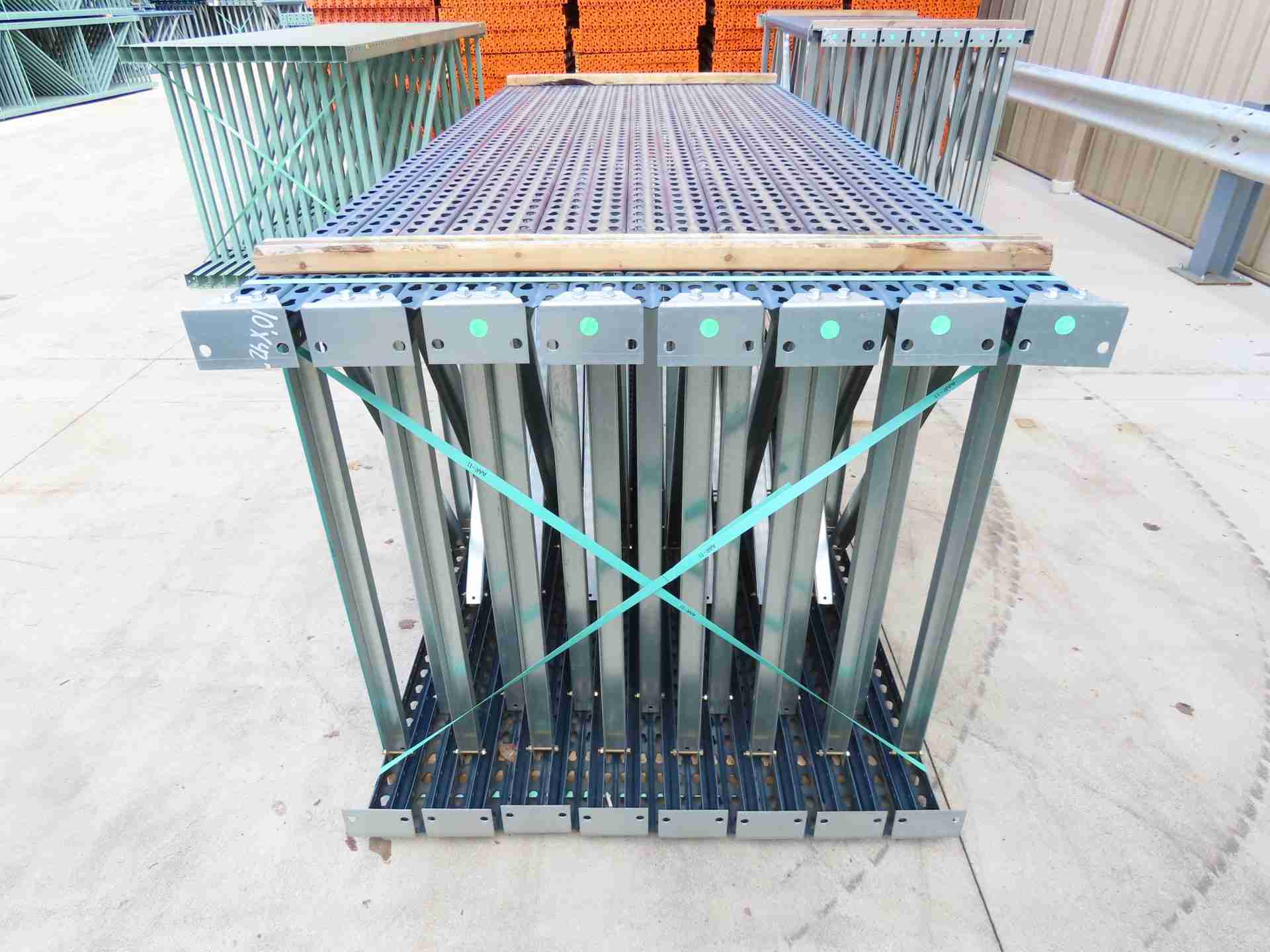
Firstly, let’s talk about pallet racking. While essential for maximizing vertical space, poorly designed pallet racking systems can lead to chaotic inventory management. A cluttered racking arrangement not only makes it hard to locate products but also increases the risk of accidents. Imagine needing that crucial part, only to realize it’s buried under a mountain of mismanaged stock. By re-evaluating your pallet racking layout to ensure it aligns with your operational flow, you pave the way for efficiency and safety.
Next, consider aisle width. Narrow aisles may seem like a smart way to squeeze in more goods, but this approach can backfire when it leads to bottlenecks during peak operations. Employees found scrambling to navigate these tight spots waste precious time. Hence, daring to widen those aisles can enhance accessibility and improve the overall productivity of your workforce. Think about it: fewer frustrations equal happier employees!
Then there’s the often-overlooked aspect of product placement. If high-demand items are stashed away in the farthest corners of your warehouse, you might as well have locked them in a vault! Smart organizations know where to place their frequently picked items within easy reach, ensuring a smoother picking process. Consider implementing zoning strategies that reduce travel time – not only does this optimize operations, but it also boosts employee morale as they feel more empowered in their roles.
Lastly, let’s address the communication flow within your warehouse. Disjointed areas lead to delays in relaying crucial information, ultimately affecting productivity. Implementing clearly marked zones and using visual aids can significantly reduce misunderstandings and streamline processes.
Addressing these common inefficiencies isn’t just about moving boxes—it’s about building a culture of continuous improvement. Your warehouse layout holds the key to smarter operations, better employee experiences, and ultimately, happier customers. So take a moment to assess your space. Can you innovate to eliminate chaos and embrace efficiency? The answer is yes, and now is the time to act!
What Are The Common Inefficiencies In Warehouse Layouts?
What Are The Common Inefficiencies In Warehouse Layouts?
- Warehouses often have inefficient layouts that can cost businesses time and money.
- Pallet racking systems must be well-designed to avoid chaotic inventory management and safety risks.
- Narrow aisles may lead to bottlenecks; wider aisles can enhance accessibility and productivity.
- High-demand items should be placed within easy reach to streamline the picking process.
- Implementing zoning strategies can reduce travel time and improve employee morale.
- Clear communication flow is essential; marked zones and visual aids help reduce misunderstandings.
- Improving warehouse efficiency contributes to better operations, employee experiences, and customer satisfaction.

What Are The Common Inefficiencies In Warehouse Layouts?
How Can Poor Organization Affect Team Productivity?
Imagine a bustling warehouse filled with towering rows of pallet racking, each shelf filled to the brim with products meant to fulfill customer demands. Now, picture the chaos that ensues when organization takes a backseat. Disarray leads to inefficiencies that echo throughout the entire operation. Poor organization is more than just misplaced items; it’s a silent killer of productivity that can drain your team’s energy and morale.
Without a structured approach, essential resources get lost in the maze of clutter. Team members are left scrambling to locate items, wasting precious time that could have been redirected towards productive tasks. When employees spend their days searching for the tools of their trade—be it sales collateral, reports, or even customer information—it creates frustration and a feeling of helplessness. The result? A workforce that is stressed and disengaged, ultimately leading to diminished output and a lowered bottom line.
A poorly organized workspace can also ignite misunderstandings and miscommunication among team members. When everyone is navigating their own labyrinth of chaos, coordination suffers. Teams that lack clear processes and protocols may find themselves duplicating efforts, leading to wasted resources and missed opportunities. This lack of alignment not only stifles individual initiative but can also create rifts in collaboration, causing an entire team’s momentum to screech to a halt.
Furthermore, poor organization fosters a culture where excellence is not prioritized. When standards slide and messiness becomes the norm, employees may feel discouraged to put forth their best effort. They may think, “If the environment is chaotic, why should I strive for perfection?” This mentality can create a downward spiral that affects not only productivity but also the overall culture of your organization.
However, it doesn’t have to be this way. By taking deliberate steps toward improving organization—be it through tools, strategies, or a comprehensive overhaul of processes—you can ignite a powerful transformation. Imagine your team thriving in a well-structured space with neatly organized pallet racking, where everything they need is within arm’s reach. The result? A motivated group that feels empowered, confident, and ready to tackle any challenge that comes their way.
It’s time to recognize that organization isn’t just a luxury—it’s a necessity for success. Take proactive measures to instill discipline and structure within your team today, and watch productivity soar!

How Can Poor Organization Affect Team Productivity?
How Can Poor Organization Affect Team Productivity?
- A chaotic and disorganized warehouse leads to inefficiencies across operations.
- Poor organization results in time wasted searching for lost resources, affecting team morale and productivity.
- Team members may feel frustrated and helpless when unable to locate essential items.
- Lack of organization can cause misunderstandings and miscommunication among employees.
- Without clear processes, teams risk duplicating efforts and missing opportunities, hampering collaboration.
- A disorganized workspace can diminish employees’ motivation to strive for excellence, impacting overall culture.
- Improvements in organization can empower teams, leading to increased productivity and a more positive work environment.

How Can Poor Organization Affect Team Productivity?
Are Outdated Storage Systems Hindering Operations?
Imagine walking into a warehouse filled with potential—products stacked high, ready to ship. Yet, amidst this promise, you see a chaotic jumble of outdated storage systems, everything from rusty pallet racking to mismatched shelving units. You can almost feel the inefficiency weighing down productivity, can’t you? If this scenario resonates, you’re not alone.
Many businesses, blinded by tradition, continue to rely on antiquated systems that no longer serve their operational needs. While that old pallet racking may have been sturdy once, it’s now more of a hindrance than a help. Each trip to find a product can feel like searching for a needle in a haystack. How many precious hours are wasted because the storage system you depend on creates more confusion than convenience?
Let’s face it: outdated storage systems are like anchor chains around your operational efficiency. They stifle growth and inhibit the flow of goods, and every day spent avoiding a necessary upgrade is another day profit slips through your fingers. New storage solutions don’t just organize—they optimize. Imagine how much smoother your workflow would be with modern, adjustable pallet racking that accommodates your evolving inventory needs. It’s not just about maximizing space; it’s about maximizing productivity.
Think about the last time your team shared a collective sigh of relief upon finding a product exactly where it should be. Instilling a sense of order not only fosters a more pleasant working environment, but it also builds trust within your team. When employees aren’t frantically searching for misplaced items or battling against antiquated systems, they can focus on what really matters: delivering value to your customers.
If you’re nodding along, recognizing the strain of outdated systems in your operation, it might be time to take action. Investing in modern storage solutions can breathe new life into your warehouse and catalyze progress. Picture the streamlined operations, the satisfied employees, and ultimately, the delighted customers.
Don’t let outmoded storage systems define your potential. Embrace the change that leads to unrivaled efficiency and growth. Your operation deserves more than just survival—it deserves to thrive. So take a step toward modernity today. You’ll be amazed at the results that come from simply rethinking your storage approach. The first move toward transformation is just a decision away.

Are Outdated Storage Systems Hindering Operations?
Are Outdated Storage Systems Hindering Operations?
- Outdated storage systems create chaos in warehouses and hinder operational efficiency.
- Many businesses continue to rely on these antiquated systems, wasting precious hours in product retrieval.
- Modern storage solutions can optimize workflow and adapt to evolving inventory needs.
- Streamlined organization enhances workplace satisfaction and fosters employee trust.
- Investing in new storage systems can revitalize operations and boost employee morale.
- Embracing updated solutions leads to increased efficiency, growth, and customer satisfaction.
- The journey to transformation begins with the decision to rethink storage approaches.

Are Outdated Storage Systems Hindering Operations?
What Role Does Technology Play In Optimizing Warehouse Space?
In the dynamic world of logistics and supply chain management, the quest for efficiency is relentless. Businesses are constantly searching for ways to maximize every square inch of their warehouses, and technology emerges as the silent champion in this battle for space optimization. Imagine a bustling warehouse, brimming with products but plagued by chaos—it’s a common sight. Now, what if I told you that technology could transform that chaos into a symphony of organization and efficiency?
Enter advanced warehouse management systems (WMS) and innovative inventory tracking solutions that empower businesses to take control of their operations. These systems allow you to monitor stock levels, streamline processes, and make data-driven decisions that enhance your overall efficiency. That’s where pallet racking comes into play—it’s not just about holding products; it’s about maximizing vertical space and creating a fluid storage system that adapts to your needs. By using sophisticated strategies like selective, drive-in, or push-back pallet racking, you can customize your configuration to suit your specific inventory requirements.
But technology doesn’t stop there. Implementing automation technologies such as conveyor systems, automated guided vehicles (AGVs), and robotics elevates your warehousing game to a level previously thought to be reserved for the giants of the industry. These solutions reduce manual labor, minimize errors, and increase the speed at which products are moved and stored. Imagine reducing the time your team spends walking the floor and managing inventory—what could that mean for your bottom line?
Integrating technology in your warehouse isn’t just a luxury; it’s a necessity. With the right tools in hand, businesses can achieve a level of space optimization that drives profitability and growth. Real-time analytics inform decisions on everything from layout changes to reordering processes, ensuring you’re always one step ahead of the competition.
If you’re ready to seize control of your warehouse space and unlock unprecedented efficiency, embracing technology is key. It’s not just about buying software or machinery; it’s about fostering a culture of continuous improvement. Ask yourself—what can you automate today that will pay dividends tomorrow? Trust in the power of technology, and take action to transform your warehouse into an organized powerhouse of productivity. The time to optimize is now, and the possibilities are endless. So, let’s get to work!

What Role Does Technology Play In Optimizing Warehouse Space?
What Role Does Technology Play In Optimizing Warehouse Space?
- The logistics and supply chain sector seeks relentless efficiency and space optimization.
- Advanced warehouse management systems (WMS) and inventory tracking solutions enhance operational control.
- Pallet racking maximizes vertical space and creates a fluid storage system tailored to inventory needs.
- Automation technologies, including conveyor systems and robotics, reduce manual labor and elevate efficiency.
- Integrating technology in warehousing is essential for driving profitability and growth.
- Real-time analytics support informed decision-making for continuous improvement.
- Embracing technology is crucial for transforming warehouses into highly productive environments.

What Role Does Technology Play In Optimizing Warehouse Space?
How Can Inventory Management Improve Warehouse Efficiency?
Imagine walking through a bustling warehouse where every item is exactly where it should be, and every worker knows precisely what to do. Now, picture the opposite: cluttered aisles, misplaced products, and frustrated employees scrambling to find what they need. The truth is, effective inventory management stands as the backbone of warehouse efficiency, and the benefits you’ll reap are monumental.
At the heart of your inventory management strategy is the layout — think pallet racking. These systems allow you to maximize vertical space while keeping products easily accessible. When done right, your warehouse becomes not just a storage area but a well-oiled machine. With pallet racking, you can store a greater volume of goods without the risk of chaos, ensuring that when your shipments arrive, they can be seamlessly integrated into the existing system. No more bending over backwards to locate that one elusive item; everything is organized and, more importantly, visible.
The magic truly happens when you combine this structured approach with robust inventory tracking software. This tech-savvy tool empowers your team with real-time data, providing a clear view of stock levels across all categories. Imagine the confidence of knowing that your shelves are perfectly stocked, and you can reorder items before they run out. This proactive stance reduces downtime and maximizes productivity, allowing your team to focus on what they do best.
In addition, consider how improved inventory management fosters better relationships with suppliers. When you’re on top of your stock levels, you can negotiate with confidence, knowing precisely how much product you require at any given time. This can lead to cost savings and more tailored service, enhancing overall business performance.
The key takeaway is this: efficient inventory management is not merely a set of processes; it’s a mindset that prioritizes organization, accountability, and foresight. With the right tools and strategies in place, such as incorporating high-quality pallet racking systems and leveraging inventory management software, you are setting your warehouse up for unparalleled efficiency.
So, take a proactive step today. Invest in your warehouse’s future, foster a culture of efficiency among your team, and watch as your operational costs dip and your productivity soars. When you embrace effective inventory management, you not only streamline your processes, but you also pave the way for sustainable growth — ultimately transforming your warehouse into a beacon of efficiency.

How Can Inventory Management Improve Warehouse Efficiency?
How Can Inventory Management Improve Warehouse Efficiency?
- Effective inventory management is essential for warehouse efficiency, contrasting organized spaces with chaotic ones.
- Pallet racking systems maximize vertical space and keep products easily accessible, enhancing organization and visibility.
- Robust inventory tracking software provides real-time data on stock levels, allowing proactive reordering and reducing downtime.
- Improved inventory management strengthens supplier relationships through confident negotiation based on accurate stock knowledge.
- Efficient inventory management is a mindset that emphasizes organization, accountability, and foresight.
- Investing in quality racking and software tools sets the stage for unparalleled warehouse efficiency.
- Embracing effective inventory management leads to sustainable growth and reduced operational costs, transforming your warehouse.

How Can Inventory Management Improve Warehouse Efficiency?
Are Safety Protocols Impacting Workflow In Your Warehouse?
When you walk into any warehouse, you can almost feel the hum of productivity—machines whirring, employees engaged, and pallets neatly arranged in robust pallet racking systems. But here’s the question that keeps many warehouse managers up at night: Are your safety protocols enhancing or hindering that vital workflow?
Let’s face it, the logistics world is a bustling ecosystem where efficiency reigns supreme. You want your team to soar to new heights, swiftly navigating through aisles and loading pallets without a hitch. Yet, every time a safety protocol is discussed, there’s a collective groan. Does it have to be this way?
Instead of viewing safety measures as an obstacle, consider them your silent partners in productivity. For instance, integrating proper training for handling pallet racking not only safeguards your employees but can also speed up operations. A trained workforce can maneuver around challenges with ease, drastically reducing the momentary freeze that happens when someone is unsure of protocol.
Moreover, let’s talk about the alignment between safety protocols and workflow. Picture this: employees are trained, aware of their surroundings, and familiar with the proper way to store and retrieve items. They zip around, confident and competent, creating a rhythm that benefits everyone. You can’t afford to neglect the human element of your operations.
Safety protocols do not have to equal slowdowns; they can mean the opposite. When workers see that their organization values their safety and well-being, morale rises. High morale leads to high energy, which translates directly into productivity. Consider it a catalyst for enthusiasm that runs through the aisles, changing the conversation from “Can we finish on time?” to “Look what we accomplished!”
But don’t take my word for it—take a close look at your own operations. Engage your staff in open conversations about safety and productivity. How can the systems already in place support them better? Where can you align protocols to foster both safety and speed? Through collaboration, trust is built, and the flow of work becomes not just a checklist but a commitment.
Embrace safety protocols as the bedrock of a thriving workplace culture. As you champion safety, you will discover that enhancing workflow in your warehouse isn’t just possible—it’s essential. Take action today to redefine your operational approach and watch as safety and productivity work hand in hand, empowering you and your team to reach even greater heights.

Are Safety Protocols Impacting Workflow In Your Warehouse?
Are Safety Protocols Impacting Workflow In Your Warehouse?
- Warehouse environments thrive on productivity with machines, engaged employees, and organized systems.
- Logistics emphasize efficiency, but safety protocol discussions often cause frustration among teams.
- Safety measures can enhance productivity; proper training for handling equipment can improve workflow.
- Trained employees are more confident and competent, which helps maintain a smooth operation.
- Safety protocols can boost employee morale, leading to increased energy and productivity levels.
- Engage staff in discussions about safety and productivity to align protocols and foster collaboration.
- Embracing safety as part of workplace culture is essential for enhancing workflow and achieving operational goals.

Are Safety Protocols Impacting Workflow In Your Warehouse?
Conclusion
Conclusion
In the rigors of warehouse management, the difference between success and stagnation often hinges on how efficiently your space is organized and utilized. As explored throughout this guide, a chaotic warehouse setup filled with outdated systems, poor organization, and unnecessary obstacles can wreak havoc on productivity, team morale, and ultimately, your bottom line. But there’s hope—an opportunity to transform your operations, breathe new life into your processes, and foster an environment where your team can truly thrive.
First and foremost, recognizing the pivotal role that effective pallet racking and layout design plays in warehouse efficiency is vital. A well-structured approach to storage doesn’t merely maximize space; it cultivates a fluid work environment that allows employees to focus on their tasks rather than navigate a minefield of clutter. Envisioning your warehouse as a meticulously choreographed operation, rather than an obstacle course, can catalyze profound improvements in productivity and employee satisfaction.
Moreover, embracing modern technology is non-negotiable in today’s fast-paced logistics landscape. By implementing warehouse management systems and inventory tracking solutions, you empower your team with essential tools for seamless operations. Such technological innovations greatly reduce inefficiencies, eliminate guesswork, and enhance overall visibility of stock, setting the stage for a more responsive and agile workplace.
On the culture front, fostering an environment rooted in organization and clear communication is essential. Engaging with your employees about workflow processes and inviting their feedback on safety protocols not only builds trust, but it creates a sense of ownership—both of their roles and the outcomes of their efforts.
Ultimately, investing in a comprehensive evaluation of your warehouse organization is paramount. This may involve consulting with experts at Arrow Industrial Sales to conduct a thorough audit of your setup. Don’t let inefficiencies limit your company’s potential; instead, act decisively to drive change.
Now is the time to take charge of your warehouse space. Reach out to Arrow Industrial Sales at (574) 349-6575 for expert guidance tailored to your unique needs. The longer you wait, the more opportunities slip through your fingers. Your path to an empowered, motivated team and an efficient, productive workspace starts with a single call—make it today!

Conclusion
Conclusion:
- Efficient warehouse organization is crucial for success and productivity.
- A chaotic setup with outdated systems leads to decreased productivity and team morale.
- Effective pallet racking and layout design enhance space utilization and workflow.
- Modern technology, such as warehouse management systems, is essential for operational efficiency.
- Fostering clear communication and engaging employees helps build trust and ownership.
- Investing in a comprehensive evaluation of warehouse organization is vital for improvement.
- Contact Arrow Industrial Sales for expert guidance to optimize your warehouse space.

Conclusion
Other Resources

Other Resources
Here is a list of other resources you can review online to learn more:
- Warehouse Racking Systems: Beginner’s Guide to Rack Systems
- Pallet Racks, Pallet Racking, Pallet Shelves in Stock – ULINE
- Warehouse Automation
- Selective Racking
- Rack Manufacturers Institute
- Logic Material Handling
- Used Pallet Rack for Sale in Illinois – American Surplus
- Selective Pallet Racking Systems – Container Systems
- Warehousing and Fulfillment
- Warehouse Storage Racking in Illinois
Use This Prompt To Get More Resources With Your Favorite Online AI Tool: Please provide me with a list of online articles with their URLs in a bulleted list that I can read regarding Is Your Warehouse Setup Creating Unnecessary Obstacles for Your Team?

Other Resources
Glossary Terms
Is Your Warehouse Setup Creating Unnecessary Obstacles for Your Team? – Glossary Of Terms
1. Warehouse Layout: The physical arrangement of different areas in a warehouse, including storage, loading docks, and aisles, designed to optimize workflow.
2. Workflow Optimization: The process of improving the efficiency and effectiveness of work processes in a warehouse to decrease time wasted.
3. Storage Solutions: Techniques or equipment used to maximize space and manage inventory, such as shelving, pallet racks, and bins.
4. Inventory Management: The supervision of ordering, storing, and using a company’s inventory, ensuring that the right amount of products is available at the right time.
5. Picking Errors: Mistakes made during the order-picking process, where incorrect items are selected, leading to customer dissatisfaction.
6. Cycle Counting: A method of auditing inventory levels in which a portion of the inventory is counted in cycles throughout the year, rather than all at once.
7. Ergonomics: The study of designing equipment and workspace to fit the human body and its cognitive abilities, aiming to improve worker comfort and productivity.
8. Lean Warehousing: A methodology focused on minimizing waste within warehouse operations while maximizing value to the customer.
9. Order Fulfillment: The complete process of receiving, processing, and delivering customer orders, which is critical to customer satisfaction.
10. Dock Management: The coordination of loading and unloading operations at the warehouse docks to minimize delays and maximize efficiency.
11. Safety Protocols: Established procedures aimed at ensuring the safety of employees working in the warehouse, addressing hazards and risks.
12. FIFO (First In, First Out): An inventory management strategy where the oldest stock is sold or used first, minimizing waste.
13. LIFO (Last In, First Out): An inventory management strategy where the newest stock is sold or used first, often used in industries where inventory is subject to obsolescence.
14. Cross-Docking: A logistics practice where incoming shipments are directly transferred to outbound trucks with little or no storage time, improving efficiency.
15. Warehouse Management System (WMS): Software designed to optimize warehouse functionality and management by automating processes such as inventory tracking and order picking.
16. Picking Strategies: Techniques used to determine the order of product selection within a warehouse, such as wave picking or batch picking, to increase efficiency.
17. Space Utilization: The effective use of available storage space within a warehouse to maximize capacity and minimize clutter.
18. Throughput: The rate at which goods are processed and moved out of the warehouse, serving as a measure of operational efficiency.
19. Lead Time: The total time taken from placing an order to delivering the product, impacting customer satisfaction and inventory management.
20. Barcoding: The use of code bars to track products and inventory, making the processes of picking and shipping more accurate and efficient.
21. Automated Storage and Retrieval System (AS/RS): Computer-controlled systems for automatically placing and retrieving loads from set storage locations, improving speed and accuracy.
22. Environmental Controls: Systems to manage temperature, humidity, and cleanliness in a warehouse to protect products from damage.
23. Training Programs: Structured learning opportunities that educate employees on warehouse operations, safety protocols, and equipment use to improve productivity.
24. Material Handling: The movement of goods within a warehouse, including equipment used for lifting, moving, and storing materials.
25. Workstation Design: The planning of specific work areas within the warehouse to enhance productivity, safety, and ergonomics.
26. Performance Metrics: Standards or key performance indicators (KPIs) used to assess warehouse operations, helping to identify areas for improvement.
27. Return on Investment (ROI): A financial metric representing the profitability of warehouse expenditures, crucial for decision-making about setups and technology.
28. Backup Inventory: Extra stock kept on hand to prevent shortages during fluctuations in demand or supply chain disruptions.
29. Collaborative Tools: Software or platforms enabling teams to communicate and coordinate more effectively, streamlining warehouse operations.
30. Obstacles: Any physical or procedural barriers within a warehouse that hinder efficiency, such as clutter, poorly designed layouts, or inadequate staffing.

Glossary Of Terms
Other Questions
Is Your Warehouse Setup Creating Unnecessary Obstacles for Your Team? – Other Questions
If you wish to explore and discover more, consider looking for answers to these questions:
- What specific layout changes can improve warehouse efficiency?
- How can technology be integrated into existing warehouse systems?
- What are the best practices for organizing pallet racking?
- How frequently should a warehouse layout be evaluated and updated?
- What tools are available for conducting a warehouse audit?
- What metrics should be used to measure warehouse productivity?
- How can employee input be gathered when redesigning a warehouse layout?
- What are the cost implications of reconfiguring a warehouse setup?
- What training is needed for employees to adapt to a new warehouse layout?
- How can safety protocols be effectively communicated to staff?
- What role does leadership play in fostering a productive warehouse environment?
- How can inventory management systems be improved for better efficiency?

Other Questions
Checklist
Is Your Warehouse Setup Creating Unnecessary Obstacles for Your Team? – A Checklist
Warehouse Efficiency Improvement Checklist
Assess Your Warehouse Layout
1. Evaluate Pallet Racking:
_____ Are your pallet racking systems strategically placed to minimize navigation time?
_____ Do they accommodate your inventory needs, including vertical space maximization?
2. Review Aisle Width:
_____ Are your aisles wide enough to allow for safe and efficient movement?
_____ Can you identify bottlenecks during peak operations?
3. Optimize Product Placement:
_____ Are high-demand items easily accessible?
_____ Have you implemented zoning strategies to reduce travel time for commonly picked products?
4. Analyze Communication Flow:
_____ Are there clear zones with visual aids to promote effective communication among team members?
_____ Is there a method in place to relay information quickly throughout the warehouse?
Enhance Organization
5. Implement Inventory Tracking Tools:
_____ Are you using software to monitor stock levels in real time?
_____ Do staff members have a clear view of what is in stock and what needs reordering?
6. Establish Structured Processes:
_____ Have you created well-defined processes for locating and managing stock?
_____ Are protocols in place to avoid confusion and miscommunication among team members?
Invest in Technology
7. Adopt Advanced Warehouse Management Systems (WMS):
_____ Have you explored options for modern WMS that support inventory tracking and operational control?
_____ Are there any automation tools (e. g. , AGVs, conveyor systems) you can implement to enhance efficiency?
8. Upgrade Storage Systems:
_____ Are your current storage solutions outdated or hindering your operational efficiency?
_____ Have you considered adjustable pallet racking systems to accommodate changing inventory requirements?
Foster a Safety Culture
9. Assess Safety Protocols:
_____ Are your safety measures effectively integrated into daily operations without causing unnecessary slowdowns?
_____ Do you offer proper training for staff regarding safety procedures?
10. Promote Open Communication:
_____ Are you regularly engaging with employees to gather feedback on safety and productivity?
_____ Do your safety measures positively impact employee morale and confidence in the workspace?
Continuous Improvement
11. Conduct Regular Warehouse Audits:
_____ Have you scheduled audits to identify inefficiencies and areas for improvement?
_____ Are you reviewing performance metrics to track the impact of changes made in the warehouse?
12. Encourage a Culture of Innovation:
_____ Are team members empowered to suggest changes that could improve workflow and organization?
_____ Do you promote an environment that embraces change and continual improvement?
Wrap-Up
_____ Take action on the findings from this checklist.
_____ Aim to create a warehouse setup that not only enhances efficiency but also fosters employee satisfaction and productivity.

Checklist
At RackingWorld, we help guide you through selecting warehouse storage systems and racking.
Be sure to read our other related stories at RackingWorld to learn more about warehouse storage systems.
0 Comments