
Unlocking The Latest Warehouse Storage Innovations
By Tom Seest
At RackingWorld, we help guide you through selecting warehouse storage systems and racking.
Be sure to read our other related stories at RackingWorld to learn more about warehouse storage systems.
Is Your Warehouse Missing Out on Exclusive Warehouse Storage Trends?
Exclusive Warehouse Storage Trends: Is Your Warehouse Keeping Up?
Picture this: your warehouse is a bustling hive of activity. Orders are coming in, inventory is shifting, and your team navigates the aisles with agility. But take a moment to ask yourself—are you truly maximizing the potential of your space? In an age where efficiency meets innovation, many warehouses are falling behind by neglecting the latest storage trends, particularly the powerful impact of advanced pallet racking systems.
Pallet racking has evolved beyond a mere storage solution; it’s a strategic cornerstone for driving productivity and reducing costs. Embracing these new designs can transform your warehouse from a haphazard collection of stacked goods into a well-oiled machine ready to adapt to market demands. Think of the last time you grappled with organizing that jam-packed stockroom. Frustrating, isn’t it? The right pallet racking can alleviate those pains, offering increased accessibility while freeing up precious floor space.
Don’t forget the allure of custom solutions tailored specifically to your unique inventory. By investing in modular and adaptable pallet racking systems, you aren’t just improving current operations. You’re future-proofing your warehouse, ready to change and grow alongside your business. Imagine how impressive it would be to highlight not merely efficiency but also versatility when pitching to clients or stakeholders. Effective storage solutions speak volumes, a silent salesperson standing tall amidst the chaos.
We understand the hesitation—change can feel daunting, even intimidating. However, think of the competitive edge you’ll gain. When savvy business owners take a leap and introduce innovative pallet racking solutions into their facilities, they unlock potential previously chained by inefficiencies. The result? Increased order fulfillment speed, lower operational costs, and an overall boost in employee morale, as they can dedicate more time to critical tasks rather than handling storage errors.
But don’t wait until your competition swoops in and claims that edge. Engage discussion with your team and assess your current storage systems. Are you merely keeping up, or are you leading the charge? By recognizing and acting on today’s storage trends, you can forge a pathway to not only meet but exceed customer expectations. So here’s your call to action: dive into the world of pallet racking and embrace the evolution of your warehouse. Let’s turn that potential into performance—together!

Is Your Warehouse Missing Out on Exclusive Warehouse Storage Trends?
Is Your Warehouse Missing Out on Exclusive Warehouse Storage Trends?
- Modern warehouses are often hindered by outdated storage solutions, particularly ineffective pallet racking systems.
- Advanced pallet racking serves as a strategic key to enhancing productivity and reducing operational costs.
- Implementing efficient storage solutions can transform a chaotic stockroom into a well-organized space, improving accessibility.
- Custom modular pallet racking systems allow for adaptability, ensuring warehouses can evolve with changing inventory needs.
- Innovative storage solutions can lead to increased order fulfillment speed and improved employee morale by minimizing errors.
- Business owners are urged to assess their current storage systems to maintain a competitive edge and exceed customer expectations.
- The text encourages proactive engagement with new pallet racking designs as a pathway to enhanced warehouse performance.

Is Your Warehouse Missing Out on Exclusive Warehouse Storage Trends?
Table Of Contents
- Is Your Warehouse Missing Out on Exclusive Warehouse Storage Trends?
- What Are The Latest Trends In Warehouse Storage Technology?
- How Can Automation Improve Warehouse Storage Efficiency?
- Are There Sustainable Storage Solutions For Warehouses?
- What Role Does Data Analytics Play In Optimizing Warehouse Space?
- How Can I Implement Vertical Storage In My Warehouse?
- What Are The Benefits Of Cloud-Based Warehouse Management Systems?
- Conclusion
- Other Resources
- Glossary Of Terms
- Other Questions
- Checklist
What Are The Latest Trends In Warehouse Storage Technology?
In a world where efficiency and speed are non-negotiable, the latest trends in warehouse storage technology are transforming operations from the ground up. If you’ve ever walked through a warehouse and marveled at the organized chaos, you’re not alone. Today’s warehousing isn’t just about storing goods; it’s about maximizing space and streamlining processes. Enter the age of cutting-edge solutions that are making waves in the industry!
One trend that’s taking center stage is the evolution of pallet racking systems. No longer confined to traditional, static structures, modern pallet racking is making a huge leap forward. Automated racking systems, for example, allow for quicker retrieval times and more efficient use of vertical space. Imagine increasing your storage density while also ensuring swift access to inventory. This is not just a dream; it’s a reality that many businesses are harnessing to boost their bottom line.
In addition to pallet racking improvements, technology like robots and automated guided vehicles (AGVs) is making its way into warehouses, seamlessly working alongside existing systems. These robots not only transport goods but also help manage inventory levels and reduce human error. Investing in this technology can feel daunting, but understand that the return on investment is often seen in months, not years. It’s an opportunity to future-proof your operation and stay ahead of competitors who may still be stuck in outdated methods.
Cloud-based inventory management tools are another game changer. These platforms offer real-time visibility into stock levels, allowing for proactive decision-making that prevents overstocking and stockouts. Your team can react swiftly to changes in demand, all thanks to data-driven insights that take the guesswork out of inventory management.
Why does this matter to you? Because embracing these advancements can optimize your workflow, reduce costs, and empower your team to focus on what truly matters—growing the business. If you’re hesitant about making these changes, remember: every successful journey starts with a single step. By adopting just one of these technologies, you can position your warehouse to be more competitive, agile, and ready for the future.
The future of warehouse storage technology is bright, and the only limitation is your willingness to adapt. Don’t get left behind—explore these trends today, and watch your efficiencies skyrocket!

What Are The Latest Trends In Warehouse Storage Technology?
What Are The Latest Trends In Warehouse Storage Technology?
- Efficiency and speed are essential in modern warehouse operations.
- Today’s warehousing focuses on maximizing space and streamlining processes.
- Automated pallet racking systems enhance retrieval times and storage density.
- Robots and automated guided vehicles (AGVs) improve inventory management and reduce human error.
- Cloud-based inventory management tools provide real-time visibility into stock levels for better decision-making.
- Embracing technological advancements can optimize workflows, reduce costs, and support business growth.
- The future of warehouse storage technology is promising for those willing to adapt and invest.
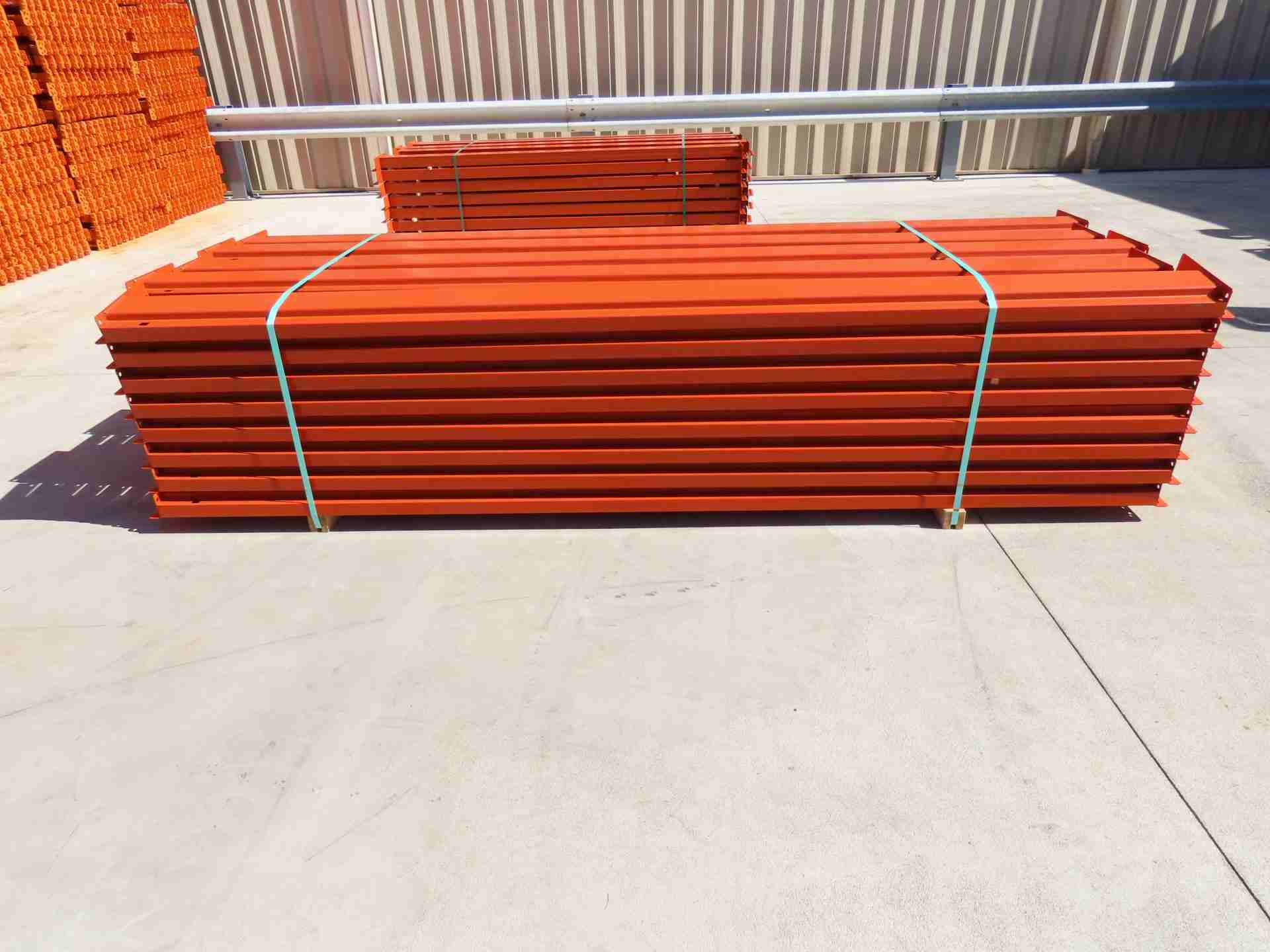
What Are The Latest Trends In Warehouse Storage Technology?
How Can Automation Improve Warehouse Storage Efficiency?
Imagine walking into your warehouse and seeing an operation that runs like a well-oiled machine. Every item in its place, every pallet perfectly racked and easily accessible. This isn’t a far-fetched dream – it’s the reality that automation can create for your warehouse storage efficiency.
Let’s talk about pallet racking – the backbone of storage systems. Traditional pallet racking can sometimes feel like an elaborate puzzle that requires constant tinkering. However, with automation, you can transform this setup into a smart, dynamic storage solution. Picture automated systems that intelligently organize your pallet racking, keeping high-rotation items front and center and reducing the need for extensive labor hours. This means not just higher efficiency, but also significantly lower labor costs. The savings can go straight to your bottom line – a winning scenario!
But automation goes beyond just the racking. It introduces smart inventory management that tracks each product’s location in real-time. No more wasted time searching for lost pallets or misplaced goods. Your team can quickly locate items and fulfill orders faster than ever, ultimately leading to happier clients and repeat business. When efficiency increases, so does trust and satisfaction among your customers.
Furthermore, there’s a common misconception that automating a warehouse is an expensive, complicated endeavor. The reality is that it can be piecewise. Start small by integrating auto-replenishment systems, barcode scanning technology, or even robotic assistance. These enhancements not only optimize your pallet racking but also provide a stepping stone towards a fully automated operation tailored to your needs.
The benefits don’t end there. Consider safety as a paramount concern. Automation reduces the need for human intervention in dangerous or repetitive tasks, directly lowering the risks of workplace accidents. A safer environment breeds confidence among your employees, and trust from regulatory bodies!
In summary, embracing automation in your warehouse means embracing efficiency, affordability, and safety. Your pallet racking doesn’t have to be a challenge; let it become an integral part of a streamlined storage process. When you take that first step towards automation, you invest in a future where every square inch of your warehouse works hard for you. So why wait? Step into a new era of efficiency and watch your operations flourish!

How Can Automation Improve Warehouse Storage Efficiency?
How Can Automation Improve Warehouse Storage Efficiency?
- Automation can significantly improve warehouse storage efficiency, creating an organized and accessible environment.
- Traditional pallet racking can be complex, but automation transforms it into a smart storage solution, enhancing racking organization.
- Automated systems prioritize high-rotation items, reducing labor hours and lowering associated costs, benefiting the bottom line.
- Smart inventory management ensures real-time tracking of products, minimizing lost items and expediting order fulfillment.
- Automation can be implemented gradually, starting with auto-replenishment systems or barcode scanning to optimize operations incrementally.
- Safety is enhanced through automation by reducing human involvement in risky or repetitive tasks, leading to a safer workplace.
- Embracing automation in warehouses fosters efficiency, affordability, and safety, transforming pallet racking into an asset for streamlined operations.

How Can Automation Improve Warehouse Storage Efficiency?
Are There Sustainable Storage Solutions For Warehouses?
In an era where sustainability isn’t just an option, but a necessity, the quest for eco-friendly storage solutions is more important than ever. As warehouse managers and business owners, we face a pivotal moment. It’s not merely about maximizing storage space; it’s about doing so in a way that honors our planet’s resources while still driving efficiency and profitability. So, how can we transform our warehouses into models of sustainability without sacrificing performance?
Enter pallet racking—a versatile and effective solution tailored for sustainable storage. Traditional storage systems often require vast amounts of materials and may waste valuable space. In contrast, modern pallet racking systems optimize vertical space, allowing you to store more goods with fewer resources. Imagine stacking pallets higher, reducing the footprint of your warehouse and minimizing energy consumption. It’s a win-win!
But that’s just the beginning. When you invest in sustainable pallet racking, you’re choosing materials designed for longevity. Look for systems made from recycled steel or sustainable wood. Not only do these materials reduce the carbon footprint associated with production, but they also boast the durability needed to withstand the rigors of a busy warehouse. Moreover, many suppliers are now offering modular pallet racking options, allowing you the flexibility to adapt as your needs evolve without requiring a complete overhaul. Think about the benefits: enhanced organization, improved inventory management, and a reduced need for excess materials.
Now, as you consider transformational changes in your workspace, remember that sustainability isn’t a solitary journey. It’s a collective effort. Share your vision with your team; you might be surprised how their insights lead to better approaches that foster a culture of responsibility and innovation. And don’t forget to engage with suppliers who prioritize eco-friendly practices—they’re your partners in this vital mission.
Furthermore, implementing sustainable pallet racking isn’t just about being environmentally responsible; it’s also an attractive proposition for customers and stakeholders alike. Today’s consumers care about corporate responsibility; by championing sustainable practices, you’re not only bolstering your brand image but also fostering trust and loyalty.
Embracing sustainable storage solutions like pallet racking opens a door to a more efficient, responsible, and future-ready warehouse. Don’t wait—begin this journey toward sustainability today. Your warehouse, your community, and the planet will thank you.

Are There Sustainable Storage Solutions For Warehouses?
Are There Sustainable Storage Solutions For Warehouses?
- Sustainability is essential for warehouse managers and business owners, emphasizing the need for eco-friendly storage solutions.
- Pallet racking offers a versatile and effective storage solution that optimizes vertical space, enhancing efficiency and reducing resource waste.
- Investing in sustainable pallet racking includes using materials like recycled steel or sustainable wood, diminishing the carbon footprint.
- Modular pallet racking allows flexibility for future adaptations without significant overhauls, improving organization and inventory management.
- Engage your team and suppliers in the sustainability journey to foster a culture of responsibility and innovation.
- Implementing sustainable practices enhances brand image and builds trust with customers and stakeholders who value corporate responsibility.
- Initiating sustainable storage solutions today prepares warehouses for a more efficient and responsible future.

Are There Sustainable Storage Solutions For Warehouses?
What Role Does Data Analytics Play In Optimizing Warehouse Space?
In the bustling world of logistics, every square foot of your warehouse matters. Imagine transforming your storage chaos into a symphony of efficiency. This is where data analytics steps in, wielding its power to optimize your warehouse space like never before. You might wonder, how exactly does this magic happen? Let’s dive in!
First, consider the structure of your warehouse. Efficient use of pallet racking is crucial to maximizing storage capabilities. Traditional methods often lead to wasted space and an ineffective layout, but data analytics provides insights into the best way to position your pallet racking. By analyzing your inventory’s movement patterns, you can discover which items are flying off the shelves and which are gathering dust. This leads to a strategic arrangement that puts fast-moving products front and center, making them easily accessible, while slower-moving items can office a less prime position.
Now, picture this: your team is searching for a product, and rather than navigating a maze of items, they know exactly where to go. Not only does this save time, but it also leads to reduced labor costs—an appealing prospect for any warehouse manager. With data analytics at your side, you build trust in your operational strategy, relying on solid numbers rather than guesswork.
Moreover, data analytics doesn’t just help with current organization; it’s a powerful predictive tool. By monitoring historical data and trends, you can forecast future demands and adjust warehouse layouts accordingly. Imagine being able to preemptively adapt your pallet racking to accommodate seasonal spikes in product demand. This foresight protects your bottom line and demonstrates a level of responsiveness that customers crave.
Additionally, technology integrates seamlessly into your existing systems, allowing real-time updates. This flexibility means that your warehouse evolves with your business needs. You won’t be stuck in the past trying to sort through outdated processes; instead, your operations will move forward, fueled by clear insight.
In short, data analytics empowers you to make informed decisions that streamline operations, enhance productivity, and optimize every inch of space in your warehouse. Embrace the change, and let analytics light your path. Give your business the competitive edge it deserves—because in today’s fast-paced market, every advantage counts!

What Role Does Data Analytics Play In Optimizing Warehouse Space?
What Role Does Data Analytics Play In Optimizing Warehouse Space?
- Warehouse space optimization is crucial in logistics, and data analytics plays a significant role in enhancing efficiency.
- Efficient pallet racking structure is vital, as traditional methods often lead to wasted space.
- Data analytics provides insights into inventory movement patterns, guiding strategic product placement.
- Optimizing product placement saves time for employees and reduces labor costs.
- Data analytics serves as a predictive tool, allowing for future demand forecasting and layout adjustments.
- Technology integration offers real-time updates, ensuring the warehouse can adapt to evolving business needs.
- Overall, embracing data analytics leads to informed decisions that streamline operations and optimize warehouse space.
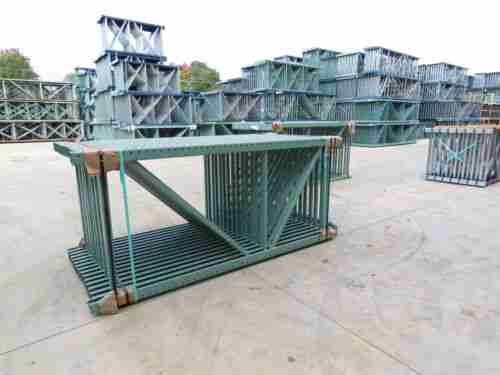
What Role Does Data Analytics Play In Optimizing Warehouse Space?
How Can I Implement Vertical Storage In My Warehouse?
Imagine walking into your warehouse and feeling an overwhelming sense of order instead of chaos. The aisles are clear, the products are easy to access, and you can finally breathe without dodging clutter. If that vision resonates with you, then it’s time to embrace the power of vertical storage. One of the most effective ways to achieve this is through a robust system of pallet racking.
Pallet racking is more than just a set of shelves; it’s a complete organizational strategy. By utilizing vertical space, pallet racking allows you to store more items per square foot, thereby maximizing your floor space. This means you can accommodate a larger inventory without needing to expand your warehouse—a major win in cost management! Imagine reallocating that extra space for new products or even just enjoying a cleaner, more professional environment.
When getting started, assess your inventory. What do you currently have? Will it fit a pallet rack system? Understanding your stock will help guide the choice of rack type—selective, drive-in, or push-back systems are just a few options available. Each system offers unique benefits tailored to different storage needs. It’s akin to selecting the right tool for your DIY project; the perfect fit can make all the difference!
Next, visualize your warehouse layout. A well-planned design will optimize the flow of your operations, minimizing unnecessary movement. A vertical setup not only creates space efficiency but also enhances the safety of your employees. Properly installed pallet racking systems reduce the risk of accidents and streamline inventory handling. And when workers feel safe, productivity skyrockets!
But don’t stop there—engage your team in the transition process. Gather input and ensure everyone understands the benefits of vertical storage. Investing in a transition that fosters teamwork and camaraderie will yield much better engagement than a top-down directive.
Implementing vertical storage through pallet racking can revolutionize your warehouse. By maximizing both space and safety, you create a more efficient and effective operational environment. Your team will appreciate it, your profits will reflect it, and you’ll establish a culture of organized efficiency that supports your business goals. So why wait? Start envisioning your future today, and make that warehouse the envy of the industry!

How Can I Implement Vertical Storage In My Warehouse?
How Can I Implement Vertical Storage In My Warehouse?
- Transform your warehouse from chaos to order with vertical storage solutions.
- Pallet racking is an organizational strategy that maximizes vertical space to store more items per square foot.
- Implementing pallet racking allows for larger inventories without expanding warehouse size, optimizing cost management.
- Assess current inventory to choose the most suitable pallet rack system (selective, drive-in, or push-back).
- A well-planned warehouse layout improves operational flow, enhances safety, and boosts productivity.
- Involve your team in the transition to create a sense of ownership and engagement.
- Vertical storage through pallet racking fosters efficiency and supports business goals, leading to higher profits.

How Can I Implement Vertical Storage In My Warehouse?
What Are The Benefits Of Cloud-Based Warehouse Management Systems?
In today’s fast-paced business world, efficiency is king—and cloud-based warehouse management systems (WMS) are the golden ticket to achieving just that. Imagine this: a system that not only keeps track of your inventory but also streamlines every aspect of your warehouse operations. The benefits of transitioning to a cloud-based WMS are more than just enticing; they can be game-changing for your business.
First and foremost, let’s talk about accessibility. Unlike traditional systems that tether you to specific locations, cloud-based solutions grant you access from anywhere, anytime. Whether it’s monitoring your pallet racking or checking stock levels, you’re always in the driver’s seat. Picture being at a trade show or meeting with a client, yet still able to manage your inventory seamlessly. This flexibility fosters a culture of responsiveness that your competitors may struggle to match.
Moreover, cloud-based systems come equipped with real-time insights. Imagine having the ability to analyze your supply chain’s performance in real-time, allowing you to identify inefficiencies before they escalate. No longer do you have to wait on sporadic reports; everything is at your fingertips. You’ll not only save hours of manual tracking but also make data-driven decisions that lead to tangible improvements in your operations.
Integration is another powerful advantage of cloud-based warehouse management systems. They can easily sync with your existing software, whether it’s accounting platforms or e-commerce solutions. This interconnectivity ensures that all moving parts of your operation harmonize beautifully, from the moment your products hit the pallet racking to when they leave your warehouse.
But let’s not forget about cost-effectiveness. With cloud solutions, you eliminate the need for hefty upfront investments in hardware and maintenance. Instead, you pay a modest subscription fee that translates to predictable monthly expenses. You’ll find that this flexibility can free up resources to invest in other vital areas of your business.
Finally, there’s the security aspect. Cloud providers understand the critical nature of your data. They invest in robust security measures, ensuring your information is protected against threats. This peace of mind lets you focus on growth and strategy instead of worrying about potential breaches.
Investing in a cloud-based warehouse management system is not just a decision; it’s a commitment to innovation, efficiency, and excellence. Step into the future of warehousing and give your operations the upgrade they deserve. Trust us—the rewards will be well worth it.

What Are The Benefits Of Cloud-Based Warehouse Management Systems?
What Are The Benefits Of Cloud-Based Warehouse Management Systems?
- Cloud-based warehouse management systems (WMS) enhance efficiency in business operations.
- Accessibility allows management from any location at any time, improving responsiveness.
- Real-time insights enable proactive identification of supply chain inefficiencies.
- Easy integration with existing software (e.g., accounting, e-commerce) ensures operational harmony.
- Cost-effective solution with subscription fees, avoiding hefty upfront hardware investments.
- Robust security measures from cloud providers protect critical business data.
- Investing in a cloud-based WMS represents a commitment to innovation and operational excellence.

What Are The Benefits Of Cloud-Based Warehouse Management Systems?
Conclusion
Conclusion: Elevate Your Warehouse to New Heights with Innovative Storage Solutions
In today’s fast-paced industrial landscape, staying ahead means embracing change and seizing the opportunities presented by the latest warehouse storage trends. If your warehouse is struggling with efficiency, you may be losing valuable time and resources while competitors capitalize on innovative solutions. At Arrow Industrial Sales, we are here to transform your storage woes into organizational triumphs with advanced pallet racking systems that drive productivity and reduce costs.
Picture your warehouse as a well-choreographed ballet, where every product is in its rightful place, easy to access, and stored optimally. Imagine the peace of mind that comes from knowing that your storage solutions are tailored specifically to your unique needs. The latest trends, such as automated racking systems and cloud-based inventory management, are not just luxuries; they are game-changers that position your operation for success. By leveraging these technologies, you can increase storage density, cut operational costs, and ultimately enhance employee morale.
But the time to act is now. Delaying the adoption of cutting-edge storage practices gives competitors the upper hand. Our call to action is simple and unequivocal: pick up the phone and dial (574) 349-6575 to speak with Arrow Industrial Sales today! Our experts are ready to guide you through actionable steps to revolutionize your warehouse, with solutions such as modular pallet racking that adapts to your future needs.
Embrace the urgency of your warehouse’s potential. Investing in innovative storage solutions isn’t just about improving efficiency—it’s a strategic move towards sustainability and profitability that stakeholders and customers appreciate. By doing so, you foster not only a more productive work environment but also a culture of responsibility that aligns with modern ethical standards.
Don’t let your operation languish in the past. Harness the power of vertical storage, automation, and data analytics to create a space that maximizes every square foot. Join the ranks of forward-thinking businesses that prioritize innovation in their operations. Your warehouse can be more than just a storage space; it can become a cornerstone of your profitability and brand image.
The future is looking bright for those willing to adapt and evolve. The question is: are you ready to propel your warehouse into this new era? Contact Arrow Industrial Sales today to kickstart your journey towards a more efficient, sustainable, and successful storage solution. Your opportunity for transformation is just a call away!

Conclusion
Conclusion:
- The industrial landscape requires adaptation and innovation in warehouse storage solutions.
- Efficient storage systems, such as advanced pallet racking, help reduce costs and improve productivity.
- Modern trends like automated racking and cloud-based inventory management enhance operational effectiveness.
- Timely adoption of these technologies helps prevent competitors from gaining an advantage.
- Contact Arrow Industrial Sales at (574) 349-6575 for expert guidance to optimize your warehouse.
- Investing in innovative storage fosters sustainability, profitability, and a positive workplace culture.
- The future of warehouse management lies in automation and data analytics for maximizing efficiency.

Conclusion
Other Resources

Other Resources
Here is a list of other resources you can review online to learn more:
- Teardrop Racks – Pallet Rack World
- Interlake
- Intro to Warehouse Racks & Warehouse Racking Systems – ShipBob
- Illinois Pallet Racking – WPRP
- Chicago Pallet Racking
- Selective Racking
- New Cantilever Racks and Racking Kits
- Cantilever Rack Guide: Ordering Cantilever Racking
- What is Selective Pallet Racking
- CA Wire
Use This Prompt To Get More Resources With Your Favorite Online AI Tool: Please provide me with a list of online articles with their URLs in a bulleted list that I can read regarding Is Your Warehouse Missing Out on Exclusive Warehouse Storage Trends?

Other Resources
Glossary Terms
Is Your Warehouse Missing Out on Exclusive Warehouse Storage Trends? – Glossary Of Terms
1. Automation: The use of technology to perform tasks with minimal human intervention to improve efficiency and accuracy in warehousing operations.
2. Inventory Management: The process of overseeing and controlling stored goods, ensuring optimal stock levels, and minimizing waste.
3. RFID (Radio-Frequency Identification): A technology that uses radio waves to automatically identify and track tags attached to objects, enhancing inventory accuracy.
4. Just-in-Time (JIT) Inventory: An inventory strategy that aligns raw-material orders from suppliers directly with production schedules to minimize stockholding costs.
5. Lean Warehousing: A methodology that focuses on reducing waste and improving process efficiency in warehouse operations.
6. Cross-Docking: A logistics practice where incoming goods are directly transferred to outgoing shipping with minimal or no storage time.
7. Omnichannel Fulfillment: Integrating multiple channels (online and offline) to create a seamless shopping experience for customers, impacting warehouse operations.
8. Cloud-Based Inventory Systems: Software solutions hosted on the cloud that allow for real-time inventory tracking and management across various locations.
9. Mobile Warehousing: Utilizing mobile devices and applications to manage warehouse processes and improve data accessibility for employees.
10. Collaborative Robotics (Cobots): Robots designed to work alongside humans in a shared space, enhancing the speed and safety of warehousing tasks.
11. Space Optimization: Techniques and strategies used to maximize the effectiveness of warehouse space, including layout design and storage solutions.
12. Cold Storage: Temperature-controlled storage facilities designed to handle perishable goods and sensitive materials.
13. Modular Warehousing: A flexible warehousing solution utilizing modular designs that can be easily expanded or reconfigured as needs change.
14. Predictive Analytics: Using historical data and statistical algorithms to forecast future inventory needs and optimize warehouse operations.
15. Artificial Intelligence (AI): The simulation of human intelligence in machines that can analyze data and improve warehouse processes through learning.
16. Blockchain: A decentralized digital ledger technology that enhances transparency and trust in supply chain transactions.
17. Warehouse Management System (WMS): Software that provides tools to manage warehouse operations, including inventory tracking, order fulfillment, and shipping.
18. Last Mile Delivery: The final step of the delivery process where goods are transported from a warehouse to the end customer.
19. Pick-to-Light Systems: A technology that uses lights to direct warehouse workers to the location and quantity of items to be picked, reducing errors.
20. Sustainable Warehousing: Practices aimed at minimizing the environmental impact of warehouse operations, including energy efficiency and waste reduction.
21. Inventory Turnover Ratio: A metric that measures how often inventory is sold and replaced over a period, indicating efficiency in stock management.
22. Warehouse Layout Design: The strategic arrangement of storage, equipment, and workflow to optimize the use of space and improve operational efficiency.
23. Drop Shipping: A retail fulfillment method where a store doesn’t keep goods in stock but instead transfers customer orders to a manufacturer or wholesaler.
24. Real-Time Tracking: The capability to monitor inventory and shipments as they move through the supply chain in real-time.
25. Forklift Fleet Management: The systematic management and maintenance of forklifts to ensure operational efficiency and safety in warehousing.
26. Kitting: The process of assembling multiple items into a single package or kit, streamlining order fulfillment.
27. Dynamic Slotting: An inventory management system practice that automatically assigns storage locations based on product demand and turnover.
28. Adaptable Supply Chain: A flexible supply chain model that can quickly adjust to changes in market demands and inventory needs.
29. Integrated Systems: The use of interconnected software and hardware that allows seamless communication and coordination among different warehouse functions.
30. Safety Stock: Additional inventory kept on hand to prevent stockouts due to demand fluctuations or supply chain disruptions.

Glossary Of Terms
Other Questions
Is Your Warehouse Missing Out on Exclusive Warehouse Storage Trends? – Other Questions
If you wish to explore and discover more, consider looking for answers to these questions:
- What are the key advantages of implementing pallet racking systems?
- How can I choose the right pallet racking system for my warehouse?
- What are the costs associated with upgrading my warehouse storage solutions?
- How do I assess the current efficiency of my warehouse operations?
- What are common challenges businesses face when upgrading warehousing systems?
- Which industries benefit the most from advanced warehouse storage solutions?
- How can I measure the return on investment for new storage technologies?
- What types of training are necessary for my team to adapt to new systems?
- What are the most common misconceptions about warehouse automation?
- How can I integrate sustainability into my warehouse operations?

Other Questions
Checklist
Is Your Warehouse Missing Out on Exclusive Warehouse Storage Trends? – A Checklist
Checklist: Transform Your Warehouse with the Latest Storage Trends
Evaluate Your Current Setup
_____ Conduct a comprehensive assessment of your current storage systems.
_____ Identify areas where space is being underutilized or wasted.
_____ Gather feedback from your team about challenges they face in accessing inventory.
Explore Advanced Pallet Racking Solutions
_____ Research and evaluate modern pallet racking designs (e. g. , automated systems).
_____ Consider customizable or modular racking options that can adapt to changing inventory needs.
_____ Plan for potential vertical expansion of storage to enhance space efficiency.
Integrate Automation and Technology
_____ Investigate the potential of automated guided vehicles (AGVs) for your warehouse.
_____ Assess the feasibility of implementing barcode scanning or RFID technology.
_____ Explore warehouse management systems (WMS) that offer cloud-based functionality for real-time inventory tracking.
Leverage Data Analytics
_____ Analyze inventory movement patterns to optimize racking layouts.
_____ Utilize data analytics to assist in forecasting future inventory demands.
_____ Implement systems to track key performance indicators (KPIs) related to warehouse efficiency.
Prioritize Sustainability
_____ Research sustainable pallet racking options made from recycled materials.
_____ Think about organizational methods that reduce material waste.
_____ Engage with suppliers who prioritize eco-friendly practices in their materials and designs.
Consider Team Engagement and Safety
_____ Include your team in discussions about new storage solutions to encourage buy-in.
_____ Provide training on any new technologies or systems implemented.
_____ Regularly review safety protocols to ensure that new setups comply with industry standards.
Monitor and Measure Success
_____ Establish benchmarks for measuring improvements in efficiency and productivity post-implementation.
_____ Schedule regular reviews to assess the effectiveness of the new systems.
_____ Gather ongoing feedback from your team to continually refine and enhance warehouse operations.
Take Action Steps
_____ Create a timeline for implementation of new technologies and storage solutions.
_____ Develop a budget that accommodates upgrades without straining resources.
_____ Set specific goals for transitioning your warehouse to align with customer and market demands.
By following this checklist, you can ensure that your warehouse evolves alongside today’s storage innovations, maximizing efficiency and sustainability while meeting the needs of your business and customers.

Checklist
At RackingWorld, we help guide you through selecting warehouse storage systems and racking.
Be sure to read our other related stories at RackingWorld to learn more about warehouse storage systems.
0 Comments