
Maximizing Warehouse Efficiency: Choosing The Right Racking Solutions
By Tom Seest
At RackingWorld, we help guide you through selecting warehouse storage systems and racking.
Be sure to read our other related stories at RackingWorld to learn more about warehouse storage systems.
Is Your Decision on Warehouse Racking Solutions Hurting Efficiency?
When it comes to warehouse operations, the decisions you make today can significantly impact your efficiency tomorrow. Imagine walking into a space that is cluttered and chaotic, where finding a single pallet feels like searching for a needle in a haystack. Does that sound familiar? If so, it could be time to reconsider your approach to pallet racking solutions.
The truth is, your choice of racking systems is not just a logistical detail; it’s the backbone of your operational success. Effective pallet racking can transform disarray into order, turning your warehouse into a well-oiled machine. But, how do you know if your current setup is hurting your efficiency?
Ask yourself: Are you maximizing vertical space? Are you leaving precious warehouse floor space locked up in outdated racking systems? If your racking solutions aren’t tailored to your specific needs, you’re likely letting inefficiencies creep in unchecked. Even minor adjustments can lead to significant gains in productivity.
Let’s be real—every inch of your warehouse matters. Inefficient racking can lead to lost time as employees navigate through cramped aisles, hunting down products. The right pallet racking system can streamline processes and improve worker morale. Happy, efficient employees mean faster order fulfillment and better customer satisfaction.
It’s time to take a proactive approach. Consider consulting with a racking specialist who can tailor solutions to your unique operational requirements. They can help you evaluate your current systems and may suggest reconfigurations, high-density racking, or even state-of-the-art automated solutions. Your decision could be the difference between stagnation and soaring productivity.
Imagine the peace of mind you’d feel with an organized, efficient warehouse. Picture your staff working seamlessly, with every pallet easily accessible and clearly in sight. You’ll not only boost your bottom line but also create a workplace culture centered on efficiency and teamwork.
So, let’s get to work! Make that initial step toward optimizing your warehouse today. By reassessing your pallet racking solutions, you can eliminate inefficiencies that are holding you back. Trust in a solution that empowers your business rather than hinders it. The time for action is now, and your future success is waiting just around the corner. Take that crucial step, and watch your efficiency soar!

Is Your Decision on Warehouse Racking Solutions Hurting Efficiency?
Is Your Decision on Warehouse Racking Solutions Hurting Efficiency?
- Warehouse operations decisions impact future efficiency significantly.
- Choosing the right pallet racking systems is crucial for operational success.
- Assess whether you’re maximizing vertical space and utilizing floor space efficiently.
- Inefficient racking leads to lost time and employee frustration.
- A proper racking system enhances productivity and worker morale.
- Consulting with a racking specialist can help tailor solutions to your needs.
- Taking action to optimize racking solutions can lead to better efficiency and business success.
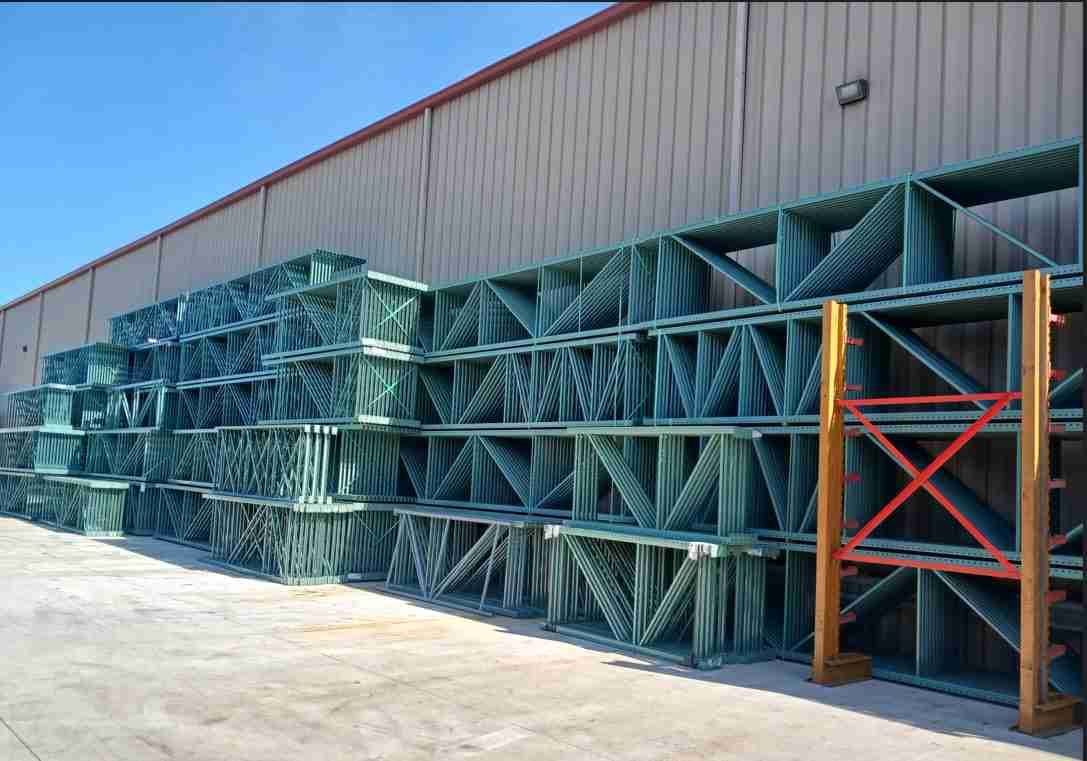
Is Your Decision on Warehouse Racking Solutions Hurting Efficiency?
Table Of Contents
- Is Your Decision on Warehouse Racking Solutions Hurting Efficiency?
- What Types Of Racking Systems Are Most Efficient For My Warehouse?
- How Can I Assess The Current Effectiveness Of My Racking Solution?
- What Common Mistakes Do Companies Make With Warehouse Racking?
- How Can Proper Racking Improve Storage Capacity And Accessibility?
- What Impact Does Racking Layout Have On Warehouse Workflow?
- How Do I Choose The Right Racking For Different Inventory Types?
- Conclusion
- Other Resources
- Glossary Of Terms
- Other Questions
- Checklist
What Types Of Racking Systems Are Most Efficient For My Warehouse?
What Types of Racking Systems Are Most Efficient for My Warehouse?
When it comes to optimizing your warehouse, the choice of racking systems can make or break your operational efficiency. Picture this: a well-organized warehouse that flows seamlessly, reducing pick times, preventing damage to your inventory, and ultimately saving you money. Enter Pallet Racking—a versatile solution that’s proven to be a game-changer for businesses of all sizes.
Pallet racking offers a tailored approach to storage; it allows you to maximize vertical space while keeping your goods easily accessible. Imagine walking into a facility that has organized stacks of pallets, each tier precisely designed for your inventory type. This isn’t merely a dream; with the right pallet racking system, it can be your reality. By utilizing adjustable shelving units and selective placements, you can quickly locate and retrieve items, decreasing downtime and increasing productivity.
So, how do you know if pallet racking is right for your operation? It starts with understanding your unique needs. Do you have high-density storage requirements? Consider high-rise racking systems that capitalize on your ceiling height. Are you looking for flexibility? Choose adjustable racking systems that can adapt to changes in inventory sizes or types. The magic lies in customization—ensuring that the racking system you choose aligns perfectly with your workflow.
Moreover, the trust you place in your racking system can directly impact your bottom line. The last thing you want is to invest in a system that hinders your processes or leads to unnecessary damage to your goods. Partner with experienced warehouse consultants who can guide you through the maze of racking options and help select the ideal solution tailored to your specific needs.
Don’t overlook the power of a well-organized racking system. Efficiency is no longer a luxury; it’s a necessity. By taking action now—exploring high-quality pallet racking designed for longevity and function—you’ll be one step closer to transforming your warehouse into an operational powerhouse.
Remember, it’s not just about storing goods; it’s about creating an environment that promotes productivity, safety, and ease of access. Make the shift today and watch your warehouse transform into a streamlined haven of efficiency! Your future self will thank you for it.
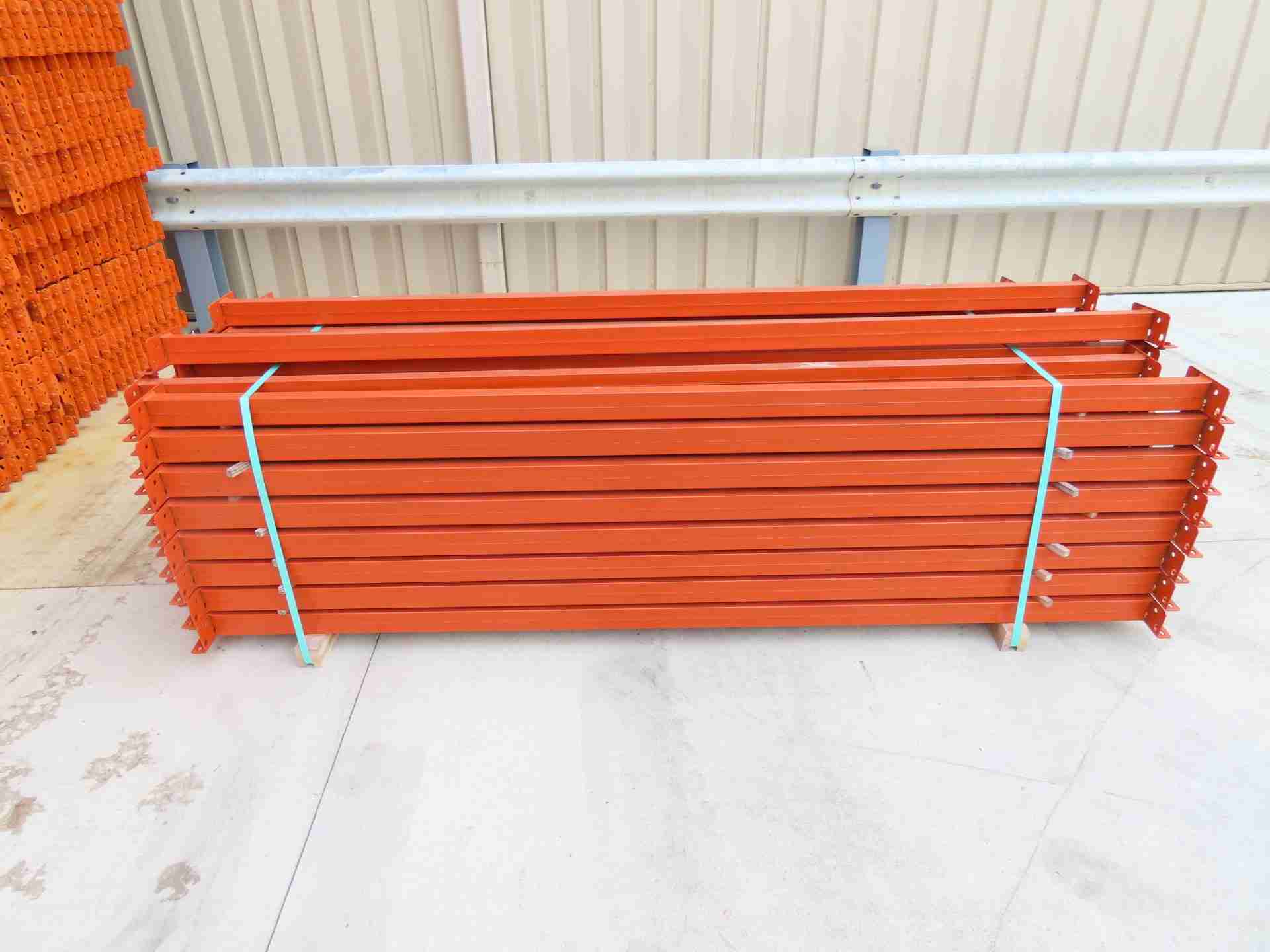
What Types Of Racking Systems Are Most Efficient For My Warehouse?
What Types Of Racking Systems Are Most Efficient For My Warehouse?
- Choice of racking systems is crucial for warehouse operational efficiency.
- Pallet racking is a versatile solution maximizing vertical storage while ensuring easy accessibility.
- Utilizing adjustable shelving and selective placements reduces downtime and increases productivity.
- Understanding unique storage needs helps determine the suitable racking system.
- High-rise racking systems are ideal for high-density storage requirements.
- Customizable racking solutions align with workflow, enhancing efficiency and safety.
- Consult experienced warehouse professionals to select the ideal racking system for your needs.
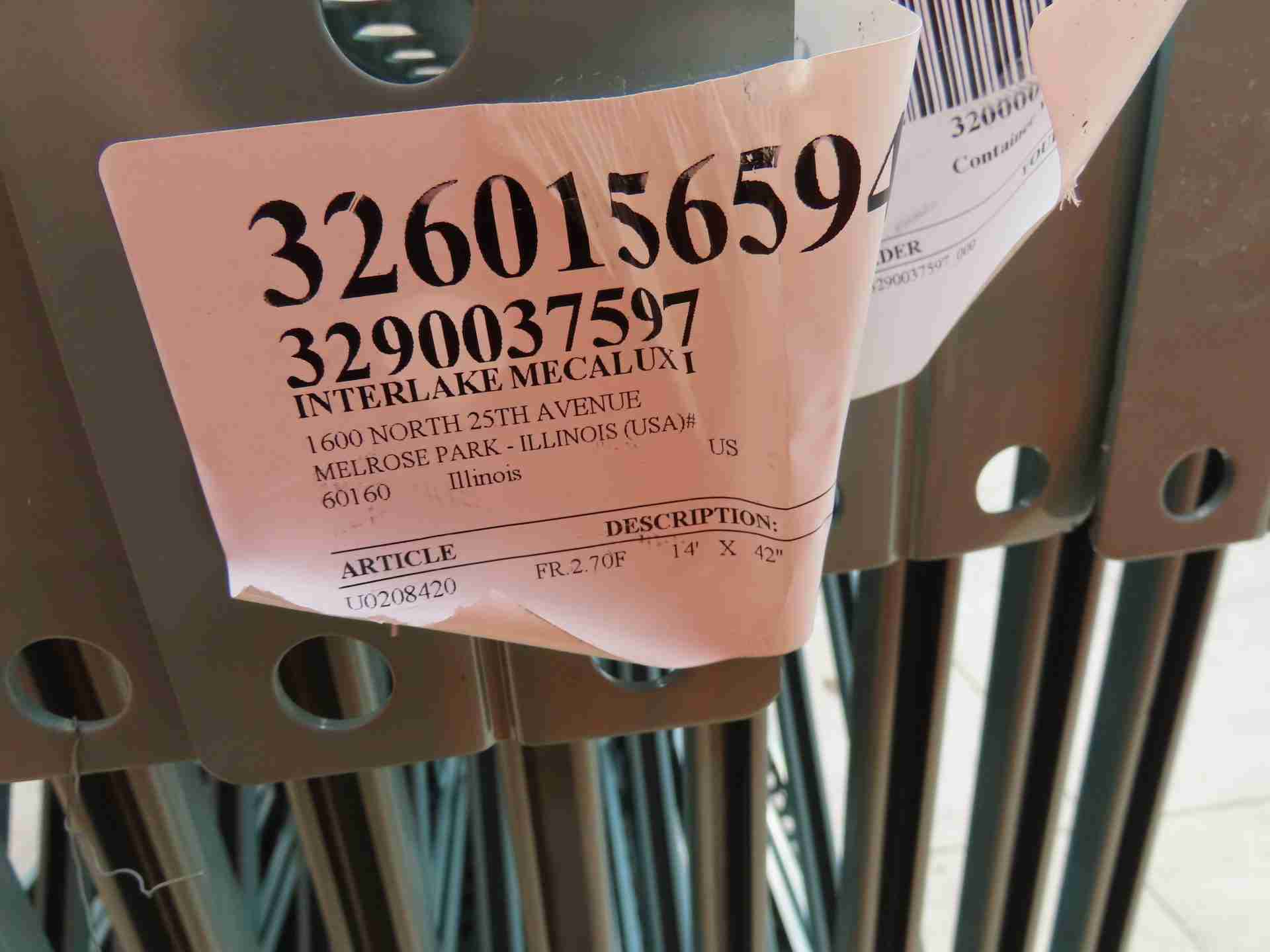
What Types Of Racking Systems Are Most Efficient For My Warehouse?
How Can I Assess The Current Effectiveness Of My Racking Solution?
When it comes to your warehouse operations, the heart of the efficiency often lies in your Pallet Racking system. But just because it’s been in place for a while doesn’t mean it’s still serving your needs optimally. Assessing the effectiveness of your racking solution is an essential step in ensuring that you’re not just running a warehouse—you’re running a well-oiled machine.
First, let’s get real about what “effective” means in this context. Are your current storage solutions allowing you to maximize space while ensuring safety and accessibility? Start by investigating how well your Pallet Racking is accommodating your inventory. Conduct a thorough audit: Are you frequently running into issues with space? Is your team constantly looking for products? If the answer is yes, it’s time to re-evaluate.
Next, talk to your employees. Who knows your daily operations better than the people on the ground? Ask them about their experiences with the current racking system. Do they feel that the design promotes a smooth workflow? Are they facing challenges that you might not be aware of? Gathering this feedback not only involves your team in the decision-making process but also fosters a sense of ownership and accountability.
Additionally, consider the metrics that matter. How often do you have to deal with damaged products due to inadequate racking systems? What about picking times? If employees are spending longer than necessary retrieving items, that’s a red flag. Time is money, and it’s crucial to connect this data to the effectiveness of your current Pallet Racking.
Also, let’s not forget about safety. A reliable racking solution doesn’t just hold your inventory; it also prevents accidents and injuries. Are your racks compliant with safety regulations? Regular inspections can help keep things in line.
Finally, don’t shy away from innovation. If your racking solution hasn’t evolved with your business, it’s likely holding you back. Explore the latest in racking systems—consider whether adjustable or mobile Pallet Racking could offer more versatility in your storage needs.
By taking the time to assess the effectiveness of your racking solution, you’re not merely improving operations—you’re making a strategic investment in the future success of your business. So don’t just settle for “good enough.” Let’s make your operations the best they can be!

How Can I Assess The Current Effectiveness Of My Racking Solution?
How Can I Assess The Current Effectiveness Of My Racking Solution?
- The Pallet Racking system is crucial for efficient warehouse operations.
- Regular assessment of the racking system is necessary for optimal performance.
- Evaluate whether current storage solutions maximize space, safety, and accessibility.
- Engage employees for feedback about the racking system to identify workflow issues.
- Track key metrics such as product damage and picking times to gauge effectiveness.
- Ensure compliance with safety regulations and conduct regular inspections.
- Consider innovation and new racking solutions to better align with changing business needs.

How Can I Assess The Current Effectiveness Of My Racking Solution?
What Common Mistakes Do Companies Make With Warehouse Racking?
When it comes to warehouse racking, many businesses unknowingly walk into a minefield of potential pitfalls that can lead to inefficiencies and lost revenue. If you feel like your warehouse could use a makeover, you’re not alone. The truth is, many companies overlook crucial aspects that can maximize their storage capacity and streamline their operations. Let’s dive into some common mistakes, shall we?
One of the most prevalent blunders is underestimating the capability of their pallet racking systems. Companies often purchase the cheapest solution without considering long-term viability. Sure, that bargain might seem enticing upfront, but failing to invest in quality racking can lead to instability and potential hazards down the line. Think of it as a band-aid on a festering wound—temporary relief, but not a lasting solution. Investing in robust pallet racking not only provides better structural integrity but also enhances worker safety and minimizes the risk of costly accidents.
Another mistake lies in improper capacity planning. Are you genuinely aware of your inventory levels and storage needs? Many managers assume they have enough racking space when in reality, they are squashing their operations into an already crowded environment. Understanding your product flow and seasonal variations can help you better utilize pallet racking systems tailored to your specific needs—because no two warehouses function the same way!
Let’s not forget about layout blunders. A well-planned warehouse is a productive warehouse. Failing to strategically organize pallet racking can severely hinder efficiency, slowing down retrieval times and increasing labor costs. Take a step back and evaluate your layout with the eyes of a hawk. Simple changes—like aligning racking systems according to product movement patterns—can have a transformative effect on your workflow.
Lastly, don’t underestimate staff training. Your warehouse team is the backbone of your operations; without proper training, even the highest-quality pallet racking can fall short. Once your employees understand how to use the racking effectively and safely, you’ll witness an elevation in productivity that speaks volumes.
Avoiding these common mistakes in your warehouse racking strategy requires a blend of foresight, planning, and teamwork. The ideal outcome isn’t just about storage; it’s about transforming your logistics into a powerhouse of efficiency that propels your business forward. Invest the time now, and you may just find that your warehouse becomes a source of strength rather than a constant headache. Don’t let these mistakes trip you up—take action today!
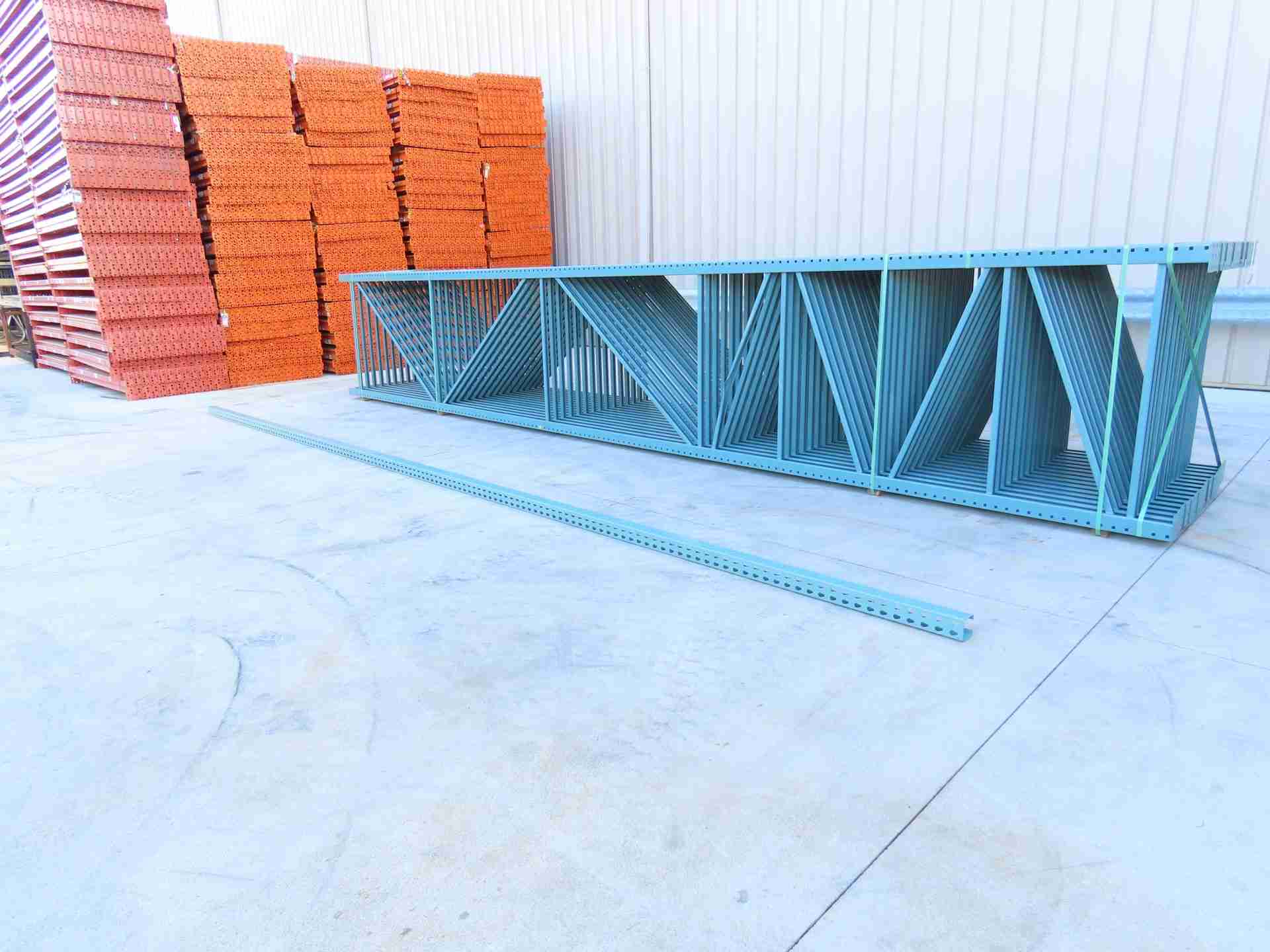
What Common Mistakes Do Companies Make With Warehouse Racking?
What Common Mistakes Do Companies Make With Warehouse Racking?
- Many businesses overlook crucial elements of warehouse racking, leading to inefficiencies.
- Choosing the cheapest pallet racking solutions can result in long-term instability and hazards.
- It’s important to understand inventory levels and storage needs to avoid overcrowding.
- Warehouse layout greatly impacts efficiency; strategic organization of racking is essential.
- Simple changes in racking alignment based on product movement can enhance workflow.
- Staff training is vital; well-trained employees improve productivity and safety.
- Avoiding common mistakes in warehouse racking can transform logistics into a confident asset.

What Common Mistakes Do Companies Make With Warehouse Racking?
How Can Proper Racking Improve Storage Capacity And Accessibility?
Imagine walking into your warehouse or storage space and feeling an immediate sense of order—products neatly displayed, pathways clear, and every item effortlessly within reach. This vision can become your reality with the implementation of effective pallet racking systems. It’s not just about storing goods; it’s about enhancing your operational workflow and maximizing both storage capacity and accessibility.
Pallet racking is more than a mere shelving option; it’s a transformative approach to organizing your inventory. When strategically implemented, proper racking solutions allow businesses to utilize vertical space effectively. Instead of cluttering your floor with heaps of products, pallet racking enables you to stack items high, freeing up valuable ground space. This can dramatically increase your storage capacity without the need for extensive renovations or additions, leading to cost savings that improve your bottom line.
Moreover, accessibility is a game changer in any operation. A well-designed pallet racking system ensures that every item is easy to locate and retrieve. Imagine no longer having to crawl under stacks of boxes or digging through disorganized piles to find that one crucial item. With the right racking system, you’ll create aisles that allow your team to navigate effortlessly, reducing the time spent searching for products. This enhanced accessibility not only boosts efficiency but also lifts morale—your employees will appreciate the organization and the ease with which they can do their jobs.
The trust in your operations translates into confidence among your customers. They value smooth order fulfillment and quick delivery times, which become achievable when your storage solutions are optimized. Every minute saved in locating and retrieving items can convert into faster service, enhancing customer satisfaction and loyalty.
Investing in pallet racking is investing in the foundation of your warehousing strategy. It’s about more than just aesthetics; it’s about fundamentally improving how you do business. Imagine walking into a facility where everything is orderly, accessible, and maximized for your needs. The clarity and efficiency that come with proper racking can inspire your team and impress your stakeholders, fostering a culture of productivity that resonates throughout your company.
In a world where efficiency is paramount, it’s time to unlock your space’s true potential. Embrace proper racking solutions and watch as your storage capacity and accessibility soar!

How Can Proper Racking Improve Storage Capacity And Accessibility?
How Can Proper Racking Improve Storage Capacity And Accessibility?
- Effective pallet racking systems create a sense of order in warehouses and storage spaces.
- Pallet racking enhances operational workflow by maximizing storage capacity and accessibility.
- Strategic implementation of racking allows for effective use of vertical space, freeing up ground space.
- Increased storage capacity leads to potential cost savings without the need for renovations.
- Well-designed racking systems improve accessibility, making it easier to locate and retrieve items.
- Enhanced efficiency and organization can boost employee morale and customer satisfaction.
- Investing in pallet racking fundamentally improves business operations and fosters a productive company culture.
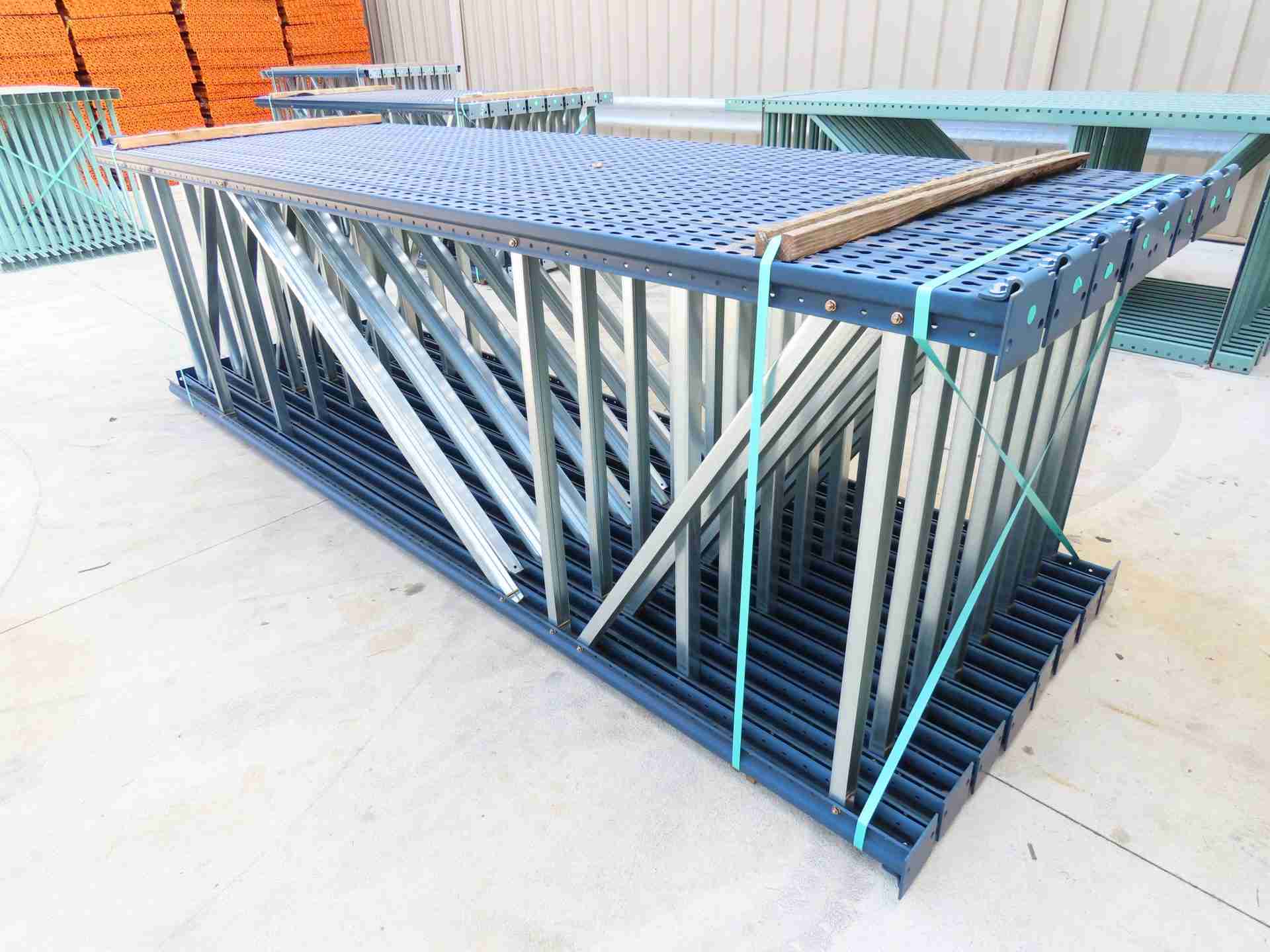
How Can Proper Racking Improve Storage Capacity And Accessibility?
What Impact Does Racking Layout Have On Warehouse Workflow?
Picture this: a bustling warehouse, where every second counts and every item needs to be in its rightful place. Now, imagine your team navigating through a maze of pallets, struggling to find the right products amidst chaos. Frustrating, right? That’s the reality of an inefficient racking layout. Just as a well-tuned orchestra produces beautiful music, a thoughtfully designed pallet racking system creates a harmonious workflow that transforms operations and boosts productivity.
Effective racking layout impacts not only the physical space but also the rhythm of your entire warehouse workflow. An organized pallet racking setup optimizes item accessibility, making it easier for your team to locate and retrieve products quickly. When items are stored strategically, reducing the time spent searching for inventory, you’ll notice a significant increase in efficiency. Imagine the relief on your employees’ faces when they can swiftly fulfill orders without the added stress of confusion!
Beyond merely improving speed, the right pallet racking configuration also enhances safety. When products are stored securely, the risk of accidents or damage diminishes substantially. A well-implemented racking layout fosters an environment where your team can work confidently and safely. This not only protects your assets but also boosts morale and reduces employee turnover—a crucial investment in your workforce.
Moreover, effective racking layout paves the way for scalability. As your business grows, your warehouse must adapt to meet evolving demands. A flexible pallet racking system can seamlessly accommodate increased inventory volumes without compromising efficiency. This adaptability is vital in today’s fast-paced market, where agility and responsiveness are non-negotiable.
Let’s face it: when your warehouse flows smoothly, every aspect of your business flourishes. Inventory turns faster, customer satisfaction soars, and your bottom line benefits. By prioritizing a strategic racking layout, you’re not merely organizing space; you’re cultivating a culture of efficiency that resonates throughout your operation.
So, if you’re ready to transform your warehouse workflow, don’t underestimate the impact of your pallet racking. Take a moment to evaluate your current layout and consider the possibilities that lie ahead. Your bottom line—and your team—will thank you. After all, a well-organized racking system is not just a luxury; it’s the backbone of a thriving warehouse operation. Embrace the opportunity to streamline your workflow today for a more efficient tomorrow!

What Impact Does Racking Layout Have On Warehouse Workflow?
What Impact Does Racking Layout Have On Warehouse Workflow?
- An inefficient racking layout causes frustration and chaos in a warehouse environment.
- A well-designed pallet racking system enhances workflow and boosts productivity.
- Effective racking improves item accessibility, allowing for quicker retrieval of products.
- The right configuration increases efficiency by minimizing time spent searching for inventory.
- Safe storage reduces the risk of accidents and damage, promoting a secure working environment.
- A flexible racking layout supports scalability, adapting to growing inventory demands.
- Prioritizing an organized racking system benefits inventory turnover, customer satisfaction, and overall profitability.

What Impact Does Racking Layout Have On Warehouse Workflow?
How Do I Choose The Right Racking For Different Inventory Types?
Choosing the right racking for your inventory is more than just a logistical decision; it’s the backbone of your entire operation and the foundation upon which your success rests. Each type of inventory you manage has specific needs, and understanding those needs is critical. Whether you’re dealing with cluttered stockrooms, bustling warehouses, or thriving retail environments, the racking you select can boost efficiency, reduce costs, and ultimately enhance your bottom line.
Let’s start with pallet racking. This is the heavyweight champion of storage solutions, ideal for large-scale operations that deal with bulky or heavy items. If your inventory includes massive quantities of goods that come on pallets, this type of racking isn’t just a nice-to-have—it’s essential. Designed for easy access and superior organization, pallet racking systems allow for efficient load-handling and provide maximum vertical space utilization.
But what if your inventory consists of smaller, individual items? Don’t worry; you have options. For high-demand, fast-moving items, consider using shelving units integrated with mobile racking systems. These innovative solutions maximize space while permitting quick access to frequently shopped products. Think about how often you find yourself searching through heaps of boxes to locate that one crucial item. With the right racking, you won’t have to!
Then, there are perishable goods, often a challenge for many store owners. Here, you’ll want to look at gravity flow racks or refrigerated racking systems. These racks allow you to maximize storage while ensuring your products are stored in an optimal condition, minimizing waste and maintaining freshness for your customers.
When selecting the right racking, engage with your inventory type—understand the size, weight, and turnover rate of each item. Visualize the workflow. A poorly organized racking system not only wastes time but also adds unnecessary frustration to your employees. Instead, envision a streamlined operation where every item has its place, making it easy for your team to serve customers effectively.
And let’s not overlook the importance of safety. Investing in high-quality racking isn’t merely about organization; it’s also about creating a safe working environment. You’ll instill confidence in your workforce knowing they’re equipped with systems that prioritize safety and durability.
Now, take a moment to evaluate your racking needs. Think about how your business can thrive with the right choice. By tapping into the benefits of expertly matched racking systems, you are not just organizing a space; you are paving the path to your future success.

How Do I Choose The Right Racking For Different Inventory Types?
How Do I Choose The Right Racking For Different Inventory Types?
- Choosing the right racking is essential for operational success and efficiency.
- Pallet racking is ideal for large-scale operations with bulky or heavy items.
- For smaller, fast-moving items, shelving units with mobile racking systems enhance access and space utilization.
- Gravity flow racks and refrigerated systems are suitable for storing perishable goods, helping to minimize waste.
- Understanding inventory characteristics (size, weight, turnover) is crucial for selecting the right racking system.
- Organized racking systems improve workflow and employee satisfaction, reducing frustration.
- Investing in high-quality racking enhances safety and durability in the workplace.
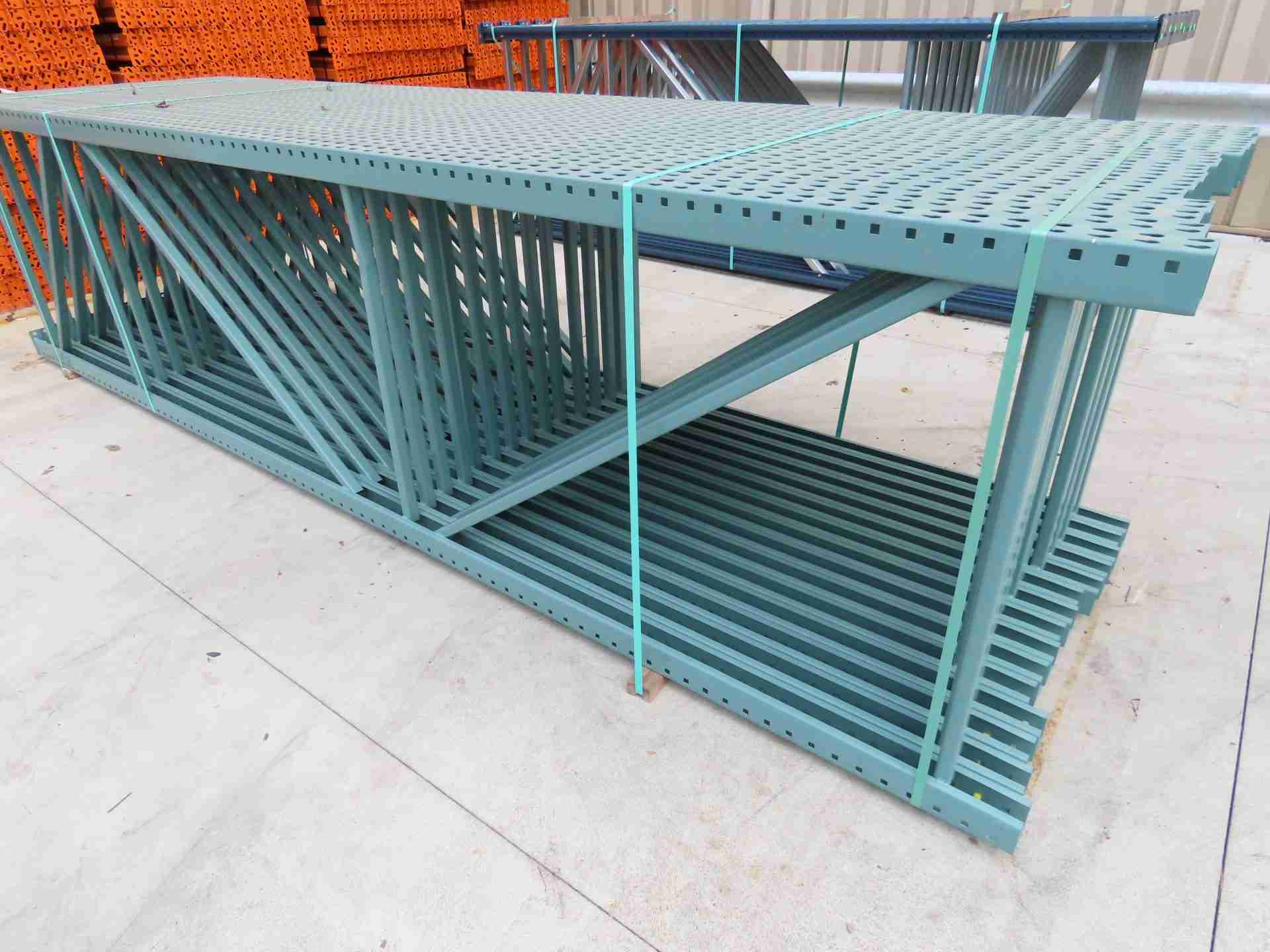
How Do I Choose The Right Racking For Different Inventory Types?
Conclusion
Conclusion: Unlock Your Warehouse’s Full Potential
Warehouse efficiency isn’t just a buzzword—it’s the heartbeat of your operations. If you find yourself battling chaos and inefficiency, the decisions you make today regarding your racking solutions could mean the difference between stagnation and soaring productivity. At RackingWorld.com and Arrow Industrial Sales, we believe that the right pallet racking system is not only essential for organizing your space but vital for your bottom line.
Throughout this article, we’ve unveiled the hidden costs of ineffective racking systems—lost time, damaged goods, and decreased employee morale. With every inch of your warehouse space at a premium, it’s crucial to maximize vertical height and optimize layout. By tailoring your racking systems to your unique inventory needs, you’ll not only improve accessibility but also create a safer, more efficient working environment.
Imagine walking into a structured, easy-to-navigate warehouse, where products are effortlessly retrievable, and operations flow like a well-oiled machine. The good news? This vision can be your reality. Through small but impactful adjustments, you have the opportunity to revitalize your workflow and cultivate a culture rooted in efficiency.
So, what’s your next step? It all starts with a thorough assessment of your current racking solutions. Engage your team, analyze your inventory dynamics, and don’t shy away from innovation. If your current system isn’t meeting your needs, seeking professional advice from racking specialists can unlock solutions tailored for maximizing productivity.
Time is of the essence—each day your inefficiencies persist could be costing you greatly. Don’t wait for chaos to dictate your operations any longer. Call Arrow Industrial Sales at (574) 349-6575 to discuss your options for customized racking solutions designed to empower your business. There’s no better time than now to make the changes that will redefine your operational success.
Remember, in the fast-paced world of warehousing, the stakes are high, but so are the rewards for those prepared to take action. Let RackingWorld.com and Arrow Industrial Sales be your partners on this journey—together, we’ll transform your warehouse from a source of frustration into a powerhouse of efficiency! Your future self will thank you.

Conclusion
Conclusion:
- Warehouse efficiency is crucial for operational success.
- Decisions on racking solutions can greatly impact productivity.
- Effective racking systems reduce hidden costs like lost time and damaged goods.
- Maximizing vertical space and optimizing layout enhances accessibility and safety.
- A well-structured warehouse facilitates smoother operations.
- Assess your current racking solutions and consider innovative options.
- Contact Arrow Industrial Sales to explore customized racking solutions.
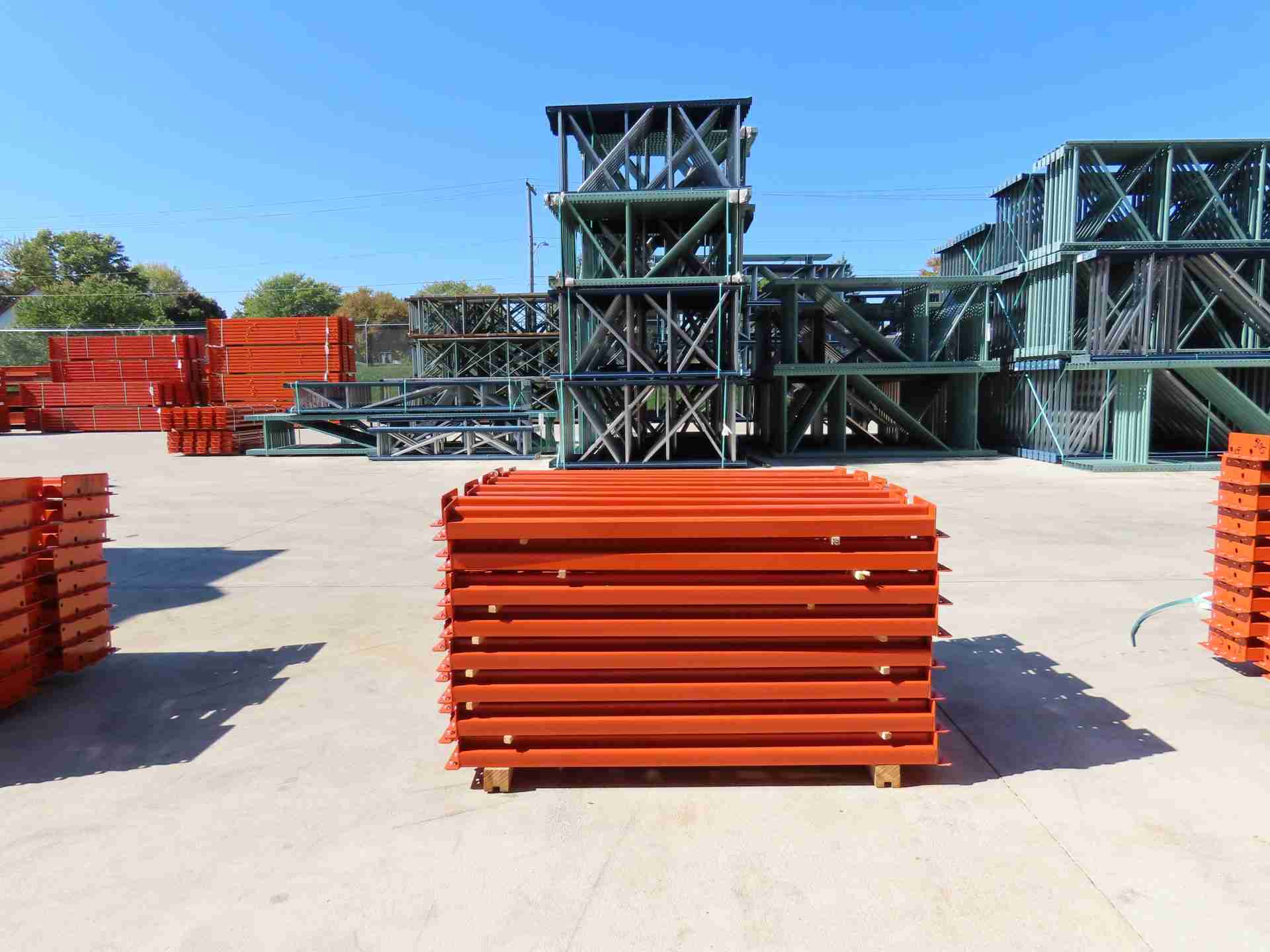
Conclusion
Other Resources

Other Resources
Here is a list of other resources you can review online to learn more:
- Chicago Pallet Racking
- National Safety Council
- Wolter
- Interlake Mecalux
- Storage Equipment Manufacturers’ Association
- Intro to Warehouse Racks & Warehouse Racking Systems – ShipBob
- Rack Manufacturers Institute
- MHI
- Teardrop Industrial Shelving Rack
- Cantilever Rack Configuration & Installation: A Comprehensive Guide – BMH
Use This Prompt To Get More Resources With Your Favorite Online AI Tool: Please provide me with a list of online articles with their URLs in a bulleted list that I can read regarding Is Your Decision on Warehouse Racking Solutions Hurting Efficiency?

Other Resources
Glossary Terms
Is Your Decision on Warehouse Racking Solutions Hurting Efficiency? – Glossary Of Terms
1. Racking System: A structured framework designed to store goods and materials within a warehouse efficiently.
2. Pallet Rack: A type of racking system specifically designed for the storage of palletized goods.
3. FIFO (First In, First Out): An inventory management method where the oldest stock is used first to reduce spoilage or obsolescence.
4. LIFO (Last In, First Out): An inventory management strategy where the most recently added inventory is sold first.
5. Vertical Space Utilization: The use of vertical space in a warehouse to maximize storage capacity, often achieved through tall racking systems.
6. Pick Rate: The speed at which items are retrieved from storage locations for order fulfillment, often a key performance indicator.
7. Warehouse Layout: The physical arrangement of racking systems and storage areas within a warehouse, impacting workflow and efficiency.
8. Cross-Docking: A logistics practice where incoming goods are directly transferred to outbound trucks with minimal storage time.
9. Inventory Turnover: A measure of how quickly inventory is sold and replaced, indicating the efficiency of stock management.
10. Dynamic Racking: A flexible racking solution that allows for the adjustment of storage space according to changing inventory levels.
11. Static Racking: A fixed racking solution designed for stable inventory levels, often limiting flexibility.
12. Load Capacity: The maximum weight a racking system can safely support without compromising stability.
13. Aisle Width: The distance between racks, crucial for maneuverability of forklifts and personnel within a warehouse.
14. Safety Standards: Regulations and guidelines that ensure the safety of racking installations and operations in a warehouse environment.
15. Warehouse Management System (WMS): Software that helps manage inventory, order fulfillment, and warehouse operations for improved efficiency.
16. Bulk Storage: The practice of storing large quantities of goods on the floor or in designated areas, using minimal racking.
17. Mobile Racking: A racking system on movable bases, allowing for compact storage and optimizing space.
18. Ergonomics: The study of how workers interact with their environment, focusing on minimizing strain and maximizing efficiency.
19. SKU (Stock Keeping Unit): A distinct item for sale that is tracked for inventory purposes, critical for efficient racking solutions.
20. Order Picking: The process of selecting and retrieving items from inventory for fulfilling customer orders.
21. Lean Warehousing: A philosophy aimed at reducing waste and improving efficiency within the warehouse system.
22. Capacity Planning: The process of determining the production capacity needed to meet changing demands for products.
23. Load Stability: The condition of stored items remaining securely in place, crucial for preventing accidents and maintaining efficiency.
24. Racking Inspection: The routine process of checking racking systems for safety and compliance to ensure they are in good working condition.
25. Order Fulfillment: The complete process of receiving, processing, and delivering orders to customers efficiently.
26. Handling Equipment: Tools and machines, such as forklifts and hand trucks, that assist in moving goods within the warehouse.
27. Cycle Counting: An inventory auditing procedure where a portion of inventory is counted in cycles, eliminating the need for full counts.
28. Throughput: The amount of product processed in a specified period, reflecting the efficiency of operations.
29. Storage Density: The amount of inventory stored in a given area, a key factor in measuring space efficiency in warehousing.
30. Lead Time: The total time taken from the moment an order is placed until its fulfillment, influencing warehouse efficiency and customer satisfaction.
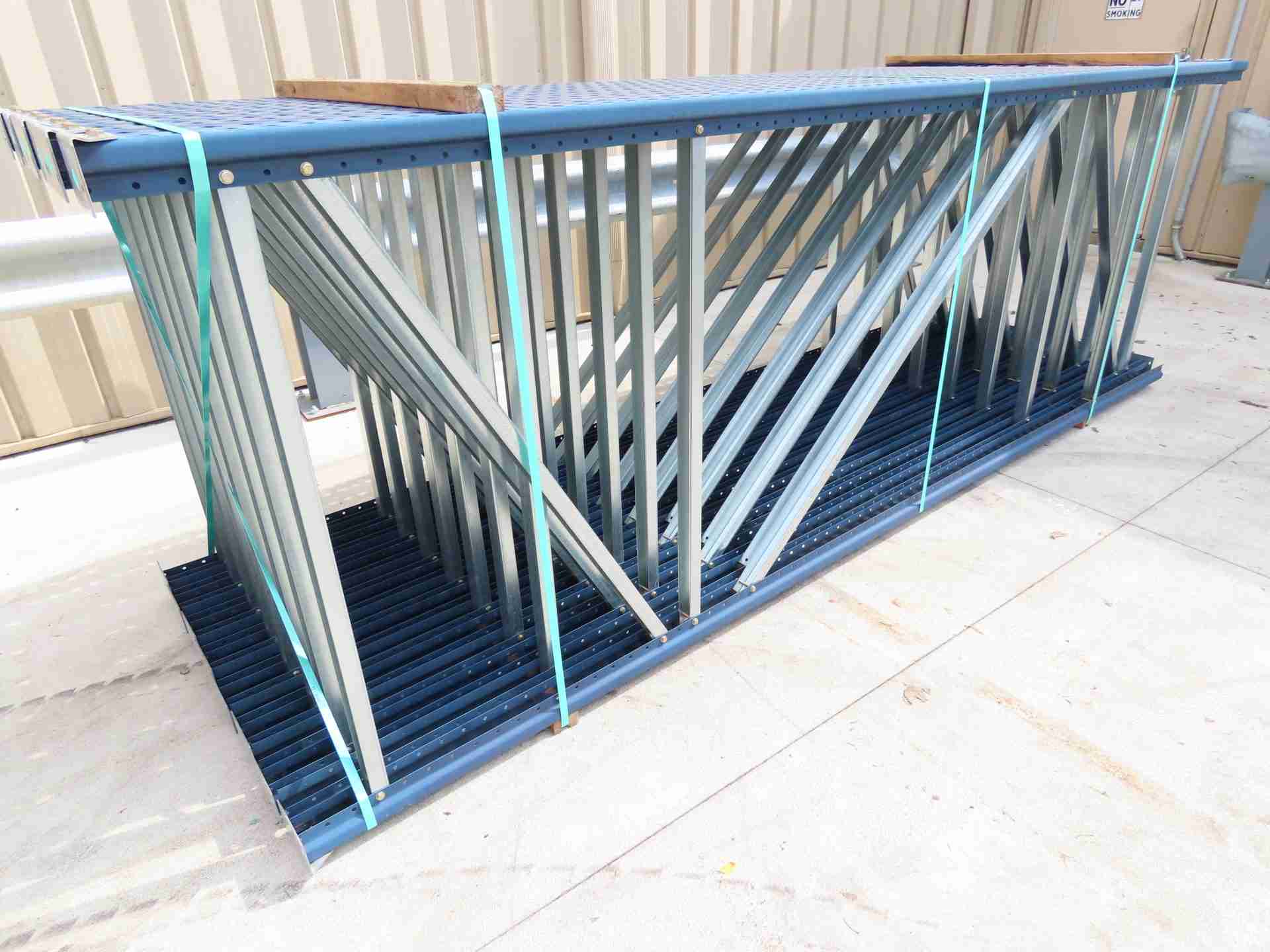
Glossary Of Terms
Other Questions
Is Your Decision on Warehouse Racking Solutions Hurting Efficiency? – Other Questions
If you wish to explore and discover more, consider looking for answers to these questions:
- What are the different types of pallet racking systems available?
- How do I determine the best racking solution based on my warehouse size?
- What are the costs associated with implementing new racking systems?
- How can I ensure that my racking system complies with safety regulations?
- What are the signs that my current racking system is outdated?
- Can automated racking solutions improve my warehouse efficiency?
- How do seasonal changes in inventory affect my racking needs?
- What impact does employee training have on the effectiveness of racking systems?
- How can I optimize the layout of racking for maximum productivity?
- What role does technology play in modern pallet racking systems?
- How often should I evaluate or audit my racking systems?
- What are the best practices for maintaining and caring for racking systems?
Other Questions
Checklist
Is Your Decision on Warehouse Racking Solutions Hurting Efficiency? – A Checklist
Checklist for Maximizing Warehouse Efficiency with Racking Solutions
Assess Current Racking Systems
_____ Conduct a thorough audit of your existing pallet racking solutions.
_____ Evaluate the effectiveness of current systems in maximizing space, safety, and accessibility.
_____ Talk to employees for feedback on the functionality and challenges of the current racking system.
Identify Space Utilization Opportunities
_____ Check if you are maximizing vertical space with your current racking setup.
_____ Analyze if there’s unnecessary floor space being wasted due to outdated racking systems.
_____ Look for high-density storage possibilities that may not be utilized.
Customize Racking Solutions
_____ Determine specific storage needs based on inventory types and sizes.
_____ Consider adjustable racking systems for flexibility in accommodating different product sizes.
_____ Explore automated solutions if applicable to your warehouse operation.
Improve Workflow and Accessibility
_____ Map out the current racking layout to identify flow issues.
_____ Optimize aisle width and product placement to ease product retrieval.
_____ Ensure all team members are familiar with racking systems to improve efficiency.
Prioritize Safety
_____ Regularly inspect racking systems for compliance with safety regulations.
_____ Train employees on safety best practices to minimize risks of accidents.
_____ Verify the structural integrity of racking systems to prevent potential hazards.
Invest in Quality and Long-Term Solutions
_____ Avoid the temptation to opt for the cheapest racking solutions; consider long-term quality and stability.
_____ Research and engage with experienced warehouse consultants for expert advice on racking options.
_____ Evaluate the cost-effectiveness of high-quality racking systems in reducing losses and improving safety.
Continuously Monitor and Adapt
_____ Establish key performance metrics related to racking efficiency (e. g. , picking times, damage rates, safety incidents).
_____ Create a regular schedule for reviewing racking system effectiveness and implementing adjustments as necessary.
_____ Stay informed of new racking solutions and warehouse optimization trends.
Engage Your Team
_____ Foster a culture of teamwork and productivity by involving employees in layout evaluations.
_____ Encourage feedback and suggestions from staff on improving racking and workflow.
_____ Celebrate improvements in efficiency and safety with your team to promote continued enthusiasm for optimal operations.
Take Action
_____ Make a concrete plan for potential upgrades or reconfigurations of your racking systems.
_____ Set specific timelines and goals for optimizing your warehouse racking solutions.
_____ Commit to ongoing assessments to ensure racking solutions remain aligned with business needs and growth.
By following this checklist, you can evaluate and enhance your warehouse racking solutions effectively, leading to improved efficiency, safety, and overall operational success.
Checklist
At RackingWorld, we help guide you through selecting warehouse storage systems and racking.
Be sure to read our other related stories at RackingWorld to learn more about warehouse storage systems.
0 Comments