
Maximizing Efficiency With Strategic Racking Design
By Tom Seest
At RackingWorld, we help guide you through selecting warehouse storage systems and racking.
Be sure to read our other related stories at RackingWorld to learn more about warehouse storage systems.
How Does Proper Racking Design Impact Warehouse Productivity?
Imagine stepping into a bustling warehouse that operates like a finely tuned clock. Every item is in its rightful place, every pallet racking system optimized for speed and efficiency. Now, consider what it takes to achieve that level of productivity—a well-designed racking system. Proper pallet racking isn’t just a practical necessity; it’s the backbone of your warehouse operations, directly influencing both the workflow and your bottom line.
First, let’s talk about accessibility. A thoughtfully designed pallet racking system allows easy access to products, minimizing the time workers spend searching for items or navigating around poorly placed racks. If your warehouse layout feels chaotic, with workers weaving through obstacles, it’s time to reconsider. An effective racking design streamlines pathways, ensuring that your staff can move swiftly and with purpose. With fewer hiccups in their daily routines, morale remains high and attention stays focused where it matters most—serving customers.
Next, think about space utilization. Many warehouses struggle with wasted vertical and horizontal space. When you invest in a proper pallet racking system, you maximize every square inch of your facility. By using vertical space wisely, you not only create more room for inventory but also improve inventory turnover rates. Products are easier to store, track, and replenish. Did you know that improved racking design can decrease handling costs and reduce the time spent on inventory management? When every pallet can be accessed quickly, teams can respond to orders and restocking needs without the usual frustration that often plagues warehouses.
Moreover, a good racking system enhances safety. A well-organized warehouse minimizes the risk of accidents, protecting both your employees and your valuable inventory. Safety should never be an afterthought; it should be built into your operational design. When employees feel safe, they work more efficiently, adding to your overall productivity.
Finally, let’s not forget about adaptability. As your business grows and shifts, your racking system should evolve with you. A smart pallet racking design allows for easy modifications, scaling up or down as needed without costly overhauls. This agility ensures that your operations can swiftly adapt, meeting challenges head-on.
In summary, investing in a proper racking design isn’t just a good idea—it’s an essential strategy that fosters productivity, safety, and flexibility in your warehouse. Take the step today to optimize your system, and watch your productivity soar. Your employees, customers, and bottom line will thank you!
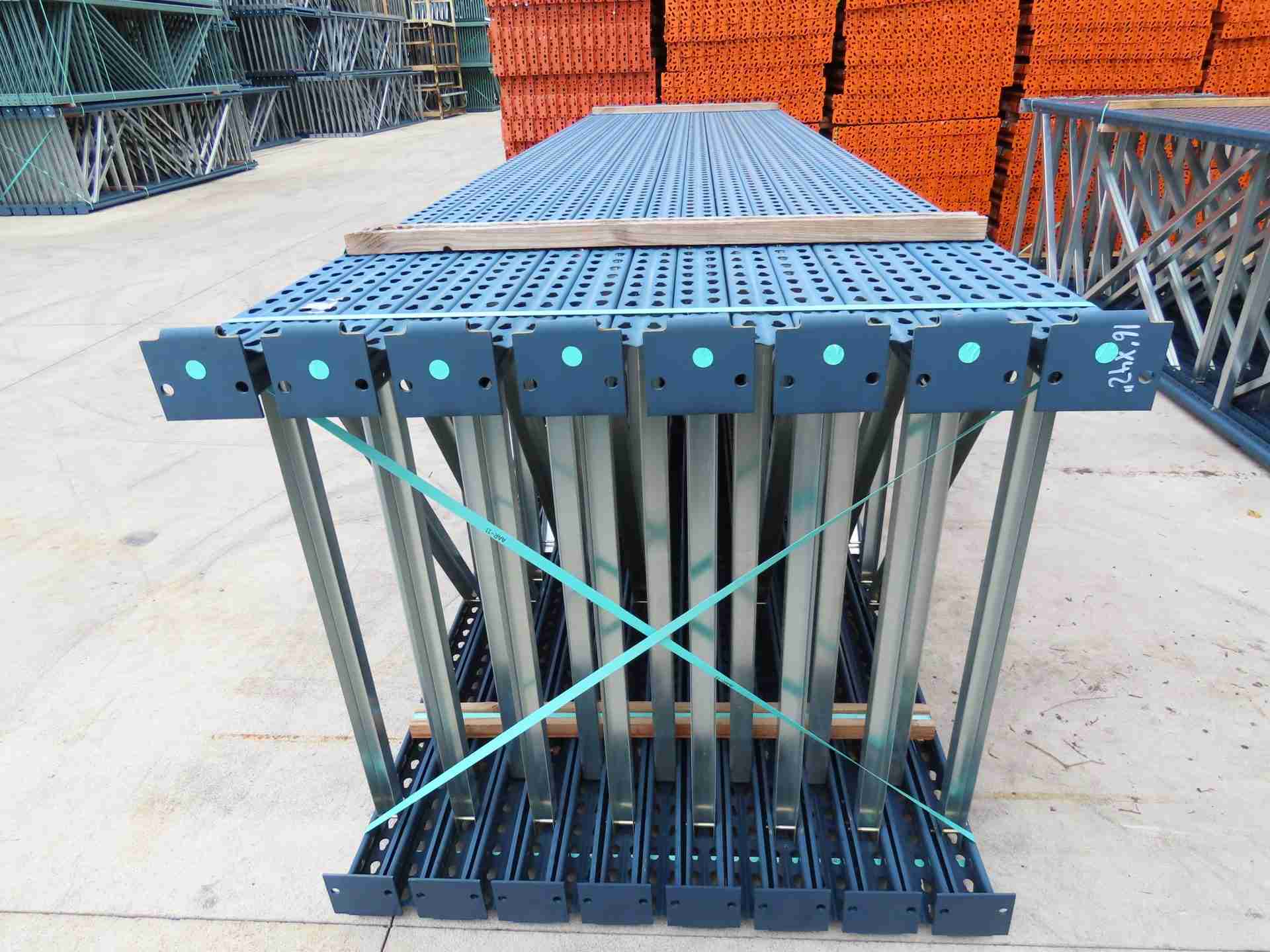
How Does Proper Racking Design Impact Warehouse Productivity?
How Does Proper Racking Design Impact Warehouse Productivity?
- A well-designed pallet racking system is crucial for warehouse operations, influencing workflow and profitability.
- Accessibility is enhanced with thoughtfully designed racking, reducing search times and enabling smooth staff movement.
- Proper space utilization maximizes both vertical and horizontal space, improving inventory turnover rates.
- Improved racking design can lower handling costs and streamline inventory management processes.
- A good racking system enhances safety, minimizing accidents and protecting employees and inventory.
- Adaptability is key; a smart racking design allows for easy modifications as business needs change.
- Investing in effective racking design boosts productivity, safety, and flexibility, benefiting employees, customers, and the bottom line.
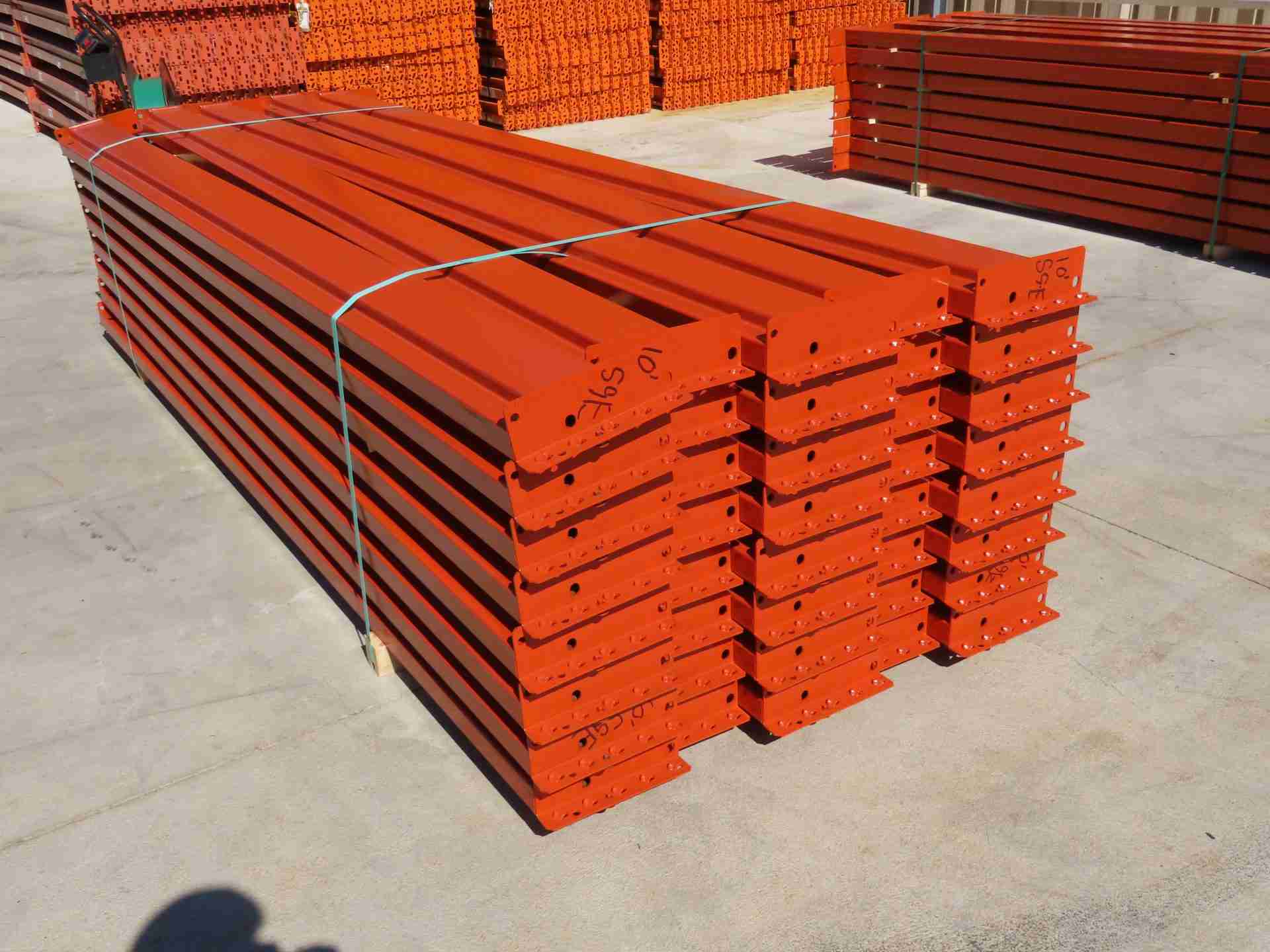
How Does Proper Racking Design Impact Warehouse Productivity?
Table Of Contents
- How Does Proper Racking Design Impact Warehouse Productivity?
- How Can Racking Design Reduce Operational Costs?
- What Role Does Layout Play In Racking Efficiency?
- How Does Racking Design Affect Inventory Accuracy?
- What Impact Does Racking Height Have On Accessibility?
- How Does Proper Racking Design Improve Safety In Warehouses?
- What Are Common Racking Design Mistakes To Avoid?
- Conclusion
- Other Resources
- Glossary Of Terms
- Other Questions
- Checklist
How Can Racking Design Reduce Operational Costs?
When it comes to warehouse efficiency, the backbone of your operation often lies in a simple yet powerful solution: effective racking design. Think about it: the layout and configuration of your pallet racking system can significantly impact your operational costs, and mastering this element can lead to incredible savings.
Imagine walking into your warehouse and feeling an immediate sense of order. Products are easily accessible, aisles are optimized, and inventory turns happen smoothly. This is not just a dream; it can be your reality. Effective pallet racking maximizes your storage capacity, meaning you can house more products without the need for additional square footage. Do you see the potential for saving on overhead costs? By using vertical space smartly, you’re essentially squeezing out every last drop of productivity from your existing resources.
But it doesn’t stop there. An intelligently designed racking system minimizes retrieval times. This means faster picking processes, which leads to increased throughput. In the world of logistics, time is money. Picture your workforce spending less time wandering through aisles and more time fulfilling orders. The sweet sound of efficiency ringing through your warehouse will soon resonate far beyond your loading docks and into your bottom line.
Furthermore, investing in the right pallet racking not only streamlines operations but also enhances safety. Properly designed systems reduce the risk of accidents and damage. When employees can maneuver smoothly around well-positioned racking, you not only lower the likelihood of costly incidents but also boost morale. When your team feels secure, they perform better. Happy employees lead to loyal customers, and loyal customers fuel your business growth.
As a business leader, you’re always seeking strategies that yield a maximum return on investment. Consider this: an expert-driven racking design is indeed one of the most cost-effective ways to elevate your operational efficiency. With each inch of your warehouse optimized, you’re opening the door to reduced labor costs, enhanced productivity, and ultimately, bigger profits.
Now is the time to invest in a racking system designed to unleash the full potential of your warehouse operation. Reach out to an expert who can help you create a layout that not only reduces costs but sets your business up for long-term success. The future of your operational efficiency starts here—let’s make it count!

How Can Racking Design Reduce Operational Costs?
How Can Racking Design Reduce Operational Costs?
- Effective racking design is crucial for warehouse efficiency, impacting operational costs.
- A well-configured pallet racking system enhances storage capacity without needing more space.
- Smart use of vertical space increases productivity, leading to significant overhead savings.
- Intelligently designed racking minimizes retrieval times, improving picking processes and throughput.
- Properly designed systems enhance safety, reducing the risk of accidents and damage in the warehouse.
- Expert-driven racking design can yield maximum return on investment by optimizing every inch of the warehouse.
- Investing in an effective racking system is essential for long-term operational success and profitability.
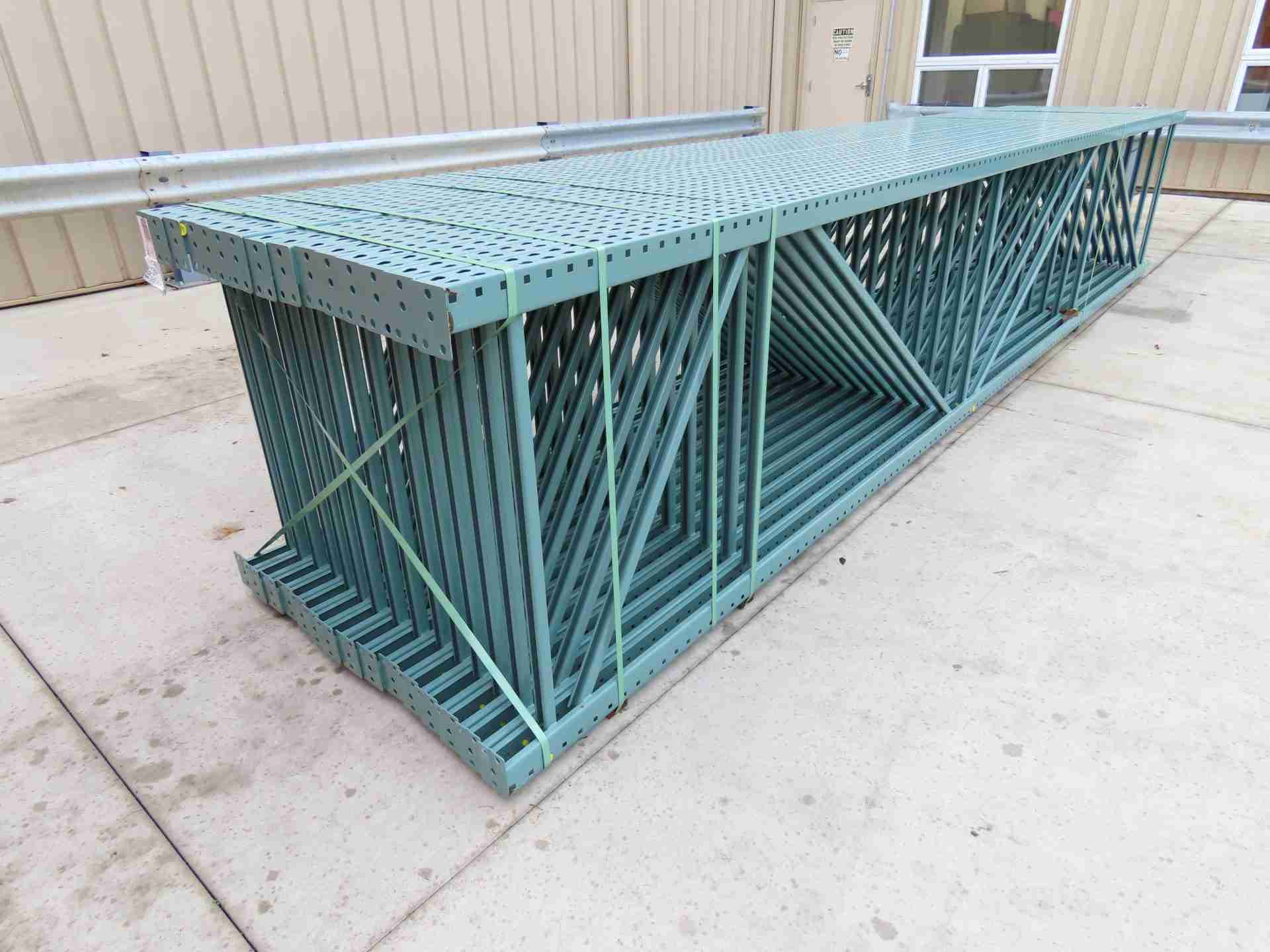
How Can Racking Design Reduce Operational Costs?
What Role Does Layout Play In Racking Efficiency?
When it comes to optimizing your warehouse or storage facility, the layout is the unsung hero that can make all the difference. Picture this: your pallet racking system is like the backbone of your operation, but without a strategic layout, you’re left with a skeleton that hinders productivity. It’s time to shed light on how the right configuration can elevate your racking efficiency to new heights.
Imagine a warehouse where every pallet is positioned with purpose, where flow is seamless, and every inch of storage space is maximized. That’s what an effective layout achieves. When you think about pallet racking, consider how it interacts with your workflow. A well-planned layout allows for the efficient movement of goods, reducing the time spent picking and replenishing stock. When your staff is not wasting precious moments navigating around unnecessary obstacles, you can be sure that operations are running smoothly, leading to happier employees and ultimately, satisfied customers.
Now, let’s tackle the elephant in the room: maximizing space. The right layout enables you to utilize vertical space more wisely, allowing for greater storage density with the same floor area. When pallets are stored too close together or too far apart, valuable real estate goes wasted. Strategic placement of pallet racking can transform your facility from a cluttered maze to a streamlined powerhouse of productivity, inviting your workforce to operate more efficiently.
But the benefits don’t stop there. An optimized racking layout can lead to improved safety measures. Inadequate configurations can create hazardous conditions where accidents are bound to happen. By thoughtfully arranging your pallet racking, you enhance safety standards, which not only protects your employees but also fosters a workplace environment of trust and reliability.
Whether you’re a seasoned veteran in the warehousing sector or just starting your journey, understanding the pivotal role of layout in racking efficiency is key. Deciding to invest in a well-designed space is no longer a question but an opportunity. Think of it as investing in your business’s DNA. With every careful measure you take in layout optimization, you’re enhancing not just efficiency, but also your bottom line.
So why wait? Start evaluating your current layout today. The right pallet racking configuration could be your game-changer—unlocking potential you didn’t even know existed. Let’s create a layout that doesn’t just store goods, but fuels growth. It’s time to elevate your operational efficiency and watch your business thrive!
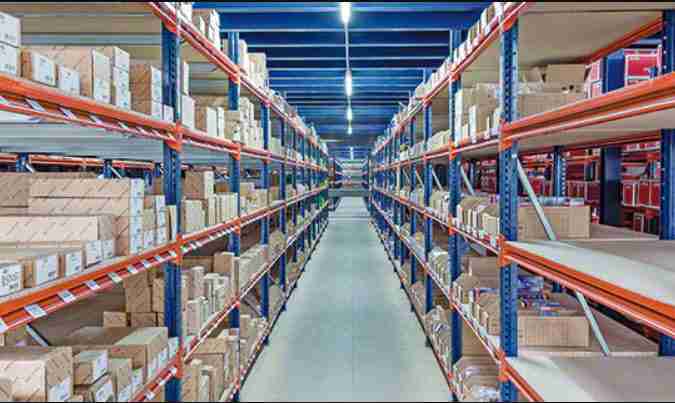
What Role Does Layout Play In Racking Efficiency?
What Role Does Layout Play In Racking Efficiency?
- The layout of a warehouse is crucial for optimizing productivity and efficiency.
- A strategic pallet racking system enhances workflow by allowing efficient movement of goods.
- Maximizing vertical space can increase storage density, transforming clutter into streamlined operations.
- Careful placement of pallet racking improves safety standards, reducing the risk of accidents.
- Investing in an optimized layout is essential for improving both efficiency and profitability.
- Evaluating and redesigning your current layout can unlock previously unseen potential.
- An effective layout not only stores goods but also drives business growth and operational success.
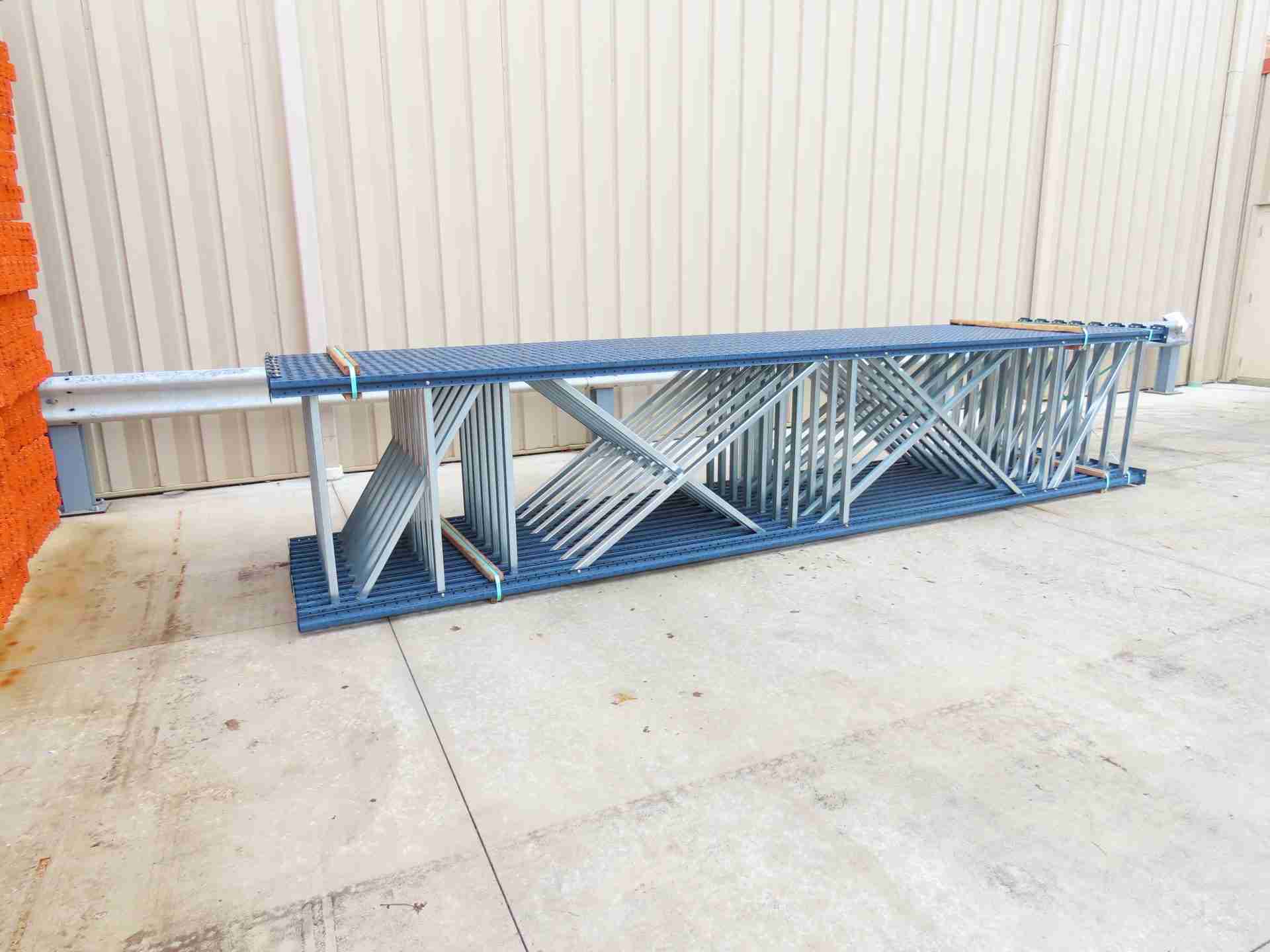
What Role Does Layout Play In Racking Efficiency?
How Does Racking Design Affect Inventory Accuracy?
Imagine walking into a bustling warehouse, the air filled with the sweet scent of commerce and opportunity. The shelves, towering high above, are neatly organized, creating a symphony of efficiency. This is the wonder of effective pallet racking design, a cornerstone of inventory management that often gets overlooked until it’s too late. The truth is, how you rack your pallets can make or break your inventory accuracy.
Picture this: You’ve just received a new shipment of goods. You’re excited to get them on the shelves, but without a well-thought-out racking system, chaos can ensue. When you choose an appropriate pallet racking configuration—like selective, drive-in, or push-back—it not only optimizes the vertical space of your warehouse but also ensures that products are easily accessible. This straightforward access translates directly to quicker picking times, reduced errors, and ultimately, improved inventory accuracy.
Yet, it’s not just about accessibility. The right racking design harmonizes with your workflow, creating a seamless flow of products from intake to output. Imagine your team, moving confidently through the aisles, having no trouble locating exactly what they need. They’re empowered to manage inventory effectively, count accurately, and report discrepancies with ease. When each pallet finds its rightful place, the cycle of inaccuracies and stockouts begins to fade.
Now, think about the long-term benefits. An investment in a well-designed pallet racking system pays dividends in operational efficiency and reliability. As your team’s confidence grows, so too does customer satisfaction. When orders are fulfilled accurately and on time, you solidify your reputation. Clients trust you, and trust transforms into loyalty—a hallmark of successful businesses.
Still, there’s more to consider. Allocate your resources wisely by investing in racking solutions tailored to your needs. Don’t skimp on the details; remember, every inch counts, and so does every moment spent searching for misplaced inventory. A strategic racking design helps prevent those costly errors and the embarrassment of stock discrepancies.
So, take action! Evaluate your current racking systems and identify areas for improvement. Your bottom line deserves it. By enhancing your pallet racking design, you’re not just enhancing your warehouse; you’re elevating your entire operation to new heights of efficiency and accuracy. It’s time to transform your inventory management from a pain point into a powerful asset.

How Does Racking Design Affect Inventory Accuracy?
How Does Racking Design Affect Inventory Accuracy?
- The design of pallet racking is crucial for effective inventory management and often overlooked.
- Choosing the right pallet racking configuration optimizes vertical space and improves accessibility.
- Efficient racking leads to quicker picking times, fewer errors, and enhanced inventory accuracy.
- Proper racking harmonizes with workflow, allowing teams to locate products effortlessly.
- A well-designed racking system increases operational efficiency and reliability over time.
- Investing in tailored racking solutions prevents costly errors and stock discrepancies.
- Evaluating and improving racking systems can transform inventory management into a powerful asset.
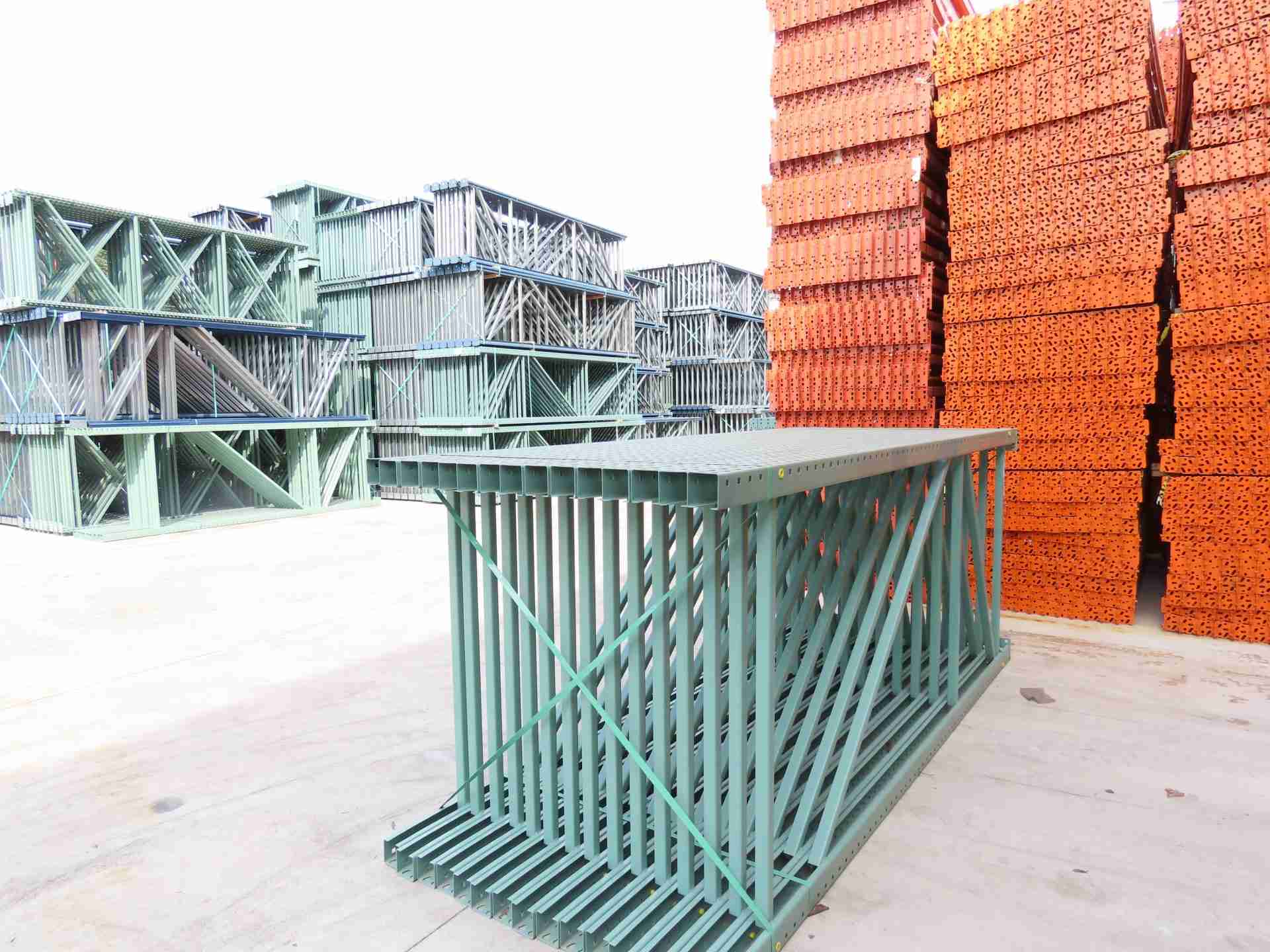
How Does Racking Design Affect Inventory Accuracy?
What Impact Does Racking Height Have On Accessibility?
When it comes to warehouse efficiency, the phrase “time is money” rings truer than ever. One pivotal element that can dramatically affect your operation’s bottom line is the height of your Pallet Racking. Imagine your team navigating through a maze of towering shelves, reaching for the right items just to find themselves stretching far beyond comfortable limits. Frustrating, isn’t it? But what if there’s a way to increase accessibility while maximizing storage capacity?
Let’s delve into the importance of racking height and its direct correlation with accessibility. First and foremost, it’s essential to recognize that not every business has the same needs. A small to mid-sized operation may benefit from shorter pallet racks that allow seamless access to products without the need for cumbersome equipment. On the flip side, larger warehouses might favor higher racks to optimize vertical space. The key is finding a balance that lets your team reach products quickly without compromising safety or efficiency.
Accessibility directly influences your team’s workflow. When racking is set at an appropriate height, your staff can retrieve items swiftly and safely. This isn’t just about practical logistics; it’s a matter of employee morale. When your workers feel confident navigating their environment, they’re more likely to take pride in their roles and produce higher-quality work.
Moreover, consider the customer impact. Faster retrieval times translate into quicker order fulfillment, leading to happier clients. And in today’s competitive landscape, content customers are your best referrals. They’ll talk about their positive experiences, and that word-of-mouth becomes invaluable advertising worth its weight in gold.
Furthermore, investing in adjustable pallet racking systems allows you to dynamically adapt your setup as your business evolves. Flexibility is crucial in today’s ever-changing market, and having a scalable solution can save you money down the line.
The height of your pallet racking isn’t merely an architectural decision—it’s a strategic one that affects your whole operation. Prioritizing accessibility will not only enhance efficiency but also foster a positive culture within your workforce. So why delay? Take a close look at your current setup and start envisioning a more accessible, productive warehouse that empowers your team and delights your customers. It’s time to elevate your capabilities—literally and figuratively!
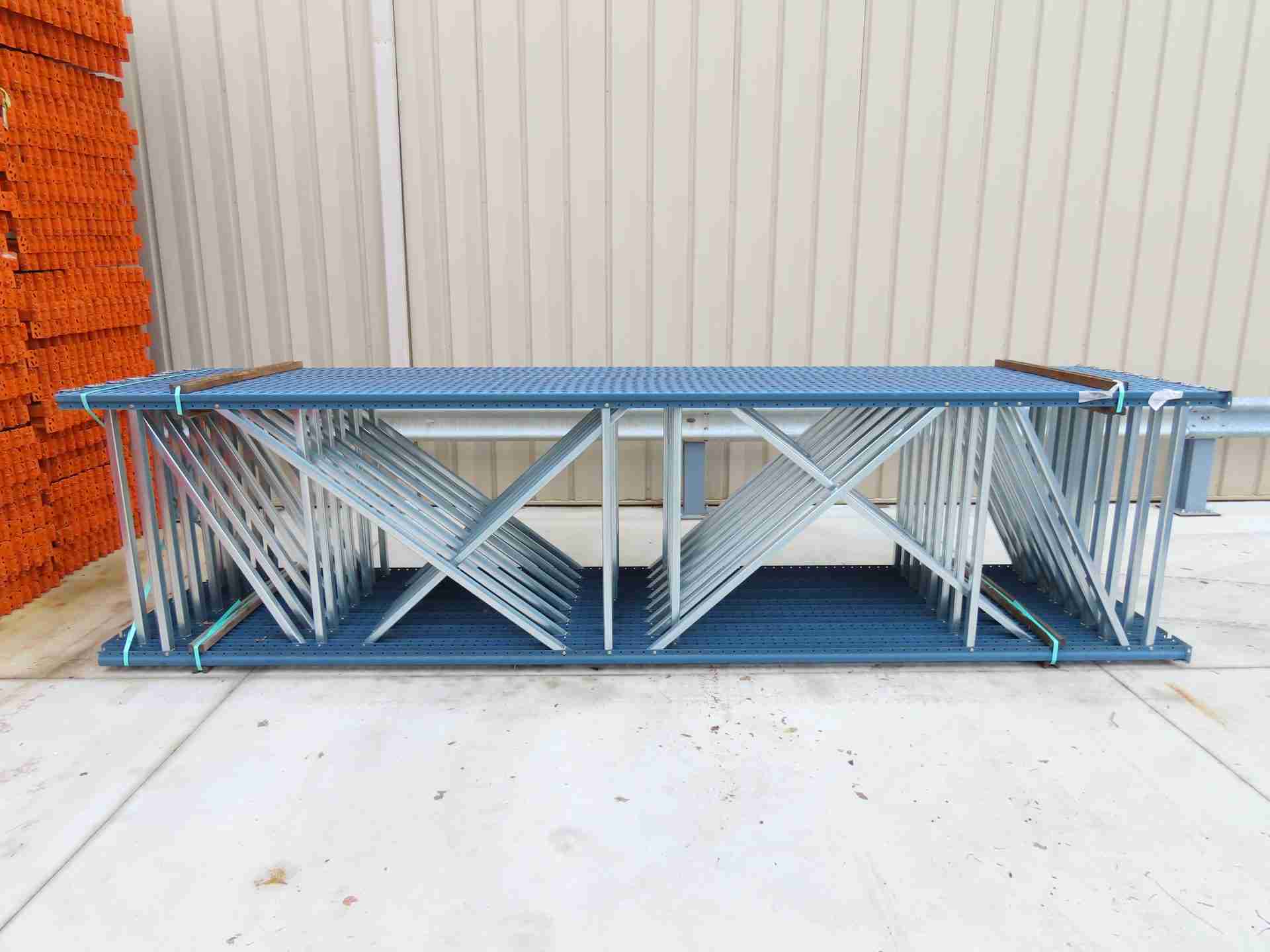
What Impact Does Racking Height Have On Accessibility?
What Impact Does Racking Height Have On Accessibility?
- Height of pallet racking significantly impacts warehouse efficiency and bottom line.
- Shorter racks are beneficial for small to mid-sized operations, allowing easy access without equipment.
- Larger warehouses may prefer higher racks to optimize vertical space.
- Appropriate racking height enhances workflow and employee morale through safer item retrieval.
- Faster retrieval times lead to quicker order fulfillment and increased customer satisfaction.
- Investing in adjustable pallet racking allows for flexibility and adaptation as business needs evolve.
- Strategically prioritizing accessibility enhances efficiency and fosters a positive workplace culture.
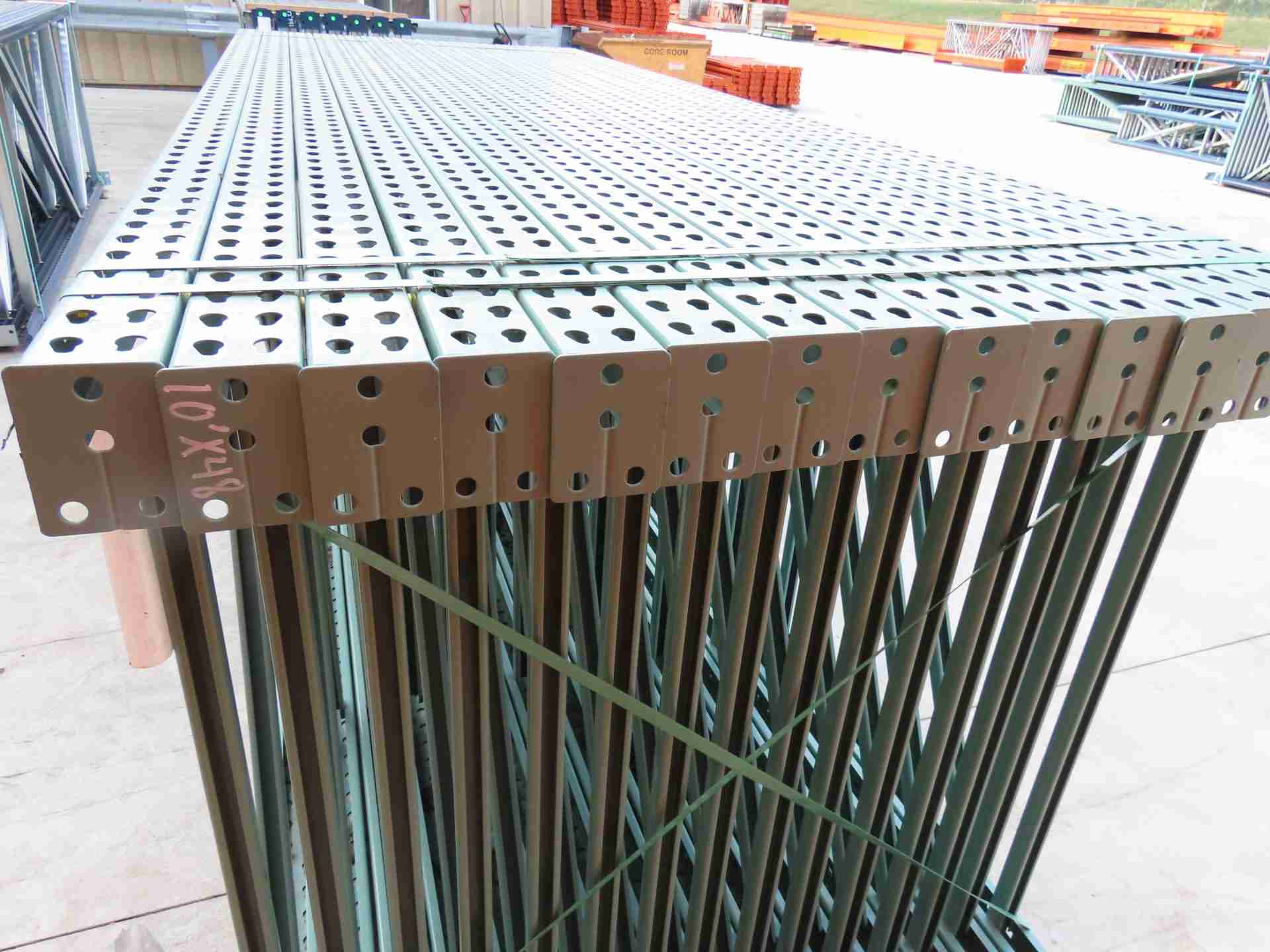
What Impact Does Racking Height Have On Accessibility?
How Does Proper Racking Design Improve Safety In Warehouses?
Imagine stepping into a warehouse where the products are organized, accessible, and—most importantly—safe. It’s a dream scenario that isn’t just a stroke of luck; it’s the result of meticulous planning and proper racking design. When it comes to warehouse operations, the right pallet racking system can act as a fortress, guarding warehouse workers against potential accidents and injuries.
Safety in a warehouse starts with effective pallet racking. Think about it: improperly designed racks can lead to a series of mishaps—from fallen products to tipping structures. Such events not only create an unsafe working environment but can also derail your operations, cost you money, and lead to costly downtime. But with a well-thought-out racking design, you can mitigate these risks.
A proper pallet racking system does more than hold products; it provides stability and structure. When racks are designed with load capacity and weight distribution in mind, they reduce the likelihood of collapses. Imagine your workers confidently navigating an aisle where the beams and supports are engineered for safety. This design fosters a culture of care and commitment among your team, enhancing not just their physical safety, but also their morale.
But let’s also talk about organization. An efficient pallet racking layout provides clarity in where products are stored, leading to fewer accidents during pick-and-pack operations. Workers know where to go and what to expect, reducing confusion and maximizing efficiency. Less time spent searching for items means more time dedicated to what matters: keeping your business thriving.
And don’t overlook the significant savings potential. Fewer accidents mean less money spent on medical bills and potential legal fees, not to mention reducing the risk of lost worker hours. Investing in proper racking design is not just an expense; it’s a strategic move that pays dividends in safety, productivity, and confidence.
So, if you’re still on the fence about your warehouse setup, consider this: you have the power to create a safer, more efficient workplace. Don’t leave safety to chance. Invest in the right pallet racking system today, and watch as your warehouse transforms into a benchmark of excellence. Let’s start building a safer future for your team—and ultimately, for your business. When safety is prioritized, everyone wins!
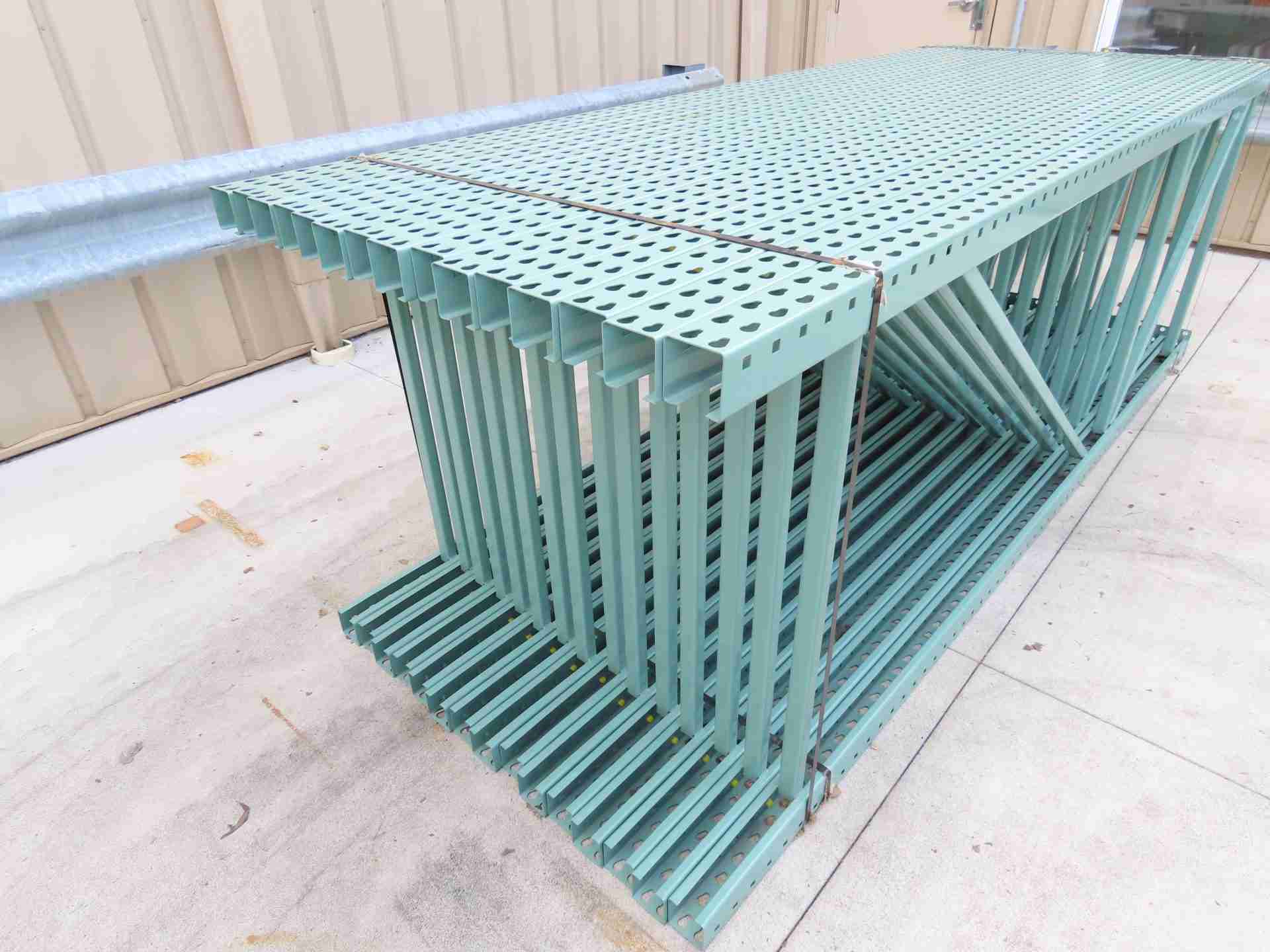
How Does Proper Racking Design Improve Safety In Warehouses?
How Does Proper Racking Design Improve Safety In Warehouses?
- Effective pallet racking is crucial for safety in warehouse operations, preventing accidents and injuries.
- Improperly designed racks can result in mishaps such as fallen products and structure tipping, disrupting operations.
- A well-thought-out racking design mitigates risks by providing stability and structure for stored products.
- Proper racking enhances worker confidence, promoting a culture of care and increasing morale.
- An efficient pallet racking layout improves organization, leading to fewer accidents during pick-and-pack operations.
- Investing in proper racking design reduces expenses related to accidents, medical bills, and lost worker hours.
- Creating a safer warehouse environment through racking systems can transform operations and benefit the business overall.

How Does Proper Racking Design Improve Safety In Warehouses?
What Are Common Racking Design Mistakes To Avoid?
When it comes to pallet racking, the potential for optimizing your storage space can be both exciting and overwhelming. But beware—there are common pitfalls that can derail your best intentions. Let’s navigate this together, shall we? Knowing these mistakes not only saves you time and money but keeps your operations running smoothly.
First on the list is underestimating the importance of proper load capacity. Every pallet racking system is designed for a specific weight limit. Ignoring this can lead to catastrophic failures. Imagine the damage to your products, not to mention the potential dangers to your team. Always do your homework. Find a reliable supplier or expert who can guide you through the complexities of load requirements tailored to your unique environment.
Next, let’s talk about the layout. Many businesses think they can just “wing it” when it comes to design, but a haphazard arrangement can create chaos. Take the time to analyze your workflow. A thoughtful layout minimizes travel time and maximizes efficiency. By strategically placing replenishment areas close to picking stations, you can save your team valuable minutes—time that adds up to dollars saved. Engaging with your staff about their daily routines can offer insight that textbooks simply can’t provide.
Now, consider the importance of not just accessibility, but also safety. Poorly designed racking often leads to difficulties in accessing goods, which increases risk. If your team feels unsafe while maneuvering through narrow aisles, productivity will be affected. Incorporate wider aisles and clear labeling—this not only fosters a safe working environment but also empowers your team to perform at their best.
Additionally, don’t neglect maintenance. Regular inspections should be part of your operational checklist. Over time, wear and tear can compromise the integrity of your pallet racking system. Proactive maintenance also extends the lifespan of your equipment and prevents costly interruptions.
Taking the time to avoid these common racking design mistakes can drastically increase the efficiency and safety of your business. Trust the process, engage in open dialogue with your team, and consider seeking expert guidance. Your pallet racking system is not just an investment—it’s a backbone that supports your entire operation. By steering clear of these pitfalls, you’ll set your business on a path to success, where every pallet is a step towards greater productivity. Ready to elevate your operations? Let’s get started!
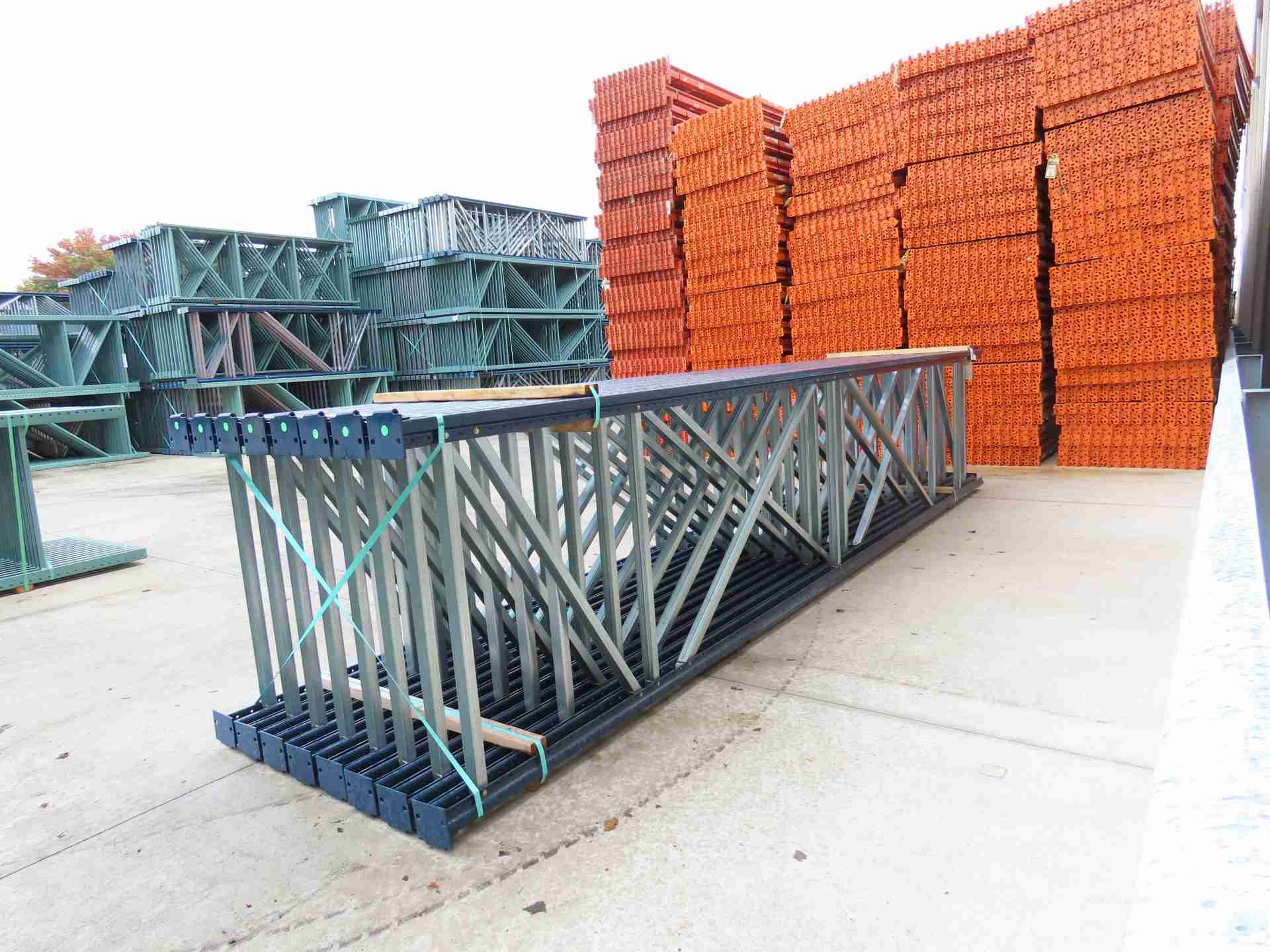
What Are Common Racking Design Mistakes To Avoid?
What Are Common Racking Design Mistakes To Avoid?
- Understanding common pallet racking mistakes can save time and money and ensure smooth operations.
- Underestimating load capacity can lead to catastrophic failures; always consult experts for tailored load requirements.
- A haphazard layout can create chaos; analyze workflow to maximize efficiency and minimize travel time.
- Engage with staff for insights on daily routines to improve layout and efficiency.
- Prioritize safety by designing accessible racking systems with wider aisles and clear labeling.
- Regular maintenance and inspections are essential to prevent wear and tear and extend the lifespan of racking systems.
- Investing in proper pallet racking design can drastically enhance productivity and pave the way for business success.
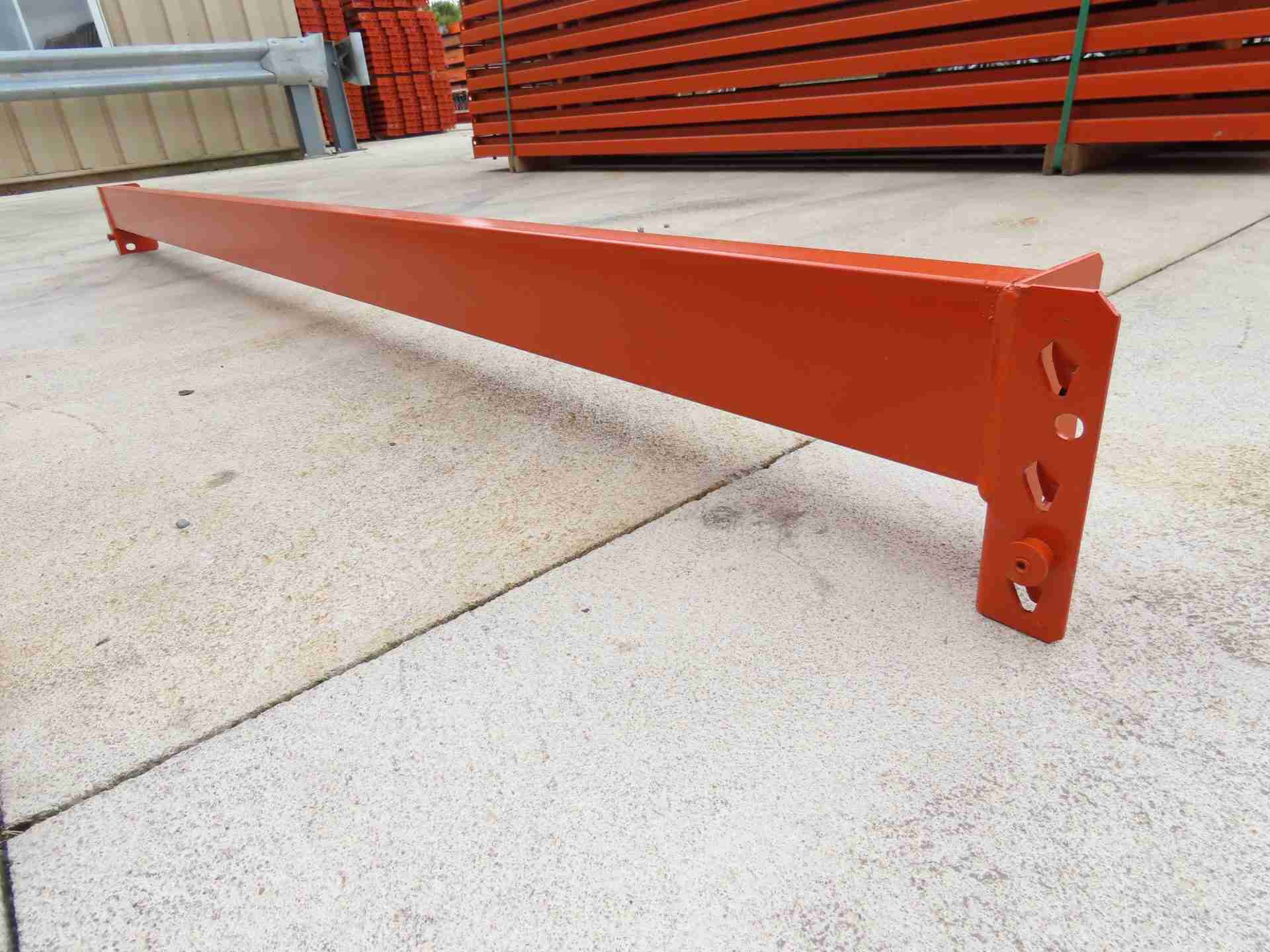
What Are Common Racking Design Mistakes To Avoid?
Conclusion
Conclusion
In the fast-paced realm of warehousing, the design of your pallet racking system is a critical determinant of your operational success. As you’ve experienced, a well-planned racking design can revolutionize efficiency, cutting down retrieval times and maximizing space utilization. Imagine turning your chaotic warehouse into a streamlined operation where your team navigates with ease, enhancing both productivity and employee morale. This isn’t merely a fantasy—it’s attainable when you invest in the right racking solutions.
The importance of proper racking design cannot be overstated. It not only ensures optimal product accessibility but also fortifies safety protocols, reducing potential hazards. Workers can operate with confidence in an organized environment, leading to fewer accidents, lower liabilities, and ultimately, cost savings for your business. Each inch utilized wisely contributes to a safer, more efficient workplace and reinvigorates the spirit of your workforce.
Flexibility also stands out as a crucial benefit of effective racking systems. With adaptable layouts, your warehouse is primed to grow and shift according to market demands. This proactive approach prepares you to embrace change, ensuring you remain competitive in a dynamic landscape. Thus, a thoughtful racking strategy yields dividends—enhanced efficiency leading to increased customer satisfaction and repeat business.
Now, don’t let the opportunity pass! The time to evaluate and upgrade your racking systems is NOW. Every moment you delay is a moment your competitors can seize upon the advantages of optimized operations. Call Arrow Industrial Sales at (574) 349-6575 today. Our experts are ready to guide you in crafting a racking solution tailored to your specific needs, one that promises enhanced productivity, safety, and significant cost reductions.
Take action before it’s too late! Your business deserves a layout that not only meets current demands but is also prepared for the challenges of tomorrow. Don’t settle for mediocrity in your warehouse operations. Invest in the backbone of your business today, and witness productivity soar to new heights as you create a benchmark of excellence in your industry. The transformation of your warehouse isn’t just a promise; it’s a call to action. Let’s begin this journey together—your future success awaits!
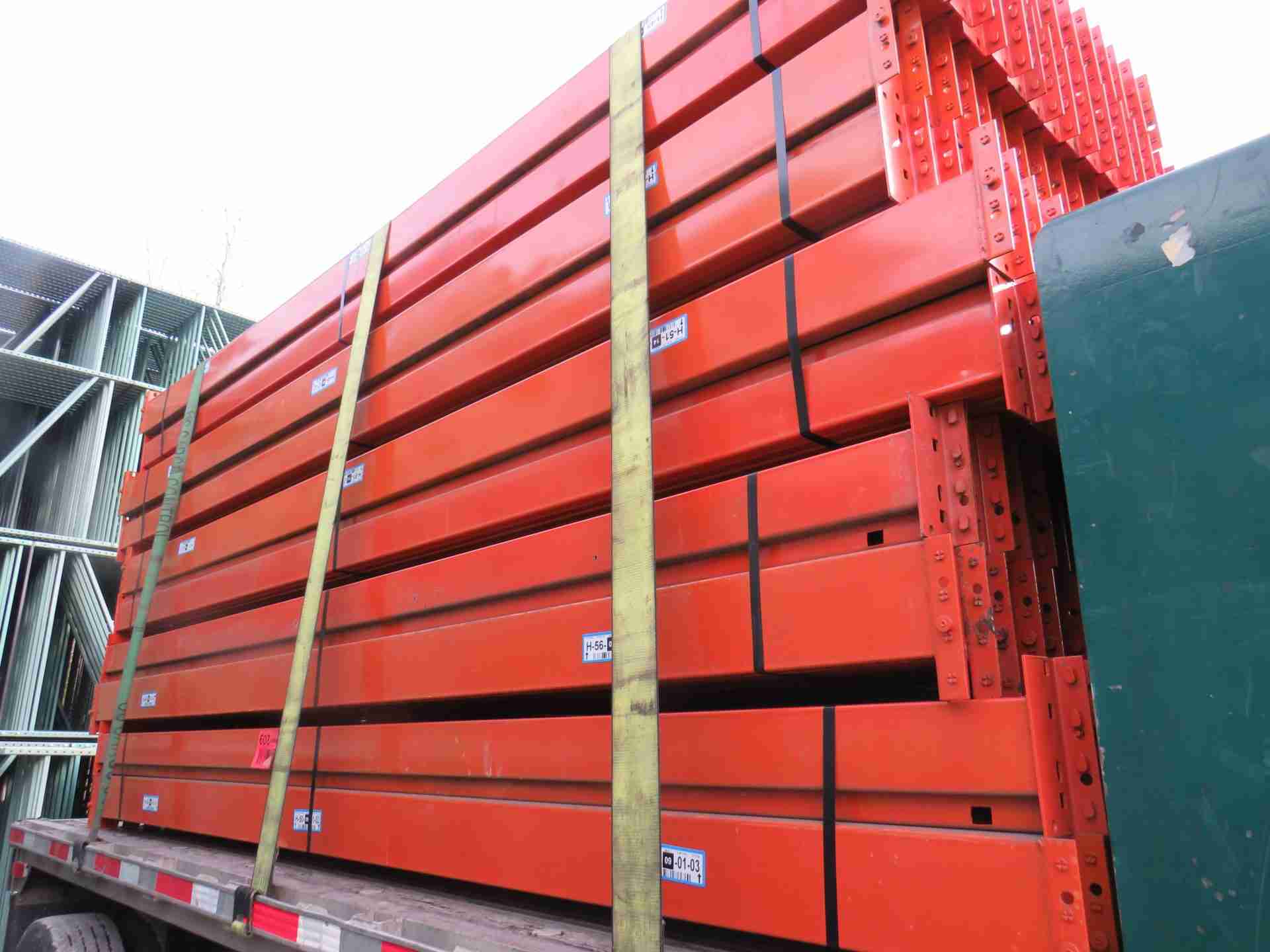
Conclusion
Conclusion:
- The design of pallet racking systems is crucial for operational success in warehousing.
- A well-planned racking design improves efficiency by reducing retrieval times and maximizing space.
- Effective racking systems enhance product accessibility and reinforce safety protocols.
- Organized environments lead to fewer accidents, lower liabilities, and cost savings for businesses.
- Flexibility in racking systems allows warehouses to adapt to market demands and remain competitive.
- Upgrading racking systems is essential to seize operational advantages over competitors.
- Investing in racking solutions can boost productivity and set a high standard in the industry.
Conclusion
Other Resources
Other Resources
Here is a list of other resources you can review online to learn more:
- Material Handling Industry
- Chicago Pallet Racking
- Warehouse Racks, Warehouse Racking in Stock – ULINE
- Pallet Racks, Pallet Racking, Pallet Shelves in Stock – ULINE
- Material Handling Safety
- Teardrop Uprights
- What is Cantilever Racking? – AK Material Handling Systems
- Overhead Lifting
- National Safety Council
- Arrow Industrial Sales
Use This Prompt To Get More Resources With Your Favorite Online AI Tool: Please provide me with a list of online articles with their URLs in a bulleted list that I can read regarding How Does Proper Racking Design Impact Warehouse Productivity?
Other Resources
Glossary Terms
How Does Proper Racking Design Impact Warehouse Productivity? – Glossary Of Terms
1. Racking System: A framework of shelves or containers designed to store items in a warehouse efficiently, enhancing accessibility and organization.
2. SKU (Stock Keeping Unit): A unique identifier for each product or item in a warehouse, crucial for inventory management and retrieval.
3. Warehouse Layout: The strategic arrangement of warehouse elements, including racking systems, pathways, and storage areas, to optimize workflow.
4. Productivity: A measure of efficiency in warehouse operations, indicating how effectively resources are utilized to complete tasks.
5. Throughput: The rate at which goods are processed in the warehouse, reflecting how many items can be stored, picked, and shipped within a given timeframe.
6. Access Aisles: The pathways between racking systems that allow warehouse employees to navigate and retrieve goods easily.
7. Load Capacity: The maximum weight or quantity that a racking system can safely hold, essential for preventing structural failure.
8. Vertical Space Utilization: The effective use of vertical areas in the warehouse for additional storage, minimizing floor space consumption.
9. Picking Efficiency: The speed and accuracy with which warehouse employees can select items for orders, influenced by racking design.
10. Inventory Turnover: A ratio that illustrates how frequently inventory is sold or used over a specific period, impacting space management and racking needs.
11. Flow Rack: A type of racking system that uses gravity to manage stock movement, facilitating faster picking and reducing handling time.
12. Pallet Racking: A storage system designed specifically for palletized goods, optimizing space and allowing easy access to inventory.
13. Warehouse Management System (WMS): A software application that helps manage warehouse operations, including inventory tracking, order fulfillment, and racking optimization.
14. Safety Standards: Regulations and guidelines that ensure warehouse racking systems are built and maintained to prevent accidents and injuries.
15. Lead Time: The time it takes from order placement to order fulfillment, which can be affected by racking system efficiency.
16. Space Optimization: The design strategy aimed at maximizing usable space in a warehouse, leading to better organization and higher productivity.
17. Cross-Docking: A logistics practice that involves unloading goods from incoming trucks and directly loading them onto outbound trucks, reducing storage time and improving efficiency.
18. Gravity Flow Racking: A type of racking that allows products to be stacked on sloped shelves, moving forward by gravity to facilitate picking.
19. Bulk Storage: Storing large quantities of goods together without individual shelves, offering direct access to items while requiring appropriate racking systems.
20. Order Picking: The process of retrieving items from storage based on customer orders, influenced by the design and layout of racking systems.
21. Energy Efficiency: The measures taken to reduce the energy consumed by warehouse operations, which can be affected by effective racking design and layout.
22. Standard Operating Procedures (SOPs): Documented processes intended to ensure consistent and efficient operations in the warehouse, including racking management.
23. Cycle Count: An inventory auditing procedure where a subset of inventory is counted on a specific day, improving accuracy and inventory management.
24. Weighted Prioritization: A strategy that involves organizing warehouse layout and racking systems based on the frequency of item retrieval.
25. Ergonomics: The study of designing workspaces and tools to fit the users’ needs, improving comfort and efficiency in physical tasks, such as picking from racks.
26. Space-Saving Racks: Innovative racking solutions designed to minimize wasted space while still providing efficient storage access.
27. Real-Time Data: Information available instantly from warehouses through technology, aiding in faster decision-making regarding inventory management and racking efficiency.
28. FIFO (First In, First Out): A method of inventory management ensuring that the oldest stock is used first, facilitated by specific racking designs.
29. Modular Racking: A flexible storage system that can be reconfigured easily to adapt to changing inventory needs and warehouse space.
30. Warehouse Flow Design: The planning of physical workflows within a warehouse, including product movement, storage, and retrieval processes dictated by racking systems.
These terms collectively provide insight into how proper racking design can significantly enhance warehouse efficiency and productivity.
Glossary Of Terms
Other Questions
How Does Proper Racking Design Impact Warehouse Productivity? – Other Questions
If you wish to explore and discover more, consider looking for answers to these questions:
- What are the key factors to consider when designing a pallet racking system?
- How can technology enhance racking design and warehouse efficiency?
- What are the different types of pallet racking systems available?
- How can I assess the current efficiency of my warehouse layout?
- What are the benefits of vertical racking compared to horizontal racking?
- How do I calculate the required load capacity for my pallet racking system?
- What safety regulations should I be aware of regarding racking systems?
- How can poor racking design lead to increased operational costs?
- What are the signs that indicate a need to reevaluate my current racking system?
- How can employee feedback contribute to better racking design?
- What role does training play in maximizing racking system effectiveness?
- Are there specific industries that benefit more from advanced racking solutions?
- What maintenance practices should be implemented for pallet racking systems?
Other Questions
Checklist
How Does Proper Racking Design Impact Warehouse Productivity? – A Checklist
Checklist for Effective Warehouse Racking Design
Use this checklist to optimize your warehouse productivity through strategic racking design:
1. Accessibility
_____ Ensure that significant pathways are clear for easy movement.
_____ Evaluate if products are easily accessible to minimize search time.
_____ Identify and remove any obstacles in the racking layout.
2. Space Utilization
_____ Assess whether you are maximizing vertical space efficiently.
_____ Analyze your horizontal space usage to avoid wasted areas.
_____ Implement shelving and racking that optimizes every square inch.
3. Inventory Management
_____ Choose the right racking configuration (selective, drive-in, etc. ) for your needs.
_____ Ensure products are well-organized to improve picking accuracy.
_____ Invest in inventory tracking systems for better management.
4. Safety Measures
_____ Inspect racking systems for proper load capacity specifications.
_____ Design aisles wide enough for safe maneuvering of staff and equipment.
_____ Use clear labeling and signage to help employees navigate the warehouse safely.
5. Adaptability
_____ Consider adjustable racking systems to accommodate future changes in inventory.
_____ Evaluate the ease of modifying existing layouts without costly overhauls.
_____ Stay informed about new racking innovations that can enhance flexibility.
6. Employee Training and Morale
_____ Train staff on the importance of an organized racking system.
_____ Encourage feedback from employees on layout effectiveness.
_____ Foster a culture of safety and efficiency through regular updates and check-ins.
7. Regular Maintenance
_____ Schedule routine inspections for wear and tear on racking systems.
_____ Address any identified safety hazards immediately.
_____ Update your maintenance checklist to include seasonal checks.
8. Avoid Common Mistakes
_____ Refrain from underestimating load capacities for racking systems.
_____ Avoid haphazard layouts; plan thoughtfully with workflow in mind.
_____ Prevent neglecting maintenance; develop a preventive care strategy.
Action Required
_____ Review and assess your current racking system against this checklist.
_____ Develop a strategy to implement necessary changes for improved efficiency.
_____ Monitor progress and adjust as needed to maintain optimal productivity.
By following this checklist, you can create a safer and more efficient warehouse environment that benefits both your employees and your bottom line!
Checklist
At RackingWorld, we help guide you through selecting warehouse storage systems and racking.
Be sure to read our other related stories at RackingWorld to learn more about warehouse storage systems.
0 Comments