
Unlocking Efficiency: The Power Of Warehouse Automation
By Tom Seest
At RackingWorld, we help guide you through selecting warehouse storage systems and racking.
Be sure to read our other related stories at RackingWorld to learn more about warehouse storage systems.
How Does Automation Revolutionize Your Warehouse Racking Processes?
In an age where efficiency reigns supreme, the transformation of your warehouse operations is not just a luxury—it’s a necessity. Imagine stepping into a warehouse where every item is organized with precision, where every pallet racking system is optimized for peak performance, and where human error is minimized through the smart use of automation. Sounds like a dream? For many forward-thinking businesses, this is now a reality.
Consider this: With the implementation of automated systems, the tedious, time-consuming tasks traditionally associated with managing your pallet racking are streamlined. Does rearranging stock every few weeks feel like you’re playing a never-ending game of Tetris? Automation solves this predicament by utilizing technology to ensure that your racking processes are not only efficient but also adaptable to changes in inventory, saving you time and headaches. No more guesswork, no more manual errors—just smooth sailing.
You might be wondering, “But is it really worth the investment?” The answer is a resounding yes. Imagine cutting down on labor costs while boosting productivity at the same time. Automated systems can quickly process and track inventory movements, ensuring that optimal space utilization is achieved in your pallet racking. Fewer bottlenecks lead to faster order fulfillment, ultimately translating to satisfied customers and repeat business. Picture how much more growth your logistics could handle with these rapid turnaround times!
Moreover, as with any transformative change, the fear of the unknown can loom large. Rest assured, integrating automation into your warehouse does not erase the human touch; it enhances it. Warehouse workers can focus on higher-level problem-solving and customer engagement rather than getting bogged down in mundane, repetitive tasks. Think of your team as more than just players in an assembly line; they become the strategic brains of your operation, driving innovation and superb service.
You stand at the threshold of a revolution—one that promises to redefine your pallet racking processes and, by extension, your entire logistics operation. Embracing automation is not just about keeping up; it’s about leapfrogging the competition and setting new standards in efficiency and accuracy. So why wait? Take that step toward a smarter warehouse today, and watch as your operations transform into a model of excellence. The future of productivity is here—are you ready to seize it?
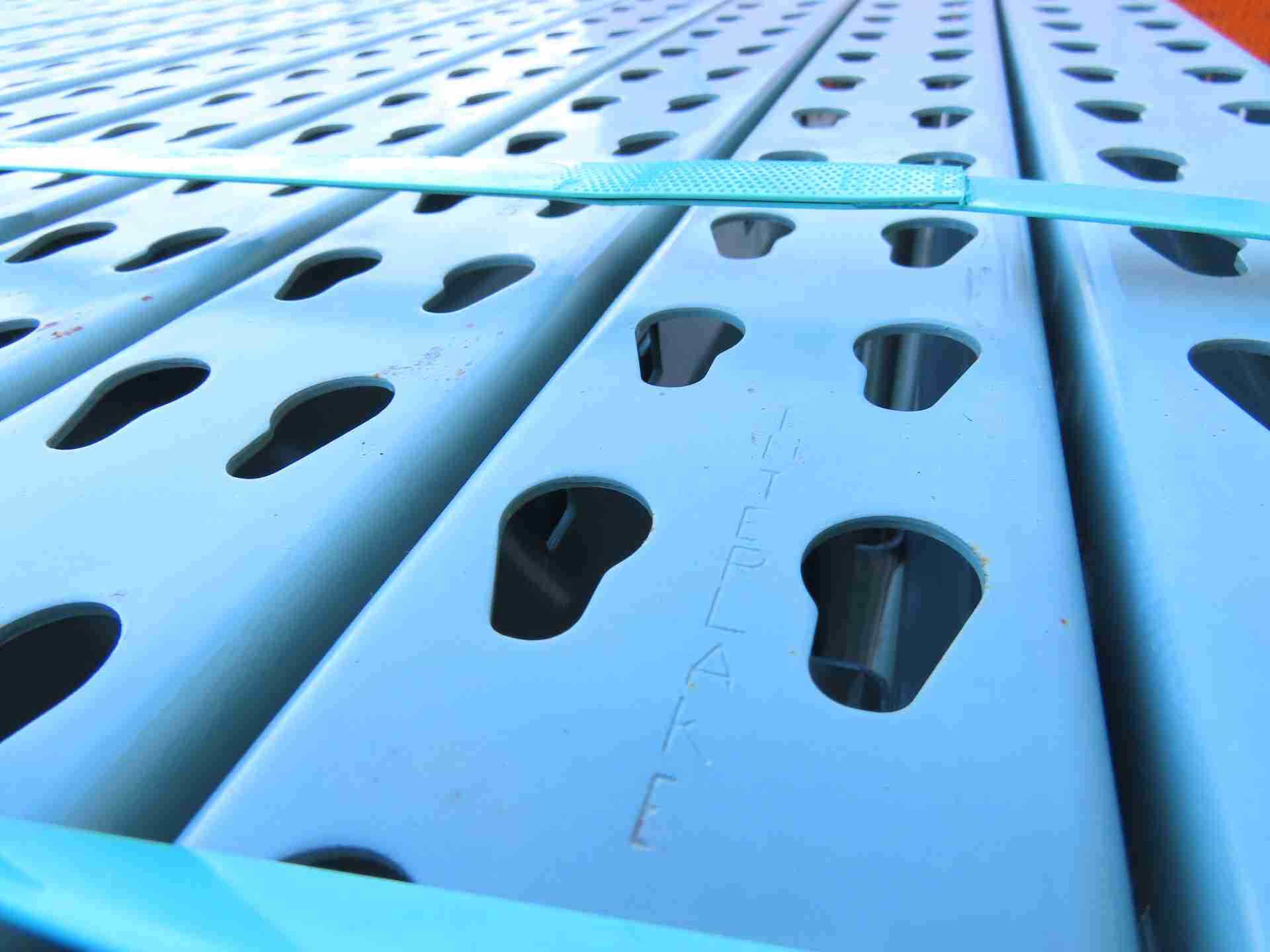
How Does Automation Revolutionize Your Warehouse Racking Processes?
How Does Automation Revolutionize Your Warehouse Racking Processes?
- Transforming warehouse operations is essential for efficiency in modern business.
- Automated systems streamline traditional pallet racking tasks, reducing time and human error.
- Automation allows for adaptability in inventory management and minimizes guesswork.
- Investing in automation can reduce labor costs while enhancing productivity.
- Quick processing of inventory boosts space utilization and facilitates faster order fulfillment.
- Integration of automation empowers workers to focus on strategic problem-solving and customer engagement.
- Embracing automation sets new standards in logistics efficiency and positions businesses ahead of competitors.
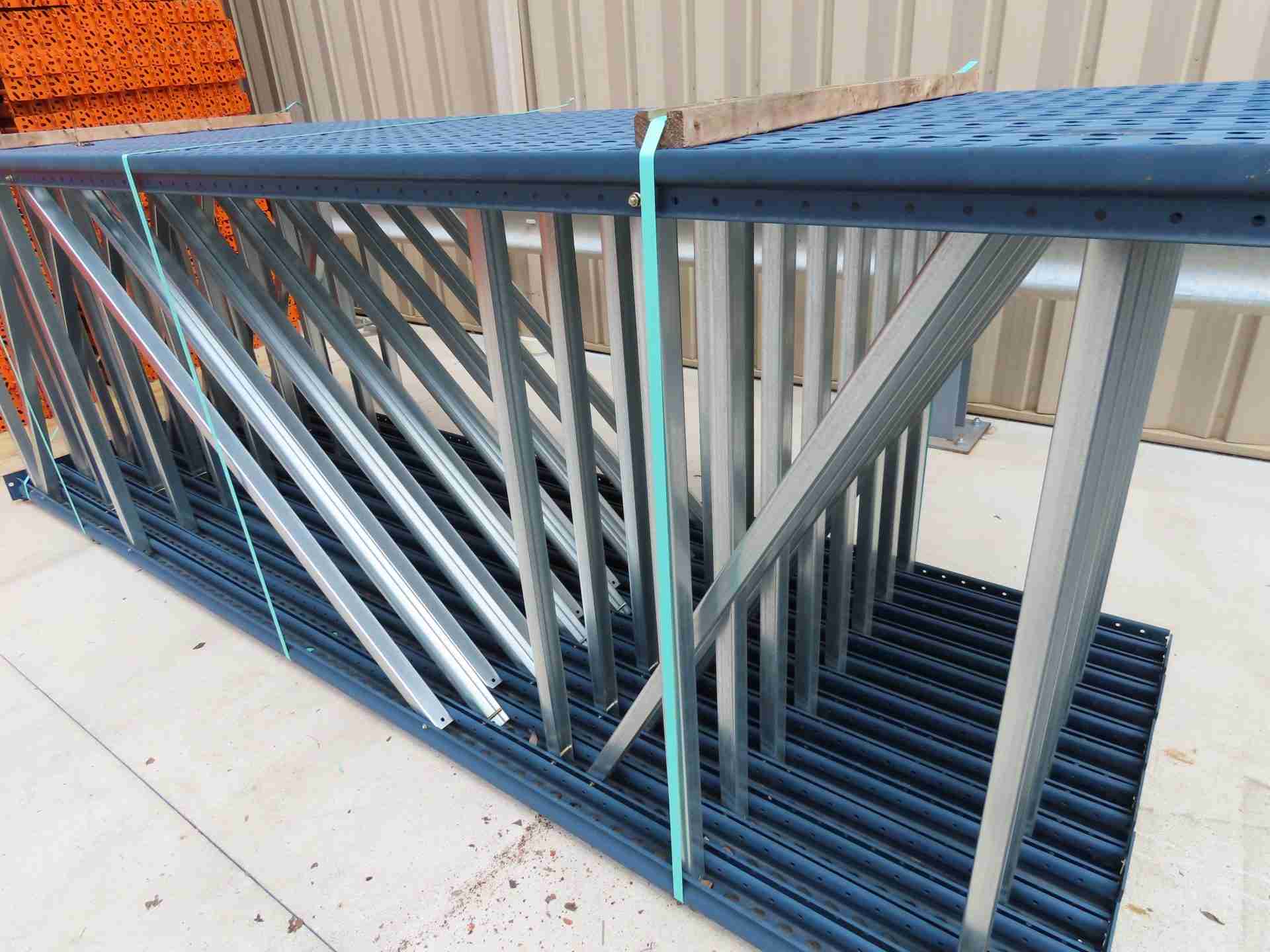
How Does Automation Revolutionize Your Warehouse Racking Processes?
Table Of Contents
- How Does Automation Revolutionize Your Warehouse Racking Processes?
- How Does Automation Improve Warehouse Efficiency?
- What Are The Cost Benefits Of Automated Racking?
- How Does Automation Reduce Human Error In Warehouses?
- What Types Of Automation Can Be Used In Racking Processes?
- How Does Inventory Tracking Improve With Automation?
- What Role Does Ai Play In Warehouse Automation?
- Conclusion
- Other Resources
- Glossary Of Terms
- Other Questions
- Checklist
How Does Automation Improve Warehouse Efficiency?
Imagine walking into a warehouse where everything runs like a well-oiled machine—products seamlessly moving from one point to another, and every worker harnessing advanced technology to amplify their efforts. It’s not a dream; it’s the reality that automation brings to warehousing, and the benefits are staggering.
One of the most impactful innovations to streamline operations is integrated Pallet Racking systems. These are designed not just to hold goods but to optimize the whole process of storing, retrieving, and managing inventory. With smart racking solutions, you can maximize vertical space while minimizing time spent searching for items. No longer will your employees waste precious minutes jogging down endless aisles; instead, products are easily accessible, letting workers focus on what really matters—enhancing customer satisfaction.
Furthermore, automation elevates inventory management capabilities. Remember the days of pencil and paper? Those days are long gone. Modern warehouses utilize automated tracking systems that provide real-time inventory data. This enables decision-makers to rest easy knowing inventory levels are accurate, ultimately reducing overstock and stockouts—two significant pitfalls that can quash your customer’s confidence. By ensuring that you have the right product available when they need it, you’re sending a clear message: “We’ve got your back.”
But automation isn’t just about technology; it’s about people. Collaborative robots, or cobots, work alongside your employees to help them do their jobs more efficiently and safely. With these assistive tools, heavy lifting and repetitive tasks are simplified, allowing your workforce to invest their energy in higher-value activities—creativity, problem-solving, and customer interaction. When employees feel empowered and capable, morale soars—and so does productivity.
Adopting an automated approach is not just a trend; it’s a catalyst for change that directly impacts your bottom line. Companies embracing automation are experiencing reduced operational costs, decreased error rates, and increased throughput.
So, if you’re sitting on the fence about upgrading your warehouse with automation, consider this: every moment you delay is a moment that competitors could be gaining an advantage. Explore the world of automation, invest in robust Pallet Racking, and watch your efficiency soar. Trust in technology to not just meet expectations, but to redefine them—because in the fast-paced world of warehousing, standing still is not an option. It’s time to leap forward. The future is waiting.
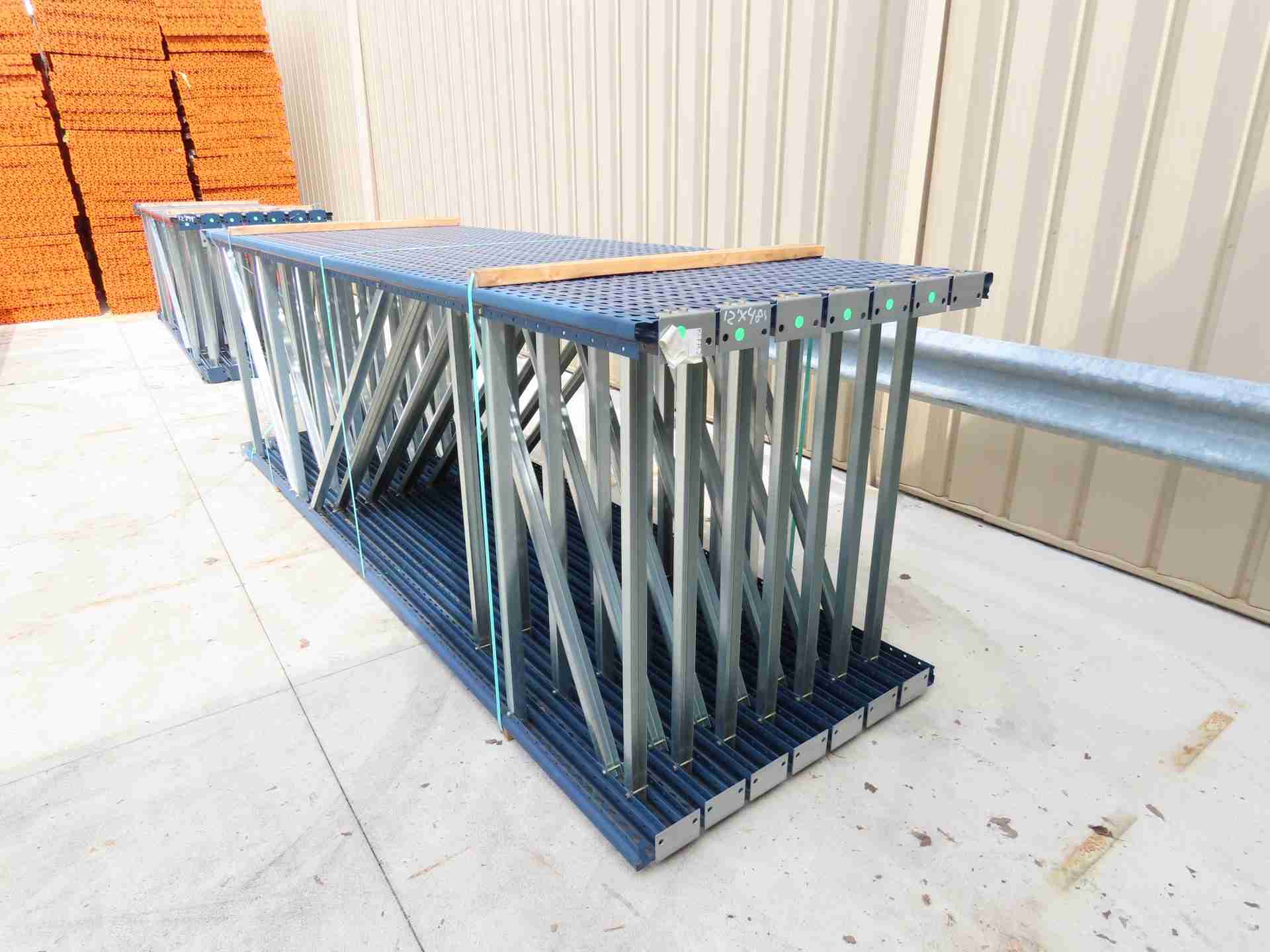
How Does Automation Improve Warehouse Efficiency?
How Does Automation Improve Warehouse Efficiency?
- Automation in warehousing leads to seamless operations, enhancing productivity.
- Integrated Pallet Racking systems optimize storage, retrieval, and inventory management.
- Smart racking solutions maximize vertical space and reduce search time for items.
- Automated tracking systems provide real-time inventory data, improving accuracy and reducing overstock and stockouts.
- Collaborative robots (cobots) assist employees, allowing them to focus on higher-value tasks.
- Adopting automation reduces operational costs, decreases error rates, and increases throughput.
- Investing in automation technology is essential to remain competitive in the fast-paced warehousing industry.
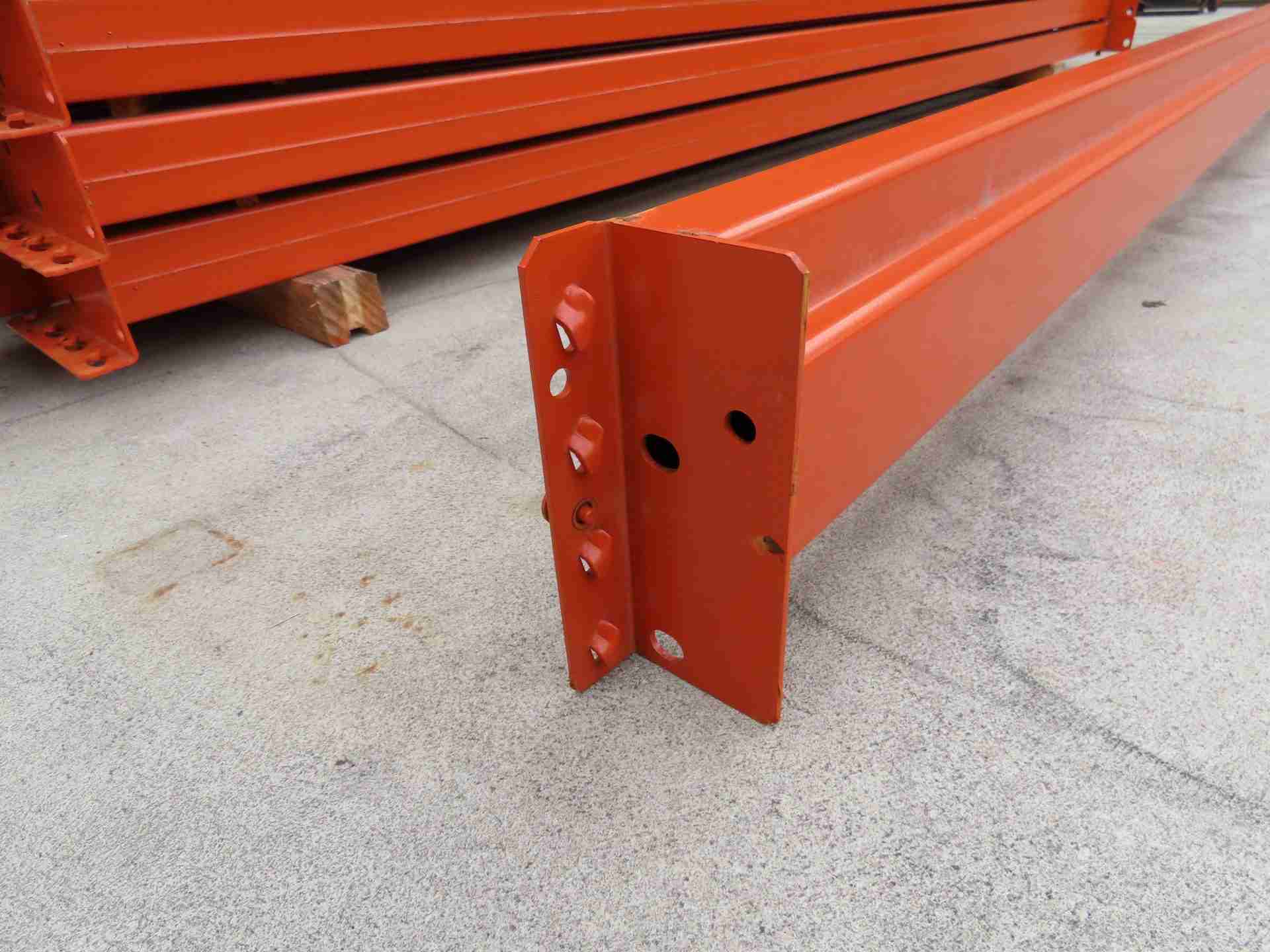
How Does Automation Improve Warehouse Efficiency?
What Are The Cost Benefits Of Automated Racking?
What Are the Cost Benefits of Automated Racking?
In today’s fast-paced business environment, every decision counts—especially when it comes to optimizing for growth while keeping costs in check. Enter automated racking, the game-changer your warehouse has been waiting for. If you’re still relying on traditional pallet racking systems, you might be leaving money on the table. Let’s dive into the enticing cost benefits of making the switch.
First and foremost, automated racking systems significantly enhance space utilization. Imagine this: your warehouse is a powerful engine of productivity, and every square foot counts. With automated solutions, you can stack goods more efficiently than ever, eliminating wasted space. This means less money spent on real estate, and lower overhead costs. Why pay for a larger facility when an automated racking system allows you to do more with what you already have?
But that’s just the tip of the iceberg. Labor costs can account for a substantial chunk of your budget. When you incorporate automated racking, you’re not just investing in hardware; you’re investing in streamlined operations. Workers can focus on higher-value tasks rather than manual item retrieval. The resulting increase in efficiency translates into a leaner workforce and substantial savings over time. Who wouldn’t want to redirect those precious payroll dollars toward new growth initiatives?
Now, let’s talk about inventory accuracy. Automated racking systems come with technological advancements that allow for precise tracking. Reduced errors mean fewer instances of overstocking or wasting resources on misplaced items. Every error avoided is a direct hit to your bottom line. You’ll find that your inventory management becomes a frictionless process, enhancing overall operational efficiency without breaking the bank.
Electricity and maintenance costs also drop when you switch to a modern automated racking system. Conventional systems might require extensive human oversight, but automation reduces the need for constant monitoring and labor-intensive tasks. This not only lightens your maintenance budget but also minimizes downtime, allowing for uninterrupted workflow that keeps your customers happy.
In essence, embracing automated racking is not just a shift in how you manage your warehouse; it’s a strategic decision that enhances profitability and efficiency. If you’re ready to elevate your business, consider the benefits that come from transitioning to an automated racking system. Join the ranks of industry leaders who are already experiencing the enhanced cash flow and reduced operational hiccups. Your bottom line deserves this upgrade—don’t let the competition outpace you!
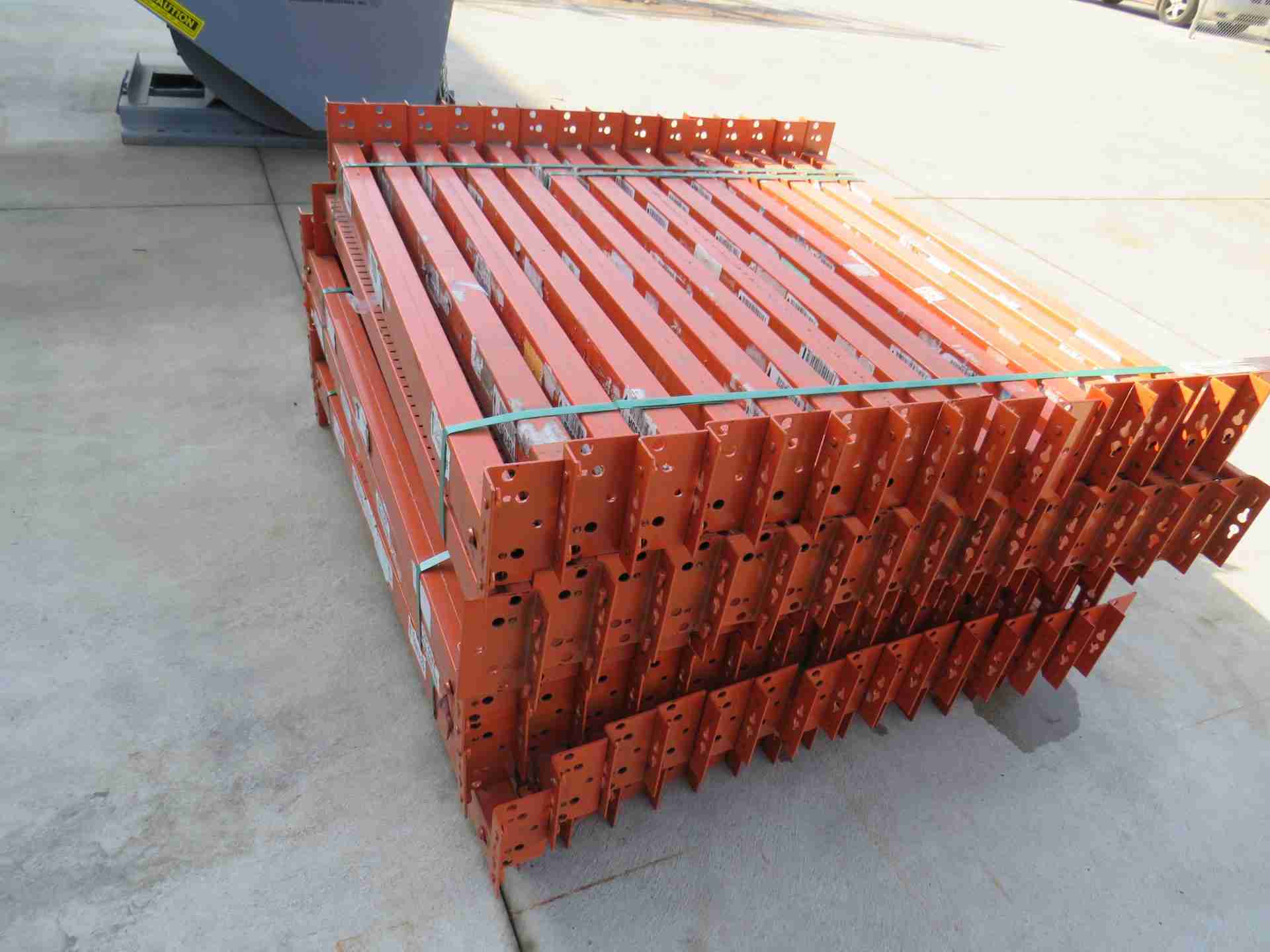
What Are The Cost Benefits Of Automated Racking?
What Are The Cost Benefits Of Automated Racking?
- Automated racking significantly enhances space utilization, allowing for more efficient stacking of goods.
- Reduces the need for larger facilities, leading to lower real estate and overhead costs.
- Decreases labor costs by streamlining operations and allowing workers to focus on higher-value tasks.
- Improves inventory accuracy through technological advancements, leading to fewer errors and better resource management.
- Lowers electricity and maintenance costs by reducing the need for constant human oversight.
- Minimizes downtime, facilitating uninterrupted workflow and enhancing customer satisfaction.
- Represents a strategic decision to increase profitability and efficiency, helping businesses stay competitive.

What Are The Cost Benefits Of Automated Racking?
How Does Automation Reduce Human Error In Warehouses?
Imagine a bustling warehouse, where every item has its rightful place, and the rhythm of work is flawlessly synchronized. In this environment, human error has no seat at the table thanks to the introduction of automation technologies. But how does this modern marvel truly reduce the likelihood of mistakes? Let’s delve into the heart of the matter.
First off, think of pallet racking systems that are optimized for maximum efficiency. Traditional methods often rely on manual processes for inventory management, which can lead to misplaced products or incorrect counts—errors that can chip away at your bottom line. Now consider an automated inventory management system. These systems are programmed to track every item as it flows through the warehouse. With sensors and barcodes, goods are accurately logged in real-time, allowing for a seamless flow of information.
The beauty of automation is in its precision. Unlike humans, machines don’t get tired, distracted, or lose focus after hours of repetitive tasks. When it comes to picking and sorting products, automated guided vehicles (AGVs) navigate through the warehouse with pinpoint accuracy, dramatically reducing the chances of picking the wrong item or mishandling delicate products. As a result, your team can focus on higher-value tasks that require creativity and problem-solving, while robots take care of the heavy lifting—literally and figuratively!
Let’s not forget about the training aspect. When a new team member joins a warehouse laden with intricate processes, there’s always a learning curve, which can lead to mistakes. However, with automated systems in place, training becomes less daunting. Employees can rely on intuitive software interfaces to guide their every move. The system doesn’t just assist—it educates. This eliminates roadblocks and fosters a sense of confidence in your workforce.
Moreover, the implementation of automation can be tailored to fit the unique requirements of your warehouse, whether it’s a sprawling facility filled with pallet racking or a compact space buzzing with activity. This customization means that you can address specific pain points, creating a streamlined workflow that minimizes chances for human error.
So, are you ready to step into the future? With automation, not only do you reduce human error in warehouses, but you also cultivate an environment where trust and efficiency thrive. Take that leap into automated solutions today and watch as your operations transform—because a smarter warehouse isn’t just an option; it’s a necessity for success in an ever-competitive marketplace.
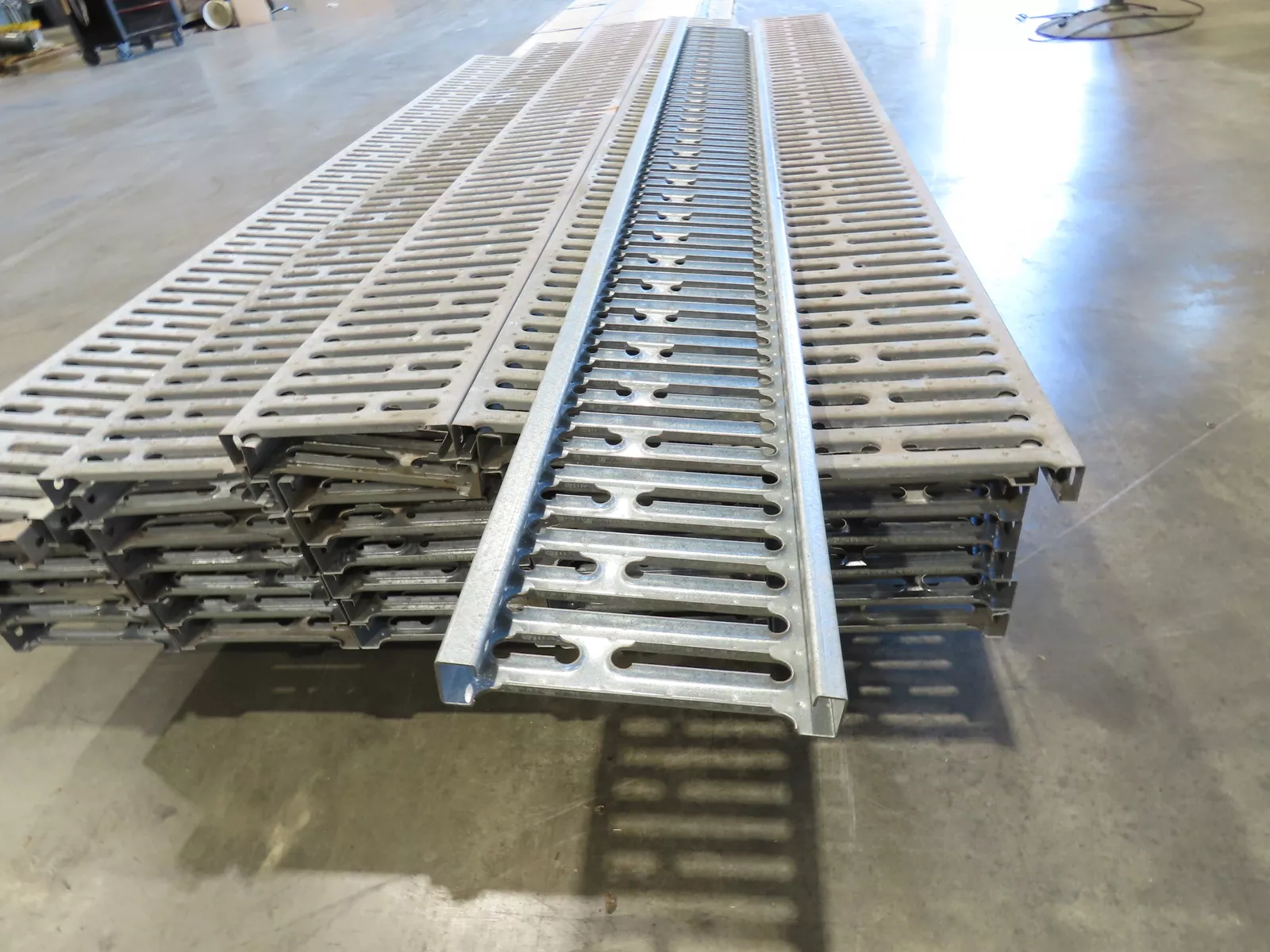
How Does Automation Reduce Human Error In Warehouses?
How Does Automation Reduce Human Error In Warehouses?
- Automated technologies enhance precision in warehouse operations, reducing human errors.
- Optimized pallet racking systems replace traditional manual inventory management, preventing misplaced products.
- Automated inventory management systems use sensors and barcodes for real-time tracking of goods.
- Automated guided vehicles (AGVs) ensure accurate picking and sorting, minimizing mishandling of products.
- Training becomes easier with intuitive software interfaces that assist and educate new employees.
- Automation can be customized to fit specific warehouse needs, addressing unique pain points.
- Implementing automation cultivates an environment of trust and efficiency, essential for success in a competitive marketplace.
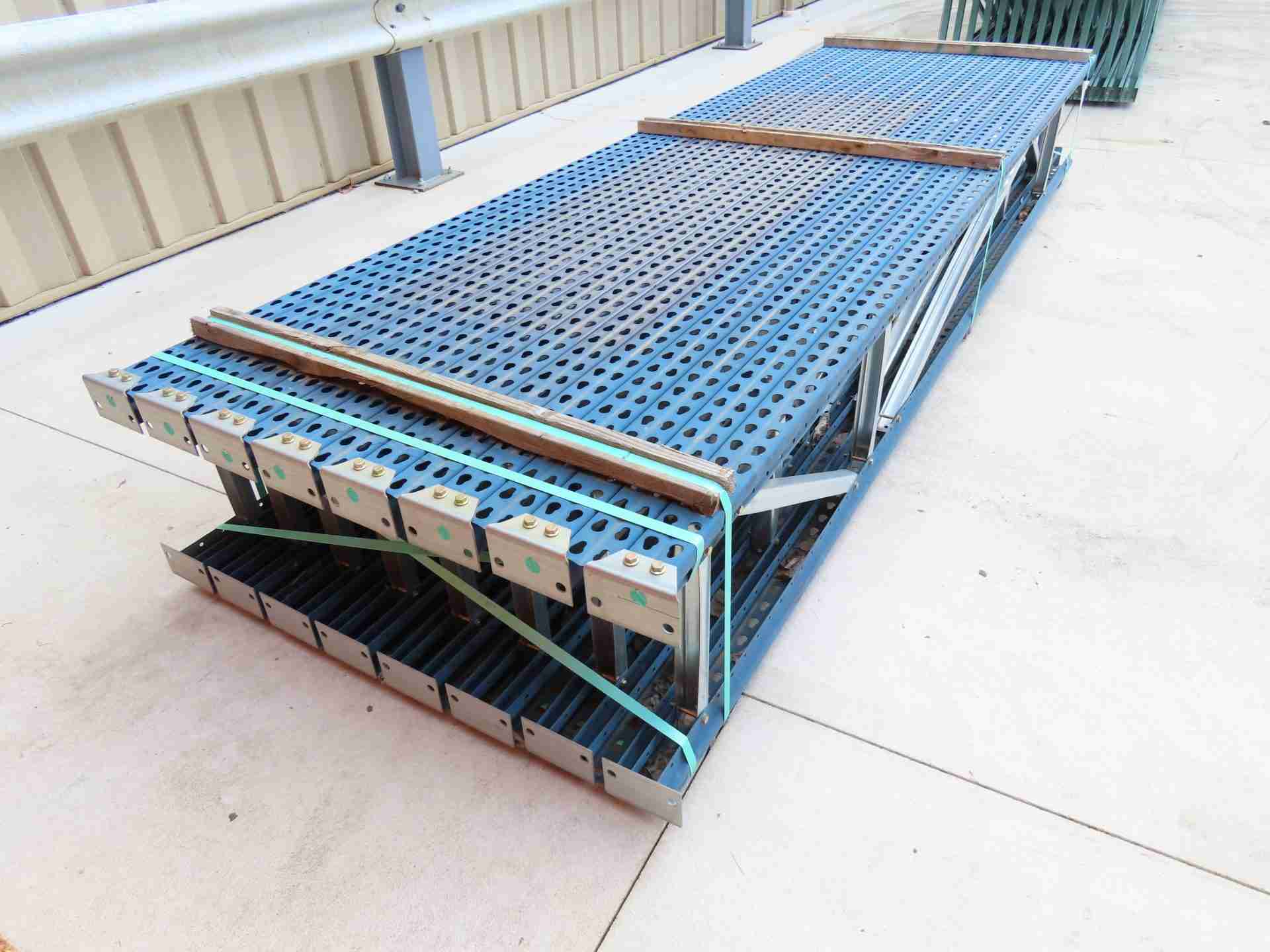
How Does Automation Reduce Human Error In Warehouses?
What Types Of Automation Can Be Used In Racking Processes?
In the dynamic world of warehousing and logistics, the need for efficiency and precision is paramount. Enter automation—a game changer that not only enhances productivity but also ensures that pallet racking systems operate at peak performance. So how can automation integrate seamlessly into racking processes? Let’s explore the transformative options available, each designed to elevate your operational game.
Intelligent Shelf Management Systems
Imagine a racking system that knows where every item is located, can track inventory in real-time, and efficiently directs traffic for picking and replenishment. Intelligent shelf management systems are your new best friend. Leveraging advanced software, these systems can optimize the arrangement of stored goods on pallet racking, ensuring that your most frequently accessed items are always within easy reach. This reduces time spent searching for products and maximizes employee efficiency—making your warehouse feel less like a maze and more like a well-oiled machine.
Automated Storage and Retrieval Systems (AS/RS)
For those looking to supercharge their operations, AS/RS offer a powerful solution. Picture robotic cranes that effortlessly glide through your pallet racking, retrieving items with precision. This not only minimizes manual labor but also heightens safety by reducing the risk of human error. Plus, the space-saving capabilities of AS/RS mean that your warehouse can fit more effectively into a smaller footprint—allowing you to do more with less.
Inventory Management Automation
What if you could have a watchful eye on your inventory at all times? With automation in place, you can employ sensors and RFID technology to keep track of your stock levels. This means no more scrambling to find items or overstocking products that aren’t moving. By automating inventory management in your racking processes, you gain valuable insights into demand, allowing you to make data-driven decisions that save you both time and money.
Collaboration with IoT Technology
Imagine a network of interconnected devices within your racking systems that communicate in real-time. With the advent of IoT, your pallet racking can become a smart network of its own. This connectivity allows for predictive maintenance, ensuring that problems are addressed before they escalate into costly downtimes. Deploying IoT technology fosters a proactive approach to warehousing, transforming the way you manage operations.
The journey towards automating your pallet racking processes is not just about technology—it’s about enhancing human capabilities and driving operational excellence. As you explore these diverse automation options, remember that each step you take towards automation is a step towards creating a more efficient, reliable, and profitable warehousing environment. Now is the time to seize the opportunity and embrace the future of logistics!
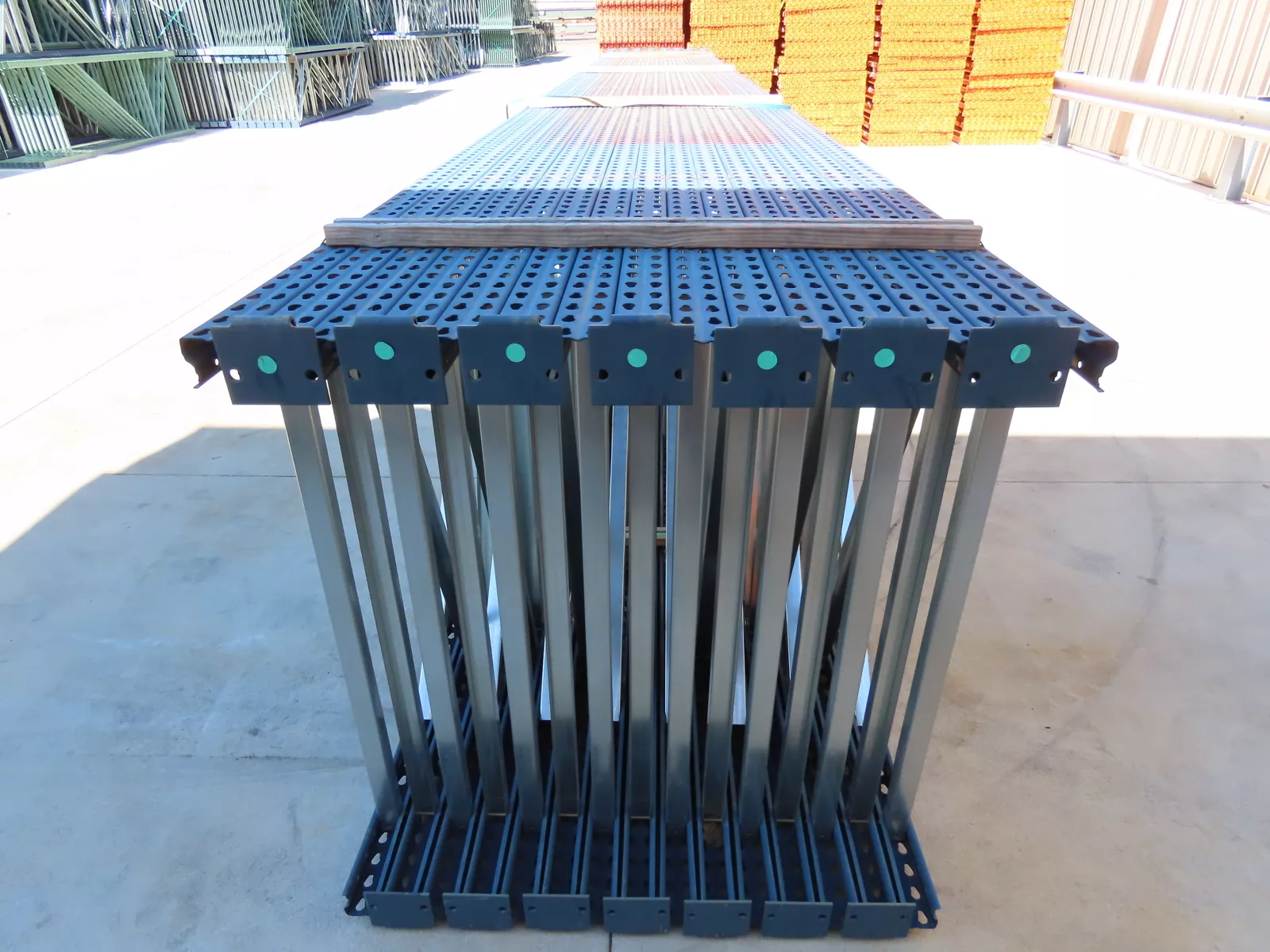
What Types Of Automation Can Be Used In Racking Processes?
What Types Of Automation Can Be Used In Racking Processes?
- Automation enhances efficiency and precision in warehousing and logistics.
- Intelligent shelf management systems track inventory in real-time and optimize the arrangement of goods.
- Automated Storage and Retrieval Systems (AS/RS) utilize robotic cranes to minimize manual labor and improve safety.
- Inventory management automation leverages sensors and RFID technology for real-time stock tracking.
- IoT technology enables a connected network for predictive maintenance within racking systems.
- Automation transforms warehousing by enhancing human capabilities and driving operational excellence.
- Embracing automation leads to a more efficient, reliable, and profitable warehousing environment.
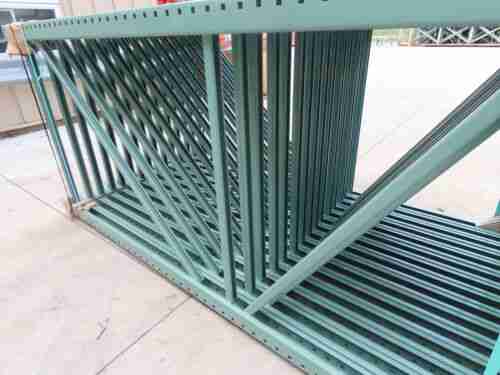
What Types Of Automation Can Be Used In Racking Processes?
How Does Inventory Tracking Improve With Automation?
Imagine for a moment the chaos of a bustling warehouse, where every item is a puzzle piece and every delivery is a timed race. Now, envision this: with the click of a button, you can access a comprehensive view of your entire inventory, optimized and streamlined, with minimal human error. This isn’t just wishful thinking—it’s the power of automation in inventory tracking.
One key aspect of this transformation lies in how automated systems take over tedious manual processes, allowing you to focus on strategic growth instead of day-to-day hassles. Think about pallet racking, for instance. This essential component of your warehouse isn’t just about stacking goods for visibility; it’s a method of maximizing space and improving efficiencies. With automation, your pallet racking can dynamically adjust based on current inventory levels, ensuring that your stock system is both efficient and responsive. This adaptability means fewer stock-outs and less excess inventory cluttering your valuable space.
Now, let’s talk about visibility and accuracy. When you implement an automated inventory tracking system, you gain real-time data that keeps you a step ahead of potential issues. You won’t just be guessing about your stock levels; you’ll know exactly what you have—where it is—and when it needs to be replenished. This precision fosters trust, not just within your organization but also with your customers. Imagine the confidence you’ll inspire when you can consistently fulfill orders without delay. By offering transparency into your inventory, you build strong relationships, elevating your brand image.
But the benefits don’t stop there. Automation reduces the risk of costly human errors. Just think about it—outdated spreadsheets and manual counts often lead to discrepancies that can wreak havoc on your bottom line. An automated system helps eliminate these risks, allowing for accurate reporting and forecasting. Picture a scenario where your team can easily generate reports assessing inventory turnover or identifying trends—insights that can change your game.
In today’s fast-paced market, embracing inventory automation isn’t just a luxury; it’s a necessity. Equip yourself with this powerful tool, and give your business the competitive edge it deserves. By leveraging technology, your inventory management transforms from a cumbersome chore into a streamlined powerhouse—positioning you for growth and success. Embrace automation, and watch your productivity soar!

How Does Inventory Tracking Improve With Automation?
How Does Inventory Tracking Improve With Automation?
- Automation in inventory tracking offers a comprehensive view of inventory, reducing human error.
- Automated systems take over tedious manual processes, allowing focus on strategic growth.
- Pallet racking can dynamically adjust with automation to optimize space and improve efficiencies.
- Real-time data from automated systems provides visibility and accuracy in stock management.
- Automation helps foster trust with customers by ensuring timely order fulfillment.
- Reduces the risk of costly human errors and discrepancies associated with manual counting methods.
- Embracing inventory automation is essential for competitive advantage in today’s market.
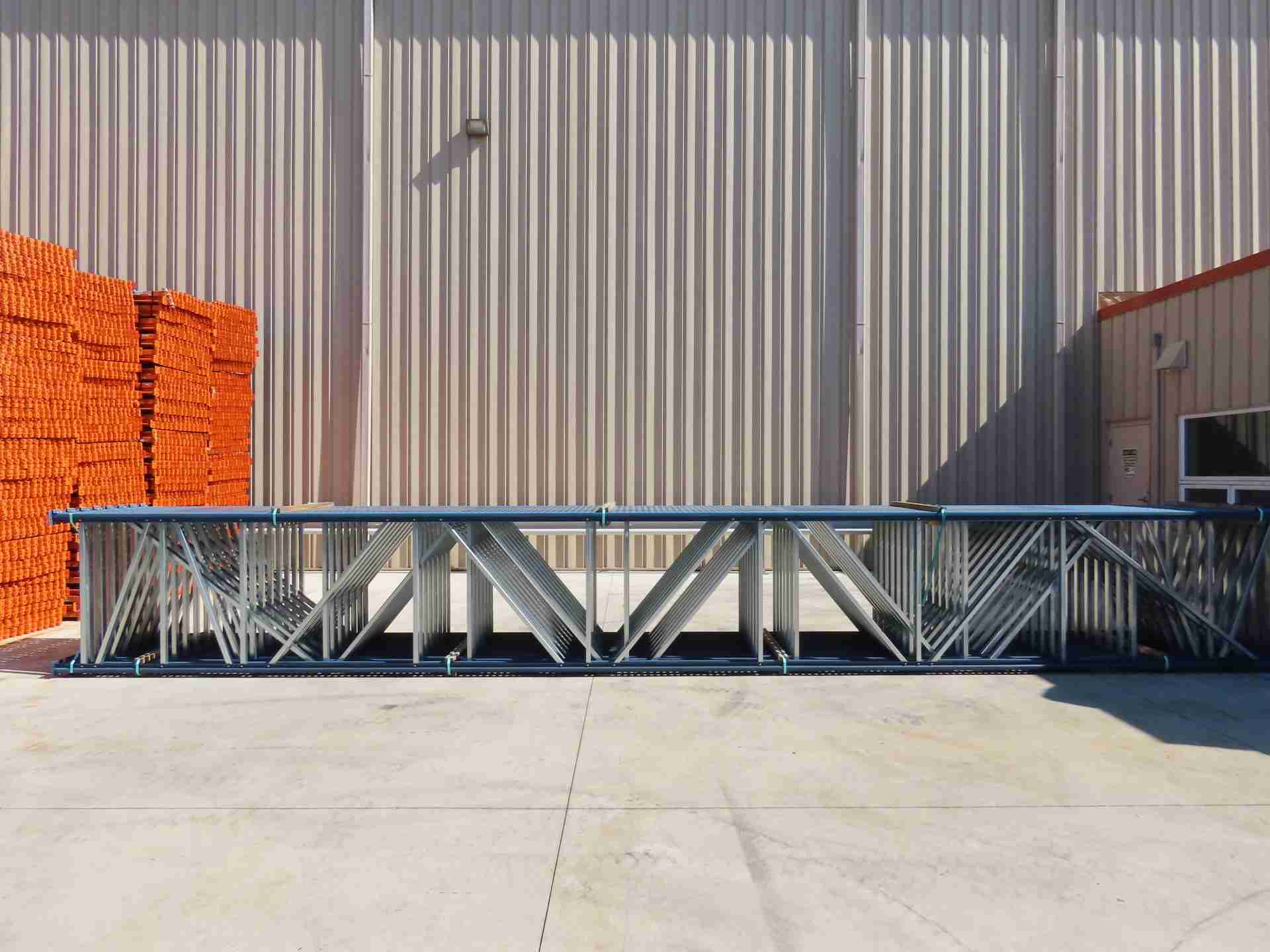
How Does Inventory Tracking Improve With Automation?
What Role Does Ai Play In Warehouse Automation?
What Role Does AI Play In Warehouse Automation?
In today’s fast-paced business environment, the stakes have never been higher when it comes to warehouse efficiency. If you’re managing a distribution center, you understand the incessant pressure to maintain accuracy, speed, and cost-effectiveness. Enter Artificial Intelligence—your game-changing ally in this commitment to excellence.
So, what role does AI really play in warehouse automation? Picture this: your warehouse is a sprawling maze of pallet racking, filled with products waiting to be shipped. Traditionally, navigating this complex landscape could lead to delays and costly errors. But with AI, that maze transforms into a streamlined operation, where every move is calculated. Smart algorithms optimize your inventory management by predicting demand and reordering stock before it runs low. This means your shelves are always stocked and ready to meet customer needs—no more panic button moments.
Another game-changing application of AI is in routing and logistics. Imagine cutting down the time it takes to locate products among the rows of pallet racking. AI-driven systems can continually analyze the location of items and determine the quickest paths for order pickers, drastically improving efficiency. This not only enhances speed but also reduces labor costs, allowing your team to focus on more strategic tasks that drive business growth rather than getting lost in aisles.
AI also brings unparalleled accuracy to order fulfillment. With machine learning models that learn from past behaviors and patterns, AI systems can minimize human error in picking and packing. That means fewer mistakes and happier customers, a combination that’s hard to beat. Think about it—every time a package reaches a customer’s door on time and intact, you cultivate trust in your brand, driving repeat business and glowing referrals.
Now, here’s where it gets personal. You may worry about the upfront costs of implementing AI technology. However, consider it an investment. The savings from increased efficiency, reduced labor costs, and enhanced accuracy will undoubtedly stack up. Just like the pallet racking itself, when organized correctly, it yields high returns on space and investment.
By embracing AI in your warehouse, you’re not just keeping pace; you’re setting the pace. With every step you take towards automation, you position your business to thrive in a competitive landscape. So don’t wait any longer—integrate AI into your warehouse strategy and watch your operations transform into a well-oiled machine, delivering results that impress and inspire!
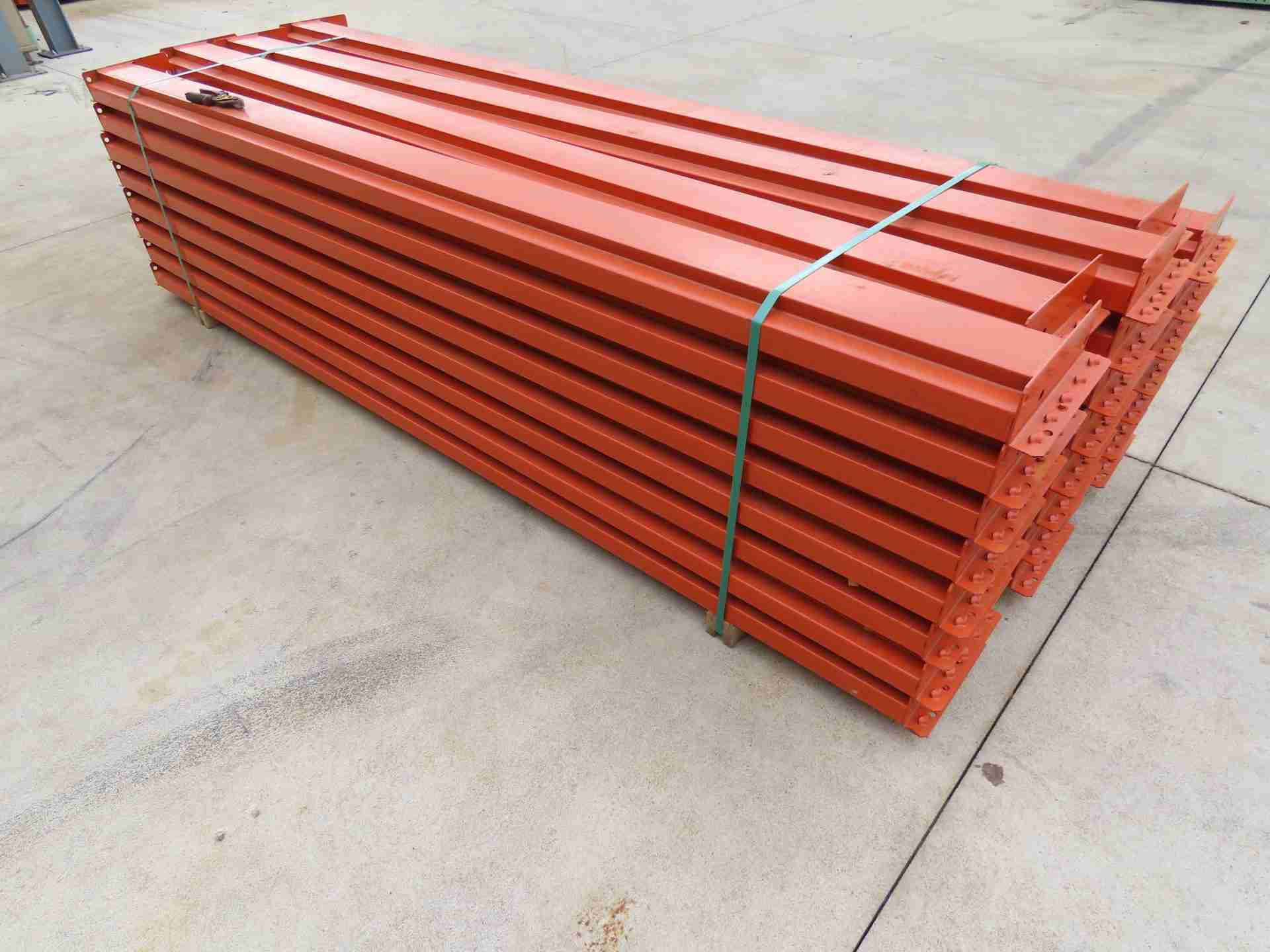
What Role Does Ai Play In Warehouse Automation?
What Role Does Ai Play In Warehouse Automation?
- AI enhances warehouse efficiency in the fast-paced business environment.
- Smart algorithms optimize inventory management by predicting demand and reordering stock effectively.
- AI-driven systems improve routing and logistics, reducing time spent locating products.
- Automated systems lower labor costs by allowing team members to focus on strategic tasks.
- AI increases order fulfillment accuracy, minimizing human error in picking and packing.
- Implementing AI is an investment that yields significant long-term savings and returns.
- Integrating AI positions businesses to thrive and innovate in a competitive landscape.
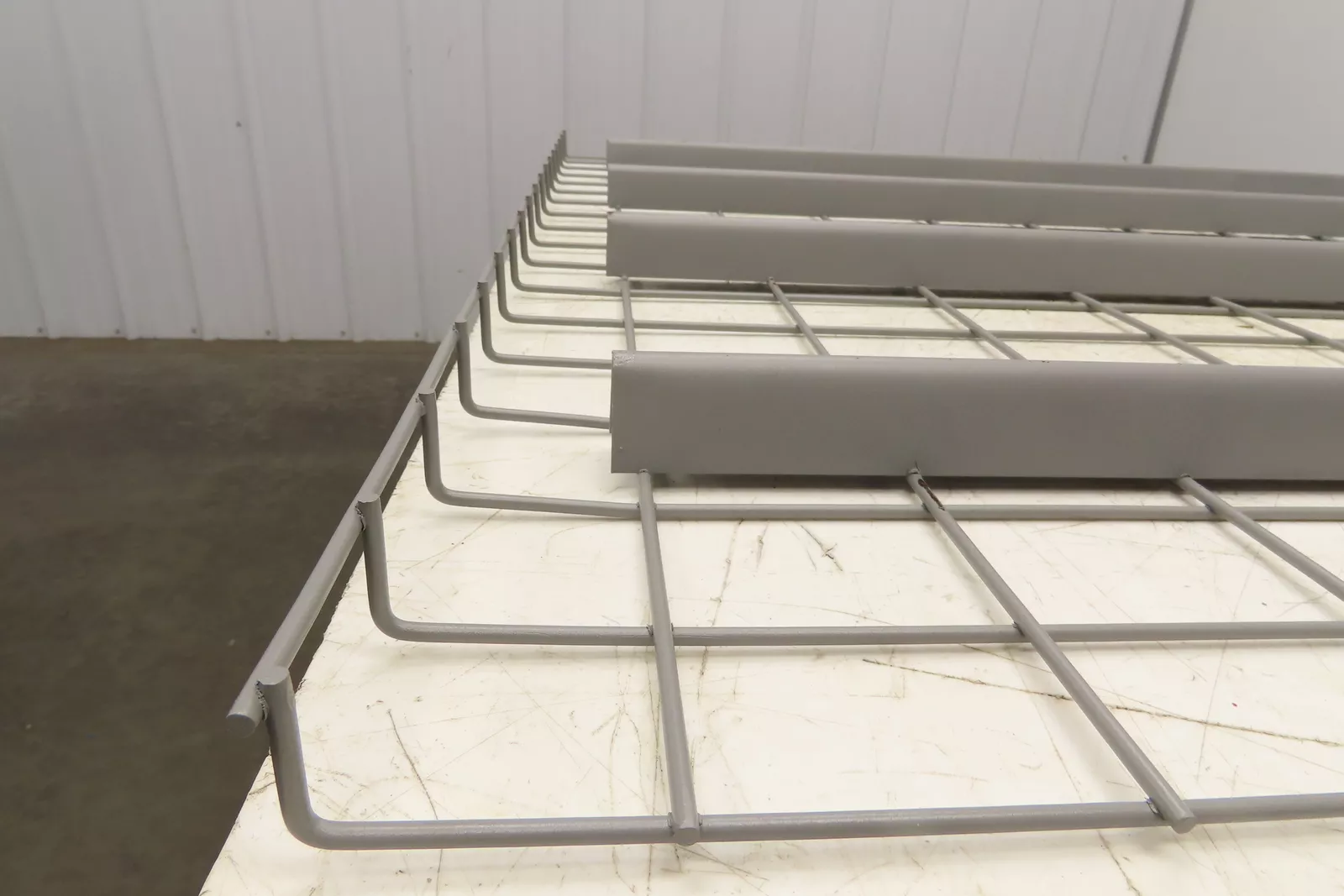
What Role Does Ai Play In Warehouse Automation?
Conclusion
Conclusion: Embrace the Future of Warehouse Efficiency with Automation
As the logistical landscape evolves, the call for adaptation echoes louder than ever. The age of mere productivity is outdated; today’s cutting-edge warehouses demand efficiency, accuracy, and adaptability. This is where automation comes into play, revolutionizing pallet racking systems and transforming traditional operations into streamlined powerhouses. Imagine walking into a space where human error is virtually eradicated, and every item is seamlessly organized—all thanks to the intelligent integration of smart technology.
The benefits of automation are not just theoretical. By implementing advanced systems, your warehouse can maximize space utilization, dramatically reduce labor costs, and enhance inventory accuracy. Gone are the days of tedious manual inventory counts and second-guessing stock levels. Automated systems bring precision tracking features, ensuring you have exact insights into your stock, leading to improved customer satisfaction—a vital component in today’s competitive market.
Moreover, automation empowers your workforce by shifting their focus from repetitive, mundane tasks to strategic, high-value activities. With robotics and artificial intelligence working alongside your team, they can harness their skills in problem-solving and customer engagement, ultimately cultivating a dynamic and efficient environment. This synergy between technology and human effort is pivotal; your operations will not just improve—they will flourish.
However, transitioning to an automated system is not a matter of “if” but “when.” Every moment spent hesitating is an opportunity for competitors to surge ahead, capitalizing on the advantages automation provides. As you consider enhancing your warehouse’s infrastructural efficiency, remember this: the sooner you implement these innovations, the sooner you will realize savings and efficiency gains that empower your business to scale.
At Arrow Industrial Sales, we understand the urgency to innovate. Our expertise in offering state-of-the-art warehouse solutions positions you to navigate these changes seamlessly. Don’t be caught in the past—take action today. Call us at (574) 349-6575 to discover how we can help you implement the automation strategies that will transform your operations and position you as a leader in your industry.
Your warehouse’s future is not just about keeping up; it’s about setting new benchmarks for efficiency that leave your competition in the dust. The future is waiting—are you ready to seize it?
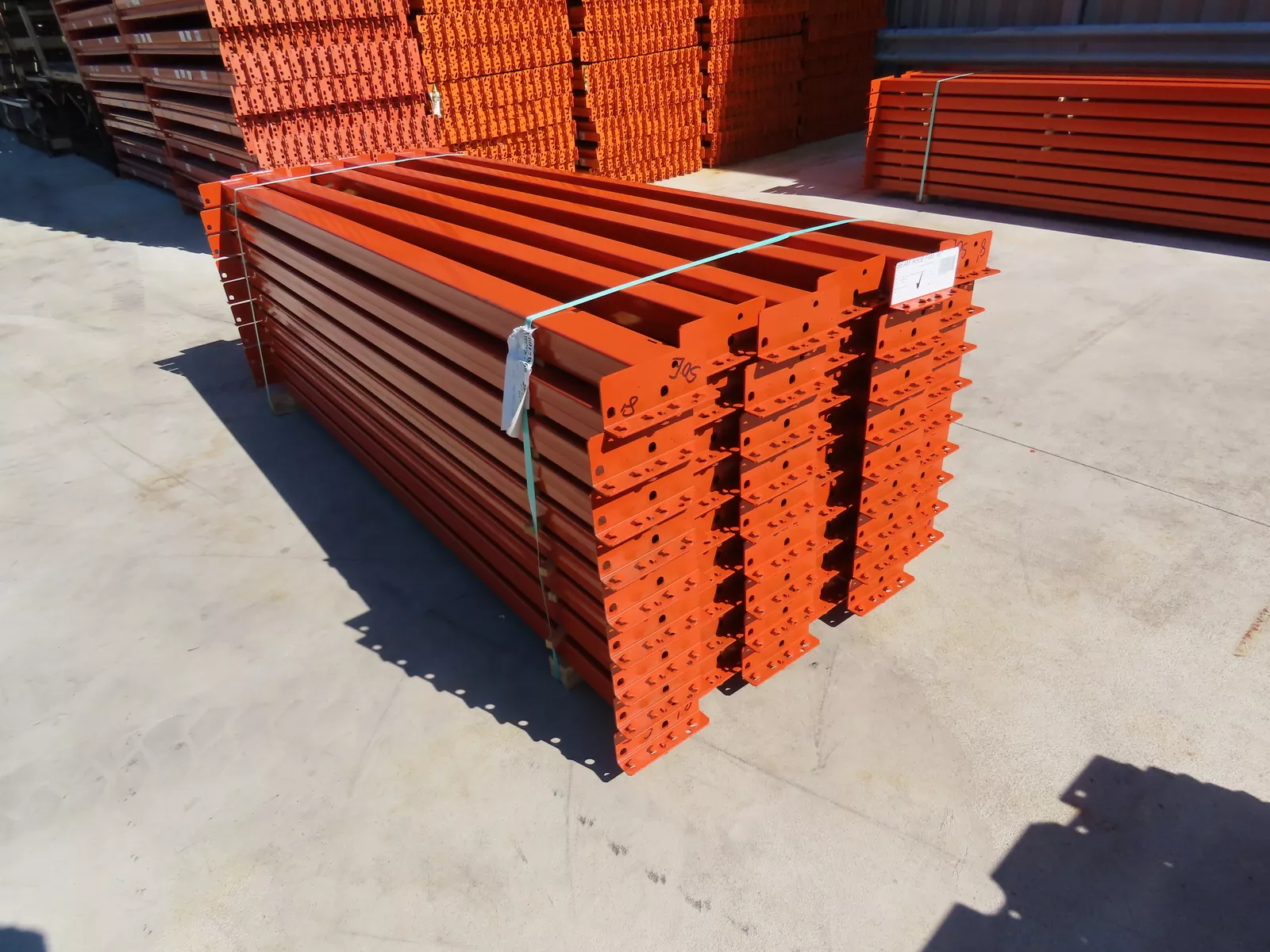
Conclusion
Conclusion:
- The logistical landscape necessitates adaptation to achieve modern warehouse efficiency.
- Automation is transforming pallet racking systems, enhancing accuracy and adaptability.
- Benefits of automation include maximum space utilization, reduced labor costs, and improved inventory accuracy.
- Automated systems provide precise tracking and insights that boost customer satisfaction.
- Workforce empowerment arises as employees focus on high-value tasks, supported by robotics and AI technology.
- Transitioning to automation is essential for staying competitive in the market; delays can lead to lost opportunities.
- Arrow Industrial Sales offers expertise in innovative warehouse solutions to help businesses thrive in an automated future.
Conclusion
Other Resources

Other Resources
Here is a list of other resources you can review online to learn more:
- New Cantilever Racks and Racking Kits
- Cantilever Racking Specialists – Get the Right Racks
- Iowa Illinois Warehouse Racking
- Rack Manufacturers Institute
- CMMA
- Rack Manufacturers Institute
- Teardrop Racks – Pallet Rack World
- Cantilever Rack Configuration & Installation: A Comprehensive Guide – BMH
- What is Selective Racking: Understanding Benefits & Options
- Teardrop Pallet Rack – Ridg-U-Rak
Use This Prompt To Get More Resources With Your Favorite Online AI Tool: Please provide me with a list of online articles with their URLs in a bulleted list that I can read regarding How Does Automation Revolutionize Your Warehouse Racking Processes?
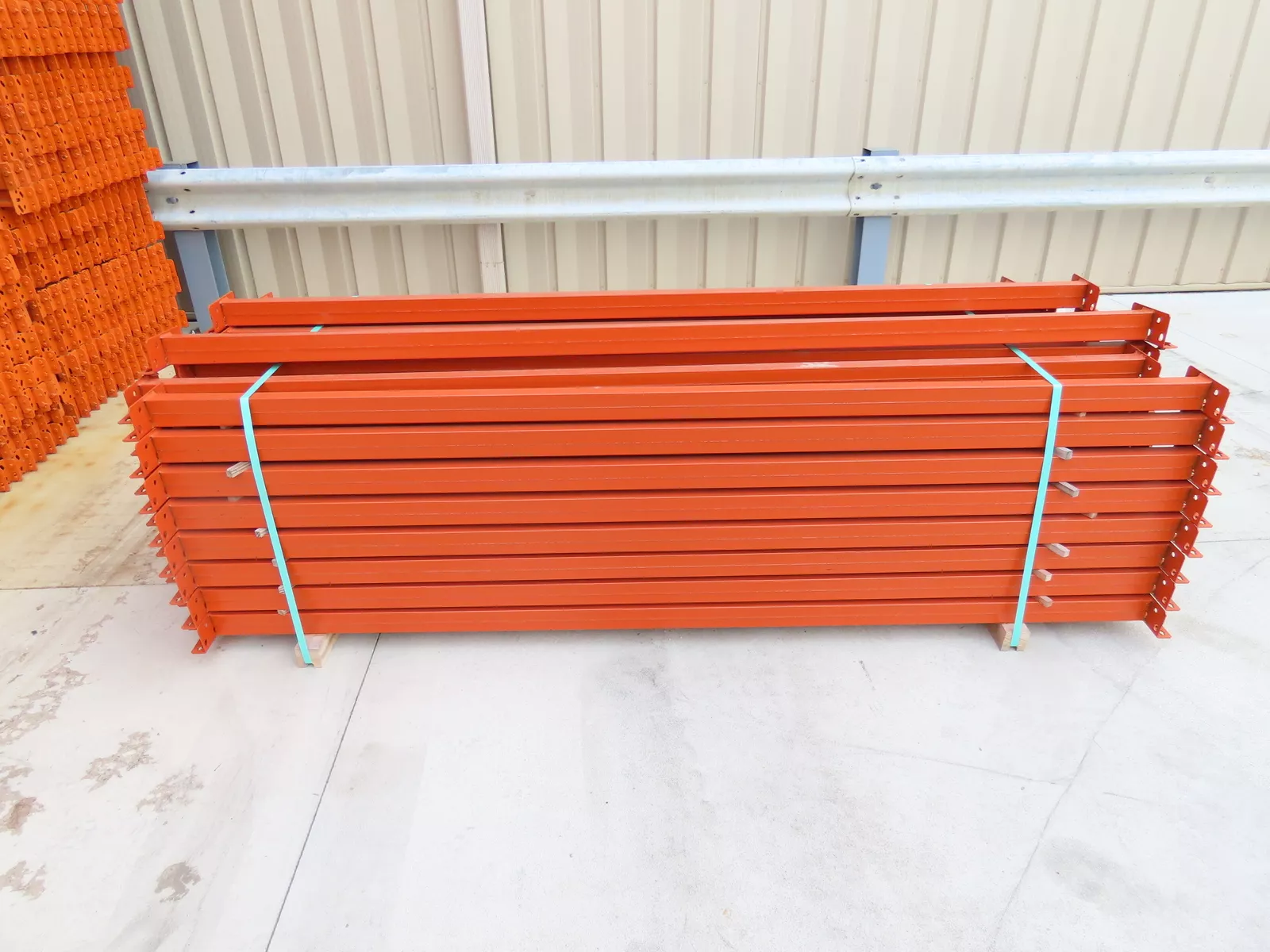
Other Resources
Glossary Terms
How Does Automation Revolutionize Your Warehouse Racking Processes? – Glossary Of Terms
1. Automation: The use of technology to perform tasks without human intervention, enhancing efficiency in warehouse operations.
2. Warehouse Management System (WMS): Software that helps manage inventory and warehouse operations, optimizing storage and retrieval processes.
3. Racking System: A structured framework used to store goods in a warehouse, maximizing vertical space and improving accessibility.
4. Robotic Picking: Automated systems that use robots to select and retrieve items from warehouse racks, increasing speed and accuracy.
5. Inventory Management: The process of overseeing the flow of goods in and out of a warehouse, ensuring optimal stock levels.
6. Pick-and-Place Robots: Machines designed to pick items from one location and place them in another, often used in racking processes.
7. Automated Guided Vehicles (AGVs): Mobile robots that transport goods throughout the warehouse, reducing manual labor and improving efficiency.
8. AS/RS (Automated Storage and Retrieval Systems): Technologies that automate the storage and retrieval of goods, enhancing space utilization and accuracy.
9. Cloud Computing: Internet-based services that allow for real-time data access and management, supporting WMS and operational efficiency.
10. Data Analytics: The process of analyzing warehouse data to identify trends, optimize processes, and improve decision-making.
11. Lean Warehousing: An approach focused on minimizing waste and optimizing processes, often enhanced through automation.
12. Electronic Data Interchange (EDI): The electronic exchange of business documents, streamlining communication and processes in warehouse management.
13. Safety Stock: Extra inventory held to prevent stockouts, crucial for efficient racking and order fulfillment processes.
14. SKU (Stock Keeping Unit): A unique identifier for each product in inventory, essential for organized racking and inventory management.
15. Cycle Counting: An inventory auditing procedure where a subset of inventory is counted on a specific day, ensuring accuracy in stock levels.
16. Inventory Turnover: A ratio that shows how many times inventory is sold or used during a given period, indicating warehouse efficiency.
17. Throughput: The rate at which goods are processed in the warehouse, influenced by automation technology and racking systems.
18. Cross-Docking: A logistics practice where incoming goods are directly transferred to outbound shipping without long-term storage, optimizing space and speed.
19. Pick-to-Light Systems: Technology that uses lights to direct workers to the correct items for picking, increasing accuracy and efficiency in racking.
20. Voice Picking: A hands-free method that uses voice commands to guide workers in picking items, enhancing speed and accuracy.
21. Batch Picking: A method where multiple orders are picked simultaneously, optimizing picking efficiency in the warehouse.
22. Mobile Workstations: Portable stations equipped with technology that enable operators to perform tasks throughout the warehouse, improving flexibility.
23. Integration: The process of connecting different systems (e. g. , WMS with ERP) to create a seamless flow of information in warehouse management.
24. Last-Mile Delivery: The final step of the delivery process where goods reach the customer, crucial for fulfilling orders efficiently.
25. Real-Time Tracking: The ability to monitor inventory levels and locations in real-time, supported by automation technology.
26. Fulfillment Center: A specialized warehouse designed for fulfilling online orders, often incorporating advanced automation systems.
27. Palletization: The process of stacking goods on pallets for efficient storage and transport within the warehouse.
28. Conveyor Systems: Mechanisms that transport goods within the warehouse, facilitating quick movement between racking areas.
29. Barcoding: The use of barcodes to track inventory items, simplifying the storage and retrieval processes in automated systems.
30. Ergonomics: The study of people’s efficiency in their working environment, important to consider when automating racking and picking processes to reduce strain on workers.
Glossary Of Terms
Other Questions
How Does Automation Revolutionize Your Warehouse Racking Processes? – Other Questions
If you wish to explore and discover more, consider looking for answers to these questions:
- What specific technologies are involved in warehouse automation?
- How long does the implementation of automated systems usually take?
- What are the common challenges faced when transitioning to an automated warehouse?
- How do automated racking systems impact warehouse safety?
- What types of businesses benefit most from warehouse automation?
- How does automation affect the role of warehouse workers?
- What are the initial costs of installing automated racking systems?
- How can small businesses afford warehouse automation?
- What metrics should be used to measure the success of warehouse automation?
- Are there specific industries where automation in warehousing is more prevalent?
- How do automated systems adapt to fluctuations in inventory demand?
- What training is required for staff to work with automated systems?
- How can businesses ensure a smooth integration of automation into existing processes?
- What maintenance is required for automated warehouse systems?
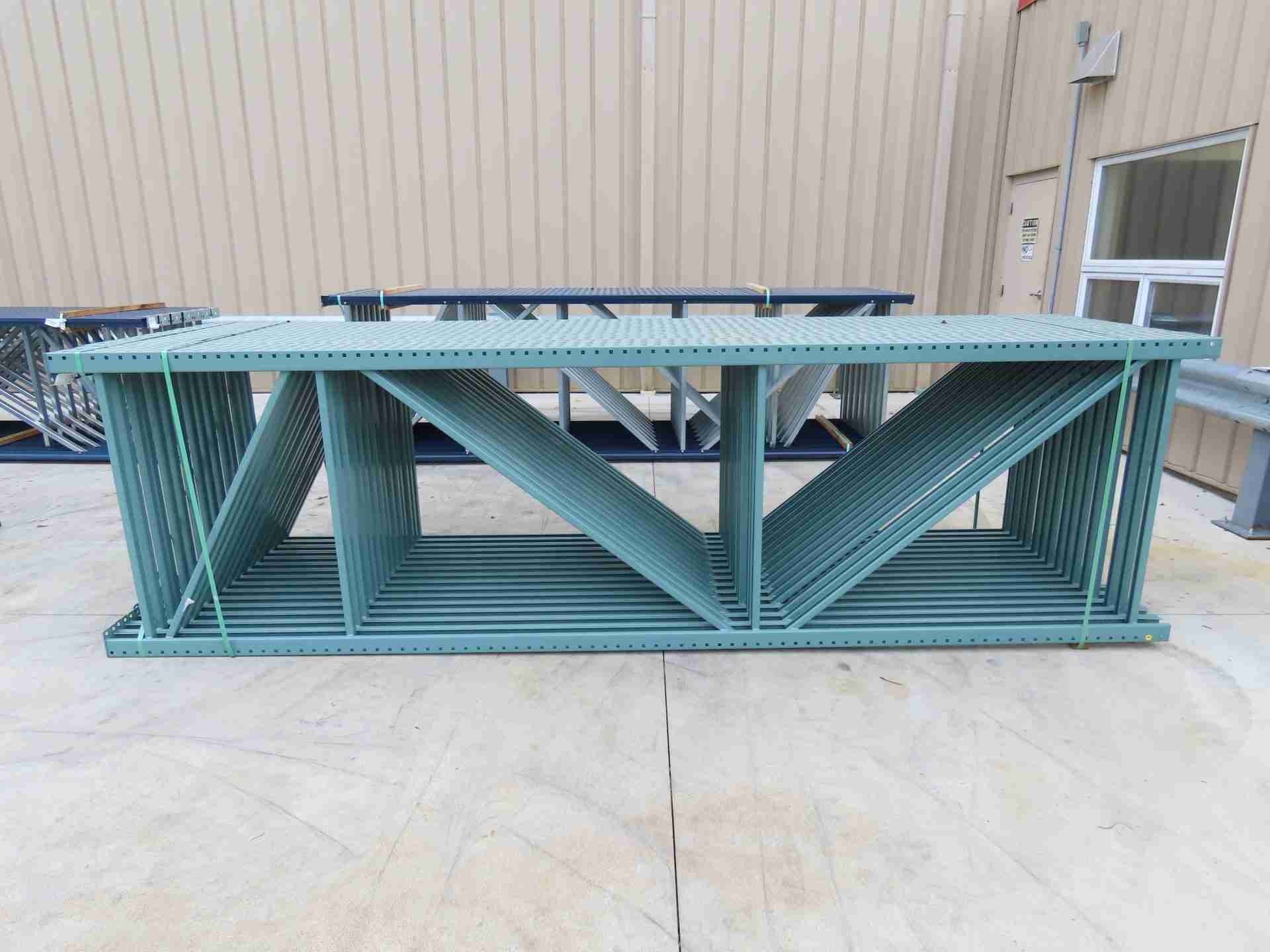
Other Questions
Checklist
How Does Automation Revolutionize Your Warehouse Racking Processes? – A Checklist
Checklist for Revolutionizing Your Warehouse Racking Processes with Automation
1. Assess Your Current Warehouse Operations
_____ Conduct a thorough evaluation of current inventory management practices.
_____ Identify areas prone to human error or inefficiency.
_____ Analyze space utilization and pallet racking system effectiveness.
2. Explore Automated Solutions
_____ Research integrated pallet racking systems for streamlined processes.
_____ Consider Automated Storage and Retrieval Systems (AS/RS).
_____ Investigate intelligent shelf management systems for real-time tracking.
3. Evaluate Automation Technologies
_____ Identify potential sensors and RFID technologies for inventory management.
_____ Explore the use of collaborative robots (cobots) to assist warehouse staff.
_____ Assess the feasibility of IoT technology for system interconnectivity.
4. Enhance Inventory Management
_____ Implement automated inventory tracking systems to reduce manual data entry.
_____ Set up real-time inventory reporting tools to maintain accurate stock levels.
_____ Create a process for predictive inventory management to prevent stockouts.
5. Train Your Workforce
_____ Schedule training sessions on new automated systems.
_____ Ensure staff is comfortable using AI-driven tools and software.
_____ Foster a culture of continuous learning to embrace new technologies.
6. Monitor and Optimize Performance
_____ Track metrics related to order fulfillment speed and accuracy post-automation.
_____ Regularly review labor costs and productivity changes.
_____ Continuously collect feedback from employees on automation usability.
7. Review Financial Implications
_____ Calculate upfront investments versus long-term savings from automation.
_____ Analyze the impact of improved efficiency on customer satisfaction and repeat business.
_____ Evaluate reductions in overhead costs due to enhanced space utilization.
8. Plan for Future Upgrades
_____ Stay informed about advancements in warehouse automation technologies.
_____ Prepare for potential scalability options as your business grows.
_____ Schedule periodic reviews of automated systems to incorporate improvements.
This checklist serves as a guide for businesses looking to integrate automation into their warehouse racking processes. Embracing these steps can lead to significant improvements in efficiency, productivity, and customer satisfaction.
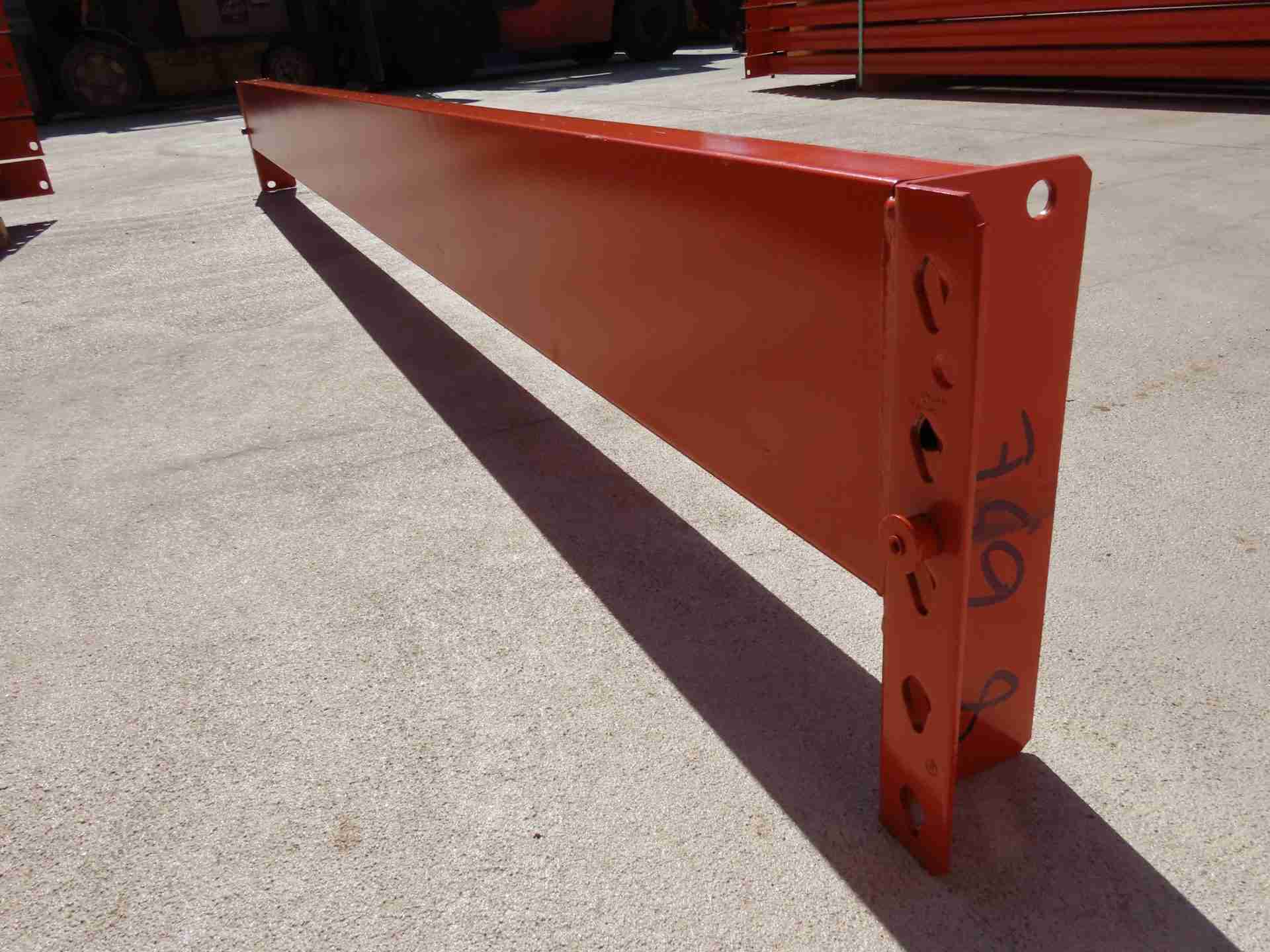
Checklist
At RackingWorld, we help guide you through selecting warehouse storage systems and racking.
Be sure to read our other related stories at RackingWorld to learn more about warehouse storage systems.
0 Comments