
Maximize Efficiency With Simple Warehouse Solutions
By Tom Seest
At RackingWorld, we help guide you through selecting warehouse storage systems and racking.
Be sure to read our other related stories at RackingWorld to learn more about warehouse storage systems.
Are You Struggling with Warehouse Organization When Solutions Exist?
Let’s face it—navigating the chaotic maze of your warehouse can feel like a daunting task, can’t it? Cluttered aisles, misplaced inventory, and inefficiencies don’t just eat away at your time; they drain your resources and sap the enthusiasm of your workforce. The good news? You’re not alone, and there are effective solutions available that can transform your warehouse into a well-oiled machine.
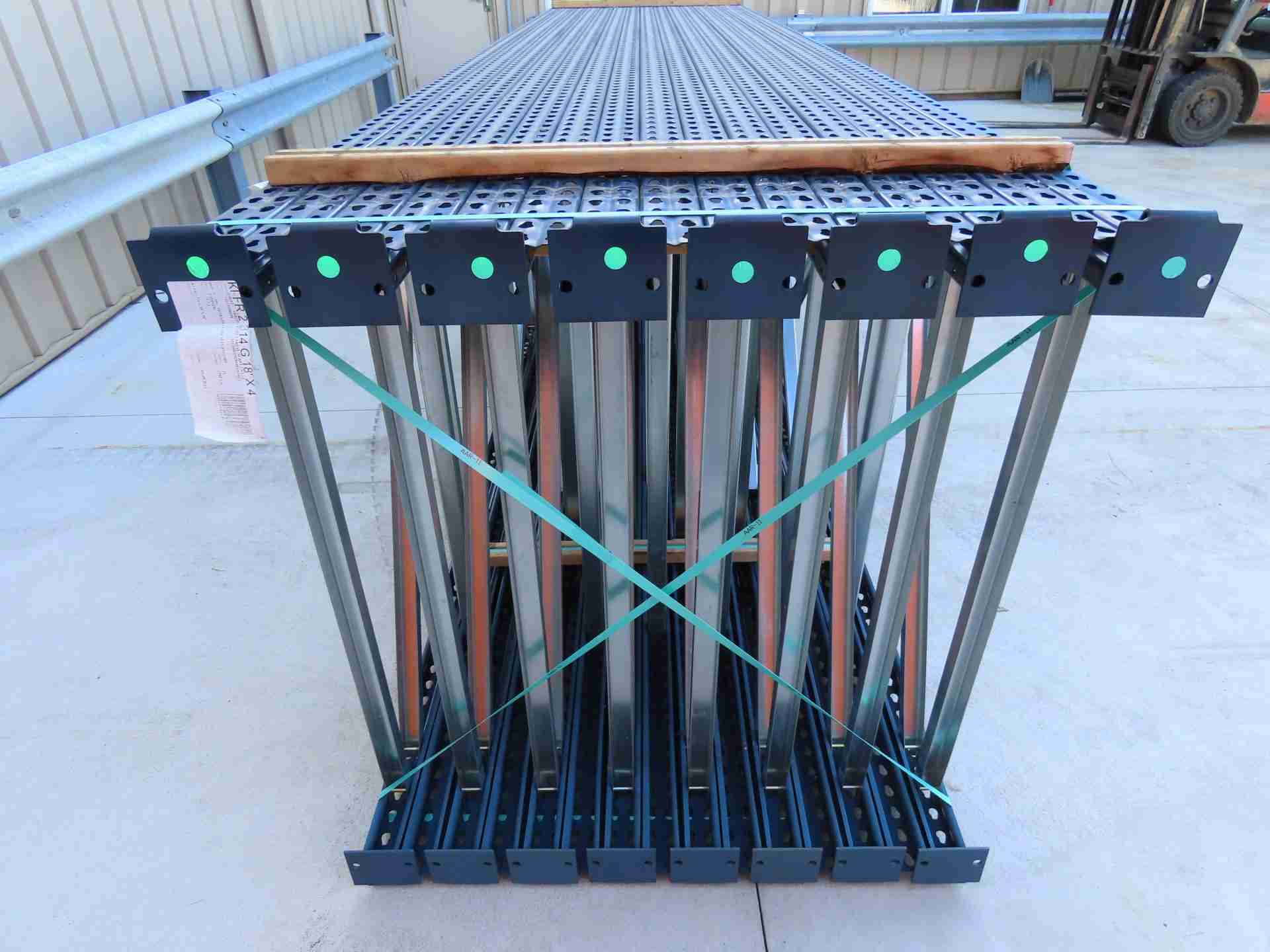
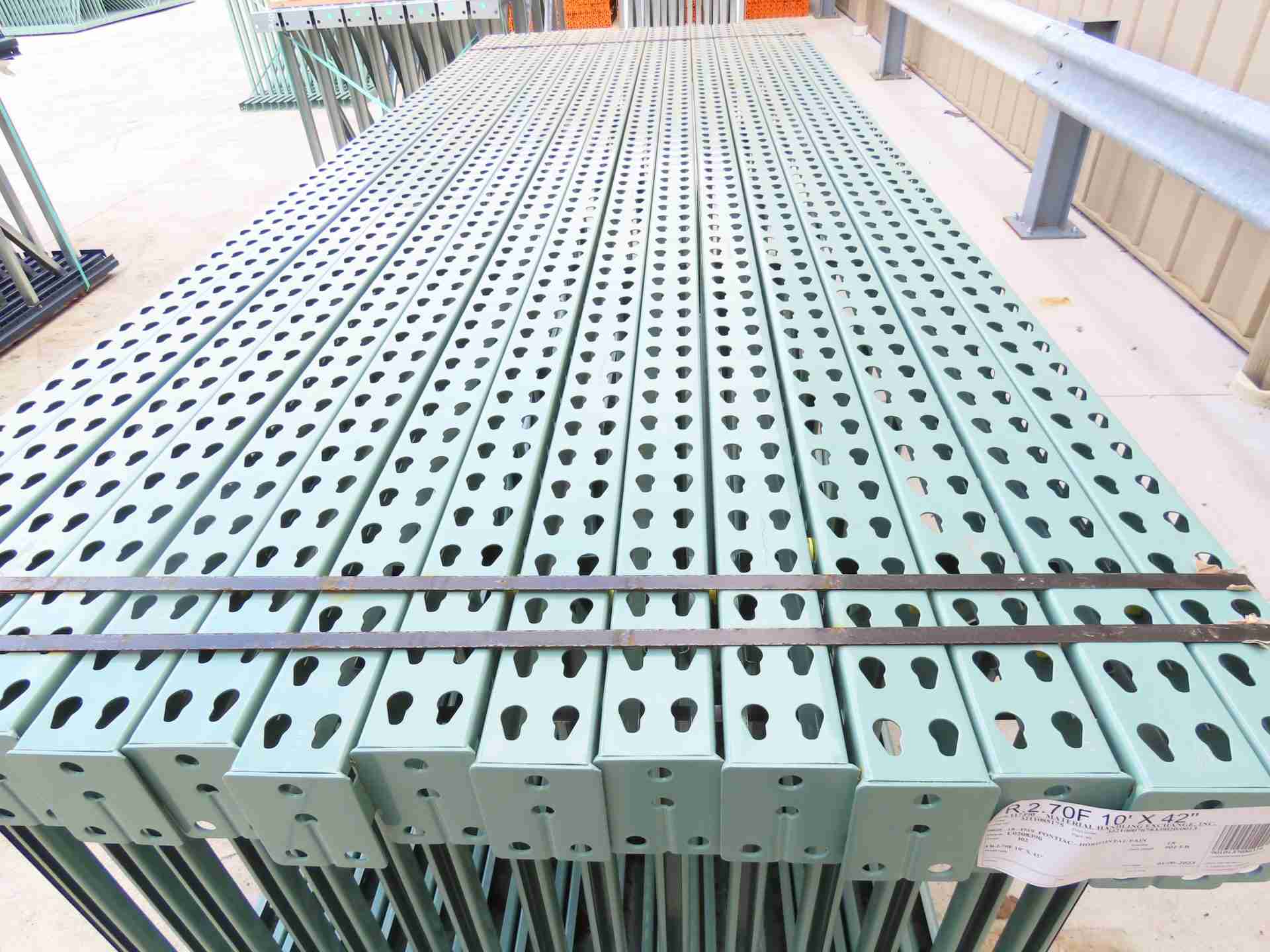
Imagine walking into your warehouse and experiencing a sense of order and efficiency. Picture this: easy access to every item, organized workflows, and a dedicated space for everything. It’s not just a lofty dream; it’s achievable with the right approach. One of the cornerstones of warehouse organization is Pallet Racking. These systems offer a dynamic solution to manage space efficiently, allowing you to store more while keeping access simple. They are meticulously designed to maximize vertical and horizontal space, offering convenience and enhancing the workflow.
You might be thinking, “But, how do I even start?” First, acknowledge that the struggle is a shared one. Many warehouse managers have stood where you are—overwhelmed by the sheer volume of inventory, unsure of where to invest their resources for maximum impact. However, that uncertainty can pave the way for opportunity. By implementing structured systems such as Pallet Racking, you’re not just investing in a physical structure; you’re fostering a culture of organization and efficiency.
But it doesn’t stop at racking systems. Consider engaging your team in the process. Their insights and firsthand experiences can unveil specific challenges you might overlook. It’s about creating a culture where organization isn’t a one-off task but a shared priority.
Now, as you take stock of your situation, picture the difference a streamlined warehouse would make. The time saved on locating items, the reduction in operational costs, and, quite frankly, the peace of mind that comes with knowing your workspace is organized.
So why delay further? Embrace the change, take that initial step towards organization, and witness the transformation unfold. Solutions exist—and they’re waiting for you to seize them. Don’t let your warehouse become a strain on your resources; let it be a testament to your operational excellence. Start your journey toward an organized, efficient warehouse today!
Are You Struggling with Warehouse Organization When Solutions Exist?
Are You Struggling with Warehouse Organization When Solutions Exist?
- Navigating a chaotic warehouse can feel daunting due to cluttered aisles and misplaced inventory.
- Warehouse inefficiencies drain time, resources, and employee enthusiasm.
- Pallet Racking is a key solution for effectively managing warehouse space.
- Pallet Racking maximizes vertical and horizontal storage while enhancing workflow.
- Engaging your team in warehouse organization can uncover overlooked challenges.
- A streamlined warehouse leads to time savings, reduced costs, and improved peace of mind.
- Embrace change and take steps toward an organized and efficient warehouse today.
Are You Struggling with Warehouse Organization When Solutions Exist?
Table Of Contents
- Are You Struggling with Warehouse Organization When Solutions Exist?
- How Can You Improve Inventory Accuracy In Your Warehouse?
- What Are The Best Strategies For Optimizing Warehouse Space?
- Are You Facing Challenges With Picking And Packing Efficiency?
- How Can Technology Enhance Your Warehouse Organization?
- What Role Does Training Play In Warehouse Management Success?
- Are You Effectively Utilizing Your Warehouse Layout For Productivity?
- Conclusion
- Other Resources
- Glossary Of Terms
- Other Questions
- Checklist
How Can You Improve Inventory Accuracy In Your Warehouse?
Imagine walking into your warehouse and having complete confidence in your inventory levels. How empowering would it be to know, without a doubt, that every item is exactly where it should be? Achieving this level of accuracy starts with a deep understanding of your operations and a commitment to process improvement.
First things first, consider your pallet racking system. An organized racking system is not just about maximizing space; it’s the backbone of efficient inventory management. Properly configured pallet racks mean fewer misplaced items, which translates to less time wasted in searches and a big boost in productivity. Regularly auditing your racks—ensuring that every pallet is correctly labeled and accessible—can eliminate the chaos that often leads to inaccuracies.
Next, embrace technology. A cutting-edge inventory management system not only digitizes your inventory but also integrates seamlessly with your existing racking. Imagine scanning a barcode and pulling up exact quantities and locations in mere seconds. It’s not just about efficiency; it’s about transforming the way you perceive inventory management. Think about the stress you’d remove from your team as they navigate a system that provides real-time updates and alerts!
Moreover, training your staff cannot be overlooked. A well-trained team that understands the inner workings of your inventory is your first line of defense against inaccuracies. Regular workshops and refreshers on the use of the software systems, as well as the importance of accurate handling during receiving and shipping, create a culture of accountability. The more knowledgeable your team, the more trustworthy your inventory will become.
Finally, commit to a routine cycle counting program. Forget the outdated and accuracy-crushing practice of annual physical counts. Instead, shift to helical audits that keep stock levels in check more frequently. This proactive approach catches discrepancies early on, allowing for timely corrections and significantly reducing shrinkage.
So, as you take these steps to improve your inventory accuracy, remember: every effort you make is an investment in your business’s future. It fosters not only operational efficiency but also trust with your clients and partners. It’s about transforming your warehouse from a place of chaos into a well-oiled machine where every pallet on every rack tells a story of precision and reliability. Isn’t it time you made that leap?
How Can You Improve Inventory Accuracy In Your Warehouse?
How Can You Improve Inventory Accuracy In Your Warehouse?
- Achieving accurate inventory levels requires a deep understanding of operations and commitment to process improvement.
- An organized pallet racking system maximizes space and enhances efficient inventory management.
- Regular audits of pallet racks help maintain organization, reducing the time spent searching for misplaced items.
- Implementing advanced inventory management technology allows for real-time updates and quick access to information via barcode scanning.
- Training staff on inventory systems and accurate handling fosters a culture of accountability and trust in inventory accuracy.
- Establishing a routine cycle counting program replaces outdated annual physical counts, catching discrepancies early.
- Improving inventory accuracy builds trust with clients and partners, transforming warehouses into efficient and reliable operations.
How Can You Improve Inventory Accuracy In Your Warehouse?
What Are The Best Strategies For Optimizing Warehouse Space?
Maximizing your warehouse space isn’t just about fitting more product; it’s about transforming your operation into a smooth-running machine that delivers efficiency, productivity, and profitability. Picture your warehouse as a symphony, with every pallet, every aisle, and every inch of space harmonizing to create a fluid and efficient workflow. So how do you achieve this? Let’s dive into the most effective strategies for optimizing your warehouse space.
First and foremost, consider implementing pallet racking systems. This is where true magic happens. Traditional shelving can waste precious vertical space. With the proper pallet racking setup, you can elevate your inventory while keeping access easy and efficient. Whether ideal for single-depth storage or compact double-deep shelving, finding the right pallet racking system will lead to not only increased storage capacity but also a streamlined retrieval process that separates you from the competition.
Next, take a closer look at your inventory. Not all products are created equal, and neither should your storage methods be. Apply the ABC inventory analysis technique; categorize your products into three groups based on their sales velocity and value. Allocate prime space for those high-demand items, placing them closer to picking areas. This not only shortens picking times but also minimizes unnecessary movements—saving time and labor costs.
Now, let’s talk about layout optimization. A well-thought-out layout is like a well-designed blueprint; it’s essential for efficient workflow. Consider utilizing a flow-through layout, with receiving areas at one end and shipping at another. This linear design allows for materials to move seamlessly through your warehouse, eliminating bottlenecks and improving overall efficiency.
Another powerful strategy is embracing technology and automation. Leveraging warehouse management systems (WMS) effectively can give you real-time insights into your space utilization. By understanding how your warehouse performs, you can make data-driven decisions to optimize layout and inventory placement further.
Finally, regular assessments and adjustments are non-negotiable. Your warehouse needs to evolve alongside your business. Conducting quarterly reviews of layouts and space utilization ensures that your strategies remain effective, agile, and relevant.
By integrating these strategies, you’re not just optimizing space—you’re building a reliable and efficient operation that can grow with your business. Is it time to tune up your warehouse and unleash its hidden potential? Trust me; the results will speak for themselves.
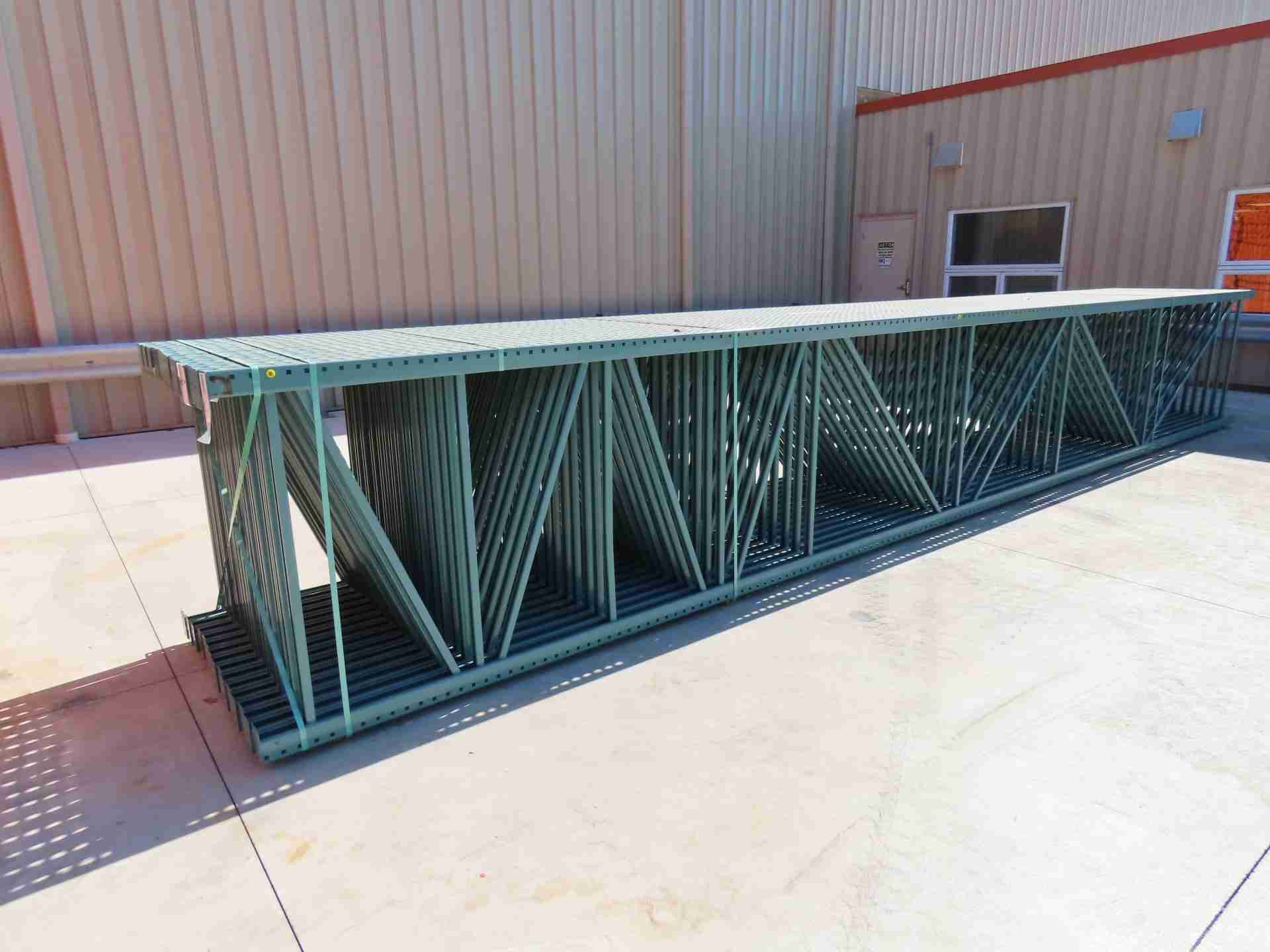
What Are The Best Strategies For Optimizing Warehouse Space?
What Are The Best Strategies For Optimizing Warehouse Space?
Here’s a bulleted summary in HTML format based on the provided text:
- Maximizing warehouse space improves efficiency, productivity, and profitability.
- Implement pallet racking systems to utilize vertical space effectively.
- Apply ABC inventory analysis to categorize products by sales velocity and value.
- Optimize layout using a flow-through design to enhance workflow.
- Embrace technology and automation with warehouse management systems (WMS) for real-time insights.
- Conduct regular assessments to ensure strategies remain effective and relevant.
- Integrate these strategies to build a reliable operation that can grow with your business.

What Are The Best Strategies For Optimizing Warehouse Space?
Are You Facing Challenges With Picking And Packing Efficiency?
Imagine this: Your warehouse is a bustling hub of activity, yet inefficiencies lurk around every corner. Orders pile up; your team rushes through picking and packing, yet the accuracy just isn’t there. If you’re nodding your head, you’re not alone. Many businesses face these challenges, and the good news is, there’s a path forward.
First, let’s talk about the heart of your warehouse: Pallet Racking. Properly utilized pallet racking systems can dramatically streamline your picking process. Think of it as the backbone of your operation. By optimizing your racking layout, you can minimize the distance your staff needs to travel to fetch products, reducing time wasted and boosting accuracy. Imagine your team moving swiftly, each step deliberate and efficient. That’s the power of an intelligently designed racking system.
But let’s be real: simply having pallet racking in place won’t solve your efficiency woes. You need a strategic approach that combines the right systems with smart processes. Consider implementing technologies like barcode scanning or real-time inventory management. These tools empower your team, ensuring that every pick is accurate, and every package is packed right the first time. Trust me, your bottom line will thank you.
And let’s talk about training. All the fancy systems and technology in the world won’t help if your team isn’t on board. Invest in proper training and watch as your workforce transforms into a well-oiled machine. Engage them by offering incentives for high performance and error-free processing. This not only fosters a culture of accountability but also creates an environment where your employees feel valued and motivated.
Here’s the kicker: Efficiency in picking and packing doesn’t just improve order processing; it enhances customer satisfaction. Happy customers mean repeat business—and that’s what truly drives growth. So, take a moment to reflect on your current operations. Are you stuck in a rut? Empower yourself with the tools and strategies to turn your challenges into triumphs.
This isn’t merely about improving metrics; it’s about instilling confidence in your customers and your team alike. When everyone understands how to work with your tools and systems, including pallet racking, efficiency becomes second nature. Get started today—transform those challenges into stepping stones for success and watch as your business thrives.
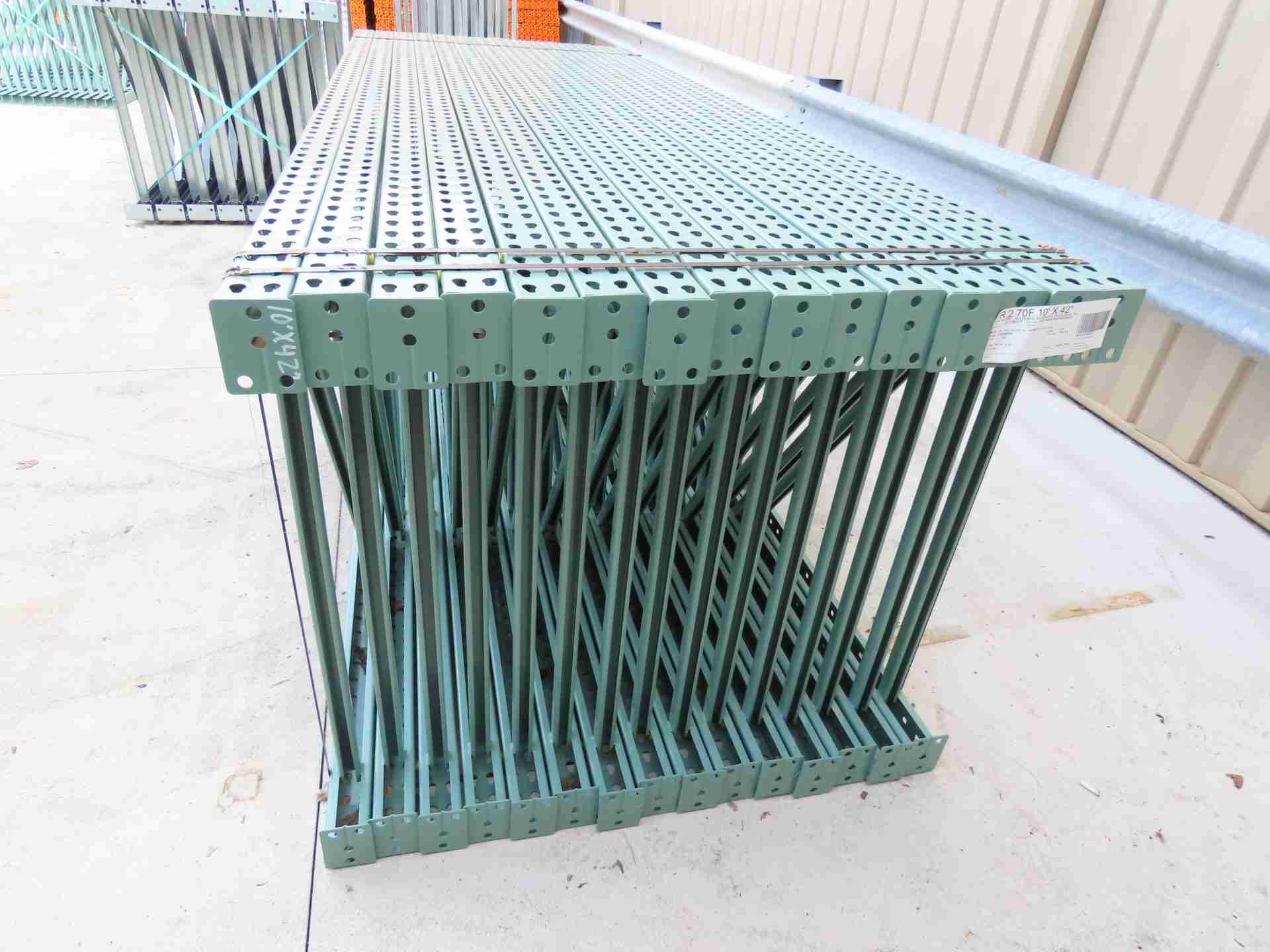
Are You Facing Challenges With Picking And Packing Efficiency?
Are You Facing Challenges With Picking And Packing Efficiency?
- Many warehouses struggle with inefficiencies in order picking and packing.
- Optimizing pallet racking systems can streamline the picking process and boost accuracy.
- A strategic approach combining proper systems with smart processes is essential for efficiency.
- Implementing technologies like barcode scanning and real-time inventory management enhances accuracy.
- Investing in proper training and engaging incentives for employees fosters accountability and motivation.
- Improving efficiency not only boosts order processing but also enhances customer satisfaction and drives growth.
- Transforming challenges into opportunities will instill confidence in both customers and team members.
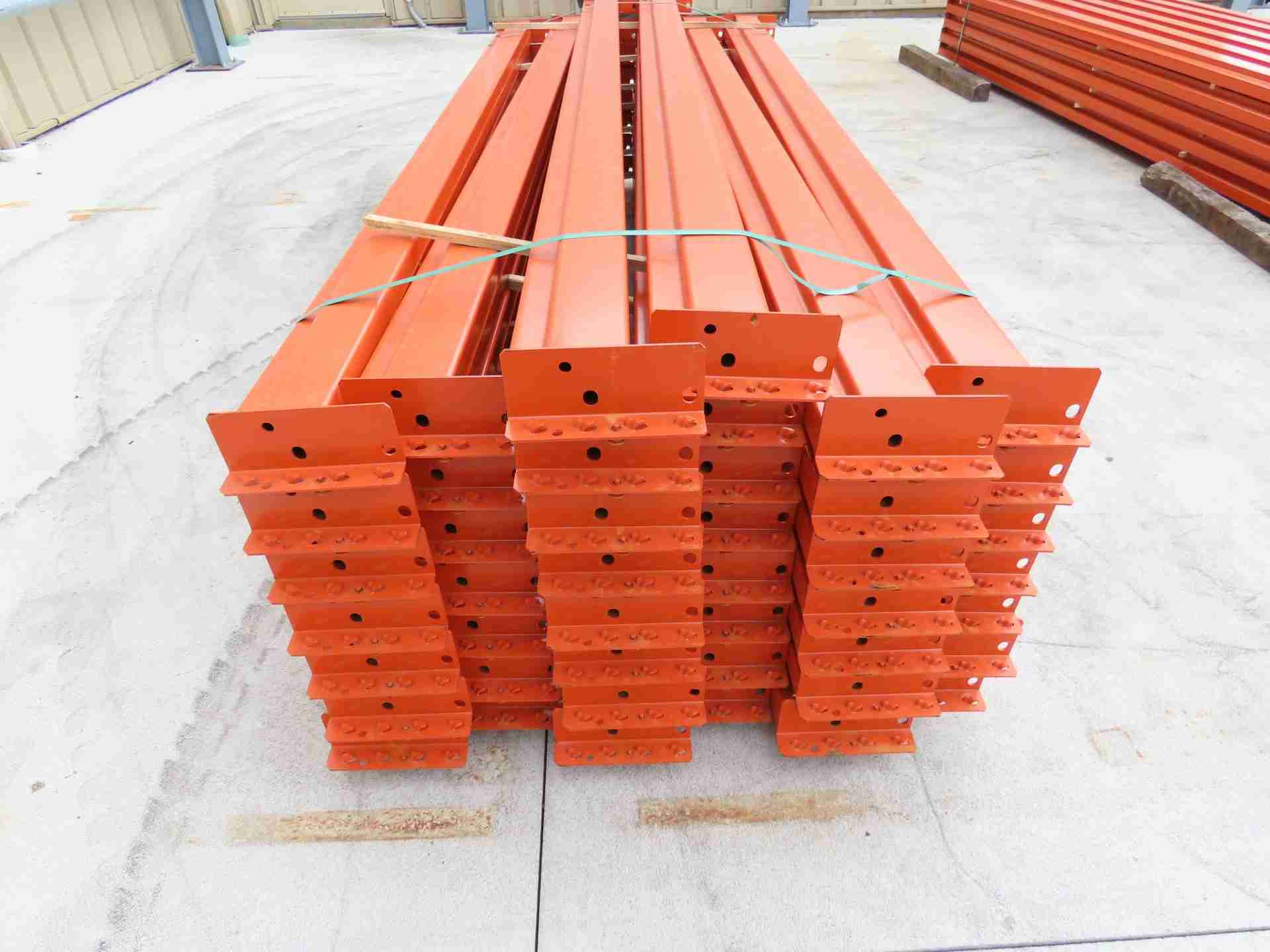
Are You Facing Challenges With Picking And Packing Efficiency?
How Can Technology Enhance Your Warehouse Organization?
Imagine stepping into your warehouse and experiencing an effortless flow of products and information, where every inch of space is optimized, and every movement is executed with precision. Sounds ideal, right? Well, with the right technology, this dream can become your reality.
Let’s talk about pallet racking, a cornerstone of efficient warehouse organization. Properly utilized, it transforms how you store and retrieve goods, ultimately boosting productivity. But today, technology has taken pallet racking to the next level. By integrating smart warehouse management systems, warehouse operators can now monitor space utilization in real time. Think about how this capability allows you to pinpoint excess inventory or identify under-utilized areas, enabling you to make data-driven decisions that maximize your storage capacity.
But it doesn’t stop there. Imagine using augmented reality (AR) applications that guide your team through the aisles, indicating the quickest routes to pick items. This isn’t science fiction; it’s happening now. With AR, your pick rates can soar, orders can be filled faster, and accuracy will improve—reducing costly mistakes.
Furthermore, consider the strategic placement of your pallet racking. Advanced technology allows you to analyze product movement patterns and adjust your layout accordingly. This means less time spent searching for inventory and more time focused on productivity. When your team spends less time wandering the warehouse, satisfaction spikes, and those smiles translate into stronger service for your clients.
Automation is another game-changer. By incorporating automated guided vehicles (AGVs) and robotic picking systems, your warehouse can operate seamlessly. Watch as these technologies handle repetitive tasks, freeing up your workforce for more complex, value-adding activities. In the world of warehousing, time is money. By streamlining processes, you’ll see a significant return on investment that can fuel growth.
Now, you might wonder, “How do I start this transformation?” Begin by evaluating your current warehouse layout and processes. Identify pain points and explore tech solutions tailored to your needs. Partnering with a reliable technology provider can help you grasp the best options for your organization.
The fusion of technology and warehouse organization is not just a trend; it’s a reality that fosters efficiency, reduces costs, and enhances customer satisfaction. Take the leap—your warehouse is waiting to evolve, and the tools are at your fingertips. Invest in the future; the rewards will far exceed your expectations.
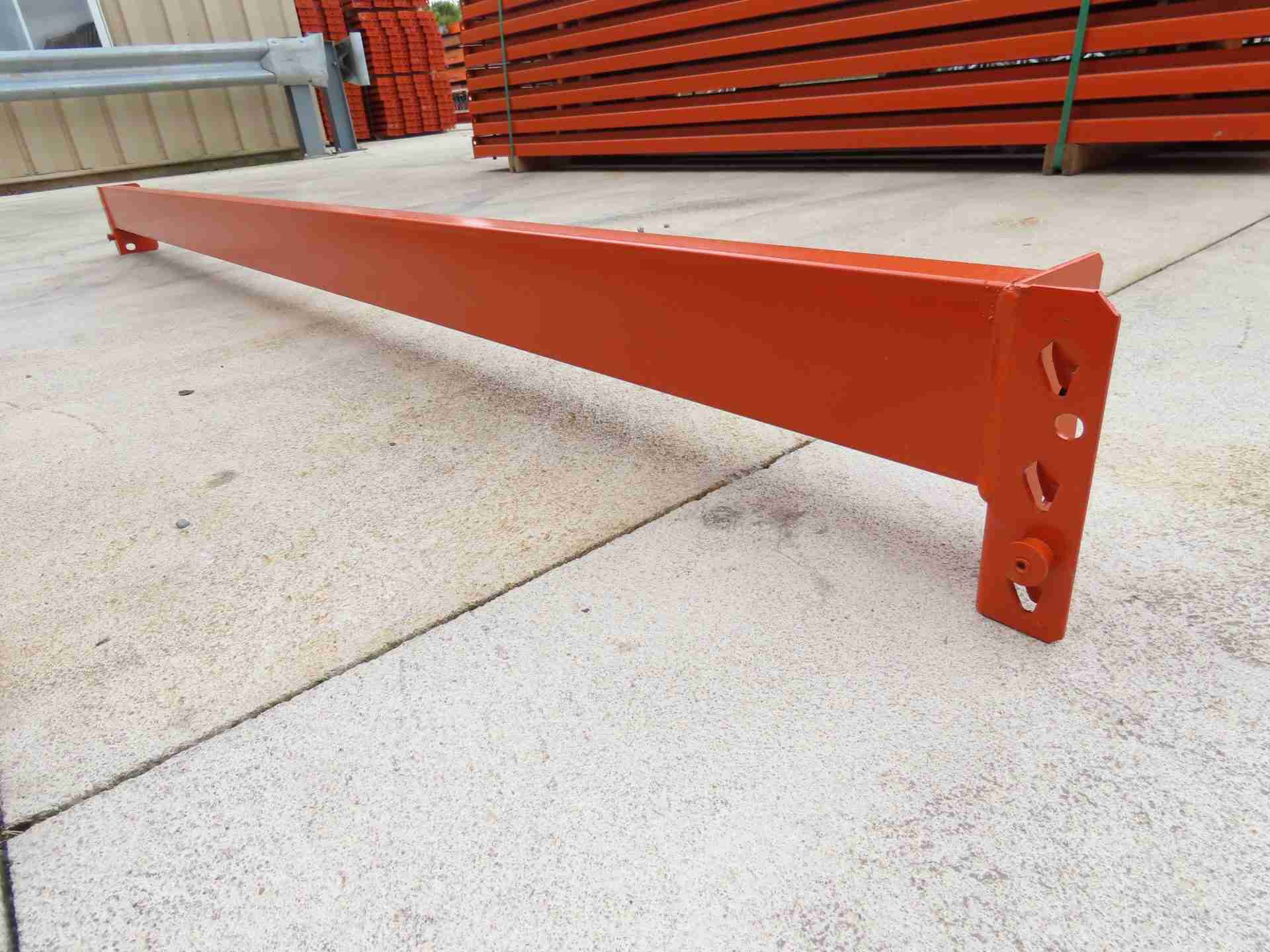
How Can Technology Enhance Your Warehouse Organization?
How Can Technology Enhance Your Warehouse Organization?
- Optimize warehouse space and movement with pallet racking technology.
- Integrate smart warehouse management systems for real-time monitoring of space utilization.
- Leverage augmented reality (AR) applications to enhance picking efficiency and accuracy.
- Analyze product movement patterns for strategic layout adjustments in pallet racking.
- Implement automation through automated guided vehicles (AGVs) and robotic picking systems.
- Evaluate current warehouse processes and partner with tech providers for tailored solutions.
- Embrace the fusion of technology and organization to foster efficiency and improve customer satisfaction.
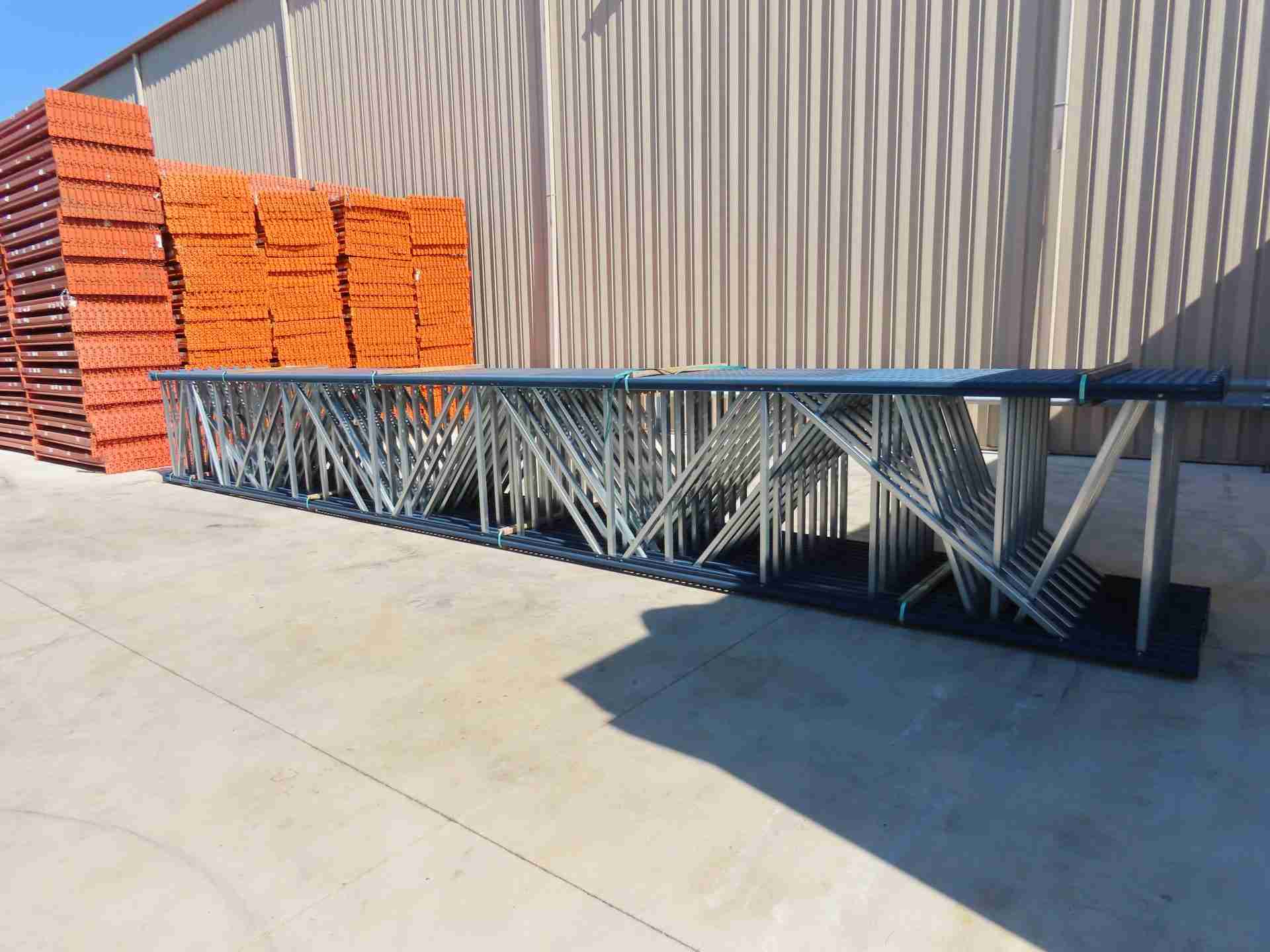
How Can Technology Enhance Your Warehouse Organization?
What Role Does Training Play In Warehouse Management Success?
In the bustling world of warehouse management, you may feel the weight of efficiency resting squarely on your shoulders. Every inch of space matters, every minute counts, and every team member plays a crucial role. Yet, one secret ingredient consistently surfaces in discussions of success – training. Now, let’s explore why investing in training is not merely a choice but a necessity for achieving warehouse management success.
Imagine your warehouse filled with sophisticated systems: from automated picking technology to advanced pallet racking. These tools can transform a chaotic environment into a seamlessly operating machine. However, without proper training, your team may struggle to harness their full potential. Empowering your employees through effective training not only enhances their skills but also inspires confidence. When your staff knows how to maximize every square foot of pallet racking and streamline operations, they become the beating heart of your warehousing success.
Consider the heightened efficiency that comes with a well-trained workforce. Employees who understand the nuances of inventory management, safety protocols, and warehouse layouts can navigate their environment with ease. Training instills best practices, allowing your team to work swiftly and effectively, reducing the risk of costly errors. It fosters a culture of safety and excellence, ensuring that everyone knows how to handle equipment, move inventory, and utilize pallet racking systems efficiently.
Moreover, training promotes a sense of ownership among employees. When your staff sees their role as integral to the overall success of the warehouse, they become more engaged and motivated. This commitment is infectious—one empowered team member can elevate the performance of the entire crew. Trust me, an empowered team means a significant increase in productivity, morale, and ultimately, profitability.
But let’s be clear: effective training isn’t just about ticking boxes or meeting compliance standards. It is about investing in your most valuable asset—your people. Regular upskilling and refreshers can correlate directly with injury prevention, streamlined processes, and improved customer satisfaction.
So, if you’re seeking to elevate your warehouse management status, consider this your call to action: implement comprehensive training programs today. It’s not merely an investment in education; it’s an investment in success. By ensuring your team is well-equipped, confident, and competent, you’ll harness the full potential of your warehouse, all while creating an environment where everyone can thrive.

What Role Does Training Play In Warehouse Management Success?
What Role Does Training Play In Warehouse Management Success?
- Efficiency in warehouse management relies heavily on training.
- Proper training allows teams to effectively utilize advanced systems and tools, enhancing overall operations.
- A well-trained workforce improves navigation and understanding of inventory management and safety protocols.
- Training establishes best practices, reduces the risk of errors, and promotes a culture of safety and excellence.
- Focused training fosters employee engagement and a sense of ownership, leading to increased productivity and morale.
- Effective training goes beyond compliance, directly impacting injury prevention, process efficiency, and customer satisfaction.
- Investing in comprehensive training programs is essential for elevating warehouse management success and ensuring team competence.
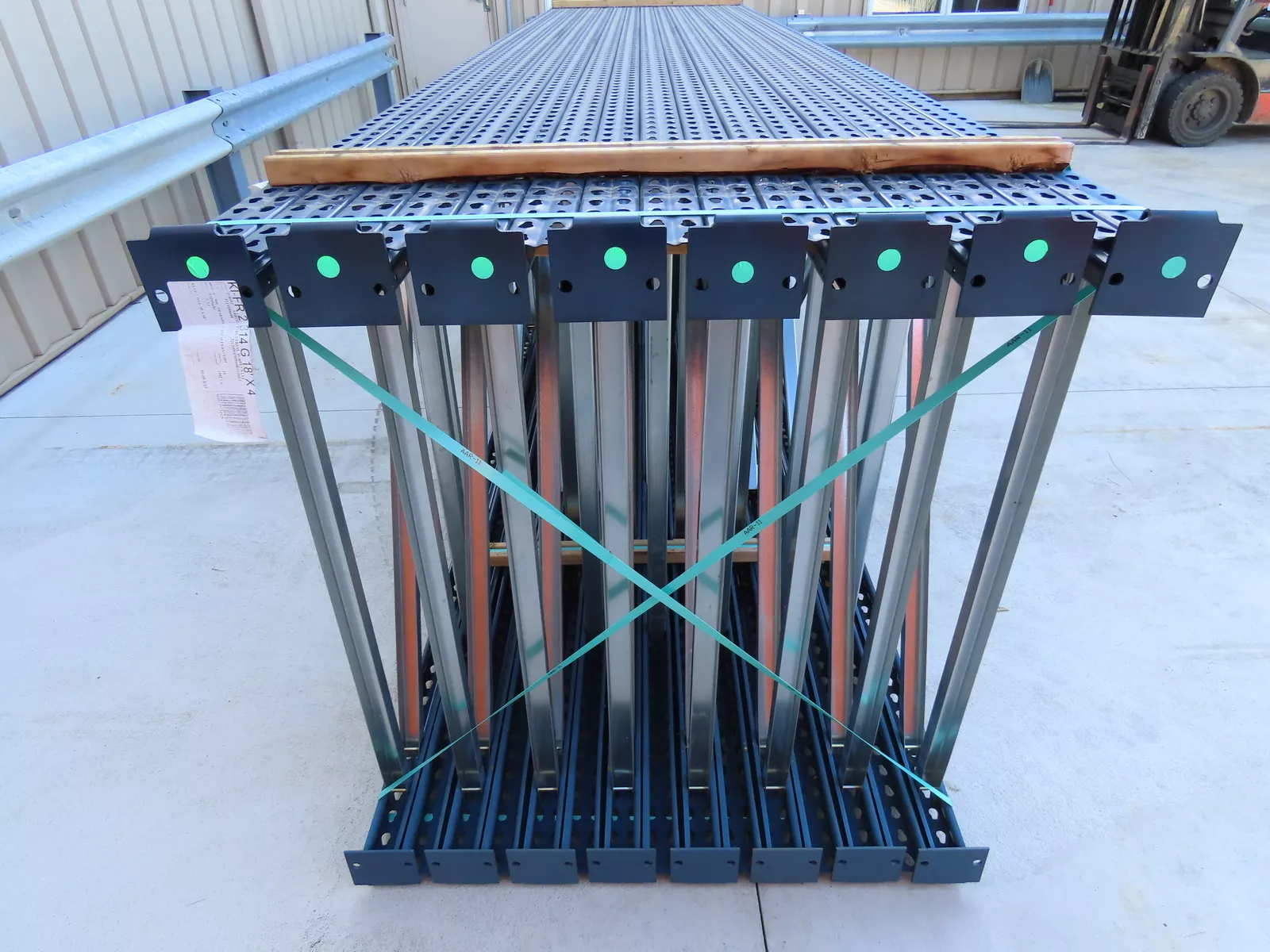
What Role Does Training Play In Warehouse Management Success?
Are You Effectively Utilizing Your Warehouse Layout For Productivity?
Are You Effectively Utilizing Your Warehouse Layout for Productivity?
Imagine walking into your warehouse and feeling an immediate sense of order and efficiency. Every aisle, every shelf, and yes, every pallet racking setup effortlessly supports your team’s workflow. Now, consider if this is true for your operation. Are you merely filling space, or are you strategically optimizing it?
In the bustling heart of your business, the warehouse represents a potent pivot point—where products meet precision, movement meets motivation, and chaos meets organization. It’s not merely about storing goods; it’s about ensuring your layout drives productivity. When you think of pallet racking, don’t see it as a set of metal shelves. Instead, envision a system that can radically improve your operational flow.
Assessing your warehouse layout begins with asking the right questions. Are your best-selling products housed in the most accessible locations? If your team spends excessive time navigating convoluted pathways or digging through layers of inventory, you’re bleeding time—and money. That’s where a well-planned pallet racking design shines, allowing you to position products where they can be retrieved swiftly and efficiently.
But it’s not just about accessibility; it’s also about maximizing space. Your warehouse has potential just begging to be unearthed. By analyzing your current pallet racking systems, you can identify underutilized areas. Implementing a strategy with vertical space in mind can free up precious floor space, opening opportunities for new inventory or additional operational zones.
Success in the warehouse isn’t just a matter of space and racks; it’s about fostering a culture of productivity. When your team knows where everything is and how to get to it quickly, morale skyrockets. Productivity becomes second nature rather than a daily battle. Trust is built among employees, who feel empowered to do their jobs well, knowing they have the tools at their fingertips.
Take a step back and evaluate your space. Is your warehouse layout a vibrant ecosystem of efficiency, or is it a disjointed collection of clutter? Don’t leave potential on the table. A simple adjustment in your pallet racking can ignite changes that resonate throughout your entire operation. It all starts with making the choice to prioritize productivity—and that choice rests in your hands. Transform your warehouse today and watch as your operations thrive!

Are You Effectively Utilizing Your Warehouse Layout For Productivity?
Are You Effectively Utilizing Your Warehouse Layout For Productivity?
- Effective warehouse layout drives productivity and efficiency.
- Pallet racking should be viewed as a system to improve operational flow, not just as metal shelves.
- Assess accessibility of best-selling products to streamline retrieval and reduce wasted time.
- Maximize warehouse space by analyzing current pallet racking systems and utilizing vertical space.
- Fostering a culture of productivity boosts team morale and empowers employees.
- Evaluate your warehouse to identify areas of clutter and underutilization.
- Prioritizing productivity through thoughtful layout changes can significantly enhance operations.
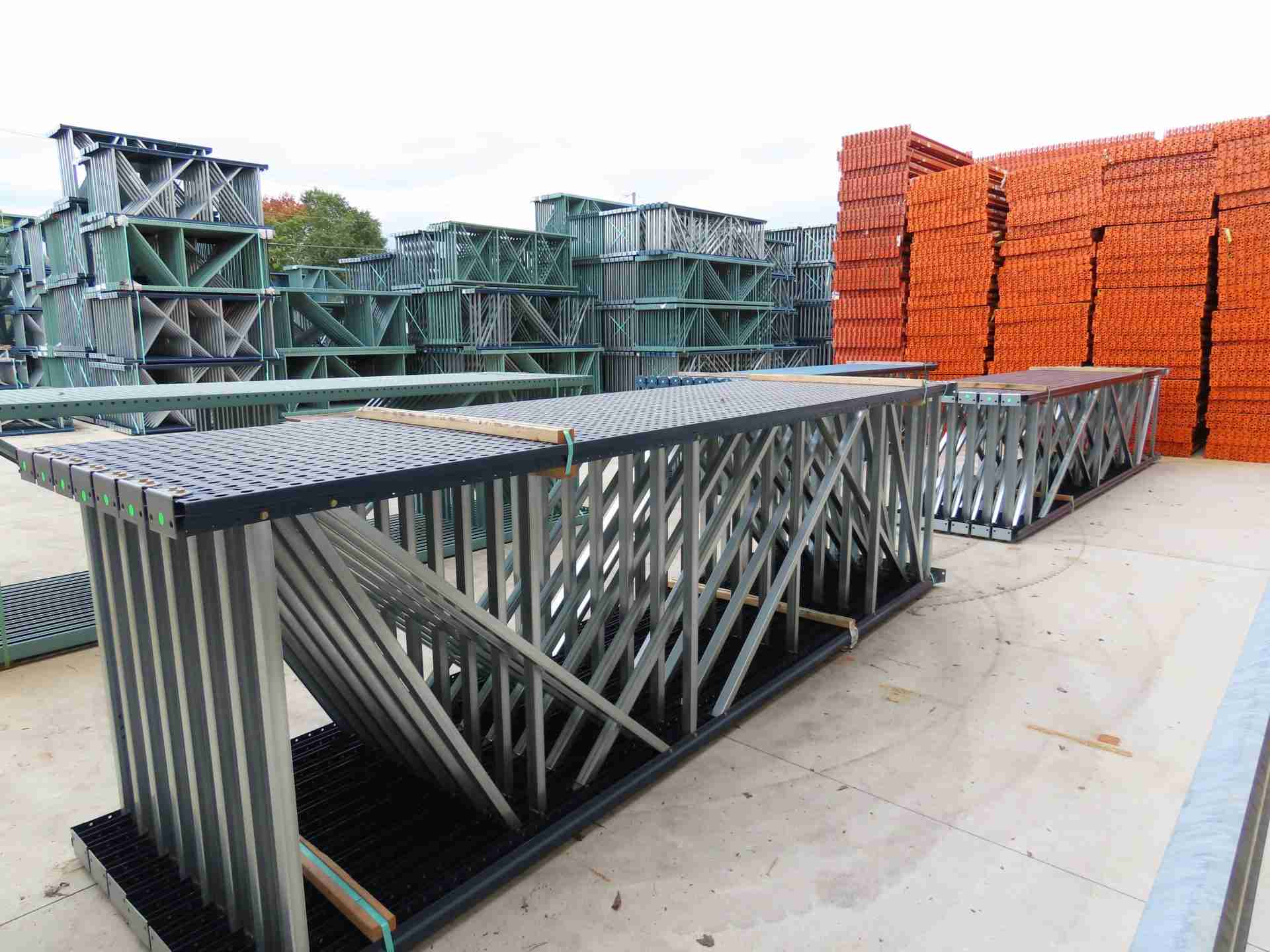
Are You Effectively Utilizing Your Warehouse Layout For Productivity?
Conclusion
Conclusion: Transforming Warehouse Challenges into Success
At RackingWorld.com and Arrow Industrial Sales, we understand that the struggle for efficient warehouse organization is a challenge many face. The clutter, inefficiencies, and misplaced inventory not only drain resources but also dampen employee morale. However, this is not merely a cry for help; it’s a wake-up call to embrace the transformative solutions available today.
Imagine walking into your warehouse and feeling an overwhelming sense of order, where the flow of goods and information is seamless. This vision isn’t a distant dream—it’s attainable through strategic approaches, particularly with the implementation of reliable pallet racking systems. These innovative solutions are the backbone of a well-organized warehouse, offering extensive benefits such as maximizing vertical and horizontal space while enhancing workflow efficiency.
Yet, the path to an organized warehouse involves more than just installing racking systems. It requires an organizational culture fueled by teamwork and the empowerment of your staff. By engaging your team in the optimization process, you tap into valuable insights that will enhance your operational efficiency. Their ideas can unveil overlooked challenges, leading to smarter, collective solutions that foster accountability and collaboration.
Incorporating technology further amplifies your efforts. From automated systems that streamline inventory management to augmented reality that guides your staff through aisles, technology merges seamlessly with smart warehouse designs to elevate productivity levels. Furthermore, rigorous training instills confidence and proficiency in your workforce, eliminating errors and positioning your warehouse as a beacon of operational excellence.
The urgency to act is palpable. Every moment spent deliberating is a chance to enhance your operational capabilities that slips away. Now is the time to call Arrow Industrial Sales at (574) 349-6575. Each second you wait is a missed opportunity for efficiency, profitability, and an engaged workforce. The solutions you need are at your fingertips, just waiting for you to seize them.
Don’t let disorganization define your warehouse. Instead, turn it into a hallmark of success that not only meets but exceeds industry standards. Embrace these strategies today, and watch your warehouse evolve into an exemplary operation that stands as a testament to your commitment to excellence. Act now, and let the transformation begin!

Conclusion
Conclusion:
- RackingWorld.com and Arrow Industrial Sales recognize the challenges of efficient warehouse organization.
- Clutter and inefficiencies drain resources and harm employee morale.
- Implementing reliable pallet racking systems can transform warehouse organization into a seamless operation.
- An organizational culture fostering teamwork and staff empowerment is essential for optimization.
- Incorporating technology enhances inventory management and elevates productivity levels.
- Rigorous training boosts staff confidence and proficiency, reducing errors in operations.
- Acting now is critical to seizing opportunities for operational improvement and employee engagement.
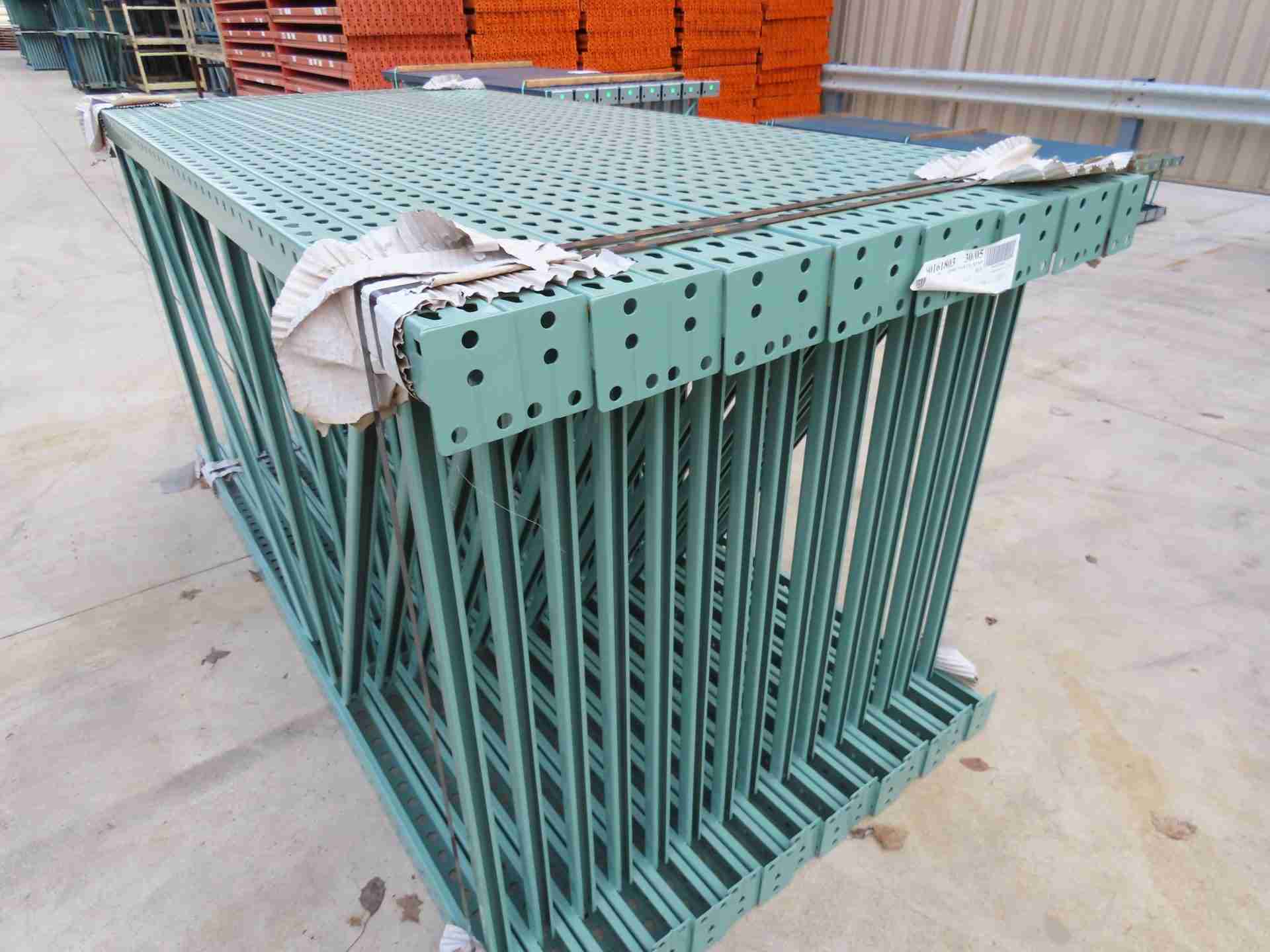
Conclusion
Other Resources
Other Resources
Here is a list of other resources you can review online to learn more:
- Bradford Systems
- New Cantilever Racks and Racking Kits
- Warehouse Racking Systems: Beginner’s Guide to Rack Systems
- Cantilever Rack Guide: Ordering Cantilever Racking
- The Ultimate Pallet Racking Guide – Speedrack West
- Cantilever Rack Guide: Ordering Cantilever Racking
- IIWS Inc. Rack Installation Illinois & Rack Repairs Illinois
- Teardrop Industrial Shelving Rack
- Warehouse Racks, Warehouse Racking in Stock – ULINE
- Overhead Lifting
Use This Prompt To Get More Resources With Your Favorite Online AI Tool: Please provide me with a list of online articles with their URLs in a bulleted list that I can read regarding Are You Struggling with Warehouse Organization When Solutions Exist?

Other Resources
Glossary Terms
Are You Struggling with Warehouse Organization When Solutions Exist? – Glossary Of Terms
1. Inventory Management: The process of overseeing and controlling the ordering, storage, and use of inventory, ensuring that the right amount of stock is available at the right time.
2. Warehouse Layout: The design and arrangement of storage areas and workspaces in a warehouse, aimed at optimizing workflow and space utilization.
3. FIFO (First In, First Out): An inventory management method where the oldest stock is sold or used first, minimizing product expiration and obsolescence.
4. LIFO (Last In, First Out): An inventory strategy where the most recently added inventory is sold first, often used in specific accounting practices.
5. SKU (Stock Keeping Unit): A unique identifier for each distinct product and service that can be purchased, aiding in inventory tracking and management.
6. Barcode Scanning: The use of handheld devices to read barcodes on products for efficient tracking and inventory management.
7. Pick-and-Pack System: A process in which items are picked from inventory and packed for shipment, crucial for order fulfillment.
8. Zoning: The practice of dividing a warehouse into designated areas or sections, such as receiving, storage, and shipping zones, to streamline operations.
9. Lean Warehousing: A methodology focused on minimizing waste and improving efficiency in warehouse operations, often derived from Lean Manufacturing principles.
10. Cross-Docking: A logistics practice where incoming shipments are directly transferred to outgoing deliveries, reducing storage time.
11. Automated Storage and Retrieval System (ASRS): A system that utilizes automated equipment to store and retrieve goods from designated storage locations.
12. Pallet Racking: A warehouse storage system that utilizes vertical space by storing pallets at varying heights to maximize space efficiency.
13. Safety Stock: Extra inventory kept on hand to mitigate the risk of stockouts due to demand fluctuations or supply chain disruptions.
14. Cycle Counting: A periodic audit process where a subset of inventory is counted on a specific schedule to ensure accuracy in recordkeeping.
15. Lead Time: The amount of time it takes from placing an order until it is received and available for use, critical for inventory planning.
16. Achieving Inventory Accuracy: The continuous effort to ensure that physical inventory matches recorded inventory data, key for effective warehouse management.
17. Order Fulfillment: The complete process of receiving, processing, and delivering customer orders, encompassing various warehouse operations.
18. Receiving Area: The designated space within a warehouse where incoming shipments are received, checked, and processed for storage.
19. Shipping Area: The section of a warehouse dedicated to packing and dispatching orders to customers, often organized for efficiency.
20. Warehouse Management System (WMS): Software designed to support and optimize warehouse functionality and management by tracking inventory levels and orders.
21. Throughput: The amount of inventory that is processed within a specific period, a crucial metric for assessing warehouse efficiency.
22. Stockout: A situation where inventory is not available for sale or use, often leading to lost sales and customer dissatisfaction.
23. Storage Density: A measure of how effectively storage space is utilized within a warehouse, impacting overall efficiency and costs.
24. Reorder Point: The inventory level at which a new order should be placed to replenish stock before it runs out, helping prevent stockouts.
25. Inventory Turnover Ratio: A financial metric that indicates how often inventory is sold and replaced over a period, reflecting the efficiency of inventory management.
26. Returns Processing: The procedures and practices for handling returned items in a warehouse, including inspection, restocking, and disposal.
27. Work-in-Progress (WIP): Inventory that is partially finished but not yet completed, often relevant in warehouses that handle manufacturing components.
28. Ergonomic Design: The configuration of workspaces and tools in a warehouse to improve worker comfort and efficiency, reducing injury risk.
29. Workforce Training: Programs designed to educate warehouse staff on best practices, safety protocols, and efficient operational procedures.
30. Sustainability Practices: Environmentally friendly initiatives that warehouses can adopt, such as recycling materials and optimizing energy use to reduce their carbon footprint.
Glossary Of Terms
Other Questions
Are You Struggling with Warehouse Organization When Solutions Exist? – Other Questions
If you wish to explore and discover more, consider looking for answers to these questions:
- What are the most common warehouse organization challenges?
- How do I implement a pallet racking system?
- What technologies are available for warehouse management?
- How can I create a culture of organization within my warehouse team?
- What are the benefits of regular inventory audits?
- How can I reduce operational costs in my warehouse?
- What role does employee feedback play in warehouse organization?
- Are there specific training programs for warehouse staff?
- How can I measure the effectiveness of my warehouse organization strategies?
- What factors should I consider when designing a warehouse layout?
- How can I leverage data analysis to improve warehouse productivity?
- What are the cost implications of warehouse optimization solutions?
- What type of support can I expect from technology providers?
- How do I maintain employee morale while restructuring warehouse processes?
- What are the signs that my warehouse layout needs to be re-evaluated?
Other Questions
Checklist
Are You Struggling with Warehouse Organization When Solutions Exist? – A Checklist
Warehouse Organization Improvement Checklist
1. Evaluate Your Current Layout
_____ Assess the accessibility of high-demand products.
_____ Identify underutilized areas in the warehouse.
_____ Consider implementing a flow-through layout that connects receiving and shipping areas.
2. Optimize Pallet Racking Systems
_____ Examine pallet racking configuration for effective space utilization.
_____ Ensure pallet racks are cleaned and organized regularly.
_____ Utilize vertical space efficiently with appropriate racking systems.
3. Implement Technology Solutions
_____ Integrate a Warehouse Management System (WMS) to monitor space utilization.
_____ Explore barcode scanning technology for real-time inventory tracking.
_____ Consider automation tools like Automated Guided Vehicles (AGVs) for repetitive tasks.
4. Enhance Inventory Accuracy
_____ Conduct regular audits of inventory levels and product placement.
_____ Shift from annual physical counts to regular cycle counting.
_____ Label racks clearly for easy identification of products.
5. Engage and Train Your Team
_____ Organize training workshops on software systems and best practices.
_____ Provide incentives for high performance to motivate staff.
_____ Encourage team members to share insights about operational challenges.
6. Develop a Culture of Accountability
_____ Establish clear expectations and responsibilities for each team member.
_____ Encourage regular feedback sessions to address challenges collaboratively.
_____ Recognize and celebrate improvements and successes.
7. Continuously Review and Adapt
_____ Schedule quarterly assessments of warehouse layout and operations.
_____ Stay agile and willing to adapt strategies based on performance data.
_____ Evaluate the impact of changes on overall efficiency and employee morale.
8. Prioritize Safety and Compliance
_____ Conduct regular safety training sessions for all staff.
_____ Ensure compliance with safety protocols when operating equipment.
_____ Keep safety gear and equipment accessible and in good condition.
9. Monitor Performance Metrics
_____ Track key performance indicators (KPIs) such as order accuracy and processing times.
_____ Analyze data to identify trends and areas for improvement.
_____ Use metrics to refine processes and develop targeted strategies.
10. Foster an Environment of Continuous Improvement
_____ Encourage staff to suggest improvements and innovations.
_____ Allocate time for experimentation with new tools and processes.
_____ Stay informed about industry trends and advancements in warehouse management.
Take Action Today!
_____ Choose one area to start improving your warehouse organization and implement changes immediately. Each step counts toward creating a more efficient and productive working environment!

Checklist
At RackingWorld, we help guide you through selecting warehouse storage systems and racking.
Be sure to read our other related stories at RackingWorld to learn more about warehouse storage systems.
0 Comments