
Ensuring Warehouse Shelving Safety: Must-Follow Standards
By Tom Seest
At RackingWorld, we help guide you through selecting warehouse storage systems and racking.
Be sure to read our other related stories at RackingWorld to learn more about warehouse storage systems.
What Safety Standards Should You Follow for Warehouse Shelving?
When it comes to warehouse shelving, ensuring safety is not just a regulatory obligation but a massive opportunity to enhance operational efficiency and protect your most valuable asset—your employees. With the rise of e-commerce and the increasing demand for swift logistics, warehouse safety has never been more crucial. This is especially true when dealing with pallet racking, the backbone of most warehousing operations.
First and foremost, always adhere to the standards outlined by organizations such as the Occupational Safety and Health Administration (OSHA) and the American National Standards Institute (ANSI). These guidelines cover a spectrum of essential areas affecting pallet racking structures, including load capacities, inspections, and maintenance protocols. For example, OSHA’s regulations dictate that pallet racks must be designed to support the maximum weight of stored materials, minimizing the risk of structural failure.
Consider current events—recent reports have highlighted warehouse incidents related to improperly maintained shelving systems. In one case, over 1,000 pounds of product fell from a poorly managed pallet rack, resulting in injuries and lost workdays. This should serve as a wake-up call to warehouse managers everywhere. Regular inspections are imperative; visual checks should become a part of your daily routine. Schedule comprehensive inspections at least once a month to identify any signs of wear or damage.
Training your workforce is another vital aspect of maintaining safety standards. Employees must understand the weight limits of pallet racking systems and be trained in proper loading techniques. For instance, placing heavier items at the bottom of the rack not only maximizes stability but also minimizes the risk of accidents. When you empower your employees with knowledge, you create a culture of safety that can significantly reduce incident rates.
Additionally, consider the installation of safety equipment such as rack protection barriers and safety netting. These tools can mitigate risks associated with pallet racking. Recently, many companies have adopted these safety measures proactively, resulting in fewer accidents and liability claims.
In summary, adhering to safety standards for warehouse shelving—especially when it comes to pallet racking—is not just about compliance. It’s about creating a resilient and productive environment. By establishing robust safety protocols, providing thorough training, and investing in necessary gear, you can turn your warehouse into a safe haven, minimizing risks while maximizing productivity. Safety isn’t just a box to check; it’s a fruitful investment in your business’s future.

What Safety Standards Should You Follow for Warehouse Shelving?
What Safety Standards Should You Follow for Warehouse Shelving?
- Warehouse safety is essential for operational efficiency and employee protection.
- Adhere to guidelines from OSHA and ANSI regarding pallet racking, including load capacities and maintenance.
- Recent warehouse incidents highlight the dangers of improperly maintained shelving systems.
- Regular inspections, including daily visual checks and monthly comprehensive reviews, are crucial for safety.
- Training employees on weight limits and proper loading techniques promotes a culture of safety.
- Implementing safety equipment like rack protection barriers and safety netting can reduce risks.
- Establishing safety protocols is a valuable investment in creating a productive and resilient warehouse environment.

What Safety Standards Should You Follow for Warehouse Shelving?
Table Of Contents
- What Safety Standards Should You Follow for Warehouse Shelving?
- What Are The Key Safety Standards For Warehouse Shelving?
- How Do You Ensure Shelving Stability In A Warehouse?
- What Weight Limits Should Be Observed For Warehouse Shelving?
- How Often Should Warehouse Shelving Be Inspected For Safety?
- What Qualifications Should Personnel Have For Shelving Assembly?
- How Can You Prevent Hazards Related To Shelving Equipment?
- Conclusion
- Other Resources
- Glossary Of Terms
- Other Questions
- Checklist
What Are The Key Safety Standards For Warehouse Shelving?
When it comes to warehouse shelving, safety is not just a guideline; it’s a necessity. The right shelving systems, like pallet racking, can mean the difference between efficient operations and catastrophic accidents. But how do you ensure that your warehouse shelving meets the highest safety standards? Let’s dive in.
First and foremost, compliance with industry standards set by organizations such as the American National Standards Institute (ANSI) and the Occupational Safety and Health Administration (OSHA) is crucial. These standards dictate everything from the load capacity of pallet racking systems to installation procedures. For instance, ANSI MH16.1 outlines the specifications for industrial steel storage racks, making it essential for warehouse managers to familiarize themselves with this document to ensure best practices.
Consider a real-world example: a major retail chain faced a devastating setback when an aging pallet racking system collapsed during a routine stock replenishment. This incident resulted in injuries and costly downtime, highlighting the importance of maintaining and regularly inspecting warehouse shelving. It’s not just about meeting minimum requirements; proactive maintenance can be your first line of defense against accidents.
Load limits are another critical aspect of safety. Each pallet racking design comes with specific load capacities, which should never be exceeded. Implementing weight sensors and regular audits can help maintain compliance with safety standards and prevent overloading, which can lead to dangerous failures.
Moreover, effective training for your warehouse staff can’t be overlooked. Employees should be trained on how to properly load and unload pallet racks, as well as how to identify signs of damage or weakness in the racking systems. A culture of safety can significantly reduce risks. For instance, some companies now use virtual reality to simulate loading procedures, providing an innovative way to educate employees on best practices while fostering a safety-first mindset.
Lastly, consider investing in newer materials and technologies. With advancements in design and engineering, modern pallet racking systems are built to be stronger and safer, incorporating features like improved seismic performance for regions prone to earthquakes. As we’ve seen with recent warehouse accidents that made headlines this year, neglecting to upgrade outdated systems can be a costly mistake.
In sum, by adhering to established safety standards, consistently inspecting and maintaining your shelving, training your staff, and investing in modern solutions, you can create a safer, more efficient warehouse environment. Safety isn’t just a checkbox; it’s an investment in your operations. Act today to ensure that your warehouse not only meets safety regulations but exceeds them.

What Are The Key Safety Standards For Warehouse Shelving?
What Are The Key Safety Standards For Warehouse Shelving?
- Warehouse shelving safety is essential, not optional, to prevent accidents and ensure efficient operations.
- Compliance with ANSI and OSHA standards is crucial for load capacity and installation procedures of pallet racking systems.
- A real-world incident involving a retail chain underlines the importance of regular maintenance and inspection of shelving systems.
- Each pallet racking system has specific load limits that must be adhered to; using weight sensors can aid in compliance.
- Training warehouse staff on safe loading practices and damage detection is vital for creating a safety-first culture.
- Investing in modern materials and technologies can enhance the safety and strength of pallet racking systems.
- Employing proactive safety measures and continuous improvement can lead to a safer and more efficient warehouse environment.

What Are The Key Safety Standards For Warehouse Shelving?
How Do You Ensure Shelving Stability In A Warehouse?
When it comes to warehouse management, one of the vital elements that can either make or break your operation is shelving stability. In an industry where efficiency and safety reign supreme, ensuring that your pallet racking systems are robust and dependable should be at the forefront of your strategy.
First and foremost, investing in high-quality pallet racking is non-negotiable. Picture this: a bustling warehouse with employees navigating through aisles, pallets stacked high. Now imagine one of those stacks comes crashing down due to subpar racking. A potential catastrophe not only jeopardizes worker safety but also disrupts your entire supply chain. Choose reputable suppliers, and don’t settle for anything less than durable materials that can stand the test of time, particularly in today’s fast-paced logistics environment.
Next, consider the importance of proper installation. Too many businesses overlook this crucial aspect, thinking they can cut corners. However, a shoddy setup can lead to skewed shelves and unstable stacks. Engage certified professionals who follow recommended guidelines laid out by organizations like the Material Handling Industry (MHI). Their insights can help you avoid costly mistakes. For instance, prominent companies have recently reported that after a meticulous review and restructuring of their pallet racking systems, they experienced a 20% increase in operational efficiency—proof that a little diligence goes a long way.
Regular inspections and maintenance play a critical role in maintaining shelving stability. The logistics industry saw a significant shift during the pandemic, with many warehouses having to adapt rapidly. Failure to routinely check your pallet racking systems can lead to the gradual wear and tear that many facilities experienced during the heightened demand last year. Schedule frequent evaluations to identify issues before they escalate. If a beam shows signs of damage or fatigue, replacing it promptly can save you from disaster.
Moreover, educate your staff on the best practices for loading and unloading pallet racks. Employees should be well-trained in weight limits and stacking techniques. Implementing a simple training program can dramatically reduce accidents, ensuring a smoother operation overall.
Lastly, stay updated on safety regulations and best practices. Legislative changes can dictate how warehouses should operate. Keeping abreast of these developments will not only promote compliance but also enhance your company’s reputation as a leader in safety and efficiency.
Ensuring shelving stability isn’t just about choosing the right pallet racking; it’s a comprehensive approach that involves proper installation, maintenance, staff training, and regulatory awareness. By focusing on these aspects, your warehouse can turn into a fortress of reliability and productivity.

How Do You Ensure Shelving Stability In A Warehouse?
How Do You Ensure Shelving Stability In A Warehouse?
- Invest in high-quality pallet racking to ensure safety and efficiency.
- Proper installation by certified professionals is essential for stability.
- Regular inspections and maintenance are critical to prevent wear and tear.
- Educate staff on loading/unloading best practices to reduce accidents.
- Stay updated on safety regulations to promote compliance and enhance reputation.
- Comprehensive strategies lead to a reliable and productive warehouse.
- Focus on durable materials and expert advice for optimal racking solutions.
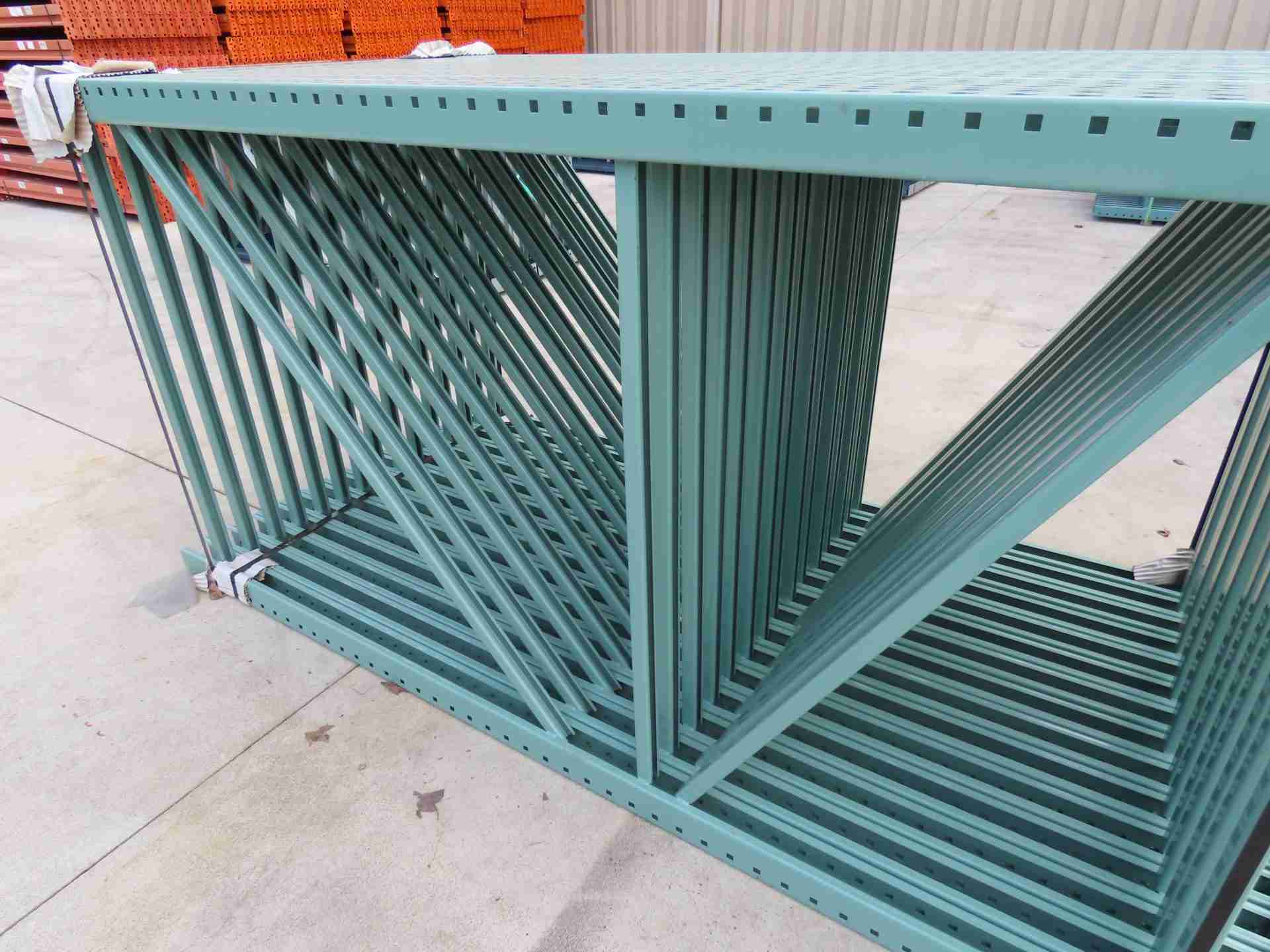
How Do You Ensure Shelving Stability In A Warehouse?
What Weight Limits Should Be Observed For Warehouse Shelving?
When it comes to warehouse shelving, understanding and adhering to weight limits is not just a best practice; it’s a safety essential. We live in a fast-paced world where inventory turnover is critical—one miscalculation could lead to disastrous consequences, both in safety and cost.
Take, for instance, pallet racking, a popular choice for many warehouses. Typically, each level of pallet racking is rated for a specific weight limit, often around 3,000 to 4,000 pounds per shelf. However, businesses must carefully calculate the total load across all levels, factoring in not just the shelves themselves, but also the weight of the products stored. Overloading a pallet rack can lead to structural failure and a potential hazard for employees. A famous incident from a warehouse fire service in California recently highlighted the dangers of disregarding these crucial weight limits. A stacked load exceeding capacity caused a shelf to collapse, resulting in injuries and expensive damages.
It’s essential to conduct a thorough weight analysis. Start by categorizing your inventory. For instance, heavy machinery parts will require more robust storage than boxes of office supplies. A versatile heavy-duty shelving unit designed to support varying weights—like a well-engineered pallet rack—should be considered when planning your layout.
Additionally, regulations like OSHA guidelines dictate the importance of complying with weight capacities. Adherence not only ensures the safety of your workforce but also protects your bottom line. Insurance claims related to workplace accidents can skyrocket and leave businesses in a precarious financial position.
Investing in high-quality pallet rack systems with clear signage and labels indicating the maximum load can serve as a constant reminder for warehouse employees. Remember, safety is not just about compliance; it’s a reflection of a company’s commitment to its team.
Consider the evolving landscape of e-commerce and logistics. Companies are shifting towards more automated solutions, increasing the demand for efficient warehouse designs. As facilities adapt, they must not overlook the fundamentals of weight management. For example, Amazon’s recent $1.8 billion investment into robotic warehouses emphasizes the need for careful planning around shelving and load distribution as automated systems become more integrated into operations.
Ultimately, your investment in pallet racking and the conscientious observation of weight limits will not only safeguard your workforce but also optimize your operations. Adopting these guidelines isn’t just good business; it’s a proactive strategy towards sustained growth and safety.

What Weight Limits Should Be Observed For Warehouse Shelving?
What Weight Limits Should Be Observed For Warehouse Shelving?
- Understanding weight limits in warehouse shelving is critical for safety and cost management.
- Pallet racking typically supports 3,000 to 4,000 pounds per shelf; businesses must calculate total loads carefully.
- Overloading pallet racks can lead to structural failures and employee hazards.
- Recent incidents highlight the dangers of ignoring weight limits, leading to injuries and costs.
- Conduct a thorough weight analysis by categorizing inventory to match appropriate shelving solutions.
- Adhering to regulations like OSHA ensures workforce safety and prevents expensive insurance claims.
- Investing in quality pallet racks with clear weight signage reflects a company’s commitment to employee safety.

What Weight Limits Should Be Observed For Warehouse Shelving?
How Often Should Warehouse Shelving Be Inspected For Safety?
In the bustling environment of a warehouse, safety is not just a priority; it’s a necessity. With pallet racking systems towering high and holding substantial weights, the risk of accidents, injuries, and material damage looms large if these structures go unchecked. So, how often should your warehouse shelving be inspected for safety? Let’s break it down.
First and foremost, routine inspections should be conducted on a daily basis. Every time personnel enter the warehouse, they should have an eye on the pallet racking systems for any visible signs of issues—such as bent beams, loose connections, or damage from accidental contact with forklifts. Daily vigilance creates a culture of safety and ensures that minor issues are caught before they escalate.
Next, implement a weekly inspection regimen. During these evaluations, dedicate time to a detailed examination of your pallet racking. Look closely for wear and tear, and check for stability. For instance, an increasing number of warehouse accidents over the past year have been linked to improper loading practices. Regular checks can help establish best practices and ensure that all team members are following the load capacities laid out by the manufacturer.
Monthly inspections should delve even deeper. Consider engaging your safety officer or enlisting the services of an external expert to conduct a comprehensive audit of your shelving. This not only ensures compliance with OSHA regulations but provides a critical second opinion. Moreover, investing in technology that can provide real-time monitoring of racking structures could save you from hefty fines and, more importantly, prevent potential accidents.
In light of current events—the rising disruptions in supply chains and labor shortages—remember that safe operations lead to efficiency. A well-maintained warehouse avoids costly downtime incurred by accidents and injuries. Furthermore, businesses noted for their commitment to safety and quality often find their reputations enhanced, attracting both clients and top talent alike.
Finally, don’t forget about annual inspections. This is your opportunity for a thorough, professional evaluation of your entire pallet racking system. Companies that rely on robust warehouse shelving structures often opt for third-party inspectors to audit their systems fully, identifying issues that may not be visible during regular checks.
By implementing a structured inspection schedule—daily, weekly, monthly, and annually—you’ll not only ensure the safety of your warehouse but also bolster your organization’s operational efficiency and integrity. Safety isn’t just a checklist; it’s a culture that pays dividends. Invest in it!
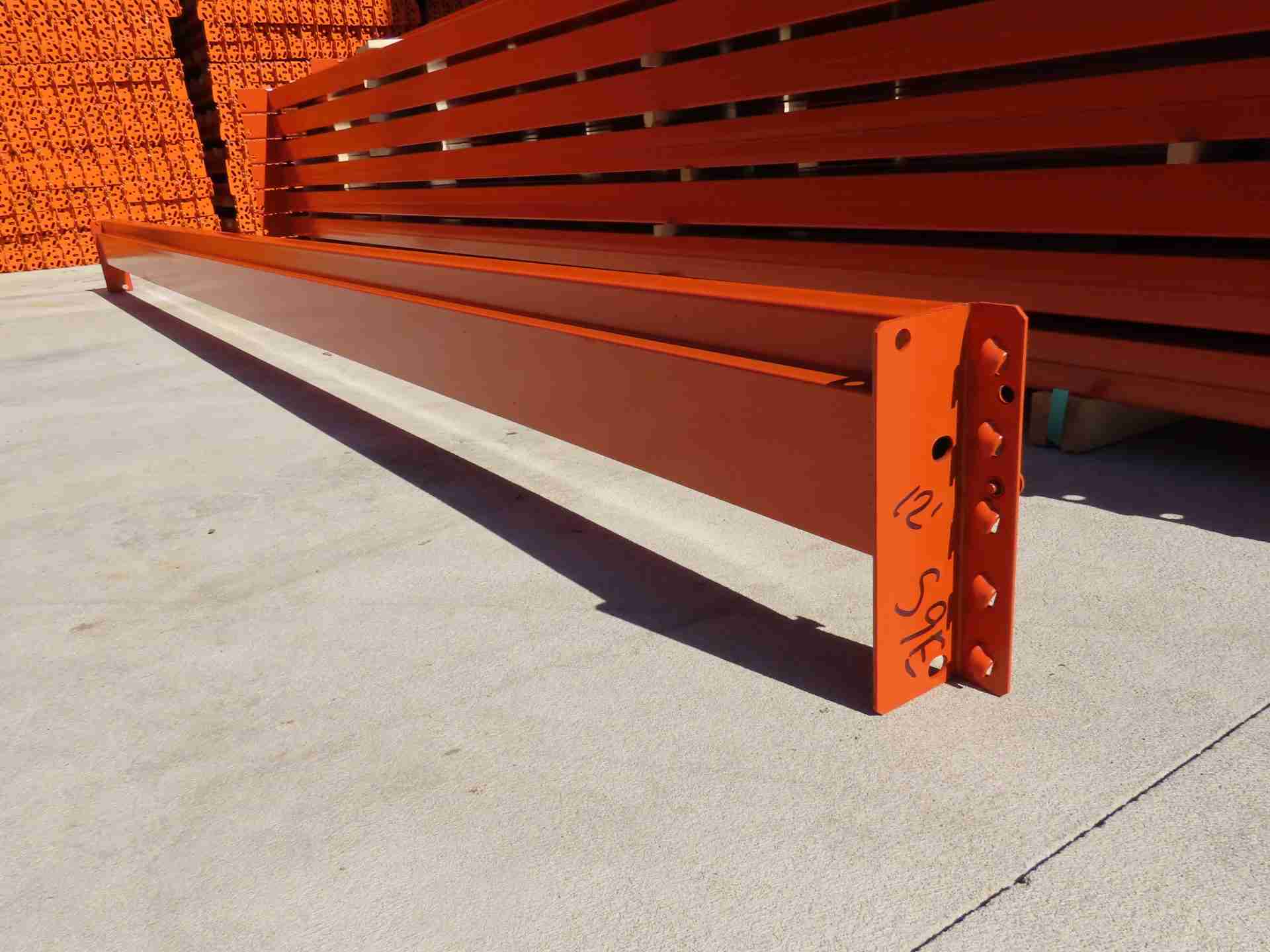
How Often Should Warehouse Shelving Be Inspected For Safety?
How Often Should Warehouse Shelving Be Inspected For Safety?
- Safety in warehouses is a necessity due to high-stacked pallet racking systems and potential risks.
- Daily inspections are crucial for identifying visible issues like bent beams and loose connections.
- Weekly inspections should focus on wear, tear, and proper loading practices to prevent accidents.
- Monthly inspections can involve safety officers or external experts to ensure compliance with OSHA regulations.
- Investing in technology for real-time monitoring can prevent accidents and save on fines.
- Annual inspections provide a thorough evaluation by third-party inspectors to identify hidden issues.
- Implementing a structured inspection schedule enhances safety, operational efficiency, and business reputation.

How Often Should Warehouse Shelving Be Inspected For Safety?
What Qualifications Should Personnel Have For Shelving Assembly?
In today’s fast-paced logistics environment, the efficient assembly of shelving systems, particularly pallet racking, requires personnel with a unique skill set. Businesses striving for success know that the expertise of their assembly team can make or break their operational efficiency. So, what qualifications should these individuals possess?
First and foremost, workers should have a solid grounding in basic engineering and design principles. Familiarity with pallet racking specifications is crucial. For instance, understanding load capacities and ensuring compliance with safety standards can prevent costly accidents and product loss. With OSHA enforcement ramping up and stricter guidelines emerging in various industries, having personnel who can interpret these regulations ensures that your business is not only competitive but also compliant.
In addition to technical knowledge, workers should be adept at using tools and machinery relevant to shelving assembly. This includes everything from basic hand tools to more complex equipment like lift trucks. For example, a proficient assembly technician should not only know how to construct pallet racking systems but also operate forklifts safely to transport these systems to their designated locations. A well-rounded skill set can mitigate risks, ultimately driving operational efficiency.
Moreover, soft skills can’t be overlooked. Effective communication is crucial, especially in assembly team environments where collaboration is essential. Personnel should feel comfortable discussing challenges, sharing ideas, and providing feedback to ensure that pallet racking systems are assembled as efficiently as possible. The recent surge in e-commerce logistics and the need for agile warehouse operations make this point more pertinent than ever; workers equipped with strong interpersonal skills can adapt swiftly to changing demands.
Furthermore, training and certifications play a vital role. Look for personnel who have undergone specific training courses in pallet racking assembly. These certifications usually cover important aspects such as safety protocols and best practices, giving employers confidence in their staff’s qualifications. With supply chain disruptions still influencing the market, having a capable team ready to respond quickly can differentiate your business from competitors.
Finally, experience in the field remains irreplaceable. Individuals who have previously worked with pallet racking systems bring a wealth of practical knowledge that can streamline processes. They understand the nuances involved in various shelving configurations and can troubleshoot potential issues before they arise.
In summary, to assemble effective shelving solutions like pallet racking, look for individuals with a blend of technical, practical, and interpersonal skills. Equip your team with the right qualifications, and watch your operational efficiency soar, keeping your business not just afloat but thriving in a competitive marketplace.

What Qualifications Should Personnel Have For Shelving Assembly?
What Qualifications Should Personnel Have For Shelving Assembly?
- Efficient shelving assembly, especially pallet racking, requires a specialized skill set in the logistics sector.
- Workers should have a good foundation in engineering and design principles, including knowledge of pallet racking specifications.
- Understanding load capacities and safety standards is vital to prevent accidents and ensure compliance with OSHA regulations.
- Proficiency with tools and machinery, from hand tools to lift trucks, is essential for effective assembly operations.
- Soft skills, particularly effective communication, enhance teamwork and adaptability in fast-paced environments.
- Training and certifications in pallet racking assembly are important for ensuring safety and best practices among personnel.
- Prior experience with pallet racking systems provides invaluable practical knowledge that aids in process efficiency.

What Qualifications Should Personnel Have For Shelving Assembly?
How Can You Prevent Hazards Related To Shelving Equipment?
In the bustling world of warehousing and retail, the efficiency of shelving equipment like pallet racking is essential. However, along with efficiency, safety must take center stage. Before your operations become a headline disaster, let’s delve into practical strategies that can prevent hazards associated with shelving equipment.
First, conducting regular inspections is foundational to maintaining safety. Just as you’d routinely check the oil in your car, inspect your pallet racking systems for damage or wear. Look for bent beams, cracked welds, or signs of corrosion. Recently, a well-known national retailer suffered a costly incident due to neglected pallet racking inspections, which ultimately resulted in product loss and employee injuries. By establishing a rigorous inspection schedule, you can prevent similar outcomes.
Training your staff is another pivotal element. Conduct comprehensive safety training focused on the proper use and loading of pallet racking. Employees should understand the weight limits and the significance of balancing loads evenly. Implementing a ‘safety first’ culture not only protects your team but also increases operational proficiency. For instance, a logistics company that prioritized employee training saw a significant reduction in incidents over six months, boosting morale and productivity.
Next, consider the importance of clear signage and labeling. Properly marking weight limits on each pallet rack serves as a constant reminder for your team, minimizing the risk of overloading. Additionally, use visual aids that demonstrate correct loading procedures. In a recent case, a warehouse increased its compliance by 30% with effective signage strategies, addressing the dangerous tendency of employees to disregard weight restrictions.
An often-overlooked aspect is the layout of your storage area. Ensure that your pallet racking systems are positioned to facilitate safe navigation. Aisles should be sufficiently wide to allow for equipment movement, and exiting pathways must remain clear at all times. This simple adjustment can prevent accidents caused by collisions or unexpected cuts.
Finally, don’t forget about emergency preparedness. Regularly update your emergency response plan and ensure that employees know how to react in the event of an incident involving shelving equipment. Simulated drills can prepare your team to handle real emergencies efficiently, reducing panic and increasing safety.
Embrace these practices to proactively safeguard your operations. With proper checks, training, clear communication, thoughtful layout, and emergency preparedness, you’ll not only mitigate hazards but also foster a culture of safety that resonates through every tier of your organization. After all, a safe workplace is a productive workplace.
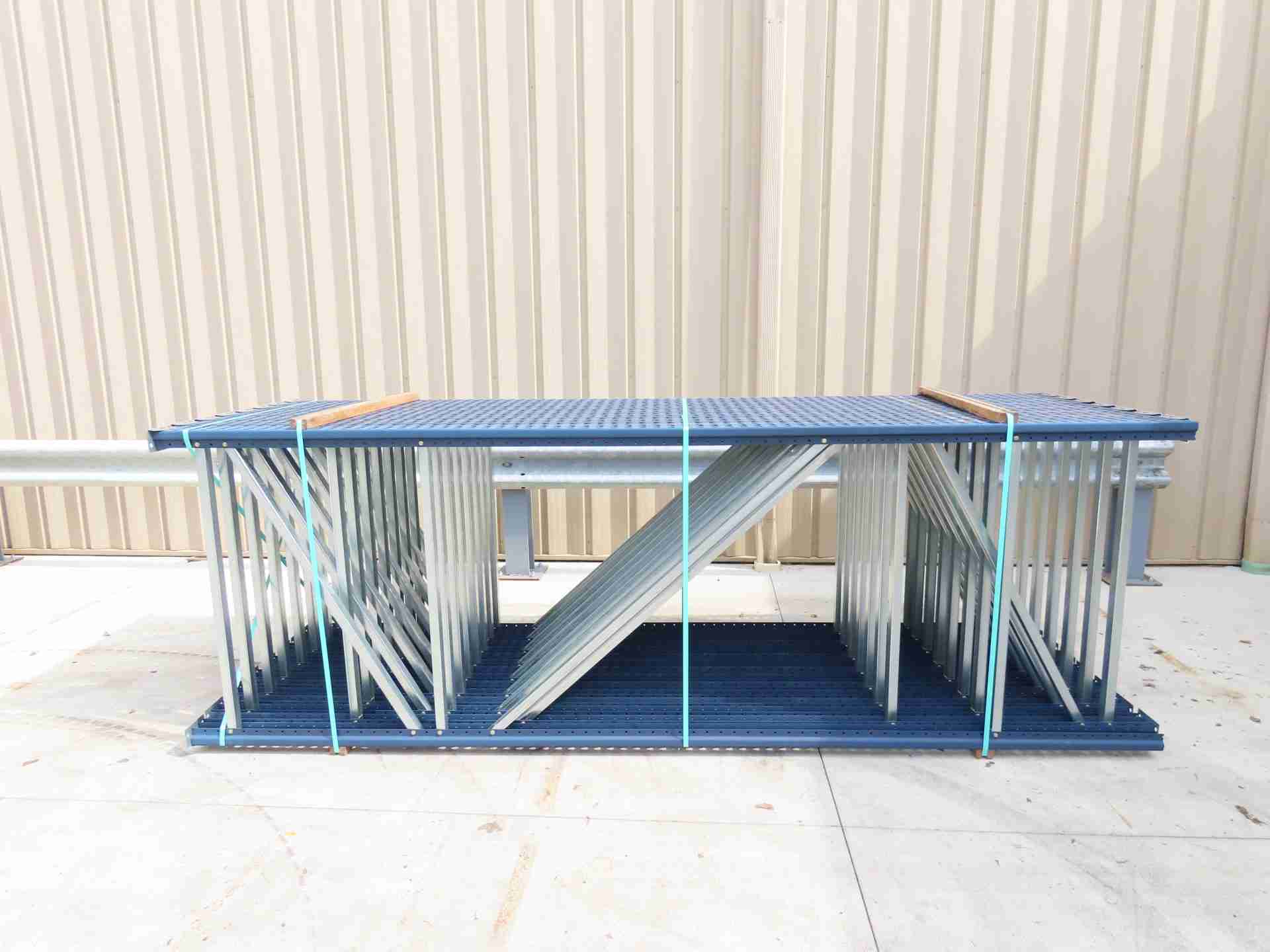
How Can You Prevent Hazards Related To Shelving Equipment?
How Can You Prevent Hazards Related To Shelving Equipment?
- Efficiency of shelving equipment like pallet racking is crucial in warehousing and retail.
- Regular inspections of pallet racking systems are essential to maintaining safety and preventing damage.
- Comprehensive staff training on proper use and loading of pallet racking can enhance safety and operational proficiency.
- Clear signage and labeling indicating weight limits help minimize the risk of overloading and promote compliance.
- Storage area layout should facilitate safe navigation, ensuring wide aisles and clear exit paths.
- Emergency preparedness through updated response plans and simulated drills increases safety readiness among employees.
- Implementing these practices fosters a culture of safety, contributing to a more productive workplace.

How Can You Prevent Hazards Related To Shelving Equipment?
Conclusion
In the ever-evolving world of warehousing, safety should be not merely an obligatory checkbox but a keystone of operational excellence. At Arrow Industrial Sales, we understand that prioritizing safety means safeguarding your most valuable asset—your workforce. As outlined throughout this article, adhering to robust safety standards for warehouse shelving is essential. Compliance with the stringent guidelines set forth by entities such as OSHA and ANSI isn’t just about avoiding penalties—it’s about cultivating a culture of safety that leads to greater productivity and efficiency.
The current landscape demands that your facilities are equipped to handle not just the volume of goods but the safety complexities associated with modern pallet racking systems. Investigating the cause of recent warehouse accidents reveals a clear pattern: neglecting proper inspections and maintenance can lead to catastrophic failures. Therefore, we strongly advocate for a rigorous inspection routine—daily checks to spot obvious wear and monthly audits for comprehensive insights—because safety cannot be an afterthought; it must be woven into the very fabric of your operations.
Beyond inspections, the importance of properly training your employees cannot be overstated. They are your first line of defense against accidents and inefficiencies. By investing in their knowledge of weight limits and loading practices, you empower them to act responsibly, thereby fostering a safety-minded culture that reverberates throughout your organization. Remember, in this fast-paced e-commerce era, every precaution you take strengthens your operational foundation.
Moreover, the right equipment plays a crucial role in ensuring safety. From durable pallet racks to safety barriers, modern technology can mitigate risks significantly. And let’s not forget the demographic shift towards automation in warehouse operations, as many successful companies have adopted innovative solutions that also prioritize safety and efficiency.
As you reflect on the insights shared within this article, we invite you to take immediate action. Do not wait for an accident to bring attention to these critical issues. Call Arrow Industrial Sales at (574) 349-6575 today to discuss how we can help you implement these essential practices. Equip your warehouse with the safest, most effective shelving solutions and transform it into a productive haven. Remember—acting now means reaping the long-term benefits of a safer, more efficient warehouse. Your team and bottom line will thank you. Safety is not just essential; it’s an investment in your future. Don’t leave it to chance; act decisively today!

Conclusion
Conclusion:
- Safety should be a central focus in warehousing, not just a compliance requirement.
- Adhering to safety standards from OSHA and ANSI is crucial for productivity and efficiency.
- Proper inspections and maintenance are essential to prevent catastrophic warehouse accidents.
- A rigorous inspection routine, including daily checks and monthly audits, is advocated.
- Employee training on safety practices empowers staff and fosters a safety-minded culture.
- The right equipment, including durable pallet racks and safety barriers, mitigates risks.
- Immediate action on safety practices is essential for creating a productive, safe warehouse environment.

Conclusion
Other Resources

Other Resources
Here is a list of other resources you can review online to learn more:
- MHI
- Teardrop Racks – Pallet Rack World
- Pallet Racking systems in Illinois and Great Lakes
- Material Handling Safety
- Used Teardrop Pallet Rack – American Surplus
- IWLA
- What is Cantilever Racking? – AK Material Handling Systems
- Teardrop Industrial Shelving Rack
- Iowa Illinois Warehouse Racking
- NSC
Use This Prompt To Get More Resources With Your Favorite Online AI Tool: Please provide me with a list of online articles with their URLs in a bulleted list that I can read regarding What Safety Standards Should You Follow for Warehouse Shelving?

Other Resources
Glossary Terms
What Safety Standards Should You Follow for Warehouse Shelving? – Glossary Of Terms
1. Aisle Width: The space between shelving units that allows for safe movement of personnel and equipment. Adequate aisle width reduces the risk of accidents.
2. Load Capacity: The maximum weight a shelving unit can safely support. This must be clearly marked and never exceeded to prevent collapse.
3. Forklift Clearance: The vertical space required for forklifts to operate safely under shelving units. Ensuring adequate clearance is crucial for safety.
4. Shelving Configuration: The arrangement of shelves (e. g. , mobile, static, cantilever) which influences accessibility, stability, and safety.
5. Weight Distribution: The manner in which loads are placed on shelves to ensure even distribution and prevent tipping or collapse.
6. Pallet Racking: A specific type of shelving designed for storing palletized goods, requiring adherence to particular safety standards.
7. Inspection Schedule: A routine plan for inspecting shelving for damage, wear, or misuse, crucial for maintaining safety standards.
8. Safety Labels: Signs or stickers placed on shelving to convey load capacities, safety procedures, and warnings about hazards.
9. Guardrails: Protective barriers installed on shelving units to prevent items from falling and causing injury.
10. Stability: The ability of a shelving unit to remain upright under load. Proper installation and load distribution enhance stability.
11. Cross-Bracing: Diagonal supports in shelving structures that enhance stability and prevent swaying or collapse.
12. Shelving Material: The type of material (steel, plastic, etc. ) used for shelving, affecting durability and load capacity.
13. Height Restrictions: Limits on how high shelving can be constructed or loaded, ensuring safety and compliance with standards.
14. Inventory Management: The process of tracking materials stored on shelves, important for planning and ensuring safe load placement.
15. Personal Protective Equipment (PPE): Gear that workers wear to protect against injuries while working around shelves, such as helmets, gloves, and safety shoes.
16. Load Signs: Signage that indicates the maximum weight allowed on each shelf, crucial for load management.
17. Spreader Bars: Devices used to evenly distribute weight or prevent shelf deformation under heavy loads.
18. Fire Safety: Protocols and practices in place to prevent and respond to fire hazards, which may include appropriate shelving materials and layouts.
19. Emergency Access: Clear pathways that must be maintained around shelving for quick evacuation in case of emergencies.
20. Structural Integrity: The ability of shelving to support loads without failure, requiring regular inspections and maintenance.
21. Training Requirements: Specific training that employees must complete regarding the safe handling and maintenance of shelving systems.
22. Tilted Shelving: A design which helps in displaying products upright, ensuring easy access and reducing the chance of items falling.
23. Segregation: The practice of organizing shelving to separate incompatible materials that could pose safety risks if stored together.
24. Compliance Standards: Regulations established by organizations like OSHA or ANSI that set minimum safety requirements for shelving systems.
25. Seismic Bracing: Additional supports used in shelving to secure them against movement during earthquakes, particularly in high-risk areas.
26. Manual Handling Procedures: Guidelines outlining safe techniques for lifting and moving materials around shelving.
27. Load Binders: Tools used to secure loads on shelving, preventing shifts that could cause accidents.
28. Shelving Inspection Checklist: A document used during inspections to ensure all safety standards are being followed and checked.
29. Overloading: Placing excessive weight on a shelving unit beyond its load capacity, which can lead to failure and accidents.
30. Adaptability: The ability of shelving systems to be reconfigured or adjusted to meet changing warehouse needs while maintaining safety protocols.

Glossary Of Terms
Other Questions
What Safety Standards Should You Follow for Warehouse Shelving? – Other Questions
If you wish to explore and discover more, consider looking for answers to these questions:
- What are the consequences of failing to adhere to warehouse shelving safety standards?
- How can I implement a safety training program for my warehouse staff?
- What specific OSHA and ANSI regulations should I be aware of?
- How do I choose the right pallet racking system for my warehouse?
- What tools and techniques can be used for inspecting pallet racking?
- How can I create a culture of safety within my warehouse environment?
- What are some examples of accidents that have occurred due to shelving failures?
- What role do local regulations play in warehouse shelving safety?
- How often should I provide refresher training for employees on safety practices?
- What innovative technologies are available to improve warehouse safety?
- How should I document inspections and maintenance of warehouse shelving?
- What is the best way to handle a shelving system failure when it occurs?
- How can I assess the risk of using older shelving systems?
- What features should I look for in safety equipment for pallet racking?
- How can I balance safety with space optimization in my warehouse?

Other Questions
Checklist
What Safety Standards Should You Follow for Warehouse Shelving? – A Checklist
Compliance and Standards
_____ Familiarize Yourself with ANSI & OSHA Guidelines
_____ Ensure compliance with American National Standards Institute (ANSI) and Occupational Safety and Health Administration (OSHA) regulations.
_____ Understand Load Capacities
_____ Confirm that pallet racking systems are designed to support the maximum weight of stored materials.
Inspections
_____ Conduct Daily Visual Inspections
_____ Check for visible damage (e. g. , bent beams, loose connections) whenever personnel enter the warehouse.
_____ Implement Weekly Detailed Inspections
_____ Examine pallet racking for stability, wear, and internal structural integrity.
_____ Schedule Monthly Comprehensive Inspections
_____ Engage a safety officer or third-party expert to conduct an extensive audit.
_____ Perform Annual Thorough Inspections
_____ Collaborate with external inspectors to identify issues not visible during regular checks.
Training and Employee Awareness
_____ Provide Employee Training
_____ Ensure personnel understand weight limits, loading techniques, and racking system operation.
_____ Regularly Update Safety Protocols
_____ Continuously educate staff on best practices and any changes in safety regulations.
Equipment and Maintenance
_____ Invest in High-Quality Racking Systems
_____ Source durable and reputable shelving materials to withstand your operational demands.
_____ Ensure Proper Installation
_____ Engage certified professionals for setup to meet required guidelines and standards.
_____ Conduct Regular Maintenance
_____ Monitor for signs of wear and schedule repairs or replacements as needed.
Safety Practices
_____ Install Safety Equipment
_____ Use rack protection barriers and safety netting to mitigate risks associated with pallet racking.
_____ Use Clear Signage
_____ Label weight limits and provide visual guides for safe loading procedures.
_____ Meet Emergency Preparedness Standards
_____ Maintain an updated emergency response plan and conduct regular drills.
Space Management
_____ Optimize Warehouse Layout
_____ Maintain clear aisles for safe equipment movement and avoid clutter around racking systems.
Technology and Innovation
_____ Consider Weight Sensors
_____ Implement technology to monitor and ensure compliance with weight limits.
_____ Stay Updated on Industry Innovations
_____ Keep abreast of newer materials and designs for enhanced safety and efficiency.
Review and Improvement
_____ Monitor Incident Reports
_____ Regularly assess accidents or near-misses to identify opportunities for improvement.
_____ Establish a Culture of Safety
_____ Foster an environment where safety questions and feedback are encouraged among staff.
By adhering to this checklist, you can create a safer, more productive warehouse environment that prioritizes employee well-being and operational efficiency.

Checklist
At RackingWorld, we help guide you through selecting warehouse storage systems and racking.
Be sure to read our other related stories at RackingWorld to learn more about warehouse storage systems.
0 Comments