
Streamline Your Search: Find The Perfect Local Rack Option
By Tom Seest
At RackingWorld, we help guide you through selecting warehouse storage systems and racking.
Be sure to read our other related stories at RackingWorld to learn more about warehouse storage systems.
Is Comparing Local Rack Options Wasting Your Time?
When it comes to maximizing your warehouse or storage space, the right pallet racking system can make a world of difference. However, the temptation to endlessly compare local rack options can lead you down a rabbit hole of inconclusive outcomes, missed opportunities, and ultimately, wasted time. Let’s face it: in a world where businesses are racing to adapt to changing supply chains, do you really want to risk falling behind while you play the comparison game?
Consider this real-world scenario: a regional distributor spent months weighing different pallet racking systems, from selective racks to drive-in racks, all while watching competitors streamline their operations using modern solutions. By the time they made a decision, they not only had lost valuable time, but they also found that the market had shifted. Their competitors, who acted decisively by investing in adjustable pallet racking systems during those same months, were now enjoying increased storage efficiency and subsequent gains in revenue.
Moreover, the costs associated with indecision are staggering. Think of the overhead—extra labor hours, the potential for damaged inventory due to inefficient storage solutions, and even dissatisfaction among employees who struggle with inadequate systems. If you’re caught up in making the “perfect” choice, you may inadvertently cripple your business before you even implement a solution.
Instead of endlessly scrolling through local options, focus on identifying a few critical factors that align with your operational goals. For instance, do you require high-density storage, or can you benefit from ease of access? Perhaps your primary concern is flexibility as your inventory scales up or down. By narrowing your focus, you can eliminate distractions—that wide array of local rack options starts to look more manageable and actionable.
As you navigate this journey, keep an eye on the innovations hitting the market. Recent developments in mobile pallet racking and automated storage solutions are game-changers you won’t find in traditional analyses. Companies that swiftly embrace these technologies are not just keeping pace; they’re redefining efficiency standards within their industries.
While considering local rack options is crucial, the real question is whether you’re genuinely assessing or merely comparing for sport. The clock is ticking—make your move, invest wisely in a pallet racking system that serves your needs, and watch your business flourish in ways you never imagined. Don’t let procrastination cost you competitive advantages that could easily be yours. Act decisively, and let an effective racking solution propel your success.
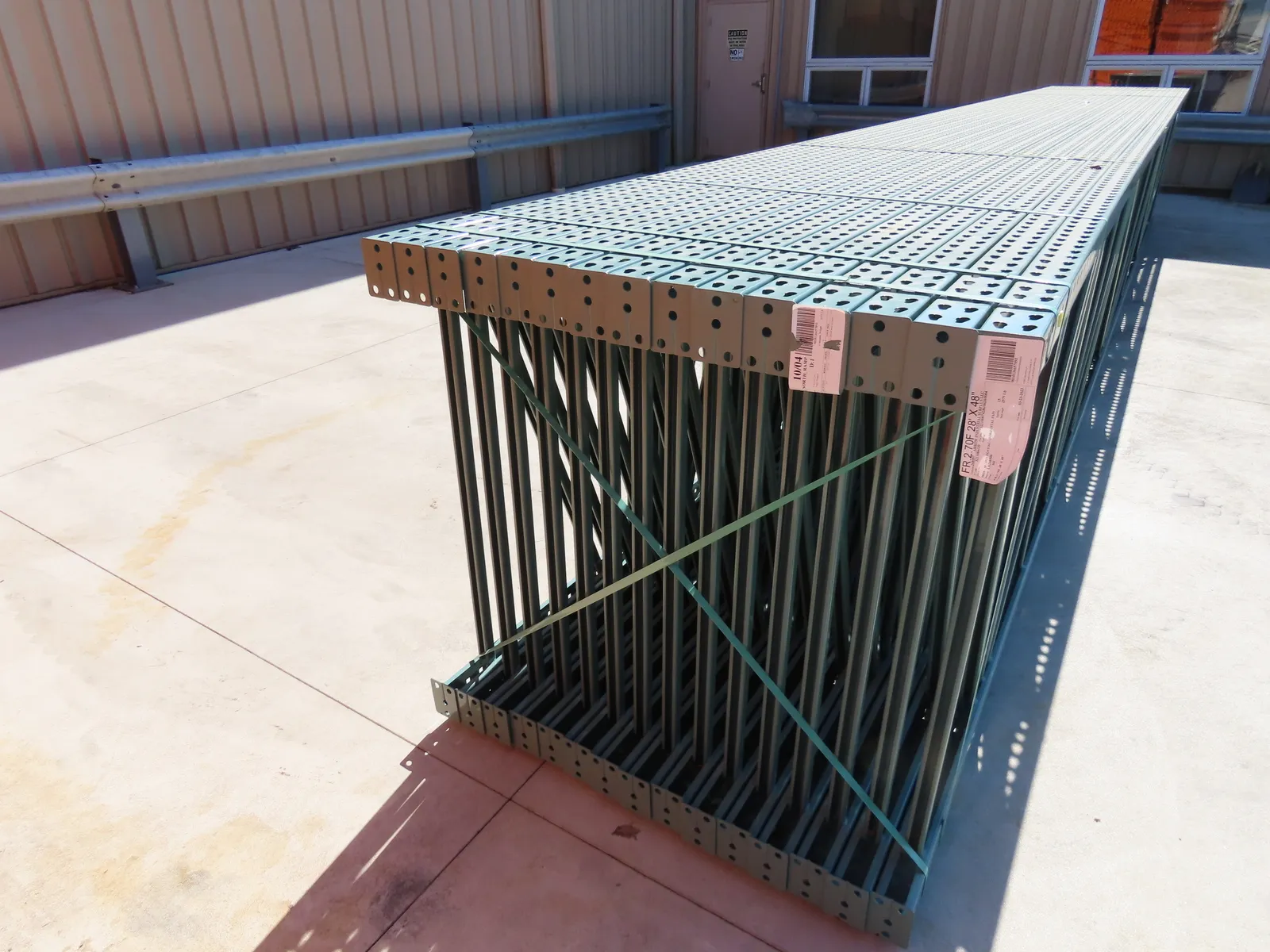
Is Comparing Local Rack Options Wasting Your Time?
Is Comparing Local Rack Options Wasting Your Time?
- Choosing the right pallet racking system can significantly maximize warehouse space.
- Endless comparisons of local rack options can result in wasted time and missed opportunities.
- Indecision can lead to increased costs, including extra labor and potential inventory damage.
- Focusing on key operational goals can help streamline the selection process for storage solutions.
- Consider innovative technologies like mobile pallet racking and automated storage systems.
- Acting quickly and decisively can provide a competitive edge in a rapidly changing market.
- Investing wisely in a suitable racking system can enhance operational efficiency and drive business success.
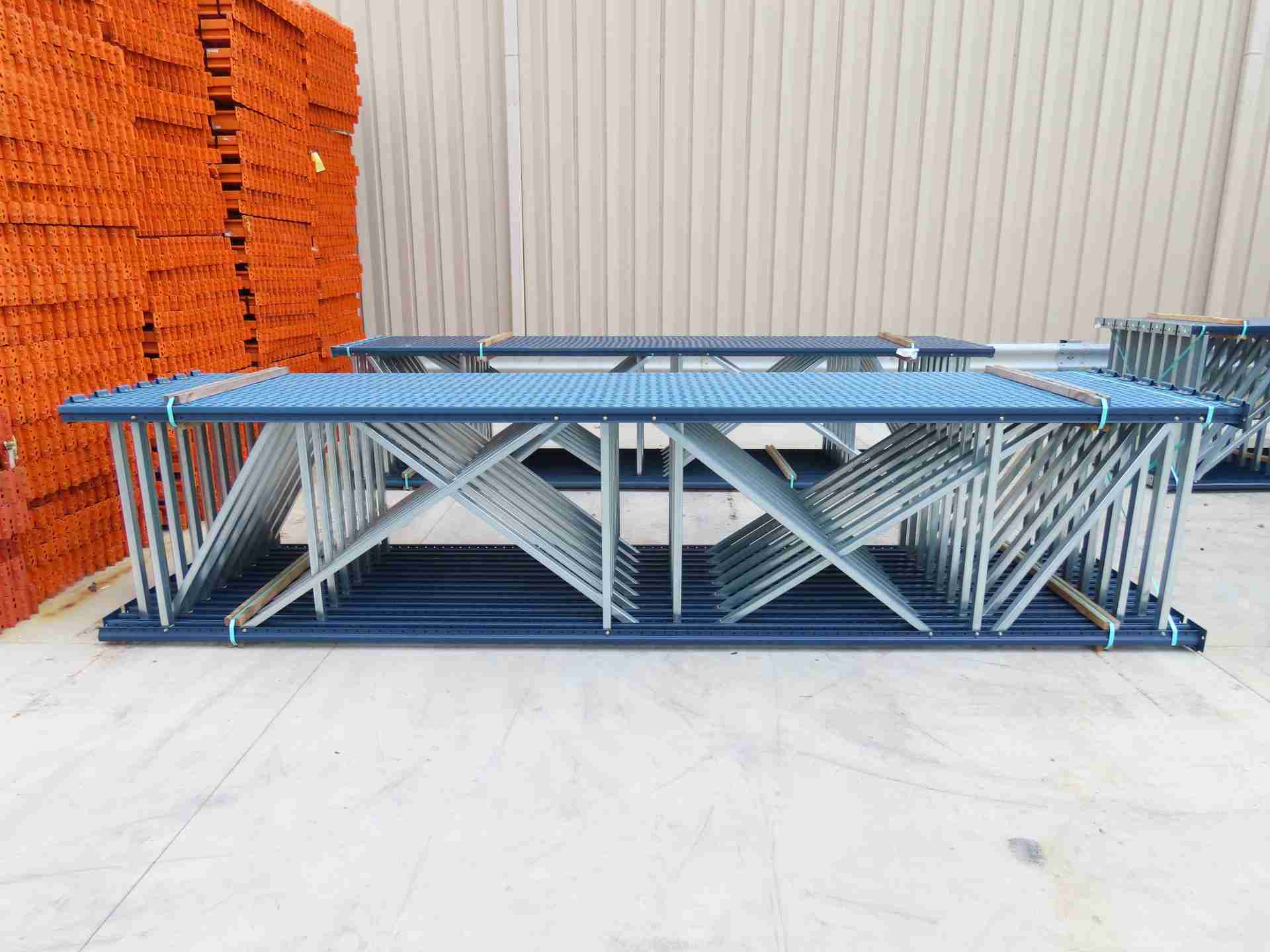
Is Comparing Local Rack Options Wasting Your Time?
Table Of Contents
- Is Comparing Local Rack Options Wasting Your Time?
- Is Comparing Local Rack Options Truly Beneficial?
- What Factors Should I Consider?
- How Do Local Rack Options Differ From Online Alternatives?
- Are There Hidden Costs With Local Rack Options?
- What Are The Advantages Of Using Local Racks?
- How Do I Assess The Quality Of Local Rack Providers?
- Conclusion
- Other Resources
- Glossary Of Terms
- Other Questions
- Checklist
Is Comparing Local Rack Options Truly Beneficial?
When it comes to optimizing your warehouse or retail space, the benefits of proper pallet racking cannot be overstated. But as industry players seek to enhance operational efficiency, a pivotal question arises: Is comparing local rack options truly beneficial? The answer is a resounding yes, and the data backing this assertion speaks volumes.
Let’s consider the current landscape: as supply chains strive to recover from the bottlenecks caused by the pandemic, companies are increasingly aware of the need for robust inventory management solutions. In this context, local pallet racking options present a heterogeneous mix of quality, pricing, and expert support—factors that can dramatically impact your bottom line.
Take the example of a mid-sized e-commerce company that recently faced an avalanche of orders during a peak season after launching a viral marketing campaign. Relying on a single supplier without evaluating local rack options almost led to a catastrophic failure in fulfilling customer expectations. Fortunately, a timely search for alternative pallet racking providers in their vicinity yielded a local firm that offered both superior materials and customizable solutions—transforming what could have been a logistical nightmare into a seamless operation.
Moreover, the current trend toward sustainability has prompted many businesses to rethink their pallet racking systems. Local options often provide the opportunity for negotiation, ensuring products are not only sourced ethically but come with lower transport emissions. For instance, a manufacturing plant that made the switch to locally manufactured pallet racking noticed a 30% reduction in transportation costs, which translated into significant savings over the year.
However, let’s not overlook the role of local support and expertise. A local pallet racking company can provide you with tailored solutions, thorough assessments, and ongoing support that larger, distant providers simply cannot match. Consider the recent circumstance where a large franchise faced several compliance issues; the quick response of a nearby supplier allowed them to navigate these challenges efficiently, whereas their previous distant supplier would have created delays and added stress.
Comparing local pallet racking options is not merely an exercise in procurement; it’s a strategic necessity in today’s dynamic business environment. By equipping your operation with the right local support, innovative solutions, and valuable cost efficiencies, you position yourself for not only survival but also growth. Don’t let your competitors outpace you; leverage the power of local expertise in pallet racking to secure your market position.
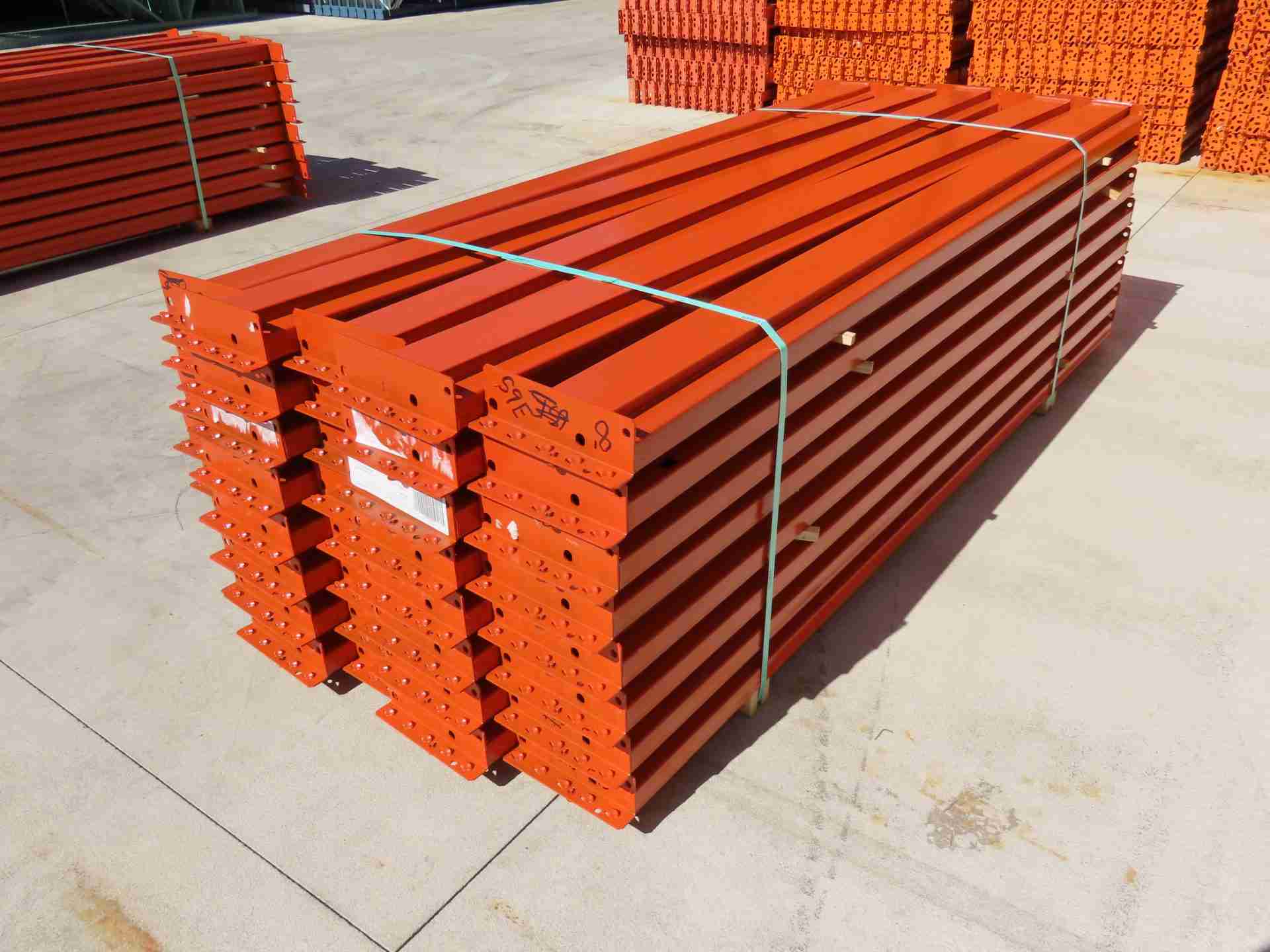
Is Comparing Local Rack Options Truly Beneficial?
Is Comparing Local Rack Options Truly Beneficial?
- The importance of proper pallet racking in optimizing warehouse and retail spaces is significant.
- Comparing local rack options is beneficial for enhancing operational efficiency, particularly as supply chains recover from pandemic-related challenges.
- Local pallet racking offers varying quality, pricing, and expert support, all of which can impact profitability.
- A mid-sized e-commerce company successfully navigated a peak season challenge by seeking local pallet racking alternatives, avoiding potential fulfillment failures.
- Sustainability trends have led businesses to consider local pallet racking, resulting in lower transport emissions and cost savings.
- Local suppliers provide tailored solutions and expert support, addressing compliance issues more efficiently compared to distant providers.
- Strategically comparing local options positions businesses for growth in a competitive market, emphasizing the value of local expertise in pallet racking.
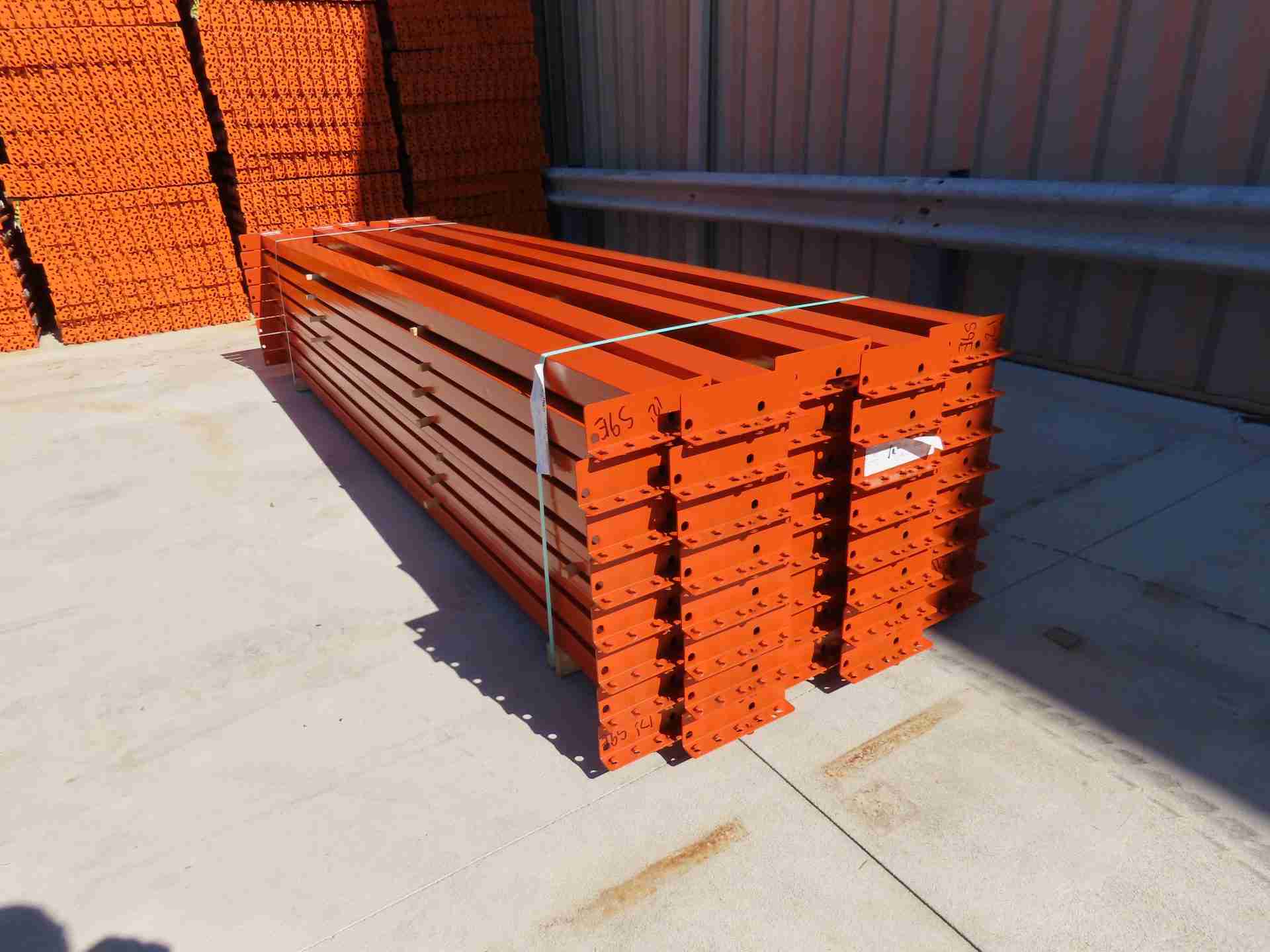
Is Comparing Local Rack Options Truly Beneficial?
What Factors Should I Consider?
Choosing the right storage solution for your business is not just about aesthetics or price; it’s a strategic decision that can have long-lasting impacts on your operational efficiency. One essential option that has gained popularity in warehouses and distribution centers across the nation is Pallet Racking. However, before jumping on the pallet racking bandwagon, there are several key factors you should consider to ensure you’re making an informed investment.
First and foremost, evaluate your inventory type and volume. Different pallet racking systems cater to various goods. For example, if you’re dealing with perishable items like fresh produce or temperature-sensitive products, a selective racking system may suit your needs better. Consider how fast-moving your products are; FIFO (First In First Out) might be crucial for those products with a rapidly approaching expiry date, particularly in industries like food and pharmaceuticals.
Next, think about the space you have available. A well-planned warehouse layout is essential for maximizing efficiency. Measure your vertical and horizontal space to determine the height and depth of the pallet racking system you can install. A growing trend in warehousing, especially with current supply chain disruptions, is to go vertical. Companies are leveraging taller pallet racking systems to make the most of their square footage. With ongoing pandemic-related supply chain issues, utilizing every square inch of space can lead to significant cost savings and improved service levels.
Safety is another crucial factor. The Occupational Safety and Health Administration (OSHA) has guidelines in place to ensure the safety of materials storage. Neglecting this can lead to accidents that not only jeopardize your employees’ wellbeing but can also result in costly fines and liability claims. Investing in high-quality pallet racking and ensuring proper installation can mitigate these risks. Recently, various warehouses across the country have been fined hefty amounts due to non-compliance with safety regulations that encompass inadequate racking systems.
Finally, consider scalability. The last thing you want is for your storage solution to become obsolete within just a few years. As markets fluctuate and your business grows, your storage needs will change. Make sure the pallet racking system you choose allows for adaptability—whether it’s adding more levels or converting to different racking types.
While pallet racking can offer numerous benefits, it’s essential to take a holistic approach. By considering your inventory type, warehouse layout, safety regulations, and future scalability, you can make a wise investment that will serve your business in the long run. Don’t just think about today—think about tomorrow.
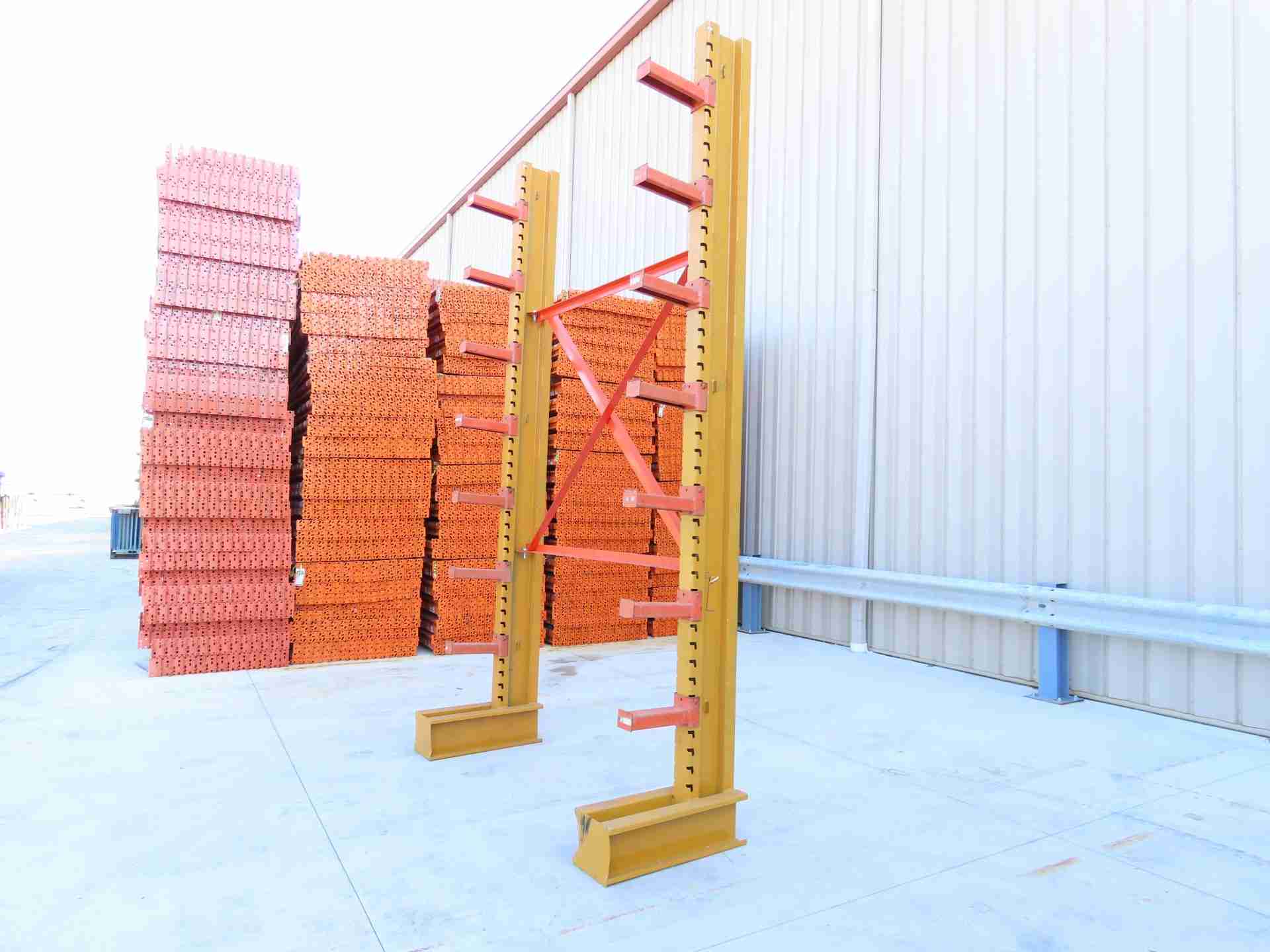
What Factors Should I Consider?
What Factors Should I Consider?
- Choosing a storage solution is a strategic decision influencing operational efficiency.
- Pallet Racking is popular in warehouses and distribution centers but requires careful consideration.
- Evaluate inventory type and volume; different racking systems suit different goods.
- Consider available space; vertical racking systems can maximize square footage.
- Prioritize safety by adhering to OSHA guidelines to prevent accidents and liability issues.
- Ensure scalability of the racking system to accommodate future changes in business needs.
- Take a holistic approach to make an informed investment that benefits long-term business growth.
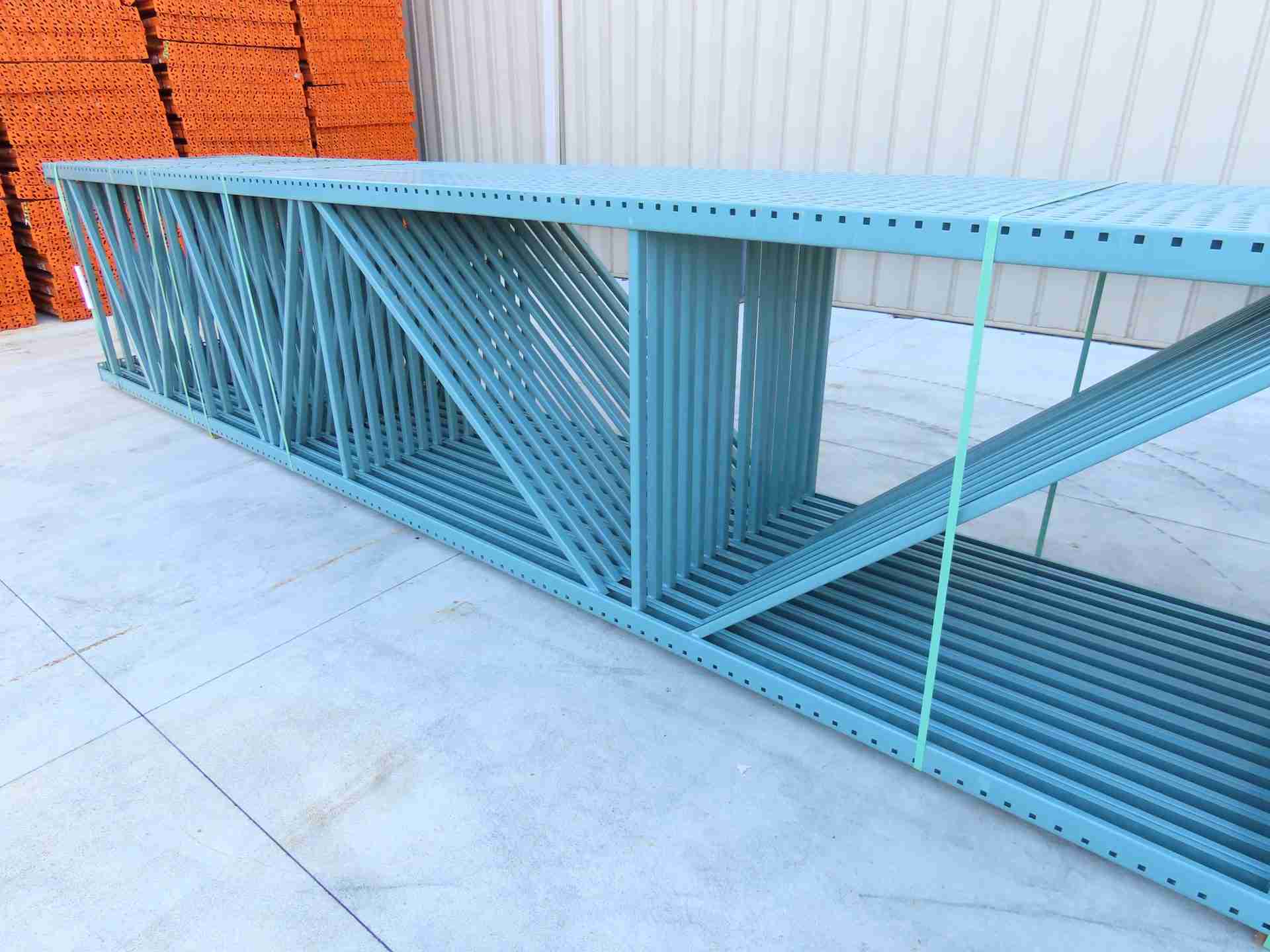
What Factors Should I Consider?
How Do Local Rack Options Differ From Online Alternatives?
When considering storage solutions for your business, understanding the difference between local rack options and online alternatives is essential for effective inventory management. Local solutions, such as pallet racking systems, offer tangible benefits that are often lost when businesses opt for online purchases. Let’s dive into the nuances that can tilt the scales in favor of local providers.
First, consider the immediacy of local rack options. When you purchase pallet racking from a local supplier, you’re not waiting for shipping, which can often slow down operations. For instance, amidst ongoing supply chain disruptions stemming from global events, securing your storage solutions locally can mean the difference between immediate operational efficiency and extended downtime. You can assess the racking systems in person, ensuring they meet your specific needs and quality standards while avoiding unforeseen errors associated with misjudged online dimensions or designs.
Another advantage is the personalized service local providers often deliver. You might have complex needs for your warehouse—perhaps custom-built pallet racking to maximize space in a challenging layout. A local expert can assess your facility and provide tailored solutions, something you’ll rarely find with online retailers, who usually gear their offerings toward a one-size-fits-all approach. Think about the embarrassment of rolling out a sub-par system that you rushed into buying without expert consultation.
Moreover, local rack suppliers often establish long-term relationships with their customers. This rapport can prove invaluable for ongoing support and maintenance, as well as timely access to new racking solutions as your business scales. Imagine needing to expand and discovering that your online provider has limited follow-up assistance or accountability for product quality post-purchase. Local businesses are incentivized to maintain their reputation through exceptional service and are easily reachable should any issues arise.
Additionally, there’s the element of supporting the local economy. Engaging with local rack providers not only bolsters your community but also fosters a sense of trust and reliability. In an age where consumers are increasingly conscious of their purchasing decisions—echoed by the rise of “shop local” movements—your choice to invest in local pallet racking speaks volumes about your values and commitment to sustainability.
In summary, while the convenience of online shopping is tempting, local rack options provide benefits that can significantly enhance your operations. From immediate availability to personalized service and community support, choosing a local supplier for your pallet racking needs is the smart, strategic way to bolster your business success.
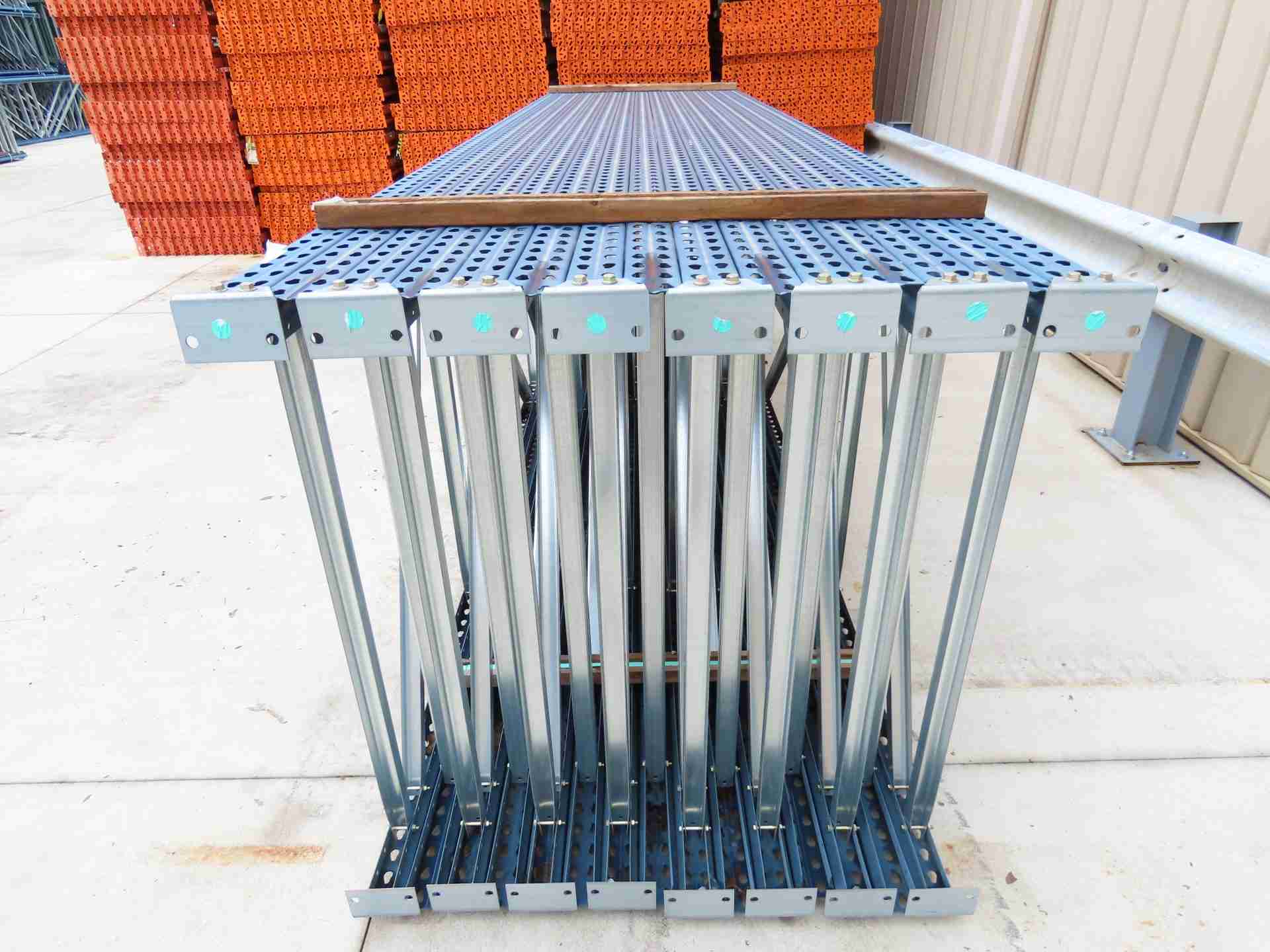
How Do Local Rack Options Differ From Online Alternatives?
How Do Local Rack Options Differ From Online Alternatives?
- Understanding the difference between local rack options and online alternatives is essential for effective inventory management.
- Local solutions, like pallet racking systems, offer immediate availability without waiting for shipping, enhancing operational efficiency.
- Assessing racking systems in person ensures they meet specific needs, avoiding errors associated with online purchases.
- Local providers offer personalized service and can create custom-built racking to maximize space in challenging layouts.
- Long-term relationships with local rack suppliers provide invaluable ongoing support and maintenance for expanding businesses.
- Supporting local rack providers bolsters the community and aligns with consumers’ increasing preference for “shop local” movements.
- Choosing local suppliers enhances business operations through immediate access, tailored solutions, and community engagement.
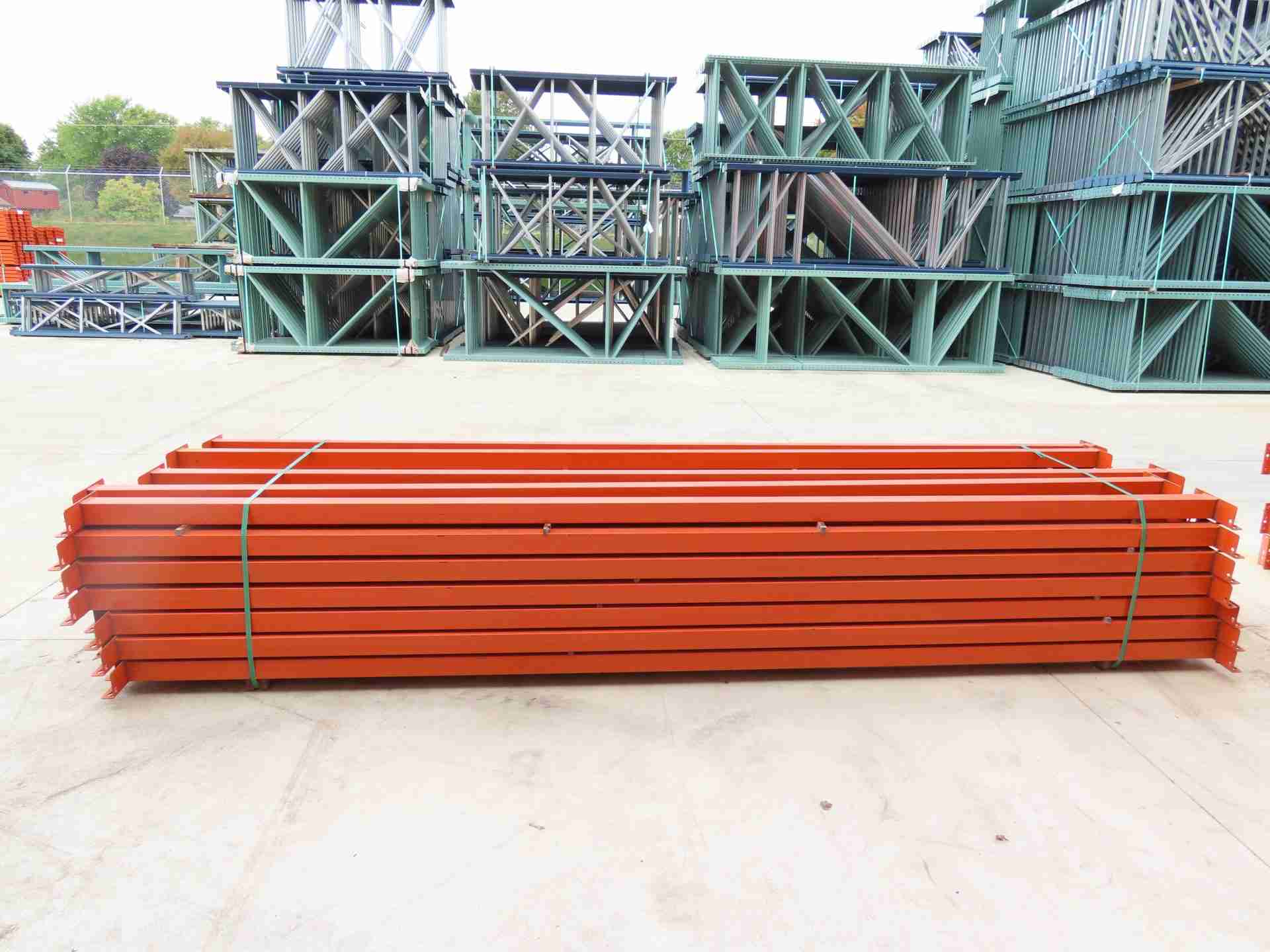
How Do Local Rack Options Differ From Online Alternatives?
Are There Hidden Costs With Local Rack Options?
When considering storing solutions, many businesses overlook the hidden costs associated with local rack options, especially when it comes to pallet racking systems. It’s easy to be lured in by upfront pricing, but understanding the total investment required can prevent costly surprises down the road.
Installation Fees: While the price tag on the pallet racking itself may initially seem reasonable, don’t skip the fine print where installation fees lurk. Local providers may not always include this in their quotes, leading to a swift increase in your budget. For instance, if you opt for a DIY approach to save money, you might encounter unexpected complications that could delay your operations, resulting in lost productivity and revenue.
Compliance and Safety Regulations: Another hidden cost lies in compliance with local safety standards. Depending on your location, failing to adhere to regulations regarding pallet racking systems could lead to significant fines or even potential legal action. As we have observed with recent reports regarding warehouse accidents, neglecting safety inspections can have severe repercussions—not just financially, but also reputationally. Partnering with a provider that ensures compliance can seem like a higher upfront cost but can save you from pitfalls later.
Space Optimization: The layout of your warehouse is just as important as the racking itself. If mismanaged, you may end up with idle space that doesn’t optimize your pallet racking system. Local options can sometimes provide limited insights into how to leverage your investment effectively. For example, a poorly planned installation could result in a need for additional racking down the line, further draining resources and budget.
Maintenance and Replacement: Don’t underestimate ongoing maintenance costs associated with pallet racking. Local suppliers may sell lower-quality systems that require more frequent repairs or replacements, costing you more over time. A recent article in a major logistics publication highlighted how businesses had to replace their racking systems every few years due to inadequate durability—a cost far exceeding what was saved upfront.
In summary, when evaluating local rack options, it’s crucial to look beyond the sticker price. Assess the installation fees, compliance costs, space utilization, and maintenance challenges. By factoring in these hidden costs, you’ll not only make a more informed decision but also safeguard your bottom line. Invest wisely in your pallet racking systems to reap a return that genuinely reflects the initial investment.
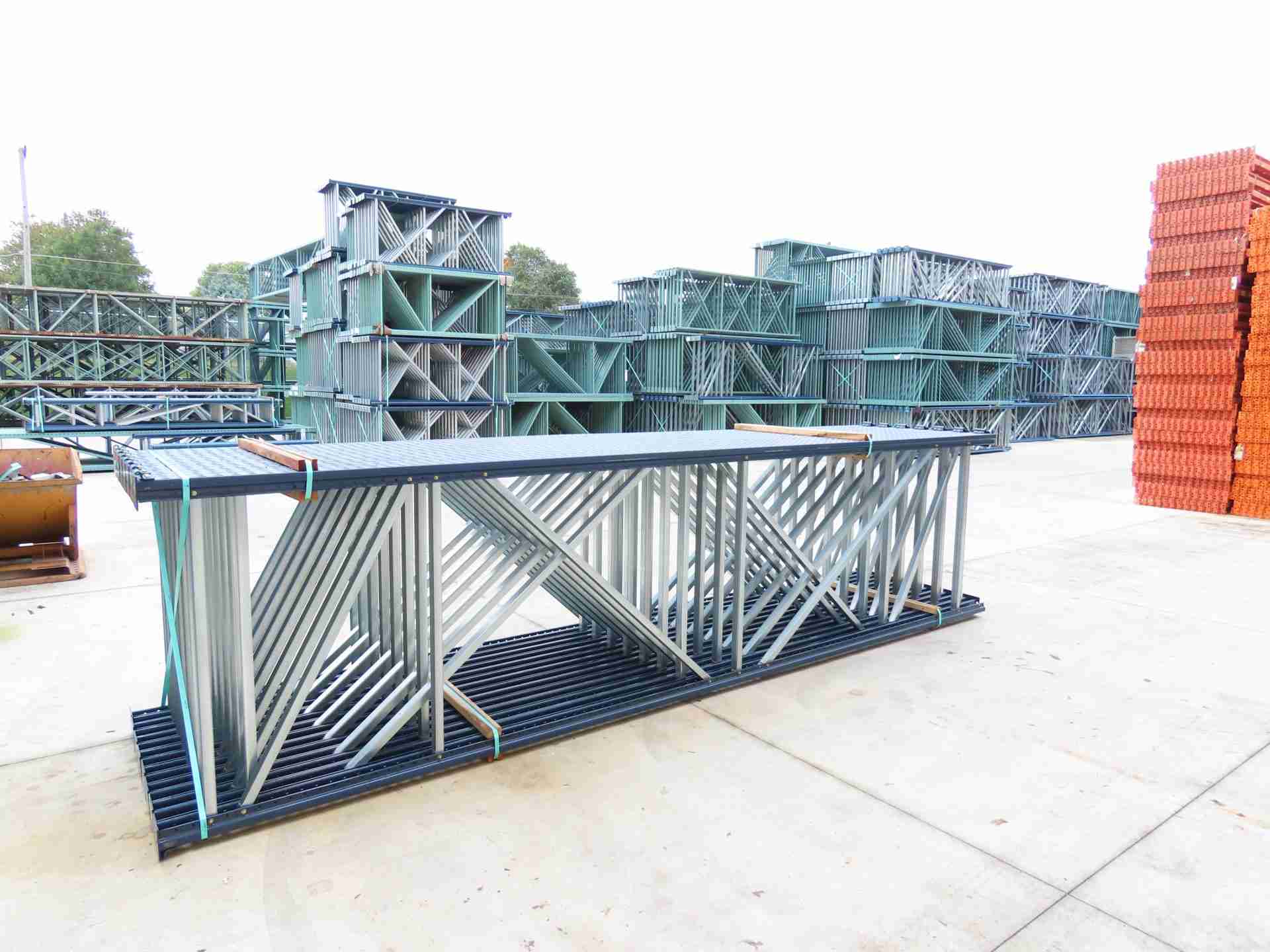
Are There Hidden Costs With Local Rack Options?
Are There Hidden Costs With Local Rack Options?
- Businesses often overlook hidden costs when considering local pallet racking solutions.
- Installation fees can significantly increase the total investment, especially if complications arise during DIY installations.
- Compliance with local safety regulations is crucial; non-compliance can lead to fines and legal issues.
- Warehouse layout impacts efficiency; poor planning can result in idle space and the need for additional racking later.
- Maintenance and replacement costs may rise due to lower-quality local systems requiring frequent repairs.
- It’s essential to assess installation fees, compliance costs, space utilization, and maintenance when evaluating local options.
- Making an informed decision can protect your finances and ensure a worthwhile investment in pallet racking systems.
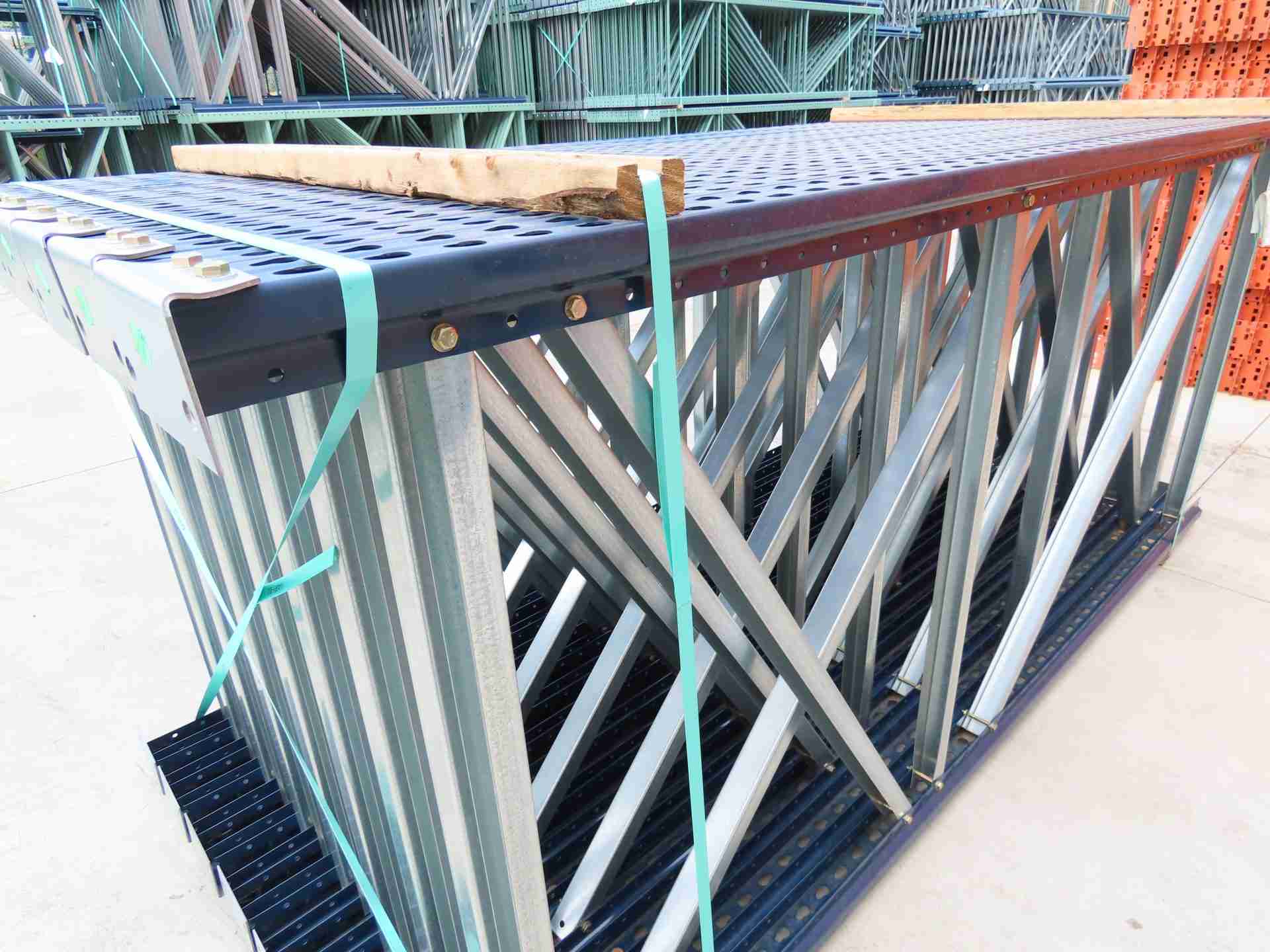
Are There Hidden Costs With Local Rack Options?
What Are The Advantages Of Using Local Racks?
In the fast-paced world of logistics and inventory management, choosing the right storage solution can mean the difference between thriving and merely surviving. One underappreciated yet essential solution is local racks, particularly when it comes to pallet racking systems. These systems are more than just stacks of shelves—they offer a strategic advantage that can elevate your business operations.
Speed and Efficiency
Imagine a bustling warehouse where products are flowing in and out seamlessly. Local racks, specifically pallet racking, allow for quick access to items, minimizing picking times. In a recent survey, companies utilizing advanced pallet racking systems reported a reduction of up to 30% in order fulfillment times. This efficiency translates directly into customer satisfaction, enabling businesses to meet rising expectations for rapid delivery—a must in today’s on-demand economy.
Cost-Effective Solutions
In an economic climate where every penny counts, local racks provide an affordable solution to maximize storage without a hefty price tag. Unlike bulky, expensive shelving systems, pallet racking is customizable, allowing businesses to adapt their storage configurations as inventory fluctuates. For instance, during seasonal peaks, adjusting your racking layout can accommodate increased stock volumes without requiring new investments. This ability to pivot quickly is most demonstrated in industries like e-commerce, where companies like Amazon extensively use pallet racking in local fulfillment centers to handle varying demand patterns effectively.
Space Optimization
Space is a premium in any warehouse, and local racks help you make the most of every square foot. By vertically stacking pallets, businesses can increase their storage capacity significantly. A real-world example can be seen in retailers adapting to recent supply chain disruptions caused by global events. Companies utilizing local racks to optimize space have leveraged their infrastructure to stockpile essential goods, ensuring they remain competitive and capable of serving their communities effectively, even in times of crisis.
Community Support and Responsiveness
Using local racks also means supporting local businesses in your area. When suppliers are close by, you can achieve faster turnaround times and build a strong relationship with those who directly impact your operations. Amidst ongoing discussions about sustainability and reducing carbon footprints, sourcing equipment locally helps to minimize transportation emissions, adding a layer of environmental responsibility to your operations. In today’s market, where consumers increasingly prefer sustainable practices, demonstrating a commitment to local sourcing can enhance your brand’s reputation.
The advantages of investing in local racks, especially pallet racking systems, are clear. From speed and cost-effectiveness to space optimization and local support, adopting this storage solution positions your business for success in an ever-evolving landscape. Don’t miss out on this opportunity—make the switch and watch your operational efficiency soar.
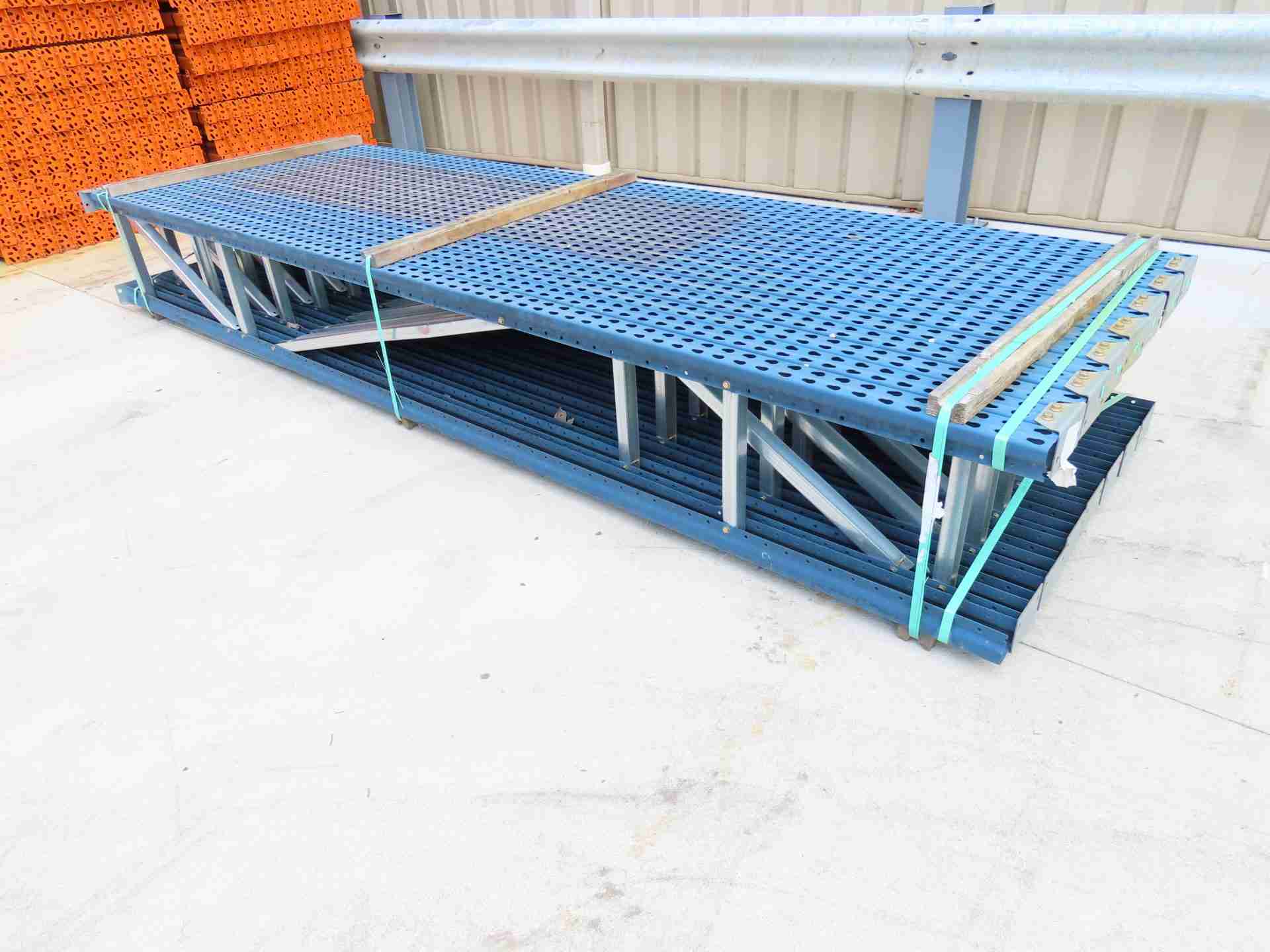
What Are The Advantages Of Using Local Racks?
What Are The Advantages Of Using Local Racks?
- Strategic Advantage: Local racks, particularly pallet racking systems, are essential for enhancing logistics and inventory management.
- Speed and Efficiency: Pallet racking allows quick access, reducing order fulfillment times by up to 30%, which boosts customer satisfaction.
- Cost-Effective Solutions: Pallet racking is customizable and affordable, allowing businesses to adjust storage without significant investment.
- Space Optimization: Vertical stacking increases storage capacity, helping businesses navigate supply chain disruptions effectively.
- Community Support: Supporting local suppliers enhances turnaround times, fostering strong operational relationships.
- Sustainability Contributions: Local sourcing reduces transportation emissions, aligning with consumer preferences for environmentally responsible practices.
- Overall Business Success: Investing in local racks positions businesses for enhanced operational efficiency in a competitive market.
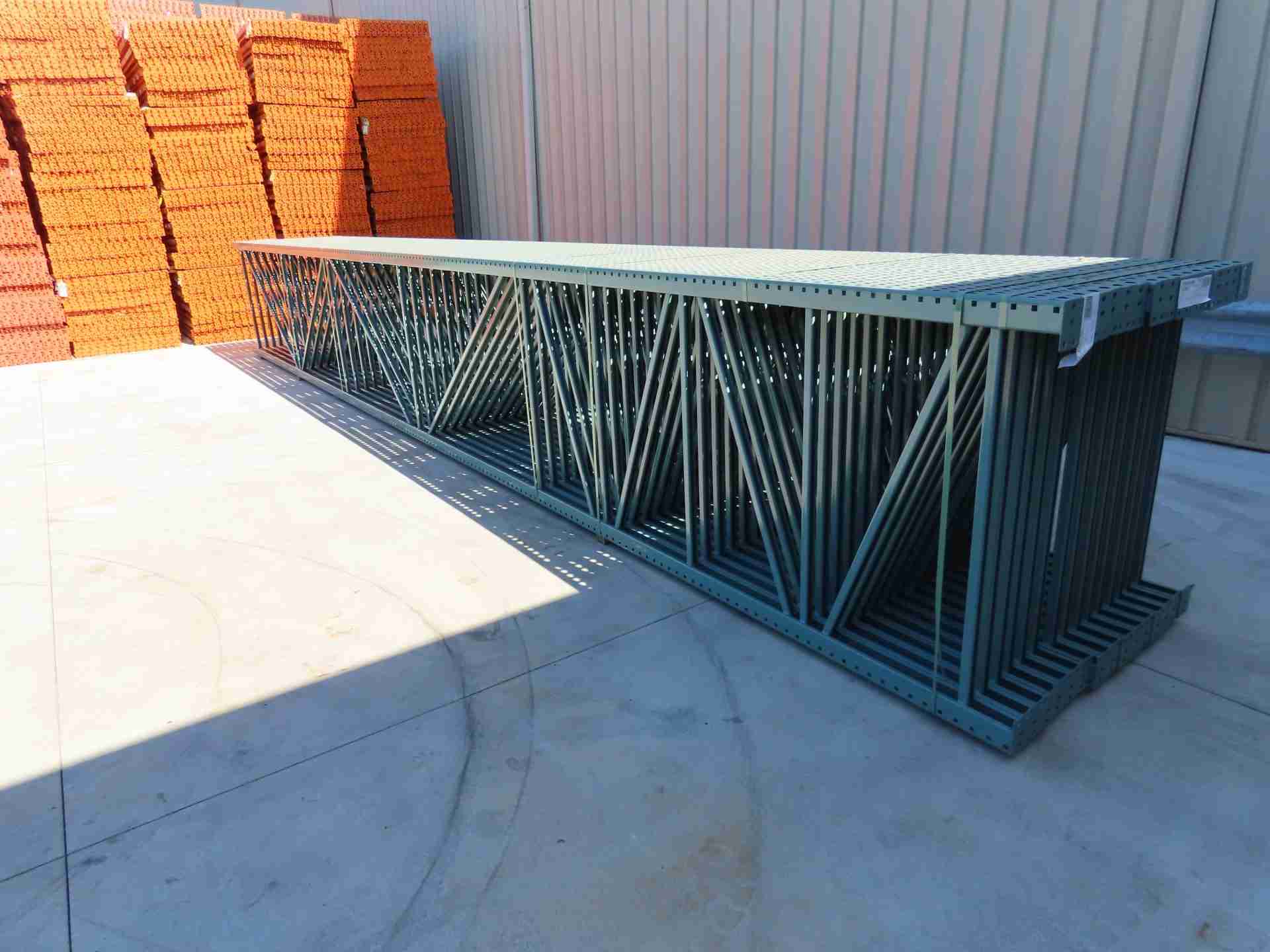
What Are The Advantages Of Using Local Racks?
How Do I Assess The Quality Of Local Rack Providers?
When it comes to maximizing efficiency in your warehouse or distribution center, the importance of high-quality pallet racking cannot be overstated. However, selecting a local rack provider can feel like searching for a needle in a haystack. The stakes are high; a poor decision can lead to inefficient operations, safety hazards, and ultimately, a hit on your bottom line. So, let’s explore how to assess the quality of local rack providers to ensure you make an informed choice.
First, consider their reputation in the industry. Are they known for reliable, sturdy pallet racking systems? Reading reviews and testimonials online can provide invaluable insights into their customer service and product durability. For instance, if a warehouse near you recently expanded its operations but struggled with collapsed racks because of poor quality, that’s a red flag. You want a rack provider that consistently delivers products that withstand the test of time and heavy loads.
Next, evaluate their product range. The best local rack providers should offer a variety of options tailored to your specific needs. Whether you require selective pallet racking, drive-in racks, or even custom solutions, their breadth of inventory is a direct reflection of their capability. A provider that only offers generic solutions may not possess the expertise needed for your unique operations.
Don’t forget to inquire about compliance and safety standards. In the wake of increasing regulations in the warehousing industry—especially after events like the rapid shift to online shopping during the pandemic—it’s essential to choose a provider that adheres to current safety guidelines. Ask them for certifications and any industry affiliations that demonstrate they prioritize safety and quality.
Another crucial factor is customer support. Quality doesn’t stop at installation. If repairs or adjustments are necessary, a responsive customer service team can save you both time and money. For example, during the recent supply chain disruptions, having a reliable rack provider that could quickly address issues became a deciding factor for many businesses seeking to maintain operations.
Lastly, request references. Connect with other businesses in your area that have used their services. This firsthand experience provides a level of transparency and assurance that marketing claims often do not.
By carefully evaluating these factors, you’ll navigate the competition with more confidence and secure a local rack provider that truly meets your needs. Remember, in logistics and warehousing, your choice of pallet racking provider can make or break your operational efficiency. So take the time to do your due diligence, and reap the benefits for years to come.
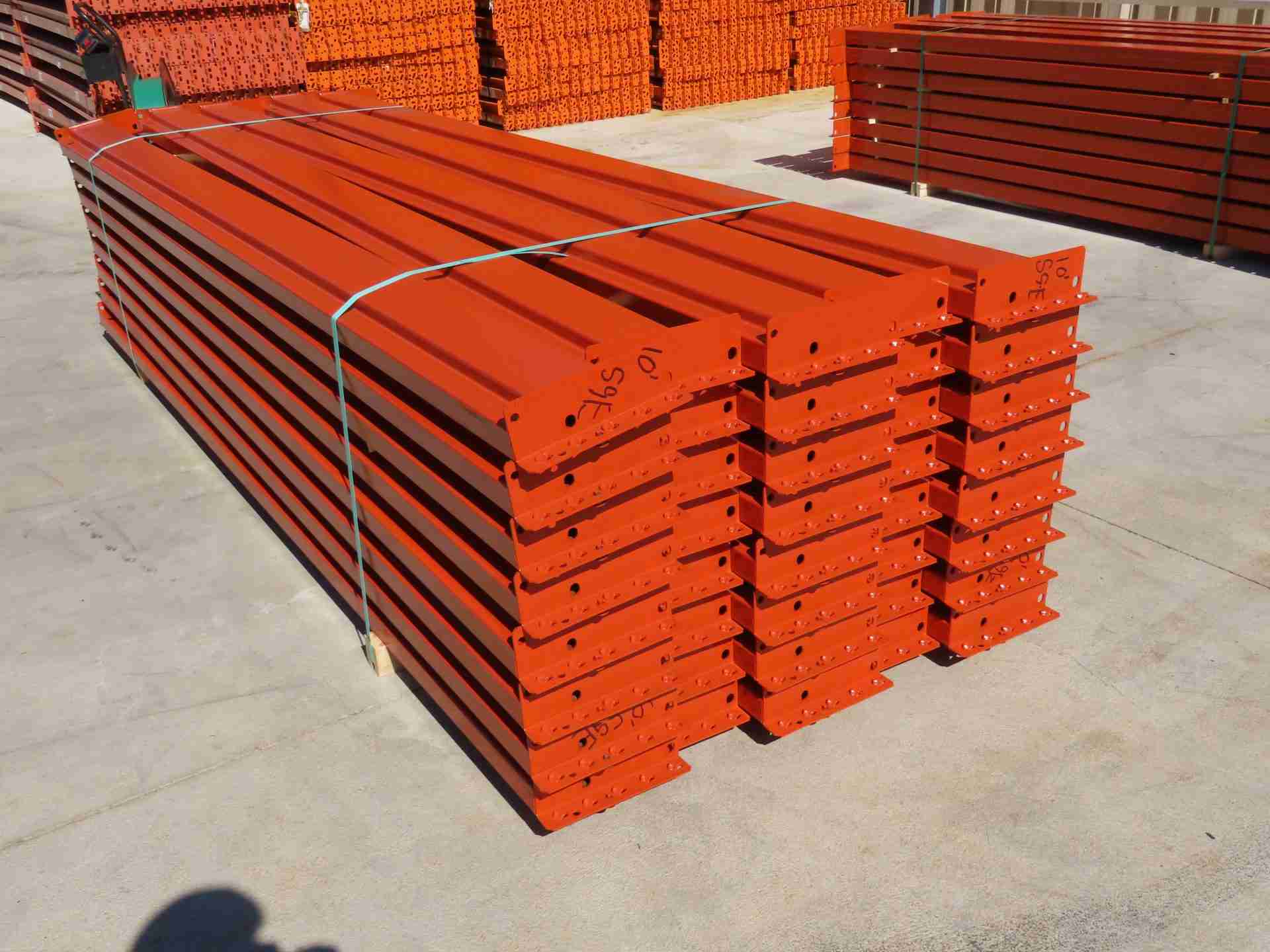
How Do I Assess The Quality Of Local Rack Providers?
How Do I Assess The Quality Of Local Rack Providers?
- High-quality pallet racking is essential for maximizing warehouse efficiency.
- Assess the provider’s reputation by reviewing online testimonials to gauge reliability and durability.
- Evaluate the product range offered, ensuring it meets your specific racking needs, including custom solutions.
- Inquire about compliance with safety standards and request certifications to confirm adherence to regulations.
- Consider the level of customer support offered, especially for repairs and adjustments after installation.
- Request references from other local businesses that have used the provider’s services for additional assurance.
- Doing thorough research can help secure a provider that enhances operational efficiency in your logistics and warehousing.
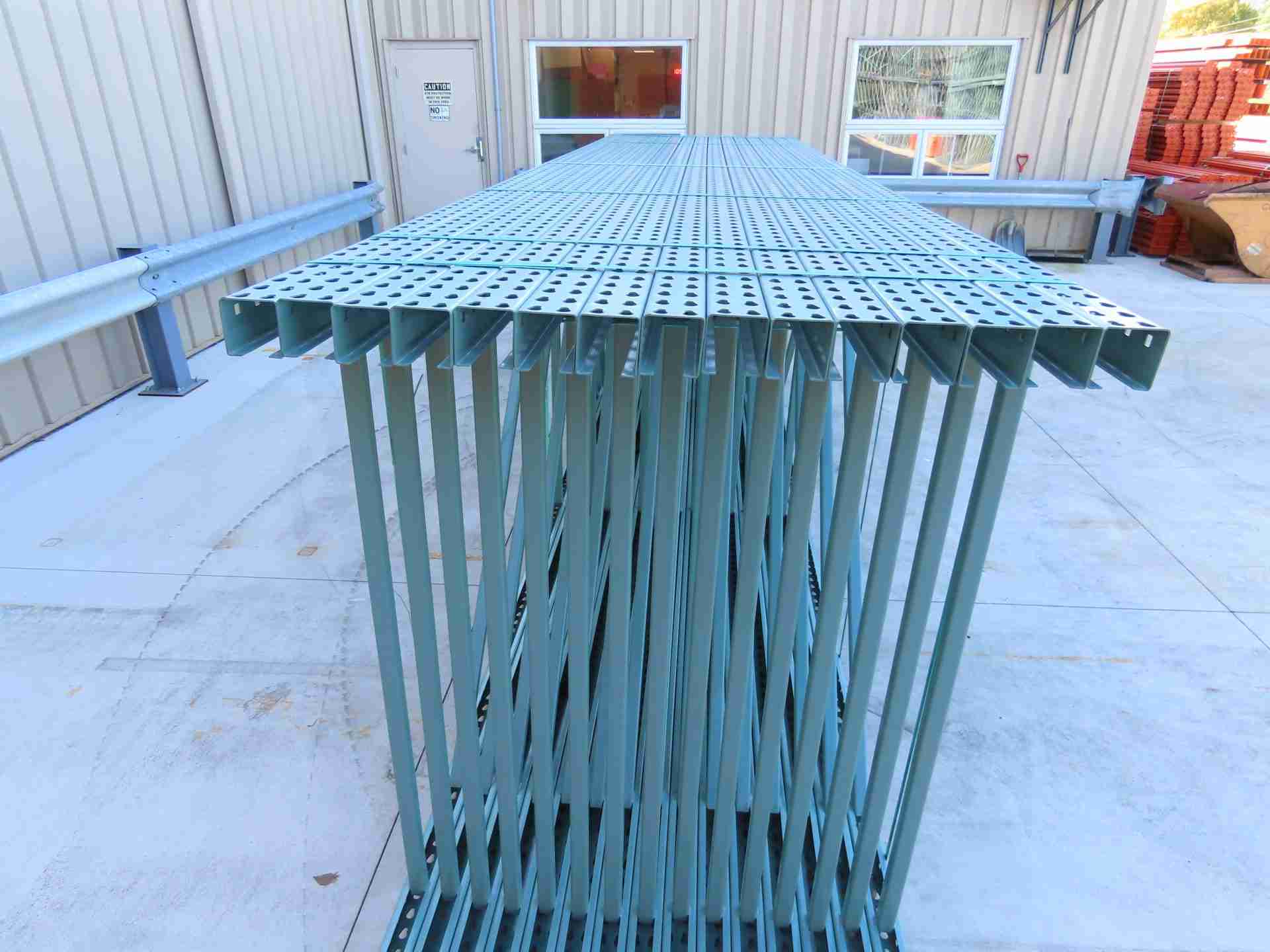
How Do I Assess The Quality Of Local Rack Providers?
Conclusion
In the relentless pursuit of operational efficiency, your choice of pallet racking system can either propel your business forward or tether it to the past. At RackingWorld.com and Arrow Industrial Sales, we understand the stakes involved in selecting the right storage solutions for your unique needs. As we’ve explored throughout this article, the tendency to endlessly compare local rack options can lead you down an unproductive path of analysis paralysis. Instead, embracing a decisive, informed approach can save you precious time and resources while enhancing your operational capabilities.
The reality is stark: while you’re caught up in the comparison game, your competitors are actively optimizing their logistics and reaping the rewards. Companies that took swift action in upgrading their racking systems during volatile market conditions not only maintained their inventory flow but significantly enhanced their service offerings, boosting customer satisfaction and facilitating growth. The key takeaway? Procrastination in decision-making can prove costlier than the investment in quality racking solutions.
Local rack providers, like Arrow Industrial Sales, offer tailored, immediate solutions that online platforms simply can’t replicate. From facilitating prompt installations to ensuring ongoing support and compliance with safety regulations, a local supplier can effectively transform your logistics operations. You gain immediate access to knowledgeable experts who can guide you in selecting a racking system that matches your inventory type, warehouse layout, and scalability needs. With the ever-evolving landscape of supply chains, now is the time to leverage local expertise and innovative solutions that are designed to drive your business forward.
Don’t let hidden costs sabotage your investments. Ensure you assess all aspects of your chosen provider, from installation fees to product quality, to secure a deal that benefits your bottom line in the long run. The advantages of investing in local racking options—from cost-effectiveness to community support—cannot be overstated.
The clock is ticking! Whether your goal is to maximize storage space, improve safety, or enhance your operational agility, Arrow Industrial Sales stands ready to help you find the perfect racking solution tailored for your business. Don’t leave your success to chance. Call Arrow Industrial Sales today at (574) 349-6575 and take the first step toward a more efficient, productive future. Embrace the power of local racks and watch as your operational capacity—as well as your profitability—soars!
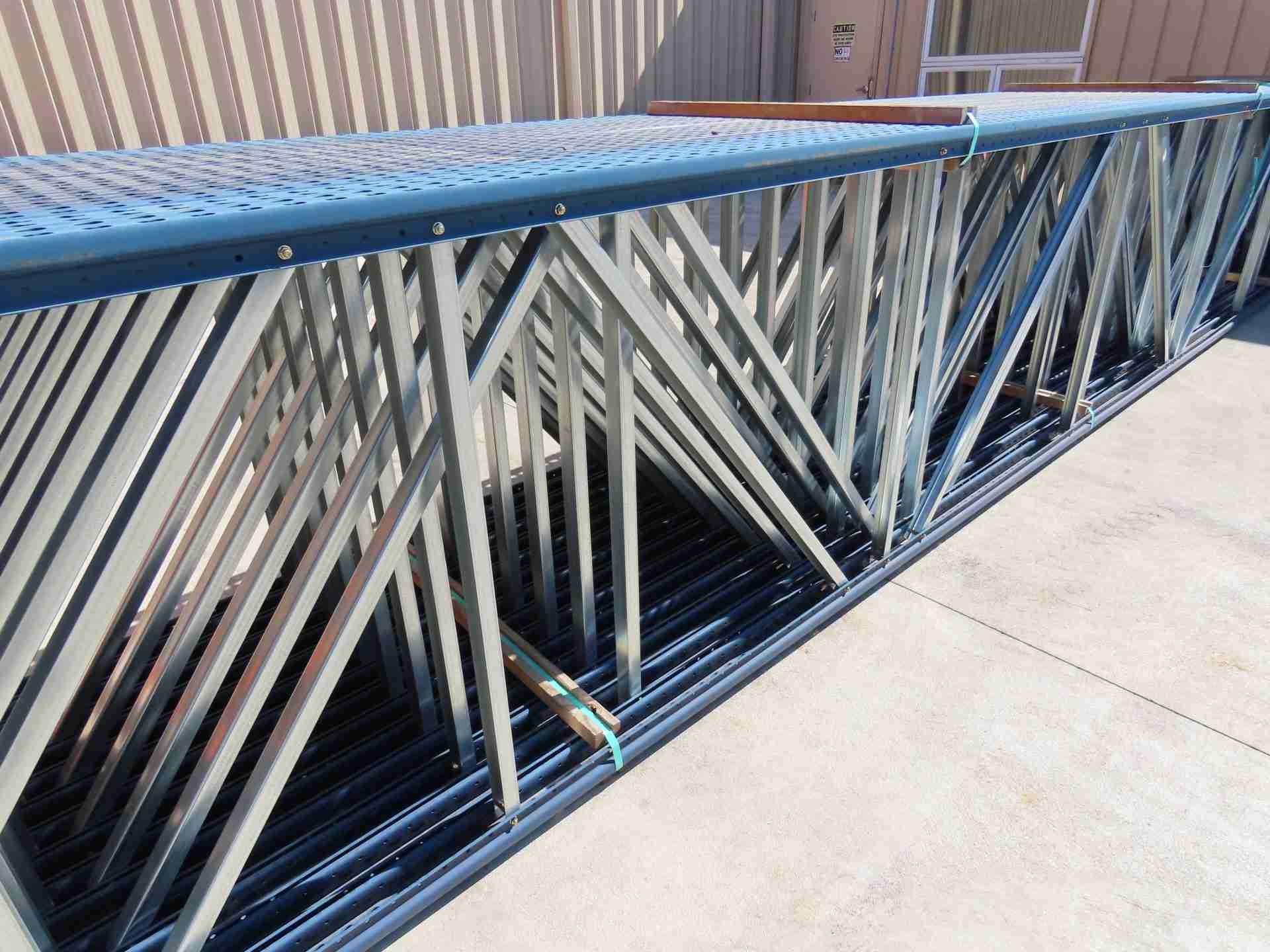
Conclusion
Conclusion:
- Your choice of pallet racking system can significantly impact your business’s operational efficiency.
- Endless comparison of local rack options can lead to analysis paralysis; a decisive, informed approach is essential.
- Competitors who upgrade their racking systems quickly can enhance their logistics, inventory flow, and customer satisfaction.
- Local providers like Arrow Industrial Sales offer tailored, immediate solutions that online platforms can’t match.
- Choosing a local supplier ensures compliance with regulations and access to knowledgeable experts for guidance.
- It’s essential to assess all aspects of a provider’s offering to avoid hidden costs and secure long-term benefits.
- Contact Arrow Industrial Sales to find the right racking solution and enhance your operational capacity.
Conclusion
Other Resources
Other Resources
Here is a list of other resources you can review online to learn more:
- Warehouse Racking Layout: The Ultimate Guide – Conger
- What is Selective Pallet Racking
- Selective Pallet Racking Systems – Container Systems
- BMH Equipment LLC
- ASSP
- BMH
- Selective Racking
- The Ultimate Pallet Racking Guide – Speedrack West
- Overhead Lifting
- Racking World
Use This Prompt To Get More Resources With Your Favorite Online AI Tool: Please provide me with a list of online articles with their URLs in a bulleted list that I can read regarding Is Comparing Local Rack Options Wasting Your Time?
Other Resources
Glossary Terms
Is Comparing Local Rack Options Wasting Your Time? – Glossary Of Terms
1. Rack: A framework or structure used to house multiple computer servers and network equipment in a compact manner.
2. Local Rack: A server rack located on-premises or within proximity to an organization’s operations, often for immediate access and management.
3. Colocation: A service where businesses can rent space in a third-party data center to house their servers and infrastructure, often providing better redundancy and connectivity.
4. Scalability: The ability to increase or decrease IT resources based on demand, without significant disruptions to operations.
5. U (Rack Unit): A unit of measurement for vertical space in a rack; one U is 1. 75 inches high. It indicates how much equipment can fit in a rack.
6. Power Density: The amount of power consumption in a given rack space, affecting cooling requirements and energy costs.
7. Cooling Solutions: Systems or methods implemented to maintain optimal operating temperatures for equipment housed in a rack.
8. Redundancy: The inclusion of backup components or systems to ensure operational continuity in case of a failure.
9. Network Latency: The time it takes for data to travel from one point to another in a network, affecting performance, especially for applications requiring real-time access.
10. Bandwidth: The maximum rate of data transfer across a network or internet connection, impacting speed and performance.
11. Vendor Lock-In: A situation where a customer is dependent on a single supplier for products and services, complicating migration or changes in the future.
12. Rack Density: The number of servers or devices housed per rack unit; higher density can lead to more efficient space utilization.
13. On-Premises: Technologies and services located within an organization’s physical location, as opposed to in the cloud or at a third-party data center.
14. Hybrid Solutions: A combination of on-premises and cloud computing resources to leverage the benefits of both environments.
15. IT Infrastructure: The composite of hardware, software, networks, and facilities that are necessary for the operation and management of enterprise IT services.
16. Disaster Recovery (DR): Strategies and processes to recover and protect a business’s IT infrastructure in the event of a disaster.
17. Service Level Agreement (SLA): A formal agreement between a service provider and a customer that outlines performance expectations and responsibilities.
18. Deployment Model: The way resources are arranged, including options like public cloud, private cloud, or hybrid cloud.
19. Asset Utilization: The effective use of hardware and software resources to improve performance and minimize waste.
20. Performance Monitoring: The ongoing process of assessing the performance of IT resources to ensure optimal operation.
21. Load Balancing: Distributing workloads across multiple devices or systems to enhance performance, reliability, and resource utilization.
22. Network Topology: The arrangement of different network elements in a system, which can affect performance and scalability.
23. Compliance: Adhering to laws, regulations, and standards that govern data storage and privacy, important for local rack solutions.
24. Virtualization: The creation of virtual versions of servers or services, allowing for more efficient resource management and flexibility.
25. Managed Services: IT services provided by a third-party company that take over the management of a client’s infrastructure and applications.
26. CapEx vs. OpEx: Capital Expenditures (CapEx) refer to long-term investments in infrastructure, while Operating Expenses (OpEx) relate to ongoing operational costs.
27. Data Sovereignty: Regulations specifying that data is subject to the laws and governance structures within the nation it is collected.
28. Latency Sensitivity: The level of tolerance an application has for delays in data transfer, critical when assessing local rack versus cloud options.
29. Installation Costs: Expenses incurred when setting up local racks, including labor, materials, and necessary infrastructure.
30. Cross-Connectivity: The ability to link different services or networks within a data center, often crucial for local racks depending on the applications used.

Glossary Of Terms
Other Questions
Is Comparing Local Rack Options Wasting Your Time? – Other Questions
If you wish to explore and discover more, consider looking for answers to these questions:
- What are the different types of pallet racking systems available?
- How do I determine the right pallet racking system for my specific needs?
- What is the typical timeline for implementing a new racking system?
- How can I evaluate the cost-effectiveness of different local rack providers?
- What should I know about the installation process for pallet racking systems?
- Are there specific regulations regarding pallet racking systems I need to be aware of?
- How can I assess the customer service quality of local rack providers?
- What are some common mistakes businesses make when choosing a rack system?
- How important is scalability in choosing a racking system?
- What role does maintenance play in the long-term costs of pallet racking systems?
- What advances in technology should I look for in pallet racking systems?
- How do I handle damaged or defective racking systems once installed?

Other Questions
Checklist
Is Comparing Local Rack Options Wasting Your Time? – A Checklist
Checklist: Finding the Perfect Local Rack Option
1. Define Your Operational Needs:
_____ Identify the type of inventory you store (e. g. , perishable, fast-moving).
_____ Determine your desired storage density and accessibility.
_____ Consider flexibility requirements for scalability.
2. Evaluate Space Considerations:
_____ Measure vertical and horizontal space in your warehouse.
_____ Assess the layout to maximize storage efficiency (e. g. , utilizing vertical space).
3. Research Local Rack Providers:
_____ Look for reputable local suppliers with positive reviews and testimonials.
_____ Check their product range for diversity in pallet racking systems.
_____ Ensure they adhere to safety and compliance standards; request certifications.
4. Analyze Total Costs:
_____ Ask about installation fees and any potential hidden costs.
_____ Inquire about ongoing maintenance costs and the quality of the materials being used.
_____ Understand compliance-related costs and factor them into your budget.
5. Prioritize Safety:
_____ Confirm adherence to Occupational Safety and Health Administration (OSHA) guidelines.
_____ Consider the quality of materials to reduce risks and liability.
_____ Look for safety features and proper installation practices.
6. Assess Customer Support:
_____ Check for the availability of responsive customer service for post-purchase support.
_____ Inquire about warranty and repair services for racking systems.
7. Consider Sustainability and Community Impact:
_____ Evaluate the environmental footprint of sourcing locally (e. g. , reduced transportation emissions).
_____ Understand the value of supporting local businesses as part of your procurement strategy.
8. Research Innovations:
_____ Stay updated on new technologies (e. g. , automated storage solutions) that can enhance efficiency in storage.
_____ Assess how local suppliers incorporate innovative solutions into their offerings.
9. Review Your Options Regularly:
_____ Periodically revisit your racking system’s needs to ensure continued alignment with your operational goals.
_____ Evaluate vendors and systems against evolving market trends and your business changes.
10. Seek References and Case Studies:
_____ Ask for references from other businesses that have utilized the provider’s services.
_____ Look for case studies highlighting successful implementations of local racks.
Conclusion
By working through this checklist, you can strategically navigate the process of selecting the most effective local rack options that align with your business needs, ensuring an investment that positively impacts your operational efficiency and bottom line.
Checklist
At RackingWorld, we help guide you through selecting warehouse storage systems and racking.
Be sure to read our other related stories at RackingWorld to learn more about warehouse storage systems.
0 Comments