
Unlocking The Benefits Of Local Pallet Racking Experts
By Tom Seest
At RackingWorld, we help guide you through selecting warehouse storage systems and racking.
Be sure to read our other related stories at RackingWorld to learn more about warehouse storage systems.
Can Local Sellers Provide Expert Pallet Racking Advice?
When it comes to managing and maximizing storage space, pallet racking is an indispensable asset for businesses across various industries. But the right system can feel overwhelming to choose from, especially considering the myriad of options available. This is where local sellers step in—not just as suppliers, but as invaluable advisors.
Consider a bustling warehouse in your region. The owner is grappling with inefficient storage and wasted space. Instead of scrolling through endless online resources or relying on generic advice from distant suppliers, they turn to local experts. This is not merely about purchasing pallet racking; it’s about consultation aimed at tailoring solutions that meet specific business needs.
Local sellers possess an intimate understanding of the unique challenges businesses face in their locality. For instance, a recent uptick in e-commerce demand has led many businesses to rethink their storage solutions. A local pallet racking expert might observe trends affecting area businesses—like shorter delivery times—or increased inventory levels that require innovative storage methods. They can offer targeted advice on which racking systems not only optimize space but also align with current market demands.
Take, for example, a local seller who specializes in adjustable racking systems. They can evaluate how frequently a warehouse’s inventory changes and recommend versatile units that can adapt accordingly. This not only maximizes the efficiency of the space but saves the business significant costs in the long run by reducing the need for frequent upgrades or replacements.
Moreover, local sellers often have access to the latest innovations in pallet racking. For instance, with the recent focus on sustainability, they may provide insights into eco-friendly materials or energy-efficient systems. This not only helps businesses align with the global push for greener practices but also positions them favorably in the marketplace, appealing to eco-conscious consumers.
Additionally, local relationships can yield ongoing support and advice. Unlike faceless corporations, local sellers build rapport with their clients, offering maintenance tips or updates on industry best practices after the sale. This type of partnership can transform a transactional relationship into a collaborative one, enhancing satisfaction and effectiveness in the long term.
When seeking expert advice on pallet racking, don’t overlook the value of local sellers. They provide not just products, but tailored solutions that drive operational efficiency and ultimately contribute to your business’s success. Embrace the expertise available in your community and watch your storage challenges turn into streamlined victories.

Can Local Sellers Provide Expert Pallet Racking Advice?
Can Local Sellers Provide Expert Pallet Racking Advice?
- Pallet racking is essential for efficient storage in various industries.
- Choosing the right pallet racking system can be overwhelming, making local sellers valuable advisors.
- Local sellers understand unique local business challenges and can tailor solutions accordingly.
- They offer insights into current market trends, such as increased e-commerce demand and shorter delivery times.
- Local experts can recommend adjustable racking systems that save costs by maximizing space efficiency.
- They often provide access to the latest innovations, including sustainable and energy-efficient racking solutions.
- Building relationships with local sellers leads to ongoing support, transforming transactions into collaborative partnerships.

Can Local Sellers Provide Expert Pallet Racking Advice?
Table Of Contents
- Can Local Sellers Provide Expert Pallet Racking Advice?
- What Is Pallet Racking And Why Is It Important?
- How Do I Choose The Right Type Of Pallet Racking?
- What Are The Key Benefits Of Buying Locally?
- Can Local Sellers Customize Pallet Racking Solutions?
- How Do Local Sellers Ensure Safety Standards In Pallet Racking?
- What Kind Of Warranty Or Support Do Local Sellers Offer?
- Are There Cost Advantages To Buying Locally?
- How Can I Find Reputable Local Pallet Racking Suppliers?
- Conclusion
- Other Resources
- Glossary Of Terms
- Other Questions
- Checklist
What Is Pallet Racking And Why Is It Important?
Pallet racking is not just another warehouse fixture; it’s the backbone of modern distribution and inventory management. Imagine a bustling warehouse filled with a wide array of products—retail goods, automotive parts, or even food items. Navigating through these products can be a logistical nightmare without an organized system. Enter pallet racking: the innovative solution designed to optimize space, enhance efficiency, and streamline operations.
At its core, pallet racking is a storage system that holds pallets of goods in horizontal rows with multiple levels. By utilizing vertical space, pallet racking can significantly increase storage capacity while maintaining easy access to products. For example, in the ever-evolving retail landscape—especially with the recent surge in e-commerce—companies like Amazon and Walmart are increasingly adopting advanced pallet racking systems to enhance order fulfillment speed and accuracy. In fact, as online shopping continues to soar, effective pallet racking solutions have become essential for handling the surge in demand.
But why is pallet racking important? The answer lies in its multifaceted benefits. First, it maximizes efficiency. Well-designed pallet racking systems allow for a logical flow of goods, reducing the time workers spend retrieving items. This increased efficiency is critical in today’s fast-paced business environment, where every second counts.
Moreover, pallet racking plays a pivotal role in safety. Properly structured racking minimizes the risk of accidents caused by disorganized stacks or collapsed products. For instance, industries governed by strict regulations—like pharmaceuticals or food production—have even more to gain from compliant and robust pallet racking systems. Implementing these systems not only ensures safety but also upholds compliance with industry standards.
Lastly, consider the financial implications. An effective pallet racking system can lead to reduced operational costs. By enabling better space management and reducing retrieval times, businesses can significantly cut labor costs—an essential factor amid rising wages and fluctuating economic conditions. Companies are recognizing that investing in pallet racking is not just an expense; it’s a strategic move toward long-term savings and profitability.
Pallet racking is not merely a storage option; it’s a critical component of efficient, safe, and financially sound operations. With the current economic climate and the continued growth of e-commerce, the importance of smart, effective pallet racking has never been greater. Now more than ever, savvy businesses must prioritize optimizing their warehouse space to stay ahead of the competition. It’s time to rethink your storage strategy—pallet racking could be your game changer.

What Is Pallet Racking And Why Is It Important?
What Is Pallet Racking And Why Is It Important?
- Pallet racking is crucial for modern distribution and inventory management in warehouses.
- It optimizes space by utilizing vertical storage and enhances operational efficiency.
- Companies like Amazon and Walmart use advanced pallet racking to improve order fulfillment speed and accuracy.
- Well-designed pallet racking systems maximize efficiency by facilitating a logical flow of goods.
- Pallet racking enhances safety by minimizing risks associated with disorganized stacks or potential collapses.
- Implementing effective pallet racking can reduce operational costs and labor expenses for businesses.
- In the context of growing e-commerce, investing in pallet racking is a strategic move for long-term savings and competitiveness.

What Is Pallet Racking And Why Is It Important?
How Do I Choose The Right Type Of Pallet Racking?
When it comes to maximizing storage efficiency in your warehouse or distribution center, choosing the right type of pallet racking is absolutely critical. Not only does it impact your logistical performance, but it also influences your bottom line. The goal is to create a system that not only stores goods safely but also optimizes picking processes. Here’s how you can make that choice with confidence.
Understand Your Inventory
Before diving into the different types of pallet racking, assess your inventory. What kind of products are you storing? Are they large, bulky items, or smaller products that can be stacked more tightly? For instance, if your warehouse is filled with heavy machinery parts, a selective pallet racking system might be ideal. This allows for easy access while providing the strength needed for weighty items. In contrast, if you’re housing lightweight, smaller items, a drive-in racking system can optimize space by using depth and allowing multiple pallets to be stored behind each other.
Evaluate Your Space
The layout of your facility plays a significant role in your decision-making process. If you have high ceilings, consider extending your vertical reach with the use of high-density pallet racking. This enables you to utilize the available vertical space effectively and maximize your storage capacity—just as many large retailers have embraced vertical retail strategies during supply chain challenges caused by recent global events.
Consider Throughput Needs
Your operation’s picking frequency should also guide your choice. If items are frequently picked and put away, a push-back pallet racking system might be optimal as it facilitates a first-in, first-out (FIFO) approach. For example, during the pandemic, businesses with adaptive warehouse strategies thrived, managing to balance high turnover rates with storage efficiency through such systems.
Plan for Expansion and Flexibility
Consider future growth when selecting pallet racking. If you anticipate your inventory changing or expanding, look for adjustable racking systems. This adaptability can save time and resources and allow your business to pivot in response to market changes. With retail trends shifting rapidly, having a racking system that can evolve with consumer demands is invaluable.
Choosing the right pallet racking system requires a clear understanding of your inventory, space, throughput needs, and future growth potential. By strategically assessing these facets, you can transform your operation into a well-oiled machine, optimize your storage capabilities, and ultimately enhance your profitability. Let’s get your racking system aligned with your business goals today!

How Do I Choose The Right Type Of Pallet Racking?
How Do I Choose The Right Type Of Pallet Racking?
- Choosing the right pallet racking is crucial for maximizing storage efficiency and impacting logistical performance and bottom line.
- Assess your inventory type; heavy items may require selective racking, while lightweight items may benefit from drive-in racking.
- Consider your facility layout; high-density racking can maximize vertical space in warehouses with high ceilings.
- Match your picking frequency with the racking system; high turnover may benefit from push-back pallet racking for FIFO processes.
- Plan for future growth by selecting adjustable racking systems to accommodate changing inventory needs.
- Strategically assess inventory, space, throughput, and growth to enhance storage capabilities and profitability.
- Align your racking system with business goals for a more efficient operation.

How Do I Choose The Right Type Of Pallet Racking?
What Are The Key Benefits Of Buying Locally?
In an age dominated by online retail giants, it might be tempting to overlook the incredible advantages of buying locally. However, investing in local businesses is not just a nostalgic return to yesteryear; it’s a smart choice with a wealth of benefits that can make a significant impact on your community and personal experience.
First and foremost, supporting local businesses fosters genuine connections. When you purchase from a neighborhood shop or local farm, you’re not just completing a transaction; you’re building relationships. That local owner remembers your name, your favorite purchase, and often goes the extra mile to ensure your satisfaction—something rarely found in big-box stores or online platforms. This personalized service enhances your shopping experience and creates a sense of community.
Another critical advantage is economic impact. Money spent locally tends to circulate within the community, multiplying its effect. According to studies, local businesses recirculate approximately 3.5 times more money in the local economy than their non-local counterparts. So, every dollar spent at a local business is a dollar that contributes to the sustainability and growth of your community. Current events underscore this importance, as communities band together to support local businesses recovering from pandemic challenges.
Moreover, there’s the undeniable unique factor—local businesses often offer unique products that reflect the character and culture of the area. Whether it’s handmade crafts at a local artisan fair or specialty foods from a nearby farmer’s market, these offerings cannot be replicated by larger retail chains. The distinctiveness of local goods adds value that simply can’t be found elsewhere.
Let’s talk logistics—specifically, pallet racking. When you purchase locally, the supply chain is shortened, reducing the need for extensive shipping logistics and warehousing. For instance, businesses that utilize pallet racking systems locally usually maintain lower overhead costs, allowing them to offer competitive pricing. Moreover, since the goods don’t travel as far, the carbon footprint is notably less, contributing to a more sustainable planet.
In summary, buying locally offers undeniable benefits: strong community connections, robust economic impact, unique products, and a more efficient supply chain. In a rapidly changing world, now is the time to champion local businesses—not only for your benefit but for the health and vitality of your community as a whole. When you choose local, you make a choice that ripples through your neighborhood, fostering growth, sustainability, and a sense of pride. That’s a smart investment in more ways than one!

What Are The Key Benefits Of Buying Locally?
What Are The Key Benefits Of Buying Locally?
- Buying locally fosters genuine connections and relationships with business owners.
- Local businesses tend to circulate approximately 3.5 times more money within the community.
- Support for local businesses contributes to the sustainability and growth of the community.
- Local offerings often feature unique products that reflect the area’s character and culture.
- Purchasing locally shortens supply chains, reducing shipping logistics and warehousing needs.
- Local businesses often have lower overhead costs, enabling competitive pricing.
- Choosing local boosts community health and vitality, creating a ripple effect of growth and pride.

What Are The Key Benefits Of Buying Locally?
Can Local Sellers Customize Pallet Racking Solutions?
When it comes to optimizing warehouse space, few solutions are as effective and versatile as pallet racking. However, the key to maximizing the benefits of pallet racking lies in customization. Can local sellers adapt their offerings to meet the specific needs of your business? The resounding answer is yes!
Imagine a local seller that truly understands the unique dynamics of your operation. They’re not just pushing standard products off the shelf; they’re examining your space, your inventory movements, and your growth plans to craft a pallet racking solution tailored precisely for you. For example, if you’re a small e-commerce business expanding rapidly due to a surge in online shopping—bolstered by current trends in direct-to-consumer sales—your local seller could provide a dynamic, adjustable pallet racking system. This flexibility allows you to scale your storage capabilities as your inventory needs evolve, particularly with the influx of goods driven by changing consumer behavior.
Additionally, customizing your pallet racking solution can significantly enhance your operational efficiency. Take a local distributor of perishables—where rapid inventory turnover is critical. A local seller could develop a specialized first-in, first-out (FIFO) racking system that ensures goods are rotated properly, aligning with safety standards in the food industry. This attention to detail not only maximizes product freshness but can also lead to significant cost savings by minimizing spoilage.
Moreover, local sellers often have direct access to high-quality materials, providing you the chance to customize the durability and specifications of your pallet racking. When considering sustainability—a trending topic of late—local providers can incorporate eco-friendly materials into their designs, appealing to your business’s commitment to responsible practices. This commitment resonates well with modern consumers increasingly conscious of their environmental impact.
In the current climate, where supply chain volatility is prevalent, turning to local sellers for your pallet racking needs offers an additional layer of responsiveness. Unlike distant suppliers, local sellers can provide rapid consultations, quick turnaround times, and immediate support. This agility is crucial in a world where adapting swiftly can make all the difference between success and setback.
So, when you rethink your warehouse strategy, remember that local sellers can indeed customize pallet racking solutions that not only fit your space but also enhance your overall business operation. Investing in tailored pallet racking is not just a smart storage decision; it’s a strategic move towards optimizing your supply chain during these unpredictable times.

Can Local Sellers Customize Pallet Racking Solutions?
Can Local Sellers Customize Pallet Racking Solutions?
- Pallet racking is a highly effective and versatile solution for optimizing warehouse space.
- Customization is key to maximizing the benefits of pallet racking for specific business needs.
- Local sellers can personalize solutions by assessing your space, inventory movements, and growth plans.
- Dynamic, adjustable pallet racking systems can support rapidly expanding businesses, particularly in e-commerce.
- Specialized systems, like FIFO racking for perishables, enhance operational efficiency and reduce spoilage.
- Local sellers have access to high-quality materials, allowing for durable and eco-friendly pallet racking options.
- Choosing local sellers provides rapid support and responsiveness, crucial in today’s volatile supply chain environment.

Can Local Sellers Customize Pallet Racking Solutions?
How Do Local Sellers Ensure Safety Standards In Pallet Racking?
When it comes to pallet racking systems, your safety shouldn’t be left to chance. Local sellers take a proactive approach, weaving safety standards into every aspect of their offerings. This isn’t just about compliance; it’s about ensuring peace of mind for businesses and their employees. Let’s explore how these sellers maintain high safety standards.
First and foremost, local sellers conduct rigorous inspections of their pallet racking systems. These inspections are not merely box-ticking exercises; they are thorough evaluations aimed at identifying potential hazards. For example, when a local supplier recently evaluated a facility in response to heightened safety regulations stemming from a series of warehouse incidents, they highlighted key areas for improvement. With their trained technicians, they pinpointed structural weaknesses and recommended timely upgrades before any accidents could occur.
Another essential component is the installation process. Local sellers understand that improper setup can lead to catastrophic failures. A prime example is a recent incident where improperly assembled racking led to costly damages and injuries. To combat this, sellers provide expert installation services, often using certified professionals who follow manufacturer guidelines meticulously. This commitment doesn’t just protect lives; it enhances operational efficiency.
Moreover, local sellers prioritize ongoing education. They keep their clients informed about the latest safety protocols and technological advancements. Did you know that new racking technology now includes integrated load sensors? Local sellers are quick to adopt these innovations, showing clients how to improve monitoring systems to minimize risks. This level of engagement fosters trust and reassures clients that their suppliers value safety above all else.
Adherence to industry standards plays a significant role as well. Sellers collaborate with organizations like OSHA (Occupational Safety and Health Administration) to ensure compliance with safety regulations. By staying updated with the latest guidelines, they help their customers navigate an ever-changing landscape of safety demands. In a world where the warehouse sector faces increasing scrutiny, this partnership not only protects businesses but also enhances their reputations.
Additionally, local sellers often offer warranties and guarantees on their pallet racking systems, reinforcing their commitment to quality. For instance, a notable supplier recently aligned with a leading safety certification body, allowing them to provide extended warranties that assure clients of long-term reliability and safety.
In essence, choosing local sellers for your pallet racking needs is not just a transactional decision; it’s an investment in safety and peace of mind. With their commitment to inspections, proper installation, education, compliance, and warranties, they ensure that safety standards remain at the forefront of your operations. Don’t leave safety to chance—partner with a local expert and solidify a safer future for your business.
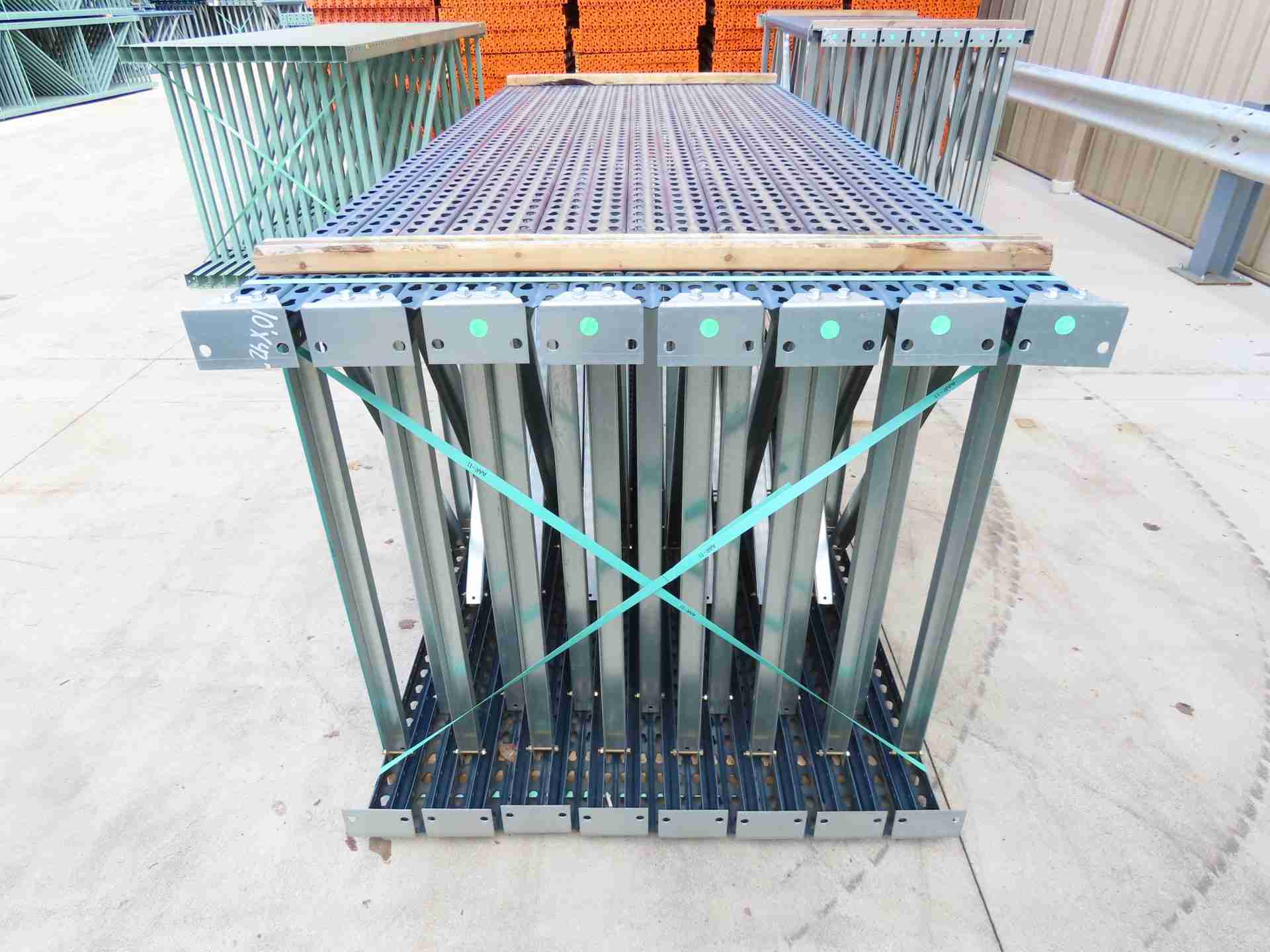
How Do Local Sellers Ensure Safety Standards In Pallet Racking?
How Do Local Sellers Ensure Safety Standards In Pallet Racking?
- Local sellers prioritize safety in their pallet racking systems, integrating safety standards into every aspect of their offerings.
- They conduct rigorous inspections to identify potential hazards and recommend timely upgrades to prevent accidents.
- Expert installation services are provided to ensure proper setup, mitigating the risks of catastrophic failures.
- Ongoing education is prioritized, with sellers keeping clients informed about the latest safety protocols and technological advancements.
- Local sellers adhere to industry standards, collaborating with organizations like OSHA to ensure compliance with safety regulations.
- Warranties and guarantees on pallet racking systems reinforce the commitment to quality and long-term reliability.
- Choosing local sellers is an investment in safety and peace of mind, ensuring high safety standards in operations.

How Do Local Sellers Ensure Safety Standards In Pallet Racking?
What Kind Of Warranty Or Support Do Local Sellers Offer?
When investing in equipment like pallet racking, one of the first questions you should ask is: what kind of warranty or support do local sellers provide? Understanding this aspect can have a substantial impact on your bottom line and operational efficiency, especially in today’s fast-paced, ever-evolving market.
Local sellers often pride themselves on the relationships they build with their customers. They understand the unique challenges of businesses in the area, and their support doesn’t end when the sale is finalized. For example, a local distributor of pallet racking systems might offer a robust warranty that not only covers defects in materials but also extends to the installation process. A warranty that spans several years sends a strong signal about the confidence of the seller in their product’s durability.
Let’s look at recent events. In light of increased supply chain disruptions and a worldwide focus on sustainability, many local sellers have adjusted their warranty offerings. They recognize the need for businesses to have reliable storage solutions, and so they now include maintenance packages or proactive inspections as part of their support offering. For example, a seller could offer a yearly inspection of the pallet racking system, ensuring that everything remains compliant with safety standards and industry regulations.
A compelling support system can also mean the difference between a good deal and a great one. Imagine purchasing an imported pallet racking system only to find out that replacement parts are almost impossible to obtain. In contrast, buying local not only gives you peace of mind but also ensures that you have easier access to support and parts directly from the supplier.
Take Advantage of Local Expertise
Furthermore, local sellers often provide expert installation services, ensuring that your pallet racking is set up correctly the first time. They typically offer on-site consultations to recommend the best configuration for your storage needs, maximizing your space’s efficiency. This hands-on approach can save you both time and money in the long run.
When considering a purchase of pallet racking, don’t just look at the price tag. Evaluate the warranty and support services provided by local sellers. Their commitment to customer satisfaction and their comprehensive support can end up being the most valuable aspect of your investment, driving productivity and peace of mind in your operations long after the initial transaction.

What Kind Of Warranty Or Support Do Local Sellers Offer?
What Kind Of Warranty Or Support Do Local Sellers Offer?
- Evaluate the warranty and support provided by local sellers when investing in pallet racking equipment.
- Local sellers typically establish strong relationships with customers, adapting to their unique business challenges.
- A robust warranty may cover both material defects and the installation process, indicating product durability.
- Recent trends show local sellers adjusting warranties to include maintenance packages and proactive inspections.
- Purchasing locally ensures easier access to replacement parts and support compared to imported systems.
- Local expertise often includes expert installation services and on-site consultations for optimal storage configurations.
- Comprehensive support from local sellers can greatly enhance operational efficiency and customer satisfaction.

What Kind Of Warranty Or Support Do Local Sellers Offer?
Are There Cost Advantages To Buying Locally?
In today’s hyper-connected world, the allure of purchasing goods from distant suppliers often leads consumers and businesses alike to overlook the significant perks of buying locally. The truth is, while those bargain prices might seem attractive at first, the real cost savings often lie closer to home.
Let’s consider the logistics of a business setup. Imagine a warehouse filled with pallet racking, optimized for space and efficiency. One might think that sourcing equipment and supplies from overseas will yield savings on initial costs. However, what many fail to account for are the hidden expenses associated with long-distance purchasing. Shipping delays, customs duties, and international tariffs can quickly escalate costs. A local supplier can deliver the same pallet racking at competitive prices without the headaches of waiting for overseas shipments.
Moreover, local suppliers often provide exceptional customer service. When businesses need additional parts, repairs, or even modifications to their pallet racking systems, the speed and quality of service from nearby vendors can save both time and money. Picture needing to replace a component: a simple call to a local supplier reduces downtime, while an overseas order could take weeks, impacting productivity.
Let’s also factor in the current economic climate. Amidst rising fuel prices and ongoing supply chain disruptions—made evident by the ripple effects of the pandemic—local sourcing has become an increasingly viable option. Big-box retailers, for instance, are often facing stock shortages, pushing manufacturers to be more reliant on local collaborations. When a company invests in local suppliers, they not only support their community but also create more stable and predictable supply chains.
Consider, too, that local purchases contribute to the local economy, generating jobs and keeping money circulating near your base of operations. This community-oriented spending builds better relationships and often fosters loyalty, leading to potential discounts or incentives from local businesses.
In short, while the temptation might be to chase the lowest sticker price available on the internet, the true cost advantages of buying locally—particularly when it comes to essential equipment like pallet racking—can result in substantial savings in the long run. The benefits extend beyond mere financial gain; they encompass reliability, speed, and local economic health. So, the next time you need to stock your warehouse, remember that what feels like a cost-effective decision today could lead to greater expenses tomorrow. Invest locally and reap the rewards!

Are There Cost Advantages To Buying Locally?
Are There Cost Advantages To Buying Locally?
- Buying locally offers significant perks that are often overlooked by consumers and businesses amid dizzying online options.
- While overseas purchases may present attractive initial pricing, hidden costs such as shipping delays, customs duties, and tariffs often negate those savings.
- Local suppliers provide exceptional customer service, enabling quicker access to parts and repairs, enhancing productivity.
- Current economic challenges like rising fuel prices and supply chain disruptions make local sourcing increasingly viable.
- Investing in local suppliers supports the community and creates stable, predictable supply chains.
- Local purchases stimulate the local economy, generating jobs and fostering better relationships with suppliers.
- Choosing local suppliers for essential equipment like pallet racking can result in long-term savings and benefits beyond just cost.

Are There Cost Advantages To Buying Locally?
How Can I Find Reputable Local Pallet Racking Suppliers?
When it comes to optimizing your warehouse space and improving operational efficiency, finding a reputable local pallet racking supplier is crucial. The right supplier can help you maximize your storage capacity and ensure the safety of your operations. So how do you uncover the gems in a sea of options?
Start with Research and Recommendations
Begin your journey by tapping into your professional network. Ask fellow business owners, logistics managers, or warehouse supervisors for recommendations. If you’re part of any industry-specific groups or forums, these can serve as goldmines of information. A strong personal recommendation often carries more weight than online reviews.
Utilize Online Resources Wisely
Harness the power of online tools. Websites like Google, Yelp, or LinkedIn can provide insights into local pallet racking suppliers. Pay close attention to customer reviews and ratings. Look for suppliers who have built a reputation over time, with testimonials that highlight not just product quality, but also after-sales service and responsiveness.
For example, with the recent surge in demand for efficient supply chain solutions prompted by global events, many new suppliers have emerged. However, those with a solid track record have adapted to changing market needs, demonstrating reliability and quality.
Evaluate Their Product Range
Once you have a shortlist, delve into each supplier’s offerings. An inventory that includes a variety of pallet racking systems, such as selective rack systems, drive-in racks, or pallet flow racks, indicates a supplier’s ability to meet diverse needs. Moreover, check if they provide additional services, such as installation and maintenance, which can save you time and future headaches.
Experience Matters
Next, consider the experience of potential suppliers. Those who have been in the pallet racking business for several years are likely to have encountered and solved a myriad of logistics challenges. This experience often translates into better advisement and design recommendations tailored to your specific warehouse layout.
Don’t Forget to Ask About Compliance
Lastly, ensure that the suppliers you consider comply with local safety regulations and standards. Given recent regulatory changes in logistics and warehouse operations, aligning with a supplier who prioritizes safety can save you from headaches down the line.
Conclusion
Finding a reputable local pallet racking supplier doesn’t need to be a daunting task. By leveraging your network, utilizing online reviews, evaluating product diversity, and ensuring compliance, you’ll set yourself up for a successful partnership that enhances your operational efficiency. Remember, the right choice can not only make your warehouse more organized but also contribute to your bottom line.

How Can I Find Reputable Local Pallet Racking Suppliers?
How Can I Find Reputable Local Pallet Racking Suppliers?
- Finding a reputable local pallet racking supplier is key to optimizing warehouse space and enhancing operational efficiency.
- Start your search by seeking recommendations from your professional network and industry-specific groups.
- Utilize online resources such as Google, Yelp, and LinkedIn for customer reviews and supplier ratings.
- Evaluate suppliers based on their product range, including various pallet racking systems and additional services like installation.
- Consider the supplier’s experience in the pallet racking business, as it can lead to better advice and tailored solutions.
- Ensure that potential suppliers comply with local safety regulations and standards to avoid future complications.
- By leveraging these strategies, you can build a successful partnership that improves operational efficiency and warehouse organization.

How Can I Find Reputable Local Pallet Racking Suppliers?
Conclusion
In the fast-paced world of logistics and warehousing, your choice of pallet racking system is paramount to your business’s operational success. Utilizing a local supplier like Arrow Industrial Sales not only grants you access to a wealth of knowledge but also places you on the frontline of tailored solutions designed for your unique needs.
Imagine this: instead of wading through the endless products listed by faceless online retailers, you can partner with local experts who understand your market and its nuances. They stand ready to provide personalized consultations that extend far beyond mere sales. From identifying inefficiencies in your space to offering targeted solutions like adjustable racking systems that can evolve with your inventory needs, local sellers deliver the kind of bespoke service that large corporations simply cannot. The moments you save, and the potential losses averted, are invaluable.
Moreover, with the rapid shifts in consumer behavior and supply chain dynamics, the importance of agile, flexible storage solutions has never been greater. A local seller’s ability to respond quickly to your needs through customized racking options can give you a significant competitive edge. Whether it’s adapting to e-commerce trends or investing in sustainability, your local partner will have their finger on the pulse of industry changes and can proactively offer solutions that align with those trends.
Let’s not overlook safety—an essential pillar in any warehouse operation. Local sellers often understand regulations intimately and ensure that your pallet racking systems meet all safety standards through rigorous inspections and expert installation. Their commitment to long-term partnerships means ongoing support and peace of mind that you can’t put a price on.
If you still find yourself hesitant, consider the urgency of today’s market. Supply chain disruptions and fluctuating costs make it crucial to secure a reliable partner who can anticipate your needs. By fostering close relationships with local suppliers, businesses promote community resilience while benefiting from tailored solutions.
So, why wait? Don’t let inefficiencies hold your business back any longer. Call Arrow Industrial Sales today at (574) 349-6575 and leverage the local advantage that can transform your pallet racking needs into streamlined operations. Remember, your investment in local expertise isn’t just a purchase; it’s a strategic move towards operational excellence and long-term success. Time is of the essence—act now and watch your warehouse productivity soar!

Conclusion
Conclusion:
- The choice of pallet racking system is crucial for operational success in logistics and warehousing.
- Partnering with a local supplier like Arrow Industrial Sales offers access to tailored solutions and expert knowledge.
- Local sellers provide personalized consultations, helping to identify inefficiencies and recommend adjustable racking systems.
- Agile storage solutions from local suppliers can enhance competitiveness amid rapid consumer behavior changes and supply chain dynamics.
- Local sellers ensure compliance with safety regulations through rigorous inspections and expert installation.
- Establishing relationships with local suppliers fosters community resilience and provides tailored solutions that address specific business needs.
- Contact Arrow Industrial Sales at (574) 349-6575 for strategic local expertise that can improve warehouse productivity.

Conclusion
Other Resources

Other Resources
Here is a list of other resources you can review online to learn more:
- Chicago Pallet Racking
- Warehouse Racks, Warehouse Racking in Stock – ULINE
- IIWS Inc. Rack Installation Illinois & Rack Repairs Illinois
- Warehouse Storage Racks
- Interlake
- Teardrop Industrial Shelving Rack
- American Surplus
- Total Warehouse
- Material Handling Safety
- CA Wire
Use This Prompt To Get More Resources With Your Favorite Online AI Tool: Please provide me with a list of online articles with their URLs in a bulleted list that I can read regarding Can Local Sellers Provide Expert Pallet Racking Advice?

Other Resources
Glossary Terms
Can Local Sellers Provide Expert Pallet Racking Advice? – Glossary Of Terms
1. Pallet Racking: A storage system designed for high-density storage of goods in warehouses, consisting of vertical frames and horizontal beams to hold pallets.
2. Local Sellers: Businesses or individuals who sell products or services within a specific geographic area, often providing personalized service and expertise.
3. Expert Advice: Recommendations or guidance given by someone with extensive knowledge or experience in a particular field, such as pallet racking.
4. Warehouse Optimization: The practice of maximizing the efficiency and effectiveness of storage space within a warehouse, often using strategic racking solutions.
5. Load Capacity: The maximum weight that a pallet racking system can safely support, which varies based on design, materials, and configuration.
6. Pallet Configuration: The arrangement of pallets in a racking system, which can affect accessibility, efficiency, and storage density.
7. Safety Standards: Regulations and guidelines established to ensure the safe design, construction, and use of pallet racking systems to prevent accidents.
8. Inventory Management: The process of overseeing and controlling stock levels, which can be supported by effective pallet racking solutions.
9. Accessibility: The ease of reaching and retrieving items stored in pallet racks, which can impact workflow efficiency in a warehouse.
10. Customization: The ability to tailor pallet racking solutions to meet specific needs or requirements of a business, including size and configuration.
11. Ergonomics: The study of how to design workspaces and tools to optimize productivity and comfort for workers, influencing the design of pallet racking.
12. Forklift Compatibility: Ensuring that pallet racking systems are designed to be used safely and effectively with various types of forklifts for material handling.
13. Aisle Width: The distance between rows of pallet racks, impacting accessibility and efficiency in the movement of goods.
14. Vertical Space Utilization: The practice of maximizing storage by using the height of the warehouse, which is a critical element of pallet racking design.
15. Beam Levels: The horizontal supports in a pallet racking system, which are adjustable for different pallet heights and weights.
16. Pallet Types: Various kinds of pallets (wooden, plastic, metal) that have different weight limits and compatibility with racking systems.
17. Dynamic Racking: Pallet racking systems designed for high-volume operations, allowing for quick access and rotation of stock through mechanisms like flow racking.
18. Static Racking: A traditional form of pallet racking where pallets are stored in fixed locations, ideal for lower turnover inventory.
19. Cost-Effectiveness: Balancing the initial investment against the long-term benefits of pallet racking solutions, including savings in labor and space.
20. Regulatory Compliance: Adhering to federal, state, and local regulations regarding the installation and use of pallet racking systems.
21. Inspection and Maintenance: Routine checks and upkeep of pallet racking systems to ensure safety, functionality, and longevity.
22. Installation Services: Professional services offered by local sellers to set up pallet racking systems according to manufacturer specifications.
23. Space Planning: The strategic design and layout of warehouse space for optimal pallet racking configurations and workflow efficiency.
24. Cost Analysis: The evaluation of the financial aspects of various pallet racking solutions to identify the best value for a business.
25. Scalability: The ability of a pallet racking system to be expanded or modified as a business grows, accommodating increased inventory needs.
26. Consultation Services: Professional advisory services offered by local sellers to help businesses choose the right pallet racking system for their needs.
27. Long-Term Investment: Pallet racking systems viewed as a significant and lasting expenditure that should provide returns over time through efficiency gained.
28. Return on Investment (ROI): A measure used to evaluate the efficiency of an investment, in this case referring to the benefits derived from implementing a pallet racking system.
29. Industry Best Practices: Established and proven methods in the pallet racking industry that enhance safety, efficiency, and cost savings.
30. Supplier Relationship: The partnership between a business and its local seller of pallet racking, which can influence the quality of service and support received.

Glossary Of Terms
Other Questions
Can Local Sellers Provide Expert Pallet Racking Advice? – Other Questions
If you wish to explore and discover more, consider looking for answers to these questions:
- What factors should I consider when selecting a local pallet racking supplier?
- How can I assess the quality of pallet racking systems offered by local sellers?
- What are the different types of pallet racking systems available?
- How can pallet racking improve warehouse safety and compliance?
- What specific customization options do local sellers offer for pallet racking?
- How do local suppliers compare to national or international vendors in terms of pricing?
- What are the delivery times for pallet racking systems from local sellers?
- Can local sellers assist with the installation of pallet racking systems?
- What ongoing support services can I expect from local pallet racking suppliers?
- How can I find local pallet racking suppliers that prioritize sustainability?
- What are the common challenges businesses face when choosing pallet racking solutions?
- How often should pallet racking systems be inspected for safety and efficiency?
- What are the potential risks of using low-quality pallet racking systems?
- How can I determine if a local seller is reputable and trustworthy?

Other Questions
Checklist
Can Local Sellers Provide Expert Pallet Racking Advice? – A Checklist
1. Understanding Your Needs
_____ Assess your current inventory type (bulky, lightweight, etc. )
_____ Determine the maximum weight requirements for your racking system.
_____ Identify any specific handling needs for your warehouse operation (FIFO, LIFO, etc. ).
2. Evaluating Your Space
_____ Measure the dimensions of your warehouse or storage area.
_____ Consider vertical space and ceiling height for possible high-density racking.
_____ Identify areas for potential racking placements to avoid obstacles.
3. Exploring Local Suppliers
_____ Seek recommendations from fellow business owners or colleagues.
_____ Research online directories, reviews, and ratings for local suppliers.
_____ Compile a list of at least 3-5 local pallet racking suppliers to evaluate.
4. Checking Supplier Credentials
_____ Confirm the supplier’s experience in the pallet racking industry.
_____ Ensure they comply with local safety regulations and standards.
_____ Inquire about certifications or affiliations with industry organizations (e. g. , OSHA).
5. Product Offerings
_____ Evaluate the range of pallet racking systems available (selective, drive-in, etc. ).
_____ Ask about customization options based on your specific requirements.
_____ Check if they offer eco-friendly material options.
6. Installation and Support Services
_____ Inquire if the supplier provides installation services by trained professionals.
_____ Ask about post-installation support and maintenance services.
_____ Confirm the availability of replacement parts and customer service responsiveness.
7. Understanding Warranties and Support
_____ Review the warranty terms provided (duration and coverage).
_____ Ask about routine inspections and maintenance packages.
_____ Consider the importance of after-purchase support.
8. Cost Considerations
_____ Compare quotes from multiple local suppliers.
_____ Factor in shipping costs and potential delays from non-local suppliers.
_____ Evaluate the long-term financial implications of your choice (operational efficiencies, reduced downtime, etc. ).
9. Final Decision-Making
_____ Visualize the layout of your selected pallet racking solution.
_____ Discuss your final choice with your team for feedback.
_____ Place your order and schedule installation with the chosen local supplier.
10. Post-Installation Review
_____ Conduct a safety evaluation of the installed racking system.
_____ Provide feedback to the supplier about installation and overall satisfaction.
_____ Establish a routine check-up schedule to ensure long-term safety and efficiency.
By following this checklist, businesses can effectively choose and implement the right local pallet racking solutions tailored to their unique warehouse needs!

Checklist
At RackingWorld, we help guide you through selecting warehouse storage systems and racking.
Be sure to read our other related stories at RackingWorld to learn more about warehouse storage systems.
0 Comments