
Maximizing Safety And Efficiency With The Right Pallet Rack Installation
By Tom Seest
At RackingWorld, we help guide you through selecting warehouse storage systems and racking.
Be sure to read our other related stories at RackingWorld to learn more about warehouse storage systems.
Why Does Proper Pallet Rack Installation Matter?
In the bustling world of warehousing and logistics, the impact of efficiency cannot be overstated. One critical component often overlooked amidst the complex operations is the installation of pallet racking. A strong, reliable storage system isn’t just a nice-to-have—it’s a foundational element that can make or break your business’s productivity and, ultimately, your bottom line.
Consider this: a warehouse that lacks properly installed pallet racking is akin to an architect trying to build a skyscraper without a solid foundation. Without the right specifications and professional installation, safety risks soar. A slight miscalculation or inadequately secured rack can lead to catastrophic collapses, putting lives at risk and exposing your business to hefty legal liabilities. Recent incidents in popular distribution centers highlight the repercussions of poorly installed pallet racking—accidents that not only injure employees but also disrupt operations, leading to costly downtime.
Beyond safety concerns, the efficiency of your inventory management hinges on your pallet racking system. Proper installation maximizes vertical space, allowing you to store more products without expanding your footprint. For instance, a state-of-the-art pallet racking system can facilitate faster picking times and reduce the labor hours spent locating items. With e-commerce demands on the rise, this efficiency translates directly into enhanced customer satisfaction. Remember, in today’s era of same-day shipping, your ability to deliver matters immensely; customers won’t wait while you sort through a chaotic storage system.
Moreover, investing in high-quality pallet racking features like adjustable beams and added safety accessories can future-proof your operations. Companies such as Amazon are setting new standards, showcasing how optimized storage can accelerate fulfillment rates. On the flip side, those who ignore proper installation risk falling behind, as competitors leverage their efficient systems to win more market share.
Let’s talk about money—after all, what business doesn’t care about the bottom line? Improper pallet racking installation may seem like a short-term cost-saving tactic, but the long-term financial repercussions can be staggering. Expenses from injuries, product damage, and inefficient operations quickly add up, eliminating any initial savings.
Proper pallet rack installation is not just a detail; it’s a strategic move that enhances safety, boosts efficiency, and protects your financial interests. Don’t be the warehouse that cuts corners on installation—be the operation that uses its pallet racking to elevate its performance and ensures a safer, more productive workplace. After all, in the competitive landscape of logistics, every detail counts!

Why Does Proper Pallet Rack Installation Matter?
Why Does Proper Pallet Rack Installation Matter?
- The efficiency of warehousing and logistics heavily relies on the installation of pallet racking.
- Improperly installed pallet racking can lead to safety risks, including catastrophic collapses and legal liabilities.
- Incidents in distribution centers show the consequences of poor racking installation, affecting employee safety and operations.
- A well-installed pallet racking system optimizes inventory management, maximizing vertical space and improving picking times.
- Investing in quality pallet racking features can future-proof operations and enhance fulfillment rates, crucial in the e-commerce age.
- Cutting corners on installation may save costs in the short-term, but can lead to significant long-term financial repercussions.
- Proper pallet rack installation is a strategic necessity for safety, efficiency, and protecting business interests in a competitive environment.

Why Does Proper Pallet Rack Installation Matter?
Table Of Contents
- Why Does Proper Pallet Rack Installation Matter?
- Why Is Safety Crucial In Pallet Rack Installation?
- What Are The Risks Of Improper Installation?
- How Does Correct Installation Impact Warehouse Efficiency?
- What Are The Key Standards For Pallet Rack Installation?
- How Can Improper Installation Lead To Product Damage?
- What Are The Costs Associated With Poor Installation Practices?
- How Often Should Pallet Racks Be Inspected For Safety?
- Conclusion
- Other Resources
- Glossary Of Terms
- Other Questions
- Checklist
Why Is Safety Crucial In Pallet Rack Installation?
In the ever-evolving world of warehousing and logistics, the importance of safety in pallet rack installation cannot be overstated. A well-structured pallet racking system is not just a method for maximizing storage space; it’s a critical component of workplace safety that protects lives, reduces costs, and enhances operational efficiency.
Consider the staggering statistics: According to OSHA, in the past year alone, there have been thousands of injuries related to material handling and storage operations. Many of these incidents directly result from improper pallet rack installation. A failure to adhere to safety protocols could lead to rack failures, resulting in damage to both goods and personnel. So why gamble with safety when a robust pallet racking system designed and installed with care can reduce risks dramatically?
Let’s explore a sobering example: In 2022, a major warehouse in the Midwest experienced a catastrophic pallet rack collapse due to inadequate installation practices. The incident led to several injuries and significant downtime, costing the company not just in repairs but also in lost productivity and trust. Such mishaps underline the fact that safety violations do not simply affect those immediately involved; they can ripple through an entire organization, impacting delivery timelines, employee morale, and customer satisfaction.
In today’s competitive market, having a reliable pallet racking system is crucial. Companies are increasingly focused on optimizing every square foot of their facility; however, a lapse in safety can transform an asset into a liability. When pallet racking is installed incorrectly, it compromises the integrity of the entire operation, leading to potential collapses and significant waste of resources.
Furthermore, with new regulations and standards emerging frequently, it is more important than ever to stay updated. Ensuring compliance with the latest industry standards is not just a legal requirement; it’s a moral imperative. Companies that prioritize safety in their pallet racking installations are not just following the regulations—they’re demonstrating a commitment to the welfare of their workforce and the sustainability of their operations.
Investing in professional pallet racking installation with a rigorous focus on safety is not just prudent; it’s essential for long-term success. By prioritizing safety, businesses can foster a culture of responsibility, enhance productivity, and ensure that both employees and assets are protected. The future of warehousing is bright, but only for those who put safety at the forefront of their operations.
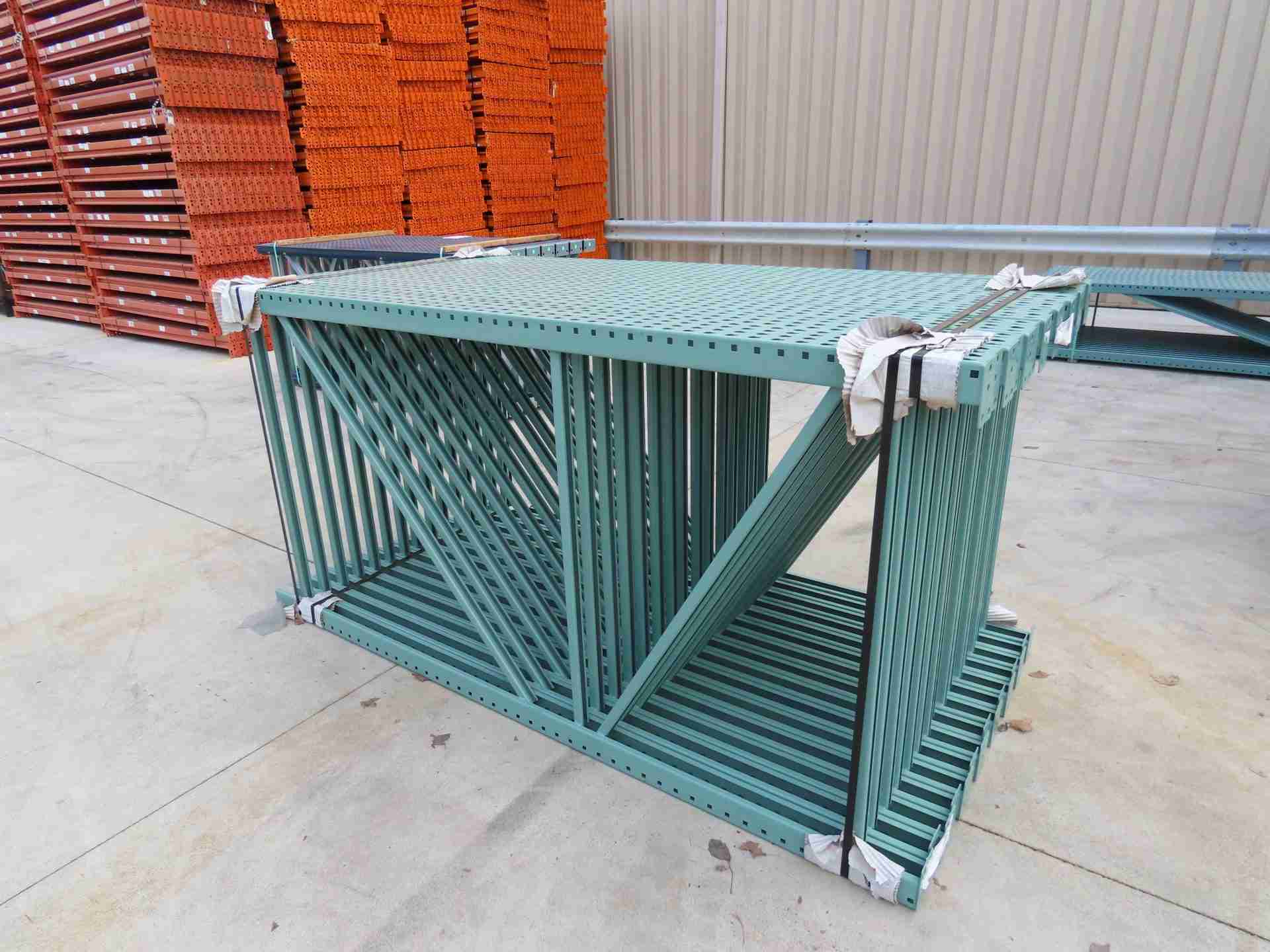
Why Is Safety Crucial In Pallet Rack Installation?
Why Is Safety Crucial In Pallet Rack Installation?
- Safety in pallet rack installation is crucial for maximizing storage and ensuring workplace safety.
- Thousands of injuries related to material handling occur annually, often due to improper pallet rack installation.
- Improper installation can lead to rack failures, endangering personnel and damaging goods.
- A catastrophic pallet rack collapse in 2022 illustrates the potentially severe consequences of safety violations, including injuries and lost productivity.
- Companies must balance optimization of storage space with safety to avoid turning assets into liabilities.
- Staying compliant with new regulations is essential for both legal and moral reasons, reflecting a commitment to workforce welfare.
- Investing in professional installation enhances safety culture, productivity, and overall asset protection.
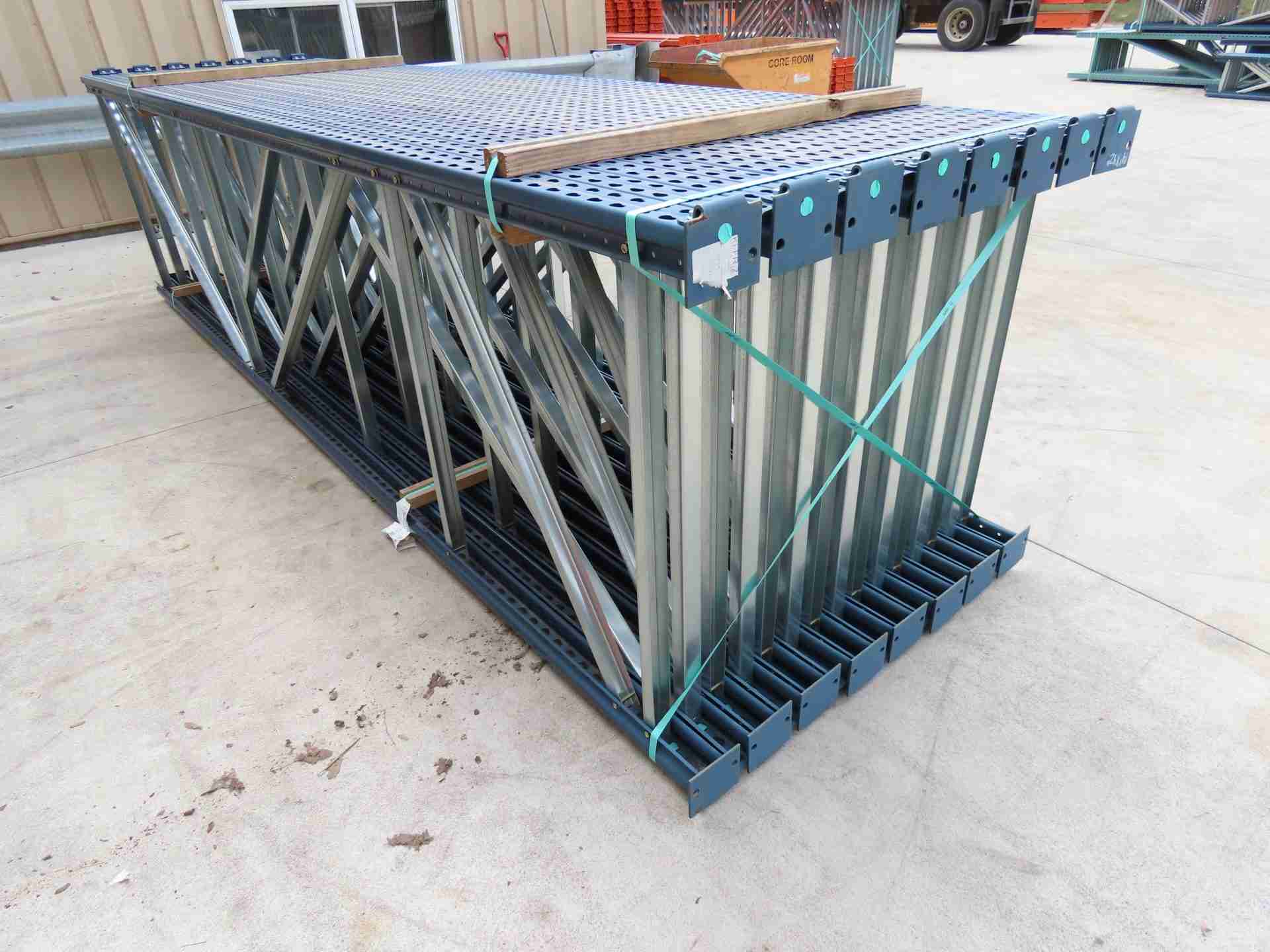
Why Is Safety Crucial In Pallet Rack Installation?
What Are The Risks Of Improper Installation?
When it comes to pallet racking, the stakes are higher than many business owners realize. Improper installation of these vital storage systems can lead to a cascade of costly consequences, both financially and ethically. The risks associated with this oversight can impact everything from employee safety to inventory management, ultimately undermining the very essence of an efficient operation.
Consider a recent incident involving a major distribution center in the Midwest. After a hurried installation of pallet racking, the facility experienced a catastrophic failure when overloaded shelves collapsed. Not only did this halt operations for weeks, leading to lost revenue, but it also resulted in significant injuries to warehouse personnel. Investigators later found that the installation did not meet safety regulations, highlighting a prime example of what happens when corners are cut.
One of the immediate dangers of improper installation is the risk of personal injury. Workers depend on these structures to safely store and retrieve products, but when pallet racking is installed without following manufacturer guidelines or local regulations, it can create hazardous environments. Falling objects, for example, pose a serious risk. In the cited case, several employees were injured, leading to costly workers’ compensation claims and a tarnished reputation.
The financial repercussions extend beyond just injuries. For businesses that focus on efficiency, like warehousing and logistics firms, the downtime caused by equipment failure can have a devastating ripple effect. Companies can experience diminished productivity, lost orders, and the hefty price tag associated with reinstallation and repairs.
Furthermore, improper installation can lead to compliance issues. Regulatory bodies impose strict standards for safety equipment, including pallet racking. A failure to meet these standards not only opens the door to legal ramifications but also damages customer trust. Just think about the ramifications of a major retail chain facing backlash for unsafe working conditions; words spread like wildfire, and reputations can be irreparably damaged overnight.
In today’s fast-paced environment, it’s crucial to prioritize effectiveness and safety during the installation process. Collaborate with qualified professionals who understand the nuances of pallet racking to avoid the pitfalls of subpar work. Remember, investing the time and resources upfront can save you from putting your employees, your inventory, and your bottom line at risk in the long run.
In summary, the risks of improper pallet racking installation are not merely theoretical; they are immediate threats to your business’s sustainability and safety. Don’t underestimate the importance of doing it right—your operation’s health depends on it!

What Are The Risks Of Improper Installation?
What Are The Risks Of Improper Installation?
- Improper installation of pallet racking can lead to serious financial and ethical consequences for businesses.
- A recent incident at a Midwest distribution center resulted in a catastrophic collapse of overloaded shelves due to improper installation, causing injuries and significant operational downtime.
- Workers are at immediate risk of personal injury if pallet racking is not installed according to guidelines and regulations, leading to safety hazards like falling objects.
- The financial impact includes diminished productivity, lost orders, and costs associated with repairs and reinstallation.
- Failure to comply with safety standards can result in legal issues and damage to customer trust, impacting a business’s reputation.
- It is essential to prioritize safety and effectiveness by working with qualified professionals during the installation process.
- Investing time and resources in proper installation can protect employees, inventory, and overall business health.
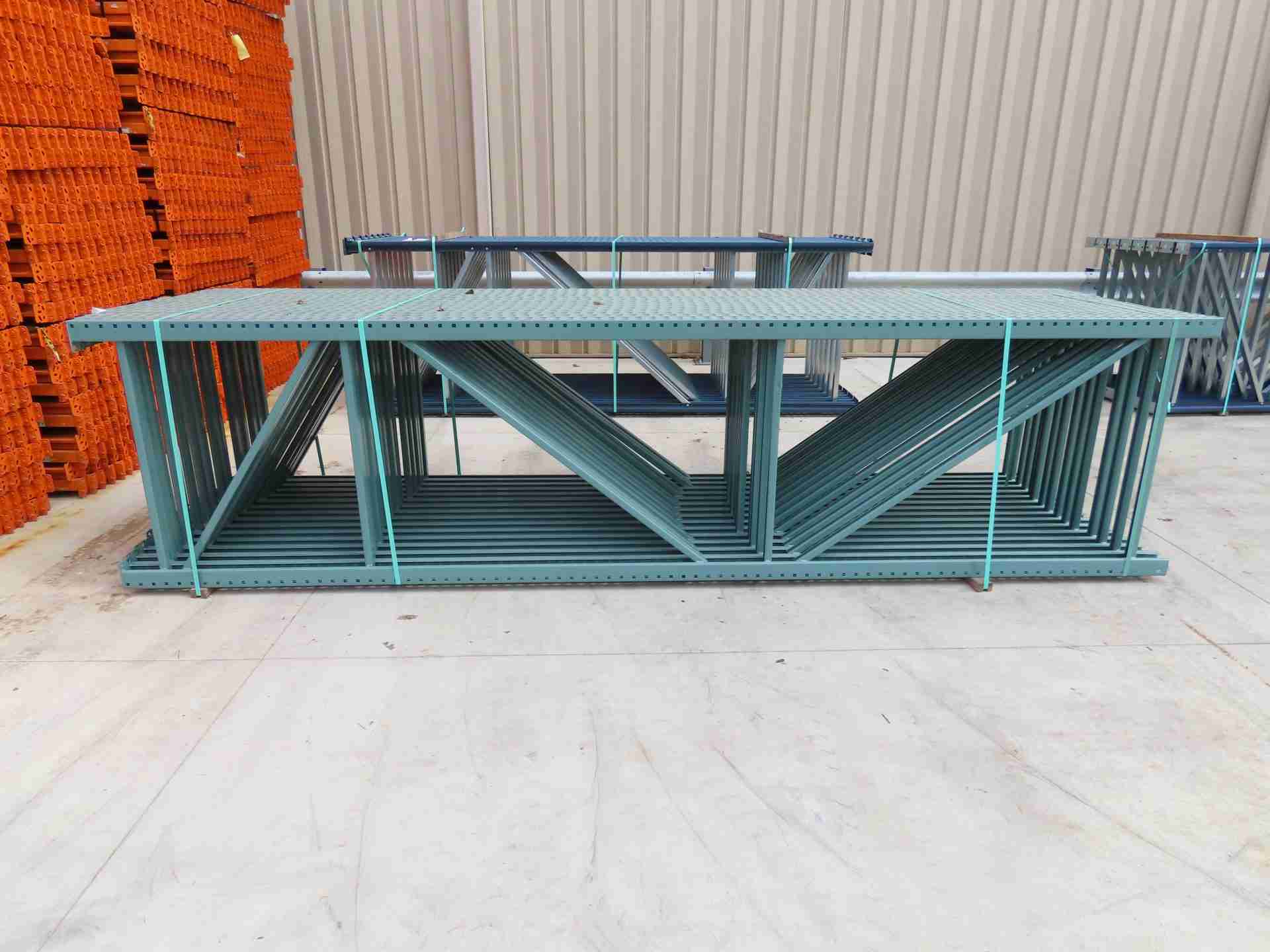
What Are The Risks Of Improper Installation?
How Does Correct Installation Impact Warehouse Efficiency?
In the frenetic world of logistics and warehousing, the phrase “time is money” rings especially true. Businesses are constantly seeking ways to maximize efficiency, and one of the most frequently overlooked facets is the proper installation of pallet racking. When installed correctly, pallet racking not only enhances space utilization but dramatically boosts overall operational productivity. Let’s explore how correct installation can catapult your warehouse efficiency to new heights.
Consider this: according to a recent industry report, improper racking installation results in up to 20% of warehouse space being rendered unusable. This is a staggering statistic that underscores the importance of a solid foundation when it comes to pallet racking. Incorrectly installed racks can lead to hazardous working conditions, causing safety incidents that disrupt operations and lead to costly downtime. For instance, a well-known logistics company faced hefty penalties after a safety inspection revealed racking systems not installed to specification, costing them both reputation and financial stability.
On the other hand, when your pallet racking is installed correctly, it can streamline workflows, leading to significant time savings. For example, imagine a scenario where your team spends fewer minutes locating and retrieving inventory due to a well-organized racking system. This allows for faster order fulfillment, creating a snowball effect that increases customer satisfaction—ultimately driving sales growth. A prominent retailer recently reported a 30% increase in order processing speed after investing in high-quality pallet racking that was meticulously installed by professionals.
Moreover, correct installation of pallet racking provides the necessary flexibility for modern warehousing demands, particularly as e-commerce continues to surge. As businesses adapt to fluctuating inventory levels and products, adjustable racking systems installed with precision can accommodate these changes seamlessly. The aftermath of the pandemic has demonstrated this; with many warehouses pivoting to accommodate varied demands, proper installation has emerged as a critical success factor.
Let’s not forget about the cost savings that stem from efficiency. A warehouse operating on a finely-tuned pallet racking system can reduce labor costs and minimize lost inventory—ultimately impacting the bottom line in a positive way. This is key, especially in an economic environment where every dollar counts.
In essence, the correct installation of pallet racking should never be an afterthought; it’s a vital investment in your operational efficiency, safety, and profitability. As companies face continuous challenges in today’s fast-paced environment, ensuring that each racking system is installed with precision is not just smart; it’s essential for long-term success.
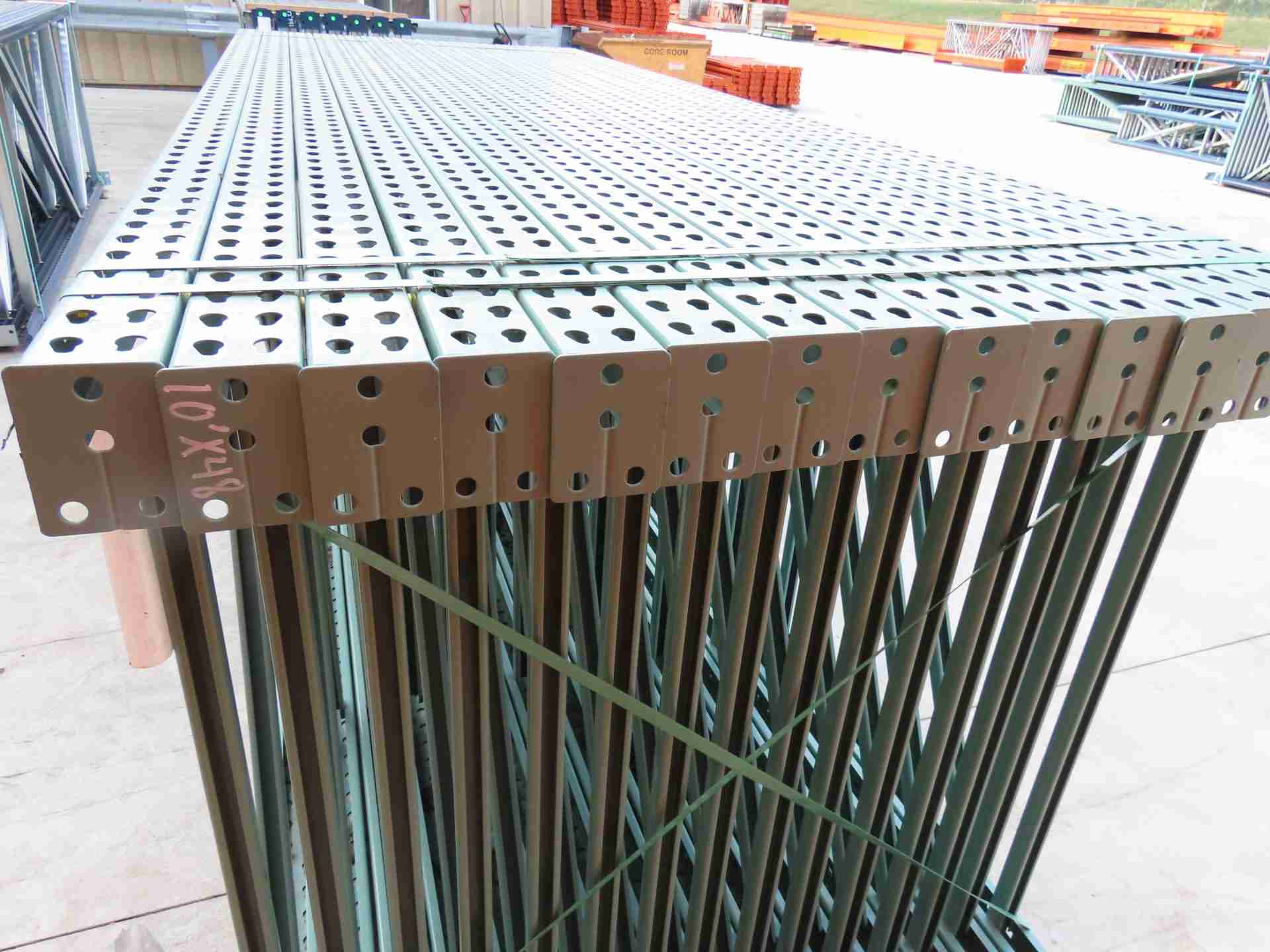
How Does Correct Installation Impact Warehouse Efficiency?
How Does Correct Installation Impact Warehouse Efficiency?
- Proper installation of pallet racking maximizes efficiency and enhances space utilization in logistics and warehousing.
- Improper installation can render up to 20% of warehouse space unusable and lead to hazardous working conditions.
- Incorrect racking installation can result in costly downtime and damage to a company’s reputation.
- Correctly installed pallet racking streamlines workflows, saving time and increasing order fulfillment speed.
- Pallet racking systems offer flexibility to adapt to fluctuating inventory levels, essential in the era of e-commerce.
- Efficient pallet racking installation can lead to cost savings by reducing labor costs and minimizing lost inventory.
- Investing in the proper installation of pallet racking is crucial for operational efficiency, safety, and long-term profitability.
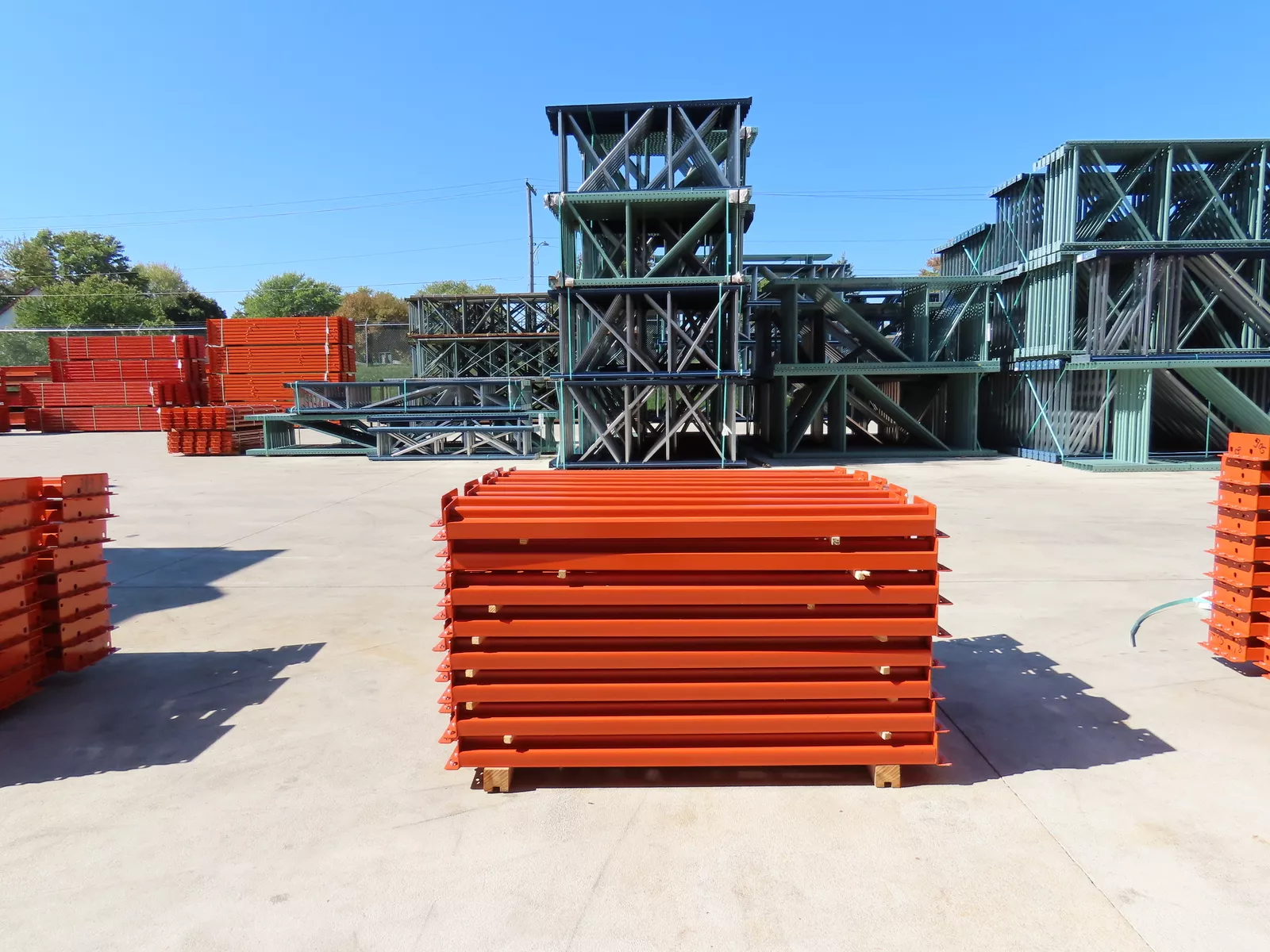
How Does Correct Installation Impact Warehouse Efficiency?
What Are The Key Standards For Pallet Rack Installation?
When it comes to efficient warehouse management, pallet racking is a cornerstone of operational excellence. The importance of adhering to key standards in pallet rack installation cannot be overstated. With ever-changing regulations and a heightened focus on workplace safety, understanding these standards can mean the difference between a streamlined operation and a costly disaster.
First and foremost, let’s talk about compliance with national safety standards. In the United States, the Occupational Safety and Health Administration (OSHA) sets forth guidelines that dictate how pallet racking systems must be designed and installed. For instance, pallet racks must typically be loaded per the manufacturer’s specified weight limits. Ignoring these limits can lead to potential rack failure—a disaster that could jeopardize employee safety and inventory.
Consider a warehouse that recently experienced a catastrophic failure due to improper installation. By cutting corners and neglecting to secure racks, the results were not only damaged goods but also significant financial liability. Adhering to standards such as those from the American National Standards Institute (ANSI) can prevent such mishaps. Regular inspections and maintenance checks should be standard practice—not optional.
Next, think about the importance of proper spacing. Your pallet racking should allow for sufficient clearance between the shelves and the items being stored. This isn’t just about maximizing vertical space; it’s crucial for ease of access and warehouse efficiency. Implementing a design that allows for proper airflow can also mitigate risks associated with fire hazards, particularly when storing flammable materials. Remember, regulations regarding fire safety are always evolving—stay updated on the latest standards to ensure compliance.
Moreover, you should invest in quality training for your staff. Even with the best systems in place, a poorly trained team can negate all safety measures. Consider the rise of automation and AI in warehouses today; familiarizing your team with modern operational protocols is essential in minimizing risk.
Finally, let’s not overlook the role of documentation. Keeping detailed records of installation procedures, inspections, and training sessions can be invaluable. In a world where accountability is paramount—as evidenced by numerous warehouse audits following high-profile incidents—having all your standard practices documented can save both time and resources.
In summary, adhering to the key standards for pallet rack installation ensures safety, efficiency, and compliance in warehouse operations. Elevate your operational success by prioritizing these essential standards in your pallet racking systems today!
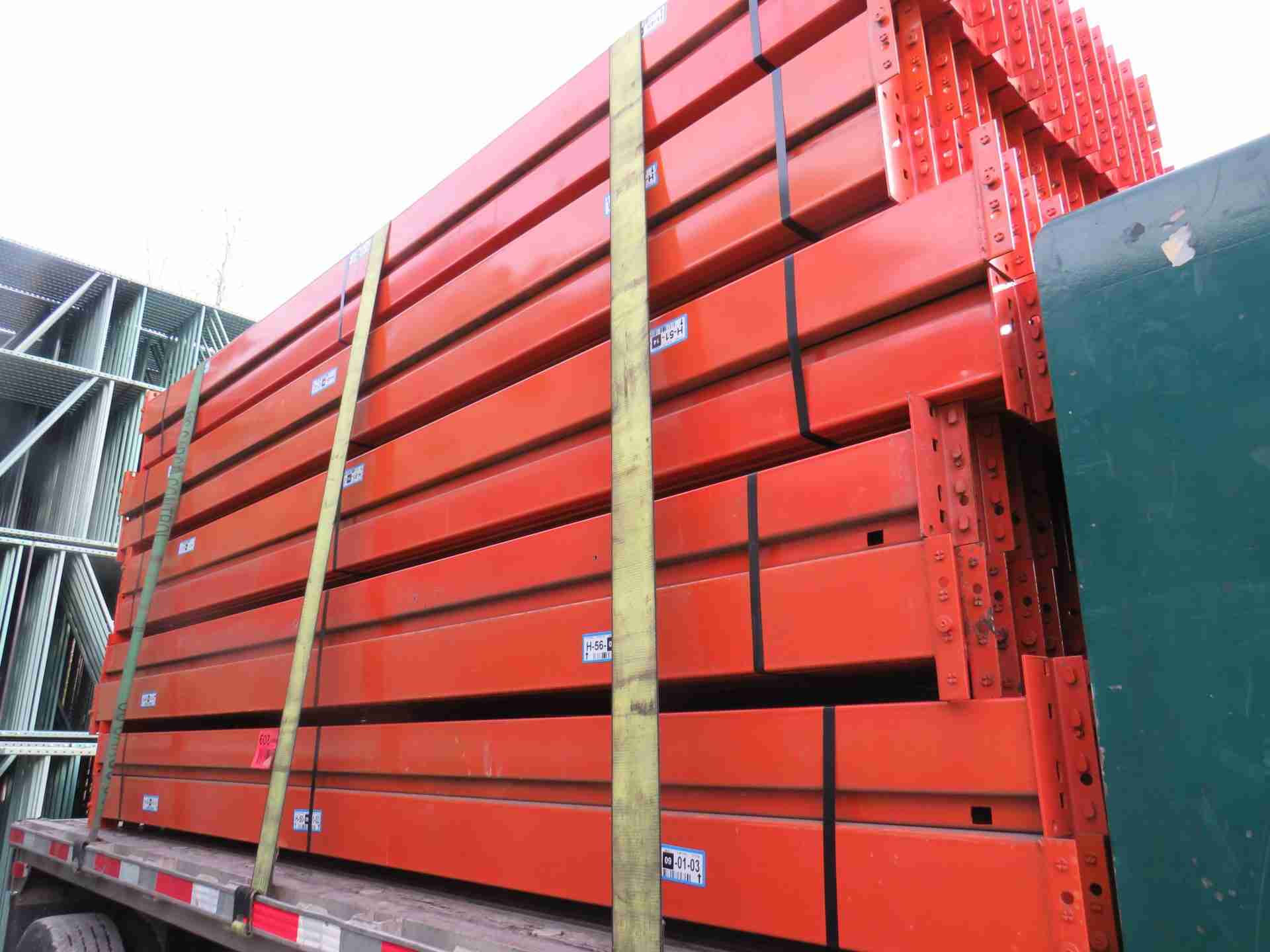
What Are The Key Standards For Pallet Rack Installation?
What Are The Key Standards For Pallet Rack Installation?
- Pallet racking is essential for efficient warehouse management and operational excellence.
- Compliance with safety standards, particularly those set by OSHA, is crucial for pallet rack installation.
- Ignoring weight limits can lead to rack failures, risking employee safety and inventory.
- Adhering to ANSI standards and performing regular inspections can prevent costly disasters.
- Proper spacing between shelves ensures ease of access and can reduce fire hazards.
- Investing in staff training is vital, especially with the increasing use of automation and AI in warehouses.
- Maintaining detailed documentation of procedures, inspections, and training is important for accountability.
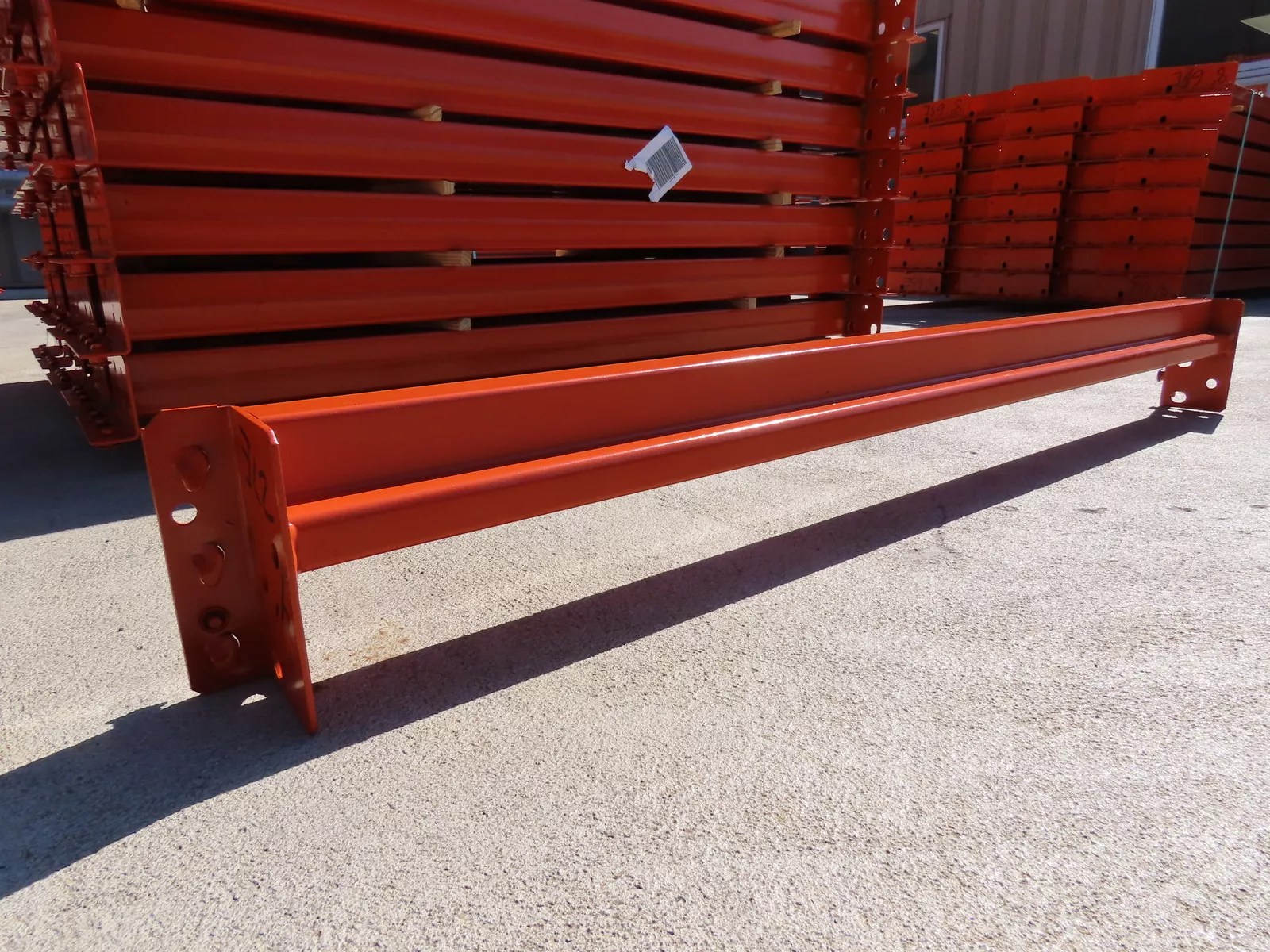
What Are The Key Standards For Pallet Rack Installation?
How Can Improper Installation Lead To Product Damage?
In the fast-paced world of warehousing and logistics, the effectiveness of your operations hinges not just on the quality of your products but on how efficiently they are stored and accessed. This is where pallet racking systems come into play. However, a pivotal area that is often overlooked is the installation process. Proper installation of pallet racking is not a mere suggestion; it’s a critical requirement that can mean the difference between success and catastrophic failure.
Imagine a bustling distribution center where pallet racking systems are installed hastily – the beams aren’t secured properly, and the frames are misaligned. A thoughtless oversight such as this can lead to an avalanche effect, where improperly stacked products trigger a domino of damage throughout the warehouse. Just last year, reports surfaced about a major retailer suffering significant losses due to a malfunctioning pallet racking system that collapsed during peak hours. This incident not only damaged valuable merchandise but also jeopardized employee safety and the company’s reputation.
Let’s talk about visibility and accessibility. When pallet racking is installed inefficiently, it can obstruct aisles and create blind spots, making it difficult for employees to maneuver around. For example, if pallet racking systems are placed too close together, operators may struggle to access stock, leading to accidents or even product damage from mishandling. An incident from a leading warehouse operator illustrated this point, where improper spacing led not only to product damage but also to inventory inaccuracy, costing the company thousands in lost sales.
The ramifications of improper installation extend beyond immediate product damage. Think about the compliance risks associated with safety regulations. Regulatory bodies impose stringent guidelines on storage systems, and failure to adhere can result in hefty fines. A case in point is an instance in 2022 where a logistics firm was penalized after their pallet racking system failed an inspection, leading to costly modifications that could have been avoided with proper initial installation.
The stakes are high when it comes to the installation of pallet racking systems. A robust installation not only protects your assets but also maintains the integrity of your operations. When you invest in expert installation services, you are safeguarding against costly mistakes that can damage products, disrupt workflows, and tarnish your brand’s reputation. Taking the correct steps during installation can yield dividends in efficiency and profitability, transforming a simple storage system into a strategic advantage. Don’t let negligence cost you; prioritize proper installation today!

How Can Improper Installation Lead To Product Damage?
How Can Improper Installation Lead To Product Damage?
- The effectiveness of warehousing and logistics relies on efficient storage and access of products, making pallet racking systems crucial.
- Proper installation of pallet racking is essential and can significantly impact operational success or failure.
- Improperly installed pallet racking can cause safety hazards, product damage, and reputational harm, as demonstrated by a major retailer’s incident last year.
- Inefficient installation can obstruct aisles and create blind spots, complicating employee navigation and leading to mishandling of stock.
- Compliance risks are heightened with poor installation; regulatory guidelines can result in fines if not adhered to, as seen in a 2022 inspection failure.
- Expert installation services protect assets and operational integrity, avoiding costly mistakes and workflow disruptions.
- Prioritizing proper installation can enhance efficiency and profitability, turning a storage solution into a competitive advantage.
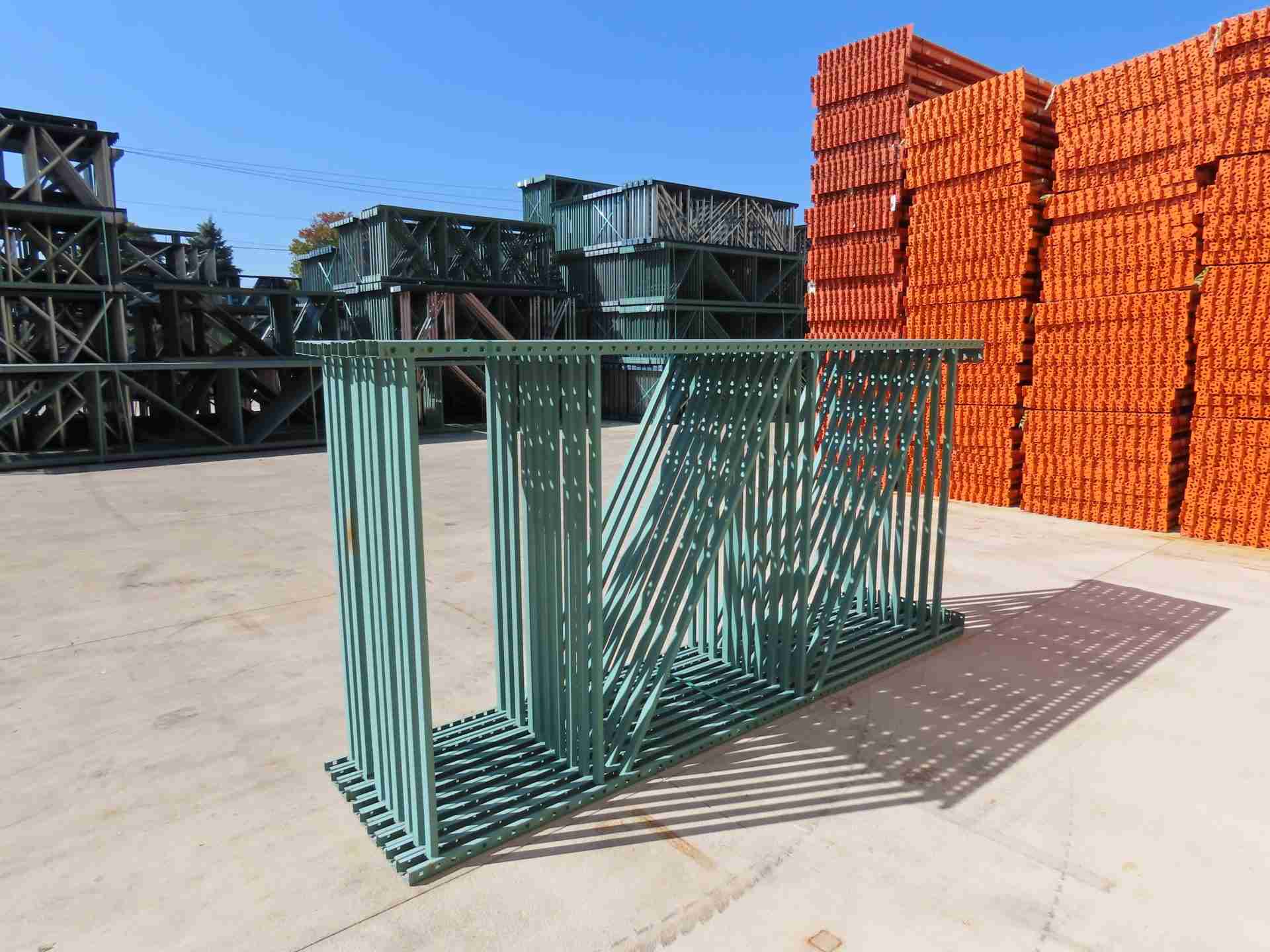
How Can Improper Installation Lead To Product Damage?
What Are The Costs Associated With Poor Installation Practices?
When it comes to warehouse efficiency and safety, the costs associated with poor installation practices can be staggering. Picture this: your operations depend on a robust pallet racking system, expertly designed to maximize storage space and streamline distribution. Yet, if this essential component is incorrectly installed, you risk facing a cascade of financial repercussions.
First, consider the immediate costs of a poorly installed pallet racking system. If the racking fails, you could experience product damage, leading to significant inventory losses. For instance, a major retailer recently reported a catastrophic collapse of its pallet racking during peak holiday season, resulting in over $300,000 in damaged merchandise alone. While insurance can help, it often doesn’t cover the full financial impact, and worse yet, lost sales during downtime can balloon your costs even further.
Next, think about safety risks. A flawed installation not only damages products but can also create hazardous working conditions for your employees. Injuries from falling items can lead to costly workers’ compensation claims, legal fees, and even reputational damage. Companies that fail to prioritize proper installation practices face not only their own financial burden but also risk alienating their customers, who may hesitate to engage with a business perceived as unsafe.
Moreover, poor installation can lead to inefficiencies in workflow. Picture your warehouse workers navigating a maze of disorganized racking units instead of a streamlined system. Time lost due to inefficiencies translates directly into lost profits. Delays in inventory retrieval can disrupt supply chain flow, negatively impacting relationships with suppliers and ultimately your bottom line.
Consider the long-term costs tied to brand reputation. In today’s hyper-connected environment, news spreads like wildfire. A publicized incident of warehouse mismanagement can tarnish your brand, making you the butt of industry jokes. As businesses become more competitive, the slightest misstep can set you back years.
The lesson is clear: the costs associated with poor installation practices extend far beyond the initial monetary investment. They ripple through your operations, impacting profitability, safety, and ultimately, your brand image. Invest in skilled labor and stringent installation protocols to safeguard your business against these costly pitfalls. Remember, when it comes to pallet racking, you must not only build high but build right.

What Are The Costs Associated With Poor Installation Practices?
What Are The Costs Associated With Poor Installation Practices?
- Poor installation of pallet racking systems can lead to staggering financial costs.
- Immediate repercussions include product damage and significant inventory losses.
- Improperly installed racking can create safety hazards, resulting in employee injuries and potential legal claims.
- Inefficient workflow due to disorganized racking can cause delays and lost profits.
- Long-term brand reputation can suffer from incidents related to warehouse mismanagement.
- News of poor practices can quickly damage a company’s image in a competitive market.
- Investment in skilled labor and strict installation protocols is essential for minimizing these risks.
What Are The Costs Associated With Poor Installation Practices?
How Often Should Pallet Racks Be Inspected For Safety?
When it comes to workplace safety, particularly in warehousing and logistics, the unsung hero is often the humble pallet racking system. These systems hold up not just your products, but the very essence of your operational efficiency. So, how often should these vital structures be inspected for safety?
The answer lies in both frequency and thoroughness. A routine inspection should occur at least once every six months, but best practices suggest a quarterly schedule, especially in high-volume environments. It’s not just about checking for loose bolts or signs of wear; it’s about ensuring that your entire pallet racking setup adheres to the latest safety regulations and industry standards.
Let’s consider a real-world example. In 2020, a prominent large-scale distribution center suffered a catastrophic failure due to disregarded safety protocols with their pallet racking. A collapsed racking system wreaked havoc, causing injuries and significant financial losses. This incident highlights the potential dangers associated with neglected inspections. Regular and thorough evaluations can act as a safeguard against such disasters.
You might be tempted to ask, “What should I specifically look for during an inspection?” Start with the fundamental components like upright frames, beams, and connectors. Look for signs of bending, twisting, or any form of structural compromise. Ensure that the systems are free from overload and that safety pins are in place. A climber’s checklist is invaluable—after all, you wouldn’t climb a mountain without one, right?
In the fast-paced world we live in, recent events, including supply chain constraints caused by global issues such as the pandemic, have resulted in higher inventory levels and increased pressure on racking systems. This makes regular inspections not just a good idea, but an absolute necessity. By keeping your pallet racking in optimal condition, efficiency and safety go hand in hand, enhancing both employee morale and productivity.
Furthermore, engage your employees in this process. Implement training for your staff about what to look for when they use or interact with pallet racking. When team members are educated and vigilant, they become a crucial first line of defense in preventing accidents.
In closing, think of pallet racking inspections not as a chore, but as an investment in your business’s future. A small effort today can prevent costly mishaps tomorrow. Don’t let your pallet racking systems become a liability. Prioritize safety and reap the rewards of a secure and efficient workspace—it’s a move that pays dividends in stability and peace of mind.
How Often Should Pallet Racks Be Inspected For Safety?
How Often Should Pallet Racks Be Inspected For Safety?
- Pallet racking systems are essential for operational efficiency in warehousing and logistics.
- Routine inspections should occur at least once every six months, with quarterly checks recommended for high-volume environments.
- Inspections should evaluate adherence to safety regulations and industry standards beyond just checking for physical damage.
- A real-world example from 2020 highlights the dangers of neglected inspections, leading to catastrophic failures and financial losses.
- Key components to inspect include upright frames, beams, and connectors for any signs of structural compromise.
- Engaging employees in inspection training creates a vigilant team, enhancing safety and accountability.
- Pallet racking inspections are an investment in future safety and efficiency, crucial for maintaining a secure workspace.
How Often Should Pallet Racks Be Inspected For Safety?
Conclusion
In conclusion, proper pallet rack installation is not merely a logistical consideration; it is a cornerstone of a successful, safe, and efficient warehousing operation. At RackingWorld.com and Arrow Industrial Sales, we understand that in the high-stakes world of logistics, any misstep can lead to cascading repercussions. Poorly installed pallet racks not only jeopardize employee safety but can also wreak havoc on operational efficiency and your company’s bottom line. With reported cases highlighting injuries, expensive downtime from collapses, and even legal ramifications, the need to prioritize professional installation has never been more apparent.
To thrive in today’s competitive landscape, your warehousing capabilities cannot afford to be sabotaged by inadequately installed systems. A well-structured pallet racking system optimizes space, enhances order fulfillment speeds, and translates directly to a happier customer base in an age where immediacy is critical. Every minute saved during the picking process counts—especially for businesses eyeing expansion amidst the e-commerce boom.
Importantly, compliance with national safety standards such as OSHA and ANSI is not just a matter of legality; it’s a moral obligation to ensure the welfare of your workforce and the integrity of your operations. This commitment to safety fosters a culture of responsibility, reduces liability, and ultimately safeguards your financial interests.
As you reflect on the paramount importance of correct pallet rack installation, ask yourself: Are you proactively addressing the structural safety and efficiency of your warehouse? Are your systems built on a solid foundation, or are they at risk of unforeseen consequences?
If you recognize the urgency to elevate your operations but lack the know-how or time, Arrow Industrial Sales is ready to assist. Don’t let procrastination and improper practices diminish your success. Call us today at (574) 349-6575 for expert guidance and to explore tailored solutions. Our team is standing by to ensure you don’t just survive but thrive in the high-octane arena of warehousing. Remember, every moment you hesitate is a moment your competitors can leverage. Invest in safety, efficiency, and a future free from the ghosts of negligence—start your transformation today!
Conclusion
Conclusion:
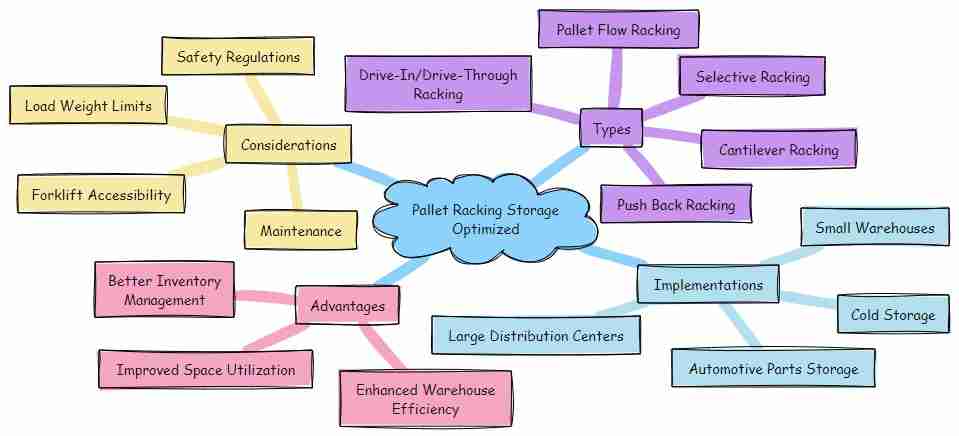
- Proper pallet rack installation is essential for a successful, safe, and efficient warehousing operation.
- Poor installation can lead to safety hazards, operational inefficiencies, and financial losses.
- Reported incidents include injuries, costly downtimes from collapses, and legal issues due to improper installations.
- A well-structured pallet racking system optimizes space and enhances order fulfillment, crucial for customer satisfaction.
- Compliance with OSHA and ANSI safety standards is both a legal requirement and a moral obligation to protect workers and operations.
- Businesses must proactively address warehouse safety and efficiency to avoid unforeseen challenges.
- For expert assistance in pallet rack installation, contact Arrow Industrial Sales at (574) 349-6575.
Conclusion
Other Resources

Other Resources
Here is a list of other resources you can review online to learn more:
- Teardrop Pallet Rack – Ridg-U-Rak
- Teardrop Industrial Shelving Rack
- American Society of Safety Professionals
- Mustang Material Handling
- Overhead Lifting
- Storage Equipment Manufacturers’ Association
- Cantilever Rack Configuration & Installation: A Comprehensive Guide – BMH
- Bradford Systems
- Material Handling Safety
- Pallet Racking systems in Illinois and Great Lakes
Use This Prompt To Get More Resources With Your Favorite Online AI Tool: Please provide me with a list of online articles with their URLs in a bulleted list that I can read regarding Why Does Proper Pallet Rack Installation Matter?
Other Resources
Glossary Terms
Why Does Proper Pallet Rack Installation Matter? – Glossary Of Terms
1. Pallet Rack: A storage system designed to hold pallets stacked vertically for efficient warehouse organization.
2. Installation: The process of setting up and configuring pallet racks in a warehouse or storage area.
3. Load Capacity: The maximum weight a pallet rack can safely support without risk of failure.
4. Safety Standards: Guidelines and regulations established to ensure the safe design, construction, and use of pallet racks.
5. Structural Integrity: The ability of the pallet rack to maintain its shape and strength under load conditions.
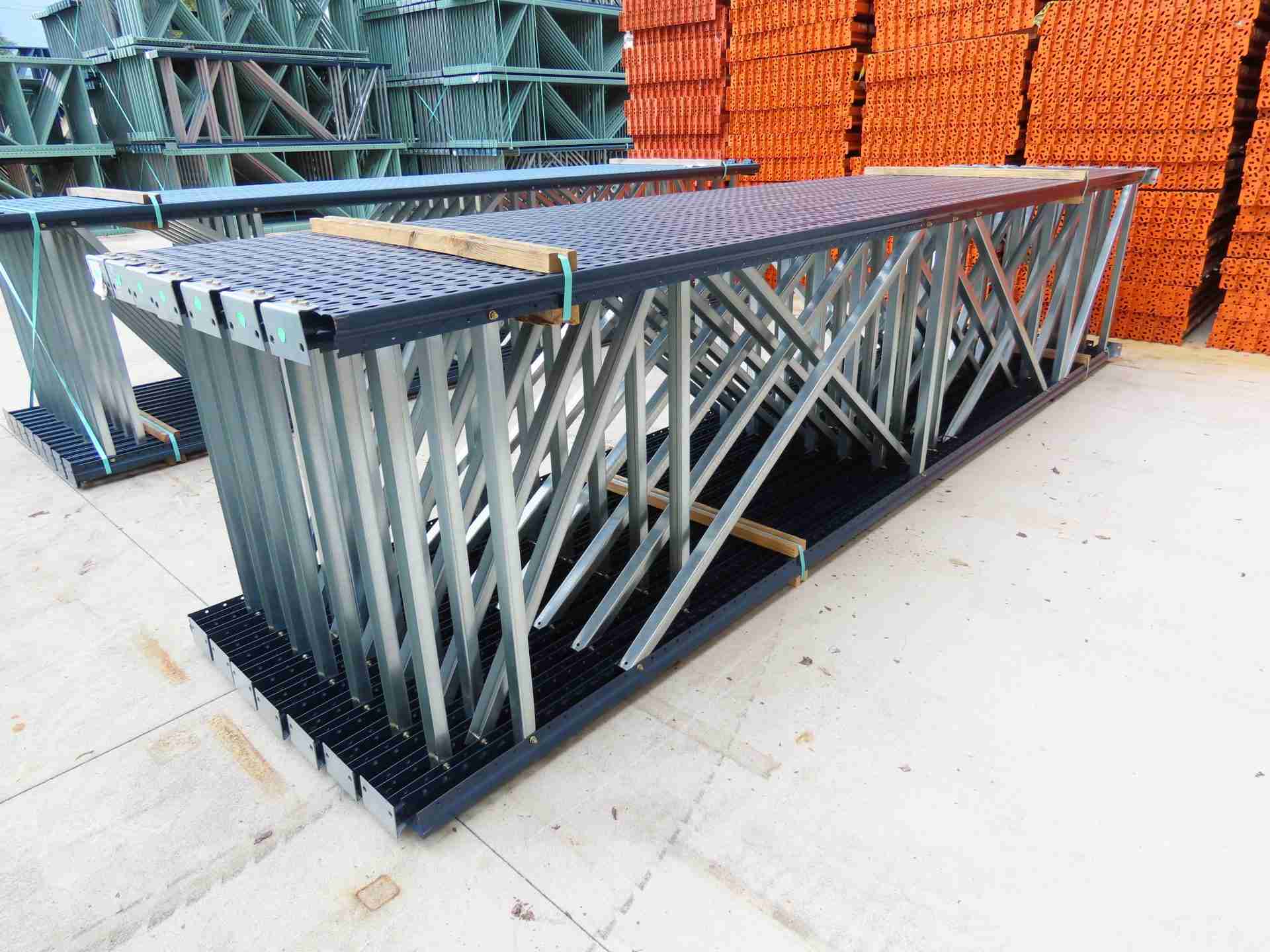
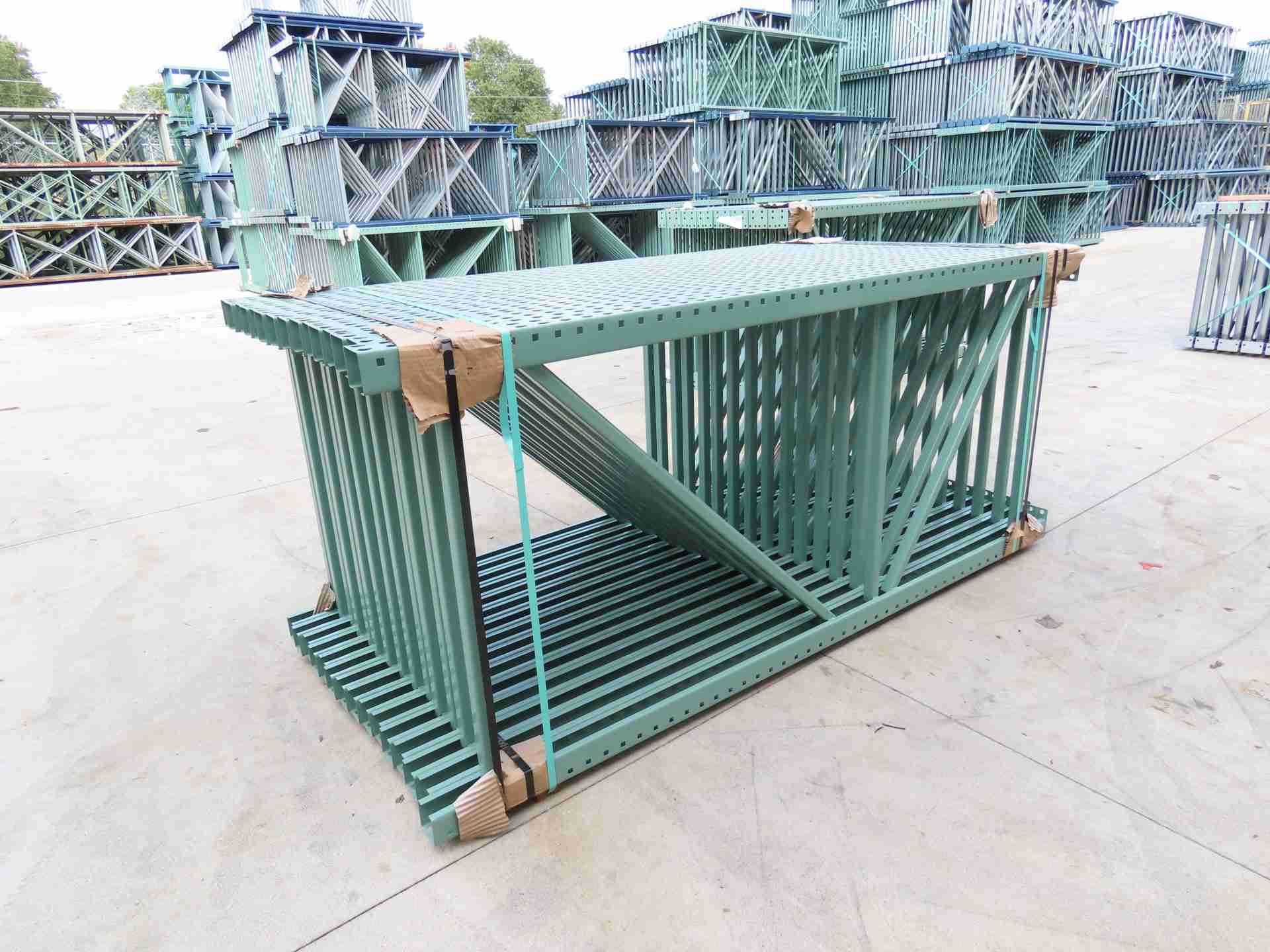
6. Frame: The vertical support structure of the pallet rack that holds and stabilizes the system.
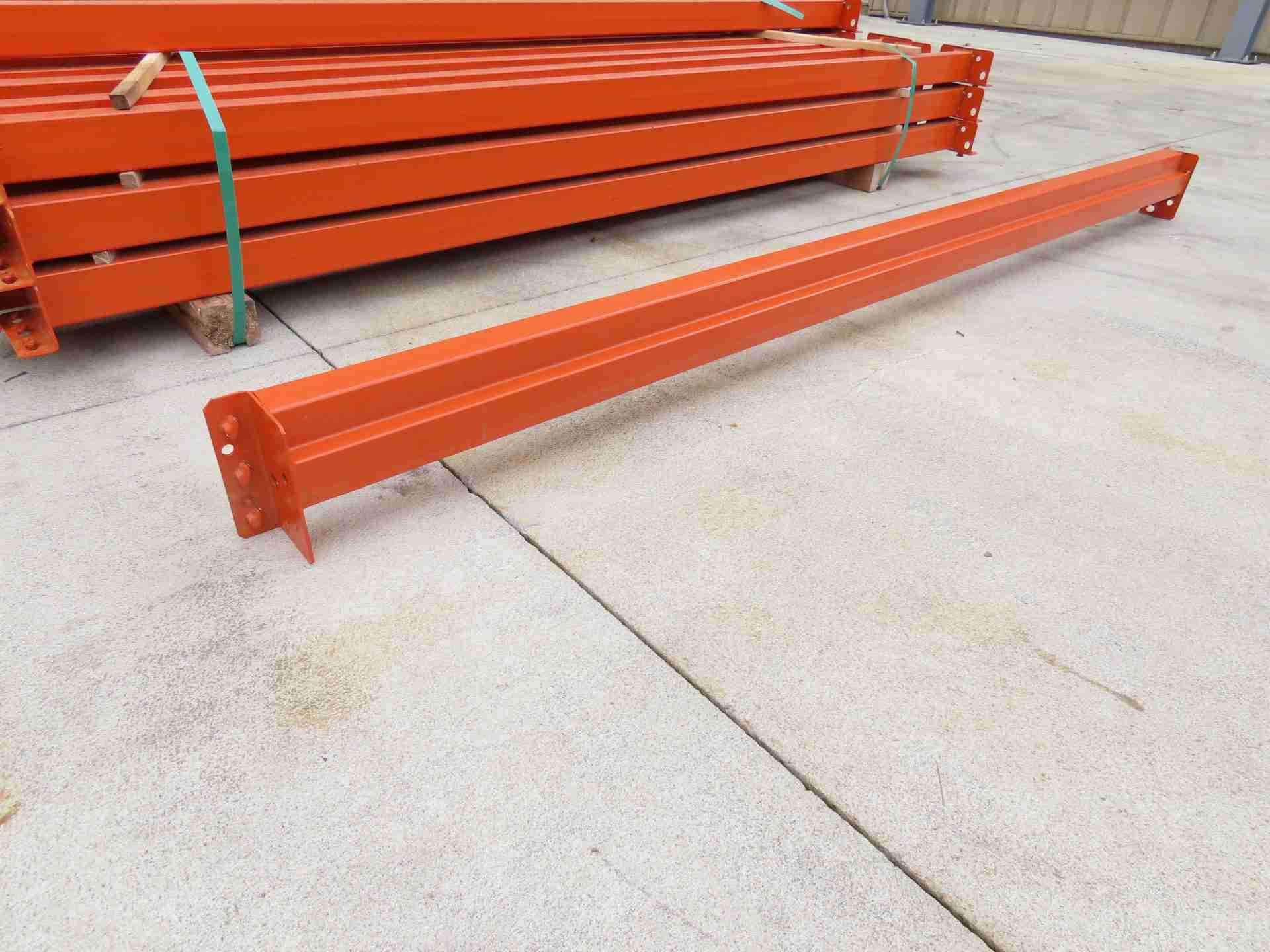
7. Beam: The horizontal component that connects two frames and supports the pallets.
8. Bracing: Diagonal supports added to the frame to enhance stability and prevent swaying.
9. Base Plate: A flat piece attached to the bottom of a rack frame to distribute weight and provide stability.
10. Anchoring: The process of securing pallet racks to the floor to prevent tipping or shifting.
11. Inspection: The examination of pallet racks to identify wear, damage, or compliance with safety standards.
12. Load Distribution: The way weight is spread across the racks to prevent overloading specific areas.
13. Aisle Width: The space between rows of pallet racks that allows for equipment and personnel movement.
14. Forklift Access: The ability for forklifts to reach and maneuver around pallet racks safely.
15. Pallet Size: The dimensions of the pallets being used, which determine the appropriate rack design.
16. Vertical Clearance: The height clearance needed above the racks for safe operation and lifting.
17. Deterioration: The gradual decline in the strength and stability of pallet racks due to neglect or environmental factors.
18. Modularity: The design feature that allows pallet racks to be easily expanded or reconfigured.
19. Quality Control: The process of ensuring the installation and components of pallet racks meet specified standards.
20. Overloading: Placing more weight on a pallet rack than it was designed to handle, risking collapse.
21. Compliance: Adherence to industry regulations and safety standards related to pallet rack installation and operation.
22. Warehouse Efficiency: The optimized use of space and resources to enhance productivity in storage operations.
23. Material Handling: The movement and storage of materials within a warehouse or facility.
24. Safety Training: Instruction provided to warehouse staff on the proper usage and handling of pallet racks.
25. Risk Assessment: The evaluation process to identify potential hazards associated with pallet rack storage and installation.
26. Pallet Flow Rack: A type of pallet rack system that uses gravity to move pallets toward the front for easy access.
27. Selective Racking: A storage system that provides direct access to each pallet, maximizing flexibility.
28. Safety Labeling: Use of warnings and instructions on racks to enhance awareness of weight limits and safe practices.
29. Maintenance: Routine checks and repairs done on pallet racks to ensure their longevity and safety.
30. Ergonomics: The design principle that aims to optimize worker comfort and efficiency when accessing stored materials.
Glossary Of Terms
Other Questions
Why Does Proper Pallet Rack Installation Matter? – Other Questions
If you wish to explore and discover more, consider looking for answers to these questions:
- What are the best practices for pallet rack installation?
- What qualifications should I look for in pallet rack installation professionals?
- How can I identify signs of improper pallet rack installation?
- What are the specific safety regulations for pallet racking systems?
- What type of insurance coverage should businesses have for pallet racking?
- How do I maintain and optimize my pallet racking system after installation?
- What are the financial penalties for non-compliance with pallet rack regulations?
- How does pallet rack installation differ for various warehouse layouts?
- What technology can be integrated with pallet racking for better efficiency?
- Are there industry certifications for pallet racking systems?
- How often should staff undergo training on pallet rack safety?
- What role does pallet racking play in disaster recovery planning?
Other Questions
Checklist
Why Does Proper Pallet Rack Installation Matter? – A Checklist
Pre-Installation Considerations:
_____ Conduct a Needs Assessment: Evaluate the specific storage needs and space constraints of your warehouse.
_____ Consult with Experts: Engage with professional installers who understand local regulations and safety standards.
_____ Select Appropriate Equipment: Choose pallet racks that meet your inventory’s weight and size requirements.
Installation Guidelines:
_____ Follow Manufacturer Specifications: Ensure all racks are installed according to the manufacturer’s guidelines, including weight limits.
_____ Adequate Security Measures: Secure beams and frames appropriately to prevent accidents and ensure stability.
_____ Maintain Proper Spacing: Allow sufficient clearance between racks for easy access and airflow to prevent fire hazards.
Safety Protocols:
_____ Regular Training for Employees: Ensure staff are trained on safe handling of products and equipment installation.
_____ Use Safety Accessories: Invest in additional safety features such as protective barriers and safety pins.
Post-Installation Checks:
_____ Conduct Regular Inspections: Schedule inspections at least every six months; quarterly inspections are recommended.
_____ Check for Signs of Wear: Look for structural damage, bending, or any signs of fatigue in the racks.
_____ Ensure Compliance: Stay updated with OSHA and ANSI standards to maintain compliance.
Operational Efficiency Practices:
_____ Organize Inventory Efficiently: Arrange items based on size, weight, and frequency of access to minimize retrieval time.
_____ Implement Documentation Systems: Keep detailed records of installation procedures, inspection dates, and maintenance performed.
_____ Engage Employees in Safety: Encourage staff to report any issues or concerns related to pallet racking systems.
Continuous Improvement:
_____ Adjust for Changing Needs: Regularly reassess your pallet racking systems to accommodate changes in inventory size or warehouse layout.
_____ Invest in Quality Equipment: Consider high-quality racking systems with adjustable features to adapt to future business needs.
Emergency Preparedness:
_____ Establish an Emergency Plan: Create procedures to follow in the event of a racking system failure or accident.
_____ Conduct Drills Regularly: Familiarize employees with safety protocols and emergency exit routes related to pallet racking incidents.
This checklist serves as a comprehensive guide to ensure the successful installation and maintenance of pallet racking systems, focusing on safety and operational efficiency.
Checklist
At RackingWorld, we help guide you through selecting warehouse storage systems and racking.
Be sure to read our other related stories at RackingWorld to learn more about warehouse storage systems.
0 Comments