
Unlocking Your Warehouse’s Full Potential With The Right Pallet Rack
By Tom Seest
At RackingWorld, we help guide you through selecting warehouse storage systems and racking.
Be sure to read our other related stories at RackingWorld to learn more about warehouse storage systems.
Is Your Local Pallet Rack Selection Limiting Your Warehouse Potential?
In the fast-paced world of logistics and warehousing, every square foot counts. Yet, many warehouse operators unknowingly cripple their potential by settling for subpar pallet rack selections. It’s time to break free from complacency and reassess how your current storage solutions might be holding you back.
Consider the bustling eCommerce sector, which has seen explosive growth, especially post-pandemic. Companies like Amazon and Walmart have optimized their warehouse operations to handle increased demand by investing in state-of-the-art pallet racking systems. These modern solutions not only enhance storage density but also improve accessibility and efficiency, allowing for seamless inventory turnover. In contrast, if your storage system is basic and outdated, you’re not just losing valuable space; you’re also losing time—and time is money.
Picture this: a local distribution center that relies on traditional, single-deep pallet racking might be using up to 30% more floor space than necessary. With the current labor shortages making it difficult to find enough workers, it’s crucial to maximize productivity without increasing headcount. A shift to selective racks or drive-in storage systems can expedite pallet picking processes, resulting in faster turnaround times and better service levels.
However, not all pallet racks are created equal. The market is rife with options that range from cost-effective solutions to high-end systems built with advanced technology. For instance, adjustable racking systems allow for flexibility, adjusting to varying inventory sizes and types. Versatile racking options can adapt to shifting market demands—a crucial factor for businesses facing the unpredictability of today’s supply chain landscape.
Moreover, consider the current emphasis on sustainability and the circular economy. A robust pallet rack solution must facilitate efficient inventory management, which can lead to reduced waste and improved sustainability metrics. An optimal racking system allows for a more organized warehouse, ultimately leading to better auditing processes and inventory control.
Don’t let your local pallet rack selection confine your warehouse potential. Seek expertise from suppliers who can offer tailored solutions suited to your unique business requirements. Remember, it’s not just about stacking pallets; it’s about creating a dynamic space that enhances workflow, maximizes space, and ultimately drives profits.
As the warehousing sector evolves, so should your approach to storage solutions. Review your pallet rack selection and consider how modern solutions can break through barriers—because your warehouse’s potential is waiting to be unleashed.

Is Your Local Pallet Rack Selection Limiting Your Warehouse Potential?
Is Your Local Pallet Rack Selection Limiting Your Warehouse Potential?
- Every square foot in logistics and warehousing is crucial for efficiency and productivity.
- Many operators hinder growth by using outdated pallet rack systems.
- eCommerce growth has led companies like Amazon and Walmart to invest in advanced pallet racking for better storage density and efficiency.
- Traditional single-deep pallet racking can waste up to 30% of floor space.
- Modern racking systems, such as selective racks and drive-in storage, can enhance productivity amid labor shortages.
- Adjustable and versatile racking options are essential for adapting to changing inventory needs and market demands.
- Investing in efficient pallet rack solutions can improve sustainability, warehouse organization, and overall profitability.

Is Your Local Pallet Rack Selection Limiting Your Warehouse Potential?
Table Of Contents
- Is Your Local Pallet Rack Selection Limiting Your Warehouse Potential?
- Is Your Current Pallet Rack Configuration Maximizing Space Usage?
- Are Safety Standards Met With Your Existing Pallet Racks?
- How Does Pallet Rack Design Affect Workflow Efficiency?
- What Are The Benefits Of Adjustable Vs. Fixed Pallet Racks?
- Are Weight Capacities Properly Labeled On Your Pallet Racks?
- How Do Seasonal Inventory Changes Impact Pallet Rack Needs?
- Can You Optimize Vertical Space With Your Pallet Rack System?
- Conclusion
- Other Resources
- Glossary Of Terms
- Other Questions
- Checklist
Is Your Current Pallet Rack Configuration Maximizing Space Usage?
In today’s fast-paced supply chain environment, the key to maintaining a competitive edge lies in your ability to optimize every inch of your warehouse. The efficiency of your pallet rack configuration can either propel your operational success or serve as a bottleneck that stifles growth. Are you truly leveraging the potential of your storage space, or are you simply settling for the status quo?
Let’s explore the transformative potential of an optimized pallet rack setup. Take a moment to assess your current configuration. Are your racks densely packed, leaving little room for accessibility? Or could you benefit from a more dynamic layout? For instance, many companies have transitioned to a selective racking system to enhance pick speeds and inventory management. By allowing easy access to a wider variety of SKUs, you not only improve workflow efficiency but also increase responsiveness to customers—this is especially vital in today’s e-commerce boom.
Consider the recent surge in online shopping triggered by global events—a pattern that is likely to remain. Retailers like Amazon have effectively mastered their warehouse layouts to handle the fluctuating demands of their inventories. Implementing a First-In-First-Out (FIFO) strategy within your pallet racking might just be the catalyst needed to ensure that your stock stays fresh and relevant to your customers.
Furthermore, think about integrating vertical space. Utilizing higher shelving racks can nearly double your storage capacity without expanding your footprint. For example, a company that switched to a high-density racking system reported a staggering 50% increase in their overall storage capabilities—allowing them to buy in bulk and offer better prices to their customers.
But let’s not overlook the human element here. An efficient pallet rack configuration must also consider the ergonomics for your team. If your arrangement causes excessive walking or poor lifting practices, it’s costing you both productivity and safety. Implementing a layout that optimizes pick routes and minimizes movement can enhance not only efficiency but also employee satisfaction—a hidden factor that can boost your retention rates.
In closing, reassessing your pallet rack setup is not just a tactical move; it’s a strategic imperative. By repositioning and rethinking your approach, you’re not just maximizing space, you’re opening the door to new opportunities for growth, productivity, and profitability. Don’t let outdated setups dictate your success—embrace innovation and watch your operation transform.

Is Your Current Pallet Rack Configuration Maximizing Space Usage?
Is Your Current Pallet Rack Configuration Maximizing Space Usage?
- Optimizing warehouse space is crucial for maintaining a competitive edge in the supply chain.
- Your pallet rack configuration can significantly impact operational success or create bottlenecks.
- Many companies benefit from transitioning to selective racking systems for improved pick speeds and better inventory management.
- Adopting a First-In-First-Out (FIFO) strategy helps keep stock fresh and relevant to consumers.
- Utilizing vertical space through high-density racking can substantially increase storage capacity without the need for more floor area.
- Considering ergonomics in pallet rack configuration can enhance productivity, safety, and employee satisfaction.
- Reassessing and optimizing your pallet rack setup is a strategic move that opens doors to growth and profitability.

Is Your Current Pallet Rack Configuration Maximizing Space Usage?
Are Safety Standards Met With Your Existing Pallet Racks?
In today’s fast-paced, ever-evolving marketplace, ensuring the safety and compliance of your warehouse operations is non-negotiable. With recent events highlighting the importance of stringent safety standards, there’s no time like the present to evaluate whether your existing pallet racks meet these crucial requirements. The implications of neglecting this responsibility are significant—not just for the well-being of your employees but also for the financial health of your business.
Consider, for instance, the recent recalls of supermarket chains that directly stemmed from outdated storage equipment that failed to meet industry standards. When pallet racks collapse or are mismanaged, the repercussions are not merely physical injuries but costly disruptions and potential legal actions. As the dust settles on these incidents, one thing becomes crystal clear: investing in safe, compliant storage systems is an essential part of risk management.
So, how can you determine if your current pallet racks are up to par? Start by examining the load capacity. Each rack has a specified weight limit, and overloading them can lead to catastrophic failures. Ensure you’re not just guessing. Use load-testing equipment to verify that your pallet racking systems operate within their designated limits. If your warehouse operates on the edge, you’re playing a dangerous game.
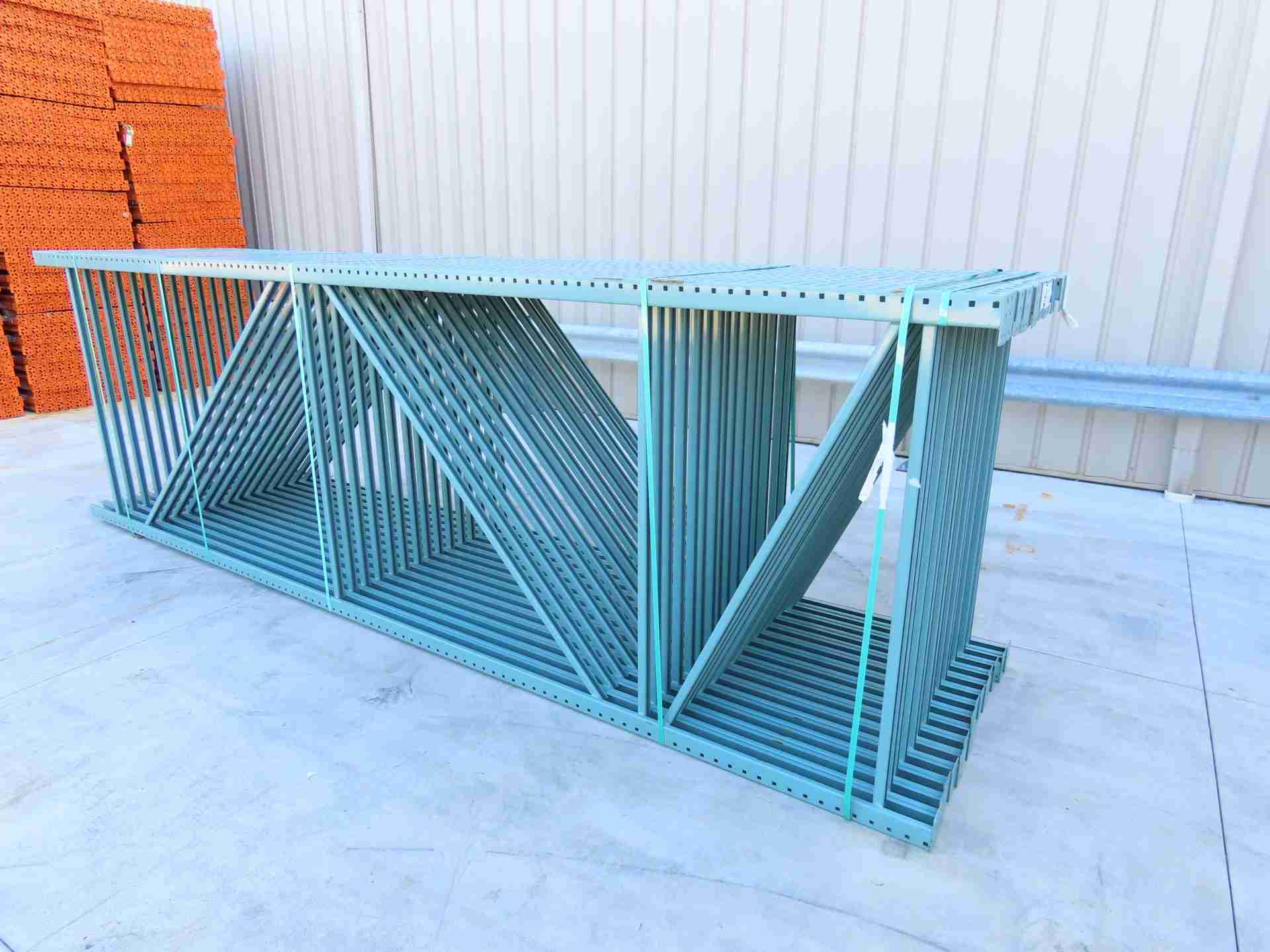
Don’t overlook visual inspections either. Look for signs of wear and tear, such as bent beams or damaged connectors. A simple, routine inspection can save you from a significant financial downturn. If functionality isn’t visibly compromised, are you certain that your racking configuration follows the latest safety guidelines? Regulations change, and it’s vital to stay updated on these developments. Enlist a professional safety auditor to conduct an evaluation. They not only bring expertise but also an objective perspective on your current practices.
Moreover, the rise of technology in the warehousing sector presents new solutions, such as advanced monitoring systems that offer real-time tracking of pallet rack stress and integrity. Embracing these innovations not only enhances safety but also uplifts operational efficiency—two goals every savvy business owner should prioritize.
Your pallet racks are the backbone of your storage operation. Ensuring they meet safety standards is no longer an option; it’s imperative. Take proactive steps today to confirm your compliance and protect your workforce, your assets, and your company’s reputation. Remember, a small investment in safety can lead to tremendous savings in the long run. Don’t wait for an incident to prompt action—make the safe choice now.

Are Safety Standards Met With Your Existing Pallet Racks?
Are Safety Standards Met With Your Existing Pallet Racks?
- Ensuring the safety and compliance of warehouse operations is crucial for employee well-being and business financial health.
- Recent recalls of supermarket chains emphasize the dangers of using outdated pallet racks that don’t meet industry standards.
- Neglecting pallet rack safety can lead to physical injuries, costly disruptions, and potential legal actions.
- Evaluate current pallet racks by checking load capacity and using load-testing equipment to avoid catastrophic failures.
- Perform routine visual inspections for signs of wear and ensure compliance with the latest safety regulations.
- Consider hiring a professional safety auditor for an objective evaluation of current practices and compliance status.
- Investing in advanced monitoring technology can improve safety and operational efficiency, protecting your workforce and assets.
Are Safety Standards Met With Your Existing Pallet Racks?
How Does Pallet Rack Design Affect Workflow Efficiency?
In today’s fast-paced business environment, streamlining operations is key to maximizing productivity and profitability. One often-overlooked element that plays a pivotal role in achieving that goal is the design of your pallet racking system. A strategic approach to pallet rack design can significantly enhance workflow efficiency, leading to smoother operations and happier employees.
Let’s break this down. Picture a warehouse floor. If your pallet racks are designed without taking into account the flow of goods, you can expect bottlenecks that slow down picking and packing processes. For instance, utilizing a selective rack system can improve accessibility. By allowing direct access to every pallet, workers can reduce the time spent searching for items and increase the speed of order fulfillment. This design not only minimizes obstacles but also ensures that items are replenished and retrieved efficiently.
Furthermore, consider the advantages of incorporating a flow rack system for perishable goods. With the global rise in e-commerce, having a rotation system, such as FIFO (First In, First Out), is essential. In supermarkets and distribution centers, this approach prevents spoilage and waste, effectively catering to the increasing consumer demand for freshness. The enhanced workflow facilitated by this design directly translates into cost savings and better customer satisfaction.
Moreover, modern technology has reshaped pallet rack design and efficiency. Automated storage and retrieval systems (AS/RS), for example, not only free up valuable floor space but also decrease human error and injury. A recent study highlighted that companies implementing AS/RS saw productivity enhancements of upwards of 60%. In a world where labor costs are rising and skilled workers are hard to find, investing in automation could be the differentiator that keeps you ahead of the curve.
Let’s also talk about safety. An often overlooked aspect of pallet rack design is the importance of adhering to safety regulations. Poorly designed racks can lead to accidents that disrupt workflow and incur hefty fines. By carefully considering aspects like load capacities and aisle widths, businesses not only ensure compliance but also create an environment where employees can work more effectively and feel secure in their surroundings.
The right pallet rack design does more than just organize space; it fuels workflow efficiency and drives your bottom line. By investing in smart design that accounts for workflow patterns, automating where possible, and prioritizing safety, you can unlock potential that will reverberate throughout your entire operation. So, re-evaluate your pallet racking strategy today and watch as operational chaos transforms into seamless efficiency.

How Does Pallet Rack Design Affect Workflow Efficiency?
How Does Pallet Rack Design Affect Workflow Efficiency?
- Streamlining operations is essential for maximizing productivity and profitability in business.
- The design of pallet racking systems plays a crucial role in enhancing workflow efficiency.
- Selective rack systems improve accessibility and reduce time spent on item retrieval.
- Flow rack systems, particularly FIFO, are vital for managing perishable goods and preventing waste.
- Automated storage and retrieval systems (AS/RS) improve efficiency, reduce human error, and save floor space, leading to significant productivity gains.
- Adhering to safety regulations in pallet rack design minimizes accidents and fosters a secure work environment.
- Investing in strategic pallet rack design can lead to operational improvements and enhanced bottom lines.

How Does Pallet Rack Design Affect Workflow Efficiency?
What Are The Benefits Of Adjustable Vs. Fixed Pallet Racks?
When it comes to optimizing your warehouse space, the choice between adjustable and fixed pallet racks is pivotal. Understanding the advantages of each type can dramatically influence your operational efficiency and bottom line, especially in the current rapidly evolving logistics landscape where agility is key.
Adjustable Pallet Racks: The Versatile Heavyweights
Adjustable pallet racks are like the Swiss Army knives of warehouse storage. They offer the flexibility that modern businesses crave. With adjustable rack systems, you can modify the height and arrangement of your shelves, accommodating various product sizes and maximizing your space. This adaptability proves invaluable in scenarios like seasonal inventory fluctuations or unexpected product line expansions.
For example, consider the e-commerce giants that scaled up their operations during recent global supply chain issues. Their ability to swiftly adjust their storage solutions allowed them to accommodate a surge in product diversity and volume. By employing adjustable racks, these businesses not only improved their inventory turnover ratios but also enhanced their responsiveness to market demands—an essential survival tactic in today’s competitive arena.
Fixed Pallet Racks: The Fortress of Stability
On the other hand, fixed pallet racks exemplify strength and reliability. If your inventory includes large items or heavy machinery, fixed racks can be a tremendous asset. They are designed to support significant weight, providing a stable solution for businesses that don’t anticipate fluctuating their storage needs. From automotive parts suppliers to heavy industrial manufacturers, fixed racks ensure that products stay securely in place without the risk of tipping or sagging.
Take, for example, a manufacturer looking to streamline their production line with a set pallet storage process. Fixed racks allow for consistent spacing, which aids in quick access and inventory management while ensuring safety for workers handling heavy objects.
Conclusion: Custom Fit for Your Needs
In today’s economy, the decision between adjustable and fixed pallet racks hinges on your inventory needs, operational predictability, and the need for flexibility. If your warehouse operates in a dynamic environment, adjustable racks might just be your best bet. Conversely, if stability and heavy loads are your daily bread, fixed racks pave the way for reliable storage solutions.
As you evaluate your options, keep in mind that making an informed choice could translate into enhanced productivity and reduced costs, empowering your business to not only keep pace but also thrive in an ever-shifting landscape. Your warehouse isn’t just storage; it’s your frontline in customer satisfaction and operational efficiency. Invest wisely!

What Are The Benefits Of Adjustable Vs. Fixed Pallet Racks?
What Are The Benefits Of Adjustable Vs. Fixed Pallet Racks?
- Choosing between adjustable and fixed pallet racks is crucial for optimizing warehouse space.
- Adjustable pallet racks offer flexibility, allowing modifications for various product sizes and seasonal inventory changes.
- They enhance responsiveness to market demands, improving inventory turnover ratios.
- Fixed pallet racks provide stability and strength, ideal for heavy items and businesses with consistent storage needs.
- Fixed racks ensure safety for workers by preventing tipping or sagging during heavy item handling.
- The choice between rack types depends on operational predictability and flexibility needs.
- Making an informed choice can lead to increased productivity and reduced costs, impacting customer satisfaction and efficiency.

What Are The Benefits Of Adjustable Vs. Fixed Pallet Racks?
Are Weight Capacities Properly Labeled On Your Pallet Racks?
In the bustling world of warehousing and logistics, safety and efficiency reign supreme. Yet, one glaring oversight often clouds these operations: the accurate labeling of weight capacities on pallet racks. Misinterpretation or neglect of these specifications can lead to severe consequences far beyond a mere inventory hiccup. Think of it—a stack of heavy machinery, improperly stored, suddenly gives way due to misleading labels. The aftermath? A potential disaster, corporate liability, and loss of revenue.
Imagine a scenario where a warehouse manager, on a tight schedule, decides to load more weight onto a pallet rack than the manufacturer’s specifications allow. It seems harmless in the moment, right? Yet, that can lead to catastrophic structural failure, endangering employees and damaging products. According to recent OSHA reports, improper storage practices contribute to over 1,200 injuries annually in warehouse settings alone. Safety is not just a number—it’s a commitment.
Take a page from the auto industry, which is making headlines for its stringent safety regulations. Leading manufacturers now face hefty fines for not adhering to weight guidelines in vehicle design. Similarly, your business should establish a zero-tolerance policy regarding accurate labeling. Each pallet rack must be clearly marked with the maximum load capacity it can support. This helps instill a culture of safety and accountability among your workers.
To avoid the pitfalls of mislabeling, consider investing in visually engaging and easy-to-read signage. Use bright colors, bold fonts, and clear symbols that can be seen from a distance. For instance, you might implement a color-coded system: green for safe loads, yellow for caution, and red for overload warnings. This not only elevates safety awareness but also fosters a visually organized and professional warehouse environment.
Take note of businesses that have made mistakes. Recently, a distribution center faced significant legal consequences after a racking collapse injured multiple employees. This incident sent ripples through the industry, reminding us that cutting corners on safety can result in crippling financial and reputational damage.
In an era where efficiency is often prioritized at the expense of caution, putting emphasis on proper weight labeling can set you apart from your competitors. Remember: clarity and safety go hand in hand. Don’t let improperly labeled pallet racks sabotage your success; ensure your operations not only meet regulatory standards but also promote a culture of safety first. Reinforce this commitment through continuous training and regular inspections, and watch as productivity flourishes. Your bottom line—and your employees—will thank you for it.

Are Weight Capacities Properly Labeled On Your Pallet Racks?
Are Weight Capacities Properly Labeled On Your Pallet Racks?
- Accurate labeling of weight capacities on pallet racks is crucial for safety and efficiency in warehousing and logistics.
- Improperly labeled pallet racks can lead to severe consequences, including structural failure, injuries, and corporate liability.
- According to OSHA, improper storage practices contribute to over 1,200 injuries annually in warehouse settings.
- Adopting a zero-tolerance policy for weight guidelines and clear labeling fosters a culture of safety and accountability among workers.
- Invest in visually engaging signage, using bright colors and bold fonts to indicate load capacities clearly.
- Recent incidents, such as a racking collapse causing injuries, highlight the legal and financial risks of neglecting safety measures.
- Emphasizing proper weight labeling enhances safety, maintains regulatory standards, and boosts productivity in the workplace.

Are Weight Capacities Properly Labeled On Your Pallet Racks?
How Do Seasonal Inventory Changes Impact Pallet Rack Needs?
Navigating the intricate dynamics of seasonal inventory fluctuations is a tactical necessity for businesses aiming to maintain efficiency and profitability. As winter holidays approach or summer sales ramp up, companies often find themselves knee-deep in fluctuating demand patterns. These cycles directly influence how we manage our warehouse spaces, particularly when it comes to pallet racking systems.
Imagine a retailer gearing up for the holiday season—inventory levels may double or even triple in anticipation of demand. Without a strategy for these temporary surges, stock can quickly overwhelm storage capacity. An effective solution is to evaluate whether your existing pallet rack system can flexibly adapt to increased inventory levels. For instance, if your business experiences a spike in demand for seasonal products, consider investing in adjustable shelving units. This allows you to easily increase vertical storage space without overhauling your entire system.
Alternatively, businesses that deal primarily with slow-moving goods may find their needs differ starkly. For example, a gardening supply store may see their inventory dwindle after summer, necessitating a re-configuration of their pallet racks to accommodate smaller product lines. This “shrink and expand” effect means you might be best served by a modular pallet rack system that can be reconfigured as required. It’s a smart way to maximize your warehouse utility, ensuring you are not wasting space when demand tailors back.
Consider the changing landscape influenced by recent global events. The pandemic demonstrated just how quickly supply chains can be disrupted. Companies that were quick to adapt their warehouse strategies—like leveraging flexible racking—were able to pivot during crises and manage inventory more efficiently. For example, a tech company that specializes in electronics might need to accommodate a sudden influx of home office equipment sales, rapidly adjusting their pallet racking to support higher volumes of smaller, high-demand items.
To further refine your approach, monitor key performance indicators (KPIs) related to inventory turnover and demand forecasting. This data is vital in making informed decisions on pallet rack allocation. If you notice a consistent trend of increased demand during specific months, preemptively scaling up your racking solutions can save you from frantic adjustments during peak seasons.
Understanding seasonal inventory changes is pivotal in determining your rack needs. With a proactive approach, you can ensure your storage solutions support your business growth, rather than hinder it. Remember, a well-structured inventory strategy not only enhances operational efficiency but positions your company as a leader in your industry—ready to meet demands, no matter the season.

How Do Seasonal Inventory Changes Impact Pallet Rack Needs?
How Do Seasonal Inventory Changes Impact Pallet Rack Needs?
- Navigating seasonal inventory fluctuations is essential for maintaining efficiency and profitability in businesses.
- Inventory levels can surge significantly during peak seasons, necessitating adaptable pallet racking systems.
- Investing in adjustable shelving units can help accommodate increased inventory without overhauling storage systems.
- Businesses with slow-moving goods must reconfigure pallet racks to optimize space as inventory needs change.
- Flexibility in racking systems proved crucial during global disruptions like the pandemic, allowing quick pivots to manage inventory.
- Monitoring key performance indicators (KPIs) aids in informed decisions about pallet rack allocation and scaling.
- A proactive inventory strategy enhances operational efficiency and positions companies to meet seasonal demands effectively.

How Do Seasonal Inventory Changes Impact Pallet Rack Needs?
Can You Optimize Vertical Space With Your Pallet Rack System?
In today’s competitive landscape, where every inch of your warehouse counts, optimizing vertical space with your pallet rack system is not just a suggestion—it’s a necessity. The ability to maximize vertical storage can dramatically increase your operational efficiency, reduce costs, and improve inventory accessibility. Let’s explore how savvy entrepreneurs can leverage pallet racks to unlock this potential.
First, consider the sheer benefits provided by a well-configured pallet rack solution. Traditional warehouses often focus on floor space, neglecting the vertical dimension that can be a veritable goldmine. By employing high-density storage systems like selective racks, drive-in racks, or push-back racks, you can take advantage of that upward real estate. For instance, if you have a typical warehouse footprint of 10,000 square feet and can stack product six levels high, you’re effectively multiplying your storage capabilities by six, all without increasing your footprint.
Recent industry trends show a surge in e-commerce logistics as businesses adapt to consumer demands for faster delivery times. This evolution reveals that more companies are investing in high-rise storage solutions integrated with automated retrieval systems. Think of Amazon’s fulfillment centers, which utilize towering racking systems paired with robotics to streamline storage and retrieval processes. The lesson here for you is clear: stay ahead of the curve or get left behind in a rapidly evolving market.
Next, remember the importance of adjusting your pallet rack configuration based on seasonal demands. Implementing a strategy that allows for easy reconfiguring of your racks, based on inventory shifts, ensures that you’re not just making the most of your vertical space; you’re making it work for your unique needs. Utilizing adjustable pallet racking systems empowers you to react quickly to inventory fluctuations, maximizing vertical space efficiency while minimizing downtime.
Are you considering a transition to vertical storage solutions? Fear not! Adopting advanced planning software can enhance your ability to design an optimal layout before investing in physical reconfigurations. This means you can see the benefits before committing your resources. Additionally, take advantage of current incentives for warehouse automation, especially in response to rising labor costs post-pandemic.
Optimizing your vertical space with a pallet rack system is not only feasible; it’s essential for any operation determined to thrive in today’s dynamic market. By adopting innovative storage solutions, adjusting your strategy for the seasonality of your products, and utilizing technology to inform your decisions, you can transform your warehouse into a lean, efficient powerhouse. The vertical space is waiting—are you ready to ascend?

Can You Optimize Vertical Space With Your Pallet Rack System?
Can You Optimize Vertical Space With Your Pallet Rack System?
- Maximizing vertical storage in warehouses is essential for operational efficiency and cost reduction.
- Utilizing high-density storage systems like selective, drive-in, or push-back racks can significantly increase storage capabilities.
- Recent trends in e-commerce logistics highlight the need for modern, automated high-rise storage solutions.
- Adjusting pallet rack configurations based on seasonal demands helps optimize vertical space for unique inventory needs.
- Advanced planning software can assist in designing optimal layouts before physical reconfigurations are made.
- Current incentives for warehouse automation can help mitigate rising labor costs.
- Transforming warehouses with innovative storage solutions is crucial for thriving in today’s dynamic market.

Can You Optimize Vertical Space With Your Pallet Rack System?
Conclusion
In an era where competition intensifies and efficiency reigns supreme, your warehouse’s storage solutions can make or break your operation’s success. The question is no longer whether you can afford to optimize your pallet rack selection; it is whether you can afford not to. As we’ve uncovered throughout this article, many warehouse operators unknowingly limit their potential by sticking with outdated or inefficient pallet rack systems, costing them both time and profit.
So why stay tethered to a design that fails to leverage space effectively? The right pallet rack system can unlock extraordinary efficiency, reduce wasted space by up to 30%, and facilitate seamless inventory turnover—all while improving safety for your employees. Picture transforming your operations with adjustable racks that adapt to your inventory’s changing demands or implementing high-density solutions that maximize vertical space.
Moreover, as we move deeper into a digitally-driven economy with e-commerce leading the charge, an upgraded pallet rack configuration isn’t just beneficial; it’s vital. The logistics giants like Amazon have already set the pace, and now it’s your turn. You can be one of the leaders who adapt quickly to maximize productivity and respond swiftly to customer needs or risk falling behind.
Additionally, the weight capacities and safety standards of your pallet racks not only safeguard your workforce but also protect your business’s financial health. Failing to adhere to the latest regulations can lead to devastating consequences including potential liability and loss of revenue. Investing in well-designed and compliant storage systems is not just about organization—it’s an essential part of risk management.
To quickly recapitulate, the urgency to reassess your pallet rack systems is clear: optimize space, ensure safety, invest in flexibility, and elevate workflow efficiency. Embrace the power of modern storage solutions designed for today’s dynamic warehouse demands. Don’t get stuck in the past while your competitors surge ahead; take proactive steps to maximize your warehouse’s full potential.
For tailored pallet rack solutions that meet your unique business demands and propel your operational efficiency, reach out to Arrow Industrial Sales today at (574) 349-6575. Imagine transforming your storage challenges into streamlined, profit-generating opportunities. Act now—because your warehouse’s potential is waiting to be unleashed!

Conclusion
Conclusion:
- Optimizing warehouse storage solutions is essential for success in a competitive environment.
- Outdated pallet rack systems can limit efficiency and cost time and profit.
- The right pallet rack system can enhance efficiency, reduce wasted space by up to 30%, and improve safety.
- Adapting to changing inventory demands with adjustable racks is crucial for seamless operations.
- Upgrading pallet rack configurations is vital in the context of a digitally-driven economy and e-commerce growth.
- Compliance with weight capacities and safety standards is necessary to protect workforce safety and financial health.
- Investing in modern storage solutions can maximize warehouse potential and operational efficiency.

Conclusion
Other Resources

Other Resources
Here is a list of other resources you can review online to learn more:
- Storage Equipment Manufacturers Association
- NSC
- Racking World
- WERC
- Selective Racking
- Illinois
- Cantilever Rack Guide: Ordering Cantilever Racking
- Interlake Mecalux
- Iowa Illinois Warehouse Racking
- Cantilever Racking Specialists – Get the Right Racks
Use This Prompt To Get More Resources With Your Favorite Online AI Tool: Please provide me with a list of online articles with their URLs in a bulleted list that I can read regarding Is Your Local Pallet Rack Selection Limiting Your Warehouse Potential?

Other Resources
Glossary Terms
Is Your Local Pallet Rack Selection Limiting Your Warehouse Potential? – Glossary Of Terms
1. Pallet Rack: A type of storage system designed to hold palletized materials in a warehouse environment.
2. Warehouse Optimization: The process of improving warehouse layout and operations to maximize efficiency and storage capacity.
3. Load Capacity: The maximum weight that a pallet rack system can safely support without risk of failure.
4. Mobility: The ability to rearrange or relocate pallet racks to adapt to changing inventory needs or floor space.
5. Selective Racking: A pallet rack system that allows for easy access to each pallet, maximizing warehouse space while maintaining accessibility.
6. Double Deep Racking: A storage method where pallets are stored two deep in a single rack, increasing storage density but reducing accessibility.
7. Drive-In Racking: A type of high-density storage system where forklifts drive directly into the rack to load and retrieve pallets.
8. Vertical Storage: Utilizing the height of the warehouse to increase storage capacity, often through tall pallet racks.
9. Warehouse Flow: The movement of goods into, within, and out of a warehouse, which can be optimized with proper racking systems.
10. Inventory Management: Strategies and processes for keeping track of goods in a warehouse and optimizing stock levels.
11. Cross-Docking: A logistics practice that involves transferring goods directly from incoming to outgoing transport, minimizing storage time.
12. Space Utilization: The effective use of available storage space within a warehouse, often enhanced by appropriate pallet rack selection.
13. Safety Standards: Regulations and best practices that ensure pallet racks are installed and used safely to prevent accidents.
14. FIFO (First In, First Out): An inventory management technique where the oldest stock is sold first, best suited for perishable goods.
15. LIFO (Last In, First Out): An inventory management method where the most recently added inventory is sold first, which can be suitable for non-perishable goods.
16. Cantilever Rack: A type of rack that is designed for storing long or bulky items that cannot easily be stored on traditional pallet racks.
17. Pallet Jack: A manual or powered tool used to lift and move pallets, playing a crucial role in pallet rack operations.
18. SKU (Stock Keeping Unit): A unique identifier for each distinct product and service that can be purchased, essential for inventory tracking.
19. Stored Product: Any good that is held in storage, typically on pallets in a warehouse.
20. Order Picking: The process of retrieving items from storage to fulfill customer orders, which can be influenced by rack layout.
21. Dynamic Racking: A flexible racking system that allows for quick adjustments based on changing product lines or seasonal inventory.
22. Warehouse Management System (WMS): Software that helps manage warehouse operations, from tracking inventory to optimizing space utilization.
23. Pallet Configuration: The arrangement and stacking of pallets within a rack, which can impact accessibility and safety.
24. Height Restrictions: Local codes and regulations that dictate how tall racking systems can be, impacting vertical storage options.
25. Damaged Inventory: Goods that are no longer sellable due to damage, which can result from poor racking conditions.
26. Pallet Width and Length: Standard dimensions that affect how many pallets can fit in a given rack configuration and available aisle space.
27. Aisle Space: The distance between pallet racks, which should allow for safe and efficient movement of equipment and personnel.
28. Ergonomics: The science of designing workplaces to fit the needs of workers, which can influence pallet rack selection to improve productivity.
29. Reconfiguration: The process of changing the layout or design of a pallet rack system to better utilize space or improve workflow.
30. Regular Maintenance: The ongoing care of pallet racks to ensure safety and efficiency, crucial for sustaining warehouse operations.

Glossary Of Terms
Other Questions
Is Your Local Pallet Rack Selection Limiting Your Warehouse Potential? – Other Questions
If you wish to explore and discover more, consider looking for answers to these questions:
- What types of pallet racks are available for different warehousing needs?
- How can I determine the right pallet rack system for my specific inventory?
- What factors should I consider when choosing a pallet rack configuration?
- How do different pallet rack designs impact workforce safety?
- What are the signs that my current pallet racks need to be upgraded?
- Can you provide examples of companies that successfully optimized their pallet rack systems?
- What role does technology play in modern pallet rack solutions?
- How often should pallet racks be inspected for safety compliance?
- What are the costs associated with upgrading pallet racking systems?
- How do I ensure compliance with local and national safety regulations regarding pallet racks?
- What best practices should be followed for pallet rack maintenance?
- How can I train my staff to use pallet racks safely and effectively?
- What impact do pallet racks have on overall warehouse logistics and shipping efficiency?
- How do seasonal inventory changes affect the types of pallet racks I need?
- What are the long-term benefits of investing in an advanced pallet racking system?

Other Questions
Checklist
Is Your Local Pallet Rack Selection Limiting Your Warehouse Potential? – A Checklist
1. Evaluate Current Space Utilization
_____ Measure the current layout of your warehouse.
_____ Identify any areas that are underutilized or overcrowded.
_____ Calculate the percentage of vertical space being used.
2. Assess Pallet Rack Configuration
_____ Verify whether your racks are densely packed, leaving room for accessibility.
_____ Consider transitioning to selective or high-density racking systems.
_____ Implement a First-In-First-Out (FIFO) system for perishable goods.
3. Check for Safety Compliance
_____ Review weight capacity labels on all pallet racks.
_____ Perform visual inspections for signs of wear and tear.
_____ Schedule regular safety audits by a professional.
4. Analyze the Impact of Seasonal Inventory Changes
_____ Monitor key performance indicators (KPIs) related to inventory turnover.
_____ Evaluate whether your racking systems can scale up/down for seasonal demand.
_____ Consider implementing adjustable racking systems for flexibility.
5. Improve Workflow Efficiency
_____ Identify bottlenecks in your picking and packing processes.
_____ Consider incorporating automated storage and retrieval systems (AS/RS).
_____ Optimize pick routes and layout to minimize unnecessary movement.
6. Explore Racking System Options
_____ Research the benefits of adjustable vs. fixed pallet racks.
_____ Determine which storage system best suits your inventory needs.
_____ Engage with suppliers for tailored pallet rack solutions.
7. Emphasize Training and Accountability
_____ Train staff regularly on safety protocols and rack usage.
_____ Foster a culture of safety and accountability around weight limits.
_____ Reinforce the importance of accurate weight labeling and interpretations.
8. Monitor and Adapt
_____ Regularly reassess your racking configurations to ensure they meet changing demands.
_____ Stay updated on the latest safety regulations and technology advancements.
_____ Gather feedback from employees to uncover potential improvements.
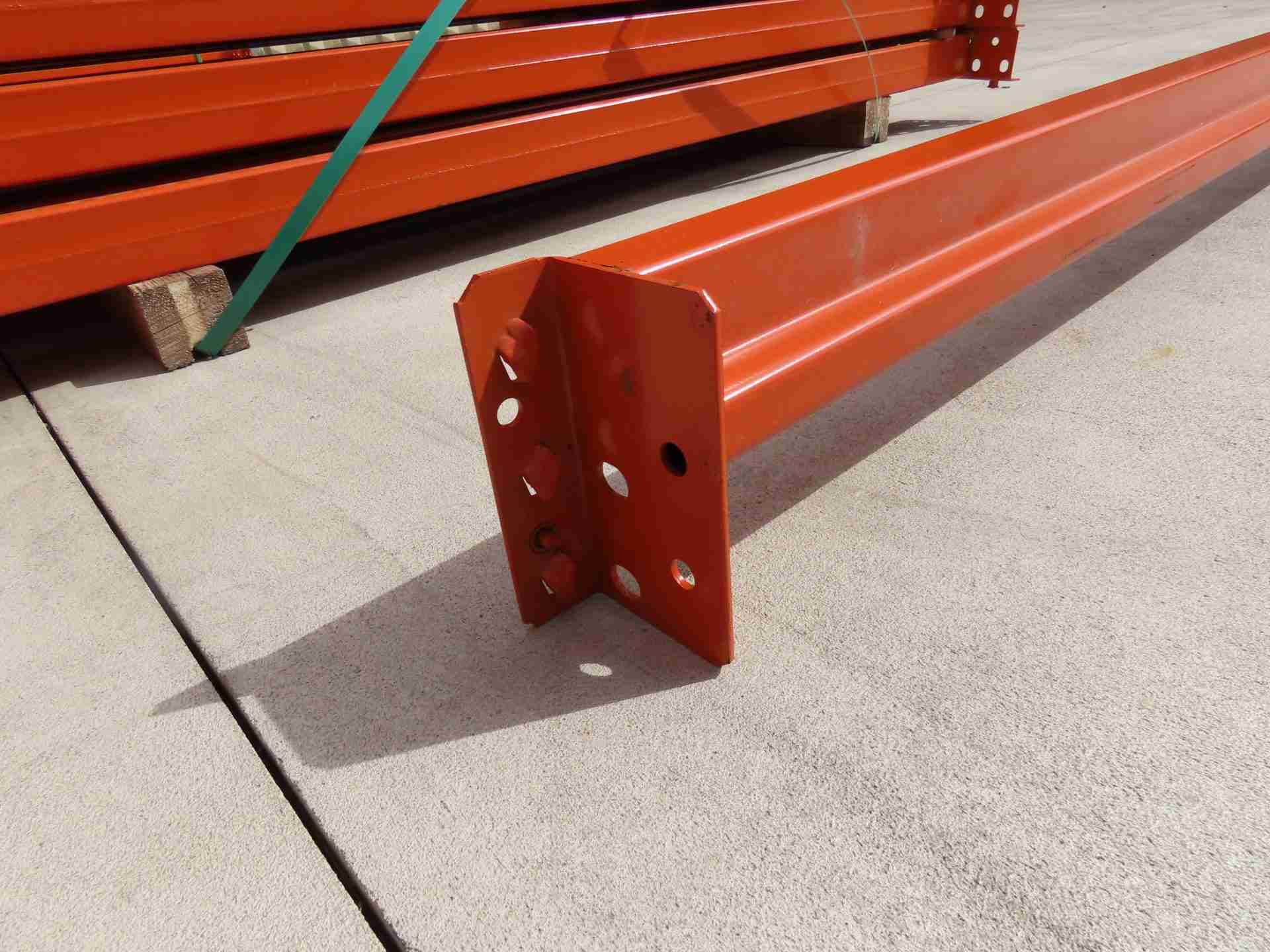
Using this checklist, you can systematically enhance your pallet rack systems, driving efficiency, safety, and adaptability within your warehouse. Regularly revisit and update this checklist to ensure your warehouse remains agile and responsive to evolving needs and challenges.
Checklist
At RackingWorld, we help guide you through selecting warehouse storage systems and racking.
Be sure to read our other related stories at RackingWorld to learn more about warehouse storage systems.
0 Comments