
Unlocking The True Value Of Pallet Racking
By Tom Seest
At RackingWorld, we help guide you through selecting warehouse storage systems and racking.
Be sure to read our other related stories at RackingWorld to learn more about warehouse storage systems.
How Much Does Pallet Racking Cost?
When it comes to optimizing warehouse space, pallet racking is an indispensable investment. Understanding the costs involved can make or break your decision to implement this crucial storage solution. While the price is dictated by a variety of factors, the phone calls we often receive can be summed up in one question: “How much should I expect to spend?”
Firstly, let’s break down the components that contribute to the cost of pallet racking. The type of system you choose plays a significant role. For instance, selective pallet racking, the most common type, averages between $80 and $150 per pallet position. Conversely, if you’re thinking of going for drive-in or drive-through systems, those can range from $100 to $200 per pallet position due to increased complexity and required equipment.
Customization is another aspect to consider. Do you need adjustable beams or specialized racks for specific products, such as those sensitive to temperature or humidity? Custom solutions can raise the price significantly, with some setups reaching upwards of $300 per pallet position. Remember, investing in the right configuration today can prevent costly adjustments tomorrow.
Current global events are influencing costs in ways that may surprise you. Supply chain disruptions stemming from the ongoing pandemic have led to increased prices in raw materials like steel. As a result, warehouse operators may notice a slight upsurge in their pallet racking prices. Though that might sound discouraging, consider this: The demand for efficient warehouse solutions has surged with the boom in e-commerce. As businesses scramble to optimize their operations, investing in pallet racking can greatly enhance your competitive edge.
Installation costs also need to be factored into your budget. Depending on the complexity of the racking system and your location, expect installation fees to range anywhere from $500 to several thousand. A professional installation ensures safety and compliance, something that is vital in today’s regulatory environment.
Dispose of the notion of pallet racking as a mere expense. Instead, treat it as a strategic investment in your logistics and warehouse efficiency. The return is often multifaceted—improved organization, faster turnaround times, and maximized vertical space can all lead to increased profitability.
The cost of pallet racking varies broadly based on system type, customization needs, and current economic conditions. However, remember that this expense can pave the way for significant operational benefits, turning your storage challenges into streamlined success. So, ask yourself: What’s the cost of not investing in efficiency?

How Much Does Pallet Racking Cost?
How Much Does Pallet Racking Cost?
- Pallet racking is essential for optimizing warehouse space and is a significant investment.
- Costs are influenced by factors such as the type of racking system, with selective pallet racking averaging $80 to $150 per pallet position.
- Drive-in or drive-through systems are more complex and typically range from $100 to $200 per pallet position.
- Customization options, like adjustable beams or specialized racks, can elevate prices, sometimes exceeding $300 per pallet position.
- Current supply chain disruptions from the pandemic have led to increased raw material costs, impacting pallet racking prices.
- Installation fees vary widely based on complexity and location, generally ranging from $500 to several thousand dollars.
- Pallet racking should be viewed as a strategic investment that enhances warehouse efficiency and profitability.

How Much Does Pallet Racking Cost?
Table Of Contents
- How Much Does Pallet Racking Cost?
- What Factors Influence The Cost Of Pallet Racking?
- Are There Different Types Of Pallet Racking?
- How Do I Determine The Size Of Pallet Racking Needed?
- What Is The Average Cost Range For Pallet Racking Systems?
- Are There Hidden Costs Associated With Pallet Racking?
- How Can I Save Money On Pallet Racking Purchases?
- Is Used Pallet Racking A Viable Option For Savings?
- What Is The Cost Of Pallet Racking Installation?
- How Do Shipping Costs Affect Pallet Racking Prices?
- What Are The Maintenance Costs For Pallet Racking Systems?
- How Can I Choose A Reputable Pallet Racking Supplier?
- What Financing Options Are Available For Pallet Racking?
- How Does Location Impact Pallet Racking Costs?
- Are There Warranties Or Guarantees For Pallet Racking Systems?
- What Permits Or Regulations Should I Consider For Installation?
- Conclusion
- Other Resources
- Glossary Of Terms
- Other Questions
- Checklist
What Factors Influence The Cost Of Pallet Racking?
When considering the investment in pallet racking systems, understanding the myriad of factors that influence their costs can be the difference between a savvy purchase and a costly mistake. In today’s ever-evolving logistics landscape, several key elements determine the price tag attached to these vital storage solutions.
1. Material Quality: The materials used in pallet racking have a profound impact on cost. For instance, while lower-grade steel options might seem appealing due to their affordability, they often don’t stand the test of time. Investing in higher-grade, durable materials can save on future replacement costs and downtime. Recent supply chain disruptions have underscored the importance of quality—securing premium racking can bolster warehouse efficiency, which is crucial in recovering from these challenges.
2. System Type: The type of pallet racking system selected—be it selective, drive-in, flow, or cantilever—drastically affects the price. Selective racking, the most common type, tends to be less expensive upfront but offers less storage density. In contrast, systems like drive-in or flow racking, designed to maximize space utilization, can yield a higher initial investment but provide superior long-term returns through increased operational efficiency. In today’s competitive market, the choice of system needs to align with your strategic goals, especially as e-commerce demands escalate.
3. Customization and Setup: Customization options play a significant role in determining costs. If your organization has unique storage requirements or operates with specific product types, such as unusually sized items, tailored solutions might be necessary. This means additional engineering, design, and installation costs will come into play. A recent study highlighted how customized solutions can enhance throughput, which is vital as warehouses adapt to changing consumer behaviors influenced by current trends, such as sustainability.
4. Load Capacity and Compliance Standards: The intended load capacity directly impacts the cost of pallet racking. Higher load requirements mean more robust materials and more comprehensive design work to comply with safety regulations. Compliance with local and federal safety standards isn’t just a legal responsibility—it’s a business imperative. Investing in safety means investing in peace of mind, mitigating the risks of costly accidents down the line.
5. Market Fluctuations: Finally, external market conditions, such as supply chain constraints and inflation rates, can also affect costs significantly. As global events continue to create volatility, the price of steel and other materials is subject to rise, prompting businesses to rethink their purchasing strategies.
In summary, when evaluating pallet racking systems, a comprehensive understanding of these influencing factors will empower you to make an informed, strategic decision that not only meets your immediate needs but positions your operations for future growth.

What Factors Influence The Cost Of Pallet Racking?
What Factors Influence The Cost Of Pallet Racking?
- Material Quality: Higher-grade materials improve durability and efficiency, while lower-grade options may incur future replacement costs.
- System Type: Different racking systems (selective, drive-in, flow, cantilever) vary in cost, with selective racking being cheaper but less space-efficient.
- Customization and Setup: Tailored solutions for unique storage needs can increase costs due to added engineering and installation expenses.
- Load Capacity and Compliance Standards: Higher load capacities require better materials and compliance with safety regulations, impacting overall costs.
- Market Fluctuations: Supply chain constraints and inflation can lead to increased prices for materials like steel, affecting purchasing strategies.
- Strategic Alignment: Choosing a racking system should align with business goals, especially in response to growing e-commerce demands.
- Informed Decision-Making: Understanding these factors ensures savvy investments that meet current and future operational needs.

What Factors Influence The Cost Of Pallet Racking?
Are There Different Types Of Pallet Racking?
When it comes to optimizing warehouse space, choosing the right type of pallet racking can make all the difference between efficiency and chaos. In today’s fast-moving logistics landscape, businesses must adapt swiftly to changing market demands and inventory needs. The good news? There’s a variety of pallet racking systems available, each tailored to specific applications, allowing you to maximize your space and improve productivity.
1. Selective Racking
The most basic and widely used, selective racking is ideal for warehouses with a wide variety of products. With upright frames and horizontal beams, this system allows for easy access to every pallet. Its strengths? Simplicity and flexibility. Businesses of all sizes, from e-commerce giants responding to the surge in online orders to local distributors managing diverse inventories, can benefit from this system. Plus, with the recent rise of quick fulfillment demands, having easy access to your products can be a game-changer.
2. Drive-In/Drive-Through Racking
For high-density storage, look no further than Drive-In and Drive-Through racking systems. By allowing forklifts to drive directly into the storage bay, these systems optimize vertical space and reduce aisle width. Think of it as a warehouse’s version of the “just-in-time” inventory method popularized by manufacturers. In light of recent supply chain disruptions, these systems can help businesses maintain tighter control over inventory, ensuring that they have what they need, when they need it.
3. Push Back Racking
Want to leverage depth over width? Push back racking might be your best bet. This system operates on an inclined rail where pallets are loaded from the front and pushed back with each new pallet added. You get the efficiency of high-density storage while retaining access to the first pallet loaded. It’s a favorite among businesses dealing with similar products—perfect during the peak seasons as companies strive to keep up with supply and demand fluctuations.
4. Pallet Flow Racking
For those fast-paced environments requiring quick product turnover, pallet flow racking is a stellar choice. Using gravity to slide pallets from the loading side to the pick side, it’s designed for FIFO (First In, First Out) inventory management. This system is gaining traction as retailers prioritize freshness in their products, a trend accelerated by current consumer preferences for perishables.
The right type of pallet racking can unlock untapped efficiency in your warehouse operations. As businesses evolve, so too should their storage solutions. Invest wisely, and watch your productivity soar!

Are There Different Types Of Pallet Racking?
Are There Different Types Of Pallet Racking?
- Choosing the right pallet racking system is crucial for optimizing warehouse space and productivity.
- There are various types of pallet racking systems, each suited for different applications.
- Selective Racking: Most basic and widely used, ideal for diverse product inventories.
- Drive-In/Drive-Through Racking: Offers high-density storage and optimizes vertical space, suitable for just-in-time inventory.
- Push Back Racking: Utilizes depth over width, allowing easy access to the first loaded pallet; ideal for similar products.
- Pallet Flow Racking: Facilitates quick product turnover using gravity for FIFO inventory management; popular for perishables.
- Investing in the right pallet racking can significantly enhance warehouse efficiency and productivity.

Are There Different Types Of Pallet Racking?
How Do I Determine The Size Of Pallet Racking Needed?
In the fast-paced world of logistics and warehousing, determining the size of your pallet racking system is a critical step that can either streamline your operations or lead to missed opportunities and wasted space. The right racking size not only enhances the efficiency of your warehouse but also significantly impacts your bottom line. Here’s how to get it right.
Evaluate Your Storage Needs
Start by assessing the types and volumes of products you handle. Let’s say your warehouse primarily stores heavy machinery parts. A standard rack may not cut it. You wouldn’t want flimsy racks for something weighing hundreds of pounds, right? Conversely, if you’re dealing with lightweight items like boxes of electronics, you can opt for a lighter, more cost-effective solution.
For example, retailers during the recent peak holiday season faced an increased demand for space due to heightened online purchasing. Companies that weren’t proactive in evaluating their storage needs found themselves scrambling to rent temporary storage, often at exorbitant rates.
Measure Your Available Space
Next, get out the tape measure! Knowing your warehouse dimensions—height, width, and layout—is essential. If you have high ceilings, consider utilizing vertical space with taller racks. A common mistake is to underestimate your vertical potential, which can lead to inadequate storage solutions that waste the precious real estate of your warehouse.
Imagine you have a 10,000 square foot warehouse with 20-foot ceilings. Investing in racks that can utilize that vertical space can significantly increase your capacity without a proportional increase in costs. Pivoting to a high-density storage solution could boost your capacity by 50%, turning what once seemed insurmountable into an attainable goal.
Understand Pallet Dimensions
Most pallet racks are designed around standard pallet sizes, with the most common being 48” x 40” in the U.S. However, if your business utilizes specialized pallet sizes or containers, this will directly influence your racking choice. Custom racks may be necessary, and while they come with an upfront cost, think of the long-term efficiency and savings!
Future-Proof Your Investment
Lastly, anticipate growth. With current global supply chain trends, businesses are pivoting to handle unforeseen spikes in demand. Building some extra capacity into your racking system now will save you from a hasty overhaul later. If you anticipate a growth rate of 20% over the next few years, allow for that extra space from the get-go.
Investing time in accurately determining your pallet racking size can create a streamlined operation that serves your current needs while preparing for the future—all the while keeping your operating costs in check. Don’t wait until the pressure mounts; act now and set your warehouse up for success.

How Do I Determine The Size Of Pallet Racking Needed?
How Do I Determine The Size Of Pallet Racking Needed?
- Choosing the right pallet racking size is essential for optimizing warehouse operations and maximizing profitability.
- Assess the types and volumes of products to determine appropriate racking needs; consider weight and dimensions.
- Companies failing to evaluate storage needs risk scrambling for temporary storage solutions during peak demand.
- Measure warehouse dimensions carefully to utilize vertical space effectively and avoid underestimating storage capacity.
- Understand standard pallet dimensions (e.g., 48” x 40” in the U.S.) and consider custom racks for specialized pallets.
- Plan for future growth by incorporating extra capacity into your racking system to avoid costly upgrades later.
- Investing time in proper racking setup can lead to a more efficient, cost-effective operation aligned with current and future needs.

How Do I Determine The Size Of Pallet Racking Needed?
What Is The Average Cost Range For Pallet Racking Systems?
In the fast-paced world of warehousing and logistics, effective inventory management is the lifeblood of your business. One of the critical components in achieving operational efficiency is a quality pallet racking system. However, before you dive into the world of steel beams and uprights, it’s essential to grasp the average cost range for these systems—and that’s where things can get a bit murky.
At a basic level, the cost of pallet racking systems can vary widely, typically ranging from $50 to $300 per upright, depending on the type and specifications of the racking system. Selective pallet racks, the most common option, fall within the $5,000 to $10,000 range for a standard setup in a small to medium-sized warehouse. This layout is ideal for businesses requiring easy accessibility to their stock, making it a popular choice for many operations.
On the other hand, if your business needs to maximize storage density, consider a drive-in or push-back rack system. These systems often start around $10,000 and can reach upwards of $50,000 or more, particularly for larger configurations. For instance, if you’re a manufacturer capitalizing on recent supply chain shifts seen in 2023, investing in more sophisticated racking could enhance your warehouse logistics and ultimately give you a competitive edge.
Let’s not forget the nuances of installation. Installation costs can add an additional 20%-30% to your overall expense. A well-executed installation ensures the safety and longevity of your racking system, which becomes all the more crucial considering the heightened awareness of workplace safety regulations currently being enforced.
Additionally, it’s wise to include maintenance costs in your budget. A proactive maintenance plan could surprise you by preventing costly repairs down the line. A recent trend in 2023 has seen businesses allocating funds to upgrade systems as part of their sustainability initiatives, opting for sturdier materials that reduce long-term operational costs.
Lastly, don’t overlook the potential impact of customization. Custom racking solutions may appear more expensive initially—as they can range from $10,000 to over $100,000—but they often deliver unique layouts tailored to your specific needs, maximizing your warehouse’s efficiency.
The bottom line? Understanding the cost range for pallet racking systems is crucial for making informed decisions that align with your business goals. With an array of options available, finding the right balance of initial investment and long-term value will set you on the path to operational excellence. So, consider your needs carefully, keep current market trends in mind, and invest wisely in your warehouse infrastructure.

What Is The Average Cost Range For Pallet Racking Systems?
What Is The Average Cost Range For Pallet Racking Systems?
- Effective inventory management is crucial for businesses in warehousing and logistics.
- Pallet racking systems are essential for achieving operational efficiency, with costs typically ranging from $50 to $300 per upright.
- Selective pallet racks, suitable for easy stock accessibility, cost between $5,000 to $10,000 for a standard setup in small to medium-sized warehouses.
- Drive-in or push-back rack systems, designed to maximize storage density, can start at $10,000 and exceed $50,000 for larger configurations.
- Installation costs can add an extra 20%-30% to overall expenses, emphasizing the importance of quality installation for safety.
- Proactive maintenance plans are essential to prevent costly repairs, with businesses in 2023 allocating budgets for sustainability upgrades.
- Custom racking solutions can range from $10,000 to over $100,000, offering tailored layouts that enhance warehouse efficiency.

What Is The Average Cost Range For Pallet Racking Systems?
Are There Hidden Costs Associated With Pallet Racking?
When your warehouse or distribution center needs an overhaul, pallet racking systems often take the spotlight as a straightforward solution to improve storage capacity. However, the lure of apparent simplicity can occasionally mask hidden costs that, if overlooked, can turn your investment into a costly misadventure. Understanding these concealed expenses will empower you to make decisions that genuinely benefit your bottom line.
First and foremost, consider the upfront expenditure. While many suppliers advertise competitive prices, the true cost of a pallet racking system extends beyond basic shelving. You must factor in anchoring equipment, safety components, and installation costs. For example, if you’re not prepared to secure your racking systems adequately, an accident waiting to happen may lead to significant costs in terms of injury or damage. In 2021 alone, the Occupational Safety and Health Administration (OSHA) reported thousands of warehouse incidents attributed to improper racking setups. The cost of non-compliance can escalate rapidly.
Then, there is the issue of maintenance. Pallet racks endure constant stress from the weight of goods and the hustle of everyday operations. Inspections and routine maintenance are non-negotiable to ensure safety and functionality. Consider not just the labor required for inspections but also the potential costs associated with downtime—when your racking isn’t functioning smoothly, your entire operation can suffer. Imagine a busy season, like last year’s spike in e-commerce during the holidays, where unexpected racking failures could have cost companies millions in lost sales and tarnished customer relationships.
Beyond maintenance, think about the future scalability of your system. If your business expands, will your current racking accommodate growth? If not, you’ll face the financial burden of purchasing additional systems, not to mention the costs associated with disrupting workflows, reconfiguring layouts, and potentially losing staff productivity. Current trends in logistics emphasize flexibility and the ability to pivot, meaning an outdated racking system can potentially hinder your competitive edge.
Lastly, let’s not forget about training programs for your employees. Insufficient knowledge about how to handle and store goods properly increases the risk of accidents and damage to products and equipment. Investing in comprehensive training can mitigate these risks, yet it is a cost that is often underestimated or ignored.
While pallet racking systems promise efficiency and organizational clarity, the hidden pitfalls can be financially draining. Before making a decision, analyze every angle—because what seems like a straightforward solution may end up costing you much more than you bargained for. Be proactive, plan wisely, and consult with experts who can help you navigate the complexities of your storage solutions. It’s an investment worth making.

Are There Hidden Costs Associated With Pallet Racking?
Are There Hidden Costs Associated With Pallet Racking?
- Pallet racking systems can enhance storage capacity but may hide additional costs.
- Upfront costs go beyond basic shelving, including anchoring equipment, safety components, and installation.
- Improper racking setups can lead to accidents, compliance issues, and significant costs.
- Routine maintenance and inspections are essential for safety and functionality, with potential costs for downtime.
- Future scalability of racking systems is crucial for accommodating business growth without incurring additional expenses.
- Investing in employee training is vital to reduce risks of accidents and damage, yet is commonly overlooked.
- Analyzing all aspects before investing in pallet racking systems is necessary to avoid unforeseen financial pitfalls.

Are There Hidden Costs Associated With Pallet Racking?
How Can I Save Money On Pallet Racking Purchases?
In today’s fast-paced business landscape, every dollar you save counts—especially when it comes to essential equipment like pallet racking. For warehouse owners and managers, maximizing efficiency while trimming costs is the name of the game. But how can you achieve both? Let’s cut through the clutter with practical, actionable strategies that can help you save big on your pallet racking purchases.
1. Do Your Homework
Before you dive headfirst into the buying process, arm yourself with knowledge. Understand the different types of pallet racking systems available: selective, drive-in, push-back, and pallet flow, among others. Each serves a specific purpose, and knowing what you need can prevent costly mistakes. For example, if you operate in a region with high demand for grocery products, selective racking may be ideal to keep inventory easily accessible. Utilizing comparisons during the research phase can save you time and cash.
2. Consider Used Equipment
Don’t dismiss the potential of pre-owned pallet racking systems. As businesses downsize or automate, quality racking systems often hit the market for a fraction of the new price. Reputable suppliers frequently offer warranties or refurbishment, so you can secure a reliable solution without breaking the bank. Current trends indicate a surge in sustainable practices, making second-hand equipment a win-win on both cost and environmental fronts.
3. Take Advantage of Bulk Buying
If you’re in an industry where pallet racking is a necessity, leverage your purchasing power. Suppliers often offer significant discounts for bulk orders. Team up with other local businesses to place a joint order, amplifying your bargaining power while creating synergy within the community.
4. Explore Financial Options
Don’t be afraid to explore financing options available through manufacturers or third-party lenders. In uncertain economic climates, like the current aftermath of global supply chain disruptions, many companies are offering favorable financing terms to maintain inventory turnover and sales. This approach can help you maintain cash flow and free up resources for other pressing business needs.
5. Regular Maintenance and Upkeep
Once you’ve made your purchase, don’t overlook the importance of regular maintenance. A well-maintained racking system extends its life and ensures maximum efficiency, reducing long-term costs. Schedule routine inspections and address minor issues before they escalate into costly repairs or replacements.
Saving on pallet racking purchases doesn’t have to be a daunting task. With a strategic approach—doing your research, considering used options, taking advantage of bulk-buying opportunities, exploring financial options, and prioritizing maintenance—you can enhance your warehouse efficiency and significantly improve your bottom line. These small adjustments can lead to substantial savings, ensuring your investment serves you well into the future.

How Can I Save Money On Pallet Racking Purchases?
How Can I Save Money On Pallet Racking Purchases?
- Research and Knowledge: Understand different pallet racking systems (selective, drive-in, push-back, pallet flow) to avoid costly mistakes.
- Consider Used Equipment: Explore pre-owned pallet racking options which can be significantly cheaper and often come with warranties.
- Bulk Buying Discounts: Leverage purchasing power by ordering in bulk or collaborating with other local businesses for joint orders.
- Explore Financing Options: Investigate financing plans offered by manufacturers or lenders to improve cash flow amidst economic uncertainties.
- Regular Maintenance: Schedule inspections and maintain your racking system to extend its life and reduce long-term costs.
- Strategic Approach: Implement research, used options, bulk buying, financing, and maintenance to improve warehouse efficiency.
- Long-term Savings: Small adjustments can lead to significant savings, ensuring your investment pays off over time.

How Can I Save Money On Pallet Racking Purchases?
Is Used Pallet Racking A Viable Option For Savings?
In today’s economic climate, where every dollar counts and businesses are under pressure to maximize profits while minimizing costs, the question of whether to invest in used pallet racking is more relevant than ever. The resale market for industrial materials, particularly pallet racking, is booming, fueled by supply chain disruptions and increasing demand for efficient warehousing solutions. Companies are keenly aware that saving on overhead costs can significantly impact their bottom line.
First, consider the initial investment. New pallet racking systems can cost thousands, depending on the specifications and configurations. In contrast, used pallet racking can offer substantial savings—often up to 50% or more off the price of new systems. This cost-effective alternative doesn’t mean you have to compromise on quality. Reputable suppliers inspect, refurbish, and certify used racking systems, ensuring they meet current safety standards. Imagine a small to medium-sized warehouse discovering they can outfit their entire operation for a fraction of the cost by choosing pre-owned equipment. This could have a transformative effect on their cash flow and operational capacity.
Moreover, the demand for logistics and distribution centers has surged in response to the rapid growth of e-commerce, a trend accelerated by recent global events like the pandemic. Companies are racing to optimize their warehousing capabilities, and adopting used pallet racking systems is an immediate and practical solution to increase storage capacity without a significant capital outlay. For example, a retail distributor recently transformed their warehousing strategy by integrating used pallet racking, leading to a 30% improvement in inventory management efficiency. Now, they can handle increased demand without the strain of high costs.
But the benefits extend beyond just economic savings. By choosing used pallet racking, businesses contribute to sustainability. Opting for second-hand systems lessens the environmental impact of manufacturing new materials, aligning with the growing consumer preference for eco-friendly practices. It’s a win-win; not only does the company save money, but it also enhances its brand image as a responsible corporate citizen.
Used pallet racking is not merely a budget option; it’s a strategic move that can propel your business forward in efficiency, cost savings, and environmental responsibility. As the market continues to evolve, wise decision-making now can translate into competitive advantage tomorrow. Don’t sit on the sidelines—capitalize on this opportunity today!

Is Used Pallet Racking A Viable Option For Savings?
Is Used Pallet Racking A Viable Option For Savings?
- The resale market for pallet racking is thriving due to supply chain disruptions and increased demand for efficient warehousing.
- Investing in used pallet racking can lead to savings of up to 50% compared to new systems without compromising on quality.
- Reputable suppliers ensure used racking systems are inspected and meet current safety standards.
- Adopting used pallet racking can significantly improve cash flow and operational capacity for businesses.
- The rise of e-commerce has led to an increased need for optimized warehousing solutions, making used pallet racking a practical choice.
- Choosing second-hand systems supports sustainability and aligns businesses with eco-friendly practices, enhancing brand image.
- Investing in used pallet racking is a strategic move that can provide efficiency, cost savings, and a competitive advantage.

Is Used Pallet Racking A Viable Option For Savings?
What Is The Cost Of Pallet Racking Installation?
When it comes to optimizing warehouse space and enhancing operational efficiency, few solutions rival the effectiveness of pallet racking systems. But before you rush into installation, it’s crucial to understand the financial landscape surrounding this investment. How much should you allocate for pallet racking installation?
First and foremost, the cost of pallet racking installation varies widely based on several factors, including the type of racking system you choose, the size of your warehouse, and any custom modifications you may need. Basic pallet racking can range from $50 to $300 per upright frame, while the cost of beams might hover around $10 to $100 each, depending on the beam length and load capacity. In today’s climate of rising material costs—exacerbated by supply chain disruptions—it’s vital to factor in the possibility of increased pricing. As recent reports indicated, steel prices have seen fluctuations due to global demand and production halts, which could affect your overall budget.
Let’s consider a practical example: A mid-sized warehouse looking to install a selective pallet racking system may find costs ranging from $10,000 to $50,000. This estimate typically includes the racking components, installation labor, and other associated costs such as permits and inspections. Moreover, should you decide to integrate specialized systems like drive-in or push-back racking, expect your costs to rise accordingly. These advanced solutions can be brilliant in space-saving endeavors, but the installation may push your initial outlay to upwards of $100,000.
Installation complexity is another crucial element. If your warehouse layout presents challenges—like uneven floors, low ceilings, or intricate shelving configurations—installation costs can escalate. Investing in professional labor not only ensures compliance with safety regulations but also optimizes the racking system for maximum efficiency. This is not just a DIY project; the accuracy of installation can greatly affect your inventory management and safety protocols.
Lastly, always consider ongoing service and maintenance costs. An initial investment might be tempting, but what about future expenditures? As you scale your operations, maintaining your racking system is pivotal to avoid costly downtime.
When calculating the cost of pallet racking installation, meticulous planning and strategic budgeting are essential. By assessing your specific needs and market conditions, you can achieve a system that not only fits your budget but propels your operational efficiency into the future. As industry demands evolve, being prepared is your best strategy for success.

What Is The Cost Of Pallet Racking Installation?
What Is The Cost Of Pallet Racking Installation?
- Pallet racking systems are effective for optimizing warehouse space and operational efficiency.
- Costs for pallet racking installation vary based on system type, warehouse size, and custom modifications.
- Basic pallet racking ranges from $50 to $300 per upright frame, with beams costing $10 to $100 each.
- Steel price fluctuations due to global demand and supply chain issues may impact overall installation budgets.
- Mid-sized warehouses can expect installation costs between $10,000 to $50,000 for selective pallet racking systems.
- Advanced systems like drive-in or push-back racking can increase costs to upwards of $100,000.
- Ongoing service and maintenance costs should be considered along with initial investment for optimal system performance.

What Is The Cost Of Pallet Racking Installation?
How Do Shipping Costs Affect Pallet Racking Prices?
In today’s fast-paced supply chain environment, one thing is certain: shipping costs are no longer just a footnote in a business’s budget. They can significantly influence the price of pallet racking systems, which are essential for optimizing warehouse space and streamlining inventory management. As these costs fluctuate due to various factors—rising fuel prices, global supply chain disruptions, or even geopolitical tensions—the impact on your bottom line cannot be ignored.
Imagine this: you’ve decided to upgrade your warehouse with high-quality pallet racking. You’ve done the research, sourced the best products, and are ready to place your order. Suddenly, you find that shipping costs have surged by 20% due to a shortage of available freight carriers. Your initial budget now feels precarious, and the additional shipping expense could lead to a decision between investing in your infrastructure and stalling business growth.
Recent events, like the ongoing repercussions of the pandemic and the port congestion crises, have illustrated just how susceptible shipping costs are to external factors. In early 2022, for example, shipping rates spiked as container shortages plagued the global market. Companies that previously relied on affordable domestic shipping were forced to consider higher-priced international alternatives, significantly inflating their overall expenses. This is the reality many businesses face today.
But it doesn’t stop there—shipping costs can also create a ripple effect throughout your supply chain. If your pallet racking vendor faces heightened shipping fees, they’ll likely transfer those costs to you, the buyer. This means that even if you’ve secured an excellent deal on the racking itself, the shipping price could ultimately negate those savings.
Consider the opportunity for your business: by shopping locally, you might avoid some of these escalating shipping costs and lead times. Working with regional suppliers who understand the associated logistics can be a game-changer. Not only could it save you money, but it could also allow for faster delivery and less downtime during installation, boosting your operational efficiency.
Ultimately, staying informed about shipping dynamics is crucial for making sound procurement decisions. By factoring in these costs early in your planning process or exploring local sourcing options, you can better position your business for both short-term savings and long-term success. Don’t just react to shipping price changes—proactively integrate them into your financial strategy to secure the best possible value on your pallet racking investments.

How Do Shipping Costs Affect Pallet Racking Prices?
How Do Shipping Costs Affect Pallet Racking Prices?
- Shipping costs are now a major consideration in business budgets, especially for pallet racking systems.
- Fluctuations in shipping costs can arise from factors like rising fuel prices and global supply chain disruptions.
- Increases in shipping costs can significantly affect infrastructure investment decisions and business growth.
- The pandemic and port congestion crises have highlighted the volatility of shipping rates, impacting overall expenses.
- Higher shipping costs from suppliers can negate savings secured on the actual products.
- Shopping locally can help businesses avoid rising shipping costs and lead to faster delivery and installation.
- Staying informed on shipping dynamics is essential for effective procurement and financial strategy planning.

How Do Shipping Costs Affect Pallet Racking Prices?
What Are The Maintenance Costs For Pallet Racking Systems?
When investing in pallet racking systems, it’s imperative to consider not just the initial purchase price, but the ongoing maintenance costs that can significantly impact your bottom line. Proper maintenance ensures safety, enhances longevity, and ultimately delivers a solid return on investment. So, let’s break down what you need to know.
First, consider the direct costs associated with ensuring your pallet racking is safe and functional. Regular inspections are a non-negotiable part of maintaining your system. Industry standards suggest quarterly inspections—if not more frequently—depending on usage and the weight held. In a recent study, companies performing rigorous inspections reduced accident rates by up to 30%. These inspections may cost anywhere from $200 to $1,500 each, depending on the size of your operation and the service provider.
Next comes the matter of repairs and replacements. Over time, racks can suffer from wear and tear, especially in high-traffic environments. If your warehouse experienced a recent surge in activity—say, due to increased e-commerce demand—you may find your racking systems under more strain than expected. For example, a single damaged beam could cost between $100 to $300 to replace, and that’s without factoring in the potential downtime your warehouse will experience during the repair.
Another expense often overlooked is compliance with safety regulations. In 2023, OSHA emphasized the importance of maintaining safe work environments, resulting in stricter enforcement of regulations concerning pallet racking systems. Companies that fail to comply could face fines that easily reach thousands of dollars. An investment in safety training and compliance checks—averaging around $1,000 annually—can save you from far steeper fines in the long run.
Moreover, consider the cost of employee training. As your team grows or changes, ongoing training to ensure proper handling of pallet racking systems is key. This could mean an investment of around $300 per employee annually. However, when safety incidents diminish thanks to well-trained staff, the savings on insurance and liability can exceed this expense significantly.
The maintenance costs of pallet racking systems may seem daunting at first glance, but like any shield against unforeseen financial setbacks, proactive investment pays off. From regular inspections and repairs to compliance and employee training, understanding and planning for these costs is essential to safeguarding your investment and ensuring your warehouse operates smoothly. Investing today will provide peace of mind tomorrow, allowing you to focus on what really matters—growing your business.

What Are The Maintenance Costs For Pallet Racking Systems?
What Are The Maintenance Costs For Pallet Racking Systems?
- Consider both initial purchase price and ongoing maintenance costs when investing in pallet racking systems.
- Regular inspections are essential; industry standards recommend quarterly checks to maintain safety and functionality.
- Inspections can cost between $200 to $1,500, but can reduce accident rates by up to 30%.
- Repairs and replacements due to wear and tear can add significant costs, e.g., damaged beams can cost $100 to $300 to replace.
- Compliance with safety regulations has become stricter, with potential fines reaching thousands for violations.
- Ongoing employee training is crucial, costing around $300 per employee annually, which can lead to savings on insurance and liability.
- Proactive investment in maintenance pays off by safeguarding your investment and ensuring smooth warehouse operations.
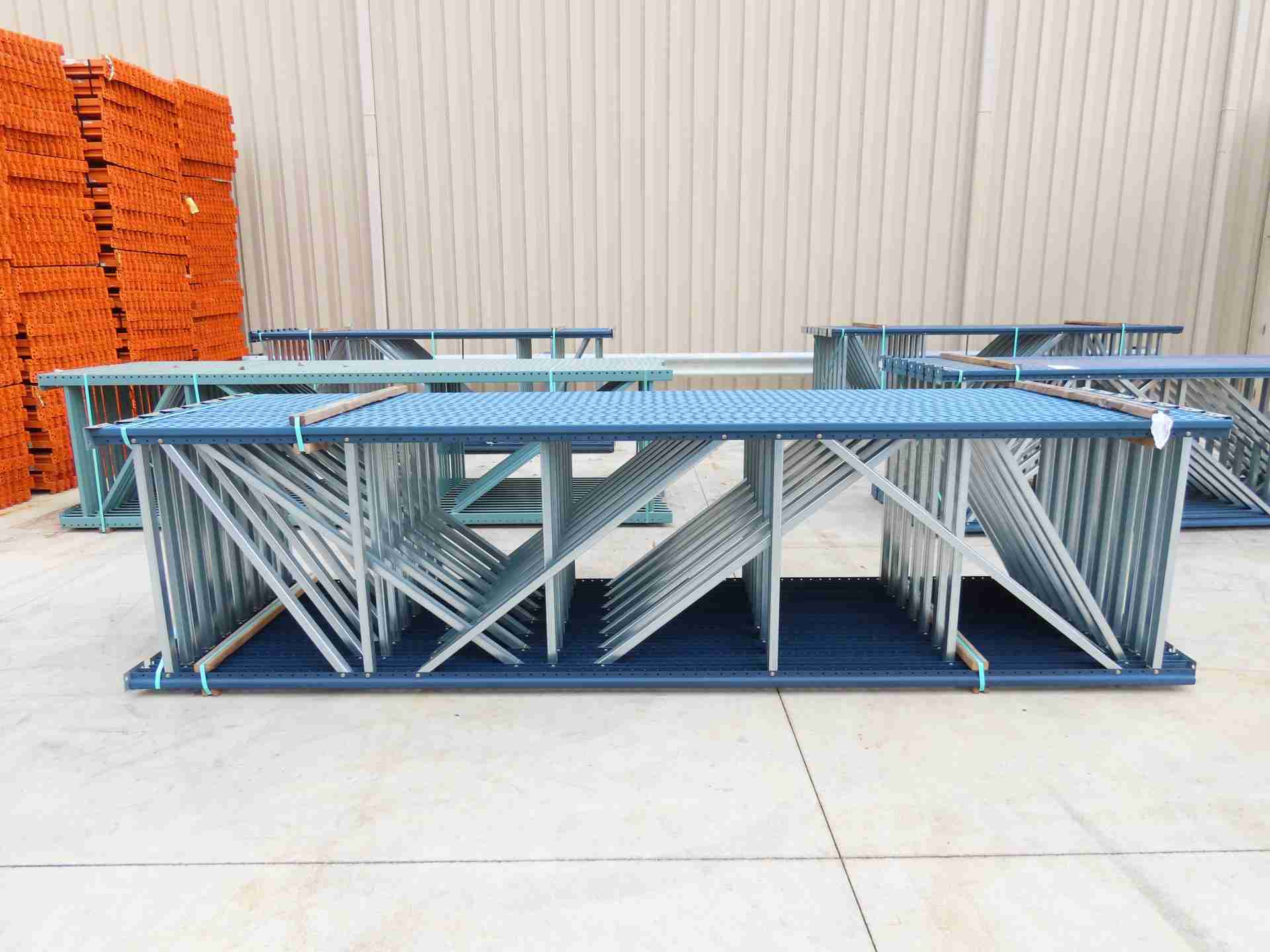
What Are The Maintenance Costs For Pallet Racking Systems?
How Can I Choose A Reputable Pallet Racking Supplier?
When it comes to selecting a pallet racking supplier, your choice can significantly impact your business’s efficiency, safety, and bottom line. In today’s rapidly evolving marketplace, characterized by a surge in e-commerce and heightened demand for warehousing solutions, finding a reputable supplier should go beyond mere price comparison. Here are some strategic steps to help you navigate these waters.
1. Reputation Matters, but Verify It!
In the age of online reviews and social media, it’s tempting to take a company’s word for it. However, a polished website or flashy marketing materials can be misleading. Look for suppliers with solid reputations built over time. Seek out companies that have been in business for several years; they likely have a track record you can evaluate. For example, if you’re based in the Midwest, consider companies that have local testimonials or case studies from industries similar to yours, such as automotive or e-commerce, especially considering the recent significant expansion of fulfillment centers in the region.
2. Dive into Their Offerings and Innovations
An effective supplier should provide you with a diverse range of options tailored to your specific needs. Do they offer both traditional racking systems and modern solutions like automated storage systems? Given the recent uptick in technological innovations—think of the integration of IoT in warehouse management—choose a supplier who stays ahead of the curve and is ready to recommend the latest advancements that can streamline your operations.
3. Customer Service: The Silent Game-Changer
A supplier can have the best products, but if they lack stellar customer service, you’ll face roadblocks down the line. Check how accessible they are for queries. Making a commitment that requires significant investment means you’re also committing to a relationship. For instance, a recent report showed that companies prioritizing customer experience are 60% more profitable than their counterparts. Reach out with questions, ask for quotes, and gauge how responsive and knowledgeable they are.
4. Compliance and Safety Standards
Especially in heavy-duty industries, safety should never be compromised. Investigate whether the supplier adheres to local and national safety standards (such as OSHA). Request documentation on compliance and safety certifications. A reputable supplier will be more than willing to provide such details and may offer to conduct a site assessment, ensuring your racking systems meet industry regulations.
5. Beyond the Sale: Support and Maintenance
Finally, consider the long-term relationship. Does the supplier offer post-installation support and maintenance services? A partner invested in your success will assist you long after the sale. In an environment where supply chain disruptions have become common, having a reliable supplier who provides ongoing support can make all the difference in keeping your operations running smoothly.
Selecting the right pallet racking supplier involves thorough research and consideration. By prioritizing reputation, range of offerings, customer service, compliance, and ongoing support, you position your business for growth and efficiency in an ever-changing market landscape.

How Can I Choose A Reputable Pallet Racking Supplier?
How Can I Choose A Reputable Pallet Racking Supplier?
- Reputation Matters, but Verify It: Look for suppliers with a solid, established reputation and local testimonials relevant to your industry.
- Dive into Their Offerings and Innovations: Choose a supplier that offers a range of solutions, including modern automated storage systems and the latest technological advancements.
- Customer Service: The Silent Game-Changer: Assess the supplier’s responsiveness and support; companies with strong customer service are often more profitable.
- Compliance and Safety Standards: Ensure the supplier adheres to local and national safety standards and can provide compliance documentation.
- Beyond the Sale: Support and Maintenance: Look for suppliers that offer post-installation support and ongoing maintenance to enhance operational efficiency.
- Long-term Relationship: Consider the importance of partnering with a supplier who invests in your success beyond the initial sale.
- Thorough Research: Prioritize reputation, offerings, customer service, compliance, and support to optimize growth and efficiency.

How Can I Choose A Reputable Pallet Racking Supplier?
What Financing Options Are Available For Pallet Racking?
When it comes to investing in pallet racking systems, businesses often find themselves grappling with the question: how do I finance this purchase? Fortunately, a variety of financing options are available that can help streamline your acquisition process, making it easier to optimize your warehouse space without breaking the bank.
1. Traditional Bank Loans
One of the most straightforward options is securing a traditional bank loan. Banks typically offer competitive interest rates and repayment terms that can range anywhere from three to seven years. With a solid business plan and good credit score, you may secure a loan that allows you to invest in comprehensive pallet racking systems upfront. This option not only enables you to spread costs over time but also potentially improves your cash flow for other operational needs. Recent discussions regarding interest rate hikes due to inflation can influence your decision, so keep an eye out for any changes that might impact loan accessibility and terms.
2. Equipment Financing
Another viable option is equipment financing, where the pallet racking itself serves as collateral for the loan. This can sometimes yield higher approval rates and lower interest costs, as lenders tend to view it as a lower-risk investment. For instance, if you’re looking to install a modular racking system to maximize warehouse efficiency, financing it can free up capital that might otherwise go into upfront payments. Companies like Crest Capital specialize in equipment financing and have tailored solutions for warehouse setups.
3. Leasing Options
Leasing is an increasingly popular choice among businesses looking to mitigate initial capital expenditures. Through a leasing agreement, you can acquire the racking systems you need while paying a monthly fee that includes maintenance and support in many cases. Leasing not only preserves cash flow but also allows you to upgrade to more advanced racking systems as your operational needs evolve. Many companies across various industries are recognizing the benefits of leasing amidst the current supply chain uncertainties, as it provides the flexibility to adapt to changing market conditions.
4. Government Grants and Incentives
In light of ongoing challenges such as the pandemic and supply chain disruptions, certain regions offer government grants or incentives aimed at bolstering small businesses. Research local and state initiatives designed to support infrastructure improvements, especially those focusing on warehousing and logistics. These programs can significantly offset the costs associated with upgrading your pallet racking systems.
By evaluating these financing options, you can make an informed decision that aligns with your business strategy, ensuring that your investment in pallet racking pays off both now and in the long run. Don’t let financial constraints hold you back from optimizing your storage solutions—explore the best options that suit your needs!

What Financing Options Are Available For Pallet Racking?
What Financing Options Are Available For Pallet Racking?
- Businesses often need to consider financing options for pallet racking system investments to optimize warehouse space.
- Traditional bank loans offer competitive interest rates and repayment terms of 3 to 7 years, beneficial for spreading costs and improving cash flow.
- Equipment financing uses the pallet racking as collateral, potentially yielding higher approval rates and lower interest costs.
- Leasing options allow businesses to acquire racking systems with monthly payments, often including maintenance, while preserving cash flow.
- Leasing provides flexibility to upgrade to advanced systems as operational needs change, especially amidst supply chain uncertainties.
- Government grants and incentives available in some regions can help offset costs for upgrading pallet racking systems.
- Evaluating financing options ensures informed decisions that align with business strategy and optimize storage solutions.

What Financing Options Are Available For Pallet Racking?
How Does Location Impact Pallet Racking Costs?
When it comes to maximizing your warehouse efficiency, every detail counts—especially the location of your facility. Location isn’t just about real estate; it’s a strategic factor that can significantly influence your pallet racking costs. To understand this better, let’s break down the key elements of how location impacts these crucial expenses.
First, consider the geographic region. Areas with a higher cost of living, like major metropolitan cities, often see elevated costs for materials and labor. For instance, a warehouse in San Francisco will likely pay significantly more for steel pallet racking compared to one located in a rural part of Texas. Why? It all comes down to local economies and market demand. In high-demand urban areas, securing contractors and labor can drive prices up, so businesses must be keenly aware of local costs and logistics when budgeting for racking systems.
Next, there’s the impact of regional regulations and compliance. Different states have varying building codes and safety regulations that could affect your pallet racking system. For instance, California’s stringent earthquake codes require warehouses to invest in specialized racking systems designed to withstand tremors, adding costs that a similar structure in a less seismically active state wouldn’t incur. Understanding these regulations not only helps in accurately estimating costs but also protects your investment in the long run.
Transportation costs must also be considered. If your warehouse is situated far from suppliers or distribution centers, you might face higher shipping fees for your racking materials. For example, sourcing steel from a mill located hundreds of miles away can significantly inflate expenses compared to a facility located nearby. During disruptive events like the pandemic or ongoing supply chain fluctuations, the importance of local sourcing becomes even more pronounced. Companies are increasingly recognizing that geographic proximity can streamline delivery times and reduce costs.
Don’t forget about the labor market in your area. Regions plagued by labor shortages may necessitate higher pay to attract qualified workers for assembly and installation, further inflating your total expenses. For example, post-pandemic changes in the workforce have left some regions struggling to find skilled labor, which means anyone capable of setting up a racking system might demand a premium.
Your warehouse location impacts pallet racking costs more than you might realize. From local economic conditions to transportation logistics and labor availability, every aspect intertwines to shape your overall expenses. By understanding these elements, you can make informed decisions that enhance your bottom line and ensure your operation runs as smoothly as possible. So, before you lay the first pallet down, lay a solid foundation of understanding about where you’re placing your business.

How Does Location Impact Pallet Racking Costs?
How Does Location Impact Pallet Racking Costs?
- Location of a warehouse significantly influences pallet racking costs.
- Geographic regions with a higher cost of living see elevated costs for materials and labor.
- Regional regulations and compliance can add to costs, such as California’s earthquake codes necessitating specialized racking systems.
- Transportation costs increase if warehouses are far from suppliers, impacting overall expenses.
- Local sourcing can streamline delivery times and reduce costs, especially during supply chain disruptions.
- Labor market conditions in the area can lead to higher wages due to shortages, affecting installation costs.
- Understanding these factors helps businesses make informed decisions to enhance efficiency and reduce expenses.

How Does Location Impact Pallet Racking Costs?
Are There Warranties Or Guarantees For Pallet Racking Systems?
When investing in pallet racking systems, a critical question often arises: are warranties or guarantees available? The answer is a resounding yes, and understanding the nuances of these protections can greatly impact your bottom line and peace of mind.
In an era where supply chain disruptions have become a frequent headline—think of the recent global challenges affecting shipping and production—reliable equipment becomes a non-negotiable asset. A robust warranty or guarantee serves as a safeguard against the unforeseen, reassuring you that your investment is secure.
Most manufacturers offer warranties that cover defects in material and workmanship, typically ranging from one to ten years. For example, a well-known brand might offer a five-year warranty on structural components of its racking systems, ensuring that if issues arise from manufacturing flaws, they’ll manage the replacement at no additional cost to you. This not only underscores the quality of the product but also protects you from unexpected repair costs that could disrupt your operations.
Moreover, some companies extend their warranties when you opt for additional services, such as installation or maintenance. This can include a guarantee that covers the structural integrity of the racks over a set period, provided they are installed by certified professionals. For instance, if a racking system collapses due to improper installation, a comprehensive guarantee can prevent a potential financial catastrophe.
Let’s consider a recent case in the e-commerce sector. As online shopping surged, warehouses were inundated with a spike in inventory, leading many operators to rapidly scale their racking solutions. Companies that wisely chose suppliers offering substantial warranties were better equipped to manage the increased demands. When a competitor faced significant losses from a racking failure, those with robust warranties were able to pivot more easily, knowing their investments were protected.
It’s essential to read the fine print. Some warranties may have specific exclusions, such as damage caused by neglect, misuse, or environmental factors. By thoroughly understanding the coverage—and ensuring compliance with manufacturer guidelines—you can maximize the advantages of your warranty.
When sourcing pallet racking systems, don’t overlook the power of a solid warranty or guarantee. This is not just about protecting your investment; it’s about solidifying your operational stability in an unpredictable market. Choose wisely, and ensure that peace of mind comes standard with your purchase. Your warehouse, workforce, and future profitability will thank you for it.

Are There Warranties Or Guarantees For Pallet Racking Systems?
Are There Warranties Or Guarantees For Pallet Racking Systems?
- Investing in pallet racking systems often raises the question of warranties and guarantees, which are available and can significantly affect financial outcomes.
- Reliable equipment is crucial amid frequent supply chain disruptions, and strong warranties serve as a safeguard for investments.
- Manufacturers typically offer warranties ranging from one to ten years, covering defects in materials and workmanship.
- Some companies enhance warranties with additional services like installation or maintenance, offering guarantees on structural integrity when done by certified professionals.
- Case studies in the e-commerce sector highlight that businesses with substantial warranties managed increased inventory demands better than those without.
- It is important to read the fine print of warranties, as exclusions may apply for damage due to neglect or misuse.
- A strong warranty not only protects investments but also ensures operational stability in unpredictable market conditions.

Are There Warranties Or Guarantees For Pallet Racking Systems?
What Permits Or Regulations Should I Consider For Installation?
When it comes to installing new systems or making significant modifications to your property, understanding the maze of permits and regulations is essential. You might think that the freedom of home improvement liberates you from bureaucratic shackles, but beware! Ignoring necessary permits can lead to penalties, costly fines, or even forced removal of your project. Here are some key considerations to keep in mind to ensure your installation goes smoothly.
First and foremost, familiarize yourself with local zoning laws. These regulations dictate what you can build, where you can build it, and how big it can be. For instance, if you’re planning to install a new greenhouse, you’ll need to check if it’s permissible in your residential zone and whether it meets height or setback requirements. Just last year, several homeowners in California faced fines for erecting structures that violated local regulations—everything from fences to sheds. A little homework upfront can save you a headache down the road.
Next, you’ll typically need a building permit, especially for major projects such as adding a deck, renovating a bathroom, or constructing an addition. Your local building department will provide guidelines on the required steps, including any inspections. This not only ensures safety and compliance with building codes but also increases the value of your property. For example, a well-documented renovation project can yield a return on investment of over 70% upon resale.
Don’t overlook environmental regulations, particularly if you’re in an area prone to extreme weather or distinct ecosystems. For example, installing a pool in a flood-prone area might trigger additional requirements to ensure proper drainage and runoff. Florida recently tightened its regulations on pool installations, emphasizing the need to comply with new drainage systems to prevent flooding—so check whether your region has similar laws.
Lastly, consider any homeowners’ association (HOA) guidelines. Many neighborhoods have strict rules governing external modifications. Imagine investing time and money into your dream backyard oasis, only to discover that your HOA prohibits certain designs. A simple inquiry can save you from unnecessary stress.
The devil is truly in the details when it comes to permits and regulations. Take an hour to research before breaking ground. Doing so not only enhances your project’s success but also protects your investment. After all, you want your installation to be a source of pride, not regret.

What Permits Or Regulations Should I Consider For Installation?
What Permits Or Regulations Should I Consider For Installation?
- Understanding permits and regulations is crucial for home improvement projects.
- Familiarize yourself with local zoning laws to know what, where, and how much you can build.
- A building permit is typically required for major projects; contact your local building department for guidelines.
- Compliance with building codes ensures safety and can increase property value.
- Be aware of environmental regulations, especially in areas prone to extreme weather or unique ecosystems.
- Check homeowners’ association (HOA) guidelines to avoid violating community rules on external modifications.
- Invest time in research before starting your project to enhance success and protect your investment.

What Permits Or Regulations Should I Consider For Installation?
Conclusion
Investing in pallet racking systems isn’t just about acquiring metal shelves; it’s about strategically enhancing your warehouse operations, boosting efficiency, and ultimately, elevating your company’s bottom line. As you delve into the myriad costs associated with pallet racking—from system type and materials to installation and ongoing maintenance—it’s evident that this investment can serve as a catalyst for operational excellence.
Understanding the cost factors, including the nuances of market fluctuations and potential hidden expenses, empowers you to make an informed decision. Whether you’re considering selective, drive-in, or customized racking solutions, be sure to evaluate your storage needs, available space, and future growth projections to choose the most effective configuration for your business. Moreover, don’t overlook the importance of selecting a reputable supplier. A solid relationship with your vendor can support you long after the initial purchase, ensuring compliance with safety standards and offering maintenance services to keep your system in peak condition.
Remember, investing in pallet racking goes beyond immediate costs. It is an investment in the future. The right choice can lead to significant improvements in organization, speed, efficiency, and safety. Consider the urgency of tackling your warehouse challenges today; with the continuous rise in e-commerce and operational demands, now is the time to act. Delaying this investment could result in missed opportunities down the line.
At Arrow Industrial Sales, we’re committed to helping you make the best choices for your storage solutions. Our expertise can guide you through the complexities of selecting, installing, and maintaining your pallet racking systems. Don’t let uncertainty cloud your path forward. Call us now at (574) 349-6575 to get personalized insights, and let’s maximize your warehouse capabilities together! Your efficient, organized, and profitable operation is just a phone call away—don’t wait!

Conclusion
Conclusion:
- Investing in pallet racking enhances warehouse operations, boosts efficiency, and improves profitability.
- It’s crucial to understand the various costs related to pallet racking, including system type, materials, installation, and maintenance.
- A thorough evaluation of storage needs, available space, and future growth is essential when selecting racking solutions.
- Choosing a reputable supplier ensures long-term support, safety compliance, and maintenance services.
- The right pallet racking choice can lead to better organization, speed, efficiency, and safety in the warehouse.
- Timely investment in pallet racking is vital due to rising e-commerce and operational demands—delaying can lead to missed opportunities.
- Arrow Industrial Sales offers expertise in selecting, installing, and maintaining pallet racking systems; call for personalized insights.

Conclusion
Other Resources

Other Resources
Here is a list of other resources you can review online to learn more:
- “Pallet Racking (Selective Storage Racks)”
- “Pallet Racking Global Market Report 2024”
- “Installation Drawing/on Site Instruction Drive in Warehouse …”
- “How Much Does Pallet Racking Cost?”
- “Pallet racking warehouse”
- “Used Pallet Racking for Sale”
- “Pick Modules Increase Fulfillment Rates | Steel Safety …”
- “Industrial Racking”
- “Pallet racking | Racking and Shelving”
- “Storage”
- “What Are The Most Important Considerations With Pallet …”
- “Pallet Racking & Shelving – BLS Racking Systems”
- “Can You Buy Pallet Racking Solutions Near Crete Illinois?”
- “Used Pallet Rack Decking”
- “warehouse solutions Archives | Toyota MHS”
- “Storage Archives”
- “Sustainability Report 2021 | Foreword by the Management”
- “Can You Buy Pallet Racking Solutions Near Frankfort Square Illinois …”
Use This Prompt To Get More Resources With Your Favorite Online AI Tool: Please provide me with a list of online articles with their URLS in a bulleted list that I can read regarding How Much Does Pallet Racking Cost?

Other Resources
Glossary Terms
How Much Does Pallet Racking Cost? – Glossary Of Terms
1. Pallet Racking: A storage system designed to support high-density storage of pallets, typically in warehouses.
2. Initial Cost: The upfront expenditure required to purchase and install pallet racking systems.
3. Material Cost: The expense associated with the raw materials used in manufacturing pallet racks, such as steel or aluminum.
4. Installation Cost: Charges incurred for the setup and assembly of pallet racking systems, which may involve professional labor.
5. Type of Racking: Different configurations of pallet racking (e. g. , selective, drive-in, push-back) that can influence the overall cost.
6. Weight Capacity: The maximum weight a pallet rack can safely accommodate, affecting the choice of racking and its cost.
7. Height: The vertical measurement of pallet racks, which can impact storage efficiency and installation cost.
8. Depth: The measurement from the front to the back of pallet racks, which impacts the overall storage layout and cost.
9. Span: The distance between the upright frames of pallet racking, influencing stability and load-bearing capacity.
10. Upright Frame: Vertical components of a pallet racking system that support horizontal beams and bear the weight of stored pallets.
11. Horizontal Beam: The horizontal elements that connect two upright frames, providing support for pallets.
12. Teardrop Design: A common type of pallet rack design allowing for easy adjustments of beams and compatibility across different manufacturers.
13. Safety Standards: Regulations and guidelines that must be met to ensure the safe installation and use of pallet racking systems.
14. Load Planning: Analyzing and organizing the weight distribution on pallet racks to ensure safe and effective storage.
15. Maintenance Cost: Ongoing expenses related to regular inspection, repair, and upkeep of pallet racking systems.
16. Used Racking: Second-hand pallet racking available for purchase at a lower cost, though potentially with limited warranties.
17. Customization: Options available to tailor pallet racking systems according to warehouse specifications, affecting cost and functionality.
18. Warehouse Space Utilization: The efficient use of storage area, which can impact the overall design and cost of pallet racking systems.
19. Cost per Pallet Position: A metric that calculates the total cost of racking divided by the number of pallets it can accommodate.
20. Inventory Management: The process of overseeing stock levels and locations, which can dictate the type of pallet racking needed.
21. Return on Investment (ROI): A measure to evaluate the profitability of choosing a specific pallet racking system against its cost.
22. Forklift Accessibility: Evaluates how easily forklifts can navigate around and between racking systems, influencing layout costs.
23. Custom Racking Solutions: Tailored racking options designed for specific needs, often at a higher cost due to engineering and materials.
24. Permits: Regulatory approvals often required before installing pallet racking systems, potentially adding to initial costs.
25. Insurance Considerations: Costs related to covering potential liabilities or damages linked to pallet racking systems.
26. Lifestyle Changes: Shifts in inventory practices or volumes that may necessitate a change in racking systems, affecting costs.
27. Resale Value: The worth of pallet racking after it has been used, which can be an important consideration in overall cost assessment.
28. Lead Time: The duration from order to delivery for racking systems, which can influence purchase decisions based on costs.
29. Project Budgeting: The process of estimating and managing the total financial resources required for the acquisition and installation of racking solutions.
30. Capital Expenditure (CapEx): Long-term investments in tangible assets like pallet racking, impacting cash flow and budgeting decisions.

Glossary Of Terms
Other Questions
How Much Does Pallet Racking Cost? – Other Questions
If you wish to explore and discover more, consider looking for answers to these questions:
- What are the different types of pallet racking systems available?
- How can I choose the right type of pallet racking for my needs?
- What factors should I consider when choosing a pallet racking supplier?
- How can I determine the installation costs for different pallet racking systems?
- What are common mistakes to avoid when investing in pallet racking?
- How long does it typically take to install a pallet racking system?
- What are the safety standards for pallet racking systems?
- What steps should I follow to maintain my pallet racking systems effectively?
- Are there specific insurance requirements for pallet racking systems?
- How does pallet racking affect warehouse workflow and efficiency?
- What trends are shaping the future of pallet racking in warehouses?
- Can pallet racking systems be relocated or expanded easily?
- What are the environmental impacts of pallet racking systems?
- How do I know if I need to customize my pallet racking solution?
- What is the lifespan of a typical pallet racking system?

Other Questions
Checklist
How Much Does Pallet Racking Cost? – A Checklist
1. Assess Your Storage Needs
_____ Identify the types and volumes of products to be stored.
_____ Determine if standard racks suit your items or if custom solutions are necessary.
2. Consider Available Space
_____ Measure warehouse dimensions (height, width, layout).
_____ Plan for vertical space utilization, especially in warehouses with high ceilings.
3. Evaluate Pallet Dimensions
_____ Check standard pallet sizes used in your operations (e. g. , 48” x 40”).
_____ Determine if specialized racks are needed for non-standard pallet sizes.
4. Factor in Load Capacity
_____ Identify maximum weight requirements for your stored materials.
_____ Ensure compliance with local and federal safety regulations for your intended load.
5. Analyze System Types
_____ Research different pallet racking types: selective, drive-in, push-back, and pallet flow.
_____ Choose the system that aligns with your storage efficiency and access needs.
6. Budget for Costs
_____ Prepare for the cost of pallet racking systems, installation, and customization.
_____ Be aware of potential fluctuations in material and shipping prices.
7. Plan for Installation
_____ Get quotes from professionals for installation costs.
_____ Confirm that the installation adheres to safety regulations and best practices.
8. Evaluate Maintenance Needs
_____ Schedule regular inspections and maintenance to ensure safety and longevity.
_____ Allocate funds for repairs, compliance checks, and employee training.
9. Explore Financing Options
_____ Research traditional loans, equipment financing, and leasing opportunities.
_____ Look for local grants or incentives that could offset costs.
10. Choose a Reputable Supplier
_____ Investigate customer reviews, industry reputation, and years in business.
_____ Ensure the supplier offers post-installation support and maintenance services.
11. Understand Warranties and Guarantees
_____ Review warranty terms for coverage on material defects and labor.
_____ Inquire about additional guarantees provided with installation.
12. Stay Informed about Regulations
_____ Research local zoning laws, site permits, and building codes.
_____ Check for environmental regulations or HOA guidelines that may impact installations.
13. Consider Used Options
_____ Evaluate the benefits of purchasing certified pre-owned pallet racking to save costs.
_____ Ensure used systems comply with safety and quality standards.
14. Prepare for Future Growth
_____ Anticipate your business’s future needs to avoid costly upgrades later.
_____ Build flexibility into your racking system design for scalability.
By using this checklist, you can make informed decisions that enhance your warehouse operations while controlling costs. Happy racking!

Checklist
At RackingWorld, we help guide you through selecting warehouse storage systems and racking.
Be sure to read our other related stories at RackingWorld to learn more about warehouse storage systems.
0 Comments