
Unlocking OSHA’s Storage Rack Anchor Code
By Tom Seest
At RackingWorld, we help guide you through selecting warehouse storage systems and racking.
Be sure to read our other related stories at RackingWorld to learn more about warehouse storage systems.
What Are OSHA Storage Rack Anchor Requirements?
What Are OSHA Storage Rack Anchor Requirements?
When it comes to maintaining workplace safety, few factors are as crucial as compliance with OSHA storage rack anchor requirements. These regulations are designed to prevent the catastrophic failures that can result in injury, property damage, and loss of productivity. For businesses that rely on storage racks, understanding these requirements isn’t just a regulatory necessity; it’s a strategic advantage.
Let’s face it: no one wants to witness a shelving disaster. Picture this: during a routine operation, an improperly anchored storage rack topples over, sending pallets of goods crashing to the floor. The expensive inventory is lost, and employees are put at risk—both physically and emotionally. Now, imagine that same scenario, but with a properly anchored rack. The difference? Peace of mind and a safer work environment.
OSHA mandates that all storage racks be anchored effectively to the floor, especially if the racks exceed a certain height or are subjected to seismic activity. For instance, if you’re operating in a high-risk earthquake zone, your anchoring requirements are even more stringent. In these cases, using anchor bolts and concrete footings is not just a wise choice; it’s a legal obligation. Consider this: in recent months, major retailers have faced scrutiny for their safety practices after reports emerged detailing preventable accidents related to unanchored storage systems.
Creating a culture of safety starts on the ground—literally. Each anchor needs to withstand the force of a dynamic load that storage racks frequently endure. By adhering to the spacing and load specifications mandated by OSHA, companies not only comply with the law, but they also enhance their operational integrity. For example, an automotive parts distributor that properly anchors its racks can handle heavy loads without the fear of structural failure—leading to increased throughput and maximized efficiency.
Moreover, regular inspections are vital. Implementing a program for routine checks can identify potential weaknesses before they escalate into significant issues. Don’t wait until it’s too late; take proactive measures to ensure compliance and safety in your workplace.
Ultimately, understanding and implementing OSHA storage rack anchor requirements is about more than avoiding fines and liability—it’s about investing in your workforce and building a reputation that attracts top talent and loyal customers. When your employees feel safe, they perform better—and that’s a win-win for everyone involved. So take that step today. Secure your storage, safeguard your people, and fortify your business against the unexpected.
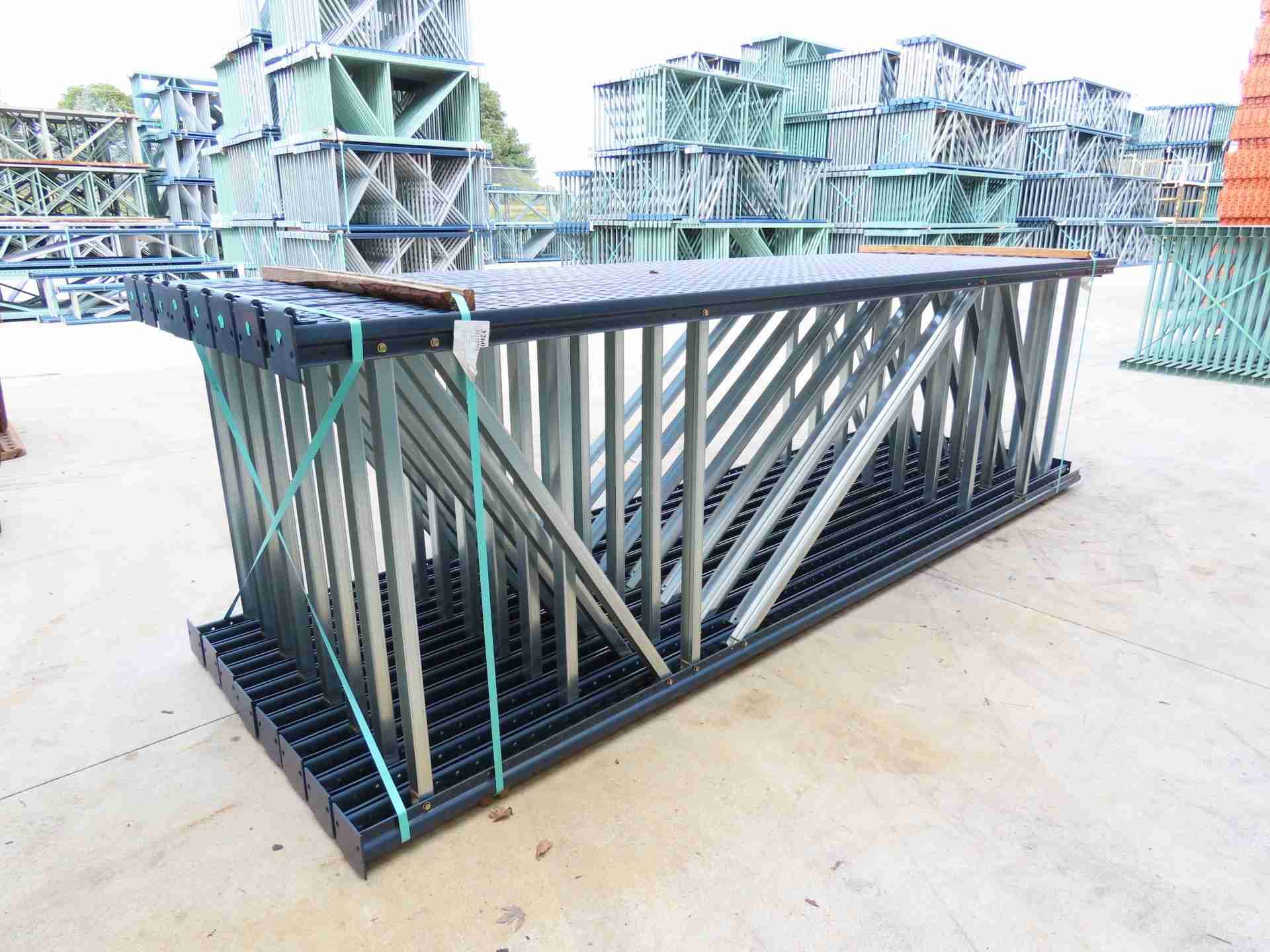
What Are OSHA Storage Rack Anchor Requirements?
What Are OSHA Storage Rack Anchor Requirements?
- OSHA storage rack anchor requirements are crucial for workplace safety, preventing injuries and property damage.
- Properly anchored storage racks help avoid catastrophic failures, protecting both inventory and employees.
- All storage racks must be effectively anchored, especially those exceeding a certain height or in seismic activity zones.
- Use of anchor bolts and concrete footings is legally mandated in high-risk earthquake areas.
- Adhering to OSHA specifications enhances operational integrity and allows for handling heavy loads safely.
- Regular inspections of storage racks can identify potential weaknesses and help maintain compliance and safety.
- Investing in safety practices builds a positive workplace culture, improves employee performance, and attracts talent.
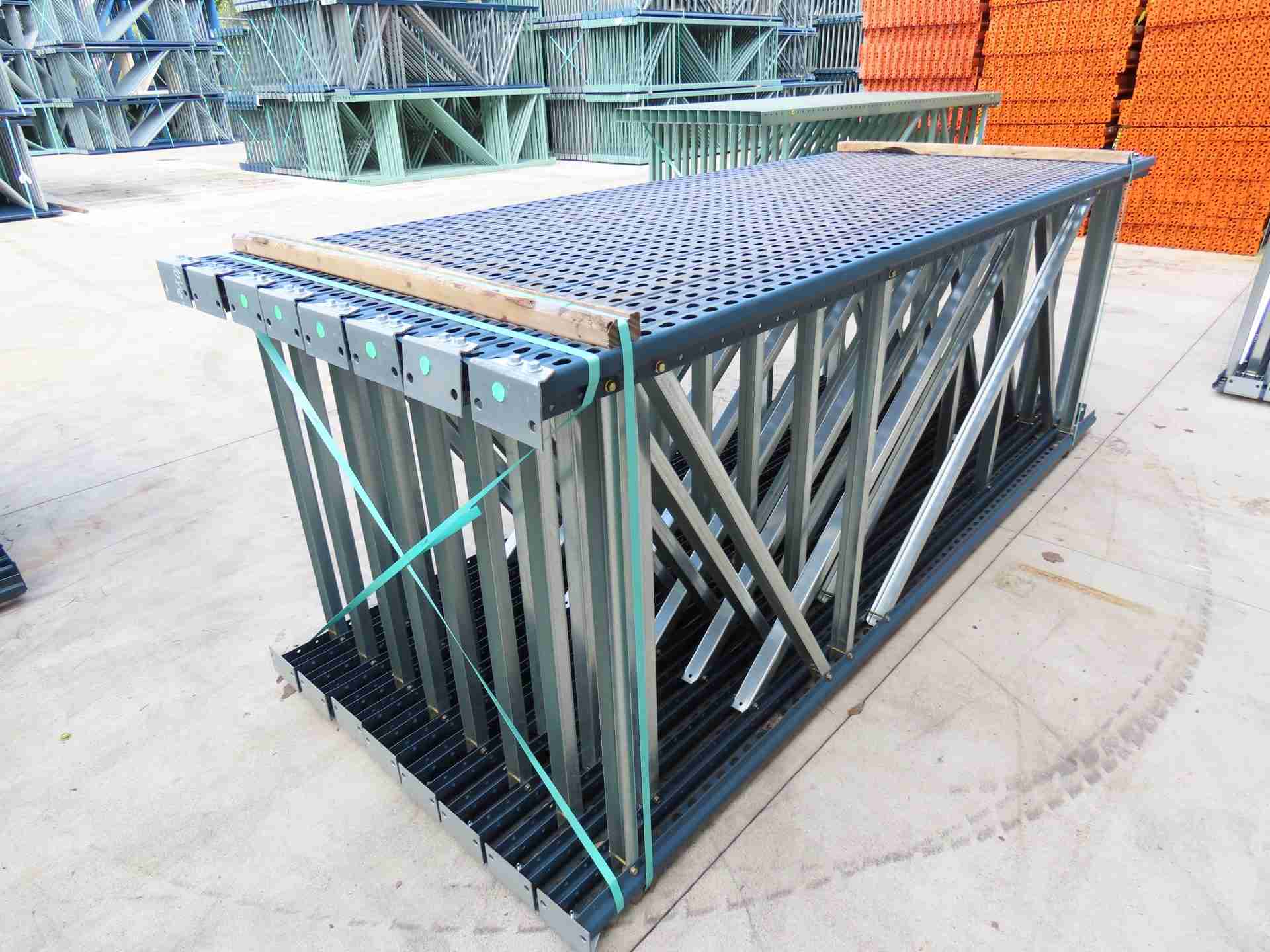
What Are OSHA Storage Rack Anchor Requirements?
Table Of Contents
- What Are OSHA Storage Rack Anchor Requirements?
- What Are The OSHA Requirements For Storage Rack Anchors?
- How Do Storage Rack Anchors Improve Safety?
- What Materials Are Needed For Securing Storage Racks?
- How Often Should Storage Rack Anchors Be Inspected?
- What Are The Potential Hazards Of Unsecured Storage Racks?
- How Can I Ensure My Storage Racks Meet OSHA Standards?
- What Types Of Anchors Are Compliant With OSHA Regulations?
- Are There Specific Installation Guidelines For Storage Rack Anchors?
- How Do I Assess The Stability Of Storage Rack Anchors?
- What Penalties Can Occur For Non-Compliance With OSHA?
- Can I Retrofit Existing Racks To Meet OSHA Anchor Requirements?
- How Do Anchor Requirements Vary By Storage Rack Type?
- What Training Is Required For Staff On Storage Rack Anchors?
- Are There Any Resources For OSHA Storage Rack Compliance?
- How Do Environmental Factors Impact Storage Rack Anchoring?
- Conclusion
- Other Resources
- Glossary Of Terms
- Other Questions
- Checklist
What Are The OSHA Requirements For Storage Rack Anchors?
What Are The OSHA Requirements For Storage Rack Anchors?
When it comes to warehouse safety, understanding the Occupational Safety and Health Administration (OSHA) requirements for storage rack anchors isn’t just a regulatory checkbox—it’s a crucial investment in your business’s health and productivity. As industries evolve and demand grows, the importance of proper storage solutions becomes even more pronounced, making it vital for businesses to abide by OSHA regulations.
First, let’s break down the fundamental requirements. OSHA standard 29 CFR 1910.176 outlines specifications for material handling and storage. One key point emphasizes that all racks and shelving must be capable of supporting the intended loads without failure. That’s where anchors come into play. Properly anchored racks can withstand the lateral forces during a seismic event, high winds, or even normal warehouse operations. Just think about it: a poorly anchored rack could lead to catastrophic failures, accidents, and significant financial losses.
For example, in 2020, a major retailer in California faced penalties and fines after a series of collapses in their warehouse led to hazardous working conditions. An investigation revealed that their rack systems were not adequately anchored, putting their workers at risk of injuries which could have easily been avoided. This case highlights how fatal lapses can spiral into costly legal issues.
Now, let’s not forget that the anchoring hardware used must meet ANSI/RMI standards (the American National Standards Institute/Material Handling Industry). These standards ensure stability and safety, creating trust in your operation and minimizing risks. For installation, at least a one-inch diameter bolt is standard, which provides a reliable connection between racks and the flooring—this is non-negotiable and speaks volumes about your commitment to workplace safety.
Moreover, regular inspections and maintenance of your anchors are essential. OSHA mandates that employers routinely assess their storage systems to verify their compliance with safety standards. Imagine running a highly efficient operation while knowing that safety checks are done routinely. This proactive approach not only safeguards your employees but also enhances overall morale, translating to better productivity.
Adhering to OSHA’s requirements for storage rack anchors isn’t merely a compliance issue; it’s a cornerstone of a robust warehouse safety strategy. In times like these—when supply chains are stretched and demand is soaring—making safety a priority can significantly impact your operational success and reputation. Seamless operations depend on reliable storage, so take the necessary steps today to protect your workforce and your bottom line.
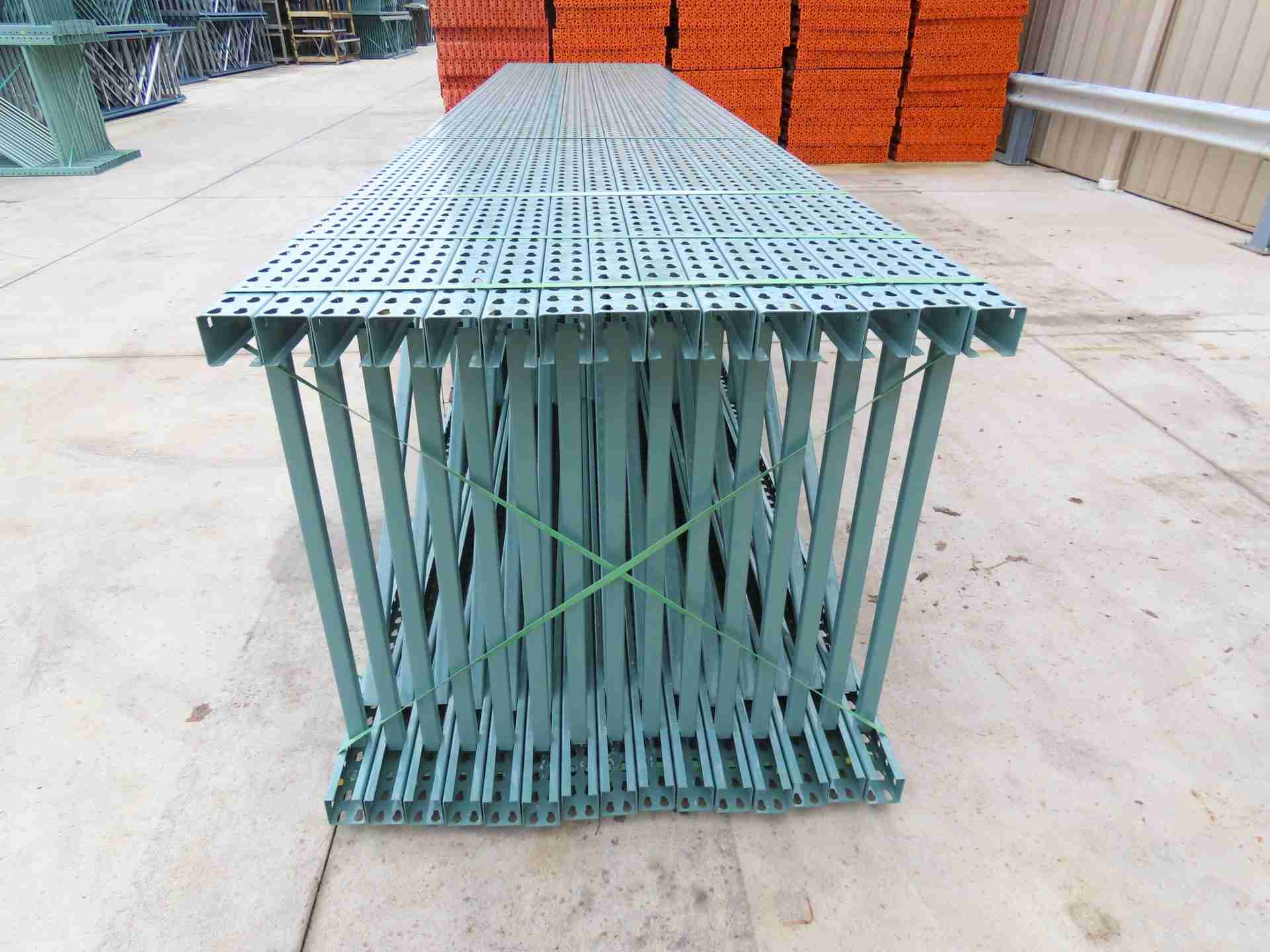
What Are The OSHA Requirements For Storage Rack Anchors?
What Are The OSHA Requirements For Storage Rack Anchors?
- Understanding OSHA requirements for storage rack anchors is essential for business safety and productivity.
- OSHA standard 29 CFR 1910.176 requires racks and shelving to support intended loads without failure.
- Properly anchored racks can withstand lateral forces from seismic events, high winds, and normal operations.
- A case involving a retailer in California highlights the risks of inadequate anchoring, leading to penalties and hazardous conditions.
- Anchoring hardware must meet ANSI/RMI standards, ensuring safety and stability.
- Employers must conduct regular inspections and maintenance of anchors to ensure compliance with OSHA standards.
- Adhering to OSHA regulations is a critical component of a robust warehouse safety strategy that enhances operational success.
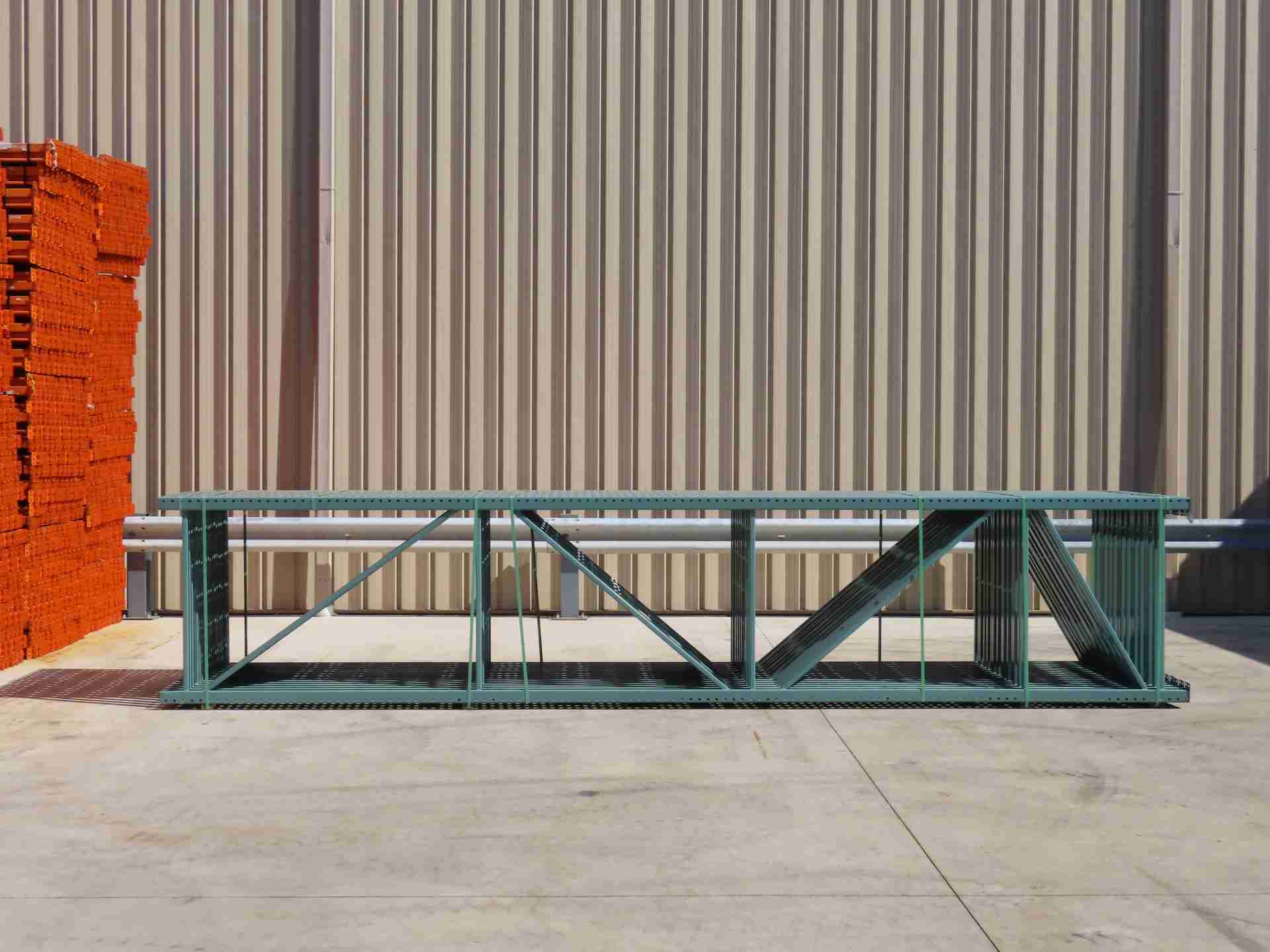
What Are The OSHA Requirements For Storage Rack Anchors?
How Do Storage Rack Anchors Improve Safety?
When it comes to warehouse safety, the foundation of any successful operation starts with the stability of your storage systems. Enter storage rack anchors, the unsung heroes of industrial safety. These little pieces of hardware pack a serious punch when it comes to preventing accidents and protecting your inventory. With recent supply chain disruptions and increased demand for warehouse space, the focus on safety has never been more critical.
Storage rack anchors secure racks to the floor, providing essential support that reduces the risk of tipping during everyday operations or unexpected events, like an earthquake. Take, for instance, the recent seismic activity in California. Facilities without proper anchoring faced significant risks, not just to their racks but also to the integrity of their entire operations. A properly anchored rack system can be a game changer when it comes to weathering the storm—literally.
Imagine a bustling warehouse where your teams are moving thousands of products daily. Equipment like forklifts, reaching toward the sky to fetch high-stacked goods, can easily cause unanchored racks to sway dangerously. Unfortunately, accidents can happen in the blink of an eye. According to the Occupational Safety and Health Administration (OSHA), rack collapses result in millions of dollars in damages yearly, not to mention the potential for severe injuries. By investing in storage rack anchors, you can dramatically decrease these risks and maintain a safer working environment.
Consider the success story of a mid-sized distribution center in the Midwest. After incorporating quality anchors into their storage systems, they reported a 40% drop in safety incidents over six months. This not only enhanced employee morale but also streamlined their operations. With fewer safety checks and disruptions, productivity soared. Their initial investment in anchors paid off tenfold by saving on insurance premiums and reducing costly operational downtime.
Let’s not forget about compliance. With regulations tightening in the realm of workplace safety, businesses that overlook the importance of rack anchoring can find themselves facing hefty fines. By installing anchors, you’re not just protecting your personnel and inventory; you’re safeguarding your bottom line.
In summary, incorporating storage rack anchors into your warehouse design isn’t just an option, it’s an imperative. They serve as a simple yet highly effective solution to mitigate risks while maximizing safety. As global supply chains continue to evolve, the time to act is now. Don’t let preventable accidents define your operations—invest in safety, and watch your business thrive.
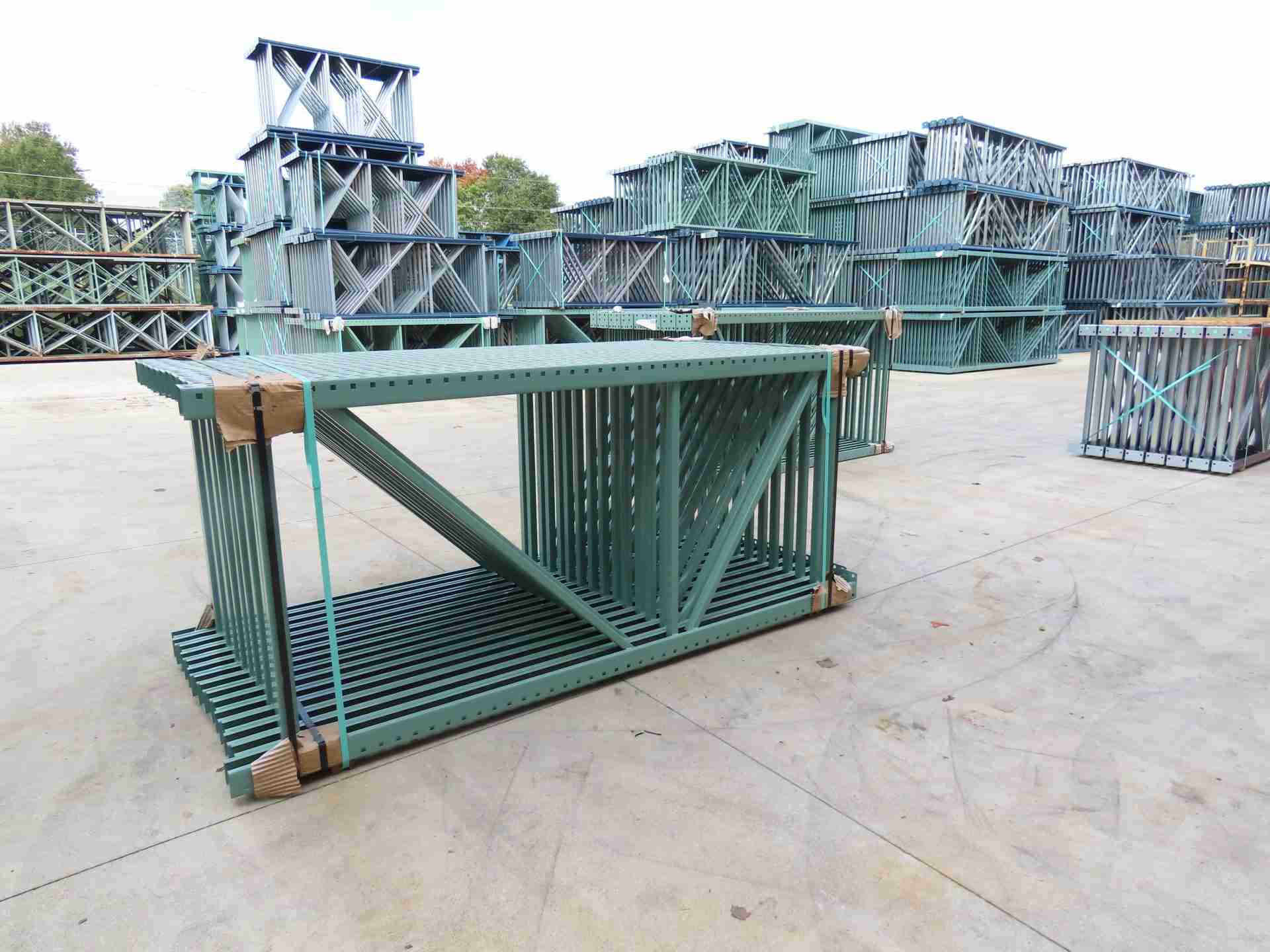
How Do Storage Rack Anchors Improve Safety?
How Do Storage Rack Anchors Improve Safety?
- Storage rack anchors are essential for ensuring warehouse safety and stability.
- They secure racks to the floor, reducing the risk of tipping during operations or unexpected events, such as earthquakes.
- Facilities lacking proper anchoring face significant risks, especially evident during recent seismic activity in California.
- Forklifts operating in high-stacked environments can cause unanchored racks to sway, leading to potential accidents.
- According to OSHA, rack collapses result in millions of dollars in damages and severe injuries each year.
- A case study of a distribution center showed a 40% drop in safety incidents after adding quality anchors, boosting productivity and morale.
- Installing anchors also aids in compliance with safety regulations, protecting both personnel and the bottom line.
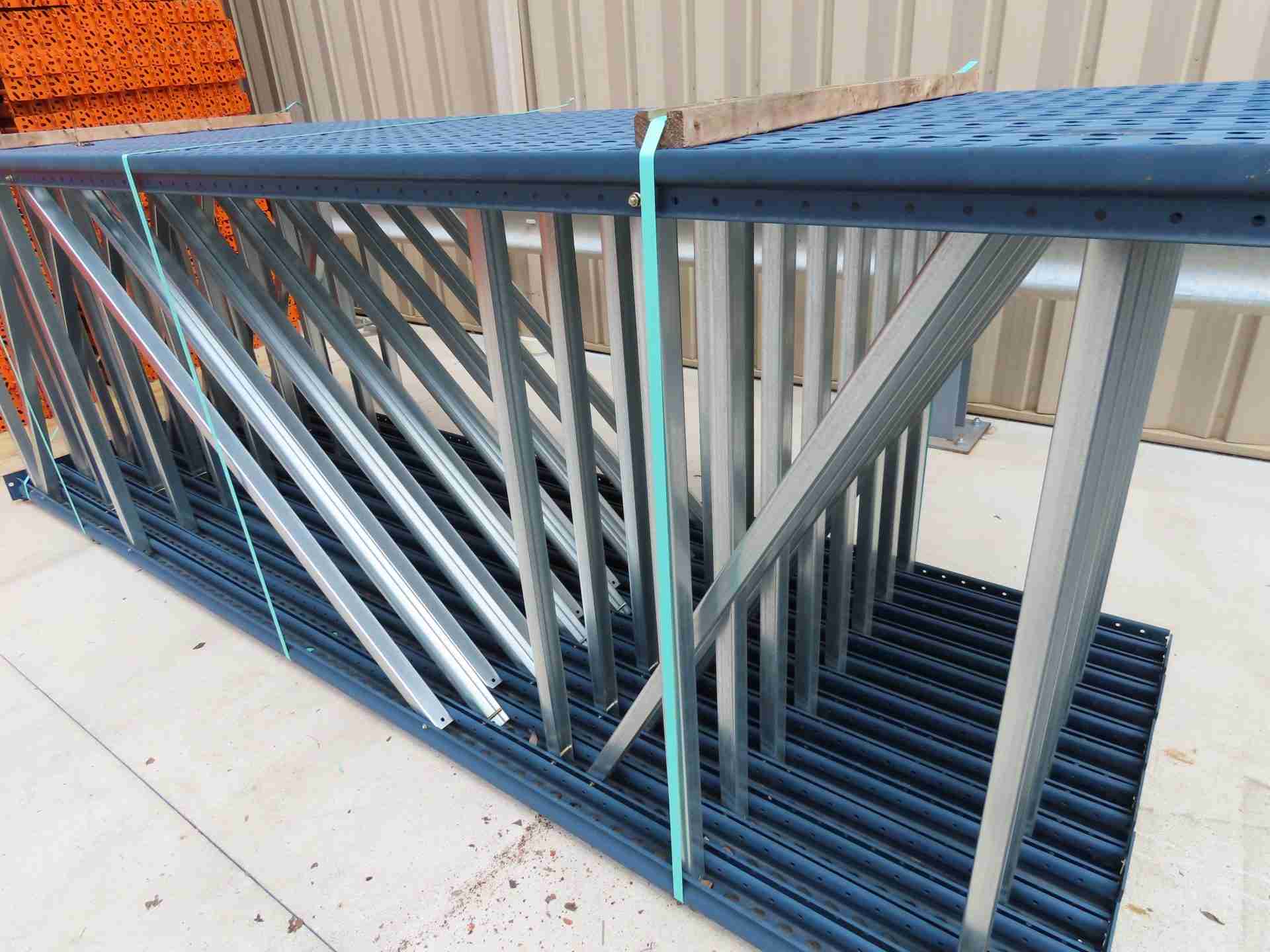
How Do Storage Rack Anchors Improve Safety?
What Materials Are Needed For Securing Storage Racks?
When it comes to safety and efficiency in industrial settings, the importance of securely anchored storage racks cannot be overstated. In recent years, the increasing focus on workplace safety, spurred by stricter regulations and reported accidents, has underscored the necessity for robust securing materials. If your organization relies on storage racks, investing in the right materials is not just a recommendation—it’s a necessity.
First and foremost, anchor bolts are indispensable. These heavy-duty fasteners can withstand considerable tensile and shear forces, ensuring your racks remain stable even under potential stress from heavy loads. For example, in a recent report from the Occupational Safety and Health Administration (OSHA), improperly anchored shelving units contributed to over 30 workplace accidents last year alone. Utilizing the right anchor bolts not only enhances safety but also fosters a culture of responsibility and diligence among your workforce.
Next, cross-bracing kits are essential for providing lateral stability. These kits, which typically include steel cross braces and connectors, help resist side-to-side movement that can occur during loading and unloading operations. Remember the chaos experienced in last spring’s earthquakes on the West Coast? Businesses that had invested in cross-bracing systems not only minimized damage but also assured their staff of a safer working environment. It’s a case where proper equipment could mitigate risks and potentially save lives.
Another key material is shelf safety pins. Often overlooked, these small yet mighty components prevent shelves from dislodging when heavy items are placed upon them. Hiring managers across the country have started to invest in quality metal safety pins as a proactive measure to adhere to increased compliance standards. When employees trust that their storage systems are designed with their safety in mind, it boosts morale and productivity.
Lastly, don’t forget about protective wraps and collision barriers. With the rise of e-commerce and fast-paced warehouse environments, collisions between forklifts and racks have become more common. Installing protective barriers not only protects your investment but also ensures ongoing safety for your team. In 2023, many leading businesses have begun to implement such barriers to comply with evolving safety guidelines, highlighting their commitment to employee well-being.
Securing storage racks is paramount for operational safety and efficiency. By investing in the right materials—anchor bolts, cross-bracing kits, safety pins, and protective barriers—you not only comply with safety regulations but also demonstrate a commitment to excellence and care for your workforce. When we ensure that our storage systems are secure, we are essentially securing the future of our enterprises. So, don’t wait—act now and fortify your operations today!
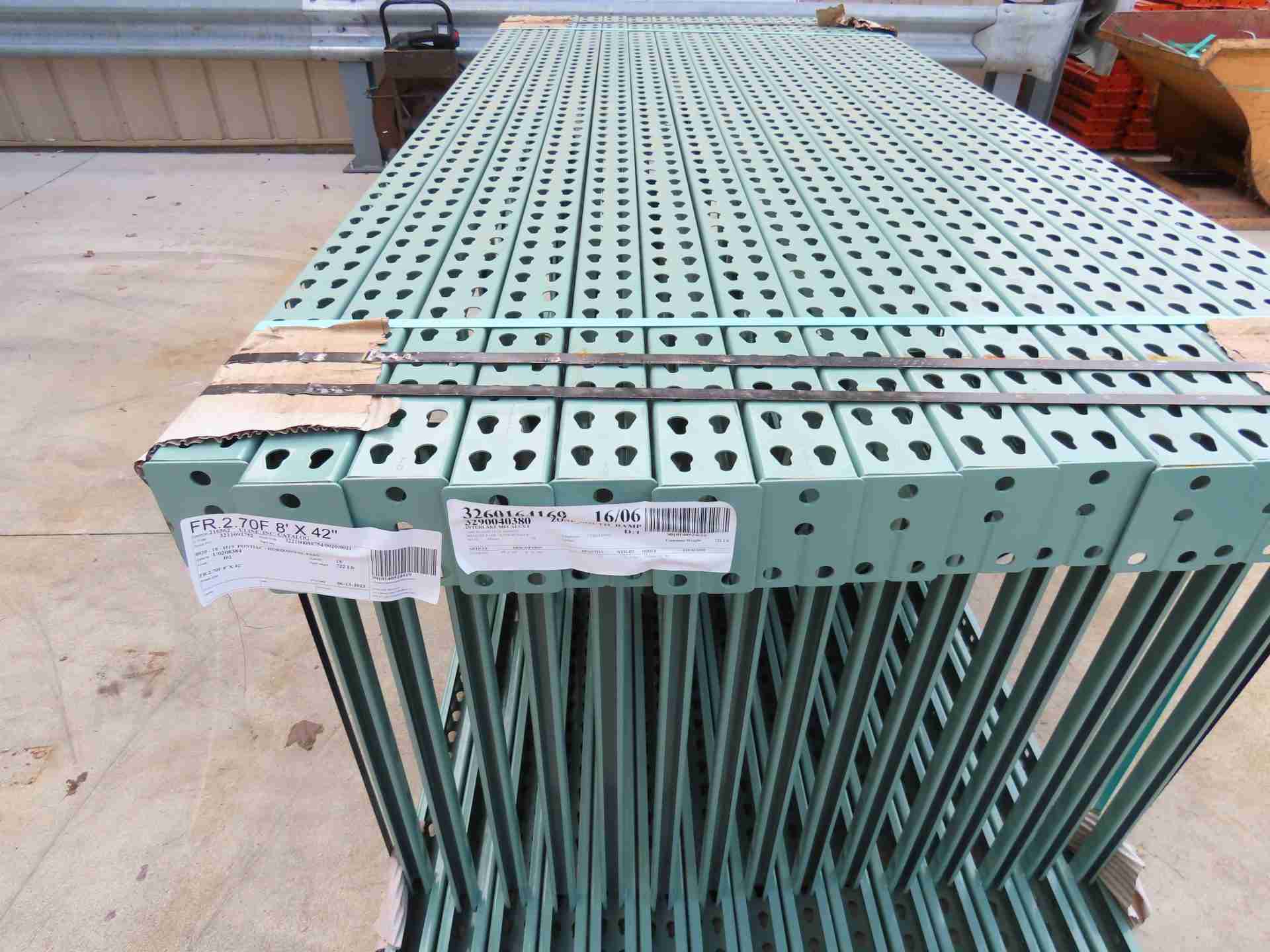
What Materials Are Needed For Securing Storage Racks?
What Materials Are Needed For Securing Storage Racks?
- Securely anchored storage racks are crucial for safety and efficiency in industrial settings.
- Anchor bolts are vital, capable of withstanding significant tensile and shear forces to maintain stability under heavy loads.
- Improperly anchored shelving units contributed to over 30 workplace accidents reported by OSHA last year.
- Cross-bracing kits provide essential lateral stability, helping to resist side-to-side movement during loading and unloading.
- Shelf safety pins prevent shelves from dislodging when heavy items are placed on them, enhancing overall safety.
- Protective wraps and collision barriers are increasingly important in fast-paced warehouse environments to prevent equipment damage and ensure safety.
- Investing in proper securing materials demonstrates a commitment to safety, compliance, and workforce well-being.
What Materials Are Needed For Securing Storage Racks?
How Often Should Storage Rack Anchors Be Inspected?
In the fast-paced world of warehousing and logistics, ensuring the safety and structural integrity of your storage racks can’t be an afterthought—it must be a priority. Properly anchored racks are essential not only for the resilience of your facility but also for the protection of your workforce and inventory. So, how often should storage rack anchors be inspected? The answer may surprise you.
First and foremost, consider setting a baseline inspection schedule. Industry experts generally recommend a minimum of two inspections per year—once in the spring and once in the fall—to assess wear and tear brought on by heavy use and changing weather conditions. However, don’t settle for the bare minimum. Think of these inspections as a preventative investment rather than a regulatory obligation.
Real-life incidents offer stark reminders of what can happen when anchors are neglected. In early 2023, a major distribution center in the Midwest experienced a catastrophic failure of its racking system due to inadequate inspections. The incident resulted in significant financial losses and, worse yet, injuries to several employees. Had they adhered to a stringent inspection regime, they could have not only salvaged their assets but also safeguarded their most valuable resource—their workforce.
Further, consider the impact of changes in your operational landscape. Are you ramping up production? Are heavier loads being stored? If yes, it might be time to conduct additional inspections. Just as you wouldn’t drive a car without a spare check-up after a long road trip, the same applies to your storage systems. After significant seismic events or extreme weather conditions, a thorough inspection of anchors becomes non-negotiable. These events can compromise the integrity of your storage solutions, rendering once-sturdy anchors susceptible to failure.
Engage your employees in the process. Implement a culture of safety by encouraging staff to report any visible damage or concerns during routine scheduling. For example, if a worker notices a loose anchor during a routine walkthrough, that can save you from a possible disaster down the road.
Ultimately, inspections should be viewed as a critical component of your overall business strategy. By committing to frequent evaluations and fostering a safety-first culture, you’re not just protecting your assets—you’re creating a workplace where your team feels valued and secure. The question isn’t just when to inspect, but rather—can you afford to delay? Making safety your priority leads to greater efficiency and profitability in the long run.

How Often Should Storage Rack Anchors Be Inspected?
How Often Should Storage Rack Anchors Be Inspected?
- Safety and structural integrity of storage racks are critical in warehousing and logistics.
- Industry experts recommend a minimum of two inspections per year—spring and fall.
- Inspections should be viewed as a preventative investment, not just a regulatory obligation.
- Neglecting inspections can lead to catastrophic failures and financial losses, as seen in a 2023 incident.
- Increased production or heavier loads may necessitate additional inspections.
- Engaging employees in reporting visible damage fosters a culture of safety.
- Regular inspections contribute to overall business strategy, improving efficiency and workplace security.

How Often Should Storage Rack Anchors Be Inspected?
What Are The Potential Hazards Of Unsecured Storage Racks?
In the world of warehousing and inventory management, the importance of proper storage can’t be overstated. Unsecured storage racks, while appearing to be a simple solution, can lead to a catastrophic chain of events that compromises safety, efficiency, and profitability. Here’s why overlooking proper storage mechanisms is a gamble you can’t afford to take.
First and foremost, safety hazards lurk at every turn when racks are unsecured. Picture a bustling warehouse where the staff is diligently moving goods. Now, imagine that one rack begins to wobble under the weight of improperly stored items. It takes just a second for a few boxes to topple over, creating not only chaos but posing a serious risk to the employees on the floor. In fact, the Occupational Safety and Health Administration (OSHA) reports that improper storage can lead to serious injuries, with thousands of workers affected annually. Can your business afford to pay hefty medical bills and withstand the backlash of a bad safety record?
Moreover, the financial implications of unsecured storage racks are staggering. Consider the case of a major retailer that faced a lawsuit after an employee was injured by falling merchandise. The company not only had to deal with the immediate costs, such as medical expenses and legal fees, but also the long-term reputational damage that resulted. In the age of social media, a single incident can go viral, jeopardizing the trust and loyalty built over years. In today’s competitive marketplace, brands must focus on maintaining a stellar presence, not covering up avoidable blunders.
Think about inventory management and efficiency for a moment. Unsecured racks lead to disorganization, which reflects poorly on your operational capacity. When employees can’t quickly locate or access items without navigating wobbling racks, productivity plummets. For instance, during the recent holiday season, businesses that didn’t secure their storage appropriately reported delays in order fulfillment, causing a ripple effect that impacted reputations and bottom lines.
In contrast, investing in proper storage solutions enhances safety, reduces costs associated with injuries, and promotes a highly efficient workspace. It’s a win-win scenario that safeguards your most valuable assets—your employees and your reputation.
The bottom line is clear: the hazards of unsecured storage racks are significant and multifaceted. Make the investment in proper safety measures today or risk literally falling behind your competitors. In securing your storage, you’re not just protecting shelves; you’re building a legacy of safety and success.
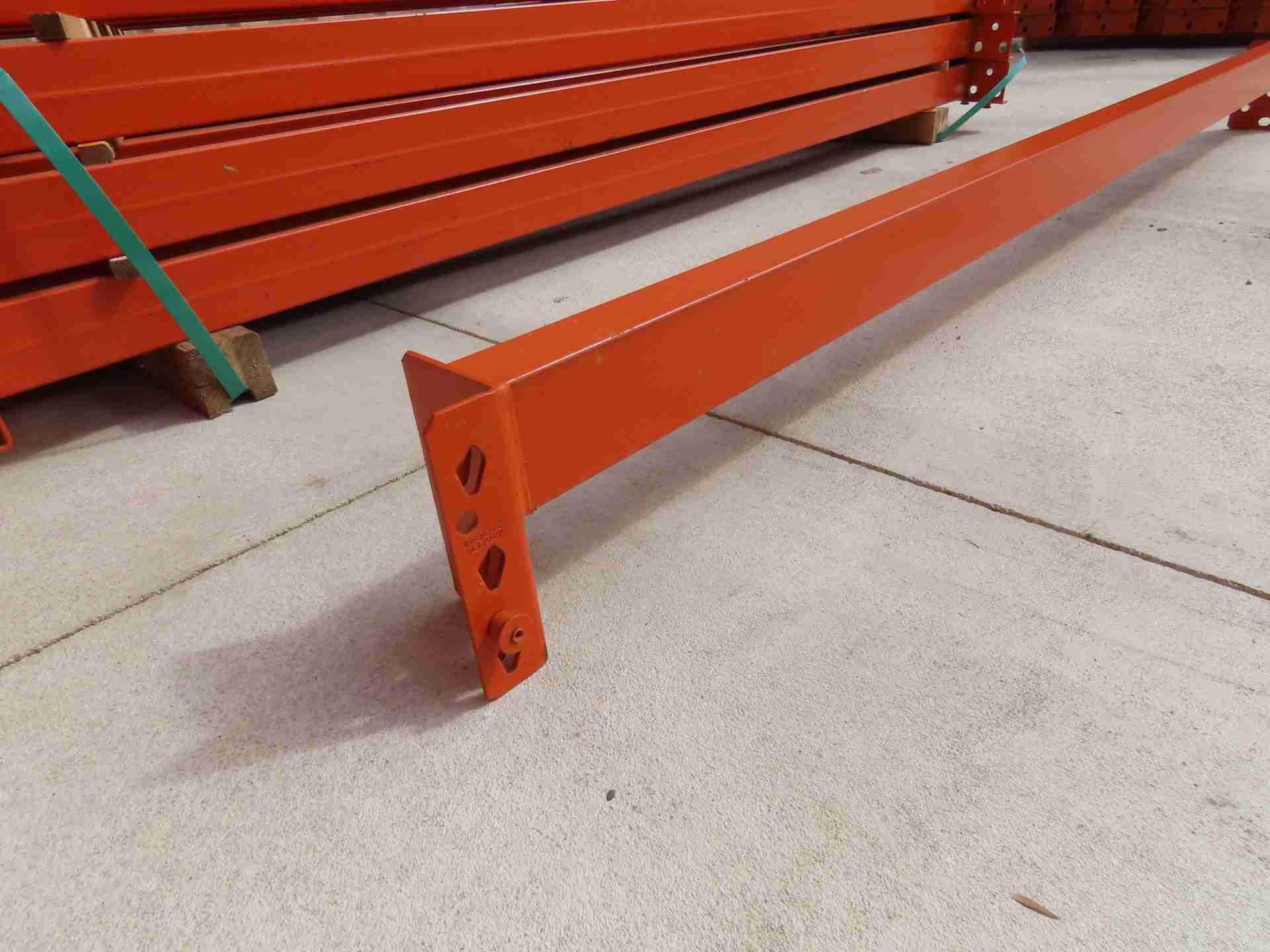
What Are The Potential Hazards Of Unsecured Storage Racks?
What Are The Potential Hazards Of Unsecured Storage Racks?
- Proper storage in warehousing is crucial for safety, efficiency, and profitability.
- Unsecured storage racks pose serious safety hazards, increasing risks of injury to employees.
- OSHA reports indicate thousands of workers are affected annually by improper storage practices.
- Financial repercussions from accidents include medical expenses, legal fees, and reputational damage.
- Social media can amplify the impact of safety incidents, affecting brand trust and loyalty.
- Disorganization from unsecured storage hinders inventory management and decreases productivity.
- Investing in proper storage solutions enhances safety, reduces costs, and promotes operational efficiency.
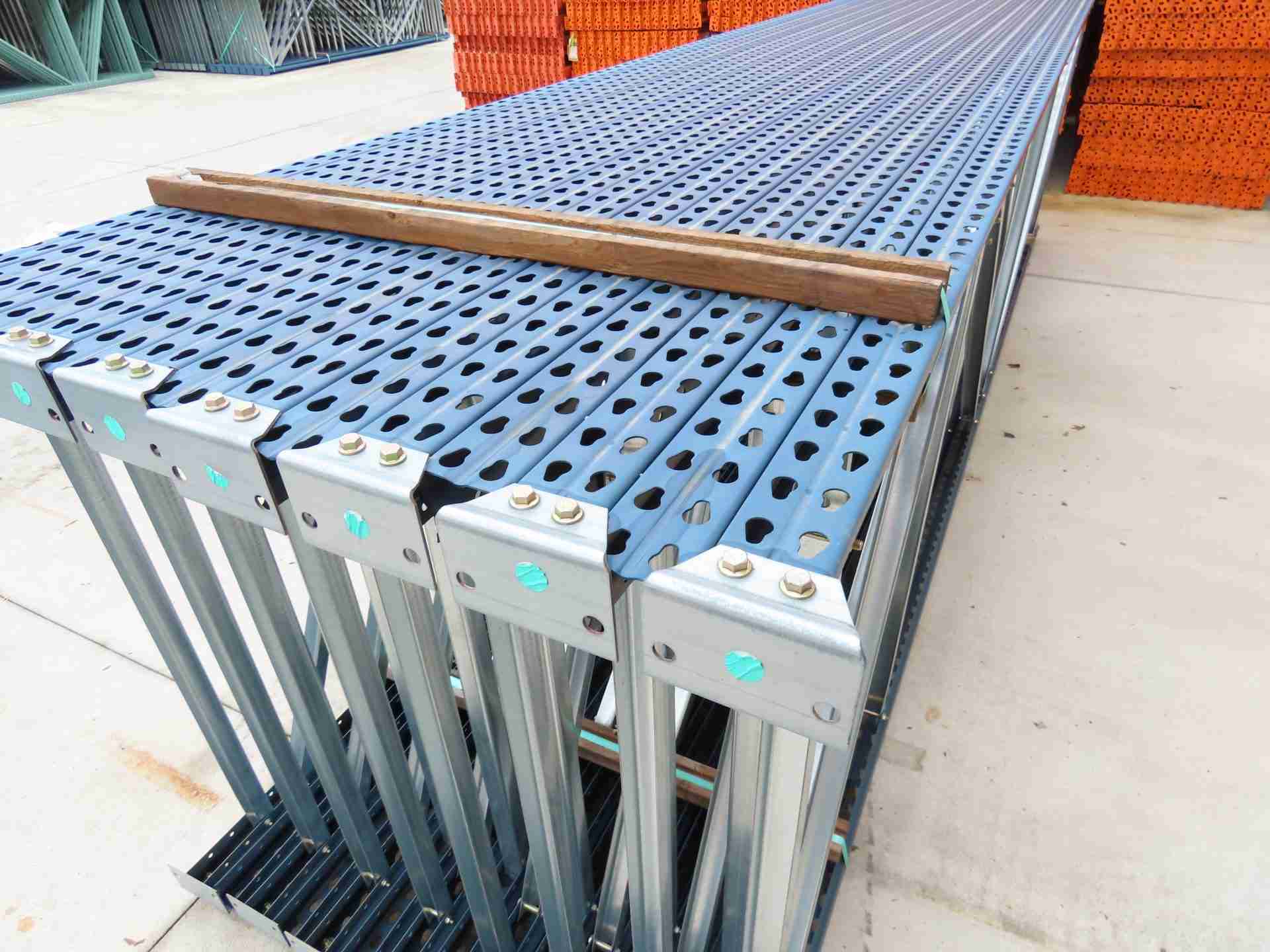
What Are The Potential Hazards Of Unsecured Storage Racks?
How Can I Ensure My Storage Racks Meet OSHA Standards?
How Can I Ensure My Storage Racks Meet OSHA Standards?
Ensuring your storage racks meet OSHA standards isn’t just a regulatory checkbox; it’s a vital investment into the safety and efficiency of your workspace. Non-compliance can lead to severe penalties, workplace accidents, and lost productivity. So, let’s delve into how you can take proactive steps toward creating a safety-first environment that protects your employees and your bottom line.
1. Understand the Standards: Knowledge is Power
First and foremost, familiarize yourself with OSHA’s regulations specific to storage racks. OSHA 1910.176 outlines the requirements for material handling, including proper installation and maintenance of storage racks. Consider arranging an annual training session for your staff or a quick e-learning module to keep everyone informed about safety standards. This not only promotes a culture of safety but also empowers your workforce.
2. Regular Inspections: Don’t Skip the Routine
A major element of compliance is conducting regular inspections of your racks. Create a check-list for inspections that includes signs of wear and tear, rust, or any other structural issues. For instance, if you operate in an industry where heavy items are stored, it’s crucial to ensure that the racks can handle the maximum load capacity. And don’t forget to document these inspections; this will serve as protection should a compliance review occur.
3. Educate Your Staff: An Informed Workforce is a Safe Workforce
Training is not a one-time affair. Implement a continuous education program to keep safety protocols fresh. For example, case studies of workplaces that suffered from storage rack failures can be powerful tools in driving the message home. Share stories of companies that faced hefty fines after failing to meet OSHA requirements or those that turned their operations around after prioritizing safety.
4. Invest in Quality Racks: Cheap is Expensive
Be wary of cut-rate storage solutions. Investing in high-quality racks that meet or exceed OSHA standards will save you money in the long run. Products that are designed with safety in mind often include features such as reinforced steel, better load distribution, and smart designs that minimize hazards. Look for certifications or compliance markings as proof of quality.
5. Stay Updated: OSHA is Always Evolving
Lastly, compliance is not a one-and-done affair. Stay engaged with OSHA updates and changes in regulations, which can happen frequently. Subscribe to industry newsletters or join local business associations that provide valuable resources and updates.
By taking these proactive steps, not only do you ensure compliance, but you cultivate a culture of safety that resonates throughout your entire organization. After all, a safe workplace is a productive workplace.
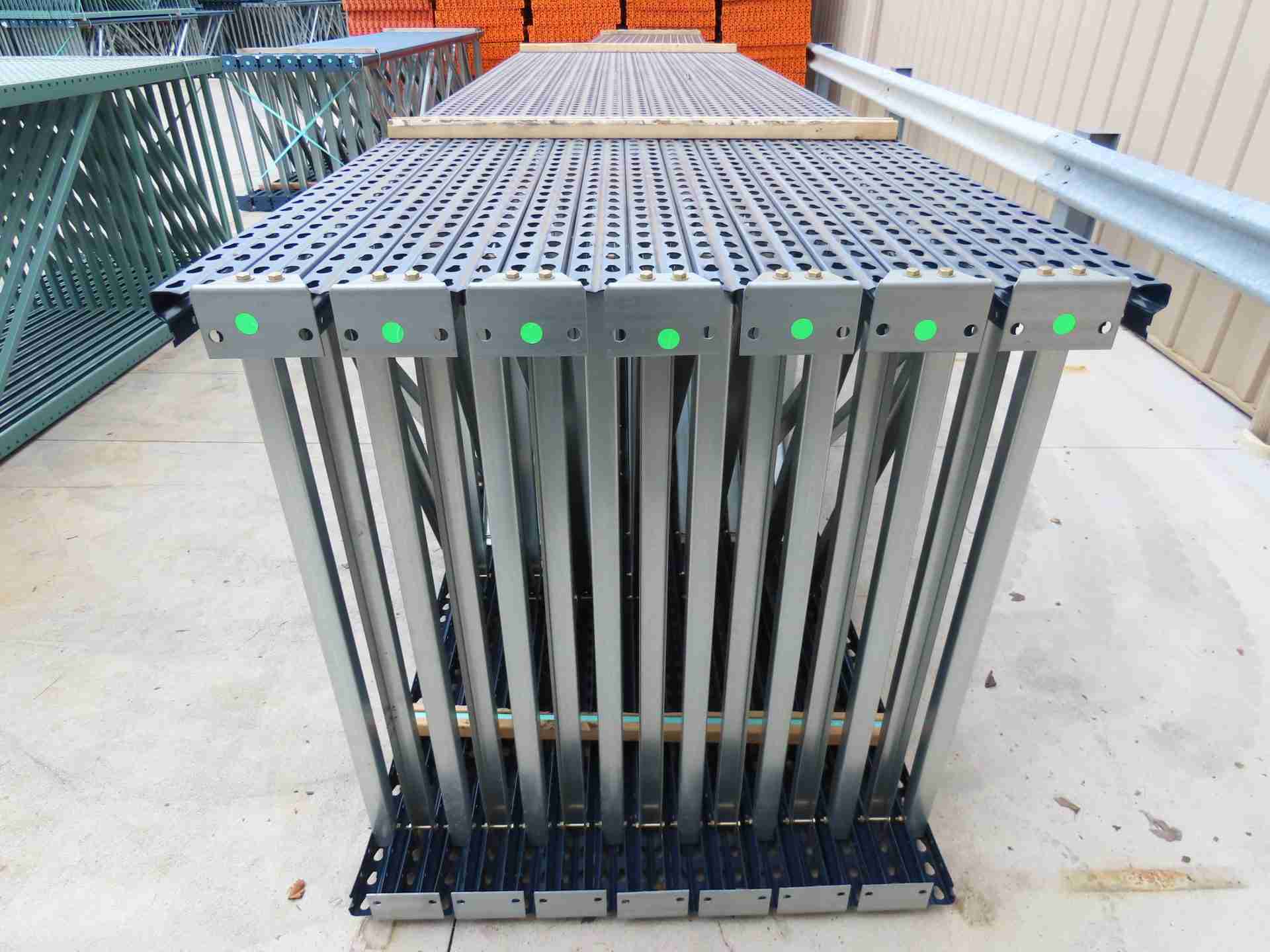
How Can I Ensure My Storage Racks Meet OSHA Standards?
How Can I Ensure My Storage Racks Meet OSHA Standards?
- Understand the Standards: Familiarize yourself with OSHA 1910.176 regulations regarding storage racks and consider annual staff training to promote a safety-focused culture.
- Regular Inspections: Conduct routine inspections to check for wear, rust, and structural issues; document these inspections for compliance verification.
- Educate Your Staff: Implement continuous education programs by sharing case studies about storage rack failures and their consequences.
- Invest in Quality Racks: Choose high-quality storage racks that meet or exceed OSHA standards to avoid long-term costs associated with cheaper options.
- Stay Updated: Keep abreast of OSHA updates and regulatory changes by subscribing to newsletters or joining local business associations.
- Safety is an Investment: Recognize that compliance with OSHA standards is crucial for preventing penalties and ensuring a safe work environment.
- Cultivate a Safety Culture: Proactively engage in safety measures to enhance workspace efficiency and protect employee well-being.
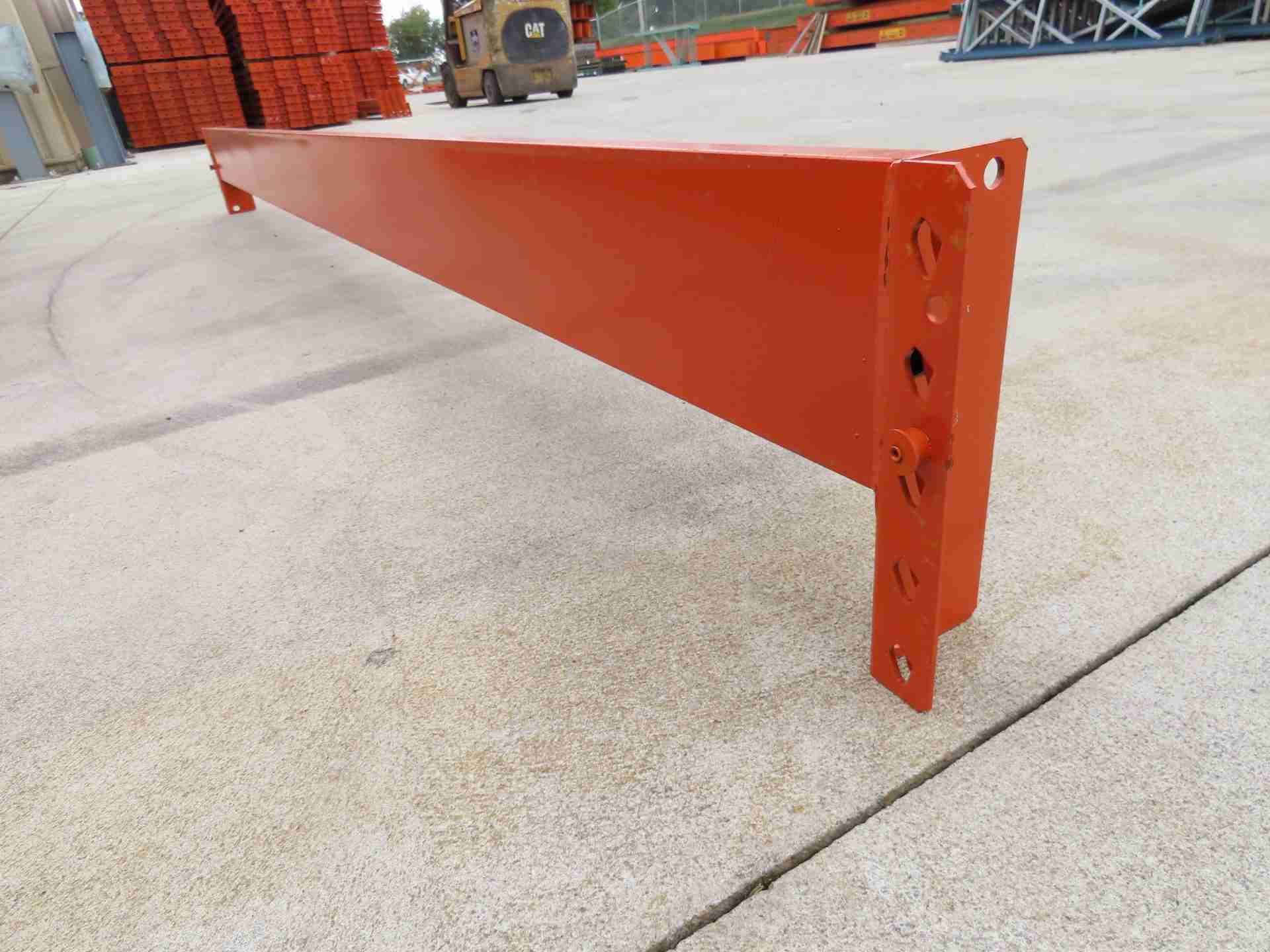
How Can I Ensure My Storage Racks Meet OSHA Standards?
What Types Of Anchors Are Compliant With OSHA Regulations?
What Types of Anchors Are Compliant With OSHA Regulations?
When it comes to safety in the workplace, especially for those working at heights, understanding the types of anchors that comply with OSHA regulations isn’t just a legal obligation—it’s a matter of life and death. The Occupational Safety and Health Administration (OSHA) has laid down specific guidelines to ensure that workers are safeguarded, and understanding these can save businesses from penalties and, more importantly, save lives.
First and foremost, let’s delve into permanent anchors. These are typically installed as part of the building structure and are designed for long-term use. They often feature either a roof anchor point or a wall anchor, and must be capable of supporting at least 5,000 pounds when used with personal fall arrest systems. Products like the Guardian Fall Protection Permanent Roof Anchor not only meet OSHA standards but also ensure a solid connection point for your fall protection gear.
Next up, we have temporary anchors. These are crucial for tasks that require workers to be at height for a short duration. They can be easily installed and removed, making them incredibly versatile. If you’re looking for OSHA-compliant temporary anchors, check out DBI-SALA’s Temporary Horizontal Lifeline Kit. When installed according to specifications, it provides a solid, temporary point of attachment for workers.
Then there’s the segment of synthetic anchors, like those made from high-strength, lightweight materials. A standout example is the Miller DuraFlex Anchor. These anchors can be particularly useful in industries like construction or roof work where weight and ease of use are essential. They often exceed the standard requirements, proving that compliance doesn’t have to be heavy or complicated.
Furthermore, let’s not forget about mobile anchorage systems. As companies adapt to more flexible work environments, these systems allow for movable points of attachment and can easily provide compliant solutions wherever your work takes you. High-quality options, like the FallTech Mobile Fall Protection Cart, offer versatility without skimping on safety.
With recent statistics showing an alarming rise in workplace falls—accounting for nearly 33% of construction-related fatalities—it’s time to take your safety seriously. OSHA-compliant anchors are not just accessories; they’re essential tools for protecting your workforce. Investing in the right types of anchors not only fulfills your legal obligations but also builds a culture of safety within your organization.
Remember, compliance is not simply about avoiding fines—it’s about creating an environment where workers return home safely every day. Equip your team with the best anchors for the job and transform safety from a checklist to a core value of your organization. When you make safety a priority, the results will elevate every part of your business, from productivity to morale.
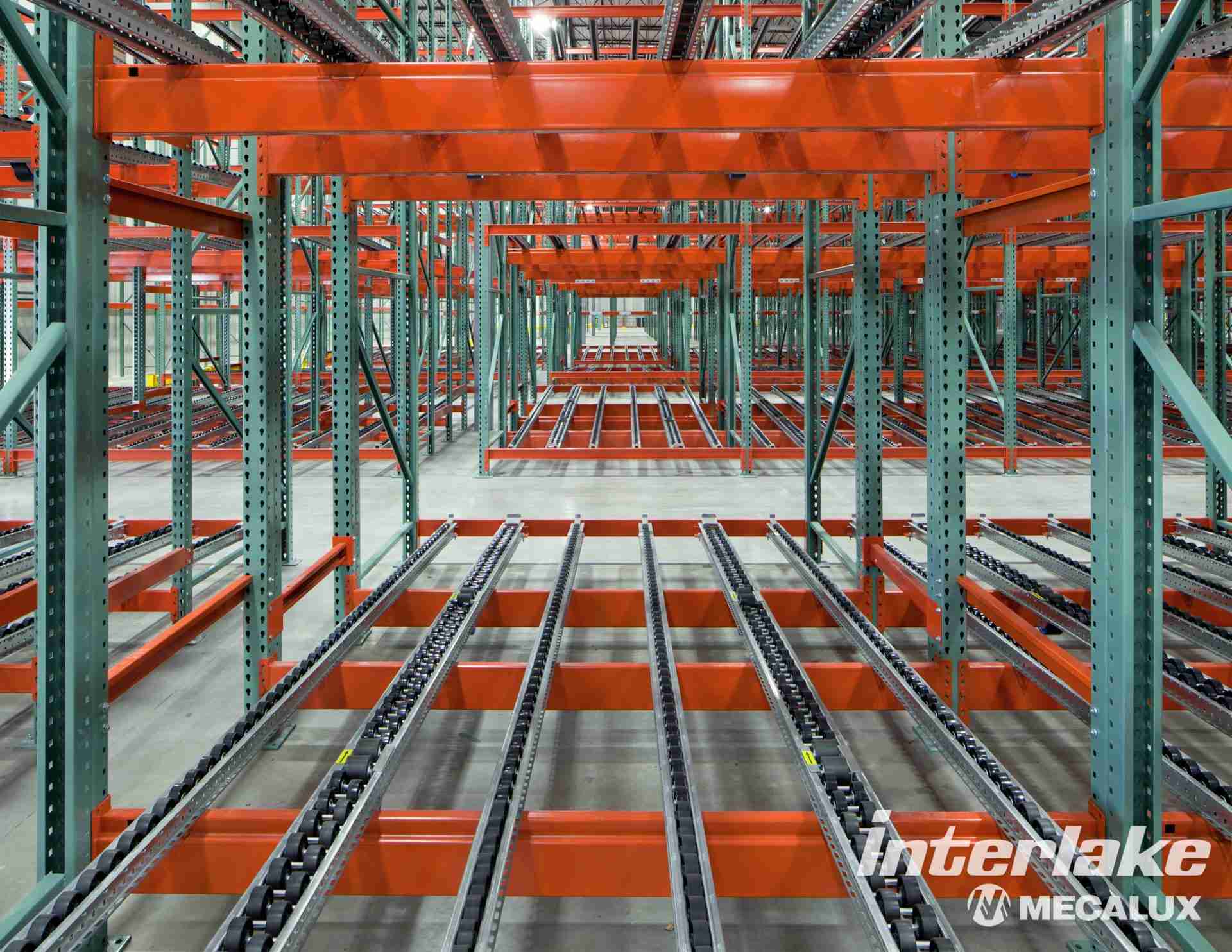
What Types Of Anchors Are Compliant With OSHA Regulations?
What Types Of Anchors Are Compliant With OSHA Regulations?
- Understanding OSHA-compliant anchors is crucial for workplace safety, especially for workers at heights.
- Permanent anchors are built into structures, designed for long-term use, and must support at least 5,000 pounds.
- Examples of permanent anchors include the Guardian Fall Protection Permanent Roof Anchor that meets OSHA standards.
- Temporary anchors are easily installed and removed, ideal for short-duration tasks; an example is the DBI-SALA Temporary Horizontal Lifeline Kit.
- Synthetic anchors, like the Miller DuraFlex Anchor, offer lightweight and high-strength options, surpassing standard requirements.
- Mobile anchorage systems provide versatile, compliant solutions for flexible work environments, such as the FallTech Mobile Fall Protection Cart.
- Focusing on compliance and safety builds a culture of safety within organizations, enhancing productivity and morale.
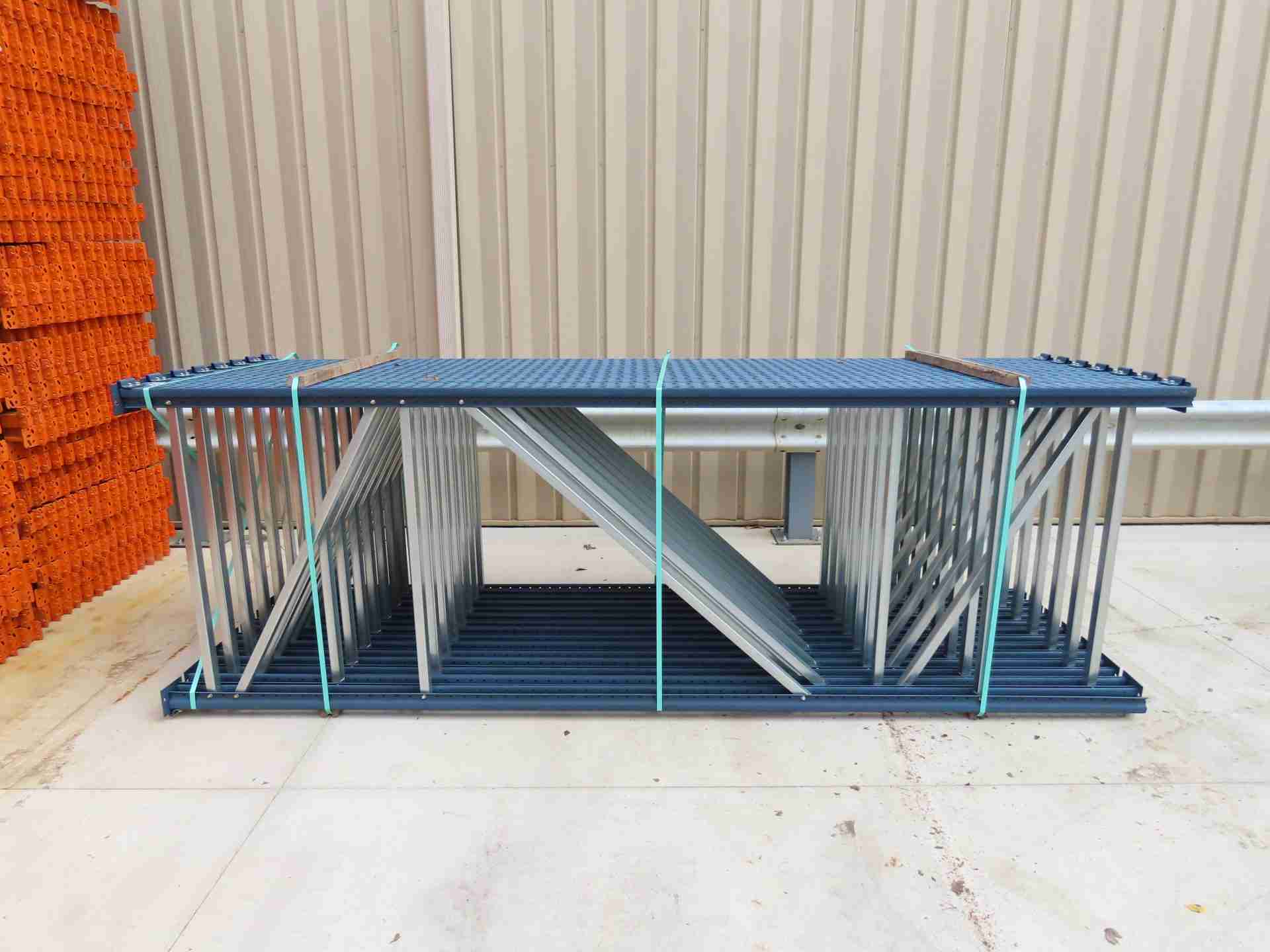
What Types Of Anchors Are Compliant With OSHA Regulations?
Are There Specific Installation Guidelines For Storage Rack Anchors?
When it comes to maximizing the safety and functionality of your warehouse or storage facility, the installation of storage rack anchors cannot be an afterthought. In a dynamic environment where efficiency meets safety regulations, you must be acutely aware of the specific installation guidelines that govern these vital components.
Firstly, anchoring your storage racks is crucial in preventing tipping, particularly when handling heavy loads. For instance, a facility handling automotive parts might need enhanced stabilization due to the weight distribution of the pallets being stored. According to the Occupational Safety and Health Administration (OSHA), the implementation of proper anchoring techniques can significantly reduce accidents, thus saving businesses from potential legal repercussions and loss in productivity.
One must ensure that the anchoring system is appropriate for the type of flooring in the storage area. For example, if your warehouse boasts a concrete floor, it’s imperative to use anchors specifically designed for concrete, such as expansion anchors or epoxy anchors. Conversely, if you’re dealing with a wood floor, lag screws might be your best choice. Ignoring these basic distinctions could lead to catastrophic failure and costly downtime, as seen in recent news where a warehouse collapse resulted from improper installations — a glaring reminder of why following guidelines is essential.
Furthermore, the spacing of anchors plays a pivotal role in the overall stability of your racks. Depending on the height, load capacity, and environment, the precise distance between each anchor can vary. Consider a multi-tier storage system; the upper tiers exert significant leverage on the lower ones. Empirical data suggests that spacing anchors every 5 to 8 feet for taller racks minimizes sway and enhances load security, creating a more resilient storage solution.
Safety regulations also advocate routine inspections post-installation. A proactive approach can uncover potential issues before they escalate, akin to how companies have pivoted in leveraging technology to monitor systems remotely. In today’s era of smart warehouses, using sensors to detect shifts in rack positioning can alert staff instantly, thereby maintaining compliance while improving overall operational efficiency.
In summary, adhering to specific installation guidelines for storage rack anchors is non-negotiable for serious businesses. Not only does it safeguard your assets and employees, but it also enhances your operational reputation in an increasingly safety-conscious marketplace. Whether you’re a small business or a large corporation, ensuring that your anchoring systems are aligned with industry standards and updated practices is a vital investment in your enterprise’s longevity and success.
Are There Specific Installation Guidelines For Storage Rack Anchors?
Are There Specific Installation Guidelines For Storage Rack Anchors?
Here’s a formatted bulleted HTML list summarizing the text:
- Storage rack anchors are essential for maximizing safety and functionality in warehouses.
- Proper anchoring prevents tipping of storage racks, especially when handling heavy loads.
- Different flooring types require specific anchoring solutions (e.g., concrete anchors vs. wood lag screws).
- Improper installation can lead to catastrophic failures and costly downtime.
- Anchor spacing is critical for rack stability; spacing every 5 to 8 feet is recommended for taller racks.
- Routine inspections post-installation are necessary to identify potential issues early.
- Adhering to installation guidelines enhances safety, operational efficiency, and business reputation.
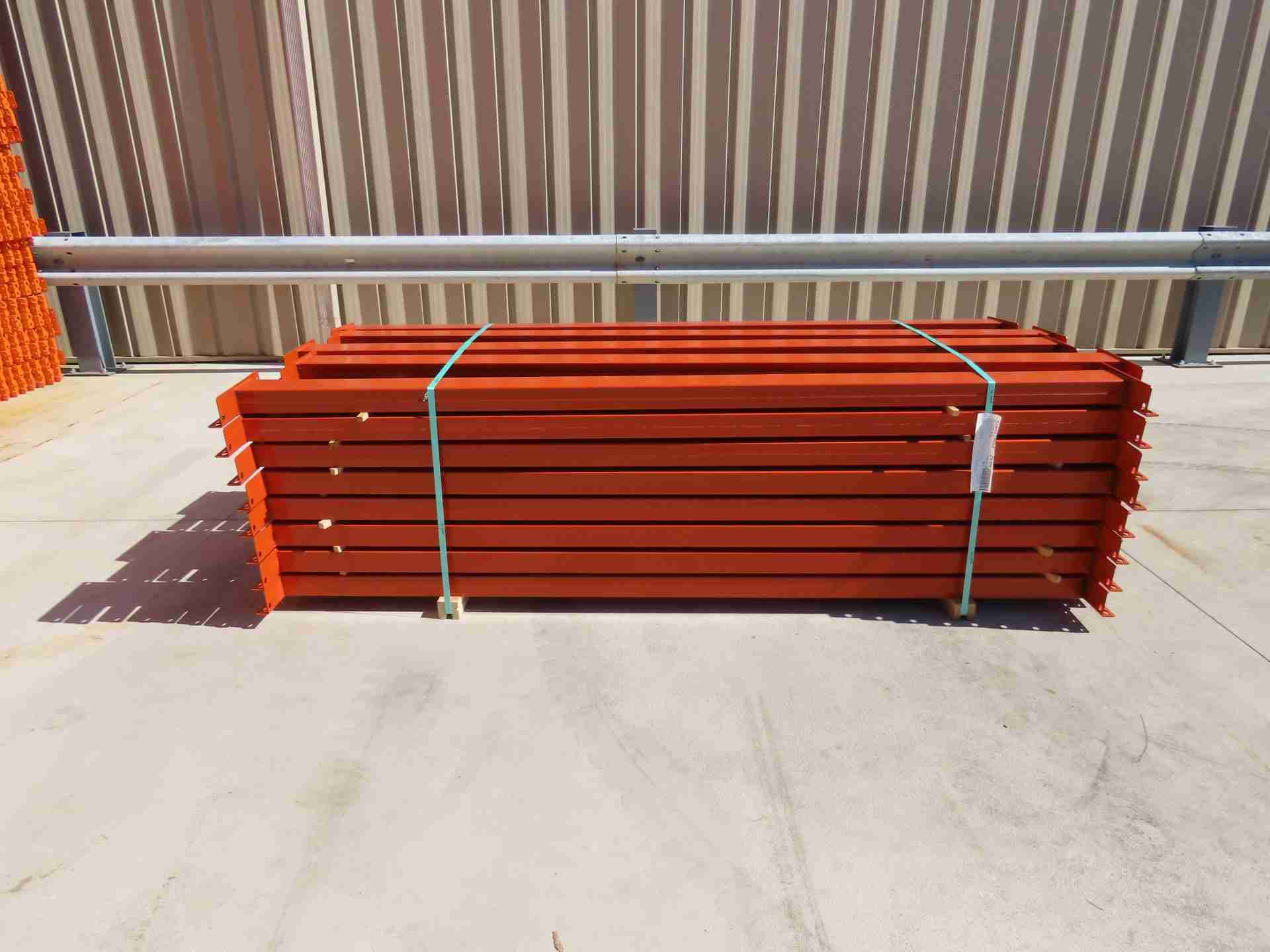
Are There Specific Installation Guidelines For Storage Rack Anchors?
How Do I Assess The Stability Of Storage Rack Anchors?
When it comes to the safety and efficiency of your warehouse operations, the stability of your storage rack anchors is non-negotiable. Neglecting an anchor’s stability can lead to catastrophic failures, costly damages, and may even endanger the lives of your employees. So how do you ensure that your storage rack anchors are as secure as they can be? Here’s a straightforward guide to assess their stability effectively.
1. Visual Inspections: The First Line of Defense
Begin with thorough visual inspections. Look for visible signs of wear and tear, like rusting, cracks, or loose connections. For example, following the recent collapse of a warehouse racking system in XYZ City—which resulted in hundreds of thousands in damages—inspectors discovered that a critical anchor had not been properly secured. Don’t let your warehouse become the next headline. Regular checks can prevent such disasters.
2. Load Testing: Know Your Limits
Next, it’s essential to understand the load capacities of your racking system. Engage a qualified professional to conduct periodic load tests. This involves applying progressively heavier weights to the racks until the anchors’ limits are reached, confirming they hold firm under strain. Similar to how bridges are tested for weight tolerance, your storage racks must demonstrate resilience during these evaluations.
3. Structural Integrity Assessment
Consider a comprehensive structural integrity assessment, especially if your racks are aging or if seismic activities are prevalent in your region. Partner with qualified engineers who can analyze the design and construction of your anchors. Notably, after the recent earthquake in California, many businesses rushed to evaluate their storage solutions, emphasizing that proactive measures can mitigate risk.
4. Proper Installation: The Foundation of Stability
Make sure your anchors are installed correctly according to manufacturer specifications. This not only includes correct placement but also proper materials. Utilizing sub-par anchors might save a buck, but you’ll pay dearly if disaster strikes. Educating your workforce on these procedures ensures everyone is mindful of the anchor’s importance—think of it as giving them a financial stake in the safety of your warehouse.
5. Regular Training and Protocol Updates
Finally, establish routine training sessions that focus on safety protocols associated with storage rack stability. Keeping your staff informed of potential risks and safety practices ensures a proactive approach to guarding against instability.
Assessing the stability of your storage rack anchors isn’t just about checking boxes; it’s about fostering a culture of safety. Implementing these measures today will safeguard your assets tomorrow, ensuring that your operations run smoothly and securely in a world where the unexpected can—and does—happen. Stay proactive, stay safe!
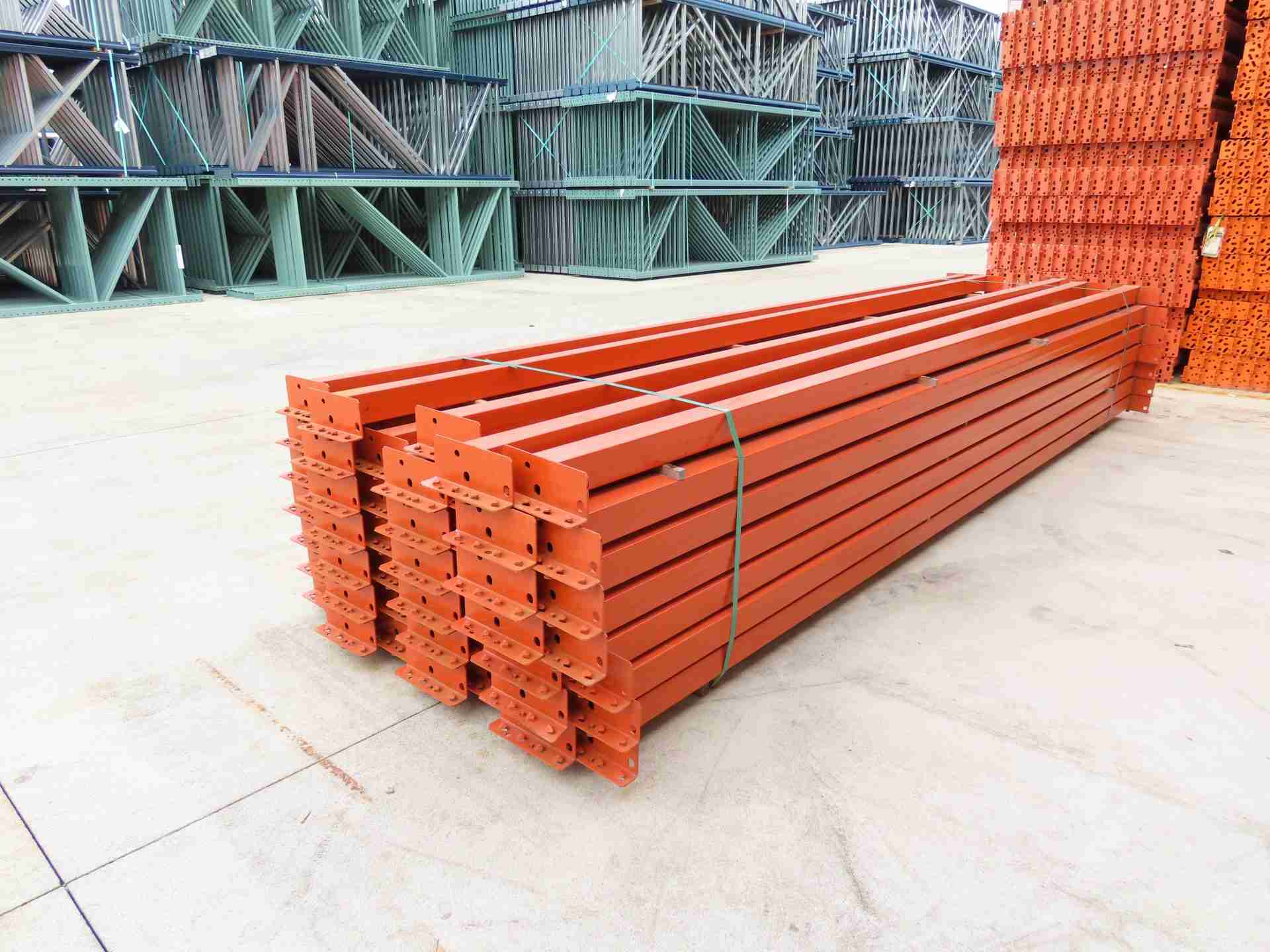
How Do I Assess The Stability Of Storage Rack Anchors?
How Do I Assess The Stability Of Storage Rack Anchors?
- Importance of Anchor Stability: Stability of storage rack anchors is crucial for safety and efficiency; neglect can lead to serious accidents and damages.
- Visual Inspections: Conduct thorough visual checks for signs of wear and tear, such as rust or cracks, to prevent potential disasters.
- Load Testing: Engage professionals to perform periodic load tests to confirm anchors can hold under strain and know the limits of your racking system.
- Structural Integrity Assessment: Partner with qualified engineers for a comprehensive assessment, particularly for aging racks or in seismic areas.
- Proper Installation: Ensure anchors are installed per manufacturer specifications using appropriate materials to avoid future problems.
- Regular Training: Hold routine training sessions on safety protocols regarding storage rack stability and update staff on potential risks.
- Proactive Safety Culture: Foster a culture of safety by implementing these measures, ensuring smooth and secure operations.
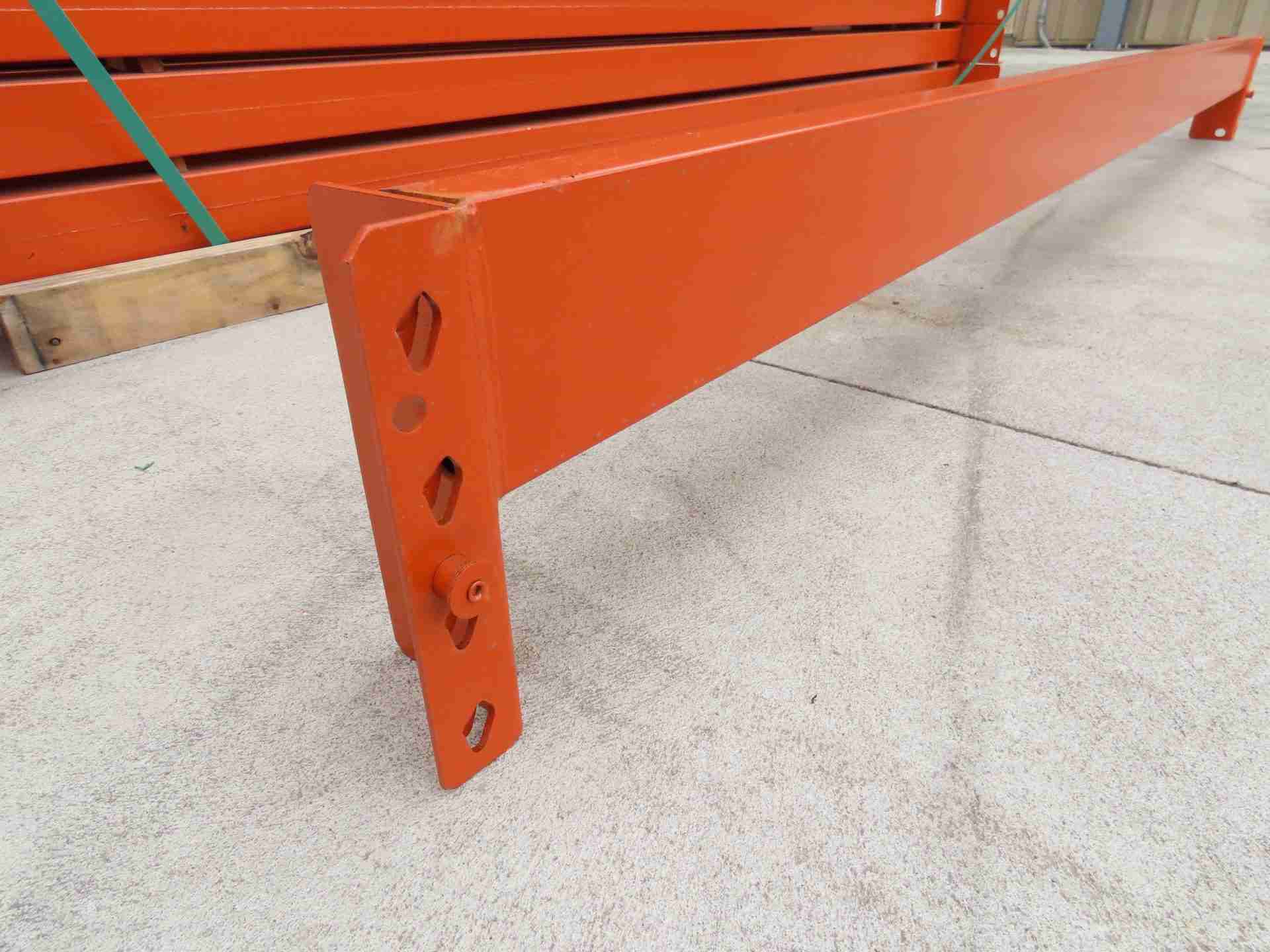
How Do I Assess The Stability Of Storage Rack Anchors?
What Penalties Can Occur For Non-Compliance With OSHA?
What Penalties Can Occur For Non-Compliance With OSHA?
Non-compliance with the Occupational Safety and Health Administration (OSHA) regulations is not merely a bureaucratic issue; it can lead to serious, tangible consequences for businesses. Ignoring these safety standards can result in hefty penalties, reputational damage, and even legal action. Understanding the repercussions can motivate organizations to prioritize compliance and protect their workforce.
Fines and Penalties: A Potentially Crushing Burden
OSHA has the authority to impose fines that can significantly impact your bottom line. The severity of these penalties varies based on the nature of the violation. For serious violations—where there is substantial probability of death or serious physical harm—fines can reach up to $15,625 per infraction. In cases of willful violations, where an employer knowingly fails to comply, penalties can skyrocket to $156,000. Imagine the impact of receiving multiple citations during a single inspection; businesses can quickly find themselves financially crippled.
Case Study: The Construction Industry
Take, for example, the construction industry, which is often at the forefront of OSHA inspections. In a notable recent case, a construction company was hit with fines totaling over $200,000 after multiple violations were uncovered during an inspection that highlighted hazardous working conditions. These types of penalties not only serve as a wake-up call to the company involved but also resonate throughout the industry, reminding others that the costs of non-compliance can be astronomical.
Reputational Damage: The Silent Assassin
The financial ramifications of non-compliance extend beyond just fines. A company’s reputation can suffer greatly after an OSHA citation. In today’s digital world, news travels fast. Negative publicity surrounding safety violations can lead to lost contracts, decreased customer trust, and difficulty attracting top talent. Imagine being in a position to bid on a lucrative contract, only to have potential partners conduct a background check and discover that your firm has a history of safety issues. The fallout can be devastating and long-lasting.
Legal Ramifications: A Pandora’s Box
Finally, it’s essential to consider the legal risks that accompany non-compliance. Workers injured due to unsafe conditions can file lawsuits, leading to costly settlements and legal fees. Such cases not only drain financial resources but can also divert management focus from core business operations.
The penalties for non-compliance with OSHA regulations can be staggering. From crippling fines and tarnished reputations to endless legal battles, the implications are serious and far-reaching. By prioritizing OSHA compliance, businesses not only protect their bottom line but also foster a culture of safety that can be a competitive advantage in today’s marketplace. Don’t wait for a violation to occur; invest in safety today and keep your business thriving tomorrow.
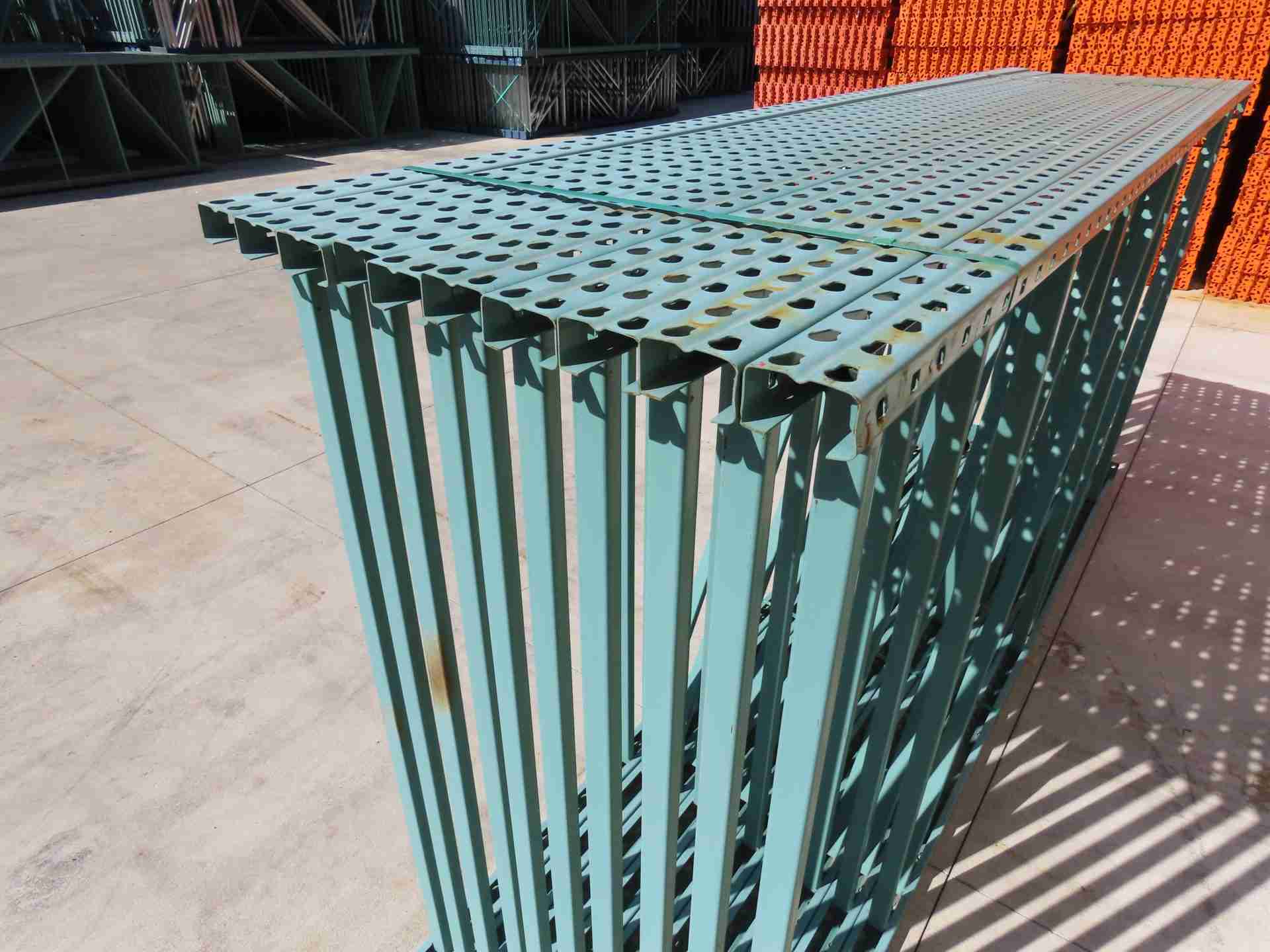
What Penalties Can Occur For Non-Compliance With OSHA?
What Penalties Can Occur For Non-Compliance With OSHA?
- Non-compliance with OSHA regulations can lead to serious consequences for businesses, including penalties and legal actions.
- Fines for serious violations can reach up to $15,625, while willful violations can incur penalties up to $156,000.
- The construction industry faces significant scrutiny and penalties, as highlighted by a recent case where a company was fined over $200,000.
- Reputational damage from OSHA citations can lead to lost contracts and difficulty in attracting talent.
- In the digital age, negative publicity from safety violations can spread quickly, impacting customer trust.
- Legal ramifications include potential lawsuits from injured workers, resulting in costly settlements and legal fees.
- Prioritizing OSHA compliance can protect businesses financially and foster a safer workplace culture, providing a competitive edge.
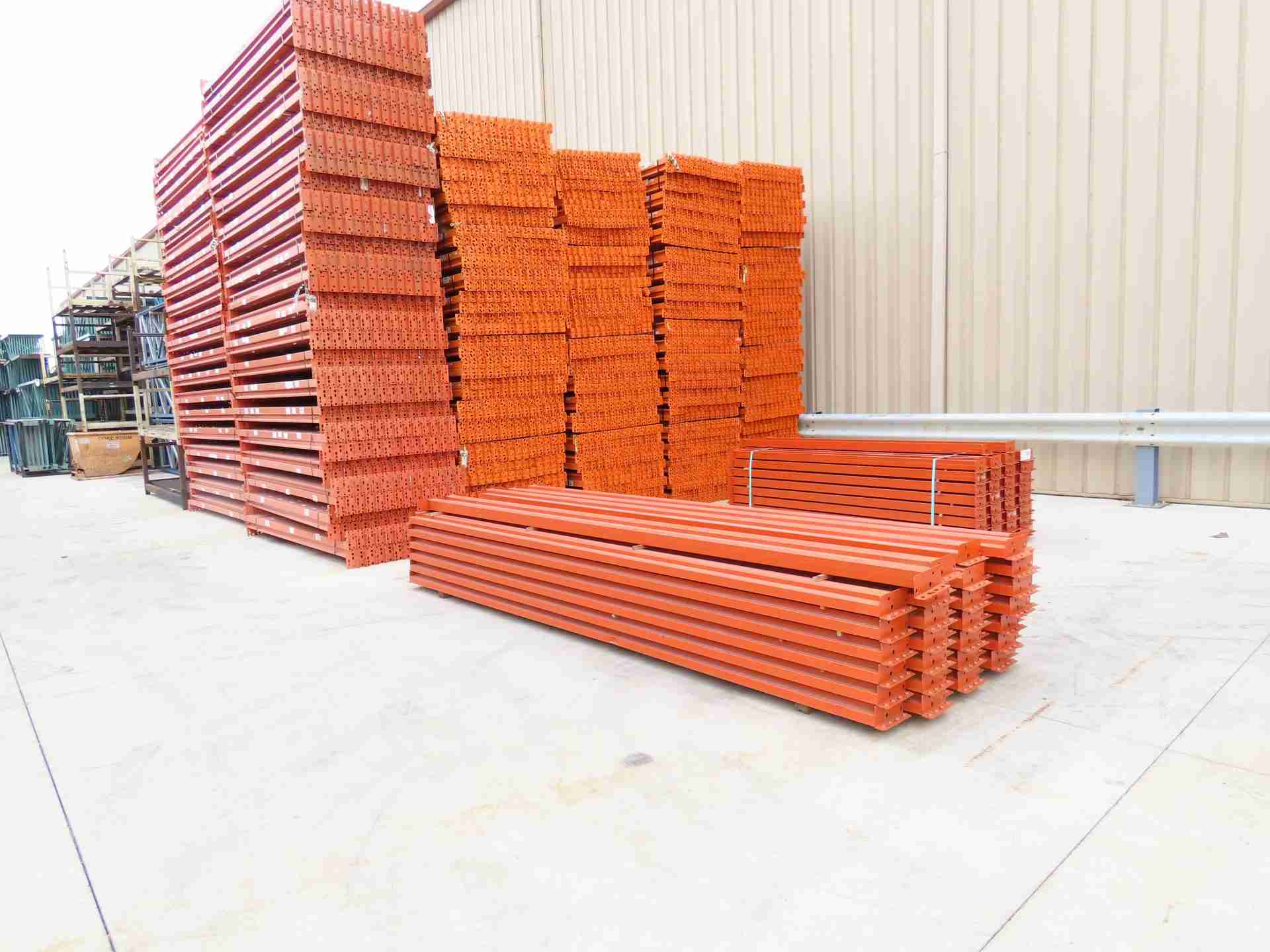
What Penalties Can Occur For Non-Compliance With OSHA?
Can I Retrofit Existing Racks To Meet OSHA Anchor Requirements?
Can I Retrofit Existing Racks To Meet OSHA Anchor Requirements?
When it comes to ensuring workplace safety, compliance with OSHA (Occupational Safety and Health Administration) regulations isn’t just an option—it’s a necessity. For many businesses, especially those within warehousing and manufacturing sectors, the question arises: “Can I retrofit existing racks to meet OSHA anchor requirements?” The answer is a resounding yes, but let’s delve deeper into the hows and whys.
First off, retrofitting existing racks is not only a viable solution; it’s often a cost-effective one. Instead of investing in completely new racking systems, which can drain your budget and lead to significant downtime, consider implementing upgrades that bring your current equipment in line with safety standards. For instance, adding OSHA-compliant anchor points to your racking system can drastically enhance stability without the need for a complete overhaul.
Recent changes in OSHA regulations emphasize the importance of securing vertical storage to prevent collapses and injuries caused by falling materials. In light of events like the ongoing supply chain crisis—which has placed unprecedented demands on warehouses—ensuring that your storage systems are safe and compliant has never been more critical. Remember the tragic incident last summer where a major distribution hub faced severe penalties due to inadequate racking safety measures? Don’t let your business become another statistic.
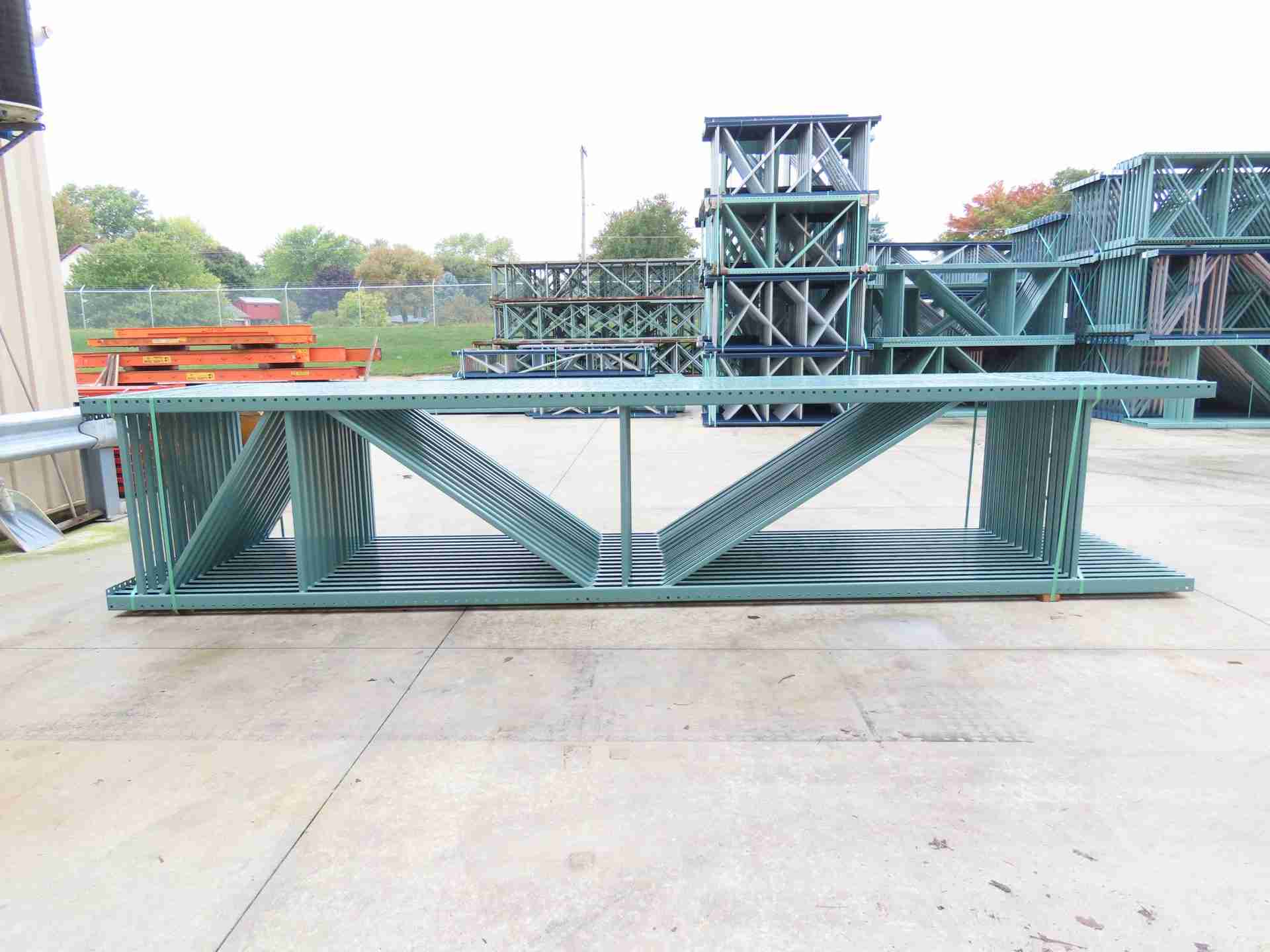
Retrofitting can include various modifications, such as enhancing the strength of existing uprights or adding cross bracing. You can also install guardrails and safety netting where necessary. Companies like Rack Builders, who specialize in retrofitting, provide comprehensive services to help businesses navigate these adjustments seamlessly, ensuring compliance with both local and federal guidelines.
Moreover, take advantage of available grants and local government incentives designed to encourage safety improvements in the workplace. These fiscal benefits can offset immediate costs, making your proactive measures not just safe, but also financially savvy.
Lastly, it’s crucial to engage with a certified racking engineer or safety consultant. These professionals will assess your current system and determine the most effective retrofitting strategies to meet OSHA requirements. They can help assess load capacities and ensure that any upgrades fully comply with current standards.
To wrap things up—retrofitting existing racks is not just about compliance; it’s about fostering a culture of safety within your organization. By taking the proactive steps now, you ensure that your facility runs smoothly and efficiently, protecting your valuable assets—your employees and your inventory. So don’t wait until it’s too late; act today to safeguard your business’s future.
Can I Retrofit Existing Racks To Meet OSHA Anchor Requirements?
Can I Retrofit Existing Racks To Meet OSHA Anchor Requirements?
- Compliance with OSHA regulations is essential for workplace safety in warehousing and manufacturing sectors.
- Retrofitting existing racks to meet OSHA anchor requirements is a viable and cost-effective solution.
- Adding OSHA-compliant anchor points can enhance stability without completely overhauling existing racking systems.
- Recent OSHA regulations stress the importance of securing vertical storage to prevent injuries and material collapses.
- Retrofitting may involve modifications like enhancing upright strength, adding cross bracing, guardrails, and safety netting.
- Engaging a certified racking engineer or safety consultant is crucial for effective retrofitting and compliance assessment.
- Proactive retrofitting fosters a culture of safety and protects both employees and inventory, ensuring smooth operations.

Can I Retrofit Existing Racks To Meet OSHA Anchor Requirements?
How Do Anchor Requirements Vary By Storage Rack Type?
When it comes to maximizing warehouse efficiency, understanding the anchor requirements for different storage rack types is crucial. Yet, many business owners overlook this vital aspect, often leading to costly mistakes and hazardous work environments. Let’s demystify the anchors and their varying needs based on the type of storage rack you choose.
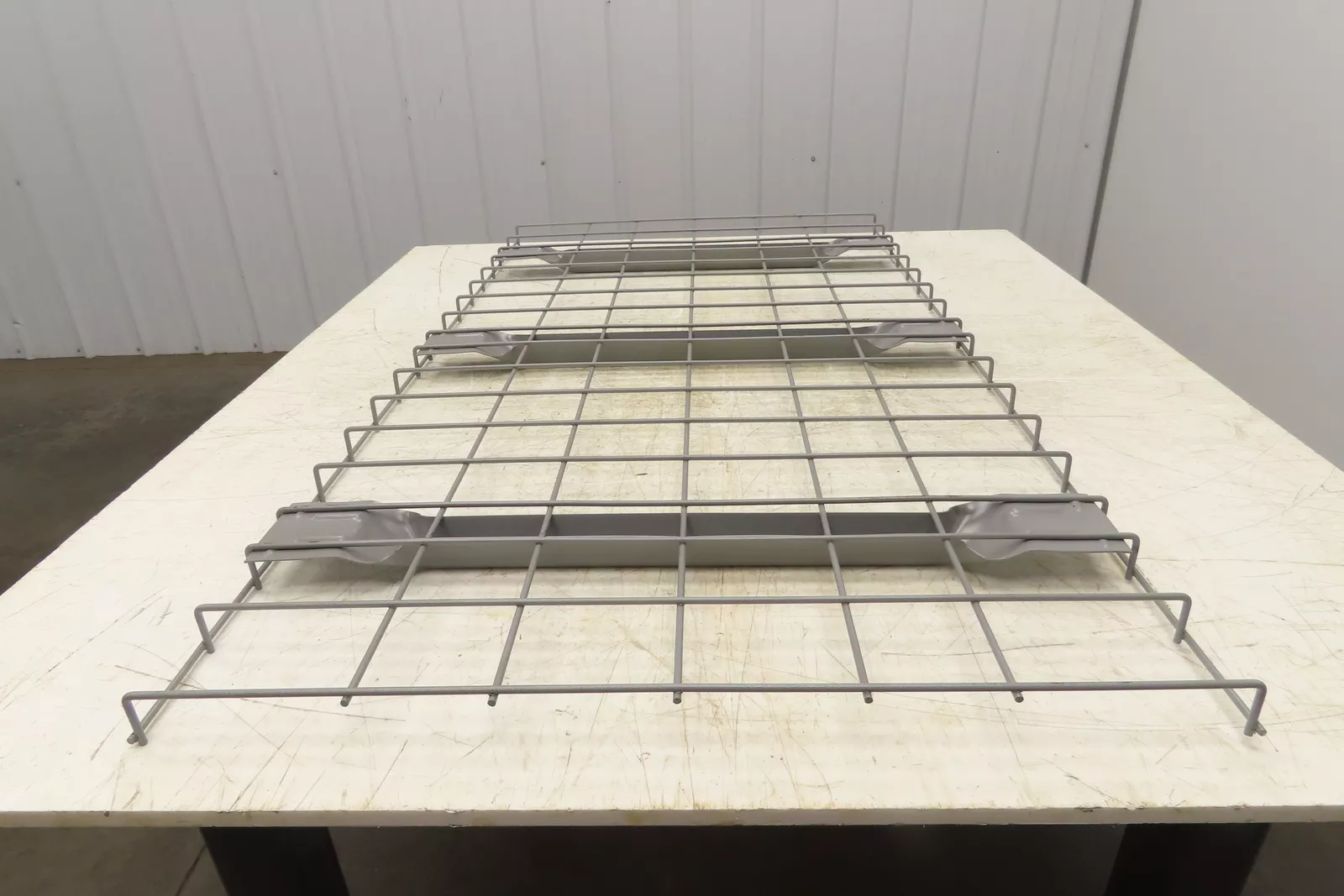
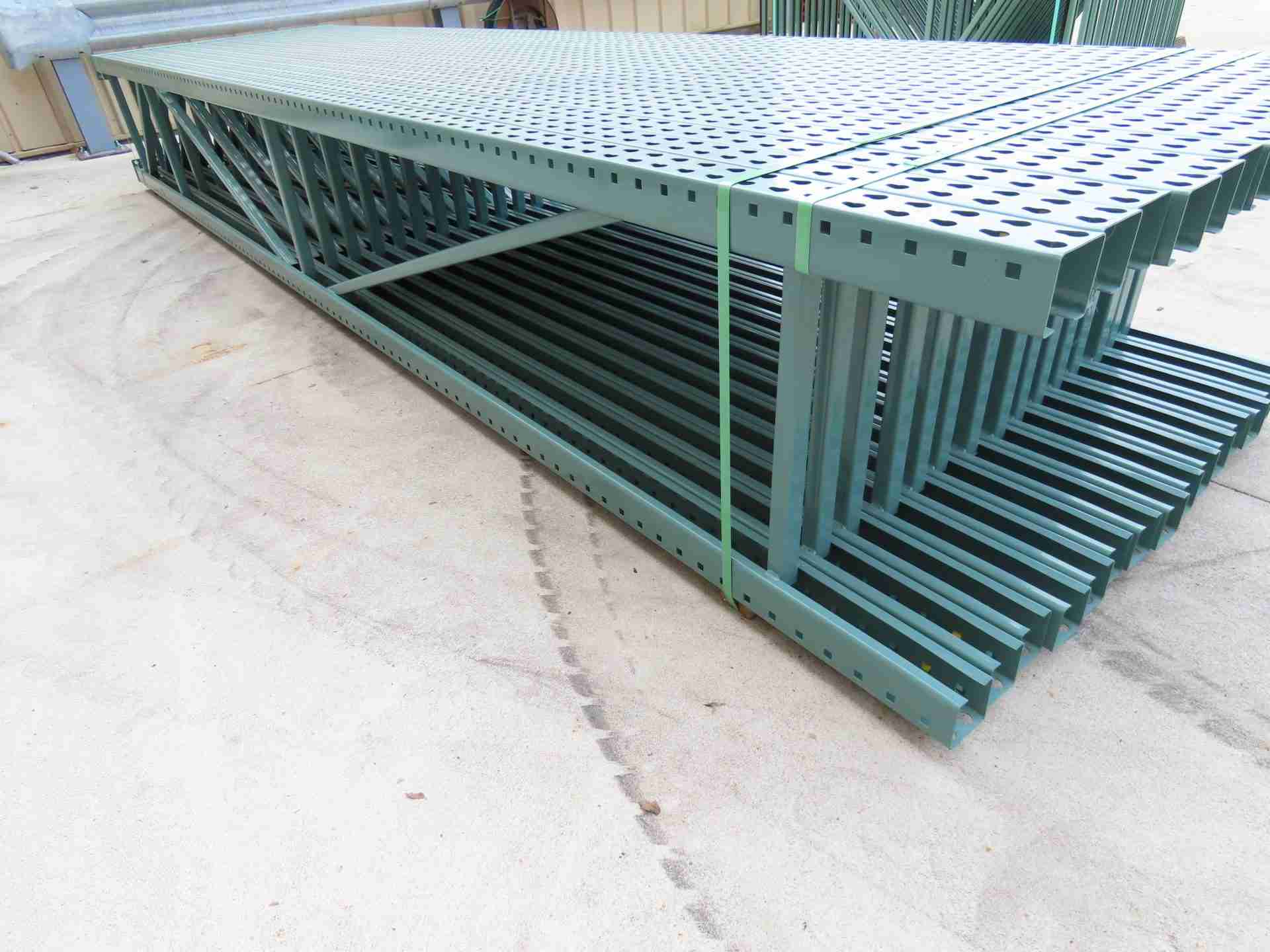
First off, let’s consider conventional pallet racks. Most warehouses rely heavily on these versatile systems for organizing goods. Anchor requirements for these racks are typically based on local building codes and the seismic zone of the location. In high seismic areas, like California’s earthquake-prone zones, using properly rated anchors—such as wedge or expansion anchors—is essential. These should be bolted to the concrete slab to ensure the stability of the racks, preventing tipping during seismic events, which can lead to devastating loss.
Next, we have drive-in and drive-through racks, designed for high-density storage. These systems often require more robust anchoring due to their size and the heavy equipment navigating through them. A common practice is to utilize shear wall anchoring. By embedding rods into the concrete and utilizing shear bolts, you can create a secure connection that withstands the lateral forces exerted by forklifts. Imagine the risk of a rack collapsing simply because it wasn’t properly anchored—this negligence could cost thousands in damages and potential injuries.
Moving on to mobile shelving, which has surged in popularity due to its efficient use of space, particularly in archival and library settings. These racks often come with specialized anchoring requirements to accommodate their unique movement. Without the right anchors, there’s a risk of instability as the units are opened or closed. For example, using a floor-locking mechanism, which immobilizes the racks when not in motion, becomes essential for ensuring safety.
As we navigate an increasingly safety-conscious market, regulatory bodies like OSHA continue to emphasize the importance of proper anchoring. Recent focus on workplace safety was highlighted during 2023’s “National Safety Month,” pushing businesses to reassess their storage systems critically.
In closing, it’s imperative to recognize that the anchor requirements you choose are not merely a box to check but a foundational element of your inventory management strategy. The right anchoring not only complies with regulations but also fosters a safer, more efficient environment. Equip your warehouse with knowledge, and let safety be your compass toward enhanced productivity!
How Do Anchor Requirements Vary By Storage Rack Type?
How Do Anchor Requirements Vary By Storage Rack Type?
- Understanding anchor requirements for storage racks is crucial for warehouse efficiency.
- Conventional pallet racks require anchors based on local building codes and seismic zones; proper anchors are vital in high seismic areas.
- Drive-in and drive-through racks need robust anchoring due to size and weight; shear wall anchoring is commonly used.
- Mobile shelving has unique anchoring needs to ensure stability during movement, requiring mechanisms like floor-locking.
- Regulatory bodies like OSHA stress the importance of proper anchoring for workplace safety.
- In 2023, “National Safety Month” encouraged businesses to evaluate their storage systems for safety compliance.
- The right anchoring is foundational for compliance, safety, and efficiency in inventory management.
How Do Anchor Requirements Vary By Storage Rack Type?
What Training Is Required For Staff On Storage Rack Anchors?
In the fast-paced world of warehousing and logistics, the safety and efficiency of storage systems are paramount. Within this, storage rack anchors play an essential role, ensuring that racking systems remain stable and secure. It’s not just about assembling racks and loading them with inventory – it’s about understanding the critical nuances of anchoring systems. To maintain safety and compliance, staff training on storage rack anchors is imperative.
First and foremost, training should begin with the fundamentals of storage racks and their purpose. Employees should learn how the right anchoring systems can prevent tipping and collapsing – situations that can lead to costly downtime and, more importantly, serious injuries. For instance, recent safety incidents in warehouses underscore the risks associated with improperly anchored racks. Just last quarter, a major retail distributor faced a significant OSHA fine due to an accident that stemmed from unsecured storage racks. This highlights the importance of robust training programs that can prevent similar outcomes.
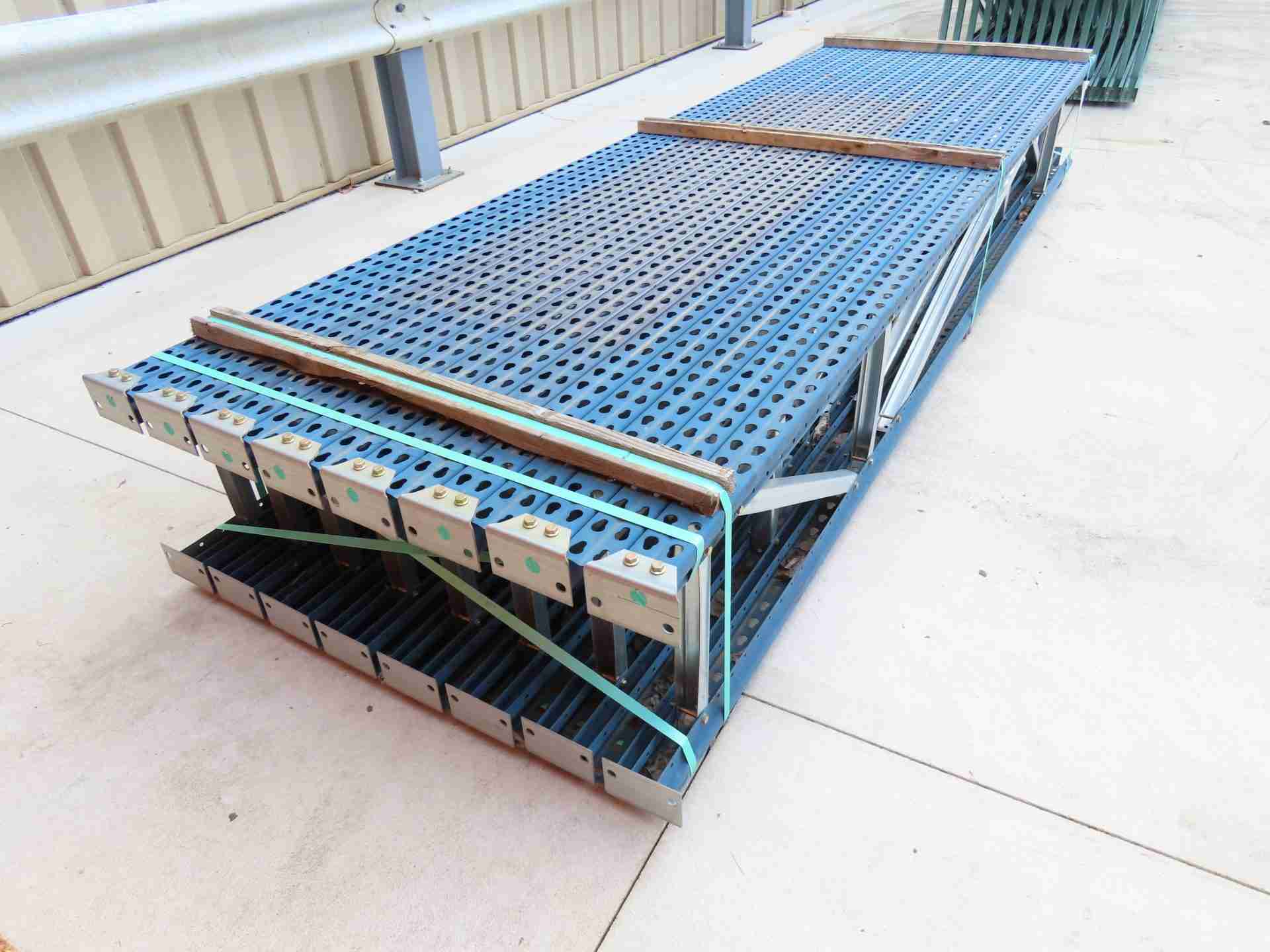
Next, training must delve into the various types of anchors available, including mechanical and chemical anchors. Staff should be equipped to distinguish between the different anchoring methods and understand which is appropriate for their specific racking systems. For example, employees should be aware of how heavy loads may necessitate specific anchor types and configurations. Simulating real-life scenarios during training can drive this message home. Consider implementing workshops where teams practice identifying the correct anchor type for different racking environments – from a small stockroom to a sprawling distribution center.
Moreover, safety protocols should be deeply integrated into the training modules. Workers must know how to regularly inspect anchoring systems and understand what to look for, such as signs of wear and tear. For example, the unexpected increase in e-commerce demand has led many warehouses to operate at full capacity. This intensified use can accelerate wear, making regular inspections vital. Establish a checklist that employees can utilize for these inspections, allowing them to take ownership of safety in their work environment.
Finally, ongoing education is essential. The warehousing landscape is continuously evolving, with regulations frequently updated. Providing refresher courses and up-to-date materials will ensure that your staff is not just compliant but also champions of safety in their workplace. Consider leveraging online platforms for training that can be accessed as needed, reinforcing knowledge while keeping your team sharp.
Investing in comprehensive training for storage rack anchors will not only protect your workforce but also enhance efficiency, reduce downtime, and ultimately drive business growth. Remember, a well-prepared team is the backbone of a secure and successful operation.

What Training Is Required For Staff On Storage Rack Anchors?
What Training Is Required For Staff On Storage Rack Anchors?
- Storage rack anchors are crucial for maintaining stability and security in warehouse racking systems.
- Staff training on storage rack anchors is essential to ensure safety compliance and prevent accidents.
- Training should cover the fundamentals and emphasize the importance of correct anchoring to prevent tipping and collapsing.
- Employees need to understand different types of anchors, including mechanical and chemical, and their appropriate applications.
- Hands-on workshops can enhance learning, helping employees identify suitable anchor types for various racking environments.
- Regular inspections of anchoring systems should be a part of training, utilizing checklists for signs of wear and tear.
- Ongoing education and refresher courses are vital to keep staff updated on evolving regulations and safety protocols.
What Training Is Required For Staff On Storage Rack Anchors?
Are There Any Resources For OSHA Storage Rack Compliance?
Are There Any Resources For OSHA Storage Rack Compliance?
Navigating the labyrinth of OSHA regulations can feel overwhelming, especially when it comes to storage rack compliance. But fret not! Numerous resources can help you ensure safety in your workplace while protecting your bottom line.
First off, the OSHA website serves as a goldmine of information. It features detailed guidelines and publications on workplace safety and proper storage practices. For example, OSHA’s *General Industry Standard* (29 CFR 1910.176) provides critical insights into material handling and storage, making it easier than ever for businesses to adhere to compliance measures. Bookmarking this resource will allow you to stay up-to-date with any regulatory changes that could affect your operations.
Moreover, industry-specific organizations, such as the Material Handling Industry (MHI), provide invaluable resources to help interpret and comply with these guidelines. They offer everything from white papers to best practice guides that distill complex information into actionable steps. For example, MHI’s recent publication on the dangers of improper pallet rack usage highlights trends in workplace accidents and provides strategies for mitigation.
In addition, attending relevant workshops and seminars can be a game-changer. Many organizations host events that not only cover OSHA compliance but also provide real-world case studies and testimonials from those who have faced challenges. Connecting with professionals who’ve already navigated these waters can offer practical insights that are often more valuable than standard resources.
And don’t overlook technology. Various compliance software platforms have emerged that can help you manage OSHA regulations and track compliance in real-time. The software analyzes your existing setup against OSHA standards and alerts you to potential violations. This not only saves you money in fines but also enhances operational efficiency—all while keeping your team safe.
If you’re looking for some current examples, consider the recent surge in e-commerce, where companies are increasingly dependent on complex storage systems to manage large inventories. These businesses must prioritize compliance to avoid disrupting their operations amidst rapid growth. Companies that succeed in this area can boost their marketing appeal, showcasing their commitment to safety and regulatory adherence, ultimately attracting more customers.
In summary, with resources like the OSHA website, industry organizations, workshops, and compliance technology, staying compliant with storage rack regulations is not just a possibility—it’s an achievable goal. By leveraging these tools, you can ensure that your workplace is both OSHA-compliant and optimized for success, enhancing both safety and your bottom line. Don’t wait; step up your compliance game today!
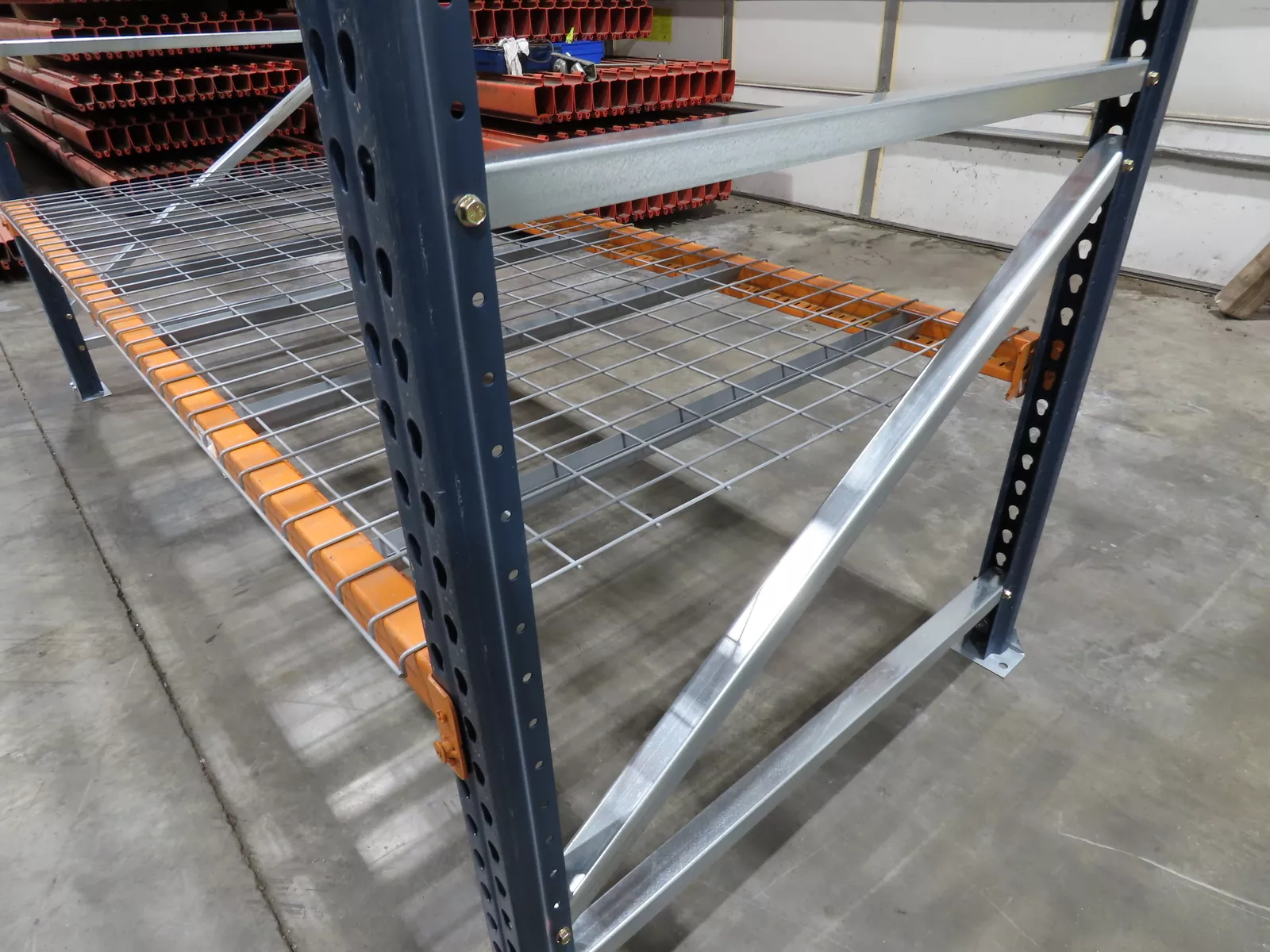
Are There Any Resources For OSHA Storage Rack Compliance?
Are There Any Resources For OSHA Storage Rack Compliance?
- The OSHA website offers comprehensive guidelines on workplace safety and storage practices.
- OSHA’s *General Industry Standard* (29 CFR 1910.176) provides key insights for compliance in material handling.
- Industry organizations like the Material Handling Industry (MHI) offer resources such as white papers and best practice guides.
- Workshops and seminars can provide practical insights through real-world case studies and testimonials.
- Compliance software helps manage OSHA regulations and tracks compliance in real-time.
- In e-commerce, companies relying on complex storage systems must prioritize compliance to avoid operational disruptions.
- Leveraging these resources can enhance workplace safety and improve overall business efficiency.
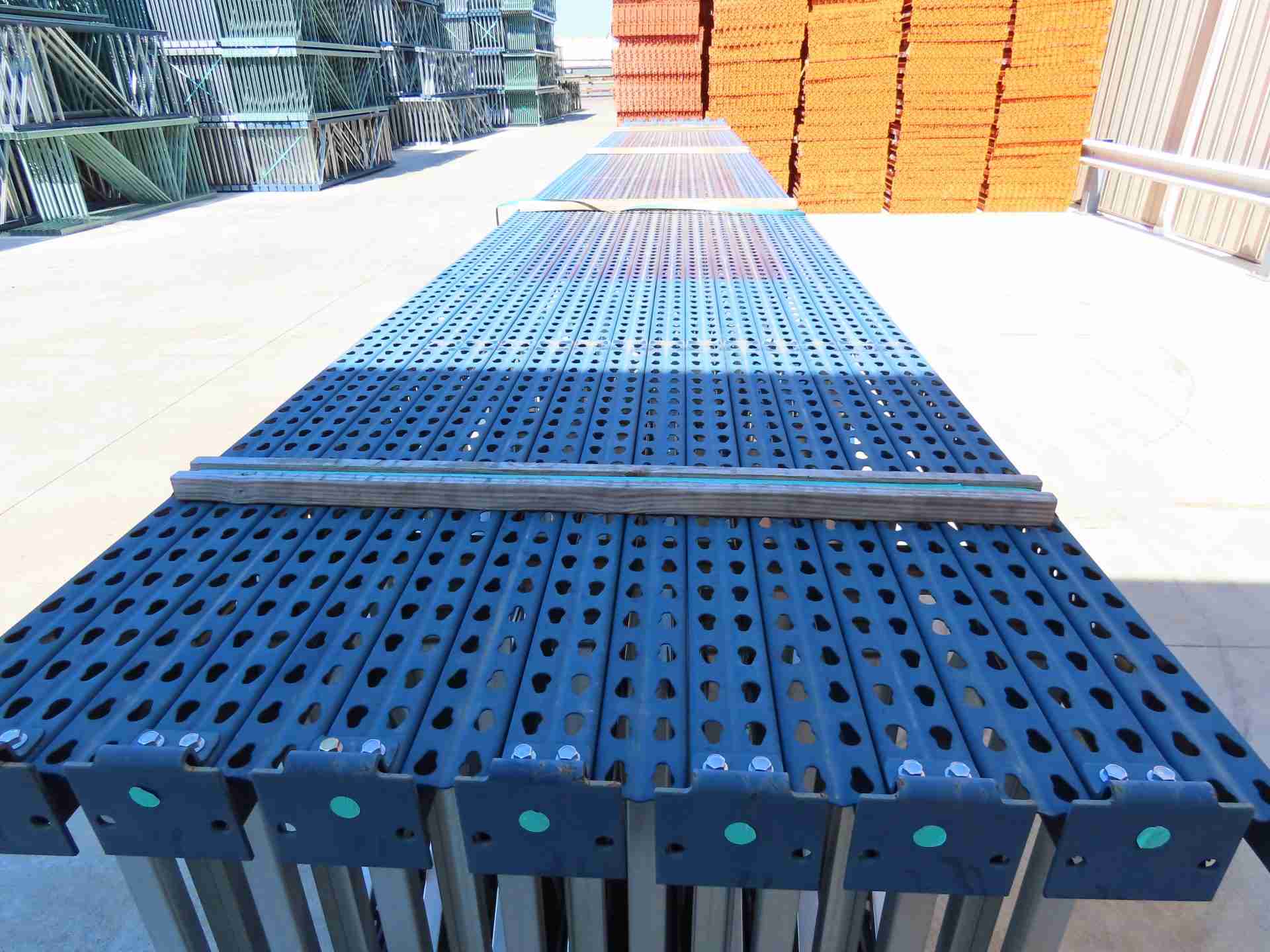
Are There Any Resources For OSHA Storage Rack Compliance?
How Do Environmental Factors Impact Storage Rack Anchoring?
In the ever-evolving landscape of warehousing and distribution, understanding the environment in which your storage racks operate is more critical than ever. The aftermath of extreme weather events like hurricanes or earthquakes highlights the importance of robust anchoring systems. Not only do these factors affect your operation’s efficiency, but they also play a crucial role in maintaining safety and compliance with industry regulations.
First, consider seismic activity. Regions prone to earthquakes have specific anchoring requirements to mitigate the risks associated with ground shaking. For instance, the 2020 Ridgecrest earthquake in California reminded many businesses of the importance of seismic bracing. Companies in seismic zones need not only to anchor their racks but also to assess their load-bearing capacities continuously, ensuring their structures can withstand unforeseen shaking and shifting.
Next, look at extreme weather events such as floods and high winds. The recent impact of Hurricane Ida showcased how even the most meticulously planned warehouses can be devastated if environmental factors aren’t considered. Flooding can undermine a building’s foundation, thus affecting the integrity of anchored storage racks. Materials that rust or degrade over time can lead to failures in the anchoring system. Businesses must also evaluate their anchoring strategies against wind loads, especially in coastal areas or regions prone to tornadoes. Anchoring systems made from high-quality, weather-resistant materials may be the difference between a thriving operation and a catastrophic failure.
Temperature extremes, notably in areas experiencing significant seasonal shifts, can also affect storage safety. Racks anchored with adhesives may lose effectiveness in extreme heat or cold, compromising stability. Regular maintenance and inspections become indispensable for understanding how these temperature fluctuations impact your anchoring solutions.
Furthermore, consider the business ramifications of neglecting environmental stresses. The cost implications of a storage rack collapse can be staggering—not just financial, but also in terms of reputation. In today’s world, where compliance and safety oversight are more stringent, a failure to address environmental factors can lead to costly fines, not to mention the loss of customer trust.
A proactive approach to assessing and optimizing storage rack anchoring against environmental factors is essential. This isn’t just about compliance; it’s about securing your investment, protecting your people, and ensuring operational continuity in an unpredictable world. By staying informed and adaptable, you set the stage for business resilience and success, no matter the environmental challenges you face.
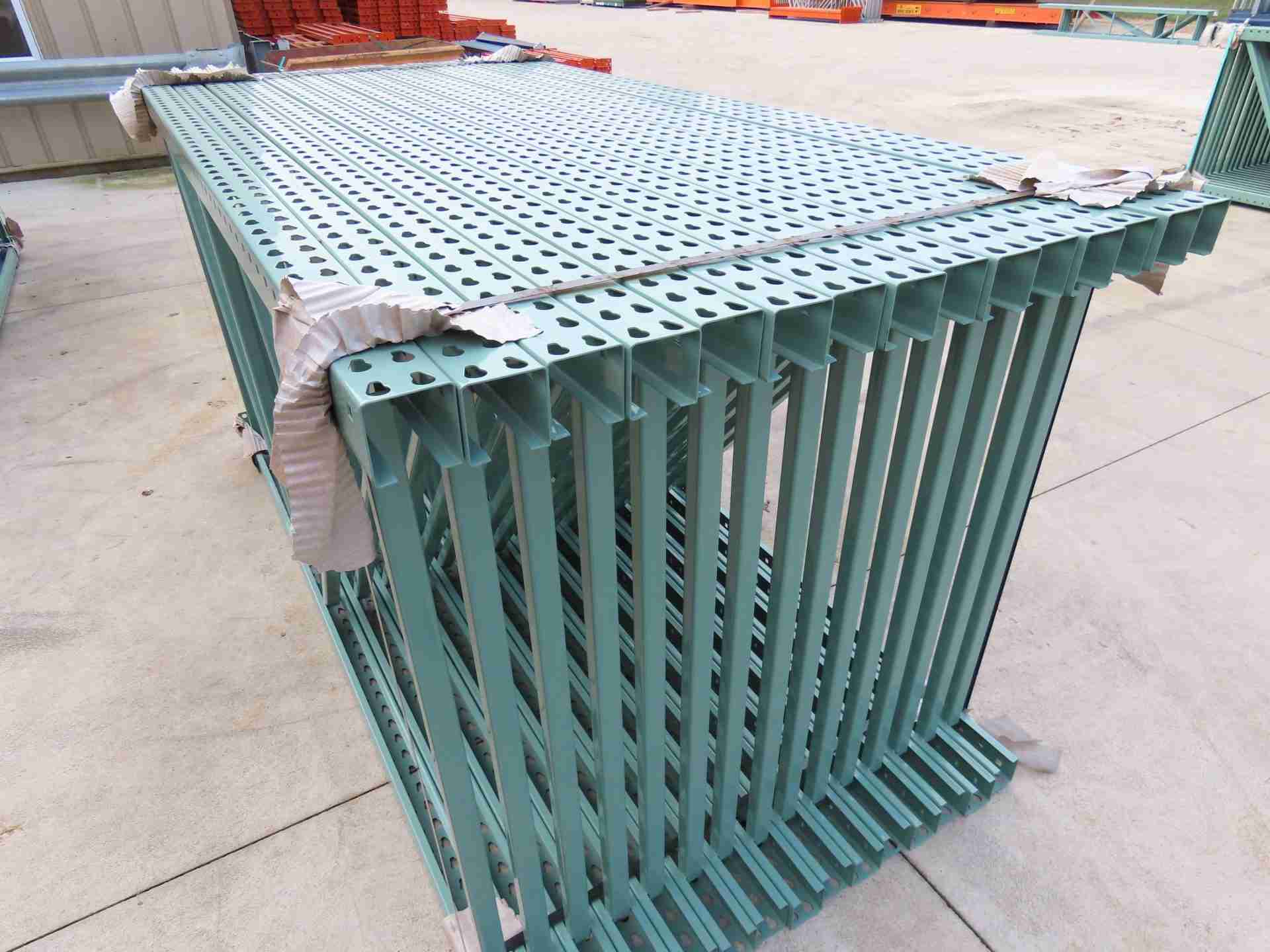
How Do Environmental Factors Impact Storage Rack Anchoring?
How Do Environmental Factors Impact Storage Rack Anchoring?
- Understanding the storage rack environment is crucial for warehousing and distribution safety and compliance.
- Seismic activity requires specific anchoring systems to mitigate risks associated with earthquakes.
- Extreme weather events, such as floods and high winds, can undermine storage rack integrity and operational efficiency.
- Temperature extremes can compromise building stability; adhesives may lose effectiveness in severe conditions.
- Neglecting environmental stresses can result in significant financial costs and damage to business reputation.
- A proactive approach to assessing and optimizing storage rack anchoring is essential for operational continuity.
- Staying informed and adaptable contributes to business resilience against unpredictable environmental challenges.
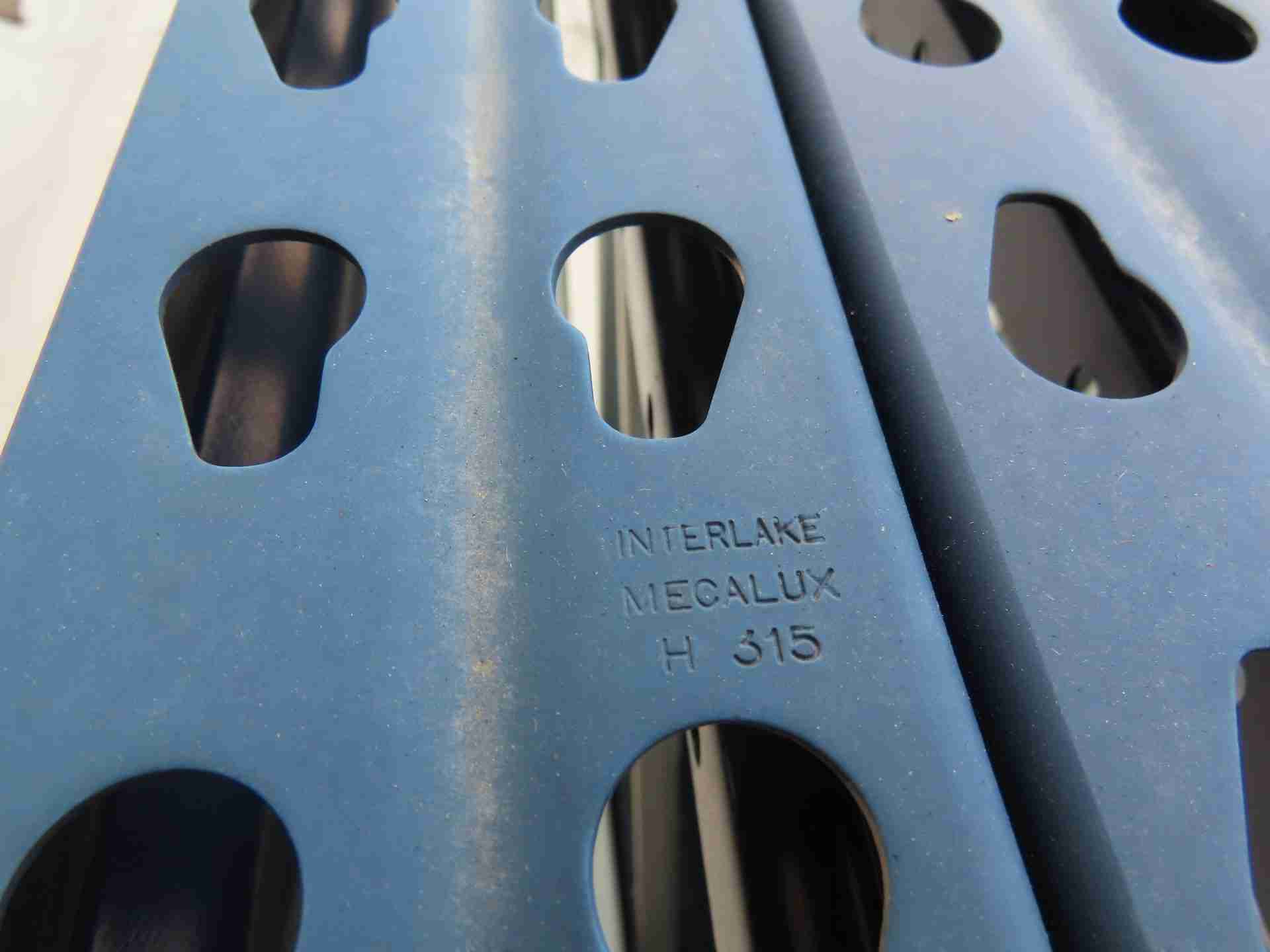
How Do Environmental Factors Impact Storage Rack Anchoring?
Conclusion
Conclusion
In the ever-evolving landscape of workplace safety and compliance, understanding and adhering to OSHA storage rack anchor requirements is not merely a regulatory obligation; it’s a strategic advantage for any business that relies on storage systems for efficiency and security. At Arrow Industrial Sales, we recognize the critical importance of these regulations and the profound impact that properly anchored storage racks can have on your organization’s safety, productivity, and bottom line.
Imagine the repercussions of neglecting proper anchoring—a toppled rack causing serious injuries to workers, damage to expensive inventory, and the potential fallout of legal penalties and reputation damage. With OSHA regulations mandating effective anchoring to mitigate such risks, taking proactive steps helps your company maintain compliance while safeguarding employees and assets alike. This begins with understanding the specific requirements for your type of storage rack, whether conventional pallet racks, drive-in systems, or mobile shelving, and ensuring that your anchoring strategy aligns with both local guidelines and environmental factors.
Regular inspections and maintenance are not just good practices; they’re essential components of compliance. By implementing a robust inspection schedule, you can detect potential weaknesses before they escalate into costly disasters. Furthermore, investing in quality materials such as anchor bolts and cross-bracing kits empowers your storage system to withstand the pressures of daily operations, ultimately enhancing productivity and employee morale.
But don’t wait for an accident to happen—take action now! Call Arrow Industrial Sales at (574) 349-6575 to get the information you need to elevate your storage safety standards. Our expert team is ready to guide you through the regulatory maze, ensuring your warehouse is not only compliant with OSHA requirements but optimized for efficient operations.
In today’s fast-paced market, where supply chains are constantly challenged and demand is ever-increasing, the time for action is now. Equip your facility with the right storage solutions and anchor systems to create a safer, more productive environment. Prioritize safety and compliance today, and watch your business thrive in a reputation built on diligence and care for your workforce. Don’t let preventable accidents derail your operations—secure your storage and fortify your company’s future!
Conclusion
Conclusion:
- Understanding OSHA storage rack anchor requirements is crucial for workplace safety and compliance.
- Properly anchored storage racks enhance safety, productivity, and the bottom line for businesses.
- Neglecting anchor requirements can lead to serious injuries, inventory damage, and legal repercussions.
- It’s important to understand specific anchoring requirements for various rack types, including pallet racks and mobile shelving.
- Regular inspections and maintenance of storage systems are essential for compliance and safety.
- Investing in quality materials improves the resilience of storage systems and boosts employee morale.
- Contact Arrow Industrial Sales for expert guidance on OSHA compliance and effective storage solutions.
Conclusion
Other Resources
Other Resources
Here is a list of other resources you can review online to learn more:
- “1926.250 – General requirements for storage.”
- “What Does OSHA Say About Pallet Rack Safety?”
- “1910.176 – Handling materials – general.”
- “Citation 1477920.015/01001 | Occupational Safety and …”
- “Seismic Forces and Warehouse Pallet Racks”
- “SAFETY POLICY MANUAL”
- “2023 Construction Manual compiled – Caltrans – CA.gov”
- “1926 | Occupational Safety and Health Administration”
- “West Virginia Division of Labor OSHA Consultation Program …”
- “ESG Report”
- “e -HANDBOOK on WAREHOUSING STANDARDS”
- “Human Factors Guide for Aviation Maintenance and”
- “Safety and Health Program”
- “OSHA Ruling Underscores Employer Safety Responsibilities”
- “Barnard Room 8 Quantum Foundry Renovation”
- “Inventory of Safety-Related Codes and Standards for …”
Use This Prompt To Get More Resources With Your Favorite Online AI Tool: Please provide me with a list of online articles with their URLS in a bulleted list that I can read regarding What Are OSHA Storage Rack Anchor Requirements?
Other Resources
Glossary Terms
What Are OSHA Storage Rack Anchor Requirements? – Glossary Of Terms
1. OSHA (Occupational Safety and Health Administration): The U. S. agency responsible for ensuring workplace safety and health regulations.
2. Storage Rack: An industrial shelving system designed to store and organize materials and products efficiently.
3. Anchor: A device used to secure or stabilize storage racks, preventing them from tipping over or collapsing.
4. Seismic Anchor: An anchor designed specifically to provide stability to racks in areas prone to earthquakes.
5. Anchor Bolt: A large, heavy-duty bolt embedded in concrete, used to secure storage racks to the ground.
6. Load Capacity: The maximum weight that a storage rack can safely support without risk of failure.
7. Stability: The ability of a storage rack to maintain its position and resist tipping over or collapsing under load.
8. Rack Inspection: Regular evaluation of storage racks to ensure they are safe, undamaged, and compliant with OSHA standards.
9. Compliance: Adherence to OSHA regulations and standards regarding workplace safety, including storage rack requirements.
10. Design Criteria: Specifications and guidelines defining the proper construction and installation of storage racks.
11. Installation Guidelines: Recommendations provided by manufacturers or OSHA regarding how to properly set up storage racks and anchors.
12. Load Binders: Devices that secure loads on storage racks to prevent movement during storage and handling.
13. Vertical Load: The weight that is applied directly downward on a storage rack from items stored above.
14. Lateral Load: Side forces that can cause a rack to tip over, often considered in seismic areas or during high winds.
15. Rack Safety System Safety measures, including anchors and bracing, that protect against rack failures.
16. Bracing: Structural supports added to storage racks to enhance stability and prevent swaying or tipping.
17. Maintenance: Routine care and inspection activities to ensure storage racks and anchors remain in good condition.
18. Post: The vertical component of a storage rack that supports the load and provides framework.
19. Cross Brace: Diagonal reinforcements that connect posts to add stability to the storage rack structure.
20. Center of Gravity: The point where the weight of the rack and its contents is balanced; important for stability.
21. Weight Distribution: The manner in which weight is spread across a storage rack, impacting its stability and safety.
22. Regulatory Compliance: Following laws and guidelines set by OSHA and other agencies to ensure workplace safety.
23. Tilt Test: A procedure to assess the stability of a storage rack by applying force to determine tipping points.
24. Warehouse Safety: Practices and protocols designed to ensure safety in environments where storage racks are used.
25. Pallet Rack: A specific type of storage rack designed for the use of pallets, often adjustable in height and depth.
26. Forklift Accessibility: The ability to safely maneuver forklifts around and through storage racks for loading and unloading.
27. Overhead Loading: Storing items at heights above shoulder level on a storage rack, which requires special anchoring and safety measures.
28. Anchoring System: A collective term for the various components (like bolts and plates) used to secure storage racks.
29. Risk Assessment: The process of identifying hazards and evaluating the risks associated with storage rack usage.
30. Training: Educational programs designed to inform employees about safe storage rack practices and OSHA requirements.
Glossary Of Terms
Other Questions
What Are OSHA Storage Rack Anchor Requirements? – Other Questions
If you wish to explore and discover more, consider looking for answers to these questions:
- What specific OSHA standards apply to different types of storage racks?
- How can I determine if my existing storage racks are compliant with OSHA regulations?
- What are the common mistakes businesses make in storage rack compliance?
- How do changes in local building codes affect OSHA compliance?
- What is the process for filing a complaint about unsafe storage rack practices?
- Are there best practices for training employees on storage rack safety?
- What types of maintenance should be performed on storage rack anchors?
- How do insurance companies view compliance with OSHA regulations?
- What role do manufacturers play in ensuring shelf compliance?
- What is the cost of non-compliance with OSHA storage rack standards?
- How can technology help improve compliance with OSHA regulations?
- Are there any grants or funding opportunities for improving safety in warehouses?
- What are the signs that storage racks may need to be retrofitted?
- How do environmental conditions influence the choice of anchoring materials?
- What are the implications for businesses that repeatedly violate OSHA regulations?
Other Questions
Checklist
What Are OSHA Storage Rack Anchor Requirements? – A Checklist
Understanding OSHA Regulations
_____ Familiarize yourself with OSHA standards, specifically 29 CFR 1910. 176.
_____ Subscribe to updates from OSHA to stay informed on changes in regulations.
Inspection Frequency
_____ Schedule a minimum of two thorough inspections of storage racks per year (spring and fall).
_____ Conduct additional inspections after significant operational changes or extreme environmental events.
Training and Employee Awareness
_____ Implement comprehensive training on the importance of storage rack safety and anchoring systems.
_____ Regularly update training materials to include recent case studies and compliance strategies.
Equipment and Material Compliance
_____ Ensure the use of quality anchor bolts that meet ANSI/RMI standards.
_____ Use cross-bracing kits or safety pins for added stability and safety.
Installation Guidelines
_____ Confirm that all racks are anchored according to the type of flooring (e. g. , concrete vs. wood).
_____ Install anchors at recommended spacings (5 to 8 feet for tall racks) based on load requirements.
Risk Assessment and Stability Checks
_____ Regularly perform visual inspections for wear, rust, or damage.
_____ Conduct load testing to ensure anchors hold firm under various weights.
_____ Assess structural integrity with qualified professionals, particularly after environmental events.
Proactive Maintenance
_____ Document all inspections and maintenance for compliance records.
_____ Create a checklist for routine inspections that employees can easily follow.
Addressing Environmental Factors
_____ Evaluate how seismic activity, flooding, and extreme weather impact anchoring strategies.
_____ Use weather-resistant materials for anchors, as needed, based on environmental assessments.
Retrofitting and Upgrades
_____ Explore options for retrofitting existing racks to meet current OSHA anchor requirements.
_____ Consult with certified racking engineers for effective retrofitting strategies.
Creating a Safety Culture
_____ Encourage employee involvement in reporting potential safety issues.
_____ Regularly communicate the importance of safety and compliance in workplace meetings.
Resource Utilization
_____ Utilize the OSHA website and industry organizations for guidance on compliance.
_____ Consider attending workshops and seminars on OSHA regulations and safety practices.
Final Affirmation
_____ Establish a culture of safety that emphasizes regular review and improvement of storage rack systems.
By following this checklist, you can enhance workplace safety, ensure compliance with OSHA regulations, and foster a safe working environment for your employees.
Checklist
At RackingWorld, we help guide you through selecting warehouse storage systems and racking.
Be sure to read our other related stories at RackingWorld to learn more about warehouse storage systems.
0 Comments