
Maximizing Storage Efficiency: Understanding Racking Systems
By Tom Seest
At RackingWorld, we help guide you through selecting warehouse storage systems and racking.
Be sure to read our other related stories at RackingWorld to learn more about warehouse storage systems.
What Are Racking Systems?
Racking systems are the backbone of modern warehouses, distribution centers, and retail environments—the essential infrastructure that facilitates efficient storage, organization, and retrieval of goods. Imagine a chaotic storage space overflowing with boxes, pallets, and disorganized inventory. It’s not only a logistical nightmare but also a lost opportunity for streamlined operations and improved profitability. A well-designed racking system transforms that chaos into an ordered, productive environment.
At its core, a racking system is a framework designed to hold materials in a safe and organized manner. These systems are typically constructed from durable materials like steel and come in various configurations to suit specific needs. From pallet racks, which utilize horizontal beams to hold pallets at adjustable heights, to selective racks, which provide easy access to each pallet, the options are as varied as the industries that use them.
Consider the current surge in e-commerce, amplified by the pandemic. Companies like Amazon have revolutionized their storage techniques using sophisticated racking systems. They allow for the rapid processing of orders with minimal handling time, ensuring that customers receive their products faster. The ability to effectively manage inventory means the difference between losing a customer to a competitor and achieving repeat business. With consumers increasingly accustomed to instant gratification in shipping, the right racking system can be a game-changer.
The modular nature of many racking systems means they can be tailored to almost any warehouse size or layout. For instance, the introduction of mobile racking systems has taken efficiency a step further. These systems allow racks to glide on tracks, creating additional space when needed and maximizing vertical storage. A prominent story involves retailers converting traditional layouts into dynamic, adjustable racking systems to accommodate spikes in demand, particularly during peak shopping seasons.
Additionally, innovative racking solutions have emerged in response to supply chain challenges stemming from global events. The rise of just-in-time inventory strategies has necessitated that businesses invest in more flexible racking options that not only save space but also enhance accessibility and visibility of stock. Companies are rethinking their supply chain logistics, and racking systems are at the forefront of improving these processes.
In a world where efficiency is paramount and every square foot counts, understanding and implementing the right racking system is not just an operational necessity but a strategic advantage. The future of warehousing and fulfillment lies in intelligent storage solutions—be a part of that future.

What Are Racking Systems?
What Are Racking Systems?
- Racking systems are crucial for modern warehouses and distribution centers, enabling efficient storage and retrieval of goods.
- They transform chaotic storage environments into organized, productive spaces, significantly improving logistics and profitability.
- Constructed from durable materials like steel, racking systems come in various configurations, such as pallet racks and selective racks.
- E-commerce growth, especially during the pandemic, has driven companies like Amazon to adopt advanced racking systems for faster order processing.
- Modular racking systems can be customized for different warehouse sizes and layouts, enhancing flexibility and efficiency.
- Innovative racking solutions are responding to supply chain challenges, supporting just-in-time inventory strategies with space-saving and accessibility features.
- Implementing the right racking system is vital for operational efficiency and strategic advantage in modern warehousing and fulfillment.
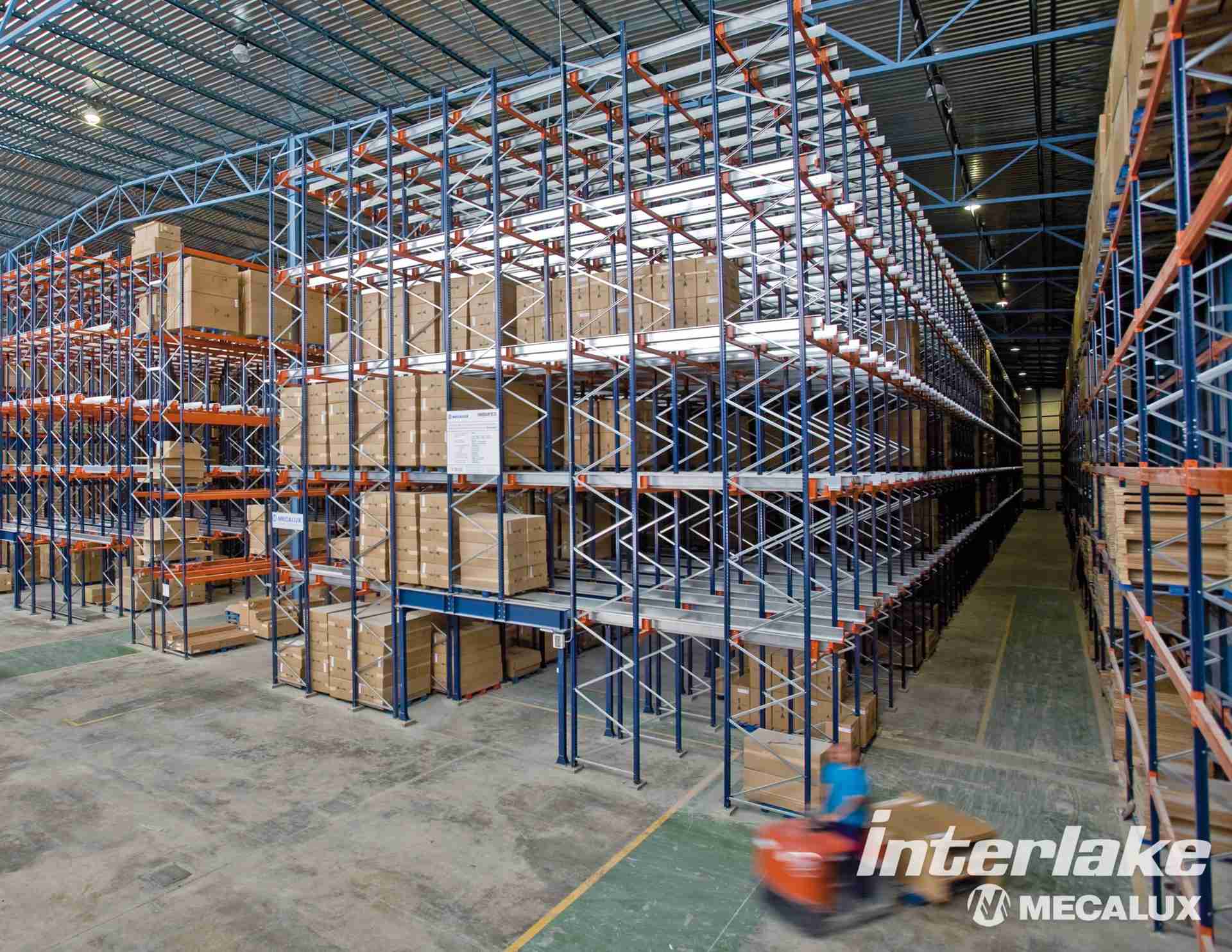
What Are Racking Systems?
Table Of Contents
- What Are Racking Systems?
- What Are The Benefits Of Using Racking Systems?
- How Do Racking Systems Improve Space Utilization?
- What Types Of Racking Systems Are Available?
- How Do I Choose The Right Racking System For My Needs?
- What Factors Should I Consider When Installing Racking Systems?
- How Do Racking Systems Enhance Inventory Management?
- What Are The Safety Guidelines For Racking Systems?
- How Can Racking Systems Reduce Operating Costs?
- What Industries Commonly Use Racking Systems?
- How Do Racking Systems Impact Workflow Efficiency?
- What Maintenance Is Required For Racking Systems?
- How Do Racking Systems Adapt To Changing Inventory Needs?
- What Are The Installation Costs For Racking Systems?
- How Do Racking Systems Comply With Regulations?
- What Technologies Can Enhance Racking Systems?
- Conclusion
- Other Resources
- Glossary Of Terms
- Other Questions
- Checklist
What Are The Benefits Of Using Racking Systems?
In today’s fast-paced business landscape, efficiency is not just a goal; it’s a necessity. For warehouses, retail spaces, and distribution centers, racking systems are revolutionizing operations and offering a competitive edge. But what exactly are the benefits of integrating these systems into your workflow?
Maximizing Space Utilization
First and foremost, racking systems are designed to optimize space. Every square foot counts when it comes to storage, and contemporary racking solutions can maximize vertical space that is often underutilized. For example, consider the case of a leading e-commerce retailer that transformed a traditional warehouse layout into a high-density storage facility. By implementing adjustable racking systems, they increased their storage capacity by over 40%, allowing them to accommodate more products without needing additional real estate.
Streamlining Operations
Efficiency is the name of the game, and racking systems play a crucial role in streamlining operations. By organizing inventory in a systematic manner, racking systems facilitate quicker retrieval times. As companies like Amazon and Walmart innovate their supply chains, they leverage racking solutions to improve picking speeds. In fact, a recent study highlighted that well-structured racking systems could reduce order fulfillment time by 30%.
Enhancing Safety
Safety is another critical benefit. Racking systems are engineered to store heavy products securely, reducing the risk of accidents and injuries. For instance, during the pandemic, many warehouses experienced a surge in demand. By incorporating robust racking solutions, businesses were able to safely store increased inventory levels while maintaining compliance with safety regulations, thus protecting both employees and assets.
Adaptability to Change
In a world where business needs can change overnight, the adaptability of racking systems becomes invaluable. Whether you’re scaling up for seasonal demand or pivoting your inventory strategy, adjustable racking can provide the flexibility required to evolve without costly overhauls. This adaptability has been especially pertinent this year, with many retailers responding to shifts in consumer behavior driven by the ongoing changes in the economy.
Cost-Efficiency
Last but certainly not least, racking systems can lead to significant cost savings. By improving space utilization and streamlining operations, businesses reduce overhead costs. A notable case is a manufacturer that installed a drive-in pallet racking system and saved thousands annually in labor and space costs. When every penny counts, these cost-efficiencies can dramatically boost profit margins.
In summary, racking systems offer a wealth of benefits, from maximizing space and enhancing safety to providing unmatched adaptability and cost savings. If your business is poised for growth or simply looking to improve operations, it’s time to harness the power of racking systems—your bottom line will thank you.

What Are The Benefits Of Using Racking Systems?
What Are The Benefits Of Using Racking Systems?
- Maximizing Space Utilization: Racking systems optimize storage space, often increasing capacity by over 40% in some cases.
- Streamlining Operations: Organized inventory leads to quicker retrieval times, potentially reducing order fulfillment time by 30%.
- Enhancing Safety: Engineered to securely store heavy products, reducing the risk of accidents and ensuring compliance with safety regulations.
- Adaptability to Change: Adjustable racking provides flexibility to scale operations according to changing business needs.
- Cost-Efficiency: Improved space utilization and streamlined operations lead to significant cost savings and boosted profit margins.
- Critical in Competitive Landscape: Integrated racking systems give businesses a competitive edge in efficiency and operation management.
- Supporting Growth: Essential for businesses poised for growth or seeking to improve existing operations.
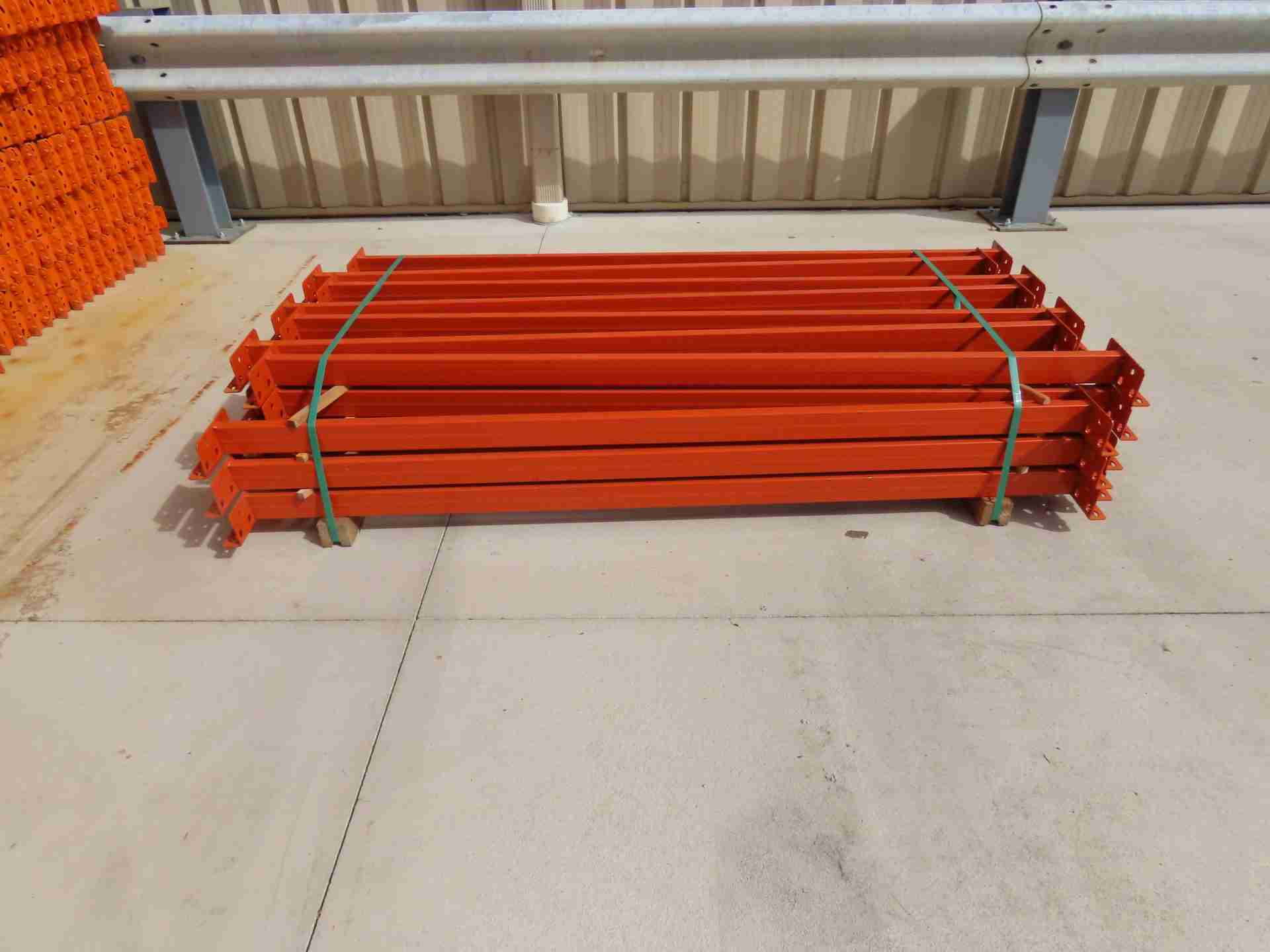
What Are The Benefits Of Using Racking Systems?
How Do Racking Systems Improve Space Utilization?
In today’s fast-paced business world, where efficiency and productivity reign supreme, maximizing space in warehouses and storage facilities is non-negotiable. The right racking systems can transform a disorganized, chaotic area into a streamlined hub of productivity. Let’s delve into how these systems amplify space utilization, sparking not only organization but also profound monetary benefits.
Racking systems are designed to make the most of every square foot of available space. For instance, consider the case of an e-commerce fulfillment center overwhelmed with growing inventory. By transforming traditional shelving into vertical racking systems, such as pallet racking or cantilever racking, businesses can capitalize on vertical space, significantly increasing their storage capacity. This simple change can yield returns, as seen in companies like Amazon, which leverage sophisticated racking to optimize their vast warehouses. In 2023, Amazon reported a record $514 billion in revenue, much of which can be attributed to their efficient inventory management strategies, powered by advanced racking solutions.
Not only do racking systems create more space, but they also enhance accessibility. Imagine a busy retail stockroom where employees need seamless access to products. With properly designed racking systems, items are stored systematically, reducing time spent searching for products. In current times, where rapid replenishment is crucial, mastering efficiency is akin to mastering fate. Systems such as drive-in racking allow for high-density storage while ensuring that products can be accessed promptly when needed. Companies that adopt these practices often see a quick return on investment—saving not just space, but also labor costs.
Moreover, increased space utilization mitigates the need for costly expansions or relocations. This is particularly relevant in a market grappling with supply chain disruptions and rising real estate costs. Businesses that maximize their current footprint set themselves up for resilience against economic fluctuations, allowing room for inventory growth without high capital expenditure. Just recently, a logistics provider in the Midwest utilized an innovative racking system that enhanced their existing space utilization by an impressive 40%, all while avoiding the need for a new warehouse, a move projected to save millions.
In essence, when you invest in racking systems, you’re not merely buying shelving—you’re unlocking a blueprint for operational success. You’ll not only reclaim and optimize your space but also position yourself as a competitive force in your industry. So, take the leap and explore racking solutions tailored to your needs; the payoff can transcend mere storage and open doors for growth and efficiency that you never thought possible.

How Do Racking Systems Improve Space Utilization?
How Do Racking Systems Improve Space Utilization?
- Maximizing space in warehouses and storage facilities is essential for efficiency and productivity.
- Proper racking systems can turn disorganized areas into streamlined hubs, enhancing space utilization.
- Vertical racking systems, like pallet or cantilever racking, significantly increase storage capacity.
- Efficient inventory management and advanced racking solutions contributed to Amazon’s record $514 billion revenue in 2023.
- Racking systems improve accessibility, reducing time spent searching for products in busy stockrooms.
- Increased space utilization helps avoid expensive expansions or relocations, fostering resilience against economic fluctuations.
- Investing in racking systems unlocks potential for operational success and competitive advantage in the industry.
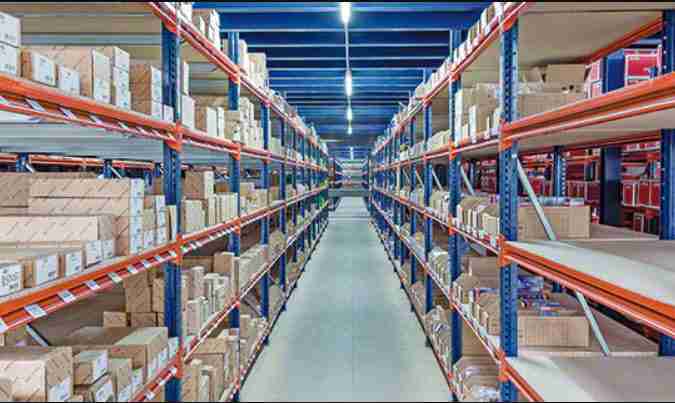
How Do Racking Systems Improve Space Utilization?
What Types Of Racking Systems Are Available?
In the high-octane world of warehousing and logistics, understanding the right racking system can transform your operations from merely functional to fabulously efficient. As businesses strive to maximize space and streamline product access, the variety of racking systems available today presents both opportunities and challenges. Let’s dive into the most effective solutions you can consider.
Selective Pallet Racking: This is the go-to option for most warehouses due to its effortless accessibility. It allows for direct access to individual pallets, making it ideal for businesses with a diverse range of products. Imagine a busy distribution center where forklifts swiftly navigate aisles, retrieving stock with pinpoint accuracy. Selective racking adapts beautifully to any warehouse layout, ensuring flexibility and agility in inventory management.
Drive-In and Drive-Through Racking: For businesses dealing with large volumes of the same product, drive-in racking can be a game changer. This system enables forklifts to drive into the racking structure, creating dense storage for bulk items. Drive-through systems, on the other hand, permit access from both sides, enhancing product rotation. Particularly relevant today, industries like food and beverages are leveraging these systems to manage overflow during supply chain disruptions.
Push-Back Racking: Imagine a conveyor system but for pallets. Push-back racking allows pallets to slide back on inclined rails when another is pushed in, maximizing storage depth while still retaining product accessibility. This system is especially beneficial for last-in, first-out inventory management, making it perfect for those in retail where turnover rates can be fast.
Cantilever Racking: For the storage of longer items like lumber, pipes, or furniture, cantilever racking is essential. Forget the limitations of traditional shelving; this unique racking features arms protruding from a vertical structure, allowing for easy loading and unloading. With construction and renovations surging post-pandemic, businesses in these fields are tapping into cantilever racks to optimize their storage capabilities for lengthy materials.
Mobile Racking: A cutting-edge approach that takes efficiency to the next level. Mobile racking systems sit on tracks, allowing entire rows to move laterally, compounding space efficiency. In today’s fast-paced environment, where real estate can be a costly expense, mobile racking is a savvy investment for maximizing square footage without compromising accessibility.
As the market evolves—be it through the rise of e-commerce or shifts in manufacturing—choosing the right racking system is essential for not just keeping up but staying ahead. So consider your unique needs, space limitations, and product types. When you make the right choice, you’re not just storing items; you’re optimizing your business for growth.
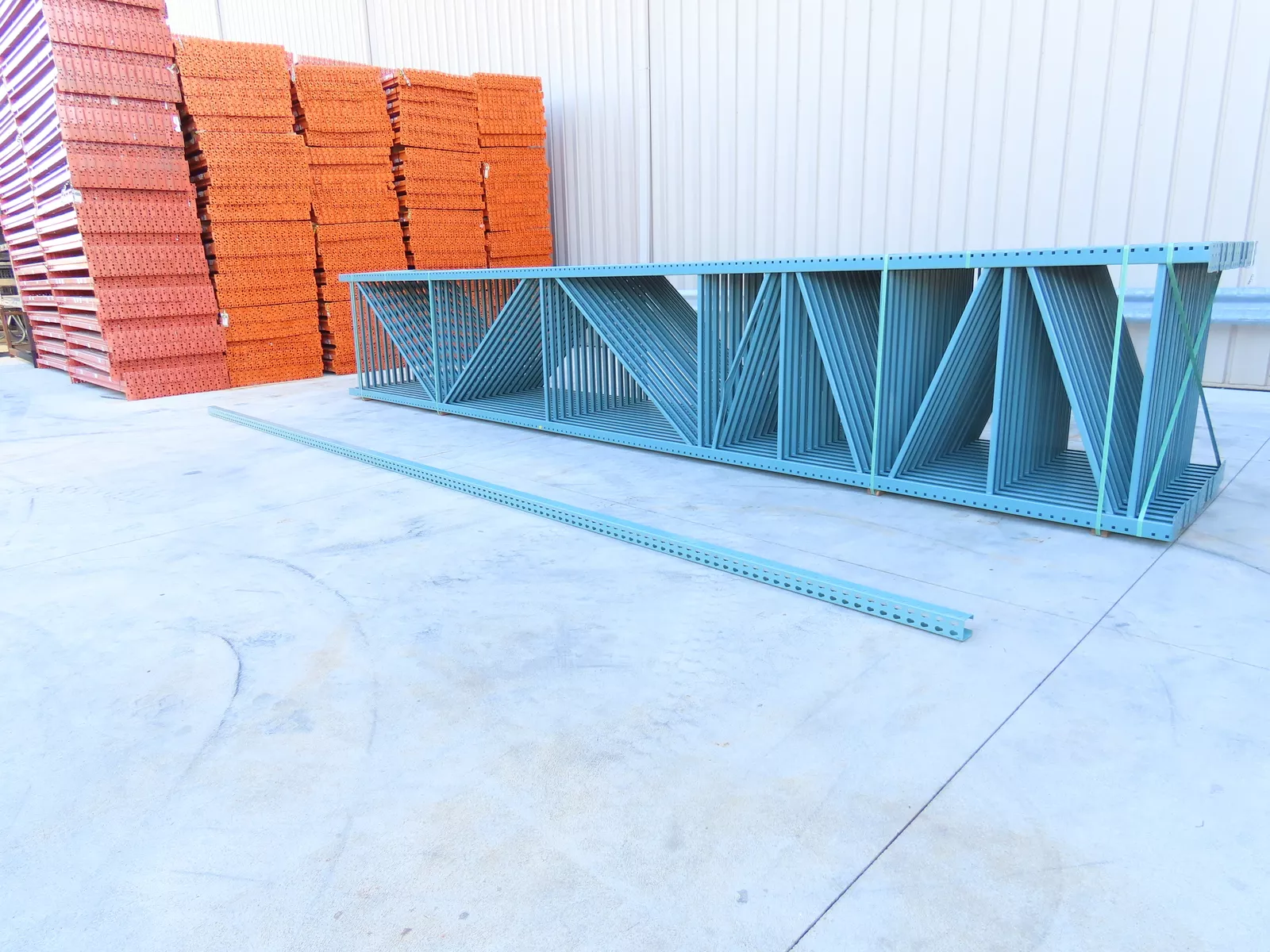
What Types Of Racking Systems Are Available?
What Types Of Racking Systems Are Available?
- Understanding racking systems is crucial for enhancing efficiency in warehousing and logistics.
- Selective Pallet Racking provides direct access to individual pallets, ideal for diverse product ranges.
- Drive-In and Drive-Through Racking systems allow for dense storage of bulk items and improve product rotation.
- Push-Back Racking maximizes storage depth and is suitable for last-in, first-out inventory management.
- Cantilever Racking is designed for storing long items such as lumber and pipes, allowing easy loading and unloading.
- Mobile Racking systems increase space efficiency by allowing whole rows to move laterally on tracks.
- Selecting the right racking system is essential for optimizing business operations and adapting to market changes.
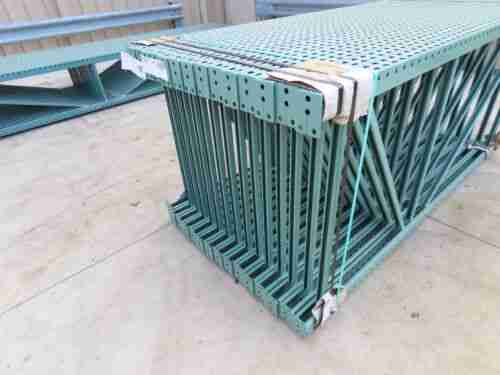
What Types Of Racking Systems Are Available?
How Do I Choose The Right Racking System For My Needs?
Selecting the right racking system is not just about aesthetics or convenience; it’s a strategic decision that can significantly impact your operational efficiency, cost-effectiveness, and scalability. Here’s how you can maximize your investment in storage solutions.
First, assess your inventory. What types of products will you store? This is foundational to your decision-making. For instance, if you’re dealing with heavy industrial items, a selective pallet rack system like the one employed by major retailers such as Home Depot can accommodate dense storage while allowing for easy access. In contrast, if your inventory consists of smaller items, consider a multi-tier shelving system, which is currently in high demand due to e-commerce growth and can drastically improve picking efficiency.
Next, think about your space. Measure the area where your racking will go. With inflation impacting various sectors as of late 2023, space optimization has never been more critical. Implementing a drive-in or drive-through racking system can double your storage capacity within the same footprint. These systems allow forklifts to drive directly into the rack structure, maximizing space usage and minimizing the need for multiple aisles. As seen in warehouse logistics trends, businesses are embracing such solutions to cope with the storage demands arising from e-commerce’s skyrocketing growth following the pandemic.
Consider scalability as well. If you anticipate growth, would a modular racking system work better for you? These can be easily adjusted as your operation expands. For example, a company that began with small to mid-size inventories but has recently expanded due to a focus on rapid delivery options will benefit from adjustable systems that quickly adapt to changing demands.
Don’t skip the safety factor. With increasing regulations in the logistics sector, ensuring your racking system complies with safety standards is not just a regulatory hurdle; it’s a marketing opportunity. Highlighting adherence to safety protocols can build trust with partners and customers alike—after all, safety records are part of your brand’s reputation.
Lastly, consider the cost, not just upfront but in terms of long-term value. Storage solutions with higher durability may incur a higher initial cost but can lead to lower maintenance and replacement expenses down the line—much like investing in a sturdy vehicle that can withstand the wear and tear of daily operations.
In summary, choosing the right racking system involves evaluating your inventory types, assessing your space requirements, planning for growth, prioritizing safety, and analyzing long-term costs. Make this decision meticulously, and watch your operation thrive.
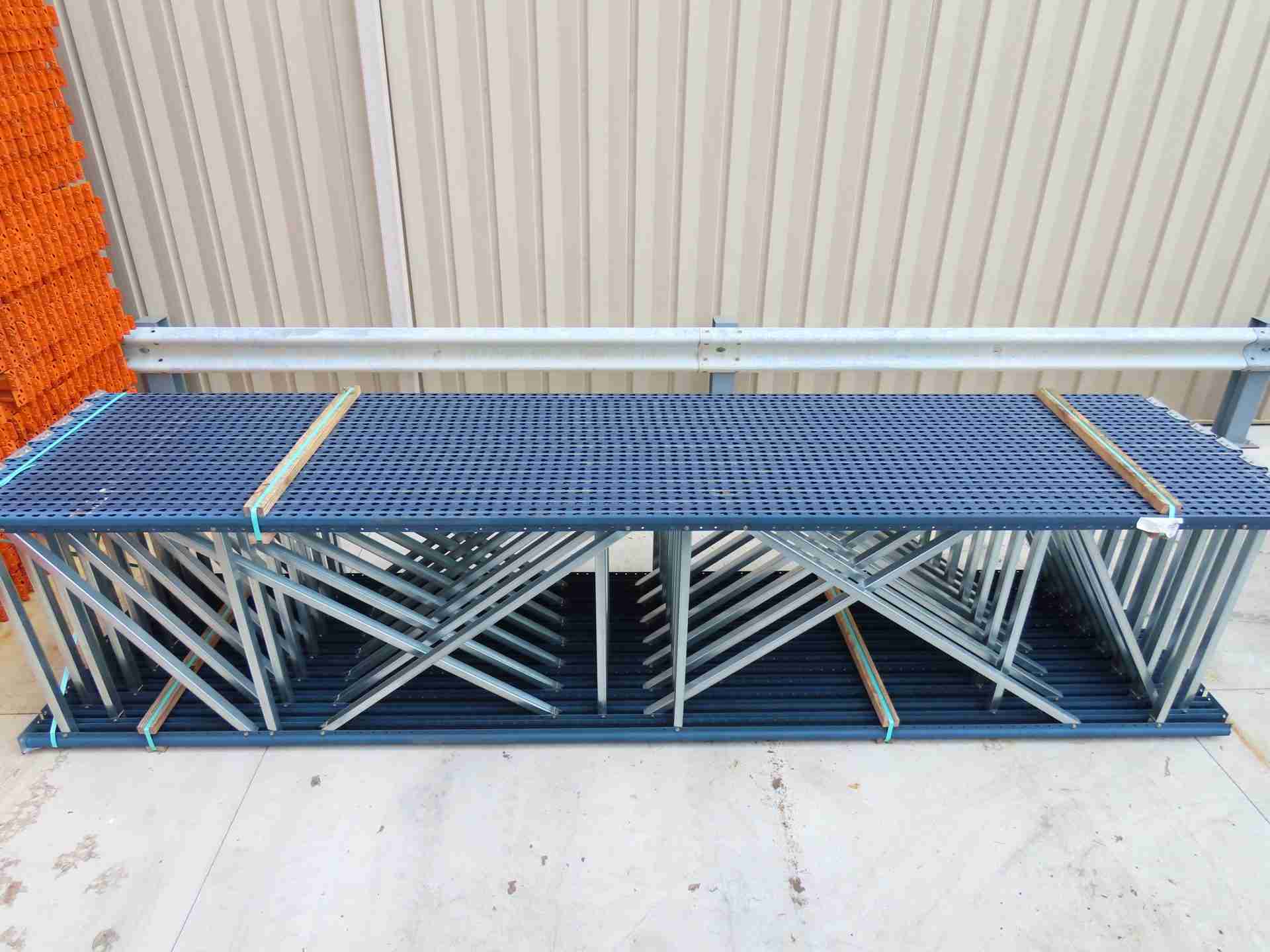
How Do I Choose The Right Racking System For My Needs?
How Do I Choose The Right Racking System For My Needs?
- Selecting a racking system impacts operational efficiency, cost-effectiveness, and scalability.
- Assess your inventory types to determine appropriate racking, like selective pallet racks for heavy items or multi-tier shelving for small items.
- Measure your available space and consider using drive-in or drive-through racking systems to maximize storage capacity.
- Plan for scalability by opting for modular racking systems that can adapt to future growth.
- Ensure safety compliance with regulations, which can enhance trust and reputation among partners and customers.
- Evaluate long-term costs and durability, as investing in sturdy solutions can save on maintenance and replacement expenses.
- Meticulously choose your racking system to optimize storage solutions and enhance operational success.
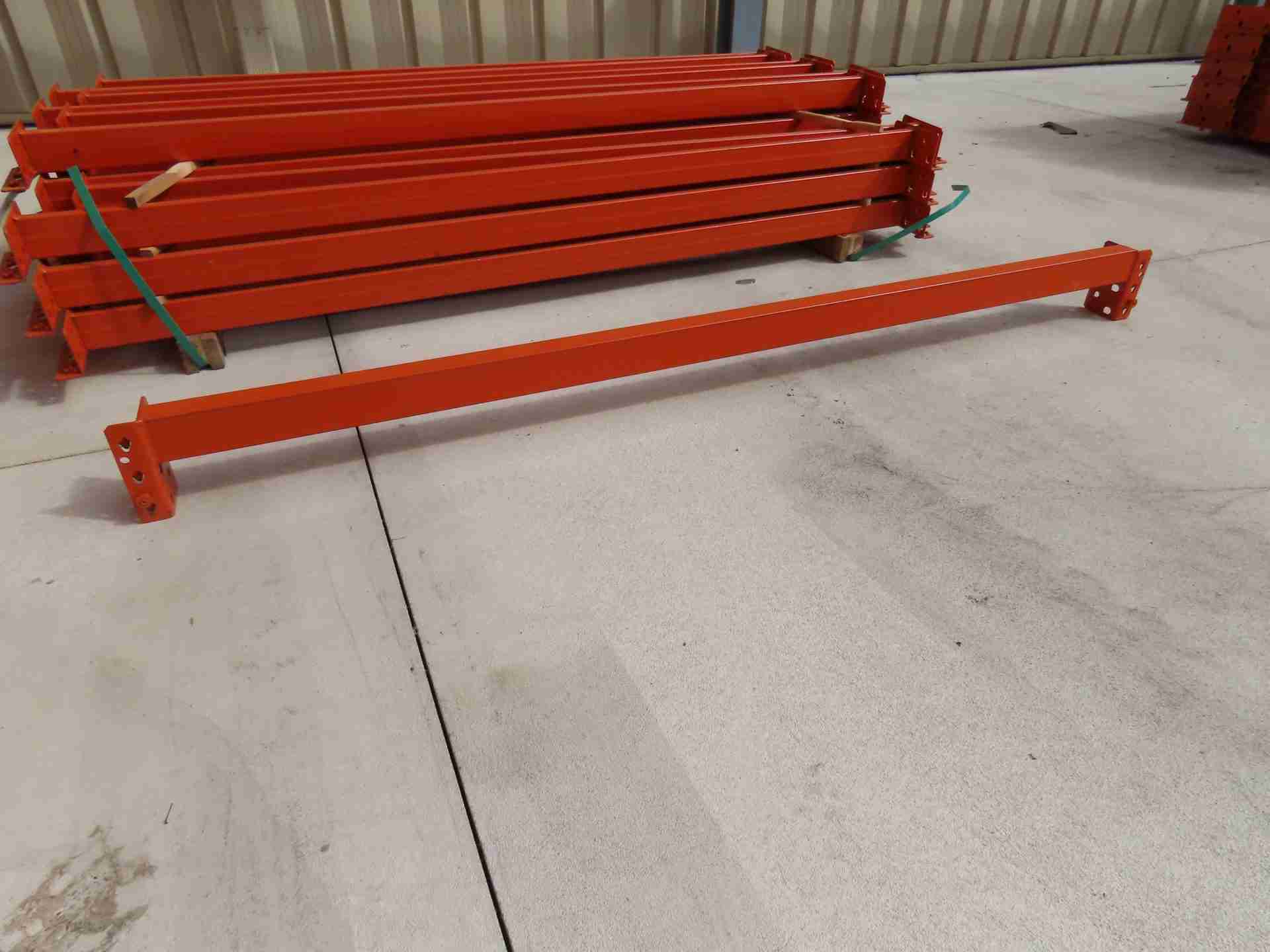
How Do I Choose The Right Racking System For My Needs?
What Factors Should I Consider When Installing Racking Systems?
When it comes to installing racking systems, the importance of making the right choices cannot be overstated. The efficiency of your warehouse or storage space hinges not just on the quality of the racking itself, but on how well it aligns with your operational needs. Here are essential factors you should consider to ensure a seamless installation.
1. Type of Products Stored:
First and foremost, analyze the types of products you’ll be storing. For instance, if you’re dealing with heavy machinery or pallets, a heavy-duty racking system is crucial. Recent trends show that e-commerce warehouses are increasingly turning to dynamic storage solutions that accommodate various sizes—think mobile racks that adjust according to inventory changes. This flexibility can save space and enhance accessibility.
2. Space Constraints:
Next, evaluate your available space. The modern warehouse landscape, shaped by recent supply chain disruptions, requires maximizing vertical space to accommodate increasing inventory levels. High-rise racking systems can help you utilize previously wasted air space. However, ensure you have proper equipment to access upper levels safely—consider adding mechanical lifts or pallet jacks to your operational toolkit!
3. Compliance and Safety Regulations:
In today’s regulatory climate, overlooking OSHA guidelines can lead to hefty fines and safety hazards. Stay informed about the current standards that affect warehouse racking systems. For instance, with new legislation pushing for stricter safety measures post-pandemic, implementing systems that adhere to these guidelines is not just wise—it’s necessary for ensuring worker safety and avoiding potential litigation.
4. Future Scalability:
Your racking needs today may not be your needs tomorrow. As your business grows—whether due to new product lines or an increase in suppliers—you’ll want a racking system that can scale. Modular racking systems are particularly advantageous, allowing for expansion without significant downtime or installation costs.
5. Supplier Reputation and Support:
Finally, don’t underestimate the value of a reputable supplier. Engage with current market leaders, who not only provide high-quality racking systems but also offer installation support and maintenance services. As economies fluctuate, a reliable partner can help you adapt your racking system to changing demands without a hitch.
Installing racking systems is not merely a logistical undertaking; it’s a strategic investment in your operations. By considering product types, space constraints, compliance, scalability, and supplier reputation, you can transform your storage efficiency and position your business for success in an ever-evolving marketplace. Don’t leave your racking needs to chance—make informed decisions that will enhance your operational capability and drive profitability for years to come.
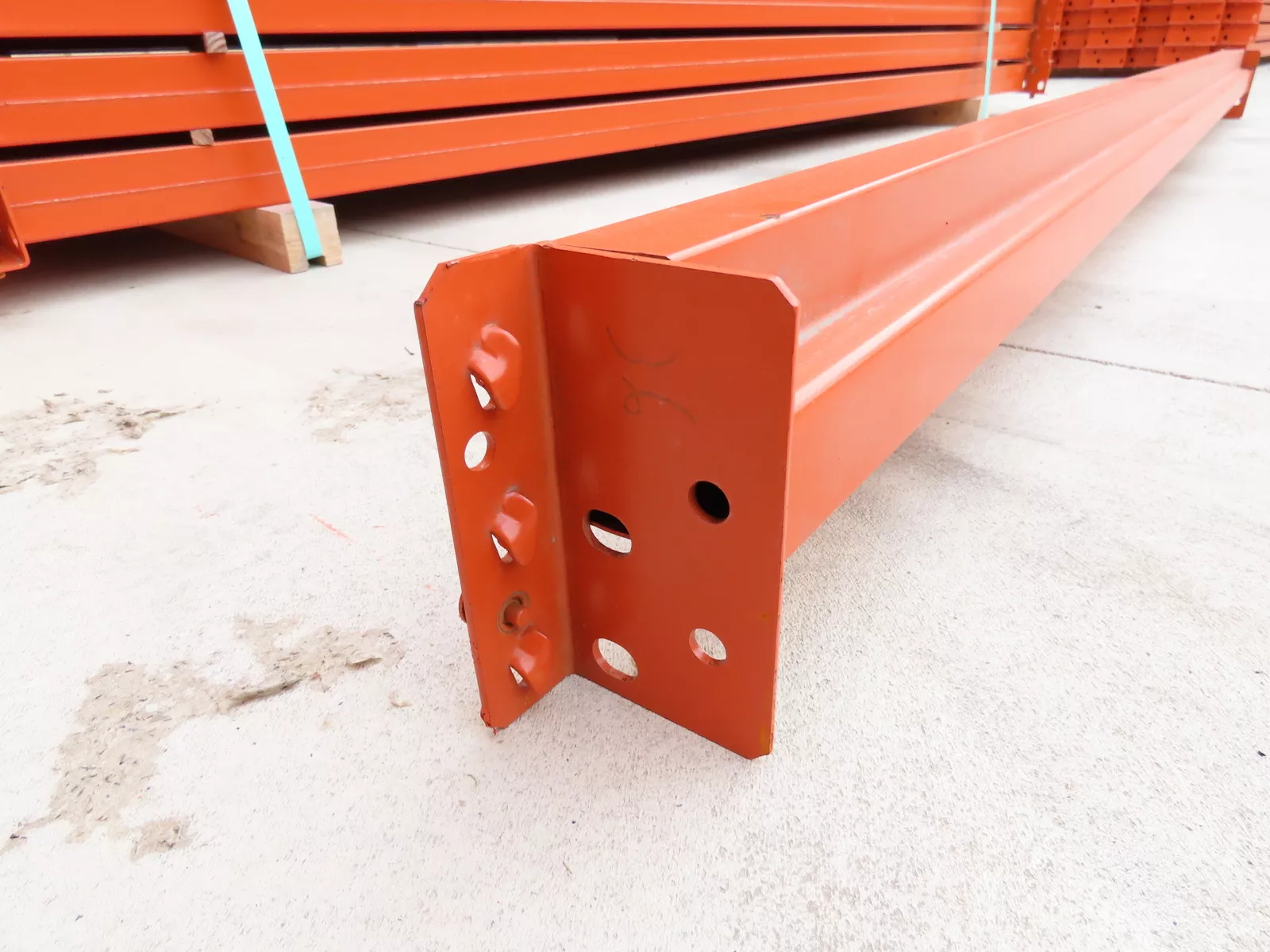
What Factors Should I Consider When Installing Racking Systems?
What Factors Should I Consider When Installing Racking Systems?
- Type of Products Stored: Choose racking systems based on product types; heavy-duty for machinery/pallets and dynamic solutions for e-commerce warehouses.
- Space Constraints: Maximize vertical space with high-rise racking systems and ensure safe access equipment is available.
- Compliance and Safety Regulations: Adhere to OSHA guidelines and stay updated on safety standards to avoid fines and ensure worker safety.
- Future Scalability: Opt for modular racking systems that allow for easy expansion as business needs evolve.
- Supplier Reputation and Support: Select reputable suppliers who provide high-quality systems along with installation and maintenance support.
- Strategic Investment: Consider racking installation as a strategic investment that enhances storage efficiency and operational capability.
- Informed Decision-Making: Make informed choices to improve profitability and adapt to evolving marketplace demands.
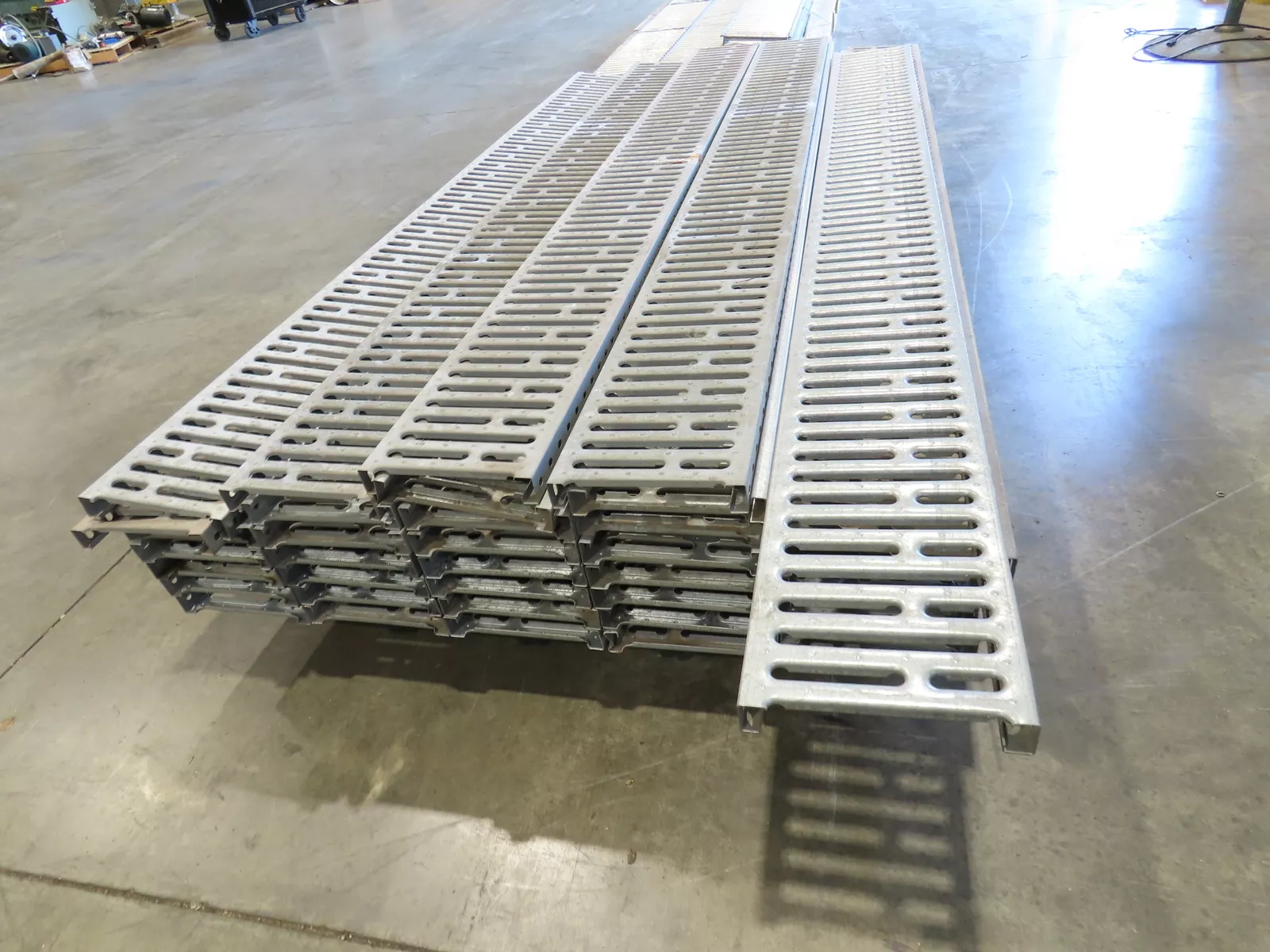
What Factors Should I Consider When Installing Racking Systems?
How Do Racking Systems Enhance Inventory Management?
In today’s fast-paced retail landscape, efficient inventory management can make or break a business. Racking systems serve as the backbone of this critical function, enabling companies not only to optimize their storage capabilities but also to streamline operations and enhance overall productivity. Let’s delve deep into how racking systems bolster inventory management and drive profits.
First and foremost, racking systems maximize space utilization. The need for effective space management has become increasingly urgent given the ongoing supply chain issues exacerbated by global events in recent years. For instance, companies faced with rising rental costs or limited warehouse space must find innovative solutions. By utilizing vertical space through pallet racks, selective racks, or even automated systems, businesses can significantly increase their storage capacity without needing to expand their physical footprint. A well-implemented racking system can elevate inventory density by up to 40%, allowing for more products to be stored without additional overhead.
Moreover, racking systems facilitate easier access to products. Think of those traditional warehouses with narrow aisles and poorly organized stock; they often lead to misplaced items or even worse—loss of sales due to out-of-stock situations. State-of-the-art racking solutions, such as flow racks and shelving units, provide intuitive organization, ensuring that stock can be easily located and retrieved. This efficiency translates to faster order fulfillment, which is crucial in an era defined by the expectation of immediate delivery, bolstered by the likes of Amazon and other e-commerce giants.
Additionally, racking systems enable better inventory tracking and management. With the integration of advanced technology such as RFID and barcode scanning solutions alongside modern racking systems, companies can achieve real-time visibility into their inventory levels. Take the example of a retail giant that recently harnessed such technology in their warehouses, resulting in a remarkable 30% decrease in stock discrepancies. This precision not only saves time and money but also enhances customer satisfaction by ensuring product availability.
Lastly, effective racking systems foster safety and compliance. Properly designed racking reduces the risks of accidents and ensures that goods are stored according to industry standards. In light of recent OSHA regulations and heightened scrutiny on workplace safety, investing in compliant racking solutions isn’t just smart—it’s essential. From minimizing workplace injuries to avoiding costly fines, the benefits of robust racking systems extend far beyond mere inventory management.
Racking systems are not just shelves; they are powerful tools that drive efficiency, reduce costs, and enhance customer satisfaction. In a world that demands agility and precision, integrating an effective racking system is non-negotiable for any business aspiring to thrive. So, ask yourself—is your inventory management system as efficient as it could be? If not, it’s time to rethink your racking strategy.

How Do Racking Systems Enhance Inventory Management?
How Do Racking Systems Enhance Inventory Management?
- Efficient inventory management is critical in today’s retail landscape.
- Racking systems optimize storage capabilities and streamline operations.
- They maximize space utilization, increasing storage capacity by up to 40%.
- Modern racking solutions improve access to products and order fulfillment speed.
- Advanced technology integration enables better inventory tracking and reduces stock discrepancies.
- Effective racking systems enhance safety and compliance with industry standards.
- Investing in racking solutions is essential for driving efficiency and customer satisfaction.
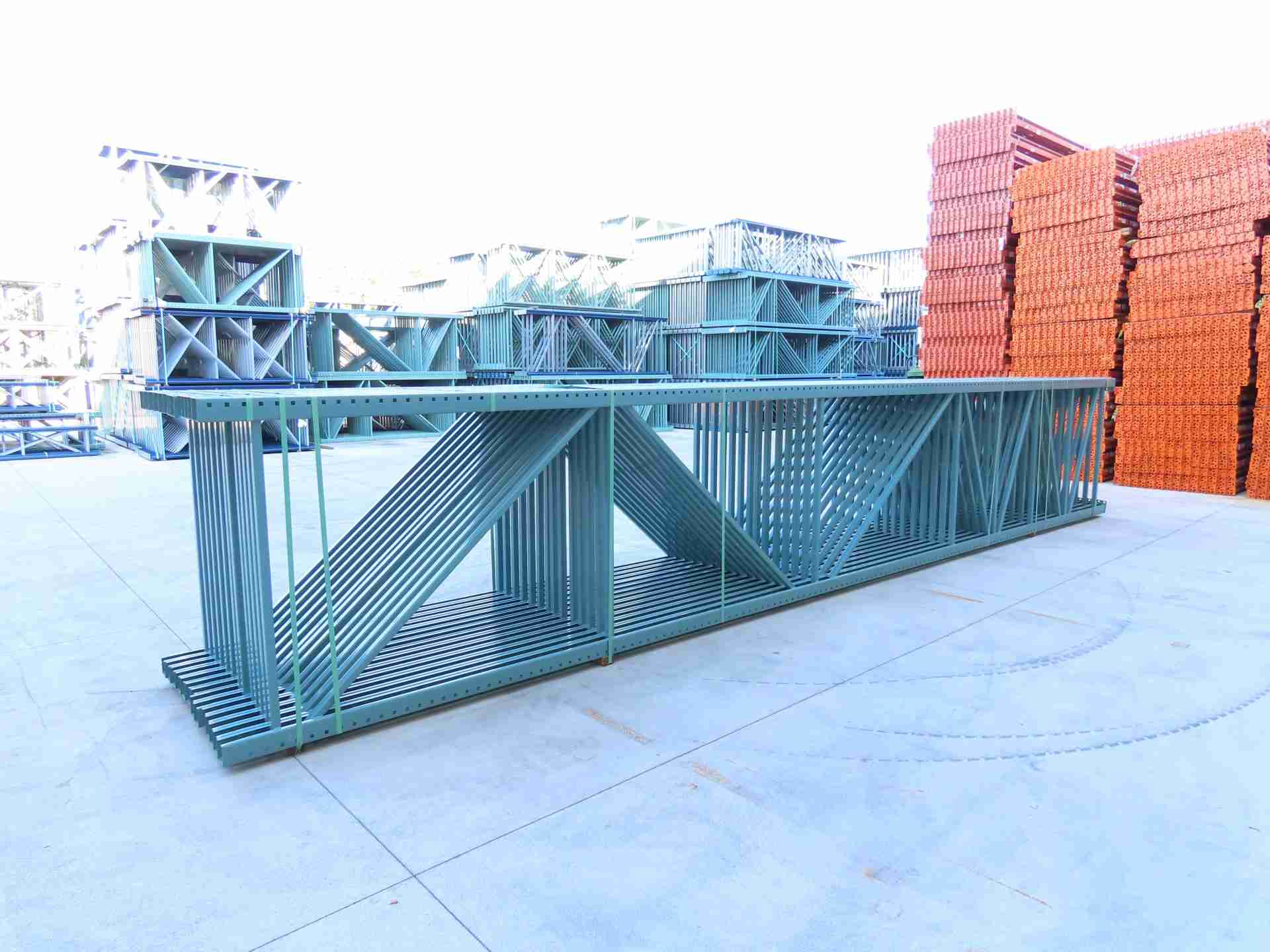
How Do Racking Systems Enhance Inventory Management?
What Are The Safety Guidelines For Racking Systems?
In the bustling world of warehousing and logistics, safety isn’t just a checkbox—it’s a necessity. Implementing proper safety guidelines for racking systems isn’t merely a good practice; it’s a vital investment in human resources and operational efficiency. When racking systems fail, the consequences can be disastrous, not only leading to severe injuries or even fatalities but also causing significant financial losses and damaging your reputation.
First and foremost, let’s discuss weight limits. Every racking system has a specified weight capacity, and adhering to it is non-negotiable. Overloading racks can lead to structural failure, as demonstrated by the catastrophic collapse of a racking system in a Michigan warehouse last year, where improper load management resulted in injuries and thousands in damages. Regularly review load charts and conduct weight checks on stored items to stay compliant.
Next, let’s touch on employee training. Proper training on how to load and unload pallets safely is not just beneficial; it’s essential. Employees should understand how to stack products correctly and be aware of potential hazards in the warehouse, such as overhead obstructions. A recent incident highlighted this need—an employee was injured when a poorly stacked pallet collapsed. A simple training session could have turned that scenario around, showcasing the undeniable truth: investing in your team is investing in your safety.
Inspection and maintenance also play vital roles. Regular inspections—ideally on a monthly basis—can detect problems before they escalate. Look for signs of wear, such as bent beams or damaged shelves. A proactive approach can save lives and protect assets. For reference, a national safety audit performed last year revealed that warehouses conducting regular inspections reported 30% fewer accidents compared to those that did not.
Finally, let’s talk about signage and accessibility. Clear signage that indicates weight limits and safety protocols should be strategically placed throughout the warehouse. Additionally, ensure that all employees know emergency protocols for incidents involving racking systems. During the recent summer heatwave, a leading logistic company implemented new safety signage and saw compliance rates soar—proving that clear communication makes a tangible difference.
When it comes down to it, maintaining safety in racking systems is about diligence, education, and proactive management. By embracing these safety guidelines, you fortify your work environment, safeguard your assets, and ensure the well-being of your most valuable resource: your team. Don’t wait for an accident to spur you into action; let proactive safety measures elevate your operations and protect your bottom line.

What Are The Safety Guidelines For Racking Systems?
What Are The Safety Guidelines For Racking Systems?
- Safety in warehousing and logistics is a critical necessity, vital for human resources and operational efficiency.
- Every racking system has specified weight capacities; overloading racks can cause structural failures leading to injuries and financial losses.
- Regularly review load charts and perform weight checks to maintain compliance with racking system limits.
- Proper employee training on loading and unloading pallets is essential to prevent accidents and enhance safety awareness.
- Conduct monthly inspections to identify wear and potential issues with racking systems, leading to safer operations.
- Clear signage indicating weight limits and safety protocols improves compliance and communication among employees.
- Proactive safety measures create a safer work environment, protect assets, and enhance team well-being.
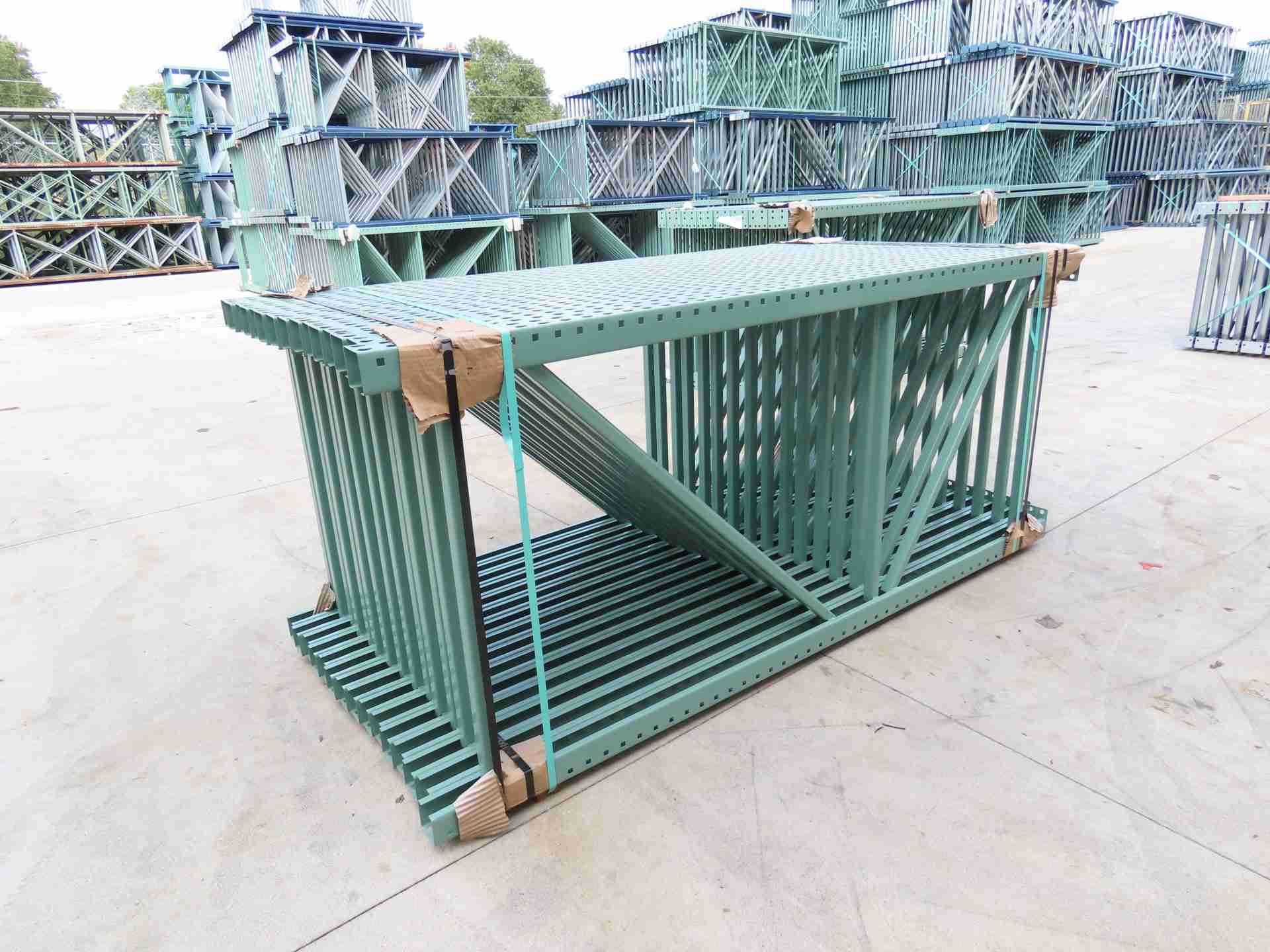
What Are The Safety Guidelines For Racking Systems?
How Can Racking Systems Reduce Operating Costs?
In today’s fast-paced business environment, every dollar counts. Companies are constantly on the lookout for ways to optimize operations and minimize expenses. One often-overlooked area is the storage and warehousing sector. Enter racking systems—your unsung hero in cutting operational costs.
Imagine a bustling warehouse. The boxes are stacked precariously high, aisles are cramped, and confusion is rampant. This inefficiency can lead to increased labor costs, longer retrieval times, and even product damage. Investing in a well-designed racking system transforms this chaos into a streamlined operation. For instance, a modern pallet racking system can increase storage capacity by up to 50%. This means fewer square feet in costly warehousing is required and more product is stored without the need for additional space or the headache of relocating operations.
Let’s consider a real-life scenario. A leading from a well-known national retailer recently revamped its distribution centers with high-density racking systems. By reorganizing their inventory and implementing selective racking, they not only reduced the time workers spent searching for products but also significantly reduced accidental damages to merchandise. The end result? A reported 30% reduction in operational costs and a smoother workflow that translated to faster delivery times for customers.
With e-commerce booming, as noted by the latest reports from the U.S. Census Bureau indicating a 14% increase in retail e-commerce sales in the last quarter alone, the need for efficient inventory management has never been more critical. Racking systems allow businesses to utilize vertical space, leading to better inventory flow and faster fulfillment, ensuring your business can keep up with the ever-increasing demand.
Furthermore, with the rise of automated systems and artificial intelligence in logistics, integrating modern racking systems could be pivotal. Automated guided vehicles (AGVs) and robotic pickers require a clear, organized space to function effectively. Properly installed racking systems not only facilitate this but also reduce the wear and tear on machinery caused by improper storage practices.
In turbulent times, where shipping costs and labor challenges rise unpredictably, optimizing your racking systems is a proactive approach to reduce operating costs. By investing upfront in thoughtful design and installation, you create a long-term strategy that pays dividends. After all, a well-organized warehouse doesn’t just save money—it boosts morale, increases productivity, and enhances customer satisfaction. Business isn’t just about transactions; it’s about making the most of every opportunity. And with racking systems, that opportunity is ready to be seized.

How Can Racking Systems Reduce Operating Costs?
How Can Racking Systems Reduce Operating Costs?
- In a competitive business environment, optimizing operations and minimizing expenses are crucial.
- Racking systems can significantly improve storage and warehousing efficiency, reducing operational chaos.
- Modern pallet racking systems can increase storage capacity by up to 50%, minimizing the need for extra space.
- A case study showed a national retailer achieved a 30% reduction in operational costs by implementing high-density racking systems.
- Efficient inventory management through racking systems is vital for businesses, especially with the rise of e-commerce.
- Integrating racking systems supports automated systems and reduces wear on machinery by ensuring organized storage.
- Investing in racking systems enhances productivity, morale, and customer satisfaction, turning chaos into opportunity.
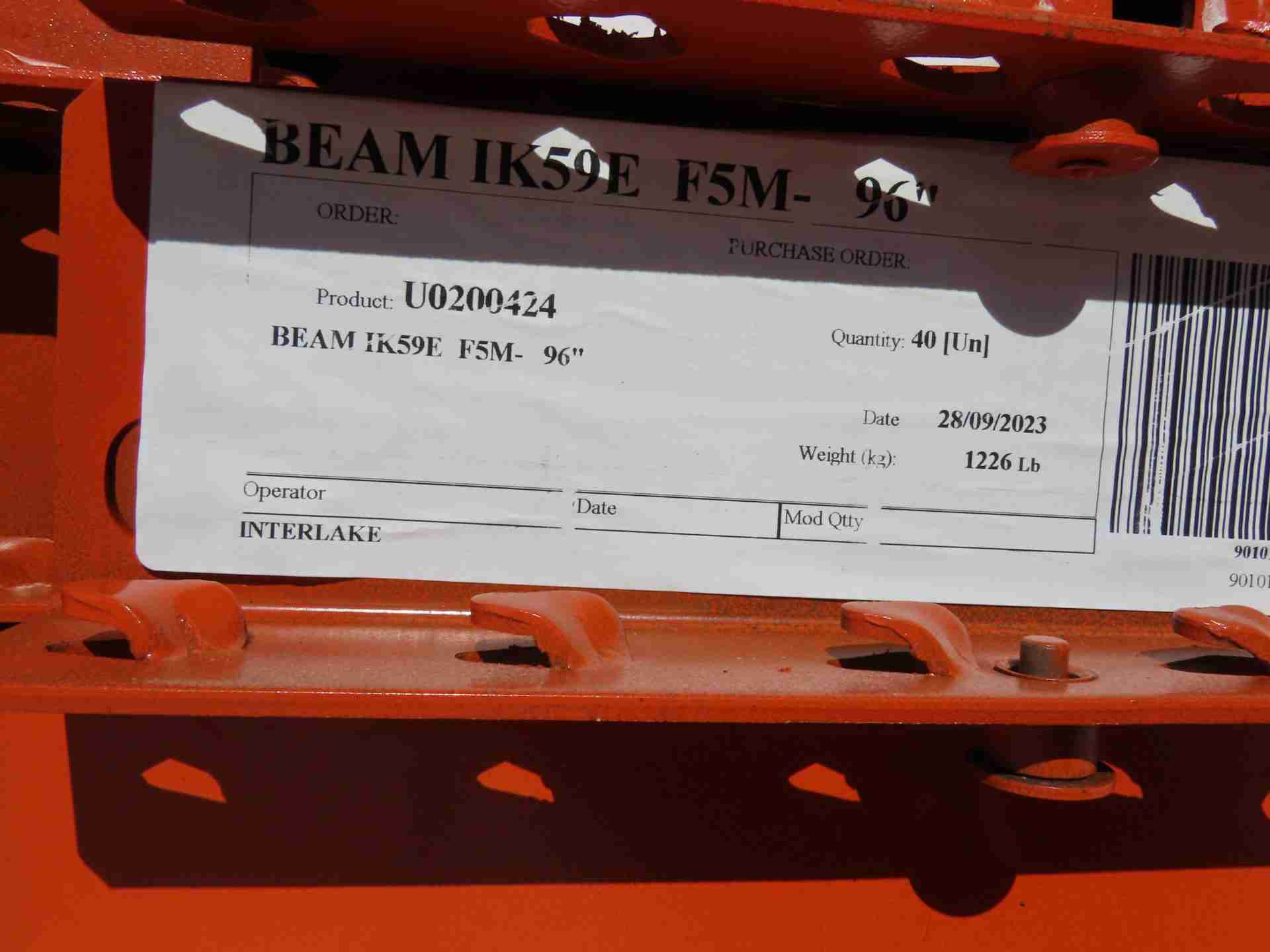
How Can Racking Systems Reduce Operating Costs?
What Industries Commonly Use Racking Systems?
Racking systems are the backbone of countless industries, offering a robust solution for organizing and optimizing storage space. As businesses evolve and adapt to new challenges—such as supply chain disruptions and the increase in e-commerce demand—efficient storage solutions have become more vital than ever. Let’s delve into some key industries that champion racking systems and how they enhance operational efficiency.
Warehousing and Distribution Centers
Perhaps the most obvious users of racking systems, warehouses and distribution centers are at the heart of supply chain logistics. With the surge in e-commerce activity, thanks to the pandemic, companies are scrambling to keep up with consumer demands. Brands like Amazon and Walmart have invested millions in state-of-the-art racking systems that allow them to manage an ever-increasing volume of products efficiently. High-density pallet racking systems create vertical storage opportunities, maximizing floor space while ensuring quick access to goods.
Manufacturing
The manufacturing sector is another stronghold for racking systems. From automotive to electronics, manufacturers face the constant challenge of storing raw materials and finished products. Implementing heavy-duty racking solutions not only declutters the workspace but also supports lean inventory practices. For instance, a recent surge in electric vehicle production has led automotive manufacturers to adopt modular racking systems that adapt to changing needs—be it for battery components or completed vehicles awaiting shipment.
Retail
In retail, space is at a premium. Businesses, both brick-and-mortar and online, turn to racking solutions to effectively display products while implementing efficient inventory management. Retail giants are transitioning to multilevel shelving solutions that can accommodate a wide variety of items, driving sales while optimizing inventory flows. Moreover, with changes in consumer behavior and a push toward omnichannel retailing, smart racking systems help retailers swiftly adapt to in-store and online demands.
Pharmaceuticals and Healthcare
In the pharmaceutical industry, where safety and efficiency are critical, racking systems cannot be overlooked. These facilities require stringent compliance and quick access to a myriad of medical supplies and drugs. Specialized racking solutions, like storage for cold chain products, ensure that vital medications are kept at optimal temperatures while allowing for easy stock rotation.
As supply chain dynamics continue to shift, industries that invest in state-of-the-art racking systems position themselves for success. Their ability to maximize space, improve organization, and enhance efficiency is paramount in today’s fast-paced market, making racking systems an indispensable tool across a multitude of sectors. Whether you’re in warehousing or pharmaceuticals, embracing innovative racking solutions can be a game-changer for your business.
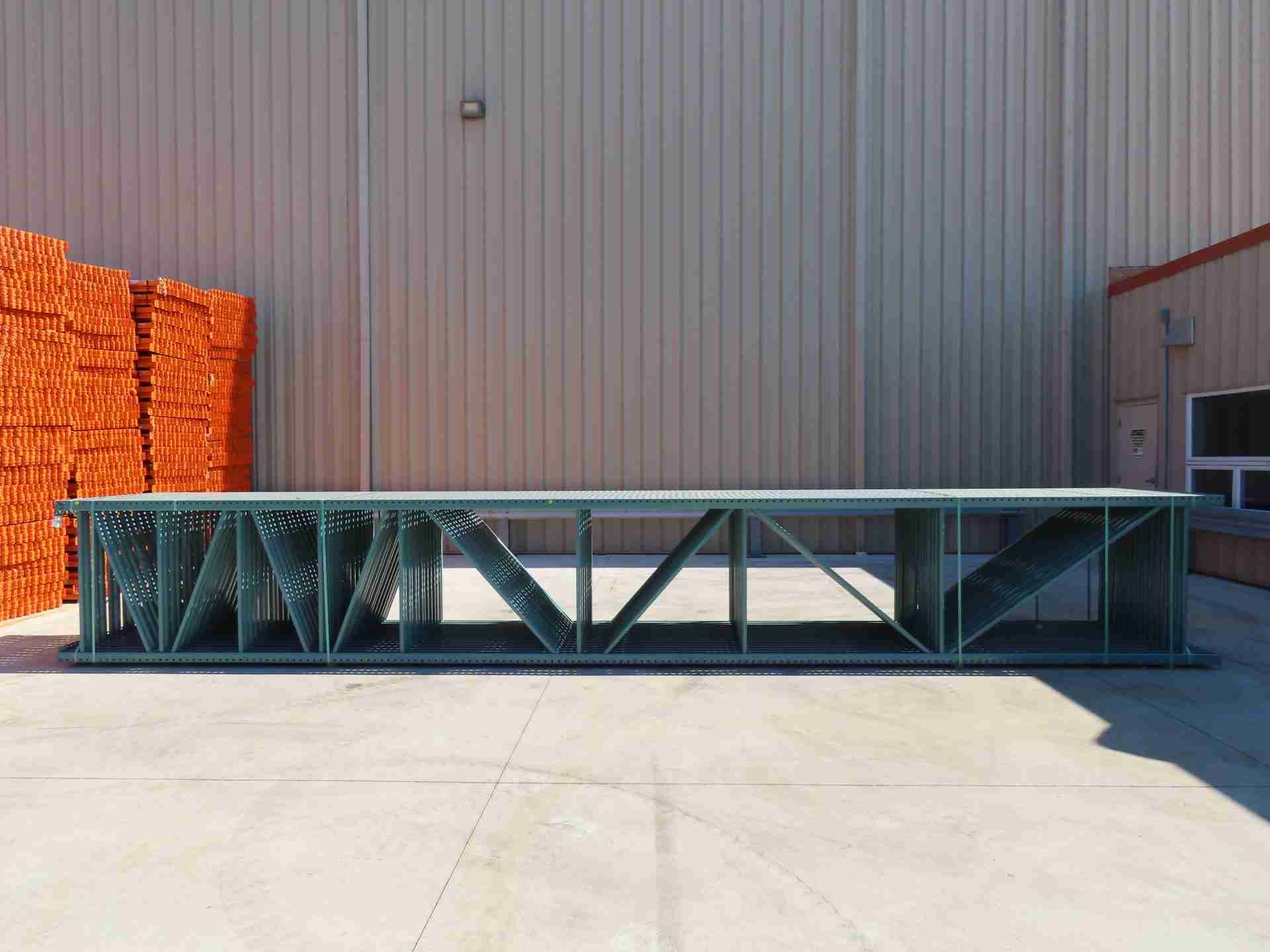
What Industries Commonly Use Racking Systems?
What Industries Commonly Use Racking Systems?
- Racking systems are essential for organizing and optimizing storage space across various industries.
- Increased e-commerce demand and supply chain disruptions have heightened the need for efficient storage solutions.
- Warehouses and distribution centers utilize high-density pallet racking to manage product volume and maximize floor space.
- The manufacturing sector benefits from heavy-duty and modular racking systems that support lean inventory practices.
- Retail businesses implement multilevel shelving to display products effectively and optimize inventory management.
- Pharmaceuticals require specialized racking for compliance and safe storage of medical supplies and drugs.
- Investing in modern racking systems enhances organizational efficiency and positions industries for success in a competitive market.
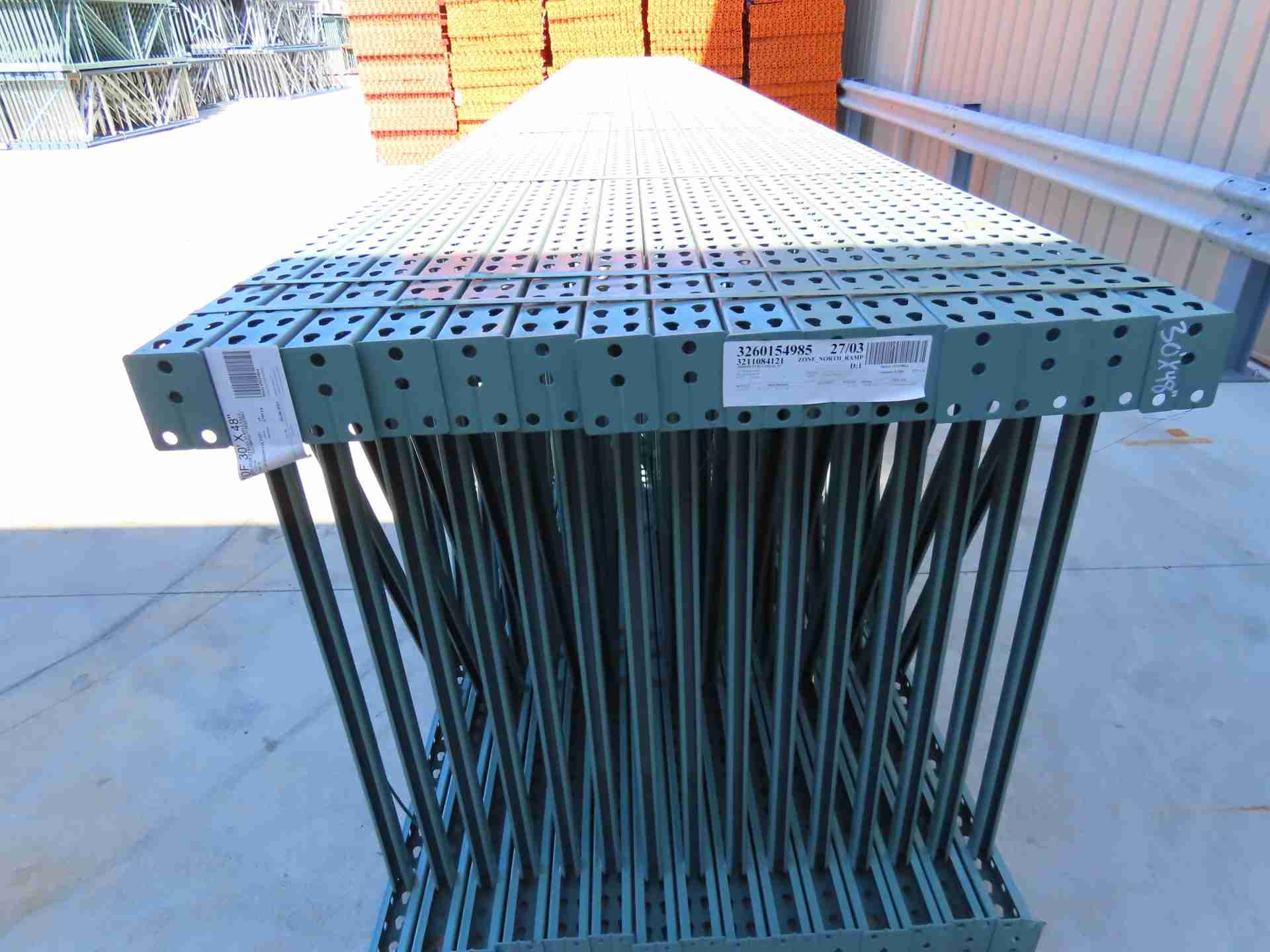
What Industries Commonly Use Racking Systems?
How Do Racking Systems Impact Workflow Efficiency?
In the fast-paced world of logistics and warehousing, the secret to boosting your workflow efficiency lies in an often-overlooked aspect of operations: racking systems. The right racking solutions can act as a catalyst for efficiency, streamlining processes, minimizing errors, and maximizing available space. In today’s market, where companies are facing increasing pressure to speed up delivery and cut costs, ineffective storage systems can serve as a bottleneck that drags down productivity.
Imagine a busy distribution center managing thousands of SKUs. If the racking system is cluttered, with items crammed haphazardly and inaccessible, employees waste precious minutes searching for products. This time adds up. According to a recent industry report, companies can cut their picking time by up to 70% with optimized racking systems. Automated solutions, such as pallet flow or selective racking, not only improve product accessibility but also enhance order accuracy. In a market that’s already experiencing labor shortages, cutting down on errors becomes a game-changer for maintaining profitability and customer satisfaction.
Let’s consider a case study that highlights this impact. A nationwide e-commerce retailer recently revamped its warehouse with a high-density storage racking system. By strategically implementing FIFO (first in, first out) principles using gravity-fed racking, they improved their order fulfillment speed by over 50%. This approach allowed them to minimize the risk of expired or obsolete stock while ensuring high-demand products were always front and center. In the current climate, where consumers expect one-day shipping, this kind of efficiency is no longer just an advantage—it’s a necessity.
But the benefits of optimized racking systems extend beyond mere speed. Lean inventory practices hinge on smart storage solutions that enhance asset utilization. As global supply chains recover from disruptions, like those caused by the pandemic, many companies find themselves adjusting inventory levels. A well-organized racking system can aid in a smoother transition to just-in-time inventory practices. Whether you’re managing seasonal spikes or shifting to a more sustainable operating model, dynamic racking solutions can adapt to your needs, ensuring that you don’t hold onto excess inventory longer than necessary.
In summary, if you are on a quest for heightened workflow efficiency, don’t overlook your racking systems. Investing in the right storage solution not only enhances operational efficiency but can also be a decisive factor in how quickly you respond to market demands. In a world where every second counts, the smart choice in racking can propel your business ahead of the competition.

How Do Racking Systems Impact Workflow Efficiency?
How Do Racking Systems Impact Workflow Efficiency?
- Racking systems are a crucial element in logistics and warehousing for boosting workflow efficiency.
- Effective racking solutions streamline processes, reduce errors, and optimize space, addressing productivity bottlenecks.
- Cluttered racking systems waste time; optimized systems can reduce picking time by up to 70%.
- Automated racking options improve product accessibility and enhance order accuracy, essential in light of labor shortages.
- A case study of a nationwide e-commerce retailer showed over 50% improvement in order fulfillment with high-density storage racking.
- Optimized racking systems support lean inventory practices and help adjust inventory levels post-pandemic disruptions.
- Investing in the right racking solutions is vital for quick market response and gaining a competitive edge.
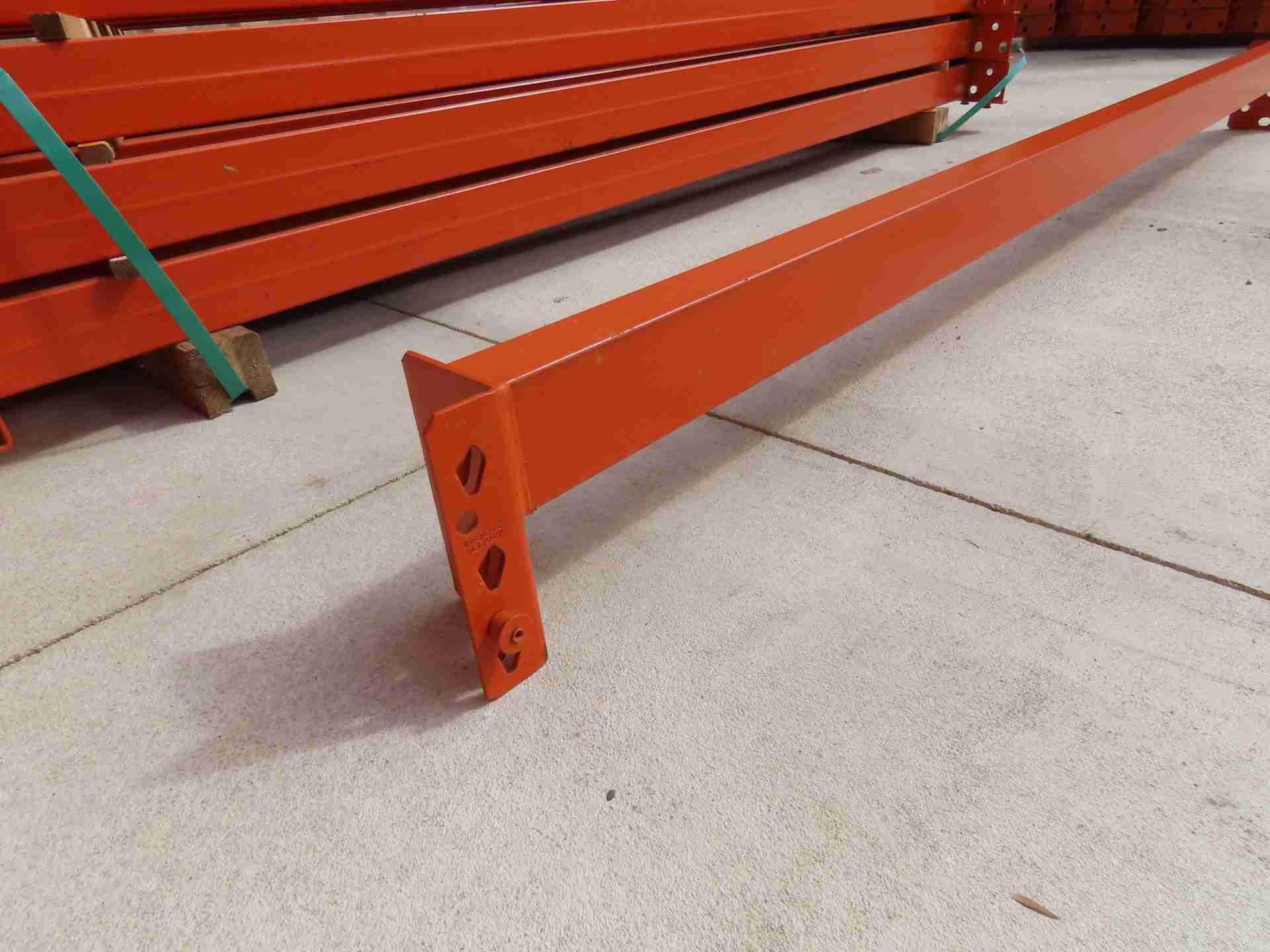
How Do Racking Systems Impact Workflow Efficiency?
What Maintenance Is Required For Racking Systems?
Racking systems are the backbone of efficient warehouse operations, acting as the silent workhorses that support inventory management, accessibility, and ultimately, profitability. But just like any critical asset, they require regular maintenance to ensure they operate at peak performance. Ignoring this necessity can lead to safety hazards, costly replacements, and lost productivity. So, what are the essential maintenance tasks every warehouse manager should implement?
Weekly Inspections Are Key
Routine inspections of racking systems must be carried out weekly. Check for signs of damage such as bent beams, loose connections, or cracked uprights. A recent report from a major logistics provider revealed that a significant percentage of warehouse accidents stemmed from overlooked racking damage, leading to injuries and expensive legal repercussions. By dedicating a few minutes each week to inspect your racking, you can catch these issues before they escalate.
Cleanliness Matters
Dust and debris can accumulate on the racking system, which not only hinders visibility but can also affect the structural integrity of the system. A clean racking system is not just about aesthetics; it’s about functionality. For example, HVAC systems in warehouses can disperse dust into the air, and if your racking is covered in grime, it can become a safety issue. A simple cleaning routine—using appropriate cleaning agents and methods—ensures your racking systems are as safe as they are efficient.
Load Testing and Adjustments
Every racking system has a specified load capacity, which must be respected to maximize safety and efficiency. Periodically load tests should be performed to ensure compliance with safety standards and manufacturer recommendations. Adjustments may also be necessary as your inventory needs evolve. For instance, if you’re adding heavier items due to shifts in product offerings like the recent trend toward bulk-buying in response to fluctuating global supply chains, ensure your racking can accommodate these changes.
Engage the Right Experts
Finally, don’t underestimate the importance of professional racking system audits. Many companies overlook the value of expert evaluations, only to face costly consequences later. Engaging qualified maintenance professionals brings fresh insight to your operations and identifies potential hazards you may have missed.
In today’s fast-paced market, keeping your racking systems in optimal shape can’t be an afterthought. Regular maintenance pays off not just in safeguarding your investment but also in boosting efficiency and productivity. In a world where every detail can make or break your bottom line, maintaining your racking systems is a smart strategy for long-term success.
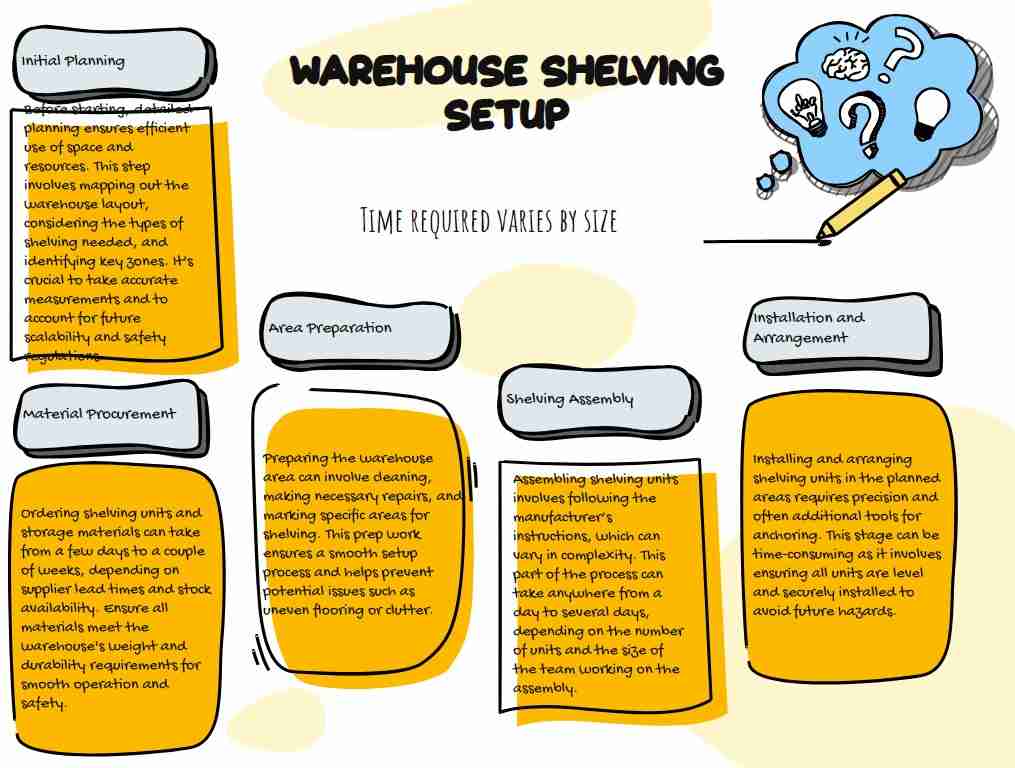
What Maintenance Is Required For Racking Systems?
What Maintenance Is Required For Racking Systems?
- Racking systems are crucial for efficient warehouse operations, supporting inventory management and profitability.
- Regular maintenance is essential to prevent safety hazards, costly replacements, and lost productivity.
- Weekly inspections of racking systems are necessary to identify damage such as bent beams or loose connections.
- Dust and debris on racking systems can affect visibility and structural integrity; routine cleaning is vital.
- Load testing is important to ensure racking systems comply with safety standards and can accommodate changing inventory needs.
- Engaging professional experts for racking system audits can help identify potential hazards and enhance operations.
- Regular maintenance of racking systems is a smart strategy for long-term success and improved efficiency in a competitive market.

What Maintenance Is Required For Racking Systems?
How Do Racking Systems Adapt To Changing Inventory Needs?
In the ever-evolving landscape of logistics and inventory management, adaptability is the name of the game. Racking systems have transformed from static storage solutions into dynamic frameworks designed to meet the shifting demands of modern businesses. As consumer behavior changes, backed by anomalies like supply chain disruptions and fluctuating pandemic-related needs, businesses are increasingly recognizing the importance of having racking systems that can adapt swiftly and efficiently.
Take, for instance, the rise of e-commerce giants during the COVID-19 pandemic. As demand skyrocketed for online shopping, these businesses were faced with an urgent need to reorganize their inventory systems. Traditional pallet racking can be limiting; companies adapted by incorporating selective pallet racks that allowed for easier access to individual items, thereby speeding up order fulfillment. An example worth noting is Amazon, whose fulfillment centers employ a variety of racking solutions—from vertical carousels to mobile shelving—that adjust to the ever-changing inventory of products, from books to electronics.
Another key player in adaptation is warehousing technology. Automated racking systems, equipped with Artificial Intelligence, can now analyze inventory levels in real time, predict trends, and reorganize themselves to optimize space. The recent uptick in smart warehousing solutions illustrates this trend beautifully. In 2023, a notable logistics provider introduced a fully automated racking system that adjusts configurations daily based on sales forecasts. This not only maximizes storage efficiency but also minimizes human labor, increasing overall productivity.
Flexibility is also manifested in modular racking solutions, which allow businesses to easily add or remove components based on changing needs. This is particularly useful for seasonal businesses that experience sales spikes during specific periods. For example, retailers in the fashion industry often experience inventory fluctuations due to the fast-paced nature of style trends. Temporary racks that can expand or contract help these retailers accommodate varying stock items, thus optimizing the use of valuable floor space.
Moreover, adaptability isn’t just about speed; it’s about resilience. In light of recent supply chain challenges highlighted in discussions about trade policies and global logistics, the ability to pivot inventory quickly has become paramount. Racking systems that allow for mixed storage—combining both pallet and shelving options—enable businesses to handle diverse products without the constant need for expensive overhauls or complete system replacements.
To remain competitive in this new landscape, investing in adaptable racking systems has never been more crucial. Businesses that embrace these solutions are not just responding to market shifts; they are positioning themselves for sustainable growth in an unpredictable world. Adaptability is not just a strategy—it’s a survival tactic in today’s fast-paced marketplace.
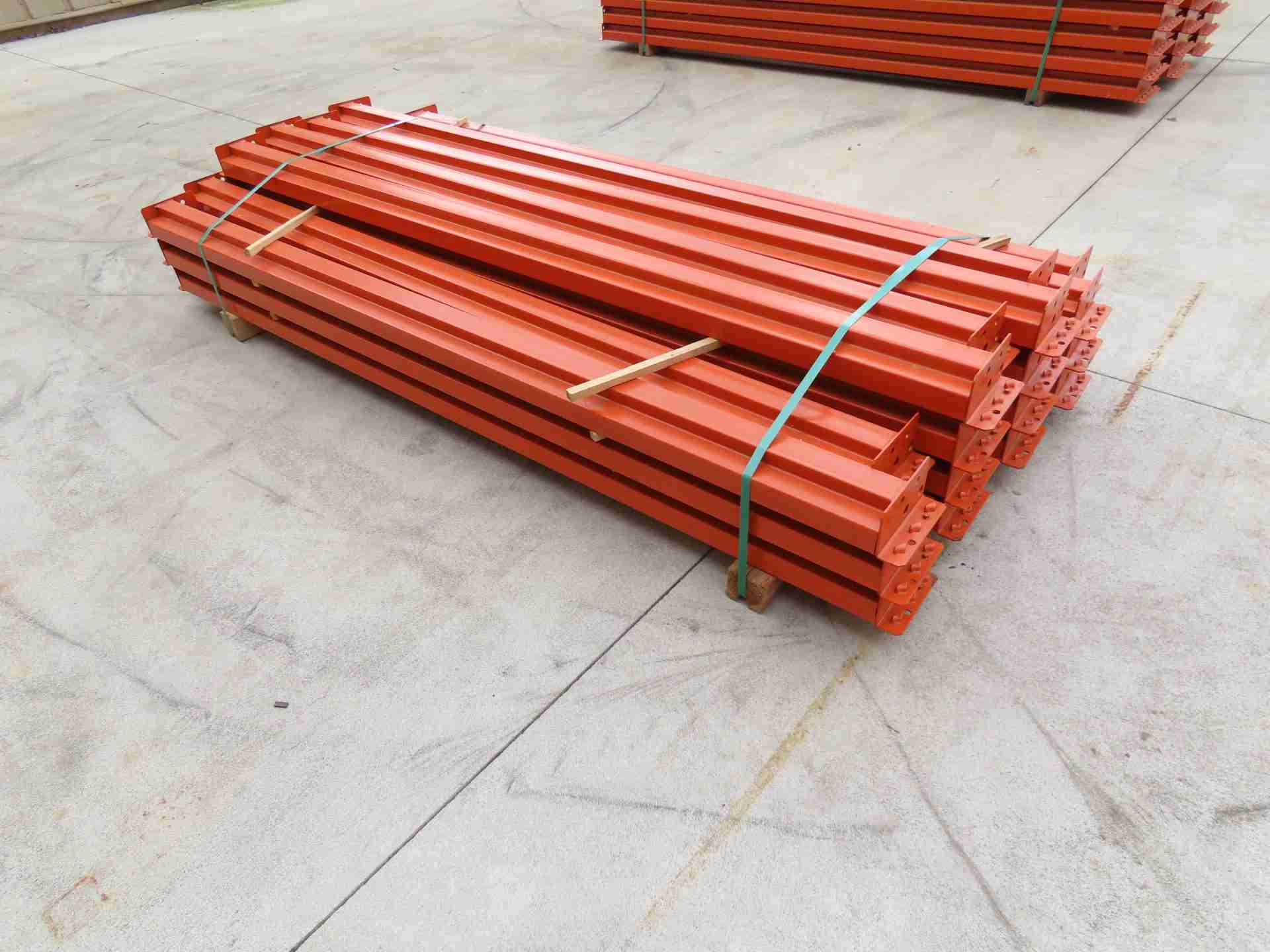
How Do Racking Systems Adapt To Changing Inventory Needs?
How Do Racking Systems Adapt To Changing Inventory Needs?
- Racking systems have evolved from static storage to dynamic frameworks for modern businesses.
- COVID-19 accelerated the need for adaptable inventory systems, particularly for e-commerce.
- Selective pallet racks facilitate easier access to individual items, enhancing order fulfillment.
- Automated racking systems with AI optimize space and predict inventory trends in real-time.
- Modular racking allows easy adjustments to accommodate seasonal sales spikes.
- Flexibility in storage solutions is vital for businesses facing supply chain challenges.
- Investing in adaptable racking systems is crucial for sustainable growth in a competitive market.
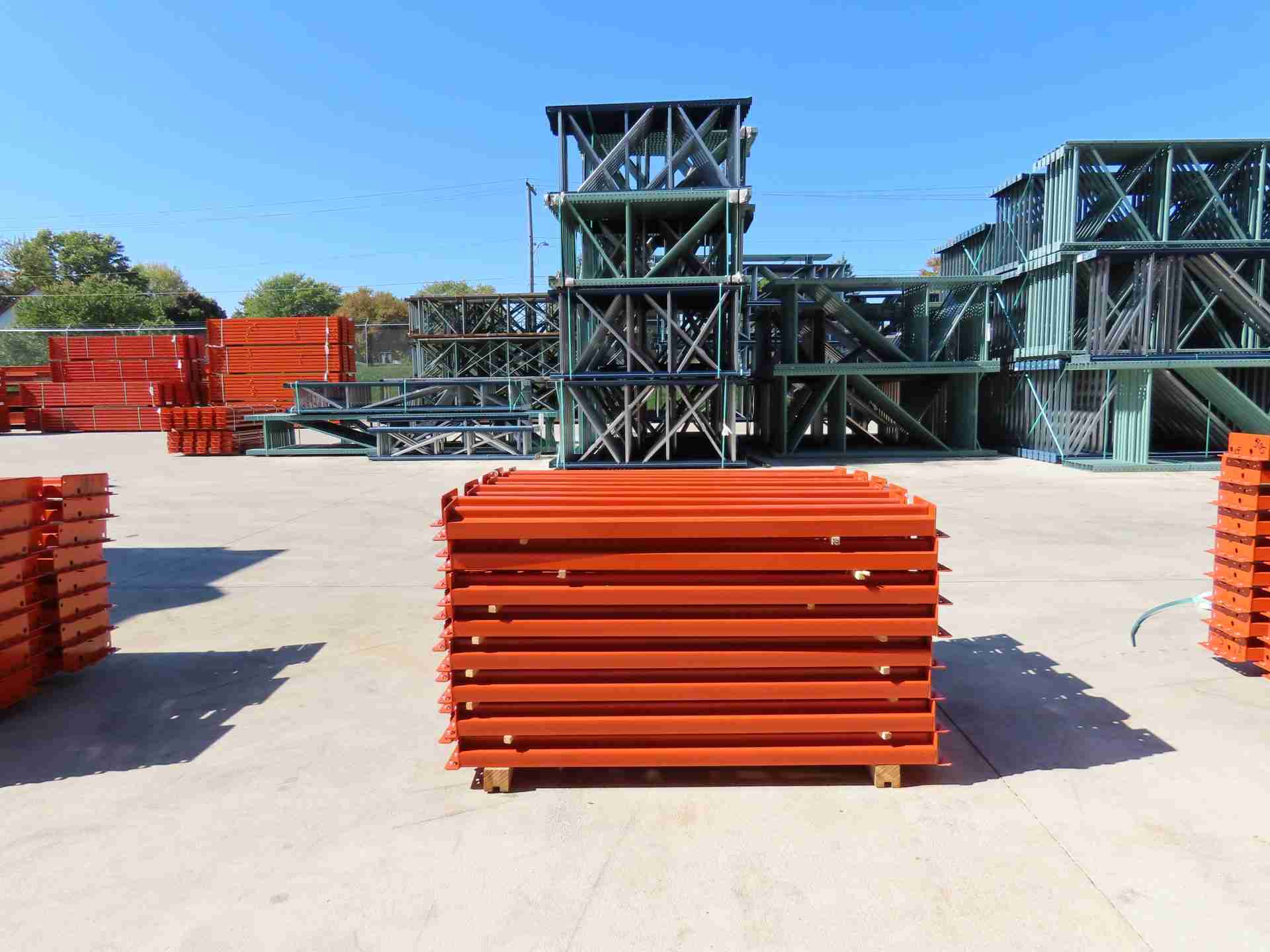
How Do Racking Systems Adapt To Changing Inventory Needs?
What Are The Installation Costs For Racking Systems?
When it comes to optimizing your warehouse, understanding the installation costs for racking systems is essential. A well-structured racking system doesn’t just organize your space; it can enhance productivity, reduce accidents, and ultimately, help your bottom line. However, before you dive headfirst into your racking project, it’s crucial to break down the various costs associated with installation.
First, consider the type of racking system you want to install. Options range from selective pallet racks to more advanced drive-in or push-back systems. For instance, a selective pallet racking system is relatively economical and straightforward, usually ranging from $2,000 to $5,000 for a medium-sized warehouse. Conversely, the more intricate drive-in racking systems might set you back anywhere from $10,000 to $30,000, purely based on the complexity and number of levels.
Labor costs also play a significant role in total installation expenses. Depending on your location and the expertise required, labor can account for anywhere from 30% to 50% of your installation budget. For example, if a project requires a crew of specialized technicians for a week, expect labor costs to add up to $4,000 or more, depending on your locality’s wage standards. Regions facing labor shortages—like many areas of the Midwest—might even see these costs spike.
Don’t forget the additional expenses such as equipment rental. Forklifts or specialized machinery may be necessary for larger installations, often costing upwards of $1,000 a week. If you’re located in a bustling area where these machines are in high demand, prices can soar, making it vital to plan and reserve ahead of time.
Moreover, it’s important to factor in potential downtime during installation. If your racking system gets installed in stages, anticipate disruptions in operations that could result in lost revenue. On top of this, purchasing new shelving might necessitate a reevaluation of your existing inventory. This can lead to additional costs if stale or obsolete inventory needs to be cleared out before your racking system can be fully utilized.
Lastly, consider recent trends in automation. With many companies now investing in automated storage solutions, racking installations that integrate technology can result in higher upfront costs—often reaching into the six figures—but promising substantial long-term savings.
Remember, the right investment in a racking system isn’t just about upfront costs—it’s about the returns and efficiencies that come with it. In these times of economic uncertainty, making wise, informed choices about your racking system can set your warehousing operations on a path to success and growth.
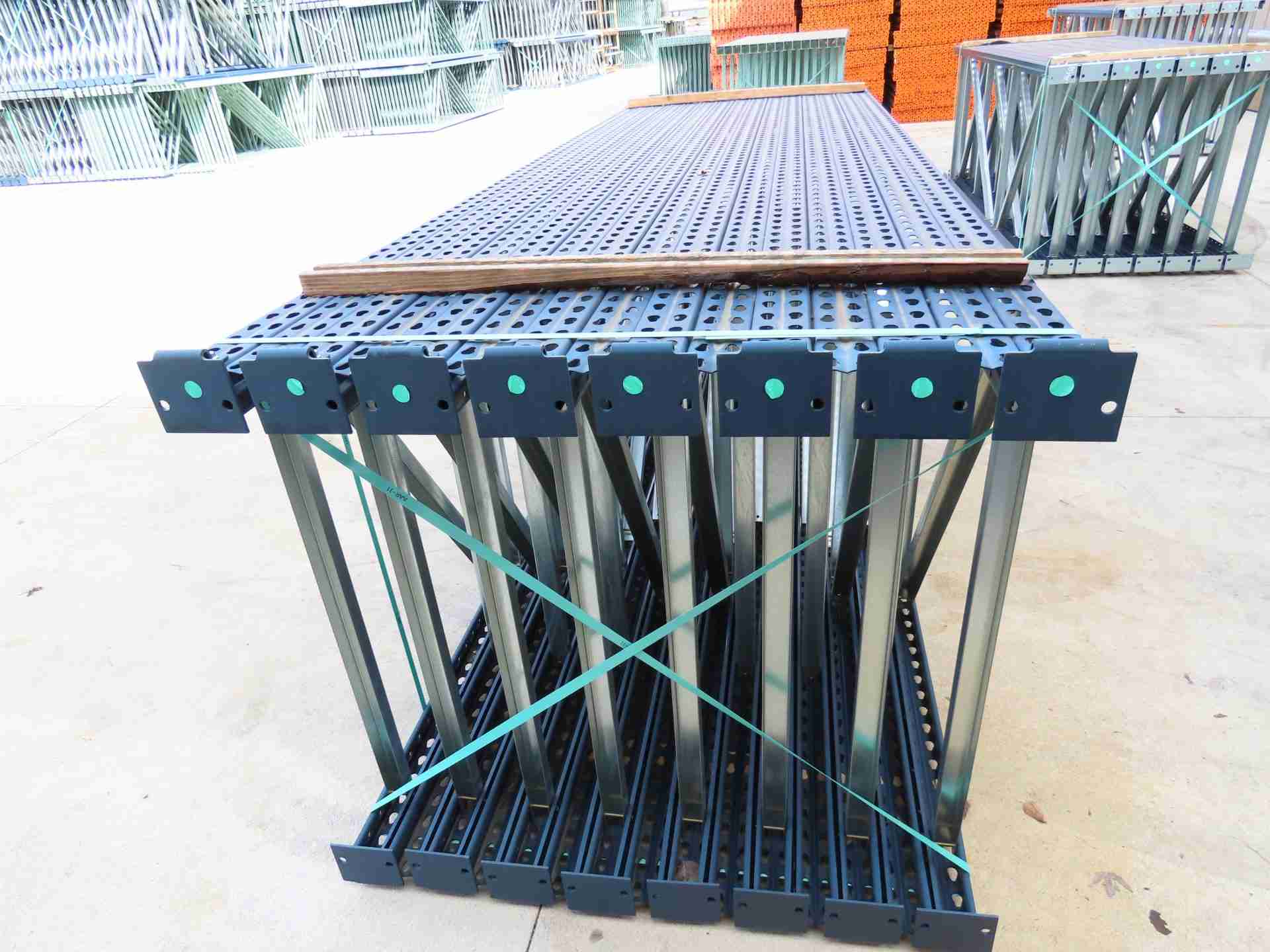
What Are The Installation Costs For Racking Systems?
What Are The Installation Costs For Racking Systems?
- Understanding installation costs for racking systems is crucial for warehouse optimization.
- Types of racking systems range from economical selective pallet racks ($2,000 to $5,000) to complex drive-in systems ($10,000 to $30,000).
- Labor costs can represent 30% to 50% of the installation budget, varying by location and expertise required.
- Equipment rental, such as forklifts, can add significant costs (upwards of $1,000 per week) depending on demand.
- Potential downtime during installation can lead to lost revenue and may require reevaluation of existing inventory.
- Automation trends in racking systems may involve higher upfront costs but promise long-term savings.
- Wise investments in racking systems focus on long-term returns and efficiency amid economic uncertainty.
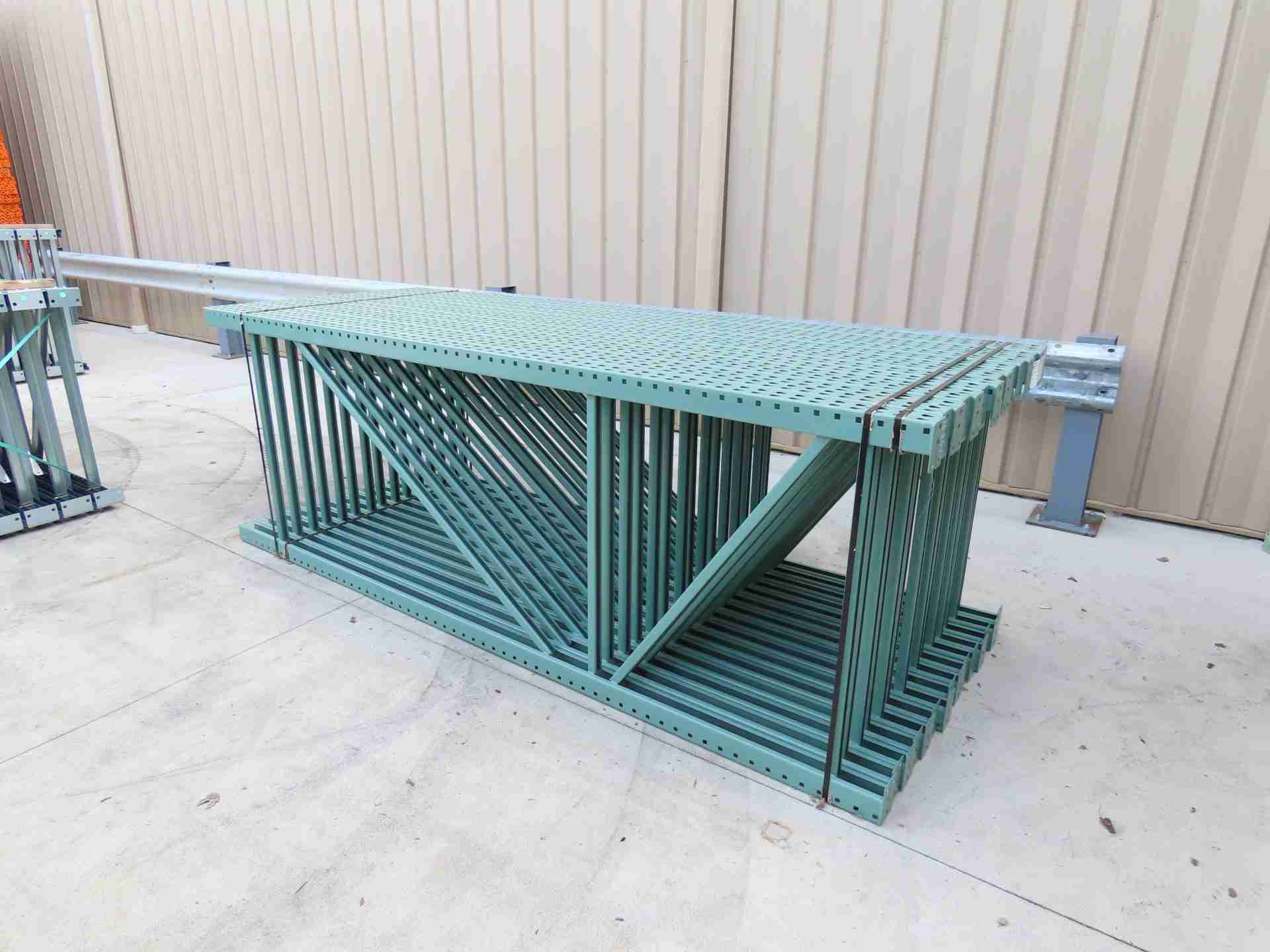
What Are The Installation Costs For Racking Systems?
How Do Racking Systems Comply With Regulations?
In today’s fast-paced world, businesses must navigate a complex landscape of regulations aimed at ensuring safety, efficiency, and sustainability. When it comes to racking systems, compliance isn’t just a matter of avoiding penalties; it’s about optimizing operations and safeguarding your most valuable assets: your employees and inventory.
Racking systems serve as the backbone of warehouses and distribution centers. However, improper installation and neglecting regulatory standards can result in disasters—both for your workforce and your bottom line. A prime example comes from a recent incident at a Midwest distribution facility, where outdated racking systems led to a catastrophic failure and serious injuries. The loss extended beyond physical damage; it was a public relations nightmare that negatively impacted brand reputation and trust.
To avoid such pitfalls, businesses must take a proactive approach to compliance by implementing industry standards set by organizations like the American National Standards Institute (ANSI) and the Occupational Safety and Health Administration (OSHA). These guidelines stipulate rigorous testing and inspection protocols to ensure racking systems are capable of withstanding operational demands.
But compliance is not a one-time effort; it requires ongoing vigilance. Businesses can invest in training programs that educate employees on the importance of racking systems’ structural integrity. For instance, a major retailer recently revamped its training approach by incorporating virtual reality simulations that immerse workers in realistic scenarios. This innovative strategy improved understanding of safety protocols—highlighting how reputable racking systems can be both functional and compliant.
Furthermore, regular audits not only ensure adherence to regulations but also uncover opportunities for performance enhancements. When a large warehouse chain initiated quarterly inspections and invited third-party experts to assess their racking systems, they discovered critical upgrades that resulted in a 15% increase in operational efficiency. Such proactive measures demonstrate that compliance doesn’t just protect; it can lead to significant ROI.
When looking for new racking systems, partner with manufacturers that prioritize compliance—who can provide certifications and detailed reports on testing results. Take the recent trend toward sustainability: not only are companies seeking compliant racking systems, but those made from recycled materials are increasingly popular. Compliance goes hand in hand with corporate responsibility, appealing to socially-conscious consumers and ultimately strengthening brand loyalty.
Racking systems are not only vital to your operational success, but they are also a key component of regulatory compliance. By investing in training, regular audits, and partnering with reputable manufacturers, businesses can ensure they meet the necessary standards while enhancing efficiency, safety, and profitability. Compliance isn’t just a box to check—it’s an essential part of a thriving warehouse operation.
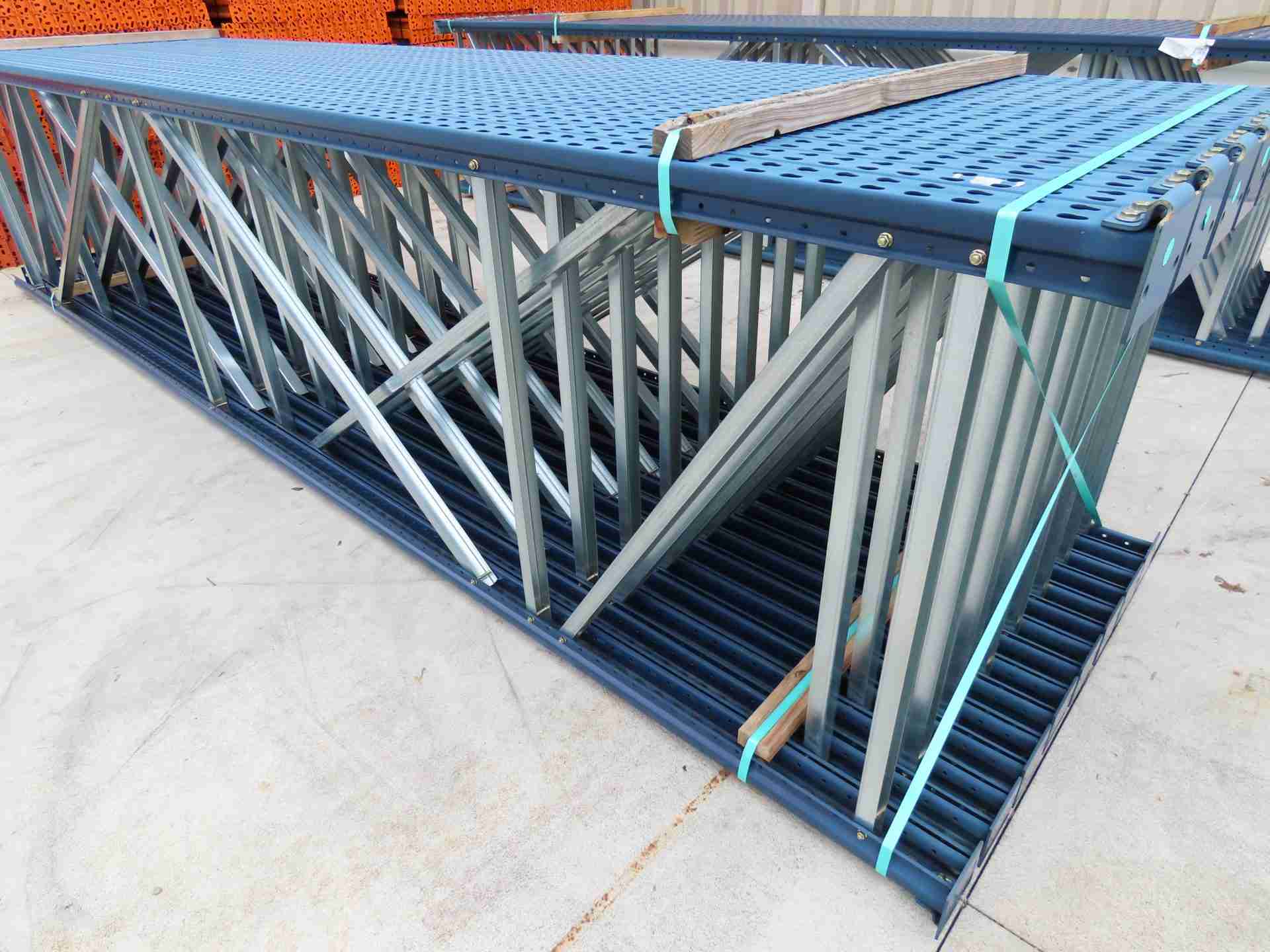
How Do Racking Systems Comply With Regulations?
How Do Racking Systems Comply With Regulations?
- Businesses face a complex regulatory landscape aimed at safety, efficiency, and sustainability.
- Racking systems are vital for warehouses, and improper installation can lead to severe consequences.
- Non-compliance can damage brand reputation, as exemplified by a recent incident at a Midwest distribution facility.
- Adhering to guidelines from ANSI and OSHA is essential for ensuring racking systems’ integrity.
- Ongoing training, such as virtual reality simulations, enhances employee understanding of compliance and safety protocols.
- Regular audits can reveal performance enhancements and contribute to operational efficiency, demonstrated by a large warehouse chain’s success story.
- Choosing compliant racking systems from reputable manufacturers aligns with corporate responsibility and strengthens customer loyalty.
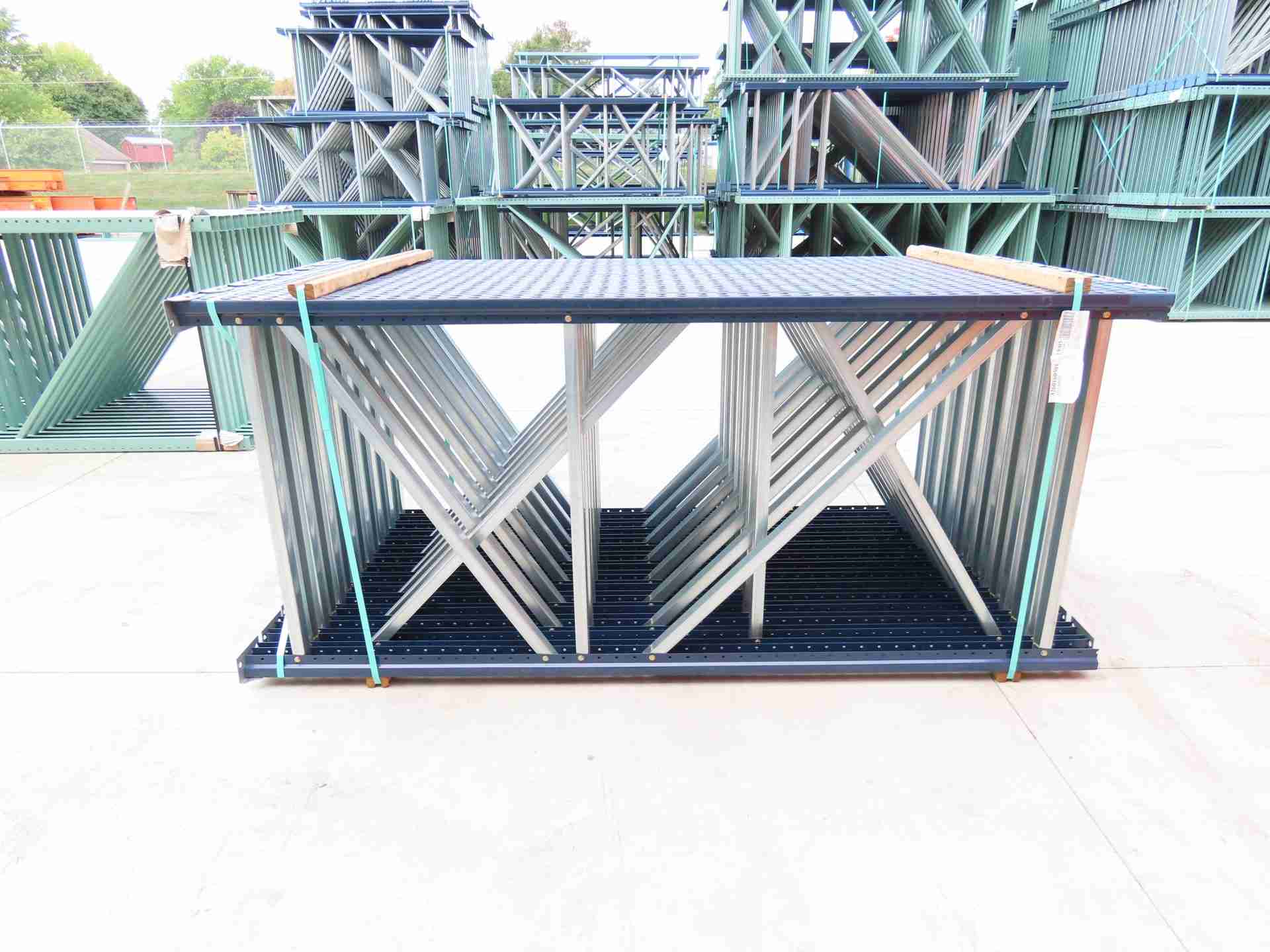
How Do Racking Systems Comply With Regulations?
What Technologies Can Enhance Racking Systems?
In today’s fast-paced industrial landscape, racking systems are more than just metal shelves; they are the backbone of efficient operations. As businesses stride towards increased efficiency, technological advancements in racking systems are rising to the challenge. But what does this mean for your operations? Let’s uncover the must-have technologies that can take your racking systems from adequate to exceptional and propel your productivity into overdrive.
Smart Racking Solutions
Imagine a racking system that knows exactly where each product is located—a system that reduces the time employees spend searching for items and enhances accuracy in inventory management. Enter RFID (Radio Frequency Identification) technology, which is transforming racking logistics. By integrating small RFID chips into your stored products, you can track inventory in real time. Companies like Amazon are already leveraging this technology to streamline their warehouse operations significantly. What does this mean for you? More efficient picking processes, reduced errors, and ultimately, happier customers.
Automated Storage and Retrieval Systems (AS/RS)
Don’t let labor shortages hold you back. Automated Storage and Retrieval Systems (AS/RS) provide a seamless integration of robotics into your racking setups. These systems automatically handle the storage and retrieval of goods, ensuring peak efficiency and accuracy. In a world where time is money, automation is your ally. For example, firms like Ocado are using AS/RS technology to fully automate their warehouses, drastically cutting down on operational costs while increasing throughput. Imagine having such a system tailored to your specific needs!
Data Analytics and IoT (Internet of Things)
Mining data does not solely belong to tech giants. Modern racking systems paired with IoT devices offer businesses unparalleled insights into their inventory management. Using data-driven analytics, you can monitor stock levels, track performance metrics, and even predict future inventory needs based on historical trends. This capability reduces overheads and optimizes space utilization. For instance, a recent survey from McKinsey showed that companies adopting data analytics in logistics experienced up to a 30% improvement in inventory turnover. The numbers don’t lie; investing in such technologies is no longer optional.
Eco-Friendly Solutions
As the world pivots towards sustainability, consider how green technologies can fit into your racking systems. From energy-efficient LED lighting in storage areas to sustainable materials for racking structures, the emphasis on an eco-friendly approach not only helps the planet but can also boost your brand’s image. Companies prioritizing sustainability are positioning themselves as industry leaders—the market benefits are clear.
By integrating these innovative technologies, businesses can radically enhance their racking systems, ultimately driving greater efficiency, accuracy, and sustainability. In the relentless pursuit of excellence, embracing these advancements is not just wise—it’s necessary.
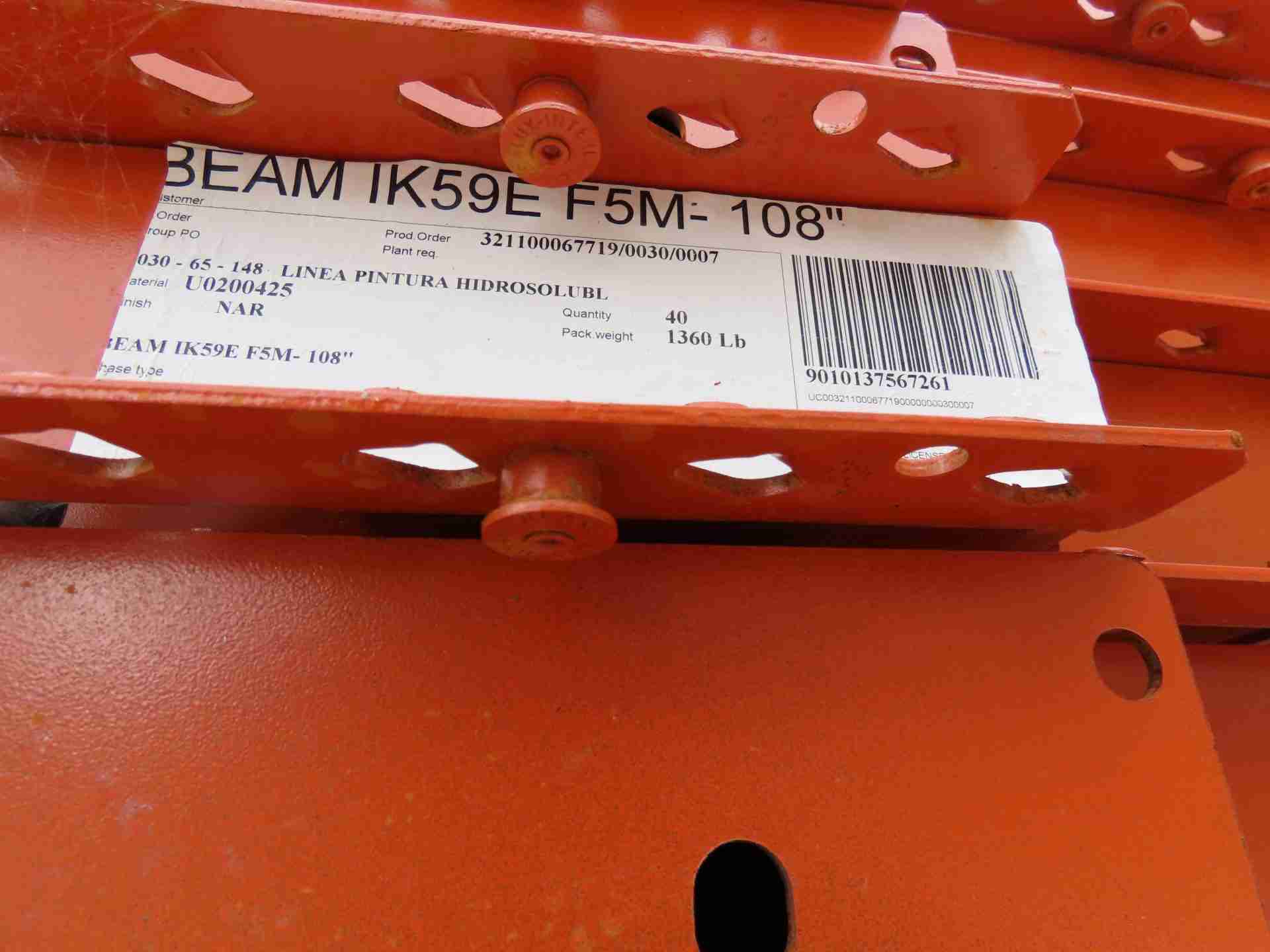
What Technologies Can Enhance Racking Systems?
What Technologies Can Enhance Racking Systems?
- Racking systems are essential for efficiency in modern industrial operations.
- Technological advancements, such as RFID, enhance inventory management by allowing real-time tracking of products.
- Automated Storage and Retrieval Systems (AS/RS) utilize robotics to improve storage and retrieval processes, addressing labor shortages.
- IoT and data analytics provide businesses with insights into inventory management, improving stock monitoring and performance metrics.
- Adopting these technologies can lead to significant improvements in productivity and inventory turnover.
- Eco-friendly solutions in racking systems, like sustainable materials and energy-efficient lighting, promote sustainability and enhance brand image.
- Investing in innovative technologies is crucial for driving efficiency, accuracy, and sustainability in operations.
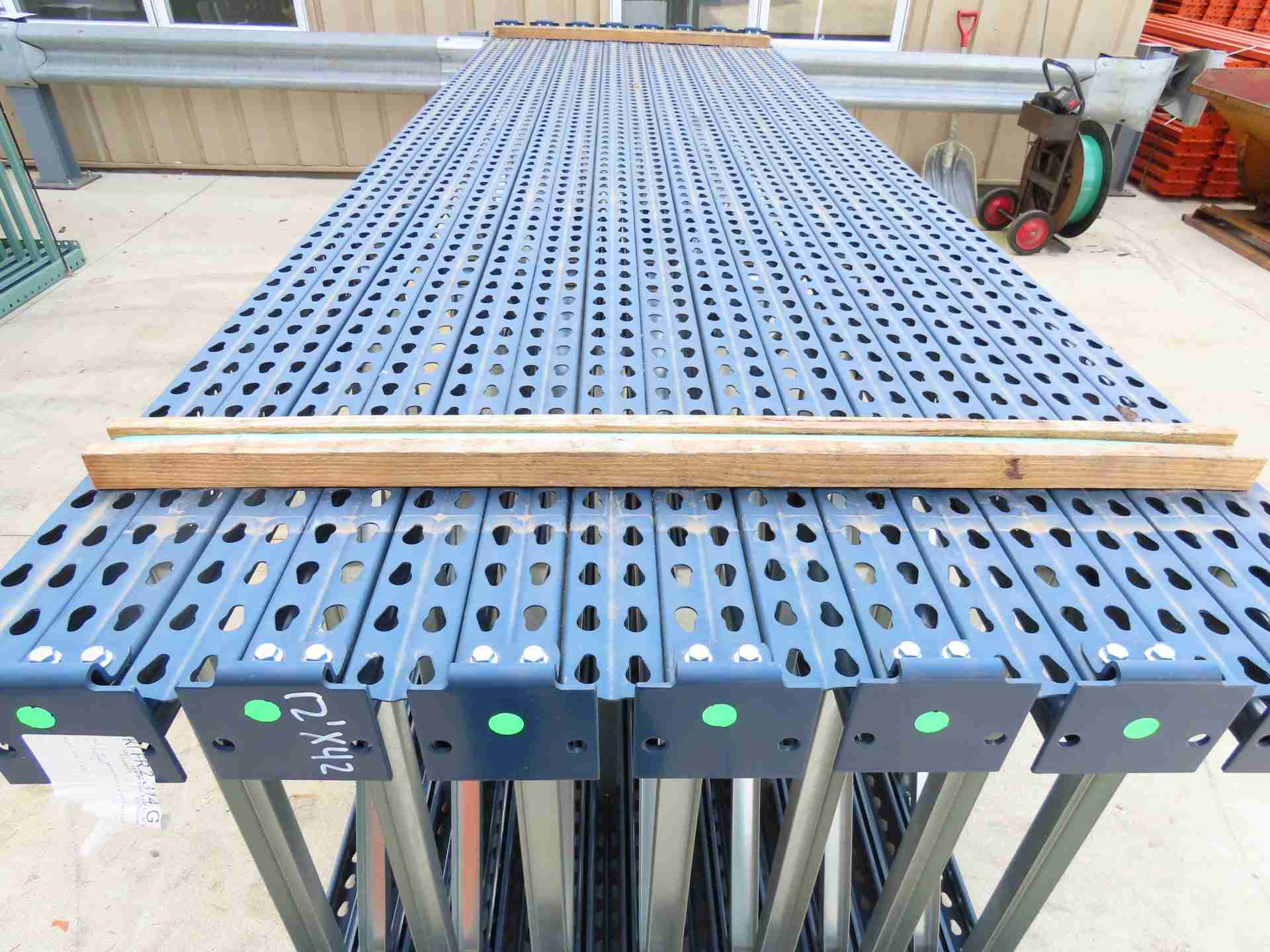
What Technologies Can Enhance Racking Systems?
Conclusion
In the competitive landscape of today’s warehousing and retail sectors, the importance of effective storage solutions cannot be overstated. Racking systems are not merely a means to stack products; they are instrumental in enhancing your operational efficiency, maximizing space utilization, and ultimately driving your profitability. This article has broken down various aspects of racking systems—connecting their practical advantages to real-world applications that matter to your business.
By understanding the types of racking systems available and how to match them with your unique inventory needs, you can transform chaos into order. Consider how companies like Amazon have leveraged sophisticated racking solutions to revolutionize their fulfillment processes—speed and efficiency have become their hallmark! When you implement advanced racking solutions, you enable your workforce to retrieve items faster, reduce order fulfillment times, and minimize the hefty costs associated with warehousing inefficiencies. The real empowerment comes from integrating technology that allows you to adapt and scale as your business needs evolve.
Moreover, safety and compliance are crucial elements of any savvy business strategy. In adhering to OSHA standards and other regulations, you safeguard your most valuable asset—your people. Regular maintenance and employee training regarding racking systems ensure that accidents are minimized, and productivity is sustained. An ounce of prevention can save you thousands in potential liabilities and downtime.
The urgency to act is palpable. In a market where every minute and square foot counts, failing to optimize your storage solutions can mean losing out to competitors who are already reaping the benefits of advanced racking systems. The time to evaluate your current storage solutions is now.
At Arrow Industrial Sales, we stand ready to assist you in redefining your storage strategy. Do not let subpar solutions weigh down your operational efficiency. Contact us at (574) 349-6575 for tailored advice and information about racking systems designed to match your unique business needs. Your investment in efficient storage today not only optimizes your operations but sets the stage for long-term growth. Take that step into a more organized, efficient, and profitable future with Arrow Industrial Sales—where your storage solutions truly become a strategic advantage. Don’t wait; the future of your business is waiting to be unlocked!
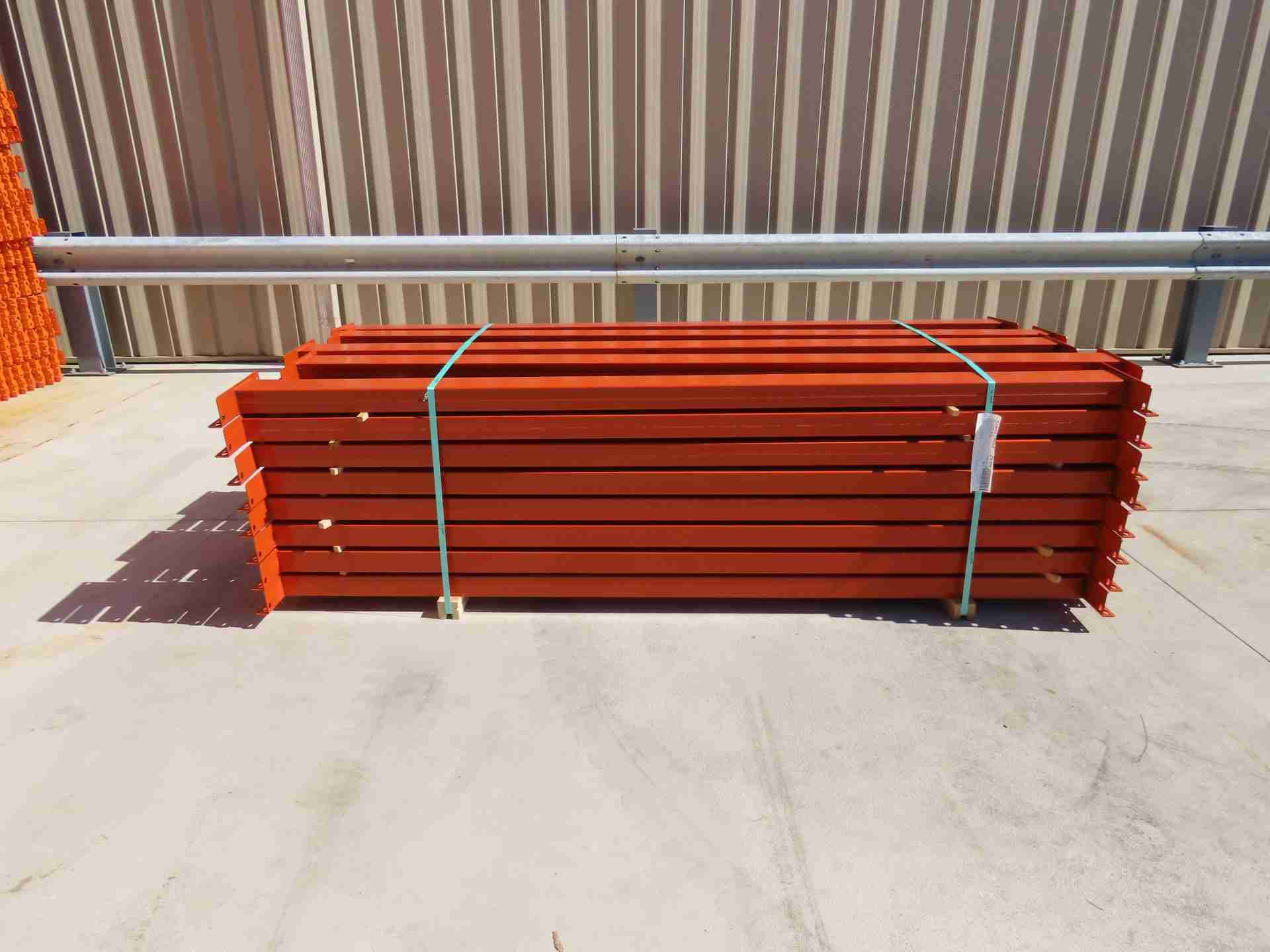
Conclusion
Conclusion:
- Effective storage solutions are crucial in today’s competitive warehousing and retail sectors.
- Racking systems enhance operational efficiency, maximize space utilization, and drive profitability.
- Understanding and matching racking systems to your inventory needs can transform chaotic environments into organized spaces.
- Companies like Amazon use advanced racking solutions to improve speed and efficiency in their fulfillment processes.
- Implementing advanced racking solutions helps reduce order fulfillment times and warehousing costs.
- Adhering to safety regulations and providing employee training on racking systems minimizes accidents and downtime.
- Contact Arrow Industrial Sales for tailored racking solutions to optimize your storage and support long-term growth.
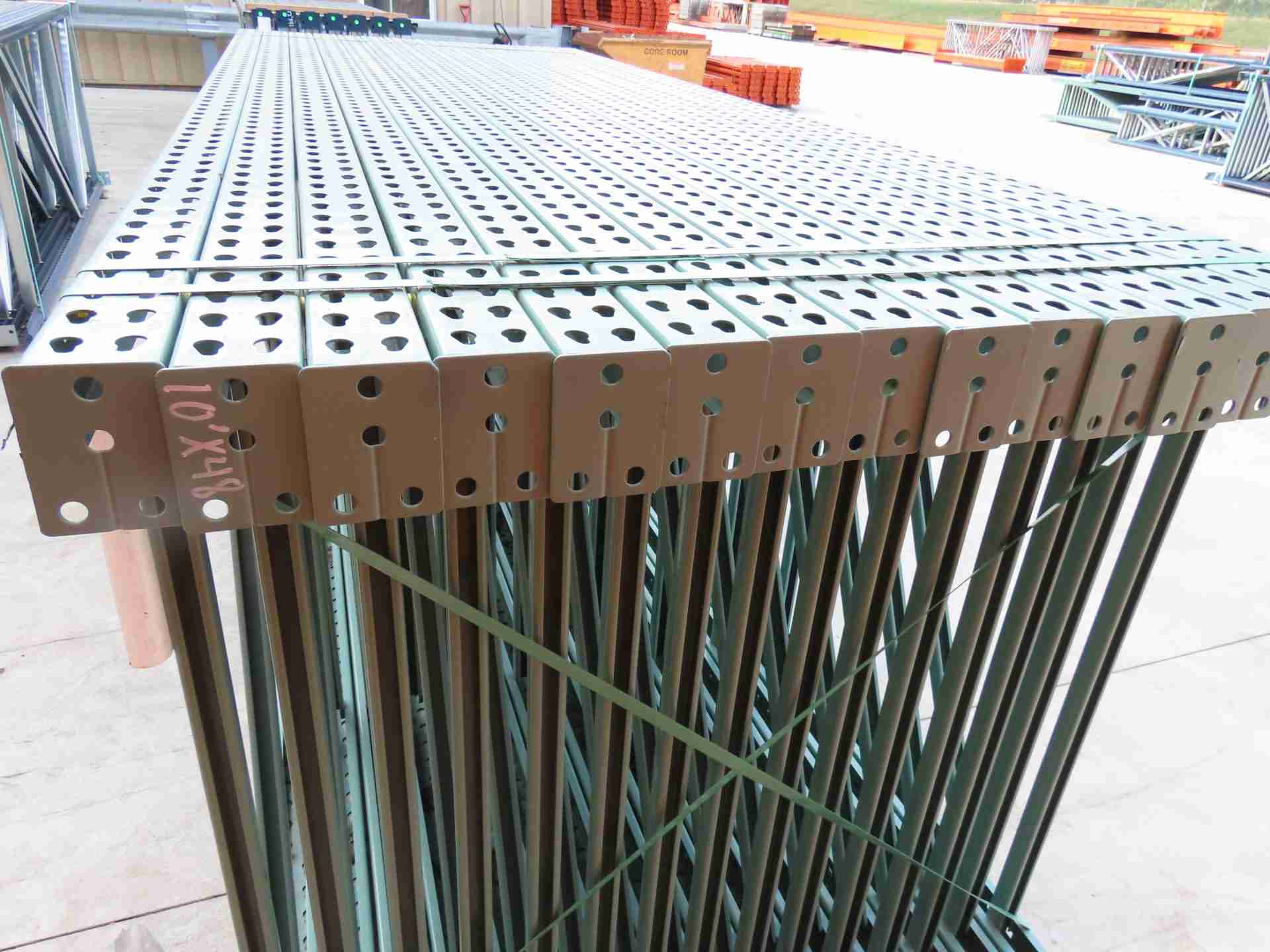
Conclusion
Other Resources
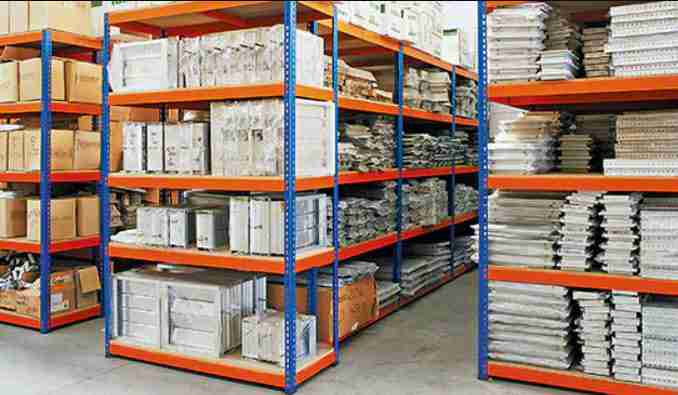
Other Resources
Here is a list of other resources you can review online to learn more:
- “Stock management and warehouse inventory | Amazon IT”
- “Understanding e-commerce logistics | Order fulfilment”
- “Survey on automated systems for smart warehouses – Webthesis”
- “E-commerce and 3PL warehouse solutions – Racking”
- “Top 10 Largest Warehouses in North America”
- “How to optimize e-commerce inventory management with …”
- “Inventory Storage Solutions & Systems for Ecommerce”
- “E-Commerce Warehouse Shelving Systems”
- ““E-Commerce Supply Chain Efficiency: A Case Study of …”
- “Warehouse Management: How to Optimize Storage in 2024”
- “How Deep Is Pallet Racking?”
- “7 Best eCommerce Shipping Solutions”
- “Revolutionizing Grocery Warehousing with Automation”
- “An E-Commerce Peak Season Checklist for Warehouse …”
- “A Guide to Multichannel E-Commerce”
- “Impact of Mega Distribution Centers in Logistics”
- “Exploring Drone Implementation in the Warehouse Industry”
- “Influence of artificial intelligence on warehouse performance”
Use This Prompt To Get More Resources With Your Favorite Online AI Tool: Please provide me with a list of online articles with their URLs in a bulleted list that I can read regarding What Are Racking Systems?
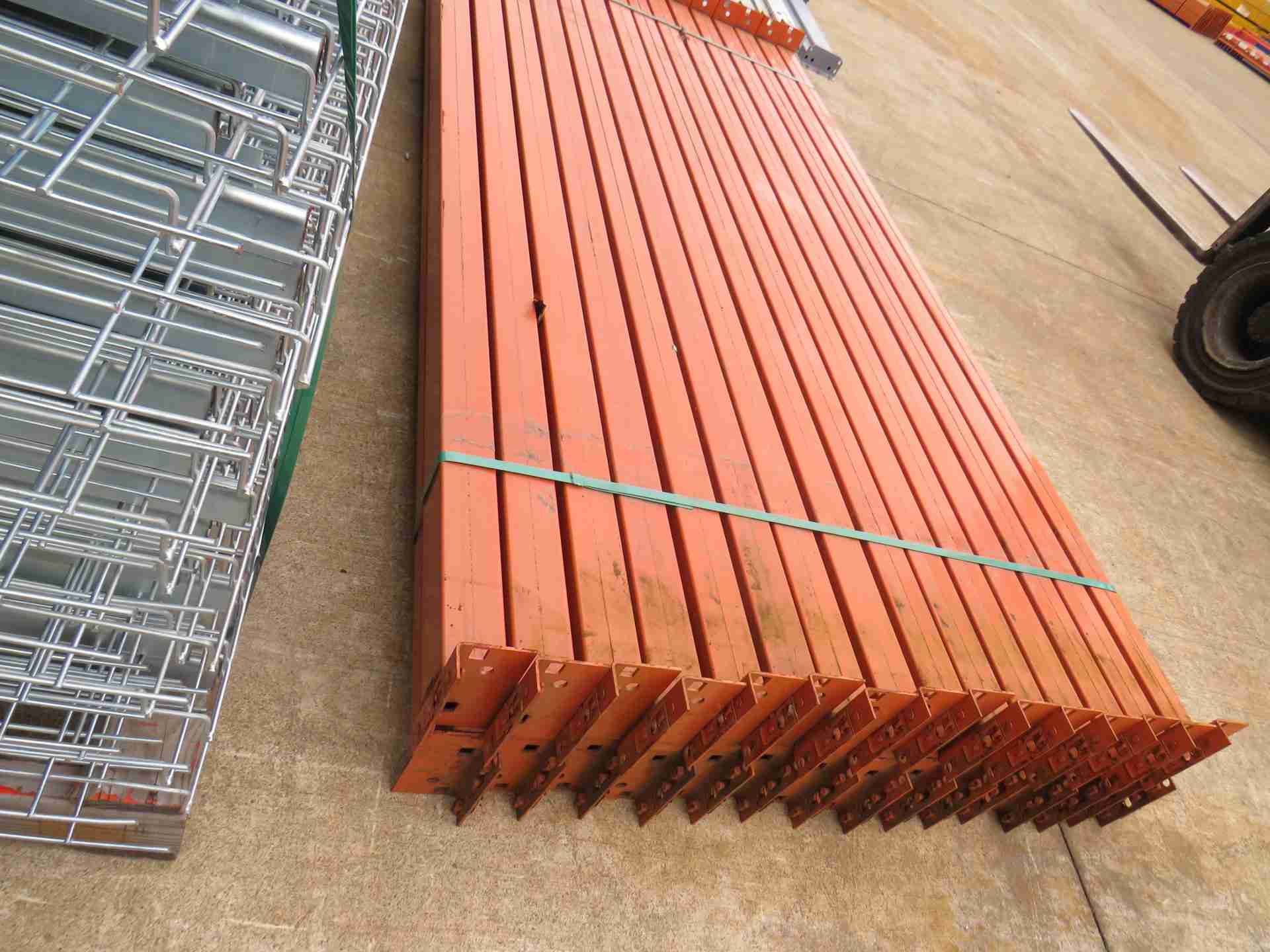
Other Resources
Glossary Terms
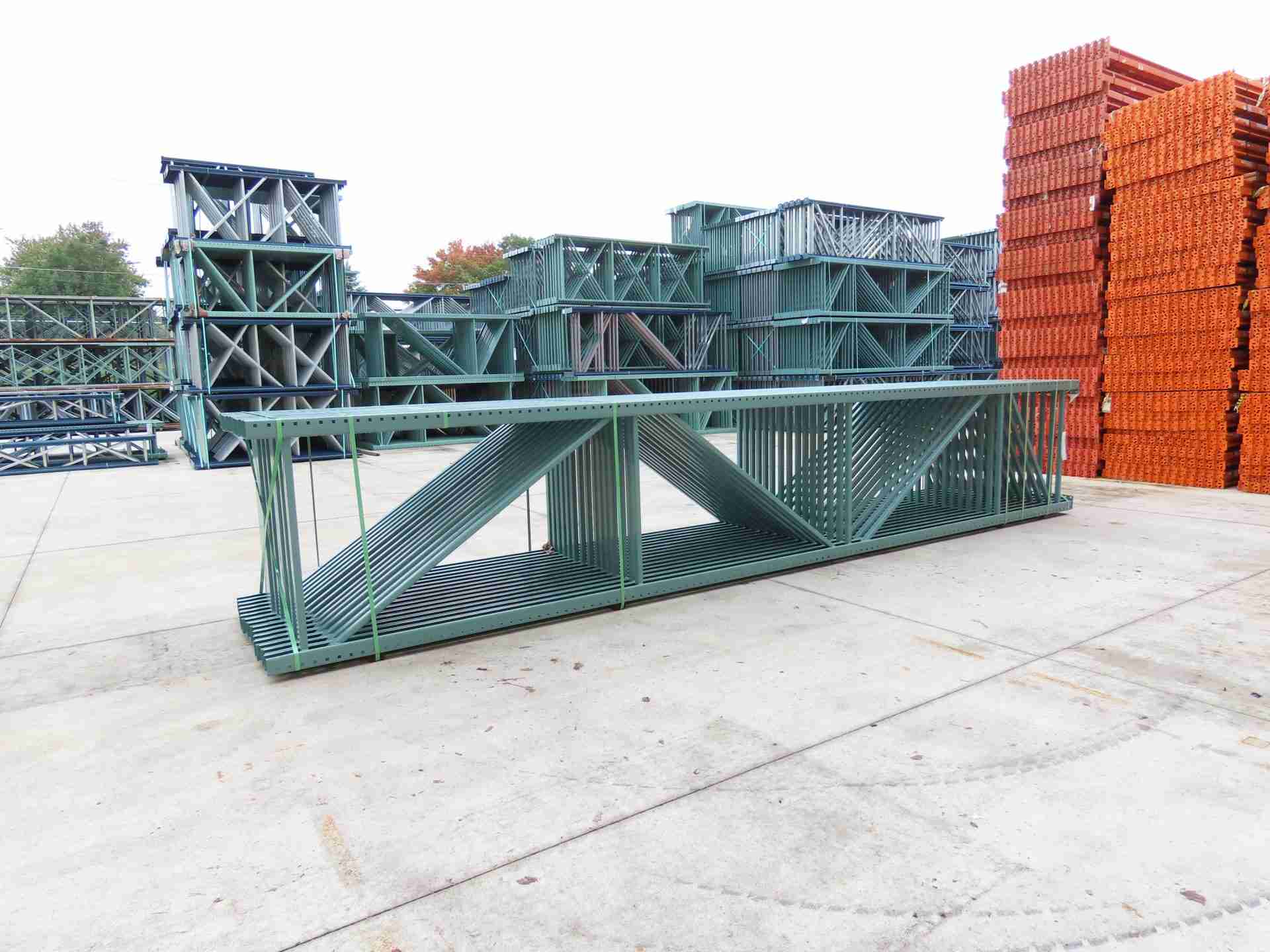
What Are Racking Systems? – Glossary Of Terms
1. Racking System: A structured framework designed to hold and store goods vertically to optimize space in warehouses and distribution centers.
2. Pallet Rack: A type of racking system specifically designed for storing palletized goods, typically consisting of vertical posts and horizontal beams.
3. Selective Racking: A highly versatile racking system that allows for easy access to a variety of palletized goods, using vertical racks and adjustable shelves.
4. Drive-In Racking: A system where forklifts enter the rack structure to store pallets, maximizing storage density by allowing multiple pallets to be stacked deep.
5. Drive-Through Racking: Similar to drive-in racking, but allows forklift access from both sides of the rack, improving efficiency for loading and unloading.
6. Push Back Racking: A racking system that allows pallets to be loaded and nested on wheeled carts that push back as new pallets are added, using gravity for retrieval.
7. Cantilever Racking: A racking system designed to store long or bulky items such as lumber, pipes, and furniture, featuring horizontal arms that extend out from a vertical structure.
8. Mobile Racking: A movable racking system on wheeled bases that can be compacted or expanded, providing high-density storage while enabling easy access to items.
9. Mezzanine: A raised platform within a warehouse that provides additional storage space without requiring a larger facility.
10. Cold Storage Racking: Specialized racking designed to withstand low temperatures for the storage of perishable goods in refrigerated or frozen environments.
11. Static Racking: Traditional racking systems that do not move or rotate, providing fixed storage for goods.
12. Multi-Tier Racking: A system with multiple levels or tiers of shelves, increasing vertical storage space for smaller items or components.
13. Silo Racking: A space-saving system where goods are stored in a tall, narrow structural format, resembling a grain silo.
14. Flow Rack: A racking system where items are stored on sloped shelves and flow down to the front for easy access, often used in picking operations.
15. Order Picking: The process of retrieving a specific amount of items from storage to fulfill customer orders, often facilitated by racking systems.
16. LIFO (Last In, First Out): An inventory management strategy where the most recently added items are the first to be retrieved from storage.
17. FIFO (First In, First Out): An inventory management approach ensuring that older stock is sold or used before newer merchandise.
18. Load Capacity: The maximum weight a racking system can safely hold, crucial for ensuring structural integrity and safety.
19. Beam: A horizontal support member in a racking system that holds the pallets or shelves.
20. Column: A vertical support element of the racking system that provides structural stability.
21. Cross Brace: A diagonal support member that stabilizes tall racking systems and prevents lateral movement.
22. Accessory: Additional components such as dividers, nets, or shelving that enhance the functionality of a racking system.
23. Kitting: The process of grouping various items together for the purpose of packaging and shipping, often facilitated by specialized racking systems.
24. ERP (Enterprise Resource Planning): A type of software that helps manage business processes, including inventory and warehouse management systems.
25. Safety Inspection: Routine checks conducted to ensure that racking systems meet safety standards and are in good condition for use.
26. Warehouse Management System (WMS): Software designed to oversee and control warehouse operations, including inventory tracking and racking system optimization.
27. SKU (Stock Keeping Unit): A unique identifier for each distinct item in inventory, used for efficient tracking and management.
28. Inventory Turnover: A measurement of how often inventory is sold and replaced over a period, indicating the efficiency of storage and sales processes.
29. Regulatory Compliance: Adhering to safety and operational standards set by governing bodies to ensure the safe use of racking systems in warehouses.
30. Customization: The process of tailoring racking systems to specific business needs, including adjustments to size, shape, and configuration.
Glossary Of Terms
Other Questions
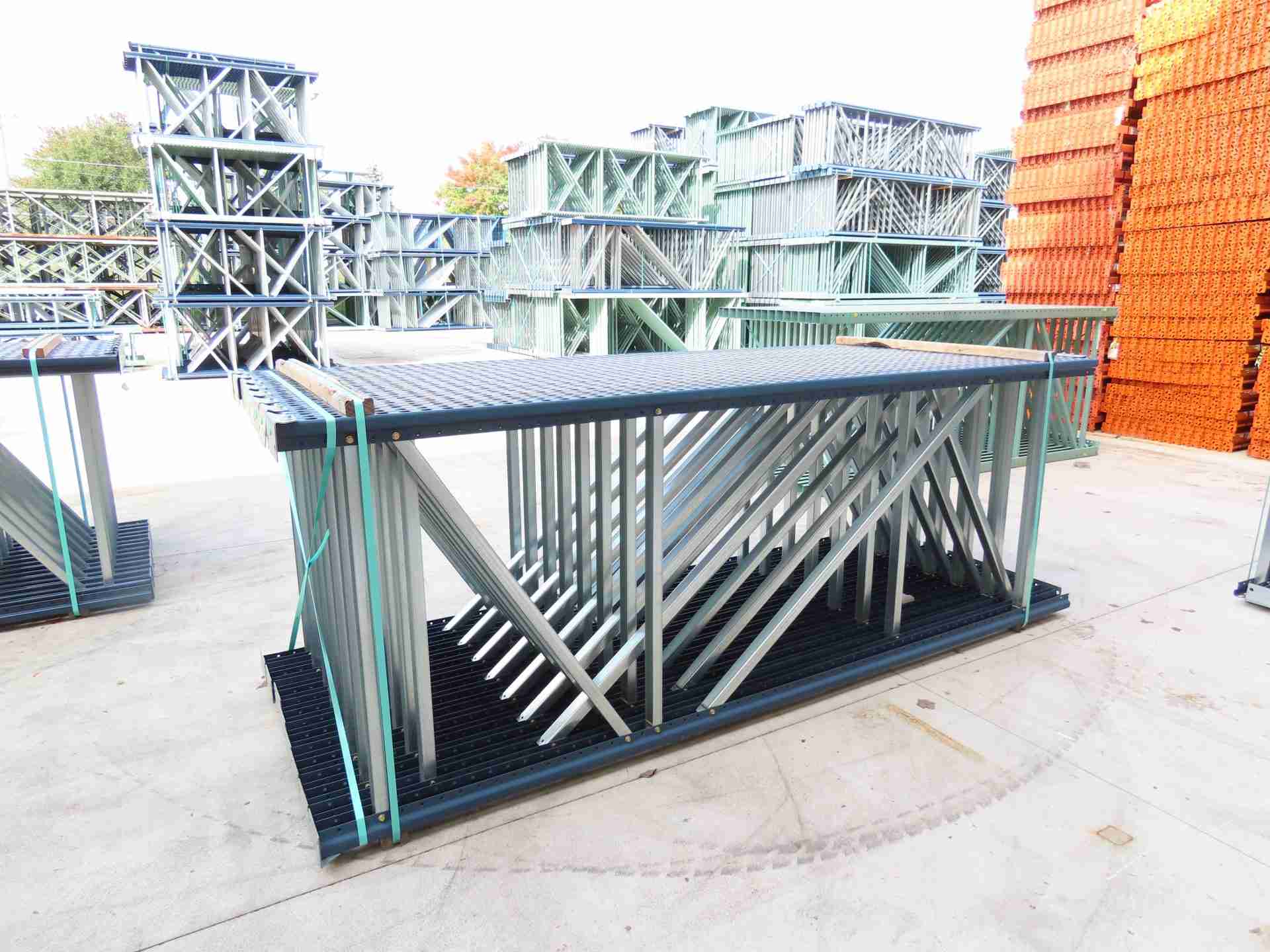
What Are Racking Systems? – Other Questions
If you wish to explore and discover more, consider looking for answers to these questions:
- What are the different types of racking systems available?
- How do I determine the right racking system for my specific inventory?
- What factors should I consider when choosing a racking system?
- How can racking systems be customized for unique business needs?
- What are the common safety concerns associated with racking systems?
- How can I maintain and care for my racking systems over time?
- What are the regulatory requirements for installing racking systems?
- How can technology improve the efficiency of racking systems?
- What industries benefit most from using racking systems?
- What are the signs that my racking system needs maintenance or replacement?
- Can racking systems be used in environmentally sustainable practices?
- What are the installation costs involved with different types of racking systems?
- How do racking systems fit into modern supply chain management?
- What role do racking systems play in inventory turnover rates?
- How can racking systems adapt to seasonal demand fluctuations?
Other Questions
Checklist
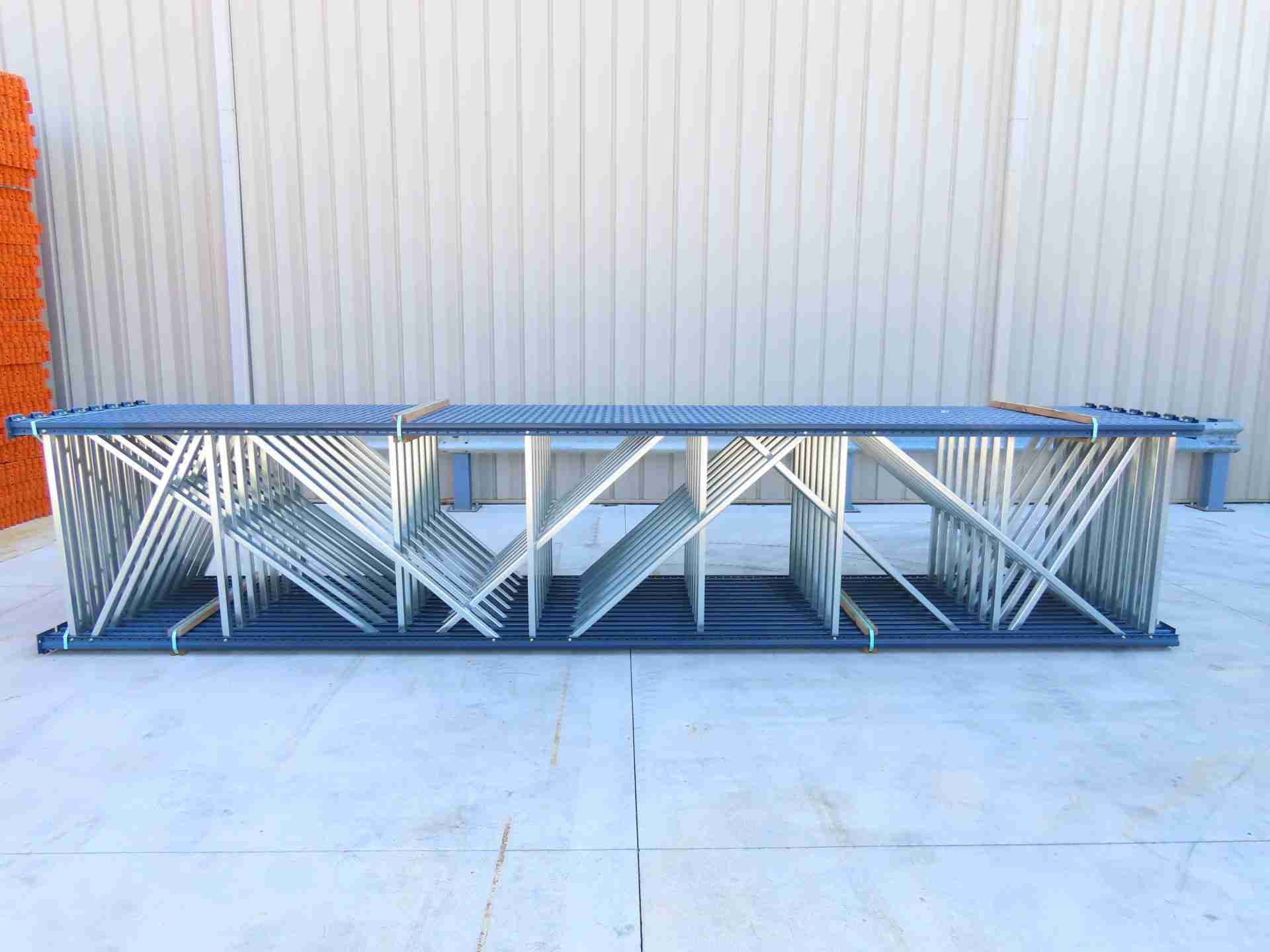
What Are Racking Systems? – A Checklist
1. Inventory Assessment
_____ Identify different types of products to be stored.
_____ Determine the average weight and size of products.
2. Space Analysis
_____ Measure the available warehouse space.
_____ Evaluate vertical space utilization potential.
_____ Consider access points and aisle width for movement and safety.
3. Racking System Selection
_____ Choose the most suitable racking type:
_____ Selective Pallet Racking
_____ Drive-In/Drive-Through Racking
_____ Push-Back Racking
_____ Cantilever Racking
_____ Mobile Racking
_____ Consider modular options for future adaptability.
4. Compliance and Safety
_____ Review local OSHA regulations and industry standards.
_____ Ensure the selected racking system meets safety requirements.
_____ Plan for regular safety audits and inspections.
5. Installation Planning
_____ Prepare a budget that includes material and labor costs.
_____ Schedule installation dates that minimize operational disruption.
_____ Confirm the qualifications and reputation of the installer.
6. Post-Installation Checks
_____ Conduct a thorough inspection after installation.
_____ Train employees on proper usage and safety standards.
_____ Implement signage for safety protocols and weight limits.
7. Maintenance Schedule
_____ Establish a routine maintenance protocol:
_____ Weekly inspections for damage.
_____ Monthly cleaning procedures.
_____ Annual load testing and adjustment reviews.
8. Technology Integration
_____ Investigate RFID or barcode scanning systems for inventory tracking.
_____ Consider Automated Storage and Retrieval Systems (AS/RS).
_____ Explore IoT solutions for data analytics and performance monitoring.
9. Monitoring and Optimization
_____ Regularly assess the effectiveness of the racking system.
_____ Adjust the system based on changing inventory needs.
_____ Train employees on best practices for optimal inventory management.
10. Evaluate Costs and Savings
_____ Review operational cost savings achieved through improved efficiency.
_____ Evaluate impacts on delivery speed and customer satisfaction.
_____ Plan for future investments as business needs evolve.
By following this checklist, you can successfully implement a racking system that enhances efficiency, improves safety, and adapts to future needs in your warehouse.
Checklist
At RackingWorld, we help guide you through selecting warehouse storage systems and racking.
Be sure to read our other related stories at RackingWorld to learn more about warehouse storage systems.
0 Comments