
Discover The Best Warehouse Pallet Racking Options
By Tom Seest
At RackingWorld, we help guide you through selecting warehouse storage systems and racking.
Be sure to read our other related stories at RackingWorld to learn more about warehouse storage systems.
Where to Find Pallet Racking for a Warehouse
When it comes to optimizing your warehouse space for efficiency and productivity, pallet racking is an absolute must. But where can you find the ideal solution for your needs? The answer isn’t as complex as it may seem; whether you’re running a burgeoning e-commerce business or managing a larger manufacturing operation, the sources for quality pallet racking are plentiful and ripe for the picking.
1. Specialized Suppliers:
Your first stop should be specialized pallet racking suppliers. Companies such as Shelving.com and APlusW focus exclusively on shelving and racking solutions. Their extensive catalogs provide a variety of pallet rack styles, from standard selective racking to modern push-back systems. To maximize your investment, look for vendors offering bespoke solutions tailored to your warehouse’s unique layout and product lines. A supplier that provides a consultation service can help pinpoint which configuration will maximize your storage capabilities.
2. Local Dealers and Distributors:
Don’t overlook local dealers! With the current supply chain disruptions making headlines, sourcing from nearby distributors ensures quicker delivery times and reduced shipping costs. Check out your local industrial equipment dealers or pallet racking manufacturers—many are keen to build business relationships and will often offer promotions or discounts for first-time buyers. For example, Uline is known for its extensive inventory of industrial supplies, including pallet racking solutions, and usually has promotional sales that allow you to save while securing the equipment you need.
3. Used Equipment Markets:
In the current economic climate, where resource sustainability is a pressing issue, consider the used pallet racking market. Platforms like eBay Business and Craigslist offer a wide selection of second-hand equipment that can provide substantial savings. Make sure to inspect the racking for structural integrity and safety compliance before making any purchases, as slightly used systems can function just as well as new ones.
4. Online Marketplaces:
E-commerce giants like Amazon and Alibaba have sections specifically devoted to warehouse equipment, including pallet racking. While the convenience of online shopping cannot be overstated, ensure you read customer reviews and that the seller is reputable before proceeding.
5. Trade Shows and Expos:
Finally, don’t underestimate the power of networking. Attend trade shows focused on warehouse logistics and supply chain solutions. Events like the MODEX Expo or ProMat provide not just the chance to discover cutting-edge racking options, but also the ability to forge valuable partnerships with suppliers.
By tapping into these diverse avenues, you can find the pallet racking that meets your needs while operating within your budget. Remember, making a strategic choice in your warehouse racking today can pay dividends in efficiency and productivity tomorrow.

Where to Find Pallet Racking for a Warehouse
Where to Find Pallet Racking for a Warehouse
- Pallet racking is essential for optimizing warehouse space for efficiency and productivity.
- Specialized suppliers like Shelving.com and APlusW offer various pallet rack styles and bespoke solutions.
- Local dealers and distributors can provide quicker delivery and potential discounts for first-time buyers.
- Consider the used equipment market for cost-effective options; platforms like eBay Business and Craigslist are good sources.
- E-commerce sites such as Amazon and Alibaba have dedicated sections for warehouse equipment, including pallet racking.
- Trade shows like MODEX Expo and ProMat present opportunities to discover new options and build supplier relationships.
- Choosing the right pallet racking can significantly enhance warehouse efficiency and productivity.

Where to Find Pallet Racking for a Warehouse
Table Of Contents
- Where to Find Pallet Racking for a Warehouse
- What Are The Best Sources For Pallet Racking In My Area?
- How Do I Determine The Right Size Of Pallet Racking For My Space?
- What Types Of Pallet Racking Are Available For Warehouses?
- What Factors Should I Consider When Choosing Pallet Racking?
- Are There Specific Suppliers Known For Quality Pallet Racking?
- How Can I Compare Prices For Pallet Racking From Different Suppliers?
- What Are The Benefits Of Buying Used Versus New Pallet Racking?
- How Do I Ensure Compliance With Safety Regulations For Racking?
- What Is The Typical Lead Time For Pallet Racking Delivery?
- Can I Install Pallet Racking Myself Or Should I Hire A Professional?
- What Are The Common Maintenance Requirements For Pallet Racking?
- How Do I Assess The Load Capacity Needed For My Pallet Racking?
- Are There Financing Options Available For Purchasing Pallet Racking?
- What Are The Trends In Pallet Racking Design And Technology?
- How Can I Optimize The Layout Of Pallet Racking In My Warehouse?
- Conclusion
- Other Resources
- Glossary Of Terms
- Other Questions
- Checklist
What Are The Best Sources For Pallet Racking In My Area?
When it comes to sourcing pallet racking for your business, precision is key—not just in terms of choosing the right type of racking but also in finding the ideal supplier who understands your specific needs. In today’s competitive landscape, some suppliers stand out as leaders in the industry, offering not just products but expert solutions tailored to optimize your warehouse space efficiently.
Local Specialists: Your First Stop
Start with local distributors who specialize in warehouse equipment. These suppliers typically have a keen understanding of regional market dynamics and can provide personalized service. Take, for example, a company like SpaceSaver, which operates in various regions and offers on-the-spot evaluations. They can help you determine the most suitable racking solution based on the dimensions and specifications of your facility.
Trade Shows and Expos
Industry-specific trade shows are another goldmine for sourcing pallet racking. Events like the Modex or ProMat expos draw suppliers and manufacturers from across the country and often feature the latest innovations in racking systems. Not only can you see the products in action, but you can also engage in meaningful conversations with industry experts who can share insights on the best practices in your area. With e-commerce booming and logistics playing a pivotal role in supply chains, attending these events is more important than ever.
Online Marketplaces
Don’t overlook the power of online marketplaces, especially with the increasing reliance on digital solutions. Websites like Alibaba or even specialized platforms such as RackandShelving.com allow you to compare prices and systems quickly. However, proceed with caution—ensure any online supplier is reputable by checking reviews and feedback from previous customers.
Local Classifieds and Auctions
Lastly, consider local classifieds or auction sites for second-hand pallet racking. With businesses adapting and downsizing, often you can find high-quality used racking at a fraction of the new price. Sites like Craigslist or Facebook Marketplace can be goldmines if you’re willing to do a bit of digging. Just ensure to inspect the racking thoroughly to confirm its structural integrity.
The best sources for pallet racking in your area are those that are locally rooted, knowledgeable about your market, and well-connected in the industry. Adjusting to your specific needs and leveraging both online platforms and direct human interaction can yield not just savings, but also the right solutions to enhance your operational efficiency. Your warehouse space is an asset; use the best possible resources to maximize it!

What Are The Best Sources For Pallet Racking In My Area?
What Are The Best Sources For Pallet Racking In My Area?
- Precision is essential in sourcing pallet racking, requiring careful selection of racking type and supplier.
- Local distributors offer personalized service and have knowledge of regional market dynamics; SpaceSaver is an example.
- Industry trade shows like Modex and ProMat are valuable for networking and viewing innovative racking systems.
- Online marketplaces such as Alibaba and RackandShelving.com allow for quick comparison of prices and systems.
- Local classifieds and auction sites can provide access to high-quality second-hand racking at lower prices.
- Choosing locally rooted and knowledgeable suppliers can lead to better solutions for warehouse optimization.
- Utilizing both online resources and local connections can enhance operational efficiency and maximize warehouse space.

What Are The Best Sources For Pallet Racking In My Area?
How Do I Determine The Right Size Of Pallet Racking For My Space?
Determining the right size of pallet racking for your space isn’t just a logistical challenge; it’s a critical strategy that can multiply your efficiency, enhance your operational flow, and ultimately boost your bottom line. In today’s fast-paced market, where supply chain disruptions and inventory management are in the spotlight, choosing the perfect pallet racking configuration holds the key to your warehousing success.
Start with a simple, but crucial assessment: Measure Your Space. Literally. Tape measures are your best friends here. First, catalog the available floor space. Then, measure ceiling height. This gives you a clearer picture of how much vertical space you can take advantage of and will inform your racking height. For example, say you have a warehouse with 20-foot ceilings; you might consider using racking that allows you to stack pallets seven or eight feet high, maximizing storage while still allowing for safety and access.
Next, consider the types of inventory you’ll be storing. Are you dealing with standard-sized pallets, or do you have unique dimensions for certain goods? Understanding your product profiles is essential. For instance, a business focused on e-commerce might lean toward pallet racking systems that layer products with quick turnover, while a manufacturer might opt for deeper, heavier-duty racking to accommodate bulky raw materials.
Now, let’s get a bit tactical. The configuration and style of your pallet racking can significantly impact accessibility and order fulfillment speed. The selective racking system is one of the most popular options, as it provides easy access to each pallet without needing to move others. This setup is great if you’re handling many SKUs. In contrast, if you have high-volume, low-variety inventory, a drive-in racking system allows for maximum storage density by eliminating aisles, enabling you to store more product in the same footprint.
Positioning plays a crucial role too. If your operation is fluid, consider modular systems that are adaptable. Perhaps look at recent shifts in consumer behavior and how businesses are rapidly pivoting to meet those needs. For instance, companies are increasingly accommodating same-day delivery, impacting the design of the warehouse.
Finally, don’t forget about the influence of future growth. Choosing racking that can adapt as your business evolves is not just smart — it’s a necessity. Factor in expansions, potential diversification of inventory, or increased throughput at peak seasons.
The right size of pallet racking is all about balance: maximizing your space while catering to your specific operational demands. Equip yourself with the right knowledge, right measurements, and right configurations, and watch how efficiently your warehouse transforms into a powerhouse of productivity.

How Do I Determine The Right Size Of Pallet Racking For My Space?
How Do I Determine The Right Size Of Pallet Racking For My Space?
- Choosing the right pallet racking size is crucial for efficiency, operational flow, and profitability.
- Start with measuring your space, including both floor area and ceiling height, to determine racking height.
- Consider the types of inventory being stored, as different products may require different racking solutions.
- Select the appropriate configuration, such as selective racking for easy access or drive-in racking for high-density storage.
- Positioning is important; modular systems offer adaptability for changing operational needs.
- Anticipate future growth by choosing racking that can evolve with your business dynamics.
- Balancing space maximization with operational demands is key to transforming your warehouse into a productive environment.

How Do I Determine The Right Size Of Pallet Racking For My Space?
What Types Of Pallet Racking Are Available For Warehouses?
In the fast-paced world of warehousing and logistics, choosing the right pallet racking system is not just a matter of efficiency; it’s a strategic move that can either propel your business forward or leave it stumbling in the dust. With a plethora of options available, understanding the various types of pallet racking systems can empower you to make informed decisions tailored to the unique needs of your operation.
Selective Pallet Racking: The classic choice for many warehouses, selective pallet racking allows for direct access to every pallet stored, maximizing accessibility and organization. This system is ideal for businesses that stock a diverse range of products in smaller quantities. For example, a local grocery distributor could benefit from selective racking, enabling quick retrieval of various items, improving order fulfillment speed and accuracy.
Drive-In and Drive-Through Racking: Designed for high-density storage, these systems allow forklifts to enter the racking structure directly. Drive-in racking is perfect for large quantities of a single item, making it an excellent choice for companies with limited product lines, such as seasonal goods distributors. Meanwhile, drive-through racking offers a more versatile approach, allowing for both entry and exit from both ends—think of your favorite beverage distributor efficiently handling bulk stock while keeping operations moving smoothly.
Pushback Racking: If you are looking to balance accessibility with storage density, pushback racking might be your perfect match. This system allows pallets to sit on a series of nested carts, which are pushed backward as new pallets are loaded from the front. This is ideal for warehouses that require fast turnover with multiple SKUs. For instance, a clothing retailer can stock various sizes and styles while maintaining easy access to fast-moving products.
Cantilever Racking: For those storing long or bulky items—like lumber, pipes, or furniture—cantilever racking offers a specialized solution. With arms extending out, this racking type provides ample space for loading and unloading larger goods, making it indispensable for distributors in the construction or home improvement sectors.
Mobile Racking Systems: The cutting-edge of warehouse solutions, mobile racking systems leverage compact moving storage bases that can be repositioned to access various aisles when needed. As e-commerce continues its exponential growth, retailers can capitalize on this adaptability to meet fluctuating demand patterns without sacrificing storage capacity.
In today’s climate of rapid technological advances and evolving market demands, knowing these options equips you to maximize your space and streamline operations, ensuring your warehouse runs like a finely-tuned machine. Whether your operation is large-scale or niche-focused, choosing the right pallet racking system can help transform chaos into organized efficiency—turning overhead into profit with every square foot utilized.

What Types Of Pallet Racking Are Available For Warehouses?
What Types Of Pallet Racking Are Available For Warehouses?
- Selective Pallet Racking: Provides direct access to every pallet, ideal for diverse products in smaller quantities, improving order fulfillment speed.
- Drive-In and Drive-Through Racking: High-density storage systems where forklifts enter the racking; suitable for large quantities of single items and versatile entry/exit options.
- Pushback Racking: Balances accessibility with storage density; pallets on nested carts are pushed back as new pallets are loaded, ideal for fast turnover of multiple SKUs.
- Cantilever Racking: Designed for long or bulky items; features extending arms for easy loading/unloading, suitable for construction or home improvement sectors.
- Mobile Racking Systems: Advanced solution with moving storage bases, allowing access to various aisles; adapts to e-commerce growth and fluctuating demand.
- Strategic Selection: Choosing the right pallet racking system is essential for maximizing space and streamlining operations in warehouses.
- Transforming Operations: Proper racking choices can enhance efficiency, turning overhead into profit by optimizing every square foot utilized.

What Types Of Pallet Racking Are Available For Warehouses?
What Factors Should I Consider When Choosing Pallet Racking?
When it comes to optimizing warehouse operations, the right pallet racking system can be the unsung hero. But how do you decide which type is best suited to your needs? Here are the top factors to consider when choosing your pallet racking system that can significantly impact efficiency, safety, and ultimately, your bottom line.
1. Warehouse Layout and Space Utilization
First and foremost, you need to assess your warehouse layout. Are your ceilings high or low? Is the floor space constrained? For a bustling distribution center, selective racking may be ideal, enabling easy access to pallets. Meanwhile, companies looking to maximize vertical space might consider drive-in or push-back racking systems, which allow for greater storage density. For example, Amazon’s fulfillment centers utilize high-density racking systems to handle their massive inventory and rapid turnover.
2. Load Capacity and Weight Requirements
Next, pay attention to load capacity. It’s crucial to take into account not only the weight of the pallets but also the weight distribution. According to the latest guidelines, adjustable pallet racking typically supports between 1,000 to 2,500 lbs per rack level. If you’re in an industry that requires heavy loads—think automotive parts or large-scale food storage—opt for heavy-duty racks that can withstand the strain. In 2023, companies like Sysco have upgraded their racking systems to improve load-bearing capabilities in response to growing demand for bulk storage.
3. Industry Regulations and Safety Standards
Compliance with local safety regulations is non-negotiable. OSHA guidelines govern many aspects of warehouse operations, including pallet racking. For instance, consider incorporating safety features like row spacers and anti-tip brackets. There have been notable incidents reported that stemmed from non-compliance, leading to fines and operational disruptions. By prioritizing safety, not only do you protect your workforce but also enhance operational efficiency.
4. Flexibility and Scalability
The landscape of business is ever-changing, as evidenced by recent supply chain disruptions. Choosing a racking system that allows for flexibility and scalability can help you adapt to operational changes. Modular pallet racking systems can be reconfigured as your business needs evolve—whether you need to scale up for a seasonal rush or downsize during quieter periods. For example, during the pandemic, many retailers upgraded their racking systems to adapt to shifting consumer demands.
5. Cost vs. Value
Last but not least, consider the overall cost vs. value. While it might be tempting to go with the lowest-priced option, remember that investing in quality systems pays off in durability and efficiency. A well-maintained racking system will reduce operational costs in the long run, minimizing downtime and repairs.
By taking these essential factors into account, you not only choose a pallet racking system that fits your present needs but also positions your business for future growth. Make an informed decision today, and watch your operational efficiency soar!

What Factors Should I Consider When Choosing Pallet Racking?
What Factors Should I Consider When Choosing Pallet Racking?
- Warehouse Layout and Space Utilization: Assess ceiling height and floor space; select systems like selective racking for easy access or drive-in/push-back racking for greater storage density.
- Load Capacity and Weight Requirements: Consider load capacity (1,000 to 2,500 lbs per rack level) and distribution; heavy-duty racks are advisable for industries with heavy loads.
- Industry Regulations and Safety Standards: Ensure compliance with local safety regulations (e.g., OSHA) and incorporate safety features to protect workers and enhance efficiency.
- Flexibility and Scalability: Choose modular racking systems that can adapt to operational changes, such as increased demand during peak seasons.
- Cost vs. Value: Evaluate the long-term value of quality racking systems over cheaper options to minimize downtime and repairs.
- Impact on Efficiency and Bottom Line: Choosing the right racking system significantly impacts warehouse efficiency, safety, and overall business profitability.
- Informed Decision-Making: By considering all these factors, you position your business for current and future operational growth.

What Factors Should I Consider When Choosing Pallet Racking?
Are There Specific Suppliers Known For Quality Pallet Racking?
When it comes to ensuring that your warehouse runs smoothly, the racking system you choose is paramount. Unlike your office furniture, pallet racking isn’t just about aesthetics; it’s about safety, efficiency, and return on investment. With a plethora of suppliers on the market, the question looms large: who can you trust for exceptional quality in pallet racking?
Let’s break it down. Companies like Interlake Mecalux, Steel King, and Crown Equipment have established themselves as leaders in the field by adhering to remarkable quality standards. Interlake Mecalux is known for their innovative designs and customizable solutions, allowing businesses in various sectors—from retail to manufacturing—to tailor their racking systems to their specific needs. Their recent product line includes highly adaptable systems that can accommodate the ever-changing demands of e-commerce businesses.
Take Steel King, for instance. They specialize in heavy-duty systems built for warehouses with high turnover rates. Their commitment to safety and durability is highlighted by their rigorous testing procedures, ensuring that their products can withstand the rigors of daily operations, especially in high-volume situations, like that surge we saw during back-to-school shopping this past year.
And let’s not overlook Crown Equipment, which seamlessly integrates racking with forklifts to enhance operational efficiency. Their recent announcement regarding advanced automation options indicates that they’re not just keeping pace; they’re setting the pace for the future of warehousing. The synergy between their racking and operational machinery offers businesses an edge, especially amid the supply chain shifts that have created demand for smarter solutions.
In a climate where supply chain disruptions and labor shortages have become regular headlines, investing in reliable suppliers takes the guesswork out of your operations. Look for companies that are not only well-regarded in terms of quality but also demonstrate adaptability to current market needs. Many of today’s racking suppliers are introducing modular systems that can be expanded or modified as your business scales, making them a versatile choice for long-term growth.
Additionally, don’t shy away from seeking testimonials and case studies. A supplier that showcases real-world successes in their marketing materials isn’t just bragging; they’re giving you insight into how their systems perform in dynamic environments. Your goal is to align yourself with a supplier that mirrors your own commitment to excellence and reliability.
While the racking system is a silent workhorse in your warehouse, the supplier you choose shouldn’t be. Brands like Interlake Mecalux, Steel King, and Crown Equipment not only stand out for their quality but also offer a vision for the future—one where your logistics can thrive, no matter the challenges ahead.

Are There Specific Suppliers Known For Quality Pallet Racking?
Are There Specific Suppliers Known For Quality Pallet Racking?
- The choice of a racking system is crucial for warehouse safety, efficiency, and return on investment.
- Interlake Mecalux, Steel King, and Crown Equipment are top suppliers known for exceptional quality in pallet racking.
- Interlake Mecalux offers innovative, customizable racking solutions for various sectors, including e-commerce.
- Steel King specializes in heavy-duty racks, prioritizing safety and durability through rigorous testing.
- Crown Equipment integrates racking with forklifts and is leading advancements in automation for improved efficiency.
- Investing in reliable suppliers helps navigate supply chain disruptions and labor shortages effectively.
- Seek testimonials and case studies from suppliers to understand their systems’ performance in dynamic environments.

Are There Specific Suppliers Known For Quality Pallet Racking?
How Can I Compare Prices For Pallet Racking From Different Suppliers?
When it comes to investing in pallet racking systems, every dollar counts. In today’s competitive marketplace, the difference between suppliers can be staggering, not only in price but also in quality, warranty, and installation service. So, how do you ensure that you’re making the best choice for your business? Here’s a streamlined approach to comparing prices while keeping your operational goals in sight.
1. Define Your Needs
Before you even start shopping around, take a moment to clarify your requirements. How much weight do you need to handle? What dimensions and configurations suit your available space? Understanding your specific needs allows you to compare apples to apples rather than being lured in by enticing but misleading offers.
2. Gather Quotes from Multiple Suppliers
Once your requirements are clear, reach out to several suppliers. Make a list of reputable companies—look for reviews, industry reputation, and past client experiences. A good starting point could be platforms such as ThomasNet or industry-specific forums where logistics professionals share their insights. Request detailed quotes including unit prices, shipping costs, and lead times.
For example, suppose Supplier A offers a competitive price of $10,000 for a full racking system, while Supplier B comes in at $9,500. At first glance, it seems Supplier B is the clear winner. However, upon diving deeper, you may find that Supplier A includes a longer warranty and superior customer support. That’s a vital consideration when your business relies heavily on the efficiency of your storage systems.
3. Evaluate Additional Costs
When comparing prices, be diligent about additional expenses. Are any installation services included? What about after-sales support? A low initial price can quickly escalate with hidden charges. Review recent developments in the supply chain, such as rising shipping costs due to global logistics disruptions; they can significantly affect your final price.
4. Assess Quality and Durability
Cheap isn’t always cheerful. We’ve seen paper-thin racking collapses in headlines driven by cost-cutting decisions. Research the materials used by the suppliers and warranting standards. A slightly higher investment could save you from catastrophic losses in the long run.
5. Negotiate
Finally, never hesitate to negotiate. Suppliers often have wiggle room built into their quotes, especially when they know they’re competing for your business. Use the information from your quotes to leverage better deals—perhaps the installation price can be waived, or you could get an extended warranty.
Comparing prices for pallet racking isn’t just about finding the lowest number; it’s about making a strategic investment in your business’s future. By taking the time to conduct thorough research and analysis, you position yourself to select a supplier that aligns with your operational and financial goals.

How Can I Compare Prices For Pallet Racking From Different Suppliers?
How Can I Compare Prices For Pallet Racking From Different Suppliers?
- Define Your Needs: Clarify weight capacity, dimensions, and configurations needed for your space.
- Gather Quotes from Multiple Suppliers: Research reputable companies, request detailed quotes including prices and lead times.
- Evaluate Additional Costs: Check for hidden charges like installation services and after-sales support.
- Assess Quality and Durability: Investigate materials and warranty standards to avoid catastrophic failures.
- Negotiate: Leverage quotes to negotiate better deals, including installation fees and warranty extensions.
- Consider Supplier Differentiators: Compare not only prices but also quality, warranty, and customer support.
- Strategic Investment: Focus on long-term benefits rather than just the lowest initial cost.

How Can I Compare Prices For Pallet Racking From Different Suppliers?
What Are The Benefits Of Buying Used Versus New Pallet Racking?
In today’s tight economy, every dollar counts. As companies grapple with rising costs and supply chain challenges, making smart decisions about warehouse equipment is essential. Enter the savvy option: buying used pallet racking. Understanding the advantages of used versus new can be a game-changer for your business.
Cost Efficiency
First and foremost, the most compelling reason to consider used pallet racking is the significant cost savings. A new racking system can cost thousands, even tens of thousands, of dollars, depending on your requirements. In contrast, used racking offers a budget-friendly alternative without forfeiting quality. Imagine a mid-sized manufacturing company needing additional storage space—a brand-new racking setup might strain their finances or even require financing. By purchasing high-quality used racking, they can conserve cash for other important operational needs, like workforce expansion or technology upgrades.
Immediate Availability
In the modern world, speed is of the essence. Supply chain disruptions have plagued various industries, causing lengthy lead times on new equipment. In contrast, used pallet racking is often readily available for immediate purchase. For instance, with the recent surge in e-commerce, warehouses faced a dilemma: how to scale up quickly to meet demand. Buying used racking allows businesses to rapidly expand operations and keeping pace with market demands without the wait associated with new orders.
Quality and Durability
Think used means inferior? Think again. Many used pallet racking systems are constructed from high-quality materials securely engineered to withstand the rigors of warehousing. Companies often upgrade their systems before they reach the end of their usable life. For example, a retail giant might sell their gently-used racks as they pivot to more automated solutions. By taking advantage of such opportunities, businesses can invest in durable, reliable systems at a fraction of the original cost.
Sustainability Factor
Emphasizing sustainability has become essential for brands today. Eco-conscious companies can resonate with their customer base by opting for used equipment. By choosing second-hand pallet racking, you’re not only saving money but also reducing waste and contributing to a circular economy. It’s a win-win—cut costs while demonstrating your commitment to environmentally friendly practices.
The case for buying used pallet racking is compelling. From significant cost savings and immediate availability to ensuring quality and promoting sustainability, the benefits are myriad. As you navigate your options, remember: being resourceful in today’s marketplace is not just smart; it’s essential for long-term success. Choose wisely, and your bottom line will thank you!

What Are The Benefits Of Buying Used Versus New Pallet Racking?
What Are The Benefits Of Buying Used Versus New Pallet Racking?
- Cost Efficiency: Buying used pallet racking offers significant cost savings compared to new systems, allowing businesses to conserve cash for other operational needs.
- Immediate Availability: Used pallet racking is often readily available for instant purchase, helping businesses quickly scale operations to meet market demands.
- Quality and Durability: Many used racking systems are made from high-quality materials and are often sold before reaching the end of their usable life, ensuring reliability.
- Sustainability Factor: Purchasing used equipment reduces waste and supports a circular economy, demonstrating a commitment to environmentally friendly practices.
- Resourcefulness: Making informed choices about equipment is crucial for long-term success in a challenging economy.
- Operational Flexibility: Used pallet racking allows for flexibility in warehouse operations without the financial strain of new installations.
- Competitive Advantage: Opting for used pallet racking can enhance competitiveness by freeing up resources that can be invested elsewhere in the business.

What Are The Benefits Of Buying Used Versus New Pallet Racking?
How Do I Ensure Compliance With Safety Regulations For Racking?
In today’s fast-paced logistics and warehousing environment, ensuring compliance with safety regulations for racking systems is not just a legal obligation—it’s a critical business strategy. When mishaps occur due to inadequate racking systems, the consequences can ripple through your operations, affecting everything from employee morale to financial stability. To prevent these scenarios, follow these key steps designed to keep your racking compliant and your workplace safe.
1. Understand the Regulations:
First and foremost, familiarize yourself with the regulations governing your specific industry. For example, the Occupational Safety and Health Administration (OSHA) has specific guidelines regarding warehouse operations and racking systems. This is particularly relevant following recent enforcement actions where companies faced hefty fines for non-compliance, underscoring the importance of understanding the rules that govern your operations.
2. Invest in Quality Racking Systems:
Quality materials and design are non-negotiable when it comes to racking compliance. Recent market shifts, especially following global supply chain disruptions, have led many businesses to opt for cheaper, inferior racking solutions. While these may save initial costs, the potential for safety incidents increases exponentially, leading to far greater losses in the long run. Use reputable suppliers and consider custom-engineered solutions that meet or exceed industry standards.
3. Regular Inspections and Maintenance:
Implementing a routine inspection schedule can pinpoint potential weak spots in your racking system before they turn into problems. Take, for example, a large distribution center that adopted a monthly inspection regime after experiencing two near-miss incidents. The subsequent findings led to necessary upgrades that not only ensured compliance but also improved overall operational efficiency. Document these inspections meticulously; they’re invaluable for ensuring ongoing compliance.
4. Employee Training:
Never underestimate the power of a well-informed workforce. Regular training sessions on racking safety protocols can drastically reduce accidents. A study highlighted that organizations investing in comprehensive training saw a 40% reduction in workplace accidents. Make sure your team knows how to properly load racks, recognize signs of wear and tear, and respond to potential dangers.
5. Stay Updated:
Finally, regulations can evolve, reflecting new safety standards and technologies. Keeping abreast of changes through industry publications or associations can be paramount. For example, the effects of the COVID-19 pandemic have shifted focus toward enhancing safety protocols, urging warehouse operators to adopt more stringent measures for employee health alongside equipment safety.
Incorporate these strategies into your operational blueprint, and you’ll not only ensure compliance but create a safer, more effective workspace that keeps profits flowing and employees motivated. Remember, safety today is the foundation of success tomorrow.

How Do I Ensure Compliance With Safety Regulations For Racking?
How Do I Ensure Compliance With Safety Regulations For Racking?
- Compliance with safety regulations for racking systems is crucial for business strategy.
- Understand industry-specific regulations (e.g., OSHA guidelines) to avoid fines for non-compliance.
- Invest in quality racking systems to prevent long-term safety incidents and losses.
- Implement regular inspections and maintenance to identify and address weak points in racking systems.
- Conduct frequent employee training on racking safety to significantly reduce workplace accidents.
- Stay updated on evolving regulations and safety standards to enhance safety protocols.
- Incorporate safety strategies into operations to create a safer and more efficient workplace.
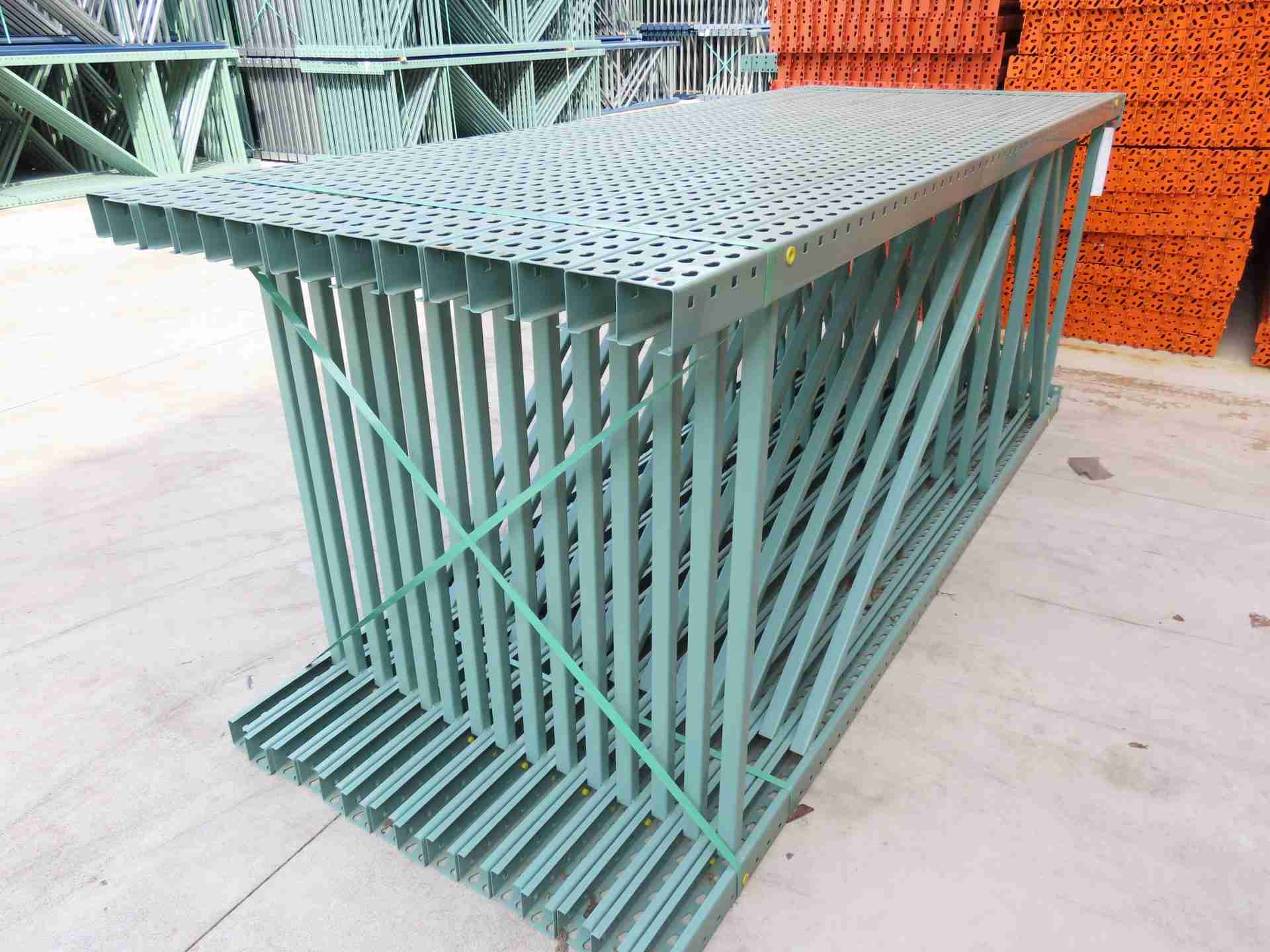
How Do I Ensure Compliance With Safety Regulations For Racking?
What Is The Typical Lead Time For Pallet Racking Delivery?
When embarking on a journey to optimize your warehouse or distribution center, one critical element that often gets overlooked is lead time—the period it takes from placing your order for pallet racking to the moment it arrives at your facility, ready for installation. In today’s constantly shifting supply chain landscape, understanding this timeline is essential for maintaining smooth operations and preventing costly bottlenecks.
Generally, the typical lead time for pallet racking delivery ranges from 4 to 12 weeks. Several factors influence this timeframe, including the complexity of your order, the manufacturer’s production capacity, and current market conditions. For instance, if you’re opting for custom solutions tailored to specific requirements, you might find yourself towards the longer end of that spectrum. Customization often involves a detailed design process, material sourcing, and potential delays in production.
Consider the current global supply chain disruptions exacerbated by events such as the ongoing geopolitical tensions or fluctuations in raw material availability. If the steel prices rise due to trade restrictions or shortages, production timelines can stretch beyond the usual. Additionally, various industries are experiencing labor shortages, which may further impact lead times as manufacturers grapple to keep up with demands.
To navigate this complex landscape, it’s advisable to work closely with your chosen supplier. Establishing a solid relationship can yield dividends, not just in favorable lead times but also in better communication. Inform them of your intended project timelines and any critical deadlines you need to meet. For instance, if you’re planning a significant warehouse expansion aligned with an upcoming seasonal peak, share this information upfront. A proactive approach can lead to faster turnaround times or allow for strategic planning to meet your needs.
Moreover, keep in mind that while some suppliers maintain a robust inventory, ready to ship on shorter notice, they may not be able to accommodate larger orders without delays. Therefore, asking about inventory levels can be beneficial.
Being aware of the typical lead time for pallet racking delivery is crucial for effective warehouse management. By understanding your own needs and engaging with suppliers early, you mitigate risks and set your operation on the path to success. Make it a priority to clarify these timelines upfront and adapt your planning accordingly so that you can seize opportunities as they arise.

What Is The Typical Lead Time For Pallet Racking Delivery?
What Is The Typical Lead Time For Pallet Racking Delivery?
- Lead time is the period from ordering pallet racking to its arrival at the facility for installation.
- Typical lead times for pallet racking delivery range from 4 to 12 weeks.
- Factors influencing lead time include order complexity, manufacturer capacity, and market conditions.
- Customization of pallet racking can lead to longer lead times due to detailed design and material sourcing.
- Global supply chain issues, such as geopolitical tensions and raw material availability, can extend production timelines.
- Building a strong relationship with suppliers enhances communication and can lead to better lead times.
- Understanding lead times and engaging with suppliers early is essential for effective warehouse management.

What Is The Typical Lead Time For Pallet Racking Delivery?
Can I Install Pallet Racking Myself Or Should I Hire A Professional?
When it comes to maximizing warehouse space through pallet racking, a critical decision looms overhead: Can I tackle this project myself, or should I enlist the expertise of a professional? While the dream of DIY can be enticing—after all, it carries the allure of saving costs and achieving personal satisfaction—the reality is often more complex than it appears.
First, let’s consider the technicalities. Pallet racking systems are not merely metal shelves; they are engineering marvels that need to adhere to safety standards and regulations. In 2023, the increased focus on workplace safety has pushed many regions to tighten compliance measures. For example, facilities opting for self-installation without the proper knowledge may inadvertently run afoul of OSHA guidelines or state regulations—resulting not only in fines but dangerous work environments.
Imagine this scenario: You’ve successfully assembled a shiny new racking system only to discover later that improper installation has rendered it a safety hazard. A misplaced bolt or an unsupported beam can lead to catastrophic failures—literally crashing your return on investment and injuring staff. Conversely, when a professional team takes the reins, they don’t just install your racking; they bring an arsenal of knowledge, experience, and insight that can save money down the line.
Consider the case of a small distribution center that attempted a DIY installation. They thought they were saving a few hundred dollars, only to later spend thrice that on repairs from safety violations and reworks. In contrast, a local business that opted for a professional service not only met compliance but also benefited from expert recommendations for optimizing their layout. After installation, they reported a 20% boost in storage efficiency—a direct result of involving skilled installers who understand the nuances of space optimization.
Moreover, hiring professionals frees up your time. As a business owner, your focus should be on growing your operations, not puzzling over assembly instructions and compatibility issues. By delegating the installation task, you can dedicate your energy to revenue-generating activities that truly move the needle for your business.
In the grand scheme of warehouse operations, the question goes beyond cost-saving; it’s a matter of safety, efficiency, and peace of mind. Investing in professionals not only mitigates risks but elevates the entire storage experience—turning your warehouse into a well-oiled, compliant machine that drives success. The choice is clear: when it comes to pallet racking, professional installation is an investment worth making.

Can I Install Pallet Racking Myself Or Should I Hire A Professional?
Can I Install Pallet Racking Myself Or Should I Hire A Professional?
- Deciding between DIY and professional installation for pallet racking is a critical choice for maximizing warehouse space.
- Pallet racking systems must adhere to safety standards and regulations, making technical knowledge essential.
- Improper installation can lead to OSHA violations, fines, and dangerous work environments.
- Professional installers provide valuable knowledge and experience that can prevent costly mistakes and enhance safety.
- Real-life examples show that DIY attempts can result in higher repair costs compared to hiring professionals.
- Professionals can optimize storage layout, leading to improvements in efficiency, such as a reported 20% boost after installation.
- Investing in professional installation allows business owners to focus on growth rather than assembly challenges.

Can I Install Pallet Racking Myself Or Should I Hire A Professional?
What Are The Common Maintenance Requirements For Pallet Racking?
In the fast-paced world of warehousing and logistics, keeping your pallet racking system in optimal condition is not just a best practice—it’s a necessity. Think of your pallet racking as the backbone of your operation; neglect it, and you risk disruption to your entire workflow, not to mention potential safety hazards. Here, we’ll explore some common maintenance requirements for pallet racking that can help you maximize efficiency and longevity.
Regular Inspections
You wouldn’t drive a car without checking the oil, so why would you overlook your pallet racking? Regular inspections are essential in identifying wear and tear before it spirals into costly repairs or, worse, safety incidents. A well-structured schedule—perhaps monthly for high-traffic warehouses—should focus on critical areas like upright frames, beams, and connectors. Are there any visible damages? Rust spots? Deformations? Identifying these issues early can save not just money but also lives.
Ensure Proper Load Configuration
Load ratings are not just numbers on the side of your racking; they’re a commitment to safety and efficiency. When stacking goods, it’s vital to follow the manufacturer’s specifications regarding weight limits and distribution. A common pitfall occurs when operations try to cram too much into a space, leading to instability. Current events show that supply chain disruptions often lead to hasty reactions, with warehouses pushing their limits. This practice can result in damaged products and an increase in workplace accidents.
Cleaning and Debris Removal
Dust and debris aren’t just unsightly; they can also lead to serious hazards. Regular cleaning of the racking area should be incorporated into your maintenance routine. Ensure that aisles are clear of obstructions, and debris is consistently removed from the base of the racking. This practice not only bolsters safety but also enhances visibility and organization, which can lead to significant boosts in productivity.
Training and Safety Protocols
Investing in training for your staff is a key component of maintenance. Your team should understand the importance of reporting any racking damage immediately. Additionally, fostering a culture of safety can greatly reduce the likelihood of accidents. Encourage regular safety meetings and ensure everyone understands the critical role they play in maintaining the integrity of the racking system.
Keeping your pallet racking in top shape is about foresight and diligence. By addressing these common maintenance requirements head-on, you can ensure that your warehouse operates smoothly and safely in today’s ever-evolving landscape. Remember, a well-maintained pallet racking system not only serves your current operational needs but also positions your business for future scalability.

What Are The Common Maintenance Requirements For Pallet Racking?
What Are The Common Maintenance Requirements For Pallet Racking?
- Maintaining pallet racking systems is crucial for efficient and safe warehouse operations.
- Regular inspections (monthly for high-traffic areas) help identify wear, tear, and safety risks.
- Adhering to load ratings and proper load configurations is essential to avoid instability and accidents.
- Consistent cleaning and debris removal from the racking area enhance safety and productivity.
- Staff training on racking damage reporting and safety protocols reduces accident risks.
- Proactive maintenance ensures smooth operations and prepares for future scalability.
- An effective pallet racking system is vital for both current needs and long-term success.

What Are The Common Maintenance Requirements For Pallet Racking?
How Do I Assess The Load Capacity Needed For My Pallet Racking?
When it comes to investing in pallet racking systems, understanding load capacity is paramount—not just for safety, but for maximizing your storage efficiency and minimizing long-term costs. A well-calibrated racking system can optimize your warehouse’s operational flow, boost productivity, and safeguard your valuable inventory. Let’s dive into the critical steps to assess the load capacity you need for your pallet racking.
1. Understand the Nature of Your Inventory:
Begin by evaluating the types of products you intend to store. Are they bulky machinery parts, standard product boxes, or perhaps fragile items? For example, if you’re dealing with heavy machinery components, choose racking that can handle extensive weight. On the other hand, if your inventory includes light, delicate items, you’ll need a different approach. Remember, certain commodities like hazardous materials or perishables also have specific storage needs that must comply with regulatory standards.
2. Calculate Your Total Load:
Determine the total weight of your inventory and consider how many pallets you’ll have on the rack at any given time. For example, if you have 10 pallets of goods weighing 1,500 pounds each, your simple math brings you to a total weight of 15,000 pounds. Consider if you will stack pallets or need additional levels—each layer will add weight and stress to your racking system.
3. Safety First: Know Your Racking’s Limits:
Every racking system has a maximum load capacity dictated by its design and materials. Before making a purchase, consult the manufacturer’s specifications on load capacities. Look for systems made from high-quality steel with safety features built in. A recent incident in a Chicago warehouse highlighted the risks of overloading racking systems; failure to adhere to load limits resulted in significant inventory loss and potential injuries. Avoid becoming another statistic—invest in a system tailored to your specific requirements.
4. Factor in Future Growth:
As your business evolves, so should your pallet racking. Assess not just your current needs but project future inventory growth. If you expect an increase in stock due to market trends, such as the ongoing surge in e-commerce from the pandemic, factor that into your capacity calculations. Opt for adaptable racking solutions that can grow with your inventory needs without requiring complete overhauls.
5. Seek Expert Consultation:
Last but not least, don’t hesitate to work with a storage solutions specialist. They can help you evaluate your unique needs, ensuring your racking system perfectly matches your load demands while remaining compliant with safety regulations.
Invest wisely. Understand your load needs—because, when it comes to pallet racking, safety is not just a priority; it’s a necessity.

How Do I Assess The Load Capacity Needed For My Pallet Racking?
How Do I Assess The Load Capacity Needed For My Pallet Racking?
- Understanding load capacity is crucial for safety, efficiency, and cost management in pallet racking systems.
- Evaluate the nature of your inventory, considering factors like weight and fragility to select the appropriate racking.
- Calculate the total weight of inventory and number of pallets to determine capacity needs.
- Know the racking system’s limits by consulting manufacturer specifications and ensuring high-quality materials.
- Consider future growth and increased inventory demands when planning your racking system.
- Work with storage solutions specialists for customized help in matching load requirements and safety compliance.
- Prioritize safety in pallet racking investment to protect inventory and prevent potential injuries.

How Do I Assess The Load Capacity Needed For My Pallet Racking?
Are There Financing Options Available For Purchasing Pallet Racking?
When it comes to optimizing your warehouse space, investing in pallet racking is not just a purchase; it’s a strategic move that can significantly enhance your operational efficiency and bottom line. However, financing this investment can initially appear daunting. Fortunately, various financing options are available that can make acquiring pallet racking more attainable than ever.
1. Equipment Leasing:
One popular option is equipment leasing. This allows you to utilize the racks without tying up capital in a purchase. For instance, if you run a growing e-commerce business, leasing can provide immediate access to high-quality pallet racking systems. You’ll benefit from lower monthly payments compared to outright purchasing, enabling you to allocate cash elsewhere—perhaps into expanding your inventory or enhancing your shipping capabilities.
2. Vendor Financing:
Many pallet racking manufacturers offer financing solutions directly through their sales channels. For example, companies like Cogan and Stow-Away provide in-house financing options or partnerships with third-party lenders. These arrangements can come with favorable terms and may even include deferred payment options that allow you to start using your new racking systems before payments kick in.
3. SBA Loans:
The Small Business Administration offers loans specifically designed to help businesses invest in essential equipment such as pallet racking. With low interest rates and favorable terms, SBA loans can be a lifeline for small businesses looking to grow. As the economy gradually recovers from recent global disruptions, taking advantage of these loans can help you scale efficiently.
4. Business Credit Cards:
Don’t overlook the straightforward approach of a business credit card. Many cards offer introductory 0% APR for a specified period, which can provide the breathing room needed to purchase pallet racking upfront. If managed wisely, this can be a useful strategy to acquire the necessary equipment while allowing time to generate revenue from the increased storage capacity.
5. Grants and Incentives:
As sustainability becomes a focal point of many governmental initiatives, some states offer grants and incentives for businesses that invest in efficient storage solutions. Research local or federal programs that may subsidize your cost for environmentally friendly pallet racking options.
With these financing avenues, acquiring the best pallet racking systems for your business is not merely a dream—it can be a reality. Elevate your operational efficiency and adapt to today’s logistics demands while enjoying flexibility in your budgeting. The time to act is now; let’s make that investment work for you.

Are There Financing Options Available For Purchasing Pallet Racking?
Are There Financing Options Available For Purchasing Pallet Racking?
- Investing in pallet racking enhances operational efficiency and the bottom line.
- Equipment leasing allows access to racks without upfront capital, ideal for growing businesses.
- Vendor financing offered by manufacturers includes favorable terms and deferred payment options.
- SBA loans provide low-interest financing specifically for essential equipment like pallet racking.
- Business credit cards may offer 0% introductory APR, allowing time to generate revenue from new equipment.
- Grants and incentives for sustainable storage solutions may help subsidize costs.
- Multiple financing options make acquiring pallet racking attainable and beneficial for your business.

Are There Financing Options Available For Purchasing Pallet Racking?
What Are The Trends In Pallet Racking Design And Technology?
In the fast-evolving realm of warehousing and logistics, the trends in pallet racking design and technology are not just about keeping up; they’re about staying ahead. Today’s businesses demand more from their storage solutions, pushing manufacturers to innovate and adapt to ever-changing market needs.
One of the most significant trends currently shaping the pallet racking landscape is the move towards increased customization. Gone are the days of one-size-fits-all solutions. Businesses now seek racking systems that are tailored to their unique inventories, operational processes, and future growth trajectories. For instance, organizations dealing with diverse product types—like a food distributor managing both perishable goods and dry items—benefit enormously from modular racking systems that can easily be reconfigured to meet fluctuating demands. Flexibility is key, allowing companies to adjust their configurations without the need for significant upfront investments.
Another noteworthy trend is the integration of technology into pallet racking systems. The rise of the Internet of Things (IoT) is revolutionizing warehouse operations. Smart racking systems equipped with sensors can provide real-time data on stock levels, product conditions, and even racking integrity. This not only enhances inventory management but also boosts safety, as alerts can be sent if a certain item is at risk of falling or if humidity levels exceed safe storage thresholds. Leading logistics companies are already implementing these smart solutions; for example, Amazon’s warehouses make use of AI-driven technologies that optimize space and efficiency, setting a new standard in the industry.
Sustainability is another powerful driver of change in pallet racking design. As environmental responsibility becomes a core focus for businesses, manufacturers are stepping up to offer eco-friendly materials and processes. Recyclable metals and sustainable wood products are making waves in pallet racking solutions, allowing businesses to showcase their commitment to green practices. Current events reflect this trend, as many companies are revisiting their supply chain strategies in light of global climate initiatives, pushing for greener solutions across the board.
Lastly, the rise of e-commerce has caused a significant shift in pallet racking strategies. With the increase in online orders, companies are optimizing their racking for quick retrieval and efficient packing processes. High-density storage options, such as drive-in and flow racks, are becoming more popular as they maximize space and improve order fulfillment speeds.
The trends in pallet racking design and technology are leaning towards customization, smart solutions, sustainability, and responsiveness to market demands. Companies looking to thrive in today’s competitive environment must embrace these trends and invest in racking systems that pave the way for increased efficiency and growth.

What Are The Trends In Pallet Racking Design And Technology?
What Are The Trends In Pallet Racking Design And Technology?
- The warehousing and logistics sectors are rapidly evolving, necessitating constant innovation in pallet racking designs.
- Customization is becoming a significant trend, with businesses seeking tailored racking systems suited to their specific needs.
- Flexibility in racking configurations is essential, allowing companies to adapt to changing inventory demands without large investments.
- Technology integration is transforming pallet racking; IoT-equipped smart racking systems provide real-time data on stock levels and safety alerts.
- Sustainability is a crucial focus, with manufacturers offering eco-friendly materials and processes in response to environmental concerns.
- The rise of e-commerce is shifting pallet racking strategies towards high-density storage solutions for enhanced order fulfillment efficiency.
- Embracing trends in customization, smart solutions, and sustainability is vital for companies to ensure efficiency and growth in a competitive landscape.

What Are The Trends In Pallet Racking Design And Technology?
How Can I Optimize The Layout Of Pallet Racking In My Warehouse?
In today’s fast-paced supply chain landscape, optimizing the layout of pallet racking in your warehouse is not just a good idea—it’s essential for maintaining profitability and operational efficiency. The difference between an average warehouse and a world-class facility can often boil down to a well-thought-out racking system. Here’s how to transform your warehouse into a productivity powerhouse.
Understand Your Inventory Dynamics
Before diving into layout decisions, take a close look at your inventory. Are there slow-moving items that take up prime racking real estate, or are high-demand products scattered throughout? Use data to identify trends. For instance, if your sales of e-commerce items have significantly increased due to recent market shifts, consider placing those products closer to shipping areas to shorten picking times.
Adopt an Material Handling Solutions Classification System
A simple yet effective strategy is using the Material Handling Solutions classification system. Group your items based on their sales volume—A items being fast movers and C items being slow movers. One savvy furniture retailer did this by placing their most popular sofas and beds in a highly accessible part of the warehouse. As a result, their picking process improved, and order fulfillment times decreased by 25%. This intelligent arrangement enables quicker access to high-velocity stock, ensuring timely delivery to your customers.
Utilize Vertical Space and Narrow Aisles
With increasing costs of real estate, using vertical space effectively has never been more critical. High-bay pallet racking combined with narrow aisle (NA) systems can significantly increase storage density. Consider the case of a well-known e-commerce fulfillment center that adopted this approach; they increased their storage capacity by 40% without adding additional square footage. This strategy not only maximizes your storage but also maintains seamless access for your pickers.
Implement Technology for Real-Time Adjustments
In the age of digital transformation, using warehouse management systems (WMS) can streamline your operations. These systems allow you to analyze data in real-time and make adjustments as necessary. For example, if you notice a spike in the demand for seasonal items, your WMS can guide you to rearrange stock swiftly, enhancing your responsiveness to market trends.
Conduct Regular Assessments and Training
Finally, don’t forget about your human element. Regular assessments of your racking layout should involve your team. Their insights into workflow can uncover inefficiencies that data alone might miss. Additionally, investing in employee training on best practices can further enhance your optimization efforts.
By implementing these strategies, you’ll not only boost productivity but also set your warehouse operations on a path to long-term success. In a world where efficiency is the name of the game, optimizing your pallet racking layout is an investment that will pay substantial dividends. Let’s not merely keep up; let’s pull ahead in the race toward warehouse excellence.

How Can I Optimize The Layout Of Pallet Racking In My Warehouse?
How Can I Optimize The Layout Of Pallet Racking In My Warehouse?
- Optimizing pallet racking layout is essential for profitability and operational efficiency in warehouses.
- Understanding inventory dynamics is crucial; analyze item movement and trends to improve layout decisions.
- Implementing an Material Handling Solutions classification system helps in grouping items based on sales volume for efficient access.
- Utilizing vertical space and narrow aisles increases storage density and maximizes capacity without additional space.
- Employ warehouse management systems (WMS) for real-time data analysis and adjustments to enhance responsiveness.
- Conduct regular assessments of racking layout with team involvement to identify inefficiencies.
- Investing in employee training on best practices can further improve warehouse optimization efforts.

How Can I Optimize The Layout Of Pallet Racking In My Warehouse?
Conclusion
As we wrap up our exploration into the world of pallet racking, it becomes abundantly clear that choosing the right systems and suppliers is not just an exercise in logistics but a strategic cornerstone for any successful warehouse operation. At RackingWorld.com, we understand that the effectiveness of your warehouse hinges on how well you can optimize every inch of space—both vertically and horizontally. Whether you’re a burgeoning e-commerce venture or a well-established distribution powerhouse, the right pallet racking solution is imperative in enhancing your operational efficiency.
Navigating the myriad of options available can sometimes feel overwhelming. However, it is essential first to evaluate your unique needs by understanding your inventory profiles and expected load capacities. Engaging local suppliers or specialized dealers can provide you with tailored opportunities that match your space constraints and financial considerations. And remember, don’t underestimate the potential of attending industry trade shows where you can connect with experts and evaluate the latest innovations in real-time.
Moreover, emphasizing quality over cost alone is vital. Your warehouse’s safety and long-term sustainability hinge on durable racking systems that meet regulatory requirements. With trends leaning towards modular and smart racking systems that incorporate technology, there is a substantial opportunity to future-proof your operation against the dynamic needs of a cut-throat market.
As we usher in a new era of e-commerce and logistics, your ability to adapt and optimize will dictate your competitive advantage. Make it a priority to invest wisely in your pallet racking systems, and tap into the wealth of experience and knowledge available through suppliers who can assist you in this journey.
For those seeking immediate solutions and personalized expert advice, we urge you to reach out to Arrow Industrial Sales at (574) 349-6575. Our knowledgeable team is ready to assist you in finding the best products tailored specifically to your warehouse needs while creating a sense of urgency—don’t wait, as every day wasted is potential productivity lost!
In a world where warehouse efficiency can make or break your business, ensuring you have the best racking systems in place is no longer optional—it’s essential. Make that investment today, turn your operational challenges into solutions, and watch your business thrive!

Conclusion
Conclusion:
- Choosing the right pallet racking systems and suppliers is essential for warehouse efficiency.
- Understanding unique inventory profiles and load capacities is crucial before making decisions.
- Engaging with local suppliers and attending industry trade shows can provide tailored solutions and insights.
- Prioritizing quality over cost ensures safety and long-term sustainability in warehouse operations.
- Modular and smart racking systems offer opportunities to future-proof operations amidst market dynamics.
- Investing wisely in pallet racking systems is critical for maintaining a competitive advantage in e-commerce.
- Contact Arrow Industrial Sales for expert advice and personalized solutions to enhance warehouse productivity.

Conclusion
Other Resources

Other Resources
Here is a list of other resources you can review online to learn more:
- Warehouse Pallet Racks | Pallet Rack for Sale – Warehouse Rack and Shelf
- The Complete Pallet Rack Guide – Simply Rack
- Pallet Racks & Warehouse Racking – Shelving Inc.
- The Ultimate Pallet Racking Guide – Speedrack West
I hope you find these articles useful!

Other Resources
Glossary Terms
Where to Find Pallet Racking for a Warehouse – Glossary Of Terms
1. Pallet Racking: A storage system that uses vertical rows of steel frames to support horizontal beams, creating shelves for palletized goods.
2. Warehouse: A large building where raw materials or manufactured goods are stored, often equipped with racking systems to optimize space.
3. Forklift: A powered industrial truck used to lift and move materials over short distances, commonly used for accessing pallet racking.
4. AS/RS (Automated Storage and Retrieval System): A computer-controlled system that automates the storage and retrieval of palletized goods, enhancing efficiency in warehouses.
5. Selectivity: A term describing how easily goods can be accessed within a racking system; higher selectivity allows for quicker access to individual pallets.
6. Load Capacity: The maximum weight that a pallet rack system can safely support, crucial for preventing structural failures and accidents.
7. Uprights: The vertical components of the pallet racking system that support the horizontal beams and shelves.
8. Beams: The horizontal bars in the pallet rack that hold the pallets; they connect to the uprights to form a shelving unit.
9. Wire Decking: A platform made of wire mesh that provides support for pallets and enhances visibility and airflow in the racking system.
10. Row Spacing: The distance between rows of racking; this affects accessibility and the overall layout of the warehouse space.
11. End-of-Aisle Displays: Racking configurations at the ends of aisles often used for promotional products or special items due to high visibility.
12. Drive-In Racking: A high-density storage system where forklifts can enter through the rack to access pallets stored within, ideal for bulk storage.
13. Cantilever Racking: A storage system designed for long or bulky items that do not fit standard pallet racks, featuring arms extending from a vertical frame.
14. Pallet Flow Racking: A dynamic racking system that uses gravity to allow pallets to flow from the back of the rack to the front for picking.
15. Rack Maintenance: Regular inspection and repair of racking systems to ensure safety and stability, including checking for damage or wear.
16. Safety Standards: Guidelines and regulations established to ensure the safe design, installation, and use of pallet racking systems.
17. Heavy-Duty Racking: Racking systems designed to support heavier loads than standard racking, often constructed with thicker steel.
18. Mezzanine: An intermediate floor installed in a warehouse, often supported by columns, that can be combined with racking for additional storage space.
19. Shelving Systems: Various configurations of shelves that can be part of a racking system, used for storing smaller items or pallets.
20. Rack Inspection: A procedure to examine the integrity and safety of the pallet racking, identifying any potential hazards or structural issues.
21. Installations: The process of setting up pallet racking systems, often requiring specialized skills or contractors to ensure safety and compliance.
22. Forklift Aisles: Spaces designated for forklift movement between racking rows, crucial for maintaining safety and efficiency in warehouses.
23. Storage Density: A measurement of how effectively space is utilized within a warehouse, often improved through thoughtful pallet racking design.
24. Clearance Height: The vertical distance from the floor to the lowest point of the warehouse ceiling, influencing the maximum height of racking systems.
25. Pallet Size: The standardized dimensions of pallets, typically 48”x40” in the U. S. , which influence the type of racking used.
26. Inclined Racking: A racking design where shelves are slanted to facilitate gravity-fed access to goods, improving picking efficiency.
27. Tiers: The levels within a pallet racking system, indicating how many layers of pallets can be stored vertically.
28. Layout Planning: The process of designing the optimal arrangement of racking systems and storage areas within a warehouse for operational efficiency.
29. Regional Suppliers: Local businesses that specialize in selling or distributing pallet racking systems, often with knowledge of local building codes and regulations.
30. Online Marketplaces: Digital platforms where pallet racking systems can be bought or sold, facilitating access to a wide range of options and prices.

Glossary Of Terms
Other Questions
Where to Find Pallet Racking for a Warehouse – Other Questions
If you wish to explore and discover more, consider looking for answers to these questions:
- What are the most innovative pallet racking systems available today?
- How do I know if a pallet racking supplier is reputable?
- What is the average cost range for new pallet racking systems?
- Can pallet racking systems be customized or modified after installation?
- What environmental considerations should I take into account when choosing pallet racking?
- How do I decide between heavy-duty versus standard pallet racking?
- What maintenance services are typically offered by pallet racking suppliers?
- How does pallet racking impact overall warehouse safety and compliance?
- What specific safety features should I look for in a pallet racking system?
- Are there seasonal or promotional discounts available for pallet racking systems?
- What types of insurance or warranties should I consider when purchasing pallet racking?
- What are the common mistakes to avoid when selecting pallet racking?
- How do I integrate technology with my current pallet racking system?
- What role does pallet racking play in the sustainability of warehouse operations?
- How often should I train my staff on pallet racking safety and maintenance?

Other Questions
Checklist
Where to Find Pallet Racking for a Warehouse – A Checklist
1. Determine Your Warehouse Needs
_____ Evaluate your business type (e-commerce, manufacturing, etc. ).
_____ Identify the types of inventory you will be storing.
_____ Assess how much space you have in your warehouse (floor and vertical).
2. Research Racking Options
_____ Explore specialized suppliers (e. g. Shelving. com, APlusW).
_____ Check local dealers and distributors for nearby options.
_____ Investigate the used equipment market for potential savings.
_____ Browse online marketplaces (e. g. Amazon, Alibaba) for convenience.
_____ Attend trade shows and expos (e. g. MODEX Expo, ProMat) for the latest innovations.
3. Assess Racking Systems
_____ Familiarize yourself with different types of racking (selective, drive-in, pushback, cantilever, mobile).
_____ Determine the optimal layout for easy accessibility and efficiency.
_____ Prioritize systems that allow for future growth and flexibility.
4. Consider Load Capacity and Safety
_____ Understand and calculate the load capacity needed for your products.
_____ Research the safety standards and regulations applicable to racking systems.
_____ Develop a maintenance schedule for regular inspections and safety compliance.
5. Evaluate Suppliers and Pricing
_____ Gather quotes from multiple suppliers.
_____ Compare not just prices but also warranties, installation support, and additional services.
_____ Look for reputable suppliers with good customer reviews.
6. Financing Your Racking System
_____ Explore options for equipment leasing or vendor financing.
_____ Look into SBA loans or local grants for additional funding.
_____ Consider using a business credit card for short-term financing.
7. Installation Approach
_____ Decide whether to handle installation yourself or hire a professional.
_____ Ensure compliance with safety standards and regulations during installation.
8. Ongoing Maintenance Practices
_____ Set up a routine for inspecting and maintaining your racking system.
_____ Train staff on proper loading practices and safety protocols.
_____ Keep the racking area clean and organized to prevent hazards.
9. Utilize Technology
_____ Consider implementing a Warehouse Management System (WMS) for real-time data access and adjustments.
_____ Leverage smart racking solutions with integrated sensors for monitoring.
10. Continuous Improvement
_____ Regularly evaluate the effectiveness of your racking layout and strategies.
_____ Be open to adapting your systems based on changes in inventory and market trends.
_____ Gather employee feedback on workflow and suggest improvements.
By following this checklist, you can ensure that your investment in pallet racking optimizes your warehouse space, enhances operational efficiency, and maintains safety standards.

Checklist
At RackingWorld, we help guide you through selecting warehouse storage systems and racking.
Be sure to read our other related stories at RackingWorld to learn more about warehouse storage systems.
0 Comments