
An Overview Of How Do Aggregate and Bulk Material Handlers Leverage Cantilever Racking
By Tom Seest
At RackingWorld, we help guide you through selecting warehouse storage systems and racking.
Be sure to read our other related stories at RackingWorld to learn more about warehouse storage systems.
How Do Aggregate and Bulk Material Handlers Leverage Cantilever Racking?
When you’re running a yard full of aggregate or bulk materials, you know it’s no small feat keeping everything organized, accessible, and safe. That’s where cantilever racking steps in, earning its stripes as the workhorse of material handling. Unlike your typical pallet racking, which stacks goods like blocks on a shelf, cantilever racks give you the freedom to handle long, bulky, awkward items—think pipes, lumber, rebar—without squeezing them into tight spaces or risking damage.
There’s something satisfying about a clean, well-ordered yard where you can find exactly what you need when you need it. Cantilever racking delivers that peace of mind. It’s built tough, often from steel, ready to take on the weight and ruggedness of bulk loads. For anyone who’s dealt with equipment tipping or materials falling off pallets, the open-ended design allows forklifts or cranes to slide loads on and off with minimal fuss. No wrestling with oversized pallets balanced precariously; just straightforward, reliable handling every time.
From a practical standpoint, these racks help you shave off downtime and wasted motion. In aggregate businesses where speed meets scale, every minute saved stacking or retrieving is money back in your pocket. Plus, because the racks can be customized by height and arm length, you’re not shoehorning your inventory into cookie-cutter spaces. You get the flexibility to match the system to your exact load mix and storage needs—which simply makes smarter use of space and cuts your operational headaches.
There’s also something morally sound about setting up a workplace that respects the craft and the people who do it. Using cantilever racking means fewer injuries from manual handling and less wear on loaders and forklifts. When your team knows the gear they rely on won’t fail them, trust grows. Confidence on the floor leads to better focus, fewer mistakes, and a stronger sense of pride in the job well done.
Beyond the nuts and bolts, it’s about being part of a community that values efficiency and safety—the blue-collar backbone of the aggregate trade. Those who’ve used cantilever racking will tell you it’s not just a storage solution; it’s a silent partner helping tough workdays run smoother. When you put in the honest sweat of your labor, having gear that just works feels like respect for the craft itself.
In a business that moves mountains—literally and figuratively—cantilever racking stands firm, turning chaotic heaps into ordered, dependable assets. If your operations still lean heavily on traditional pallet racking or outdated storage methods, it’s time to see how cantilever racking can transform not only your yard’s layout but the very rhythm of your workday.

How Do Aggregate and Bulk Material Handlers Leverage Cantilever Racking?
How Do Aggregate and Bulk Material Handlers Leverage Cantilever Racking?
- Cantilever racking is essential for organizing, accessing, and safely storing long, bulky, and awkward materials like pipes, lumber, and rebar, unlike traditional pallet racking.
- Constructed often from steel, these racks are durable and designed to handle heavy loads with an open-ended design for easy loading and unloading by forklifts or cranes.
- They reduce downtime and wasted movement in aggregate businesses, saving time and money by enabling faster and more efficient stacking and retrieval.
- Customizable in height and arm length, cantilever racks offer flexibility tailored to specific load types and storage requirements, optimizing space usage.
- Using cantilever racking decreases manual handling injuries and equipment wear, fostering workplace safety, trust, confidence, and job satisfaction.
- They represent more than storage; they support the efficiency, safety, and pride of the blue-collar workforce in the aggregate industry.
- Cantilever racking transforms chaotic storage yards into organized, dependable assets and improves overall operational flow compared to outdated methods.

How Do Aggregate and Bulk Material Handlers Leverage Cantilever Racking?
Table Of Contents
- How Do Aggregate and Bulk Material Handlers Leverage Cantilever Racking?
- What Challenges Do Bulk Handlers Face with Storage Space?
- How Does Cantilever Racking Improve Loading Efficiency?
- Can Cantilever Racks Handle Irregularly Shaped Materials?
- What Safety Concerns Exist with Traditional Storage Methods?
- How Does Cantilever Racking Reduce Material Damage Risk?
- Why Is Optimizing Storage Layout Crucial for Bulk Handlers?
- Conclusion
- Other Resources
- Glossary Of Terms
- Other Questions
- Checklist
What Challenges Do Bulk Handlers Face with Storage Space?
When you’re dealing with bulk handling, space is never just about square feet—it’s about wrangling a beast that’s always bigger and heavier than you planned for. Pallet racking systems might look straightforward on paper, but out in the real world, they’re a puzzle with pieces that don’t always fit. You stack, you organize, you try to squeeze in one more pallet, but pallets don’t bend. They don’t negotiate. They’re stubborn, and if you don’t respect that, you pay for it in bruised knuckles and missed deadlines.
The grind here is the constant battle between what you’ve got and what you need. Bulk products don’t come in perfect, neat boxes or tidy amounts. They pile up fast, spill over, and make you rethink every inch of space. When storage turns into a game of Tetris with heavy loads, every forklift move, every inch saved, counts. It’s a test of common sense and raw experience, paired with knowing when to push and when to back off—because safety isn’t just a rule, it’s the backbone holding you steady.
On the ethical side, it’s about respect—for your team, your equipment, and the product itself. Overcrowding cuts corners on safety and morale. Workers don’t want to risk injury because the storage area was jam-packed past sensible limits. The same goes for quality. Proper storage means keeping material intact, avoiding waste or damage that chips away at more than just inventory; it chips away at your reputation. Everyone in this line of work knows trust is earned by delivering what’s promised, every time, without scrapes and surprises.
There’s a shared story in every bulk handler’s day: moving tons of goods through tight spaces, inventing workarounds on the fly, and building a system that can stretch just one pallet racking level higher without toppling over. It’s a lesson in grit and patience, in adapting to limits rather than wishing them away. This kind of hands-on wisdom can’t be bought, and it’s why those who’ve been in the trenches command respect.
Managing storage space around pallet racking isn’t just a logistical headache—it’s the kind of challenge that tests the bones of your operation, your people, and your pride. Master that, and you earn more than efficiency; you earn confidence to face whatever size load shows up next.
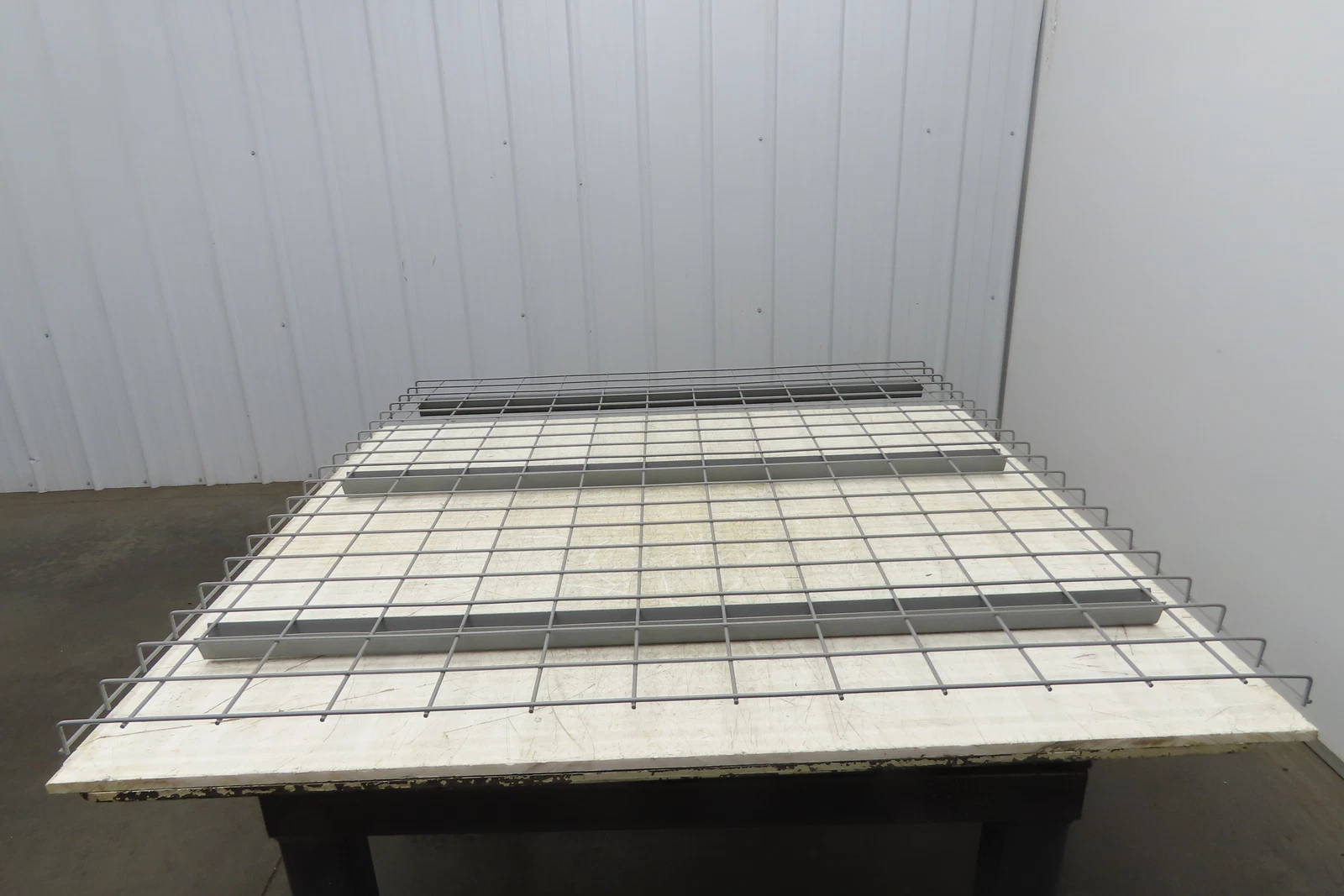
What Challenges Do Bulk Handlers Face with Storage Space?
What Challenges Do Bulk Handlers Face with Storage Space?
- Bulk handling challenges space beyond square feet, dealing with pallets that are rigid and unyielding, causing practical difficulties despite straightforward pallet racking plans.
- The constant struggle is balancing available storage with unpredictable bulk product sizes that pile up quickly, requiring careful space management and forklift precision.
- Safety is essential, relying on experience and judgment to know when to push limits or back off, as overcrowding risks injury and operational setbacks.
- Ethical considerations include respecting the team, equipment, and products to maintain morale, prevent damage, and uphold quality and reputation.
- Experienced bulk handlers develop practical workarounds and adapt systems creatively, demonstrating grit and patience to manage storage efficiently without compromising stability.
- Hands-on wisdom gained in the field commands respect and is crucial for successfully managing complex pallet racking challenges.
- Mastering bulk storage management enhances operational efficiency and builds confidence to handle varying load sizes reliably and safely.

What Challenges Do Bulk Handlers Face with Storage Space?
How Does Cantilever Racking Improve Loading Efficiency?
You know that feeling when you’re staring down a wall of cluttered, awkwardly stacked goods trying to figure out how the heck to get your job done right? That’s where cantilever racking steps in like a trusty workhorse, taking the guesswork and frustration out of loading heavy, long, or oddly shaped items. Unlike traditional pallet racking, which can box you in with beams and columns, cantilever racks open up the space, letting you slide items in and out without wrestling with the usual bottlenecks.
When you’re hauling lumber, piping, or anything that doesn’t fit neatly on a standard pallet, cantilever racking lets you lay things out logically, side by side. The arms reach out like big, strong arms ready to hold whatever you’ve got—no fumbling, no rearranging heaps just to grab a single piece. That kind of design doesn’t just save time; it cuts the mental clutter, too. With every piece easy to see and slide in, loading becomes straightforward and less prone to accidents. That’s not just better for the bottom line—it’s about keeping folks safe, preserving dignity on the job, and having pride in a workspace that just works.
Ethically, providing workers with equipment that respects their effort and well-being isn’t a nice-to-have; it’s a must. Cantilever racking shows respect by minimizing strain, reducing the chance of injury, and letting crews focus on what they do best. When a company invests in equipment that genuinely makes a day easier, it sends a clear message: people matter. That’s the kind of trust that builds loyalty, pride, and a sense of belonging—something you just don’t find hanging around if the job feels like a bad gamble every day.
The facts back it up: warehouses using cantilever solutions see faster turnaround times, fewer damaged goods, and more efficient use of space compared to relying solely on pallet racking. But beyond stats, it’s the real-world stories from hands-on workers who’ve swapped chaos for order that underscore its value. When folks know their tools aren’t working against them, they tackle the shift with grit and confidence. That’s a change any leader wants on the floor.
Cantilever racking isn’t just hardware. It’s a no-nonsense partner in tackling the tough, awkward stuff—the long beams, the unwieldy pipes—making every load smoother, safer, and smartly managed. It’s a grounded, practical choice for anyone serious about getting the job done right without the headache. And that’s worth its weight in gold every single day.
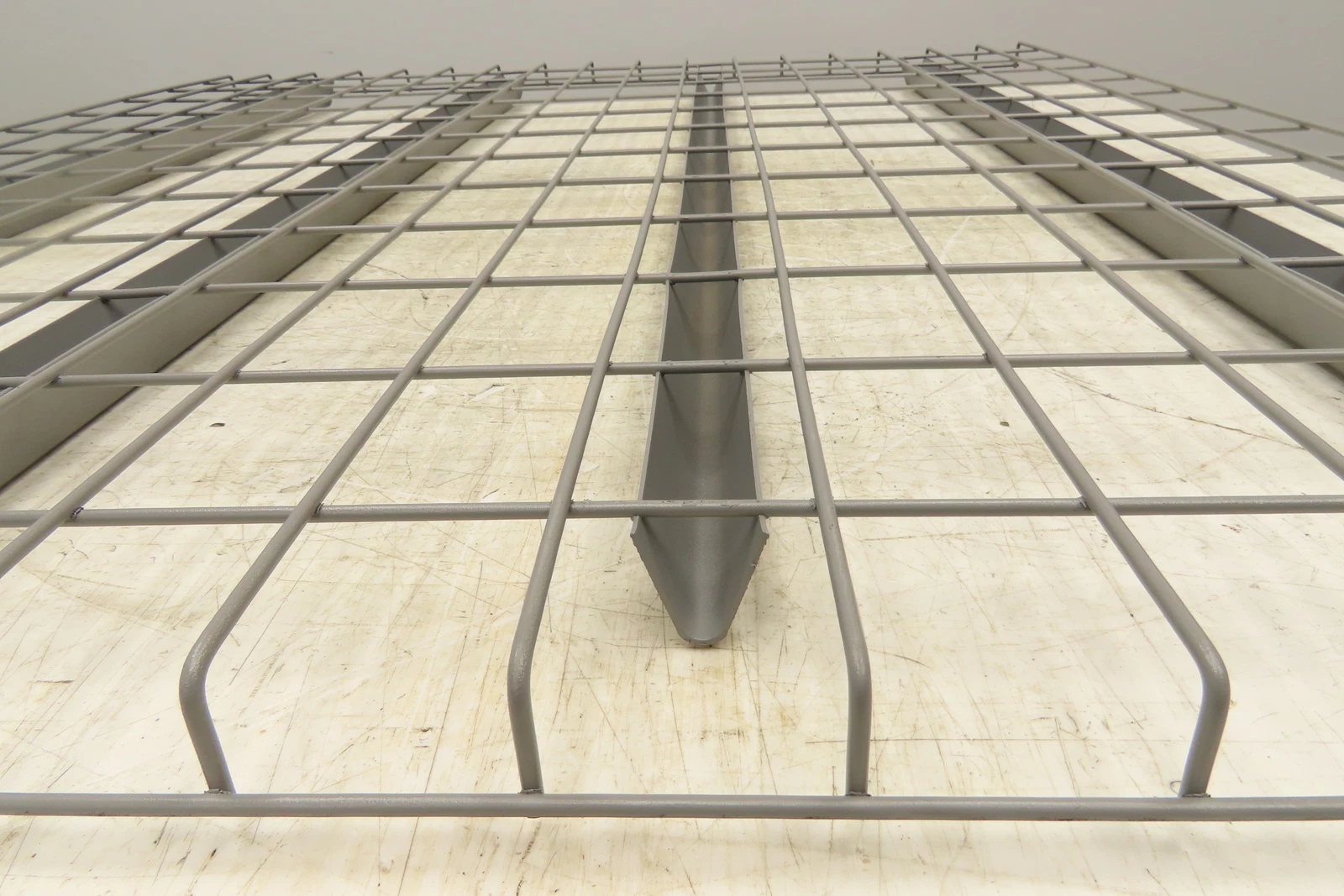
How Does Cantilever Racking Improve Loading Efficiency?
How Does Cantilever Racking Improve Loading Efficiency?
- Cantilever racking simplifies handling heavy, long, or awkwardly shaped items by eliminating the space constraints of traditional pallet racking.
- Its open design allows easy sliding of goods like lumber and piping, reducing time and mental effort in loading and unloading.
- By making items clearly visible and accessible, it enhances safety and reduces accidents in the workspace.
- Investing in cantilever racking demonstrates respect for workers by minimizing strain and supporting well-being, fostering trust and loyalty.
- Warehouses using cantilever systems experience faster turnaround, less product damage, and better space utilization compared to pallet racking alone.
- Positive feedback from workers confirms the practical benefits of cantilever racking in creating order and boosting confidence on the job.
- Cantilever racking is a reliable, efficient solution for managing tough, awkward loads, contributing to smoother, safer operations.

How Does Cantilever Racking Improve Loading Efficiency?
Can Cantilever Racks Handle Irregularly Shaped Materials?
When it comes to storing oddball pieces that don’t fit neatly on standard Pallet Racking, cantilever racks are the kind of solution that feels like it was made for the job. You’ve got lumber with knots and bends, pipes that curve like river bends, or sheets of metal that refuse to lie flat—these aren’t your run-of-the-mill boxes stacked in a warehouse. Handling irregularly shaped materials calls for a storage system with a bit of grit and grace, and that’s exactly where cantilever racks step in.
From a practical standpoint, cantilever racks are built without front columns, giving you the open space you need to slide in those jagged or awkward items without wrestling them into submission. You’re not forcing irregular materials onto pallets that weren’t designed for them, where they might shift or fall, causing damage or injury. Instead, you get a sturdy, accessible perch that respects the natural shape of your stuff. It’s like fitting a custom glove rather than squeezing your hand into a too-small mitt. That flexibility translates to safer handling, quicker access, and less wear on your gear, which speaks to straight-up good business sense.
But beyond practicality, there’s something about knowing your storage setup understands the rough-and-tumble nature of your work. You’re not just tossing materials onto a rack hoping for the best—you’re using a system that’s been tested and trusted in real-world, gritty environments. There’s an ethical layer here, too: doing right by your team by providing equipment that reduces the chance of accidents and strain injuries. When folks see you investing in smarter storage, it builds respect and trust in your leadership. It screams, “We care enough to do this right.”
The bottom line? Cantilever racks don’t just play nicely with irregular materials—they own that role. If you’ve wrestled with the frustrations of forcing oddly shaped loads onto flat, rigid Pallet Racking, you know that feeling of defeat. Switching to cantilever racks can be a game-changer that lifts your whole operation. It’s functional, it’s smart, and damn it, it just makes sense. You get your materials stored safely and accessibly, your team works better, and you keep the engine of your business humming without those irritating hold-ups. If your stuff doesn’t fit the mold, the rack should, and cantilever racks are built to bend with whatever you throw at them.

Can Cantilever Racks Handle Irregularly Shaped Materials?
Can Cantilever Racks Handle Irregularly Shaped Materials?
- Cantilever racks are designed specifically for storing irregularly shaped materials like bent lumber, curved pipes, and uneven metal sheets that don’t fit standard pallet racks.
- They feature an open-front design without columns, allowing easy placement and removal of awkward items without forcing or damaging them.
- This system provides safer handling, quicker access, and reduces wear on materials and equipment, resulting in better operational efficiency.
- Cantilever racks have proven reliability in rugged, real-world environments, making them a trusted choice for tough storage needs.
- Using them shows a commitment to worker safety by minimizing accidents and strain injuries, fostering respect and trust in leadership.
- Switching to cantilever racks can resolve frustrations caused by trying to store odd-shaped loads on rigid pallet racks.
- They offer a flexible, functional, and smart storage solution that keeps materials accessible and operations running smoothly.

Can Cantilever Racks Handle Irregularly Shaped Materials?
What Safety Concerns Exist with Traditional Storage Methods?
Look, anyone who’s spent time in a warehouse or workshop knows that traditional storage methods come with their own brand of worry. Take pallet racking, for example—those steel shelves loaded high with goods that can weigh a ton. They’re sturdy in theory, but in practice, there’s a lot that can go sideways. One poorly stacked pallet, a missed bolt here or there, and suddenly you’ve got a serious hazard waiting to happen. It’s not just about damaging goods; it’s about the risk to the folks working right under those heavy loads. You don’t need a fancy safety manual to understand that a falling pallet can ruin lives in a heartbeat.
From the heart, think about the families depending on those workers. The people clocking in day after day face invisible dangers. The tension in those jobs isn’t just physical—it’s emotional. Watching a colleague trip on cluttered aisles, or hearing the nervous chatter about a rickety pallet rack, makes it clear that safety isn’t a checkbox. It’s about trust and respect, building a workplace where everyone goes home whole. That’s not just good business—that’s basic decency.
On the head side, the risks pile up fast. Traditional storage setups can strain the structure if not maintained properly. Rust, wear, and tear don’t always show themselves until it’s too late. When a rack fails, the consequences stretch far beyond spilled inventory. Injuries lead to lawsuits, downtime, lost wages, and morale sapped like spilled oil. Smarter inspection routines and better design can lessen these hits, yet many places stick to “if it ain’t broke, don’t fix it.” But a broken rack might not show up until it’s already broken in the worst way.
Ethically, companies have a duty they can’t dodge. Storing goods safely isn’t just about protecting products; it’s about protecting people. Cutting corners to save a buck or skip a safety check isn’t just risky—it’s careless. When workers voice concerns and get ignored, it sows distrust and frustration. That’s no way to run a place or treat folks who keep the operation moving.
From a social angle, we all know that safer workplaces build stronger communities. Word gets around when a place respects safety—it attracts better help and builds pride. When workers feel valued, productivity goes up and accidents go down. It’s a circle that benefits everyone, but it starts with facing those traditional storage challenges head-on.
Stories stack up just like pallets—too many to ignore. The ones where a second’s slip leads to a lifetime of hardship make you think twice about leaving storage setups to chance. Being mindful, hands-on, and smart about pallet racking and traditional methods doesn’t just prevent trouble—it protects lives. That’s common sense, plain and simple.

What Safety Concerns Exist with Traditional Storage Methods?
What Safety Concerns Exist with Traditional Storage Methods?
- Traditional storage methods like pallet racking pose serious hazards if not properly maintained or stacked.
- Risks extend beyond goods damage to threaten workers’ safety and emotional well-being.
- Unsafe storage can lead to structural failures, causing injuries, lawsuits, downtime, and morale loss.
- Companies have an ethical duty to prioritize safety over cost-cutting or neglect.
- Ignoring worker concerns about safety breeds distrust and operational risks.
- Safe workplaces foster stronger communities, higher productivity, and reduced accidents.
- Proactive, attentive management of storage systems protects lives and is basic common sense.

What Safety Concerns Exist with Traditional Storage Methods?
How Does Cantilever Racking Reduce Material Damage Risk?
When you’ve spent your hard-earned dollars on inventory, the last thing you want is to see materials banged up or wasted before they even get used. Cantilever racking steps in like a reliable workhorse, keeping your goods safe where fork trucks and busy hands can’t wreak havoc. Unlike pallet racking setups that crowd things with beams and blocks, cantilever arms hold long, unwieldy loads—pipes, lumber, or steel bars—neatly off the ground, cutting down on the chances of drops, scrapes, and costly replacements.
Think about it this way: every bit of damaged material is not just lost product; it’s lost trust from customers and squeezed margins for your business. No one’s eager to toss out chunks of inventory because storage didn’t do its job. Cantilever racks give you peace of mind, standing strong with heavy-duty steel arms designed especially for those awkward, bulky items that don’t play well on standard pallet racking. This setup means fewer tight spots and less awkward shifting, so your stock isn’t a sitting duck waiting for a collision.
The beauty of cantilever racking isn’t just in its rugged metal frame but in the simple logic it applies—store what you got cleanly, store it safe, and save yourself headaches down the line. The open-front design lets you access goods from the side without wrestling with pallets jammed front to back, which often leads to accidental bumps or dropped pieces. When workers know their storage system works with them, not against them, they handle materials with care. That’s an ethical win too—respecting the hard work behind every item while making jobs easier and safer.
Years on the job tell us the real difference comes in daily operations, where reducing damage is more than a cost-saving measure—it’s a habit, a culture shaped by practical tools like cantilever racking. It’s about more than just saving product; it’s building a foundation where every beam and arm supports your whole workflow with reliability and common sense. In a warehouse swamped with pallet racking, cantilever stands out, proving to be the quiet champion that guards your goods, saves your budget, and keeps your team moving strong.

How Does Cantilever Racking Reduce Material Damage Risk?
How Does Cantilever Racking Reduce Material Damage Risk?
- Cantilever racking protects inventory by securely holding long, bulky items off the ground, reducing damage from forklifts and handling.
- Unlike pallet racking, cantilever arms store awkward loads like pipes and lumber without cluttering space or causing scrapes and drops.
- Damage reduction preserves product value, customer trust, and profit margins, preventing costly replacements.
- Heavy-duty steel arms provide peace of mind for storing items unsuitable for standard pallet racks.
- Open-front design allows easy side access, minimizing accidental bumps and making handling safer and more efficient.
- Cantilever racking fosters a culture of care and respect for materials, improving safety and worker satisfaction.
- Proven in daily operations to reliably support workflows, it stands out as a practical, cost-saving storage solution in warehouses.

How Does Cantilever Racking Reduce Material Damage Risk?
Why Is Optimizing Storage Layout Crucial for Bulk Handlers?
When you’re standing in a warehouse piled high with bulk goods, you start to see quickly why optimizing your storage layout isn’t just a nice-to-have—it’s the backbone of the whole operation. It’s the difference between a smooth day and a day where everything feels like it’s stuck in quicksand. You’ve got trucks waiting, orders to fill, and people counting on you not to drop the ball. And that’s where smart storage planning, especially with something like pallet racking, steps in and saves the day.
Picture this: your pallet racking is all over the place, aisles too narrow, or maybe goods stacked like a Jenga tower ready to crash. It’s not just an eyesore; it’s a safety hazard, a productivity killer, and a wallet drainer all in one. On the flip side, when you’ve got a layout that’s well thought through—organized so every pallet, every product knows its place—you can almost feel the whole place breathe easier. Forklifts move faster because they’re not playing bumper cars, and the team can work without that nagging worry about tripping over clutter or hunting endlessly for what they need.
There’s something almost ethical about it, too. You’re not just storing stuff; you’re stewarding the resources, the hard work, and the livelihood tied up in every box and every pallet. You’re responsible for keeping it all in good shape until it’s ready to head out the door. So why wouldn’t you treat that responsibility with the respect it deserves? A clean, efficient storage setup isn’t just good business—it’s the fair and right way to run things.
Trust me, the folks who’ve been around the block with bulk handling know this from the ground up. Optimized storage layout isn’t some fancy schmancy luxury; it’s the no-nonsense foundation that keeps wheels turning, folks safe, and costs down. It’s common sense, plain and simple, wrapped up with a layer of respect for the whole chain—from the guy stacking the pallets to the driver hauling them off.
When you get it right, it’s not just a warehouse; it’s a well-oiled machine, humming quietly but powerfully. And when you get it wrong, well, you feel it in your gut every time the line slows, the orders pile up, and the stress climbs. So tighten up that pallet racking, clear the aisles, and give your bulk handling operation the solid footing it needs. It pays off in trust, confidence, and a day that actually runs like it should.

Why Is Optimizing Storage Layout Crucial for Bulk Handlers?
Why Is Optimizing Storage Layout Crucial for Bulk Handlers?
- Optimizing warehouse storage layout is essential for smooth operations, preventing delays and bottlenecks.
- Poor pallet racking setup creates safety hazards, reduces productivity, and increases costs.
- A well-organized layout allows efficient movement of forklifts and reduces clutter-related issues for workers.
- Effective storage is a responsibility to protect resources, hard work, and the value contained in each pallet.
- Optimized storage is a practical necessity, offering safety, cost control, and operational reliability.
- A properly arranged warehouse operates like a well-oiled machine, improving overall workflow and morale.
- Investing in clear aisles and solid pallet racking foundations builds trust and confidence in daily bulk handling.

Why Is Optimizing Storage Layout Crucial for Bulk Handlers?
Conclusion
Running a bulk materials yard isn’t just stacking stuff and calling it a day. It’s a constant grind—juggling space, safety, and speed while keeping the crew and the gear intact. Cantilever racking fits right into this mess like a dependable workhorse. Unlike your standard pallet racks that try to cram long, awkward loads into square holes, these racks throw open the front, letting you slide in pipes, lumber, rebar—whatever long, unwieldy pieces you’re wrestling—without breaking a sweat or risking smashed goods. That open design isn’t just about convenience; it’s about respecting the work, the workers, and the load itself.
Space in bulk handling is always tighter than you expect, and traditional pallet racks are just not built for the shape of real-world materials. Trying to force bulky, irregular items onto pallets is like trying to shove a square peg in a round hole—painful for everyone involved. Cantilever racks bend with your needs, customizable and tough, so you cut downtime, save wasted effort, and maximize every scrap of yard space. When you’re moving tons of material, those minutes and inches add up to real money and fewer headaches.
Safety is no afterthought here. Traditional racks can be ticking time bombs—one bad stack or a missed inspection turns your storage into a hazard. Falling pallets don’t just hurt inventory; they risk lives and morale. Cantilever racking reduces that risk by offering a system that’s sturdy, accessible, and built to handle irregular loads safely. It shows a commitment to protecting the people in the trenches, which builds trust and loyalty in a way no memo can. When your crew knows their gear isn’t working against them, confidence grows, attention sharpens, and the day runs smoother.
And let’s talk about damage—those bruises on your stock are bruises on your bottom line. Cantilever racks keep materials off the ground and in place, cutting down on scrapes and costly replacements. It’s practical respect for the product, the business, and everyone involved in moving it along. Simple as that.
Ultimately, optimizing your layout with cantilever racking isn’t just about neat piles or fitting more stuff into a yard—it’s about mastering the flow so the whole operation hums. It’s about turning chaos into order, frustration into pride, and risk into confidence. If you’re still wrestling with old-school pallet racks trying to make them fit what they weren’t built for, you’re working harder and risking more than you need to. Cantilever racking is the no-nonsense, hands-on solution that backs up hard work with smart design—letting you get the job done right, day in and day out.
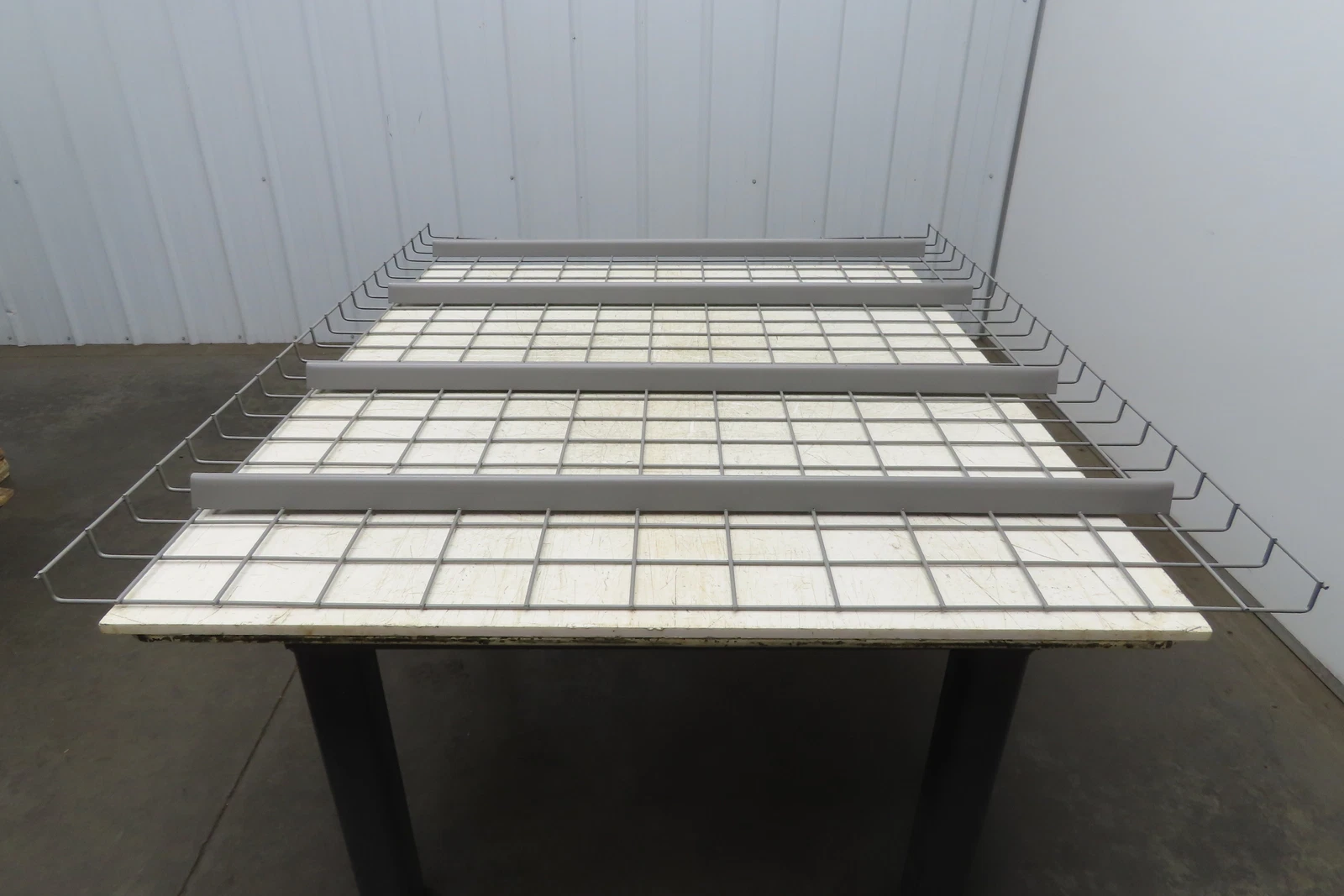
Conclusion
Conclusion:
- Running a bulk materials yard requires managing space, safety, and speed while protecting crew and equipment.
- Cantilever racking is ideal for storing long, awkward loads like pipes, lumber, and rebar due to its open-front design.
- Traditional pallet racks are inefficient for bulky, irregular materials, whereas cantilever racks are customizable, saving space and reducing downtime.
- Cantilever racks enhance safety by providing sturdy, accessible storage that reduces risks associated with falling pallets and unstable stacks.
- Using cantilever racking prevents damage to materials by keeping them off the ground and properly secured, cutting replacement costs.
- Optimizing yard layout with cantilever racks improves operational flow, turning disorder into efficiency and reliability.
- Cantilever racking offers a practical, well-designed solution that supports hard work and ensures consistent, effective yard management.
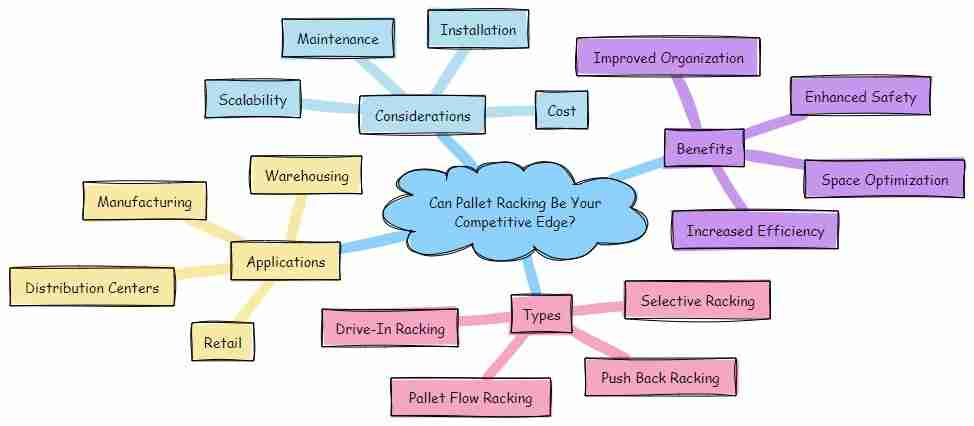
Conclusion
Other Resources

Other Resources
Here is a list of other resources you can review online to learn more:
- IWLA
- Interlake
- Used Pallet Rack for Sale in Illinois – American Surplus
- New Cantilever Racks and Racking Kits
- Logic Material Handling
- ASSP
- Rack Manufacturers Institute
- Wolter
- Overhead Lifting
- Warehouse Racking System: Powerful Guide to Optimise, 2024
- Selective Racking
- What is Cantilever Racking? – AK Material Handling Systems
- The Ultimate Pallet Racking Guide – Speedrack West
- Rack Manufacturers Institute
- BMH Equipment LLC
- Heavy-Duty Cantilever Storage Racks
- Illinois
- RMI
- SEMA
- Warehousing Education and Research Council: https://www.werc.org/
Use This Prompt To Get More Resources With Your Favorite Online AI Tool: Please provide me with a list of online articles with their URLs in a bulleted list that I can read regarding How Do Aggregate and Bulk Material Handlers Leverage Cantilever Racking?

Other Resources
Glossary Terms
How Do Aggregate and Bulk Material Handlers Leverage Cantilever Racking? – Glossary Of Terms
1. Aggregate Materials: Raw, loose materials such as sand, gravel, and crushed stone used in construction and manufacturing.
2. Bulk Material: Large quantities of loose, unpackaged materials stored or transported in piles or containers.
3. Cantilever Racking: A storage system with horizontal arms extending from vertical columns designed to hold long or bulky items.
4. Material Handling: The movement, protection, storage, and control of materials throughout manufacturing, warehousing, distribution, consumption, and disposal.
5. Storage Efficiency: Maximizing space utilization and accessibility in warehouse environments.
6. Load Capacity: The maximum weight a racking system or arm can safely support.
7. Vertical Storage: Utilizing vertical space to increase storage density.
8. Accessibility: The ease of retrieving or storing items on a racking system.
9. Long Items: Materials like pipes, lumber, or metal bars that require special storage due to their length.
10. Overhang: The portion of a stored item that extends beyond the supporting arms of the rack.
11. Freestanding Racks: Racking systems not attached to walls, allowing access from multiple sides.
12. Adjustable Arms: Cantilever rack components that can be repositioned to accommodate varying item sizes.
13. Forklift Compatibility: The ability of the racking system to accommodate forklift loading and unloading.
14. Heavy-Duty Storage: Taking into account the strength and durability required to hold heavy materials.
15. Warehouse Layout: The planned arrangement of storage and handling equipment to optimize flow.
16. Space Optimization: Strategies aimed at efficient use of available storage area.
17. Safety Factor: A design consideration providing a margin between expected load and maximum load capacity.
18. Industrial Materials: Materials used in manufacturing, construction, or production processes typically handled in bulk.
19. Pile Storage: Storing materials in piles, often requiring specialized equipment for access.
20. Inventory Management: Tracking and controlling stock levels of stored materials.
21. Modular Design: Racking systems constructed from interchangeable components to allow reconfiguration.
22. Load Distribution: The even spreading of weight across racking arms to prevent structural damage.
23. Multi-Level Storage: Using multiple vertical tiers to store materials and increase capacity.
24. Durability: The ability of the racking system to withstand operational stresses over time.
25. Material Flow: The movement path of materials from receipt to storage and dispatch.
26. Structural Support: The framework elements that provide strength and stability to the rack.
27. Environmental Conditions: Factors like moisture, temperature, and dust affecting material storage.
28. Handling Equipment: Tools and machinery like forklifts and conveyors used to move materials.
29. Load Securing: Methods to stabilize materials on racks to prevent shifting or falling.
30. Operational Efficiency: Minimizing time and effort in storing and retrieving materials using cantilever racking.

Glossary Of Terms
Other Questions
How Do Aggregate and Bulk Material Handlers Leverage Cantilever Racking? – Other Questions
If you wish to explore and discover more, consider looking for answers to these questions:
- What are the load capacities and weight limits for different cantilever rack models?
- How do you calculate arm length, spacing, and height for specific material types?
- What factors determine whether cantilever racking or pallet racking is the better choice?
- How much does a cantilever racking system typically cost to purchase and install?
- What is the expected return on investment (ROI) after switching to cantilever racking?
- How do cantilever racks perform in outdoor environments and extreme weather?
- What corrosion protection and coatings are available (paint, galvanizing) and which is best?
- What are the foundation, anchoring, and site-preparation requirements for cantilever installations?
- How do cantilever racks handle dynamic loads from forklifts, cranes, or side loaders?
- What safety standards, codes, and certifications apply to cantilever racking?
- How often should cantilever racking be inspected and what should inspections include?
- What are common signs of wear or damage that require immediate repair or replacement?
- What safety accessories are available (safety arms, stops, guards) and when should they be used?
- How should irregularly shaped or fragile materials be secured on cantilever racks?
- Are cantilever racks compatible with automated systems, conveyors, or warehouse management systems?
- What training do operators and warehouse staff need to use cantilever racking safely?
- How do you determine appropriate aisle widths and traffic patterns around cantilever racks?
- What are best practices for loading and unloading to minimize material damage?
- How do you store mixed-size inventory and maintain easy access on cantilever systems?
- Can existing pallet racking be retrofitted or converted to cantilever racking?
- What are the limitations of cantilever racking (maximum height, load type, stability)?
- How do cantilever racks affect forklift selection and handling procedures?
- What maintenance schedule and procedures keep cantilever systems safe and long-lasting?
- How are seismic, wind, and other environmental loads accounted for in design?
- What permitting or local code approvals are required for large outdoor cantilever installations?
- How do you quantify space utilization gains when switching to cantilever racking?
- What are common mistakes to avoid during planning and installation?
- How do insurers view cantilever racking—does it affect premiums or coverage?
- What warranty, service, and spare-parts support should buyers expect from suppliers?
- Are there industry-specific cantilever solutions for aggregates, steel, lumber, or piping?
- How should cantilever racks be laid out to optimize workflow and reduce wasted motion?
- What case studies or real-world examples show measurable benefits of cantilever use?
- How do you handle theft prevention, access control, and inventory security on open racks?
- What environmental or sustainability considerations apply to materials and end-of-life disposal?
- Can cantilever racks be relocated or expanded easily as business needs change?
- How does cantilever storage impact loading dock operations and truck turnaround times?
- What are recommended procedures for storing hazardous or coated materials on cantilever racks?
- How do you plan inventory labeling, signage, and organization for long or irregular loads?
- What testing (load tests, certification) should be done after installation and periodically?

Other Questions
Checklist
How Do Aggregate and Bulk Material Handlers Leverage Cantilever Racking? – A Checklist
Fit Check
✅______ Inventory includes long, bulky, or irregular items (e.g., pipe, lumber, rebar, sheet, beams) that do not sit safely on pallets
✅______ Frequent damage, slow access, or safety issues with current pallet racking or floor stacking
✅______ Forklifts, side loaders, or cranes are available for horizontal loading and unloading
Current Operation Snapshot
✅______ List materials with lengths, diameters, thicknesses, bundle sizes, and weights (minimum/average/maximum)
✅______ Note pick frequency and typical order profiles (full bundles versus pieces)
✅______ Map current storage, staging, and traffic flows (indoor and outdoor)
✅______ Identify weather, corrosion, and debris exposure risks
Space and Layout Planning
✅______ Verify aisle widths for equipment turning radii and side loading
✅______ Define one-way travel paths, pedestrian walkways, and staging zones
✅______ Separate long-goods zones from palletized goods; plan interfaces and transfer points
✅______ Place high-frequency SKUs closest to docks and main travel lanes
✅______ Allocate overflow and quarantine areas for damaged or odd lots
Rack Design and Engineering
✅______ Select single- or double-sided cantilever based on access and footprint
✅______ Define column height, arm length, arm spacing, base length, and number of levels
✅______ Calculate capacities per arm, level, bay, and system with engineering margins
✅______ Choose arm types and accessories: straight or inclined arms, lips, end stops, pipe cradles, V-blocks, saddles
✅______ Specify bracing, row spacers, and back-to-back spacing
✅______ Confirm slab and soil capacity; specify base plates, anchors, and pull-out requirements
✅______ Address seismic, wind, and snow loads per local code; obtain stamped calculations
✅______ Select finishes: hot-dip galvanized for outdoor use; powder coat for indoor use
✅______ Order load plaques with clear limits and contact information
Outdoor Use Considerations
✅______ Provide concrete pads with drainage; avoid standing water and frost heave
✅______ Plan snow and ice removal that will not strike arms or bases
✅______ Mitigate wind exposure for long, light materials; use banding and stops
✅______ Specify corrosion inspection intervals and touch-up procedures
✅______ Ensure adequate lighting and non-slip surfaces for equipment
Safety and Risk Reduction
✅______ Set minimum clearances above, below, and between arms; manage deflection limits
✅______ Install column guards, end-of-aisle barriers, and bollards
✅______ Require banding or strapping, chocks, and edge protection for bundles
✅______ Standardize loading rules: heaviest/longest on lower levels; even spacing on arms
✅______ Mark travel lanes, no-park zones, and pedestrian crossings
✅______ Post visual loading diagrams and emergency contacts at each row
✅______ Implement immediate tag-out and quarantine for damaged components
Loading and Unloading Efficiency
✅______ Slot SKUs by length/diameter and pick frequency (ABC classification)
✅______ Verify fork reach, mast height, and attachment compatibility for target arms
✅______ Set approach angles and standardized pick/put sequences
✅______ Create dedicated inbound/outbound staging near racks
✅______ Label bays, columns, levels, and arms; enable barcode or RFID locations
✅______ Schedule replenishment during low-traffic windows
People and Training
✅______ Train operators on cantilever-specific handling and center-of-gravity awareness
✅______ Certify equipment operators for side loading and long-load travel
✅______ Conduct toolbox talks on pinch points, wind hazards, and visibility
✅______ Establish clear communication signals for spotters and crane and forklift operators
Inspections and Maintenance
✅______ Daily operator visual checks for damage, overloading, and loose anchors
✅______ Weekly supervisor walk with documented findings
✅______ Monthly torque checks on anchors and bolts, and arm alignment
✅______ Annual third-party or engineer inspection with formal report
✅______ Define repair/replace criteria; keep spare arms and bolts on hand
✅______ Maintain inspection logs, incident records, and as-built drawings
Compliance and Permitting
✅______ Obtain building permits and AHJ approvals where required
✅______ Comply with applicable rack standards and local codes
✅______ Verify fire protection, egress, and clearance requirements
✅______ Post load plaques and safety signage at each bay and row
Systems Integration
✅______ Update WMS/ERP locations and slotting logic for cantilever positions
✅______ Align cycle counting and inventory controls to arm and bay locations
✅______ Define returns, rework, and nonconformance flows for long goods
Cost and KPIs
✅______ Budget total cost: equipment, freight, installation, slab work, permits, training, and downtime
✅______ Establish targets: storage density gain, pick time reduction, and damage rate reduction
✅______ Track KPIs: utilization by arm and level, throughput, forklift hours, damages, near-misses, and retrieval times
Go-Live Checklist
✅______ Verify installation matches engineered drawings and tolerances
✅______ Confirm anchors are torqued and plaques are installed
✅______ Pilot test with representative loads; adjust arm spacing and slotting
✅______ Conduct safety walkthrough and operator sign-offs
✅______ Archive certifications, load tables, manuals, and maintenance schedules
Checklist
At RackingWorld, we help guide you through selecting warehouse storage systems and racking.
Be sure to read our other related stories at RackingWorld to learn more about warehouse storage systems.
0 Comments