
Maximizing Efficiency And Safety: The Backbone Of Ready-To-Eat Success
By Tom Seest
At RackingWorld, we help guide you through selecting warehouse storage systems and racking.
Be sure to read our other related stories at RackingWorld to learn more about warehouse storage systems.
How Do Ready-To-Eat Meal Producers Leverage Pallet Racking?
In the gritty, often chaotic world of ready-to-eat meal production, pallet racking is more than just steel beams and shelves—it’s the backbone holding everything together. When you walk into a warehouse stacked high with pallets, you’re seeing a system born of common sense and hard-earned experience, doing a tough job without fuss or fanfare. For producers, pallet racking isn’t just about storage; it’s about trust—trust that their products will stay safe, fresh, and ready for the folks counting on a quick, reliable meal.
Think about the pressure in the kitchen and the warehouse combined: deadlines to meet, freshness to maintain, and a mountain of products moving faster than you can blink. Pallet racking systems tackle this head-on. They give producers the power to organize pallets efficiently, saving square footage, cutting down on wasted steps, and speeding up the loading and unloading processes. This isn’t just logistics—it’s a lifeline that lets the team focus on what matters: quality meals reaching people on time.
There’s a quiet ethic behind the scenes too. Using sturdy, well-maintained pallet racking means fewer accidents, safer working conditions, and less chance of product damage. It’s a commitment to respect the hands that pack and the people who unpack those meals at home or at work. It’s doing right by the whole chain—from warehouse worker to customer—based on solid experience, not flash or convenience.
From a social angle, pallet racking fosters a connection between the producers and their communities. When meals arrive fresh and on schedule, it reflects a promise kept, builds confidence, and feeds trust. It says, “We’ve got this handled,” and that means everything when people rely on your products to make their day easier and better.
At the end of the day, pallet racking is humble but mighty. It’s the unsung hero that carries the weight, holds the order, and keeps the line moving without missing a beat. Ready-to-eat meal producers lean on this tool because it works, plain and simple—rooted in real-world know-how and a straightforward goal: good food, delivered right.

How Do Ready-To-Eat Meal Producers Leverage Pallet Racking?
How Do Ready-To-Eat Meal Producers Leverage Pallet Racking?
- Pallet racking is essential in ready-to-eat meal production, serving as the backbone of storage and organization.
- It ensures product safety, freshness, and reliability, building trust between producers and consumers.
- Efficient pallet racking saves space, reduces wasted movement, and speeds up loading and unloading processes.
- Well-maintained racking systems improve workplace safety and minimize product damage.
- Pallet racking reflects a commitment to quality and respect for all workers in the supply chain.
- It strengthens connections between producers and communities by ensuring timely, fresh meal deliveries.
- Despite its simplicity, pallet racking is a critical, dependable tool for delivering quality meals efficiently.

How Do Ready-To-Eat Meal Producers Leverage Pallet Racking?
Table Of Contents
- How Do Ready-To-Eat Meal Producers Leverage Pallet Racking?
- How Does Pallet Racking Improve Storage Efficiency?
- How Can Pallet Racking Reduce Product Damage?
- What Safety Standards Apply to Pallet Racking?
- How Does Pallet Racking Support Faster Order Fulfillment?
- Can Pallet Racking Optimize Warehouse Space for Meal Producers?
- How Does Proper Pallet Racking Affect Supply Chain Reliability?
- Conclusion
- Other Resources
- Glossary Of Terms
- Other Questions
- Checklist
How Does Pallet Racking Improve Storage Efficiency?
You know, when you first walk into a warehouse or a storeroom, the last thing you want is a mess that looks like a tornado ran through it. Pallet Racking changes that game entirely. It’s not just about stacking stuff; it’s about putting everything where it belongs, clean and organized, so you don’t waste time hunting for tools, parts, or goods. When your space is tight and the clock’s ticking, having a solid Pallet Racking system feels like having an extra pair of hands that never get tired.
Look, from a common-sense standpoint, Pallet Racking turns chaos into order. Instead of piles on the floor that make forklifts nervous and workers frustrated, you get neat rows and columns stacking upward – using vertical space like a smart worker who knows every inch counts. This isn’t just for the big shots; anyone with a shop or warehouse can save hours and headaches. It means materials don’t get damaged or lost, which saves money and cuts down on waste. That’s not just efficiency—it’s respect for your hard-earned dollars.
There’s something honest about using the right tool for the job, and Pallet Racking is exactly that. It’s engineered to handle weight and pressure, so you’re not risking your crew or your inventory. That kind of reliability builds confidence all around. When your team knows the gear they rely on is solid, it makes a difference in morale and pace. Plus, staying compliant with safety standards isn’t just paperwork—it’s taking care of people who show up every day to get things done.
Stories like this aren’t rare: a small outfit invests in Pallet Racking and suddenly their workflow smooths out. They find themselves finishing orders quicker, handling more products, and even bringing in new clients impressed by how tidy and professional they appear. It builds trust in the long run—customers and workers both know you mean business when your operation looks sharp and runs like clockwork.
Pallet Racking isn’t magic, but it sure feels like it when your cluttered heap transforms into an organized, efficient system. It’s a down-to-earth, practical solution that respects the hustle behind the scenes. When you get this right, you’re not only improving storage—you’re lifting the whole business up, one pallet at a time.

How Does Pallet Racking Improve Storage Efficiency?
How Does Pallet Racking Improve Storage Efficiency?
- Pallet Racking transforms chaotic, cluttered warehouse spaces into clean, organized areas, saving time by eliminating the need to hunt for tools or goods.
- It maximizes vertical space, creating neat rows and columns that improve safety and efficiency by reducing floor clutter.
- Applicable to any sized operation, it prevents material damage and loss, reducing waste and saving money.
- Designed to safely support heavy loads, Pallet Racking enhances worker confidence and morale while maintaining safety compliance.
- Investment in Pallet Racking improves workflow, speeds up order completion, and creates a professional appearance that attracts clients.
- The system builds long-term trust with both customers and employees by demonstrating organized, reliable operations.
- Pallet Racking is a practical, effective storage solution that significantly boosts overall business efficiency one pallet at a time.

How Does Pallet Racking Improve Storage Efficiency?
How Can Pallet Racking Reduce Product Damage?
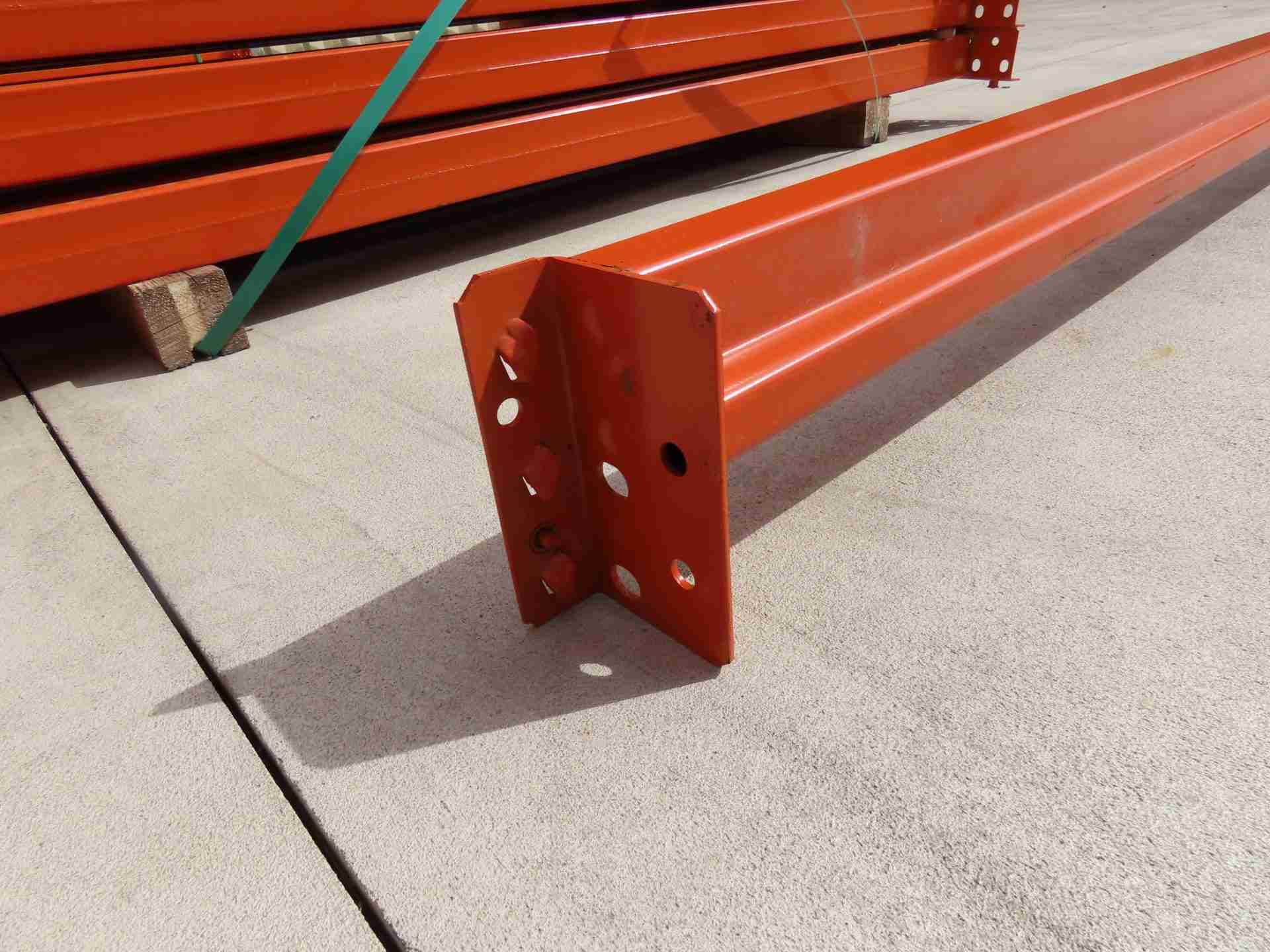
When it comes to keeping products safe, pallet racking isn’t just some fancy warehouse gadget—it’s the backbone that stops your hard-earned goods from turning into costly wrecks. Think about the last time you saw a shipment got mangled because boxes were stacked like a bad Jenga game. That’s exactly what pallet racking cuts out. By keeping everything orderly and off the floor, it’s like giving each item its own personal spot at the dinner table—no jostling, no crashing, just solid support.
Now, from a straight-up practical point of view, pallet racking reduces product damage by taking the guesswork out of storage. Instead of piles tumbling down when someone pulls out one crate, these systems lock everything into place. That means forklifts can do their job with fewer near-misses and less guesswork. When you’ve got pallet racking that’s built tough and set up right, you cut down on those “uh-oh” moments where stuff slips, crushes, or smashes. Less damage means fewer headaches, lower costs, and a smoother operation overall—which, if you’re running a business, directly feeds your bottom line.
But there’s more to it than just dollars and cents. There’s an ethical side too. When you’re handling other people’s products or even your own, you owe it to them—and yourself—to treat those items like the valuable assets they are. Pallet racking shows you care, that you respect the craftsmanship, the effort, and the promise behind every product. It’s a quiet kind of responsibility that keeps your team proud and your customers confident you’re doing right by them.
And listen, the social proof is there in the warehouses that stick with pallet racking. These setups have stood the test of time in industries where margins are tight and errors are costly. They’re the tried-and-true tool that every savvy operator swears by because, beyond the tech specs and steel beams, it’s just good sense. People talk, and when your partners and clients see your storage system outclassing the rest, it builds trust and opens doors. It’s not just about storing goods—it’s about standing tall with a solid foundation everyone can count on.
So, if you’re fed up with product damage eating into your profits and patience, it’s time to get serious about pallet racking. It’s not glamourous, it’s not flashy, but it’s a no-nonsense champion for every warehouse, every shipment, and every hard-earned dollar you’re trying to protect.
How Can Pallet Racking Reduce Product Damage?
How Can Pallet Racking Reduce Product Damage?
- Pallet racking prevents product damage by organizing goods securely and keeping them off the floor.
- It eliminates the risk of unstable stacking, reducing accidents like falling or crushed items in storage.
- Proper pallet racking systems improve forklift operation safety and efficiency by locking products in place.
- Reducing product damage lowers operational costs and supports smoother business processes.
- Using pallet racking reflects ethical responsibility by respecting the value and craftsmanship of stored items.
- Warehouses using pallet racking benefit from proven reliability and increased trust from partners and clients.
- Pallet racking is a practical, essential investment that protects goods, profits, and business reputation.

How Can Pallet Racking Reduce Product Damage?
What Safety Standards Apply to Pallet Racking?
When it comes to pallet racking, safety isn’t just some box to check on a spreadsheet—it’s the backbone holding up everything around you, quite literally. Think about it: every stack of wood, every crate, every load balanced on those racks depends on the structure not giving out under pressure. That’s why the rules and standards aren’t just cold, impersonal guidelines—they’re written from long years of learning the hard way, from floors cracked to backs sprained, from equipment ruined to workmates hurt. You don’t ignore them because when pallet racking goes wrong, it takes more than a broken shelf; it shatters morale and trust across the whole crew.
The standards that apply to pallet racking come from solid, practical experience that’s been hammered out across warehouses and loading docks everywhere. They say how high you can go, how much weight you can stack, how firmly those beams need to be bolted in place. Following these standards isn’t about paperwork fluff—it’s about knowing that the system can hold up when the load gets heavy, literally and figuratively. It’s knowing that each bolt and brace has been factored in to keep everyone safe. That kind of reliability, when your pallet racking meets those specs, allows folks to focus on the work, confident their footing won’t give way and no one’s safety hangs in the balance.
Ethically, it just makes sense to hold pallet racking to these safety standards because you owe it to the people using it every day. Workers trust that equipment won’t fail beneath them; employers owe it to their team to provide a workplace that does not gamble with lives or limbs. Meeting the standards isn’t just about avoiding penalties or passing inspections—it’s about respecting the dignity and well-being of every person walking those aisles or loading those shelves. When you see racks properly installed and maintained, you see a community that cares, a culture that refuses to cut corners on something so crucial.
At the end of the day, pallet racking safety standards represent more than technical rules—they embody a shared commitment. It’s the kind of grown-up agreement between everyone invested in making the workplace a secure place to earn a living. When those standards are followed, you don’t just get racks that hold up—you get peace of mind that lets all hands get back to work without a second thought. That’s a foundation worth building on.

What Safety Standards Apply to Pallet Racking?
What Safety Standards Apply to Pallet Racking?
- Pallet racking safety is essential as it supports all loads and prevents structural failure.
- Safety rules and standards stem from practical experience and past workplace incidents.
- Standards define maximum height, weight limits, and secure fastening requirements for racks.
- Following these standards ensures the system’s reliability under heavy loads, protecting workers.
- Ethically, maintaining safety standards respects workers’ dignity and well-being.
- Properly installed and maintained racks reflect a workplace culture that values safety and responsibility.
- Adhering to pallet racking safety standards fosters trust, morale, and peace of mind in the workplace.

What Safety Standards Apply to Pallet Racking?
How Does Pallet Racking Support Faster Order Fulfillment?
Look, anyone who’s spent time in a warehouse knows the drill—orders piling up, clocks ticking, folks waiting on your every move. Pallet racking is the unsung backbone of getting things out the door fast. It’s not just steel beams and shelves; it’s the difference between a smooth flow and a tangled mess. When you’ve got your pallets lined up right, you don’t waste time hunting for products or dodging clutter. You walk straight to the spot, grab what you need, and move on. That’s faster order fulfillment in a nutshell.
Think about the folks on the floor—the ones who turn the crank every day. They want a setup that respects their time and effort. Pallet racking does just that by keeping everything organized and within reach. No more climbing over crates or shuffling boxes around to find that one item. This organization cuts down mistakes and keeps safety tight, because when shelves are sturdy and well-planned, you’re not risking a collapse or injury. Sound organization means confidence—people trust their environment and work better when the system works for them.
From a business sense, faster fulfillment isn’t just about speed; it’s about quality and reputation. Customers expect quick, accurate delivery—missed orders or delays chip away at trust and future sales. Pallet racking lets warehouses handle bigger volumes without chaos, giving companies the muscle to meet deadlines and keep promises. It’s an ethical edge—doing right by customers and workers by respecting their time and needs.
You can picture it easy: a clean, lined-up row of pallet racking, each shelf labeled and loaded just right. The people working there know where everything is because the system is built for common-sense flow. It’s not rocket science; it’s smart use of space and a hands-on approach to efficiency. Shared pride grows when a team sees the difference in daily operation—a place that works with them, not against them.
Pallet racking isn’t just storage; it’s the engine of faster, smarter fulfillment. It’s the quiet partner helping trucks roll out full and on time, the reason a warehouse doesn’t just survive but thrives. When you get your pallet racking right, you’re not just stacking boxes—you’re stacking trust, respect, and results.

How Does Pallet Racking Support Faster Order Fulfillment?
How Does Pallet Racking Support Faster Order Fulfillment?
- Pallet racking is essential for efficient warehouse operations, enabling quick and organized order fulfillment by preventing clutter and wasted time.
- It respects the efforts of warehouse workers by keeping items organized and easily accessible, reducing mistakes and improving safety.
- Well-planned pallet racking prevents accidents and builds worker confidence by providing sturdy and reliable storage solutions.
- Faster order fulfillment through pallet racking enhances business reputation by ensuring timely, accurate deliveries and maintaining customer trust.
- The system supports handling larger volumes without chaos, helping companies meet deadlines and uphold commitments.
- A clean, labeled, and logically arranged pallet racking system facilitates smart space utilization and team pride in daily warehouse operations.
- Pallet racking acts as a critical driver of warehouse success, improving efficiency, trust, and overall results beyond simple storage.

How Does Pallet Racking Support Faster Order Fulfillment?
Can Pallet Racking Optimize Warehouse Space for Meal Producers?
You walk into a warehouse stacked ceiling-high with boxes and pallets, and it hits you—the chaos, the wasted space, the hassle just to find what you need. For meal producers, every inch counts. Pallet racking isn’t just some fancy shelving system; it’s the backbone that can turn a cluttered mess into a smooth-running operation. It’s the kind of gritty, practical solution that makes people stop and say, “Why didn’t we do this sooner?”
From the gut, you know meal production isn’t forgiving. Fresh ingredients, strict schedules, and tight deadlines mean every second lost searching for supplies is money—and trust—down the drain. Pallet racking helps you stack smarter, not just higher. It makes sure pallets are stored efficiently, easy to reach, and that walkways stay clear. You keep the inventory visible and organized, which means fewer mistakes, less spoilage, and quicker turnaround. That’s the kind of real-world benefit that speaks to common sense and keeps the day flowing.
Head-wise, the facts add up. Pallet racking maximizes vertical space, giving you room for more product without expanding your footprint. It’s like adding a second story to your warehouse without the cost of construction. The durability and customizable nature of pallet racking mean you can tailor it to fit everything from large ingredient pallets to smaller packaged meals. With better space utilization, you cut down on overhead costs, reduce waste, and improve workflow, all vital numbers every business owner keeps an eye on. It’s smart, calculated, and proven by countless warehouses buzzing with efficiency.
There’s an ethical side here, too. Meal producers often face pressure to avoid food waste and manage stock responsibly. Pallet racking encourages proper rotation and handling, which can help keep food fresher longer and reduce discarded goods. That’s doing right by your customers, your employees, and the planet. It’s not just a shelf—it’s a commitment to quality and responsibility that resonates beyond the warehouse walls.
Lots of folks in this business have been around the block and seen warehouses where everything’s piled up haphazardly. They’ll tell you that pallet racking isn’t just about space; it’s about respect for the product and the people who make those meals possible. It fosters connection by creating a workspace where everyone knows where everything is, and no one’s left scrambling last minute.
Pallet racking offers meal producers a solid investment in their operations and peace of mind for their teams. It’s a straightforward fix that aligns with hard-earned wisdom and everyday grit, helping turn the chaos of storage into a steady, reliable process—one pallet at a time.

Can Pallet Racking Optimize Warehouse Space for Meal Producers?
Can Pallet Racking Optimize Warehouse Space for Meal Producers?
- Pallet racking transforms chaotic, wasted warehouse space into an efficient, organized system vital for meal producers.
- It supports fast, easy access to fresh ingredients, reducing search time, mistakes, spoilage, and ensuring timely meal production.
- Maximizes vertical space, increasing storage capacity without expanding the warehouse footprint, cutting overhead costs.
- Durable and customizable to accommodate pallets of different sizes, improving workflow and inventory management.
- Promotes ethical handling by encouraging proper stock rotation, reducing food waste and supporting sustainability.
- Fosters respect for products and workers by creating a clear, organized workspace, minimizing last-minute scrambling.
- Represents a wise operational investment that brings reliability, efficiency, and peace of mind to meal production teams.

Can Pallet Racking Optimize Warehouse Space for Meal Producers?
How Does Proper Pallet Racking Affect Supply Chain Reliability?
You ever walked into a warehouse where the floor’s cluttered, pallets piled up like a skyscraper about to fall, and the whole place feels like a ticking time bomb? That’s the kind of setup that drags down any supply chain faster than bad weather on a Monday morning. Proper pallet racking isn’t just about stacking stuff high—it’s about keeping the whole operation running smooth, steady, and safe. When your pallet racking is done right, it’s like giving your supply chain a backbone that doesn’t bend under pressure.
From the ground up, solid pallet racking means fewer mishaps. You cut down on damaged goods because everything’s where it should be, easy to find and grab without needing a forklift ballet artist or a bulldozer. That’s money saved—not just from replacing broken inventory but from avoiding delays that make customers tap their foot and check other options. When orders flow like clockwork, confidence builds not just in the front office but all the way back to the guy loading the truck in the freezing cold.
Think about the folks working the floor every day. Proper pallet racking doesn’t just protect products; it protects people. It means a safer workplace where the risk of accidents drops, and stress drops along with it. When workers feel safe and valued, it shows in every handshake and every extra mile they put in on the job. That feeling—that trust—is the quiet powerhouse behind every reliable shipment that leaves the dock on time.
And let’s be honest, there’s a real ethical line here. Running a warehouse like a scrapyard isn’t just sloppy—it’s dangerous and unfair to anyone clocking in every day. Using pallet racking the right way says you respect your employees, your clients, and your own reputation. It says you’re in this for the long haul, not just quick wins.
When you nail pallet racking, you’re also stepping up your game in a big way. Customers notice when the supply chain hums without a hitch. Partners take you seriously. You’re not just a cog in the machine—you’re the guy who keeps the wheels greased and the engine running. Good pallet racking isn’t fancy or flashy. It’s common sense, earned from sweat and grit, holding everything in place so everyone else can do their part without worry. That’s the kind of reliability you can bet on.

How Does Proper Pallet Racking Affect Supply Chain Reliability?
How Does Proper Pallet Racking Affect Supply Chain Reliability?
- Cluttered, unstable pallet setups disrupt supply chains and create safety hazards.
- Proper pallet racking supports smooth, steady, and safe warehouse operations.
- Well-organized racking reduces damaged goods and prevents costly delays.
- Efficient pallet racking protects workers, lowering accidents and workplace stress.
- Using pallet racking correctly reflects respect for employees, clients, and company reputation.
- Reliable pallet racking builds customer confidence and strengthens business partnerships.
- Good pallet racking is practical, dependable, and essential for consistent supply chain performance.

How Does Proper Pallet Racking Affect Supply Chain Reliability?
Conclusion
Pallet racking may not be glamorous, but it’s the unsung backbone of ready-to-eat meal production—holding up every crate, every pallet, every bit of hard work that goes into putting good food on the table. It’s a practical, no-nonsense tool forged out of real-world grit and common sense, built to keep the chaos of tight schedules, fresh products, and high demand from tipping over into disaster. When you see a warehouse running smooth, with rows of pallets stacked neatly instead of teetering piles, you’re looking at a system that respects the sweat behind the scenes and the people relying on those meals.
It’s about more than just storage space. Pallet racking turns disorder into order, using vertical space smartly to cut wasted time and steps. It’s like having an extra pair of hands that never quit—making sure everything has a place, nothing gets lost or crushed, and fulfillment happens fast and right. Workers move safer and quicker; products stay fresh and intact; customers get what they need without delay. And that kind of reliability breeds trust all along the chain, from the folks packing the pallets to the hands unloading them, right down to the families and workers grabbing those meals on the fly.
Safety isn’t an afterthought here; it’s baked into every bolt and beam. The standards governing pallet racking are born out of hard lessons, protecting backs, limbs, and livelihoods. Doing it right means fewer accidents, less damage, and a workplace where people feel respected enough not to worry about the shelves collapsing above their heads. That’s an ethical commitment that goes beyond checkboxes—it’s about honoring the people who show up and the customers counting on a steady supply.
From a business standpoint, proper pallet racking cuts costs by preventing damage and waste, slashing overhead with smarter space use, and speeding up order fulfillment. It’s the kind of practical investment that pays off in smoother workflows, happier workers, and customers who know their orders will arrive on time and intact. It’s no flash in the pan—it’s the quiet muscle behind a warehouse that rolls with the punches and keeps feeding the demand.
Put simply, pallet racking is the unglamorous champion of ready-to-eat meal producers’ success. It’s the steady hand that keeps the supply chain honest, the safety standards respected, and the orders moving out the door without a hitch. In a world that demands freshness, speed, and precision, pallet racking delivers the backbone—rooted in hands-on know-how, humility, and plain old hard work—that no operation can afford to do without.

Conclusion
Conclusion:
- Pallet racking is the essential support system in ready-to-eat meal production, ensuring stability and order in storage and handling.
- It maximizes vertical space usage to reduce wasted time and steps, improving efficiency in warehouses.
- Pallet racking enhances safety by adhering to strict standards that protect workers and prevent accidents.
- It ensures products remain fresh and intact, facilitating fast and accurate order fulfillment.
- Proper pallet racking lowers costs by minimizing damage, reducing waste, and optimizing space.
- The system builds trust throughout the supply chain, from pallet packers to end consumers.
- Pallet racking is a practical, reliable foundation critical to the success and smooth operation of meal production warehouses.

Conclusion
Other Resources

Other Resources
Here is a list of other resources you can review online to learn more:
- Teardrop Uprights
- Teardrop Industrial Shelving Rack
- IIWS Inc. Rack Installation Illinois & Rack Repairs Illinois
- American Surplus
- International Warehouse Logistics Association
- Selective Rack – Raymond West
- Pallet Racking systems in Illinois and Great Lakes
- Pallet Racking systems in Illinois, Great Lakes
- RMI
- What is Selective Pallet Racking
- Selective Pallet Racking Systems
- ASSP
- Warehouse Storage Racks
- MHI
- CA Wire
- Teardrop Racks – Pallet Rack World
- Wolter
- Heavy-Duty Cantilever Storage Racks
- Logic Material Handling
Use This Prompt To Get More Resources With Your Favorite Online AI Tool: Please provide me with a list of online articles with their URLs in a bulleted list that I can read regarding How Do Ready-To-Eat Meal Producers Leverage Pallet Racking?

Other Resources
Glossary Terms
How Do Ready-To-Eat Meal Producers Leverage Pallet Racking? – Glossary Of Terms
1. Pallet Racking: A storage system designed to hold materials on pallets in horizontal rows with multiple levels.
2. Ready-to-Eat Meals: Pre-prepared food products that require no further cooking before consumption.
3. Inventory Management: The process of overseeing and controlling the ordering, storage, and use of components and finished products.
4. Warehouse Optimization: Strategies and techniques to maximize storage capacity and efficiency within a warehouse.
5. Space Utilization: The efficient use of available physical storage area to maximize capacity.
6. Load Capacity: The maximum weight a pallet rack or shelf can safely support.
7. Forklift Accessibility: The ease with which forklifts can access and retrieve palletized goods from racking systems.
8. FIFO (First In, First Out): An inventory management method ensuring older stock is used before new stock.
9. LIFO (Last In, First Out): An inventory management method where the most recently stored stock is used first.
10. Stock Rotation: The practice of moving products through storage to prevent spoilage or obsolescence.
11. Temperature Control: Maintaining specific temperature ranges within storage areas to preserve food quality.
12. Cold Storage: Temperature-controlled storage environments used for perishable food items.
13. Load Stability: The security and steadiness of pallet loads to prevent shifting or collapse.
14. Cross-Docking: Transferring products directly from inbound to outbound transport with minimal storage time.
15. Picking Efficiency: The speed and accuracy with which products are retrieved from storage for order fulfillment.
16. Shelf Life Tracking: Monitoring the expiration dates of stored food products to prevent waste.
17. Material Handling Equipment: Tools and machinery used to move, store, and control materials within a warehouse.
18. Slotting: Organizing products within a storage area to optimize picking and storage.
19. Pallet Configuration: The arrangement of goods on a pallet to maximize space and ensure stability.
20. Dynamic Racking: Pallet racking systems that allow movement of pallets for better space utilization, such as push-back or flow racks.
21. Static Racking: Fixed pallet racking systems that do not move or adjust.
22. Load Depth: The distance from the front to the back of a pallet rack level.
23. Safety Compliance: Adherence to regulations and standards to ensure safe storage practices.
24. Automated Storage and Retrieval Systems (AS/RS): Mechanized systems that automatically store and retrieve inventory.
25. Inventory Visibility: The ability to track and view inventory levels and locations in real time.
26. Weight Distribution: Even allocation of load weight to maintain rack stability and safety.
27. Rack Damage Prevention: Methods to avoid structural damage to pallet racks, including protective barriers and proper handling.
28. Warehouse Layout Planning: Designing the physical arrangement of storage areas to optimize workflow and space.
29. Food Safety Standards: Regulatory requirements governing the handling and storage of food products.
30. Ergonomics: Designing storage and retrieval processes to minimize physical strain on workers.

Glossary Of Terms
Other Questions
How Do Ready-To-Eat Meal Producers Leverage Pallet Racking? – Other Questions
If you wish to explore and discover more, consider looking for answers to these questions:
- What types of pallet racking systems are best for ready‑to‑eat meal producers?
- How do I choose racking based on pallet sizes, weights, and load patterns?
- What are typical load capacities per beam, level, and bay, and how are they calculated?
- How do refrigerated and frozen environments affect racking selection and materials?
- What racking features support FIFO and FEFO (first‑expire‑first‑out) inventory rotation?
- How should racking be specified to minimize product damage during handling and storage?
- What food‑safety and sanitation considerations apply to racking finishes and materials?
- How often should racking be inspected, who should perform inspections, and what checklists are used?
- What are common racking failure modes and recommended repair or replacement procedures?
- Which safety accessories are recommended (column guards, backstops, safety nets, beam locking devices)?
- How do aisle widths and racking layout affect forklift operations and picking efficiency?
- What worker training and certification are required for safe racking use and forklift operation?
- How do pallet racking choices impact order‑fulfillment speed and accuracy metrics?
- What is the expected ROI and payback period for investing in new racking systems?
- What are the upfront installation costs and ongoing maintenance expenses for racking?
- How does racking configuration influence insurance, liability, and regulatory compliance?
- What building, fire and local codes apply to high‑density pallet racking in food warehouses?
- How should racking be anchored to different floor types, and how are floor load limits assessed?
- What seismic, wind‑load, or environmental design considerations are required in various regions?
- How is racking integrated with fire suppression systems, sprinklers, and egress planning?
- Can pallet racking be combined with automation (AS/RS, conveyors, robotics) and what are the constraints?
- How do you integrate racking with WMS, barcoding, RFID, and traceability systems?
- What labeling, slotting, and bin‑location strategies work best for racked inventory?
- How should racking layouts be optimized for seasonal demand, peak throughput, and scale‑up?
- What practices prevent cross‑contamination and ensure allergen segregation on racked pallets?
- Are used or refurbished racking systems a safe and cost‑effective option?
- How modular and scalable are racking solutions for future growth or facility reconfiguration?
- What lead times, supply‑chain risks, and sourcing considerations affect racking procurement?
- How do pallet quality, size variation, and pallet condition affect racking performance?
- What best‑practice procedures should workers follow when loading, unloading, and storing pallets?
- How should warehouses prepare for product recalls and rapid isolation/removal of specific pallets?
- What lighting, signage, and visibility improvements complement racking layouts for safety and speed?
- How do racking choices influence worker ergonomics, picker fatigue, and order‑picking methods?
- What sustainability options exist for racking materials, reuse, recycling, and end‑of‑life disposal?
- Which performance metrics should be tracked to measure the impact of racking on operations (damage rates, throughput, space utilization)?
- What manufacturer certifications, testing records, and warranties should be required when purchasing racking?

Other Questions
Checklist
How Do Ready-To-Eat Meal Producers Leverage Pallet Racking? – A Checklist
Layout and Space Utilization
✅______ Map current and future SKU mix, volumes, and temperature zones
✅______ Use vertical space to safe, compliant heights
✅______ Right-size aisle widths for your lift equipment and turning radius
✅______ Define clear pedestrian and forklift travel lanes
✅______ Keep emergency exits, fire equipment, and electrical panels unobstructed
✅______ Reserve staging areas for inbound, outbound, and returns
✅______ Plan flue spaces and sprinkler clearances per code
Rack System Design and Selection
✅______ Select rack types by flow need: selective, double-deep, drive-in, push-back, pallet flow
✅______ Use pallet flow for FIFO/FEFO; push-back for LIFO where appropriate
✅______ Verify beam, frame, and deck capacities for worst-case loads
✅______ Specify corrosion-resistant finishes for chilled, frozen, or washdown areas
✅______ Confirm floor flatness and load-bearing capacity; repair as needed
✅______ Engineer seismic and building code compliance
✅______ Install row spacers, wall ties, and beam safety locks
✅______ Add backstops, anti-collapse mesh, or netting near walkways and conveyors
✅______ Post load plaques at each rack row or bay
Product Protection and Food Safety
✅______ Standardize approved pallet types and conditions; reject damaged pallets
✅______ Eliminate overhang and crushed packaging through correct beam spacing and decking
✅______ Segregate allergens and incompatible SKUs with physical barriers and signage
✅______ Implement FEFO rotation and location strategies for shelf-life control
✅______ Maintain cleanability: smooth surfaces, no rust, and access for sanitation
✅______ Control condensation and ice in cold rooms to prevent slips and box damage
✅______ Use spill containment and cleanup SOPs for leaks and breakage
✅______ Protect temperature integrity during rack replenishment and picking
Safety and Compliance
✅______ Follow applicable racking standards and local codes
✅______ Anchor all uprights; verify anchor torque after installation and impacts
✅______ Install end-of-aisle guards, column protectors, and rack end barriers
✅______ Maintain required flue spaces and sprinkler clearance
✅______ Provide clear load-rating signage and safe-use rules at entrances
✅______ Mark traffic aisles, intersections, speed limits, and horn zones
✅______ Ensure lighting levels support safe picking and driving
✅______ Keep housekeeping tight: no pallets, debris, or wrap in aisles
Order Fulfillment and Flow
✅______ Label locations with a consistent, scannable addressing schema
✅______ Slot high-velocity SKUs at optimal ergonomic heights and closest pick paths
✅______ Separate fast-pick faces from reserve storage to reduce congestion
✅______ Balance pick zones and set optimized routes to cut travel time
✅______ Set replenishment min/max levels and trigger rules to prevent stockouts
✅______ Use staging lanes with clear dock-to-load mapping
✅______ Implement accuracy checks at pick, pack, and ship
Damage Prevention
✅______ Train operators on approach angles and load placement
✅______ Verify pallet condition before putaway
✅______ Use pallet centering guides, entry guides, or flow lane rollers as needed
✅______ Add corner boards or slip sheets for fragile packaging
✅______ Maintain proper beam heights to prevent case crush
✅______ Monitor and minimize double-handling
Inspection, Maintenance, and Training
✅______ Conduct daily walk-by checks for damage, leaning, or missing components
✅______ Perform scheduled inspections: monthly by supervisor; annually by a qualified auditor
✅______ Tag out damaged locations immediately and remove from service
✅______ Keep a rack damage log and close corrective actions promptly
✅______ Retorque anchors and check beam locks after impacts or reconfiguration
✅______ Train and certify all operators; refresh training after impacts and near misses
✅______ Maintain sanitation schedules for racks, floors, and drains
Technology and Data
✅______ Integrate WMS/ERP for real-time inventory, locations, and FEFO control
✅______ Use barcode or RFID scanning at receive, putaway, pick, and ship
✅______ Track rack impacts via telematics or impact sensors where feasible
✅______ Monitor temperature and humidity in cold areas with alarms
✅______ Maintain digital rack drawings, capacities, and change history
KPIs and Continuous Improvement
✅______ Measure pick rate, order lead time, on-time ship rate, and dock-to-stock time
✅______ Track damage rate, inventory accuracy, and write-offs/spoilage
✅______ Review safety incidents, near misses, and corrective actions monthly
✅______ Audit space utilization and re-slot quarterly based on velocity changes
✅______ Standardize SOPs and conduct periodic drills and refresher training
✅______ Revalidate rack capacity and layout after any process or SKU changes

Checklist
At RackingWorld, we help guide you through selecting warehouse storage systems and racking.
Be sure to read our other related stories at RackingWorld to learn more about warehouse storage systems.
0 Comments