
Efficient Storage Solutions For A Sustainable Future
By Tom Seest
At RackingWorld, we help guide you through selecting warehouse storage systems and racking.
Be sure to read our other related stories at RackingWorld to learn more about warehouse storage systems.
Racking and Lean Warehousing: a Symbiotic Relationship
Racking and lean warehousing are not just about storing goods; they are about creating a philosophy that drives efficiency and fosters connection within the warehouse community. Imagine stepping into a space where every item has its rightful place, and every piece of equipment is meticulously organized. This isn’t just racking; it’s a system built on the principles of respect—for space, work, and, most importantly, for the people behind the scenes.
When you walk into a warehouse that has embraced lean practices, you can feel the difference. It’s about reducing waste, maximizing value, and ensuring that everyone—every worker, every manager, every team—can move swiftly and confidently. Racking systems that are thoughtfully designed not only optimize space but also respect the labor that puts products onto shelves and ships them out the door. This is where the heart of lean warehousing beats: it recognizes the human effort involved.
Now let’s get real for a moment. The numbers speak volumes. Implementing an effective racking system can cut operational costs significantly. When products are stored efficiently, retrieval times decrease, and labor costs drop. This can mean the difference between a profitable month and a struggling quarter. Rationally, it makes sense to shift towards a lean model. But these benefits extend beyond the balance sheet; they ripple through the lives of the people who seamlessly navigate this well-oiled machine.
Ethically, embracing lean warehousing shows a commitment to quality and environmental stewardship. By using resources wisely and reducing excess, businesses demonstrate responsibility not just to their shareholders, but to their communities. When a warehouse operates more efficiently, it’s a win for everyone—a shared victory that fosters a sense of togetherness among workers who take pride in what they do.
There’s also a narrative woven through this process. Reflect on the stories of those who’ve walked the aisles in endless search of misplaced items or the frustration of chaotic spaces. Now, flip the script. Picture the collaborative energy of a team that thrives in an environment designed for success. They don’t just work; they engage, they connect, and they belong.
In this partnership of racking and lean warehousing, we find more than just a method of operation; we uncover a philosophy of empathy, efficiency, and empowerment that resonates deeply within us all. Let’s embrace this journey together, knowing that every rack used and every process refined brings us one step closer to a better, more streamlined future.
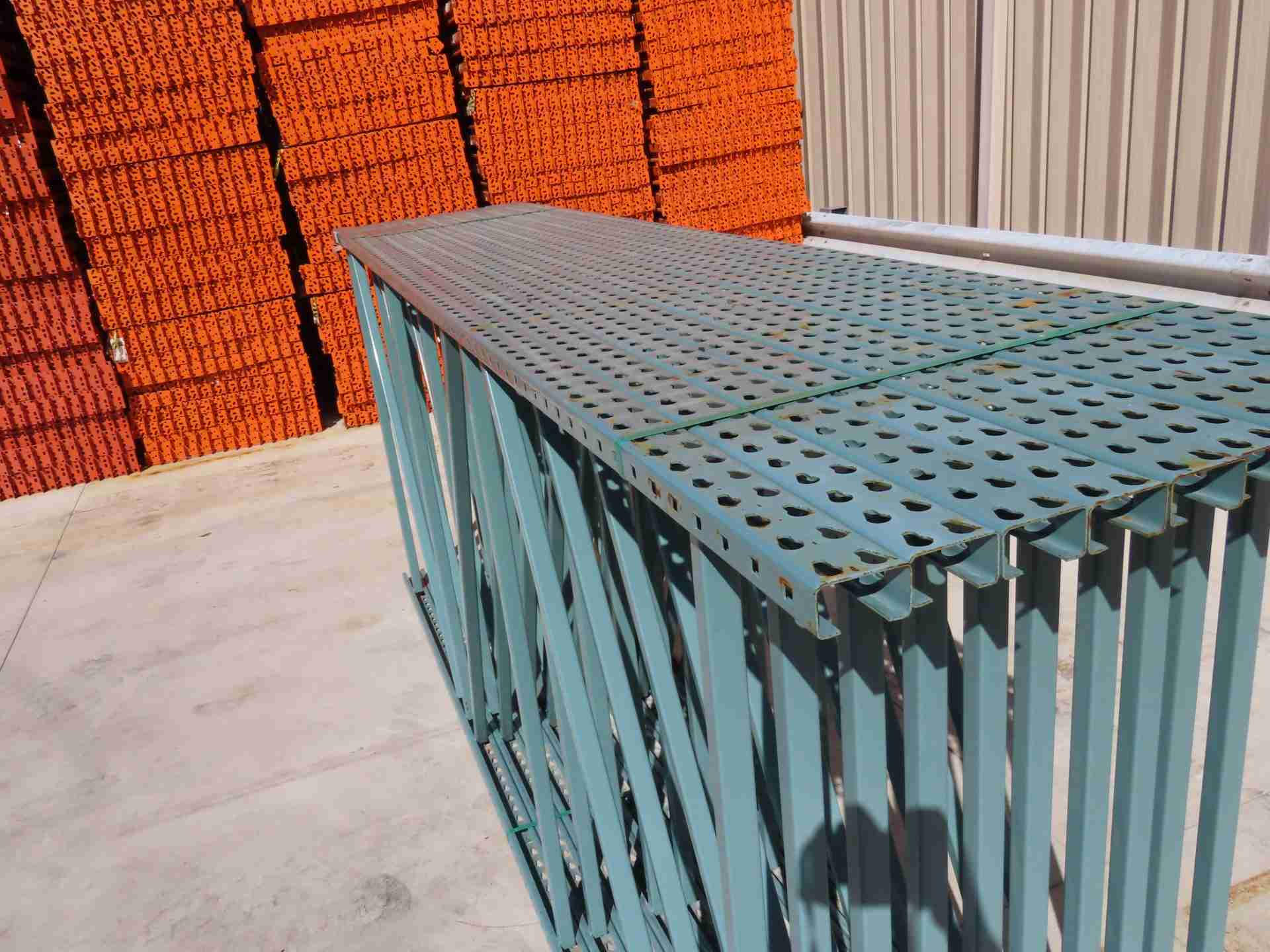
Racking and Lean Warehousing: a Symbiotic Relationship
Racking and Lean Warehousing: a Symbiotic Relationship
- Racking and lean warehousing aim to drive efficiency and foster community connections.
- Effective organization enhances respect for space, work, and the people involved.
- Lean practices focus on reducing waste and maximizing value for all workers.
- Thoughtfully designed racking systems optimize space and acknowledge human effort.
- Implementing efficient racking can significantly lower operational costs and improve productivity.
- Embracing lean warehousing demonstrates ethical commitment to quality and environmental responsibility.
- The process fosters collaboration and a sense of belonging among warehouse workers.
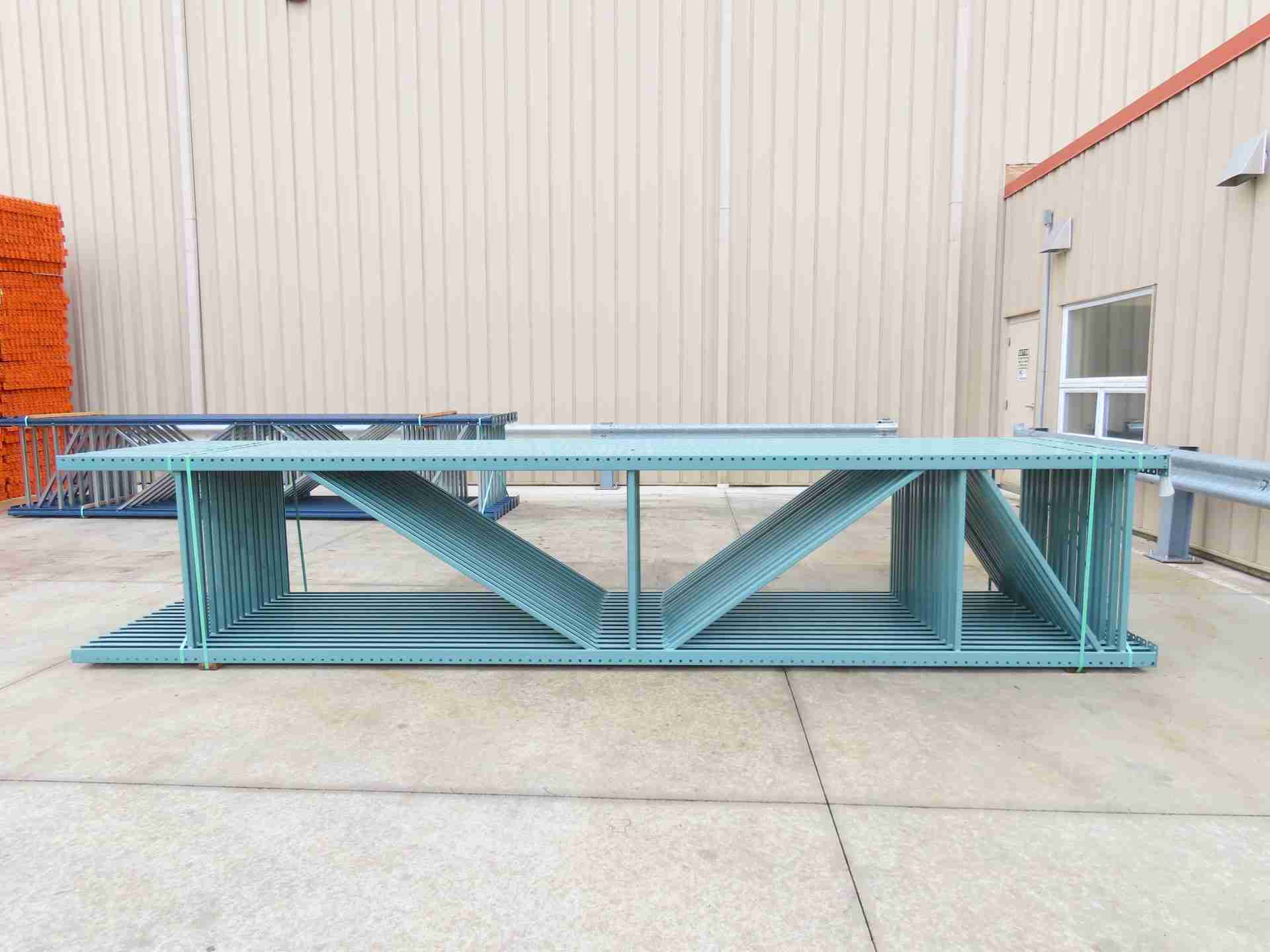
Racking and Lean Warehousing: a Symbiotic Relationship
Table Of Contents
- Racking and Lean Warehousing: a Symbiotic Relationship
- What Emotional Benefits Can Racking Systems Bring to Your Workflow?
- Are You Aware Of the Cost Savings Lean Warehousing Can Provide?
- How Can Proper Racking Enhance Safety In Your Warehouse Environment?
- Can the Story Of Warehouses Adopting Lean Strategies Inspire Your Own?
- How Can Adopting a Lean Approach Transform Your Workspace Dynamic?
- Conclusion
- Other Resources
- Glossary Of Terms
- Other Questions
- Checklist
What Emotional Benefits Can Racking Systems Bring to Your Workflow?
When we think about racking systems, it’s easy to focus on the practical advantages—space efficiency, organization, and workflow optimization. However, let’s delve deeper and unearth the emotional benefits that these seemingly simple structures can bring to your daily grind.
Consider, for a moment, the feeling of walking into a space that’s orderly and well-arranged. Your brain settles; the chaos dissipates. That first step into a well-organized environment isn’t just about aesthetics; it’s the assurance that everything has its place. When you employ racking systems, you’re not just streamlining operations; you’re creating a sanctuary for productivity. It’s a space where every tool and component is accessible, reducing anxiety and fostering clarity.
Moreover, when your physical workspace reflects an organized mindset, it influences how you approach your day. This isn’t mere organization; it’s an act of self-respect and a display of professionalism. Imagine stepping away from the clutter and confusion, and embracing an environment that whispers encouragement. That sense of control translates into confidence. You might find yourself taking on challenges with renewed vigor because you know you have the right resources—at your fingertips—ready to propel you forward.
This reliance on racking systems also fosters a culture of accountability among teams. When everyone understands the importance of organization, it builds a sense of unity. You’re not just relying on your own efforts; you’re part of a collective that values orderliness and efficiency. This solidarity within a workspace nurtures trust, as collaboration becomes seamless. Each member feels empowered, knowing that their contributions are respected and that the environment accommodates their efforts.
Ethically, investing in racking solutions signifies a commitment to sustainability. Efficiently utilizing space means avoiding unnecessary expansions and promoting resource conservation, both of which resonate deeply with a conscientious workforce. This alignment with broader values enhances employee morale, knowing they’re part of something bigger.
The bottom line? Racking systems do more than support your workflow; they act as silent partners in your success. They inspire a sense of purpose, providing a canvas upon which you can paint your day with intention and clarity. Choosing to implement them isn’t just a decision on paper; it’s an affirmation of your dedication to creating a work environment that cultivates potential and inspires greatness.
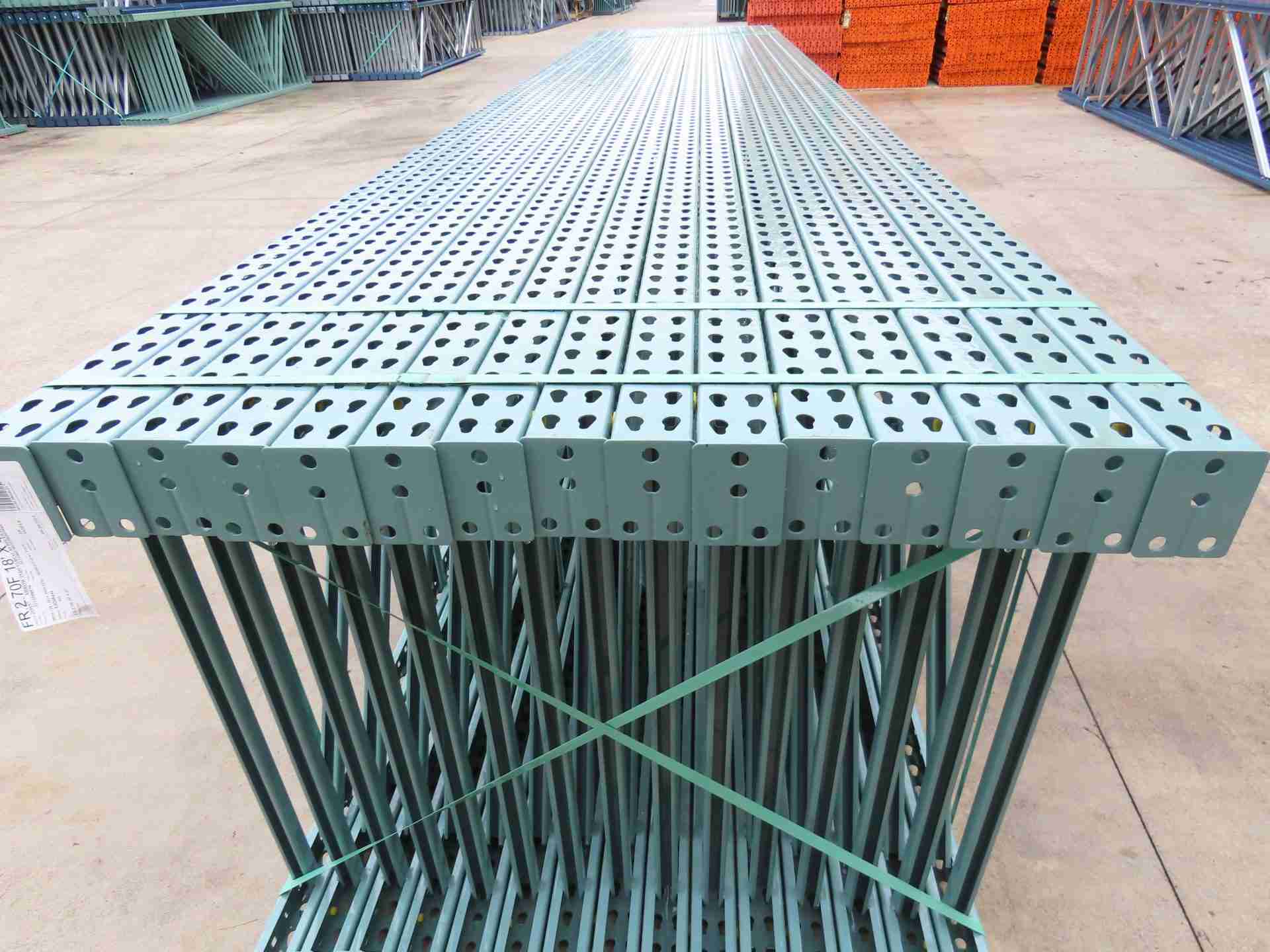
What Emotional Benefits Can Racking Systems Bring to Your Workflow?
What Emotional Benefits Can Racking Systems Bring to Your Workflow?
- Racking systems enhance space efficiency, organization, and workflow optimization.
- Well-organized environments reduce chaos and promote clarity, fostering productivity.
- Organization reflects self-respect and professionalism, boosting confidence.
- Racking systems promote a culture of accountability and teamwork within organizations.
- Investing in racking solutions aligns with sustainability, enhancing employee morale.
- These systems serve as partners in success, inspiring intention and clarity in the workplace.
- Implementing racking systems is a commitment to a productive and positive work environment.
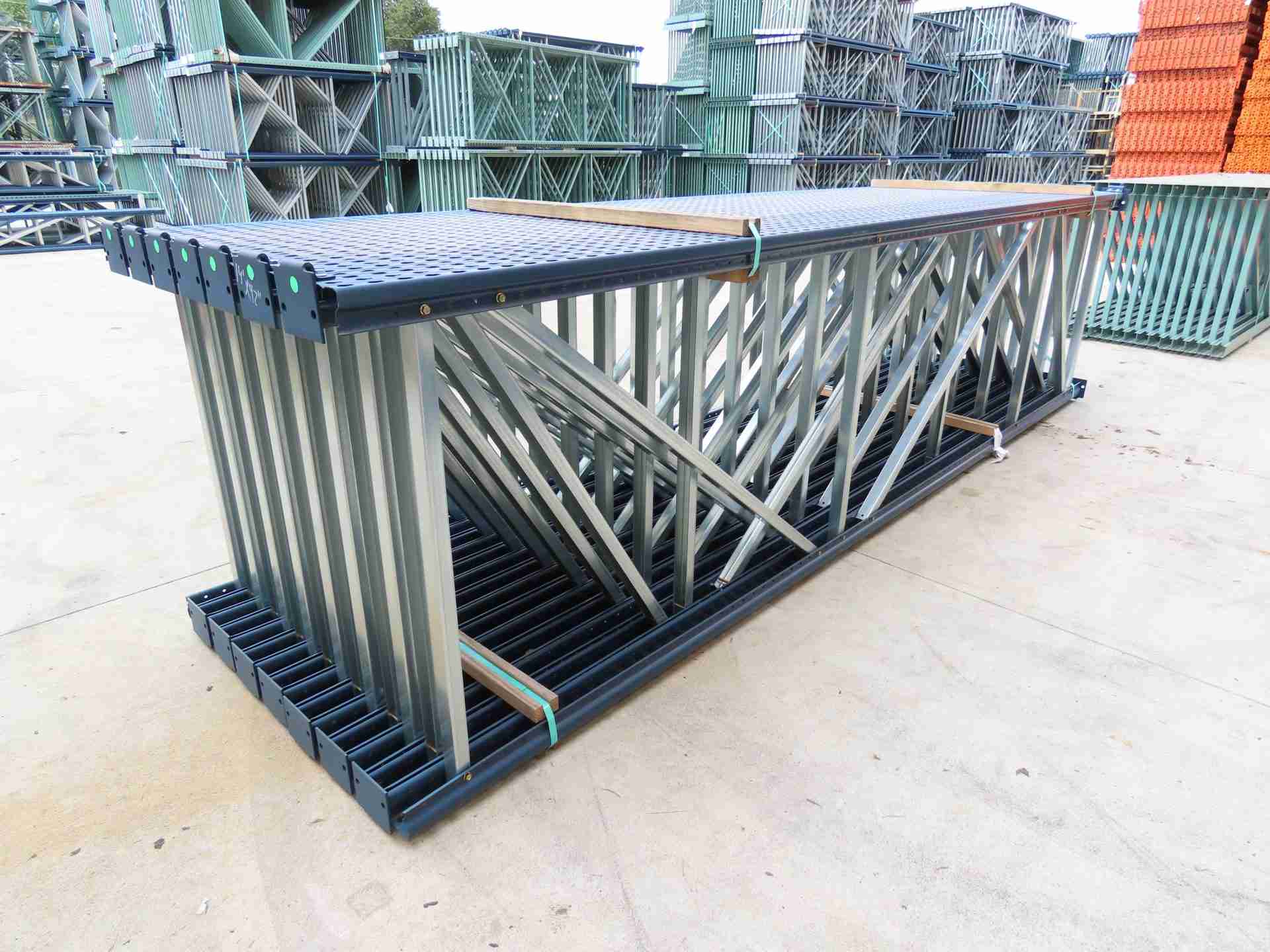
What Emotional Benefits Can Racking Systems Bring to Your Workflow?
Are You Aware Of the Cost Savings Lean Warehousing Can Provide?
When it comes to warehousing, think of it as a battlefield where every inch counts and every action has consequences. The choice to embrace lean warehousing methods—like optimizing your racking systems—can mean the difference between thriving and simply surviving. Imagine walking into a warehouse that’s been transformed into a model of efficiency, where the products you need are right at your fingertips, and there’s no more chaos swirling around like a tornado of lost opportunities. This isn’t just a dream; it’s a reality that many businesses are achieving through lean principles.
Lean warehousing isn’t just about saving space; it’s a philosophy that touches the very heart of your operation. By minimizing waste and maximizing value, you not only cut costs but also create a culture of respect and responsibility among your team. Employees feel empowered when they see their efforts leading to tangible results—when they know they’re part of a system that’s designed for success. There’s pride in being a part of something larger, where every move is strategic, and every decision counts.
On a rational level, think about the money saved by reducing unnecessary movements and optimizing your inventory management. A seamless racking system can mean fewer labor hours spent searching for products, lower transportation costs, and less capital tied up in excess stock. It’s not just about dollars and cents; it’s about creating a streamlined flow that keeps the engine of your business running smoothly. When you eliminate redundancies, you open the door to innovation and growth, and that’s a place where any leader wants to be.
Ethically, investing in lean warehousing is also about making a commitment to sustainability. When you waste fewer resources and maximize your efficiency, you’re not just helping your bottom line; you’re helping the planet. Today’s consumers care about how products are made and delivered—it’s a moral responsibility to operate in a way that respects both your community and the environment.
So, as you stand at the crossroads of decision-making, ask yourself: Are you ready to embrace the power of lean warehousing? It’s not just a trend—it’s a movement toward a future where businesses don’t just operate, they thrive. And in today’s competitive landscape, that’s not just an option; it’s a necessity. Let’s embark on this journey together, transforming not just warehouses, but the very nature of how we do business. Join the ranks of innovators who see the opportunity in every square foot. The battlefield is waiting.

Are You Aware Of the Cost Savings Lean Warehousing Can Provide?
Are You Aware Of the Cost Savings Lean Warehousing Can Provide?
- Warehousing is likened to a battlefield where every detail has significant implications.
- Embracing lean warehousing, such as optimizing racking systems, can lead to business success.
- Efficient warehouses eliminate chaos and provide easy access to necessary products.
- Lean warehousing fosters a culture of respect, empowerment, and responsibility among employees.
- Financial benefits include reduced labor hours, lower transportation costs, and minimized excess stock.
- Investing in lean warehousing promotes sustainability and meets consumer expectations for ethical operations.
- Adopting lean warehousing principles is essential for thriving in today’s competitive business landscape.
Are You Aware Of the Cost Savings Lean Warehousing Can Provide?
How Can Proper Racking Enhance Safety In Your Warehouse Environment?
Proper racking isn’t just about storing goods; it’s about creating an environment where safety thrives, and lives aren’t just numbers on a spreadsheet. Imagine the bustling hum of a busy warehouse—a place where hard work meets meticulous organization. But here’s the truth: if your racking system isn’t set up correctly, you might as well be walking on a tightrope without a safety net.
Visually, your mind pictures a well-organized racking system crammed with products, thoughtfully designed to minimize hazards. When you walk through those aisles, each shelf standing tall, you can breathe a little easier knowing that people can navigate safely. It sends a message loud and clear: safety is paramount. This isn’t just about protecting inventory; it’s about protecting lives, your lives, the lives of your colleagues, families, and friends. We all know someone impacted by a warehouse accident. When safety takes priority, we ensure we aren’t all just statistics in an annual report.
Logically speaking, a well-placed racking system maximizes space and improves accessibility. Think about how it alleviates the chaos of clutter, where each box, each pallet, has a designated home. This organization not only enhances productivity but also reduces the risk of accidents. When workers know where to find what they need and can move freely without obstacles, they can focus on the task at hand rather than navigating a minefield of equipment and products.
Ethically, ensuring proper racking reflects a commitment to workplace safety. It shows respect for your team’s well-being and champions a culture where everyone is accountable for one another. In essence, safe practices foster trust. When workers feel valued, they’re more willing to engage, report concerns, and collaborate to improve safety protocols.
Consider the scenario: a seasoned worker confidently reaching for a box on a higher shelf, knowing that the racking is equipped to handle the load. This confidence isn’t just based on faith; it’s built on a solid foundation of established safety guidelines. The authority of tried-and-true racking systems demonstrates that we aren’t just winging it; these systems are designed by experts who understand the weight of responsibility.
Ultimately, it’s about community. Workers sharing a collective pride in their environment, supporting each other through safer practices, and celebrating their commitment to operational excellence. A safe warehouse isn’t just a workplace; it’s a family. Make racking a priority, and you create a culture where everyone can thrive.

How Can Proper Racking Enhance Safety In Your Warehouse Environment?
How Can Proper Racking Enhance Safety In Your Warehouse Environment?
- Proper racking creates a safe environment, emphasizing the protection of lives over just inventory.
- A well-organized racking system reduces hazards and enhances navigation within the warehouse.
- Prioritizing safety prevents workers from becoming mere statistics in accident reports.
- An efficient racking system maximizes space and improves accessibility, reducing clutter.
- Fostering a culture of safety encourages workers to report concerns and engage in improving protocols.
- Trusted racking systems provide confidence in handling loads safely, based on established guidelines.
- A safe workplace cultivates a sense of community, where workers support each other and share a commitment to excellence.

How Can Proper Racking Enhance Safety In Your Warehouse Environment?
Can the Story Of Warehouses Adopting Lean Strategies Inspire Your Own?
When we think about warehouses, we often picture vast, metallic giants that hum with the relentless motion of machinery and the echo of footfalls on concrete. But beneath that industrial facade lies a human story worth sharing—one where racking systems and inventory management dance together in a lean ballet of efficiency and purpose. Imagine a warehouse not just as a space for storing goods, but as a vital hub where people come together, working tirelessly to improve the very fabric of our economy. This is the heart of the lean strategy.
At its core, adopting lean strategies in warehouses isn’t just about reducing waste or improving processes; it’s about fostering a culture of respect and empowerment. Picture those workers, day in and day out, refining their methods, becoming not just cogs in a wheel but spirited contributors to something larger than themselves. The gut-level understanding that their work directly influences customer satisfaction and business success transforms the monotonous into the meaningful. We’re not merely moving boxes; we are solving problems, and that’s a profound motivator.
From a rational standpoint, the numbers don’t lie. Warehouses that embrace lean methodologies typically report marked improvements in efficiency and productivity. But let’s not get lost in the spreadsheets—beyond the metrics lies a compelling narrative of individuals who rise to challenges, discovering pride in their roles and camaraderie among colleagues. They share successes and celebrate milestones, building a community tied not just by the workday but by a shared vision for better practices and better outcomes.
On an ethical level, the shift towards lean strategies represents a commitment to sustainability, resonating with values we hold dear. As warehouses streamline operations, they reduce waste—not just of materials, but of human potential. It’s about recognizing that when we empower individuals, we foster an environment where innovation flourishes, and lives are enriched.
Much like those everyday heroes who toil in warehouses, each of us has the potential to apply lean principles in our lives. Whether you’re managing inventory or balancing daily responsibilities, consider how embracing efficiency can yield not only productivity but also a deeper sense of purpose. As you stand back and watch the transformation take place, remember that the journey toward improvement is as important as the destination. So, let’s dare to lean into our challenges, inspire change within our community, and together, redefine success.
Can the Story Of Warehouses Adopting Lean Strategies Inspire Your Own?
Can the Story Of Warehouses Adopting Lean Strategies Inspire Your Own?
- Warehouses are essential hubs for economic activity, beyond just storing goods.
- Adopting lean strategies promotes a culture of respect and empowerment among workers.
- Workers become contributors rather than mere cogs, enhancing customer satisfaction and business success.
- Lean methodologies lead to measurable improvements in efficiency and productivity in warehouses.
- A strong sense of community forms among workers, driven by shared goals and achievements.
- The shift towards lean strategies reflects a commitment to sustainability and maximizing human potential.
- Individuals can apply lean principles to their own lives for improved efficiency and a sense of purpose.
Can the Story Of Warehouses Adopting Lean Strategies Inspire Your Own?
How Can Adopting a Lean Approach Transform Your Workspace Dynamic?
Imagine walking into a workspace where clutter fades into the background and every corner exudes purpose. That’s the promise of adopting a lean approach—a transformative journey that reshapes not just how we work, but how we connect with our environment and one another. It’s about streamlining processes, eliminating waste, and putting people front and center. When racking is organized and thoughtfully placed, it doesn’t just serve a functional goal; it instills a sense of pride and ownership among team members.
Think about the camaraderie that develops when everyone rallies behind a common mission to make their space more effective. A workspace rooted in the principles of lean means creating an atmosphere where each person feels they contribute to something greater—a shared goal that transcends individual tasks. This connection speaks to our hearts; it’s a reminder that we’re not just collecting paychecks, but building a community.
Now let’s turn to the head. Adopting lean methods offers tangible benefits. By reducing waste—think redundant processes and missed communication—you’re not just trimming the fat from operations; you’re enhancing productivity. You’ll see faster turnaround times, increased efficiency, and, let’s be honest, a sense of accomplishment that’s hard to match. It’s not just about working smarter; it’s about working better. The data confirms it—businesses that embrace lean practices often see higher employee engagement and satisfaction, reflecting a healthy, thriving workspace.
But what about our gut? Ethical considerations matter too. The lean approach promotes a culture of respect for people and encourages continuous improvement, effectively challenging the status quo. When you lead by example, you not only inspire those around you to do better, but you set a standard that fosters trust and transparency.
Lastly, let’s not forget the social aspect. Create a workspace dynamic that honors collaboration and communication, where ideas flourish and every voice is heard. A lean approach cultivates an environment where struggles are shared and victories celebrated—shared experiences that strengthen bonds and ignite motivation.
Transforming your workspace isn’t merely a shift in methods; it’s a heart-and-soul endeavor, inviting action and sparking change. Are you ready to reclaim your workspace? Your team is counting on it.
How Can Adopting a Lean Approach Transform Your Workspace Dynamic?
How Can Adopting a Lean Approach Transform Your Workspace Dynamic?
- Create a workspace that emphasizes purpose and connectivity through a lean approach.
- Streamline processes and eliminate waste to prioritize people and their contributions.
- Foster camaraderie as team members unite to enhance workspace effectiveness.
- Experience tangible benefits such as increased productivity and faster turnaround times.
- Encourage ethical practices that respect individuals and promote continuous improvement.
- Cultivate collaboration and open communication to ensure all ideas are valued.
- Transforming your workspace is a holistic endeavor that inspires action and community building.

How Can Adopting a Lean Approach Transform Your Workspace Dynamic?
Conclusion
Racking and lean warehousing represent more than just systems for storing goods; they embody a revolutionary approach that prioritizes efficiency, safety, and community in the workplace. Picture stepping into a warehouse where each item is precisely placed, and every tool is at your fingertips. This isn’t mere organization—it’s a culture that respects both the space and the people who work within it. When you embrace lean practices, you don’t just enhance operations; you cultivate an environment that fosters pride and accountability among team members.
The emotional impact of effective racking systems cannot be overstated. Imagine entering an orderly workspace—chaos fades away, anxiety diminishes, and productivity flourishes. With everything in its right place, workers feel a heightened sense of control and empowerment. A well-structured environment serves as a canvas for professional growth, where every individual contributes to a collective mission. This culture of organization inspires trust and camaraderie, transforming coworkers into a tight-knit community striving for shared success.
Rationally, it’s clear that adopting a lean approach directly affects the bottom line. By optimizing racking systems, businesses can significantly reduce operational costs and improve workflow. The result? Faster retrieval times, decreased labor costs, and an agile response to market demands. But beyond just numbers, lean warehousing promotes sustainability—an ethical choice that appeals to modern consumers who care about environmental responsibility. This commitment to resourcefulness also enriches employee morale, resembling a shared pledge to support a thriving community.
On a deeper narrative level, stories emerge from the human touches within these systems. Envision the journey of workers overcoming clutter and chaos, transforming their industrial space into a model of cooperation and efficiency. The satisfaction derived from witnessing tangible improvements resonates profoundly, sparking innovation and inspiring a continuous cycle of growth and learning.
Safety is yet another pillar of this partnership. Proper racking systems ensure that hazards are minimized, protecting the lives of the workers who are crucial to a successful operation. Establishing safety as a core principle creates an environment where each person feels valued, not just as an employee but as a member of a family.
Ultimately, the synergy of racking and lean warehousing unveils a broader philosophy that blends empathy, ethical accountability, and operational excellence. It invites every worker to lean into change, redefine success, and collectively pursue a sustainable future. By championing these practices, we can transform not just warehouses, but the very essence of how we engage with work and each other. Join this movement, and let’s craft a better tomorrow together.
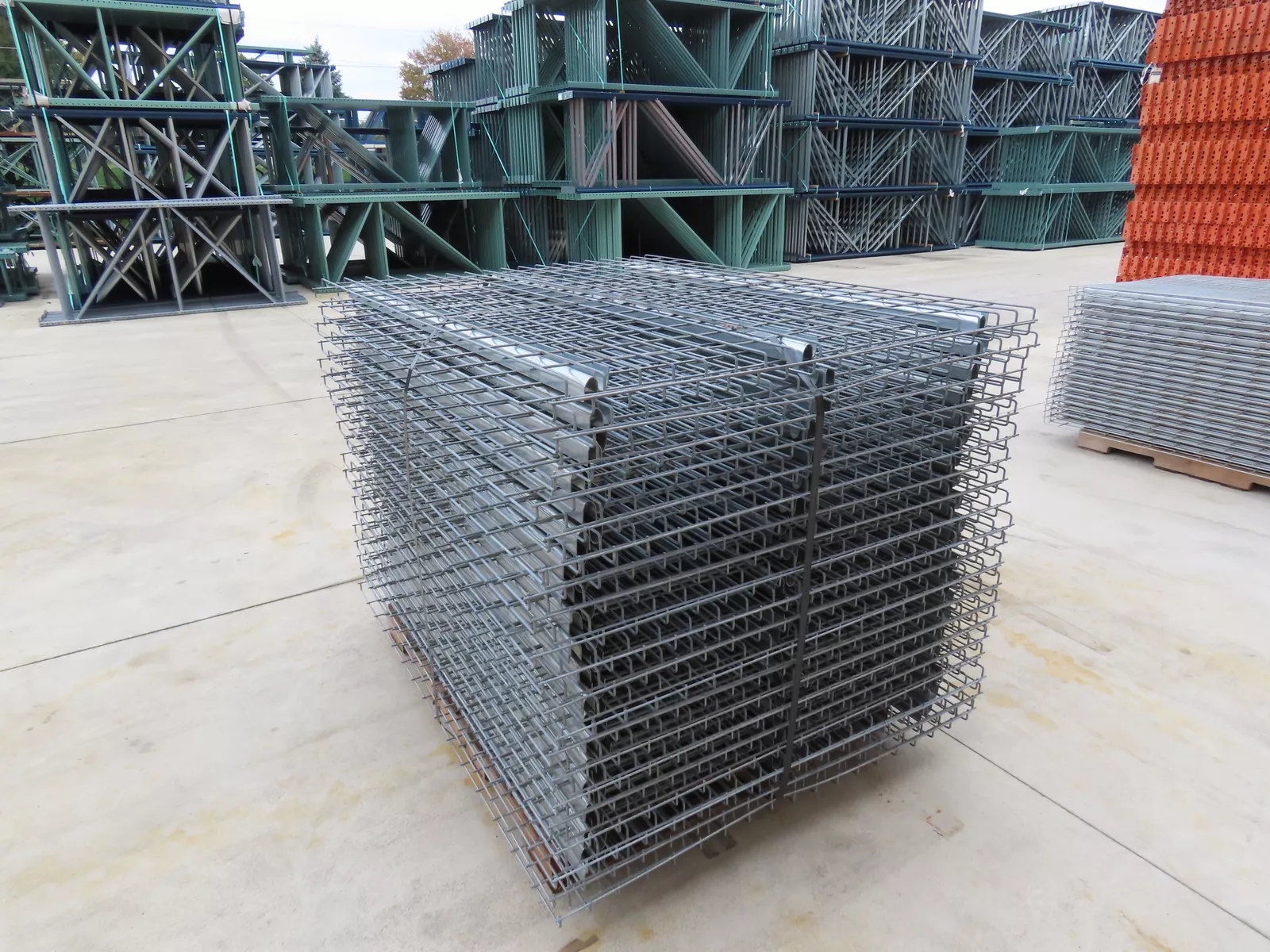
Conclusion
Conclusion:
- Racking and lean warehousing prioritize efficiency, safety, and workplace community.
- Effective organization fosters pride and accountability among team members.
- A structured environment enhances productivity and empowers workers.
- Implementing lean practices reduces operational costs and improves workflow.
- Lean warehousing promotes sustainability, appealing to environmentally conscious consumers.
- Safety and minimizing hazards are crucial components of efficient racking systems.
- The synergy of these practices encourages innovation, empathy, and ethical accountability in the workplace.
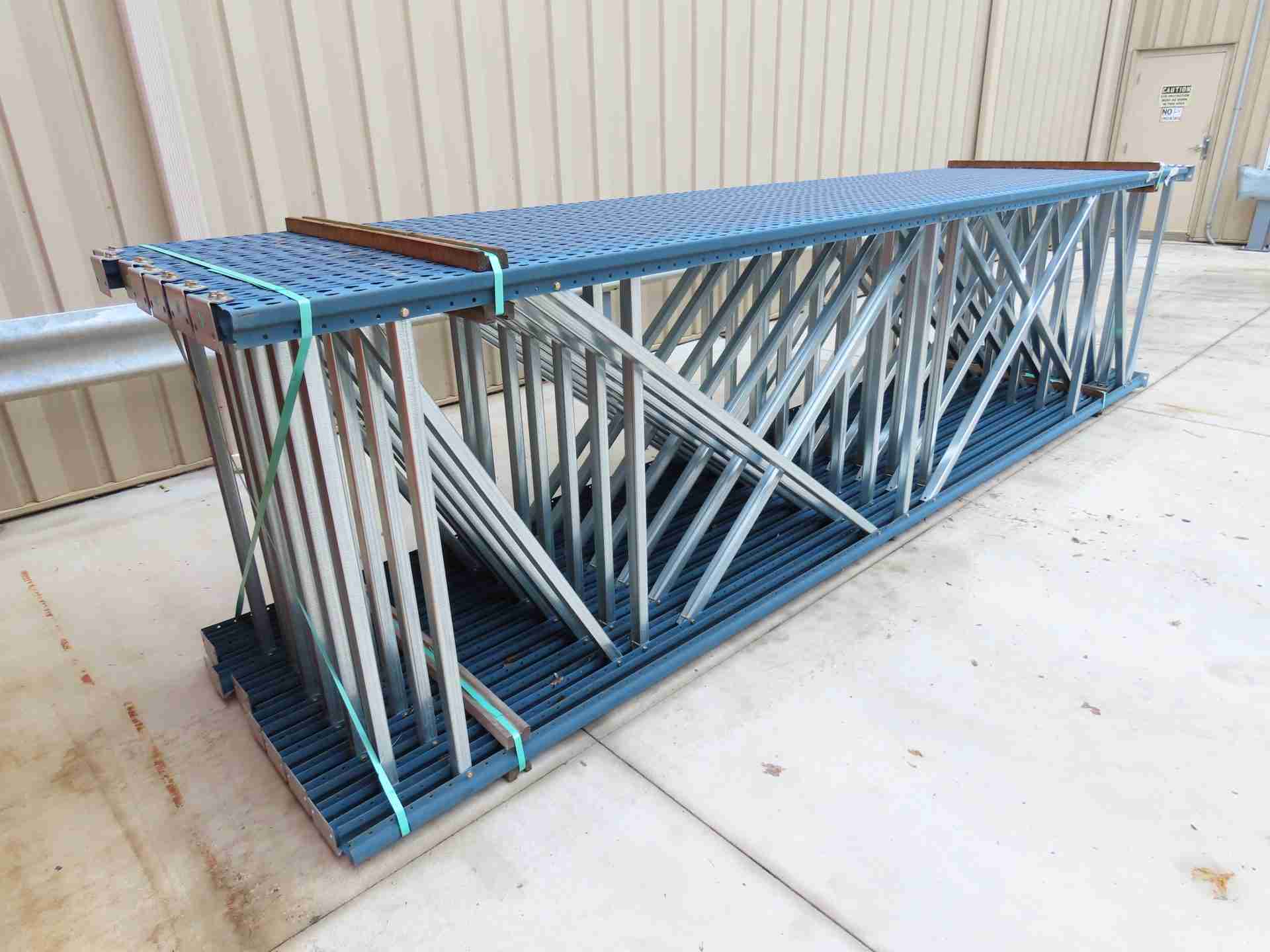
Conclusion
Other Resources
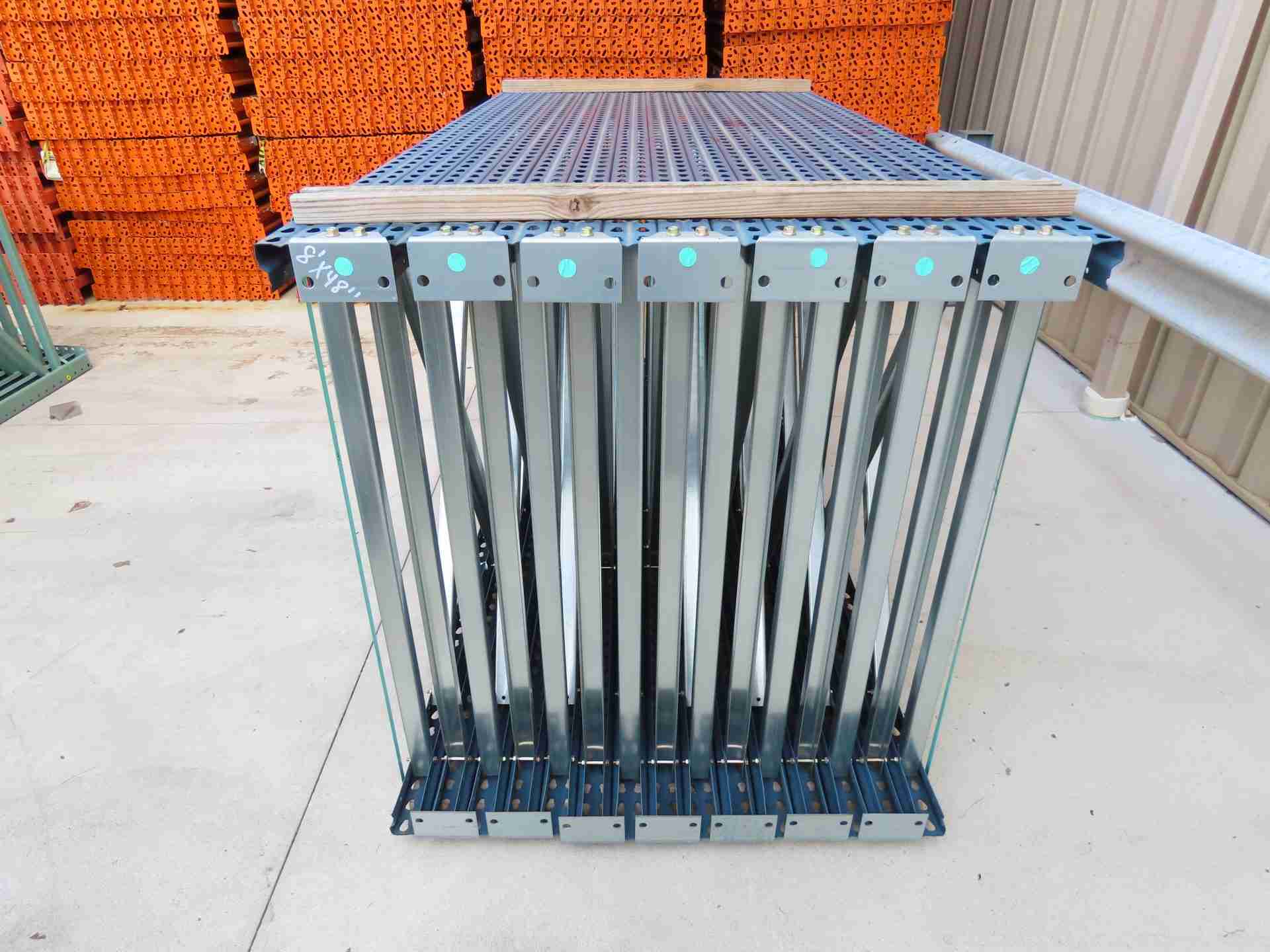
Other Resources
Here is a list of other resources you can review online to learn more:
- The Complete Pallet Rack Guide – Simply Rack
- Selective Pallet Racking Systems
- Teardrop Industrial Shelving Rack
- Teardrop Pallet Rack – Ridg-U-Rak
- Overhead Lifting
- IWLA
- Logic Material Handling
- BMH
- Material Handling Industry
- WERC
- What is Selective Pallet Racking
- Chicago Pallet Racking
- Selective Pallet Racking Systems – Container Systems
- Warehouse Racking Layout: The Ultimate Guide – Conger
- Storage Equipment Manufacturers Association
- BMH Equipment LLC
- Cantilever Racking Specialists – Get the Right Racks
- Cantilever Racks Chicago
- Crane Manufacturers Association Of America Inc.
Use This Prompt To Get More Resources With Your Favorite Online AI Tool: Please provide me with a list of online articles with their URLs in a bulleted list that I can read regarding Racking and Lean Warehousing: a Symbiotic Relationship
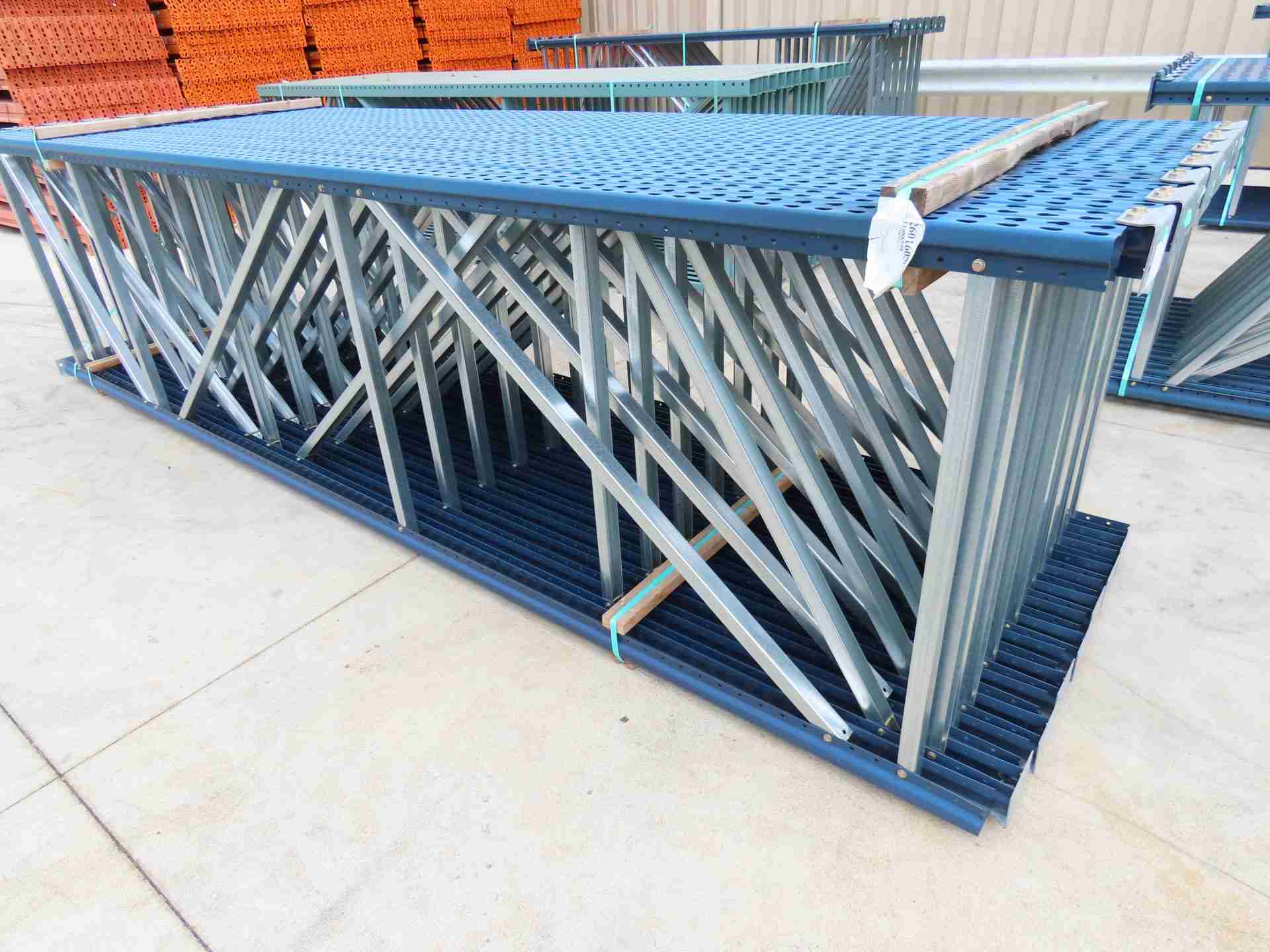
Other Resources
Glossary Terms
Racking and Lean Warehousing: a Symbiotic Relationship – Glossary Of Terms
1. Racking: A system of frameworks or shelves used for storing goods and materials in warehouses.
2. Lean Warehousing: An approach to warehouse management that focuses on maximizing efficiency and minimizing waste.
3. Symbiotic Relationship: A mutually beneficial interaction between two parties, in this case, racking systems and lean warehousing principles.
4. Warehouse Optimization: The process of improving operational efficiency within a warehouse to maximize space and minimize costs.
5. Inventory Management: The supervision of non-capitalized assets, or inventory, and stock items, ensuring accurate quantity and availability.
6. Just-In-Time (JIT): An inventory strategy that aligns material orders with production schedules to minimize waste and enhance efficiency.
7. Throughput: The amount of product processed or handled over a specific period in a warehouse.
8. FIFO (First In, First Out): An inventory management method where the oldest stock is sold or used first to minimize waste.
9. LIFO (Last In, First Out): An inventory management method where the most recently added stock is sold or used first.
10. Warehouse Layout: The arrangement of physical space, equipment, and stock within a warehouse to optimize workflows.
11. Order Picking: The process of retrieving items from storage to fulfill customer orders.
12. Cross-Docking: A logistics practice where incoming shipments are directly transferred to outgoing trucks, bypassing storage.
13. Cycle Counting: A periodic inventory auditing technique that involves counting a portion of inventory in rotation to maintain accuracy.
14. Slotting: The process of determining the most efficient placement of products within a warehouse to enhance accessibility and reduce picking time.
15. Lean Principles: Fundamental guidelines derived from lean manufacturing that aim to improve processes by eliminating waste.
16. Value Stream Mapping: A visual tool used to analyze the flow of materials and information currently required to bring a product to a consumer.
17. Kanban: A scheduling system for lean manufacturing and just-in-time manufacturing, facilitating inventory control by signaling the need for more materials.
18. Warehouse Management System (WMS): Software designed to support day-to-day operations in a warehouse, including tracking inventory levels and optimizing picking processes.
19. Storage Density: The amount of product that can be stored in a given volume of warehouse space.
20. Material Handling: The movement, protection, storage, and control of materials throughout the manufacturing and warehousing process.
21. Ergonomics: The study of workers’ efficiency in their working environment, often leading to improved design and processes.
22. Automated Storage and Retrieval Systems (AS/RS): Computer-controlled systems that automatically place and retrieve loads from defined storage locations.
23. Lead Time: The amount of time that passes from the start of a process until its completion, crucial for inventory and supply chain management.
24. Safety Stock: Extra inventory maintained to prevent stockouts and handle unexpected demands or delays.
25. Demand Forecasting: The process of estimating future customer demand to align inventory levels and warehouse operations uniformly.
26. Sustainability: Business practices that consider environmental impacts, often integrated into lean warehousing strategies to reduce waste.
27. Continuous Improvement: An ongoing effort to enhance products, services, or processes, often associated with lean practices.
28. Value-Added Activities: Tasks that convert, transform, or shape materials in a way that enhances customer value, critical for lean operations.
29. Lean Metrics: Measurements used to assess efficiency and effectiveness in lean environments, such as cycle time and waste reduction.
30. Kaizen: A Japanese term meaning “continuous improvement,” often used in business to signify incremental improvements in processes and operations.

Glossary Of Terms
Other Questions
Racking and Lean Warehousing: a Symbiotic Relationship – Other Questions
If you wish to explore and discover more, consider looking for answers to these questions:
- What are the key principles of lean warehousing?
- How do racking systems affect overall warehouse efficiency?
- What specific cost savings can businesses expect from implementing lean warehousing?
- What are the safety risks associated with poor racking systems?
- How can a well-designed racking system contribute to employee morale?
- What examples exist of warehouses that successfully adopted lean strategies?
- What challenges might a warehouse face when transitioning to lean practices?
- How does lean warehousing impact customer satisfaction?
- What measures can be taken to ensure that racking systems are set up safely and effectively?
- How can lean principles be applied in different types of workspaces beyond warehouses?
- What training or resources are available for implementing lean warehousing?
- How can a culture of respect and accountability be fostered among warehouse teams?
- What role does technology play in optimizing racking systems and lean warehousing practices?
- How can businesses balance lean principles with the need for flexibility in operations?
Other Questions
Checklist
Racking and Lean Warehousing: a Symbiotic Relationship – A Checklist
Checklist for Embracing Lean Warehousing and Racking Systems
Emotional Appeals:
_____ Visualize a workspace filled with order and tranquility. How can you create a sanctuary for productivity?
_____ Reflect on the personal pride and accountability that comes from working within an organized environment. How can you foster this sense of ownership among your team?
_____ Encourage stories from your team about their journeys toward efficiency. How can sharing these narratives strengthen connections?
Rational Appeals:
_____ Identify areas where clutter or inefficiencies currently exist. What specific improvements can you implement?
_____ Calculate potential cost savings from implementing racking systems and lean methodologies. What numbers support the shift towards lean warehousing?
_____ Assess how reducing retrieval times and labor costs can impact profitability. What financial goals can lean practices help you achieve?
Ethical Appeals:
_____ Consider the sustainability of your current operations. How can lean warehousing demonstrate environmental stewardship?
_____ Evaluate the ethical responsibility of creating a safe work environment. What practices ensure the well-being of your team?
_____ Discuss how lean methodologies promote respect for workers and resources. How can you champion this commitment within your organization?
Authority Appeals:
_____ Research case studies of successful lean warehousing implementations. What can you learn from industry leaders in this space?
_____ Engage with experts or consultants in lean practices. What insights can they provide to strengthen your approach?
_____ Review industry standards for racking systems. How can compliance enhance safety and efficiency?
Narrative Appeals:
_____ Share anecdotes about workers who have thrived in a lean warehouse environment. What inspires teams to embrace these changes?
_____ Create a vision statement for your workspace that reflects a commitment to lean principles. How can storytelling enhance this vision?
_____ Reflect on the ongoing journey of transformation within your organization. What milestones can you celebrate as you progress?
Social Appeals:
_____ Foster a culture of collaboration. What strategies can you implement to ensure team members feel valued and included?
_____ Promote open communication about challenges and successes in lean adoption. How can transparency build trust?
_____ Recognize and celebrate collective achievements in improving warehouse operations. What events or acknowledgments can strengthen community bonds?
Use this checklist to systematically approach the integration of lean warehousing and racking systems into your operations, keeping emotional, rational, ethical, authority, narrative, and social considerations at the forefront of your strategy.

Checklist
At RackingWorld, we help guide you through selecting warehouse storage systems and racking.
Be sure to read our other related stories at RackingWorld to learn more about warehouse storage systems.
0 Comments