
Uncover The Heart, Head, And Gut Behind Your Business’s Racking Choices
By Tom Seest
At RackingWorld, we help guide you through selecting warehouse storage systems and racking.
Be sure to read our other related stories at RackingWorld to learn more about warehouse storage systems.
How Your Racking Choices Reflect Your Business Model
When we think about racking, it might seem like a mundane decision in the grand scheme of running a business. But let me tell you, the type of racking you choose is not just a practical consideration; it’s a profound reflection of who you are as a business owner and what you stand for. Each rack tells a story, and it reflects your core values.
Consider the choices that shape your business model. A sleek, modern racking system might suggest a spirit of innovation and forward-thinking, appealing to those of us who crave efficiency and adaptability in an ever-changing market. On the other hand, a more rustic, heavy-duty racking setup might say you value durability and tradition, building a bridge between your business and the community you serve. These choices resonate deeply with the heart, connecting you not just to your products but to your customers’ expectations and emotions.
Now, let’s engage the rational side. When you select racking that maximizes space and efficiency, you aren’t just organizing your inventory; you’re making a smart investment in your operational workflows. Think about it: time saved is money saved. Every item perfectly placed allows for smoother processes, reflecting your commitment to operational excellence. Your racking choices directly impact productivity, a testament to your strategic mindset and desire for continuous improvement.
Ethically, one cannot ignore the sustainability perspective either. By opting for eco-friendly racking solutions, you send a powerful message that aligns with a growing societal priority. This is not just about materials; it’s about being a responsible steward of the environment and fostering trust within your customer base. You become a part of a larger narrative—one that champions sustainability while inspiring loyalty and allowing your customers to support something they believe in.
Finally, think about the social implications of your racking choices. In an age where businesses thrive on community connection, letting your racking reflect your brand’s personality can build camaraderie and engagement with customers. Share your story. Involve your team in discussions about why certain racking systems were selected; it creates ownership and fosters a culture of shared values.
So, the next time you face a racking decision, remember: it’s not just about logistics. It’s about identity—yours and theirs. Every rack can be a testament to your vision, reinforcing trust, confidence, and community around your unique business model.

How Your Racking Choices Reflect Your Business Model
How Your Racking Choices Reflect Your Business Model
- The choice of racking is a reflection of a business owner’s identity and core values.
- Modern racking systems suggest innovation and efficiency, while rustic setups convey durability and tradition.
- Selecting efficient racking maximizes space and workflow, impacting productivity positively.
- Choosing eco-friendly racking solutions aligns with sustainability and fosters customer trust.
- Racking choices can build community connections and engage customers with the brand’s story.
- Involving the team in racking decisions creates ownership and fosters shared values.
- Racking decisions are not just logistics; they embody the identity of the business.

How Your Racking Choices Reflect Your Business Model
Table Of Contents
- How Your Racking Choices Reflect Your Business Model
- What Emotions Drive Your Decision-Making on Racking Systems?
- How Do Your Racking Choices Impact Operational Efficiency?
- Are Your Racking Solutions Sustainable for the Environment?
- What Do Your Competitors Use for Racking, and Why?
- What Story Does Your Racking Solution Tell About Your Brand?
- Conclusion
- Other Resources
- Glossary Of Terms
- Other Questions
- Checklist
What Emotions Drive Your Decision-Making on Racking Systems?
When you think about racking systems, it’s easy to get lost in the technical specifications, the weight limits, and the dimensions. But take a step back—what really drives our choices in this crucial aspect of our operations? Let’s peel back the layers a bit, shall we?
Imagine standing in a bustling warehouse, surrounded by the hum of productivity. You look around, and there it is—the ideal racking system, seamlessly organizing products, maximizing space, and enhancing workflow. What do you feel in that moment? Excitement? Relief? The simple truth is that decision-making is as much about emotions as it is about facts and figures. Your gut might tell you to trust your instincts about a well-designed racking system, while your head evaluates compatibility with your existing infrastructure.
There’s an ethical responsibility behind your choices too. Selecting a racking system goes beyond just what looks good on paper; it’s about ensuring the safety of your team. When you invest in reliable racking, you’re not just enhancing efficiency—you’re actively contributing to a safer workplace. This commitment to safety is not just a moral decision; it builds trust with your team, fostering a culture where every employee feels valued and protected.
But here’s where it gets deeper: think about the stories. Every racking system comes with a narrative. Maybe it’s a local manufacturer whose employees pour their heart into building sturdy, dependable racking solutions, or perhaps it’s a tried-and-true system that’s stood the test of time across various industries. Those stories resonate. They help us connect to our choices, grounding our decisions in shared experiences.
Let’s not underestimate the power of social influence, either. Talk to your colleagues, browse forums, or consult industry experts. When you hear how others have navigated their racking decisions, it strengthens your resolve and offers reassurance. You’re not just making a choice; you’re joining a community of informed decision-makers who care about quality and reliability.
Ultimately, choosing the right racking system is a blend of heart, head, and gut. It’s about finding that sweet spot where safety, efficiency, and trust intersect. So, as you weigh your options, remember this is more than just racks and shelves; it’s about the people behind the products and the impact your choice will have on their day-to-day lives.

What Emotions Drive Your Decision-Making on Racking Systems?
What Emotions Drive Your Decision-Making on Racking Systems?
- Decision-making regarding racking systems involves both emotions and technical considerations.
- The ideal racking system organizes products, maximizes space, and enhances workflow.
- Choosing a racking system carries an ethical responsibility for the safety of the team.
- Investing in reliable racking contributes to a safer workplace and builds trust with employees.
- Every racking system has a unique narrative that connects choices to shared experiences.
- Social influence plays a role in decision-making through discussions with colleagues and industry experts.
- Ultimately, selecting a racking system is about balancing safety, efficiency, trust, and people’s impact.

What Emotions Drive Your Decision-Making on Racking Systems?
How Do Your Racking Choices Impact Operational Efficiency?
When you step into a warehouse, what do you see? Rows of towering shelves, neatly organized, ready to hold the lifeblood of a business. Racking choices are not just about where to put things; they are pivotal decisions that can either elevate your operations to new heights or ground them in inefficiency. Imagine, if you will, a bustling facility where every item has its rightful place, and every team member knows exactly where to find what they need. That’s the magic of thoughtful racking.
Operational efficiency isn’t just a buzzword; it’s the heartbeat of a successful operation. When products are easily accessible, time is saved, frustration is minimized, and everyone from the warehouse manager to the floor workers feels the effects of streamlined processes. Picture a scenario where time wasted searching for equipment or goods is redirected toward meaningful work. You can almost hear the sighs of relief as bills are paid on time, orders shipped ahead of schedule, and customers leave happier than ever.
But let’s not just talk numbers; let’s think about integrity and social responsibility. A well-structured racking system can lead to sustainable practices. By optimizing space, you reduce the need for excess inventory, which lessens waste and lowers your environmental impact. It’s a win-win—greater efficiency that simultaneously aligns with ethical practices. When businesses step up and make responsible choices—not only for profits but for the planet—they inspire trust in their communities.
Furthermore, racking systems influence workplace morale. When employees know their environment is set up for success, they feel valued. A well-organized space fosters a sense of pride and teamwork, making it easier for everyone to pull together toward common goals. It’s not just about the steel and beams; it’s about the people behind them.
Think about the bigger picture: how can your racking choices transform not just the bottom line but the culture of your workplace? Racking is more than a functional decision; it’s a key that unlocks potential, drives progress, and nurtures a thriving work environment. Embrace the impact of your choices, and watch as operational efficiency morphs from an abstract concept into a palpable reality that enriches every aspect of your organization.

How Do Your Racking Choices Impact Operational Efficiency?
How Do Your Racking Choices Impact Operational Efficiency?
- Warehouse organization involves strategic racking choices that directly impact operational efficiency.
- Thoughtful racking enables team members to easily locate items, saving time and reducing frustration.
- Operational efficiency contributes to timely payments, early order shipments, and increased customer satisfaction.
- Well-structured racking systems promote sustainable practices by reducing excess inventory and environmental impact.
- Responsible business choices foster community trust and enhance corporate integrity.
- Effective racking systems boost workplace morale, encouraging teamwork and a sense of pride among employees.
- Racking decisions can transform workplace culture and drive overall organizational progress.
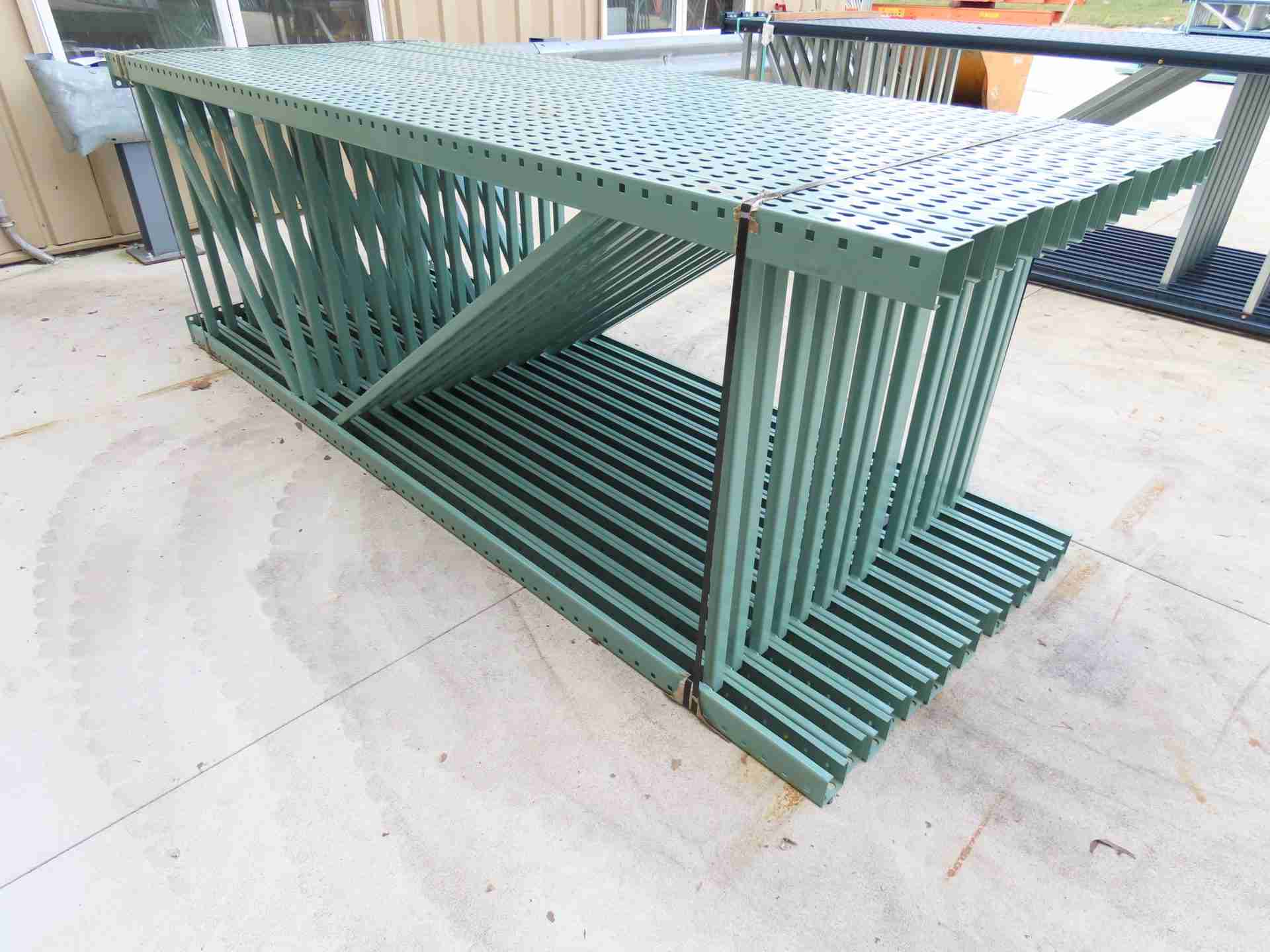
How Do Your Racking Choices Impact Operational Efficiency?
Are Your Racking Solutions Sustainable for the Environment?
When you walk into a warehouse, the towering racks of goods tell a story. But beyond the products they hold lies a deeper narrative—the impact of your racking solutions on the world around us. Ask yourself: Are those racks merely holding your inventory, or are they weighing down the earth?
Imagine for a moment the journey of a single pallet. It starts in a factory, where raw materials have been harvested, often in ways that exploit both land and labor. After making its way through the supply chain, it arrives at your facility, where it’s lined up in rows on a steel rack. This image is all too common. Yet, how often do we stop to consider how those materials were sourced or how your choices in racking can ripple throughout the planet?
Sustainability isn’t just another industry buzzword; it’s about taking responsibility for our actions, knowing that every decision carries weight. Choosing racking solutions made from recycled materials or responsibly sourced wood isn’t just smart, it’s ethical. Your customer—and indeed future generations—are counting on these choices. You’re not just arranging products; you’re crafting a legacy, one that prioritizes the earth over convenience.
Connect this with your conscience: consider how much energy and resources go into producing a single rack. Now, think about ways to minimize that footprint. From modular designs that reduce waste to solutions that can easily be reconfigured rather than replaced, there’s a chance to turn your facility into a model of efficiency and sustainability. It’s not only a pragmatic move; it’s a powerful message to your employees, customers, and community that you care.
The truth is, everyone is watching. Stakeholders and customers alike are becoming increasingly aware of ethical business practices, and they’re not afraid to make decisions based on them. Companies that lead in sustainability tend to foster loyalty and trust, offering a competitive advantage in an ever-evolving marketplace. More than just an operational choice, sustainable racking can transform your business into a beacon of hope.
So, let’s rethink those towering racks of goods. They can be more than functional; they can be part of a smarter, kinder way of doing business—resilient for your bottom line and beneficial for our planet. That’s a story worth telling.
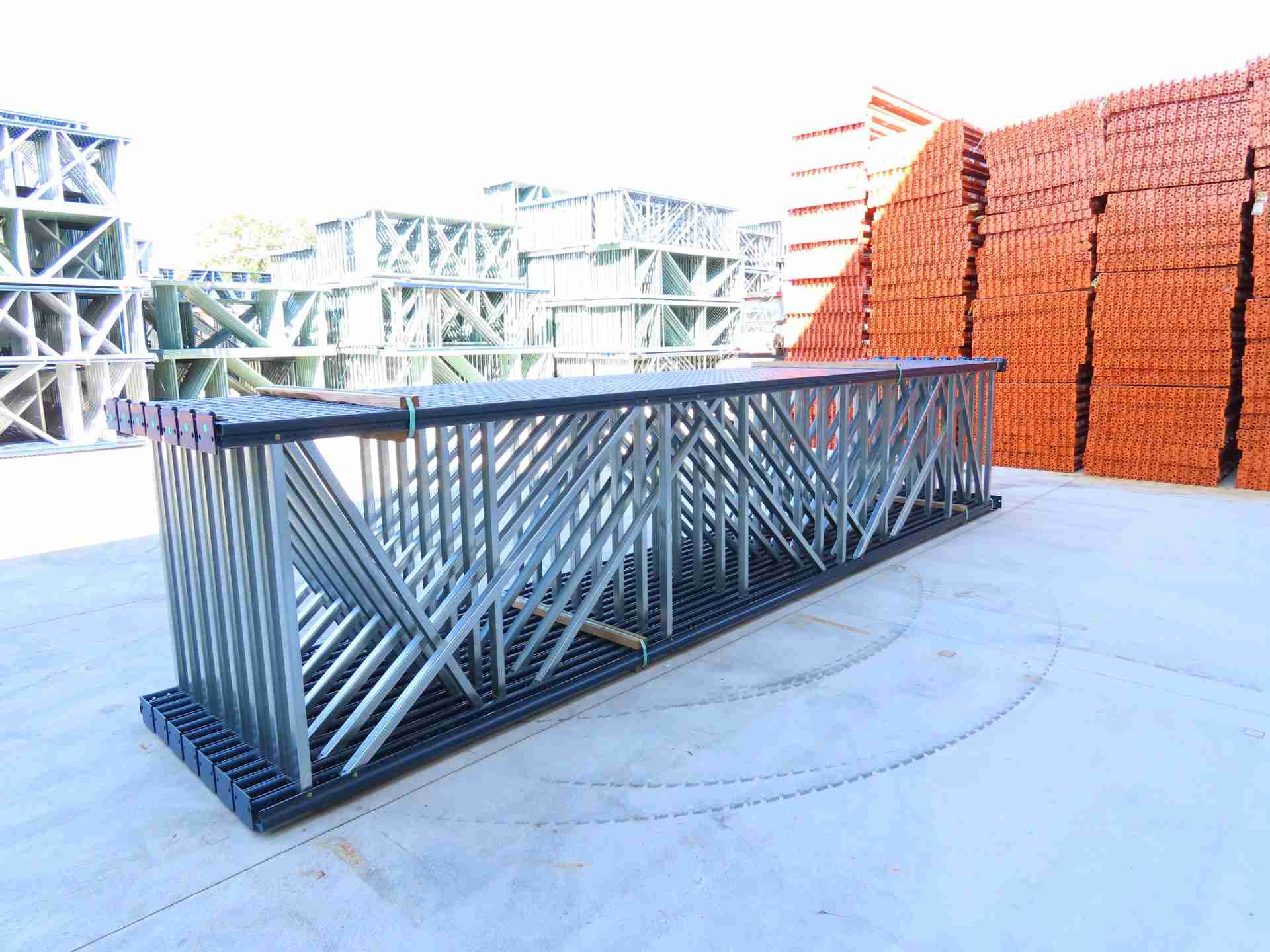
Are Your Racking Solutions Sustainable for the Environment?
Are Your Racking Solutions Sustainable for the Environment?
- Racking solutions impact the environment beyond just storing inventory.
- A single pallet’s journey begins with resource exploitation at the factory.
- Sustainability involves making responsible choices in racking materials.
- Ethical racking solutions contribute to a positive legacy for future generations.
- Minimizing energy and resource use in rack production can enhance sustainability.
- Stakeholders and customers prioritize ethical practices, offering companies a competitive edge.
- Sustainable racking can transform operations into a model of efficiency and environmental care.

Are Your Racking Solutions Sustainable for the Environment?
What Do Your Competitors Use for Racking, and Why?
Walk into any warehouse, and you’ll find racking systems that seem, at first glance, like mere metal structures. But look closer, and you’ll discover a world of strategy, investment, and necessity woven into their very frames. Your competitors have mastered the art of racking, and there’s a reason for that—a reason that speaks to the heart, head, and gut.
At the heart of it all lies reliability. Picture a warehouse bustling with activity: workers deftly maneuvering units of inventory as they rely on solid racking systems to support their efforts. Your competitors recognize that sturdy racking isn’t just a choice; it’s a foundation. Their decisions stem from a commitment to efficiency, ensuring that every square foot is maximized. These businesses don’t just buy racking; they invest in a lifeline for their operations.
Rationally, think about the costs associated with downtime. If your competitors have opted for high-quality racking, they’ve safeguarded their bottom line. They’ve avoided the pitfalls of flimsy structures that bend under pressure, creating a cascade of inefficiency. That’s a gamble few can afford. They understand that durability, safety, and adaptability in racking can save not just dollars, but also time—time that can be channeled into innovation and growth.
Ethically, there’s a bond formed within a community that upholds a certain standard of performance. When competitors choose racking that aligns with responsible sourcing and sustainable practices, they are making a statement. They care about their employees, their community, and the environment. This isn’t just about profit—it’s about giving back and standing for something greater than themselves.
And then there’s the narrative that unfolds every time a product is pulled from a meticulously organized racking system. Every piece has a story, representing planning, care, and strategic foresight. You can almost feel the camaraderie in those aisles, a unity forged through shared challenges and triumphs.
Lastly, consider the social proof. When one competitor showcases their efficient racking systems, others take notice. It’s not just about what they use; it’s about the recognition that comes with it. Implementing proven racking solutions can elevate a business above the competition—contributing not just to their survival, but to their winning narrative.
It’s not merely about racking; it’s about how you stack the cards of success. Choose wisely, and you’ll find yourself not just in the game, but leading it.

What Do Your Competitors Use for Racking, and Why?
What Do Your Competitors Use for Racking, and Why?
- Warehouse racking systems are more than metal structures; they embody strategy, investment, and necessity.
- Reliability is crucial; sturdy racking systems support efficient operations and maximize space.
- High-quality racking prevents downtime, saving costs and time for innovation and growth.
- Choosing responsible and sustainable racking reflects ethical business practices and community care.
- Organized racking systems tell a story of planning, care, and shared experiences among workers.
- Efficient racking can provide social proof, elevating businesses and contributing to competitive advantages.
- Successful racking isn’t just about storage—it’s about strategically stacking the cards of success.

What Do Your Competitors Use for Racking, and Why?
What Story Does Your Racking Solution Tell About Your Brand?
What story does your racking solution tell about your brand? Think about that for a moment. Your racking system isn’t just a structural necessity; it’s the backbone of your operation, a silent yet powerful communicator of your brand’s values. Every beam, every shelf, every innovative design choice tells a story that resonates with customers and employees alike.
When a warehouse is organized and efficient, it reflects a brand that values quality. It’s a sign that you care—about your products, your people, and your promise to deliver. Just picture someone walking through those aisles, their eyes scanning the neatly organized racks. They’re not just seeing an inventory; they’re witnessing your commitment to excellence. That’s an emotional connection, a narrative that strikes at the heart of what builds trust.
Now, let’s shift gears to the rational side. An efficient racking system isn’t just about looking good; it’s about functionality, safety, and return on investment. When you choose the right solution, you’re not just optimizing space; you’re optimizing workflow. You’re ensuring that your team can do their jobs without unnecessary hurdles. It’s about ethics, too—because when you prioritize safety and efficiency, you create an environment where people can thrive. Customers will notice that commitment to ethics, and they’ll appreciate it.
Moreover, every racking decision you make reverberates through your brand’s authority. Think of the relationships you build with suppliers, partners, and customers. A well-maintained, effective racking system signals to them that you’re a player in your industry, a serious contender. It’s a badge of honor that invites collaboration and fosters trust. Conversely, a chaotic warehouse can damage your credibility, sending potential clients running for the hills.
Lastly, let’s not underestimate the power of social appeal. In today’s world, consumers respect brands that showcase their values through tangible actions. By investing in quality racking solutions, you’re not just organizing your space; you’re making a statement that you care about sustainability, efficiency, and the welfare of your team. And when your customers align with those values, it cultivates loyalty that’s hard to break.
So, what story does your racking solution tell? It tells a story of care, commitment, and capability. It whispers to the heart, speaks to the head, and connects with a gut feeling of reliability. It’s time to ensure your racking does more than hold products; it should hold your brand’s promise to the world.

What Story Does Your Racking Solution Tell About Your Brand?
What Story Does Your Racking Solution Tell About Your Brand?
- Your racking system reflects your brand’s values and serves as its operational backbone.
- An organized warehouse signifies a commitment to quality and builds emotional connections with customers and employees.
- Efficient racking boosts functionality, safety, and return on investment while optimizing workflow.
- Prioritizing safety and efficiency creates a thriving environment that customers and employees appreciate.
- A well-maintained racking system enhances your brand’s authority and credibility in the industry.
- Investing in quality racking solutions demonstrates a commitment to sustainability and team welfare, fostering customer loyalty.
- Your racking solution tells a comprehensive story of care, commitment, and capability, reinforcing your brand’s promise.

What Story Does Your Racking Solution Tell About Your Brand?
Conclusion
The choices you make about racking systems represent much more than mere logistics; they spotlight who you are as a business owner and what you stand for. Each system tells a story that resonates with your core values. A sleek, modern racking setup signals innovation and efficiency, appealing to customers who prioritize adaptability in today’s fast-paced market. Conversely, a robust, traditional design may suggest a commitment to durability and community, forging a connection with both your product and your clients’ expectations.
When you ponder racking solutions, it’s vital to engage your mind as well as your heart. Efficient racking systems aren’t just about aesthetics; they’re about smart investment. Streamlined setups enhance operations, allowing quicker access to inventory and reducing wasted time—ultimately saving money and boosting productivity. Behind these choices lies a fundamental belief in operational excellence and the assurance that every decision you make contributes to a healthier bottom line.
It’s equally crucial to consider the ethical implications of your choices. Opting for sustainable, eco-friendly materials isn’t just a nod to trendy practices; it’s a profound commitment to responsible stewardship. By choosing greener options, you communicate alignment with societal values and foster trust within your customer base, making them feel like part of a greater narrative that champions sustainability.
The social dimensions linked to your racking decisions can’t be underestimated. Showcasing your brand’s personality through your racking system cultivates camaraderie among customers and employees alike, grounding your business in a community-focused ethos. Involve your team in the decision-making process, sparking discussions about what each setup means, engendering ownership and shared values across the organization.
Ultimately, every detail has a ripple effect. Racking systems are vital to operational efficiency, workplace morale, and environmental impact. They are not simply steel and shelves but the very essence of your business model. Crafting your choice requires understanding its implications—recognizing that racking can enhance processes, elevate safety, foster team spirit, and tell a compelling brand story. As you contemplate your next racking decision, remember: you hold the power to shape your identity, influence your community, and create a legacy—one rack at a time. Each choice is a testament to your vision, your ethics, and your commitment to excellence. Let those racks be a reflection of your best self.

Conclusion
Conclusion:
- Racking system choices reflect your identity and core values as a business owner.
- A modern racking setup denotes innovation and efficiency, appealing to adaptability-focused customers.
- Traditional designs emphasize durability and community, aligning with client expectations.
- Racking systems are not just aesthetic; they are smart investments that enhance operations and save money.
- Choosing sustainable materials showcases a commitment to responsible stewardship and aligns with societal values.
- Involvement of the team in racking decisions fosters ownership and a community-focused ethos.
- Every racking decision impacts operational efficiency, workplace morale, and environmental responsibility.

Conclusion
Other Resources

Other Resources
Here is a list of other resources you can review online to learn more:
- Warehouse Racks, Warehouse Racking in Stock – ULINE
- Bradford Systems
- Warehouse Racking System: Powerful Guide to Optimise, 2024
- Storage Equipment Manufacturers’ Association
- Pallet Racking 101: A Comprehensive Guide & Options Explained
- RMI
- Used Pallet Rack for Sale in Illinois – American Surplus
- Teardrop Pallet Rack – Ridg-U-Rak
- IIWS Inc. Rack Installation Illinois & Rack Repairs Illinois
- What is Cantilever Racking? – AK Material Handling Systems
- Warehouse Storage Racking in Illinois
- National Safety Council
- Cantilever Racks Chicago
- Pallet Racking systems in Illinois and Great Lakes
- Chicago Pallet Racking
- Teardrop Uprights
- Illinois
- Warehouse Racking Chicago, IL
- Pallet Rack Systems – New and Used Pallet Racking and Shelving Experts
Use This Prompt To Get More Resources With Your Favorite Online AI Tool: Please provide me with a list of online articles with their URLs in a bulleted list that I can read regarding How Your Racking Choices Reflect Your Business Model

Other Resources
Glossary Terms
How Your Racking Choices Reflect Your Business Model – Glossary Of Terms
1. Racking System: A framework used to store goods, enabling easy access and organization within a warehouse or retail space.
2. Business Model: The plan or strategy that outlines how a company creates, delivers, and captures value.
3. Inventory Management: The process of overseeing and controlling the flow of stock, including ordering, storage, and tracking.
4. Space Utilization: The effective use of physical space in a facility to maximize storage and operational efficiency.
5. Pick and Pack: A logistics process where items are selected from inventory and packed for shipment to fulfill customer orders.
6. Ergonomics: The study of how to design workspaces to optimize user comfort and efficiency, often influencing racking design.
7. Load Capacity: The maximum weight a racking system can safely support, crucial for preventing structural failure.
8. SKU (Stock Keeping Unit): A unique identifier for products to track inventory levels and streamline inventory management.
9. Lean Warehousing: A methodology focused on minimizing waste and maximizing productivity in warehouse operations.
10. Vertical Storage: The concept of utilizing vertical space in a facility, often implemented through high-rise racking systems.
11. Picking Efficiency: A measurement of how quickly and accurately items can be picked from racks, influencing fulfillment speed.
12. Flow Rack: A type of racking that allows for first-in-first-out (FIFO) inventory management, facilitating easier product rotation.
13. FIFO (First In, First Out): An inventory management strategy ensuring that the oldest stock is sold first to reduce spoilage.
14. Dynamic Racking: Racking systems designed with movement in mind, often allowing for automatic replenishment and retrieval.
15. Modular Racking: A flexible racking system that can be easily reconfigured to adapt to changing inventory needs.
16. Cross-Docking: A logistics practice where incoming goods are directly transferred to outgoing shipments without long-term storage.
17. Cold Storage: Refrigerated areas within a facility used for perishable goods, requiring specialized racking solutions.
18. Safety Standards: Regulations and best practices ensuring that racking systems are installed and maintained to prevent accidents.
19. Warehouse Layout: The physical arrangement of different sections within a warehouse, impacting efficiency and flow of operations.
20. Stock Rotation: The practice of organizing inventory to ensure older products are sold before newer ones, aiding in inventory control.
21. Access Aisles: Spaces between racking systems that allow staff to navigate easily and reach products safely.
22. Boltless Racking: A type of racking that does not require bolts for assembly, allowing for quick setup and adjustments.
23. Bulk Storage: A method of storing large quantities of products in a single location, suitable for non-serialized items.
24. Automated Retrieval System (ARS): Technology that automates the retrieval of products from storage, enhancing operational efficiency.
25. Compliant Racking: Racking systems designed to meet industry regulations and safety guidelines to protect workers and inventory.
26. Overhang: The extension of a product beyond the edge of a racking unit, which can pose safety risks if not managed properly.
27. Tote Boxes: Containers used to store and transport smaller items within a warehouse, often placed on racking.
28. Pallet Racking: A specific type of racking designed to hold pallets, typically used in warehouse settings for bulk storage.
29. Lead Time: The amount of time it takes from order placement until products are ready for delivery, impacted by racking efficiency.
30. Distribution Center: A facility used primarily for collecting, storing, and distributing goods, requiring optimized racking systems to enhance operations.

Glossary Of Terms
Other Questions
How Your Racking Choices Reflect Your Business Model – Other Questions
If you wish to explore and discover more, consider looking for answers to these questions:
- What are the different types of racking systems available?
- How do I choose the right racking system for my specific business needs?
- What are the initial costs and long-term value of different racking systems?
- How does racking affect safety in the workplace?
- What maintenance is required for different types of racking systems?
- How can I make my racking system more sustainable?
- What are some common mistakes to avoid when selecting a racking system?
- How can warehouse layout influence racking effectiveness?
- What are the latest trends in racking systems?
- How do competitors’ racking choices impact their business strategy?
- How can racking solutions improve employee morale and productivity?
- What are the environmental impacts of traditional racking systems?
- How do customer expectations shape racking decisions?
- What metrics should be monitored to evaluate racking efficiency?
- Are there any tax incentives or benefits for choosing sustainable racking options?

Other Questions
Checklist
How Your Racking Choices Reflect Your Business Model – A Checklist
Racking Choices Reflection Checklist
Heartfelt Connection
_____ Does your racking system tell a story about your brand values?
_____ How does your choice of racking resonate emotionally with your customers?
_____ In what ways does your racking promote a sense of community and belonging?
Rational Consideration
_____ Have you analyzed how your racking choice maximizes space and efficiency?
_____ What are the cost-saving implications of your racking decision on operations?
_____ Have you evaluated the impact of your racking system on productivity and workflow?
Ethical Responsibility
_____ Is your racking solution sustainable and environmentally friendly?
_____ How do your racking choices reflect your commitment to safety and well-being of employees?
_____ Are you sourcing your racking systems from responsible and ethical suppliers?
Authority and Expertise
_____ Have you consulted industry experts or peers about their racking choices?
_____ What insights can you gain from competitors regarding their racking systems?
_____ Have you researched the latest trends and innovations in racking solutions?
Narrative and Storytelling
_____ What narrative does your racking system convey about your operational integrity?
_____ How can you share the story behind your racking choices with your team and customers?
_____ What personal experiences or testimonials can you use to illustrate the effectiveness of your racking system?
Social Influence
_____ How does your racking choice foster teamwork and collaboration among employees?
_____ In what ways can you involve your team in discussions about racking decisions?
_____ How can you leverage social proof to reinforce the credibility of your racking solutions?
Use this checklist to evaluate your racking choices and ensure they reflect the identity and values of your business effectively.

Checklist
At RackingWorld, we help guide you through selecting warehouse storage systems and racking.
Be sure to read our other related stories at RackingWorld to learn more about warehouse storage systems.
0 Comments