
Maximizing Efficiency In Warehouse Storage
By Tom Seest
At RackingWorld, we help guide you through selecting warehouse storage systems and racking.
Be sure to read our other related stories at RackingWorld to learn more about warehouse storage systems.
What Are The Key Metrics for Evaluating Warehouse Storage?
When it comes to evaluating warehouse storage, understanding key metrics isn’t just a good idea; it’s essential for maximizing efficiency and profitability. Imagine stepping into a cavernous warehouse filled with potential. Each aisle, every shelf, and certainly each piece of Pallet Racking holds the promise of improved operations. But how do you make sense of it all?
First, let’s talk space utilization. Imagine a theater packed to the rafters—every seat sold but not a single ticket sold at the door. That’s exactly what poor space utilization feels like in warehousing. Whether it’s storing less-than-full pallets or leaving aisles that are too wide, your warehouse’s layout can be a treasure chest of untapped potential. Aim for a utilization rate of at least 80%, and watch how your stored inventory transforms into actionable space.
Next, consider inventory accuracy. Picture this: You have a customer on the line, ready to make a significant purchase, but your records are off. There’s nothing more frustrating than promising a product you can’t deliver! Aiming for a 98% accuracy rate not only builds trust with your customers but also ensures that your Pallet Racking systems are optimized for what you actually have on hand.
Now, let’s analyze order picking efficiency. The faster you can fulfill an order, the happier your customers will be. This isn’t just about speed; it’s about creating a smooth operation that flows seamlessly. The pick rate—which measures how many items can be picked per hour—should be your guiding star. Set a benchmark for your team and incentivize performance. You’ll find that that friendly competition inspires not just efficiency, but morale.
Lastly, don’t overlook the importance of safety metrics. A safe warehouse is a productive warehouse. Keeping an eye on incident reports and training compliance isn’t just about avoiding accidents; it’s about cultivating a culture where everyone feels secure. This inherently leads to higher output and lower turnover—benefits that should be at the forefront of any warehouse strategy.
By focusing on space utilization, inventory accuracy, order picking efficiency, and safety metrics, you’ll not only optimize your warehouse’s performance but also inspire your team to take pride in their work. So take a step today to analyze these key metrics, and watch as your warehouse evolves from mere storage to a powerhouse of operational excellence!

What Are The Key Metrics for Evaluating Warehouse Storage?
What Are The Key Metrics for Evaluating Warehouse Storage?
- Understanding key metrics is essential for maximizing warehouse efficiency and profitability.
- Space utilization should aim for a rate of at least 80% to unlock untapped potential.
- Inventory accuracy is crucial, with a target of 98% to build customer trust and optimize storage systems.
- Order picking efficiency, measured by pick rate, is vital for customer satisfaction and operational flow.
- Incentivizing team performance can enhance efficiency and morale in the workplace.
- Safety metrics are important; a safe warehouse leads to higher productivity and lower turnover.
- Focusing on these key metrics can transform a warehouse into a hub of operational excellence.

What Are The Key Metrics for Evaluating Warehouse Storage?
Table Of Contents
- What Are The Key Metrics for Evaluating Warehouse Storage?
- What Metrics Should I Use To Evaluate Warehouse Storage?
- How Do Inventory Turnover Rates Impact Storage Efficiency?
- How Can I Assess The Accuracy Of My Inventory Management System?
- What Are The Cost Metrics To Consider For Warehouse Storage?
- How Do Order Fulfillment Rates Affect Storage Effectiveness?
- What Impact Do Lead Times Have On Storage Decisions?
- Conclusion
- Other Resources
- Glossary Of Terms
- Other Questions
- Checklist
What Metrics Should I Use To Evaluate Warehouse Storage?
When it comes to maximizing your warehouse’s efficiency and effectiveness, understanding the right metrics is like having the ultimate GPS on a long road trip. Without the proper guidance, you can waste time and resources that could be better spent streamlining operations and boosting profits.
Let’s start with the cornerstone of storage efficiency: pallet racking. This isn’t just an item in your warehouse; it’s the backbone of how you store and retrieve your goods. When assessing your pallet racking, you’ll want to consider the density of your storage. This refers to how much product you can store in a given space. The denser your storage, the less square footage you’ll need, translating to reduced costs and better resource allocation.
Next, think about the turnover rate of your stored products. Are certain items flying off the shelves while others sit idly, gathering dust? A high turnover rate is ideal—it means your warehouse is operating efficiently, and those items in your pallet racking are being utilized effectively. You can calculate this rate by measuring how long it takes for inventory to sell compared to the amount that comes in. By honing in on items with slow turnover, you prepare for smarter future investments and improved overall inventory practices.
Another crucial metric is the accuracy of your inventory. Have you ever experienced the frustration of discovering discrepancies between your physical stock and what’s recorded? This metric is essential not just for avoiding financial loss, but for building a trustworthy operation. Focus on implementing an inventory management system that promotes accuracy, whether through advanced tech solutions or rigorous training for your warehouse staff.
Remember to analyze your storage costs, too. High storage costs can sink your efficiency and ultimately your profits. Take a long hard look at your pallet racking setup. Are you making the most of your vertical space? Can adjustments or new systems reduce your overall expenditure?
Ultimately, these metrics aren’t just numbers on a report; they represent the heartbeat of your warehouse. As you monitor them diligently, you cultivate a culture of continuous improvement that leads to higher efficiency and greater profitability. By investing time in understanding these metrics, you’re not just evaluating warehouse storage; you’re empowering your business to soar to new heights. Trust these insights, and take action now to reflect the efficiency your warehouse deserves!

What Metrics Should I Use To Evaluate Warehouse Storage?
What Metrics Should I Use To Evaluate Warehouse Storage?
- Understanding key metrics is essential for maximizing warehouse efficiency and effectiveness.
- Pallet racking serves as the backbone of storage and retrieval in a warehouse.
- Storage density is crucial; denser storage reduces costs and optimizes space usage.
- A high turnover rate indicates efficient operations and helps identify slow-moving items.
- Inventory accuracy is vital for avoiding discrepancies and building a trustworthy operation.
- Analyzing storage costs helps identify areas for improvement and potential savings.
- Monitoring metrics fosters a culture of continuous improvement for higher efficiency and profitability.

What Metrics Should I Use To Evaluate Warehouse Storage?
How Do Inventory Turnover Rates Impact Storage Efficiency?
Picture this: a warehouse that’s overflowing with products. Pallets stacked high, aisles narrowed down to a mere footpath, and the constant anxiety of whether items will get lost or forgotten in the chaos. This isn’t just an organizational nightmare—it’s an inefficiency that can cost your business dearly. Enter the unsung hero of effective inventory management: inventory turnover rates.
Simply put, inventory turnover refers to how quickly your stock sells out and needs to be replaced. A high turnover rate signals a healthy business, where products fly off the shelves, leaving plenty of space in your storage area. This is where the magic of storage efficiency comes in. When you know how quickly you’re moving inventory, you can strategically manage your space, ultimately transforming your warehouse into a streamlined hub of productivity.
Let’s consider the advantages. Think about Pallet Racking—those sturdy beams you rely on to hold your products aloft. With a clear understanding of your inventory turnover, you can optimize how you arrange your pallet racking. Fast-moving items can be conveniently placed within reach, while slower-moving stock can be positioned higher up or further back. The result? You’ll save invaluable time during picking operations, reduce the risk of double-handling, and, most importantly, enhance your team’s morale by making their jobs easier.
But here’s where it gets even better: a heightened inventory turnover rate leads to fewer dead stock items. You know those products that seem to simply linger, gathering dust? They take up precious real estate that could be used for more in-demand goods. Reducing dead stock not only clears space but also minimizes storage costs—giving your bottom line a boost.
In today’s competitive marketplace, every inch counts. As turnover rates climb, so does the opportunity to explore new product lines or even scale your business operations without the overhead of additional storage costs. It’s all about working smarter, not harder.
So, what’s holding you back? Embrace a sharper focus on your inventory turnover rates. It’s time to take charge of your storage efficiency and transform that cluttered chaos into a well-oiled machine. Your warehouse—and your profit margins—will thank you.

How Do Inventory Turnover Rates Impact Storage Efficiency?
How Do Inventory Turnover Rates Impact Storage Efficiency?
- Overflowing warehouses can create organizational nightmares and inefficiencies.
- Inventory turnover measures how quickly stock sells out and gets replaced.
- A high turnover rate indicates a healthy business with products selling quickly.
- Understanding inventory turnover allows for strategic management of warehouse space.
- Optimizing pallet racking based on turnover rates can enhance picking efficiency.
- Increased turnover reduces dead stock, freeing space and minimizing storage costs.
- Improving turnover rates can enable exploration of new products and scaling operations.

How Do Inventory Turnover Rates Impact Storage Efficiency?
How Can I Assess The Accuracy Of My Inventory Management System?
Assessing the accuracy of your inventory management system can feel like deciphering a complex puzzle, but it doesn’t have to be overwhelming. The key is to break it down into manageable pieces, much like organizing your warehouse around pallet racking. Just as that sturdy shelving maximizes space and efficiency, monitoring your inventory can streamline your operations and elevate your bottom line.
First things first: Conduct a thorough audit. Think of this step as a spring cleaning for your inventory. Whether you’re dealing with pallet racking or smaller-scale storage, taking an inventory count allows you to compare what you have on hand against what your system says should be there. This isn’t just busywork—it’s the foundation for trust. By regularly verifying your stock counts, you can identify discrepancies and root out issues before they escalate into costly mistakes.
Next, leverage technology. Modern inventory management systems come with features that can streamline tracking and reporting. If your current setup feels more like a relic than a robust tool, it’s time for a change. Embrace solutions that offer real-time tracking, reporting dashboards, and automated alerts to keep you informed. The smarter your system, the easier it is to maintain accuracy. Remember, investing in the right technology not only boosts efficiency but also inspires confidence.
And while you’re reassessing your systems, consider your team’s training. An inventory management system is only as good as the people using it. Ensure your staff is well-versed in the processes, policies, and tools at their disposal. Encourage open communication. A well-trained employee will notice when things don’t add up and won’t hesitate to sound the alarm when something’s amiss.
Finally, establish a culture of continuous improvement. Much like optimizing that pallet racking setup, inventory management should evolve. Solicit feedback from your team, measure key performance indicators, and be open to adjustments. The more flexible and responsive you are, the better your inventory accuracy will become.
So, take a breath and approach this assessment with confidence. By auditing regularly, utilizing technology, training your team, and fostering a culture of improvement, you’ll cultivate an inventory system that not only serves you well—but thrives. That’s how you build trust—not just with your numbers, but within your entire operation. Take that crucial first step today; your future self will thank you!

How Can I Assess The Accuracy Of My Inventory Management System?
How Can I Assess The Accuracy Of My Inventory Management System?
- Assessing inventory management accuracy can be simplified by breaking it down into manageable components.
- Conduct a thorough inventory audit to compare actual stock against system records, fostering trust and identifying discrepancies.
- Leverage modern technology with features for real-time tracking, reporting dashboards, and automated alerts for enhanced efficiency.
- Ensure team training is prioritized, as the effectiveness of an inventory system relies on knowledgeable staff.
- Encourage open communication among employees to quickly address irregularities in inventory management.
- Establish a culture of continuous improvement by soliciting feedback, measuring performance, and being flexible to adjustments.
- Approach inventory assessment with confidence; regular audits, technology use, team training, and a culture of improvement will lead to a thriving inventory system.

How Can I Assess The Accuracy Of My Inventory Management System?
What Are The Cost Metrics To Consider For Warehouse Storage?
When it comes to optimizing your warehouse storage, understanding the various cost metrics is not just beneficial; it’s essential. Many warehouse operators overlook the finer details that can impact profitability, leading to wasted resources and missed opportunities. So, what should you be focusing on?
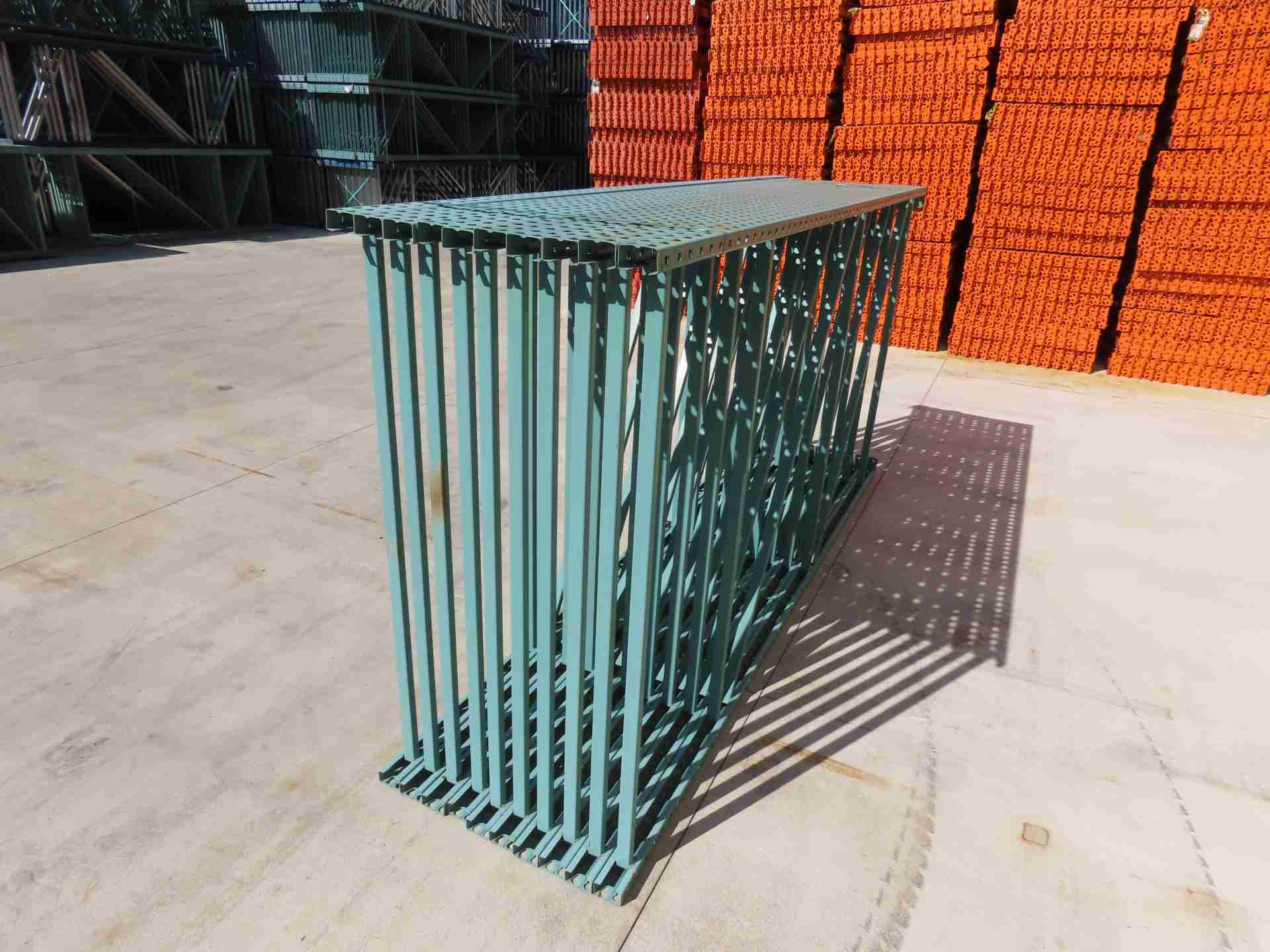
Pallet Racking: The backbone of any warehouse, pallet racking systems are more than mere storage solutions; they are a critical investment. Select the right type of pallet racking to match your product dimensions and picking methods. The initial outlay might seem daunting, but don’t be fooled! The right racking maximizes vertical space, reduces aisles, and boosts overall efficiency. Think in terms of return on investment here. A well-designed system can dramatically cut your costs in labor and time.
Space Utilization: Are you truly maximizing your warehouse’s footprint? Evaluate your current storage layouts and identify whether you’re using every square inch effectively. Sometimes, a simple reorganization can yield astounding benefits. This isn’t just about filling space; it’s about filling it smartly! Space cost is often overlooked but truly drives the total cost of ownership. If you’re renting, consider the wasted square footage that does nothing for your bottom line.
Inventory Management: Emphasize not just the cost of storage but the costs associated with holding that inventory. Determine how often you touch your stock and the expenses tied to overstocking or stockouts. Implementing an effective inventory management system can lead you towards lower holding costs and significant savings. Think about it: unproductive inventory is like dead weight dragging you down.
Operational Logistics: What about the costs attached to moving items in and out of your warehouse? The efficiency of your operations directly impacts your overall cost metrics. Streamlining logistics ensures quick turnaround—eliminating delays that cost money. Use technology to analyze workflows and pinpoint inefficiencies.
Hidden Fees: Finally, keep an eye on those hidden fees. Whether it’s costs related to climate control or security services, they can sneak up on you. Always ask for a complete breakdown. Understanding these metrics means being equipped to negotiate better terms and drive costs down.
Comprehending these cost metrics not only sharpens your operational processes but also lays the groundwork for trust in your strategy. When you’re equipped with this knowledge, taking action becomes less daunting and far more rewarding. So, start looking at your warehouse with fresh eyes—an opportunity for growth awaits!
What Are The Cost Metrics To Consider For Warehouse Storage?
What Are The Cost Metrics To Consider For Warehouse Storage?
- Understanding cost metrics in warehouse storage is essential for optimizing profitability.
- Pallet racking systems are critical investments; choose the right type to maximize efficiency and ROI.
- Evaluate space utilization to ensure every square inch of the warehouse is used effectively.
- Focus on inventory management to reduce holding costs and avoid issues with overstocking or stockouts.
- Streamline operational logistics to minimize costs associated with moving items in and out of the warehouse.
- Be aware of hidden fees, such as climate control and security costs, to help negotiate better terms.
- Comprehending these metrics enhances operational processes and paves the way for growth opportunities.

What Are The Cost Metrics To Consider For Warehouse Storage?
How Do Order Fulfillment Rates Affect Storage Effectiveness?
In the fast-paced world of e-commerce and retail, order fulfillment rates might seem like just another metric to track. But let’s take a moment to peel back the layers. Imagine your warehouse as a well-oiled machine that not only meets customer expectations but surpasses them. It all starts with how effectively you store your products—and that’s where order fulfillment rates come into play.
When you think of storage effectiveness, the image of pallet racking often comes to mind. It’s more than just shelves stacked to the ceiling with boxes. It’s about how those racks are organized and utilized, ensuring that every inch of your space is working hard for you. High order fulfillment rates signal that your storage strategy is yielding results. When products are stored efficiently, picking and packing become smoother processes, leading to faster order completion.
Productivity is a direct reflection of your warehouse organization. Picture this: You get an influx of orders, and your team is scrambling to locate items. Time slips away, and those fulfillment rates start to dwindle. Contrast that with a well-structured space, where your pallet racking has been optimized for product flow. Team members can easily find what they need, speeding up the process. The result? Your fulfillment rates soar, and customer satisfaction skyrockets. Who doesn’t love a quick turnaround on their orders?
But let’s dig deeper. Think of stored inventory as the lifeblood of your business. If your order fulfillment rates are low, that can indicate deeper issues with your storage effectiveness. Perhaps your pallet racking configuration needs to be re-evaluated or your inventory management system isn’t quite up to snuff. By addressing these issues proactively, you enhance your efficiency and improve your bottom line.
Ultimately, a solid connection exists between order fulfillment rates and storage effectiveness. Elevate your game by making strategic decisions about how you store products. Optimize your pallet racking setup for flow and accessibility, and watch your fulfillment rates increase as a natural consequence. Remember, every improvement you make isn’t just a win on paper; it’s a step toward delighting your customers and building loyalty in an ever-competitive market.
So why wait? Start today by looking at your storage setup and envision the incredible impact boosting those fulfillment rates can have.

How Do Order Fulfillment Rates Affect Storage Effectiveness?
How Do Order Fulfillment Rates Affect Storage Effectiveness?
- Order fulfillment rates are essential metrics that reflect warehouse efficiency and customer satisfaction.
- Effective product storage, particularly through optimized pallet racking, is key to improving fulfillment rates.
- High fulfillment rates indicate successful storage strategies that streamline picking and packing processes.
- Organized warehouse spaces enhance productivity, allowing team members to quickly locate items during order surges.
- Low fulfillment rates may reveal deeper issues with storage effectiveness or inventory management systems.
- Improving storage configurations and inventory systems leads to increased efficiency and better financial outcomes.
- Strategically enhancing storage practices results in higher fulfillment rates and increased customer loyalty.

How Do Order Fulfillment Rates Affect Storage Effectiveness?
What Impact Do Lead Times Have On Storage Decisions?
When it comes to optimizing storage solutions for your business, few factors exert as much influence as lead times. Think of lead times as the clock ticking against your operational efficiency. Whether you’re sourcing fresh inventory or managing existing stock, understanding their impact on your storage decisions is crucial to maintaining smooth operations.
Consider the role of pallet racking in your warehouse setup. With fluctuating lead times, your storage needs can shift drastically, transforming a once-efficient layout into a bottleneck. Predictability is the key here. If you have long lead times on certain products, it’s likely you will need more space to accommodate bulk orders arriving infrequently. By investing in flexible storage systems like pallet racking, you can adapt to these changing demands seamlessly. You can store higher quantities of slower-moving items upfront while keeping faster-moving stock closer to the picking area. This leads to quicker fulfillment times and happier customers.
Moreover, imagine a scenario where lead times suddenly shorten due to a new supplier or a change in demand. Your pallet racking system becomes even more vital. The right configuration allows for swift rearrangement and easy access to products that are now arriving more frequently. This nimbleness in your storage strategy fosters a proactive mindset rather than a reactive scramble—a hallmark of effective management.
Let’s not forget about the financial ramifications of lead times on your storage decisions. Tying up capital in excess inventory due to long lead times can be crippling. That’s a waste you can avoid by aligning your storage solutions efficiently. With a well-planned pallet racking system, you can minimize the incidence of overstocking while ensuring your space is utilized to its fullest, facilitating a healthier cash flow.
So, what’s the takeaway here? The impact of lead times on your storage decisions is significant, and overlooking it could cost you dearly. Make a conscious effort to evaluate your current lead times and storage strategies regularly. By investing in adaptable solutions like pallet racking, you position your business to thrive, regardless of the market’s unpredictability. Take action today—clear your path to streamlined operations and embrace a future where lead times don’t dictate your success. Trust in the power of organized storage, and watch how it transforms your business.

What Impact Do Lead Times Have On Storage Decisions?
What Impact Do Lead Times Have On Storage Decisions?
- Lead times are critical factors influencing operational efficiency in storage solutions.
- Pallet racking plays a key role in adapting storage needs to changing lead times.
- Long lead times may require more space for infrequent bulk orders.
- Flexible storage systems can help store slower-moving items upfront and faster-moving stock closer to picking areas.
- Shortened lead times necessitate a nimble pallet racking system for quick rearrangement and access.
- Effective management includes minimizing excess inventory tied up due to long lead times, aiding cash flow.
- Regular evaluation of lead times and storage strategies is essential for business success.

What Impact Do Lead Times Have On Storage Decisions?
Conclusion
Conclusion: Transform Your Warehouse into a Powerhouse of Efficiency with Arrow Industrial Sales
As we wrap up this exploration of key metrics for evaluating warehouse storage, it’s clear that understanding these metrics is not just beneficial; it’s imperative for any business seeking to maximize efficiency and profitability. Your warehouse is more than just a storage space—it is the heartbeat of your operations and, when optimized correctly, can propel your business to unprecedented heights. From space utilization to inventory accuracy, every aspect contributes significantly to your operational excellence.
Start by leveraging the power of pallet racking and scrutinizing your space utilization rate. The aim is a minimum of 80%—anything less translates into lost potential. With the right strategy, you can convert that hidden storage into actionable space. Next, focus on inventory accuracy; a trusted operation builds customer loyalty and enhances overall workflow. Aim for a 98% accuracy rate—this is your path to eliminating costly mistakes and ensuring that your promise to customers is always kept.
In addition to this, don’t overlook the power of order picking efficiency. Streamlining these operations leads not just to happier customers, but also fosters a culture of competition and improvement among your team. Remember: a safe warehouse is a productive warehouse. By keeping safety metrics in check, you cultivate an environment where employees feel secure, resulting in lower turnover and higher output.
The urgency to act cannot be overstated. Each moment spent underutilizing your warehouse is a moment your competitors seize. It’s time to take action. Contact Arrow Industrial Sales at (574) 349-6575 to gain insights tailored specifically to your operation. Whether it’s expert advice on pallet racking systems, inventory management, or cost-analysis strategies, our team stands ready to assist you. Don’t settle for mediocrity—embrace solutions that can transform your storage woes into a system that inspires efficiency and productivity.
Time is of the essence—business landscapes shift rapidly, and the companies that adapt the quickest are the ones that thrive. Optimize your warehouse now, and watch as it evolves from merely a storage area to a verified powerhouse of operational success. Take the first step and leverage the expertise of Arrow Industrial Sales—your future self will thank you!

Conclusion
Conclusion:
- Understanding key metrics for warehouse storage is essential for maximizing efficiency and profitability.
- Optimize your warehouse for space utilization with a target of at least 80% to unlock potential storage.
- Aim for a 98% inventory accuracy rate to eliminate errors and enhance customer trust.
- Enhancing order picking efficiency contributes to customer satisfaction and encourages team improvement.
- Maintaining safety metrics is crucial for creating a secure work environment that leads to higher productivity.
- Competitors capitalize on underutilized warehouses, emphasizing the need for prompt action.
- Contact Arrow Industrial Sales for tailored insights to enhance warehouse operations and embrace efficiency.

Conclusion
Other Resources

Other Resources
Here is a list of other resources you can review online to learn more:
- Pallet Racking systems in Illinois and Great Lakes
- Warehouse Racks, Warehouse Racking in Stock – ULINE
- Mustang Material Handling
- Warehouse Automation
- Warehouse Racking Chicago, IL
- Teardrop Racks – Pallet Rack World
- Teardrop Pallet Rack – Ridg-U-Rak
- Cantilever Rack Configuration & Installation: A Comprehensive Guide – BMH
- SEMA
- Pallet Rack Systems – New and Used Pallet Racking and Shelving Experts
Use This Prompt To Get More Resources With Your Favorite Online AI Tool: Please provide me with a list of online articles with their URLs in a bulleted list that I can read regarding What Are The Key Metrics for Evaluating Warehouse Storage?

Other Resources
Glossary Terms
What Are The Key Metrics for Evaluating Warehouse Storage? – Glossary Of Terms
1. Inventory Turnover: The rate at which inventory is sold and replaced over a period, indicating warehouse efficiency.
2. Space Utilization: The percentage of available storage space that is actively being used, affecting overall efficiency.
3. Order Picking Accuracy: The measure of how often items are picked correctly for orders, impacting customer satisfaction.
4. Lead Time: The time taken from order initiation to delivery, crucial for inventory management and fulfillment efficiency.
5. Carrying Cost: The total cost associated with holding inventory, including storage, insurance, and depreciation.
6. Throughput: The amount of product that moves through the warehouse within a specific timeframe, reflecting operational efficiency.
7. Cycle Time: The total time from the beginning of a process to its completion, often focused on order fulfillment cycles.
8. Drop Size: The average number of units or weight per order picked, influencing labor and operational efficiency.
9. Pick Rate: The number of items picked per hour by a warehouse worker, indicating productivity levels.
10. Stockout Rate: A percentage that shows how often products are out of stock, affecting customer service and sales.
11. Return on Investment (ROI): A performance measure used to evaluate the efficiency of the warehouse investment relative to profit generated.
12. Safety Stock: Extra inventory kept on hand to prevent stockouts due to variability in demand and supply.
13. Warehouse Density: The ratio of storage space to actual inventory held, which affects how space is managed.
14. Order Cycle Time: The total time taken from receiving a customer’s order to shipping it out, impacting service levels.
15. Putaway Time: The time taken to move received goods from the receiving area to their storage locations.
16. Labor Cost per Order: Calculated costs associated with labor in processing orders, essential for financial assessments.
17. Rate of Damage: Measures the percentage of products damaged during storage or handling, reflecting the quality of storage practices.
18. Inventory Accuracy: The percentage of items in stock that match the inventory records, essential for effective inventory control.
19. Labor Productivity: A measure of output per labor hour, often assessed through metrics like orders processed per worker.
20. Order Fill Rate: The percentage of customer orders that are fulfilled completely and on time, indicating overall service efficiency.
21. Automation Rate: The extent to which warehouse operations are automated, impacting efficiency and labor costs.
22. Bin Location Efficiency: Evaluates how well bin locations are used in the warehouse space, which can impact picking speed and accuracy.
23. Cross-Docking: A logistics process where incoming goods are directly transferred to outbound shipping, minimizing storage time.
24. Shrinkage Rate: The percentage of inventory loss due to theft, damage, or administrative error, affecting profitability.
25. Utility Costs per Square Foot: Measuring operating costs like electricity or heating against the warehouse space, essential for cost management.
26. Backorder Rate: The percentage of orders that cannot be fulfilled at the time of purchase and must be ordered, impacting customer satisfaction.
27. Warehouse Capacity: The total amount of goods a warehouse can store, critical for planning and expansion decisions.
28. Cycle Count Accuracy: A practice of counting a portion of inventory on a specific date to enhance overall inventory accuracy.
29. Gravity Flow Racking: A storage system that uses gravity to move products, optimizing space and efficiency during order picking.
30. Advanced Shipping Notice (ASN): An alert sent by a supplier to inform a warehouse about upcoming deliveries, essential for planning and inventory management.
These terms can provide a comprehensive understanding of evaluating warehouse storage metrics and their impact on overall efficiency and effectiveness.

Glossary Of Terms
Other Questions
What Are The Key Metrics for Evaluating Warehouse Storage? – Other Questions
If you wish to explore and discover more, consider looking for answers to these questions:
- What are the most common challenges faced when implementing warehouse storage metrics?
- How can I effectively train my staff on warehouse efficiency practices?
- What technology solutions are available to improve warehouse storage management?
- How often should I conduct inventory audits for optimal results?
- What are the best practices for reducing excess inventory in a warehouse?
- How can I improve my warehouse’s safety metrics beyond compliance?
- What indicators can help me assess if my warehouse layout is effective?
- How does employee morale impact overall warehouse efficiency?
- What are the key performance indicators (KPIs) to track for continuous improvement?
- How should I approach negotiations with warehouse suppliers for better cost metrics?
- What role does customer feedback play in warehouse operations and storage decisions?
- How can I adapt my warehouse for seasonal fluctuations in inventory?
- What are the consequences of poor order fulfillment rates on customer loyalty?
- How can I implement a just-in-time (JIT) inventory system in my warehouse?
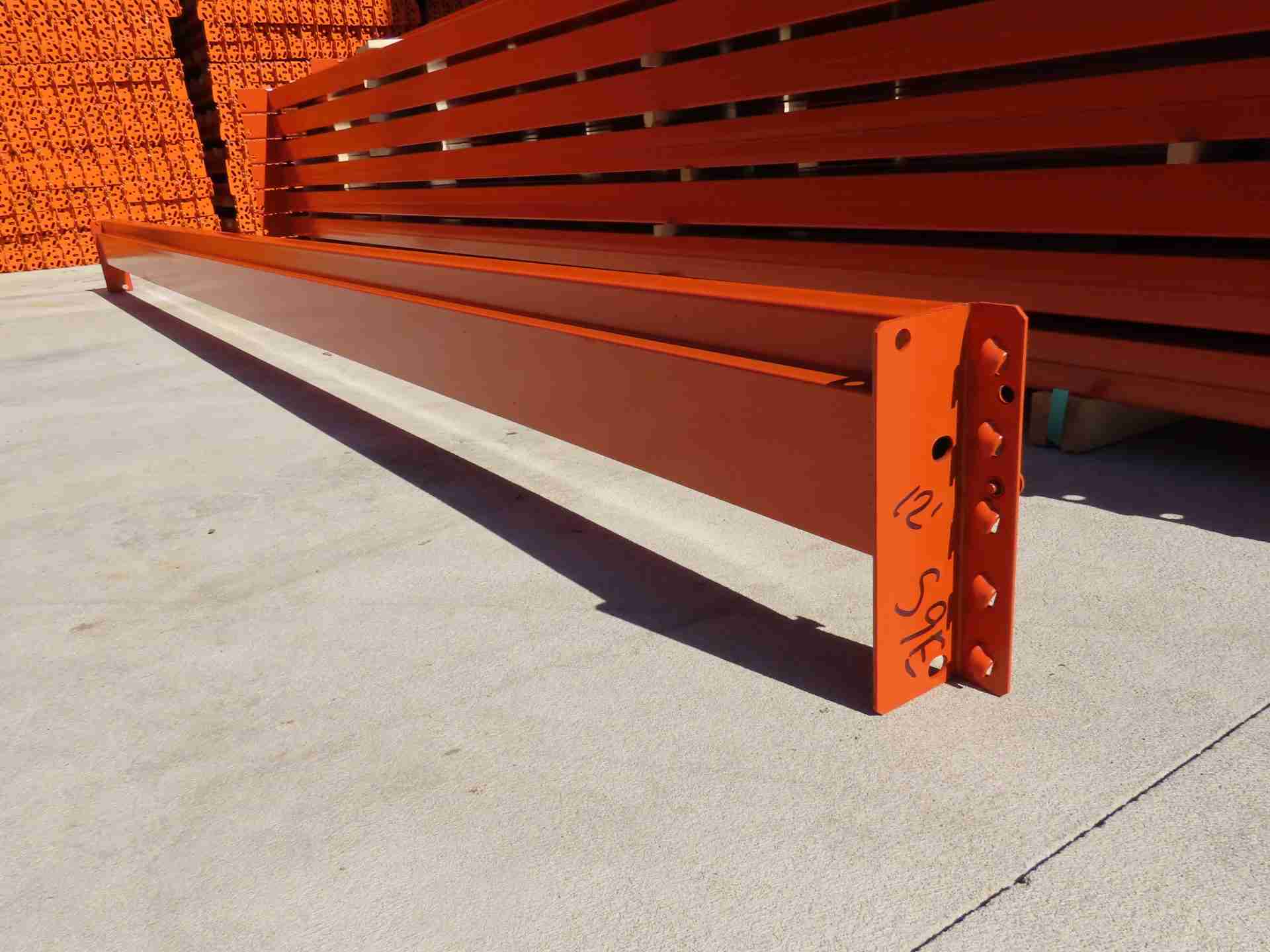
- What strategies can I use to optimize my pallet racking configuration?
Other Questions
Checklist
What Are The Key Metrics for Evaluating Warehouse Storage? – A Checklist
Checklist for Evaluating Warehouse Storage Efficiency
Use this checklist to ensure you are maximizing efficiency and profitability in your warehouse operations. Regularly assess the following key metrics:
Space Utilization
_____ Aim for at least 80% space utilization.
_____ Identify under-utilized or overcrowded areas in the warehouse layout.
_____ Check for unnecessary wide aisles or poorly arranged pallet racking.
Inventory Accuracy
_____ Maintain an inventory accuracy rate of 98% or higher.
_____ Regularly conduct inventory counts to compare physical stock to recorded inventory.
_____ Implement or upgrade an inventory management system that allows real-time tracking.
Order Picking Efficiency
_____ Measure pick rate (items picked per hour) regularly.
_____ Establish benchmarks for picking efficiency and incentivize team performance.
_____ Analyze workflows to minimize picking time and double-handling of items.
Safety Metrics
_____ Monitor incident reports and track compliance with safety training.
_____ Foster a workplace culture prioritizing safety to enhance productivity.
_____ Implement safety measures to reduce turnover and improve employee morale.
Pallet Racking Assessment
_____ Evaluate the density of your pallet racking setup to maximize storage.
_____ Assess whether pallet racking configurations match product dimensions and flow.
_____ Determine if adjustments to the racking system can reduce overall storage costs.
Inventory Turnover Rate
_____ Calculate turnover rates to identify fast-moving versus slow-moving inventory.
_____ Develop strategies to address slow-moving items and reduce dead stock.
_____ Use turnover data to inform purchasing decisions and inventory management practices.
Cost Metrics
_____ Analyze both storage costs and associated holding costs of inventory.
_____ Assess expenses related to operational logistics and ensure efficient workflows.
_____ Watch for hidden fees that may affect overall storage and operational costs.
Order Fulfillment Rates
_____ Track order fulfillment rates to gauge efficiency in storage and picking.
_____ Ensure that the storage setup facilitates quick product access.
_____ Review fulfillment metrics regularly to identify and address potential issues.
Lead Times
_____ Evaluate the impact of lead times on storage decisions and inventory management.
_____ Ensure that pallet racking systems are adaptable to fluctuations in lead times.
_____ Align inventory levels with lead times to optimize cash flow and storage efficiency.
By using this checklist, you can systematically assess your warehouse’s efficiency and make informed decisions to improve operations and profitability. Remember, small changes in metrics can lead to significant improvements in overall performance!

Checklist
At RackingWorld, we help guide you through selecting warehouse storage systems and racking.
Be sure to read our other related stories at RackingWorld to learn more about warehouse storage systems.
0 Comments