
Unpacking The Risks And Rewards Of Outsourced Storage
By Tom Seest
At RackingWorld, we help guide you through selecting warehouse storage systems and racking.
Be sure to read our other related stories at RackingWorld to learn more about warehouse storage systems.
Is Outsourcing Warehouse Storage Counterproductive for Growth?
Imagine the bustling energy of a warehouse—the hum of machinery, the rhythmic clanking of pallet racking being adjusted to perfectly accommodate your goods, and the chatter of a dedicated team working tirelessly to fulfill orders. This image may evoke thoughts of efficiency and growth, but what happens when your company hands over its warehouse storage to an external partner? Is this outsourcing decision a roadmap to success, or does it risk stunting your growth potential?
Outsourcing warehouse storage can seem like a tempting shortcut, promising to reduce overhead costs and free up your team to focus on strategic initiatives. However, as appealing as it sounds, let’s pause for a moment and look at the bigger picture. You are not just outsourcing physical space; you are entrusting someone else with the lifeblood of your business—your inventory. Consider how pivotal your warehouse operations are for maintaining the quality of service your customers expect. A third party may not share the same passion or urgency that you have for your products. When you relinquish control, you risk losing that personalized touch, the very element that inspires trust in your brand.
Moreover, efficiency often begins with optimal pallet racking. If your chosen partner lacks the specialized knowledge or equipment to maximize space and streamline operations, you may find yourself facing inventory bottlenecks and delays. These setbacks can chip away at customer satisfaction and, ultimately, your bottom line. Who wants to explain to an anxious customer why their order is delayed because your warehouse partner mismanaged their shipment?
On the other hand, in-house management of your warehouse, with a well-designed pallet racking system and a passionate team, can provide unmatched flexibility. You can pivot quickly based on seasonal demand or varying shipment sizes. You have the power to implement innovative solutions that align with your vision for growth.
Before making the leap toward outsourcing, contemplate the trade-offs. Consider conducting a cost-benefit analysis that weighs the potential savings against the risks of losing control over your operations. Your warehouse isn’t just a space—it’s an extension of your brand. And remember, every decision counts in steering your business toward a bright and prosperous future. Choose wisely, and your growth path will become clearer than ever.
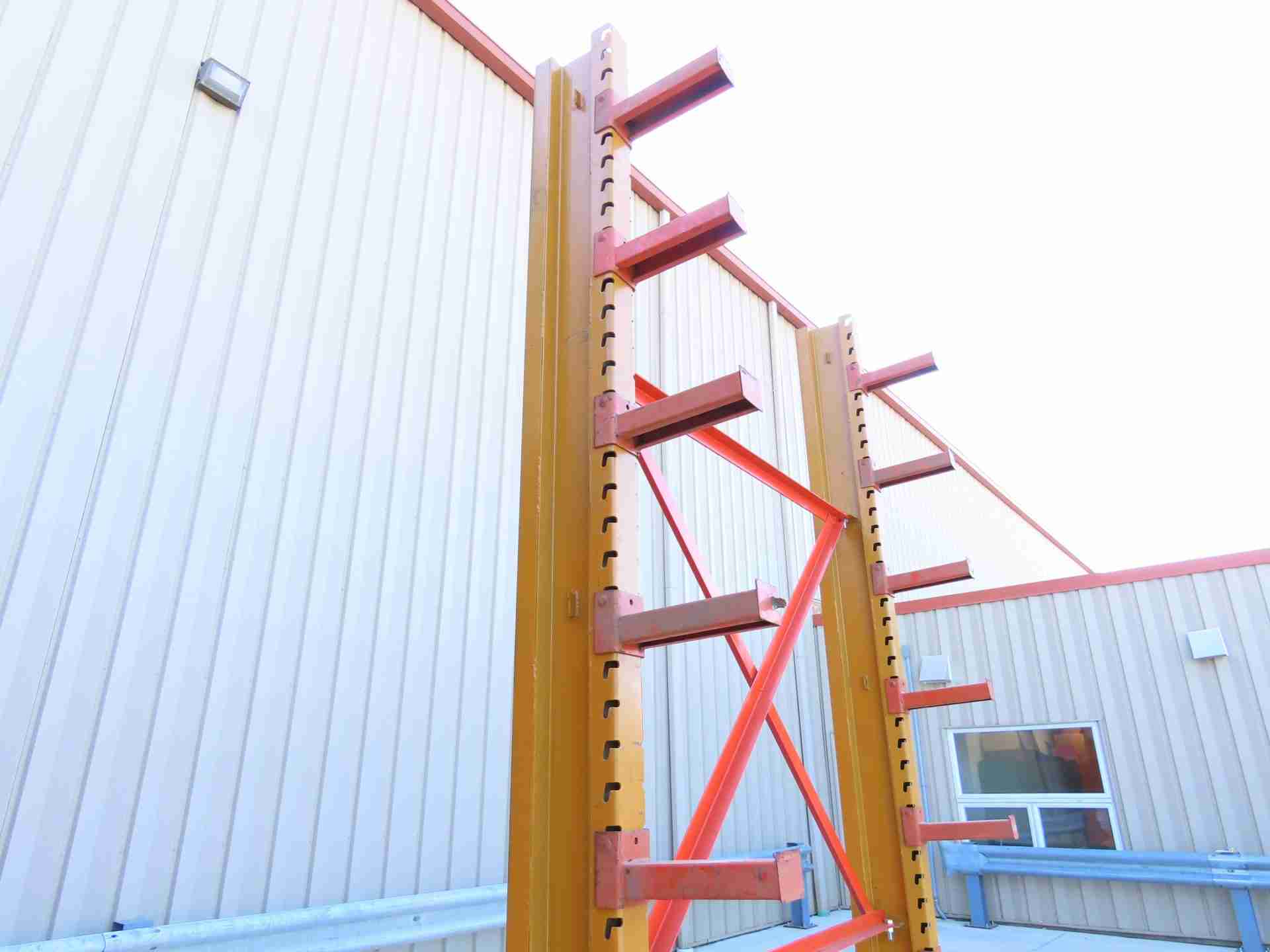
Is Outsourcing Warehouse Storage Counterproductive for Growth?
Is Outsourcing Warehouse Storage Counterproductive for Growth?
- The warehouse environment is crucial for order fulfillment, featuring machinery and dedicated staff.
- Outsourcing warehouse storage may reduce overhead costs, but it involves risks to your inventory management.
- Handing over control can diminish the quality of service and personalized touch that build customer trust.
- Choosing an unqualified partner may lead to inefficiencies, inventory bottlenecks, and delayed shipments.
- In-house management allows for flexibility and quick pivots based on market demands and shipment sizes.
- Conducting a cost-benefit analysis is essential to weigh potential savings against the loss of operational control.
- Your warehouse represents an extension of your brand, and each decision influences your business’s future growth.
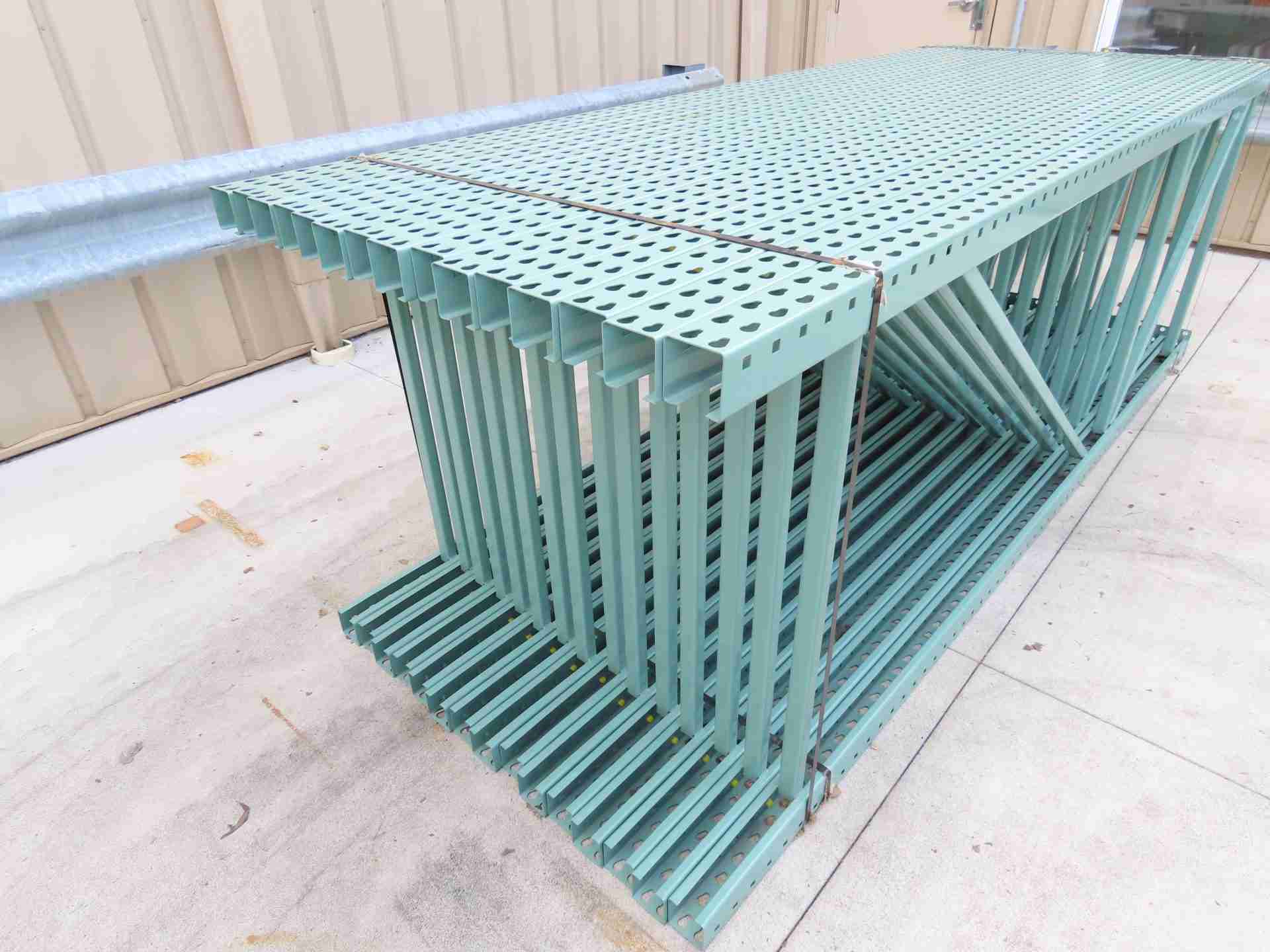
Is Outsourcing Warehouse Storage Counterproductive for Growth?
Table Of Contents
- Is Outsourcing Warehouse Storage Counterproductive for Growth?
- Is Outsourcing Warehouse Storage A Cost-Effective Solution?
- What Are The Risks Of Outsourcing Warehouse Storage?
- How Can Outsourcing Impact Inventory Management?
- Does Outsourcing Warehouse Storage Reduce Operational Flexibility?
- What Are The Benefits Of In-House Storage Versus Outsourcing?
- How Does Outsourcing Affect Supply Chain Efficiency?
- Conclusion
- Other Resources
- Glossary Of Terms
- Other Questions
- Checklist
Is Outsourcing Warehouse Storage A Cost-Effective Solution?
In today’s fast-paced business world, the need for efficiency and streamlined operations is paramount. Imagine this: you are standing in your warehouse, surrounded by towering stacks of inventory, contemplating the many challenges that come with managing space, labor, and logistics. The question begs—could outsourcing your warehouse storage actually be the game-changer you need?
Let’s break it down. When you consider the initial setup costs of traditional warehousing, it might make you cringe. Think about the expenses associated with renting a facility, installing proper pallet racking systems, and hiring staff to manage operations. Suddenly, the bright idea of owning your own space starts feeling more like an anchor than an asset. But what if you could eliminate these burdens?
Outsourcing warehouse storage provides a scalable solution that can adapt to your growing business needs. By partnering with an experienced third-party logistics provider, you gain access to pivotal resources—like sophisticated pallet racking systems that maximize vertical space and optimize inventory management—without heavy investments. These providers often employ state-of-the-art technology to streamline operations, track your inventory in real-time, and improve overall efficiency.
Think about it—fewer headaches and a more seamless operation translate into lower operational costs. When every penny counts, outsourcing can facilitate significant savings that allow you to allocate funds towards other core areas of your business. Whether you’re a budding entrepreneur looking to scale up or an established business trying to enhance operational efficiency, outsourcing warehouse storage can free you from the weight of logistics.
But it’s not just about the cost—it’s about trust and expertise. By collaborating with seasoned professionals, you’re not just offloading storage; you’re forming a partnership with industry veterans who understand market fluctuations, seasonal demands, and inventory optimization. Imagine having peace of mind knowing that your goods are secure and efficiently managed by experts, allowing you to focus on what you do best: growing your business.
In this ever-evolving landscape, adapting to change is essential. Today, outsourcing warehouse storage is more than a consideration—it’s a strategic move that can propel your business forward. Take the leap, and watch as your operations transform, your costs diminish, and your potential for success expands. After all, success isn’t just about working harder; it’s about working smarter. So why not start today?
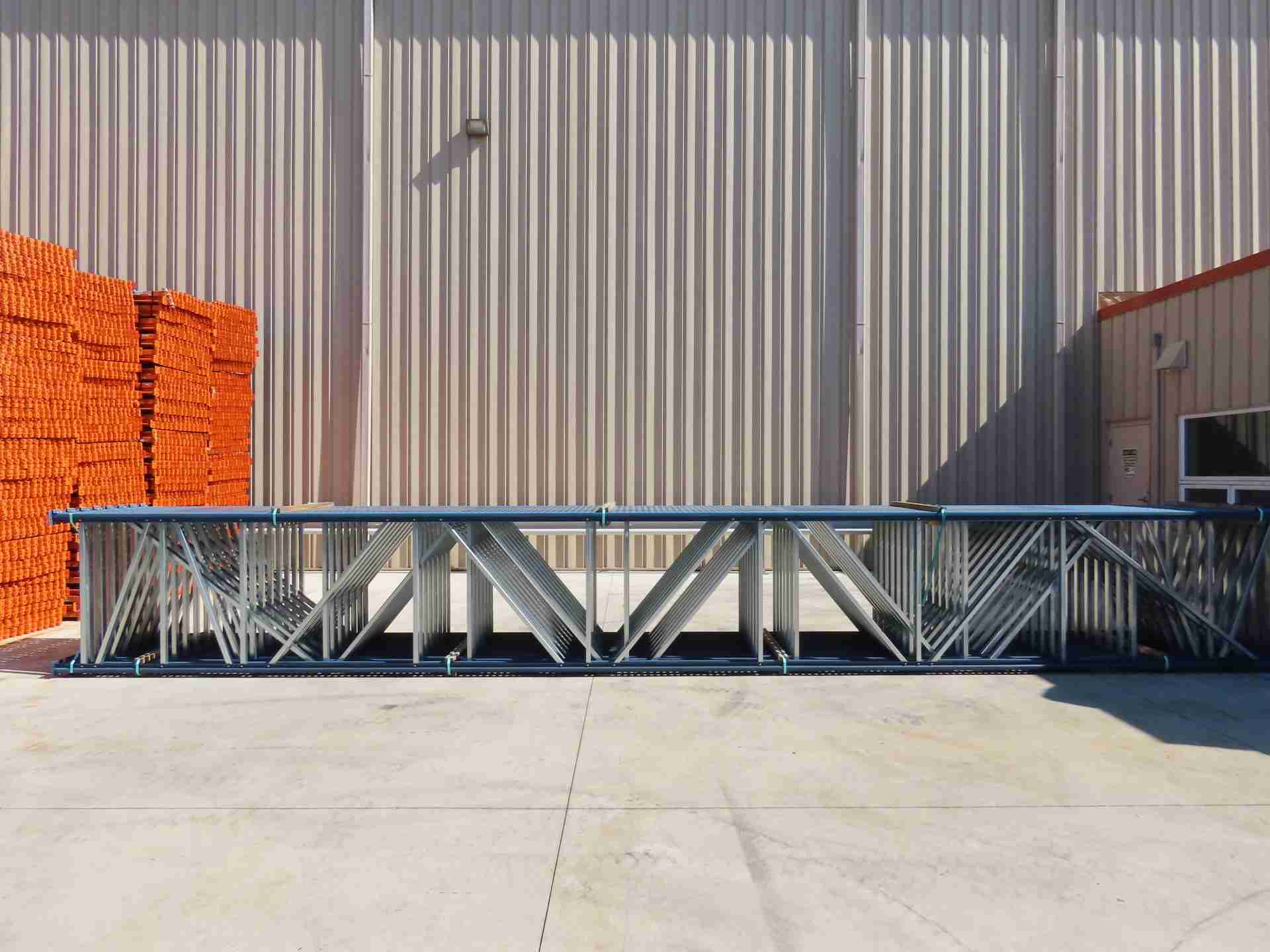
Is Outsourcing Warehouse Storage A Cost-Effective Solution?
Is Outsourcing Warehouse Storage A Cost-Effective Solution?
- Efficiency and streamlined operations are crucial in today’s fast-paced business environment.
- Outsourcing warehouse storage can alleviate challenges related to managing space, labor, and logistics.
- Traditional warehousing involves high setup costs, including facility rental, racking systems, and staffing.
- Partnering with third-party logistics providers offers scalable solutions without heavy investments.
- These providers utilize advanced technology for inventory management and improved operational efficiency.
- Outsourcing can lead to significant cost savings, allowing investment in core business areas.
- Collaborating with industry professionals enhances trust and helps navigate market fluctuations and seasonal demands.

Is Outsourcing Warehouse Storage A Cost-Effective Solution?
What Are The Risks Of Outsourcing Warehouse Storage?
Outsourcing warehouse storage can feel like riding a rollercoaster—thrilling yet potentially daunting. On the one hand, it frees you to focus on core business functions and can lead to scalability like never before. Yet, as you strap in for the ride, it’s essential to know what you’re signing up for. The risks lurking in the shadows can dim even the brightest of opportunities.
First, let’s address the elephant in the room: quality control. When you entrust your inventory to an external provider, you relinquish a degree of oversight. Your products might be stored on pallet racking systems that don’t meet your expectations or standards. Imagine the horror of unpacking a shipment only to find that items were damaged due to improper handling or inadequate storage conditions. The success of your business is directly tied to the integrity of your inventory—never underestimate that.
Then there’s operational misalignment. You may have your streamlined processes perfected, and they work well for you. However, once you hand over the reins, you risk a disconnect in logistics management. Communication hiccups can leave you in the dark about inventory levels or order status, leading to stock outs or overages—definitely not ideal for your bottom line! Understanding how your partner manages their pallet racking and inventory systems is critical. It’s about ensuring a seamless integration, something that should never be glossed over.
Let’s not forget about hidden costs. Many tend to overlook the fine print in contracts. A pick-and-pack fee here, an inventory management charge there—it can add up quicker than you think. Familiarize yourself with potential cost variables before jumping into a partnership. Gaining clarity upfront instills confidence down the line.
Finally, geographical considerations can throw a wrench in your operations. If your outsourced warehouse isn’t strategically located, it can lead to delays in shipping and distribution. Timeliness is everything in today’s fast-paced market, and you’ve worked too hard to build trust with your customers to lose it over logistical snafus.
While the idea of outsourcing warehouse storage can be tempting, equipping yourself with knowledge about the risks involved is crucial. Don’t rush into it. Assess potential partners thoroughly and ensure their operations align seamlessly with your goals. Remember, the risks can be mitigated through due diligence, leading you on a far more rewarding path. So why not take the first step today? Your business deserves it!
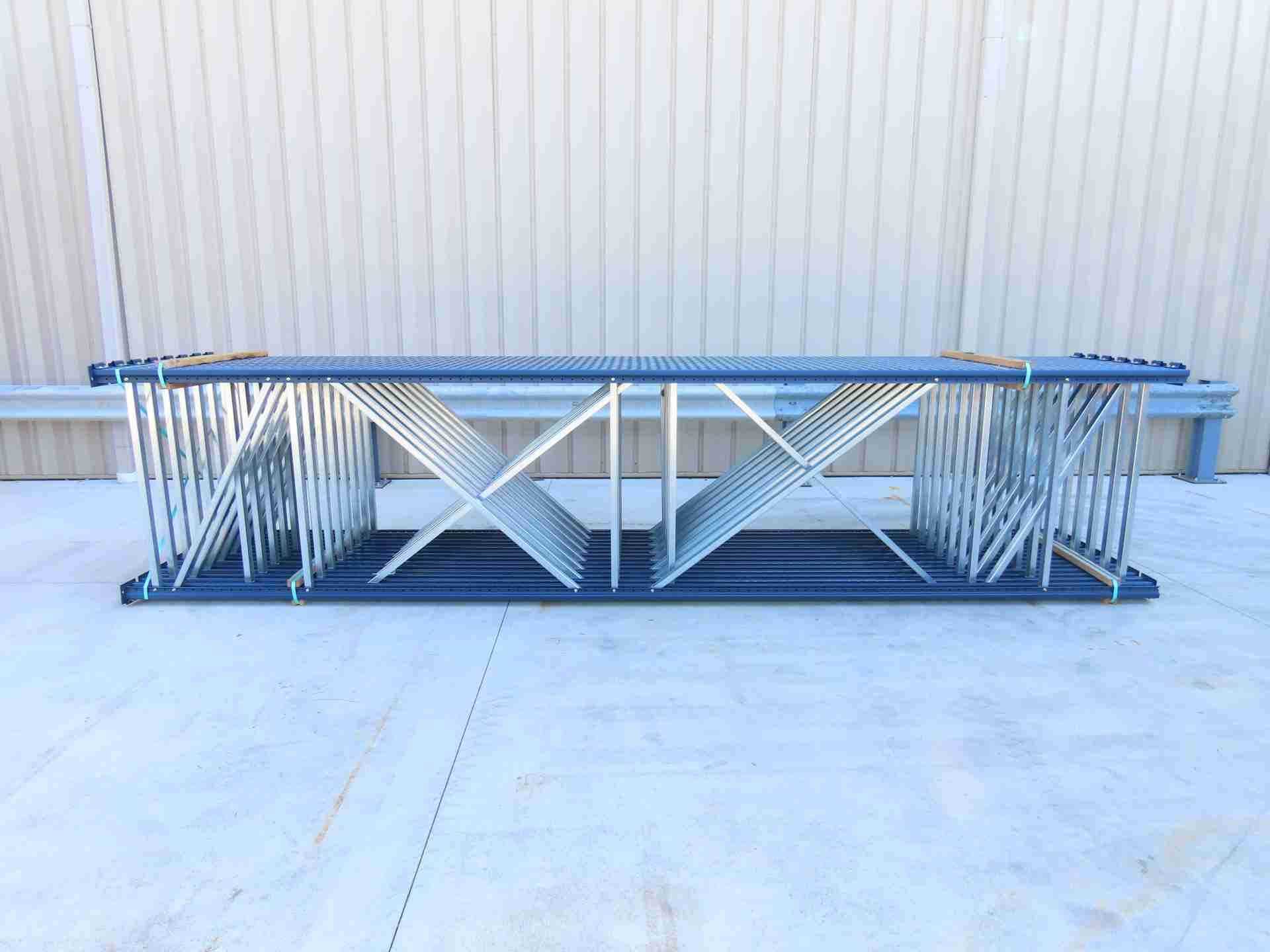
What Are The Risks Of Outsourcing Warehouse Storage?
What Are The Risks Of Outsourcing Warehouse Storage?
- Outsourcing warehouse storage can enhance focus on core business functions and scalability.
- Quality control is a major concern when relying on external providers for inventory management.
- Operational misalignment may occur, leading to communication issues and potentially adverse effects on stock levels.
- Hidden costs in contracts, such as pick-and-pack fees, can accumulate quickly; understanding potential variables is crucial.
- Geographical location of the outsourced warehouse affects shipping and distribution timelines.
- Thorough assessment of potential partners is essential to ensure alignment with business goals.
- Knowledge of risks involved in outsourcing can mitigate challenges and lead to successful partnerships.

What Are The Risks Of Outsourcing Warehouse Storage?
How Can Outsourcing Impact Inventory Management?
In the captivating world of inventory management, the right strategy can be your golden ticket to increased efficiency and profitability. Imagine transforming your everyday operations into a well-oiled machine—inviting customers in with top-notch service while keeping your costs in check. Outsourcing is a powerful lever that can make this happen, especially when it comes to managing your stock levels.
At first glance, the thought of relinquishing control over something as critical as inventory may send shivers down your spine. After all, it’s the lifeblood of your business! But let’s put that nervousness aside for a moment. Outsourcing inventory management isn’t about losing control; it’s about enhancing it. When you hand over responsibilities—whether it’s warehousing, order fulfillment, or even implementing advanced solutions like pallet racking—you gain a partner who specializes in optimizing these processes.
Think about the expertise you’d tap into. Outsourcing allows you to collaborate with professionals who live and breathe inventory management. These experts are equipped with the latest technology, from real-time tracking systems to efficient warehousing solutions. They understand the nuances of managing stock levels, ensuring that your products are in the right place at the right time. Imagine eliminating the headaches of overstocking or stockouts through the informed insights that come from partnering with the right team.
Moreover, consider the added flexibility. You can adjust your inventory strategies in real-time without worrying about the logistical nightmare of your storehouse or warehouse. With a reliable outsourcing partner, you can quickly adapt to changing market demands, ramping up production or offloading excess inventory with ease. That’s the kind of agility that builds trust with your customers—they’ll love you for it.
And let’s not forget cost-effectiveness. By outsourcing certain aspects of your inventory management, you can cut down on overhead costs, allowing you to reinvest in areas that drive revenue, such as marketing or product development. This means that you’re not just offloading a task; you’re strategically reallocating resources to enhance your brand’s growth trajectory.
So, if you’re ready to transform your inventory management into a seamless, efficient operation, consider the profound impact outsourcing can have. Take that step towards a brighter future where you focus on your core business while an expert partner takes care of your stock—because in the world of inventory management, agility, efficiency, and trust are not just buzzwords; they’re your pathway to success.
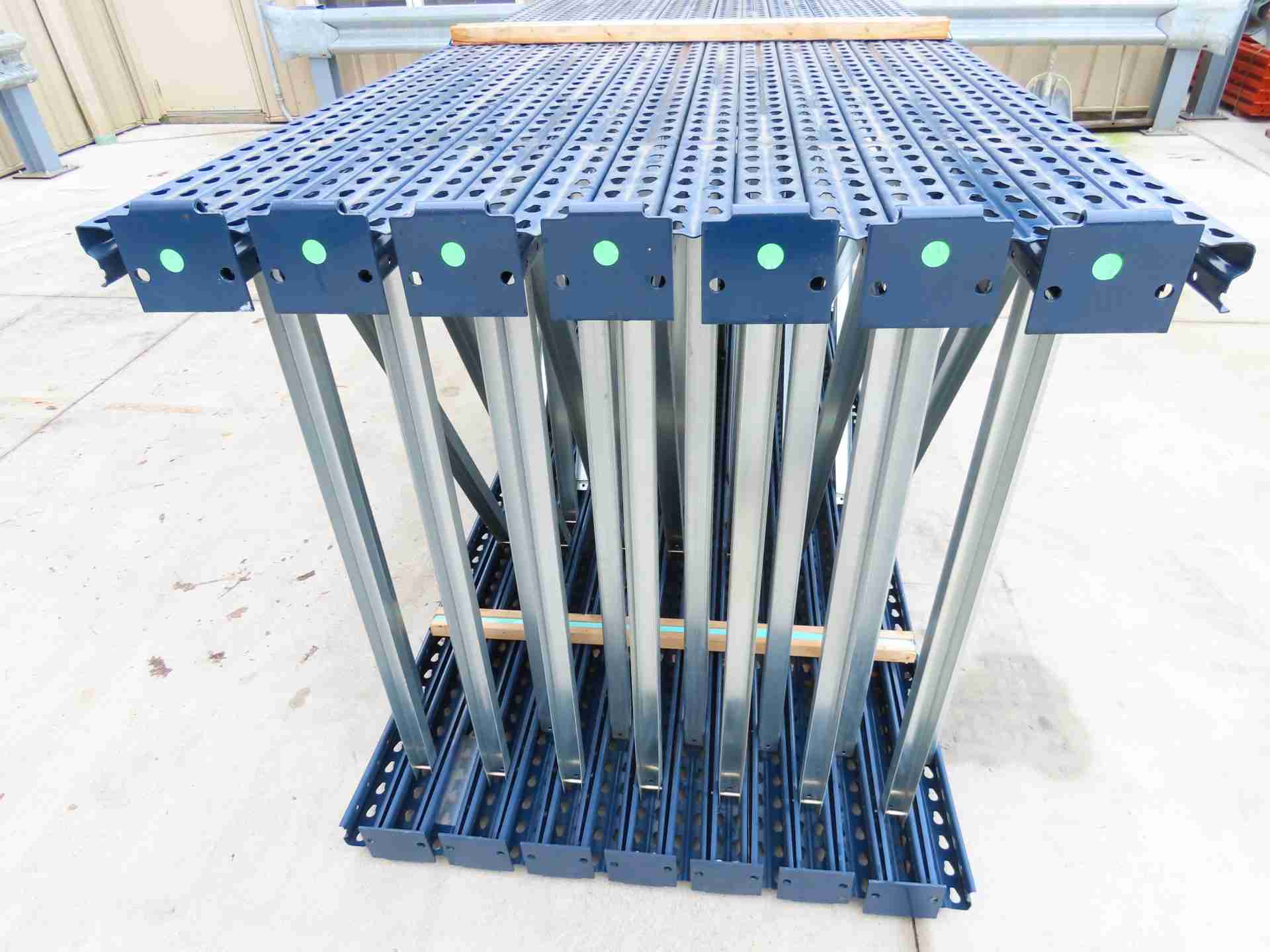
How Can Outsourcing Impact Inventory Management?
How Can Outsourcing Impact Inventory Management?
- Effective inventory management enhances efficiency and profitability.
- Outsourcing inventory responsibilities can improve control rather than diminish it.
- Partnering with experts provides access to advanced technology and insights for stock management.
- Outsourcing allows for real-time adjustments to inventory strategies in response to market demands.
- Flexibility in inventory management builds trust with customers through agility and responsiveness.
- Cost-effectiveness of outsourcing can free up resources for revenue-driving activities.
- Embracing outsourcing can transform your inventory management into a streamlined operation.
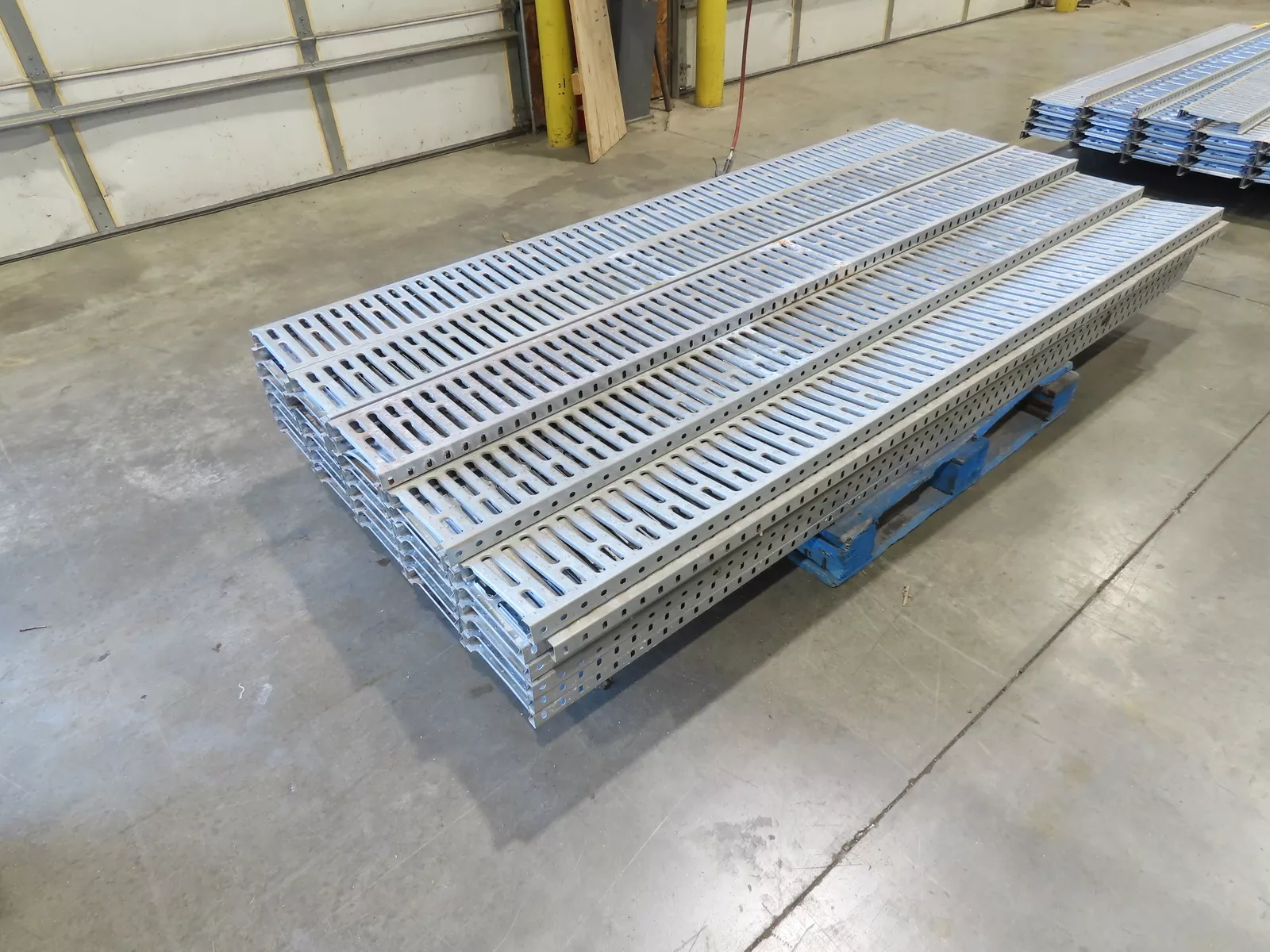
How Can Outsourcing Impact Inventory Management?
Does Outsourcing Warehouse Storage Reduce Operational Flexibility?
In today’s rapidly changing marketplace, business owners often find themselves at a crossroads when considering outsourcing warehouse storage. The allure of streamlined operations and cost savings is strong, but many grapple with a pressing question: Does this decision compromise operational flexibility? Let’s explore this vital issue together.
Imagine standing in your warehouse, surrounded by rows of pallet racking, filled to the brim with your products. You’ve built your inventory system meticulously, enjoying the freedom of choosing how to store and manage your assets. Now, picture the moment when you decide to outsource that responsibility. The thought may send shivers down your spine. Will you lose control? What happens when the next big order comes in, or if demand suddenly spikes?
Here’s the heart of the matter: outsourcing can be a double-edged sword. On one hand, it can offer you unprecedented access to advanced logistics solutions, allowing for scale that you might not achieve on your own. Think about it – a dedicated warehouse partner invests in cutting-edge technology, optimizing every inch of their facility, including specialized pallet racking systems tailored to maximize storage capacity. You gain access to a professionally managed environment, which can enhance efficiency and reduce costs.
Yet, there is a catch. When your inventory is no longer housed directly under your control, every decision may take a little longer. Need to change your storage layout? It’s not as simple as moving a few shelves around. Modification requests and inventory movements might require coordination and lead time.
Here’s the good news: a savvy, well-chosen outsourcing partner can provide tailored solutions that enhance your operational flexibility rather than hinder it. Look for a provider that values adaptability as much as efficiency. The right partnership can empower your business to pivot and scale when necessary, ensuring that you’re not locked into rigid processes.
Moreover, consider establishing clear communication channels with your warehouse service provider. Regular check-ins and updates can bolster your confidence and keep your operations dynamic. The idea is to treat your outsourced facility not just as a storage unit but as an integral extension of your business.
Ultimately, the decision to outsource warehouse storage can either constrict or enhance your operational flexibility, depending on the choices you make. Trust in a knowledgeable partner, and you’ll find that outsourcing can become a springboard for growth, leaving you free to focus on what truly matters: your customers and your bottom line. Take the leap, but do it wisely. Your business’s future could depend on it.
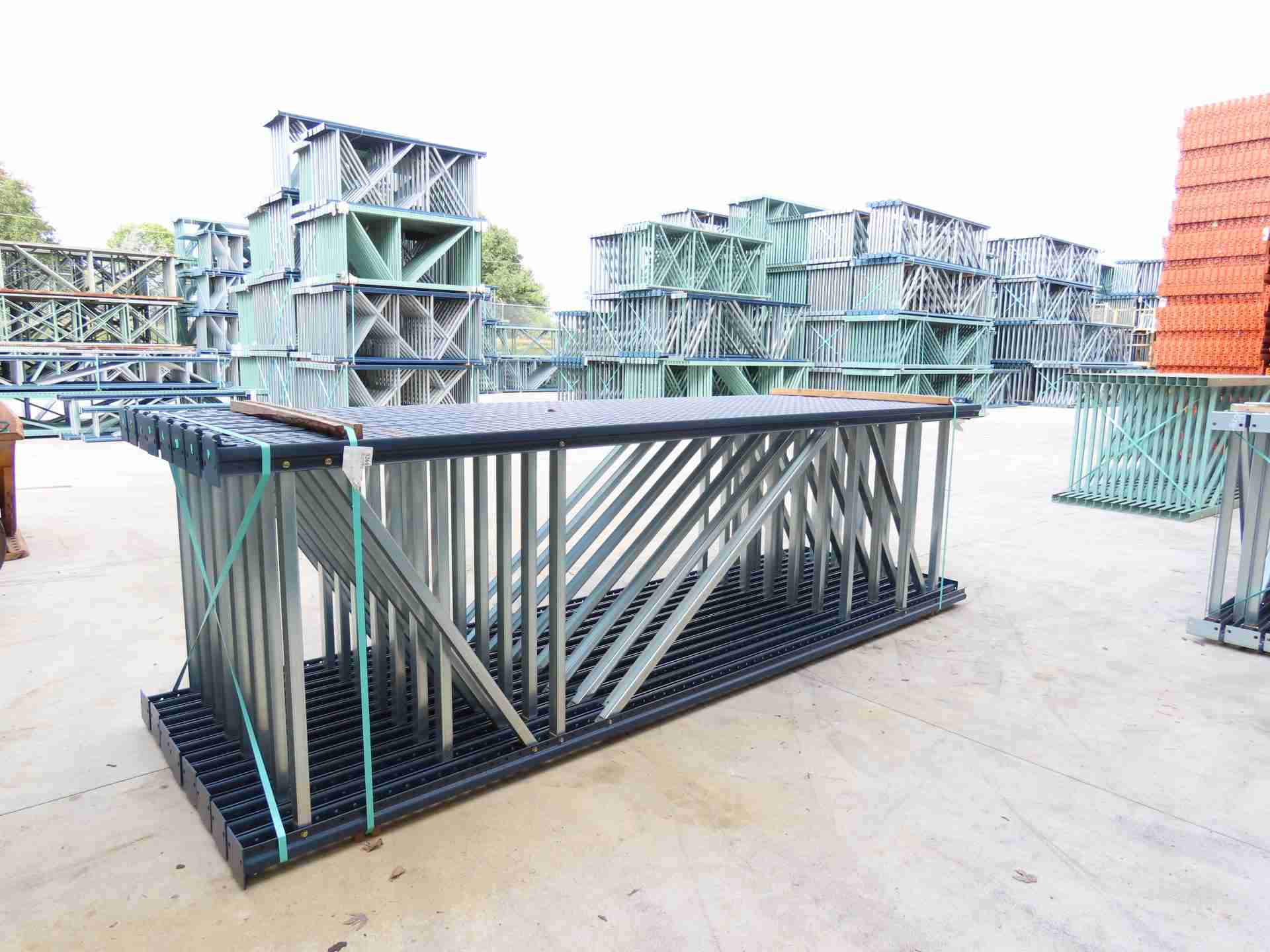
Does Outsourcing Warehouse Storage Reduce Operational Flexibility?
Does Outsourcing Warehouse Storage Reduce Operational Flexibility?
- Business owners face a dilemma when considering warehouse storage outsourcing, weighing the potential for streamlined operations against operational flexibility.
- Outsourcing can provide access to advanced logistics solutions and specialized technology, enhancing efficiency and reducing costs.
- However, loss of direct control over inventory can result in slower decision-making and complicated logistics, especially during sudden demand changes.
- Choosing a savvy outsourcing partner that values adaptability can enhance operational flexibility and allow for growth and scaling.
- Establishing clear communication with the warehouse service provider is crucial for maintaining dynamic operations and managing changes effectively.
- The decision to outsource can either restrict or expand operational flexibility, heavily depending on the partner chosen.
- Outsourcing can be a catalyst for growth if approached wisely, allowing business owners to focus on customers and profitability.
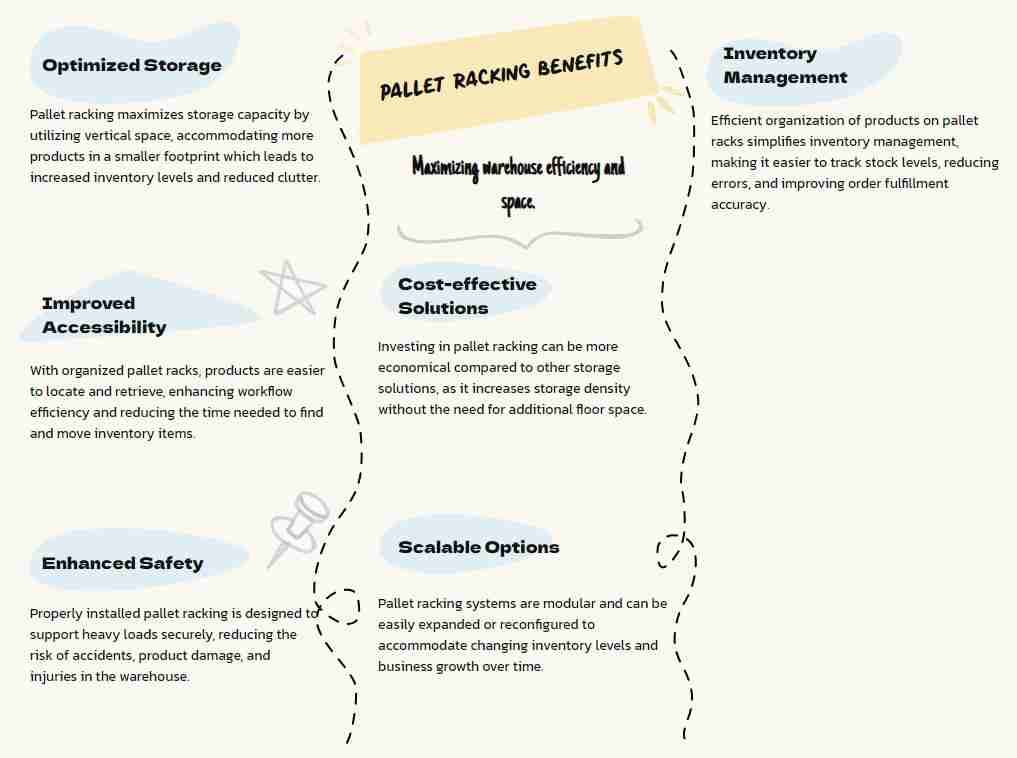
Does Outsourcing Warehouse Storage Reduce Operational Flexibility?
What Are The Benefits Of In-House Storage Versus Outsourcing?
In today’s fast-paced business environment, the choice between in-house storage and outsourcing can feel overwhelming. However, if you want to position your company for long-term success, understanding the benefits of in-house storage can be a game changer.
Let’s dive into one of the pivotal advantages: control. With in-house storage, you have complete command over your inventory flow, which leads to improved responsiveness to market demands. Imagine a scenario where seasonal items are in high demand. Your in-house pallet racking systems offer an adaptable solution that lets you expand or alter your storage setup as needed, without waiting for third-party approval. This agility can enhance your ability to meet customer needs swiftly, creating a compelling edge in customer satisfaction.
Moreover, investing in in-house storage can significantly reduce costs over time. While outsourcing often incurs hidden fees, managing your own space means that once the initial investment in things like pallet racking is made, the ongoing costs can be significantly lower. No more surprise charges! Every dollar saved can be allocated towards growth initiatives, marketing strategies, or enhancing product quality—areas that can supercharge your business.
Inventory accuracy is another crucial factor. When you keep your storage in-house, you’re minimizing errors that can occur when a third party handles your goods. You can regularly monitor the state of your inventory, ensuring that nothing goes missing and that all items are accounted for, leading to unparalleled peace of mind. The knowledge that you can maintain an accurate inventory allows for better planning and stock management, which curtails unnecessary expenses and waste.
Lastly, in-house storage fosters a sense of ownership. Your employees become more engaged with the operational processes, knowing that their actions directly impact the overall success of the organization. This feeling of empowerment can lead to innovative ideas and improvements in workflows, which can propel your business to new heights.
In-house storage offers a host of benefits that go far beyond mere economics. It provides control, scalability, accuracy, and empowerment—essential components in building a resilient business. Ask yourself, does outsourcing really fit your vision? Start laying the groundwork for more significant advancements today by exploring the potential of a well-structured in-house storage solution with the proper pallet racking to support your goals!

What Are The Benefits Of In-House Storage Versus Outsourcing?
What Are The Benefits Of In-House Storage Versus Outsourcing?
- In-house storage provides complete control over inventory flow, improving responsiveness to market demands.
- Adaptable in-house pallet racking systems allow for quick adjustments to storage setups without third-party approvals.
- Investing in in-house storage can reduce long-term costs compared to outsourcing, avoiding hidden fees.
- Every dollar saved through in-house storage can be redirected to growth initiatives and enhancing product quality.
- Maintaining in-house storage minimizes inventory inaccuracies and allows for regular monitoring of goods.
- In-house storage fosters employee engagement by creating a sense of ownership and direct impact on success.
- The benefits of in-house storage include control, scalability, accuracy, and empowerment, crucial for building a resilient business.
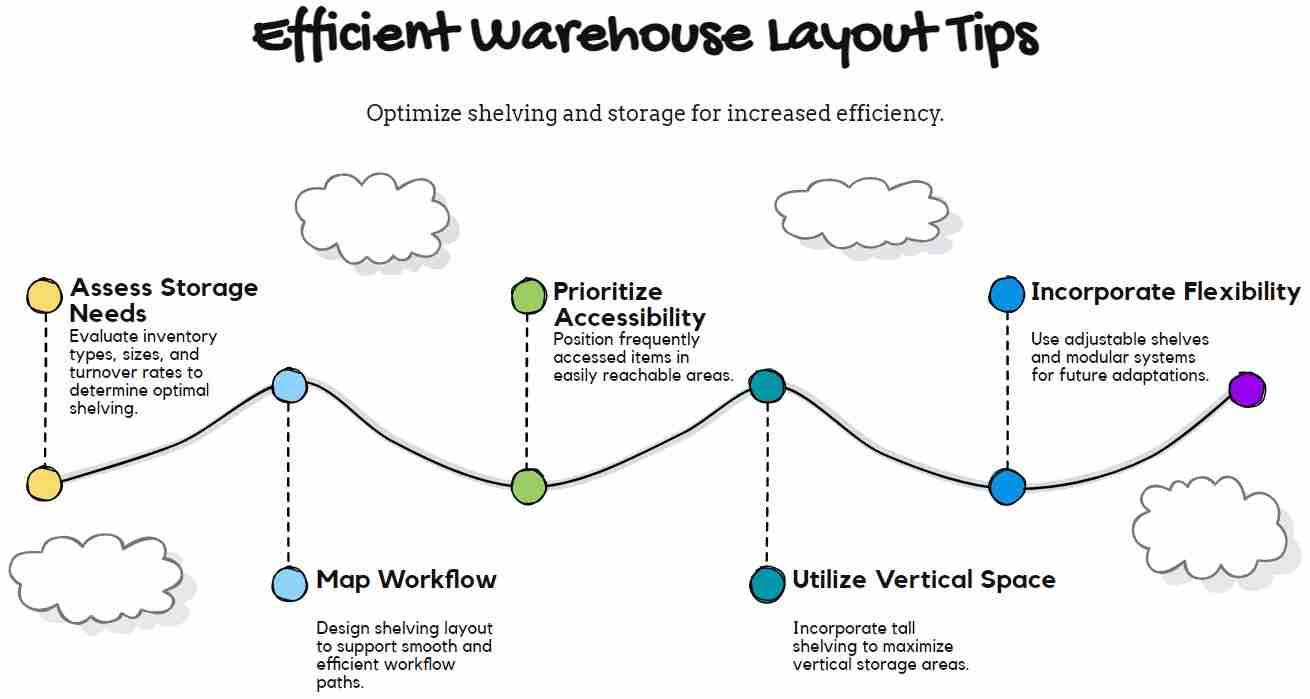
What Are The Benefits Of In-House Storage Versus Outsourcing?
How Does Outsourcing Affect Supply Chain Efficiency?
In the ever-changing world of business, supply chain efficiency can make or break your organization’s success. Imagine the last time you faced delays in delivery or inventory shortages. Frustrating, isn’t it? Well, there’s a strategy that can transform those headaches into smooth operations: outsourcing.
When appropriately executed, outsourcing can significantly enhance supply chain efficiency by allowing your business to tap into specialized expertise and resources that might not be available in-house. Think about pallet racking systems in a warehouse filled with goods. Choosing the right experts to manage this aspect of your supply chain can lead to better-organized inventory, faster pick times, and reduced operational costs. This isn’t just about cutting corners; it’s about building a streamlined process that improves performance.
But it’s not just where the goods are stored that matters; it’s who’s handling the logistics, purchasing, and even customer service. Outsourcing partners often have refined processes and relationships that can accelerate your operations while maintaining quality standards. Picture your supply chain as a high-performance machine: each cog and wire must function seamlessly to drive your success. By outsourcing specific components, you can focus on what you do best—growing your business.
Now, let’s break it down. Consider that outsourcing can also mean reduced labor costs and overhead, freeing up capital to invest in other areas of your business. If you’re burdened by managing every little detail, you may find yourself stretched too thin. When you outsource certain functions—like inventory management or logistics—you can allocate your resources more effectively, allowing you to respond swiftly to market demands and customer needs.
The most significant takeaway here is trust. When you collaborate with the right outsourcing partner, you gain a team that shares your vision and values. This relationship is not just transactional; it’s foundational for building a resilient supply chain. The transparency and accountability that come from working with specialists will inspire confidence in your stakeholders, from your team to your customers.
So, why not take the plunge? Reassess your supply chain strategy and explore the efficiency gains that outsourcing can deliver. By leveraging external expertise, you’ll not only streamline your operations and conquer efficiency woes but also position your business to thrive in a competitive landscape. It’s time to embrace the power of outsourcing and turn your supply chain into a well-oiled machine!
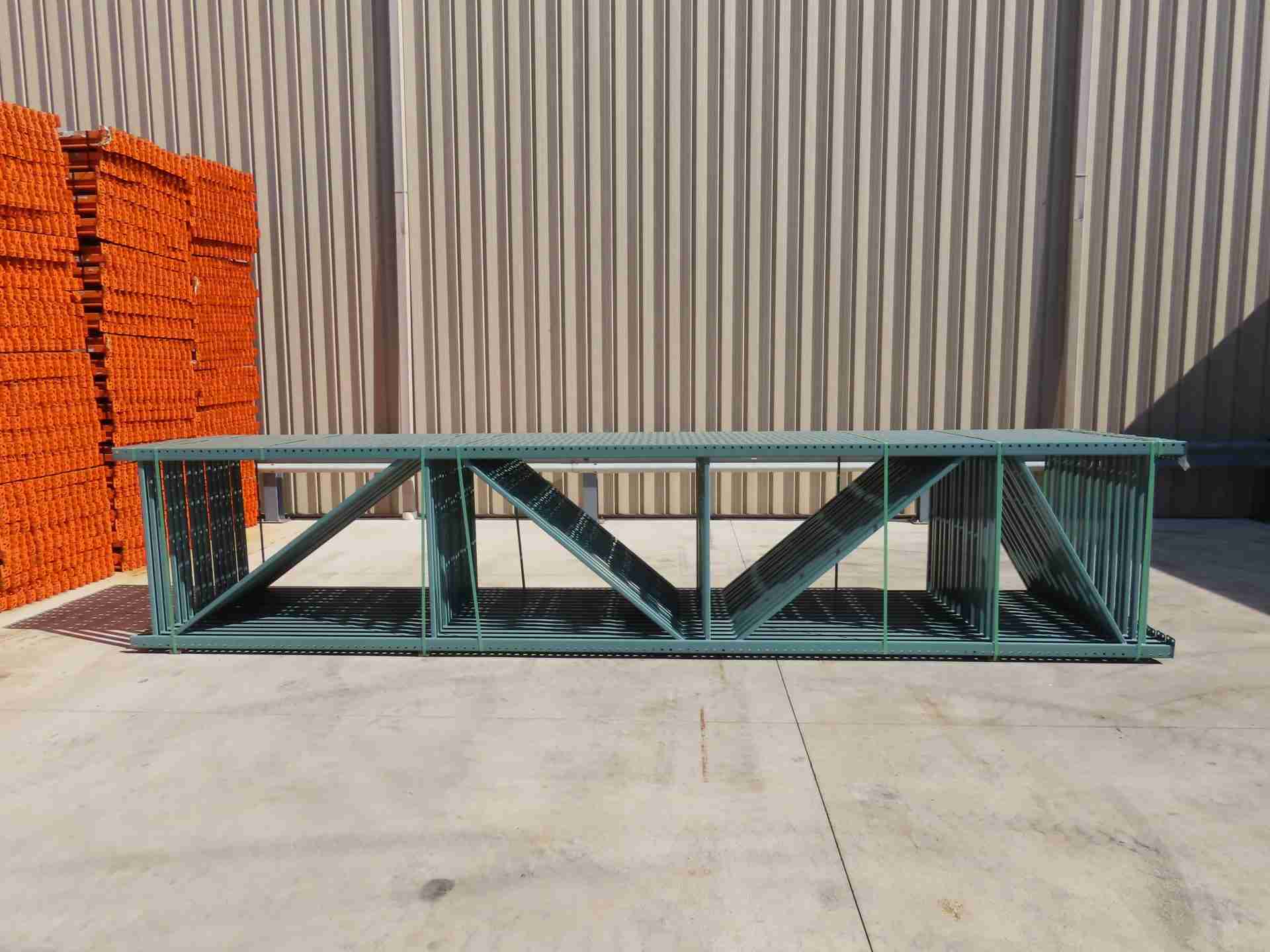
How Does Outsourcing Affect Supply Chain Efficiency?
How Does Outsourcing Affect Supply Chain Efficiency?
- Supply chain efficiency is crucial for organizational success.
- Outsourcing can enhance supply chain operations by providing access to specialized expertise and resources.
- Engaging experts in logistics and inventory management can lead to organized inventory and reduced operational costs.
- Outsourcing helps businesses focus on their core strengths while maintaining quality and efficiency.
- It can also reduce labor costs and overhead, allowing better allocation of resources.
- Trust and collaboration with outsourcing partners are essential for building a resilient supply chain.
- Reassessing supply chain strategies and exploring outsourcing can lead to significant efficiency gains.
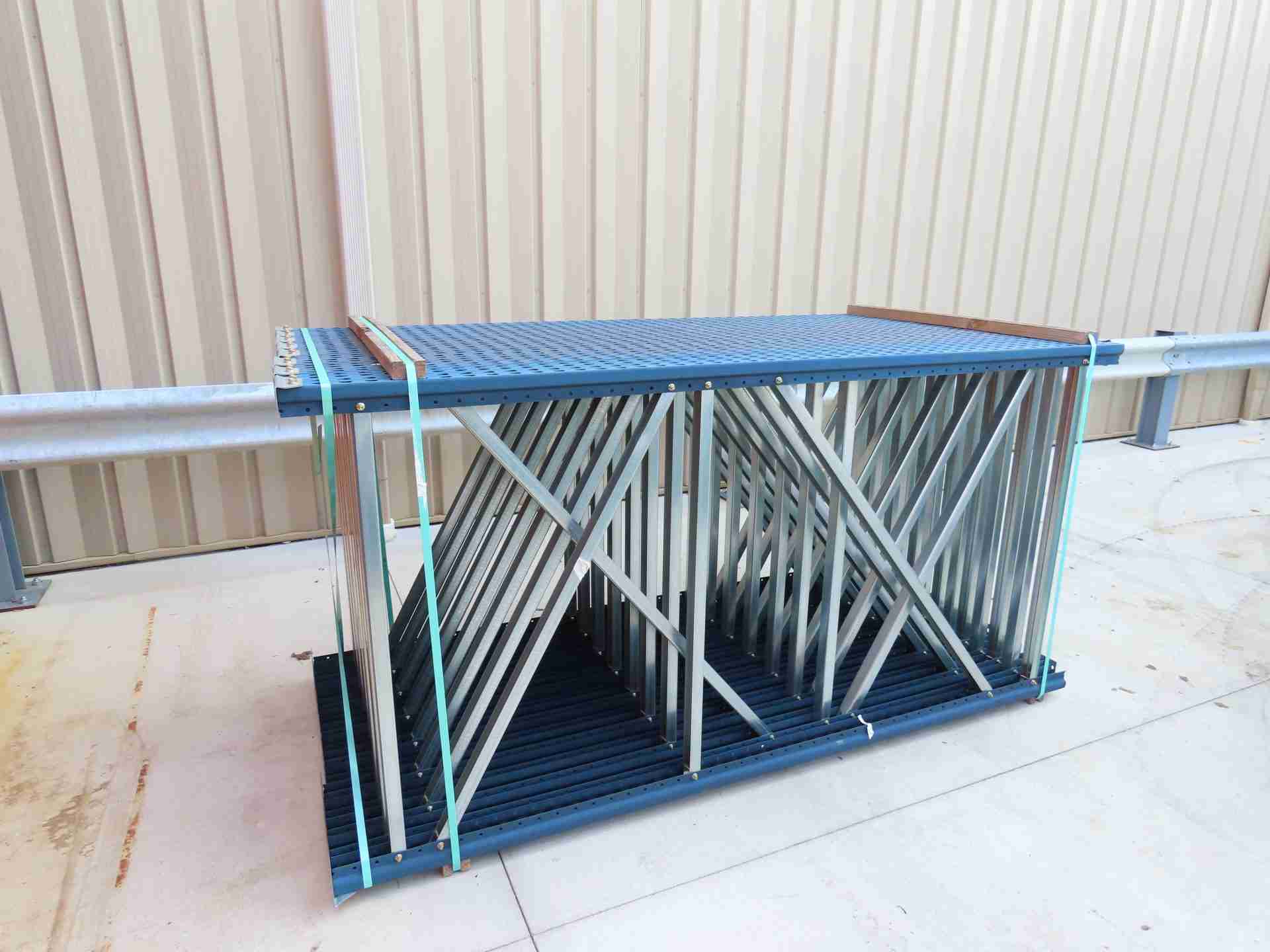
How Does Outsourcing Affect Supply Chain Efficiency?
Conclusion
Conclusion: To Outsource or Not to Outsource—Navigating Warehouse Storage Decisions
As we wrap up our exploration of the complex world of warehouse storage, the pivotal question lingers: Is outsourcing a smart move or a misstep in your pursuit of growth? We’ve illuminated the pros and cons of this critical decision, shedding light on how it affects every facet of your business, from operational flexibility to inventory management.
Outsourcing warehouse storage may appear to offer convenience and scalability, but it introduces a plethora of risks that could jeopardize your operational integrity. When you relinquish control of your inventory to an external party, quality control and communication often falter, as third-party partners may not uphold the same standards you cherish. Imagine the implications of inventory mismatches or delays in delivery—these disruptions not only frustrate your customers but can also hurt your bottom line. Your warehouse is not merely a storage space; it embodies the heartbeat of your brand’s promise to customers.
Conversely, maintaining an in-house warehouse might seem daunting, laden with upfront investments in infrastructure and labor. Yet, it provides unparalleled control and flexibility, enabling swift adaptations to changing market demands. With in-house management, you can meticulously tailor your operations, enhancing efficiency and reducing costs in the long run. Your team takes ownership of the process, fostering a culture of accountability and innovation that resonates throughout your organization.
However, the full narrative is nuanced. Outsourcing, when executed with the right partner, can lead to immense gains in efficiency and resource management. Like a masterful conductor leading an orchestra, an experienced third-party logistics provider can streamline your operations, deploying advanced technology and innovative practices that may otherwise be out of reach for your team.
Navigating this critical decision requires introspection and a comprehensive cost-benefit analysis. Before diving into outsourcing, weigh the potential risks against the rewards and consider the significance of retaining control over your inventory management. At Arrow Industrial Sales, we understand that every choice shapes the trajectory of your business, and we’re here to facilitate that choice.
Time is of the essence in today’s fast-paced business landscape. The longer you hesitate, the more potential growth you may be stalling. Call Arrow Industrial Sales at (574) 349-6575 today for personalized guidance tailored to your unique needs. Don’t let uncertainty hold you back—take proactive steps to ensure your warehouse storage strategy aligns with your vision for future prosperity. The road to success is paved with informed decisions, and we’re here to illuminate your path forward. Act now, it’s your move!
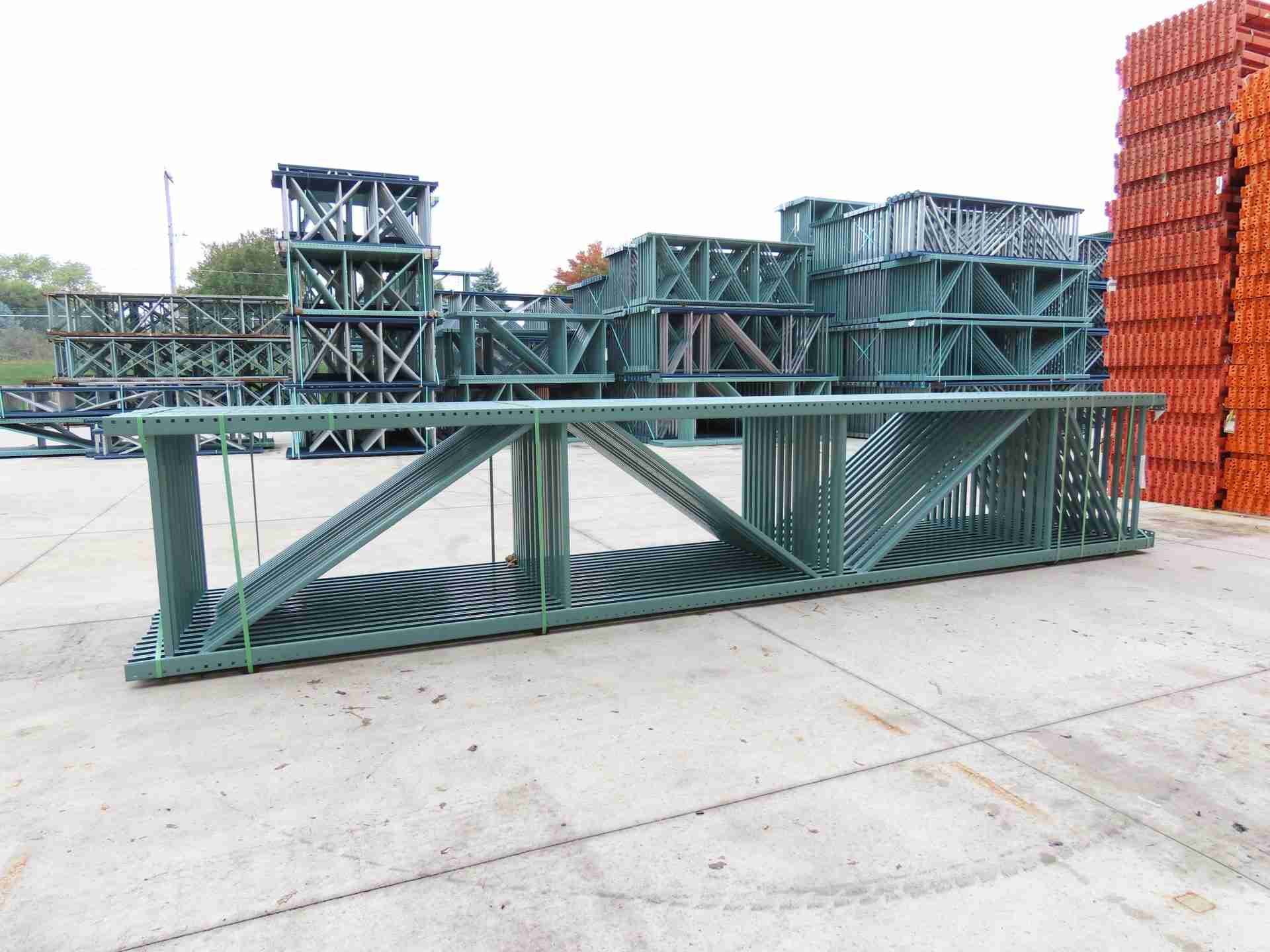
Conclusion
Conclusion:
- Outsourcing warehouse storage raises critical questions about growth strategy.
- While it offers convenience and scalability, outsourcing carries risks, including quality control and communication issues.
- Inventory mismatches and delivery delays can frustrate customers and harm profits.
- In-house warehousing provides better control and flexibility, allowing for tailored operations and potential cost savings.
- Maintaining an in-house team fosters accountability and innovation within the organization.
- Outsourcing can succeed with the right partner, offering efficiency and advanced technology.
- Conduct a thorough cost-benefit analysis and consider the importance of control before making outsourcing decisions.
Conclusion
Other Resources
Other Resources
Here is a list of other resources you can review online to learn more:
- Warehouse Racking Chicago, IL
- Teardrop Uprights
- Rack Manufacturers Institute
- Interlake Mecalux
- Material Handling Safety
- Chicago Pallet Racking
- What is Selective Racking: Understanding Benefits & Options
- IIWS Inc. Rack Installation Illinois & Rack Repairs Illinois
- SEMA
- Intro to Warehouse Racks & Warehouse Racking Systems – ShipBob
Use This Prompt To Get More Resources With Your Favorite Online AI Tool: Please provide me with a list of online articles with their URLs in a bulleted list that I can read regarding Is Outsourcing Warehouse Storage Counterproductive for Growth?

Other Resources
Glossary Terms
Is Outsourcing Warehouse Storage Counterproductive for Growth? – Glossary Of Terms
1. Outsourcing: The practice of hiring third-party companies to handle certain business functions, such as storage and logistics.
2. Warehouse Storage: The physical space used for storing goods before they are distributed to customers or retailers.
3. Counterproductive: Actions or strategies that impede progress or growth rather than facilitate it.
4. Logistics: The management of the flow of goods, services, and information from origin to consumption.
5. Supply Chain: A network of organizations, people, activities, information, and resources involved in supplying a product or service to a consumer.
6. 3PL (Third-Party Logistics): An external service provider that manages logistics operations, including warehousing and distribution, for businesses.
7. Capacity: The maximum amount of goods that a warehouse can store, affecting efficiency and operational costs.
8. Inventory Management: The process of tracking and controlling stock levels and storage to reduce costs and meet customer demands.
9. Scalability: The ability of a business to grow and manage increased demand without compromising performance.
10. Lead Time: The amount of time it takes from order placement to delivery, critical in assessing warehouse efficiency.
11. Cost-Benefit Analysis: A financial assessment that compares the costs of outsourcing storage against the benefits gained.
12. Flexibility: The ability of a warehouse operation to adapt to changing demands or unexpected circumstances.
13. Quality Control: The procedure of ensuring that products meet specific standards before distribution, impacting customer satisfaction.
14. Technology Integration: The incorporation of technology into warehouse operations, including inventory systems and automation tools.
15. Customer Satisfaction: The measure of how products and services meet or exceed customer expectations, crucial for business growth.
16. Risk Management: The identification, evaluation, and prioritization of risks associated with outsourcing warehouse functions.
17. Performance Metrics: Measurements used to evaluate the efficiency and effectiveness of warehouse operations.
18. Inventory Turnover: A ratio that shows how many times inventory is sold and replaced over a specific period, indicating efficiency.
19. Network Optimization: The process of ensuring the supply chain network is configured for maximum efficiency and cost-effectiveness.
20. Fulfillment: The process of completing customer orders, which can be affected by outsourcing warehousing.
21. E-commerce Growth: The expansion of online shopping, increasing demand for efficient storage and distribution strategies.
22. Collaboration: Working with partners, such as 3PLs, to enhance service delivery and warehouse performance.
23. Geographic Advantage: The strategic location of warehouses to reduce shipping costs and time to market.
24. Regulatory Compliance: Adherence to laws and regulations governing warehousing and storage operations, which can affect outsourcing decisions.
25. Market Trends: The general direction in which market conditions are developing, impacting decisions on outsourcing.
26. Fixed vs. Variable Costs: Fixed costs remain constant regardless of production volume, while variable costs change with output levels, relevant in warehousing decisions.
27. Business Agility: The ability of a business to quickly respond to changes in the market or environment, which can be hindered by outsourcing complexities.
28. Strategic Partnerships: Alliances formed with third-party providers to enhance service delivery and operational efficiency.
29. Data Analytics: The use of data analysis to improve decision-making processes and operational efficiency within warehouse management.
30. Long-Term Viability: The ability of a business to sustain growth and profitability over an extended period, influenced by warehousing and logistics strategies.
Glossary Of Terms
Other Questions
Is Outsourcing Warehouse Storage Counterproductive for Growth? – Other Questions
If you wish to explore and discover more, consider looking for answers to these questions:
- What factors should be considered when deciding to outsource warehouse storage?
- What are the key indicators that outsourcing warehouse storage is beneficial for my business?
- How do I choose the right third-party logistics provider for my warehouse needs?
- What are the potential long-term impacts of outsourcing on my brand identity?
- How can I mitigate the risks associated with outsourcing warehouse storage?
- What specific metrics should I track to measure the success of my outsourced warehouse operations?
- Are there certain industries or businesses that benefit more from outsourcing warehouse storage?
- How does outsourcing warehouse storage impact customer service and satisfaction?
- What technologies should I look for in an outsourcing partner to enhance operational efficiency?
- How can in-house storage systems be designed to compete effectively with outsourced solutions?
- What legal considerations should I be aware of when outsourcing warehouse storage?
- How can I ensure effective communication with my outsourcing partner?
- What are common mistakes to avoid when outsourcing warehouse functions?
- How does geographic location play a role in choosing an outsourcing partner?
- What resources are available to help businesses transition to outsourced warehouse storage?
Other Questions
Checklist
Is Outsourcing Warehouse Storage Counterproductive for Growth? – A Checklist
Checklist: Evaluating the Decision to Outsource Warehouse Storage
Before Outsourcing:
1. Conduct a Cost-Benefit Analysis
_____ Compare potential savings with risks involved.
_____ Identify all potential hidden fees (e. g. , pick-and-pack fees, inventory management charges).
2. Assess Control and Quality Potential
_____ Evaluate how outsourcing might impact your ability to maintain quality control over your inventory.
3. Evaluate Potential Partners
_____ Research and vet third-party logistics providers for expertise and track record.
_____ Ensure they have the suitable equipment and technology for efficient operations (e. g. , advanced pallet racking systems).
4. Understand Operational Impact
_____ Consider how outsourcing may affect your logistics and any potential misalignment with existing processes.
During the Transition:
5. Establish Clear Communication Channels
_____ Set up regular check-ins with your partner to ensure alignment and transparency.
6. Monitor Inventory Levels
_____ Implement systems for real-time tracking to maintain oversight on stock levels and minimize the risk of stockouts or overages.
7. Document Agreements Thoroughly
_____ Clearly outline expectations, responsibilities, and performance metrics in contractual agreements to minimize misunderstandings.
Post-Outsourcing:
8. Continuously Evaluate Performance
_____ Regularly assess how well the outsourcing arrangement is meeting your business needs.
_____ Gather feedback from your team and customers about service and delivery efficiency.
9. Gauge Impact on Flexibility
_____ Review how outsourcing affects your ability to adapt quickly to changes in demand or operational requirements.
10. Reassess Business Goals
_____ Ensure that the outsourcing strategy aligns with your long-term business growth and objectives.
In-house Storage Considerations:
11. Evaluate In-House Capabilities
_____ Assess whether managing storage internally might provide better control and accuracy over inventory.
12. Consider Employee Engagement
_____ Reflect on how in-house storage contributes to employee morale and ownership over operations.
This checklist serves as a guide for companies considering whether to outsource their warehouse storage or maintain in-house operations. Each point encourages critical reflection and planning to ensure informed decision-making.

Checklist
At RackingWorld, we help guide you through selecting warehouse storage systems and racking.
Be sure to read our other related stories at RackingWorld to learn more about warehouse storage systems.
0 Comments