
Upgrade Your Warehouse: Boost Efficiency And Eliminate Delays
By Tom Seest
At RackingWorld, we help guide you through selecting warehouse storage systems and racking.
Be sure to read our other related stories at RackingWorld to learn more about warehouse storage systems.
Is Outdated Warehouse Equipment Causing Delays In Your Business?
Imagine walking into your warehouse and feeling an immediate sense of chaos. Boxes piled high, aisles cluttered with outdated Pallet Racking systems that barely support your inventory needs. Frustration sets in as you watch your dedicated team struggle to find the right items, leading to delays that ripple across your business. If this sounds all too familiar, it’s time to confront an uncomfortable truth: outdated warehouse equipment is not just a nuisance—it’s a profit killer.
Every moment spent navigating through a cluttered space is time lost, and time is money. When your pallet racking systems fail to maximize vertical space or efficiently store your products, you’re essentially throwing dollars out the window. Have you calculated the cost of those delays? It’s staggering. Whether it’s the inability to fulfill orders on time or the impact on customer satisfaction, outdated equipment can create a chain reaction of negative outcomes you simply can’t afford.
And let’s talk about your workforce. When employees are forced to grapple with inefficient systems, morale can take a nosedive. You’ve hired top talent who are passionate and eager to contribute, only to watch their enthusiasm wane as they wrestle with equipment that should be making their jobs easier, not harder. The right pallet racking can streamline operations, allowing your team to operate at peak performance. It’s more than just a tool; it’s an investment in their productivity and job satisfaction.
Moreover, with outdated systems, maintenance costs can escalate. A rickety, old piece of equipment is like a ticking time bomb; you’re always one malfunction away from a costly disruption. Why gamble with your operations when a simple upgrade could result in impressive ROI? Today’s innovative storage solutions not only optimize space but also enhance safety, ensuring both your products and staff are protected.
Now, pause and ask yourself: how much longer can your business afford to delay progress? Upgrading your warehouse equipment isn’t just a logistical choice; it’s a strategic decision designed to drive your business forward. Investing in modern pallet racking and efficient equipment is the key to unlocking productivity, boosting morale, and elevating customer satisfaction.
In the world of business, stagnation is the enemy. Take a proactive step today. Evaluate your warehouse systems and consider an upgrade that will invigorate your operations. Your future self—and your bottom line—will thank you.

Is Outdated Warehouse Equipment Causing Delays In Your Business?
Is Outdated Warehouse Equipment Causing Delays In Your Business?
- Outdated warehouse equipment creates chaos and inefficiencies, impacting inventory management.
- Delays caused by cluttered systems lead to significant financial losses and decreased customer satisfaction.
- Inefficient equipment negatively affects employee morale, decreasing productivity and enthusiasm.
- Modern pallet racking and upgraded equipment can streamline operations and enhance workforce performance.
- Maintenance costs rise with aging equipment, risking costly disruptions for your business.
- Investing in innovative storage solutions improves safety and optimizes space utilization.
- Upgrading equipment is a strategic decision essential for business growth and improved profitability.

Is Outdated Warehouse Equipment Causing Delays In Your Business?
Table Of Contents
- Is Outdated Warehouse Equipment Causing Delays In Your Business?
- What Are The Signs Of Outdated Warehouse Equipment?
- How Does Outdated Equipment Impact Efficiency?
- Can Modernizing Equipment Improve Order Fulfillment?
- What Costs Are Associated With Outdated Warehouse Tools?
- How Often Should Warehouse Equipment Be Updated?
- What Role Does Technology Play In Warehouse Efficiency?
- Conclusion
- Other Resources
- Glossary Of Terms
- Other Questions
- Checklist
What Are The Signs Of Outdated Warehouse Equipment?
As the backbone of your operations, your warehouse equipment directly impacts efficiency, productivity, and ultimately, your bottom line. But how do you know when it’s time to modernize? Recognizing the signs of outdated equipment can save you from the pitfalls of operational delays and escalating maintenance costs. Let’s dive into the telltale indicators that suggest your warehouse could benefit from an upgrade.
First and foremost, look at your Pallet Racking systems. If they’re wobbling, rusting, or showing signs of wear, it’s a glaring red flag. Sturdy and dependable pallet racking is essential for maximizing space and ensuring safety; if your equipment can’t hold up under the pressure, it could endanger your employees and your inventory. Regular inspections should become part of your operational routine—any signs of fatigue or damage? Address them immediately!
Next, consider the performance metrics you track. Are you constantly experiencing bottlenecks or delays? Outdated machinery can struggle to keep pace with the demands of modern logistics, leading to slower fulfillment times and frustrated employees. If you’re spending more time fixing equipment than using it, it’s a clear sign that it’s past its prime.
Another concern lies in technology. Are you still operating with manual inventory tracking methods? If so, it’s time to embrace the digital age! Efficient warehouses leverage technology to streamline operations, reduce human error, and provide real-time updates. Outdated equipment cannot integrate with modern software, leaving you stuck in a time warp while your competitors zoom ahead.
Employee frustration is another warning signal that often goes unnoticed. If your team is grumbling about equipment inefficiencies or complaining about safety hazards, don’t take this lightly. Empower your workforce by investing in updated, reliable equipment that enhances their productivity and morale. When your employees feel safe and equipped to succeed, they’ll drive your business forward.
Finally, assess your maintenance costs. If you’re spending a significant portion of your budget on repairs and upkeep, it may be smarter to invest in new equipment. Outdated machines are clunky, inefficient, and often result in lost productivity—an expensive trade-off in the long run.
Stay vigilant and commit to constant improvement. Modernizing your warehouse may seem daunting, but it’s crucial for sustained success. By recognizing these signs now, you’ll position yourself for a thriving future. Don’t wait for the problems to get worse—take action today!

What Are The Signs Of Outdated Warehouse Equipment?
What Are The Signs Of Outdated Warehouse Equipment?
- Warehouse equipment significantly affects efficiency, productivity, and profitability.
- Signs of outdated equipment can prevent operational delays and rising maintenance costs.
- Check Pallet Racking systems for stability; wobbling or rusting indicates a need for replacement.
- Persistent bottlenecks and delays suggest outdated machinery is unable to meet modern demands.
- Shifting from manual inventory tracking to digital solutions can streamline operations and reduce errors.
- Employee dissatisfaction with equipment can impact morale; investing in upgrades is essential for productivity.
- High maintenance costs often indicate it’s more economical to invest in new equipment rather than ongoing repairs.

What Are The Signs Of Outdated Warehouse Equipment?
How Does Outdated Equipment Impact Efficiency?
Imagine walking onto a bustling warehouse floor, the hum of productivity buzzing in the air. You see efficient pallet racking systems organizing products with precision, allowing team members to move swiftly and purposefully. Now, picture the opposite: worn-out forklifts sputtering, manual inventory checks extending into hours, and the once-smooth flow of operations brought to a grinding halt. That’s the harsh reality of outdated equipment, and it’s a fate no business should accept.
When your tools, such as pallet racking, are on the verge of collapse or require constant maintenance, every moment wasted translates directly to lost revenue. It’s not just about how well your equipment functions; it’s about the impact it has on your team’s morale and efficiency. When staff members are held back by inefficient tools, they become frustrated, their potential stifled, and creativity dulled. Think about it: Don’t you want your team focused on driving business forward rather than constantly battling against the limitations of antiquated machinery and storage systems?
But wait—this isn’t just an operational hiccup. Outdated equipment can lead to safety hazards as well. Think about the last time your racking was inspected. Was it a long time ago? If so, you’re opening the door to potential accidents that could harm your employees or damage your products, resulting in costly legal battles and tarnished reputation. Trust me; accident prevention is a far better investment than dealing with the consequences after the fact.
This is where action becomes crucial. By investing in modern equipment, you’re unleashing a wave of efficiency that ripples out across your entire organization. Imagine introducing robust, adjustable pallet racking systems that adapt to your inventory needs. Picture a cutting-edge logistics solution that minimizes errors and allows your team to focus on what they do best—delivering outstanding service to your customers.
Take a moment to evaluate your current operations. Are you maximizing productivity, or is that outdated equipment leading you down a slippery slope? Act now, and watch as your efficiency soars. Your commitment to progress not only pays off in dollars and cents but also builds a workplace culture that’s energized, engaged, and ready to tackle tomorrow’s challenges head-on. So, take that leap—invest in the future. You and your team deserve it.

How Does Outdated Equipment Impact Efficiency?
How Does Outdated Equipment Impact Efficiency?
- Walking onto a busy warehouse floor showcases the importance of efficient pallet racking systems for productivity.
- Outdated equipment, like worn-out forklifts, disrupt operations and lead to significant revenue loss.
- Inefficient tools can frustrate staff, stifling their potential and creativity, detracting from business progress.
- Outdated equipment presents safety risks, increasing the likelihood of accidents and potential legal issues.
- Investing in modern equipment enhances efficiency and improves overall organizational operations.
- Robust, adjustable pallet racking systems can adapt to changing inventory needs, leading to better service delivery.
- Evaluating current operations and updating equipment fosters a productive workplace culture prepared for future challenges.

How Does Outdated Equipment Impact Efficiency?
Can Modernizing Equipment Improve Order Fulfillment?
When it comes to order fulfillment, the heartbeat of any successful operations, there’s a key element that often gets overlooked—the equipment we rely on to keep things moving smoothly. Think about it: how can your team provide exceptional service if the tools they use are stuck in the past? This is where modern innovation meets practical application, and it starts with the upgrade that your warehouse or fulfillment center so desperately needs.
Imagine this: your team is rushed with orders, the clock is ticking, and productivity is at stake. Neither your workers nor your customers can afford delays or mishaps. This is where investing in modern equipment comes into play. Let’s take pallet racking as a prime example. When was the last time you assessed your pallet racking system? Outdated racking solutions can resemble a maze, bogging your team down in inefficiency. By modernizing your pallet racking, you can optimize your space, boost accessibility, and streamline the entire picking process. This isn’t just equipment; it’s an investment in your team’s potential.
The benefits of modernizing equipment extend far beyond aesthetics. Increased efficiency means faster turnaround times, a reduction in errors, and ultimately, happier customers who receive their orders without headaches. Picture your fulfillment center: products easily accessible, organized, and streamlined. Now, imagine your team—energized, confident, and set up for success. By empowering your personnel with modernized equipment, you’re nudging them to perform their best, driving the productivity needle further than you ever thought possible.
But let’s not just focus on speed; we’re also talking about safety. Outdated equipment can lead to accidents, creating not only downtime but costly liability issues as well. Modern solutions, such as upgraded pallet racking systems, typically feature safer designs, ensuring that your environment is not only efficient but also secure.
So, the question remains: Are you ready to elevate your order fulfillment game? Modernizing equipment is not just an operational upgrade; it’s a strategic decision that amplifies the impact of every order you fulfill. It’s time to experience the difference that modern technology can bring to your operation. Take that leap, make that investment, and watch as your fulfillment processes transform into a well-oiled machine that stands poised to exceed expectations. Your team, your customers, and your bottom line will thank you.

Can Modernizing Equipment Improve Order Fulfillment?
Can Modernizing Equipment Improve Order Fulfillment?
- The equipment used in order fulfillment is crucial for operational success but is often overlooked.
- Modernizing tools, like pallet racking systems, can significantly enhance efficiency and productivity.
- Upgrading equipment helps optimize space, improve accessibility, and streamline the picking process.
- Benefits of modern equipment include faster turnaround times, reduced errors, and increased customer satisfaction.
- Modern equipment also promotes a safer work environment, reducing the risk of accidents and liability issues.
- Investing in updated systems is a strategic decision that can transform fulfillment operations.
- Embracing modern technology can enhance team performance and positively impact customers and profitability.

Can Modernizing Equipment Improve Order Fulfillment?
What Costs Are Associated With Outdated Warehouse Tools?
In the bustling world of warehousing, the efficiency of operations can make or break a business. While you might think that saving a few bucks by sticking with outdated warehouse tools is a smart choice, the hidden costs can be staggering. Imagine a system where your pallet racking is not just functional but optimized for speed and accuracy. When you neglect to upgrade, you might find your operations trapped in a ticking time bomb of inefficiency.
First, let’s talk about productivity. Employees are a company’s greatest asset, yet when you equip them with antiquated tools, they become a bottleneck rather than a boon. Clunky pallet racking or broken forklifts don’t just hamper movement; they frustrate staff and slow down processes. Think about it: how many moments of precious time are wasted as workers struggle to maneuver outdated equipment? Every minute counts, and those lost minutes can translate directly into lost revenue.
Now, let’s get real about safety. Outdated warehouse tools are often the root cause of accidents and injuries. A poorly maintained pallet racking system can lead to catastrophic failures, putting your workforce at risk and exposing your company to legal liabilities. How much is your peace of mind worth? Investing in modern, efficient solutions not only protects your employees, but it also shields your bottom line from potential damages and lawsuits.
Then there’s the cost of inventory management. With outdated systems, tracking products can feel like searching for a needle in a haystack. Misplaced items, overstock, and stockouts aren’t just nuisances; they lead clients to look elsewhere. Would you want to be the company that constantly falls short of customer expectations? Up-to-date tools transform this chaotic environment into a streamlined operation, boosting your reputation and client satisfaction.
Moreover, think about the technological gap. Today’s warehouse operations thrive on data and analytics. Outdated tools limit your ability to gather insights, innovate, or scale effectively. By sticking to the old way of doing things, you risk being left behind while competitors harness the power of logistical technology to optimize their processes.
In closing, the costs associated with outdated warehouse tools extend far beyond the price tag of new equipment. Embrace the proactive approach: invest in innovation and efficiency today and watch your operation soar. Your business, employees, and customers will thank you. Don’t wait for the challenge to become a disaster; spark the change and elevate your warehouse operations.

What Costs Are Associated With Outdated Warehouse Tools?
What Costs Are Associated With Outdated Warehouse Tools?
- Efficiency in warehousing is crucial for business success; outdated tools can lead to significant hidden costs.
- Productivity suffers with antiquated tools, creating bottlenecks and frustrating employees, leading to lost revenue.
- Safety risks increase with outdated warehouse equipment, exposing companies to accidents and legal liabilities.
- Inventory management becomes chaotic with old systems, resulting in misplaced items and client dissatisfaction.
- Technological gaps hinder data gathering and innovation, risking competitiveness in the market.
- Investing in modern tools can transform operations, boosting efficiency, safety, and customer satisfaction.
- Proactive investment in innovation is essential to avoid future challenges and to elevate warehouse operations.

What Costs Are Associated With Outdated Warehouse Tools?
How Often Should Warehouse Equipment Be Updated?
In the fast-paced world of warehousing, the question of how often to update equipment is one you’ve probably pondered more than once. After all, the efficiency of your operations hinges not just on the products you handle, but on the tools you employ to handle them. Just as a craftsman doesn’t continue using outdated tools, you can’t afford to let your pallet racking and other equipment become obstacles to your success.
Consider this: every warehouse is a dynamic ecosystem, constantly evolving to meet changing demands. Customer expectations fluctuate, product lines shift, and technology advances at an exhilarating pace. This means that keeping your equipment—such as pallet racking—up to date isn’t merely a suggestion; it’s a necessity. But how often should you really make those updates?
Firstly, look at the age of your equipment. If your pallet racking has seen more birthdays than your oldest employee, it’s high time to consider a revamp. Modern racking systems not only improve safety but also optimize storage space, allowing for greater inventory turnover. Plus, newer systems often come equipped with additional features that enhance usability, like adjustable shelves or smarter design elements that maximize vertical space.
Noteworthy, you should be constantly monitoring the market for innovative solutions. The warehouse industry has been on a technological rollercoaster ride lately, introducing smarter solutions that can enhance operational efficiency. Automated systems, real-time inventory tracking, and energy-efficient machinery not only streamline processes but also reduce long-term costs. If your equipment isn’t keeping up with the industry’s best practices, you could be leaving efficiency—and profits—on the table.
Now, let’s address an often overlooked factor: employee morale. Equipment that is outdated or inefficient can lead to frustration and disengagement among your team. When your staff is enthusiastic about the tools at their disposal, they’re more engaged, productive, and less likely to seek employment elsewhere. That’s not just a win-win; it’s a win-win-win.
So, what’s the takeaway? Monitor your equipment’s performance and condition regularly. Set a timeline for evaluations—perhaps once a year—so you never fall behind. Your warehouse deserves to thrive, and keeping your pallet racking and machinery updated is one of the many steps towards building a resilient and prosperous operation. Don’t wait for the perfect moment; take action now and invest in the tools that will fuel your future success!
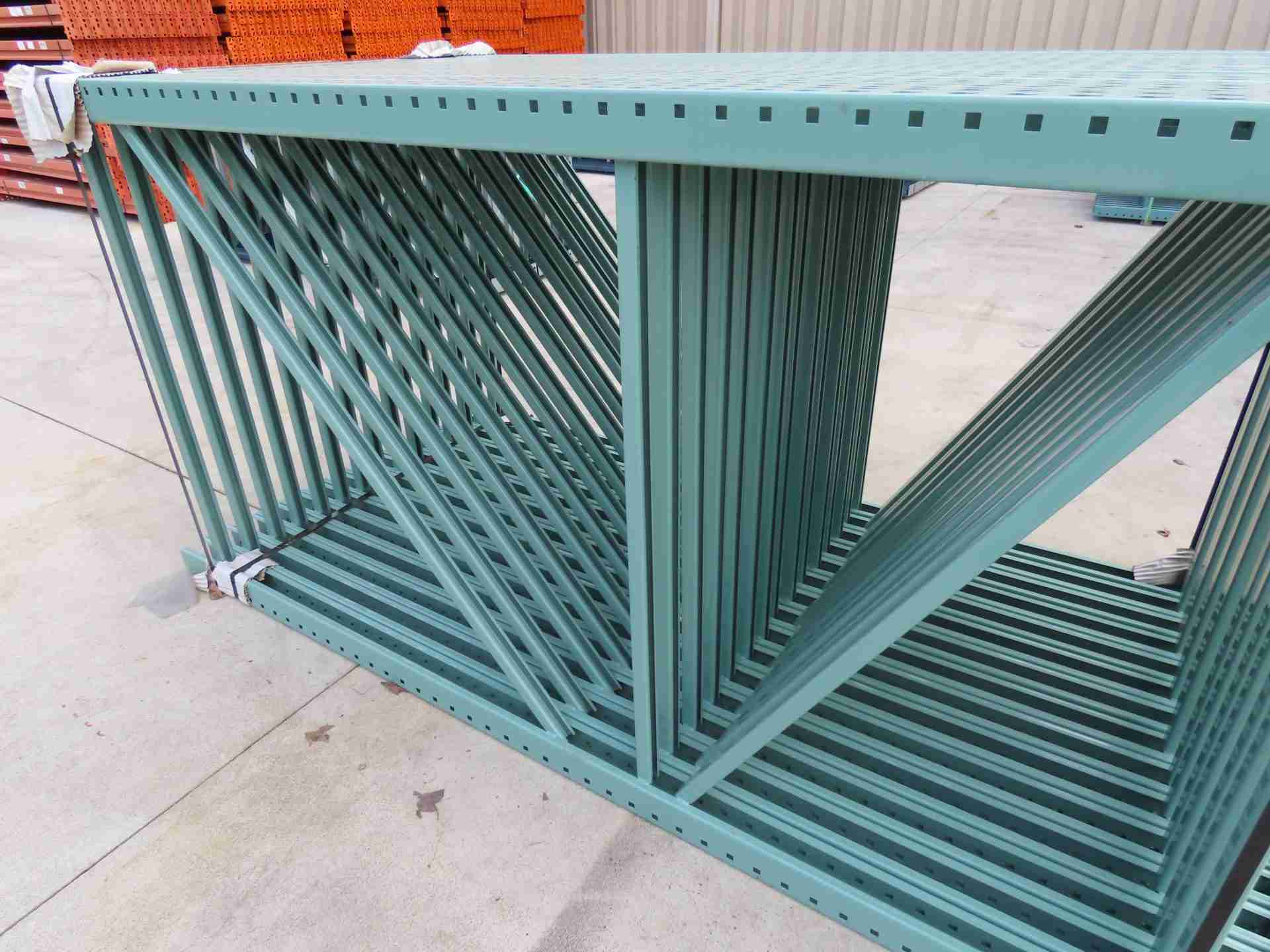
How Often Should Warehouse Equipment Be Updated?
How Often Should Warehouse Equipment Be Updated?
- Updating warehouse equipment, like pallet racking, is crucial for operational efficiency.
- Warehousing is a dynamic environment; customer demands and technology evolve rapidly.
- Age of equipment is a key factor—outdated systems can hinder safety and storage optimization.
- Modern racking systems offer features such as adjustable shelves that enhance usability.
- Stay informed about market innovations; new technologies can significantly reduce costs and enhance efficiency.
- Outdated equipment can negatively impact employee morale and productivity.
- Regular evaluations of equipment performance are essential—consider annual assessments.

How Often Should Warehouse Equipment Be Updated?
What Role Does Technology Play In Warehouse Efficiency?
In the rapidly evolving world of logistics, warehouse efficiency isn’t just a lofty goal—it’s a business imperative. Imagine your warehouse as a finely tuned machine, where every cog and wheel contributes to the vitality of your operation. Now, let’s talk about the spark that ignites this machinery: technology. When integrated effectively, technology can transform mundane processes into powerful systems driving productivity skyward.
Let’s picture your warehouse. Visualize the sun casting a perfect light on your newly optimized space, featuring smart pallet racking systems that bring organization to chaos. These racking systems, equipped with advanced sensors and real-time tracking, don’t just hold products—they provide insights. With their intelligent design, they free up valuable floor space and streamline picking processes. What once took hours can now be achieved in minutes, allowing your team to focus on what matters most: servicing your customers.
But it doesn’t stop at mere storage solutions. Enter innovative software that enhances every facet of your warehousing operation. Think about Inventory Management Systems (IMS) that operate seamlessly like clockwork. These platforms update stock levels in real-time, ensuring that you never find yourself up a creek without a paddle (or, more aptly, without inventory). Technology keeps you ahead of the curve, equipping you with the data needed to predict trends, manage reorders, and ultimately, satisfy rising customer expectations.
Let’s not forget automation—a term that may evoke images of robots zipping around your warehouse, but it encompasses much more. With the right warehouse management system, even manual tasks can become automated, saving time and reducing errors in picking and shipping. This efficiency translates not just to reduced operational costs, but it also fosters a flawless customer experience. People appreciate promptness and reliability, and as any seasoned marketer knows, trust is the cornerstone of customer loyalty.
In a world where speed and efficiency can set you apart from the competition, investing in technology for your warehouse isn’t merely an option; it’s a necessity. Embrace the transformation and position your business as a market leader. Whether it’s pallet racking, automation tools, or management software, the right technology can breathe new life and energy into your operations. So, are you ready to step into the future and elevate your warehouse efficiency? Trust in technology, and watch as your business flourishes.

What Role Does Technology Play In Warehouse Efficiency?
What Role Does Technology Play In Warehouse Efficiency?
- Warehouse efficiency is critical for business success in logistics.
- Technology integrates into warehouse operations, enhancing productivity.
- Smart pallet racking systems organize storage and optimize space.
- Advanced racking systems provide insights through sensors and real-time tracking.
- Inventory Management Systems ensure real-time stock level updates and trend predictions.
- Automation of tasks minimizes errors and boosts operational efficiency.
- Investing in technology is essential for staying competitive and improving customer loyalty.

What Role Does Technology Play In Warehouse Efficiency?
Conclusion
Conclusion: Upgrade Your Warehouse, Upgrade Your Future
As you navigate the complexities of modern warehousing, it’s crucial to evaluate the effectiveness of the tools and systems that underpin your operations. The signs of outdated warehouse equipment are glaring, from poor employee morale to operational bottlenecks, and ignoring these red flags can come at a substantial cost. By investing in modern pallet racking and innovative storage solutions, you not only unlock greater efficiency but also provide your team with the tools they need to excel. This investment isn’t just an operational upgrade—it’s a strategic move that propels your business toward success.
Let’s face it: outdated equipment is often a hidden liability that hampers productivity and escalates maintenance costs. The longer you wait to modernize, the more you risk falling behind your competitors, who are likely harnessing cutting-edge technology to optimize their operations. By keeping pace with advancements in warehouse technology and regularly assessing your equipment, you can ensure that your business remains agile and ready to meet changing customer demands.
Imagine the impact of an energized workforce equipped with modern tools. With efficient pallet racking systems in place, your employees will experience less frustration and more success, leading to happier customers and enhanced order fulfillment. With every dollar spent on modern equipment, you’re not only fostering a more aligned organizational culture but also paving the way for improved safety—reducing the risk of accidents that can divert valuable resources and tank morale.
At Arrow Industrial Sales, we understand the urgency behind these upgrades. We are committed to helping you transform your warehouse into a well-oiled machine that satisfies customer expectations and drives profits. Don’t let outdated tools hold you back any longer; the opportunity to enhance your efficiency and profitability is at your fingertips.
Now is the time to take actionable steps toward improvement. Call Arrow Industrial Sales at (574) 349-6575 and discuss your warehouse needs with our experts today. Remember, every moment counts—stagnation is the enemy of growth. Upgrade your warehouse and watch as you unlock new levels of performance, productivity, and profitability. Don’t wait, ignite your warehouse potential now!

Conclusion
Conclusion:
- Evaluate the effectiveness of your warehouse tools and systems to identify signs of outdated equipment.
- Ignoring outdated warehouse equipment can lead to poor morale, operational bottlenecks, and significant costs.
- Investing in modern pallet racking and storage solutions enhances efficiency and empowers employees.
- Outdated equipment serves as a hidden liability that decreases productivity and raises maintenance costs.
- Regular assessments of your equipment help your business stay agile and competitive in meeting customer demands.
- Modern tools lead to an energized workforce, resulting in happier customers and improved order fulfillment.
- Contact Arrow Industrial Sales to discuss your warehouse upgrades and unlock new levels of performance and profitability.

Conclusion
Other Resources

Other Resources
Here is a list of other resources you can review online to learn more:
- Warehouse Storage Racks
- International Warehouse Logistics Association
- SEMA
- Used Pallet Rack for Sale in Illinois – American Surplus
- Teardrop Racks – Pallet Rack World
- Racking World
- NSC
- Warehouse Storage Racking in Illinois
- Pallet Rack Systems – New and Used Pallet Racking and Shelving Experts
Use This Prompt To Get More Resources With Your Favorite Online AI Tool: Please provide me with a list of online articles with their URLs in a bulleted list that I can read regarding Is Outdated Warehouse Equipment Causing Delays In Your Business?

Other Resources
Glossary Terms
Is Outdated Warehouse Equipment Causing Delays In Your Business? – Glossary Of Terms
1. Warehouse Management System (WMS)
: Software designed to optimize warehouse functionality, including tracking inventory levels and orders.
2. Inventory Turnover
: The rate at which inventory is sold and replaced over a specific period, indicating the efficiency of sales and stock management.
3. Lead Time
: The total time taken from the placement of an order until it is fulfilled and delivered to the customer, which can be affected by equipment efficiency.
4. Forklift
: A powered industrial vehicle used to lift and move materials over short distances, crucial for warehouse operations.
5. Aisle Space
: The area between shelving units in a warehouse that allows for movement and storage; outdated layouts can hinder efficiency.
6. Automated Guided Vehicle (AGV)
: An autonomous mobile robot that transports materials around a warehouse, improving efficiency when up-to-date.
7. Picking Efficiency
: The effectiveness of selecting and gathering products for order fulfillment, which can decrease with outdated tools.
8. Operational Downtime
: Periods when equipment is not operational due to maintenance or malfunction, leading to delays in processing orders.
9. RFID (Radio Frequency Identification)
: Technology that uses tags to track products and inventory, increasing accuracy and efficiency in warehouses.
10. Asset Management
: The systematic process of developing, operating, maintaining, and selling assets, essential for managing warehouse equipment.
11. Supply Chain
: The entire system of production and distribution, where delays in warehouse equipment can impact overall efficiency.
12. Maintenance Schedule
: A routine plan for the upkeep of equipment to prevent breakdowns and ensure smooth operations.
13. Obsolescence
: The state of being out-of-date or no longer useful, often affecting warehouse equipment and its efficiency.
14. Load Capacity
: The maximum weight that a piece of equipment, like a pallet jack or forklift, can safely handle.
15. Ergonomics
: The study of people’s efficiency in their working environment, critical in warehouse settings to improve worker safety and productivity.
16. Pallet Rack
: Framework for storing materials on pallets, where outdated or compromised designs can hinder space utilization.
17. Material Handling
: The movement, protection, and storage of materials throughout the manufacturing and warehousing process.
18. Barcoding
: A method of representing data in a visual format that can be scanned, improving inventory management.
19. Cross-Docking
: A logistics practice where products are directly transferred from incoming to outgoing shipments, requiring efficient equipment.
20. Fulfillment Center
: A warehouse specifically designed for receiving, picking, packing, and shipping orders; outdated equipment can slow down these processes.
21. Conveyor System
: A mechanical apparatus used for moving products throughout the warehouse; outdated systems can lead to inefficiencies.
22. Safety Standards
: Regulations and guidelines designed to ensure safe operation of warehouse equipment to protect workers from injury.
23. Training Programs
: Initiatives designed to educate warehouse staff on best practices, safety, and proper use of equipment.
24. Just-In-Time (JIT) Inventory
: An inventory strategy that aligns raw-material orders with production schedules, dependent on efficient warehousing operations.
25. Shrinkage
: The loss of products due to theft, damage, or mismanagement; outdated systems may contribute to increased shrinkage rates.
26. Quality Control
: Measures implemented to ensure that products meet specified requirements, which can be hampered by old equipment.
27. Process Optimization
: The act of making workflows more efficient and effective, often necessitating the modernization of tools and equipment.
28. Workforce Productivity
: A measure of output per worker, which can decline significantly if workers are hindered by outdated equipment.
29. Returns Management
: The process of handling returned goods, where delays can occur due to inefficient systems and equipment.
30. Compliance
: Adherence to industry standards and regulations, which can be impacted by outdated equipment failing to meet safety and efficiency guidelines.

Glossary Of Terms
Other Questions
Is Outdated Warehouse Equipment Causing Delays In Your Business? – Other Questions
If you wish to explore and discover more, consider looking for answers to these questions:
- What types of warehouse equipment are considered outdated?
- How can I assess the performance of my current warehouse equipment?
- What are the specific benefits of modernizing pallet racking systems?
- How much should I budget for upgrading warehouse equipment?
- What are the safety standards for warehouse equipment?
- How can I increase employee morale through equipment upgrades?
- What are some best practices for maintaining warehouse equipment?
- How do I evaluate the ROI of upgrading warehouse tools?
- What new technologies should I consider for my warehouse operations?
- How can I minimize downtime during equipment upgrades?
- What impact does warehouse layout have on efficiency?
- Are there government or industry incentives for upgrading equipment?
- How can I implement a preventive maintenance schedule?
- What training is necessary for employees to adapt to new equipment?
- How do I handle the transition from old to new equipment?

Other Questions
Checklist
Is Outdated Warehouse Equipment Causing Delays In Your Business? – A Checklist
Checklist: Upgrade Your Warehouse Equipment for Enhanced Efficiency
Evaluate Current Equipment:
_____ Inspect pallet racking systems for wobbling, rust, or signs of wear.
_____ Review performance metrics for signs of bottlenecks or delays.
_____ Assess maintenance costs: Are you spending more on repairs than on new equipment?
_____ Check technology used for inventory tracking—consider transitioning to digital solutions if still manual.
Identify Signs of Outdated Equipment:
_____ Are employees expressing frustration with current systems?
_____ Are you constantly repairing equipment instead of using it?
_____ Is your equipment safe to use, or are there risks involved?
_____ Are your current systems compatible with modern software and automation tools?
Set Upgrade Timeline:
_____ Determine how often to evaluate equipment condition (suggested: at least annually).
_____ Create a timeline for upgrades based on equipment age and efficiency.
Prioritize Employee Morale and Safety:
_____ Consider workers’ feedback on equipment inefficiencies.
_____ Monitor safety incidents related to outdated tools.
_____ Ensure that modern equipment enhances employee productivity and satisfaction.
Explore Technological Advancements:
_____ Research modern pallet racking systems with intelligent designs.
_____ Investigate automation tools that can streamline tasks.
_____ Look into Inventory Management Systems (IMS) for real-time stock updates.
Calculate the Costs of Inaction:
_____ Evaluate potential lost revenue due to efficiency issues.
_____ Assess the potential legal liabilities resulting from outdated equipment.
_____ Consider the impact of inefficiencies on customer satisfaction and loyalty.
Take Action:
_____ Plan for procuring new equipment and setting a budget.
_____ Engage stakeholders to discuss upgrading needs.
_____ Schedule regular training sessions for staff on new equipment and technologies.
Monitor and Adjust:
_____ Set Key Performance Indicators (KPIs) to measure the impact of new equipment.
_____ Continuously gather feedback from employees post-upgrade.
_____ Stay updated on industry trends and advancements to ensure long-term efficiency.
By following this checklist, you’ll position your warehouse for sustained efficiency, improved employee morale, and enhanced customer satisfaction. Don’t wait for issues to escalate; take proactive steps toward upgrading your equipment today!

Checklist
At RackingWorld, we help guide you through selecting warehouse storage systems and racking.
Be sure to read our other related stories at RackingWorld to learn more about warehouse storage systems.
0 Comments