
Mastering The Art Of Rapid Inventory Turnover
By Tom Seest
At RackingWorld, we help guide you through selecting warehouse storage systems and racking.
Be sure to read our other related stories at RackingWorld to learn more about warehouse storage systems.
Can You Handle The Pressure Of Rapid Inventory Turnover?
In today’s fast-paced business landscape, the ability to adapt to rapid inventory turnover is not just an advantage—it’s a necessity. Can you feel the pulse of your operations quickening? It’s time to ask yourself a critical question: Are you ready for the challenge?
Imagine standing in your warehouse, looking at your pallet racking systems, which are teeming with products that need to fly off the shelves. Your business relies on these well-organized rows of pallet racking to keep you agile and responsive. The order arrives this morning, and by lunch, you need to have it out the door. But can you really handle that kind of pressure?
Feeling overwhelmed is common. Many business owners grapple with the constant chase to keep up with customer demand while managing inventory levels that seem to shift overnight. Make no mistake—this isn’t just about selling products; it’s about crafting an experience that instills confidence in your customers. They want immediacy, and if you can’t deliver, they will look elsewhere.
But here’s the good news: You’re not in this alone! By implementing efficient inventory management techniques and leveraging the right tools, you can turn that pressure into profit. First, assess your current layout. The right pallet racking setup can drastically streamline your operations. A well-organized warehouse layout not only helps with speed but also accuracy, reducing costly errors that come with expedited orders.
Next, think about technology. Inventory management systems can keep you ahead of trends and forecast customer demand. Automate what you can to free up valuable time that you can spend on what truly matters: connecting with your customers and growing your brand.
Here’s the best part—every challenge presents an opportunity for growth. When you master rapid inventory turnover, not only will you build a reputation for reliability, but you’ll also create loyal customers who trust you to meet their needs, time after time.
So, take a moment to reflect. Are you ready to embrace the challenge of rapid inventory turnover? With the right mindset, tools, and strategies in place, you won’t just survive the pressure—you’ll thrive. Your pallet racking systems are waiting to help you elevate your business to new heights. Take that step today, and watch as your enterprise transforms.
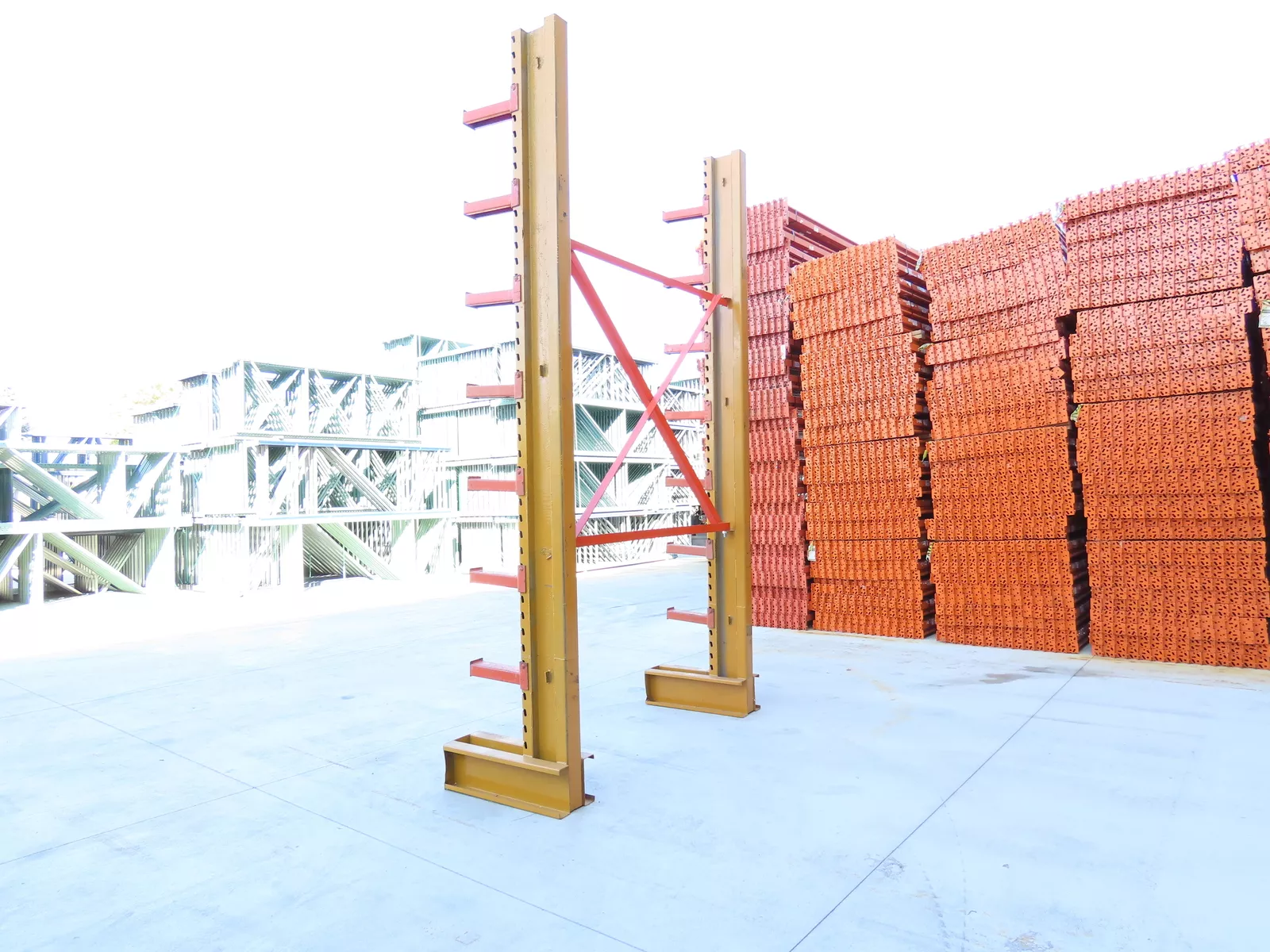
Can You Handle The Pressure Of Rapid Inventory Turnover?
Can You Handle The Pressure Of Rapid Inventory Turnover?
- Adapting to rapid inventory turnover is crucial for success in today’s business environment.
- A well-organized pallet racking system is essential for agility and responsiveness in fulfilling orders.
- Business owners face pressure to keep up with shifting customer demands and inventory levels.
- Delivering a reliable experience is vital for maintaining customer trust and loyalty.
- Efficient inventory management techniques and tools can turn challenges into profits.
- Technology, such as inventory management systems, aids in forecasting demand and automating processes.
- Embracing the challenge of rapid inventory turnover can lead to growth and a strong reputation.
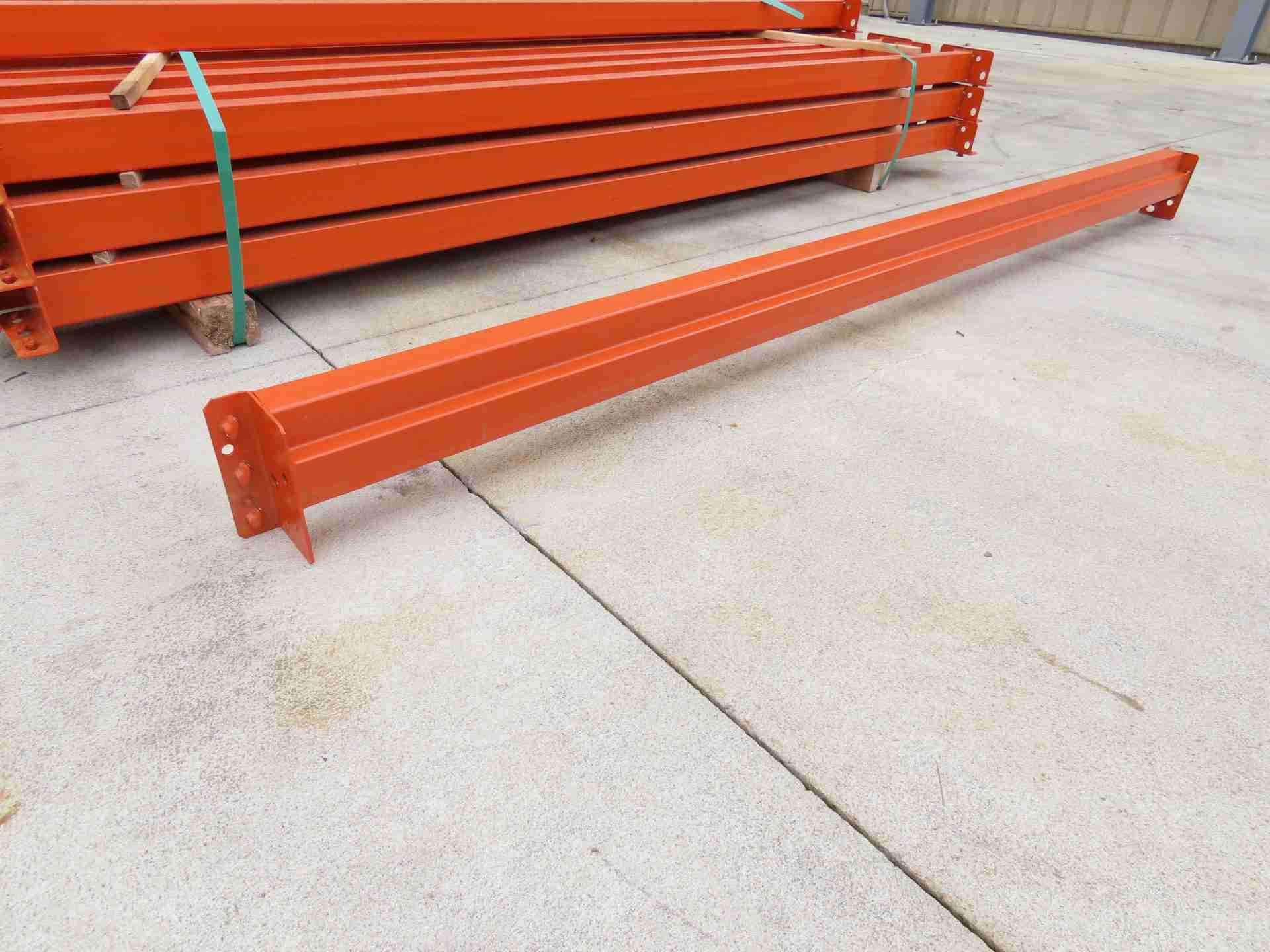
Can You Handle The Pressure Of Rapid Inventory Turnover?
Table Of Contents
- Can You Handle The Pressure Of Rapid Inventory Turnover?
- What Is Rapid Inventory Turnover And Why Is It Important?
- How Can I Measure My Inventory Turnover Rate Effectively?
- What Challenges Come With Maintaining Rapid Inventory Turnover?
- How Does Rapid Inventory Turnover Impact Cash Flow Management?
- What Strategies Can Improve My Inventory Turnover Rate?
- How Can Forecasting Help With Inventory Management?
- Conclusion
- Other Resources
- Glossary Of Terms
- Other Questions
- Checklist
What Is Rapid Inventory Turnover And Why Is It Important?
In the dynamic world of business, the concept of rapid inventory turnover is a game-changer. It’s not just a figure on a financial report; it’s the heartbeat of your operation. Simply put, rapid inventory turnover refers to how quickly a company sells and replaces its inventory within a given period. Imagine owning a bustling restaurant that serves delicious dishes so quickly that you can barely keep the kitchen stocked. That’s what rapid inventory turnover feels like in the retail and wholesale environments.
Now, why should you care? The answer lies in the undeniable power of speed. In today’s fast-paced marketplace, consumers expect quick service and even quicker fulfillment. When you have a high turnover rate, it translates to reduced holding costs. You’re not just storing goods on your pallet racking; you’re actively selling them. The less time your inventory spends on those shelves, the more money you free up for purchasing new products. Cash flow becomes a reality rather than a wish, enhancing your ability to invest in marketing, expand your product line, or even renovate your space to accommodate more pallet racking—yes, you heard that right!
Let’s reiterate the benefits: Rapid inventory turnover leads to lower warehousing costs, minimizes the risk of obsolescence, and keeps your offering fresh. Who wants to sell stale products or old stock when you could be delighting your customers with the latest trends? Customers crave novelty and freshness; they want to feel like they’re getting the best of what’s available. When your turnover is fast, it not only pulls in the crowd but enhances your brand image as well.
Moreover, a high inventory turnover communicates confidence. It tells your customers that you know your market well, understand their needs, and are ready to deliver without delay. If they see products flying off your shelves, they’ll want to be part of that action. When customers trust your ability to provide the right items at the right time, loyalty grows, and sales soar.
Embracing rapid inventory turnover is essential for anyone looking to thrive in a competitive market. It’s not just about numbers; it’s about creating a vibrant, responsive business. Optimize that pallet racking, streamline your processes, and watch as your inventory moves as swiftly as your ambition!
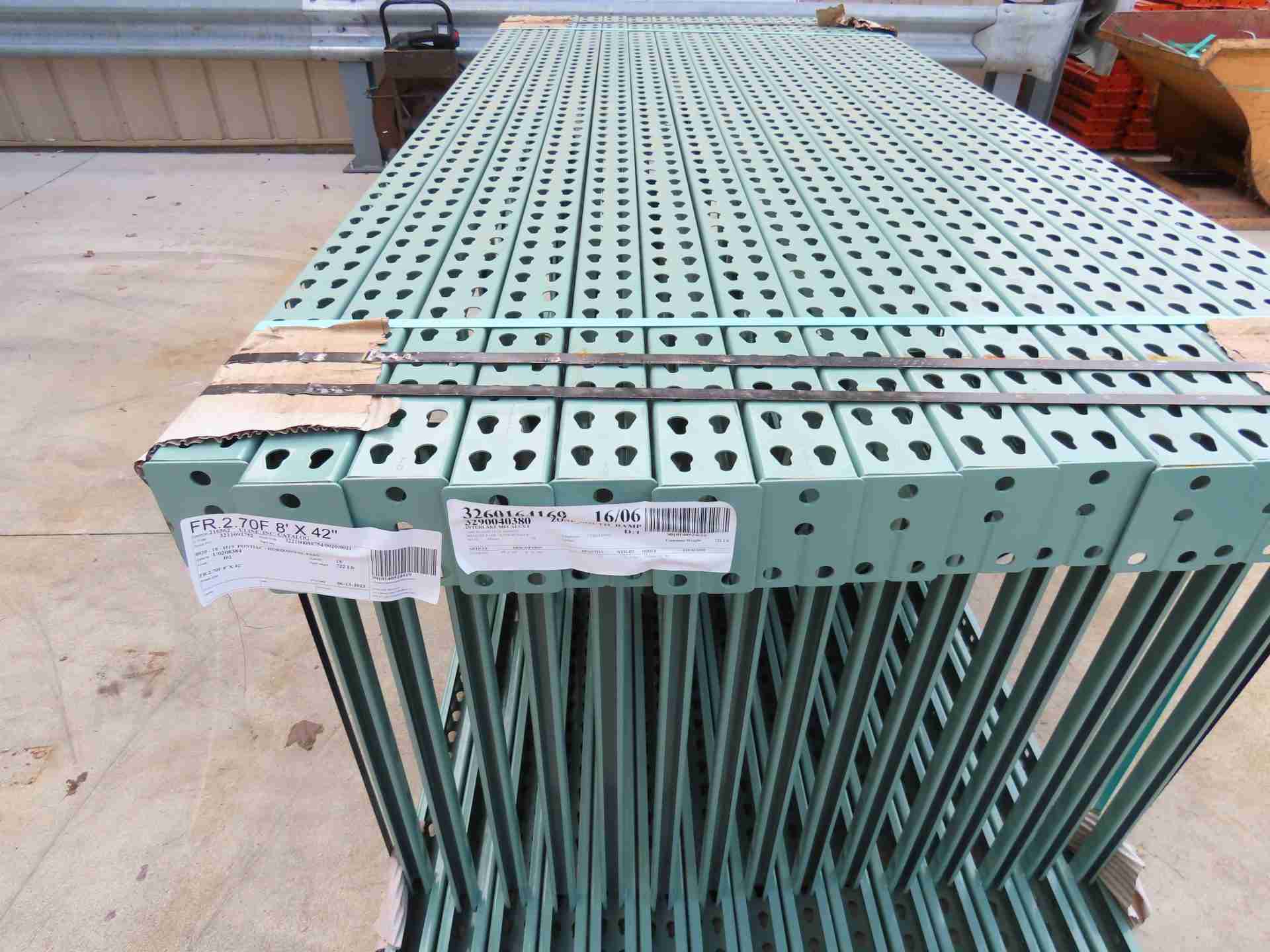
What Is Rapid Inventory Turnover And Why Is It Important?
What Is Rapid Inventory Turnover And Why Is It Important?
- Rapid inventory turnover is critical for business success, functioning as the core of operations.
- It refers to the speed at which a company sells and replaces its inventory over a specific period.
- A high turnover rate leads to reduced holding costs and improved cash flow, facilitating new product purchases.
- Benefits include lower warehousing costs, decreased risk of obsolescence, and a fresher product offering.
- Quick inventory turnover enhances brand image by providing customers with the latest trends and products.
- A high turnover signals confidence in market understanding, fostering customer loyalty and driving sales.
- Optimizing inventory processes is essential to thrive in a competitive market and support business responsiveness.
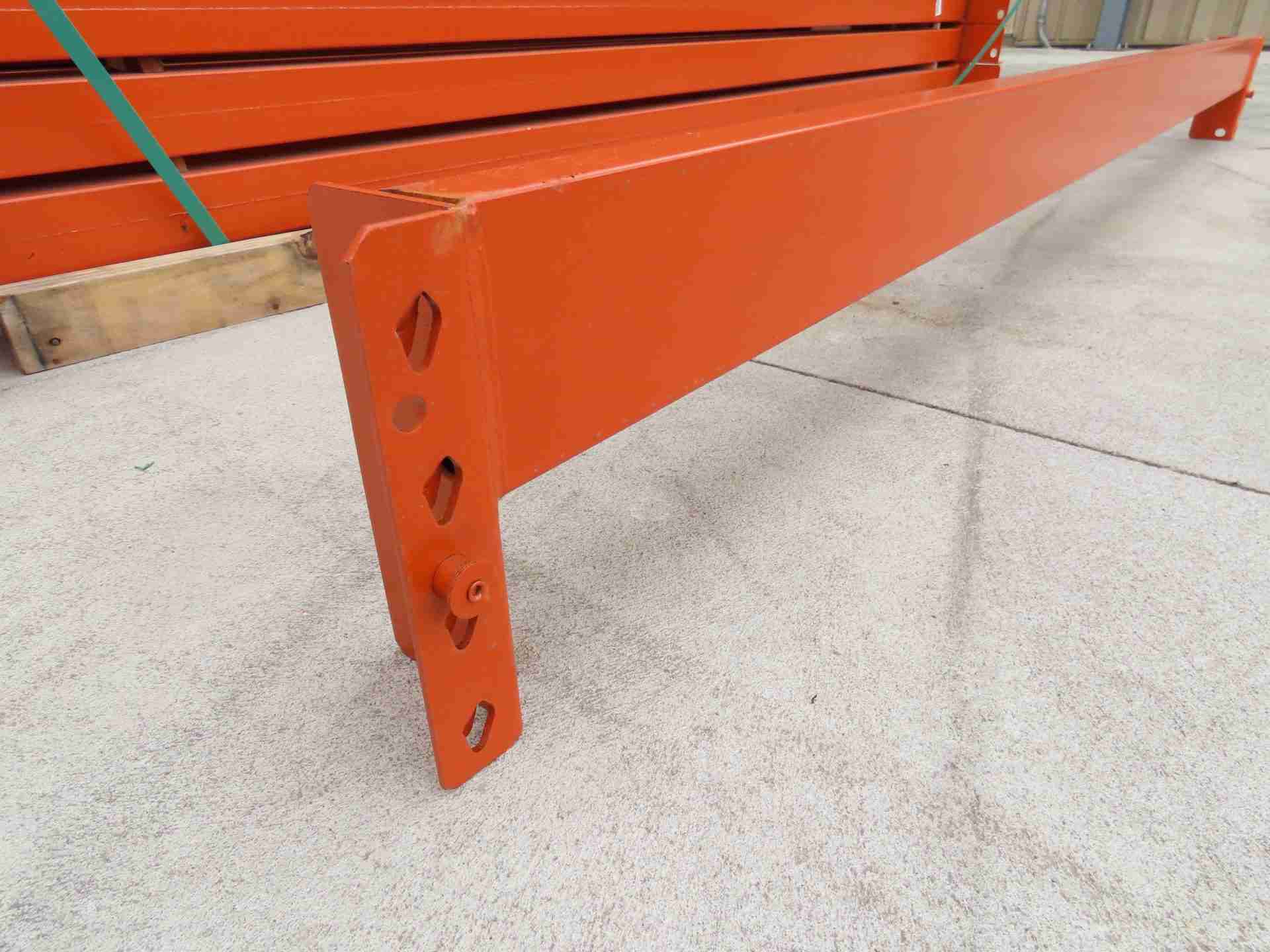
What Is Rapid Inventory Turnover And Why Is It Important?
How Can I Measure My Inventory Turnover Rate Effectively?
Measuring your inventory turnover rate is not just a number on a report; it’s the lifeblood of your business, defining how efficiently you’re managing your goods. Picture your inventory as a meticulously organized system within your warehouse—perhaps featuring a robust pallet racking setup. It’s essential that you maximize every square inch while ensuring that items flow smoothly in and out. So, how do we transform the complex task of measuring turnover into a simple, actionable strategy? Let’s dive in.
First, you need to grasp what inventory turnover rate truly measures—essentially, it tells you how many times your inventory sells over a specific period. A high turnover rate suggests strong sales and effective inventory management; conversely, a lower rate can signal overstock or, dare I say it, a lack of demand.
To determine your turnover rate, you can use a straightforward formula:
Inventory Turnover Rate = Cost of Goods Sold (COGS) / Average Inventory.
Sounds simple enough, right? Yet, the magic doesn’t just lie in calculating this number; it’s about consistently revisiting it to inform your decisions. When you notice that your turnover rate isn’t hitting the benchmarks you set, it’s time to investigate that pallet racking system you’ve implemented. Are you using it effectively? Is it facilitating quick access to your top-selling items, or has it become a bottleneck of forgotten products?
Next, consider adopting a few practical strategies to keep that turnover rate buzzing. Regular audits can help you understand what’s selling and what’s languishing on those shelves. Is there outdated inventory that’s taking up funds and space? It might be time to clear out the old to make way for the new.
Moreover, leveraging technology isn’t just for the tech-savvy—inventory management software can provide invaluable insight into your turnover rates, selling patterns, and even seasonal trends. Embrace tools that allow you to visually map your inventory flow. Visualizing your pallet racking layout in conjunction with sales data can lead to profound insights and smarter stocking decisions.
Ultimately, understanding and measuring your inventory turnover rate is about framing it as a vital part of your business strategy. As you foster a keen awareness of this metric, you’ll pave the way for increased profits, reduced overstock, and a more agile business. So roll up those sleeves, dive into your data, and perhaps reevaluate that pallet racking system—it’s time to elevate your game!
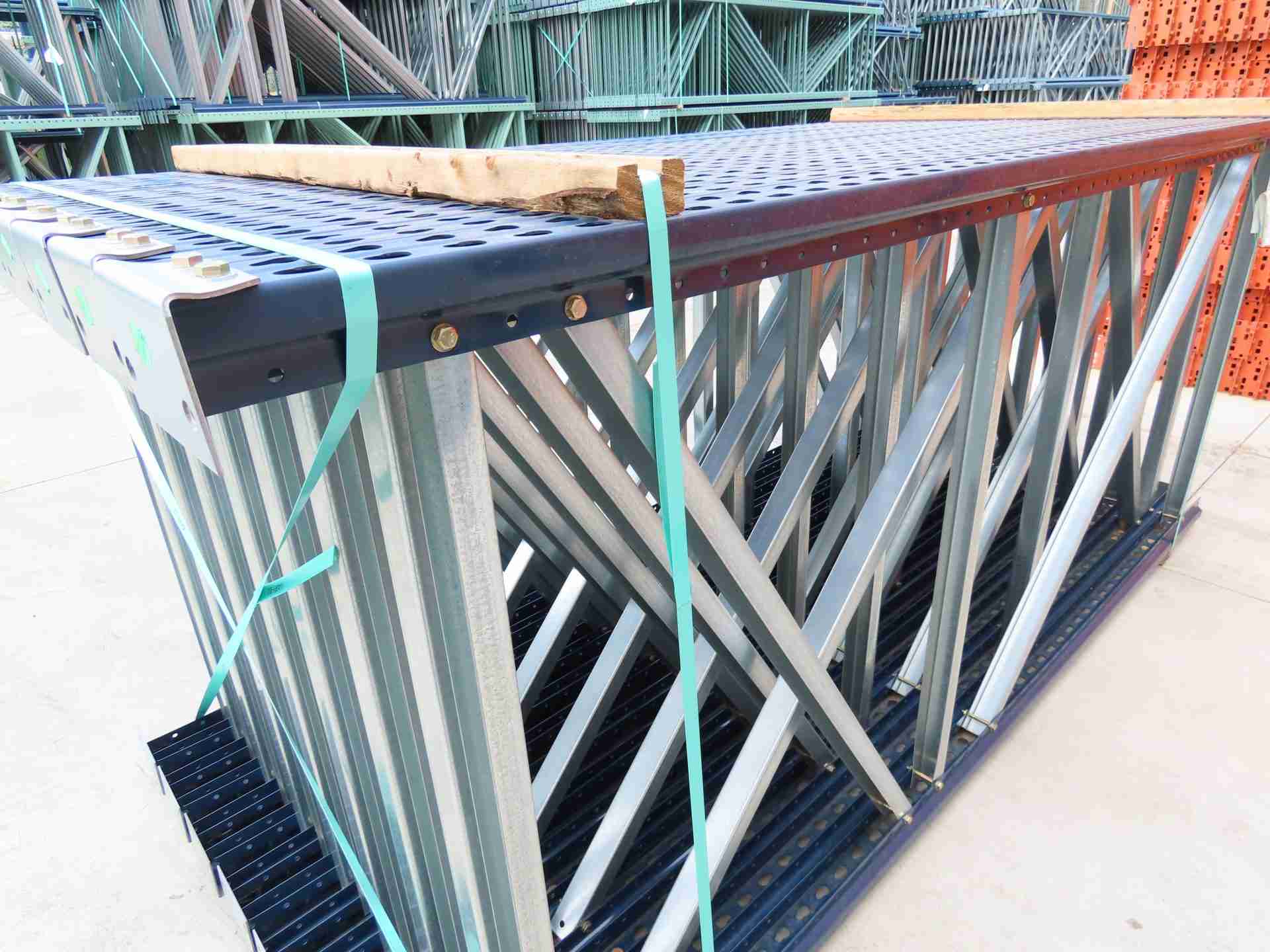
How Can I Measure My Inventory Turnover Rate Effectively?
How Can I Measure My Inventory Turnover Rate Effectively?
- Inventory turnover rate is crucial for efficient inventory management and reflects sales performance.
- A high turnover rate indicates strong sales, while a low rate suggests overstock or lack of demand.
- The formula for inventory turnover rate is: Inventory Turnover Rate = Cost of Goods Sold (COGS) / Average Inventory.
- Consistent monitoring of turnover rates is essential for informed decision-making.
- Regular audits can help identify outdated inventory that may be cluttering your warehouse.
- Utilizing technology and inventory management software can provide insights into turnover rates and trends.
- Understanding turnover rates is key to increasing profits, reducing overstock, and creating a more responsive business strategy.
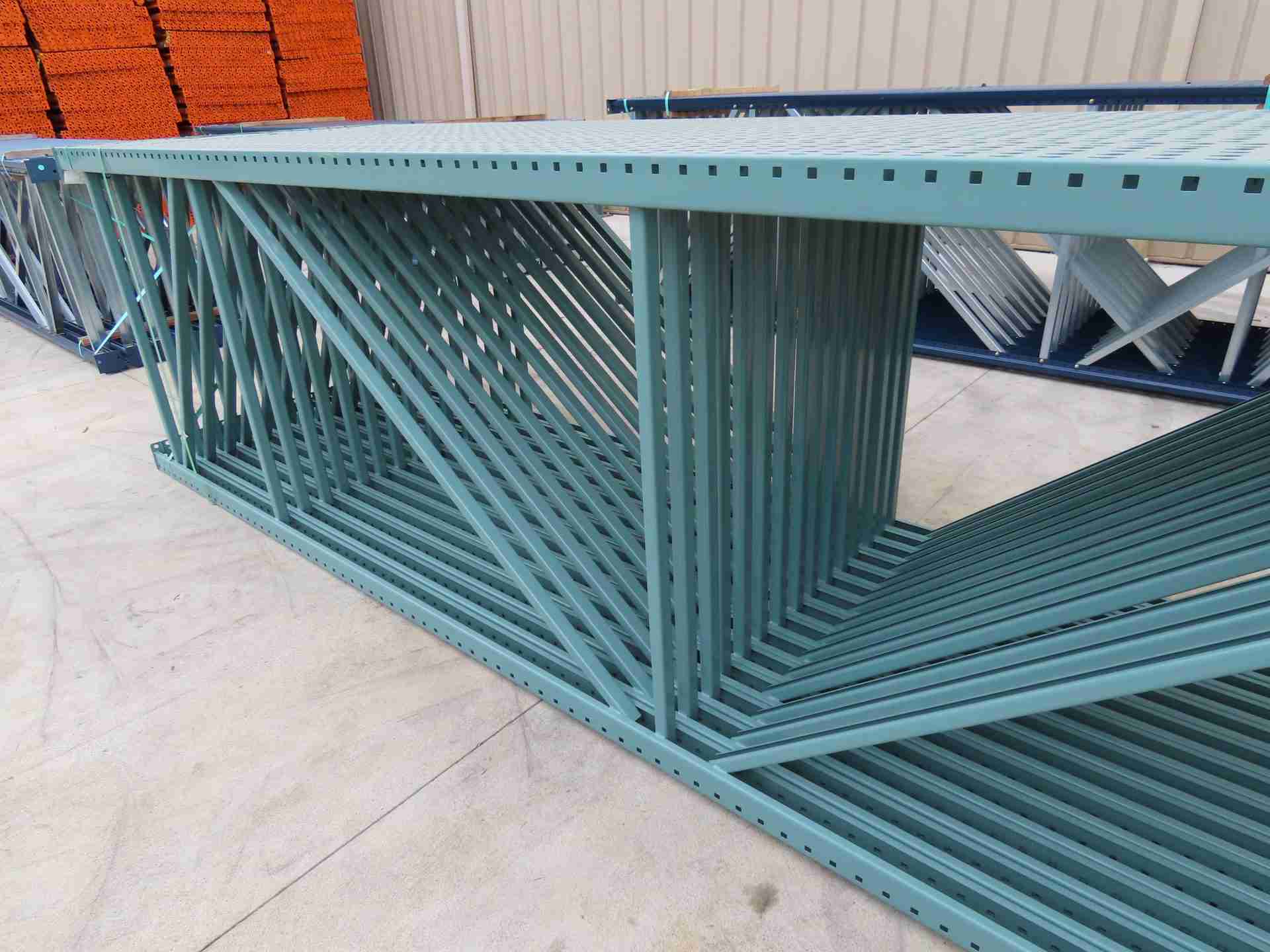
How Can I Measure My Inventory Turnover Rate Effectively?
What Challenges Come With Maintaining Rapid Inventory Turnover?
When you think about rapid inventory turnover, you might picture the bustling aisles of a warehouse or the sleek, organized rows of pallet racking, ready to house your products. It’s a dream scenario, but it’s essential to recognize the challenges that come along with the benefits. Rapid turnover is like a double-edged sword—it offers increased cash flow and reduced holding costs, but it demands precision and strategic planning.
First, let’s talk about the pressure to maintain stock levels. You’ve got to strike a delicate balance between having enough product to meet customer demand and avoiding overstock that can quickly turn into dead weight. If you’re too conservative, you risk disappointing your customers with empty shelves. But if you go too far in the other direction, you could find yourself dealing with excess inventory that clogs up those gleaming pallet racking systems. The implications go beyond numbers on a spreadsheet—they can impact your brand’s reputation and customer loyalty.
Next, inventory forecasting becomes a pivotal challenge. Rapid turnover means that the old adage “What sold well last month will sell well this month” doesn’t always hold true. Shifts in consumer behavior, seasonal trends, or even unexpected market disruptions can lead to miscalculations. To combat this, retailers must utilize advanced analytics and pay close attention to sales patterns. Remember, knowledge is power, and the more informed you are, the better positioned you’ll be to make stock decisions that align with consumer behaviors.
Then there’s the question of storage efficiency. With rapid turnover, your warehouse must not only accommodate a steady inflow and outflow of goods but also do so in a space-efficient manner. That’s where pallet racking shines—it optimizes vertical space and allows for quick access to products. However, if poorly organized or overstuffed, even the best racking systems can become obstacles in your quest for efficiency.
Finally, your team needs to be agile and trained to respond quickly. Rapid inventory turnover isn’t just about numbers; it requires an entire organizational culture ready to pivot at a moment’s notice. Implementing continuous training programs and fostering a mindset of adaptability is not just beneficial—it’s essential.
In essence, while rapid inventory turnover can drive your business forward, it comes with its own set of challenges that require vigilance, strategic planning, and a willingness to adapt. Embrace these challenges, and you’ll find they lead not just to survival but to robust growth—and that’s the ultimate goal.
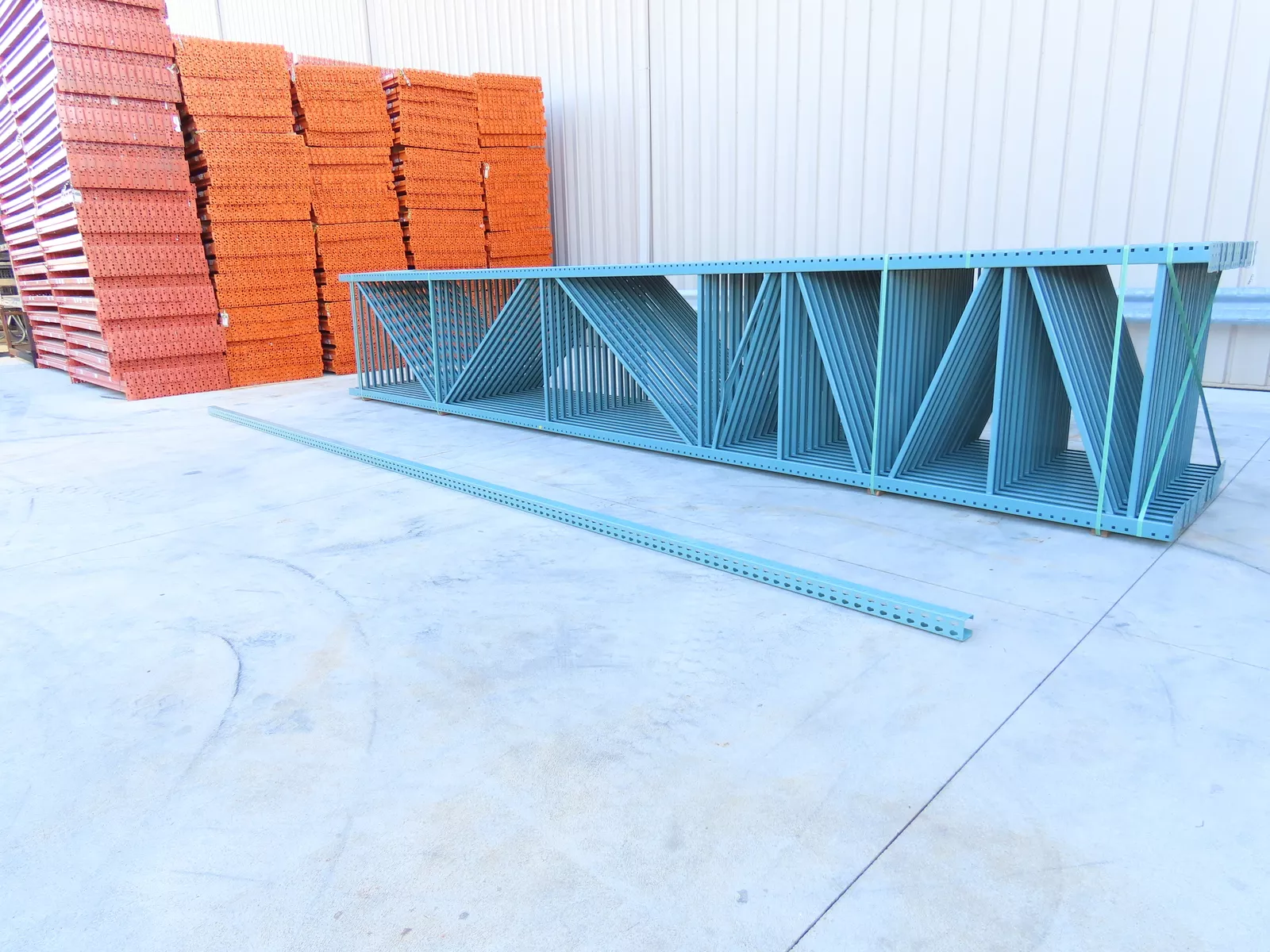
What Challenges Come With Maintaining Rapid Inventory Turnover?
What Challenges Come With Maintaining Rapid Inventory Turnover?
- Rapid inventory turnover offers benefits like increased cash flow and reduced holding costs, but presents challenges as well.
- A delicate balance must be maintained between sufficient stock levels and avoiding excess inventory that may harm brand reputation.
- Inventory forecasting is crucial; past sales data may not accurately predict future demand due to market fluctuations.
- Retailers should employ advanced analytics and monitor sales patterns to make informed stock decisions.
- Storage efficiency is essential; pallet racking can optimize space but requires proper organization to maintain efficiency.
- Your team must be agile and well-trained to respond quickly to changing inventory demands and market conditions.
- Embracing the challenges of rapid turnover can lead to robust growth, requiring vigilance and strategic planning.

What Challenges Come With Maintaining Rapid Inventory Turnover?
How Does Rapid Inventory Turnover Impact Cash Flow Management?
Picture your business like a finely-tuned sports car. Every component needs to work in perfect harmony for peak performance. Now, imagine your inventory as the fuel that keeps it running. Rapid inventory turnover is akin to using high-octane fuel; it supercharges your operations and accelerates your cash flow management.
When you adopt rapid inventory turnover, you’re not just moving products; you’re cultivating a thriving ecosystem. Every time you sell an item, you’re replenishing your coffers, giving you the power to reinvest in your business. Think about it: the faster inventory moves off your shelves, the quicker you can restock with fresh, new products that catch customers’ eyes. This momentum creates a cycle of continuous improvement and growth, and that’s where cash flow management shines.
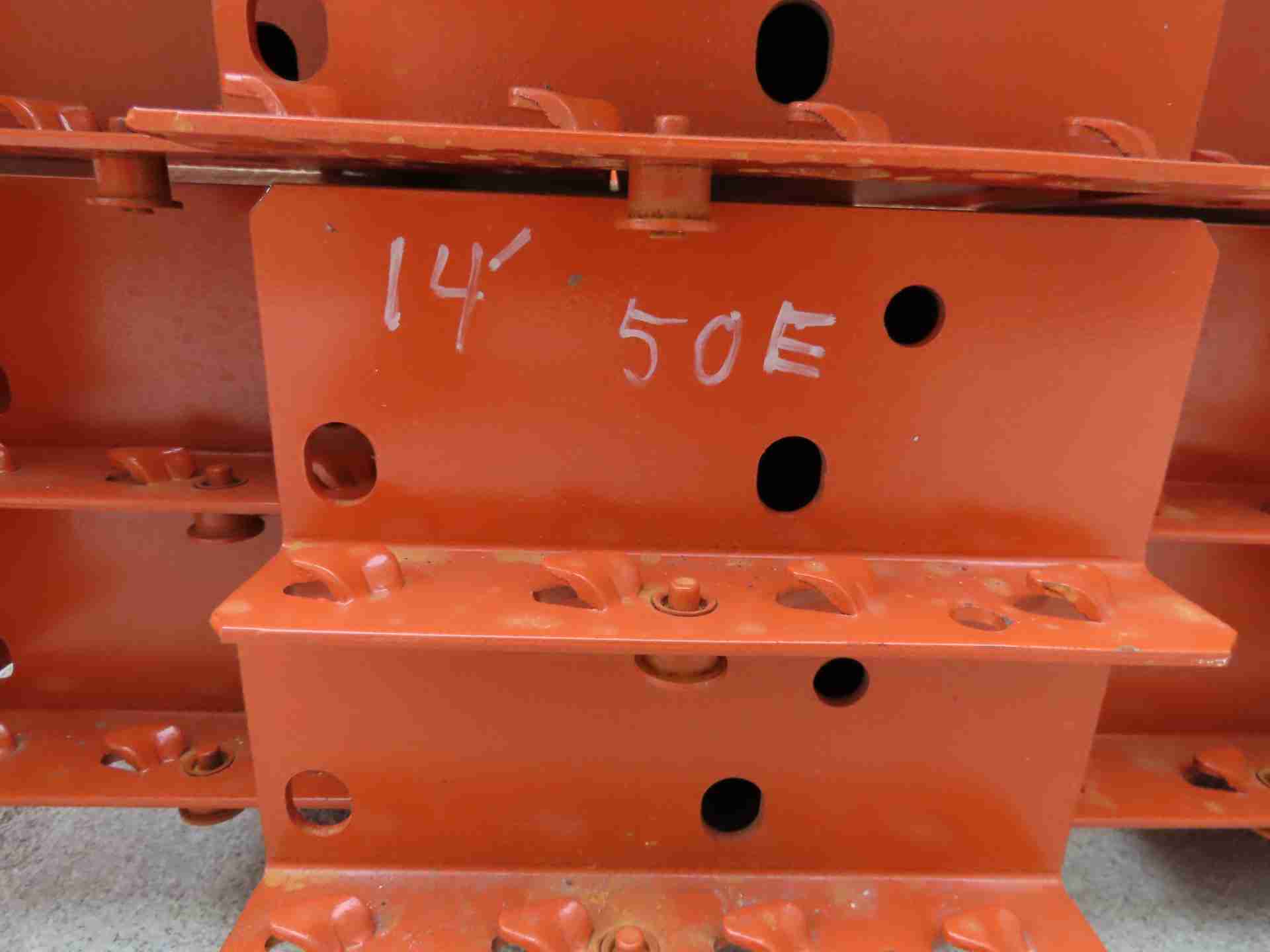
Utilizing smart strategies, like implementing pallet racking systems, enables you to maximize storage space and get your products in front of customers faster. Imagine a well-organized warehouse where items are easy to access and rotate. No more lost sales from stockouts or excessive holding costs. Everything becomes streamlined, allowing your business to operate like a well-oiled machine. Plus, that frees up your operational bandwidth to focus on marketing and sales—driving demand for your quickly-turned inventory.
This synergy between rapid inventory turnover and cash flow is critical; when cash flows freely, you’re empowered to seize opportunities. Need to pay a supplier promptly to take advantage of a bulk discount? No problem. Want to invest in a new advertising campaign that could explode sales? You’ve got the funds at the ready. This nimbleness enhances your competitive edge, positioning you to thrive instead of just survive in today’s fast-paced marketplace.
Moreover, proper cash flow management sets the stage for stability. It builds trust with suppliers, lenders, and even your team. When everyone sees that you manage cash wisely, confidence grows, and relationships strengthen. So, how do you cultivate this environment? Start focusing on rapid inventory turnover today.
Embrace the concept wholeheartedly. Innovate in your inventory management practices. Adopt efficient storage solutions like pallet racking that puts speed and organization at the forefront. Experience how this proactive mindset can transform not only your cash flow but your entire business philosophy. The results? A financially agile business ready to tackle any challenge that comes your way!
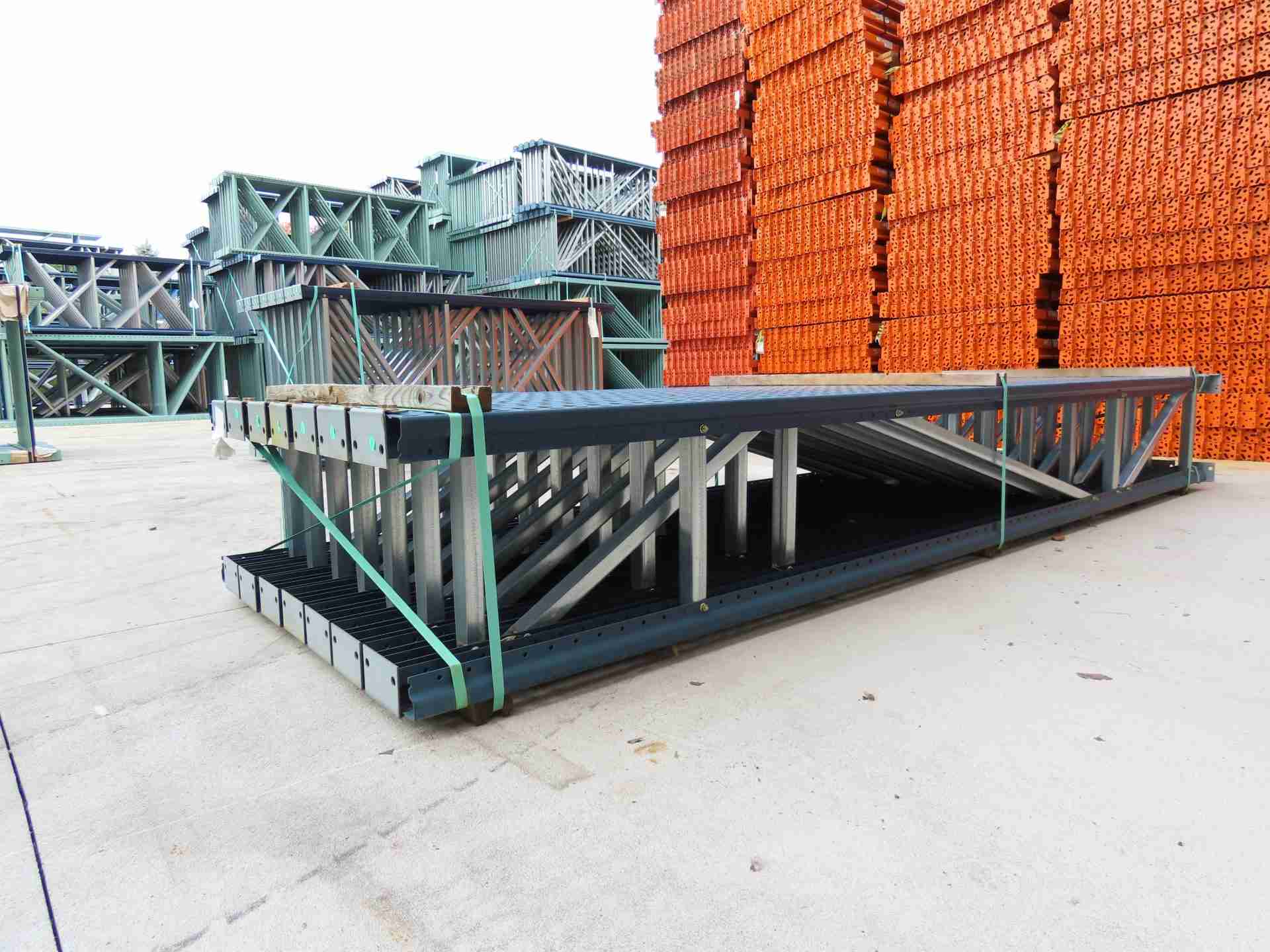
How Does Rapid Inventory Turnover Impact Cash Flow Management?
How Does Rapid Inventory Turnover Impact Cash Flow Management?
- View your business as a finely-tuned sports car, where every component must work in harmony for peak performance.
- Rapid inventory turnover acts like high-octane fuel, enhancing operations and improving cash flow management.
- As inventory sells, it replenishes funds, enabling reinvestment in fresh products that attract customers.
- Implementing smart strategies, like pallet racking systems, helps maximize storage and streamline operations.
- Improved cash flow allows businesses to seize opportunities, like promptly paying suppliers for discounts and investing in marketing campaigns.
- Effective cash flow management fosters stability, builds trust with stakeholders, and strengthens relationships.
- Embrace rapid inventory turnover and innovate inventory management practices for a financially agile and proactive business.
How Does Rapid Inventory Turnover Impact Cash Flow Management?
What Strategies Can Improve My Inventory Turnover Rate?
Improving your inventory turnover rate is not just a number; it’s the lifeblood of your business. A higher turnover rate means you’re selling more merchandise, reducing holding costs, and freeing up capital for growth. So, what can you do to make your inventory fly off the shelves? Let’s dive into some practical strategies that resonate—not just with the numbers, but with your bottom line.
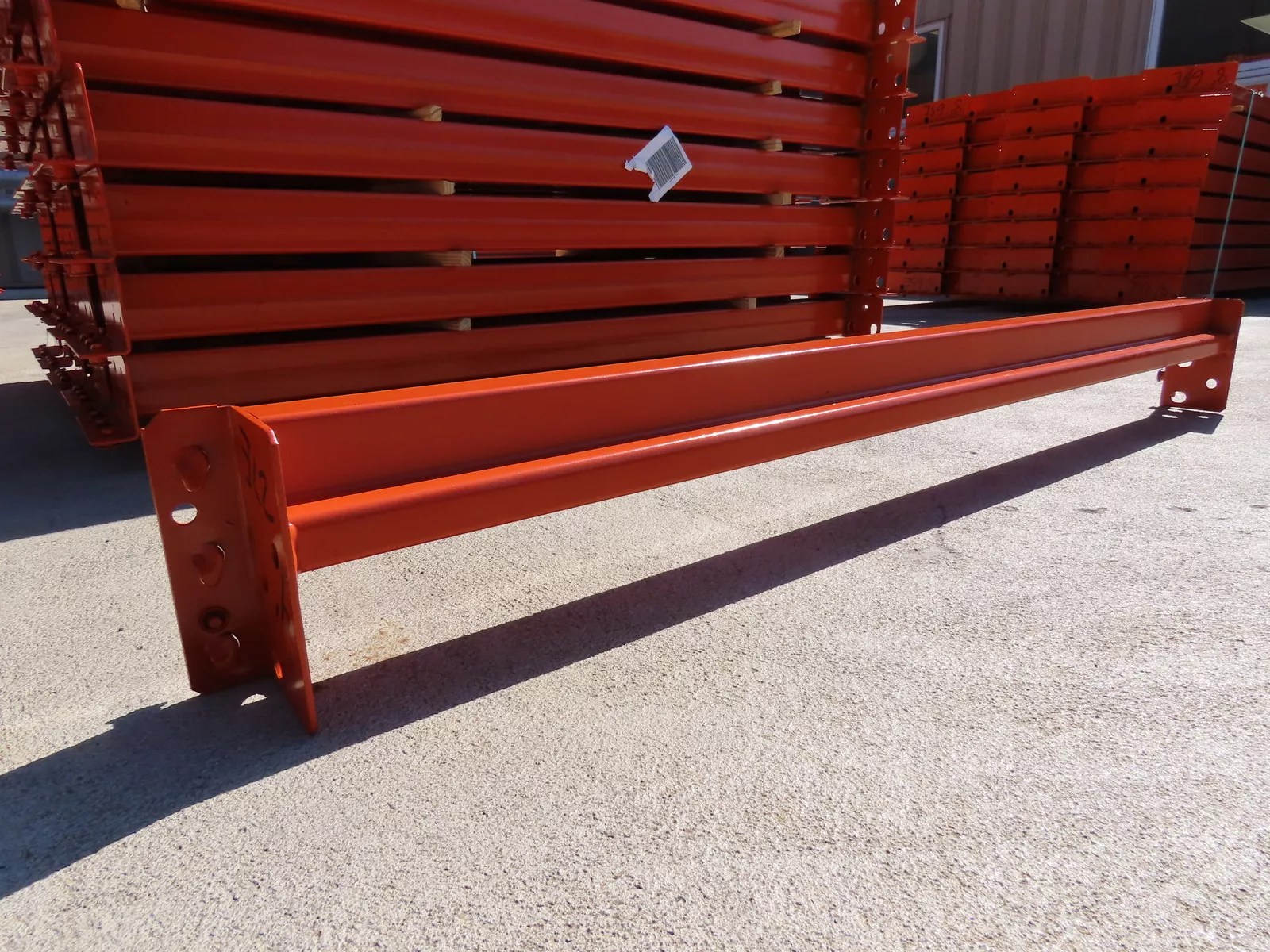
First, consider the layout of your storage space. One effective way to enhance access and visibility is through the strategic use of pallet racking. This tool doesn’t just stack products high; it maximizes your space while keeping things organized. When your products are easily accessible, you reduce the time spent picking and packing orders, ultimately speeding up the sales cycle. A well-organized stockroom or warehouse can be the difference between a quick sale and a frustrating search.
Next, it’s time to embrace data analytics. Analyzing sales trends and customer behavior can guide your purchasing decisions. Identify your best sellers and ensure you have enough stock on hand. Conversely, if certain items are languishing, don’t hesitate to put them on sale or bundle them to create an enticing offer. This strategy brings more cash flow while clearing out slower-moving inventory.
Seasonality is another factor you must consider. Stocking up on seasonal items right before peak demand ensures you’re not left with leftover items when the season ends. However, recall those unsold goods later can be a dragging weight on your turnover rate. Instead, have a post-season clearance strategy in place to generate some cash flow rather than hold onto items that simply aren’t selling.
Another reliable tactic is to regularly review your suppliers. Are you getting your inventory at the right price? Could you negotiate better terms or seek out new vendors? Keeping a dynamic supply chain can lead to better products and faster turnover, helping your business remain adaptable and competitive in a fast-paced market.
In closing, improving your inventory turnover rate isn’t just about moving products; it’s about fostering a responsive, data-driven approach to your inventory management. With the right strategies in play—like optimizing your pallet racking system or using accurate analytics—you can position your business for not just survival, but robust growth. The time to take action is now; start rethinking your inventory practices, because every moment you wait is potential profit left untapped.

What Strategies Can Improve My Inventory Turnover Rate?
What Strategies Can Improve My Inventory Turnover Rate?
- Improving inventory turnover rate is critical for business success, allowing for increased sales and reduced holding costs.
- Optimize storage space layout using pallet racking to improve access and organization, speeding up the sales cycle.
- Utilize data analytics to analyze sales trends and customer behavior to inform purchasing decisions.
- Identify best-selling items and adjust stock levels while considering discounts or bundles for slower-moving inventory.
- Address seasonality by stocking seasonal items appropriately and implementing a post-season clearance strategy.
- Regularly review suppliers to ensure competitive pricing and terms, contributing to improved turnover and adaptability.
- Embrace a data-driven inventory management approach to set the stage for business growth and minimize lost profit opportunities.
What Strategies Can Improve My Inventory Turnover Rate?
How Can Forecasting Help With Inventory Management?
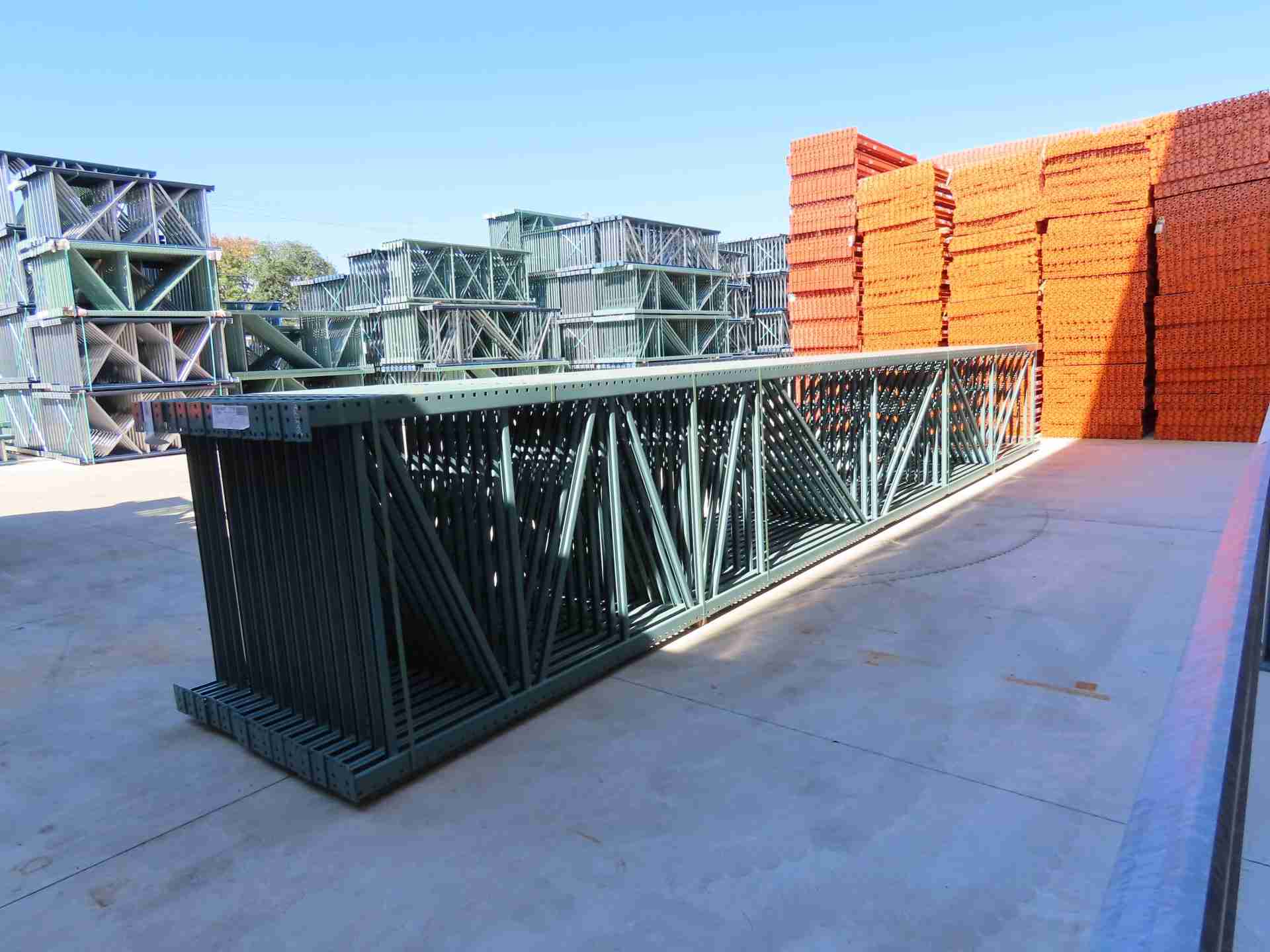
Imagine walking into your warehouse, eyes sweeping over your meticulously organized inventory stored on pallet racking. It’s not just a sight; it’s a well-oiled machine you’ve crafted through meticulous planning. Now, what if I told you that the secret sauce to keeping that operation running smoothly lies in powerful forecasting?
In today’s fast-paced marketplace, relying on gut feelings or seasonal trends alone isn’t enough. Customers demand consistency, quality, and—most importantly—availability. This is where forecasting becomes your new best friend. It’s not just about predicting sales; it’s about understanding your customers and the market dynamics that influence their buying behavior.
Let’s break it down. When you utilize effective forecasting methods, you gain the ability to anticipate demand with a greater degree of accuracy. Imagine being able to restock your pallet racking precisely when necessary, so your shelves are neither overstuffed with excess inventory nor bare when a customer walks in. The result? You’re cutting costs associated with overstock storage while maximizing sales opportunities. You’re not just keeping your products in the right place at the right time; you’re also creating a shopping experience that builds loyalty.
Additionally, accurate forecasting allows you to mitigate risks associated with unexpected spikes in demand. Think of those holiday seasons or sudden market trends—busy times that can throw your entire operation into chaos without the proper forecast. With the right data-driven insights, you can avoid that scramble and ensure your inventory levels match the anticipated surge.
But it doesn’t stop there. Forecasting helps you understand the seasonal patterns and cycles in your industry so you can plan promotions and marketing strategies accordingly. This means better predictability when procuring your stock and a chance to optimize your procurement processes. By seeing the full picture, you can establish better relationships with your suppliers, ensuring that they can meet your inventory needs as demand fluctuates.
Incorporating forecasting into your inventory management isn’t just a smart move; it’s essential for building a resilient business. It fosters trust not only in your operational capabilities but also in your brand. So, as you gaze proudly at your pallet racking, know that with the right forecasting techniques, you’re not just managing inventory—you’re crafting a profitable, thriving future for your business! The time to act is now; embrace the power of forecasting and watch your inventory management soar.
How Can Forecasting Help With Inventory Management?
How Can Forecasting Help With Inventory Management?
- Meticulously organized inventory on pallet racking is crucial for operational efficiency.
- Effective forecasting goes beyond gut feelings and seasonal trends to meet customer demands for consistency and availability.
- Accurate demand forecasting enables timely restocking, preventing overstock and stockouts.
- Good forecasting cuts costs associated with excess storage while maximizing sales opportunities.
- Helps mitigate risks from unexpected spikes in demand during busy seasons or market trends.
- Improves planning for promotions and marketing strategies based on seasonal patterns.
- Incorporating forecasting into inventory management builds a resilient business and enhances supplier relationships.

How Can Forecasting Help With Inventory Management?
Conclusion
Conclusion: Embrace the Challenge of Rapid Inventory Turnover with Arrow Industrial Sales
As the business world accelerates, mastering rapid inventory turnover is no longer a choice; it’s a necessity. At RackingWorld.com, we understand that navigating this landscape can be daunting. The high stakes of customer satisfaction and financial performance loom large as businesses grapple with the need for speed, accuracy, and adaptability in their inventory management. The pressure is real. But what if we told you this pressure could be transformed into unparalleled opportunity?
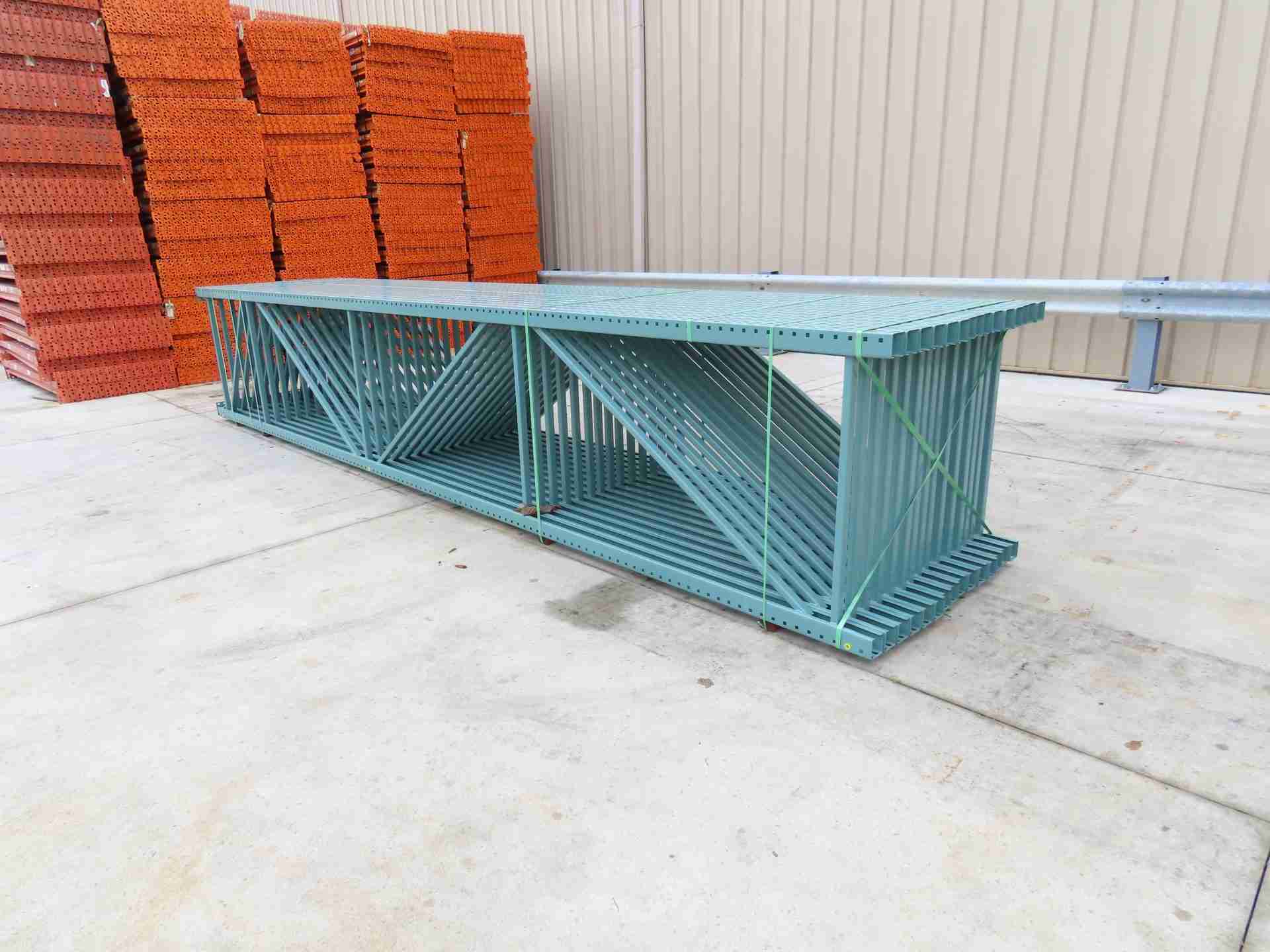
By optimizing your pallet racking systems and integrating cutting-edge inventory management strategies, you not only respond to customer demands but position your business for swift growth. The foundation of this journey begins with an honest assessment of your current processes. Are you leveraging technology effectively? Is your layout conducive to quick access and movement? The answers to these questions can set the stage for remarkable transformation.
Imagine the profits that come from a well-organized warehouse—a place where products move seamlessly off the shelves and into the hands of loyal customers. Research shows that rapid inventory turnover correlates directly with reduced holding costs, minimized risks of obsolescence, and a fresh product offering that delights your clientele. With this in mind, the sales begin to flow, cash starts to circulate, and the cycle of reinvestment in your business accelerates. If you’re not equipped to thrive during periods of inventory surges, your competitors will seize the moment—and customers will take notice.
To succeed, diligent inventory forecasting is critical. By anticipating demand and smartly configuring your racking systems for maximum efficiency, you’ll never be caught flat-footed again. Regular audits, technology integration, and strategic supplier negotiations are tools at your disposal to enhance turnover rates and cater to ever-evolving market trends.
Remember, every challenge presents a door to success. The time to act is now! If you’re ready to embrace the challenge and elevate your inventory management game, reach out to Arrow Industrial Sales at (574) 349-6575. Our team is eager to guide you in implementing the right solutions tailored to your unique needs. Don’t delay—your competitors are not waiting, and the marketplace demands immediate action. Let’s turn that inventory pressure into profit and watch your business ascend to new heights!
Conclusion
Conclusion:
- Mastering rapid inventory turnover is essential for modern businesses.
- Optimizing pallet racking systems and inventory management can lead to swift growth.
- Assessing current processes and leveraging technology is key to transformation.
- A well-organized warehouse enhances product movement and customer satisfaction.
- Rapid inventory turnover reduces holding costs and minimizes obsolescence risks.
- Diligent inventory forecasting and strategic supplier negotiations improve efficiency.
- Contact Arrow Industrial Sales to elevate your inventory management.
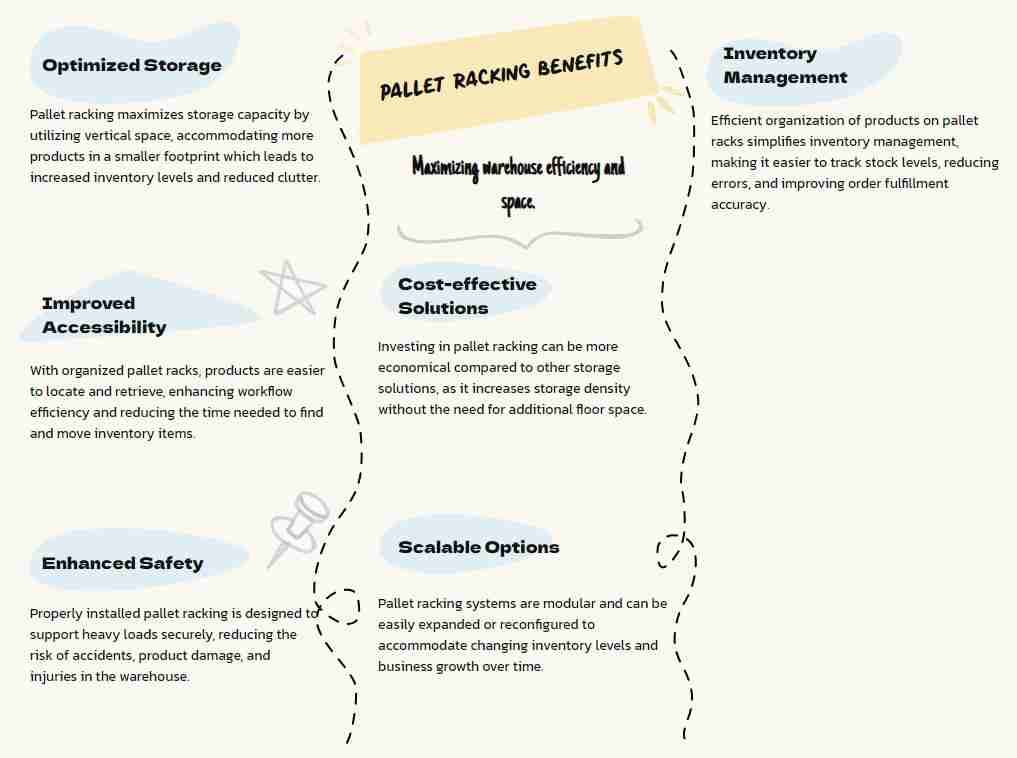
Conclusion
Other Resources

Other Resources
Here is a list of other resources you can review online to learn more:
- Shipping Boxes, Packaging Materials, Pallet Racking
- Warehouse Racking Chicago, IL
- Teardrop Pallet Rack – Ridg-U-Rak
- Mustang Material Handling
- National Safety Council
- International Warehouse Logistics Association
- Selective Pallet Racking Systems – Container Systems
- Used Teardrop Pallet Rack – American Surplus
- Chicago Pallet Racking
- Chicago Pallet Racking
Use This Prompt To Get More Resources With Your Favorite Online AI Tool: Please provide me with a list of online articles with their URLs in a bulleted list that I can read regarding Can You Handle The Pressure Of Rapid Inventory Turnover?
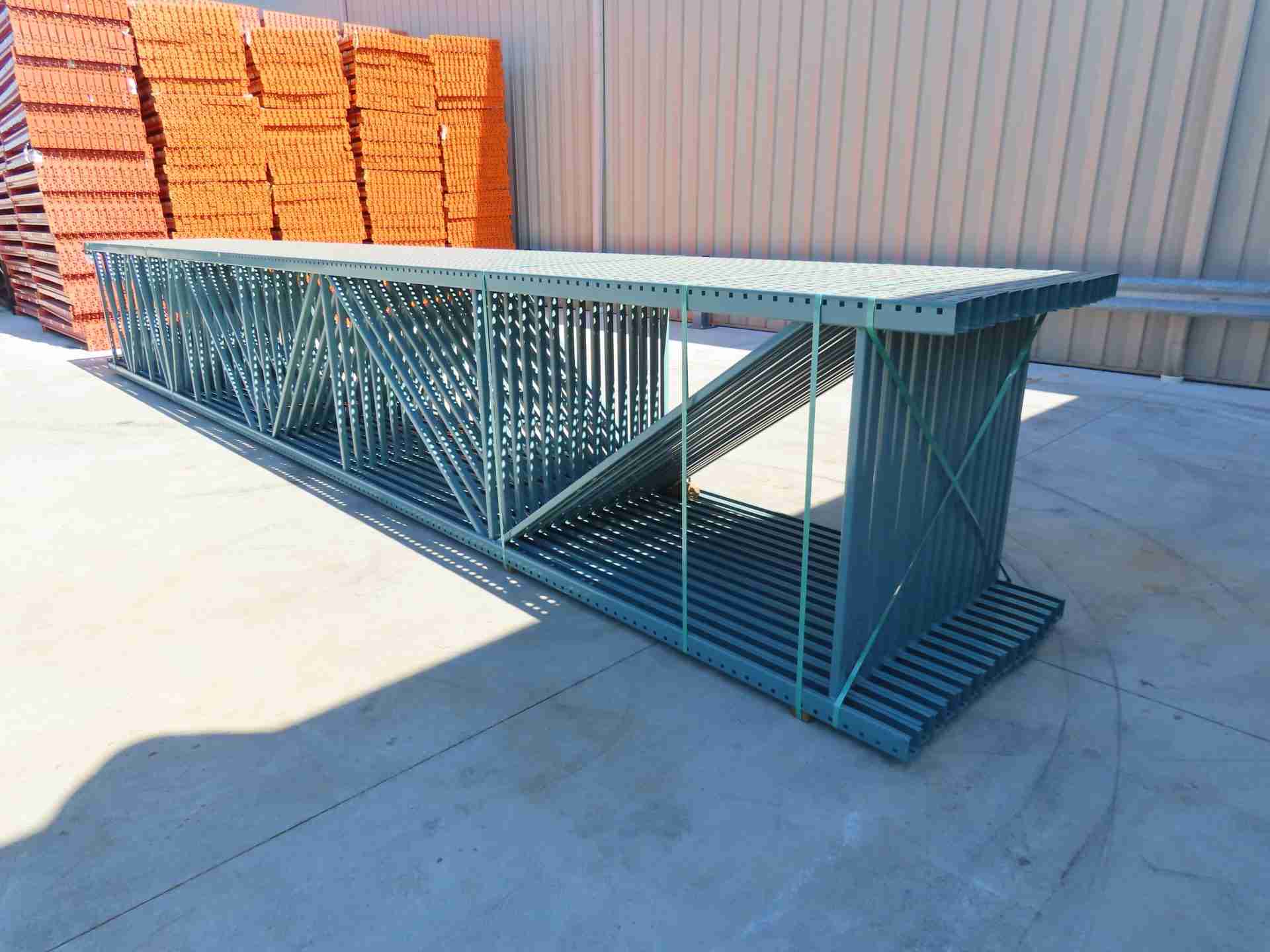
Other Resources
Glossary Terms
Can You Handle The Pressure Of Rapid Inventory Turnover? – Glossary Of Terms
1. Inventory Turnover: The rate at which inventory is sold and replaced over a specific period, indicating the efficiency of inventory management.
2. Stock Keeping Unit (SKU): A unique identifier for each distinct product and service that can be purchased, often used to track inventory levels.
3. Lead Time: The amount of time that elapses from placing an order until it is fulfilled, crucial for maintaining rapid turnover.
4. Just-in-Time (JIT): An inventory management strategy that aims to reduce inventory costs by receiving goods only as they are needed in the production process.
5. Supply Chain Management: The management of the flow of goods and services, including raw materials and inventory, from suppliers to consumers.
6. Demand Forecasting: The process of estimating future customer demand for a product to ensure adequate inventory levels without overstocking.
7. Overstock: Excess inventory that remains unsold and may lead to increased holding costs and potential waste.
8. Stockout: A situation where inventory runs out, leading to missed sales opportunities and customer dissatisfaction.
9. Carrying Costs: The total cost of holding inventory, including storage, insurance, depreciation, and opportunity costs.
10. Cycle Inventory: The portion of inventory that is replenished regularly and used for day-to-day operations to meet customer demand.
11. Safety Stock: Extra inventory held to guard against uncertainty in demand or supply chain disruptions.
12. Sell-Through Rate: The percentage of inventory sold over a specific period, indicating product popularity and inventory effectiveness.
13. E-commerce: Buying and selling of goods or services using the Internet, which can impact inventory turnover rates through direct-to-consumer channels.
14. FIFO (First In, First Out): An inventory valuation method where the oldest stock is sold first, reducing the risk of obsolescence.
15. LIFO (Last In, First Out): An inventory valuation method that assumes the latest inventory purchased is sold first, often used in periods of inflation.
16. Inventory Audit: A physical count of inventory to verify the accuracy of inventory records and assess losses or discrepancies.
17. Automated Inventory System: Technology used to track inventory levels, orders, and sales, improving the accuracy and efficiency of inventory management.
18. Logistics: The detailed coordination of complex operations involving people, facilities, and supplies to ensure timely delivery of products.
19. Pushing Inventory: A strategy where goods are pushed to the market based on forecasts rather than actual demand.
20. Pulling Inventory: A strategy where inventory is replenished based on actual customer demand rather than forecasts.
21. Shrinkage: A reduction in inventory due to loss, theft, damage, or error, impacting overall inventory turnover rates.
22. Seasonality: Fluctuation in demand for products based on seasonal trends, affecting inventory management and turnover.
23. Inventory Optimization: Strategies employed to balance supply and demand while minimizing costs and maximizing service levels.
24. Inventory Replenishment: The process of restocking inventory to maintain adequate levels based on sales patterns and forecasts.
25. Warehouse Management: The coordination and control of warehouse operations to ensure efficient storage and movement of inventory.
26. Performance Metrics: Key performance indicators (KPIs) used to measure the effectiveness of inventory management strategies.
27. Market Demand: The total quantity of a product that consumers are willing and able to purchase at various prices over a given time period.
28. Vendor Managed Inventory (VMI): A supply chain practice where the supplier manages the inventory levels for the retailer based on agreed-upon criteria.
29. Aging Inventory: Inventory that has remained unsold for an extended period, which may need to be discounted or liquidated.
30. Continuous Replenishment: A strategy where inventory is continuously replenished based on real-time sales data to maintain optimal stock levels.
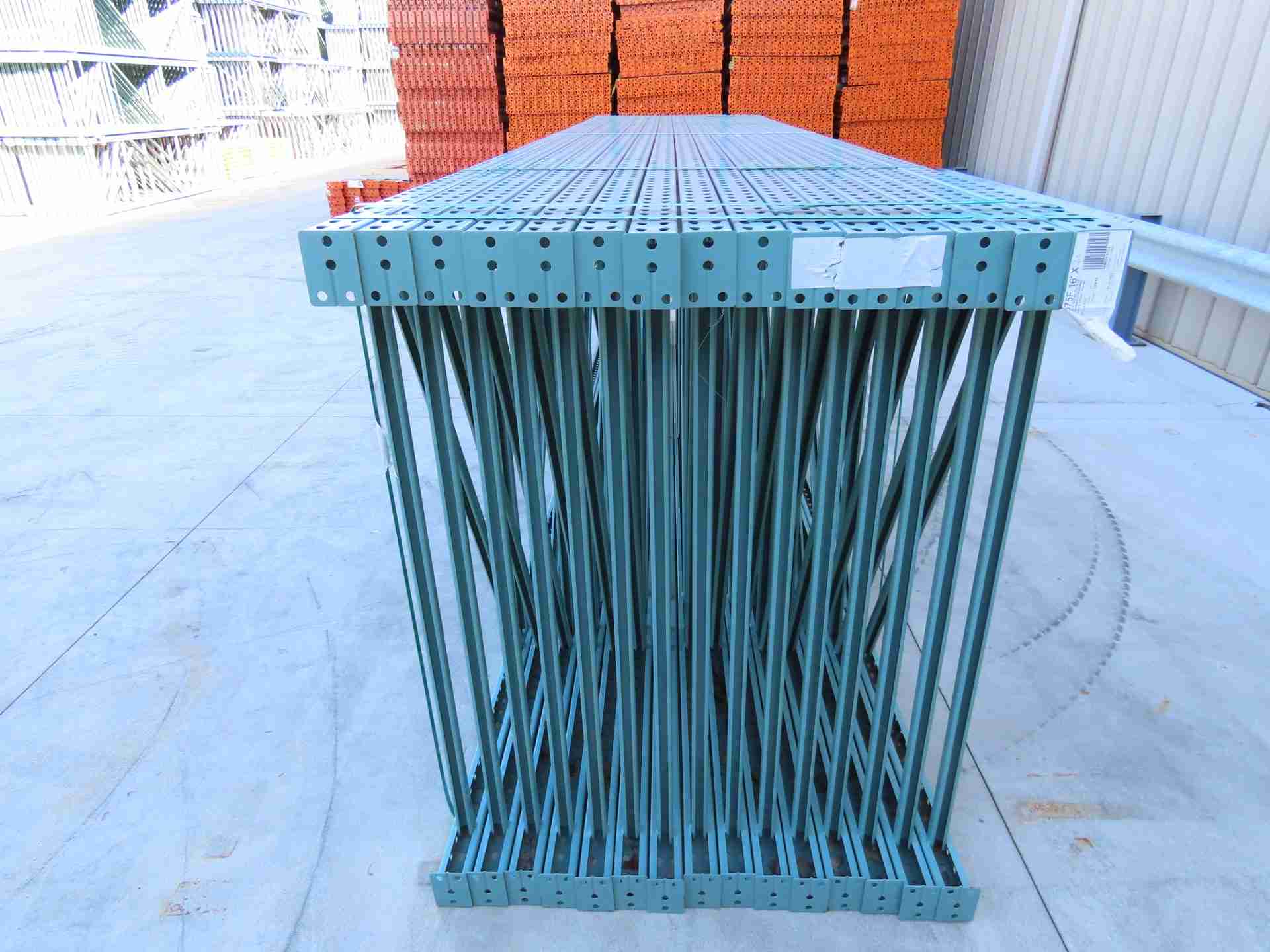
Glossary Of Terms
Other Questions
Can You Handle The Pressure Of Rapid Inventory Turnover? – Other Questions
If you wish to explore and discover more, consider looking for answers to these questions:
- What are the key benefits of rapid inventory turnover?
- How can I effectively implement inventory management systems?
- What specific tools do I need for efficient inventory management?
- How can I train my team to handle rapid inventory turnover?
- What are the best practices for warehouse layout optimization?
- How do I know if my inventory turnover rate is healthy?
- What strategies can help forecast customer demand accurately?
- How can I deal with unexpected shifts in inventory demand?
- What common mistakes should I avoid in inventory management?
- How does supplier relationship management affect inventory turnover?
- What technologies can automate my inventory management process?
- How can seasonal trends affect my inventory turnover strategy?
- What metrics should I track to improve my inventory management?
- How does customer feedback play a role in inventory management?
- What solutions exist for managing obsolete inventory effectively?
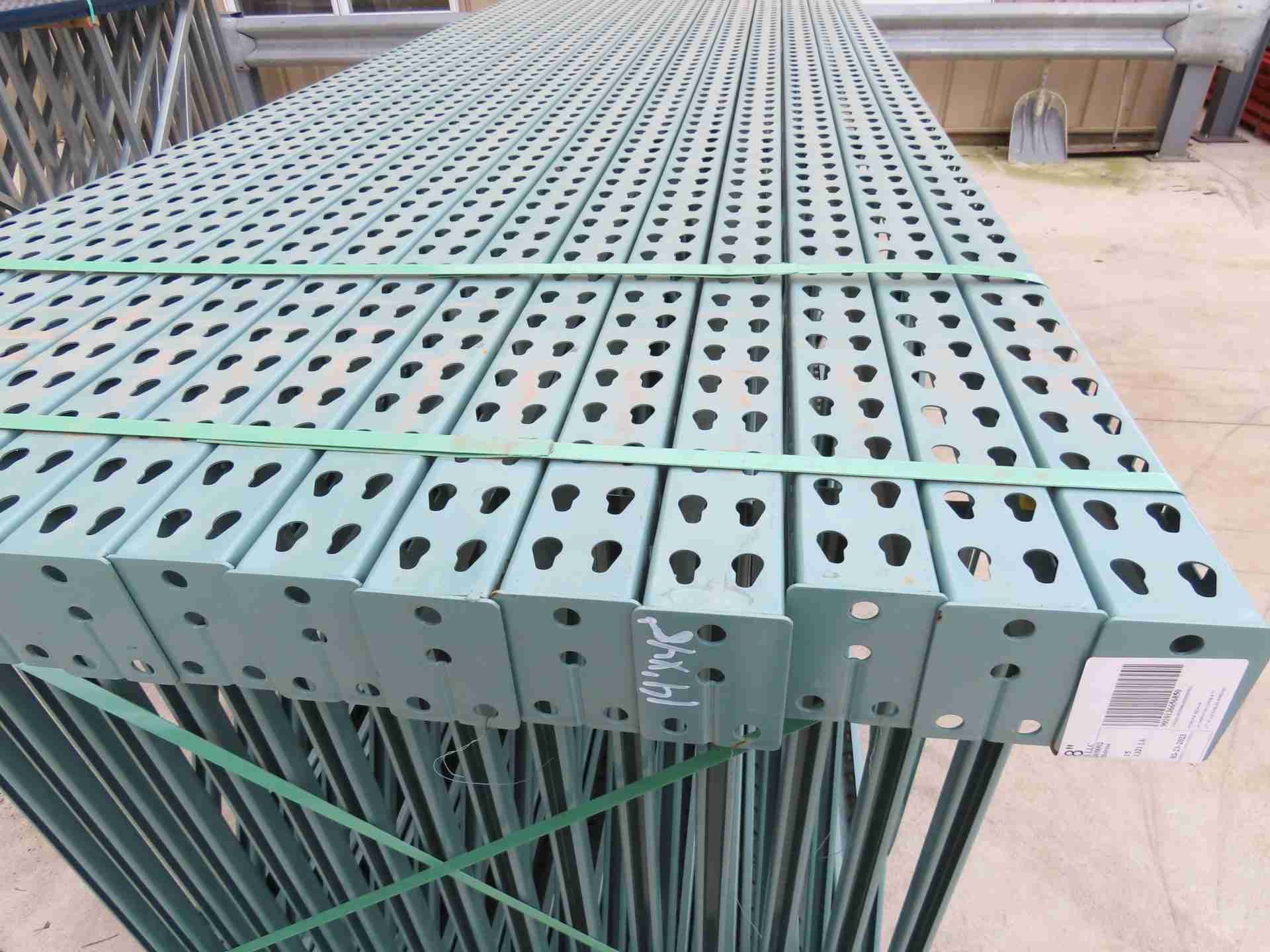
Other Questions
Checklist
Can You Handle The Pressure Of Rapid Inventory Turnover? – A Checklist
Checklist for Mastering Rapid Inventory Turnover
Preparing for Rapid Inventory Turnover
1. Assess Current Layout:
_____ Evaluate your pallet racking system for efficiency.
_____ Ensure easy accessibility to fast-moving products.
2. Identify Inventory Needs:
_____ Analyze current inventory levels against customer demand.
_____ Determine optimal stock levels that balance supply and demand.
3. Adopt Technology:
_____ Invest in inventory management software.
_____ Utilize tools for sales trend analysis and forecasting.
Implementing Inventory Management Techniques
4. Optimize Warehouse Operations:
_____ Organize products logically for quick access.
_____ Regularly audit inventory to identify slow-moving items.
5. Establish Stock Replenishment Procedures:
_____ Create a system for frequent inventory reviews.
_____ Use data analytics to guide reorder decisions.
6. Leverage Seasonal Strategies:
_____ Prepare for peak seasons with proactive stocking strategies.
_____ Implement post-season clearance strategies to manage excess inventory.
Enhancing Customer Experience
7. Craft a Customer-Centric Approach:
_____ Focus on providing immediate availability of popular products.
_____ Encourage feedback to understand customer needs better.
8. Build Trust and Loyalty:
_____ Use rapid inventory turnover as a selling point.
_____ Communicate clearly with customers about product availability.
Monitoring and Measurement
9. Measure Inventory Turnover Rate:
_____ Calculate using the formula: Inventory Turnover Rate = Cost of Goods Sold (COGS) / Average Inventory.
_____ Track this metric regularly to gauge efficiency.
10. Adjust Strategies Based on Performance:
_____ Regularly revisit your inventory turnover rates and adjust strategies as needed.
_____ Encourage a culture of adaptability and continuous improvement among your team.
Training and Development
11. Train Your Team:
_____ Provide ongoing training focused on rapid inventory turnover practices.
_____ Foster a mindset of flexibility and responsiveness.
12. Empower Employees:
_____ Implement regular meetings to discuss inventory challenges and solutions.
_____ Encourage team members to contribute ideas for improving efficiency.
Conclusion
By following this checklist, you can systematically develop strategies to handle the pressures of rapid inventory turnover and transform them into profitable opportunities for your business. Embrace the challenge and let your inventory management practices elevate your operations!
Checklist
At RackingWorld, we help guide you through selecting warehouse storage systems and racking.
Be sure to read our other related stories at RackingWorld to learn more about warehouse storage systems.
0 Comments