
Maximizing Efficiency: The Key To Warehouse Optimization
By Tom Seest
At RackingWorld, we help guide you through selecting warehouse storage systems and racking.
Act now! Call Arrow Industrial Sales at (574) 349-6575 for tailored solutions that can take your business to heights you never imagined possible. Don’t let inefficiencies linger and costs mount. Embrace change, invest in better systems, and watch your business flourish. Time waits for no one—take the proactive step today! Your future of enhanced efficiency and profitability is just a phone call away.
Be sure to read our other related stories at RackingWorld to learn more about warehouse storage systems.
Are You Perpetuating Waste Instead Of Optimizing Warehouse Operations?
Imagine walking into your warehouse and feeling overwhelmed by the chaotic sight of cluttered aisles, pallets stacked precariously, and a convoluted flow of goods. It’s not just an eyesore; it’s a crippling vortex of inefficiency. Are you guilty of perpetuating waste instead of optimizing operations? It might be time for a change, and that change begins with a fresh perspective on your pallet racking systems.
Let’s face reality: many warehouses operate on outdated methods, allowing inefficiencies to fester like a stubborn weed. When it comes to pallet racking, improper use can be both a financial drain and a physical hazard. Overloaded or poorly configured racks not only risk damage to your products but also stifle the agility of your workforce. What if you could reclaim valuable square footage, improve safety, and streamline your processes—all by reassessing your storage solutions?
Start by examining your current pallet racking setup. Are you utilizing space effectively? Could you benefit from upgrading your systems to accommodate new technologies? In the modern age, innovative storage solutions, like adjustable pallet racking or automated systems, can revolutionize the way you handle inventory. They can make accessing products as easy as flipping a switch.
But don’t just take my word for it. Successful brands understand that optimizing warehouse operations isn’t merely about efficiency; it encompasses transforming the entire culture of your workforce. Empower your team with the right tools, training, and layout that prioritizes their safety and productivity. When employees feel a sense of ownership over their workspace, they are more engaged, more effective, and ultimately—more profitable.
Remember, eliminating waste isn’t a one-time effort; it’s an ongoing commitment. Regular audits of your pallet racking systems can unveil hidden inefficiencies and opportunities for improvement. Seek feedback from your team and involve them in brainstorming sessions focused on innovative methods for optimization. When they’re involved, solutions will likely flourish organically.
You don’t have to be trapped in the cycle of waste. Take the first step towards a more efficient warehouse today. Are you ready to stop perpetuating problems and start optimizing operations? It’s time to open up new avenues for success, starting with an introspective look at your pallet racking and its potential. Make this pivotal moment count, and watch your warehouse flourish.

Are You Perpetuating Waste Instead Of Optimizing Warehouse Operations?
Are You Perpetuating Waste Instead Of Optimizing Warehouse Operations?
- Warehouse inefficiencies can create clutter and hinder operations.
- Outdated pallet racking methods can lead to financial losses and safety hazards.
- Reassessing storage solutions can reclaim space, enhance safety, and streamline processes.
- Modern solutions like adjustable and automated racking can improve inventory handling.
- Optimizing operations also involves transforming workforce culture and promoting engagement.
- Regular audits and team feedback can uncover inefficiencies and drive improvement.
- Taking proactive steps towards optimization can lead to a more efficient and successful warehouse.

Are You Perpetuating Waste Instead Of Optimizing Warehouse Operations?
Table Of Contents
- Are You Perpetuating Waste Instead Of Optimizing Warehouse Operations?
- What Common Inefficiencies Exist In Warehouse Operations?
- How Can Technology Improve Warehouse Productivity?
- Are Your Inventory Management Practices Effective?
- What Role Does Employee Training Play In Warehouse Efficiency?
- How Can You Reduce Waste In Your Packing Process?
- Are You Leveraging Data Analytics For Inventory Optimization?
- Conclusion
- Other Resources
- Glossary Of Terms
- Other Questions
- Checklist
What Common Inefficiencies Exist In Warehouse Operations?
If you’ve ever stepped foot into a warehouse, you might have noticed how easily chaos can creep in. Picture this: aisles piled high with boxes, workers scrambling to locate items, and expensive machinery idling without purpose. But this isn’t just a chaotic scene; it’s a critical turning point that can cost your company significantly over time. Identifying and addressing these inefficiencies is the pit stop your operation needs to refuel productivity and boost profits.
Let’s take a closer look at a few common missteps that can slow your warehouse down, starting with one that’s as fundamental as the floors beneath your feet: pallet racking. It may seem quaint—rows of pallets stacked with goods—but improper pallet racking can transform a structured environment into a logistical nightmare. Poorly organized racking systems waste space and lead to overstocking or, worse, understocking critical items, making it hard for your team to find what they need. Streamlining your pallet racking setup not only maximizes inventory capacity but also enhances accessibility, allowing your team to work smarter, not harder.
Another inefficiency often overlooked is the “human factor.” Yes, your workforce is your greatest asset, but inefficient training processes can result in mistakes that ripple through your operations. Are your team members equipped with the right skills and knowledge? Ensuring that every employee understands their role within the greater machinery of your operation can drastically reduce errors and improve workflow.
Then, consider your inventory management practices. Manual processes can lead to discrepancies that throw everything out of whack. Embrace technology—automated solutions offer real-time tracking capabilities that can put you a step ahead. By ensuring that your inventory levels are always accurate, you can avoid costly delays and miscommunications.
Lastly, let’s not forget about time management. Every minute wasted in a warehouse is a dollar lost. When tasks take longer than necessary, your operational efficiency plummets. Consider investing in strategic layout optimizations that facilitate easier movement and decrease travel time between tasks.
By acknowledging and eliminating these common inefficiencies, you’re not just making your warehouse more organized; you’re enhancing your bottom line. So, take a step back, evaluate your operations, and gear up for a transformation that could put your operation on the path to success. Trust in these changes—they’re not mere changes; they’re your competitive advantage waiting to be realized.

What Common Inefficiencies Exist In Warehouse Operations?
What Common Inefficiencies Exist In Warehouse Operations?
- Warehouse chaos can significantly cost companies over time.
- Improper pallet racking can lead to overstocking or understocking and waste space.
- Streamlining pallet racking enhances inventory capacity and accessibility.
- Inefficient training processes can create errors that impact operations.
- Adopting automated inventory management solutions improves accuracy and reduces delays.
- Time management is critical; every wasted minute translates to lost profits.
- Evaluating and improving warehouse operations can serve as a competitive advantage.

What Common Inefficiencies Exist In Warehouse Operations?
How Can Technology Improve Warehouse Productivity?
In today’s fast-paced business environment, the key to staying ahead lies in maximizing efficiency, particularly in your warehouse operations. Picture this: a well-organized facility where every item is easily accessible, every movement is purposeful, and every worker knows precisely what to do and when. This scenario is not merely a pipe dream; it’s an achievable reality powered by technology.
Take *pallet racking*, for example. Investing in modern racking systems is more than just a smart upgrade; it’s the bedrock of efficient warehouse management. The right pallet racking solution optimizes your storage space, reduces handling times, and allows for better inventory tracking. Think of it as the backbone of a well-oiled machine—without it, chaos can easily reign. But when combined with the right technology, the results can be transformative.
Imagine integrating your pallet racking with advanced warehouse management systems (WMS). These systems not only help track inventory levels in real-time but also provide valuable analytics that guide decision-making. You’ll know exactly where each item is located, how quickly it moves, and when you need to replenish stock. The days of searching aimlessly for misplaced items in overcrowded aisles will be behind you. Instead, you’ll benefit from a seamless operation where time is saved, and productivity is maximized.
But let’s talk about the human element. Adopting technology doesn’t mean replacing your workforce; it enhances their capability. Automated picking systems can work in tandem with your team, ensuring that they can focus on more value-added tasks, like quality control and customer service. Workers will appreciate the tools that simplify their jobs, leading to greater job satisfaction and less turnover. A happy employee often correlates with a more productive workplace.
Furthermore, don’t forget about safety. A tech-savvy warehouse can also be a much safer one. With innovations like RFID tagging and automated alerts, the risks associated with accidents and misplacements diminish. Your employees will feel secure, knowing that protocols are in place to protect them while they navigate through the often chaotic world of warehouse logistics.
So, are you ready to embrace technology in your warehouse operations? The path to improved productivity begins with understanding the tools available to you—starting with pallet racking solutions that truly work for your unique needs. By taking the initiative today, you will foster an environment where efficiency and teamwork thrive, setting your business up for success in the long run. Don’t wait; the future of your warehouse awaits!

How Can Technology Improve Warehouse Productivity?
How Can Technology Improve Warehouse Productivity?
- Maximizing efficiency in warehouse operations is crucial for staying ahead in a fast-paced business environment.
- Investing in modern pallet racking systems optimizes storage space, reduces handling times, and improves inventory tracking.
- Integrating pallet racking with advanced warehouse management systems (WMS) enables real-time inventory tracking and valuable analytics.
- Technology enhances workforce capability without replacing it, allowing workers to focus on value-added tasks.
- Happy employees lead to a more productive workplace, as technology simplifies their jobs and increases job satisfaction.
- Innovations like RFID tagging and automated alerts contribute to a safer warehouse environment.
- Embracing technology in warehouse operations fosters efficiency and teamwork, setting the business up for long-term success.

How Can Technology Improve Warehouse Productivity?
Are Your Inventory Management Practices Effective?
Now, let’s dive into the heart of your business: inventory management. Picture this for a moment—your warehouse floor brimming with products, each valuable item riding the wave of consumer demand. But under that surface, inefficiency and chaos could be lurking. Have you taken the time to truly evaluate whether your inventory management practices are effective?
Many business owners approach inventory like a game of chance. It’s not uncommon to find people wrestling with outdated methods, relying on guesswork, or worse—letting valuable items rot in the back of dark corners just because they couldn’t find them on the shelves. Your warehouse is more than a storage space; it’s a strategic battleground where every decision can either elevate or undermine your profitability.
We’ve all seen it before—the pallet racking system laid out like a soldier on the front lines, ready to support your operations. But is it functioning at its peak potential? Poorly organized or underutilized pallet racking can spell disaster, leading to stock shortages or even overstocking—both of which drain your cash flow and ultimately your peace of mind.
Let’s face it: the marketplace waits for no one. An efficient inventory management strategy isn’t just about storing goods; it’s about anticipating needs, knowing trends, and ensuring your customers have what they want, when they want it. Picture your operation running smoothly—every product in its rightful place, every pallet easily accessible, and your sales numbers reflecting the hard work you put in.
Ask yourself these key questions: Are you utilizing your space wisely? Is your inventory accurately tracked? How responsive are you to market changes? The answers will provide insight into whether your current practices are solid or if it’s time for a strategic overhaul.
Don’t fall into the trap of complacency. Take action today—review your systems, engage your team, and identify areas for improvement. By embracing a comprehensive approach to inventory management, you’ll not only enhance operational efficiency but also build trust with your customers, who will appreciate the reliability and availability of your products.
Your next steps are critical, so get started now. Audit your inventory practices, redesign that pallet racking setup if needed, and watch as an effective strategy transforms challenges into opportunities for growth. The success of your business depends on it. Are you ready to seize it?

Are Your Inventory Management Practices Effective?
Are Your Inventory Management Practices Effective?
- Effective inventory management is crucial for profitability and operational efficiency.
- Many business owners rely on outdated methods and guesswork, risking lost inventory and increased costs.
- A well-organized pallet racking system is essential for avoiding stock shortages and overstocking.
- Successful inventory management requires anticipating needs and responding to market trends.
- Key questions to consider include space utilization, inventory accuracy, and responsiveness to changes.
- Regularly review and improve inventory systems to build customer trust and enhance reliability.
- Take proactive steps to audit and redesign your inventory practices for future growth opportunities.

Are Your Inventory Management Practices Effective?
What Role Does Employee Training Play In Warehouse Efficiency?
In the bustling world of warehousing, where every second counts and every square foot is a precious resource, the secret to unlocking unparalleled efficiency often lies right in the heart of your operations: employee training. Imagine a well-oiled machine, every cog working in perfect harmony to streamline processes and maximize productivity. This is what a well-trained workforce can achieve, particularly in areas like pallet racking systems that require both precision and consistency.
When employees understand the ins and outs of your pallet racking setup—how to utilize it, organize it efficiently, and adapt to varying inventory levels—they become invaluable assets. Training empowers them to make swift, informed decisions that can save time and reduce costly errors. Think about it: an employee who knows the optimal load limits of each rack can help prevent accidents and inventory loss. They feel more confident in their roles, fostering a culture of safety and productivity that ripples through the entire warehouse.
But training isn’t just a one-time event. It’s an ongoing commitment. Just as your warehouse systems evolve—whether it’s upgrading to automated solutions or adjusting to seasonal demands—so too should your training programs. An investment in continuous education creates a workforce that can adeptly navigate changes, making it easier to implement new strategies or technologies seamlessly. This adaptability is essential in the fast-paced logistics landscape where competition is fierce, and customer demands are ever-evolving.
Moreover, the relational aspect of training cannot be overstated. Employees who receive quality training feel valued; they’re more likely to invest themselves personally in their roles. They become more than just workers—they become ambassadors of your brand, dedicated to achieving collective goals. The connection forged through learning and development encourages teamwork and boosts morale, transforming your warehouse environment into one that’s engaged and energetic.
By fostering an environment where training is prioritized, you not only improve your operational efficiency but also cultivate trust and accountability among your staff. When your employees know they have the skills and knowledge to tackle any task—even managing complex pallet racking systems—they become more than just employees; they become enthusiastic partners in success.
So, take a moment to assess your current training strategies. Are they fostering a team that’s informed, engaged, and ready to elevate your warehouse operations? The time to invest in your workforce—and, by extension, your success—is now.

What Role Does Employee Training Play In Warehouse Efficiency?
What Role Does Employee Training Play In Warehouse Efficiency?
- Employee training is crucial for maximizing efficiency in warehousing operations.
- A well-trained workforce enhances productivity, particularly with pallet racking systems.
- Understanding pallet racking enables employees to make informed decisions, reducing errors and preventing accidents.
- Training should be an ongoing commitment to adapt to changes in technology and seasonal demands.
- Quality training fosters employee engagement, making them feel valued and more dedicated to their roles.
- Prioritizing training cultivates trust and accountability among staff, boosting morale and teamwork.
- Investing in workforce training is essential for improving operational efficiency and achieving success.

What Role Does Employee Training Play In Warehouse Efficiency?
How Can You Reduce Waste In Your Packing Process?
When it comes to packing, the stakes are higher than you might think. Not only is efficient packing essential to reduce waste – it’s also a way to boost your bottom line and enhance environmental responsibility. So, let’s dive into effective strategies you can implement today!
First off, let’s talk about your workspace. A cluttered packing area can lead to unnecessary waste, whether that’s materials, time, or even manpower. Introducing pallet racking systems can revolutionize how you store and access your packing supplies. Imagine a neatly organized warehouse where every box, tape roll, and bubble wrap is just a reach away—that’s not just wishful thinking, it’s achievable! By investing in robust pallet racking, you free up space, making it easier to track inventory and reducing the chances of overordering materials that sit unused.
Next, consider your packing materials. Many businesses stick to traditional packaging options without realizing there are exciting alternatives. Embrace the movement towards eco-friendly materials! Using biodegradable or recyclable packaging not only reduces waste but also communicates to your customers that you care—making your brand stand out in a market that values sustainability. Plus, fewer materials can equal reduced shipping costs, funneling more savings back into your business.
Now, let’s tackle the common pitfall: excess packaging. We’ve all received packages stuffed with bubble wrap and fillers that made us wonder, ‘Was this really necessary?’ Streamlining your use of packing materials means evaluating what you truly need. Focus on getting the right size box—one that adequately protects products without drowning them in excess cushioning. Customers appreciate thoughtful packaging that minimizes waste, and that’s a recipe for trustworthiness.
Utilizing technology can further enhance your packing processes. Implementing software to analyze your packing patterns can reveal insights into where waste is creeping in. With better data, you can make informed decisions.
Lastly, consider training your team. A passionate, investment-driven workforce can be your best asset in reducing waste. When everyone understands the “why” behind sustainability, they’ll take conscientious steps to ensure efficiency and caution in every pack.
In summary, reducing waste in your packing process isn’t just about being eco-friendly; it’s a holistic approach that saves your company money and fosters goodwill with your customers. Embrace the change, invest in solutions like pallet racking, and you’ll not only transform your packing process but enhance your brand’s integrity. Let’s make packing smarter and greener together!
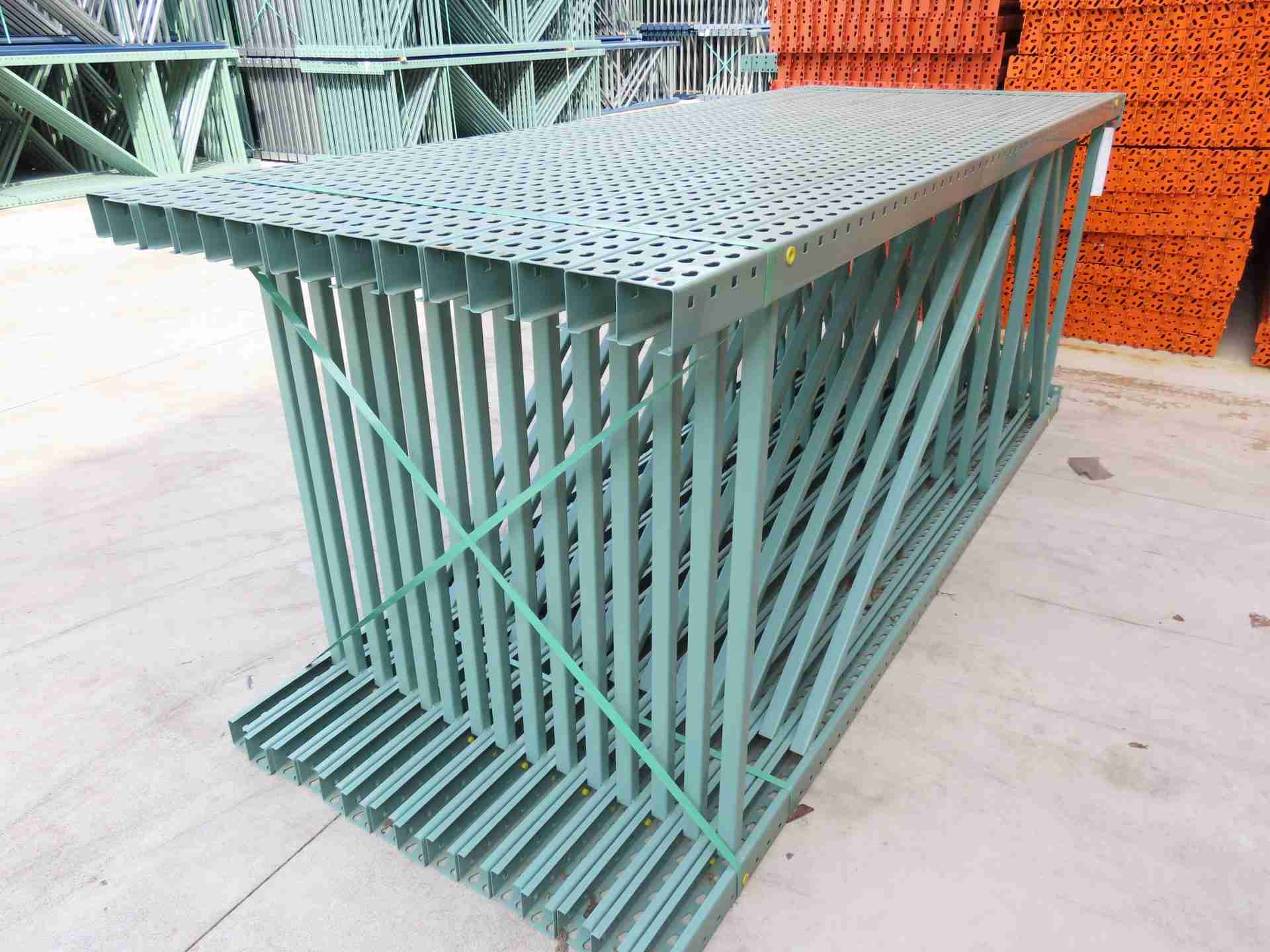
How Can You Reduce Waste In Your Packing Process?
How Can You Reduce Waste In Your Packing Process?
- Efficient packing reduces waste and boosts profits while enhancing environmental responsibility.
- A cluttered workspace leads to unnecessary waste; introducing pallet racking systems can optimize storage.
- Using eco-friendly packaging options communicates sustainability values to customers and can lower shipping costs.
- Streamlining packing materials by using appropriately sized boxes reduces excess packaging and builds customer trust.
- Implementing technology to analyze packing patterns can identify areas of waste and improve decision-making.
- Training your team on sustainability promotes conscientious packing practices and enhances efficiency.
- Reducing waste fosters goodwill with customers and transforms corporate packing processes for better brand integrity.

How Can You Reduce Waste In Your Packing Process?
Are You Leveraging Data Analytics For Inventory Optimization?
In today’s fast-paced marketplace, relying on intuition alone to make inventory decisions is like sailing a ship without a compass. The hidden treasure? Data analytics. Imagine transforming your inventory strategy into a well-oiled machine, enhancing your productivity and profitability while minimizing the headaches associated with stock mismanagement.
Let’s get down to brass tacks—your pallet racking system is a valuable asset gathering dust if you’re not utilizing data analytics to its fullest potential. Proper pallet racking creates a structured environment for your products, but do you know how to maximize the space and resources at your disposal? By leveraging analytics, you can fine-tune not only how you store but also what you store, when you store it, and how much you need.
Consider this scenario: You have a seasonal product that flies off the shelves but becomes a slow mover post-season. Without effective data analysis, you could be left with overstocked items that take up precious floor space and tie up your cash flow. By utilizing predictive analytics, you can anticipate demand cycles with pinpoint accuracy. Suddenly, your pallet racking isn’t just a storage solution; it’s a strategic component of your business model.
Let’s not overlook the power of real-time data. When integrated into your inventory management system, real-time metrics deliver insights that help you react swiftly to changes in demand. Fear no longer the dreaded stockouts or excess inventory! With the right analytics tools, you set the stage for a proactive strategy that empowers you to adjust your inventory levels, optimize pallet racking capacities, and meet customer demand head-on.
And let’s face it: embracing data analytics doesn’t just inspire confidence in your operations; it establishes trust with your customers. When they know you can reliably meet their needs, you become their go-to source—leading to repeat business and referrals that can elevate your brand in the marketplace.
In this era of precision, excuse the guesswork. It’s time to embark on your journey of data-driven inventory optimization. Understand your numbers, optimize your pallet racking, and watch as you create a harmonious, efficient warehouse environment that not only serves your business but delights your customers too. Don’t wait; put your data to work today and see how it transforms your inventory management strategies for good!

Are You Leveraging Data Analytics For Inventory Optimization?
Are You Leveraging Data Analytics For Inventory Optimization?
- Relying solely on intuition for inventory decisions is ineffective; data analytics is essential.
- Data analytics can enhance productivity and profitability while reducing stock mismanagement issues.
- Maximizing the potential of your pallet racking system is crucial for effective inventory management.
- Leveraging analytics helps in optimizing storage decisions regarding what, when, and how much to store.
- Predictive analytics allows for accurate anticipation of demand cycles, reducing overstock situations.
- Real-time data integration empowers proactive adjustments to inventory levels and pallet racking capacities.
- Embracing data analytics fosters customer trust, leading to increased repeat business and brand loyalty.
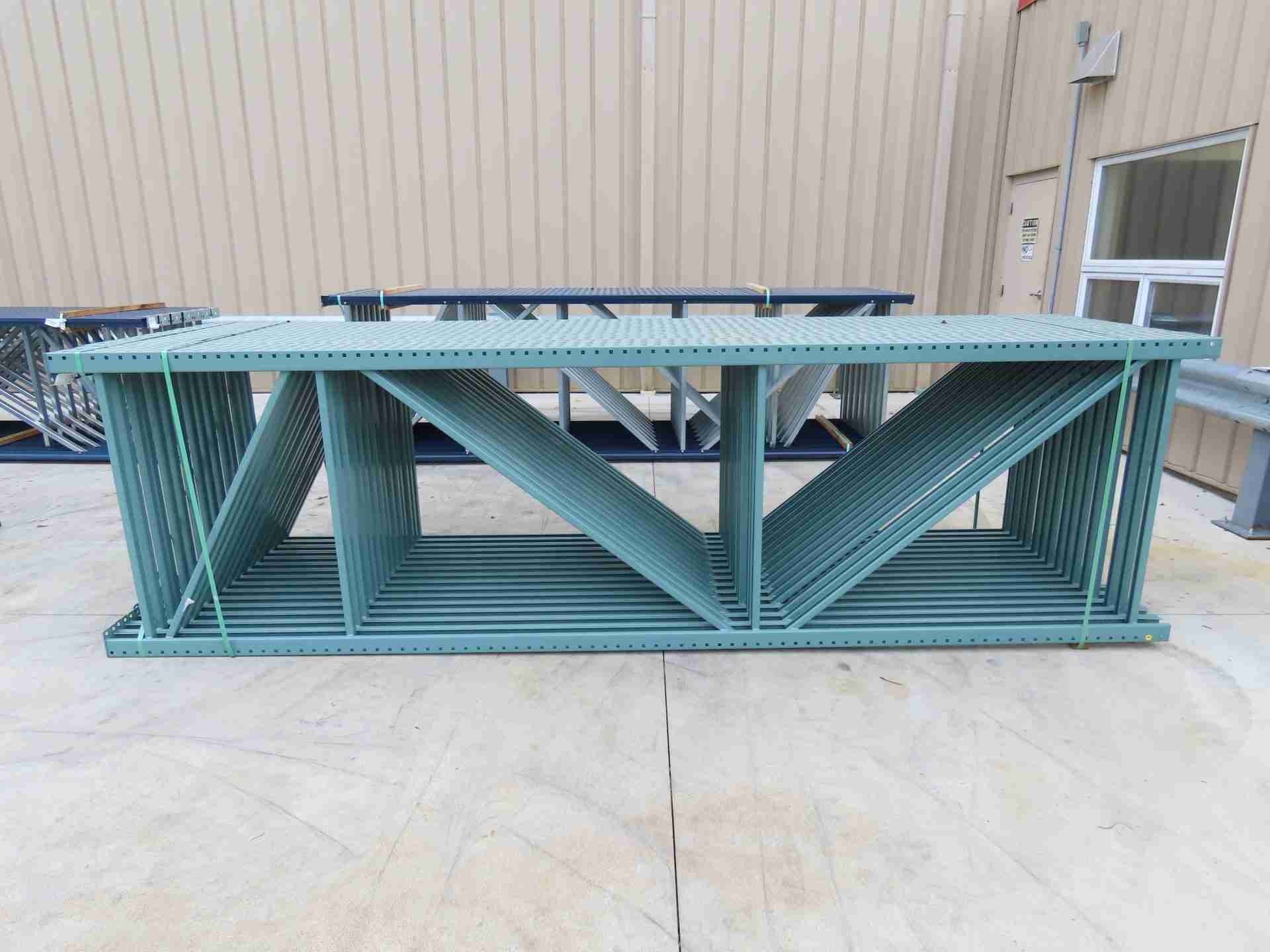
Are You Leveraging Data Analytics For Inventory Optimization?
Conclusion
Are you still trapped in the chaos of inefficiency within your warehouse? It’s time to confront the daily obstacles that hinder productivity and profitability. Cluttered aisles, ineffective pallet racking, and outdated inventory management practices are more than just inconveniences; they are drains on your business’s resources and morale. Inefficiencies, much like stubborn weeds, can fester and take root if left unchecked. But there’s hope—a straightforward path towards regeneration lies in optimizing your warehouse operations.
The solution? A thorough examination and upgrade of your pallet racking systems paired with cutting-edge technology. We’re not just talking about tidying up; we’re advocating for a complete transformation—a shift that empowers your employees, engages their skills, and maximizes your inventory’s potential. Picture a streamlined warehouse where every item is accessible, every action is purposeful, and every team member knows their vital role in the overall success of your operation. This vision isn’t a mere fantasy but a tangible reality with the right approach.
Now is the moment to take actionable steps. Begin with a critical review of your current practices. Engage your workforce in shaping solutions that work for them, and prioritize ongoing training to ensure they are equipped with the latest in operational best practices. This fostered culture of continuous improvement will not only boost safety and morale but also enhance overall efficiency. The impact? Substantial savings on operational costs and improved cash flows.
Arrow Industrial Sales is here to guide you through this transformative journey. Don’t allow the myriad of challenges to stifle your growth any longer. With our expertise in pallet racking systems and warehouse optimization, we can steer you towards sustainable practices that cut waste and elevate your productivity. But remember, change isn’t a one-time fling; it’s a commitment that starts today.
Don’t hesitate—call Arrow Industrial Sales at (574) 349-6575 now! Transform your warehouse operations into a powerhouse of efficiency and take the first step toward a thriving future. The time to act is now! Embrace the opportunities awaiting you, and witness the evolution of your operations from chaotic waste to strategic success. Your competitive advantage is one decisive conversation away!

Conclusion
Conclusion:
- Address inefficiencies in warehouse operations to improve productivity and profitability.
- Identify cluttered aisles, ineffective pallet racking, and outdated inventory management as major obstacles.
- Implement a thorough examination and upgrade of pallet racking systems and technology.
- Empower employees and engage their skills for a streamlined and purposeful warehouse environment.
- Encourage continuous improvement through employee engagement and ongoing training.
- Partner with Arrow Industrial Sales for expertise in warehouse optimization and sustainable practices.
- Act now to transform your warehouse operations and gain a competitive advantage.

Conclusion
Other Resources

Other Resources
Here is a list of other resources you can review online to learn more:
- Warehouse Racks, Warehouse Racking in Stock – ULINE
- Warehouse Racking Chicago, IL
- New Cantilever Racks and Racking Kits
- CMMA
- Wolter
- Heavy-Duty Cantilever Storage Racks
- The Ultimate Pallet Racking Guide – Speedrack West
- Interlake Mecalux
- Shipping Boxes, Packaging Materials, Pallet Racking
- Used Teardrop Pallet Rack – American Surplus
Use This Prompt To Get More Resources With Your Favorite Online AI Tool: Please provide me with a list of online articles with their URLs in a bulleted list that I can read regarding Are You Perpetuating Waste Instead Of Optimizing Warehouse Operations?

Other Resources
Glossary Terms
Are You Perpetuating Waste Instead Of Optimizing Warehouse Operations? – Glossary Of Terms
1. Warehouse Optimization: The process of improving warehouse efficiency and effectiveness through better layout, procedures, and technology.
2. Lean Management: A systematic method for waste minimization within a manufacturing system without sacrificing productivity.
3. Waste: Any activity that consumes resources without adding value to the product or service.
4. Inventory Management: The process of ordering, storing, and using a company’s inventory to efficiently meet customer demand.
5. FIFO (First In, First Out): An inventory management method where the oldest stock is sold or used first to reduce waste.
6. LIFO (Last In, First Out): An inventory valuation method that assumes the most recently acquired items are sold first, which may not always optimize space or reduce waste.
7. SKU (Stock Keeping Unit): A unique identifier for each distinct product and service that can be purchased, used in inventory management.
8. Overstock: Having more inventory than is needed, leading to wasted space and resources.
9. Understock: Insufficient inventory to meet demand, which can lead to lost sales and customer dissatisfaction.
10. Order Picking: The process of selecting and gathering products to fulfill customer orders, critical for warehouse efficiency.
11. Cross-Docking: A logistics practice where products are directly transferred from inbound to outbound transportation with minimal storage.
12. Cycle Counting: An inventory auditing procedure where a small number of items are counted on a specific day to ensure accuracy without a full inventory.
13. Automation: The use of technology and systems to perform processes with minimal human intervention, often improving speed and accuracy in warehouses.
14. Warehouse Management System (WMS): Software that helps manage the day-to-day operations within a warehouse, such as tracking inventory and facilitating order fulfillment.
15. Space Utilization: The measurement of how efficiently space in a warehouse is used; optimizing this can reduce waste and costs.
16. Just-In-Time (JIT): An inventory strategy that aims to reduce waste by receiving goods only as they are needed in the production process.
17. Supply Chain Management: The management of the flow of goods and services from raw materials to delivery at the end customer, with a focus on efficiency and cost reduction.
18. Kitting: The process of assembling a set of products into a single package for sale or shipment, often to streamline production.
19. Returns Management: The process of handling returned products, including restocking and disposing of non-sellable items, to minimize losses.
20. Lead Time: The total time from the initiation of an order to the completion of the order, impacting inventory management and efficiency.
21. Demand Forecasting: The process of predicting future customer demand to better inform inventory levels and optimize storage.
22. ERP (Enterprise Resource Planning): Integrated management software that helps organizations manage business functions and automate back-office tasks related to technology, services, and human resources.
23. Value Stream Mapping: A lean-management tool used to visually map the flow of materials and information, identifying waste and opportunities for improvement.
24. Obsolete Inventory: Inventory that can no longer be sold or used, leading to wasted resources and potential losses.
25. Task Interleaving: A method to enhance productivity by mixing different types of tasks to minimize idle time during order fulfillment.
26. Safety Stock: Extra inventory held to prevent stockouts due to demand variability or supply chain disruptions, potentially leading to waste if overestimated.
27. Real-time Data: Information that is available for review and action immediately as it is collected, crucial for responsive warehouse operations.
28. Product Cycle: The stages a product goes through from development to withdrawal from the market, affecting inventory strategies and waste management.
29. Physical Inventory: A complete count of all the items in a warehouse at a specific time, which can help identify discrepancies and waste.
30. Sustainability: Practices that focus on reducing environmental impact, often by minimizing waste and improving efficiency within warehouse operations.

Glossary Of Terms
Other Questions
Are You Perpetuating Waste Instead Of Optimizing Warehouse Operations? – Other Questions
If you wish to explore and discover more, consider looking for answers to these questions:
- What are the most common causes of inefficiency in warehouse operations?
- How often should I conduct audits on my pallet racking systems?
- What are the latest technologies available for warehouse optimization?
- How can employee engagement be fostered in warehouse operations?
- What training programs are most effective for warehouse employees?
- Which inventory management tools are recommended for small businesses?
- How can I measure the impact of changes made to warehouse operations?
- What are some eco-friendly packing options available to businesses?
- How do I implement data analytics in my inventory management processes?
- What strategies can help in managing seasonal product inventories effectively?

Other Questions
Checklist
Are You Perpetuating Waste Instead Of Optimizing Warehouse Operations? – A Checklist
1. Evaluate Your Pallet Racking Systems
✅ _____ Assess the current pallet racking layout.
✅ _____ Identify underutilized or inefficient storage areas.
✅ _____ Check for overloaded or poorly configured racks.
✅ _____ Consider upgrading to adjustable or automated racking systems.
2. Engage Your Workforce
✅ _____ Involve employees in brainstorming sessions to identify inefficiencies.
✅ _____ Provide training on proper pallet racking usage and safety.
✅ _____ Foster a culture of ownership in warehouse processes.
3. Conduct Regular Audits
✅ _____ Schedule regular audits of inventory and racking systems.
✅ _____ Analyze audit results to uncover hidden inefficiencies.
✅ _____ Implement feedback mechanisms for continuous improvement.
4. Adopt Technology for Inventory Management
✅ _____ Evaluate technology for real-time inventory tracking.
✅ _____ Consider warehouse management systems (WMS) for enhanced logistics.
✅ _____ Use data analytics for demand forecasting and inventory optimization.
5. Address Human Factors
✅ _____ Provide comprehensive training programs for employees.
✅ _____ Ensure staff understands the layout and processes to minimize errors.
✅ _____ Create a positive workplace culture to boost morale and productivity.
6. Optimize Packing Processes
✅ _____ Streamline the packing area to reduce clutter.
✅ _____ Analyze packing materials to minimize waste and costs.
✅ _____ Train staff on efficient packing techniques and eco-friendly alternatives.
7. Utilize Data Analytics
✅ _____ Implement analytics tools to monitor inventory trends.
✅ _____ Use insights from data to adjust inventory levels and improve efficiency.
✅ _____ Establish key performance indicators (KPIs) for ongoing evaluation.
8. Foster a Safe Work Environment
✅ _____ Regularly review safety protocols related to racking systems.
✅ _____ Empower employees to report hazards and suggest improvements.
✅ _____ Create a safety training program to ensure compliance and awareness.
9. Seek Continuous Improvements
✅ _____ Set aside time for regular planning reviews and strategy sessions.
✅ _____ Stay updated with industry best practices and innovations.
✅ _____ Develop a system for tracking progress on optimization initiatives.
Conclusion: Take Action Today
✅ _____ Review this checklist regularly.
✅ _____ Develop an action plan for implementing these strategies.
✅ _____ Celebrate your successes and continuously seek to optimize your warehouse operations!
This checklist is designed to help warehouse managers and team leaders identify opportunities for improvement in their operations. By following these steps, they can enhance efficiency, reduce waste, and ultimately boost profitability.

Checklist
At RackingWorld, we help guide you through selecting warehouse storage systems and racking.
Be sure to read our other related stories at RackingWorld to learn more about warehouse storage systems.
0 Comments