
Maximizing Efficiency: The Pitfalls Of Standardized Racking Systems
By Tom Seest
At RackingWorld, we help guide you through selecting warehouse storage systems and racking.
Be sure to read our other related stories at RackingWorld to learn more about warehouse storage systems.
Are Standardized Racking Systems Setting Your Warehouse Back?
In the fast-paced world of warehousing and supply chain management, clinging to the familiar can feel comfortable, even safe. Yet, that very comfort might be silently undermining your efficiency and hampering growth. Are you firmly entrenched in standardized racking systems? It’s time to ask yourself: is your approach truly serving your business, or is it holding you back like an anchor?
Let’s face it—pallet racking is supposed to be a tool for success, yet many warehouses are still using outdated models that limit flexibility and adaptability. Standardized designs, while neat and tidy, often cater to a one-size-fits-all philosophy that simply doesn’t translate to the dynamic nature of today’s market. Your business is unique, and you need a racking solution that reflects that uniqueness, not a cookie-cutter approach that leaves potential on the table.
Imagine walking into your warehouse and seeing a system that not only maximizes storage space but also enhances productivity. Picture a racking solution designed specifically for your stock items, soaring above traditional limitations and tailored to your operational needs. It’s time to consider swapping rigid structures for a flexible, strategic approach that empowers your team and streamlines your processes.
Investing in bespoke pallet racking systems opens up new avenues for efficiency. Whether it’s optimizing your workflow with FIFO (First In, First Out) operations or allowing room for growth and change as your inventory evolves, adapting your storage to suit your specific demands can have a transformative effect on your entire operation.
You might be hesitant to change, worried about the challenges that come with installing new systems. But think of the benefits: reduced labor costs, improved order accuracy, and a more organized workspace. It’s an investment that pays dividends over time. Plus, working with experts who understand the intricacies of pallet racking can offer insights that lead to innovative ideas you might not have considered.
Remember, your warehouse should be an asset, not a liability. If you’re still relying on standardized racking systems, it might be time to reevaluate. Break free from the limitations of yesterday’s solutions. Let’s champion a customized approach that drives your warehouse to new heights. Your bottom line—and your team—will thank you for it. Don’t be the warehouse manager who hesitates; be the leader who takes action, daring to innovate for a future that’s bright and boundless.

Are Standardized Racking Systems Setting Your Warehouse Back?
Are Standardized Racking Systems Setting Your Warehouse Back?
- Standardized racking systems may provide comfort but can hinder efficiency and growth in warehouses.
- Many warehouses still utilize outdated pallet racking models that limit flexibility and adaptability.
- A one-size-fits-all approach does not meet the unique demands of modern businesses.
- Custom racking solutions can maximize storage space and enhance productivity tailored to specific operational needs.
- Investing in tailored pallet racking systems can improve workflow and allow for inventory growth and change.
- Adopting new systems can lead to reduced labor costs, improved order accuracy, and a more organized workspace.
- Warehouse managers should embrace innovation and customize solutions to transform their operations and maximize profits.

Are Standardized Racking Systems Setting Your Warehouse Back?
Table Of Contents
- Are Standardized Racking Systems Setting Your Warehouse Back?
- What Are The Limitations Of Standardized Racking Systems?
- How Do You Assess The Needs Of Your Warehouse?
- Can Customized Racking Solutions Improve Efficiency?
- What Factors Should You Consider Before Upgrading Your Racking System?
- How Do Standardized Systems Affect Inventory Management?
- Are There Costs Associated With Switching From Standardized Racks?
- Conclusion
- Other Resources
- Glossary Of Terms
- Other Questions
- Checklist
What Are The Limitations Of Standardized Racking Systems?
When it comes to warehouse efficiency, standardized racking systems, especially pallet racking, might seem like the golden ticket. After all, these systems promise uniformity, simplicity, and ease of implementation. However, lurking just beneath the surface are some serious limitations that could hinder your operational success.
Imagine this: you’ve invested in a shiny new pallet racking system, convinced it’s the answer to your space and organizational challenges. But then reality strikes. The most significant drawback of standardized systems lies in their rigidity. These systems are designed for a one-size-fits-all approach, which often fails to account for the unique needs of your inventory. Do you have products of varying sizes or unusual shapes? Good luck fitting them neatly into those standard slots! You’re left battling an inefficient setup that doesn’t work for you.
Moreover, the output of a standardized racking system can be a false sense of confidence. It promises quick and easy setup, but what if that system hampers your workflows instead? Without the ability to customize your laser focus on specific operational needs, you might find that what seemed like an efficient setup ends up being a bottleneck in your processes. This inefficiency can lead to increased labor costs and longer processing times—neither of which contributes to profitability.
Now, let’s talk about scalability. Your business isn’t static; it evolves. Yet many standardized systems can become like a straitjacket. They may limit your ability to expand or adapt as your business flourishes. Are you suddenly handling larger volumes or new product lines? With rigid pallet racking, you might find yourself grappling with costly modifications or even complete overhauls, pulling resources away from other critical tasks.
And we can’t forget about the aesthetics—or, rather, the lack thereof. A standardized racking system tends to promote a cold, industrial feel in your warehouse, making it an uninspiring environment for your team. Your employees thrive in spaces that reflect energy, creativity, and efficiency. A clever configuration tailored to your specific needs boosts morale and enhances productivity.
So, before you settle for the cookie-cutter option, consider how your unique needs deserve tailored solutions. Your organization is special, and your racking system should be, too. Embrace customization and take that pivotal step towards a smarter, more efficient warehouse operation!

What Are The Limitations Of Standardized Racking Systems?
What Are The Limitations Of Standardized Racking Systems?
- Standardized racking systems, like pallet racking, promise uniformity and simplicity but have significant limitations.
- These systems are rigid and may not accommodate unique inventory needs, leading to inefficiencies.
- A false sense of confidence can result from the quick setup of standardized systems, which may disrupt workflows.
- Standardized systems can hinder scalability, limiting the ability to adapt to growing volumes or new product lines.
- Modifying a rigid racking system can be costly and may divert resources from other tasks.
- Standardized systems can create a cold, uninspiring warehouse environment, negatively impacting team morale.
- Tailored racking solutions cater to specific needs, promoting a smarter and more efficient warehouse operation.

What Are The Limitations Of Standardized Racking Systems?
How Do You Assess The Needs Of Your Warehouse?
In the world of warehousing, assessments aren’t just cold, hard numbers—they’re your secret weapon in unlocking efficiency and profitability. So, how do you embark on this crucial journey? First, you need to step back and take a holistic view. Your warehouse is like a finely tuned engine; every component needs to work in harmony for maximum performance.
Start by identifying your current layout. Is your pallet racking system optimally positioned? Can it accommodate seasonal fluctuations in inventory? Often, inefficiencies creep in when we leave these essentials unmonitored. A thorough assessment involves a close examination of your pallet racking configuration and warehouse flow—think of it as your warehouse’s lifeblood. After all, if your employees are tripping over each other or making unnecessary trips across the floor, it not only drains time but can also contribute to employee dissatisfaction.
Next, march straight into your data. Dive deep into your inventory turnover rates. How fast are products moving? Is there a bottleneck in your shipping process? Establish clear KPIs—key performance indicators—that will serve as your guiding stars. Your data is your roadmap, showing you the pain points and highs of your current operations. We’re not talking magic here; we’re talking cold, hard facts that can identify areas for improvement.
Engagement is key. Involve your team in the assessment process. They are your frontline soldiers, and their insights can be invaluable. Schedule walkthroughs or brainstorming sessions focused on optimizing your layout and processes. A comfortable environment fosters open dialogue and often leads to unexpected, groundbreaking ideas that can solve longstanding issues.
Lastly, consider the future. Are your current solutions scalable? Are your pallet racking systems adaptable to accommodate new products or technology? Incorporating flexibility into your design can save you time, money, and headaches in the long run.
By taking a methodical approach to assessing your warehouse’s needs—focusing on layout, diving into data, engaging your team, and planning for the future—you can create an organized, efficient space that maximizes both productivity and profitability. Don’t just evaluate; elevate your operations to new heights, and watch your business flourish. Action starts now!

How Do You Assess The Needs Of Your Warehouse?
How Do You Assess The Needs Of Your Warehouse?
- Assessments are essential for increasing efficiency and profitability in warehousing.
- Take a holistic view of your warehouse to ensure all components work in harmony.
- Examine your current layout, focusing on pallet racking placement and accommodating seasonal fluctuations.
- Dive deep into inventory data to identify turnover rates and potential shipping bottlenecks.
- Establish clear KPIs to guide improvements and highlight areas in need of attention.
- Engage your team in the assessment process for valuable insights and innovative ideas.
- Plan for future scalability and adaptability of your solutions to ensure long-term efficiency.

How Do You Assess The Needs Of Your Warehouse?
Can Customized Racking Solutions Improve Efficiency?
Imagine walking into a warehouse where every square inch is precisely utilized, where each product is stocked exactly where it should be, leading to seamless inventory management—that’s the power of customized racking solutions. If you’ve ever frustratedly searched for a misplaced item or watched precious minutes tick away as you navigate the maze of generic shelving, then you know the true cost of efficiency–or the lack thereof.
Pallet racking systems are not just about holding goods; they are about revolutionizing how your business operates. Standard solutions may seem like a quick fix, but they often fail to address the unique needs of your operation. Every business is different, and cookie-cutter strategies can lead to missed opportunities and wasted space. Why settle for ‘good enough’ when you can have a tailored approach that maximizes your storage capabilities?
Picture this: a well-designed pallet racking system not only houses your products but also enhances workflow. When your assets are organized according to your specifications, picking times decrease, team productivity soars, and customer satisfaction skyrockets. It’s like turning on the turbo boost for your operation! Customized racking systems allow for quick retrieval and efficient restocking, meaning your staff spends more time completing valuable tasks rather than hunting for items lost in the clutter.
Moreover, investing in a tailored solution builds trust with your customers. As you consistently meet their demands without delay, you establish yourself as a reliable partner in their eyes. Each timely delivery becomes a testament to your operational prowess, enhancing your reputation and leading to repeat business. This translates to a powerful competitive advantage.
Don’t overlook the long-term savings that come with a customized approach. The initial investment might seem substantial, but consider the reduction in labor costs, improved inventory turnover, and increased sales. Isn’t that worth every penny?
So why wait? Start reimagining your warehouse with customized pallet racking solutions that align with your operational goals. Take that first step toward greater efficiency—one designed specifically for you. Embrace the transformation, and watch your business flourish as you harness the full potential of your storage space. It’s time to turn your vision into reality!
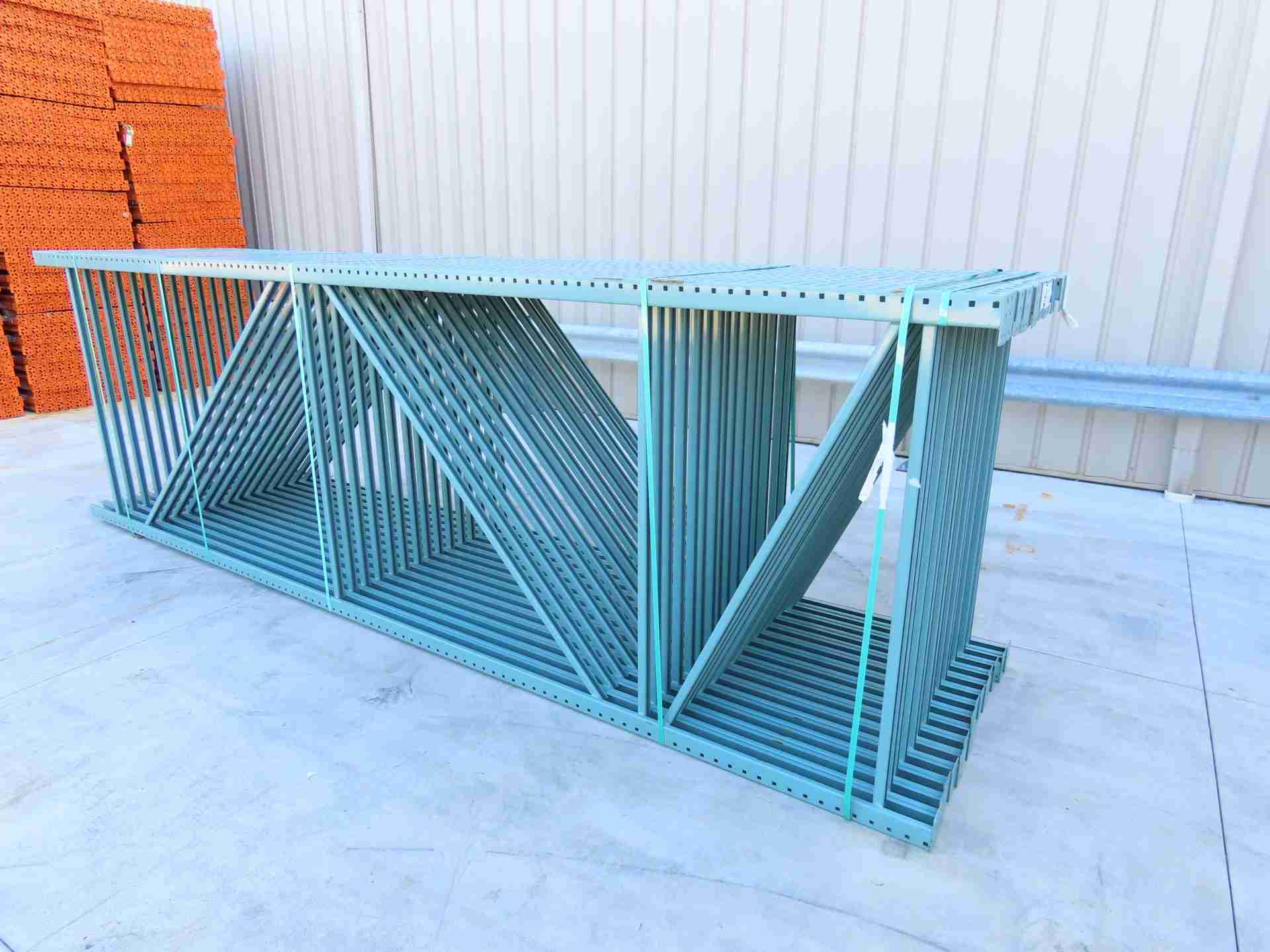
Can Customized Racking Solutions Improve Efficiency?
Can Customized Racking Solutions Improve Efficiency?
- Customized racking solutions optimize warehouse space and enhance inventory management.
- Standard pallet racking can lead to inefficiencies and wasted opportunities.
- A well-designed system improves workflow, reduces picking times, and boosts productivity.
- Efficient organization of goods contributes to higher customer satisfaction.
- Investing in tailored solutions builds customer trust and establishes a reliable partnership.
- Long-term savings include reduced labor costs, improved inventory turnover, and increased sales.
- Embrace customized solutions to transform your warehouse and maximize storage efficiency.

Can Customized Racking Solutions Improve Efficiency?
What Factors Should You Consider Before Upgrading Your Racking System?
Upgrading your pallet racking system can feel like a monumental decision, but with the right considerations, it can also be an opportunity to transform your warehouse operations into a powerhouse of efficiency and productivity. Let’s break down the key factors that will guide you in making an informed decision that aligns with both your current needs and long-term goals.
First, consider your current and future storage needs. Are you planning to expand your inventory or diversify your product line? A system that suffices for today may not support the dynamic demands of tomorrow. Pausing to assess your needs now will help you avoid the costly mistake of not having a racking system that can grow with you. It’s more than a purchase; it’s an investment in scalable solutions.
Next, delve into the space optimization factor. The layout of your existing warehouse is crucial. Effective use of vertical space can help you store more without expanding your footprint. Think about how different pallet racking configurations can fit seamlessly into your current setup. Your racking system should not just be a structure; it should be an integral part of your operations that enhances workflow efficiency.
Additionally, consider the safety features of potential racking systems. Safety should never be a compromise; it’s the backbone of a successful warehouse. Upgraded systems often come equipped with enhanced safety features that protect both your employees and your investment. When you confidently demonstrate your commitment to safety, your workforce feels valued and motivated.
Another essential aspect to reflect on is installation logistics. Will you require professional help, or can your team handle it? Understanding the costs and timeframes associated with installation can significantly affect your overall budget and operational schedule. Don’t let installation become a bottleneck; plan for this step early in the process.
Lastly, consider budgetary constraints. Upgrading your pallet racking system should provide a clear return on investment. Take time to evaluate financing options and explore vendors that offer warranties and support. A thoughtful approach to budgeting ensures that you’re not just buying a product, but securing a solid partnership with a provider who understands your unique needs.
When you embrace these considerations, upgrading your racking system can transform not just your storage capacity, but the very culture of your warehouse. It’s an exciting step toward operational excellence – one that fosters progress, efficiency, and growth.

What Factors Should You Consider Before Upgrading Your Racking System?
What Factors Should You Consider Before Upgrading Your Racking System?
- Upgrading pallet racking systems can enhance warehouse efficiency and productivity with careful planning.
- Assess current and future storage needs to ensure the system can accommodate growth and changes in inventory.
- Optimize space by effectively using vertical storage and ensuring the racking system integrates well into the existing layout.
- Prioritize safety features in racking systems to protect employees and investments, fostering a motivated workforce.
- Plan for installation logistics early, considering whether to hire professionals or use in-house resources to avoid delays.
- Evaluate budgetary constraints and explore financing options, ensuring a clear return on investment through vendor partnerships.
- Embracing these considerations can lead to operational excellence, promoting growth and efficiency within your warehouse.

What Factors Should You Consider Before Upgrading Your Racking System?
How Do Standardized Systems Affect Inventory Management?
In the vast world of inventory management, one thing stands out as a game changer: standardized systems. They bring clarity, efficiency, and a structured approach to what can often feel like chaos. Imagine walking into a warehouse, where every item is precisely categorized, every pallet spot has its dedicated place, and the process flows seamlessly. That, my friend, is the magic of a well-implemented standardized system.
Let’s face it; we all know the pain of dealing with inventory that feels too much like a puzzle with missing pieces. Losing track of products, excessive overstock, or worse, stockouts—all of these situations stunt your business’s growth and drain your resources. The good news? Standardized systems streamline your operations, ensuring that every item has a home and every team member knows exactly where to find it.
Consider pallet racking systems, a cornerstone in any effective inventory management strategy. When you utilize standardized pallet racking, you tap into a method that not only optimizes space but also enhances accessibility. This means you can store more items without the clutter that usually leads to confusion and errors. Moreover, standardized products facilitate a smoother picking process, leading to quicker fulfillment times and improved customer satisfaction.
But it’s more than just physical organization; adopting standardized systems fosters a culture of accountability and trust among your team. When everyone operates under the same protocols, the chances of miscommunication drop significantly. Team members know what to expect from one another, which builds confidence across the board. Imagine training new employees—standardized systems make onboarding a breeze, allowing them to learn faster and contribute sooner.
Now, let’s talk about numbers. Efficiency leads to cost savings, and in today’s competitive marketplace, that’s not just an advantage; it’s a necessity. Companies that embrace standardized inventory management see reduced shrinkage, lower carrying costs, and increased profitability. When your inventory is organized and easy to manage, you have more time to focus on what truly matters—growing your bottom line and delighting your customers.
So, if you’re still navigating the murky waters of an unsystematic inventory approach, consider making the leap. Invest in standardized systems, and watch as your inventory transforms from a burden into a powerful asset. Your business deserves it. Embrace the order, reclaim your time, and let those profits soar!

How Do Standardized Systems Affect Inventory Management?
How Do Standardized Systems Affect Inventory Management?
- Standardized systems in inventory management provide clarity, efficiency, and structure in chaotic environments.
- They help prevent issues like losing track of products, overstock, and stockouts, ultimately fostering business growth.
- Standardized pallet racking systems optimize space and enhance accessibility, reducing clutter and confusion.
- These systems lead to quicker fulfillment times and improved customer satisfaction through efficient picking processes.
- They promote accountability and trust among team members, reducing miscommunication and improving collaboration.
- Embracing standardized systems results in cost savings, reduced shrinkage, and increased profitability.
- Transitioning to a standardized approach transforms inventory from a burden into a powerful business asset.
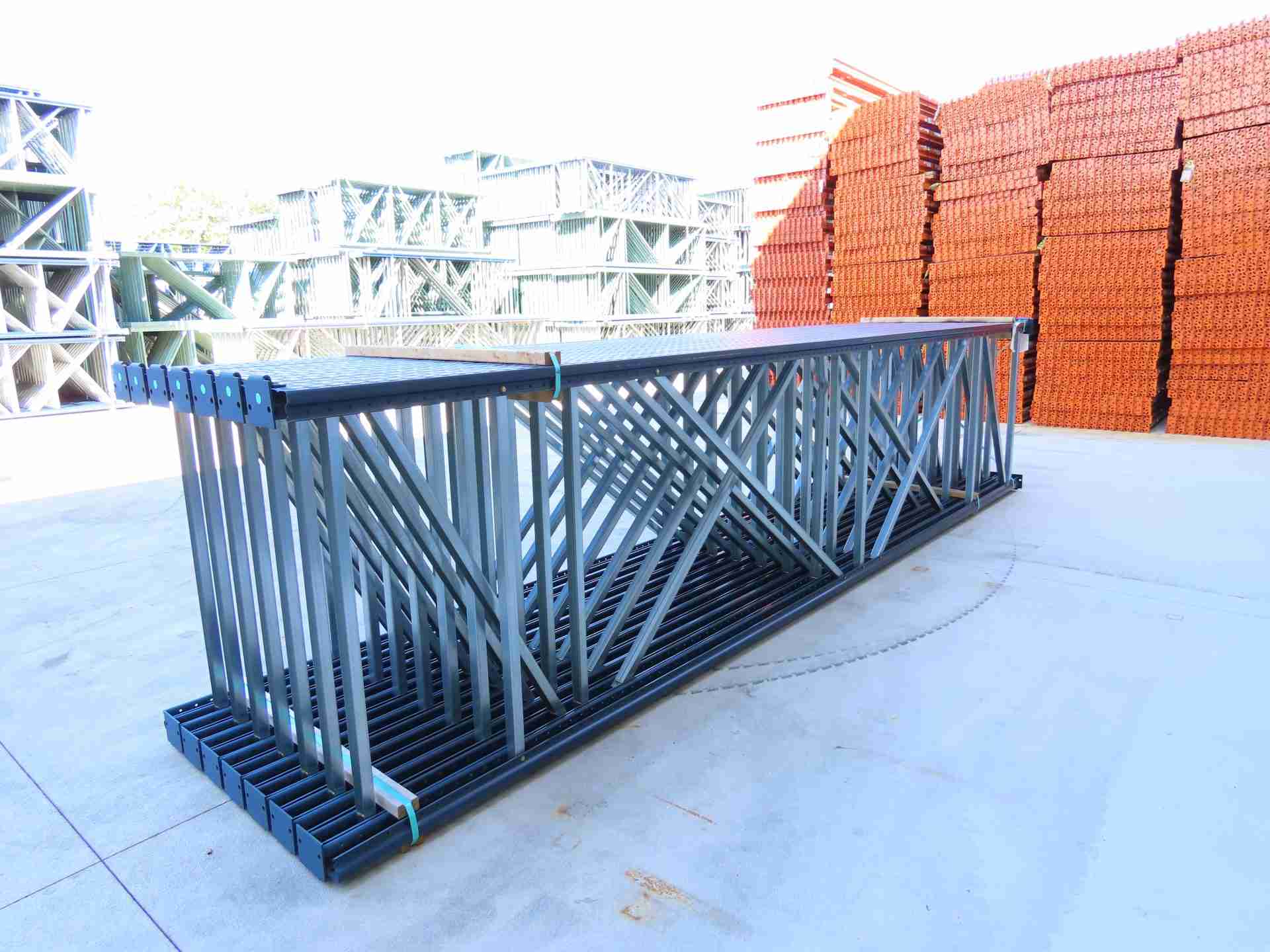
How Do Standardized Systems Affect Inventory Management?
Are There Costs Associated With Switching From Standardized Racks?
Switching from standardized racks to a more tailored pallet racking solution can be a game-changer for your business, but let’s not sugarcoat it: there are costs you need to consider. However, the question isn’t just about the initial price tag—it’s about the return on investment that customized storage systems can offer in efficiency, space utilization, and scalability.
Imagine for a moment the chaos often found in warehouses with standardized racks: items are crammed in haphazardly, employees spend more time searching for products than actually moving them, and the workflow stumbles along like a wind-up toy that’s running out of juice. Now picture that same space transformed: a well-organized system of pallet racking not only optimizes your storage capabilities but enhances your team’s productivity significantly. It’s about more than just aesthetics; it’s a strategic investment in your operational health.
Yes, there will be upfront costs related to switching from standardized racks to pallet racking systems, including installation, training, and potential downtime during the transition. But consider these expenses through a lens of opportunity. What if, by investing now, you could streamline operations and reduce labor costs in the long run? What if the right pallet racking could cut down your inventory retrieval time by a staggering percentage, leading to happier customers and increased sales?
Moreover, as your business grows, having a flexible pallet racking system means that scaling up won’t be a nightmare. Standardized racks often lead to bottlenecks and limitations. In contrast, a customized system adapts to your evolving needs, ensuring that your storage solutions grow alongside your ambitions.
In a world that demands agility and responsiveness, embracing the switch from standardized racks to pallet racking can set you apart from the competition. It’s not a decision to take lightly, but by fostering a culture of adaptability and efficiency, you lay the foundation for lasting success.
So, while the costs might rear their heads, remember: investing in pallet racking is more than mere expenditure. It’s a calculated move that can open doors to new operational efficiencies, deeper customer satisfaction, and ultimately, greater profitability. Trust in this shift; your warehouse has the potential to be more than just a collection of items. It’s time to turn it into a well-oiled machine that propels your business forward!

Are There Costs Associated With Switching From Standardized Racks?
Are There Costs Associated With Switching From Standardized Racks?
- Switching to customized pallet racking can significantly improve business efficiency and space utilization.
- Initial costs include installation, training, and potential downtime during the transition.
- Long-term benefits include streamlined operations, reduced labor costs, and faster inventory retrieval.
- Flexible pallet racking systems support business growth and adapt to changing needs.
- Customized systems prevent bottlenecks and limitations commonly associated with standardized racks.
- Investing in tailored solutions fosters a culture of adaptability and operational health.
- This strategic investment can lead to increased customer satisfaction and overall profitability.

Are There Costs Associated With Switching From Standardized Racks?
Conclusion
In today’s dynamic warehousing landscape, the reliance on standard racking systems may inadvertently tether your operational success. This article highlights how sticking to outdated, one-size-fits-all solutions can anchor your business, compromising both efficiency and growth. As we’ve explored, warehouse management should be an asset-driven endeavor, where customized racking solutions shine as the key to maximizing productivity and optimizing workflow.
Are your current racking systems failing to accommodate your unique inventory demands? If you find your operation burdened by inefficiencies, the time for change is now. Shifting to a tailored racking system not only amplifies storage capabilities but revolutionizes the entire supply chain process. Imagine a workspace where every square inch is efficiently managed, resulting in streamlined inventory management, enhanced employee morale, and improved customer satisfaction. This is not just a dream; it’s a viable reality achievable through an investment in customized solutions.
However, we understand that contemplating an upgrade can seem daunting. Costs associated with transitioning your racking system can raise eyebrows, but consider these expenditures an opportunity rather than a setback. The initial investment will lead to operational efficiencies that produce significant long-term savings—reducing labor costs, improving inventory turnover, and increasing sales numbers.
Assessing your specific warehouse needs and considering factors such as scalability, safety, and the long-term vision of your logistics infrastructure is crucial. A detailed evaluation can unveil bottlenecks, reveal hidden inefficiencies, and foster an environment where productivity flourishes. Engaging your team in this assessment will not only inspire innovative solutions but will also cultivate a culture of collaboration and accountability.
As with any transformational journey, decisive action is essential. Don’t let hesitation restrict your warehouse’s potential. Call Arrow Industrial Sales at (574) 349-6575 today to explore how customized racking solutions can elevate your operational efficiency and position your business for future growth. Procrastination can jeopardize your competitive edge—time is of the essence. Empower your warehouse to be a beacon of productivity and innovation, and reap the rewards of a well-optimized space where every operation propels you closer to success. Make the switch today and unlock your warehouse’s full potential!

Conclusion
Conclusion:
- Outdated standard racking systems can hinder operational success in warehousing.
- Customized racking solutions enhance productivity and optimize workflow.
- Tailored systems improve storage capabilities and revolutionize supply chains.
- Initial costs of upgrading racking systems should be viewed as an investment for long-term savings.
- Assessing warehouse needs is vital to identify bottlenecks and inefficiencies.
- Engaging your team in evaluations fosters innovation and a collaborative culture.
- Act promptly to maximize your warehouse’s potential and gain a competitive edge.

Conclusion
Other Resources

Other Resources
Here is a list of other resources you can review online to learn more:
- Shipping Boxes, Packaging Materials, Pallet Racking
- Iowa Illinois Warehouse Racking
- Crane Manufacturers Association Of America Inc.
- Chicago Pallet Racking
- Cantilever Rack Configuration & Installation: A Comprehensive Guide – BMH
- The Complete Pallet Rack Guide – Simply Rack
- Pallet Racking systems in Illinois and Great Lakes
- Logic Material Handling
- American Society of Safety Professionals
- IWLA
Use This Prompt To Get More Resources With Your Favorite Online AI Tool: Please provide me with a list of online articles with their URLs in a bulleted list that I can read regarding Are Standardized Racking Systems Setting Your Warehouse Back?

Other Resources
Glossary Terms
Are Standardized Racking Systems Setting Your Warehouse Back? – Glossary Of Terms
1. Standardized Racking Systems: Pre-designed shelving units that conform to industry norms, allowing for efficient storage and retrieval.
2. Warehouse Efficiency: The ratio of productive operations in a warehouse compared to wasted time or resources; critical for profitability.
3. Space Optimization: Strategies employed to make the most out of available space, ensuring maximum storage capacity without excess clutter.
4. Custom Racking Solutions: Tailor-made shelving systems designed to meet specific storage needs or accommodate unique products.
5. Flexibility: The ability of racking systems to adapt to changes in inventory types, sizes, or warehouse layout.
6. Inventory Turnover: A measure of how quickly inventory is sold and replaced over a period, indicating efficiency in managing stock.
7. Load Capacity: The maximum weight a racking unit can safely hold, which is essential for safety and structural integrity.
8. Shelf Height: The vertical distance between each shelf in a racking system, which can impact the ease of access and storage density.
9. Accessibility: The ease with which stored items can be retrieved, affecting operational efficiency and labor costs.
10. Automation: The use of technology in warehouse operations, such as automated racking systems that increase speed and accuracy.
11. Safety Regulations: Legal requirements that govern the design and operation of racking systems to ensure safety for workers.
12. FIFO (First In, First Out): An inventory management strategy where the oldest stock is sold first to minimize spoilage or obsolescence.
13. LIFO (Last In, First Out): An inventory management method where the most recently stocked items are sold first, often used for items that have a longer shelf life.
14. Pallet Racking: A specific type of racking system designed to store palletized materials, typically used in warehouses for bulk storage.
15. Mezzanine: An intermediate floor or platform built between the main floors of a warehouse, used to create additional storage space.
16. Dynamic Storage: Racking systems that allow for the movement of stocked items, promoting ease of access and flexibility.
17. Static Storage: Fixed racking systems that do not allow movement of shelves or items, often leading to wasted space.
18. Warehouse Layout: The strategic arrangement of storage areas, racking, and pathways in a warehouse to optimize workflow.
19. SKU (Stock Keeping Unit): A unique identifier for a specific product and its variant, essential for inventory management.
20. Picking Efficiency: The speed and accuracy with which items are retrieved from storage for order fulfillment.
21. Total Cost of Ownership (TCO): A financial estimate that includes the purchase price plus all costs associated with the investment throughout its lifecycle.
22. Lean Warehousing: A methodology focused on minimizing waste while maximizing productivity and efficiency in warehouse operations.
23. Ergonomics: The science of designing the workplace to fit the worker, minimizing strain and risk of injury during operations.
24. Cross-Docking: A logistics practice where incoming goods are directly transferred to outbound shipping, reducing storage time.
25. Product Segmentation: The practice of categorizing products based on various attributes to optimize storage and retrieval strategies.
26. Cold Storage: Specialized racking systems designed for temperature-sensitive items, such as perishable food or pharmaceuticals.
27. Warehouse Management System (WMS): A software solution that automates and optimizes warehouse operations, including inventory tracking and order fulfillment.
28. Baseline Assessment: An analysis of current warehouse performance metrics to identify areas of improvement before adopting new systems.
29. Return on Investment (ROI): A financial metric used to evaluate the profitability of an investment relative to its cost.
30. Scalability: The ability of a racking system to grow and adapt as business needs change, accommodating increased inventory without major alterations.

Glossary Of Terms
Other Questions
Are Standardized Racking Systems Setting Your Warehouse Back? – Other Questions
If you wish to explore and discover more, consider looking for answers to these questions:
- What are the key benefits of customized racking systems over standardized ones?
- How can I determine the best racking system for my specific warehouse needs?
- What are the initial investment costs of switching to a customized racking system?
- How long does it typically take to install a new racking system?
- What safety measures should be considered when upgrading racking systems?
- Can standardized racking systems still be effective in certain warehouse setups?
- What role does employee engagement play in selecting racking systems?
- What are the potential impacts on employee morale when changing racking systems?
- How do seasonal fluctuations in inventory affect racking system choices?
- What are the best practices for implementing a customized racking solution?
- How do inventory turnover rates influence racking system configurations?
- How can technology be integrated into a new racking system?
- What ongoing maintenance is required for customized racking systems?
- How do I measure the success of a newly implemented racking system?
- Are there specific industries that benefit more from customized racking solutions?

Other Questions
Checklist
Are Standardized Racking Systems Setting Your Warehouse Back? – A Checklist
1. Current System Assessment
_____ Evaluate the efficiency of your existing racking system.
_____ Identify areas with poor layout or workflow bottlenecks.
2. Inventory Needs Analysis
_____ Analyze the types and sizes of products in your inventory.
_____ Determine the storage requirements for seasonal fluctuations.
3. Engage Your Team
_____ Conduct team walkthroughs to gather insights on current challenges.
_____ Facilitate brainstorming sessions to discuss potential improvements.
4. Data-Driven Decisions
_____ Review inventory turnover rates and identify slow-moving items.
_____ Establish key performance indicators (KPIs) to guide improvements.
5. Scalability Considerations
_____ Anticipate future growth and product line expansions.
_____ Assess whether your current system can adapt to new demands.
6. Space Optimization
_____ Evaluate the vertical storage potential of your warehouse.
_____ Consider different pallet racking configurations to enhance space utilization.
7. Safety Features
_____ Review safety protocols within your racking system.
_____ Ensure new systems incorporate enhanced safety features.
8. Installation Logistics
_____ Determine if professional installation is required.
_____ Plan for any downtime associated with installation.
9. Budgeting and ROI
_____ Analyze the initial costs versus potential long-term savings.
_____ Factor in financing options and warranty offerings from providers.
10. Customized vs. Standardized Systems
_____ Compare the benefits of tailored racking solutions with standardized options.
_____ Consider how customization can improve efficiency and meet your specific operational needs.
11. Long-Term Vision
_____ Establish a plan for continuous improvement and adaptation to market changes.
_____ Create a roadmap for future upgrades and investments.
12. Employee Morale and Productivity
_____ Reflect on how the racking system design impacts employee engagement and satisfaction.
_____ Consider aesthetic improvements that can enhance the work environment.
Conclusion: Taking Action
_____ Commit to a thorough evaluation of your racking systems.
_____ Engage key stakeholders in the decision-making process for any changes.
_____ Embrace the shift towards a more flexible, efficient, and customized racking solution.

Checklist
At RackingWorld, we help guide you through selecting warehouse storage systems and racking.
Be sure to read our other related stories at RackingWorld to learn more about warehouse storage systems.
0 Comments