
Maximizing Efficiency And Eco-Friendly Practices
By Tom Seest
At RackingWorld, we help guide you through selecting warehouse storage systems and racking.
Be sure to read our other related stories at RackingWorld to learn more about warehouse storage systems.
Is Sustainable Shelving The Essential Solution for Modern Warehouses?
In today’s fast-paced, eco-conscious business landscape, warehouse operations face a mounting challenge: how to maximize efficiency while minimizing environmental impact. Enter sustainable shelving solutions, specifically designed to modernize warehouses. But how do they stack up against traditional methods like pallet racking?
Pallet racking has long been the backbone of warehouse storage systems. While these systems maximize vertical space, they often come with a hefty environmental footprint due to the materials used and the systems required for their functionality. The advantages are clear—cost-effective and efficient for heavy goods—but the need for a greener, more sustainable alternative is increasingly pressing.
What if there was a way to maintain—or even enhance—operational efficiency while embracing sustainability? Enter sustainable shelving options that are not only eco-friendly but also optimized for modern logistics. Imagine shelving made from recycled materials or sourced from sustainably managed forests. It’s an opportunity to cut back on carbon emissions, reduce waste, and promote a circular economy within the warehousing sector.
A prime example of this shift is the rise of modular shelving systems that adapt to the specific needs of your warehouse. These systems offer flexibility, allowing businesses to easily rearrange configurations to accommodate changing inventory demands without undergoing extensive renovations. For instance, during the recent supply chain disruptions, companies utilizing these sustainable options were able to pivot their operations quickly, leading to reduced downtime and enhanced efficiency.
Moreover, incorporating energy-efficient lighting and smart inventory management technologies alongside sustainable shelving can lead to remarkable operational savings. A study by the World Economic Forum highlighted that adopting sustainable practices can improve overall efficiency by 20-30%. This aligns perfectly with today’s corporate social responsibility goals, and businesses can leverage this commitment to sustainability as a key marketing point.
Not only does sustainable shelving reduce operational costs in the long run, but it also positions companies as forward-thinking leaders in their industries. In an era where consumers are gravitating toward eco-friendly brands, demonstrating a commitment to sustainability can significantly enhance brand loyalty.
As the global market continues to evolve, those who invest in sustainable shelving solutions are not merely following a trend; they are setting themselves up to be the frontrunners in an increasingly sustainable future. The question is clear: can you afford to ignore the benefits of sustainable shelving and stick with outdated pallet racking systems? The answer is a resounding no. Embrace the shift today for a cleaner, greener tomorrow!

Is Sustainable Shelving The Essential Solution for Modern Warehouses?
Is Sustainable Shelving The Essential Solution for Modern Warehouses?
- Warehouse operations must balance efficiency with environmental impact in a fast-paced, eco-conscious landscape.
- Traditional pallet racking maximizes space but has a significant environmental footprint due to material usage.
- Sustainable shelving options offer eco-friendly alternatives that enhance operational efficiency.
- Modular shelving systems provide flexibility to adapt to inventory changes without extensive renovations.
- Combining sustainable shelving with energy-efficient lighting and smart management can improve efficiency by 20-30%.
- Investing in sustainable solutions reduces operational costs and enhances brand loyalty among eco-conscious consumers.
- Companies adopting sustainable shelving are positioned as industry leaders in a rapidly evolving market focused on sustainability.

Is Sustainable Shelving The Essential Solution for Modern Warehouses?
Table Of Contents
- Is Sustainable Shelving The Essential Solution for Modern Warehouses?
- What Is Sustainable Shelving And Why Does It Matter?
- How Do Sustainable Shelves Benefit Modern Warehouses?
- What Materials Are Used In Sustainable Shelving?
- How Does Sustainable Shelving Impact Warehouse Efficiency?
- Are There Cost Advantages To Using Sustainable Shelving?
- What Are The Environmental Benefits Of Sustainable Shelving?
- Conclusion
- Other Resources
- Glossary Of Terms
- Other Questions
- Checklist
What Is Sustainable Shelving And Why Does It Matter?
In today’s fast-paced world, businesses face an urgent demand to adopt sustainable practices that not only enhance their bottom line but also respect our planet. Enter sustainable shelving—an innovative solution that optimizes space, boosts efficiency, and supports eco-friendly operations. But what exactly is sustainable shelving, and why should it command your attention?
At its core, sustainable shelving encompasses systems like pallet racking made from reclaimed or sustainable materials, designed with the environment in mind. This method not only minimizes environmental impact but also improves warehouse functionality and scalability. By investing in sustainable shelving, you are setting your enterprise on a path toward circling back into the sustainable economy—a move that current consumers and stakeholders increasingly favor.
Let’s dissect the ‘why’ behind sustainable shelving. First and foremost, consider the environmental benefits. With climate change escalating at an alarming rate—record heatwaves, rising sea levels, and severe natural disasters are making headlines daily—there is a pressing need for companies to pivot towards eco-friendly solutions. Implementing sustainable shelving systems can reduce waste, decrease your carbon footprint, and promote responsible consumption—all while upholding efficient operation standards.
For instance, imagine a large retailer adopting sustainable pallet racking instead of traditional shelving. Not only does that retailer elevate its environmentally conscious image, but it also benefits from increased space utility and organization. An improvement in warehousing efficiency translates to better inventory management, fewer lost items, and ultimately, an enhanced customer experience.
Moreover, sustainable shelving isn’t just about materials; it’s about community impact. Local businesses equipped with sustainable storage solutions can thrive in an ever-competitive market. Picture a small bookstore utilizing recyclable shelving made from local timber. This not only reduces transportation emissions but also supports the local economy, creating a ripple effect of positive impact.
In recent months, numerous organizations have recognized the value of sustainability—companies pivoting to sustainable packaging or reducing energy usage highlight a broader trend in the marketplace. By integrating sustainable shelving into your operations, you position your business not merely as an industry player, but as a pioneering force pushing for environmental stewardship.
Ultimately, sustainable shelving is not just a passing trend; it is essential for your business to remain relevant, efficient, and responsible. Whether it’s through pallet racking or other innovative systems, taking the leap toward sustainability isn’t just good for the planet—it’s a smart business strategy. Make the transition today!

What Is Sustainable Shelving And Why Does It Matter?
What Is Sustainable Shelving And Why Does It Matter?
- Sustainable shelving refers to storage systems like pallet racking made from reclaimed or eco-friendly materials.
- It minimizes environmental impact while enhancing warehouse functionality and scalability.
- Investing in sustainable shelving aligns businesses with the growing demand for eco-conscious practices from consumers and stakeholders.
- Adopting sustainable shelving can help in reducing waste, lowering carbon footprints, and promoting responsible consumption.
- It offers improved space utility and organization, leading to better inventory management and an enhanced customer experience.
- Utilizing local and recyclable materials supports the local economy while reducing transportation emissions.
- Sustainable shelving is vital for business relevance and efficiency, offering a strategic pathway toward environmental stewardship.

What Is Sustainable Shelving And Why Does It Matter?
How Do Sustainable Shelves Benefit Modern Warehouses?
In today’s ever-evolving business landscape, sustainable practices aren’t just a trend; they’re an expectation. Warehouses, the beautifully intricate hubs of supply chain management, are no exception. Enter sustainable shelves, a game-changer that offers warehouses not only the promise of enhanced efficiency but also a greener footprint.
At the heart of modern distribution, effective pallet racking systems are critical. These systems aren’t merely metal frameworks; they’re strategic tools for maximizing space and optimizing operations. Adopting sustainable shelves can transform traditional pallet racking into an eco-friendly powerhouse. For instance, companies like IKEA are leading the charge by utilizing materials sourced from sustainable forestry initiatives for their storage solutions. Imagine the impact of a similar approach in your warehouse: reducing carbon emissions while improving inventory management.
The implementation of sustainable shelving doesn’t stop at materials; it extends to the entire lifecycle of rack systems. Research shows that facilities utilizing renewable resources in their pallet racking systems can decrease waste by over 30% during manufacturing and installation. This can significantly impact warehouse operations and bottom lines. Plus, with recent legislative measures aimed at reducing industrial waste in the EU and North America, investing in sustainable practices now prepares businesses for stricter regulations in the future.
Take advantage of innovative designs, such as modular pallet racking, which maximizes adaptability while minimizing material consumption. Companies like Walmart are making headlines by implementing these sustainable shelves. By optimizing space with adjustable racking, they not only enhance their warehousing capabilities but align their operations with sustainability goals. Not only does this lead to reduced costs, but it also resonates with a growing consumer base that prioritizes environmental responsibility in their purchasing choices.
Moreover, consider the social implications. In an era where consumers are increasingly aware of corporate sustainability efforts, having a greener warehouse speaks volumes. It translates to brand loyalty. Customers are noticing as companies adopt sustainable practices and are more willing to support businesses that actively contribute to a healthier planet.
In summary, sustainable shelves are more than just eco-friendly; they’re a smart investment for modern warehouses. By rethinking pallet racking with sustainability in mind, warehouses can enhance operational efficiency, prepare for future regulations, and strengthen their brand image. In the battle for market share and consumer trust, going green isn’t just beneficial; it’s essential. So, take the plunge and embrace sustainable shelving solutions—your warehouse, your customers, and the planet will thank you.

How Do Sustainable Shelves Benefit Modern Warehouses?
How Do Sustainable Shelves Benefit Modern Warehouses?
- Sustainable practices in business have become an expectation, not just a trend.
- Sustainable shelves enhance warehouse efficiency while reducing environmental impact.
- Effective pallet racking systems are essential for maximizing space and optimizing operations.
- Companies like IKEA use materials from sustainable forestry for storage solutions.
- The implementation of sustainable shelving can reduce manufacturing waste by over 30%.
- Innovative designs like modular pallet racking improve adaptability and support sustainability goals.
- Adopting sustainable practices fosters brand loyalty among environmentally conscious consumers.

How Do Sustainable Shelves Benefit Modern Warehouses?
What Materials Are Used In Sustainable Shelving?
In today’s eco-conscious world, sustainable shelving is not just a trend; it’s a necessity. When considering the materials used in these innovative designs, it’s essential to prioritize options that minimize environmental impact while maximizing durability and functionality.
One of the leading choices for sustainable shelving materials is reclaimed wood. This resourceful option often comes from old barns, factories, and even shipping pallets. Using reclaimed wood not only reduces waste in landfills but also lends a unique aesthetic to any space, from rustic homes to upscale commercial interiors. What’s more, the natural aging process of wood leads to a beautiful patina, making each piece undeniably one-of-a-kind.
On the rise are also materials like bamboo, which is rapidly becoming a go-to for eco-friendly shelving solutions. Bamboo is one of the fastest-growing plants on the planet, making it a highly renewable resource. It’s remarkably strong—up to 30% stronger than hardwood—while simultaneously being light and flexible. This versatility makes bamboo perfect for modern shelving designs that prioritize both beauty and resilience.
Moreover, consider metals such as recycled steel or aluminum. Not only do these materials provide structural integrity, but they also boast a lifecycle that diminishes their carbon footprint. For businesses in warehousing, pallet racking made from recycled metals is an excellent choice, as it supports heavy loads without compromising on sustainability. By incorporating recycled metals into shelving designs, companies can create efficient and lasting organizational systems.
An emerging player in the sustainable materials market is mycelium, the root structure of fungi. Startups around the globe are experimenting with mycelium to produce biodegradable shelving options that offer both strength and incredible eco-friendliness. While still in the relative infancy of commercialization, mycelium represents a future where our shelving solutions align seamlessly with nature’s cycles.
Current events also shed light on the critical need for sustainable solutions. As global initiatives push for reduced carbon emissions, industries are reevaluating their materials. Companies focused on green practices find that investing in sustainable shelving options can significantly enhance their brand equity, appealing to a growing demographic of eco-conscious consumers.
Whether you opt for reclaimed wood, bamboo, recycled metals, or even the innovative mycelium, the choice of materials in sustainable shelving is not just about functionality—it’s also a commitment to a greener future. By making informed decisions, shoppers and businesses alike can contribute to a sustainable movement that respects the planet while reaping the benefits of high-quality design.

What Materials Are Used In Sustainable Shelving?
What Materials Are Used In Sustainable Shelving?
- Sustainable shelving is essential in today’s eco-conscious world, prioritizing materials that minimize environmental impact.
- Reclaimed wood is a popular choice, sourced from old barns and shipping pallets, reducing landfill waste and offering unique aesthetics.
- Bamboo is gaining popularity as it is a fast-growing, renewable resource that is stronger and more versatile than hardwood.
- Recycled metals, like steel and aluminum, provide structural integrity while offering a reduced carbon footprint in shelving designs.
- Mycelium, the root structure of fungi, is being explored for biodegradable shelving options, representing an innovative sustainable material.
- Industries are reassessing materials to meet global initiatives for carbon reduction, with sustainable shelving enhancing brand equity among eco-conscious consumers.
- Choosing sustainable materials in shelving not only focuses on functionality but also represents a commitment to a greener future.
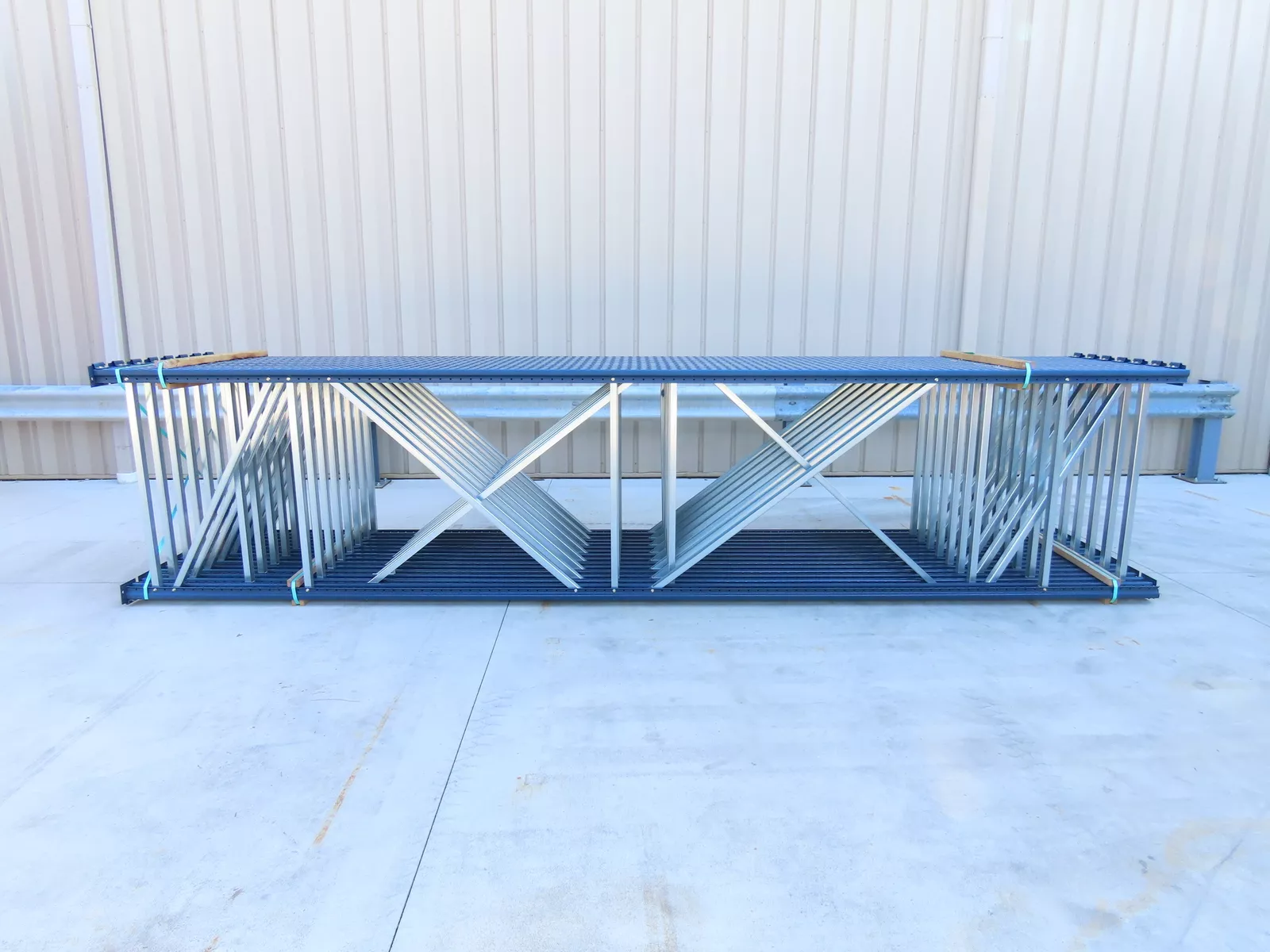
What Materials Are Used In Sustainable Shelving?
How Does Sustainable Shelving Impact Warehouse Efficiency?
In the fast-paced world of warehousing and logistics, efficiency isn’t just a goal; it’s a necessity. As more companies face pressure to reduce their environmental impact, the concept of sustainable shelving—particularly pallets and pallet racking systems—has emerged as a pivotal strategy. Companies that adapt to these systems not only enhance their operational efficiency but also align themselves with advancing sustainability trends.
Consider the use of sustainable pallet racking systems designed from recyclable materials or renewable resources. These systems offer dual benefits: they reduce the carbon footprint associated with production and drive operational efficiency. For instance, a leading logistics provider recently revamped its warehouse using recycled steel for its pallet racking, which not only reduced material costs but also improved load capacity. By optimizing space with vertical storage solutions, they increased inventory turnover and enhanced accessibility for workers, ultimately speeding up order fulfillment rates.
Moreover, with the push toward sustainability, businesses that adopt eco-friendly shelving solutions can capitalize on the growing consumer demand for environmentally responsible practices. As shoppers become more eco-conscious, they gravitate toward brands that prioritize sustainability. This shift is reflected in the success stories of companies like IKEA, which has invested heavily in sustainable shelving and storage solutions, explaining in their recent reports how eco-centric logistics strategies have led to increased customer loyalty and satisfaction.
Furthermore, as companies invest in modern technologies, integrating automated storage systems with their sustainable pallet racking can dramatically elevate efficiency. By using stackable racks that allow for automated retrieval systems, warehouses can minimize human error and reduce the time spent picking orders. This integration, as seen in the operations of Amazon, has proven that sustainability and efficiency go hand-in-hand, leading to reduced operational costs and improved safety conditions for warehouse staff.
Beyond just cost savings, businesses adopting sustainable shelving solutions often benefit from enhanced brand image. Today’s consumers are more educated than ever about environmental issues, and they choose to support companies that actively engage in sustainable practices. By showcasing your commitment to environmentally friendly operations, like using sustainable pallet racking, you create a powerful marketing narrative that resonates with your audience.
In essence, adopting sustainable shelving not only boosts warehouse efficiency but also aligns your business with the values of modern consumers. As the trend toward sustainable logistics grows, those who adapt early will position themselves as leaders in both operational excellence and environmental responsibility. The time is now to rethink how your warehouse functions, starting with sustainable shelving solutions that move you toward efficiency and sustainability.

How Does Sustainable Shelving Impact Warehouse Efficiency?
How Does Sustainable Shelving Impact Warehouse Efficiency?
- Efficiency is crucial in warehousing and logistics to meet operational demands and sustainability goals.
- Sustainable shelving systems, like pallets and pallet racking, use recyclable or renewable materials, reducing carbon footprints.
- Implementing eco-friendly racking can enhance operational efficiency and reduce costs, as demonstrated by a logistics provider using recycled steel.
- As consumer demand for sustainability rises, businesses adopting eco-friendly solutions can improve customer loyalty and satisfaction.
- Integrating automated storage systems with sustainable racking can reduce errors, expedite order picking, and enhance safety in warehouses.
- Companies showcasing sustainable practices, such as using sustainable pallet racking, can enhance their brand image and resonate with eco-conscious consumers.
- Early adoption of sustainable shelving solutions positions businesses as leaders in operational excellence and environmental responsibility.

How Does Sustainable Shelving Impact Warehouse Efficiency?
Are There Cost Advantages To Using Sustainable Shelving?
In an era where businesses strive to showcase their commitment to the environment while also improving their bottom line, the question arises: Are there clear cost advantages to using sustainable shelving? The answer is a resounding yes, especially when considering resilient solutions like sustainable pallet racking.
Imagine a warehouse filled not just with products, but with responsibility—a space where every beam of pallet racking is crafted from reclaimed materials. Choosing sustainable shelving solutions offers significant cost benefits that can transform your operations. Let’s break it down.
Durability Leading to Long-Term Savings
Sustainable shelving, particularly options like pallet racking made from recycled materials, tends to be more robust than traditional counterparts. This increased durability means less frequent replacements and repairs, resulting in reduced long-term maintenance costs. For example, a major retail chain recently pivoted to using eco-friendly pallet racking. They reported a 30% decrease in their shelving maintenance expenses over five years, simply because their investments into sustainable materials stood the test of time.
Tax Breaks and Incentives
Current governmental initiatives and incentives for businesses adopting eco-friendly practices can significantly affect your bottom line. Many regions are offering tax credits or deductions for companies that invest in sustainable materials and infrastructures. By integrating sustainable shelving solutions, your business could be eligible for substantial tax advantages. This makes the switch not only environmentally sound but financially smart.
Gaining a Competitive Edge
In a climate-conscious market, consumers are actively seeking out brands that prioritize sustainability. By earning that reputation, your business positions itself as a leader in the industry, attracting a loyal customer base. A recent survey revealed that 65% of consumers are willing to pay more for products from companies committed to sustainability. While this is indirectly related to shelving, the ripple effect can lead to increased sales and occupancy for businesses smart enough to adopt sustainable practices early on.
Efficiency and Space Optimization
Optimal design in sustainable shelving solutions can improve warehouse efficiency, allowing for better space utilization. This efficiency not only saves you money but also enhances productivity—a crucial factor in operational success. For instance, a large distribution center upgraded its structure with pallet racking tailored to maximize vertical space. The result? A reported 20% increase in inventory capacity without expanding their footprint.
The cost advantages of using sustainable shelving—and specifically pallet racking—go beyond eco-friendliness. By embracing these solutions, businesses can enjoy durability, financial incentives, market differentiation, and improved operational efficiency. These factors combine to form a compelling case for making the switch and reaping the rewards today.

Are There Cost Advantages To Using Sustainable Shelving?
Are There Cost Advantages To Using Sustainable Shelving?
- Cost Advantages: Sustainable shelving, especially pallet racking made from recycled materials, offers significant cost benefits.
- Durability: Sustainable shelving systems are more robust than traditional options, leading to fewer replacements and repairs, thus reducing long-term maintenance costs.
- Tax Incentives: Companies adopting eco-friendly practices may qualify for tax breaks and incentives, making sustainable shelving financially appealing.
- Competitive Edge: Prioritizing sustainability attracts a loyal customer base, with 65% of consumers willing to pay more for eco-conscious brands.
- Efficiency: Sustainable shelving designs can optimize space, improving warehouse efficiency and productivity without expanding physical footprints.
- Overall Benefits: The cost advantages of sustainable shelving include durability, financial incentives, market differentiation, and improved operational efficiency.
- Strong Case: Embracing sustainable shelving solutions allows businesses to reap both environmental and financial rewards.

Are There Cost Advantages To Using Sustainable Shelving?
What Are The Environmental Benefits Of Sustainable Shelving?
In an era where sustainability is no longer a buzzword but a necessity, businesses are increasingly seeking ways to enhance their environmental footprint. Sustainable shelving solutions, such as pallet racking systems, play a pivotal role in this quest for sustainability, delivering impactful benefits that resonate deeply within the green movement.
First and foremost, sustainable shelving significantly reduces waste. Traditional shelving often involves materials that can cause long-term environmental harm, whereas sustainable solutions utilize eco-friendly materials like recycled steel and reclaimed wood. For instance, modern pallet racking made from recycled materials not only minimizes resource extraction but also diverts waste from landfills, showcasing a remarkable commitment to a circular economy. Companies like Interlake Mecalux have begun producing racking systems that embody these principles, ensuring that their products not only stand the test of time but do so in an environmentally responsible way.
Moreover, sustainable shelving fosters energy efficiency. Facilities equipped with intelligent pallet racking systems can maximize space, reduce the number of required shelves, and improve the workflow, thereby significantly lowering energy consumption. This efficiency translates directly into reduced carbon footprints. Take the example of logistics giants embracing sustainable design; they’ve reported up to a 30% decrease in energy usage simply by optimizing how goods are stored and accessed. These innovations are not just good for the planet—they’re good for the bottom line.
In addition, the longevity of sustainable shelving systems is worth noting. When you invest in high-quality materials that stand the test of time, your dependence on constant replacements diminishes. This means less manufacturing waste and a reduction in the environmental costs associated with production and transportation. Brands like Mecalux and others are pioneering this movement by providing robust shelving solutions that last decades while simultaneously promoting reusability and durability.
Finally, the growing emphasis on sustainable practices can also enhance your brand image. A recent study indicated that 75% of consumers are willing to pay more for products from environmentally responsible companies. By adopting sustainable shelving, you’re not just streamlining your operations; you’re making a statement that can resonate with an increasingly eco-conscious consumer base.
As the world pivots toward sustainability, optimizing your storage solutions with eco-friendly pallet racking is not just smart; it’s imperative. The environmental benefits are clear, making sustainable shelving an essential aspect of contemporary business strategies. Embrace it, and watch as both your ecological impact and your market reach expand.

What Are The Environmental Benefits Of Sustainable Shelving?
What Are The Environmental Benefits Of Sustainable Shelving?
- Sustainability is crucial for businesses seeking to improve their environmental footprint.
- Sustainable shelving solutions, such as pallet racking systems, significantly reduce waste by using eco-friendly materials like recycled steel and reclaimed wood.
- Companies like Interlake Mecalux produce durable racking systems that support a circular economy.
- Sustainable shelving enhances energy efficiency, leading to reduced carbon footprints and lower energy consumption.
- Logistics companies have reported up to a 30% decrease in energy usage through optimized storage solutions.
- The longevity of sustainable shelving reduces the need for frequent replacements, minimizing manufacturing waste and environmental costs.
- Adopting sustainable practices can enhance brand image, with 75% of consumers willing to pay more for products from environmentally responsible companies.

What Are The Environmental Benefits Of Sustainable Shelving?
Conclusion
As we wrap up our exploration into sustainable shelving, it’s evident that integrating eco-friendly storage solutions like sustainable pallet racking is not merely an option—it’s an essential strategy for modern warehouses seeking to thrive amidst increasing environmental scrutiny and stringent regulations. Companies that dare to innovate and embrace sustainable practices are poised to lead the charge into a future where efficiency meets responsibility.
The statistics speak volumes: businesses adopting sustainable shelving solutions have reported remarkable operational improvements, including up to a 30% increase in efficiency. These innovations don’t just cut costs—they redefine your brand’s identity. In today’s market, consumers are drawn to companies demonstrating genuine commitment to sustainability. With research indicating that 75% of shoppers are willing to spend more on sustainably sourced products, the choice is clear: adopting sustainable shelving isn’t just good for the planet; it’s strategically good for your bottom line.
But the question remains: can you afford to neglect your warehouse’s potential by sticking with outdated, less sustainable options? The time to act is now! With Arrow Industrial Sales at your side, you can transition smoothly into a game-changing sustainable storage solution that not only enhances your operational efficiency but also actively engages in the global fight against climate change. Our extensive range of sustainable shelving options can help you reduce waste, lower energy costs, and optimize warehouse space efficiently.
We’re not just offering solutions—we’re about creating a movement. Every aisle of sustainable shelving represents a step towards a cleaner, greener future. So, don’t sit idly by while your competitors leap ahead. This is your call to action: Call Arrow Industrial Sales at (574) 349-6575 today to learn more about how you can integrate sustainable shelving into your operations.
Act now! To remain relevant and influential in the logistics landscape, embracing sustainable practices is not just about compliance—it’s about leadership. Partner with us to ensure your business not only meets current sustainability trends but sets the standards for those to come. The future of warehousing is green, efficient, and profitable. Will you be a part of it?

Conclusion
Conclusion:
- Integrating eco-friendly storage solutions is essential for modern warehouses facing environmental scrutiny.
- Companies adopting sustainable shelving, like pallet racking, report operational improvements, including up to a 30% efficiency increase.
- Sustainable practices can redefine a brand’s identity and attractiveness to consumers.
- Research shows 75% of shoppers are willing to pay more for sustainably sourced products.
- Neglecting sustainable options may hinder a warehouse’s potential; immediate action is recommended.
- Arrow Industrial Sales provides solutions that reduce waste, lower energy costs, and optimize warehouse space.
- Embracing sustainability is a leadership move, positioning businesses at the forefront of logistics trends.

Conclusion
Other Resources

Other Resources
Here is a list of other resources you can review online to learn more:
- Iowa Illinois Warehouse Racking
- What is Selective Racking: Understanding Benefits & Options
- ASSP
- CMMA
- Cantilever Rack Configuration & Installation: A Comprehensive Guide – BMH
- WERC
- Intro to Warehouse Racks & Warehouse Racking Systems – ShipBob
- American Surplus
- Material Handling Safety
- Cantilever Racking Specialists – Get the Right Racks
Use This Prompt To Get More Resources With Your Favorite Online AI Tool: Please provide me with a list of online articles with their URLs in a bulleted list that I can read regarding Is Sustainable Shelving The Essential Solution for Modern Warehouses?

Other Resources
Glossary Terms
Is Sustainable Shelving The Essential Solution for Modern Warehouses? – Glossary Of Terms
1. Sustainable Shelving: Storage solutions designed with eco-friendly materials and practices to minimize environmental impact.
2. Eco-Friendly Materials: Resources that are sourced responsibly and have a low ecological footprint, such as recycled metals and sustainably harvested wood.
3. Modularity: A design principle allowing shelving units to be easily reconfigured or expanded based on specific storage needs.
4. Recycled Plastic: Material made from pre-existing plastic products, repurposed to create new shelving units.
5. Energy Efficiency: Measures aimed at reducing energy consumption, often applied in the production and operation of shelving systems.
6. Carbon Footprint: The total amount of greenhouse gases emitted directly or indirectly by shelving manufacture and maintenance.
7. Lifecycle Assessment: A systematic approach to evaluating the environmental impacts of shelving from production to disposal.
8. Lean Warehousing: An approach that emphasizes optimizing storage efficiency and reducing waste, often supported by sustainable shelving solutions.
9. Bamboo Shelving: Shelving made from bamboo, a fast-growing plant that offers high strength and is renewable.
10. Sustainable Sourcing: The practice of obtaining materials from suppliers who engage in environmentally responsible and socially mindful practices.
11. Storage Density: The amount of goods stored per unit of shelving space, a key factor in warehouse efficiency.
12. Ergonomics: Designing shelving systems to promote safe and efficient use by workers, reducing strain and enhancing productivity.
13. Adaptability: The ability of shelving systems to adjust to changing warehouse needs over time, including changes in inventory types and volumes.
14. Biodegradable Materials: Shelving materials that naturally decompose over time, reducing waste in landfills.
15. Ash Wood: A durable, sustainable wood option often used in shelving that comes from responsibly managed forests.
16. Compliance Standards: Regulations and guidelines that shelving products must adhere to in terms of sustainability and safety.
17. Vertical Storage Solutions: Systems that maximize vertical space for storage, helping to increase efficiency and reduce the warehousing footprint.
18. Waste Reduction: Techniques and strategies aimed at minimizing waste generated during the manufacture and use of shelving.
19. Eco-Design: The practice of designing products, including shelving, with a consideration for their environmental impact throughout their lifecycle.
20. Reusability: The quality of shelving systems that allows them to be used multiple times or in different configurations over their lifespan.
21. Durability: The ability of shelving to withstand wear and tear, reducing the need for replacement and promoting sustainability.
22. Green Logistics: Strategies in warehousing and distribution that focus on minimizing environmental impact, often enhanced by sustainable shelving.
23. Space Optimization: The practice of efficiently using available space in warehouses to maximize storage capacity and operational efficiency.
24. Responsible Manufacturing: Production processes that prioritize environmental stewardship and ethical labor practices in the creation of shelving products.
25. Low VOC: Products such as certain shelving materials that emit low levels of volatile organic compounds, contributing to better air quality.
26. Natural Finishes: Non-toxic finishes applied to shelving, promoting sustainability and reducing chemical exposure.
27. Smart Shelving Systems: Advanced shelving solutions integrated with technology for inventory management and tracking, enhancing operational efficiency.
28. Performance Metrics: Measurements used to evaluate the effectiveness, efficiency, and sustainability of shelving systems in warehouse operations.
29. Customization: The ability to tailor shelving units to fit specific warehouse needs, ensuring maximum utility and adaptability.
30. Green Certifications: Official endorsements given to shelving products that meet certain environmental standards, indicating their sustainability credentials.

Glossary Of Terms
Other Questions
Is Sustainable Shelving The Essential Solution for Modern Warehouses? – Other Questions
If you wish to explore and discover more, consider looking for answers to these questions:
- What are the specific characteristics of sustainable shelving materials?
- How does the cost of sustainable shelving compare with traditional options?
- Can sustainable shelving be customized for different warehouse needs?
- What are the best practices for implementing sustainable shelving in warehouses?
- How does the use of sustainable shelving affect employee safety and ergonomics?
- What kind of maintenance is required for sustainable shelving systems?
- How can businesses measure the impact of sustainable shelving on operational efficiency?
- What are some real-world case studies of companies that have successfully transitioned to sustainable shelving?
- Are there specific certifications for sustainable shelving products?
- How do consumers perceive brands that adopt sustainable shelving practices?

Other Questions
Checklist
Is Sustainable Shelving The Essential Solution for Modern Warehouses? – A Checklist
Evaluating Current Practices
_____ Assess current shelving and storage solutions used in the warehouse.
_____ Identify the environmental impact of existing materials and systems (waste, carbon footprint).
_____ Measure current operational efficiency metrics (inventory turnover, order fulfillment rates).
Understanding Sustainable Shelving
_____ Research types of sustainable shelving materials (reclaimed wood, bamboo, recycled metals, mycelium).
_____ Learn about modular shelving systems and their flexibility in operations.
Benefits Analysis
_____ Calculate potential cost savings from reduced maintenance needs with durable materials.
_____ Explore available tax incentives or credits for using eco-friendly materials.
_____ Evaluate potential enhancement in brand image and customer loyalty through sustainability practices.
Exploring Implementation
_____ Experiment with pilot programs integrating sustainable shelving options.
_____ Consult with suppliers of sustainable shelving systems to acquire quotes and options.
_____ Plan for workspace redesign to maximize the benefits of sustainable shelving.
Training and Engagement
_____ Educate warehouse staff about the benefits and use of sustainable shelving solutions.
_____ Involve employees in the transition process and gather feedback on new systems.
Monitoring and Refining
_____ Set system performance metrics to monitor the effectiveness of sustainable shelving.
_____ Review operational efficiency regularly (every quarter) to assess improvements.
_____ Adjust strategies based on feedback and changing needs, ensuring continued alignment with sustainability goals.
Marketing Your Sustainability
_____ Develop a marketing strategy to highlight the transition to sustainable shelving.
_____ Communicate the environmental benefits to consumers and stakeholders.
_____ Share success stories and achievements to enhance public relations.
Final Steps
_____ Commit to continuous improvement in sustainable practices.
_____ Keep updated on new advancements in sustainable shelving technologies.
_____ Regularly evaluate the overall impact on operational efficiency and sustainability initiatives.
By following this checklist, you can help ensure a smooth transition towards integrating sustainable shelving solutions in your warehouse operations while maximizing operational efficiency and minimizing environmental impact.

Checklist
At RackingWorld, we help guide you through selecting warehouse storage systems and racking.
Be sure to read our other related stories at RackingWorld to learn more about warehouse storage systems.
0 Comments