
Cantilever Racking: A Sustainable Storage Solution
By Tom Seest
At RackingWorld, we help guide you through selecting warehouse storage systems and racking.
Be sure to read our other related stories at RackingWorld to learn more about warehouse storage systems.
Can Cantilever Racking Help Meet Sustainability Goals?
In today’s business landscape, sustainability isn’t just a buzzword; it’s a powerful imperative. Consumers are more conscientious, governments are tightening regulations, and brands are under pressure to reduce their carbon footprints. In this context, innovations in storage solutions, like cantilever racking systems, play a crucial role in helping businesses achieve their sustainability objectives.
Cantilever racking, designed primarily for the storage of oversized materials, is a paradigm shift in organizational efficiency. By allowing vertical storage of long, bulky items, these systems drastically reduce the footprint of operations. For instance, a construction company that previously used traditional shelving may find that transitioning to cantilever racking enables them to use 50% less floor space for the same inventory. This space-saving advantage not only enhances operational efficiency but also reduces the building’s overall energy consumption—a vital step toward sustainability.
Moreover, cantilever racking systems are typically made from durable, recyclable materials. This means when the time comes to decommission the racking, the environmental impact is minimized. A remarkable case is that of a manufacturing facility that, by implementing cantilever racking, managed to recycle 90% of its materials during construction. By opting for robust designs that endure the rigors of industrial environments, businesses cultivate a culture of longevity, reducing the need for frequent replacements and conserving raw materials.
Current trends highlight the urgency of sustainability in operations. For instance, the recent Green Climate Fund allocations aim to support sectors striving for eco-friendly transitions. Industries adopting sustainable practices, like optimized storage through cantilever racking, position themselves favorably to receive such funding and incentives while simultaneously boosting their brand image. Picture this: your company, recognized as an industry leader in sustainability, attracting more green-conscious consumers than ever before.
Additionally, the economic benefits of cantilever racking align seamlessly with sustainability goals. Streamlining operations translates to reduced waste—a win-win scenario. By minimizing unproductive time in locating materials and optimizing the supply chain, businesses can effectively decrease operational costs and meet sustainability benchmarks simultaneously.
Cantilever racking isn’t just a smart storage solution; it’s a strategic asset in your quest for sustainability. By investing in intelligent design and re-imagining storage capabilities, companies can safeguard their futures, contribute to a greener planet, and capture the growing market of eco-conscious consumers. The question is no longer whether to adopt sustainable practices; it’s about how fast you can make the shift—starting with a solid foundation in your storage strategies.

Can Cantilever Racking Help Meet Sustainability Goals?
Can Cantilever Racking Help Meet Sustainability Goals?
- Sustainability is a crucial imperative in modern business, driven by consumer awareness, government regulations, and brand responsibilities.
- Cantilever racking systems support sustainability objectives by enabling vertical storage of oversized materials, significantly reducing operational footprint.
- Transitioning to cantilever racking can reduce floor space usage by up to 50%, leading to enhanced operational efficiency and lower energy consumption.
- These racking systems are made from durable, recyclable materials, minimizing environmental impact upon decommissioning.
- Implementing cantilever racking can help companies, such as a manufacturing facility, achieve high rates of material recycling during construction.
- Adopting optimized storage practices enhances eligibility for funding from initiatives like the Green Climate Fund and improves brand image as a sustainability leader.
- Overall, cantilever racking solutions streamline operations, reduce waste, and align economic benefits with sustainability goals, making them a strategic asset for businesses.

Can Cantilever Racking Help Meet Sustainability Goals?
Table Of Contents
- Can Cantilever Racking Help Meet Sustainability Goals?
- Can Cantilever Racking Reduce Material Waste In Warehouses?
- How Can Cantilever Racking Improve Space Efficiency?
- Does Cantilever Racking Lower Transportation Impacts?
- Can Cantilever Racking Enhance Inventory Management Practices?
- What Are The Environmental Benefits Of Using Cantilever Racking?
- How Does Cantilever Racking Contribute To Energy Savings?
- Can Cantilever Racking Systems Support Recycled Materials?
- What Is The Life Cycle Of Cantilever Racking Materials?
- How Does Cantilever Racking Affect The Carbon Footprint Of Operations?
- Are There Certifications For Sustainable Cantilever Racking Systems?
- Conclusion
- Other Resources
- Glossary Of Terms
- Other Questions
- Checklist
Can Cantilever Racking Reduce Material Waste In Warehouses?
In an age where efficiency is the lifeblood of business, minimizing material waste in warehouses has never been more crucial. One powerful solution that stands out is cantilever racking. This innovative storage system offers not just a way to maximize space but also an effective method to reduce waste significantly.
Consider the logistics of handling long, bulky items—think lumber, pipes, or retail displays. Traditionally, these materials take up substantial floor space, susceptible to damage and mismanagement. Enter cantilever racking. With its adjustable arms and open design, this racking system allows businesses to store materials more securely and accessibly. Imagine a lumberyard where boards, instead of getting piled haphazardly, are neatly organized on cantilever racks. This not only protects your inventory from damage but enables a quicker retrieval process, minimizing lost time—time that translates into wasted labor costs.
Now, let’s look at the current landscape. With increased attention on sustainability and corporate responsibility, businesses are being urged to find solutions that decrease waste. Organizations that invest in cantilever racking systems stand to gain a competitive edge by promoting an eco-friendly image. Companies such as Greif, a packaging solutions provider, have reported substantial reductions in material waste after integrating efficient racking systems. By implementing cantilever racks, they not only optimized their storage but also showcased their commitment to sustainability.
Furthermore, consider the financial implications. Material waste directly impacts the bottom line. A report from the Waste Management Association revealed that organizations lose approximately 30% of their annual budget due to inefficiencies. By transferring to cantilever racking, businesses can drastically reduce this number. Imagine reclaiming that lost budget for investment in more significant areas such as employee training or new technology.
In addition to saving on wasted materials, cantilever racking allows for better inventory management. By being able to see and access your materials quickly, you can reduce over-ordering and the associated costs. The fear of stock leakage decreases—meaning fewer items end up in landfill and less money spent on materials you don’t need.
In summary, cantilever racking does more than just free up valuable warehouse space; it enhances operational efficiency and aligns with eco-conscious business practices. In a world where sustainability is not just a trend but a necessity, why not embrace a solution that pays dividends on multiple fronts? Start transforming your warehouse today—because efficiency isn’t just an option; it’s a business imperative.

Can Cantilever Racking Reduce Material Waste In Warehouses?
Can Cantilever Racking Reduce Material Waste In Warehouses?
- Cantilever racking is an innovative storage system that maximizes space and reduces material waste in warehouses.
- This system is particularly effective for handling long, bulky items, such as lumber and pipes, providing secure and accessible storage.
- Organizing inventory on cantilever racks minimizes damage and facilitates quicker retrieval, saving time and reducing labor costs.
- Investing in cantilever racking can enhance a business’s eco-friendly image, aligning with increasing sustainability demands.
- Organizations using cantilever racks report significant reductions in material waste, impacting overall efficiency positively.
- Cantilever racking contributes to better inventory management, reducing over-ordering and minimizing unnecessary material costs.
- This system enhances operational efficiency and supports eco-conscious practices, making it a strategic choice for modern businesses.

Can Cantilever Racking Reduce Material Waste In Warehouses?
How Can Cantilever Racking Improve Space Efficiency?
In today’s fast-paced economy, maximizing storage space is not just a luxury; it’s a necessity. Enter cantilever racking, a solution that has revolutionized how businesses utilize vertical and horizontal space. This innovative shelving system has become a pivotal asset for warehouses, retail environments, and manufacturing facilities alike, offering benefits that can lead to substantial increases in operational efficiency and profitability.
At its core, cantilever racking utilizes a series of arms extending from a vertical vertical post, allowing you to store long or bulky items—think lumber, pipes, or oversized furniture—without the constraints of traditional shelving. This flexibility is not just a fad; it’s a trend that aligns with shifting market demands. For instance, during the pandemic, e-commerce saw an explosion in online purchases, leading retailers to adapt. Companies like Amazon and Home Depot have adopted cantilever racking to accommodate their growing inventory, smoothing out their supply chains and enhancing fulfillment efficiency.
Consider the implications for a lumberyard. Traditional shelving often limits organization options, requiring significant floor space for narrow aisles. Cantilever racking, however, allows for broad, open access to stored materials. By converting just a small area of your warehouse floor to cantilever racking, you can increase your storage capacity by up to 50%—an eye-catching figure that could dramatically impact your bottom line.
The versatility of cantilever racking extends beyond just wood and pipe storage; it can also adapt for various industries, including automotive, where it effectively holds long metal rods or bumpers. Think of a distribution center that handles different product lines—one unit can effortlessly accommodate everything from textiles to heavy machinery attachments. This adaptability means that if your business suddenly pivots or experiences seasonal fluctuations in demand, your storage solution can evolve with minimal effort.
Moreover, the easily customizable nature of cantilever racking allows business owners to configure their systems precisely to the dimensions of their items. Rather than investing in multiple shelving types, one intelligently designed racking system meets diverse needs. Even better, the installation of cantilever racking is often straightforward, minimizing downtime and maximizing utility from day one.
In a world where every square foot counts, cantilever racking can transform how you think about space efficiency. Implementing this solution not only elevates your operational productivity but also positions your entire facility for success—something savvy business owners cannot afford to overlook. In essence, embracing cantilever racking is not just about moving products; it’s about moving your business forward.

How Can Cantilever Racking Improve Space Efficiency?
How Can Cantilever Racking Improve Space Efficiency?
- Cantilever racking maximizes storage space, essential in today’s economy.
- This shelving system revolutionizes vertical and horizontal space utilization across various industries.
- It allows for storage of long or bulky items without the limitations of traditional shelving.
- Companies like Amazon and Home Depot have adopted cantilever racking to enhance fulfillment efficiency.
- Businesses can increase storage capacity by up to 50% by using cantilever racking in their warehouses.
- The system’s versatility adapts to multiple industries, accommodating diverse product lines.
- Cantilever racking eliminates the need for multiple shelving types, offering a customizable and efficient storage solution.

How Can Cantilever Racking Improve Space Efficiency?
Does Cantilever Racking Lower Transportation Impacts?
When it comes to optimizing your warehouse operations and reducing overall transportation impacts, few solutions rival the advantages offered by cantilever racking systems. These innovative storage solutions can significantly enhance efficiency, minimize waste, and improve your bottom line, all while pushing environmental sustainability to the forefront of your operations.
First, let’s discuss how cantilever racking maximizes storage efficiency. Traditional pallet racking can be restrictive, forcing you to store items only in standard-sized boxes. In contrast, cantilever racks enable you to store a wide array of items, from lumber to piping and other elongated materials. This flexibility allows you to consolidate your inventory, creating a streamlined operation that can lead to fewer trips on the road. Imagine your delivery fleet making 10 trips instead of 15 because your stock is perfectly organized and easily accessible. That’s not only fewer emissions from your vehicles but also significant savings on fuel costs.
Furthermore, when we consider current supply chain challenges—exacerbated by the pandemic and geopolitical tensions—having the right storage solution can truly make a difference. For instance, a recent report highlighted how businesses are leaning toward localized supply chains to reduce reliance on overseas shipping. By using cantilever racking to reorganize available space, you create an efficient local hub, positively impacting your logistical footprint. With fewer long-haul trips and an emphasis on local suppliers, your transportation emissions significantly decrease while also benefiting local economies.
Another notable aspect of cantilever racking is its ability to support sustainability initiatives. As companies face increasing pressure to reduce their carbon footprint, adopting a green mindset that prioritizes efficiency is paramount. By facilitating better inventory management and reducing the time spent on loading and unloading, cantilever racking not only streamlines your operations but also aligns perfectly with sustainability goals. It’s a win-win.
In addition, some manufacturers are even exploring advanced materials for cantilever racks that contribute to lower overall emissions. For example, lightweight yet durable designs made from recycled steel can lead to further reductions in transportation impacts. By opting for these smarter solutions, you signal to clients and consumers alike that you’re serious about both your business and the environment.
So, as you consider ways to enhance your warehouse efficiency and lower transportation impacts, remember that cantilever racking isn’t just a space-saving solution. It’s an integral part of a strategy that promotes sustainability, efficiency, and a more peaceful planet for generations to come. Embrace the change – your operations, your community, and the environment will thank you for it.

Does Cantilever Racking Lower Transportation Impacts?
Does Cantilever Racking Lower Transportation Impacts?
- Cantilever racking systems optimize warehouse operations and reduce transportation impacts.
- They maximize storage efficiency by allowing a variety of items to be stored, unlike traditional pallet racking.
- Efficient organization leads to fewer trips for delivery fleets, reducing emissions and fuel costs.
- Localized supply chains can be improved with cantilever racking, addressing current supply chain challenges.
- These systems support sustainability initiatives by enhancing inventory management and reducing loading/unloading time.
- Advanced materials for cantilever racks, like recycled steel, contribute to lower overall emissions.
- Cantilever racking is integral to strategies promoting sustainability and operational efficiency.
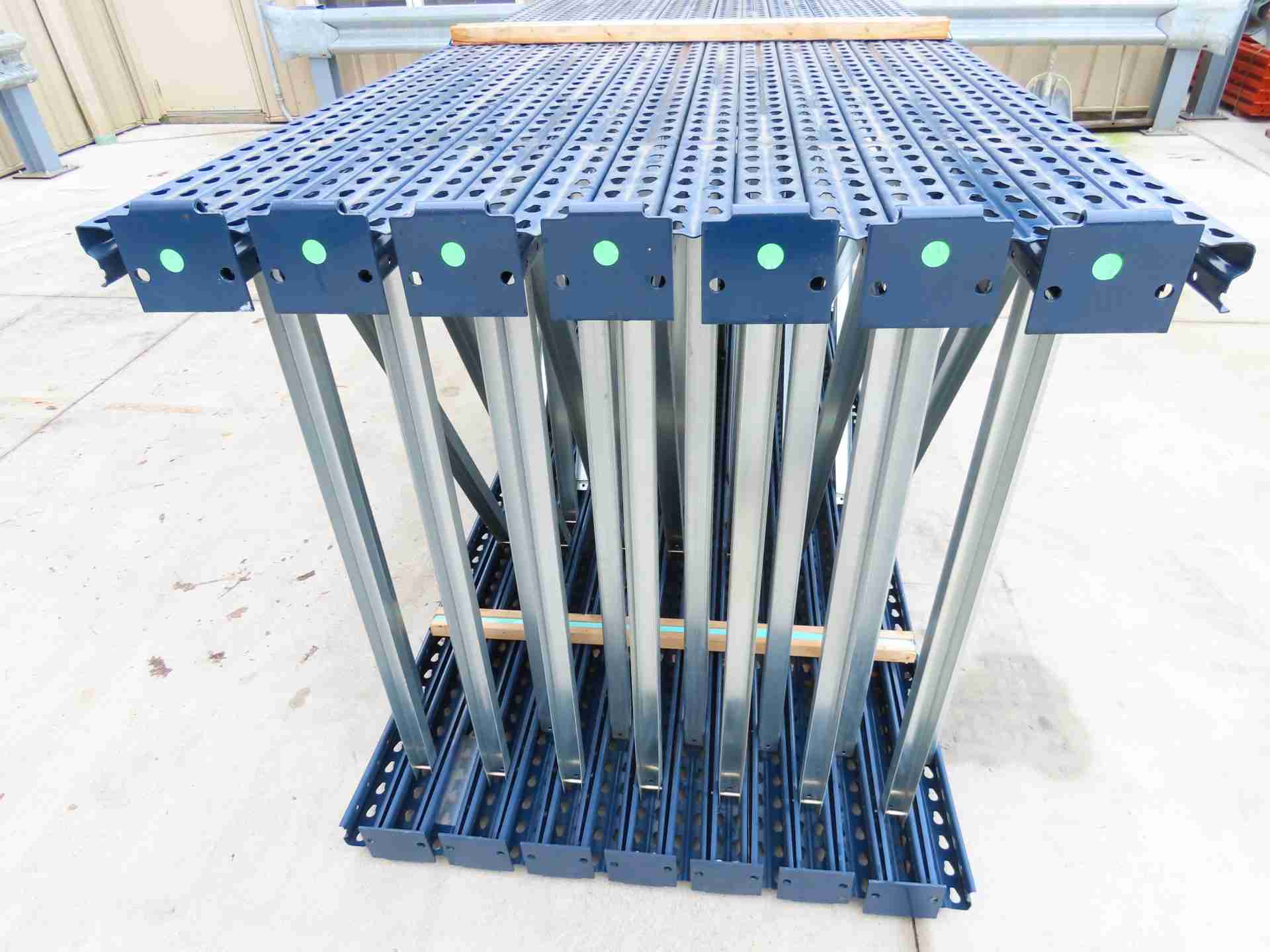
Does Cantilever Racking Lower Transportation Impacts?
Can Cantilever Racking Enhance Inventory Management Practices?
In today’s fast-paced, ever-evolving marketplace, efficient inventory management is not just an operational necessity; it’s a strategic imperative that can differentiate your business in a crowded field. Enter cantilever racking—a storage solution that can dramatically revolutionize how businesses manage their inventory.
Imagine a thriving furniture retailer overwhelmed by the chaos of bulky items vying for floor space. They decide to implement cantilever racking: a system designed specifically for storing long and heavy products. By maximizing vertical space and allowing easy access to high-demand stock, this innovative racking solution not only improves organization but also accelerates picking times. Less time spent searching for items means more time is available for customers. The result? Increased sales and enhanced customer satisfaction.
Cantilever racking shines in various industries, from lumberyards storing long planks of wood to retailers managing oversized items like appliances. As consumer preferences shift—especially with the rise of e-commerce—businesses that adapt their inventory practices will inevitably gain a competitive advantage. Current trends indicate a significant uptick in online shopping, meaning retailers must efficiently manage their stock to keep pace with consumer demand. Firms keen on optimizing their supply chain are investing in cantilever racking systems that elevate their storage capabilities and streamline operations, meeting the needs of a digitized marketplace head-on.
Moreover, consider recent industry reports that highlight a greater focus on sustainable practices. Businesses that implement efficient storage solutions like cantilever racking are not only optimizing their workflow but also reducing waste and improving their carbon footprint. By utilizing space effectively and minimizing the need for additional warehousing, these companies can make a compelling case for their environmental responsibility.
Integrating cantilever racking into your inventory management system can do wonders for simplifying operations. No longer will you have to contend with inefficient shelving or cluttered aisles. With items neatly organized and easily accessible, your workforce can focus more on strategic tasks rather than the day-to-day grind of searching for products.
Investing in cantilever racking could be the game-changing solution your business needs to enhance inventory management practices. As the marketplace continues to evolve and consumer expectations rise, don’t just keep pace—leverage these innovative systems to propel your business toward a more efficient and profitable future. The time to act is now, and those who adapt will lead the way in a competitive landscape.

Can Cantilever Racking Enhance Inventory Management Practices?
Can Cantilever Racking Enhance Inventory Management Practices?
- Efficient inventory management is crucial for business differentiation in a competitive marketplace.
- Cantilever racking is an innovative storage solution designed for long and heavy products, maximizing vertical space and improving access.
- This system enhances organization, reduces picking times, and ultimately increases sales and customer satisfaction.
- Cantilever racking is beneficial across various industries, including lumberyards and retailers of large items.
- As e-commerce rises, businesses must adopt efficient inventory practices to meet evolving consumer demands.
- Implementing cantilever racking can improve operational efficiency while promoting sustainability and reducing waste.
- Investing in cantilever racking can transform inventory management, enabling businesses to meet rising consumer expectations and gain a competitive edge.

Can Cantilever Racking Enhance Inventory Management Practices?
What Are The Environmental Benefits Of Using Cantilever Racking?
In today’s eco-conscious landscape, businesses face increasing pressure to adopt more sustainable practices. One powerful yet often overlooked solution lies in the realm of warehouse storage: cantilever racking. This innovative shelving system not only maximizes space but also carries a suite of environmental benefits that align perfectly with modern sustainability goals.
To begin with, cantilever racking is designed for flexibility and efficiency. Unlike traditional shelving systems, which may limit access and visibility, cantilever racks allow items of various sizes to be stored safely and efficiently. This adaptability means that warehouses can optimize their space significantly—reducing the need for additional square footage. In a world where construction contributes heavily to carbon emissions and habitat destruction, maximizing existing space can help companies minimize their environmental footprint.
Consider the growing trend towards urban warehouses. As more businesses shift to city locations to reduce transit costs and emissions, utilizing cantilever racks can enable them to condense their operations effectively. For example, a company like IKEA, known for its efficient logistics, has been moving towards smarter inventory management solutions, showcasing how space-saving approaches contribute to sustainability.
Moreover, cantilever racking promotes better inventory management and operational efficiency. When products are stored more efficiently, it reduces the frequency and duration of warehouse operations like picking, packing, and shipping. This streamlined approach not only cuts down on energy consumption but also minimizes vehicle emissions as forklifts and trucks spend less time in motion. With logistics accounting for nearly 29% of greenhouse gas emissions in the United States, small efficiency improvements can have a significant cumulative impact.
Additionally, the materials used in cantilever racking systems often consist of recycled metals, further enhancing their sustainability profile. As companies strive to reduce their raw material consumption, opting for shelving that incorporates reused components can contribute substantially to lower overall environmental impact. Take, for instance, a major retail chain that has recently committed to 100% recyclable packaging and supply chain materials—integrating eco-friendly storage solutions like cantilever racking can align perfectly with that mission.
Finally, as regulatory standards for environmental sustainability become stricter, businesses that can demonstrate their commitment to eco-friendly practices through efficient storage solutions will be better positioned to attract socially conscious consumers. By adopting cantilever racking, companies not only enhance their operational efficiency but also present themselves as leaders in sustainability, appealing to an increasingly environmentally aware market.
The environmental benefits of using cantilever racking are clear. From maximizing space to boosting energy efficiency and incorporating recycled materials, this storage solution is a natural fit for businesses looking to achieve their sustainability goals while maintaining a competitive edge in today’s market. Investing in cantilever racking isn’t just smart—it’s a pivotal step toward a greener future.

What Are The Environmental Benefits Of Using Cantilever Racking?
What Are The Environmental Benefits Of Using Cantilever Racking?
- Businesses face pressure to adopt sustainable practices in today’s eco-conscious environment.
- Cantilever racking maximizes space and offers environmental benefits that align with sustainability goals.
- This shelving system provides flexibility and efficiency, allowing safe storage of various item sizes.
- Urban warehouses can utilize cantilever racks to condense operations, reducing transit costs and emissions.
- Cantilever racking improves inventory management, reducing energy consumption and vehicle emissions during operations.
- The materials used often include recycled metals, contributing to reduced raw material consumption and environmental impact.
- Adopting cantilever racking positions businesses as leaders in sustainability, attracting socially conscious consumers.

What Are The Environmental Benefits Of Using Cantilever Racking?
How Does Cantilever Racking Contribute To Energy Savings?
In today’s ultra-competitive landscape, businesses continuously seek innovative ways to cut costs and optimize operations. One often-overlooked solution is the integration of cantilever racking systems, which can lead to significant energy savings while enhancing overall efficiency.
Cantilever racking systems are engineered for storing long, bulky items such as lumber, pipes, and sheet materials. Unlike traditional shelving, which can be restrictive, cantilever racks allow for greater accessibility and flexibility in storage. This design reduces the time and energy spent in locating and retrieving materials, ultimately decreasing the workload on forklifts and other material handling equipment.
Imagine a lumber yard that has deployed cantilever racking. Instead of maneuvering through tight spaces and navigating around cumbersome traditional shelving, workers can quickly spot and access needed materials. This streamlined process not only boosts productivity but also reduces operational hours. With less reliance on machinery, companies can achieve substantial reductions in fuel consumption and electrical usage. In a world increasingly focused on sustainability, this is the kind of win-win scenario businesses should aim for.
Furthermore, consider the environmental implications. As companies strive to meet various green certifications and standards—such as LEED (Leadership in Energy and Environmental Design)—the efficient use of space and resources becomes paramount. Cantilever racking systems, designed to maximize vertical space, minimize warehouse footprint, and reduce the need for additional storage facilities, align perfectly with these eco-conscious goals.
Let’s take a look at a real-world example: a construction materials supplier recently transitioned to cantilever racking from traditional shelving. The switch resulted in a reported 20% decrease in energy costs due to reduced forklift activity and the ability to stack products more efficiently. Not only did they optimize energy usage, but they also found they could expand their inventory without investing in additional storage facilities.
On a more macro level, energy costs are projected to remain volatile given the current geopolitical climate and rising global demand. Companies that harness innovative storage solutions like cantilever racking can better position themselves to weather these storms by maintaining lower operational costs.
If your business aims to cut costs, enhance operational efficiency, and promote a sustainable future, investing in cantilever racking might just be the strategic decision you’ve been seeking. With energy savings as the cherry on top, the benefits are clear: it’s not just an upgrade; it’s an investment in your company’s future.

How Does Cantilever Racking Contribute To Energy Savings?
How Does Cantilever Racking Contribute To Energy Savings?
- Businesses are seeking innovative ways to cut costs and optimize operations.
- Cantilever racking systems enhance efficiency by storing long, bulky items with greater accessibility.
- This design reduces time and energy spent on material retrieval, lowering the workload on forklifts.
- Implementation of cantilever racking in a lumber yard increases productivity and reduces operational hours.
- Cantilever racking aligns with eco-friendly goals by maximizing vertical storage and minimizing warehouse footprint.
- A construction materials supplier experienced a 20% decrease in energy costs after switching to cantilever racking.
- Investing in cantilever racking is a strategic decision for businesses aiming to cut costs and promote sustainability.

How Does Cantilever Racking Contribute To Energy Savings?
Can Cantilever Racking Systems Support Recycled Materials?
In today’s fast-paced and eco-conscious landscape, businesses are under increasing pressure to embrace sustainable practices. One pivotal area where this transformation takes shape is in inventory management—particularly with the use of cantilever racking systems. These towering structures can be a game-changer when it comes to supporting recycled materials, and here’s why.
First, let’s consider the nature of recycled materials. They often come in varying sizes and weights that can make traditional shelving systems inadequate. Enter cantilever racking, designed specifically for storing long, bulky, and irregularly shaped items. Picture this: a manufacturing plant that specializes in repurposing reclaimed wood. With cantilever racks, they can easily store lumber of various lengths and thicknesses, all while maximizing floor space. Not only does this improve organization, it also enhances efficiency—allowing employees to locate and retrieve materials quickly.
Moreover, as public sentiment continues to shift toward sustainability, incorporating recycled materials into your operations can elevate your brand’s market position. For instance, major retailers are beginning to highlight their eco-friendly sourcing practices. A warehouse that leverages cantilever racking for recycled materials can play a crucial role in fulfilling those operations. The ability to prominently display and easily access recycled goods demonstrates a commitment to environmental responsibility, appealing to eco-savvy consumers.
Industry insights reveal that various sectors are already capitalizing on this transition. For example, the construction industry has seen a rise in companies using recycled steel and concrete. A cantilever racking system allows these businesses to store massive quantities of recycled metal piping and beams with ease. Public construction contracts are increasingly prioritizing sustainability, and those who efficiently manage their resources—especially recycled ones—will gain a competitive edge.
Let’s not overlook the economic angle. The recycling market is booming; according to a recent report, the global recycled materials market is projected to reach $500 billion by 2025. Businesses investing in cantilever racking not only optimize their space but also streamline operations to meet the growing demand.
Cantilever racking systems aren’t just a savvy storage solution—they’re your ticket to joining the green movement. They empower businesses to accommodate diverse recycled materials while promoting sustainable practices. By investing in this infrastructure today, you position your company not just as a participant in the market, but as a leader committed to innovation and responsibility for tomorrow.

Can Cantilever Racking Systems Support Recycled Materials?
Can Cantilever Racking Systems Support Recycled Materials?
- Businesses are pressured to adopt sustainable practices, particularly in inventory management.
- Cantilever racking systems are effective for storing recycled materials of varying sizes and weights.
- These racks improve organization and efficiency in operations, especially for manufacturing plants handling reclaimed materials.
- Incorporating recycled materials can enhance a brand’s market position by appealing to eco-conscious consumers.
- Industries like construction are leveraging cantilever racking for efficient storage of recycled steel and concrete.
- The global recycled materials market is projected to reach $500 billion by 2025, emphasizing the economic benefits of sustainable practices.
- Cantilever racking positions companies as leaders in sustainability and innovation, promoting a commitment to environmentally responsible operations.
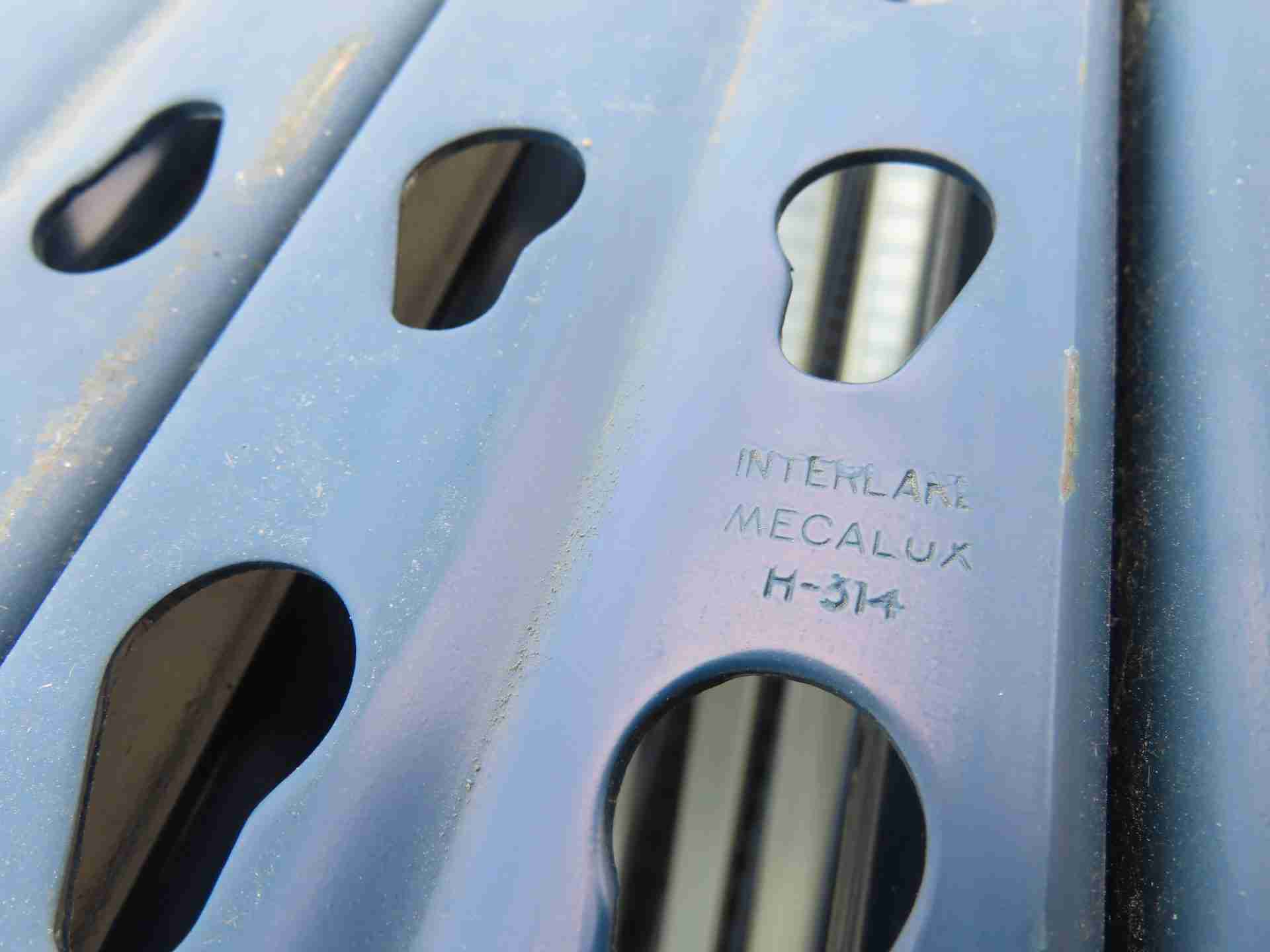
Can Cantilever Racking Systems Support Recycled Materials?
What Is The Life Cycle Of Cantilever Racking Materials?
Understanding the life cycle of cantilever racking materials is crucial for businesses looking to optimize their storage capabilities while balancing cost, efficiency, and sustainability. From initial design to eventual disposal, each phase of the life cycle presents opportunities for strategic improvement and cost savings.
1. Design and Manufacturing:
The life cycle begins with the design and manufacturing of cantilever racking systems. Quality materials such as steel are sourced, often from recycled content, reducing the demand for raw materials and lessening environmental impact. In current trends, manufacturers are increasingly implementing sustainable practices by utilizing modern design software to minimize waste in production. For instance, companies are now embracing innovation by integrating CAD (Computer-Aided Design) systems that allow for precise cuts and usage of material, which reduces excess waste.
2. Installation:
This phase is where structural integrity is put to the test. Proper installation is not just about placing the racks; it involves ensuring they can bear loads, which is critical for safety. An improperly installed racking system can lead to costly accidents and decreased productivity. Current labor shortages reinforce the importance of skilled professionals in this stage, making it essential to vet contractors and invest in training for in-house teams.
3. Utilization and Maintenance:
During its operational life, the cantilever racking system serves as a backbone for storage, facilitating efficient inventory management and workflow. Regular inspections and maintenance are essential. Companies can consider implementing a comprehensive maintenance program to address wear and tear proactively. For example, businesses should document usage patterns to identify when adjustments or reinforcements may be needed, ensuring longevity and optimizing utilization.
4. End-of-Life and Recycling:
Eventually, all racking systems reach an end-of-life phase. However, this doesn’t mean they are destined for landfills. Businesses increasingly recognize recycling options where aging materials, particularly steel, can be repurposed or remanufactured into new products. In recent global events emphasizing sustainability, companies are exploring partnerships with recycling firms or engaging in trade-in programs that enable them to recover some costs while minimizing their environmental footprint.
5. Evolving Your Strategy:
By understanding the life cycle of cantilever racking materials, businesses can create comprehensive strategies that align with current economic and environmental trends. Integrating sustainable practices not only helps in reducing costs but also aligns your business with modern consumer values, creating a competitive edge in an increasingly eco-conscious market. Think ahead, plan wisely, and your investment in cantilever racking will yield returns far beyond your warehouse walls.

What Is The Life Cycle Of Cantilever Racking Materials?
What Is The Life Cycle Of Cantilever Racking Materials?
- Understanding the life cycle of cantilever racking materials is essential for optimizing storage while balancing cost, efficiency, and sustainability.
- The life cycle begins with design and manufacturing, focusing on quality materials like recycled steel and minimizing waste through modern design software.
- Installation requires skilled professionals to ensure structural integrity, making proper vetting and training critical due to current labor shortages.
- Utilization and maintenance during operational life are vital for efficient inventory management, emphasizing regular inspections and a comprehensive maintenance program.
- At end-of-life, cantilever racking systems can be recycled, allowing businesses to repurpose materials and reduce landfill waste.
- Understanding the life cycle enables businesses to create strategies that align with economic and environmental trends, fostering sustainability and cost reduction.
- Integrating sustainable practices can provide a competitive advantage in an eco-conscious market, making long-term investments beneficial.

What Is The Life Cycle Of Cantilever Racking Materials?
How Does Cantilever Racking Affect The Carbon Footprint Of Operations?
In today’s fiercely competitive landscape, sustainability isn’t just a buzzword; it’s a vital component of a company’s value proposition. As industries scramble to reduce their carbon footprints, one often-overlooked factor is warehouse storage systems—specifically, cantilever racking. This innovative storage solution can drastically change the way operations manage their environmental impact.
At first glance, cantilever racking might seem like just another shelving option. However, its advantages extend far beyond mere storage capacity. Unlike traditional shelving, cantilever racking’s design allows for the efficient storage of bulky, long items like lumber, pipes, and metal sheets, which frees up space in your warehouse and minimizes wasted airspace. This efficient use of space means that companies can store more products in less square footage, ultimately leading to reduced energy consumption for climate control and lighting.
Consider a lumber company that recently transitioned to cantilever racking. By moving from a traditional shelving system to a cantilever setup, they increased their storage capabilities by 30% while reducing the number of warehouse trips required to access materials. Fewer trips mean less fuel consumption for forklifts and reduced wear and tear on machinery, both of which contribute to lower greenhouse gas emissions.
On the global stage, companies like Amazon and Walmart are setting ambitious sustainability targets. Targeting a reduction of their carbon footprints through smarter logistics and supply chain practices, these giants recognize that optimizing warehousing solutions such as cantilever racking can play a pivotal role in realizing their eco-friendly goals. As these organizations lead the charge, smaller companies take note; implementing such systems not only aligns with sustainability mandates but can enhance their market appeal.
But the impact doesn’t stop there. The economic benefits are equally noteworthy. By streamlining operations and improving storage efficiency, businesses save on operating costs such as energy use and inventory management. This capital can then be reinvested into further sustainability initiatives, creating a virtuous cycle of environmental and financial health.
As businesses face increasing pressure from consumers concerned about climate change, transitioning to cantilever racking isn’t just about physical storage—it’s a strategic move towards a greener future. The carbon footprint of operations can be significantly curtailed through innovative warehouse solutions that prioritize efficiency and sustainability. Embrace cantilever racking today, and position your company as a leader in eco-conscious operations, proving that responsible business can also be profitable.

How Does Cantilever Racking Affect The Carbon Footprint Of Operations?
How Does Cantilever Racking Affect The Carbon Footprint Of Operations?
- Sustainability has become essential for a company’s value proposition in a competitive landscape.
- Cantilever racking offers an innovative storage solution that significantly reduces environmental impact.
- This type of racking efficiently stores bulky items, maximizing warehouse space and minimizing wasted airspace.
- The transition to cantilever racking can lead to a 30% increase in storage capacity and fewer warehouse trips, reducing fuel consumption and emissions.
- Large companies like Amazon and Walmart are leveraging cantilever racking to meet their sustainability targets.
- Implementing efficient storage solutions not only aligns with sustainability but also enhances market appeal for smaller companies.
- Cantilever racking contributes to lower operating costs, creating opportunities for reinvestment in further sustainability initiatives.

How Does Cantilever Racking Affect The Carbon Footprint Of Operations?
Are There Certifications For Sustainable Cantilever Racking Systems?
In today’s eco-conscious landscape, the call for sustainability resonates powerfully across industries, and logistics isn’t exempt from this critical conversation. As businesses strive to meet sustainability goals, the question arises: Are there certifications that can validate the eco-friendliness of cantilever racking systems? The answer is not only “yes,” but it also opens a trove of opportunities for businesses seeking to align their operations with green principles.
Sustainable cantilever racking systems are engineered to maximize space while minimizing materials and waste. However, to earn customers’ trust, it’s essential to seek out credible certifications. Organizations such as the Sustainable Storage Solutions (SSS) provide guidelines that racking systems must meet to qualify as sustainable. These standards assess everything from the materials used in production to energy consumption during manufacturing and the lifespan of the product. Thus, a certification from SSS can serve as a badge of honor for your business, demonstrating your commitment to sustainable practices.
Consider the recent partnership between a major furniture retailer and a cantilever racking manufacturer recognized for its sustainability certifications. By implementing eco-friendly racking systems, the retailer not only reduced its carbon footprint but also attracted a significant customer base that prioritizes environmental responsibility. This diligence in adopting certified systems speaks volumes in a crowded marketplace.
Additionally, organizations like the International Organization for Standardization (ISO) provide standards—most notably ISO 14001—that relate to environmental management. This certification indicates that a company is committed to reducing its waste and enhancing its resource management, offering an additional layer of credibility to their racking systems. The current trends in sustainability highlight how ISO-certified companies often enjoy enhanced brand loyalty and customer trust, statistically translating into higher sales.
Moreover, consider the LEED (Leadership in Energy and Environmental Design) certification, which recognizes sustainable building practices, including storage solutions. While LEED does not specifically certify cantilever racking systems, utilizing certified products within a LEED project contributes to overall sustainability accreditation.
Investing in sustainable cantilever racking systems, particularly those boasting recognized certifications, is not merely a trend—it’s a strategic move towards ensuring long-term business viability. Your commitment to sustainability not only fosters environmental integrity but also cultivates a brand image that resonates with today’s conscientious consumers. To reap the rewards of sustainability, seek out certified systems and let your commitment speak volumes about your business values.

Are There Certifications For Sustainable Cantilever Racking Systems?
Are There Certifications For Sustainable Cantilever Racking Systems?
- The demand for sustainability is increasingly impacting the logistics industry.
- Credible certifications can validate the eco-friendliness of cantilever racking systems.
- Sustainable cantilever racking systems aim to maximize space while minimizing materials and waste.
- Organizations like Sustainable Storage Solutions (SSS) provide guidelines for sustainable racking certifications.
- Partnerships with certified racking manufacturers can enhance brand image and attract eco-conscious customers.
- ISO 14001 certification indicates a commitment to reducing waste and enhancing resource management.
- Investing in certified sustainable racking systems is a strategic move for long-term business viability.
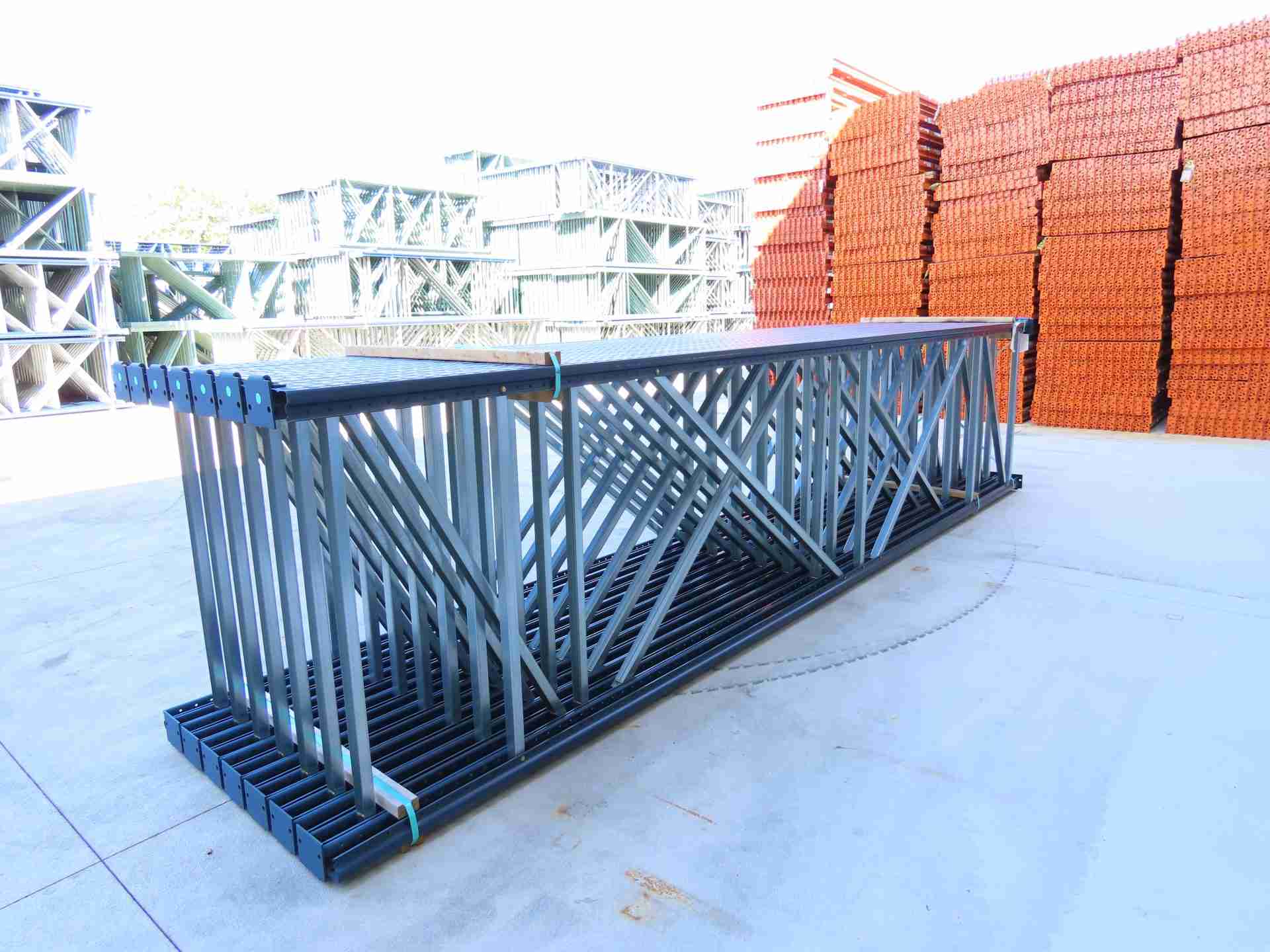
Are There Certifications For Sustainable Cantilever Racking Systems?
Conclusion
As we draw this exploration of cantilever racking and its profound connection to sustainability to a close, one principle rings true: adopting innovative storage solutions is not merely about optimizing space—it’s about redefining your commitment to the planet and your bottom line. The business imperatives surrounding sustainability have never been more pressing. With consumers increasingly gravitating toward eco-conscious brands and stricter regulations on carbon footprints, there’s an undeniable urgency to embrace practices that align with this new ethos.
Cantilever racking systems emerge as powerful allies in this journey. Designed to store oversized and bulky materials efficiently, these systems can drastically reduce your operational footprint, allowing you to use up to 50% less floor space while simultaneously minimizing your energy consumption. Imagine streamlining your facility’s storage capabilities, enhancing your inventory management, and contributing to eco-friendly initiatives—all within a single move.
Moreover, transitioning to cantilever racking isn’t just a smart operational strategy; it’s also a strategic step toward building a brand that champions sustainability. By investing in racking made from durable, often recycled materials, your operations can not only reduce waste in warehouses but also position themselves favorably amidst sustainability funding opportunities. Industries that embrace eco-friendly practices are often better poised to attract the growing segment of green-conscious consumers and investors looking for environmentally sound solutions.
The symbiotic relationship between cantilever racking and sustainable practices extends beyond logistics. Organizations that have revamped their storage solutions have reported significant reductions in operational costs while effectively addressing their waste management challenges. The financial gains from such transitions, highlighted by reports indicating that organizations can lose around 30% of their budgets to inefficiencies, cannot be overlooked.
In conclusion, the question is not “if” your business should invest in sustainable storage solutions like cantilever racking but rather “how soon” you can make this transformative change. As an action step, contact Arrow Industrial Sales today at (574) 349-6575 to explore how you can leverage cantilever racking systems to elevate your company’s sustainability while enhancing operational efficiency. This is your chance to cultivate a competitive edge that not only safeguards your business future but also contributes positively to our shared planet. The time for effective change is now—don’t delay in seizing the opportunity to lead the way.
Conclusion:
- Innovative storage solutions, like cantilever racking, redefine commitment to sustainability and profitability.
- There is growing consumer demand for eco-conscious brands alongside stricter carbon footprint regulations.
- Cantilever racking systems efficiently store oversized materials, reducing operational footprint by up to 50%.
- This storage solution minimizes energy consumption while enhancing inventory management capabilities.
- Investing in durable, recycled materials for racking attracts green-conscious consumers and funding opportunities.
- Organizations can achieve significant reductions in operational costs and waste management challenges through cantilever racking.
- The urgency to adopt sustainable storage solutions is high; contact Arrow Industrial Sales to explore options for your business.
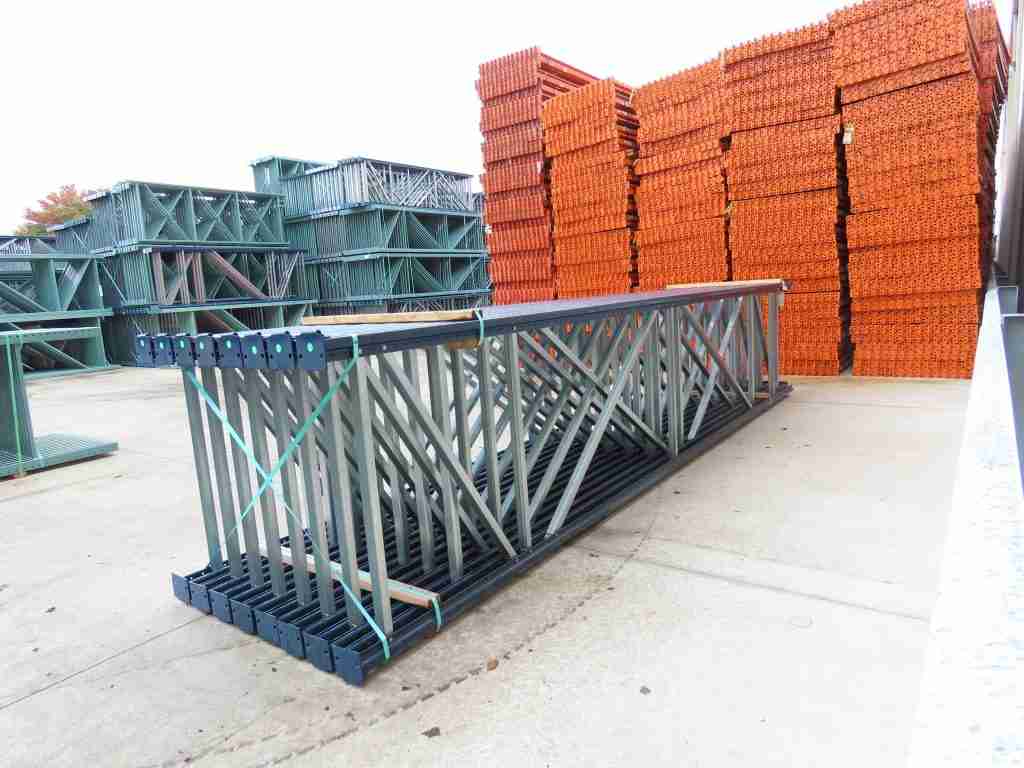
Conclusion
Other Resources
Here is a list of other resources you can review online to learn more:
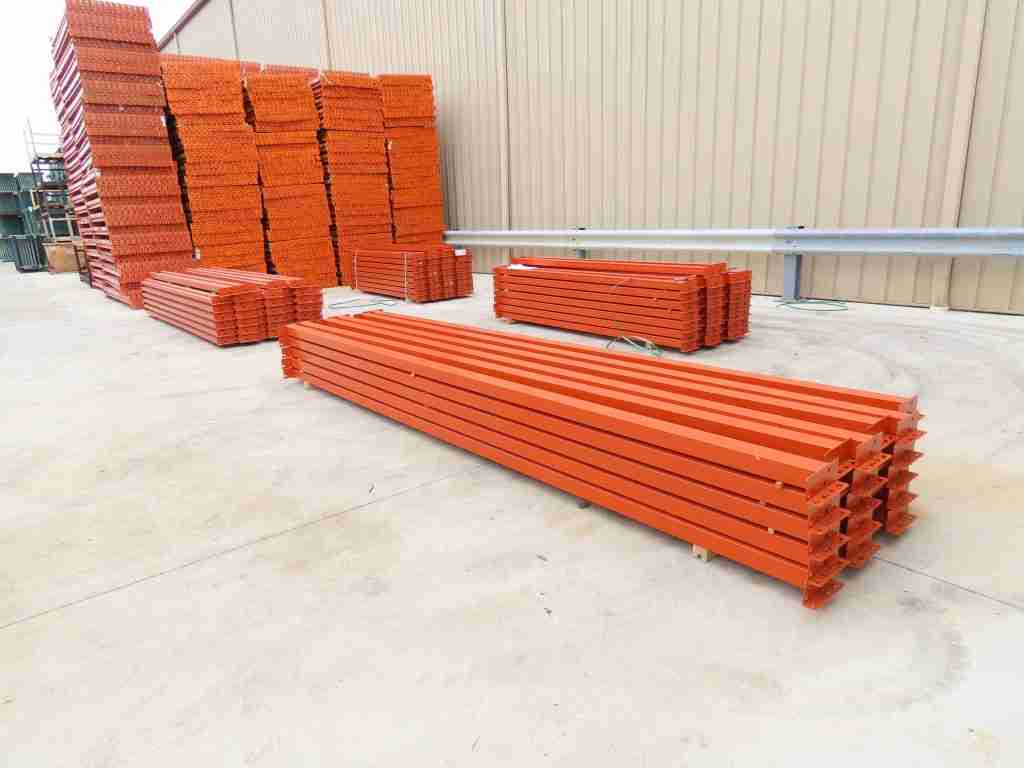
- “Cantilever Racks – Material Handling Equipment”
- “Best Prices on Quality Used Cantilever Racking Systems”
- “New Cantilever Rack Systems for Sale”
- “Industrial Cantilever Racking System Racking for Pipe & …”
- “Heavy Duty Cantilever Racks | Platforms and Ladders”
- “Cantilever Racking Systems”
- “Cantilever Racks & Shelves – Meco & Red Steel”
- “Used Cantilever Racks & Used Lumber Racks for Sale – ASI”
Other Resources
Glossary Terms
Can Cantilever Racking Help Meet Sustainability Goals? – Glossary Of Terms
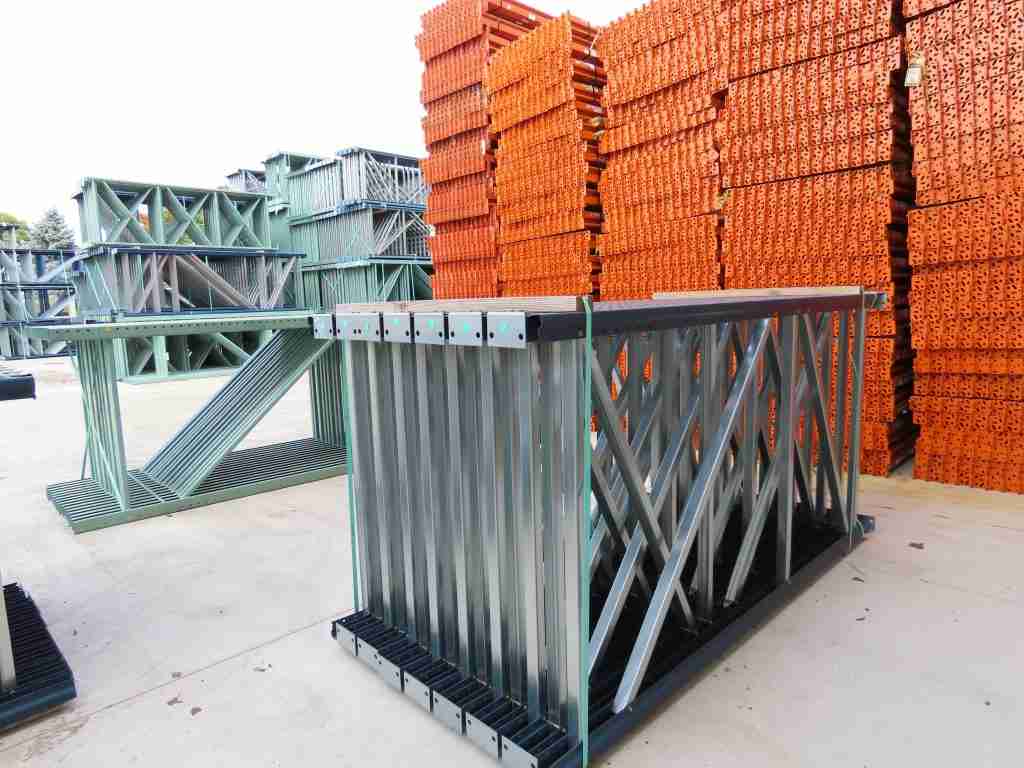
1. Cantilever Racking: A type of storage system that features long arms extending from vertical towers to hold items, ideal for storing long or bulky materials.
2. Sustainability: The ability to maintain ecological balance by avoiding depletion of resources, ensuring environmental accountability, and promoting social equity.
3. Material Optimization: The process of evaluating and using materials in the most efficient way to reduce waste and maximize their utility.
4. Warehouse Efficiency: A measure of how well a warehouse operates, including space usage, labor productivity, and inventory management.
5. Carbon Footprint: The total amount of greenhouse gases emitted by a person, organization, or product, usually expressed in equivalent tons of CO2.
6. Vertical Space Utilization: The practice of maximizing the use of vertical storage space in warehouses to improve capacity and reduce land use.
7. Recycling: The process of converting waste materials into reusable materials, thereby reducing waste and conserving resources.
8. Eco-Friendly Materials: Materials that have a minimal impact on the environment, often including sustainable resources or environmentally benign substances.
9. Lean Inventory: A management practice focused on minimizing waste without sacrificing productivity, often achieved through efficient inventory practices.
10. Durability: The ability of a product or material to withstand wear, pressure, or damage, contributing to longer lifespans and reduced waste.
11. Energy Efficiency: Using less energy to provide the same level of service, often through improved technology or systems.
12. Lifecycle Assessment (LCA): A technique used to evaluate the environmental impacts of a product through all stages of its life, from raw material extraction to disposal.
13. Modularity: A design principle that allows components to be easily assembled, reconfigured, or replaced, facilitating sustainable practices.
14. Optimization: The action of making the best or most effective use of a resource or situation, often focusing on reducing costs or environmental impact.
15. Waste Reduction: Strategies and practices aimed at minimizing waste before it is created, contributing to sustainability goals.
16. Lean Manufacturing: A systematic method for waste minimization within a manufacturing system without sacrificing productivity.
17. Supply Chain Management: The coordination of all activities involved in sourcing, procurement, conversion, and logistics management, focusing on sustainability.
18. Green Certifications: Recognitions awarded to products, services, or organizations that meet certain environmental standards.
19. Resource Efficiency: Utilizing resources in a way that maximizes output and minimizes waste, contributing to economic and environmental goals.
20. Sustainable Design: The creation of products or structures that minimize negative impacts on the environment and promote health and comfort.
21. Footprint Reduction: Efforts made by organizations to lessen their environmental impact, often measured in terms of energy, waste, or emissions.
22. Ergonomics: The study of people’s efficiency in their working environment, often considered in warehouse design to improve worker safety and productivity.
23. Regenerative Practices: Techniques and processes that restore, renew, and revitalize their own sources of energy and materials, benefiting the environment.
24. Environmental Impact: The effect that a company or product has on the surrounding environment, including factors like pollution, resource depletion, and biodiversity.
25. Inventory Turnover: A ratio that shows how many times a company’s inventory is sold and replaced over a period, indicative of efficiency.
26. Space Optimization: Strategies aimed at maximizing the use of available storage space, minimizing costs, and enhancing operational efficiency.
27. Carbon Neutrality: Achieving a balance between emitting carbon and absorbing carbon from the atmosphere, often through practices like offsetting emissions.
28. Modular Racking Systems: Racking solutions that can be easily expanded or reconfigured as storage needs change, promoting adaptability and sustainability.
29. Sourcing: The process of finding and acquiring goods or services from suppliers, which can prioritize sustainable practices and materials.
30. Operational Sustainability: The ongoing efforts of businesses to operate in a manner that balances environmental, social, and economic needs over the long term.
Glossary Of Terms
Other Questions
Can Cantilever Racking Help Meet Sustainability Goals? – Other Questions
If you wish to explore and discover more, consider looking for answers to these questions:
- What industries benefit the most from cantilever racking?
- How does cantilever racking compare to other storage solutions in terms of sustainability?
- What are the initial costs and long-term savings associated with cantilever racking?
- How easy is it to install and configure cantilever racking systems?
- What are the specific materials used for cantilever racking systems?
- Can cantilever racking be customized for unique storage needs?
- What maintenance is required for cantilever racking systems?
- Are there case studies demonstrating the effectiveness of cantilever racking in sustainability initiatives?
- How can companies measure the impact of cantilever racking on their sustainability goals?
- What types of businesses have reported the most significant improvements after adopting cantilever racking?
- Are there potential drawbacks or limitations to using cantilever racking?
- How do cantilever racking systems influence safety in the workplace?
- What innovations are emerging in cantilever racking technology?
- How can businesses educate their employees about the benefits of cantilever racking?
- Is there financial assistance available for businesses investing in sustainable storage solutions?
Other Questions
Checklist
Can Cantilever Racking Help Meet Sustainability Goals? – A Checklist
Evaluating Your Storage Needs
_____ Assess current inventory to identify oversized or bulky items.
_____ Determine available warehouse space and layout flexibility.
_____ Analyze current storage inefficiencies and their impacts on operations.
Understanding Cantilever Racking Benefits
_____ Research the space-saving advantages of cantilever racking systems.
_____ Evaluate the durability and recyclability of materials used in cantilever racking.
_____ Consider the potential for reducing transportation impacts and carbon footprint.
Sustainability and Economic Considerations
_____ Assess how cantilever racking can align with current sustainability goals.
_____ Estimate potential reductions in energy consumption and waste.
_____ Investigate cost savings associated with improved inventory management and reduced labor hours.
Implementation Steps
_____ Develop a plan for transitioning to cantilever racking systems.
_____ Choose a reputable manufacturer that prioritizes sustainable practices.
_____ Consider seeking certifications for your racking systems (e. g. , Sustainable Storage Solutions, ISO 14001, LEED).
Installation and Maintenance
_____ Ensure proper installation by certified professionals.
_____ Develop a regular maintenance schedule to prolong the life of the racking system.
_____ Document usage patterns to optimize operational efficiency.
Communication and Branding
_____ Create a visual display or documentation showcasing the change to cantilever racking.
_____ Inform stakeholders and customers about sustainability initiatives related to your storage solutions.
_____ Highlight any certifications acquired to enhance your brand’s eco-friendly image.
Continuous Improvement
_____ Regularly assess the effectiveness of the cantilever racking system on operational efficiency.
_____ Collect feedback from staff on usability and accessibility of stored materials.
_____ Stay updated on emerging trends and technologies in sustainable storage solutions.
Conclusion
Empowering your business with cantilever racking not only enhances operational efficiency but also fortifies your commitment to sustainability. Following this checklist will help ensure you maximize the benefits while contributing to a greener planet.
Checklist
At RackingWorld, we help guide you through selecting warehouse storage systems and racking.
Be sure to read our other related stories at RackingWorld to learn more about warehouse storage systems.
0 Comments