
Maximizing Efficiency And Safety In Cold Storage With Cantilever Racking
By Tom Seest
At RackingWorld, we help guide you through selecting warehouse storage systems and racking.
Be sure to read our other related stories at RackingWorld to learn more about warehouse storage systems.
Is Cantilever Racking Suitable for Cold Storage Environments?
When it comes to optimizing warehouse space, the right racking solution can transform your operations. Enter cantilever racking, a versatile shelving system that offers numerous advantages, particularly in cold storage environments. But is it the best choice for your specific needs? Let’s delve into how cantilever racking can thrive even in the frosty confines of a cold storage facility.
First and foremost, the flexibility of cantilever racking makes it an ideal fit for industries that deal with long and bulky items, such as lumber, pipes, and even pallets of frozen goods. Unlike conventional shelving, cantilever systems allow for easy access to products from any angle, which is especially crucial in cold storage where efficiency can make or break your profit margins. Picture an operation that focuses on frozen seafood; having easy access to these items speeds up order fulfillment and minimizes the time that workers spend in cold chambers. This reduction in exposure time not only keeps your workforce happy but also enhances the quality of your products.
Moreover, modern cantilever racking is engineered to withstand the low temperatures that characterize cold storage. Manufacturers now offer specialized treatments for steel exteriors that prevent corrosion from humidity, ensuring durability in a chilled environment. For example, companies like Interlake Mecalux are already addressing this need with systems designed for temperature-sensitive applications. Utilizing cantilever racks within a cold storage setup can lead to significantly lower maintenance costs and longer lifespans for your racking investment.
Another powerful argument in favor of cantilever racking in cold storage environments relates to the current rise in e-commerce. As demand for quick delivery of perishable goods skyrockets, warehouses must adapt. The ability to quickly maneuver inventory in cantilever systems directly supports the agility needed in today’s logistics landscape. A properly designed cantilever system can not only increase storage capacity but also expedite picking processes, helping businesses meet next-day delivery deadlines without breaking a sweat.
When considering racking options for cold storage environments, cantilever racking emerges as a strong contender. With its flexibility, resilience against harsh conditions, and ability to enhance operational efficiency, it’s clear that this racking solution can elevate your storage game. Whether you’re in the food industry, manufacturing, or even retail, investing in cantilever racking could be the strategic move that keeps your operation thriving in even the coldest of environments. Embrace the future of warehousing and reap the rewards!

Is Cantilever Racking Suitable for Cold Storage Environments?
Is Cantilever Racking Suitable for Cold Storage Environments?
- Cantilever racking is a versatile shelving solution suitable for optimizing warehouse space, especially in cold storage.
- Its flexibility allows for easy access to long and bulky items like lumber, pipes, and frozen goods, improving operational efficiency.
- Quick access minimizes worker exposure time in cold environments, enhancing productivity and product quality.
- Modern cantilever systems are designed to withstand low temperatures and resist corrosion, ensuring durability.
- As e-commerce demand rises, cantilever racking supports agile inventory management and expedites order fulfillment.
- This racking solution can increase both storage capacity and operational efficiency in cold storage settings.
- Investing in cantilever racking is a strategic choice for businesses in various industries looking to thrive in challenging environments.

Is Cantilever Racking Suitable for Cold Storage Environments?
Table Of Contents
- Is Cantilever Racking Suitable for Cold Storage Environments?
- Is Cantilever Racking Ideal For Cold Storage Applications?
- How Does Cantilever Racking Perform In Low Temperatures?
- What Are The Benefits Of Cantilever Racking In Cold Storage?
- How Does Humidity Affect Cantilever Racking In Cold Environments?
- What Weight Capacities Can Cantilever Racking Handle In Cold Storage?
- How Should Cantilever Racking Be Maintained In Cold Storage?
- Are There Any Limitations Of Cantilever Racking In Cold Storage Areas?
- Conclusion
- Other Resources
- Glossary Of Terms
- Other Questions
- Checklist
Is Cantilever Racking Ideal For Cold Storage Applications?
In the ever-evolving realm of logistics and warehousing, efficiency and adaptability are king. When it comes to cold storage applications, the mantra rings even truer. With the explosive growth of e-commerce and the need for optimal space utilization, businesses are increasingly turning to innovative storage solutions. One such solution making waves is cantilever racking. But is it genuinely suited for the frosty confines of cold storage? Let’s explore.
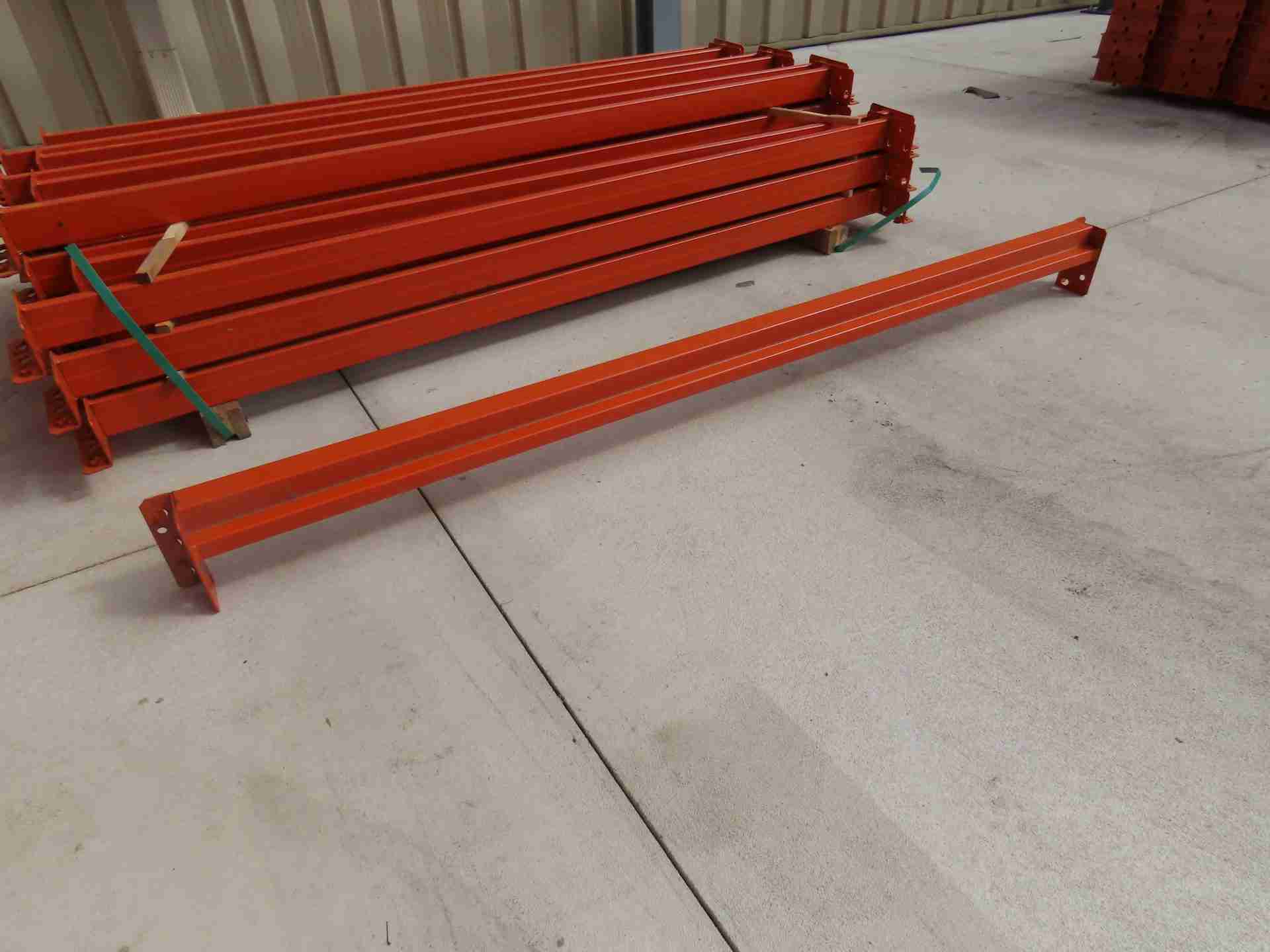
Cantilever racking stands out due to its unique design—featuring long arms protruding from a vertical frame, it allows for easy loading and unloading of oversized items. This is particularly advantageous in cold storage facilities, where goods such as frozen foods, large bulk items, and industrial supplies often require efficient and accessible storage. Imagine a cold storage warehouse receiving frequent shipments of frozen vegetables in bulk. Traditional shelving might create bottlenecks, but cantilever racks would enable swift access, optimizing the workflow during peak times.
Moreover, with recent advancements in cantilever racking materials and coatings, these racks can withstand the colder temperatures and humidity levels typical in such environments. For example, galvanized steel and epoxy-coated finishes designed to resist corrosion are now more readily available, offering durability and longevity to your warehouse investments. Businesses like FreshDirect have embraced these advancements, allowing them to scale their operations efficiently while ensuring their perishable inventory is stored correctly and remains accessible.
However, there are practical considerations to factor in. In the cold storage sector, maximizing vertical space is essential. Cantilever racking, with its ability to create expansive vertical storage, offers an effective solution. Additionally, the open design maximizes airflow, which is vital in preventing frost build-up and ensuring consistent temperature control—a crucial aspect for perishable items.
With the ongoing food supply chain challenges brought on by the pandemic, adopting efficient storage solutions has become imperative for businesses. The demand for fresh and frozen goods skyrockets during peak seasons, and those equipped with cantilever racking systems have an edge. They can adapt quickly to fluctuating inventory levels without compromising on space efficiency.
Cantilever racking is more than just an option for cold storage applications—it’s an intelligent investment in operational efficiency. With the right setup, businesses can leverage this innovative storage solution to maximize inventory control, enhance accessibility, and minimize waste. As the industry continues to evolve, cantilever racking could soon become the gold standard for cold storage facilities striving for excellence in performance.

Is Cantilever Racking Ideal For Cold Storage Applications?
Is Cantilever Racking Ideal For Cold Storage Applications?
- Efficiency and adaptability are crucial in logistics and cold storage applications.
- Cantilever racking allows easy loading and unloading of oversized items, ideal for cold storage of bulk goods.
- Recent advancements in materials like galvanized steel and epoxy coatings enhance durability in cold environments.
- Cantilever racking maximizes vertical space and airflow, essential for preventing frost build-up.
- Efficient storage solutions like cantilever racking are critical in meeting spikes in demand for fresh and frozen goods.
- This racking system provides businesses with the flexibility to adapt to fluctuating inventory levels.
- Cantilever racking is positioned to become a standard for operational efficiency in cold storage facilities.

Is Cantilever Racking Ideal For Cold Storage Applications?
How Does Cantilever Racking Perform In Low Temperatures?
As businesses optimize storage solutions for efficiency and cost-effectiveness, the question of how cantilever racking performs in low temperatures becomes increasingly relevant—especially in industries that demand cold storage or are exposed to harsh winter climates. Understanding the resilience and adaptability of cantilever racking can help companies make informed decisions that enhance productivity while ensuring safety and durability.
Cantilever racking is renowned for its unique design, featuring arms extending from vertical columns, perfect for storing long and awkward items such as lumber, pipes, or steel beams. But when temperatures drop, concerns arise. Can this robust system withstand the stressors of a frigid warehouse environment? The resounding answer is yes—but with some considerations.
First, the structural integrity of cantilever racking relies significantly on the materials used in construction. When selecting cantilever racks for low-temperature operations, opt for those made of galvanized steel or specially treated materials designed to handle extreme conditions. For instance, consider a company in the cold-formed steel industry that recently outfitted their facilities with weather-resistant racks. The result? Enhanced longevity and reduced maintenance costs, proving that investing in high-quality materials pays off—especially during the harshest months of the year.
In addition to material selection, it’s critical to evaluate the integrity of the installation process. Proper assembly and bolting can mitigate the risk of rack failure in low temperatures. One business reported that after investing in a professional installation team experienced in cold storage applications, they saw a 30% increase in efficiency, thanks to optimal space utilization without compromising safety.
Despite the challenges posed by low temperatures, cantilever racking offers versatility otherwise unavailable with traditional storage methods. This system allows for easy access and maximum visibility, essential for quick inventory checks—even in the depths of winter. As online shopping continues to surge, warehouses are increasingly focusing on optimizing their storage systems. A company specializing in e-commerce recently reported that by implementing cantilever racking designed for cold storage, they were able to expedite order fulfillment during peak seasons without sacrificing product integrity or safety.
In summary, cantilever racking holds its ground even in the chill of winter. With careful material selection, professional installation, and a focus on optimizing storage capacity, businesses can capitalize on the advantages of this innovative solution. The key is to anticipate the demands of your specific environment. After all, a well-thought-out strategy isn’t just about storage; it’s about positioning your business for success—regardless of the climate outside.

How Does Cantilever Racking Perform In Low Temperatures?
How Does Cantilever Racking Perform In Low Temperatures?
- Businesses are exploring cantilever racking for cold storage and harsh winter conditions.
- Cantilever racking is ideal for storing long or awkward items like lumber and steel beams.
- The structural integrity of cantilever racking depends on the materials used; galvanized steel is recommended for low temperatures.
- Proper installation is crucial; professional assembly can significantly improve efficiency and safety.
- Cantilever racking provides better access and visibility, facilitating quick inventory checks in winter.
- Implementation of cantilever racking has been shown to expedite order fulfillment during peak seasons for e-commerce businesses.
- A well-planned storage solution with cantilever racking can enhance productivity and success in challenging climates.

How Does Cantilever Racking Perform In Low Temperatures?
What Are The Benefits Of Cantilever Racking In Cold Storage?
When navigating the often-chilly environment of cold storage, businesses face unique challenges that require innovative solutions. Enter cantilever racking: a game-changing option that not only optimizes storage space but also enhances operational efficiency. Here’s why your cold storage facility might just need a cantilever racking system.
Maximize Storage Space
Cold storage facilities often grapple with the dilemma of limited space. Cantilever racking offers a remarkable solution by eliminating the need for aisles traditionally required by pallet racking systems. This innovative design allows for vertical space to be utilized more effectively, meaning you can store longer items like frozen food pallets or rolls of insulation without sacrificing floor space. Consider the current rise in e-commerce and the demand for fresh foods; with cantilever racking, you can stockpile more inventory, ready to meet customer demands without the ongoing headache of cluttered aisles.
Versatile Configuration
Every cold storage operation is unique, and cantilever racking is the chameleon of the storage world. With its adjustable arms and customizable designs, it can accommodate various products, from bulk raw materials to packaged goods. For businesses in the frozen food sector, such as meal prep services and retailers, this flexibility is invaluable. For instance, during the peak season, companies can effortlessly adapt their shelving to adjust to higher volumes of inventory, enhancing workflow efficiency.
Enhanced Accessibility
One of the primary benefits of cantilever racking is its ease of access. Employees can quickly locate and retrieve products, significantly reducing retrieval times. This is particularly critical in the fading hours of product shelf life, where swift access can make or break sales. With the recent global push for reduced food waste, implementing systems that streamline processes within cold storage warehouses can dramatically support sustainability efforts.
Increased Safety
Safety is paramount in any storage setting, and cantilever racking systems are designed with this in mind. Their structure minimizes the risk of tipping or collapse, ensuring that stored items remain secure—even in the fluctuating temperatures typical of cold storage environments. Enhanced safety not only protects your workforce, but it also reduces insurance premiums, a significant cost-cutting opportunity.
In an era where efficient supply chain management is non-negotiable, businesses looking to optimize cold storage must consider cantilever racking as a strategic advantage. With the ability to maximize space, enhance accessibility, and ensure safety, it’s not just a racking solution—it’s a path to improved profitability and reduced operational headaches. Don’t get left behind; innovate your cold storage solutions today!

What Are The Benefits Of Cantilever Racking In Cold Storage?
What Are The Benefits Of Cantilever Racking In Cold Storage?
- Maximize Storage Space: Cantilever racking eliminates traditional aisle requirements, allowing for more effective vertical space utilization and storing longer items efficiently.
- Versatile Configuration: Features adjustable arms and customizable designs, accommodating various products from bulk raw materials to packaged goods.
- Enhanced Accessibility: Facilitates quick product retrieval, reducing retrieval times, which is crucial for items nearing their shelf life.
- Support for Sustainability: Streamlined processes help reduce food waste, aligning with recent global sustainability goals.
- Increased Safety: Designed to minimize tipping or collapse, ensuring stored items remain secure in fluctuating temperatures.
- Cost Reduction: Enhanced safety measures can lead to lower insurance premiums, presenting a significant cost-cutting opportunity.
- Strategic Advantage: Optimizing cold storage with cantilever racking boosts profitability and reduces operational challenges.

What Are The Benefits Of Cantilever Racking In Cold Storage?
How Does Humidity Affect Cantilever Racking In Cold Environments?
When it comes to optimizing your warehouse operations, understanding the interplay between humidity and cantilever racking systems in cold environments is crucial. Many businesses underestimate the impact that humidity can have on the functionality, longevity, and safety of their racking systems, especially in regions experiencing severe winter conditions or fluctuating temperatures.
Let’s first demystify humidity. In cold climates, high humidity levels can lead to condensation, which tends to accumulate on colder surfaces. Imagine a cantilever rack filled with materials susceptible to moisture, such as metal or organic goods. If condensation forms, it can lead to rusting, corrosion, and structural compromise—ultimately costing businesses thousands in repairs and replacements. A recent report from the Supply Chain Management Review highlights that 30% of businesses in colder regions experience significant inventory loss due to improper humidity control.
For example, consider a company that specializes in storing lumber. High humidity in a cold climate can interact with temperature-induced changes in moisture content within the wood itself, causing warping or mold growth. Utilizing cantilever racks made from galvanized steel can mitigate some of these risks, as they resist rust better than untreated metals. However, this is only a part of the solution. Implementing proper ventilation and climate control measures can significantly reduce humidity levels, ensuring that your materials remain in pristine condition.
Moreover, it’s essential to monitor your racking systems regularly. A proactive approach involves understanding your local climate patterns. Recent weather anomalies—like the unexpected polar vortex that swept across the Midwestern U.S.—serve as reminders that climate can change rapidly. Implementing an inventory management system that includes real-time environmental monitoring will allow you to adjust your storage strategy preemptively, avoiding damage from unseen humidity levels.
Additionally, choose materials wisely. Opt for racks that have advanced coatings designed specifically for cold, humid environments. Innovations in weather-resistant technology are on the rise, and leveraging these advancements can ensure that your cantilever racks stand the test of time.
In summary, keeping an eye on humidity in cold environments is not just good practice; it’s essential for protecting your investment in cantilever racking systems. By making informed decisions today, you can save yourself from costly headaches tomorrow, ensuring operational efficiency and optimal inventory management in even the toughest climates. Don’t let humidity catch you off guard; take the reins of your warehouse’s success!

How Does Humidity Affect Cantilever Racking In Cold Environments?
How Does Humidity Affect Cantilever Racking In Cold Environments?
- Understanding the relationship between humidity and cantilever racking systems is essential for optimizing warehouse operations in cold environments.
- High humidity levels in cold climates can lead to condensation, rust, corrosion, and structural issues with racking systems.
- Around 30% of businesses in colder regions face inventory loss due to inadequate humidity control.
- Using galvanized steel cantilever racks can help prevent rust, but proper ventilation and climate control are also necessary.
- Regular monitoring of racking systems and understanding local climate patterns are crucial for proactive management.
- Choosing racks with advanced weather-resistant coatings can enhance their longevity in humid, cold conditions.
- Proactively managing humidity is vital for protecting investments and ensuring efficient warehouse operations.

How Does Humidity Affect Cantilever Racking In Cold Environments?
What Weight Capacities Can Cantilever Racking Handle In Cold Storage?
When it comes to optimizing cold storage solutions, one of the most powerful tools in your arsenal is cantilever racking. As businesses struggle to keep up with ever-increasing demand, particularly in the perishable goods sector, understanding the weight capacities of cantilever racking becomes crucial to operational efficiency and safety.
Cantilever racking is distinctive for its long arms, allowing for the neat storage of bulky items such as lumber, pipes, or even large pallets in cold environments. Most systems can support anywhere from 2,000 to 5,000 pounds per arm, although heavy-duty options exist that can handle even more—up to 10,000 pounds or higher per arm, depending on the design and materials used. This is equivalent to a typical standard pallet stacked with goods that require optimal temperature maintenance, making it an ideal solution for cold storage warehouses.
Take a moment to consider the implications of recent trends in e-commerce, driven by consumer demand for fresh and frozen foods. Major retailers are pivoting toward cold storage solutions to meet this demand while minimizing spoilage. For instance, a leading grocery chain recently upgraded its logistics centers with cantilever racking systems to efficiently manage its frozen inventory. By investing in these robust racking solutions, they significantly increased their inventory turnover rates while reducing waste—an essential component of profitability in the cold storage sector.
Moreover, cantilever racking enhances adaptability within your warehouse. The systems can be easily modified to accommodate changing weights and dimensions of your goods. If a business enters a new distribution agreement for a line of larger-sized products, adjustments can be swiftly made to the racking setup. This flexibility not only supports operational efficiency but also helps businesses respond rapidly to market trends—a vital skill in today’s fast-paced retail environment.
Another critical consideration that sets cantilever racking apart is its design. In cold storage applications, the materials used are engineered to resist the corrosive effects of chillers and freezers, ensuring longevity and consistent performance even at sub-zero temperatures. While ordinary shelf systems may warp or become brittle, specialized cantilever racks maintain structural integrity, providing peace of mind for inventory managers.
Understanding the weight capacities of cantilever racking can transform your cold storage operations. By leveraging this powerful storage solution, businesses can achieve better organization, increased efficiency, and ultimately, greater profitability—all while navigating the challenges of modern supply chain demands. If you want to ensure your storage solutions keep pace with industry requirements, investing in cantilever racking is not just desirable; it’s essential.

What Weight Capacities Can Cantilever Racking Handle In Cold Storage?
What Weight Capacities Can Cantilever Racking Handle In Cold Storage?
- Cantilever racking is an effective solution for optimizing cold storage, especially for bulky items.
- Weight capacities of cantilever racks generally range from 2,000 to 5,000 pounds per arm, with heavy-duty options exceeding 10,000 pounds.
- Increasing consumer demand for fresh and frozen foods is prompting retailers to invest in cold storage solutions.
- Upgrading to cantilever racking can enhance inventory turnover rates while reducing waste in cold storage operations.
- Cantilever racking systems are adaptable and can be modified to accommodate changes in goods’ weights and dimensions.
- The materials used in cantilever racking are designed to withstand corrosive effects of cold storage environments, providing durability.
- Investing in cantilever racking can lead to better organization, increased efficiency, and greater profitability in cold storage management.

What Weight Capacities Can Cantilever Racking Handle In Cold Storage?
How Should Cantilever Racking Be Maintained In Cold Storage?
When it comes to maximizing storage efficiency in cold environments, cantilever racking is a game-changer. However, just installing this versatile racking system isn’t enough; it requires diligent maintenance to ensure peak performance and longevity, especially in cold storage scenarios. If you’re not taking the necessary steps to maintain your cantilever racking, you’re potentially sitting on a ticking time bomb of inefficiency.
First and foremost, temperature fluctuations can wreak havoc on cantilever racks. Metals can become brittle in extreme cold, leading to weakened structural integrity. Regular inspections are non-negotiable. Establish a routine every 6-12 months to check for signs of corrosion or physical damage. In late 2023, a well-known grocery chain learned this the hard way when a sudden drop in temperature led to rack failure, resulting in damage to over $100,000 worth of inventory. Schedule visual inspections and utilize proper measuring tools to ensure everything is aligned correctly.
Next, consider the potential build-up of ice or condensation within your cold storage area. This is not just inconvenient; it’s a safety hazard. Ice could form around the base of your racking, causing slips or falls. Utilizing heating cables or insulation pads can mitigate these risks. Companies like Arctic Storage Solutions have begun offering specialized heating solutions specifically for cold storage racking, making this an area worth investing in.
Don’t forget to evaluate the loading procedures. Training your staff on how to load and unload material correctly will ensure the integrity of your racks is not compromised by improper handling. For example, a recent mishap at a logistics center resulted from the use of forklifts that weren’t suited for cold storage operations, leading to a catastrophic failure. Instituting a training program similar to what leading firms are using can help avert such instances.
Lastly, keep records. Documentation of all maintenance activities, inspections, and any issues encountered plays a crucial role in compliance and accountability. This is particularly important when dealing with food products, as regulatory scrutiny is increasing. Creating an easily accessible log can serve not only as a resource for your staff but also as proof of due diligence to inspectors.
Maintaining cantilever racking in cold storage doesn’t have to be an uphill battle. By committing to regular inspections, mitigating ice issues, training staff correctly, and keeping detailed records, you’ll preserve the integrity of your racking system. Investing a little time and resources now can save you significant headaches—and dollars—down the road.

How Should Cantilever Racking Be Maintained In Cold Storage?
How Should Cantilever Racking Be Maintained In Cold Storage?
- Cantilever racking is crucial for maximizing storage efficiency in cold environments.
- Regular maintenance is essential for ensuring the performance and longevity of cantilever racks.
- Temperature fluctuations can cause metals to become brittle, leading to structural damage. Regular inspections every 6-12 months are necessary.
- Ice or condensation build-up can create safety hazards; heating cables or insulation pads can help mitigate these risks.
- Proper loading procedures and staff training are vital to maintain rack integrity and prevent mishaps.
- Keeping records of maintenance activities and inspections is important for compliance and accountability.
- Proactive maintenance can save resources and prevent costly damages in the long run.

How Should Cantilever Racking Be Maintained In Cold Storage?
Are There Any Limitations Of Cantilever Racking In Cold Storage Areas?
When it comes to optimizing warehouse space, cantilever racking often shines as the beacon of efficiency, particularly in environments where long and awkwardly-shaped goods must be stored. However, when you venture into the icy embrace of cold storage areas—think frozen goods and refrigerated items—the limitations of this storage solution become glaringly evident.
First, consider the material factors. Standard cantilever racks are typically constructed from steel, but in cold storage environments, steel is beholden to the whims of temperature. Extreme cold can lead to brittleness, elevating the risk of structural failure. A 2021 study highlighted instances where low-temperature exposure caused significant damage to inadequately insulated metal components in racking systems. That’s a risk no business shifting frozen goods wants to take.
Additionally, humidity management presents another hurdle. Cold storage often comes with elevated humidity levels, especially in freezer rooms where condensation is common. This moisture can corrode metal brackets and frames, leading to rusting and degradation of the rack’s integrity over time. Installation of cantilever racking in a moist environment requires additional coatings or treatments, which can add to setup costs and ongoing maintenance.
Moreover, accessibility becomes a prognostic factor. Cantilever racks are designed for loading materials from the side, making them less than ideal for environments where quick access is crucial. In cold storage, workers may face logistical delays as they grapple with the positioning of inventory. Imagine trying to extract a dozen massive frozen pallets from a row of cantilever racks when every second counts in order to reduce exposure to cold and avoid product thawing. It’s not just inefficient; it could be devastating to the bottom line.
Current events also highlight these limitations. As supply chain disruptions continue to be reported since the onset of the COVID-19 pandemic, cold storage warehouses have had to adapt rapidly. Those who relied solely on cantilever racking in icy conditions found themselves constrained in their capacity to pivot and meet emerging demands. Flexible storage solutions with adjustable shelving and temperature-resilient materials emerged as winners in this challenging landscape.
While cantilever racking holds its ground as an effective storage solution in many scenarios, the cold storage arena presents challenges that can’t be overlooked. When considering this system for refrigerated environments, one must weigh the long-term implications and costs against alternative, more versatile options. Your inventory, and ultimately your bottom line, depends on it. Investing in the right racking solution is not just smart; it’s essential for thriving in today’s demanding marketplace.

Are There Any Limitations Of Cantilever Racking In Cold Storage Areas?
Are There Any Limitations Of Cantilever Racking In Cold Storage Areas?
- Cantilever racking is efficient for storing long and awkwardly-shaped goods but has limitations in cold storage areas.
- Standard steel cantilever racks risk brittleness and structural failure in extreme cold temperatures.
- Elevated humidity in cold storage can lead to corrosion and degradation of metal components in racking systems.
- Moisture requires additional coatings or treatments for cantilever racks, increasing installation and maintenance costs.
- Accessibility issues arise as cantilever racks are designed for side loading, complicating quick inventory retrieval in cold storage.
- Supply chain disruptions during the COVID-19 pandemic highlighted the limitations of cantilever racking in cold storage environments.
- Alternative flexible storage solutions may be more effective in adapting to the demands of cold storage and preserving inventory.

Are There Any Limitations Of Cantilever Racking In Cold Storage Areas?
Conclusion
In the fast-paced world of logistics and cold storage, your business’s success hinges on selecting the right storage solutions. Cantilever racking emerges as a frontrunner, offering incredible versatility and efficiency tailored for cold storage environments. With its unique design—long arms extending from vertical frames—this system addresses specific industry needs by providing easy access to oversized items such as frozen food pallets, lumber, and more.
Imagine a bustling cold storage facility filled with perishable goods. Every minute lost in retrieval can impact product quality, employee comfort, and ultimately your profit margins. Cantilever racking eliminates bottlenecks, enabling swift and efficient access while minimizing worker exposure to sub-zero temperatures. This not only boosts employee morale but also solidifies your reputation for quality.
Moreover, today’s advancements in materials science mean that specialized cantilever racking systems are engineered specifically to withstand the rigors of cold storage. Galvanized steel treatments and epoxy coatings protect against the corrosion resulting from humidity, ensuring durability even in the harshest conditions. An investment in cantilever racking is an investment in operational longevity and lower maintenance costs—crucial factors in an industry rife with fluctuations and challenges.
As e-commerce continues to surge, businesses face heightened demand for quick and efficient deliveries. By integrating cantilever racking into your cold storage operations, you position your warehouse for agility and responsiveness—imperatives for meeting the rising expectations of today’s consumers.
However, while cantilever racking has numerous advantages, it is essential to remain aware of its limitations. Ensure that your racking solution is properly designed, installed, and maintained to navigate potential pitfalls related to cold and humidity. Conduct regular inspections and make informed material choices to safeguard your investment.
Now is the time to elevate your cold storage operations. Don’t let outdated storage solutions hinder your growth potential when efficient, innovative options are available. Call Arrow Industrial Sales at (574) 349-6575 today for tailored guidance and solutions that will transform your warehouse into a model of efficiency and productivity. Act fast—your competitors might not be waiting! Secure your position in the market by embracing the unparalleled benefits of cantilever racking in cold storage environments. Let Arrow Industrial Sales help you innovate and thrive in today’s dynamic landscape!

Conclusion
Conclusion:
- Cantilever racking is an effective solution for cold storage, offering versatility and efficiency for logistics.
- The design features long arms extending from vertical frames, facilitating easy access to oversized items like frozen food pallets.
- It helps eliminate retrieval bottlenecks, reducing employee exposure to sub-zero temperatures and improving morale.
- Specialized cantilever racking systems are engineered to resist corrosion from humidity, ensuring durability under harsh conditions.
- Integrating cantilever racking enhances warehouse agility, essential for meeting rising e-commerce delivery demands.
- Awareness of cantilever racking’s limitations is crucial; proper design, installation, and maintenance are necessary to avoid issues related to cold and humidity.
- Contact Arrow Industrial Sales for tailored guidance in optimizing your cold storage solutions.

Conclusion
Other Resources

Other Resources
Here is a list of other resources you can review online to learn more:
- “Cantilever Racks”
- “Cantilever racking | Racking and Shelving”
- “Cantilever racking: a warehouse-friendly guide”

Other Resources
Glossary Terms
Is Cantilever Racking Suitable for Cold Storage Environments? – Glossary Of Terms
1. Cantilever Racking: A storage system featuring horizontal arms extending from vertical columns, designed for storing long, bulky items like pipes and lumber.
2. Cold Storage: Warehousing facilities maintained at low temperatures to preserve goods, particularly perishable items like food and pharmaceuticals.
3. Temperature Control: The mechanisms and technology used to regulate the temperature within a storage facility to meet specific storage requirements.
4. Material Handling: The movement, protection, storage, and control of materials throughout the manufacturing and distribution process.
5. Load Capacity: The maximum weight an individual rack or storage system can safely support based on its design and materials.
6. Insulation: Material used to reduce heat transfer between the interior of a cold storage facility and the external environment.
7. Condensation: The formation of water droplets from water vapor as it cools in cold storage environments, which can affect stored items.
8. Corrosion Resistance: The ability of materials (like racking) to withstand deterioration due to environmental factors common in cold storage, such as humidity and temperature fluctuations.
9. Food Safety Standards: Regulations that govern the handling, storage, and transportation of food products to prevent contamination and ensure safety.
10. Durability: The capacity of a racking system to withstand wear, pressure, and damage over time, especially in cold environments.
11. Hygiene: Practices that maintain health standards in cold storage environments to prevent contamination of stored goods.
12. Weep Holes: Small openings designed to allow for drainage and ventilation in storage systems to prevent moisture buildup.
13. Pallet Racking: A specific type of racking designed to store pallets of goods, often found in cold storage facilities.
14. Structural Integrity: The ability of a racking system to withstand its intended loads without failure, crucial in cold storage scenarios.
15. Frost Formation: Ice build-up that can occur in cold storage facilities, affecting both the storage system and the items stored.
16. Load Distribution: The method of spreading weight evenly across a racking system to ensure stability and safety.
17. Environmental Impact: The effect that storage systems and practices have on the surrounding environment, particularly in terms of energy usage and emissions.
18. Safety Regulations: Guidelines established to ensure the safety of workers and the storage of materials in industrial and cold storage environments.
19. Forklift Access: The design considerations of racking systems that allow for easy access by forklifts in a storage environment.
20. Inventory Management: The process of overseeing and controlling the storage, handling, and movement of inventory in a facility.
21. Ergonomics: The study of how to design workspaces and storage systems that optimize human well-being and overall system performance.
22. Vertical Space Utilization: The effective use of vertical dimensions in a warehouse to maximize storage capacity in cold environments.
23. Freezing Point: The temperature at which a substance, like water, freezes, relevant for cold storage applications of perishable items.
24. Column Spacing: The distance between the vertical posts of a racking system, affecting load-bearing capacity and accessibility.
25. Refrigeration SystemsMachinery used to maintain low temperatures in cold storage environments, crucial for preserving goods.
26. Humidity Control: The management of moisture levels in a storage environment, impacting product quality and racking materials.
27. Shelving Accessories: Additional components (like dividers or safety bars) that enhance racking systems for better organization and safety.
28. Operational Efficiency: The ability of a storage system to maximize productivity and minimize waste during handling and storage processes.
29. Temperature Extremes: Significant deviations from standard temperature ranges that can impact the integrity and functionality of storage systems.
30. Maintenance Protocols: Established procedures for inspecting, cleaning, and repairing racking systems to ensure they remain safe and functional.

Glossary Of Terms
Other Questions
Is Cantilever Racking Suitable for Cold Storage Environments? – Other Questions
If you wish to explore and discover more, consider looking for answers to these questions:
- What are the main advantages of cantilever racking compared to other storage solutions?
- How much does cantilever racking cost to install in cold storage facilities?
- What types of products are best suited for cantilever racking in cold environments?
- What specific materials should be used for cantilever racking in cold storage?
- Are there any case studies that demonstrate the effectiveness of cantilever racking in cold storage?
- How often should cantilever racking be inspected and maintained in cold storage environments?
- What safety measures should be implemented when using cantilever racking in cold storage?
- How can businesses effectively manage humidity levels in cold storage with cantilever racking?
- Can cantilever racking systems be easily modified to accommodate different products and weights?
- What are some potential risks associated with using cantilever racking in cold storage facilities?
- How does temperature variation affect the structural integrity of cantilever racking?
- Are there guidelines or best practices for loading and unloading materials from cantilever racks?
- What technologies or innovations are being developed to enhance cantilever racking performance in cold environments?
- How does regulatory compliance play a role in the maintenance of cantilever racking systems?

Other Questions
Checklist
Is Cantilever Racking Suitable for Cold Storage Environments? – A Checklist
1. Assess Storage Needs:
_____ Identify the types of products to be stored (e. g. , frozen goods, lumber, industrial supplies).
_____ Determine the dimensions and weights of the items for storage.
2. Evaluate Racking Design:
_____ Check if cantilever racking allows easy access from multiple angles.
_____ Confirm the system can accommodate long and bulky items without bottlenecks.
3. Material Considerations:
_____ Choose racks made of galvanized steel or with specialized coatings to prevent corrosion.
_____ Ensure that the materials are suitable for low temperatures (e. g. , weather-resistant treatments).
4. Temperature Management:
_____ Verify that the cantilever racking systems can withstand low temperatures and high humidity.
_____ Implement proper ventilation and climate control to avoid condensation buildup.
5. Accessibility and Workflow:
_____ Analyze the layout for efficient accessibility to minimize retrieval time.
_____ Ensure adequate space is provided for easy loading and unloading.
6. Weight Capacities:
_____ Review the weight limits for the cantilever racking systems (typically between 2,000 to 5,000 pounds per arm).
_____ Consider heavy-duty options if required for larger loads.
7. Maintenance Plan:
_____ Establish a routine inspection program every 6-12 months for corrosion and structural integrity.
_____ Record all maintenance activities, inspections, and issues for compliance purposes.
8. Staff Training:
_____ Implement training for staff on correct loading/unloading procedures.
_____ Educate employees on safety measures to prevent accidents related to slips or falls due to ice buildup.
9. Monitor and Adapt:
_____ Utilize an inventory management system for real-time environmental monitoring.
_____ Be prepared to adjust racking configurations to adapt to changing inventory levels.
10. Consider Limitations:
_____ Evaluate the drawbacks of cantilever racking, such as brittleness in extreme cold and humidity issues.
_____ Explore alternative storage solutions if the limitations significantly impact operational efficiency.
11. Compliance and Regulations:
_____ Ensure the racking system complies with local safety regulations and industry standards.
_____ Keep documentation accessible for inspection purposes.
12. Cost-Benefit Analysis:
_____ Analyze the costs of installation, maintenance, and potential upgrades versus the operational efficiency gains.
_____ Weigh the long-term investment viability of cantilever racking against other storage solutions.
This checklist will help you systematically evaluate whether cantilever racking is the right choice for your cold storage facility, maximizing both efficiency and safety in your operations.
Checklist
At RackingWorld, we help guide you through selecting warehouse storage systems and racking.
Be sure to read our other related stories at RackingWorld to learn more about warehouse storage systems.
0 Comments