
Maximizing Pallet Rack Performance: Load Capacity Tips
By Tom Seest
At RackingWorld, we help guide you through selecting warehouse storage systems and racking.
Be sure to read our other related stories at RackingWorld to learn more about warehouse storage systems.
What Are The Load Capacity Considerations for Pallet Racks?
When it comes to figuring out the load capacity for pallet racks, there are a few key considerations to keep in mind. Just like with any type of storage system, it’s important to make sure you’re using the racks properly and not overloading them.
The first thing to think about is the weight of the items you’ll be storing on the racks. Each rack will have a specific weight limit that you’ll need to adhere to in order to keep everything safe and secure. It’s crucial to know the weight capacity of each individual shelf, as well as the overall capacity of the entire rack. Exceeding these limits can lead to structural failure and potential workplace accidents, so it’s not something to take lightly.
Next, you’ll need to consider the size and shape of the items you’ll be storing. If you’re planning on storing heavy, bulky items, you may need to opt for racks with reinforced beams or additional supports to handle the weight. On the other hand, if you’ll be storing smaller, lighter items, you may be able to get away with racks that have a lower weight capacity.
Another important factor to think about is how the weight will be distributed across the racks. If you’re storing items that are all roughly the same weight, it may be easier to evenly distribute them across the shelves. However, if you have items that vary greatly in weight, you’ll need to carefully plan how they’re placed to ensure the racks can handle the load.
It’s also crucial to account for any potential changes in weight over time. As your inventory grows or changes, you may need to adjust how items are stored on the racks to prevent overloading. Regular inspections and maintenance can help ensure that everything stays within the designated weight limits.
Overall, the load capacity considerations for pallet racks are a key aspect of maintaining a safe and efficient storage system. By carefully assessing the weight of your items, the size and shape of the items, and how the weight will be distributed, you can ensure that your racks remain sturdy and reliable for years to come. And remember, safety should always be the top priority when it comes to storage equipment – better safe than sorry!

What Are The Load Capacity Considerations for Pallet Racks?
What Are The Load Capacity Considerations for Pallet Racks?
- Consider weight of items being stored on racks.
- Know weight limits of individual shelves and overall rack.
- Consider size and shape of items for storage.
- Distribute weight evenly across racks.
- Account for potential changes in weight over time.
- Regular inspections and maintenance are crucial.
- Safety is the top priority with storage equipment.
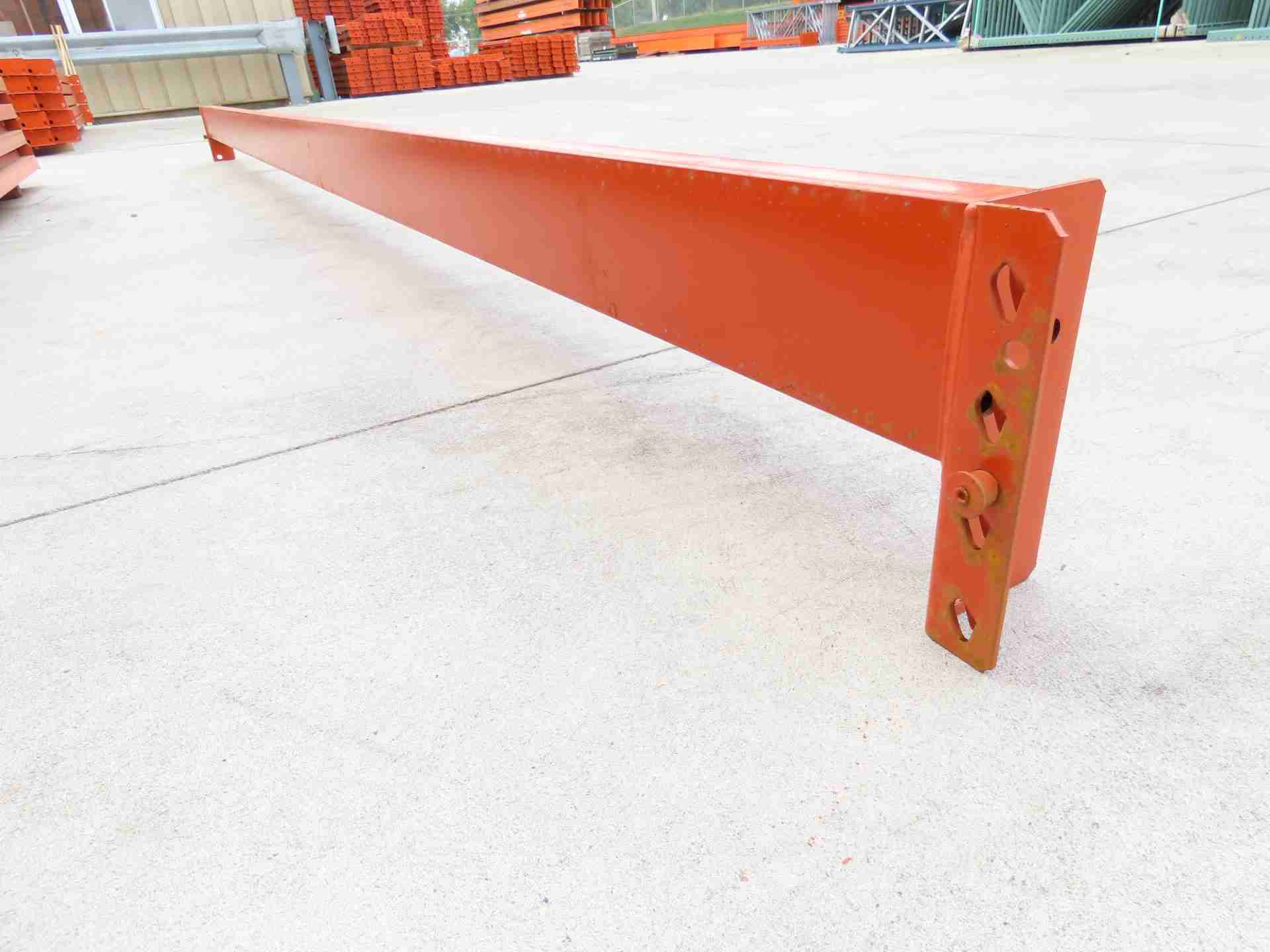
What Are The Load Capacity Considerations for Pallet Racks?
Table Of Contents
- What Are The Load Capacity Considerations for Pallet Racks?
- What Factors Determine The Load Capacity Of Pallet Racks?
- How Does Rack Configuration Affect Load Capacity?
- Are There Industry Standards For Load Capacity?
- How Do You Calculate The Load Capacity Of A Pallet Rack?
- Is It Safe To Exceed The Load Capacity Of A Pallet Rack?
- How Can You Ensure The Safety Of Your Warehouse Operations?
- What Are Common Mistakes To Avoid When Determining Load Capacity?
- How Can You Optimize The Use Of Pallet Racks In Your Warehouse?
- What Are The Consequences Of Overloading A Pallet Rack?
- How Often Should Load Capacity Be Reevaluated?
- Conclusion
- Other Resources
- Glossary Of Terms
- Other Questions
- Checklist
What Factors Determine The Load Capacity Of Pallet Racks?
When it comes to determining the load capacity of pallet racks, there are several key factors to consider. These factors can make all the difference between a safe and efficient storage solution, and a potential disaster waiting to happen.
First and foremost, the material of the pallet rack is crucial. The type of material used in construction will greatly impact the overall strength and load-bearing capacity of the rack. Steel is often the preferred choice for pallet racks due to its durability and ability to withstand heavy loads. Other materials, such as aluminum or wood, may not be as sturdy and could lead to potential collapses under pressure.
Another important factor to consider is the design and configuration of the pallet rack. The way in which the rack is constructed, including the number of beams, uprights, and braces, can impact its load capacity. A well-designed rack with ample support beams and braces will have a higher load capacity than a poorly designed one.
The size and spacing of the shelves on the pallet rack also play a significant role in determining load capacity. The distance between shelves, as well as the length and width of each shelf, will determine how much weight the rack can safely hold. It’s important to follow manufacturer guidelines and recommendations when it comes to shelf spacing in order to avoid overloading the rack.
In addition, the height of the pallet rack will impact its load capacity. Taller racks can generally hold more weight than shorter ones, but it’s important to take into account the stability of the rack at higher heights. It’s crucial to ensure that the rack is properly anchored and secured to the floor to prevent toppling over under heavy loads.
Finally, the way in which the pallet rack is loaded and unloaded will also affect its load capacity. Overloading the rack or stacking items unevenly can lead to stress on certain areas of the rack, potentially causing it to fail. It’s essential to follow proper loading procedures and weight distribution guidelines to ensure the safety and integrity of the pallet rack.
The load capacity of pallet racks is determined by a combination of factors including material, design, configuration, size, spacing, height, and loading procedures. By carefully considering these factors and following best practices, you can ensure that your pallet racks are capable of safely storing heavy loads without the risk of collapse.
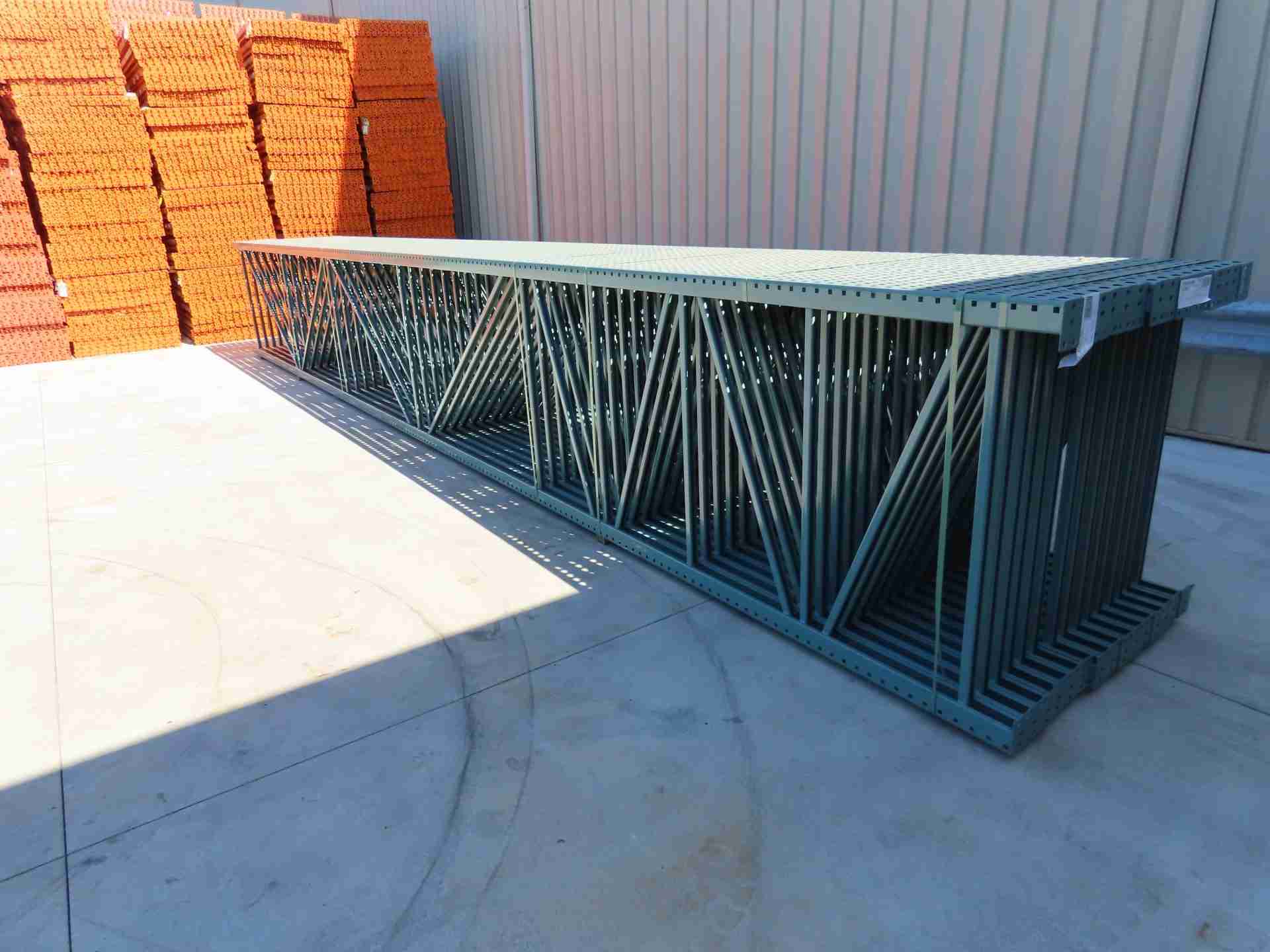
What Factors Determine The Load Capacity Of Pallet Racks?
What Factors Determine The Load Capacity Of Pallet Racks?
- The material of the pallet rack is crucial for determining load capacity
- steel is often preferred for its durability.
- The design and configuration of the pallet rack impact load capacity, with well-designed racks having higher capacities.
- Size and spacing of shelves on the pallet rack play a significant role in load capacity.
- The height of the pallet rack affects load capacity and stability, especially at higher heights.
- The way in which the pallet rack is loaded and unloaded can impact load capacity and rack integrity.
- Load capacity is determined by a combination of factors including material, design, size, spacing, height, and loading procedures.
- Following best practices in pallet rack setup and usage can ensure safe storage of heavy loads.
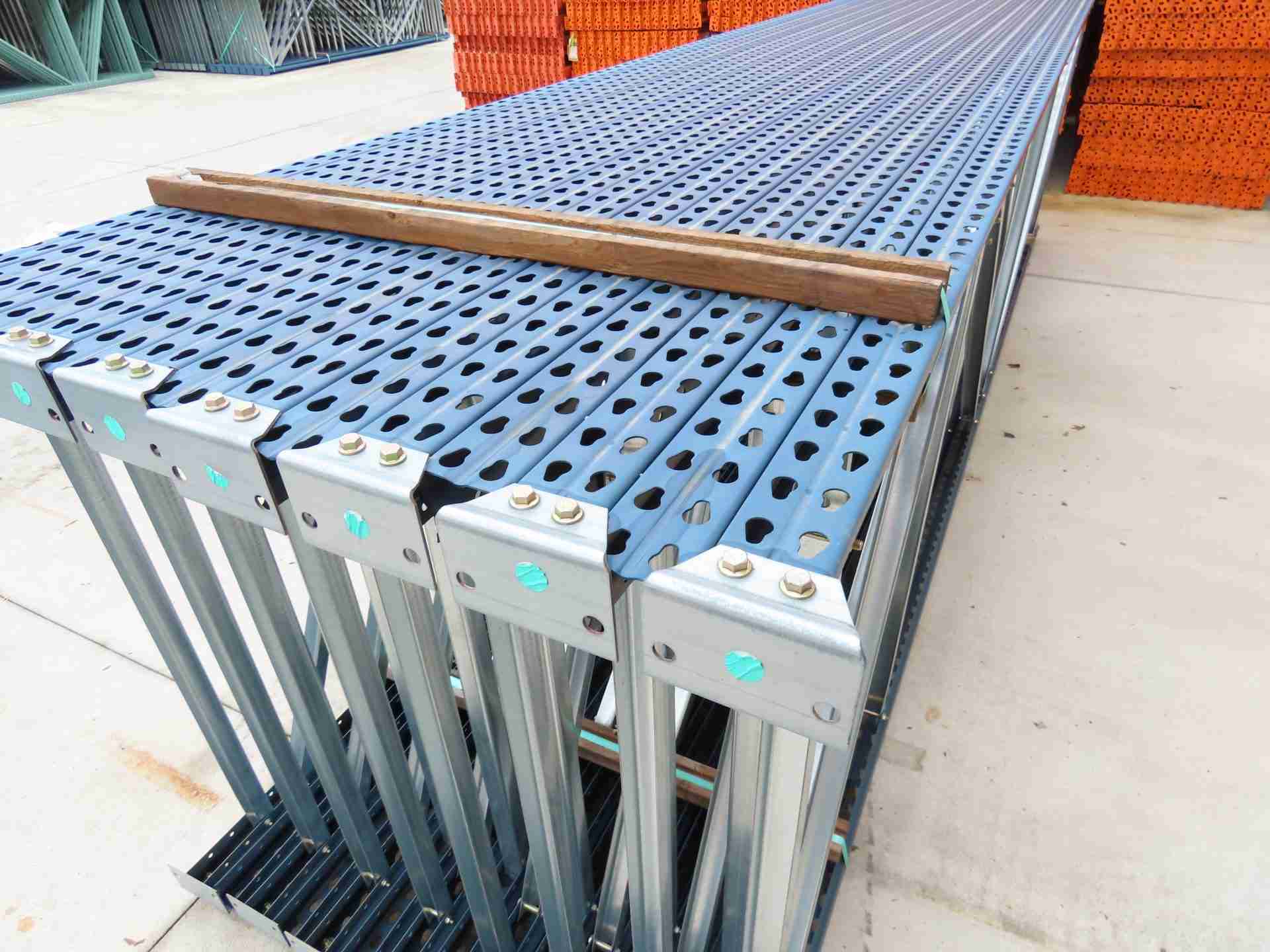
What Factors Determine The Load Capacity Of Pallet Racks?
How Does Rack Configuration Affect Load Capacity?
One of the often-overlooked factors when it comes to determining load capacity in a storage system is the configuration of the racks themselves. Many people assume that as long as the racks look sturdy, they will be able to handle whatever weight is placed on them. However, the reality is that the way in which racks are set up and arranged can have a significant impact on their overall load capacity.
The first thing to consider when looking at rack configuration is the vertical spacing between shelves. The closer the shelves are to each other, the more weight they will be able to support. This is because the weight is distributed more evenly across the shelves, rather than being concentrated in one area. Additionally, having closer shelves means that there is less chance of items tipping over or becoming unstable.
Another factor to consider is the depth of the shelves. Deeper shelves are able to support more weight because they provide a larger surface area for items to rest on. However, it is important to make sure that the items being stored are not too far back on the shelves, as this can cause them to become unstable. It is also important to consider the weight distribution of the items being stored – if there are heavier items towards the back of the shelf, this can affect the overall load capacity of the rack.
The overall layout of the racks can also impact load capacity. For example, racks that are arranged in a straight line or in a single row may not be able to support as much weight as racks that are arranged in a staggered pattern or in a square configuration. This is because the weight is distributed more evenly across the racks in a staggered or square layout, reducing the chances of overload in any one area.
Additionally, it is important to consider the material and construction of the racks themselves. Racks that are made of high-quality steel and are properly welded are more likely to have a higher load capacity than racks that are made of cheaper materials or are poorly constructed. It is also important to regularly inspect and maintain the racks to ensure that they are in good condition and able to support the intended weight.
The configuration of racks can have a significant impact on their load capacity. By carefully considering factors such as shelf spacing, depth, layout, and construction, it is possible to maximize the load capacity of a storage system and ensure that it is able to safely support the items being stored.
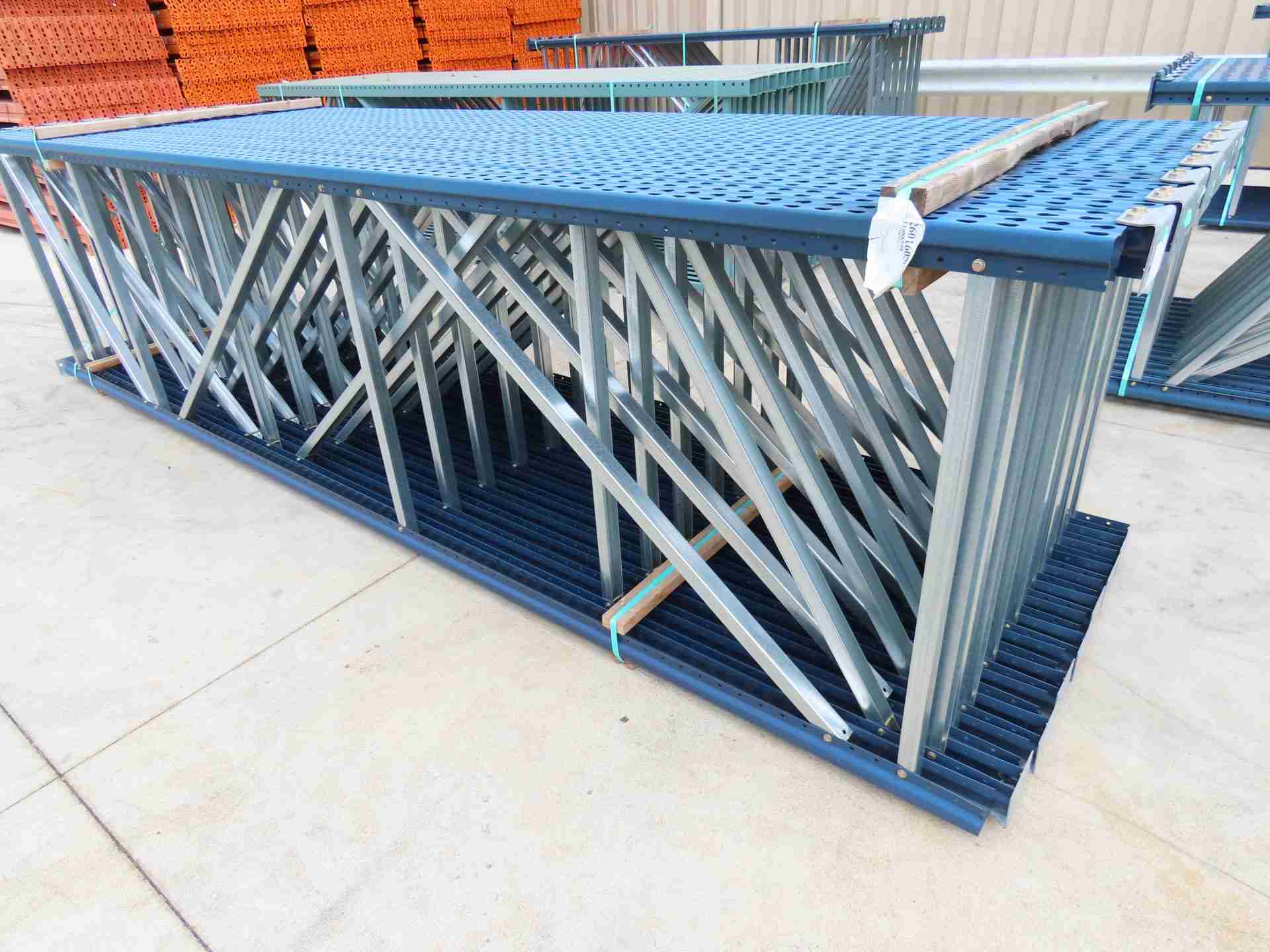
How Does Rack Configuration Affect Load Capacity?
How Does Rack Configuration Affect Load Capacity?
- Vertical spacing between shelves affects weight distribution.
- Closer shelves can support more weight and reduce chances of instability.
- Depth of shelves provides larger surface area for items to rest on.
- Items should not be too far back on shelves to prevent instability.
- Weight distribution of items on the shelves impacts overall load capacity.
- Rack layout such as staggered or square configuration can affect load capacity.
- Material and construction of racks impact load capacity.
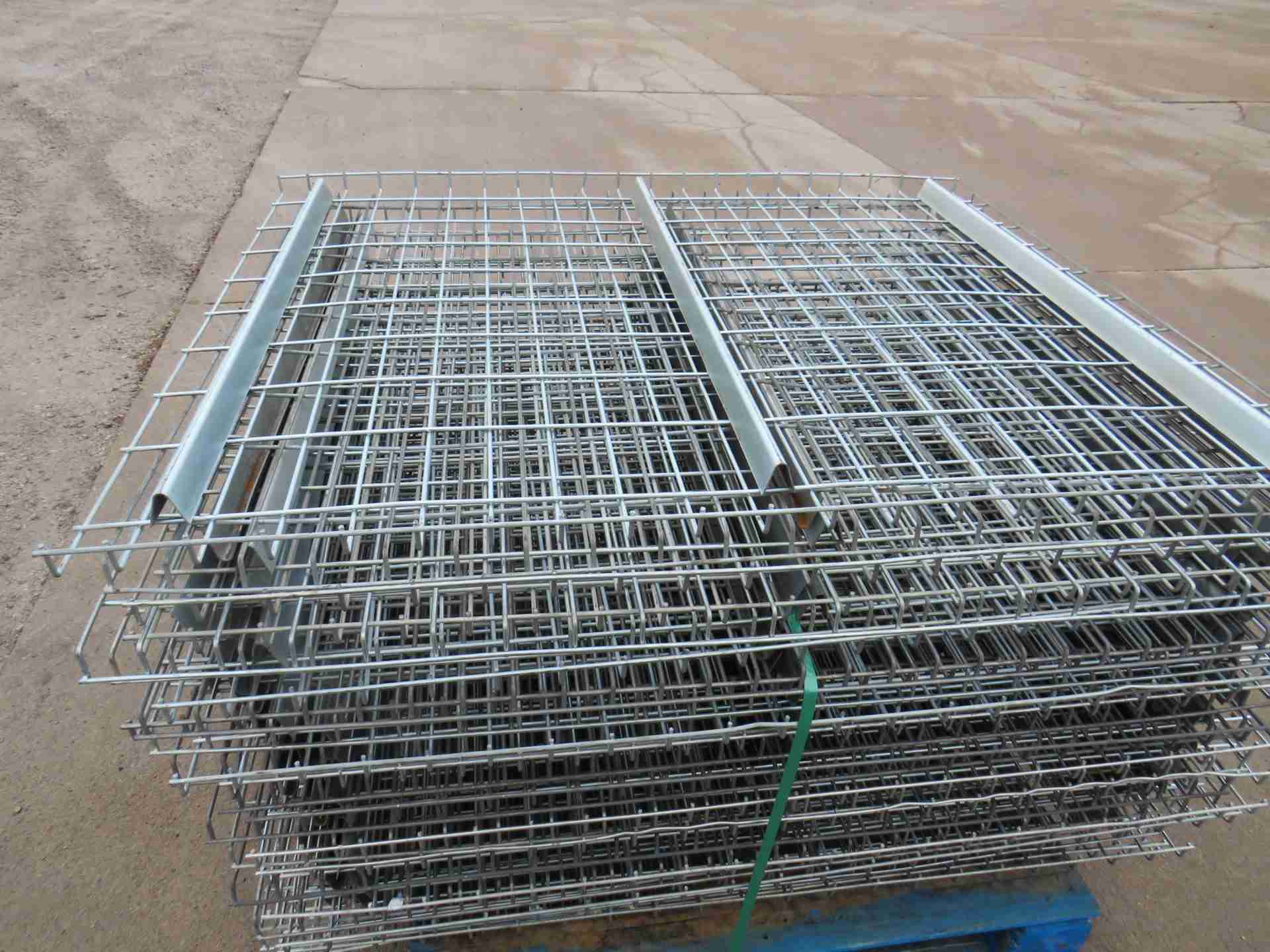
How Does Rack Configuration Affect Load Capacity?
Are There Industry Standards For Load Capacity?
When it comes to load capacity in various industries, there are often guidelines and standards that companies follow to ensure safety and efficiency. While these standards can vary depending on the specific industry and type of equipment being used, they play a crucial role in preventing accidents and ensuring that work can be completed effectively.
For example, in the construction industry, load capacity standards are typically outlined in equipment manuals and safety guidelines. This is especially important when it comes to heavy machinery such as cranes, forklifts, and scaffolding. These guidelines specify the maximum weight that a piece of equipment can safely lift or support, taking into account factors such as the material being transported, the distance it needs to be moved, and the conditions of the work site.
Similarly, in the transportation industry, load capacity standards are essential for ensuring that trucks, trailers, and other vehicles can safely transport goods without exceeding weight limits. This helps to prevent accidents on the road and ensures that shipments can be delivered in a timely manner. In this industry, load capacity standards are often regulated by government agencies such as the Department of Transportation, which sets weight limits for different types of vehicles and roadways.
In the manufacturing industry, load capacity standards are important for ensuring that equipment and machinery can safely handle the materials and products being produced. This includes everything from conveyor belts and pallet racks to industrial ovens and assembly lines. By following load capacity guidelines, manufacturers can prevent equipment failures, production delays, and workplace injuries.
Overall, industry standards for load capacity are crucial for maintaining a safe and efficient work environment across a wide range of industries. By following these guidelines, companies can protect their employees, customers, and assets while also improving productivity and reducing the risk of accidents.
So, the next time you see a piece of heavy machinery in action or watch a truck loaded up with goods, remember that there are industry standards in place to ensure that everything is being done safely and responsibly. It may not always be the most exciting topic to talk about, but when it comes to load capacity, following the rules is what keeps the world moving smoothly.

Are There Industry Standards For Load Capacity?
Are There Industry Standards For Load Capacity?
- Load capacity standards are crucial in various industries for safety and efficiency.
- Construction industry guidelines are outlined in equipment manuals and safety guidelines.
- Transportation industry standards ensure trucks and vehicles can safely transport goods.
- Manufacturing industry guidelines are important for equipment to handle materials and products.
- Industry standards help prevent accidents, equipment failures, and production delays.
- Government agencies regulate load capacity standards in the transportation industry.
- Following load capacity guidelines is essential for maintaining a safe and efficient work environment.

Are There Industry Standards For Load Capacity?
How Do You Calculate The Load Capacity Of A Pallet Rack?
So, you’re in the market for a pallet rack, eh? Well, before you go ahead and start stacking things to the rafters, you’re going to want to make sure you know just how much weight that rack can handle. After all, the last thing you want is for all your precious cargo to come crashing down around you.
Calculating the load capacity of a pallet rack isn’t rocket science, but it does require a bit of know-how. The first thing you’ll want to do is take a close look at the manufacturer’s specifications. This should give you a good starting point for determining just how much weight your rack can handle.
Next, you’ll need to take into account the size and spacing of the beams on your rack. The closer together the beams are, the more weight they can support. If you’re planning on storing particularly heavy items, you may want to opt for racks with closer beam spacing to ensure they can handle the load.
You’ll also want to consider the type of material your pallet rack is made from. While steel is the most common choice due to its durability and strength, there are other options out there as well. Just be sure that whatever material you choose is up to the task of supporting the weight you plan on stacking on it.
Another factor to consider is the height of your pallet rack. The taller the rack, the more weight it will need to support. Be sure to take into account not only the weight of the items you’re storing, but also the weight of the pallets themselves and any additional weight that may be added during loading and unloading.
Finally, don’t forget to factor in any additional accessories or modifications you plan on adding to your pallet rack. Things like wire decking, supports, or cross beams can all impact the overall load capacity of your rack.
Calculating the load capacity of a pallet rack is all about being prepared. By taking the time to carefully consider all these factors, you can ensure that your rack is up to the task of handling whatever you throw at it. So, go ahead and stack ’em high – just make sure you do it right!
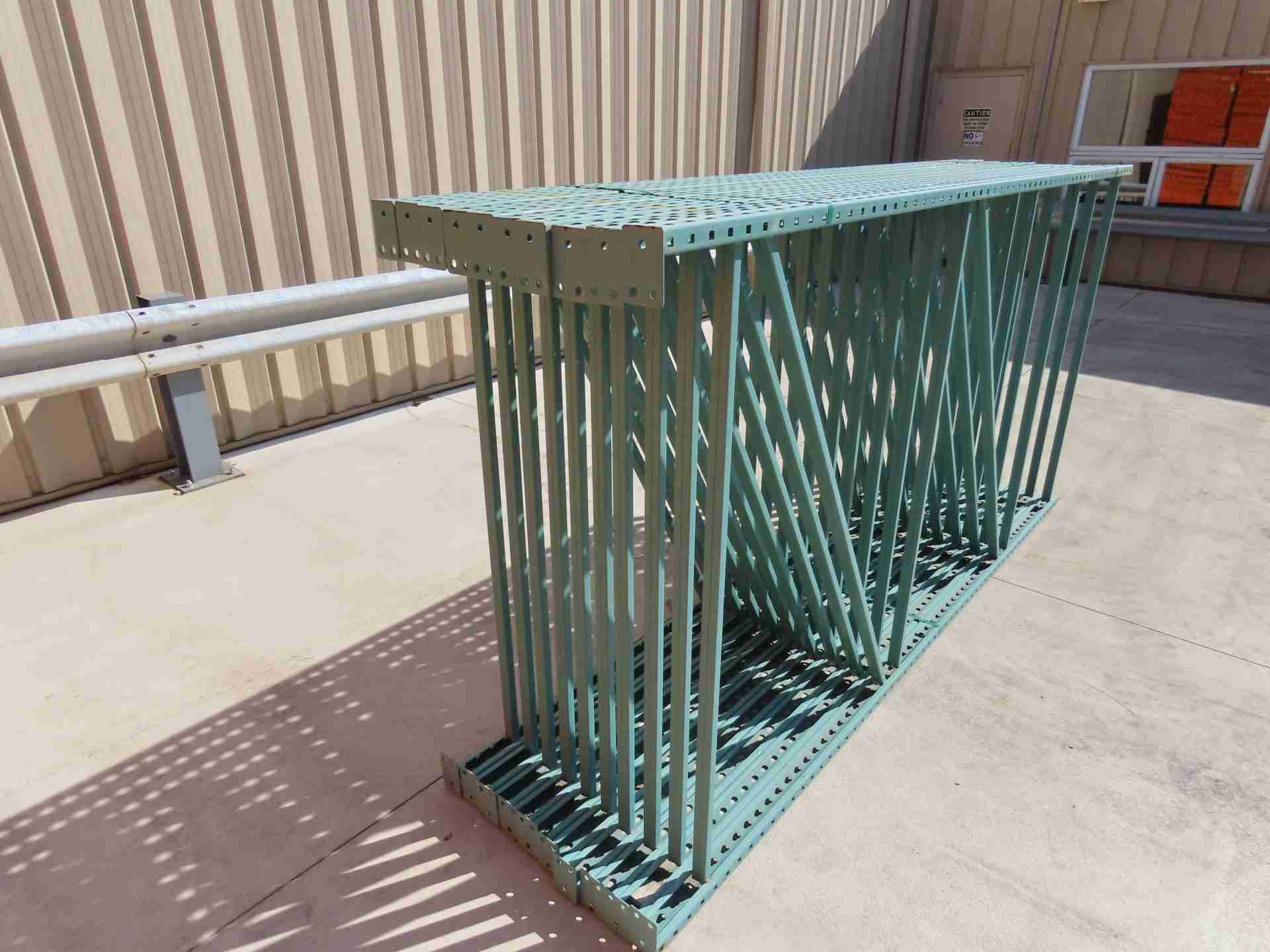
How Do You Calculate The Load Capacity Of A Pallet Rack?
How Do You Calculate The Load Capacity Of A Pallet Rack?
- Check manufacturer’s specifications to determine load capacity.
- Consider size and spacing of beams for weight support.
- Choose material (such as steel) that can support intended weight.
- Take into account height of rack for weight support.
- Factor in any additional accessories or modifications.
- Be prepared and carefully consider all factors.
- Stack high but do it right.

How Do You Calculate The Load Capacity Of A Pallet Rack?
Is It Safe To Exceed The Load Capacity Of A Pallet Rack?
So, you’ve got a pallet rack and you’re looking to maximize storage space. Everyone’s been there – trying to squeeze just a little bit more out of your setup. But here’s the thing: when it comes to exceeding the load capacity of a pallet rack, you’re playing with fire.
Sure, it might seem harmless to stack a few extra boxes on there or put a little more weight than recommended. But when you start pushing the limits of what that pallet rack can handle, you’re putting yourself and your coworkers at risk.
Pallet racks are designed with specific weight capacities in mind. Manufacturer’s guidelines are there for a reason – to keep you safe. Exceeding these limits can lead to catastrophic failure, causing the rack to collapse and potentially injuring those nearby.
Imagine being on the receiving end of a falling pallet rack – boxes crashing down, metal bending and snapping. It’s not a pretty picture, is it? And not to mention the potential financial and legal ramifications of such an incident.
But it’s not just about the immediate danger of a collapse. Overloading a pallet rack can also lead to long-term damage. The structural integrity of the rack can be compromised, leading to weakened beams and supports. This can create a domino effect, causing further damage and potentially putting your entire storage system at risk.
And let’s not forget about the impact on your inventory. Storing goods on an overloaded rack can lead to product damage, causing losses that could have been easily avoided by sticking to the recommended weight limits.
So, is it safe to exceed the load capacity of a pallet rack? Absolutely not. It’s a risky move that could have serious consequences. Instead, prioritize safety and follow the guidelines set by the manufacturer. Invest in the right equipment and training to ensure that your storage solutions are optimized for both efficiency and safety.
Remember, it’s not worth the risk. Stay safe, stay smart, and stick to the load capacity of your pallet rack. Your workspace – and your coworkers – will thank you.

Is It Safe To Exceed The Load Capacity Of A Pallet Rack?
Is It Safe To Exceed The Load Capacity Of A Pallet Rack?
- Exceeding load capacity of a pallet rack is risky and can lead to catastrophic failure.
- Pallet racks have specific weight capacities for safety reasons.
- Overloading a pallet rack can cause long-term damage to the structure.
- Product damage and financial losses can occur when exceeding weight limits.
- It is important to prioritize safety and follow manufacturer’s guidelines.
- Invest in the right equipment and training for optimized storage solutions.
- Stick to the load capacity of your pallet rack for a safe work environment.
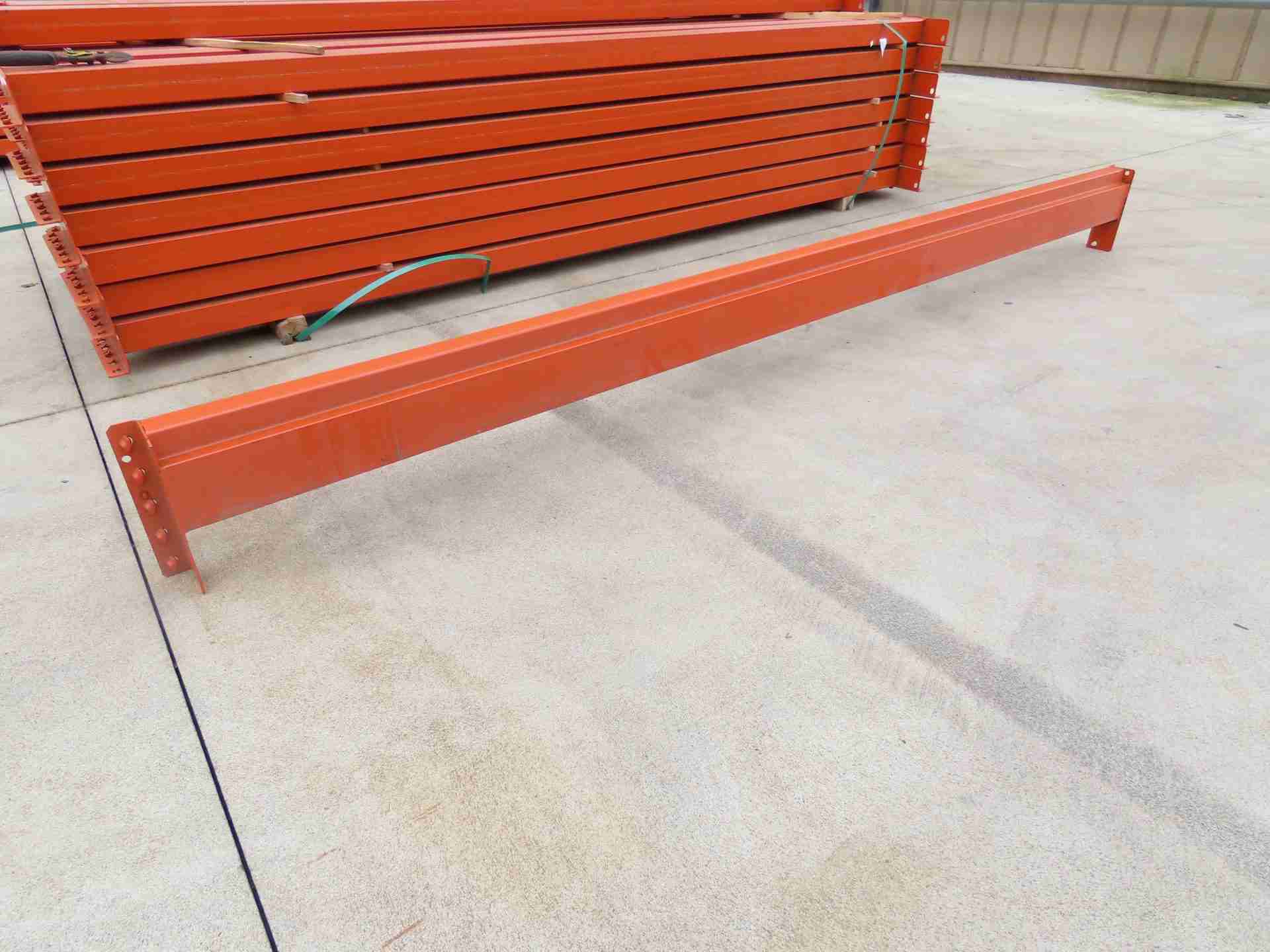
Is It Safe To Exceed The Load Capacity Of A Pallet Rack?
How Can You Ensure The Safety Of Your Warehouse Operations?
Hey there, folks! Let’s talk about a crucial aspect of running a successful warehouse – safety. Ensuring the safety of your warehouse operations should always be a top priority, as it not only protects your employees but also contributes to the overall efficiency and productivity of your business.
First and foremost, it’s essential to provide proper training for your warehouse staff. Make sure they are well-versed in safety protocols, equipment usage, and emergency procedures. Regular training sessions and refresher courses can help reinforce these guidelines and keep everyone on the same page.
Next, take the time to assess and address any potential hazards in your warehouse. This could include slippery floors, improperly stacked inventory, or outdated equipment. By identifying and correcting these issues, you can create a safer work environment for your employees.
Investing in high-quality safety equipment is another crucial step in ensuring the safety of your warehouse operations. This could include items such as protective gear, safety barriers, fire extinguishers, and first aid kits. Having the right tools on hand can make all the difference in the event of an emergency.
In addition to equipment, it’s important to implement regular safety inspections and audits. By regularly checking your warehouse for potential hazards and compliance with safety regulations, you can proactively address any issues before they become a more significant problem.
Encouraging a culture of safety among your warehouse staff is also key. Make sure that safety is always at the forefront of discussions and decisions, and that employees feel empowered to speak up if they notice any safety concerns. Creating a team-based approach to safety can help foster a sense of responsibility among all staff members.
Lastly, don’t forget to communicate with your team regularly about safety updates, protocol changes, and any other relevant information. Open lines of communication can help ensure that everyone is on the same page when it comes to safety in the warehouse.
Prioritizing safety in your warehouse operations is not only the right thing to do – it’s also essential for the success of your business. By providing proper training, addressing hazards, investing in quality equipment, conducting regular inspections, fostering a culture of safety, and maintaining open communication, you can create a safe and efficient work environment for your employees. Stay safe out there, folks!

How Can You Ensure The Safety Of Your Warehouse Operations?
How Can You Ensure The Safety Of Your Warehouse Operations?
- Provide proper training for warehouse staff.
- Assess and address potential hazards in the warehouse.
- Invest in high-quality safety equipment.
- Implement regular safety inspections and audits.
- Encourage a culture of safety among staff.
- Communicate regularly about safety updates.
- Prioritize safety for the success of your business.

How Can You Ensure The Safety Of Your Warehouse Operations?
What Are Common Mistakes To Avoid When Determining Load Capacity?
Determining the load capacity of a piece of equipment or machinery is crucial to ensuring safety and efficiency in any job. However, there are common mistakes that many people make when attempting to determine this important factor. By being aware of these pitfalls and taking the time to properly assess load capacity, you can avoid costly mistakes and potentially dangerous situations.
One common mistake that people make when determining load capacity is failing to consider the dynamic forces that may be present during operation. It’s not enough to simply look at the weight of the load itself – you must also take into account factors such as acceleration, deceleration, and sudden shifts in weight distribution. Ignoring these dynamic forces can lead to overloading the equipment and putting yourself and others at risk.
Another mistake that is often made is relying solely on the manufacturer’s stated load capacity without taking into account real-world conditions. Equipment may be rated for a certain weight under ideal circumstances, but in a practical setting, factors such as wear and tear, improper maintenance, and operator error can all affect the true load capacity. It’s important to regularly inspect and maintain equipment to ensure that it can safely handle the loads being placed on it.
Additionally, failing to properly distribute weight on a piece of equipment can lead to overloading in certain areas while others remain underutilized. Uneven weight distribution can cause the machinery to become unbalanced, leading to instability and potential accidents. Take the time to properly distribute your load and ensure that it is evenly spread across the equipment to prevent any issues.
Lastly, assuming that a piece of equipment can handle a certain load without doing the necessary calculations and testing is a recipe for disaster. Always err on the side of caution and double-check your load capacity calculations to ensure that you are not exceeding the safe limits of the equipment. It’s better to take a little extra time to confirm your load capacity than to risk damaging the machinery or causing harm to yourself or others.
When determining load capacity, be sure to consider dynamic forces, real-world conditions, weight distribution, and always double-check your calculations. By avoiding these common mistakes, you can ensure that your equipment is operating safely and efficiently, reducing the risk of accidents and costly repairs.
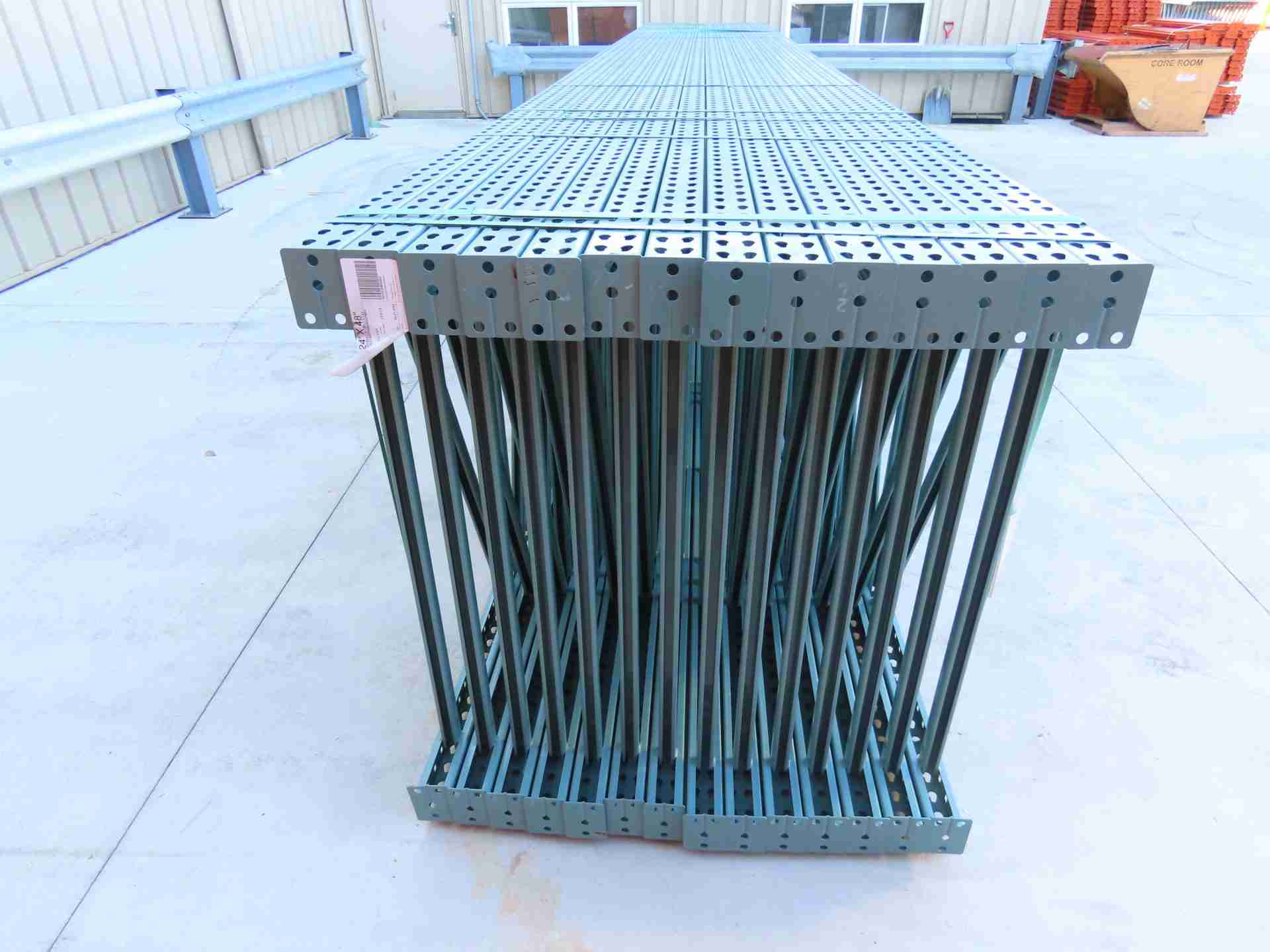
What Are Common Mistakes To Avoid When Determining Load Capacity?
What Are Common Mistakes To Avoid When Determining Load Capacity?
- Fail to consider dynamic forces during operation.
- Rely solely on manufacturer’s load capacity.
- Improperly distribute weight on equipment.
- Assume equipment can handle load without calculations.
- Consider dynamic forces, real-world conditions, and weight distribution.
- Double-check load capacity calculations.
- Ensure equipment operates safely and efficiently.
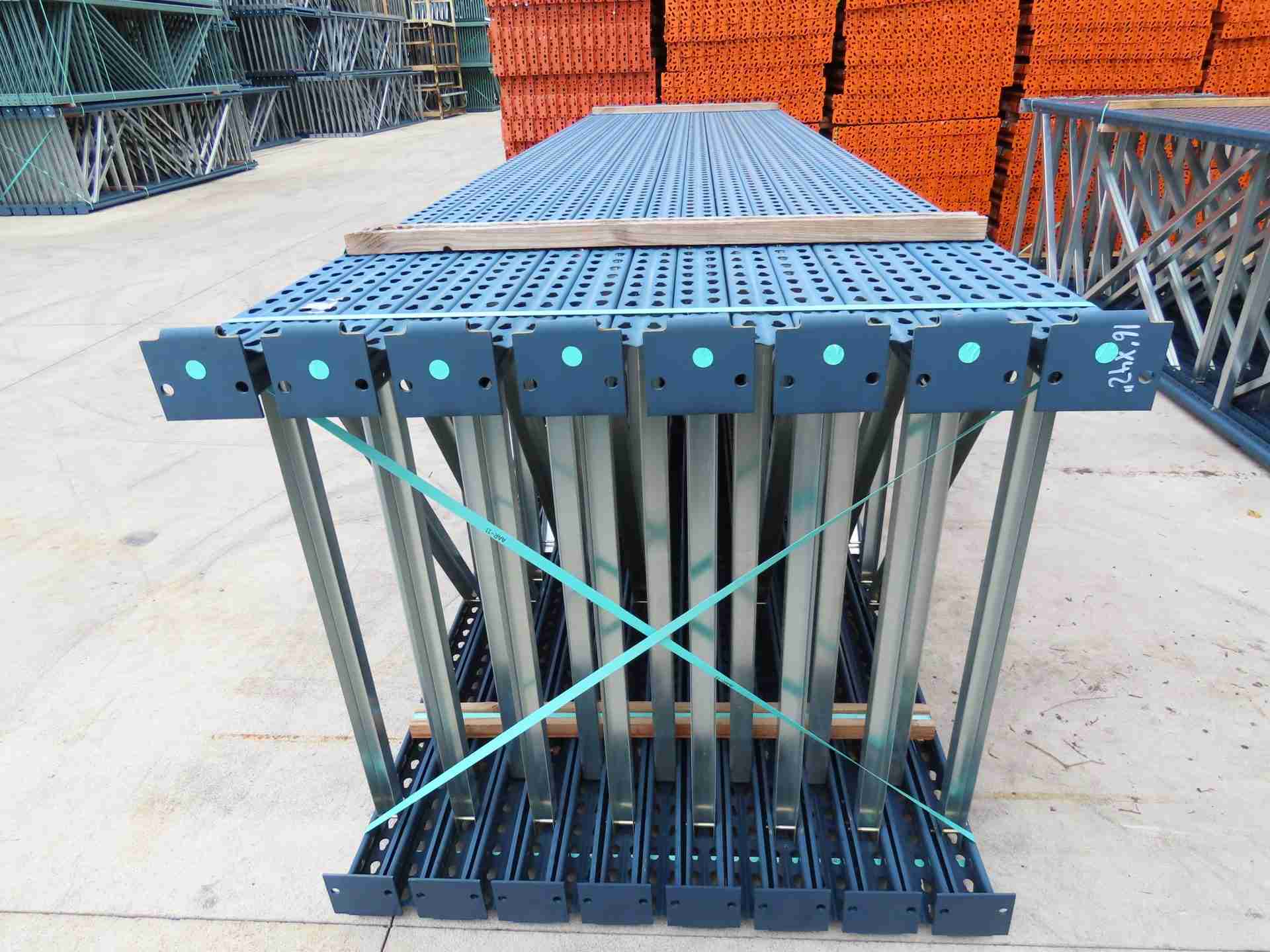
What Are Common Mistakes To Avoid When Determining Load Capacity?
How Can You Optimize The Use Of Pallet Racks In Your Warehouse?
So you’ve got a warehouse full of pallet racks, huh? Well, let me tell you, there’s a right way and a wrong way to use ’em. And trust me, you don’t wanna be caught with a sloppy setup. So here are a few tips on how to optimize the use of those racks and make sure your warehouse is running like a well-oiled machine.
First things first, you gotta make sure those racks are organized. I’m talkin’ rows and columns, everything in its place. It might seem like a minor detail, but believe me, having a system in place will save you a whole lot of headache down the line. Label them, number them, color-code them – whatever you gotta do to keep things straight.
Next up, think about the layout of your racks. Are you making the most of the space you have? Can you stack ’em higher, or arrange them in a way that makes it easier to access certain items? Don’t be afraid to get creative here. Sometimes a little rearranging can make a world of difference.
Now, let’s talk about safety. I can’t stress this enough – safety should always be your number one priority. Make sure those racks are properly anchored and secured. And don’t overload ’em – I’ve seen too many disasters happen because someone tried to squeeze too much onto a rack. It ain’t worth the risk, my friend.
And let’s not forget about maintenance. You wouldn’t drive a car without changing the oil, would ya? Same goes for your pallet racks. Keep ’em clean, inspect ’em regularly, and replace any damaged components. Trust me, a little bit of preventative maintenance goes a long way.
Finally, don’t be afraid to ask for help if you need it. Whether you’re looking to optimize your current setup or you’re starting from scratch, there are experts out there who can help you make the most of your pallet racks. It’s always worth it to invest in a little extra know-how.
So there you have it, my friend. Follow these tips, and you’ll be well on your way to optimizing the use of your pallet racks in no time. Happy stacking!
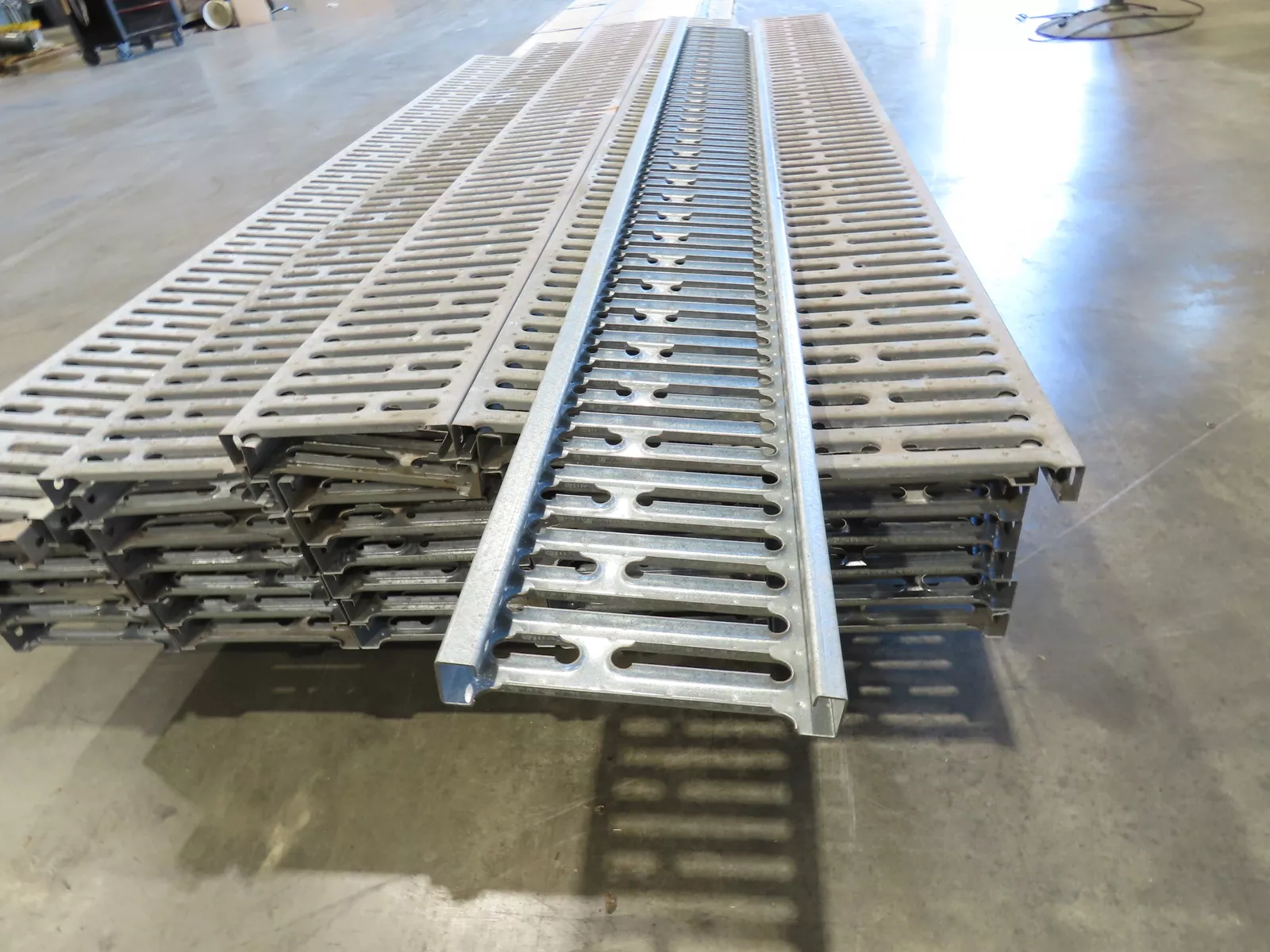
How Can You Optimize The Use Of Pallet Racks In Your Warehouse?
How Can You Optimize The Use Of Pallet Racks In Your Warehouse?
- Organize your pallet racks with rows and columns.
- Label, number, and color-code racks for easy identification.
- Maximize space by stacking higher or rearranging layout.
- Ensure racks are anchored, secured, and not overloaded for safety.
- Maintain racks by keeping them clean, inspecting regularly, and replacing damaged components.
- Consider seeking help from experts for optimizing pallet rack use.
- Follow these tips for a well-organized and efficient warehouse.
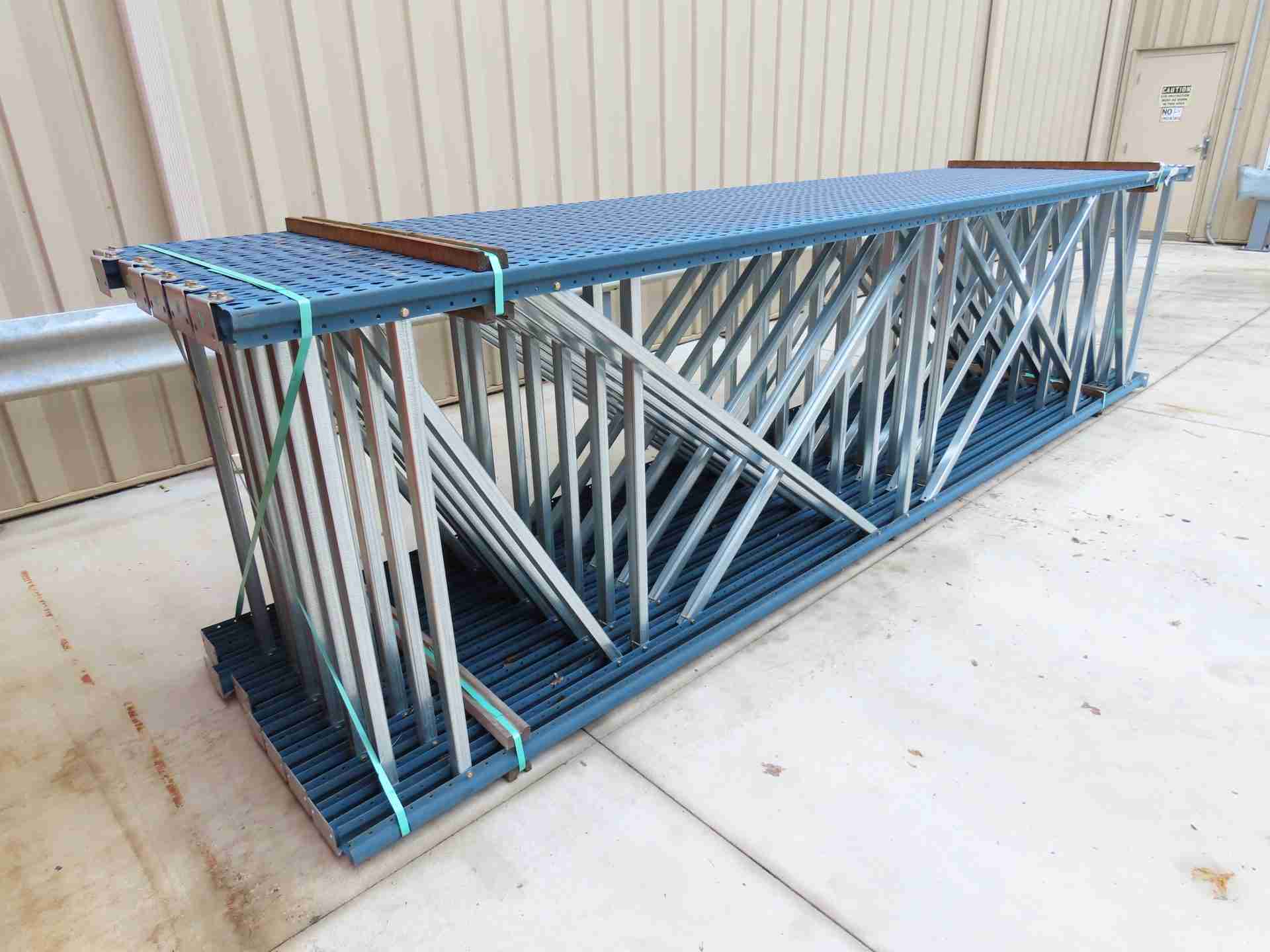
How Can You Optimize The Use Of Pallet Racks In Your Warehouse?
What Are The Consequences Of Overloading A Pallet Rack?
You know, there’s a classic saying that goes something like, “You can never have too much of a good thing.” And while that may hold true in some cases, it certainly doesn’t apply when it comes to pallet racks. Overloading a pallet rack can have some pretty serious consequences, both for your wallet and for your safety.
First off, let’s talk about the financial impact of overloading a pallet rack. When you stack too much weight on a rack, you run the risk of causing damage to not only the rack itself, but also to the goods stored on it. See, pallet racks are designed to hold a specific weight capacity, and when you exceed that capacity, you’re basically playing a dangerous game of Jenga with your inventory. If the rack collapses due to overloading, you could end up losing a lot of valuable merchandise – not to mention the cost of repairing or replacing the damaged rack.
But the consequences don’t stop there. Overloading a pallet rack can also pose a serious safety hazard. Just imagine what could happen if a rack filled with heavy boxes came crashing down while someone was working nearby. It’s a recipe for disaster, to say the least. And let’s not forget about the domino effect – if one rack collapses, it could set off a chain reaction, leading to even more damage and potentially putting the lives of your employees at risk.
So, what’s the solution? Well, it’s simple really – just stick to the manufacturer’s guidelines when it comes to weight capacities. Don’t try to push the limits or cut corners when it comes to safety. It’s just not worth the risk. And hey, if you’re not sure about the weight limits for your pallet racks, don’t be afraid to reach out to a professional. They can help you ensure that your racks are being used safely and efficiently.
Overloading a pallet rack is never a good idea. It can lead to financial losses, damaged inventory, and most importantly, compromised safety. So, the next time you’re tempted to squeeze just a little bit more onto that already packed rack, remember the potential consequences and think twice. It’s better to be safe than sorry when it comes to pallet racks.
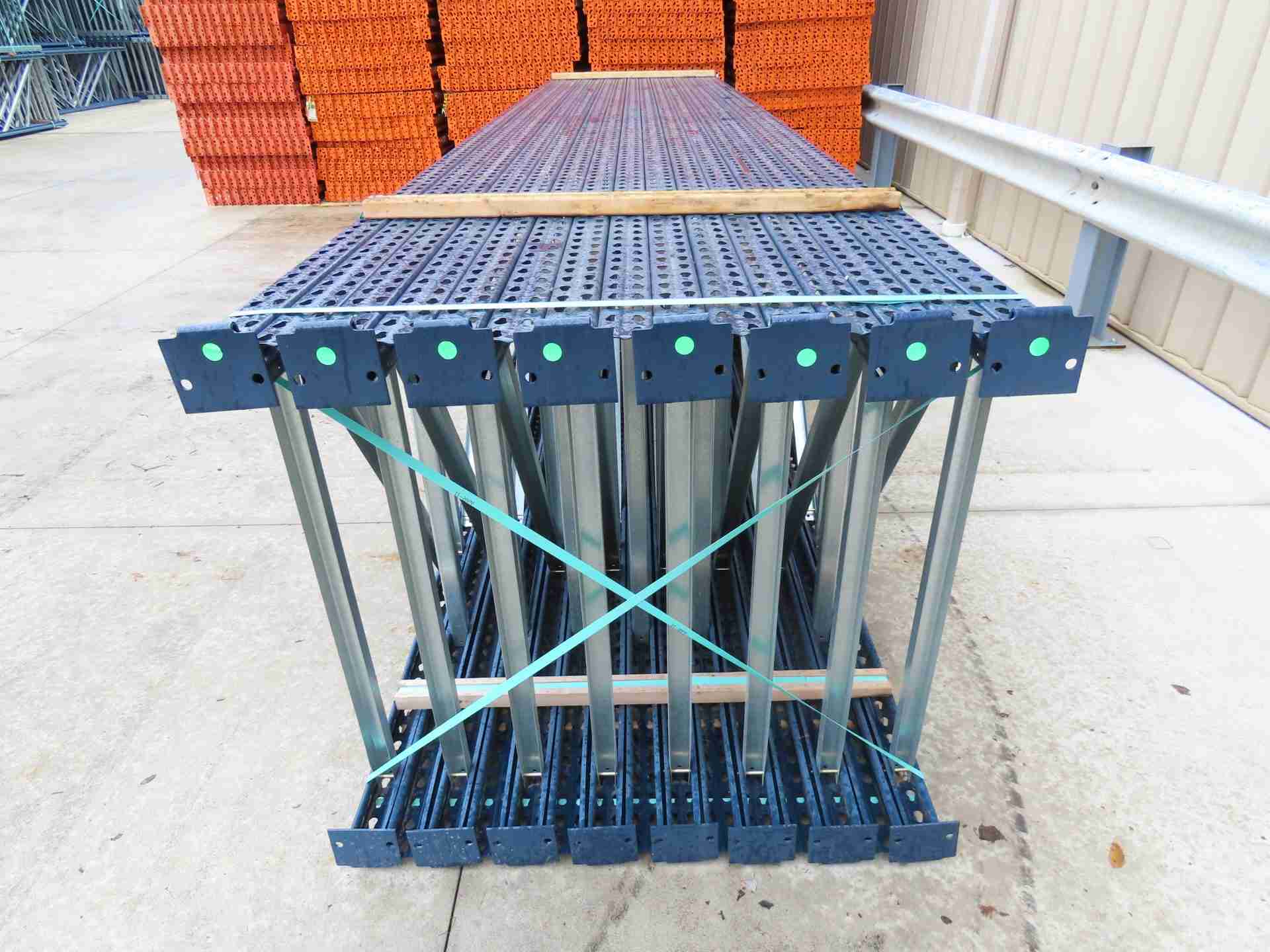
What Are The Consequences Of Overloading A Pallet Rack?
What Are The Consequences Of Overloading A Pallet Rack?
- Overloading a pallet rack can have serious financial consequences.
- Damage to the rack and goods stored on it may occur.
- Exceeding weight capacity can lead to collapse and loss of merchandise.
- Overloaded racks pose a safety hazard to employees.
- Risk of rack collapse causing damage and potential harm to employees.
- Stick to manufacturer’s weight capacity guidelines to ensure safety.
- Consult a professional if unsure about weight limits for pallet racks.
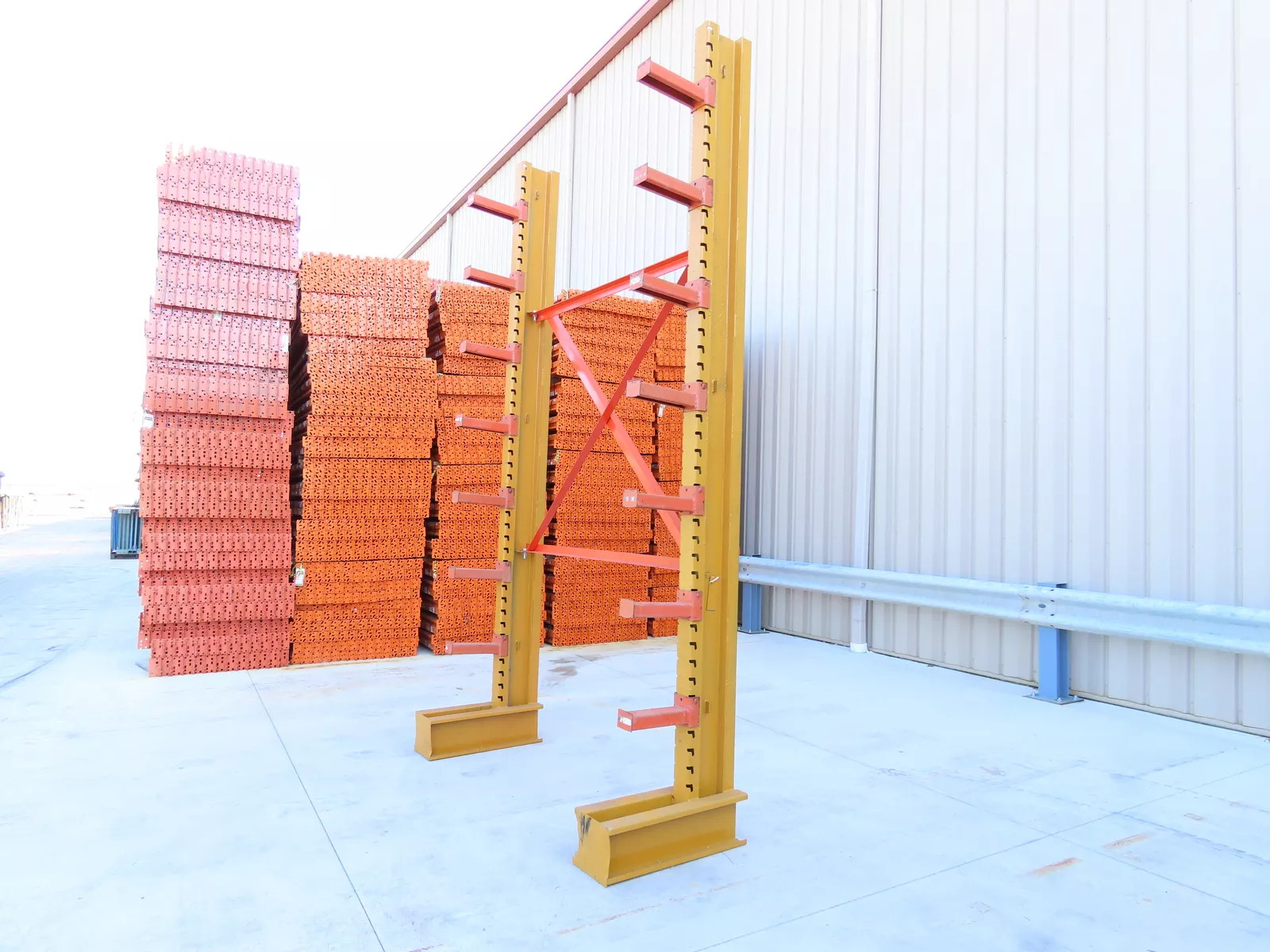
What Are The Consequences Of Overloading A Pallet Rack?
How Often Should Load Capacity Be Reevaluated?
It’s a question that many in the industry overlook, but one that can have serious consequences if ignored – how often should load capacity be reevaluated?
As someone who has spent his fair share of time getting hands-on with machines and equipment, I can tell you that load capacity is not something you can set and forget. It’s not a “set it and forget it” situation. Over time, conditions can change, wear and tear can take its toll, and the weight of the loads being carried can vary.
So how often should you reevaluate your load capacity? Well, the short answer is that it depends. It depends on a variety of factors including the type of equipment, the frequency of use, the environment it’s operating in, and the regulations and guidelines specific to your industry.
For some equipment, such as overhead cranes or forklifts, load capacity should be checked on a regular basis – at least once a year, if not more frequently. This ensures that the equipment is operating safely and efficiently, minimizing the risk of accidents and breakdowns.
For other types of equipment, such as scaffolding or lifting gear, load capacity should be reevaluated each time there is a change in the setup or configuration. This could include adding or removing components, adjusting the height or reach of the equipment, or using it in a different environment.
In general, it’s always a good idea to err on the side of caution when it comes to load capacity. If there is any doubt about whether the equipment can safely handle a particular load, it’s better to take the time to reevaluate and make adjustments as needed.
Remember, load capacity isn’t just a number on a spec sheet – it’s a critical factor in ensuring the safety of workers and the longevity of your equipment. So take the time to regularly reevaluate your load capacity, and you’ll be ensuring that your operations run smoothly and safely for years to come.
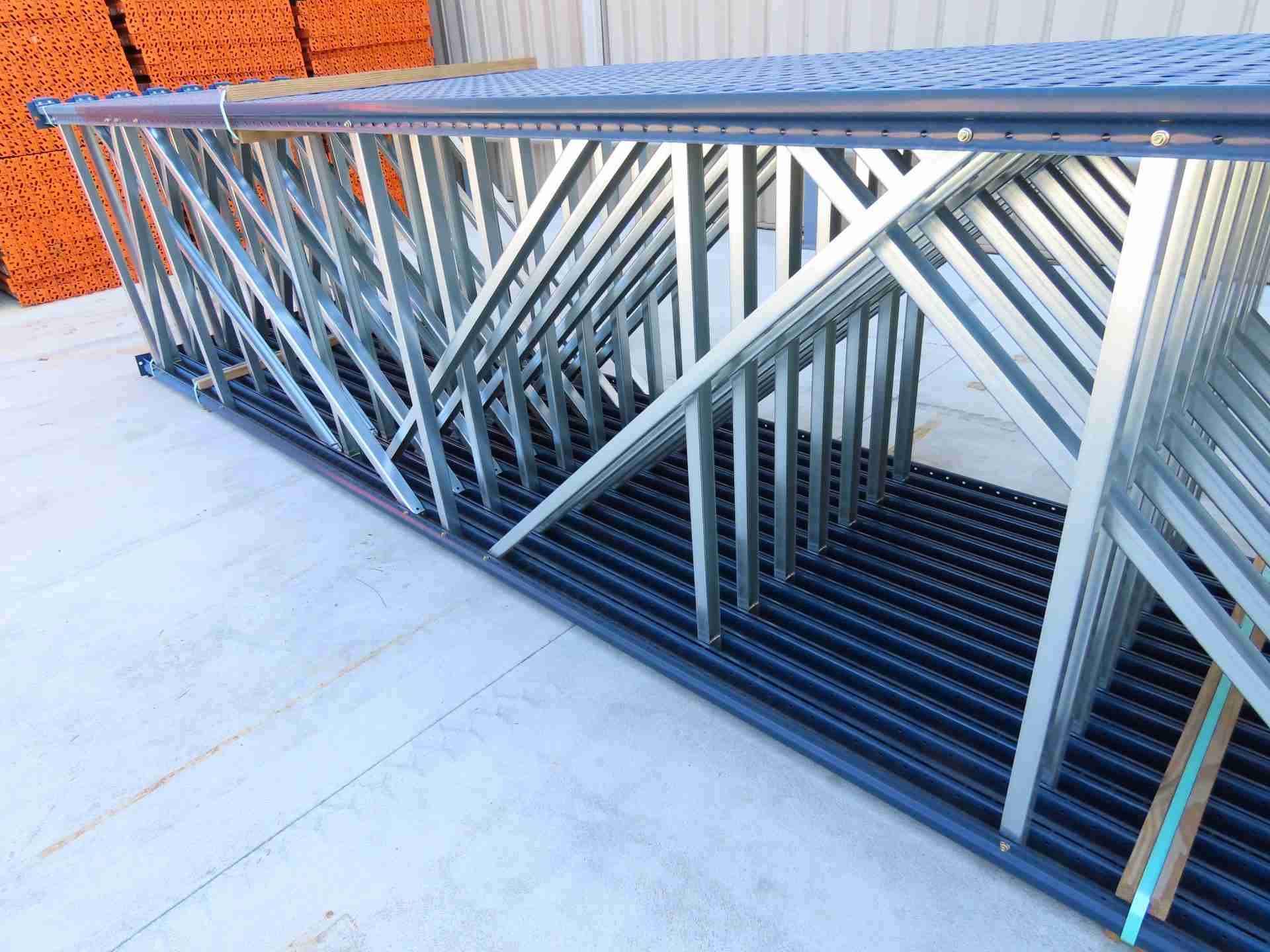
How Often Should Load Capacity Be Reevaluated?
How Often Should Load Capacity Be Reevaluated?
- Load capacity should be reevaluated regularly due to changing conditions.
- Frequency of reevaluation depends on factors such as equipment type and usage.
- For equipment like overhead cranes and forklifts, load capacity should be checked at least once a year.
- For equipment like scaffolding or lifting gear, load capacity should be reevaluated with any setup changes.
- Err on the side of caution when it comes to load capacity to ensure safety.
- Regularly reevaluating load capacity is crucial for worker safety and equipment longevity.

How Often Should Load Capacity Be Reevaluated?
Conclusion
In conclusion, when it comes to pallet rack load capacity considerations, there are several key factors to keep in mind in order to maintain a safe and efficient storage system. It is essential to carefully assess the weight of the items being stored, the size and shape of the items, and how the weight will be distributed across the racks. By staying within the weight limits of each individual shelf and the overall capacity of the rack, potential accidents and structural failures can be prevented. Factors such as material, design, configuration, size, spacing, height, and loading procedures all play a role in determining the load capacity of pallet racks.
To optimize the use of pallet racks in a warehouse, it is important to ensure proper organization and layout, prioritize safety by anchoring and securing racks correctly, and conducting regular maintenance and inspections. Seeking expert advice when needed and investing in quality equipment and training can also contribute to maximizing the efficiency and safety of warehouse operations.
Avoid common mistakes such as failing to consider dynamic forces, relying solely on manufacturers specifications without accounting for real-world conditions, improper weight distribution, and skipping load capacity calculations and testing. By being proactive and attentive to these factors, the risk of accidents and costly repairs can be minimized.
Overloading a pallet rack can have serious consequences, including financial losses, damaged inventory, and compromised safety. Stick to weight capacity guidelines provided by manufacturers and do not exceed the limits. Regularly reevaluate load capacity, at least once a year or more frequently depending on equipment type and usage, changes in setup, or environmental factors. Prioritizing safety, following guidelines, and maintaining equipment will help ensure the longevity and efficiency of warehouse operations. Remember, safety first!
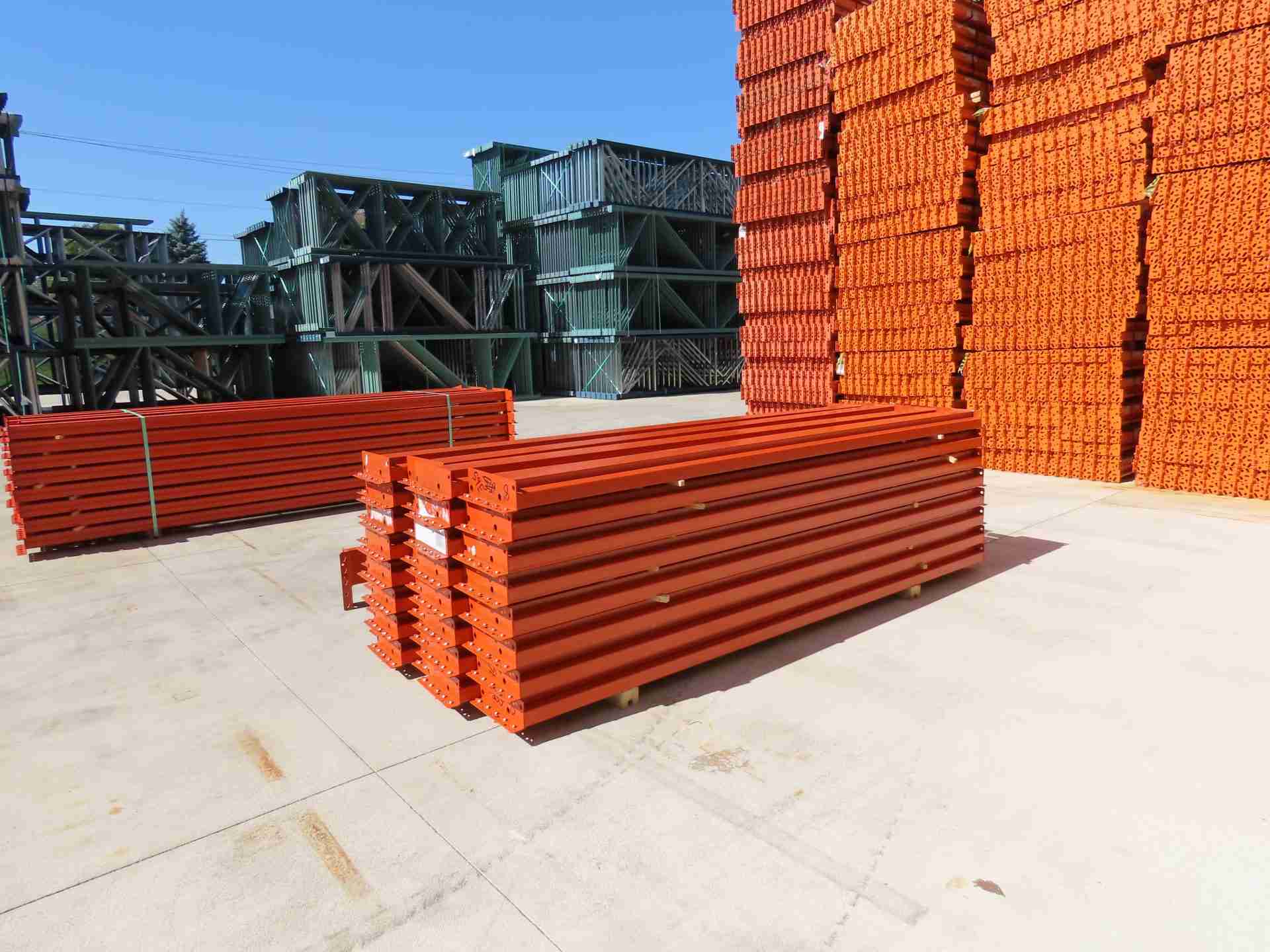
Conclusion
Conclusion:
- Assess weight, size, and distribution of stored items.
- Stay within weight limits to prevent accidents.
- Material, design, configuration, size, spacing, height, loading procedures affect load capacity.
- Organize warehouse layout and prioritize safety.
- Seek expert advice and invest in quality equipment.
- Avoid common mistakes like dynamic forces and improper weight distribution.
- Regularly reevaluate load capacity and prioritize safety.
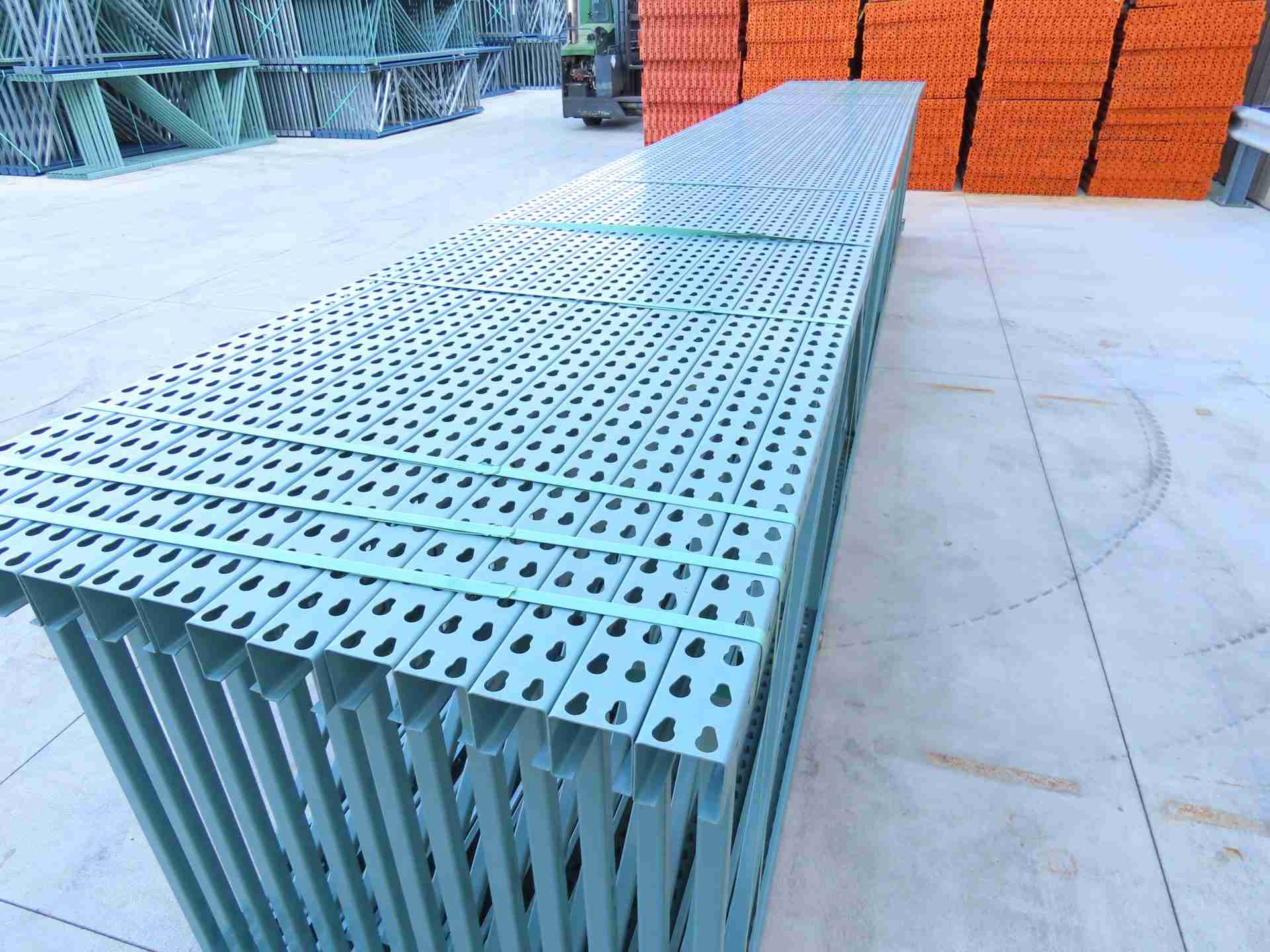
Conclusion
Other Resources
Other Resources
Here is a list of other resources you can review online to learn more:
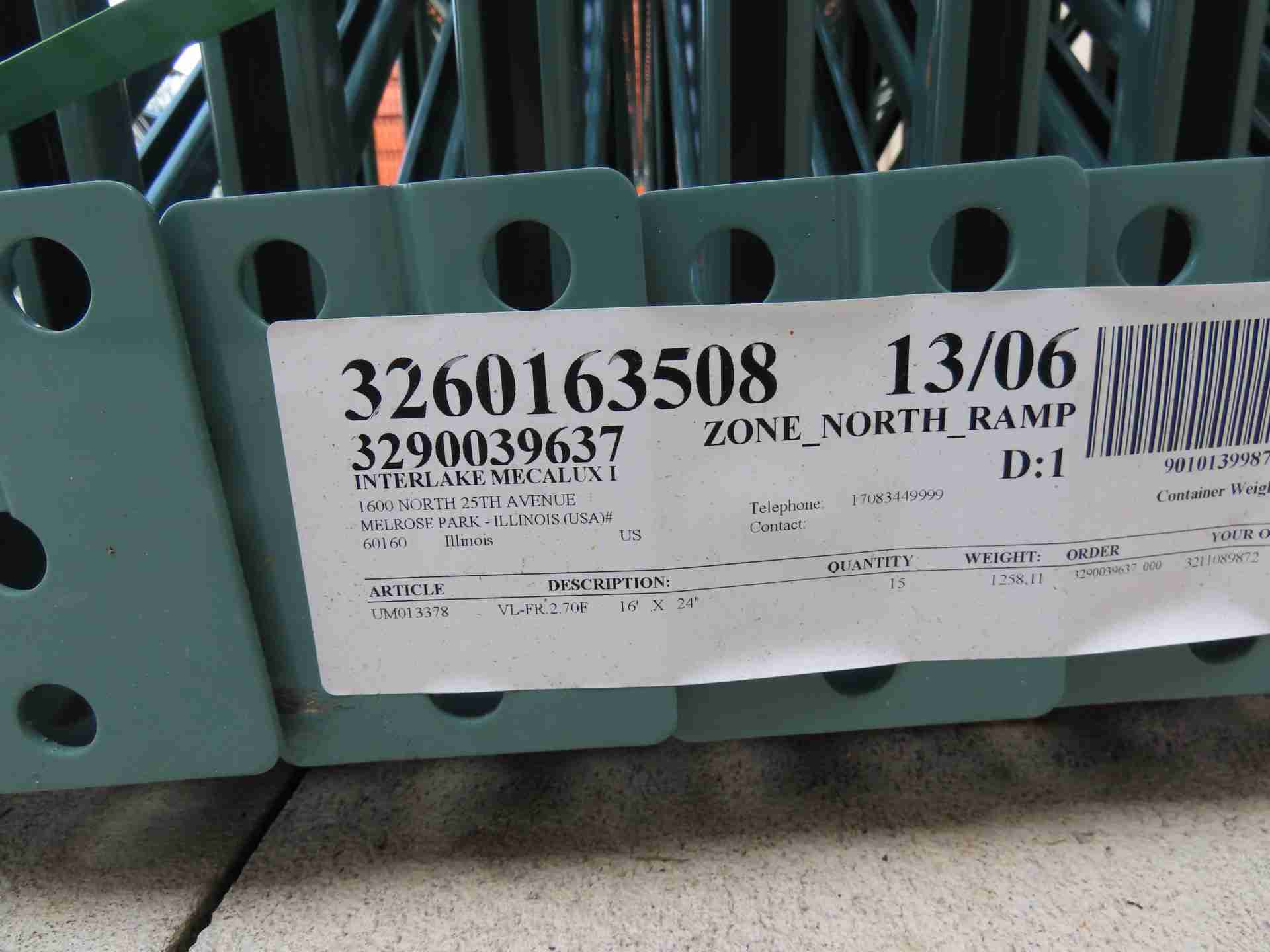
- “270 cm single beam for pallet rack PR9000 / compartment …”
- “Pallet Rack Glossary of Industry Terms”
- “Pallet Rack Accessories”
- “Pallet Racking (Selective Storage Racks)”
- “Warehouses: industrial racking risks and prevention …”
- “Industrial Storage Racks safety”
- “PALLET RACKING SYSTEMS 2019 2020”
- “Warehousing & Racking Dictionary”
Other Resources
Glossary Terms
What Are The Load Capacity Considerations for Pallet Racks? – Glossary Of Terms
1. Load Capacity: The maximum weight a pallet rack system or its components can safely hold without risk of failure.
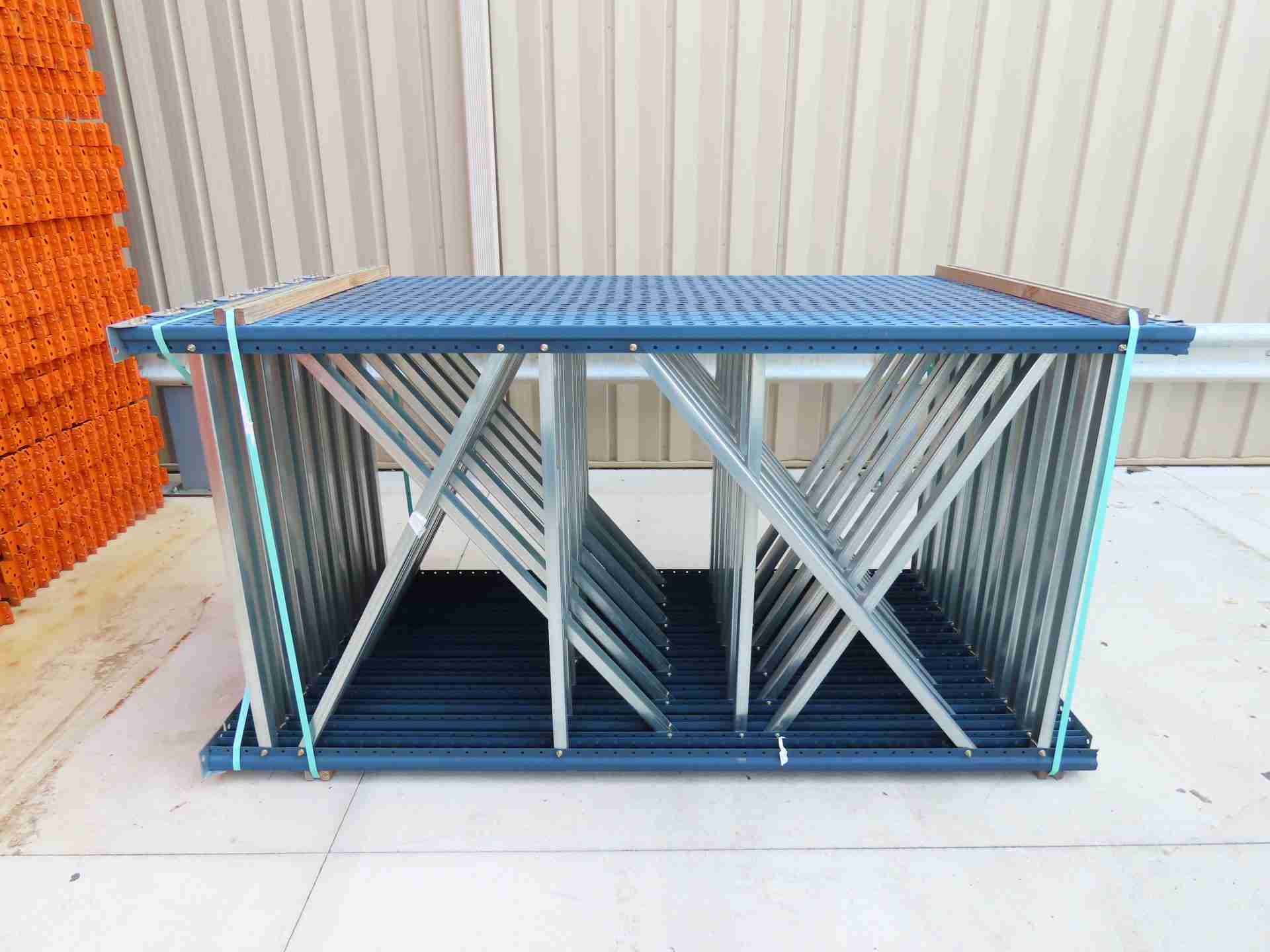
2. Upright Frames: The vertical components of a pallet rack that support loads and connect with beams.
3. Beams: Horizontal bars that support loads and connect to upright frames, forming the shelves where goods are stored.
4. Decking: Materials such as wire mesh, solid steel, or wood that are placed between beams to create a shelf surface.
5. Deflection: The degree to which a beam or decking option bends under a load, which impacts the overall load capacity.
6. Safety Factor: A ratio used to ensure that the load capacity is within safe limits, usually incorporating a margin to handle unexpected loads.
7. Pallet Weight: The weight of an individual pallet that includes both the pallet itself and the goods it carries.
8. Load Distribution: How weight is spread across the pallet rack system, influencing stability and capacity.
9. Point Load: A concentrated load at a specific point, which may require reinforcement.
10. Uniform Load: Loads that are evenly distributed across a deck or beam.
11. Bead Load: Loads that run parallel to the rack beams, often referring to the weight distribution along the length of a beam.
12. Load Bearing: The ability of a structure, component, or material to support weight without failing.
13. Seismic Considerations: Designing for the impacts of seismic activity on load capacity and rack stability.
14. Moment Capacity: The maximum moment (bending force) that the beams or upright frames can withstand.
15. Axial Load: The force applied along the axis of a structural component, such as an upright frame, affecting its load capacity.
16. Overloading: Exceeding the load capacity, which can lead to structural failure or accidents.
17. Wind Load: The load exerted by wind pressure, relevant for outdoor pallet rack systems.
18. Load Certification: Proof provided by manufacturers or engineers that a pallet rack system can handle specific loads.
19. Bracing: Additional supports added to increase the stability and load capacity of a pallet rack system.
20. Load Center: The central point of a load’s weight distribution, critical for maintaining balance and avoiding tipping.
21. Dynamic Load: Loads that change or move, requiring racks to accommodate for shifts and distribution changes.
22. Static Load: Unchanging loads that remain stationary, typically easier to manage and predict for load capacity.
23. Impact Load: Sudden forces exerted on the pallet rack, such as forklift impacts, that must be factored in when considering load capacity.
24. Beam Connector: Hardware connecting beams to upright frames, crucial for maintaining integrity under load.
25. Column Load: The total weight that a column or upright frame can support, both vertically and laterally.
26. Cross Beams: Beams that provide additional lateral support, enhancing load capacity and stability.
27. Load Permits: Official documentation allowing for specific load capacities and configurations in certain jurisdictions.
28. Pallet Orientation: The manner in which pallets are placed on the racks, which can significantly impact load capacity.
29. Strength-to-Weight Ratio: A measure of how well a rack system can support weight relative to its own weight.
30. Deflection Limit: The maximum permissible bend or flex in a beam before it compromises load capacity or safety.
These terms encapsulate the fundamental concepts and considerations directly related to the load capacity of pallet racks, guiding safe and efficient warehouse storage practices.
Glossary Of Terms
Other Questions
What Are The Load Capacity Considerations for Pallet Racks? – Other Questions
If you wish to explore and discover more, consider looking for answers to these questions:
- What are the specific weight limits for different types of pallet racks?
- How do you determine the appropriate rack materials for your storage needs?
- What are the consequences of failing to regularly inspect and maintain pallet racks?
- How can companies ensure even weight distribution on pallet racks?
- What role does rack height play in overall load capacity and stability?
- Are there any government regulations concerning rack load capacities and storage safety?
- How can you identify signs of overloading or structural issues in pallet racks?
- What are the best practices for loading and unloading items from pallet racks?
- How often should warehouse employees receive training on rack usage and safety?
- What types of accessories or modifications can affect the load capacity of pallet racks?
- What are some of the real-world conditions that can alter the load capacity of a rack?
- How can you effectively plan the layout of racks to optimize space and load capacity?
- What are the key factors to consider when purchasing new pallet racks for a growing inventory?
- How can technology aid in better managing and monitoring the load capacities of pallet racks?
- What are the potential legal and financial ramifications of a rack failure in a workplace?
- How should companies handle inspecting and maintaining older or second-hand pallet racks?
- What are some alternatives to pallet racks for specific storage needs?
- How can you calculate the dynamic forces that impact load capacity?
- How can regular load capacity reevaluations contribute to long-term safety and efficiency?
- What should you do if you find that your current pallet racks are insufficient for your load requirements?
Other Questions
Checklist
What Are The Load Capacity Considerations for Pallet Racks? – A Checklist
General Considerations
_____ Know the weight capacity of each individual shelf
_____ Know the overall capacity of the entire rack
_____ Regularly monitor for exceeding weight limits to avoid structural failure and workplace accidents
_____ Regularly perform inspections and maintenance to ensure compliance with weight limits and structural integrity
Weight and Item Considerations
_____ Assess the weight of the items you’ll be storing
_____ Check the size and shape of items for appropriateness
_____ Determine if reinforced beams or additional supports are necessary for heavy and bulky items
_____ For smaller, lighter items, verify if racks with lower weight capacity suffice
Weight Distribution
_____ Plan for even weight distribution across shelves
_____ Regularly review and adjust storage methods to ensure weight stays within designated limits
Material and Design Factors
_____ Ensure pallet racks are made from durable materials like steel
_____ Avoid using racks made from less sturdy materials like aluminum or wood
_____ Check the design and configuration of the pallet rack, including the number of beams, uprights, and braces
_____ Follow manufacturer guidelines for shelf spacing and configuration
_____ Verify the rack is properly anchored and secured to the floor
Loading Procedures
_____ Avoid overloading the rack or stacking items unevenly
_____ Follow proper loading procedures and weight distribution guidelines
Rack Configuration
_____ Review vertical spacing between shelves
_____ Ensure closer shelves for better weight distribution if necessary
_____ Consider the depth of the shelves
_____ Organize racks in a stable and balanced layout
_____ Avoid linear or single-row arrangements if unstable
Industry Standards and Guidelines
_____ Adhere to industry standards and guidelines for load capacity
_____ Comply with guidelines specific to your industry, e. g. , construction, transportation, manufacturing
Calculation of Load Capacity
_____ Review manufacturer’s specifications for load capacity
_____ Account for the size and spacing of the beams on the rack
_____ Consider the material and height of the pallet rack
_____ Include calculations for any additional accessories or modifications
Safety Measures
_____ Never exceed the manufacturer-recommended load capacity
_____ Perform regular safety inspections
_____ Implement proper training for employees on safety protocols and equipment usage
_____ Maintain open communication on safety protocols and updates
_____ Foster a culture of safety within the warehouse
Optimizing Pallet Rack Use
_____ Organize racks systematically
_____ Optimize layout for space efficiency and storage access
_____ Regularly maintain and inspect racks for wear and tear
_____ Consult experts for professional advice on optimizing storage solutions
Reevaluation of Load Capacity
_____ Regularly reevaluate load capacity, especially for frequently used equipment
_____ Reevaluate load capacity whenever there is a change in setup or configuration
_____ Follow industry-specific guidelines on load capacity reevaluation frequency
Avoid Common Mistakes
_____ Consider the dynamic forces during operation
_____ Factor in real-world conditions, wear and tear, and operator error
_____ Ensure proper weight distribution on the equipment
_____ Double-check load capacity calculations
By following this comprehensive checklist, you can ensure the optimal performance, safety, and efficiency of your pallet racking system in your warehouse.
Checklist
At RackingWorld, we help guide you through selecting warehouse storage systems and racking.
Be sure to read our other related stories at RackingWorld to learn more about warehouse storage systems.
0 Comments