
Maximizing Efficiency Through Warehouse Organization
By Tom Seest
At RackingWorld, we help guide you through selecting warehouse storage systems and racking.
Be sure to read our other related stories at RackingWorld to learn more about warehouse storage systems.
What Are The Key Steps to Organizing a Warehouse Layout?
When it comes to organizing your warehouse layout, the stakes are high. A well-structured warehouse can mean the difference between overwhelmed chaos and smooth operations—between profit and frustration. Whether you’re managing a small storage facility or a vast distribution center, the key steps to achieving an effective layout can transform not just your operations but your bottom line.
First things first: Assess Your Current Space. Walk through your warehouse with fresh eyes. How are your products currently stored? Where do bottlenecks occur? Maybe it’s time to rethink how you use that spacious area in the back. Understanding your existing layout is vital in pinpointing areas for enhancement.
Next, consider your Pallet Racking options. The right racking system can optimize vertical space and help consolidate items by category or size. This isn’t merely about aesthetics; it’s about efficient picking times and reducing the movement required by your staff. Think of your employees’ workflows—do they spend too much time searching for items? Upgrading to a more strategic racking system could greatly improve retrieval times and elevate productivity, all while ensuring your goods are stored safely and effectively.
Now, let’s talk flow. Establish clear pathways for movement. Your layout should promote a smooth flow of goods without unnecessary interruptions. Position frequently accessed items closer to picking stations. Create “hot zones” where your high-turnover products reside, and ensure there’s ample space for picking carts or forklifts to maneuver without a hitch.
Additionally, consider implementing dedicated zones for receiving, storage, and shipping based on the frequency of use. This zoning not only streamlines operations but minimizes unnecessary travel time, allowing your team to focus on what really matters—getting orders out the door efficiently.
Finally, never underestimate the power of technology. Utilize warehouse management systems to track inventory levels, monitor the movement of goods, and analyze data. Knowledge is power, and having insights into your warehouse’s performance can help guide future adjustments.
Remember, a well-organized warehouse is not just a concept; it’s a foundation of your business success. The commitment to continuous improvement leads not just to order accuracy and efficiency but also fosters a sense of pride and purpose within your organization. Start today—transform the chaos into clarity and watch your operational capabilities soar!
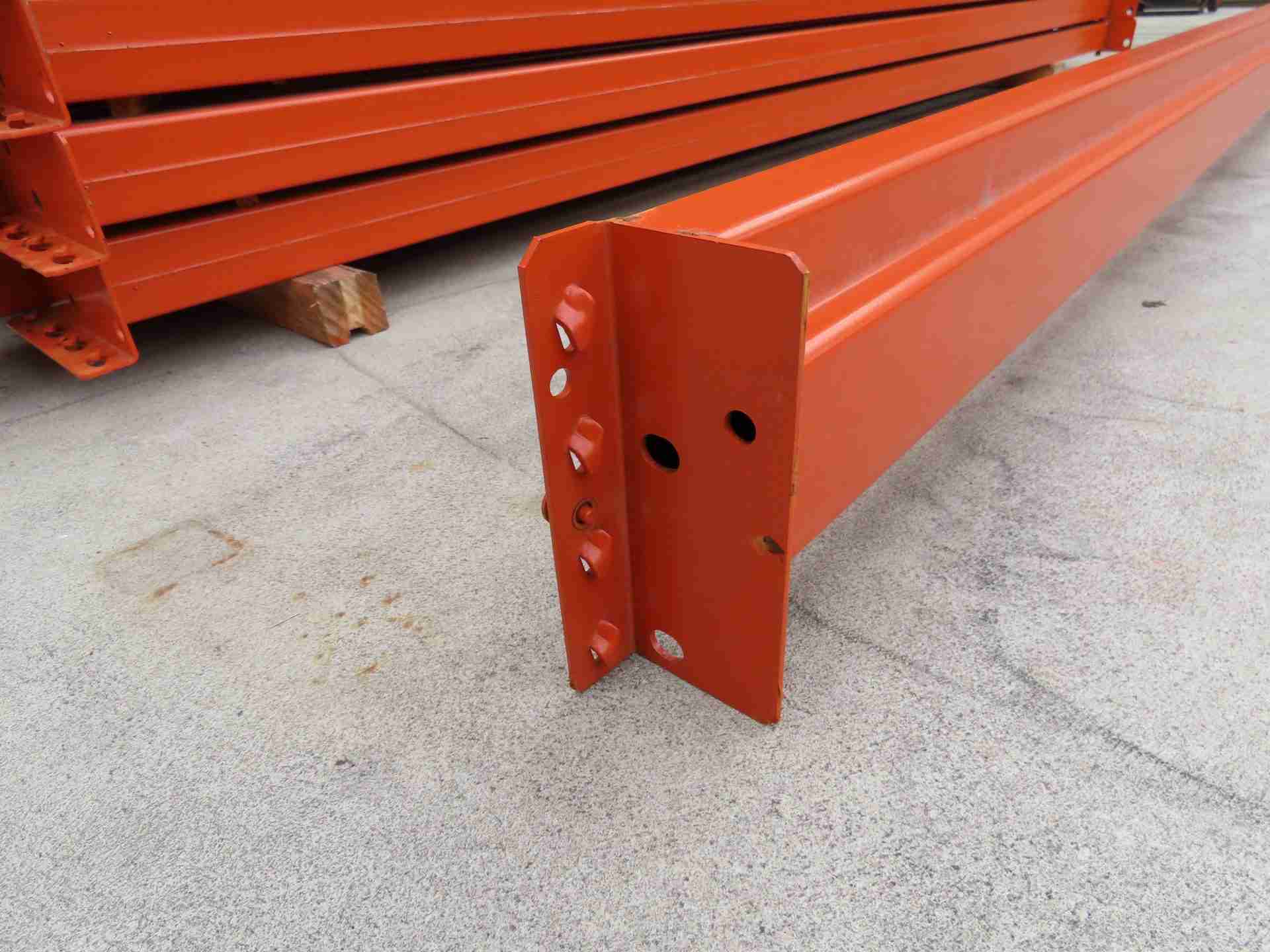
What Are The Key Steps to Organizing a Warehouse Layout?
What Are The Key Steps to Organizing a Warehouse Layout?
- A well-structured warehouse layout enhances operations and profitability.
- Assess your current space to identify storage methods and bottlenecks.
- Choose the right pallet racking system to optimize vertical space and improve staff workflows.
- Establish clear pathways for movement to promote smooth flow of goods.
- Create dedicated zones for receiving, storage, and shipping based on usage frequency.
- Utilize warehouse management technology to track inventory and analyze performance.
- Commit to continuous improvement for better order accuracy and organizational pride.
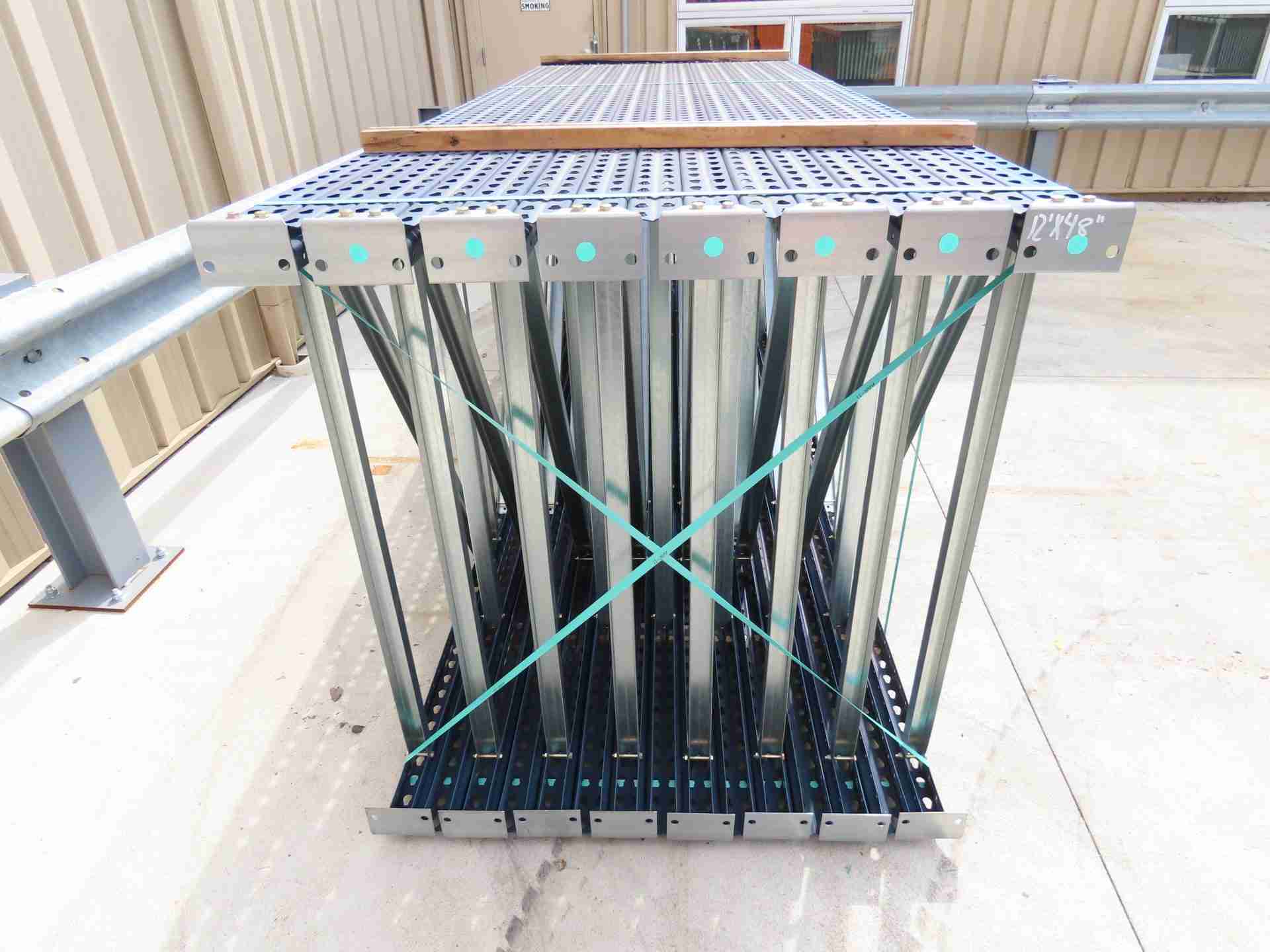
What Are The Key Steps to Organizing a Warehouse Layout?
Table Of Contents
- What Are The Key Steps to Organizing a Warehouse Layout?
- What Is The First Step In Organizing A Warehouse Layout?
- How Do I Assess My Current Warehouse Space?
- What Factors Should I Consider For Warehouse Workflow?
- How Can I Optimize Storage Space In My Warehouse?
- What Types Of Shelving Are Best For Warehouse Organization?
- How Can Technology Improve My Warehouse Layout?
- Conclusion
- Other Resources
- Glossary Of Terms
- Other Questions
- Checklist
What Is The First Step In Organizing A Warehouse Layout?
Imagine walking into a warehouse that is a paragon of efficiency—every aisle is clear, every item has its place, and productivity flows like a well-oiled machine. It may seem like a distant dream, but achieving this kind of streamlined operation starts with a single, powerful step: understanding the needs of your business and customizing your warehouse layout accordingly.
Yes, you heard that right! Before you dive into the colorful world of pallet racking systems, shelving units, and optimally placed inventory, you need to take a step back and assess your specific requirements. Start by analyzing the type of products you store—what are their shapes, sizes, and weights? This assessment is crucial because the decisions you make will directly impact your efficiency and bottom line.
For instance, if you’re dealing with bulky items or high-volume goods, investing in robust pallet racking might be your golden ticket to freeing up space and maximizing accessibility. But don’t stop there! Visualize your workflow. Consider the flow of materials from receiving to storage and then to shipping. Every step you take should aim to reduce unnecessary movement and enhance accuracy in order fulfillment.
Once you’ve collected this valuable information, sketch out your initial layout. Don’t worry about making it perfect—this is a working document, a blueprint to guide you. Think about the pivotal role that each area plays. Are your fast-moving items easily reachable? Is there enough space for your team to navigate without disruptions? These elements are paramount to a successful operational strategy and can help build a workplace culture centered around efficiency and teamwork.
But here’s where it gets even better— a well-organized warehouse layout isn’t just about your immediate needs. It also empowers your business to adapt to changing demands down the line. With a thoughtful layout in place, you create a dynamic environment that can grow alongside your company.
So, if you’re looking to elevate your warehouse operation from chaotic to exceptional, start by truly understanding your needs and crafting a layout that works for you. Trust me, making this foundational investment sets you up for long-term success and positions your business to thrive in an ever-evolving market. Take that first step today!

What Is The First Step In Organizing A Warehouse Layout?
What Is The First Step In Organizing A Warehouse Layout?
- A highly efficient warehouse features clear aisles, proper item placement, and seamless productivity.
- Begin by assessing your business’s specific needs before selecting storage solutions.
- Analyze the shapes, sizes, and weights of your products to influence layout decisions.
- Consider investing in robust pallet racking for bulky or high-volume items to maximize space.
- Visualize the workflow from receiving to shipping, aiming to reduce unnecessary movement.
- Create an initial layout sketch that accommodates fast-moving items and allows team navigation.
- A well-organized warehouse layout supports adaptability to changing business demands and fosters long-term success.
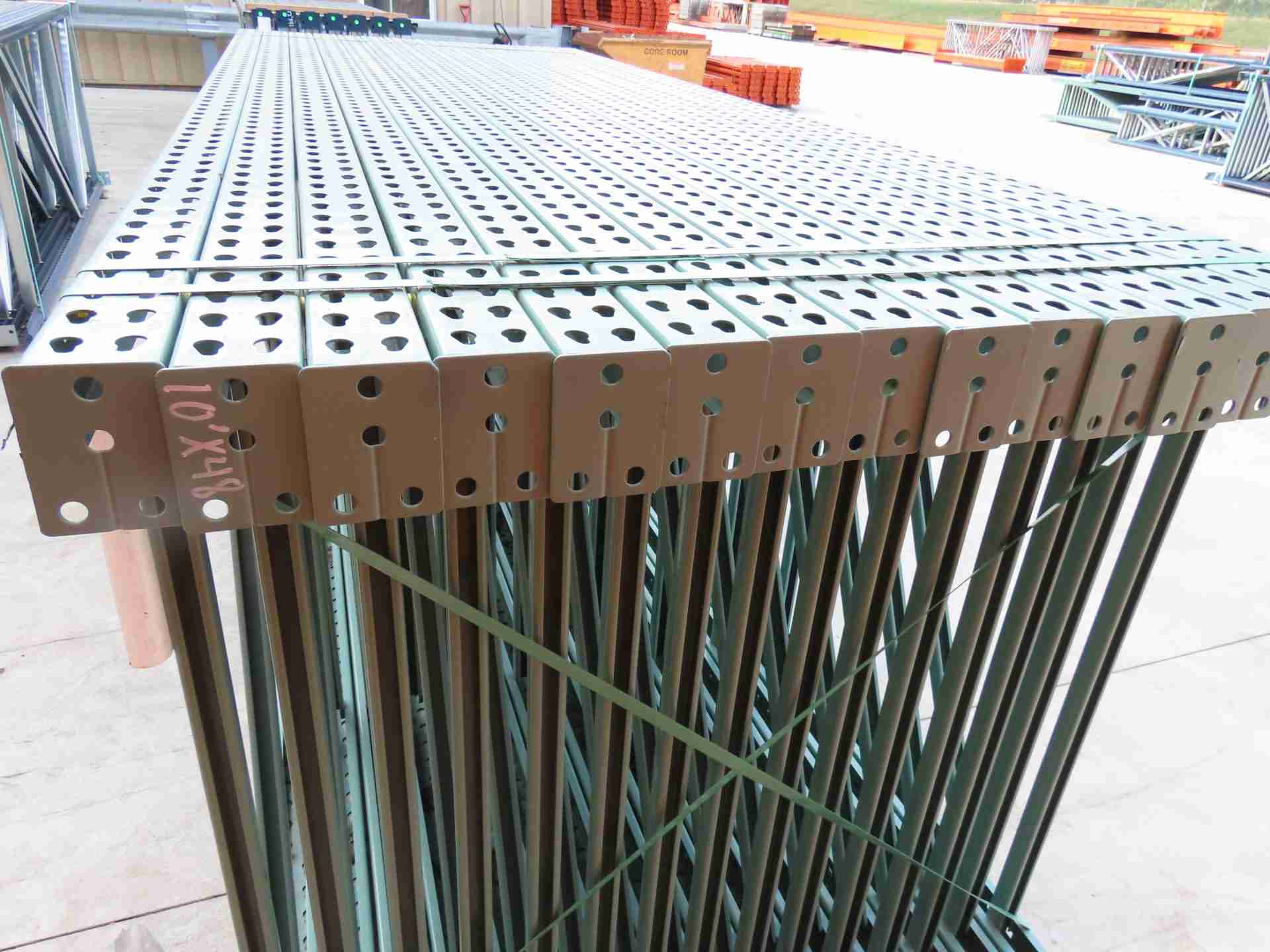
What Is The First Step In Organizing A Warehouse Layout?
How Do I Assess My Current Warehouse Space?
Assessing your current warehouse space is more than just a numbers game; it’s about unlocking the potential of your operations. When you take a step back and truly evaluate your space, you can make powerful improvements that empower your business to flourish. Let’s dig into this transformative process together.
First, look around. Evaluate your current Pallet Racking setup. Is it optimized for your inventory flow? Those towering racks should not only fit your pallets but should also streamline picking and packing operations. If you find yourself scrambling to reach that back corner or wrestling with inventory that’s stacked in a chaotic manner, it’s time to rethink your arrangement. Remember, in business, time is money. The quicker you can navigate your warehouse, the richer your bottom line.
Next, assess your layout. Is there enough room for your operations to breathe? Check the flow of goods from receiving to shipping. A warehouse should function like a well-oiled machine, with every square foot working in harmony. Unused or underutilized space is like pouring money down the drain. Consider whether your layout encourages efficiency and productivity. Would a few adjustments create a seamless flow that reduces bottlenecks? Often, a simple shift in Pallet Racking orientation can accomplish wonders.
It’s also crucial to take a close look at your inventory management system. Is it allowing you to accurately track stock levels? Visibility is key! If you can’t quickly access inventory information, you risk delays that can ripple throughout your operation. Implementing smart technologies or optimizing your existing systems can be a game-changer. You’ll gain not just oversight, but the confidence to make agile decisions that drive your site’s success.
Don’t forget to think about your long-term goals. Are you planning to scale? If expansion is on the horizon, your current setup needs to pave the way for that vision. In this assessment phase, fostering a mentality of adaptability is essential. If your warehouse can’t accommodate the growth you foresee, it’s time to pivot.
Finally, engage your team in this evaluation process. They’re the ones navigating the space daily and can provide invaluable insights. Collaborating with them can yield innovative solutions you may not have considered.
By genuinely evaluating your warehouse space, you not only inspire efficiency but also ensure you’re setting your business on a trajectory for success. Trust yourself. Embrace the challenge, and take action today!
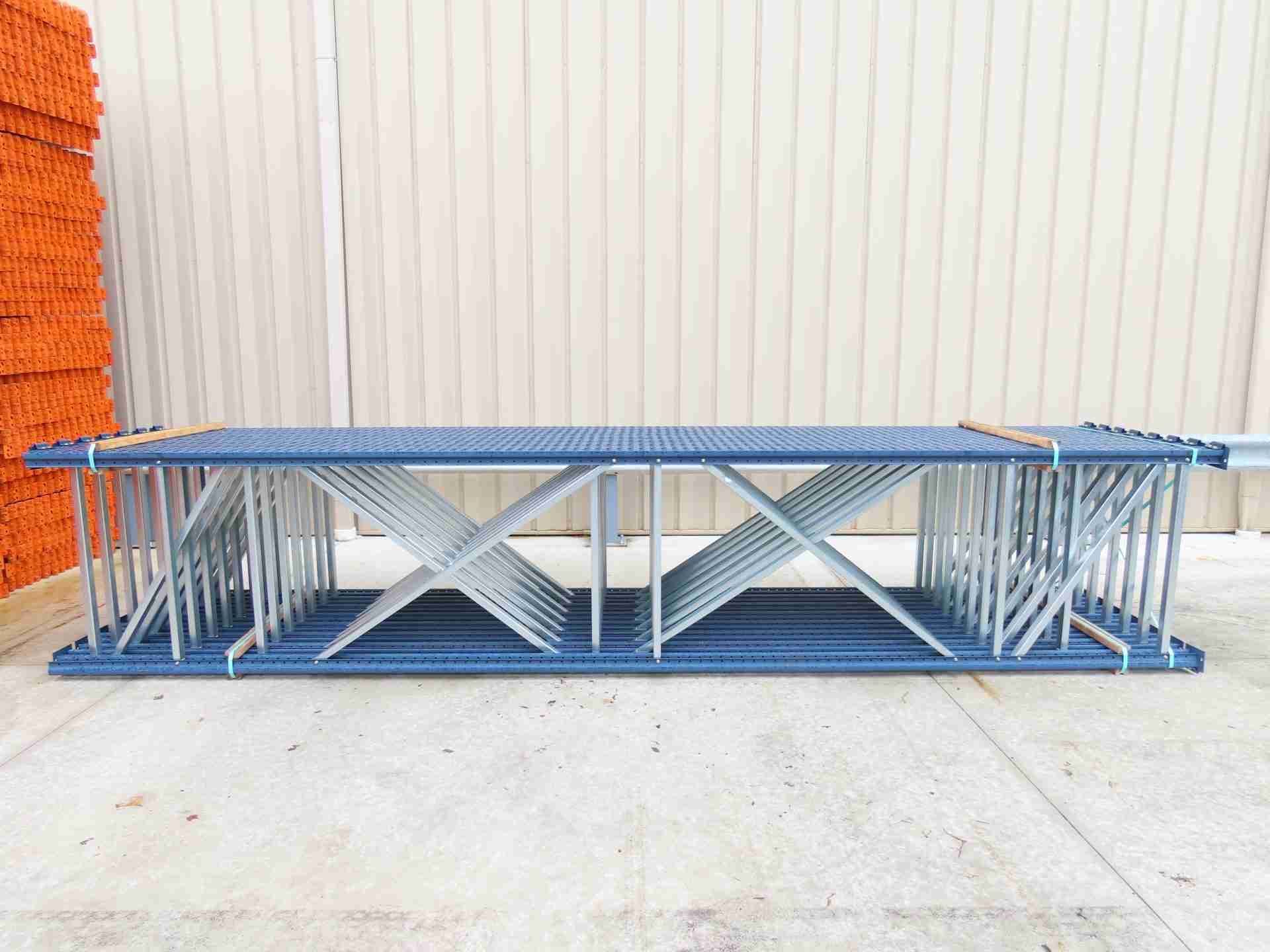
How Do I Assess My Current Warehouse Space?
How Do I Assess My Current Warehouse Space?
- Assessing warehouse space is essential for improving operations and unlocking potential.
- Evaluate the current Pallet Racking setup for optimization of inventory flow and ease of access.
- Analyze the warehouse layout to ensure efficient flow from receiving to shipping and avoid wasted space.
- Review the inventory management system for accuracy in tracking stock levels; visibility is critical for operational success.
- Consider long-term goals, such as scalability, and ensure the current setup can accommodate future growth.
- Engage the team in the evaluation process for practical insights and innovative solutions.
- Genuine evaluation of warehouse space promotes efficiency and sets the business on a path to success.

How Do I Assess My Current Warehouse Space?
What Factors Should I Consider For Warehouse Workflow?
As you embark on optimizing your warehouse workflow, it’s crucial to step into the shoes of your operations. Imagine walking through the aisles, observing the movement of goods, and envisioning a smooth flow that maximizes efficiency while minimizing wasted time and effort. Let’s explore some key factors that can make this vision a reality.
Layout and Design
Your warehouse layout is the foundation of productivity. Consider how you can create designated zones for receiving, storage, picking, and shipping. A streamlined flow reduces transit times, allowing your team to work smarter, not harder. Think about utilizing pallet racking systems that can increase vertical space usage while enhancing accessibility, ensuring that products are stored in a way that’s easy to retrieve. A well-organized space not only boosts efficiency but also reduces the risk of accidents—a win-win situation!
Technology Integration
In a digital age, embracing technology is essential. Whether it’s implementing inventory management systems or barcode scanning solutions, technology can significantly enhance workflow efficiency. These tools provide real-time insights into stock levels and streamline order processing, ultimately leading to faster turnaround times. Remember, the right technology complements your existing workflow rather than complicating it—making it an invaluable asset.
Staff Training and Engagement
Your team is the heart of your warehouse operations. Investing in training ensures that your staff understands best practices, safety protocols, and the intricacies of the workflow. When employees feel empowered and confident in their roles, they become more engaged and productive. Additionally, consider soliciting feedback from your staff regarding workflow changes. They are the ones on the front lines, and their insights can be invaluable for continuous improvement.
Inventory Management
Keeping a close eye on inventory levels is another crucial factor. Implementing a robust inventory management system allows you to track stock accurately, preventing overstocking or stockouts. Efficient inventory management enables you to make informed decisions about product ordering and placement, ensuring smooth operations during peak periods.
Continuous Improvement
Finally, remember that the optimal warehouse workflow is a moving target. Regularly reviewing and analyzing your workflow processes will uncover areas for improvement. Stay adaptable and be ready to pivot as your business needs change.
By considering these factors—layout and design, technology integration, staff training, inventory management, and a commitment to continuous improvement—you’ll be well on your way to crafting a warehouse workflow that maximizes efficiency, inspires your team, and delights your customers. Now is the time to take action!

What Factors Should I Consider For Warehouse Workflow?
What Factors Should I Consider For Warehouse Workflow?
- Empathize with warehouse operations to enhance workflow efficiency.
- Design a well-organized warehouse layout with designated zones for receiving, storage, picking, and shipping.
- Integrate technology such as inventory management systems and barcode scanning to streamline operations.
- Invest in staff training to empower employees and increase engagement and productivity.
- Implement a robust inventory management system for accurate tracking and informed ordering.
- Conduct regular reviews of workflow processes to identify areas for continuous improvement.
- Focus on creating a workflow that maximizes efficiency and delights customers.
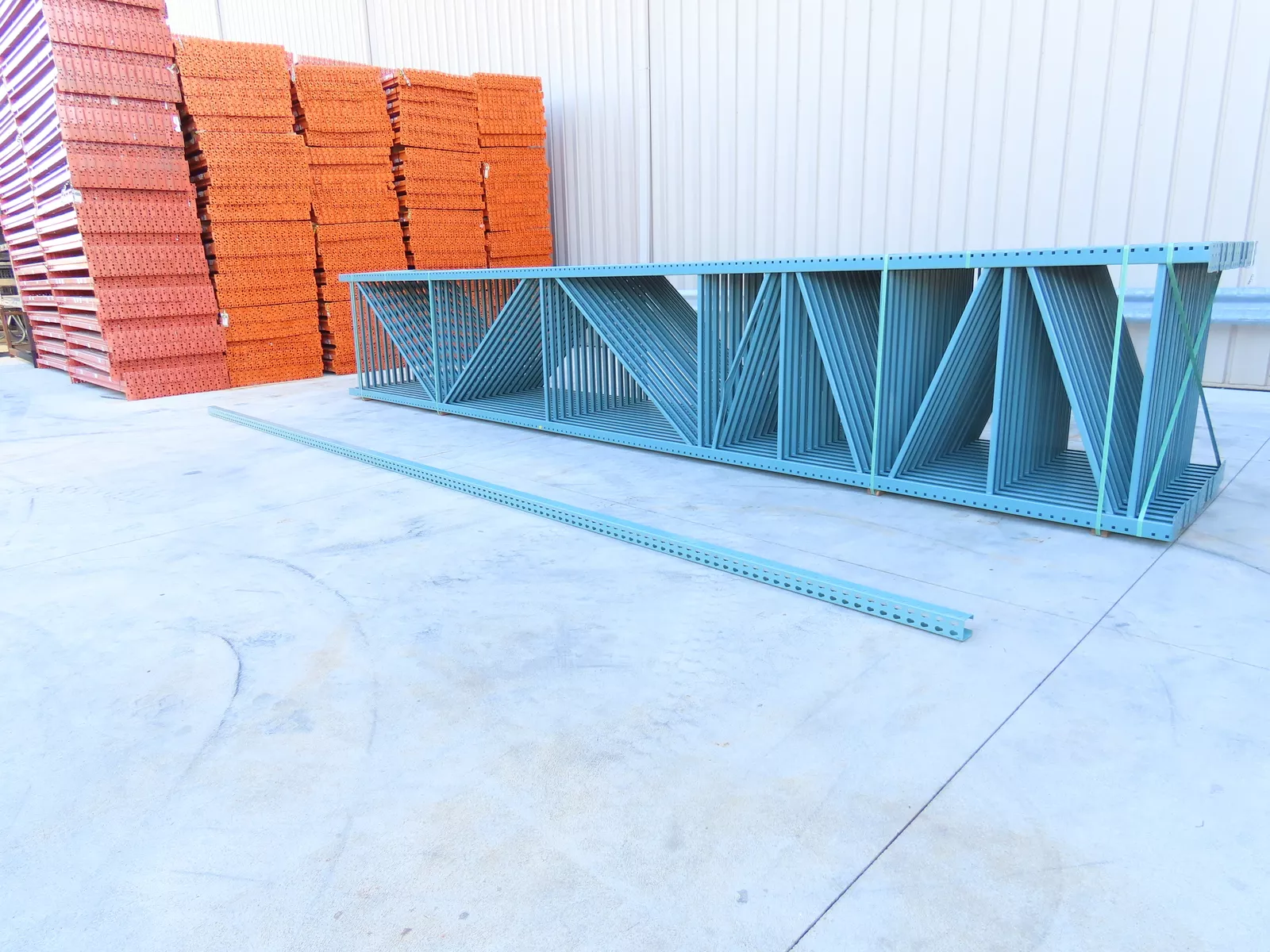
What Factors Should I Consider For Warehouse Workflow?
How Can I Optimize Storage Space In My Warehouse?
How Can I Optimize Storage Space in My Warehouse?
When it comes to enhancing the functionality of your warehouse, the first thing to consider is how efficiently you’re using your space. Imagine your warehouse is like a well-crafted puzzle—every piece needs to fit perfectly. It’s not enough to simply throw items onto shelves and call it a day; it’s about creating a seamless flow that maximizes every square inch of your valuable real estate.
One surefire way to optimize storage space in your warehouse is to invest in pallet racking systems. Think of pallet racking as the backbone of your storage strategy. These shelving systems are designed to hold large quantities of goods while keeping them easily accessible. Gone are the days of cluttered aisles and inaccessible items. With pallet racking, you elevate your products off the ground, freeing up floor space for other important operations in your warehouse.
But here’s the key: it’s not just about the racking itself; it’s about strategy. Start with a comprehensive inventory analysis. Take stock of what you have, how often you access it, and where it’s currently stored. This data will create a roadmap that guides your racking setup. High-movement products should be stored in easily accessible areas—think eye level or within arm’s reach—while slower-moving items can be placed further away. This targeted organization prevents the frustration of digging through piles to find what you need, improving efficiency and saving valuable time.
Don’t overlook the vertical space of your warehouse, either. Many businesses fall into the trap of only using workable floor space. Pallet racking systems can go vertical, allowing you to maximize storage capacity without expanding your physical footprint. If your operation can handle it, consider adding multiple levels to your racking. This approach not only helps in utilizing space but also reduces the time workers spend retrieving products.
Lastly, think about seasonal inventory fluctuations. A flexible pallet racking solution allows you to adapt your warehouse space to meet changing demands. As seasons change or products take off, you can adjust your racking to create space without the headache of a complete warehouse overhaul.
With careful planning and the right systems in place, optimizing your warehouse storage space is not just a lofty aspiration—it’s a tangible transformation that enhances productivity and drives profitability. So take the first step today! What’s stopping you from reimagining your warehouse into a well-oiled storage machine?
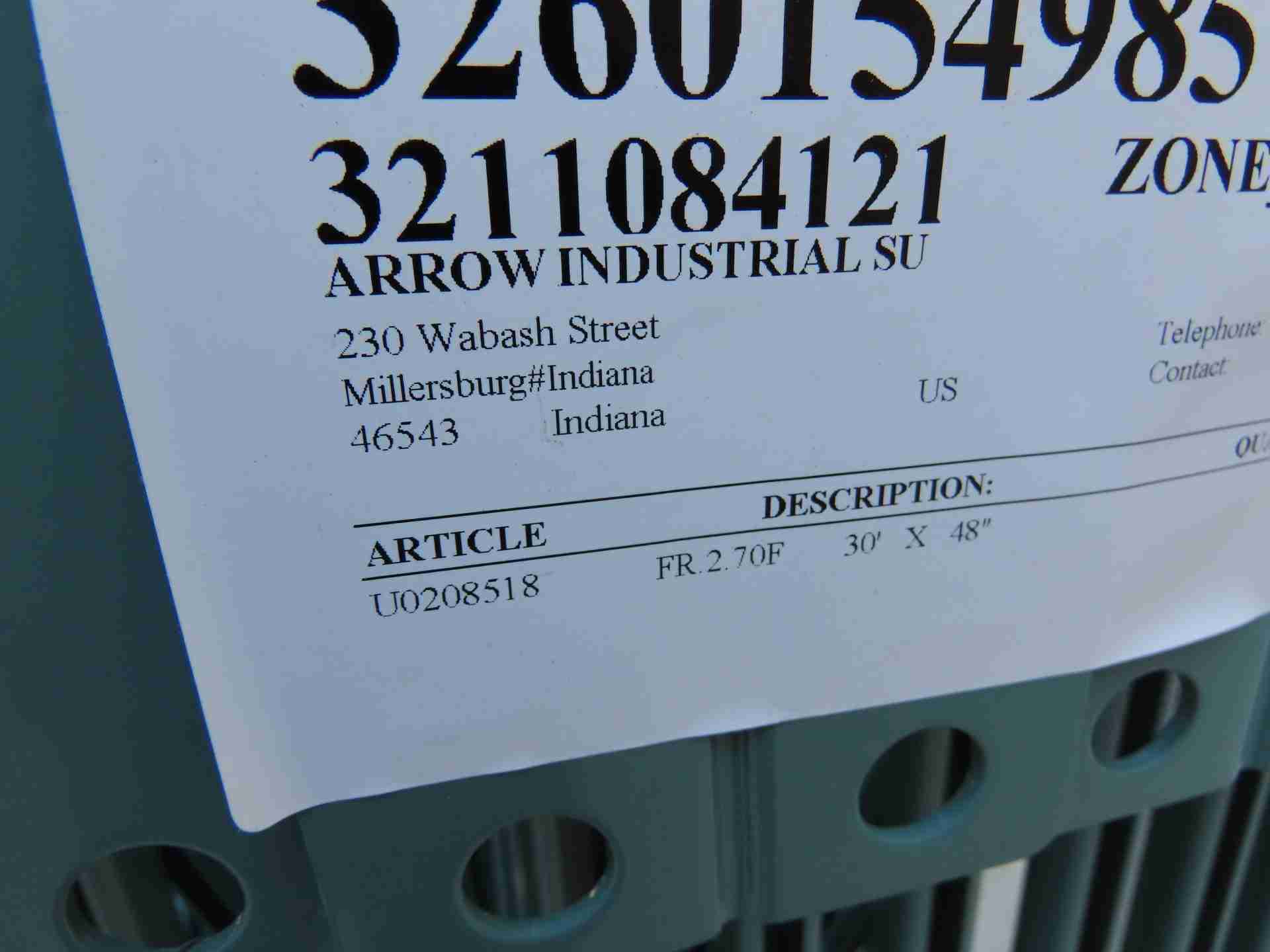
How Can I Optimize Storage Space In My Warehouse?
How Can I Optimize Storage Space In My Warehouse?
- Optimize warehouse space by efficiently utilizing every square inch, akin to a well-crafted puzzle.
- Invest in pallet racking systems to hold large quantities of goods while maintaining easy accessibility.
- Conduct a comprehensive inventory analysis to determine item access frequency and optimal storage locations.
- Store high-movement products in easily accessible areas, reserving further spaces for slower-moving items.
- Utilize vertical space with multi-level pallet racking to maximize storage capacity without expanding the footprint.
- Implement flexible racking solutions to adapt to seasonal inventory fluctuations and changing demands.
- Effective planning and systems can transform your warehouse into a productive and profitable storage environment.

How Can I Optimize Storage Space In My Warehouse?
What Types Of Shelving Are Best For Warehouse Organization?
What Types of Shelving Are Best For Warehouse Organization?
When it comes to warehouse organization, the right shelving can be the secret weapon in transforming chaos into streamlined efficiency. Imagine walking into your warehouse and being greeted by neatly arranged products, where every item has a designated spot. This isn’t just a dream; it’s entirely achievable with the right shelving solutions.
Let’s dive into the magic of Pallet Racking. If you’re dealing with high volumes of inventory—think industrial warehouses or distribution centers—then pallet racking is your best friend. These robust frameworks can hold heavy loads, enabling you to stack goods vertically and maximize your floor space. Picture this: instead of expansive piles of materials taking up precious warehouse real estate, you have a towering grid of neatly organized pallets. Not only does this make picking and restocking a breeze, but it also reduces the risk of lost or damaged items.
But wait, there’s more! If your products are smaller and require a delicate touch, consider the versatility of shelving units. Heavy-duty steel shelves are a fantastic choice for smaller items; they offer durability without sacrificing accessibility. With adjustable heights and various configurations, these shelves allow you to customize your setup according to your ever-changing inventory. It’s like tailoring a suit—but for your warehouse!
Now, for those paperwork and office supplies that always seem to take over, adding vertical and wall-mounted shelving can free up floor space and improve your overall workflow. Floating shelves create an inviting atmosphere while ensuring that essentials are within arm’s reach, making day-to-day operations seem effortless.
Finally, let’s not overlook the power of wire shelving. These units are perfect for areas that require ventilation or visibility—think perishables or easily-scratched items. Their open design not only promotes airflow but helps staff see exactly what’s in stock, reducing the time wasted on searching for goods.
Organizing your warehouse is about more than just aesthetics; it’s about creating an environment that fosters productivity and peace of mind. When your inventory is easily accessible, and your space is optimized, you’re paving the way for efficiency—and that means happier employees and satisfied customers.
Isn’t it time you took your warehouse from lost and cluttered to neat and efficient? With the right shelving solutions, you can! Embrace the potential of your space and watch your operation flourish.
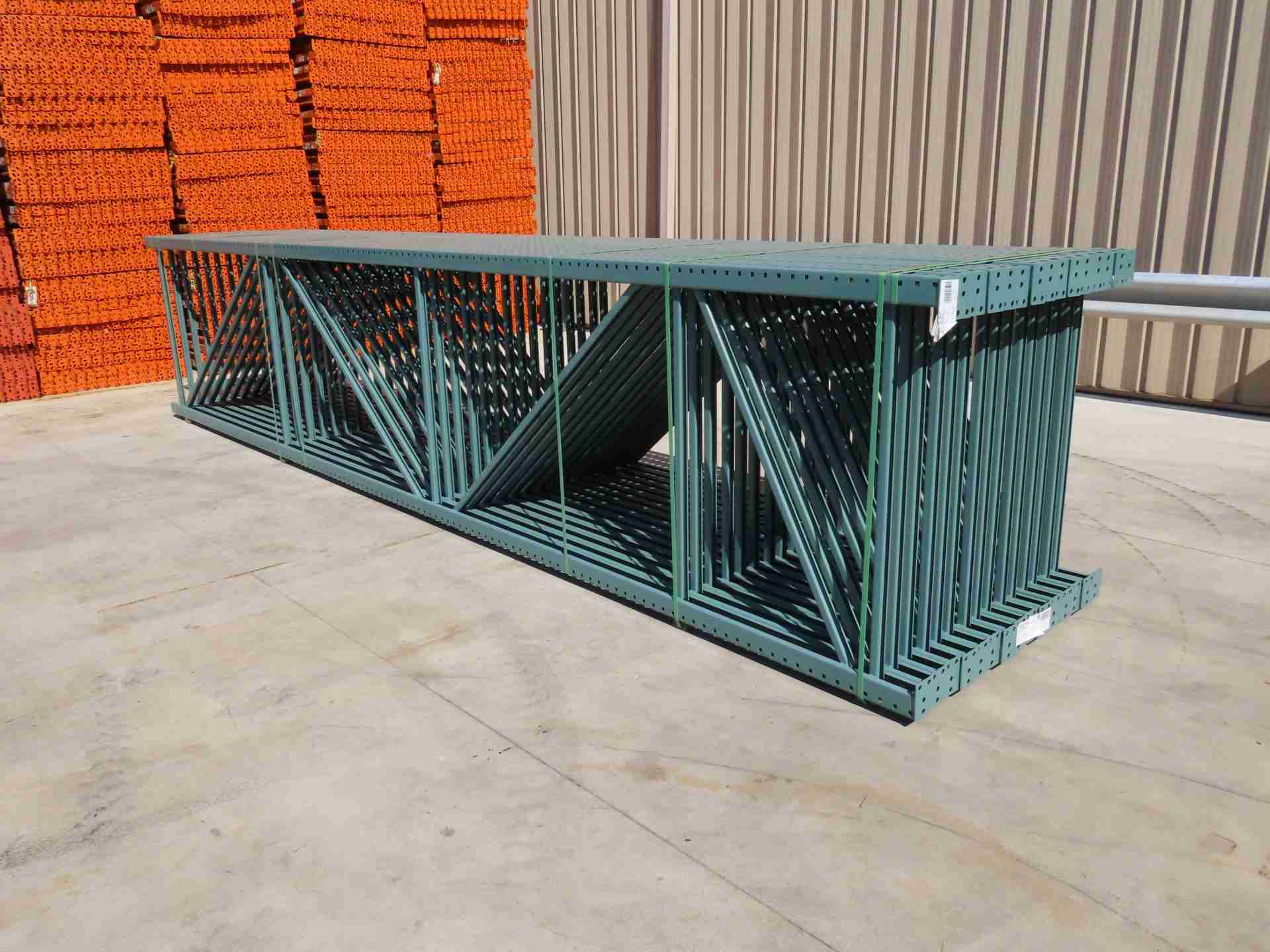
What Types Of Shelving Are Best For Warehouse Organization?
What Types Of Shelving Are Best For Warehouse Organization?
- The right shelving can transform chaos into streamlined efficiency in a warehouse.
- Pallet racking is ideal for high volumes of inventory, maximizing vertical space and reducing floor clutter.
- Heavy-duty steel shelves are versatile for smaller items, offering durability and customizable configurations.
- Vertical and wall-mounted shelving can free up floor space and enhance workflow, particularly for office supplies.
- Wire shelving is suitable for areas needing ventilation and visibility, such as perishables, promoting airflow and stock visibility.
- Efficient organization fosters a productive environment, leading to happier employees and satisfied customers.
- Implementing the right shelving solutions can transform your warehouse from cluttered to efficient.
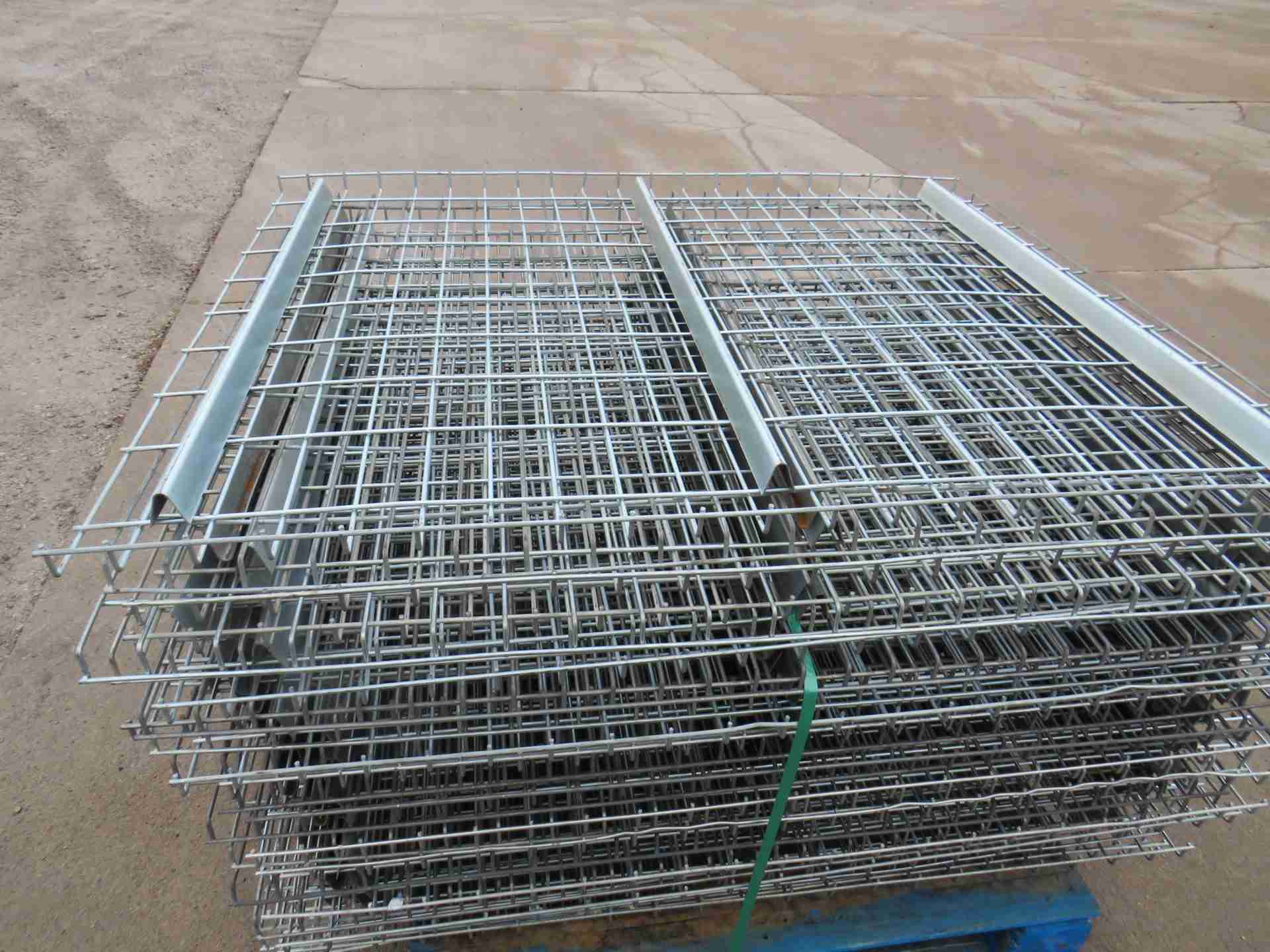
What Types Of Shelving Are Best For Warehouse Organization?
How Can Technology Improve My Warehouse Layout?
In today’s fast-paced business environment, optimizing your warehouse layout is more crucial than ever. Imagine walking into your warehouse and instantly knowing where every item is stored, how long it has been there, and which route is the fastest to pick it up. This isn’t just a dream—it can be your reality with the right technological upgrades.
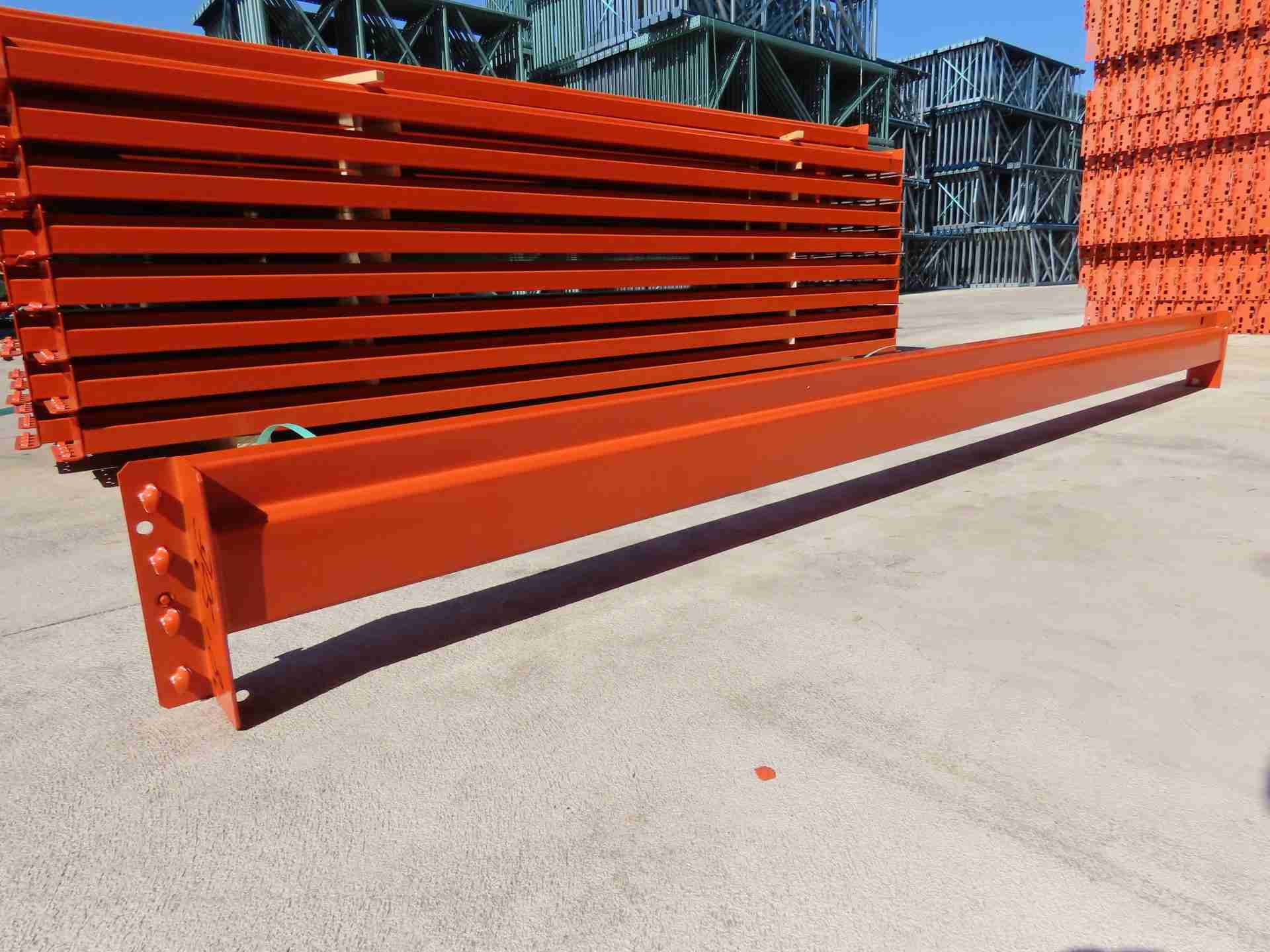
Let’s talk about pallet racking, a game-changer in warehouse efficiency. Gone are the days when tedious manual counts and outdated shelving systems slowed down your operations. Today’s smart pallet racking systems use sophisticated sensor technology and integrated software to streamline your layout. With these systems, you can easily adjust your inventory based on real-time data, ensuring that each pallet is placed for maximum accessibility and efficiency. So, instead of playing hide-and-seek with your stock, your team can focus on what truly matters: driving your business forward.
Now, think about the benefits that come with incorporating warehouse management systems (WMS) into your operation. A robust WMS allows you to visualize your entire warehouse layout digitally, identifying bottlenecks and inefficiencies that you may not have noticed otherwise. Imagine the peace of mind knowing that your inventory is constantly monitored, ensuring optimal placement of your pallet racking based on demand. You gain the ability to optimize space and reduce waste, resulting in a more organized, efficient, and profitable operation.
Let’s not forget mobile technology. With tablet and smartphone applications, your workforce can access critical inventory data on-the-go—no more unnecessary trips back to the office or the front desk. When a team member can scan an item with their device and receive instant access to its location, count, and status, you are creating a connected environment that fosters collaboration and efficiency.
Technology isn’t just about gadgets; it’s about transforming the way you operate. Investing in these modern tools can boost your confidence, knowing that your warehouse is not just functional but optimized for success. Imagine the trust you’ll build with your clients when their orders are fulfilled accurately and swiftly, all thanks to an effective layout bolstered by cutting-edge technology.
The future is bright for warehouses that embrace innovation. So why not take that leap today? It’s time to revolutionize your operations and pave the way for a smoother, more efficient, and profitable warehouse journey. Don’t let outdated practices hold you back—embrace technology and watch your warehouse thrive!

How Can Technology Improve My Warehouse Layout?
How Can Technology Improve My Warehouse Layout?
- Optimizing warehouse layout is essential in today’s fast-paced business environment.
- Modern pallet racking systems use sensor technology and integrated software for efficiency.
- Warehouse Management Systems (WMS) help visualize layouts and identify operational inefficiencies.
- WMS provides continuous monitoring of inventory for optimal pallet racking placement.
- Mobile technology allows workforce access to critical inventory data on-the-go.
- Investing in modern tools transforms operations and boosts confidence in fulfilling orders.
- Embracing innovation leads to a more efficient, organized, and profitable warehouse.
How Can Technology Improve My Warehouse Layout?
Conclusion
Conclusion: Transform Your Warehouse into a Profit-Driving Powerhouse
In today’s business landscape, where time is money and efficiency reigns supreme, organizing your warehouse layout is not merely an operational task—it’s a strategic opportunity to enhance your bottom line. Every inch of your warehouse offers potential; the secret is knowing how to unlock it. By following the key steps detailed within this article, you can transition your space from chaotic disarray to a model of streamlined efficiency.
Start by conducting a thorough assessment of your current setup. Knowledge is power, and understanding how your products are stored and how your employees navigate through the warehouse is essential. Consider upgrading your Pallet Racking systems to maximize vertical storage and minimize retrieval times, which can significantly improve productivity. How do your employees’ workflows look? If they’re spending too much time locating items, it might be time for a strategic overhaul.
Next, focus on fostering smooth operational flow. By creating well-defined zones, placing fast-moving items near picking stations, and ensuring clear pathways for movement, you not only facilitate quicker order fulfillment but also nurture a safer working environment. Integrating technology into your layout further elevates the organization of your warehouse. Modern Warehouse Management Systems (WMS) offer invaluable insights to help you fine-tune your space and streamline inventory management. Remember, adaptability is key—an optimized warehouse today should be built with the future in mind.
But the best part? You don’t have to go through this transformation alone. Arrow Industrial Sales specializes in creating tailored warehouse solutions that not only enhance efficiency but also pave the way for growth. It’s time to seize this opportunity! Call Arrow Industrial Sales at (574) 349-6575 today to explore how our state-of-the-art racking solutions and expert guidance can revolutionize your warehouse operations.
Act now! The right investment in your warehouse today will yield exponential returns tomorrow. Don’t let your competitors outpace you—take decisive action to organize your space effectively and watch productivity skyrocket. Your transformed warehouse is just a phone call away—embrace the change, drive your success, and turn your operational capabilities into a well-oiled machine.
Conclusion
Conclusion:
- Organizing warehouse layout is a strategic opportunity to enhance profitability.
- Conduct a thorough assessment of the current warehouse setup to identify improvements.
- Upgrade Pallet Racking systems to maximize vertical storage and improve productivity.
- Create defined zones and position fast-moving items near picking stations for smoother operations.
- Integrate Warehouse Management Systems (WMS) for streamlined inventory management and organization.
- Partner with Arrow Industrial Sales for tailored warehouse solutions.
- Investing in warehouse organization now can yield significant returns and improve operational efficiency.
Conclusion
Other Resources
Other Resources
Here is a list of other resources you can review online to learn more:
- Pallet Racking 101: A Comprehensive Guide & Options Explained
- IIWS Inc. Rack Installation Illinois & Rack Repairs Illinois
- Teardrop Industrial Shelving Rack
- Overhead Lifting
- Interlake
- CA Wire
- Selective Pallet Racking Systems
- Rack Manufacturers Institute
- CMMA
Use This Prompt To Get More Resources With Your Favorite Online AI Tool: Please provide me with a list of online articles with their URLs in a bulleted list that I can read regarding What Are The Key Steps to Organizing a Warehouse Layout?
Other Resources
Glossary Terms
What Are The Key Steps to Organizing a Warehouse Layout? – Glossary Of Terms
1. Aisle: A passageway between rows of shelves or racks in a warehouse that provides access to stored goods.
2. Backroom: An area in the warehouse designated for storing items that are not on display or in use, often used for overflow inventory.
3. Bin: A container within a warehouse used to store small items or components systematically.
4. Block Stacking: A method of stacking similar-sized containers or boxes on top of each other to optimize space utilization.
5. Cross-Docking: A practice where incoming goods are directly transferred to outbound transportation with minimal storage time in the warehouse.
6. FIFO (First In, First Out): An inventory management principle where the earliest stocked items are sold or used first.
7. Floor Plan: A visual representation of the warehouse layout, showing the arrangement of shelves, racks, and workstations.
8. Forklift: A powered industrial vehicle used to lift and transport heavy materials within a warehouse.
9. Inventory Management: The systematic approach to overseeing and controlling the ordering, storage, and use of goods.
10. KPIs (Key Performance Indicators): Metrics used to evaluate the success of warehouse operations, including order accuracy and inventory turnover.
11. Labeling: The process of marking storage locations with identifiers to facilitate easy navigation and inventory management.
12. Layout Design: The strategic planning of the arrangement of warehouse spaces to enhance workflow and storage efficiency.
13. Material Handling: The physical handling of goods and materials within a warehouse, including movement, storage, and control.
14. Pick Area: The designated section of the warehouse where items are retrieved for fulfilling customer orders.
15. Receiving Area: The portion of the warehouse where incoming goods are unloaded, inspected, and checked against purchase orders.
16. Replenishment: The process of restocking inventory to maintain optimal levels in picking areas or storage locations.
17. Safety Standards: Regulations and practices in place to ensure a safe working environment for warehouse personnel.
18. Shelving: The systems used to store items vertically, maximizing the use of available space in a warehouse.
19. SKU (Stock Keeping Unit): A unique identifier assigned to a product that helps in tracking inventory levels.
20. Storage Optimization: Techniques employed to maximize the amount of goods stored in a limited warehouse space.
21. Stock Rotation: A method to ensure that older stock is used before newer stock, often used in perishable goods.
22. Task Interleaving: A strategy where multiple tasks are performed in a single trip through the warehouse, improving efficiency.
23. Throughput: The measure of how much inventory can be processed through the warehouse within a certain timeframe.
24. Utilization Rate: A metric that indicates the percentage of available warehouse space that is actively being used.
25. Workstation: A specific area within the warehouse set up for tasks like packing, sorting, or assembly.
26. Zoning: The practice of dividing the warehouse into sections based on product type, frequency of access, or workflow.
27. Pallet Racking: A storage system designed to hold palletized loads, allowing for efficient storage and retrieval.
28. Barcoding: The use of barcodes to track and manage inventory, enabling quick identification and data entry.
29. Cycle Counting: An inventory auditing procedure where a subset of inventory is counted on a specific day, rather than at the end of the year.
30. Order Fulfillment: The complete process of receiving, processing, and delivering customer orders, including picking, packing, and shipping items.
These terms provide a foundational understanding of key concepts involved in organizing and managing a warehouse layout effectively.

Glossary Of Terms
Other Questions
What Are The Key Steps to Organizing a Warehouse Layout? – Other Questions
If you wish to explore and discover more, consider looking for answers to these questions:
- What are the common mistakes to avoid when organizing a warehouse layout?
- How can I gauge the effectiveness of my new warehouse layout?
- What role does employee feedback play in optimizing warehouse organization?
- How do seasonal changes affect warehouse layout and organization?
- What additional technologies can enhance warehouse organization beyond WMS?
- Are there industry standards or best practices for warehouse layout design?
- How often should I review and update my warehouse layout?
- What are the cost considerations when reorganizing a warehouse?
- How can I improve safety measures during the reorganization process?
- What training resources are available for optimizing warehouse workflows?
- How significant is the impact of warehouse organization on employee productivity?

Other Questions
Checklist
What Are The Key Steps to Organizing a Warehouse Layout? – A Checklist
Warehouse Organization Checklist
Key Steps to Organizing a Warehouse Layout
1. Assess Your Current Space
_____ Walk through the warehouse with fresh eyes.
_____ Evaluate the current product storage methods.
_____ Identify and document bottlenecks in the workflow.
_____ Review the arrangement of pallet racking and shelving.
_____ Check for unused or underutilized spaces.
2. Select Appropriate Pallet Racking Options
_____ Determine the best racking system for your inventory (size, weight, etc. ).
_____ Consider vertical space utilization with high-density racking.
_____ Plan item categorization for efficient retrieval.
_____ Ensure safe and effective storage of goods.
3. Establish Flow and Pathways
_____ Create clear pathways for movement.
_____ Position frequently accessed items close to picking stations.
_____ Designate “hot zones” for high-turnover products.
_____ Develop zones for receiving, storage, and shipping based on usage frequency.
4. Integrate Technology
_____ Implement a Warehouse Management System (WMS).
_____ Utilize inventory tracking technology (barcode scanning, sensors).
_____ Train staff on technology usage to enhance efficiency.
_____ Regularly analyze data for continuous improvement.
5. Engage Your Team
_____ Involve staff in the evaluation of current layouts.
_____ Foster a culture of feedback and continuous improvement.
_____ Conduct training sessions on best practices and safety protocols.
6. Plan for the Future
_____ Consider long-term goals and potential scaling needs.
_____ Allow for flexibility in layout and shelving to adapt to inventory changes.
_____ Evaluate seasonal inventory management strategies.
7. Review and Iterate
_____ Schedule regular reviews of the warehouse layout.
_____ Analyze workflow processes for potential improvements.
_____ Stay adaptable and ready to pivot as needs change.
Additional Tips:
_____ Regular Housekeeping: Keep aisles and pathways clear to maintain safety and efficiency.
_____ Lighting & Signage: Ensure adequate lighting and clear signage for easy navigation.
_____ Safety Protocols: Adhere to safety measures to reduce accidents and liabilities.
By following this checklist, you can transform your warehouse from chaotic to organized, enhancing efficiency and improving overall operations. Start today and watch your operational capabilities soar!
Checklist
At RackingWorld, we help guide you through selecting warehouse storage systems and racking.
Be sure to read our other related stories at RackingWorld to learn more about warehouse storage systems.
0 Comments