
The Hidden Costs Of Neglecting Your Warehouse Space
By Tom Seest
At RackingWorld, we help guide you through selecting warehouse storage systems and racking.
Be sure to read our other related stories at RackingWorld to learn more about warehouse storage systems.
Should You Feel Guilty for Not Maximizing Your Warehouse Space?
In a world where efficiency is the holy grail of operations, it’s easy to get caught in the trap of guilt when you peer into your warehouse and see underutilized space. But let’s take a step back and dissect this without the emotional baggage. First off, running a warehouse is as much an art as it is a science. Every inch of that space is valuable, but so too is the clarity of purpose and the vision you have for your business.
Now, let’s talk about the shiny allure of pallet racking systems. Yes, they can revolutionize your storage capabilities and give you that structured aesthetic that screams productivity. But here’s the kicker: you don’t have to jump on every trend to run a successful operation. There’s no one-size-fits-all approach. Storage needs vary, and whether you have designed your space for maximum pallet racking or chosen a more eclectic storing method, the results will depend on your unique requirements.
Let’s be real—many factors contribute to how you might utilize your warehouse space. Seasonal inventory fluctuations, the nature of your products, and even your team’s workflow all dictate how best to optimize that square footage. Allowing yourself to feel guilty for not having a perfectly maximized space could distract you from more pressing issues like customer satisfaction, employee morale, and growth strategies.
Instead of focusing on what you’re not doing, switch gears and celebrate what is working. Perhaps that little nook in the corner is perfect for organizing returns, or your less-utilized space has turned into a cozy area for team brainstorming sessions—it’s your warehouse, after all.
Building a successful operation isn’t about squeezing every last inch out of your storage; it’s about creating an environment that reflects your business ethos and enhances productivity. Trust that each decision you make from here on out should align with your overarching goals.
So, should you feel guilty for not maximizing your warehouse space? Absolutely not. Instead, approach it with a curious mindset: ask yourself how you can evolve your space in harmony with your operations. Lean on smart solutions like pallet racking if they fit, but prioritize what truly matters—your business success. That’s where your focus should be.

Should You Feel Guilty for Not Maximizing Your Warehouse Space?
Should You Feel Guilty for Not Maximizing Your Warehouse Space?
- Efficiency is important, but feelings of guilt over underutilized warehouse space should be set aside.
- Warehouse management combines art and science; each space must align with business vision.
- Pallet racking systems can enhance storage but are not a universal solution for all operations.
- Factors like inventory fluctuations, product nature, and team workflow affect space optimization.
- Focus on what’s working in your warehouse instead of guilt for unused space.
- Creating a productive environment reflects business values rather than maximizing every square inch.
- Adopt a curious mindset to evolve your warehouse space in alignment with operational needs.
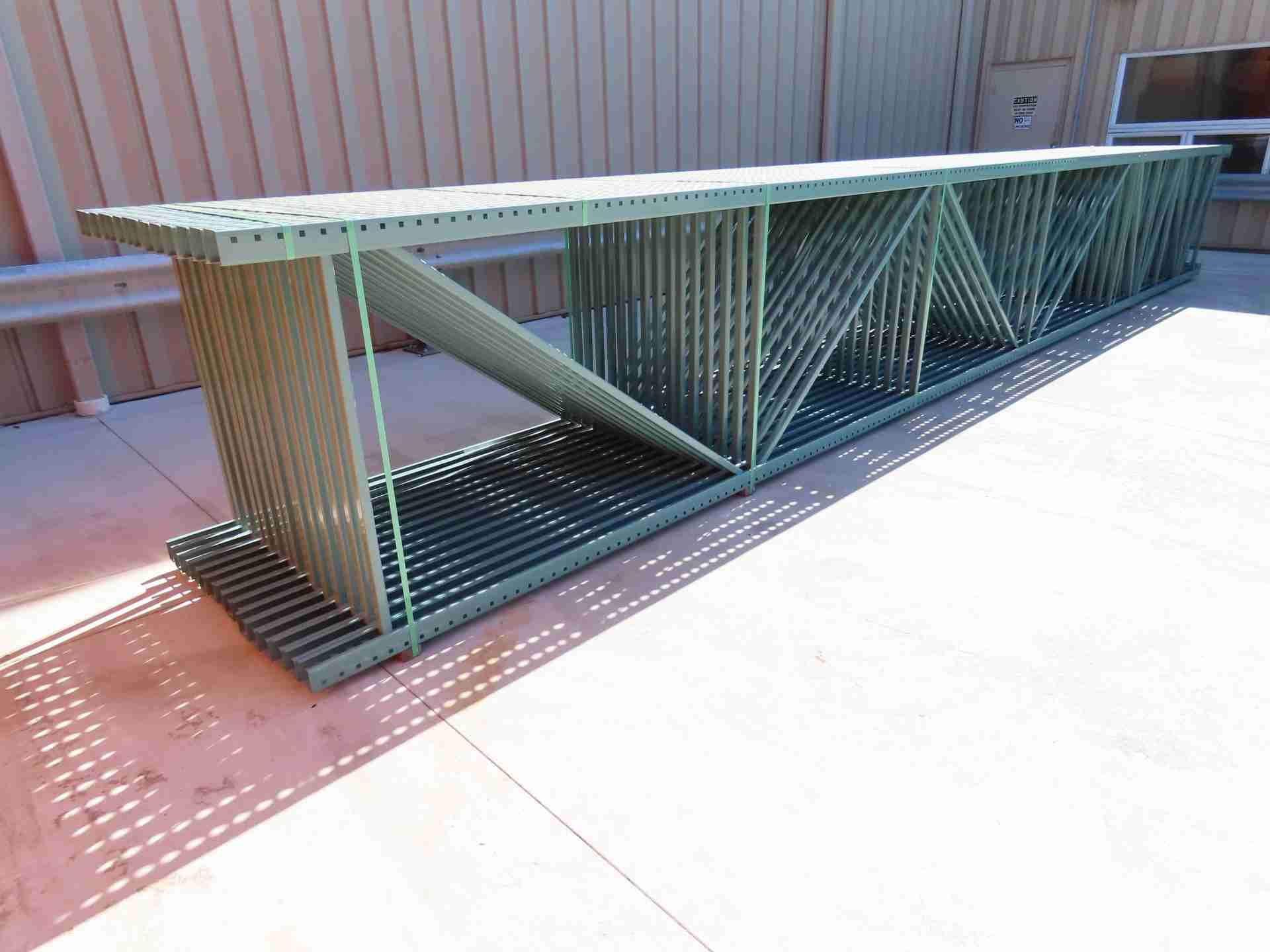
Should You Feel Guilty for Not Maximizing Your Warehouse Space?
Table Of Contents
- Should You Feel Guilty for Not Maximizing Your Warehouse Space?
- Should Maximizing Warehouse Space Always Be A Priority?
- What Are The Risks Of Underutilizing Warehouse Space?
- How Can Poor Space Optimization Affect Operations?
- Are There Benefits To Having Some Unused Warehouse Space?
- What Factors Should Influence Warehouse Space Decisions?
- How Can Technology Assist In Optimizing Warehouse Space?
- Conclusion
- Other Resources
- Glossary Of Terms
- Other Questions
- Checklist
Should Maximizing Warehouse Space Always Be A Priority?
When it comes to the nitty-gritty of logistics and supply chain management, the conversation often revolves around one critical question: Should maximizing warehouse space always be a priority? At first glance, it seems logical. After all, who wouldn’t want to squeeze every bit of efficiency out of their operation? Yet, let’s pull back the curtain a bit and take a deeper look.
Picture this: You walk into a warehouse outfitted with impressive pallet racking systems soaring towards the ceiling, brimming with inventory. It feels like a well-oiled machine, right? But what if that machine is operating on outdated processes or lacks a strategic focus? Maxing out your warehouse space can sometimes lead to diminishing returns, and in a fast-paced environment, the consequences can be severe.
Imagine your team members weaving through the maze of extra pallets stacked precariously, searching for that one elusive product. Instead of enhancing efficiency, you’ve inadvertently created confusion and frustration. Maximizing space may initially seem beneficial, but at what cost?
Here’s the crux: Effective warehouse management isn’t just about filling every square inch; it’s about creating a streamlined operation that improves productivity and enhances the overall customer experience. It’s essential to balance space utilization with accessibility and organization. Think about it—if your inventory is easy to pick and store, you’ll not only improve turnaround times but also bolster worker morale.
Investing in innovative solutions, like flexible pallet racking systems that adapt to your changing needs, helps you strike that balance between maximizing space and maintaining order. Instead of forcing every last inch to be productive in a shortsighted manner, consider a more holistic approach. You want to create an environment where your team can thrive, reduce errors, and respond efficiently to customer demands.
So, the answer is: no, maximizing warehouse space doesn’t always have to be a priority. The real priority should be creating a well-structured and efficient system that works for your unique business needs. Take a step back, evaluate your setup, and ask yourself—what’s truly driving my operations forward? The most valuable asset is not simply the space, but how you use it to build trust and confidence with your customers and your team. Don’t just maximize; optimize!
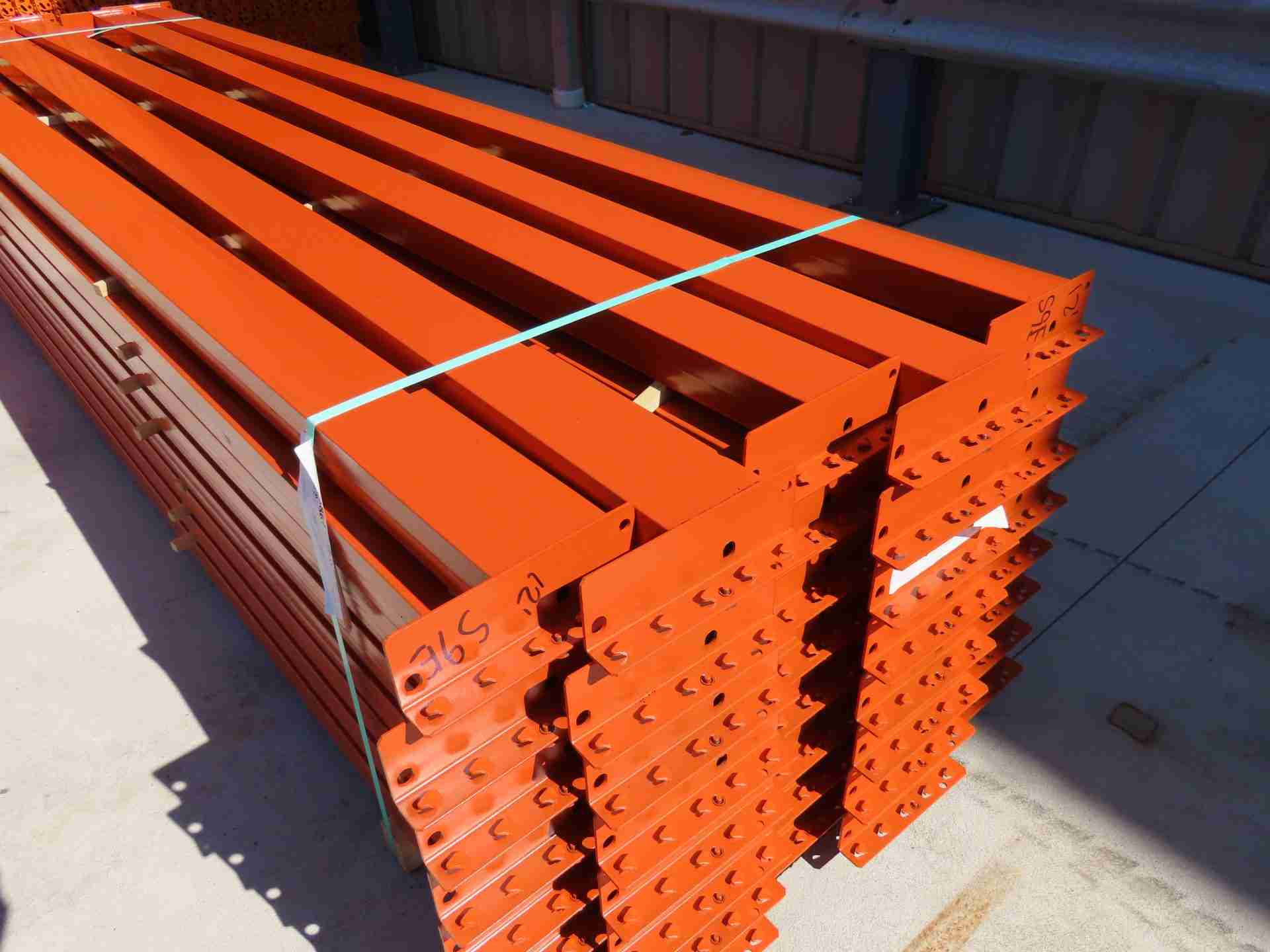
Should Maximizing Warehouse Space Always Be A Priority?
Should Maximizing Warehouse Space Always Be A Priority?
- The critical question in logistics is whether maximizing warehouse space should always be a priority.
- Maximizing space seems logical for efficiency, but it can lead to diminishing returns.
- Overcrowded warehouses can cause confusion and frustration for team members searching for products.
- Effective warehouse management focuses on productivity and customer experience, not just filling space.
- Balancing space utilization with accessibility and organization is essential for improving turnaround times and worker morale.
- Investing in flexible solutions, like adaptable pallet racking systems, can optimize both space and order.
- Prioritizing a structured and efficient system tailored to business needs is more valuable than simply maximizing space.
Should Maximizing Warehouse Space Always Be A Priority?
What Are The Risks Of Underutilizing Warehouse Space?
In the fast-paced world of business, every square foot of your warehouse matters. Picture this: you’ve invested in top-of-the-line pallet racking systems to maximize the height of your storage. Yet, as the dust settles, you notice unused spaces and stagnant inventory collecting cobwebs. You may think, “What’s the harm?” but let me tell you: the risks of underutilizing warehouse space can be both costly and damaging to your bottom line.
First, consider the direct financial implications. Every inch of your warehouse should contribute to revenue generation, from the strategically placed pallet racking all the way to the inventory moving out the front door. When warehouse space is not fully maximized, it’s akin to tossing money out the window. You’re paying overhead costs—rent, utilities, maintenance—for areas that aren’t producing any return on investment.
But the risks run deeper than just financial loss. Underutilized space can lead to operational inefficiencies. When your team has to navigate around clutter, searching for goods in a maze of half-used aisles, productivity plummets. Your employees’ time becomes less about fulfilling orders and more about navigating a logistical nightmare. This decreases morale and can lead to frustration, which only compounds the issues at hand.
Then there’s the risk to customer satisfaction. In a market that demands speed and efficiency, delays caused by poorly organized or underutilized warehouse space can tarnish your reputation. Imagine a customer eagerly waiting for their order, only to learn it’s lost in the labyrinth of an unoptimized facility. The cost of lost customers and negative reviews can be profoundly high—a price no business can afford.
Moreover, think about scalability. A warehouse that is poorly utilized can hinder your ability to meet future demands. When the time comes to grow and expand—whether it’s adding new lines of products or accommodating increasing order volumes—your foundation must be solid. If you’re already struggling to utilize your current space effectively, how will you manage an influx of inventory?
To avoid these pitfalls, now is the time to take action. Evaluate your layout and storage solutions. Embrace innovative pallet racking configurations that enhance accessibility and efficiency. Transform your warehouse from a neglected space into a streamlined powerhouse that actively drives your business forward. Don’t just warehouse; maximize your potential!
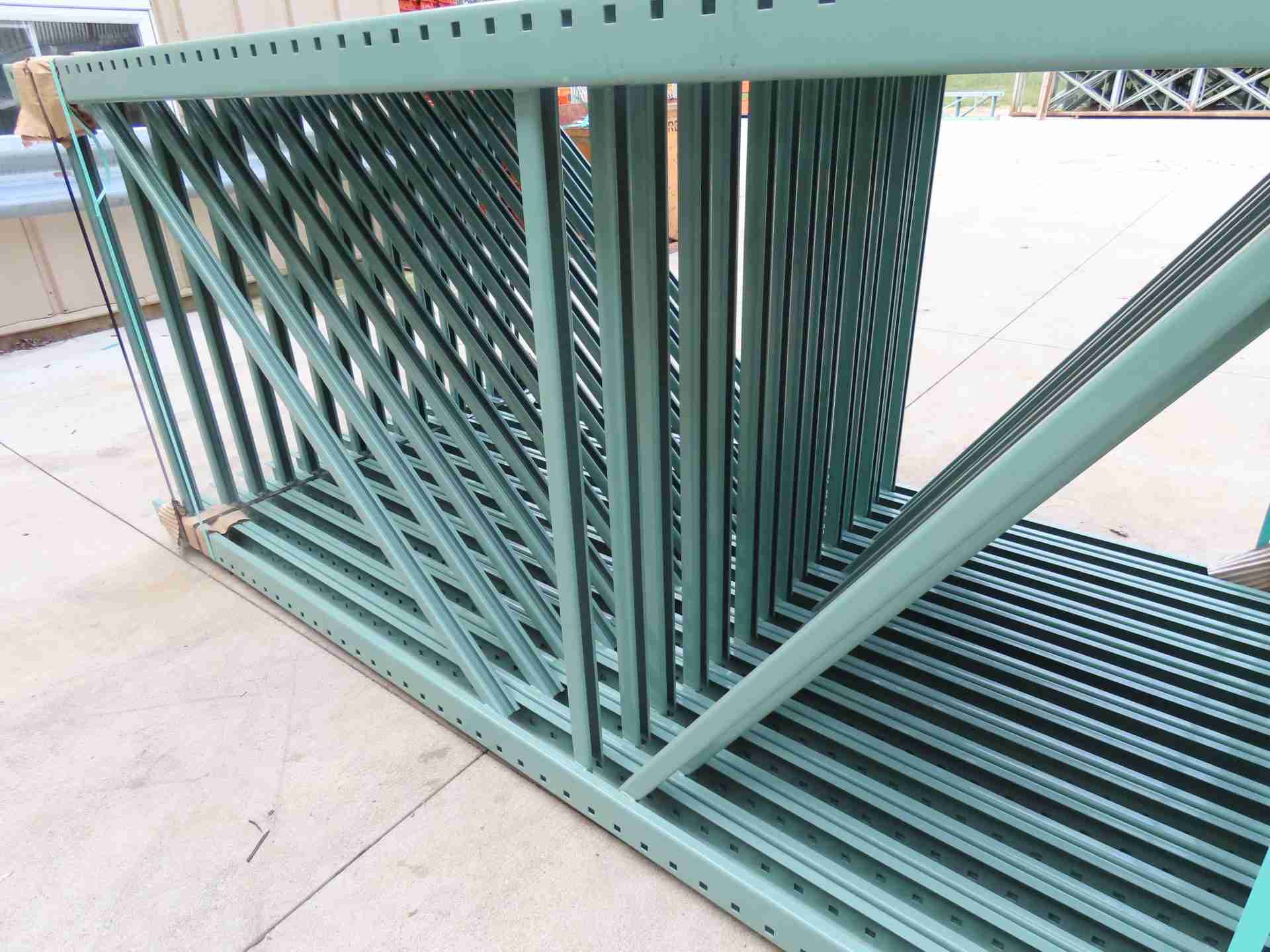
What Are The Risks Of Underutilizing Warehouse Space?
What Are The Risks Of Underutilizing Warehouse Space?
- Every square foot of warehouse space is crucial for business success.
- Underutilized warehouse space can lead to significant financial losses due to increased overhead costs.
- Operational inefficiencies arise when cluttered spaces hinder employee productivity and navigation.
- Customer satisfaction is at risk if order fulfillment is delayed by poorly organized warehouse space.
- Poor utilization can limit the warehouse’s ability to scale and adapt to higher demands.
- Innovative pallet racking configurations can improve accessibility and efficiency in the warehouse.
- Taking proactive steps to optimize warehouse layout can transform it into a more productive space.

What Are The Risks Of Underutilizing Warehouse Space?
How Can Poor Space Optimization Affect Operations?
Imagine walking into a warehouse where every inch is a prime real estate opportunity yet disappointment looms large. Stacks of boxes teeter precariously, and equipment sits idle in obscured corners. You may not realize it immediately, but poor space optimization is a silent thief, robbing businesses of efficiency, productivity, and even profits.
At the heart of many operational missteps lies the issue of ineffective pallet racking. Efficient pallet racking systems are designed to streamline inventory processes, but when they’re poorly organized, the result is confusion and chaos. Workers fumble in cluttered aisles, wasting precious time that could be spent fulfilling customer orders. Every moment spent searching for misplaced inventory is a moment that costs your bottom line.
Picture this: Your top performer—a dedicated team member—spends an additional 30 minutes each shift maneuvering around obstacles just to locate the products they need. Multiply that by their colleagues and over the course of a week, that’s hours lost in productivity. If you’re not considering how vital it is to structure your space effectively, your operations may be suffering far more than you realize.
Moreover, poor space optimization can lead to increased safety hazards. When pallet racking is haphazardly arranged, the risk of accidents skyrockets. Workers find themselves navigating cramped spaces where falls and collisions are the unfortunate norm. Not only does this endanger your team, but it incurs additional costs through medical fees and lost workdays.
And let’s not forget about your service level. Customers nowadays want fast delivery and flawless order accuracy. When poor space management leads to delays, it affects your reputation. Trust takes years to build but only seconds to shatter—don’t let your operational inefficiencies be the culprit.
Engaging a specialized consultant to assess and revamp your pallet racking system can breathe new life into your operations. Imagine organizing your space so each item is easy to find and access, boosting morale and allowing you to meet customer expectations efficiently. A well-optimized space doesn’t just provide functionality; it creates a culture of confidence and excellence within your organization.
Take action today. Reclaim control of your operations and let efficient space utilization become an essential part of your strategy. Your bottom line—and your employees—will thank you.

How Can Poor Space Optimization Affect Operations?
How Can Poor Space Optimization Affect Operations?
- Poor space optimization in warehouses leads to inefficiency and lost profits.
- Ineffective pallet racking causes confusion, wasting workers’ time and lowering productivity.
- A top performer can lose up to 30 minutes each shift due to obstacles, adding up to significant hours lost weekly.
- Disorganized pallet racking increases safety hazards, raising the risk of accidents.
- Operational inefficiencies can result in costly medical fees and lost workdays due to injuries.
- Delays from poor space management can harm customer service levels and damage reputations.
- Consulting a specialized expert can optimize pallet racking, improving operations and employee morale.
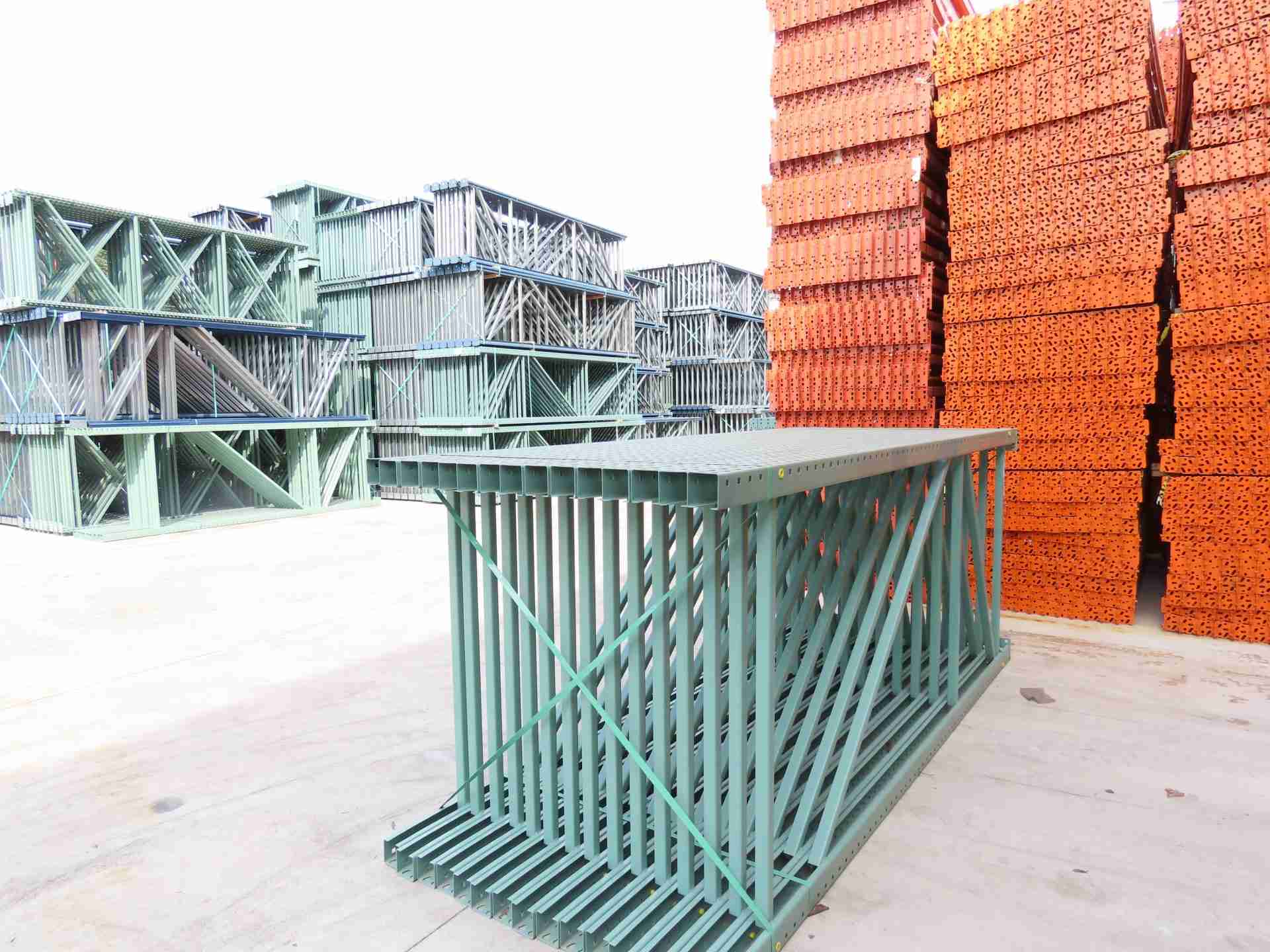
How Can Poor Space Optimization Affect Operations?
Are There Benefits To Having Some Unused Warehouse Space?
In the fast-paced world of inventory management and logistics, it might seem counterintuitive to embrace unused warehouse space. After all, every square foot represents money—so why allow any of it to sit idle? But hold on! Before you dismiss that extra space, let’s delve into the myriad of benefits that could not only enhance your operations but also provide a safety net in an unpredictable market.
First and foremost, think about the opportunities for flexibility. Having some unused warehouse capacity allows you to adapt to fluctuating demands. Whether it’s seasonal spikes or unexpected surges in orders, that extra space can serve as a buffer, allowing you to scale operations up or down with ease. This flexibility can be a game-changer in maintaining customer satisfaction, not to mention keeping those pesky stockouts at bay.
Next, consider the logistics of pallet racking. When you have extra space, you can afford to explore more innovative and efficient pallet racking systems. The right setup can not only optimize storage but also ease picking and packing processes. This leads to improved efficiency and reduced labor costs. With thoughtful planning, that unused space transforms into a well-organized haven that streamlines your operations and turns an inefficient situation into a well-oiled machine.
Additionally, unused space can be a goldmine for experimentation. Want to test a new product line? Curious about a potential partnership but not ready to fully commit? That extra square footage can serve as a risk-free trial area. Instead of diving headfirst into financial investments, you can responsibly experiment with minimal commitment, creating new revenue streams while safeguarding your existing resources.
Moreover, having extra space offers you the potential for future growth. As markets shift and consumer preferences evolve, you may find yourself needing to pivot. With unused warehouse space, you have the ability to adapt swiftly to changes without the hassle of relocating or undergoing costly construction. It’s about future-proofing your business.
Finally, let’s not overlook the additional avenues for income generation. Subleasing that unused space to other businesses looking for short-term storage solutions can turn a liability into an unexpected source of revenue.
So, before you rush to fill that extra square footage, consider the benefits of strategically positioned unused space. Whether through enhancing flexibility, improving efficiency with pallet racking systems, exploring new opportunities, or generating extra income, sometimes having a little room to breathe is precisely what your business needs to thrive.
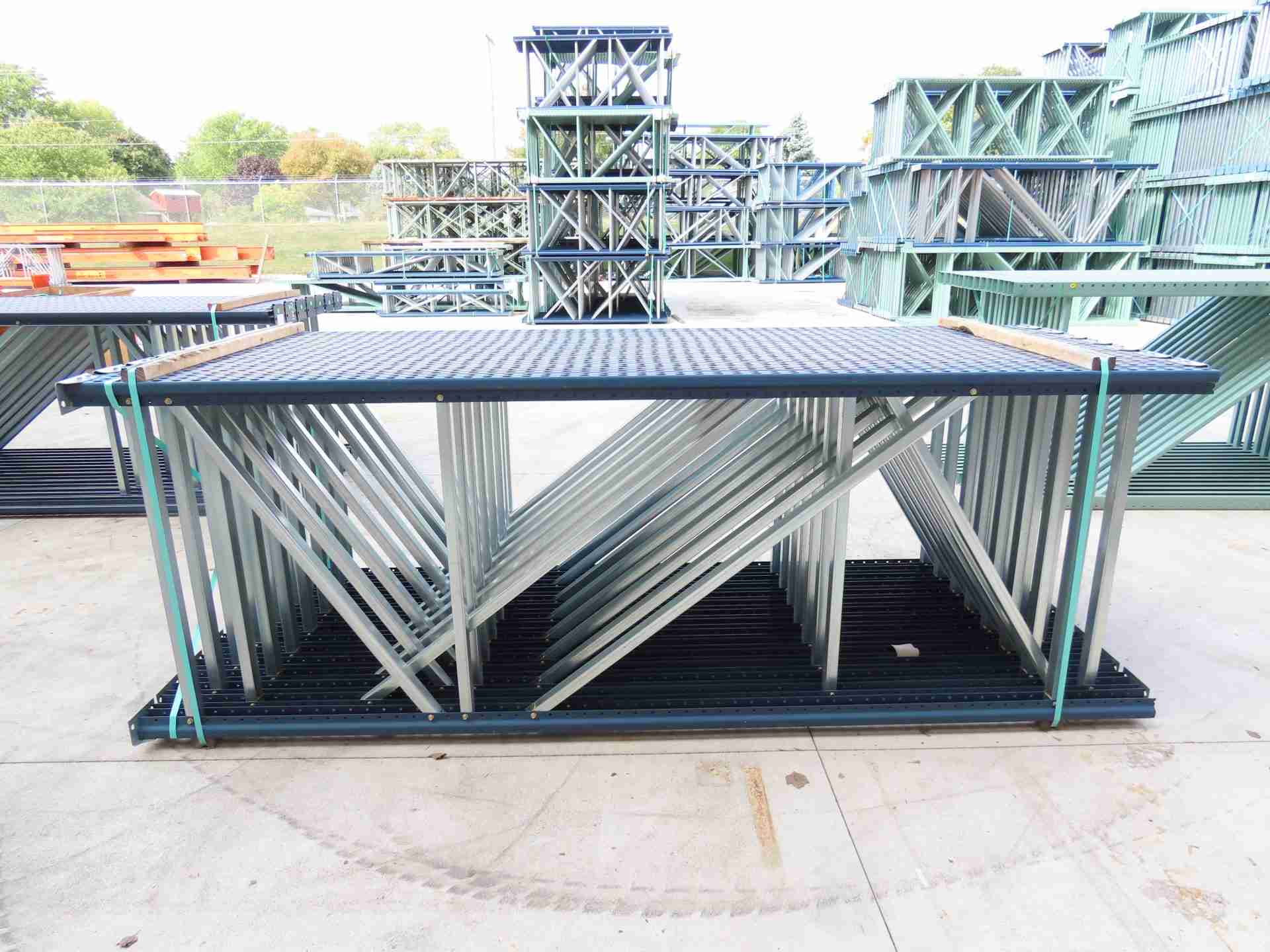
Are There Benefits To Having Some Unused Warehouse Space?
Are There Benefits To Having Some Unused Warehouse Space?
- Unused warehouse space can provide flexibility to adapt to fluctuating demands, such as seasonal spikes or unexpected order surges.
- Extra space allows for the exploration of innovative and efficient pallet racking systems, improving storage and easing picking and packing processes.
- Having extra space can serve as a risk-free area for experimentation, enabling testing of new product lines or potential partnerships with minimal commitment.
- Unused warehouse space offers potential for future growth, allowing businesses to adapt swiftly to market changes without costly relocations or constructions.
- Subleasing unused space can turn it into an unexpected source of revenue, providing income generation opportunities.
- Strategically positioned unused space can enhance overall operations and customer satisfaction.
- Embracing unused space can allow businesses to thrive, providing a safety net in an unpredictable market.
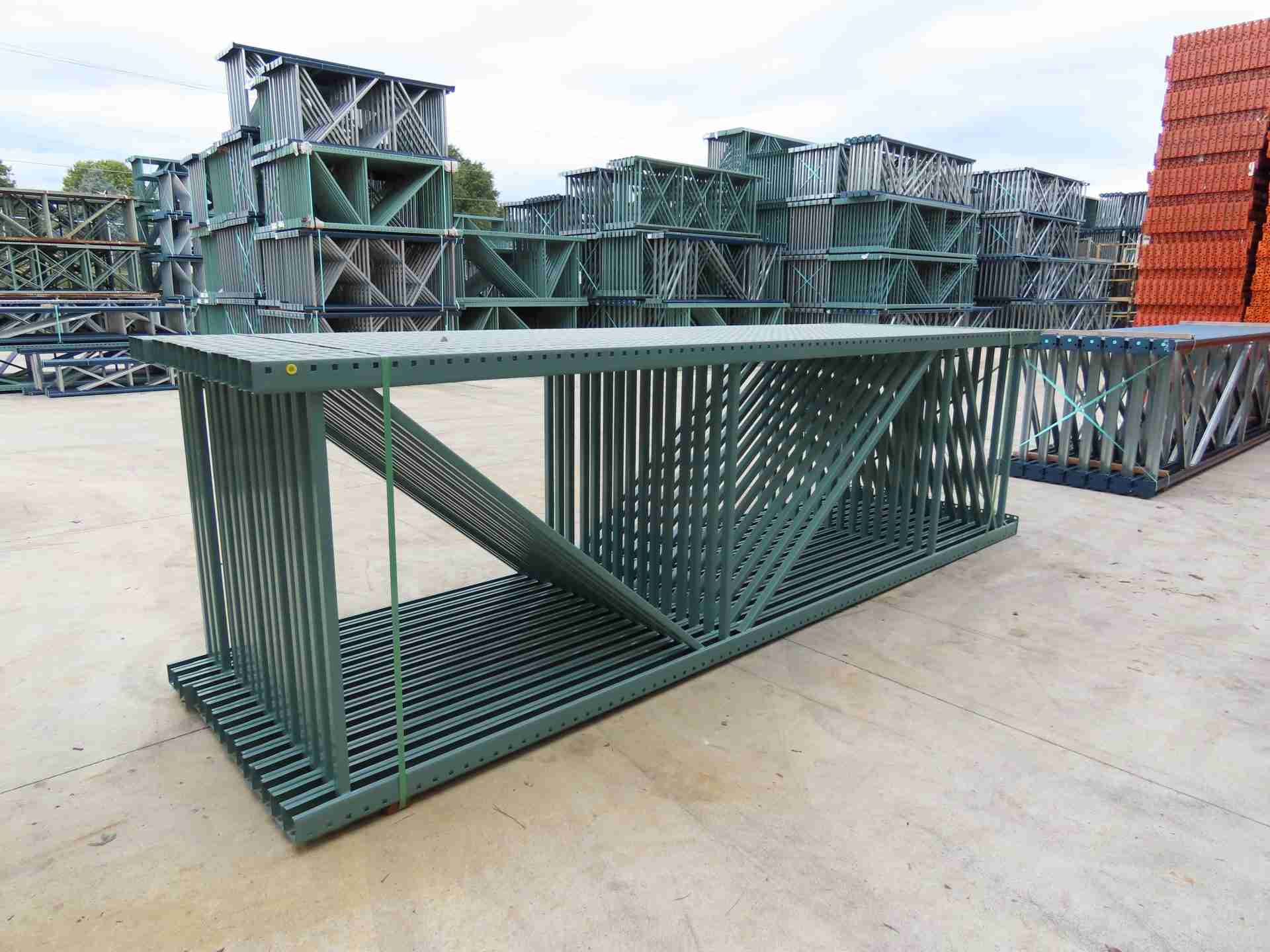
Are There Benefits To Having Some Unused Warehouse Space?
What Factors Should Influence Warehouse Space Decisions?
When it comes to maximizing your operation’s efficiency, the decision of how to allocate and utilize warehouse space is critical. Not only does it affect your bottom line, but it also influences your ability to serve your customers effectively. So, what key factors should you weigh before making a commitment? Let’s dive in.
First and foremost, consider the layout of your warehouse. A thoughtfully designed space can transform a chaotic environment into a seamless operation. This is where the concept of pallet racking becomes crucial. Efficient pallet racking systems not only optimize vertical space but also streamline product accessibility. Imagine cutting down on retrieval times because your goods are exactly where you need them. That kind of efficiency not only saves money but can also enhance employee morale—you’ll be amazed at the difference a well-organized warehouse can make!
Next, think about your inventory needs. What types of products are you storing? Are they high-turnover items that require quick access, or are they less frequently moved? Understanding your inventory dynamics will help determine the right type of racking system and layout. You want to ensure that your warehouse supports your business model, not vice versa. This isn’t just about finding space; it’s about crafting a flow that enhances productivity.
Location, location, location! The geographical position of your warehouse plays a pivotal role in shipping efficiency and cost management. Proximity to suppliers and customers reduces shipping times and expenses. Conduct a thorough analysis of potential locations to find a spot that balances convenience with cost-effectiveness.
Furthermore, think about future growth. Choose a space that allows for flexibility. Are there opportunities for expansion? Business is rarely static, and having the foresight to select a warehouse that can adapt to your changing needs will pay dividends in the long run.
Lastly, engage with your team. They are the heartbeat of the operation. Their insights could reveal practical considerations you might overlook. After all, a well-informed team works more effectively, and that translates to better service for your customers.
In summary, selecting the right warehouse space requires a combination of strategic thought and practical knowledge. Balancing layout, inventory, location, growth potential, and team input will guide you to a decision that serves your business well today and in the future. Make informed choices, and watch how they revolutionize your operations!
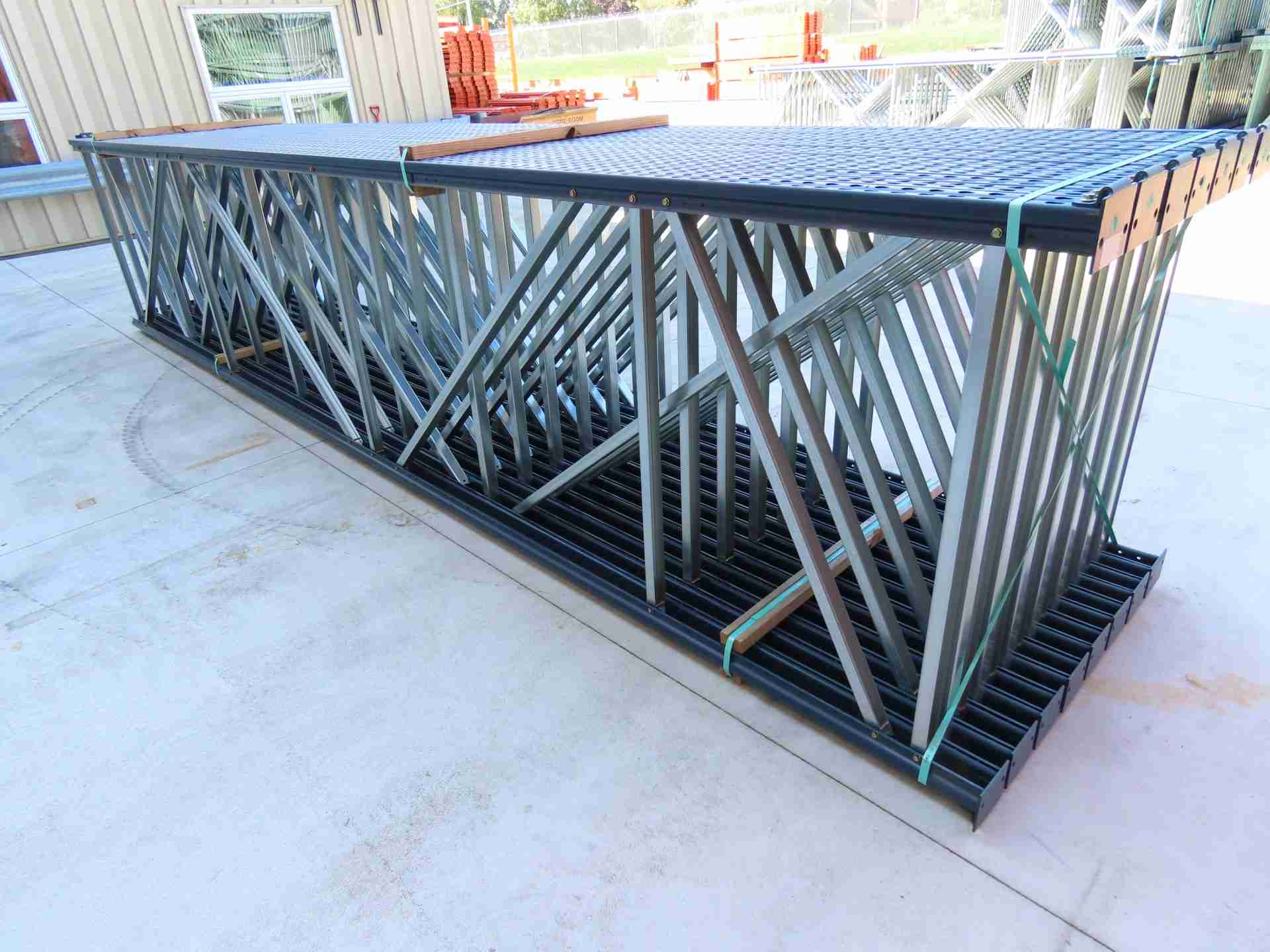
What Factors Should Influence Warehouse Space Decisions?
What Factors Should Influence Warehouse Space Decisions?
- Allocating and utilizing warehouse space is critical for maximizing operational efficiency and customer service.
- The warehouse layout is vital; a well-designed space optimizes product accessibility and reduces retrieval times.
- Understanding inventory types and dynamics helps determine the appropriate racking system and layout for productivity.
- The geographical location of the warehouse affects shipping efficiency and cost management.
- Choosing a flexible space that allows for future growth is important for adapting to changing business needs.
- Engaging with your team can uncover practical insights that improve operational effectiveness.
- A strategic approach to selecting warehouse space balances layout, inventory, location, growth potential, and team input.
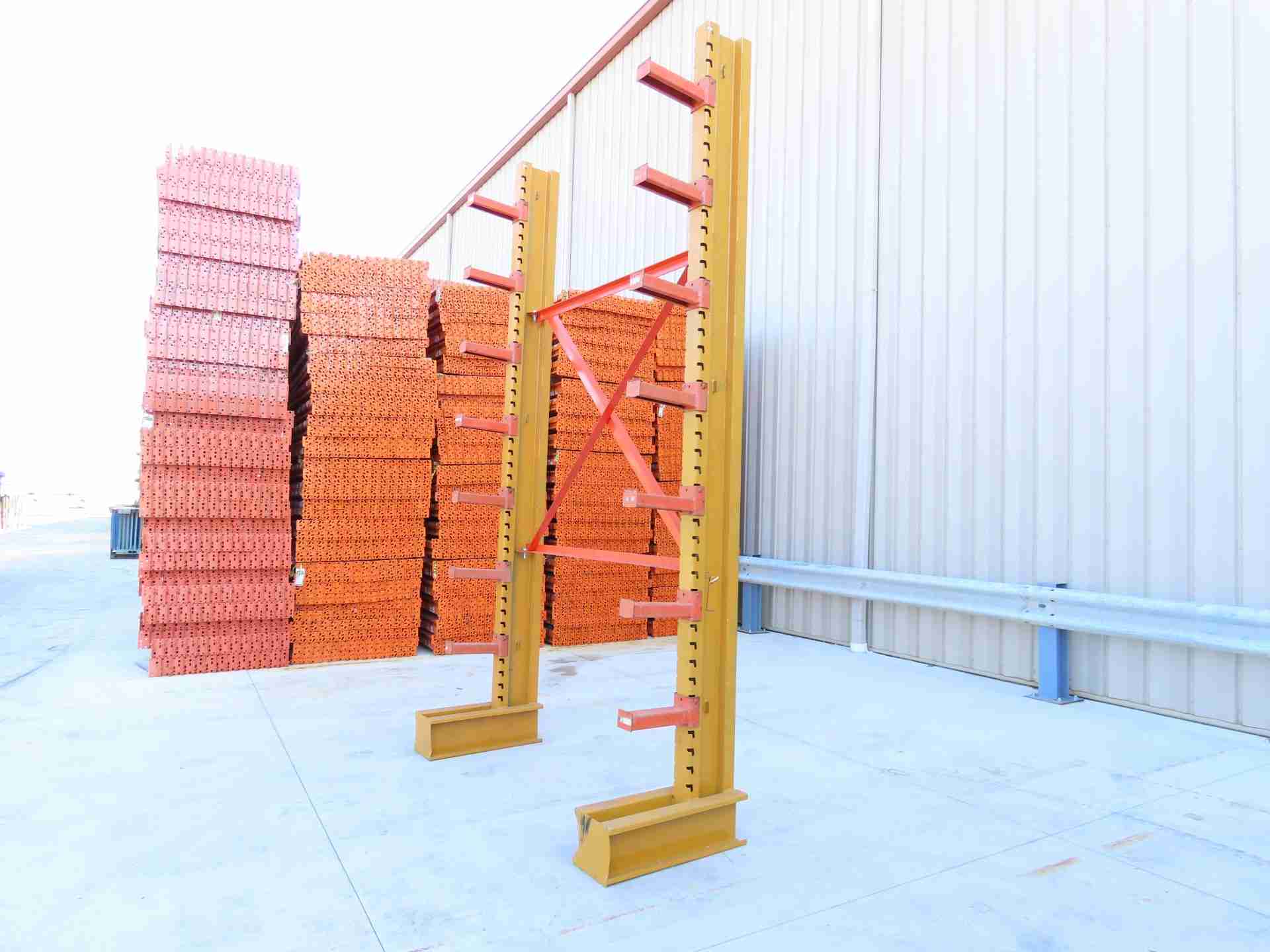
What Factors Should Influence Warehouse Space Decisions?
How Can Technology Assist In Optimizing Warehouse Space?
In the fast-paced world of logistics and supply chain management, optimizing warehouse space isn’t just a benefit; it’s a necessity. Imagine stepping into your warehouse and feeling that electric buzz of efficiency pulsating through every aisle. With technology at the helm, achieving this dynamic efficiency isn’t just a pipe dream – it’s a tangible reality within your reach.
Let’s talk about pallet racking, one of the most essential components of any warehouse. It’s not just about stacking boxes; it’s about maximizing every inch of your available space. Picture this: A high-tech inventory management system working hand-in-hand with smart pallet racking systems, ensuring that every item is stored and retrieved with blazing speed and pinpoint accuracy. This is the game-changer your operations have been waiting for.
But wait, there’s more! Enter the world of automation. Automated guided vehicles (AGVs) can seamlessly navigate the warehouse floor, shifting inventory around with precision. With real-time data tracking, you can pivot on a dime, responding to fluctuations in demand without missing a beat. Think about the possibility of eliminating costly downtime and keeping your order fulfillment lightning-fast, all while making the most of what you already have. That’s not just efficiency; it’s an opportunity to elevate your business to new heights.
And let’s not forget about analytics. Harnessing data gives you a complete view of your warehouse operations. Imagine being able to identify bottlenecks in your processes and adjusting your pallet racking strategy on-the-fly. By understanding your inventory flow, you can strategically place high-demand items within easy reach, while utilizing the less accessible areas for surplus stock. This is not just smart; it’s intuitive.
Now, here’s the kicker: Embracing technology is not just an operational enhancement; it’s a strategic investment in your future. As the industry evolves, those who adapt will lead the pack. Your competitors are already leveraging these advancements, so why not position yourself as a forward-thinking leader?
When it comes to optimizing warehouse space, remember this: adopting technology is not merely an upgrade; it’s a vital step towards sustainability and growth. Embrace the change, and watch as your warehouse transforms into a hub of efficiency, ready to meet today’s demands and tomorrow’s challenges. Together, let’s make your warehouse work as hard as you do!
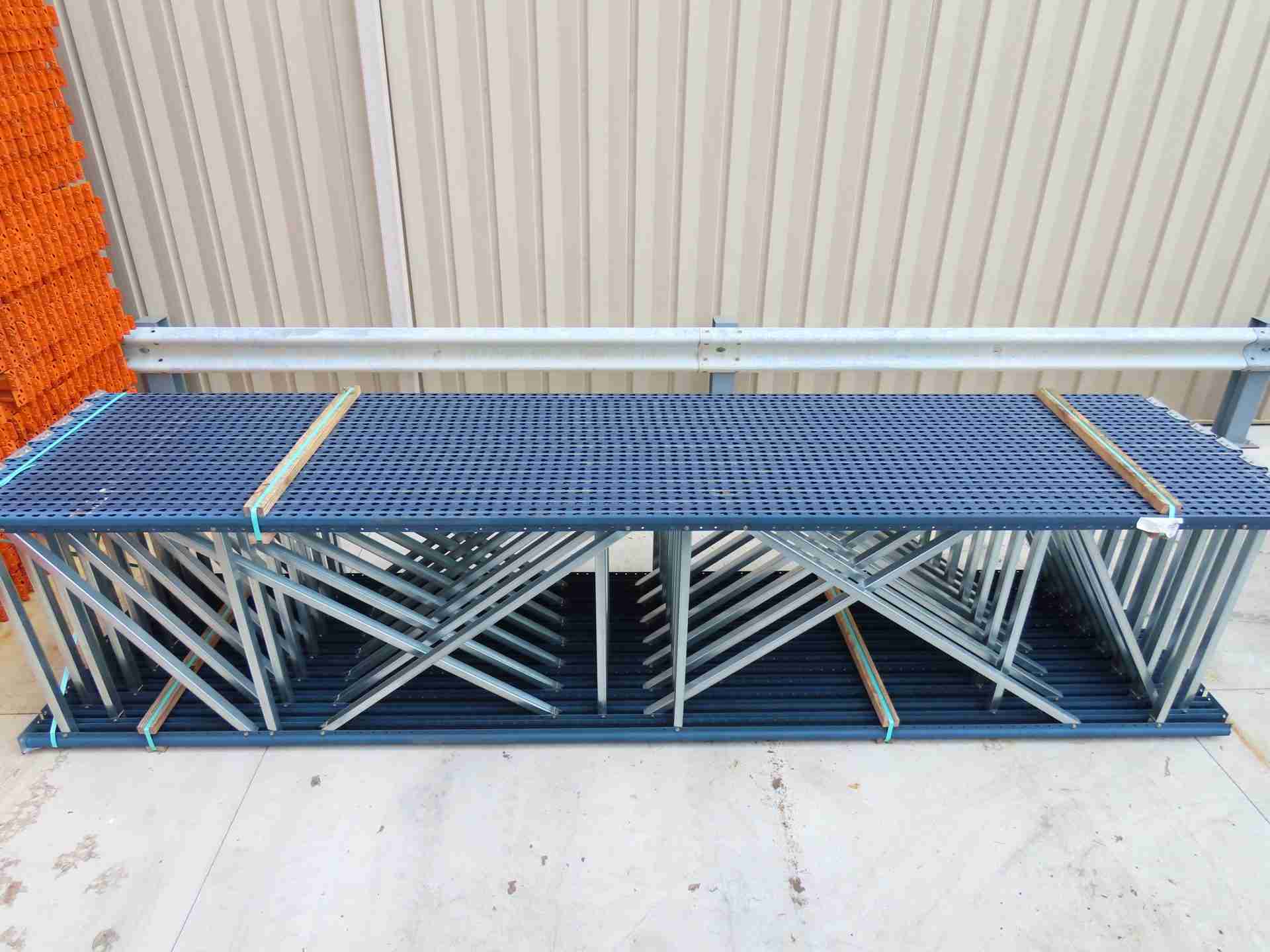
How Can Technology Assist In Optimizing Warehouse Space?
How Can Technology Assist In Optimizing Warehouse Space?
- Optimizing warehouse space is essential in logistics and supply chain management.
- Pallet racking systems are crucial for maximizing storage efficiency.
- High-tech inventory management can greatly enhance storage and retrieval speed.
- Automated guided vehicles (AGVs) can improve inventory management and reduce downtime.
- Real-time data tracking enables quick adjustments to respond to demand changes.
- Data analytics helps identify bottlenecks and improves inventory placement strategies.
- Embracing technology is a strategic investment for future growth and competitiveness.
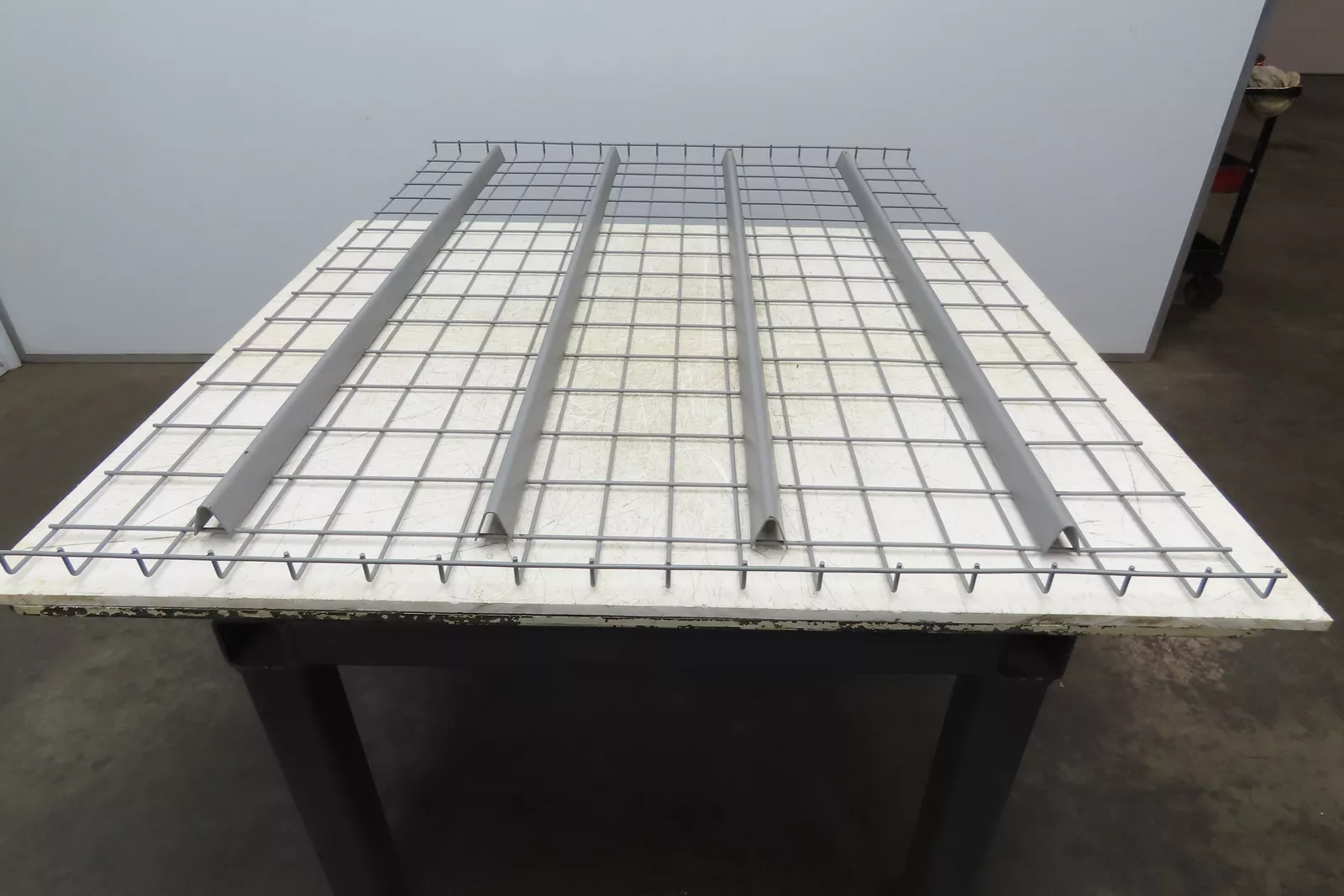
How Can Technology Assist In Optimizing Warehouse Space?
Conclusion
Conclusion: Embrace the Possibilities of Your Warehouse Space with Arrow Industrial Sales
In the intricate dance of logistics, every inch of your warehouse space matters. However, the question isn’t merely about squeezing out every last square foot for storage; it’s about innovation, flexibility, and aligning your operations with your business goals. The truth is, you shouldn’t feel guilty for not fully maximizing your warehouse space; rather, you should embrace the opportunity to optimize it in a way that enhances productivity while reflecting your unique operational needs.
When it comes to warehouse management, the focus should shift away from rigidly maximizing space to strategically optimizing it. Consider the various factors at play: your inventory types, team workflow, and even future growth possibilities. Each element must be evaluated thoughtfully, which is where Arrow Industrial Sales comes into play. Our advanced pallet racking solutions are designed not just to fill space but to enhance your operational efficiency. Smart, innovative storage systems help create an organized environment that encourages collaboration, reduces retrieval times, and boosts employee morale.
But that’s just the beginning. Underused warehouse space can be a valuable asset. Instead of seeing it as wasted potential, think of it as a flexible buffer that allows for growth and adaptation in today’s ever-changing market landscape. This extra capacity can enable your business to pivot quickly to meet seasonal fluctuations or new opportunities without the stress of immediate expansion.
Time is of the essence. Ignoring the potential risks of poor space optimization—like operational inefficiencies, employee frustration, and customer dissatisfaction—can cost you dearly in the long run. Now is the time to act and transform your warehouse from a potential liability into a powerhouse of productivity. Call Arrow Industrial Sales at (574) 349-6575 today to uncover tailored solutions that align with your unique requirements.
Don’t let underutilized space drag you down or let feelings of guilt distract you from making strategic improvements. Embrace a mindset of curiosity and innovation, and engage with the expert team at Arrow Industrial Sales. Your warehouse can be more than just a storage facility; it can be a catalyst for growth, efficiency, and customer satisfaction. The first step towards elevating your operations is just a call away. Turn your warehouse into a well-oiled machine that drives your business forward, and watch how the right solutions can completely revolutionize your operations!

Conclusion
Conclusion:
- Optimize your warehouse space to enhance productivity, not just maximize storage.
- Consider inventory types, team workflow, and future growth when managing space.
- Arrow Industrial Sales offers advanced pallet racking solutions for operational efficiency.
- Underused warehouse space can serve as a flexible buffer for growth and adaptation.
- Ignoring poor space optimization can lead to inefficiencies and customer dissatisfaction.
- Engage with Arrow Industrial Sales to find tailored solutions for your unique needs.
- Transform your warehouse into a productive asset that drives business growth.
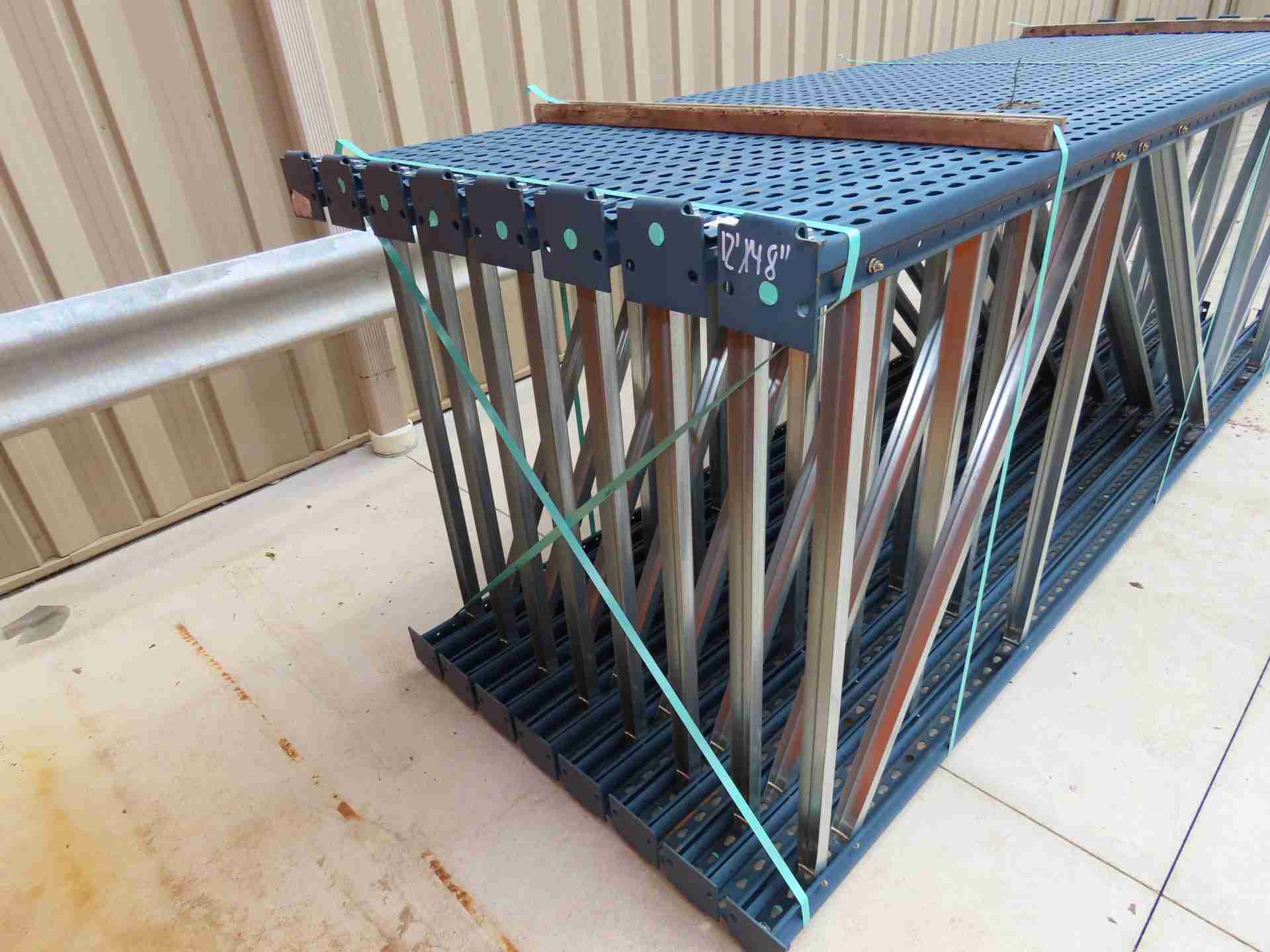
Conclusion
Other Resources
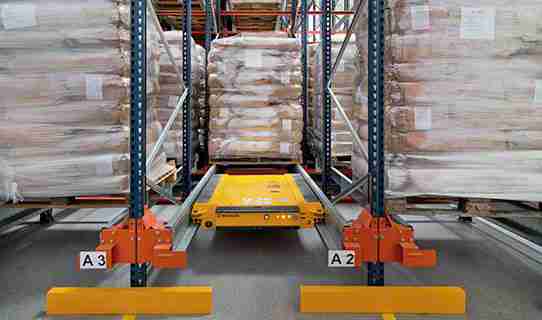
Other Resources
Here is a list of other resources you can review online to learn more:
- Warehouse Racking Chicago, IL
- Selective Racking
- The Ultimate Pallet Racking Guide – Speedrack West
- Cantilever Rack Guide: Ordering Cantilever Racking
- American Surplus
- Used Teardrop Pallet Rack – American Surplus
- RMI
- Chicago Pallet Racking
- Warehouse Racking Systems: Beginner’s Guide to Rack Systems
Use This Prompt To Get More Resources With Your Favorite Online AI Tool: Please provide me with a list of online articles with their URLs in a bulleted list that I can read regarding Should You Feel Guilty for Not Maximizing Your Warehouse Space?

Other Resources
Glossary Terms
Should You Feel Guilty for Not Maximizing Your Warehouse Space? – Glossary Of Terms
1. Warehouse Space Utilization: Description: The effective use of available warehouse space to store goods and facilitate operations.
2. Inventory Turnover: Description: A measure of how many times inventory is sold and replaced over a specific period, indicating efficiency in stock management.
3. Optimization: Description: The process of making a system as effective or functional as possible, particularly regarding space and resources.
4. SKU (Stock Keeping Unit): Description: A unique identifier for each distinct product and service that can be purchased, often used in inventory management.
5. Just-in-Time (JIT): Description: A strategy to increase efficiency by receiving goods only as they are needed in the production process, minimizing inventory costs.
6. Overstocking: Description: Holding an excessive amount of inventory, leading to increased storage costs and potential waste.
7. Space Planning: Description: The process of designing how space will be allocated for efficient use, including the arrangement of shelving, equipment, and pathways.
8. FIFO (First In, First Out): Description: An inventory management method where the oldest stock is sold first, reducing the risk of obsolescence.
9. LIFO (Last In, First Out): Description: An inventory management method where the newest stock is sold first, which can be beneficial for perishable items.
10. Lean Warehousing: Description: A methodology focused on minimizing waste within a warehouse without sacrificing productivity.
11. Cross-Docking: Description: A logistics process where goods are directly transferred from inbound to outbound shipping with minimal storage time.
12. Warehouse Layout: Description: The physical arrangement of warehouse spaces, affecting workflow, efficiency, and space utilization.
13. Vertical Storage Solutions: Description: Systems that maximize vertical space in a warehouse, such as racks and shelving, to accommodate more inventory.
14. Order Picking: Description: The process of selecting and gathering products from inventory for customer orders.
15. Warehouse Automation: Description: The use of technology and automated systems to enhance warehouse operations, from inventory tracking to picking processes.
16. Lead Time: Description: The time taken from the initiation of an order to its completion, including procurement and shipping.
17. Cost-Benefit Analysis: Description: A financial assessment that compares the costs and benefits of a decision, guiding warehouse optimization strategies.
18. Storage Density: Description: The amount of product stored within a given warehouse space, directly influencing efficiency and cost.
19. Picking Accuracy: Description: The percentage of correct items selected during the order picking process, crucial for customer satisfaction.
20. Inventory Management System (IMS): Description: Software designed to monitor and manage inventory levels, orders, sales, and deliveries in real-time.
21. Shrinkage: Description: The loss of inventory due to theft, damage, or error, which can impact profitability and efficiency.
22. Work-in-Progress (WIP): Description: Inventory that is in the production process but not yet completed, affecting space and resource allocation.
23. Safety Stock: Description: Extra inventory kept on hand as a buffer against unexpected demand or supply chain disruptions.
24. Third-Party Logistics (3PL): Description: Outsourcing logistics operations to a third-party provider, which can include warehousing, transportation, and inventory management.
25. Scalability: Description: The ability to adapt and grow warehouse operations in proportion to increases in demand or product lines.
26. Forecasting: Description: The process of estimating future inventory needs based on historical data and market trends.
27. Space Efficiency Ratio: Description: A calculation that determines how effectively warehouse space is being utilized relative to total space available.
28. Cold Storage: Description: Warehousing that is specifically designed to store perishable products at controlled temperatures.
29. Returns Management: Description: The process of handling returned products efficiently to minimize loss and maintain customer satisfaction.
30. Guilt Factor: Description: The psychological aspect of feeling responsible or remorseful for not maximizing resources, impacting decision-making and strategy.
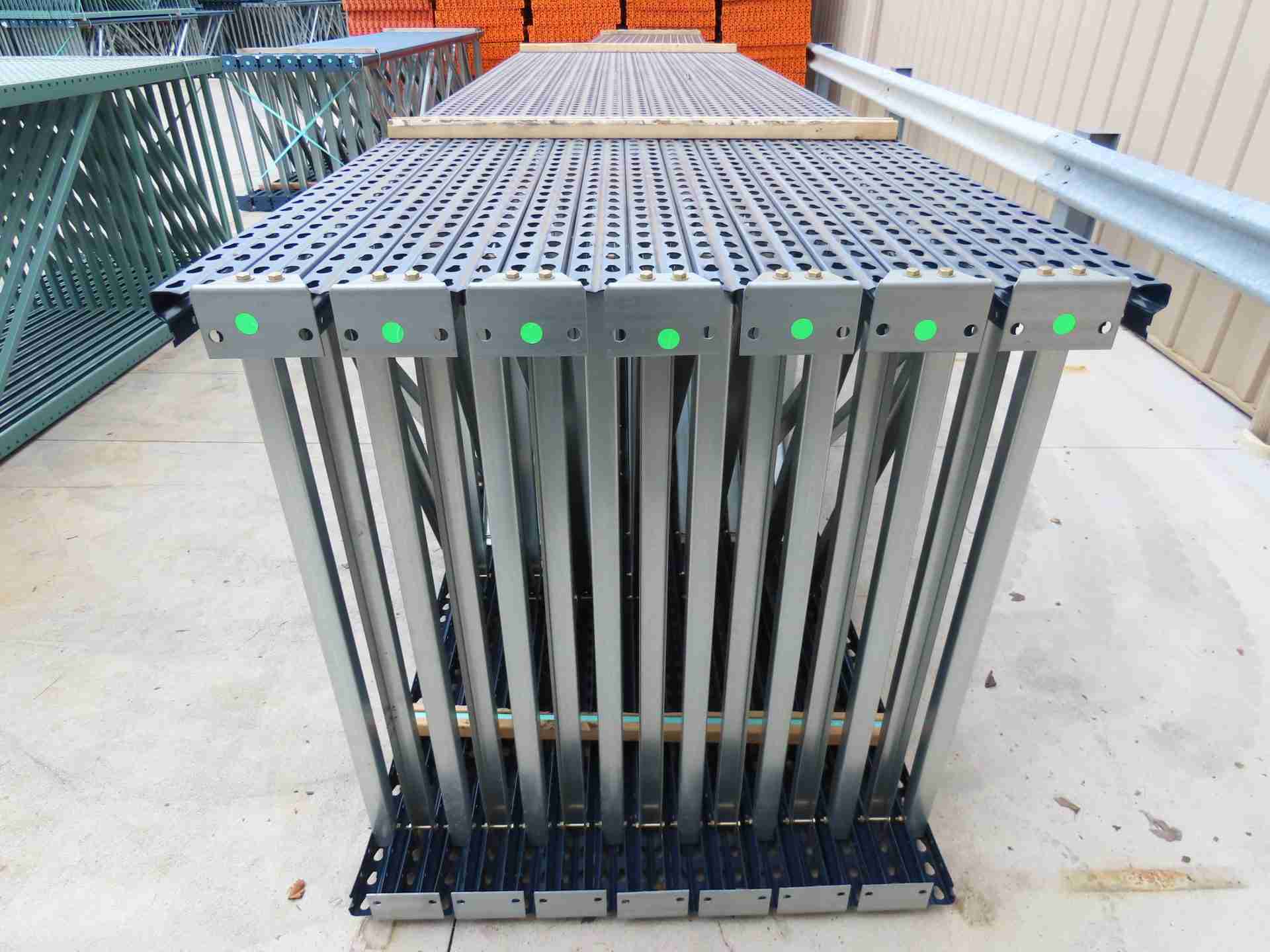
Glossary Of Terms
Other Questions
Should You Feel Guilty for Not Maximizing Your Warehouse Space? – Other Questions
If you wish to explore and discover more, consider looking for answers to these questions:
- What are the most effective strategies for maximizing warehouse space?
- How do seasonal inventory fluctuations impact warehouse space optimization?
- What innovative pallet racking systems are available?
- How can employee feedback improve warehouse space utilization?
- What are examples of successful warehouse space optimization in different industries?
- How often should warehouse layouts be reevaluated?
- What role does safety play in warehouse space optimization?
- How can businesses leverage unused warehouse space for future growth?
- What technologies can be used to enhance warehouse organization?
- What are the implications of poor space optimization on employee morale?
- How can a business measure the effectiveness of its warehouse layout?
- What are the long-term effects of underutilizing warehouse space on business operations?
- What are the benefits and drawbacks of having a flexible warehouse vs. a maximized one?
- How can customer satisfaction be linked to warehouse space optimization?
- What considerations should be made for sustainability in warehouse space planning?
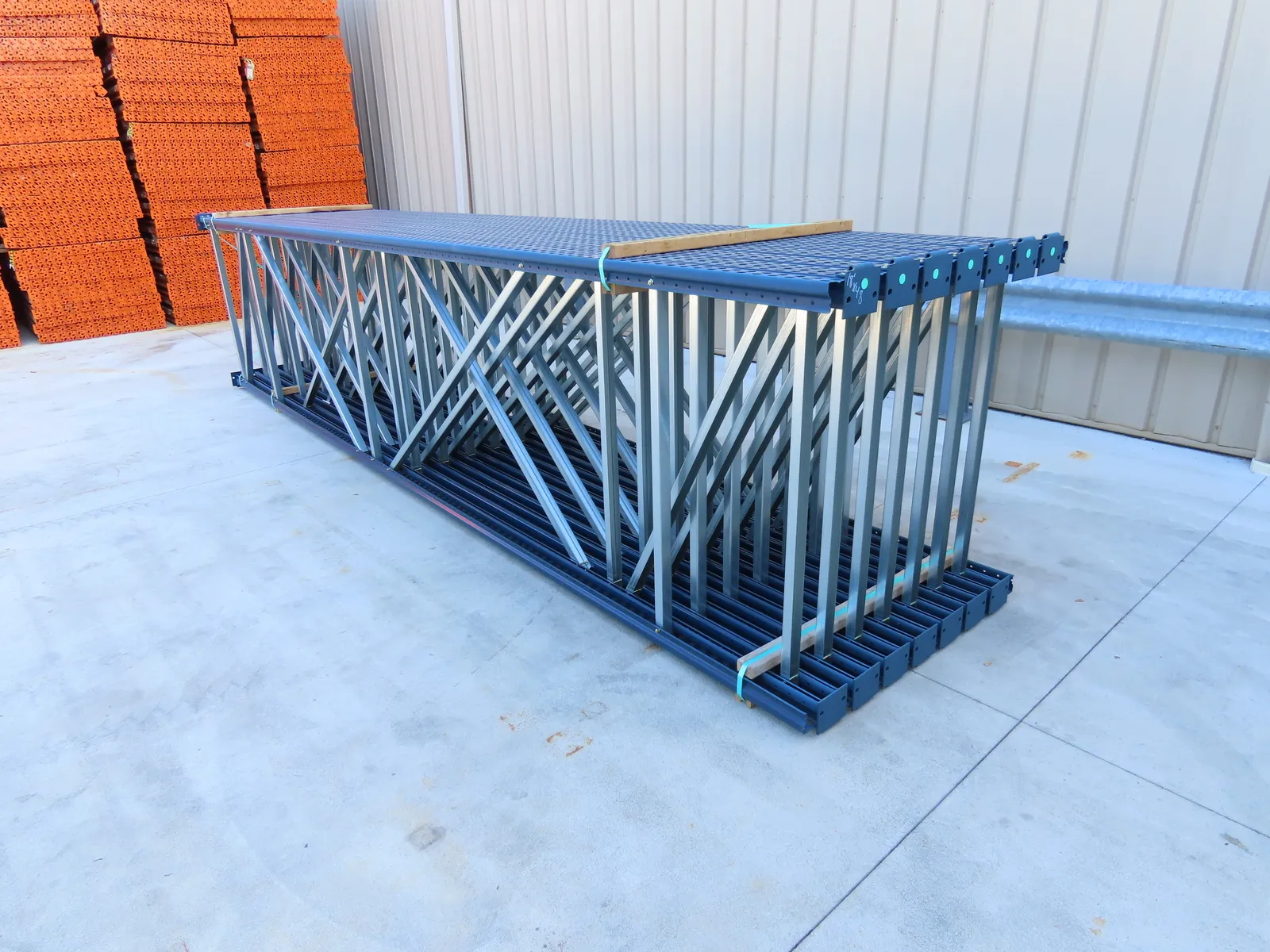
Other Questions
Checklist
Should You Feel Guilty for Not Maximizing Your Warehouse Space? – A Checklist
Checklist: Optimizing Your Warehouse Space
Use this checklist to assess and improve the utilization of your warehouse space while ensuring it aligns with your business needs and goals.
1. Analyze Your Current Layout
_____ Evaluate your existing warehouse layout for efficiency.
_____ Identify bottlenecks in the flow of inventory.
_____ Assess whether your pallet racking systems are effectively utilized.
2. Understand Your Inventory Needs
_____ Categorize your inventory based on turnover rates (high vs. low).
_____ Determine the appropriate racking systems based on your inventory types.
3. Consider Seasonal Variability
_____ Factor in seasonal inventory fluctuations to plan space utilization.
_____ Identify areas that can be temporarily repurposed during peak times.
4. Focus on Accessibility and Organization
_____ Ensure that frequently picked items are easily accessible.
_____ Organize less frequently accessed items in a way that minimizes disruption.
5. Engage with Your Team
_____ Involve team members in discussing layout improvements and pain points.
_____ Gather feedback on potential changes to enhance efficiency and employee morale.
6. Evaluate Technological Solutions
_____ Research inventory management systems that integrate with your pallet racking.
_____ Consider automation options such as Automated Guided Vehicles (AGVs) for inventory management.
_____ Leverage analytics to monitor and adapt your space optimization strategy.
7. Plan for Future Growth
_____ Identify space that allows for easy expansion and adaptation.
_____ Develop a flexible space plan that can accommodate potential shifts in business demands.
8. Explore the Benefits of Unused Space
_____ Identify whether any unused spaces can serve as expansion areas or testing zones for new products.
_____ Consider subleasing excess space to generate additional revenue.
9. Measure and Monitor Performance
_____ Set benchmarks for efficiency before and after implementing changes.
_____ Regularly assess the effectiveness of your layout and organization strategies.
10. Reassess Regularly
_____ Schedule periodic reviews of your warehouse space utilization.
_____ Stay informed about innovative storage solutions that can further enhance efficiency.
By following this checklist, you can lead your warehouse operations towards optimized space utilization while maintaining a focus on flexibility, employee satisfaction, and customer service.
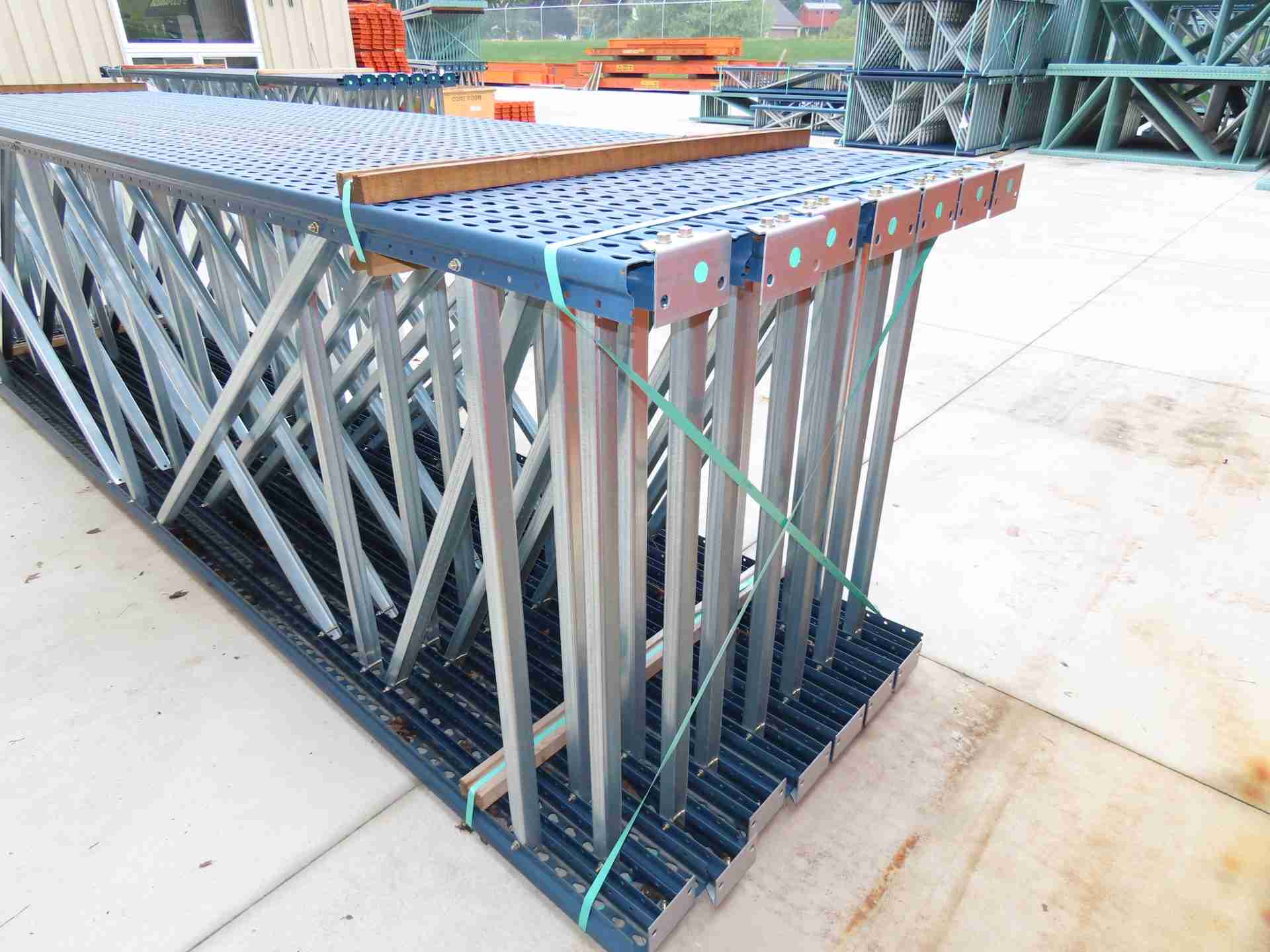
Checklist
At RackingWorld, we help guide you through selecting warehouse storage systems and racking.
Be sure to read our other related stories at RackingWorld to learn more about warehouse storage systems.
0 Comments