
Creating An Exclusive And Appealing Warehouse Layout
By Tom Seest
At RackingWorld, we help guide you through selecting warehouse storage systems and racking.
Be sure to read our other related stories at RackingWorld to learn more about warehouse storage systems.
Is Your Warehouse Layout Designed for Maximum Exclusivity and Appeal?
Imagine walking into your warehouse and feeling an immediate sense of well-being, as if your space isn’t just a storage facility but an inviting experience. The truth is, the layout of your warehouse can either seal the deal for your customers or leave them feeling uninspired. Time to rethink that space!
Consider the backbone of your storage system: Pallet Racking. It’s more than just steel beams organized in a grid; it’s a strategic element that influences workflow, stock visibility, and even your brand’s image. When designed thoughtfully, pallet racking can showcase your inventory in a manner that exudes professionalism and reliability. A visually appealing set-up not only instills confidence in your customers but also elevates your brand to a level of exclusivity.
Think about the flow of movement within your warehouse. A well-considered layout can create a seamless experience for both staff and visitors. Are your aisles wide enough for efficient transit? Is your pallet racking system optimized for easy access and visibility? By focusing on these details, you lay the groundwork for an operation that not only runs smoothly but also impresses anyone stepping through your doors.
Visual appeal is paramount. A tidy, organized warehouse is a reflection of your business practices. As customers walk through, they should feel that their products are not just stored but curated, carefully selected for exclusivity. Use signage effectively, and don’t shy away from some creative touches to stand out. That’s your opportunity to showcase the unique aspects of your brand, engaging customers on a deeper emotional level.
Now let’s talk about trust. When your warehouse layout is systematic and thought-out, you’re sending a message: you respect your product and your clients. An appealing layout communicates reliability, encouraging not just sales but lasting relationships. When people know they can rely on you for quality storage options, they’ll return again and again.
So, breathe new life into your warehouse! Assess your current layout, think strategically about your pallet racking, and embrace the potential for transformation. You’re not just organizing space; you’re crafting an environment where exclusivity and appeal reign supreme. Take that step today and witness the uplift in your operations—and your bottom line!

Is Your Warehouse Layout Designed for Maximum Exclusivity and Appeal?
Is Your Warehouse Layout Designed for Maximum Exclusivity and Appeal?
- Transform your warehouse into an inviting experience that enhances customer well-being.
- Pallet racking serves as a strategic element that affects workflow, stock visibility, and brand image.
- A well-designed pallet racking system showcases inventory professionally, instilling customer confidence.
- Consider the flow of movement in your warehouse to create a seamless experience for staff and visitors.
- An organized and visually appealing warehouse reflects good business practices and engages customers emotionally.
- A thoughtful layout promotes trust, reliability, and encourages lasting relationships with clients.
- Assess and improve your warehouse layout to enhance operations and increase your bottom line.

Is Your Warehouse Layout Designed for Maximum Exclusivity and Appeal?
Table Of Contents
- Is Your Warehouse Layout Designed for Maximum Exclusivity and Appeal?
- Is Your Warehouse Layout Maximizing Space Efficiency?
- Are Your Storage Areas Organized Effectively?
- Do You Have Clear Pathways For Easy Navigation?
- Is Your Layout Accommodating Seasonal Demand Fluctuations?
- Are You Utilizing Vertical Space In Your Warehouse?
- How Often Do You Reassess Your Warehouse Design?
- Conclusion
- Other Resources
- Glossary Of Terms
- Other Questions
- Checklist
Is Your Warehouse Layout Maximizing Space Efficiency?
Picture this: your warehouse is a symphony of productivity, where every square foot sings in harmony, helping you deliver quicker and more efficiently. Now, take a moment to ask yourself, is your warehouse layout currently maximizing space efficiency? Or does it feel more like a chaotic puzzle with pieces that refuse to fit?
Let’s be honest—we’ve all faced the frustration of navigating through cramped aisles where the chaos stifles productivity. It doesn’t have to be this way! An effective warehouse layout is essential for optimizing space while enhancing operational performance. One critical component in this equation is pallet racking. By utilizing pallet racking systems strategically, you can transform your space into a streamlined powerhouse.
Imagine walking into a well-designed warehouse where pallet racking embraces the vertical space, allowing you to store more items without occupying the precious ground level. This not only frees up the floor for other operational activities but also improves your picking and shipping processes. You wouldn’t believe how these simple changes can create a ripple effect in productivity and lead to greater customer satisfaction!
But here’s the kicker: space efficiency is just the beginning. A thoughtfully organized warehouse layout fosters a sense of trust among your team. It empowers your staff to move confidently and swiftly, minimizing errors or damages. When your team isn’t frantically searching for the right products amid clutter, they feel more connected to their work—and to you, as a leader who values their time and effort.
However, enhancing efficiency doesn’t end at pallet racking. Engage your team in the redesign process. Ask them for their insights—their day-to-day experiences are invaluable. When the ones directly involved in the workflow contribute to the layout, you not only foster a stronger connection, but you also instill confidence in your brand’s commitment to optimizing their environment.
If you’re serious about elevating your operations, now’s the time to take action. Assess your current layout and identify weaknesses. Invest in a pallet racking system that aligns with your needs. Find the sweet spot between space and efficiency, and watch how this proactive approach breathes life into your warehouse.
Your warehouse can be a powerful asset—don’t let it remain a missed opportunity. Seize the chance to create a thriving, efficient environment, and let your business grow as a result!

Is Your Warehouse Layout Maximizing Space Efficiency?
Is Your Warehouse Layout Maximizing Space Efficiency?
- Maximize space efficiency in your warehouse for enhanced productivity.
- Utilize pallet racking systems to optimize space and improve operational performance.
- A well-designed warehouse allows for better storage and frees up floor space for other activities.
- An organized layout increases staff confidence, reducing errors and damages.
- Involve your team in the redesign process to gather invaluable insights and foster connection.
- Assess your current layout, identify weaknesses, and invest in a suitable pallet racking system.
- Create a thriving environment in your warehouse to leverage it as a key business asset.
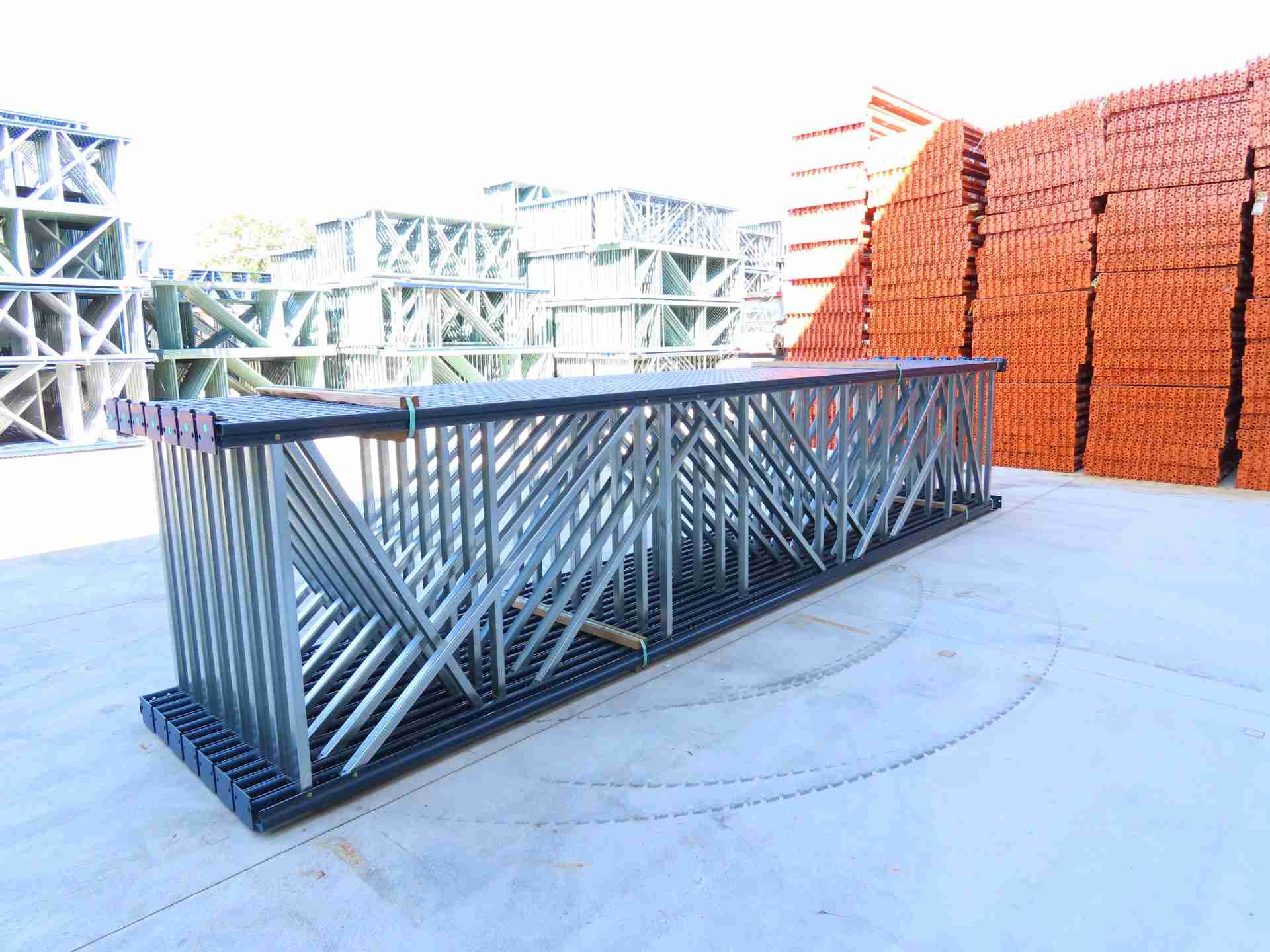
Is Your Warehouse Layout Maximizing Space Efficiency?
Are Your Storage Areas Organized Effectively?
If you’ve ever found yourself rummaging through a disorganized storage area, you know the frustration all too well. Picture this: you’re in a hurry, a critical order is waiting, and instead of swiftly retrieving what you need, you’re faced with mountains of disarray. This chaotic scene doesn’t just waste time—it erodes profits. So, let’s face it: effective organization isn’t just a nice-to-have; it’s a must-have.
Take a look around your storage areas. Do they inspire confidence that every item has its place? If the answer is a hesitant “maybe,” it’s time to reconsider your approach. Imagine transforming those cluttered corners into a streamlined hub of efficiency! Enter pallet racking—an unsung hero in the world of storage solutions. By implementing robust pallet racking systems, you’ll not only free up floor space but also create a visual organization that allows for easy access to your products.
Every business owner knows that time is money. Proper organization means less time spent searching for items, which in turn leads to increased productivity and customer satisfaction. Have you ever thought about how frustrating it can be for your team to navigate a tangled web of boxes and materials? When your storage areas are structured efficiently, your employees will work with a newfound enthusiasm, knowing they can trust your systems to deliver speed and accuracy.
But it’s not just about the organization; it’s about the peace of mind that comes from knowing you’ve invested wisely. When you trust your storage solutions—like pallet racking—you position your business for scalable growth. This isn’t merely about squeezing more items into less space; it’s about maximizing every inch of your area for peak operational efficiency.
Now, imagine walking into a well-organized storage area and feeling an instant wave of control. Your team moves like a well-oiled machine, orders are fulfilled promptly, and your clients sing your praises. But that transformation doesn’t happen overnight. It starts with you taking action—assessing your current setup, identifying weaknesses, and implementing a strategy that incorporates effective storage solutions.
So, ask yourself: Are your storage areas truly organized? If they aren’t, don’t let another disorganized day slide by. Embrace the power of strategic organization, and watch how it not only elevates your operations but also boosts your bottom line. You owe it to yourself and your business. Let’s turn those cluttered spaces into a beacon of efficiency today!

Are Your Storage Areas Organized Effectively?
Are Your Storage Areas Organized Effectively?
- Disorganized storage areas can lead to frustration and wasted time, impacting profits.
- Effective organization is essential for business success, transforming cluttered spaces into efficient hubs.
- Pallet racking systems provide a robust solution, freeing up floor space and allowing for easy access to products.
- Proper organization leads to increased productivity and customer satisfaction by reducing time spent searching for items.
- A well-structured storage area empowers employees, enhancing their enthusiasm and reliability in operations.
- Investing in effective storage solutions like pallet racking positions businesses for scalable growth and maximizes operational efficiency.
- Transforming storage areas begins with assessing the current setup, identifying weaknesses, and implementing strategic organization.

Are Your Storage Areas Organized Effectively?
Do You Have Clear Pathways For Easy Navigation?
Imagine walking into a warehouse brimming with potential—rows and rows of products, each laddering up to your business’s success. But wait! If navigating that space feels more like a scavenger hunt than a streamlined process, you’ve got a problem. That’s where the importance of clear pathways for easy navigation comes into play.
Let’s consider the heart of your warehouse: the Pallet Racking. These structures are not just metal frameworks; they are the backbone of your entire operation. Properly organized, they create an infrastructure that simplifies movement, enhances efficiency, and ultimately boosts your bottom line. Conversely, if your Pallet Racking is a jumbled mess, you’ll find valuable time wasted, potential profits slipping through your fingers like sand.
Picture it: Your team spends hours searching for items instead of fulfilling orders. Frustration levels rise, morale dips, and the customer experience suffers. You don’t want this to become your reality. Instead, envision a warehouse where every item is easy to find, where pathways between racks are clear, and where your staff can operate like a well-oiled machine. This is not just a dream—it can become your new normal.
To achieve this, start by assessing your current setup. Are your clear pathways blocked by misplaced items or inefficient racking systems? Are there visual indicators guiding your employees or simple signs marking vital destinations? Streamlined operations hinge on having intuitive navigation throughout your space. Investing in clear pathways and effective Pallet Racking systems isn’t merely an operational choice; it’s a strategic leap toward creating an environment that fosters productivity and inspires confidence.
As you make your way through this transformation, don’t forget to engage your team. They know the nuances of your current setup better than anyone. Inviting their insight not only facilitates a smooth transition but also engenders trust in your leadership. After all, when your employees feel valued and empowered, they’re more likely to champion your vision for an organized, navigable space.
So, are you ready to elevate your operations? By investing in clear pathways and optimizing your Pallet Racking, you’re not just reshaping your warehouse; you’re redefining the potential for your business. Let this be the moment you take action—transform your space, enhance efficiency, and watch your success soar!

Do You Have Clear Pathways For Easy Navigation?
Do You Have Clear Pathways For Easy Navigation?
- Clear pathways in a warehouse are crucial for effective navigation and streamlined operations.
- Pallet Racking structures serve as the backbone of the warehouse, enhancing efficiency and simplifying movement.
- A disorganized Pallet Racking system can lead to wasted time and lost profits.
- Frustration from searching for items can negatively impact team morale and customer experience.
- Assessing the current setup and removing obstacles can create intuitive navigation.
- Engaging employees in the transformation process builds trust and facilitates smooth transitions.
- Investing in organized spaces and effective racking systems can redefine business potential and success.

Do You Have Clear Pathways For Easy Navigation?
Is Your Layout Accommodating Seasonal Demand Fluctuations?
Every business owner knows that demand can ebb and flow like the tides. But is your layout prepared to ride those waves? Whether you’re in retail, warehousing, or manufacturing, preparing for seasonal demand isn’t just a best practice; it’s a lifeline to staying competitive.
Think about it. When the leaves start to turn and pumpkin spice lattes hit the market, are you ready to manage the rush of customers clamoring for your products? Or when summer rolls in, are your shelves stocked and your operations primed for the surge? The reality is simple: If your layout isn’t conducive to fluctuating demand, you’re handing an advantage to your competitors who are a step ahead.
Enter pallet racking—a transformative tool that can redefine your operational capacity. Pallet racking is not just a means to store goods efficiently; it’s a strategy to streamline your workflow, ultimately allowing you to respond quickly to those seasonal changes. Imagine a warehouse layout that’s designed for nimbleness. In peak seasons, that means reducing time spent searching for products or maneuvering around obstacles. Instead, your team can easily access what’s needed, increasing productivity and customer satisfaction.
Moreover, think about scalability. A well-designed layout with versatile pallet racking systems means you’re no longer confined to a static setup. You can adapt quickly—whether it’s adding more storage for holiday goods or scaling back during leaner months. Flexibility is the name of the game. By giving yourself the tools to adjust your inventory layout seasonally, you’re creating a resilience that sets you apart from the basic, one-size-fits-all approach.
If this sounds complicated, don’t worry. You don’t have to navigate this terrain alone. Seek out experts who can help assess your current layout and suggest modifications tailored to your unique business needs. Together, you can devise a plan that empowers your business to not only weather seasonal shifts but to thrive in them.
Ultimately, by investing in the right layout and toolsets—like pallet racking—you’re not just accommodating demand fluctuations; you’re positioning your business as a leader. Are you ready to embrace change? The time to act is now. Take that leap towards a layout that fuels your growth and secures your future success.

Is Your Layout Accommodating Seasonal Demand Fluctuations?
Is Your Layout Accommodating Seasonal Demand Fluctuations?
- Demand in business fluctuates seasonally, requiring adaptable layouts for competitiveness.
- Pallet racking is essential for efficiently managing inventory and responding to seasonal demands.
- A nimble warehouse layout enhances access to products, increasing productivity and customer satisfaction.
- Scalability allows businesses to adjust storage for peak seasons and reduce it during slower months.
- Flexibility in layout design sets businesses apart from competitors with rigid, static setups.
- Consulting experts can help assess and modify layouts to meet specific business needs.
- Investing in adaptable layouts positions businesses as leaders ready to thrive in changing market conditions.

Is Your Layout Accommodating Seasonal Demand Fluctuations?
Are You Utilizing Vertical Space In Your Warehouse?
Imagine standing in your warehouse, surrounded by shelves packed with products, each commanding valuable floor space. Now, picture maximizing that space by reaching skyward instead of sprawling outward. This is where the magic of pallet racking comes into play.
Too often, businesses underestimate the vertical potential of their warehouses. They stick to conventional layouts, leading to cramped spaces that hinder productivity and profits. It doesn’t have to be this way. By focusing on your vertical space, you can drastically improve your inventory management and drive your success to new heights.
Vertical space is like an untapped reservoir of opportunity waiting to be harnessed. Just think about it: every inch above you is a chance to store more, organize better, and cut costs. By implementing smart pallet racking systems, you’ll transform your warehouse into a well-organized, high-efficiency environment. This change not only elevates your operational functionality but also empowers your workforce with easier access to products, reducing time wasted on searching and retrieving items.
Now, let’s get personal. Have you ever felt frustration from clutter and disorganization? Perhaps you’ve experienced the chaos of misplaced items or the seemingly endless task of moving stock around just to find what you need. This pain point is common in warehouses across the nation. However, it doesn’t have to be your story. With a strategic approach to pallet racking, you can turn that chaos into streamlined processes, promoting a sense of calm and control in your operations.
But where to start? Consider conducting a thorough analysis of your current space utilization. Take a fresh look at your aisle widths, shelf heights, and overall layout. It’s astonishing how much space can be freed up with just a bit of planning. You can customize pallet racking to fit your unique needs—there’s no one-size-fits-all solution here. Engage your team in the process. Their insights can be invaluable, fostering a collaborative environment where everyone plays a role in enhancing warehouse efficiency.
Make the commitment today to embrace vertical storage solutions. Your future self (and your bottom line) will thank you for reclaiming that valuable space. Transform frustration into freedom by utilizing pallet racking—your warehouse outweighs its physical limits, and so should you!

Are You Utilizing Vertical Space In Your Warehouse?
Are You Utilizing Vertical Space In Your Warehouse?
- Maximize warehouse space by utilizing vertical storage with pallet racking.
- Conventional layouts can lead to cramped spaces that hinder productivity and profits.
- Vertical space can improve inventory management and operational success.
- Implementing smart pallet racking transforms warehouses into organized, efficient environments.
- Strategic pallet racking can alleviate frustrations from clutter and disorganization.
- Conduct a thorough analysis of current space utilization to identify improvement opportunities.
- Engage your team in the pallet racking process for a collaborative approach to efficiency.

Are You Utilizing Vertical Space In Your Warehouse?
How Often Do You Reassess Your Warehouse Design?
Picture this: your warehouse is operating like a well-oiled machine. Pallet racking systems are expertly utilized, inventory flows seamlessly, and your team is productive. But that feeling of triumph can quickly dissipate as market dynamics shift, customer demands evolve, or new technology emerges. So, when was the last time you truly reassessed your warehouse design?
Consider this a gentle nudge—a call to action to reflect on an integral part of your business operations. Just as you wouldn’t drive your car without regularly checking the oil or tires, your warehouse needs the same attention. A thoughtful reassessment isn’t just about maintaining the status quo; it’s about continuously adapting to not just meet but exceed the expectations of your stakeholders.
Every time you add new inventory or pivot your product offerings, ask yourself: How are these changes influencing the layout of your space? Are your pallet racking systems optimized for the best possible flow? The truth is, neglecting to evaluate your design can lead to congested aisles, misplaced inventory, and reduced employee morale. Trust me—no one wants to navigate a maze when efficiency is what you’re after.
You might be wondering, “How often is ‘often’ enough?” While there’s no one-size-fits-all answer, it’s prudent to perform a comprehensive audit at least twice a year. This gives you a solid opportunity to analyze performance, gather employee feedback, and identify any bottlenecks. Did sales spike during the holiday season? Did a sudden surge in online orders catch you off-guard? These are the kinds of insights that should dictate whether it’s time for a redesign.
Remember: reassessing your warehouse is more than just an operational necessity; it’s about staying ahead of the competition. A proactive mindset not only fosters efficiency but also instills confidence in your workforce. They will feel the positive ripple effect when they know their workspace is designed to enhance their performance and well-being.
Take action today. Start by gathering your team and discussing the current layout. Together, brainstorm innovative solutions that can boost productivity and improve morale. Empower your workforce by showing them that their input matters. The best warehouses are built on collaboration and continuous improvement. Reassessing your design could be the key to taking your operation from good to great—so let’s get started!

How Often Do You Reassess Your Warehouse Design?
How Often Do You Reassess Your Warehouse Design?
- Regularly reassess your warehouse design to adapt to market changes and customer demands.
- A warehouse audit is crucial, much like checking a car’s oil or tires for optimal performance.
- Consider how new inventory and product offerings affect the layout and efficiency of your space.
- Neglecting design evaluation can lead to issues such as congested aisles and decreased employee morale.
- Perform a comprehensive audit at least twice a year to analyze performance and gather feedback.
- Reassessing your warehouse promotes efficiency and builds confidence among employees.
- Encourage collaboration by involving your team in discussions for innovative layout solutions.

How Often Do You Reassess Your Warehouse Design?
Conclusion
In conclusion, the layout of your warehouse is not just a practical concern—it’s a pivotal aspect of your business that influences customer perceptions, operational efficiency, and ultimately, your bottom line. At Arrow Industrial Sales, we understand that a well-organized, visually appealing space can instill confidence and foster lasting relationships with clients. By prioritizing strategic pallet racking systems, you can transform your warehouse from a cluttered storage facility into an inviting, high-performance environment.
Effective organization goes beyond mere aesthetics; it’s about maximizing every inch of your space, accommodating seasonal demands, and ensuring efficient navigation. Clear pathways allow your team to navigate with ease, while optimized vertical storage frees up vital floor space. These changes not only enhance productivity but also empower your workforce, making them feel valued and motivated.
Furthermore, reassessing your warehouse design regularly keeps you ahead of market fluctuations and evolving customer needs. Regular audits—at least twice a year—allow you to adapt to changes seamlessly, putting your operations in a position to thrive rather than survive.
The good news? This transformation is within your reach. At Arrow Industrial Sales, we are ready to guide you through the process of redesigning your layout and implementing effective storage solutions tailored to your unique business. Don’t let disorganization become your status quo. Take action now! Call Arrow Industrial Sales at (574) 349-6575 to explore how our expert knowledge in pallet racking and warehouse optimization can create a more exclusive, efficient, and appealing layout for your operation.
Remember, urgency is paramount! Your competitors are not waiting; they are already investing in their warehouse designs to elevate their businesses. Don’t miss out on the opportunity to make your warehouse an asset that drives growth and success. The time to act is now—embrace the power of a strategically designed warehouse, and watch as your operations rise to new heights!

Conclusion
Conclusion:
- The layout of your warehouse significantly impacts customer perceptions, operational efficiency, and your bottom line.
- A well-organized and visually appealing warehouse fosters confidence and builds lasting client relationships.
- Strategic pallet racking systems can transform a cluttered storage facility into a high-performance environment.
- Effective organization maximizes space, accommodates seasonal demands, and improves navigation, enhancing productivity.
- Regular reassessment of your warehouse design, at least twice a year, helps adapt to market fluctuations and evolving customer needs.
- Arrow Industrial Sales offers guidance in redesigning warehouse layouts and implementing tailored storage solutions.
- Act now to invest in your warehouse design and turn it into an asset that drives growth and success.
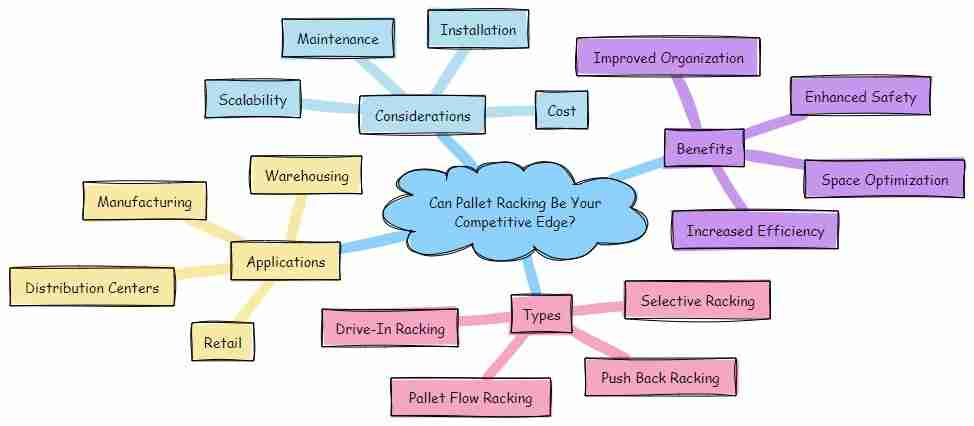
Conclusion
Other Resources

Other Resources
Here is a list of other resources you can review online to learn more:
- The Ultimate Pallet Racking Guide – Speedrack West
- Total Warehouse
- Teardrop Industrial Shelving Rack
- Interlake Mecalux
- IIWS Inc. Rack Installation Illinois & Rack Repairs Illinois
- Racking World
- Arrow Industrial Sales
- Cantilever Racks Chicago
- Cantilever Rack Guide: Ordering Cantilever Racking
- Selective Racking
Use This Prompt To Get More Resources With Your Favorite Online AI Tool: Please provide me with a list of online articles with their URLs in a bulleted list that I can read regarding Is Your Warehouse Layout Designed for Maximum Exclusivity and Appeal?

Other Resources
Glossary Terms
Is Your Warehouse Layout Designed for Maximum Exclusivity and Appeal? – Glossary Of Terms
1. Aisle Width: The distance between shelves or storage units in a warehouse, crucial for accessibility and flow.
2. Flow Design: A layout strategy that facilitates the movement of goods and workers, enhancing operational efficiency.
3. Zone Meeting: A designated area within a warehouse that serves a specific purpose or function, such as receiving or shipping.
4. Storage Density: The amount of storage space utilized in relation to the floor area of a warehouse; higher density can reduce operating costs.
5. Cross-Docking: A logistics practice where incoming shipments are directly transferred to outbound delivery with minimal storage time.
6. Pick Path Optimization: The process of designing routes for order pickers to minimize travel time and increase efficiency.
7. Dynamic Slotting: A method of arranging inventory that adjusts based on trends and product performance, promoting accessibility and visibility.
8. Product Segmentation: The practice of categorizing products based on demand, size, and type to streamline the picking process.
9. Flex Space: Areas within a warehouse that can be reconfigured for different operations as needed, adding versatility to the layout.
10. Lean Warehousing: A philosophy that seeks to eliminate waste and improve efficiency through streamlined processes and layout.
11. Visual Merchandising: Techniques used to enhance a warehouse’s appeal through organized displays, signage, and product placement.
12. Accessibility: The ease with which products can be retrieved or replaced in a warehouse, impacted significantly by layout design.
13. Safety Stock: Additional inventory kept on hand to prevent stockouts, influencing warehouse space allocation and layout.
14. Automated Storage and Retrieval Systems (AS/RS): Technology utilized for storing and retrieving products automatically, maximizing space and reducing manual labor.
15. Inventory Turnover: A measure of how quickly inventory is sold and replaced, impacting stock arrangement and layout design.
16. Distribution Center: A specialized warehouse designed for the efficient distribution of goods to retailers or consumers.
17. Workstation Design: The layout of areas where workers perform tasks, critical for ergonomics and efficiency in operations.
18. Environmental Impact: Considerations regarding the ecological footprint of a warehouse layout, promoting sustainability and appeal.
19. Expandable Layout: A design that allows for future growth and adaptability without significant restructuring, ensuring long-term viability.
20. Temperature-Controlled Zones: Areas within a warehouse designed to maintain specific temperature ranges for sensitive products.
21. Docking Stations: Areas in the warehouse designated for loading and unloading goods, impacting traffic flow and operational efficiency.
22. Workflow Analysis: The study of processes and tasks within the warehouse to identify inefficiencies and areas of improvement.
23. Space Utilization Rate: A measure of how effectively storage space is used, often calculated as a percentage of total available space.
24. Leveraging Technology: The use of advanced tools and software to enhance warehouse management and layout design.
25. Destination-Based Storage: A storage strategy where items are placed based on their shipping destination, improving shipping time and efficiency.
26. Shelf Organization: The arrangement of products on shelves to promote ease of access and inventory visibility.
27. Collaborative Spaces: Areas in the warehouse designed for teamwork and communication, contributing to a positive work environment.
28. Site Layout Planning: The strategic design of the entire warehouse site, including parking, access points, and landscaping.
29. Project Management: The application of principles and tools to oversee the layout design and implementation process in a warehouse.
30. Customer Experience (CX): The overall perception and engagement of customers in relation to how products are stored and retrieved, impacting buyer appeal.

Glossary Of Terms
Other Questions
Is Your Warehouse Layout Designed for Maximum Exclusivity and Appeal? – Other Questions
If you wish to explore and discover more, consider looking for answers to these questions:
- What are the key elements of an exclusive warehouse layout?
- How can pallet racking be optimized for better workflow?
- What strategies can be employed to improve visual appeal in a warehouse?
- How do clear pathways impact warehouse efficiency?
- What are some common mistakes in warehouse layout design?
- How often should I conduct a warehouse layout assessment?
- What are the benefits of engaging staff in layout redesign?
- How can I better accommodate seasonal demand fluctuations?
- What technology can assist in warehouse layout optimization?
- How does an appealing warehouse layout affect customer perception?
- What metrics should be tracked to measure warehouse efficiency?
- Can vertical space utilization significantly impact storage capacity?
- What role does signage play in enhancing warehouse navigation?
- How can I implement a flexible pallet racking system?
- What are the signs that indicate my warehouse layout needs reassessment?

Other Questions
Checklist
Is Your Warehouse Layout Designed for Maximum Exclusivity and Appeal? – A Checklist
Checklist: Enhancing Your Warehouse Layout for Maximum Exclusivity and Appeal
1. Calculate Space Efficiency:
_____ Assess current warehouse layout for unused or underutilized space.
_____ Evaluate whether vertical storage options are utilized (pallet racking).
_____ Ensure aisle widths are adequate for efficient movement and transit.
2. Optimize Pallet Racking System:
_____ Determine if pallet racking is strategically located for easy access and visibility.
_____ Ensure pallet racking is tailored to match inventory types and sizes.
_____ Regularly review pallet racking setup to accommodate changes in inventory volume.
3. Create Visual Appeal:
_____ Implement effective signage practices for easy navigation and product visibility.
_____ Maintain a tidy and organized environment that reflects professionalism.
_____ Consider decorative elements that showcase your brand’s uniqueness.
4. Evaluate Workflow and Staff Experience:
_____ Involve staff in the assessment process to gain insights on operational challenges.
_____ Create pathways that eliminate obstacles and facilitate smooth navigation.
_____ Conduct regular training to familiarize team members with layout changes.
5. Develop Seasonal Demand Strategies:
_____ Prepare for seasonal fluctuations with flexible storage options.
_____ Adjust layouts for quick access to high-demand items during peak periods.
_____ Collaborate with sales and inventory management teams to anticipate seasonal needs.
6. Conduct Routine Assessments:
_____ Schedule reassessments of warehouse design at least twice a year.
_____ Gather team feedback on layout effectiveness and areas for improvement.
_____ Identify and address any operational bottlenecks as market conditions change.
7. Ensure Trust and Reliability:
_____ Foster a systematic layout that reinforces trust with both staff and customers.
_____ Monitor the impact of layout changes on employee morale and productivity.
_____ Regularly communicate updates and improvements to the entire team.
8. Engage Team Collaboration:
_____ Host workshops or meetings to brainstorm improvements with the team.
_____ Encourage suggestions from employees who use the space daily.
_____ Create a culture of continuous improvement regarding warehouse layout.
Action Steps:
_____ Take initial assessments of current warehouse layout.
_____ Identify immediate areas for improvement based on this checklist.
_____ Develop a timeline for implementing changes and reassessments.
Use this checklist as a guideline to transform your warehouse into a space that conveys exclusivity, boosts efficiency, and enhances your brand image!

Checklist
At RackingWorld, we help guide you through selecting warehouse storage systems and racking.
Be sure to read our other related stories at RackingWorld to learn more about warehouse storage systems.
0 Comments