
Maximizing Efficiency And Minimizing Mistakes: The Secret To A Successful Warehouse Layout
By Tom Seest
At RackingWorld, we help guide you through selecting warehouse storage systems and racking.
Be sure to read our other related stories at RackingWorld to learn more about warehouse storage systems.
Is Your Warehouse Layout a Recipe for Disaster?
Let’s face it: many warehouse managers are wrestling with a wicked problem—inefficient layouts that drag down productivity and inflate costs. Picture this: you’re racing against time to fulfill orders, yet the very layout of your warehouse stands as a barricade, slowing you down and driving frustration through the roof. The unfortunate reality is that obliviousness to design intricacies could lead to a disaster more damaging than a whispered rumor in a small town.
In the world of inventory management, your warehouse layout is nothing short of the backbone of your operations. If your layout is poorly designed, you can think of it as trying to bake a cake without following the recipe; the end result is unlikely to satisfy anyone. A critical component of that recipe is pallet racking. This isn’t just a storage solution—it’s a strategic tool that can transform your entire workflow. Properly designed pallet racking not only maximizes vertical space but also enhances accessibility, allowing your workers to shoot through tasks with the agility of a well-oiled machine.
Now, you may wonder, “Can changing my layout actually lead to real results?” The answer is a resounding “yes!” Start by assessing your current flow. Are items sitting idle? Are workers wasting precious minutes navigating a labyrinth of disorganization? This could be your wake-up call. Embrace the insight that a well-organized layout, anchored by robust pallet racking systems, can reduce your order-picking time and minimize human error. This isn’t just about tidiness; it’s a direct line to increasing your profit margins.
But it doesn’t stop there. Soon enough, you’ll find that a well-structured warehouse is an inviting space, cultivating a happy workforce that thrives on efficiency. A solid warehouse layout instills trust—not just among your team but with your clients, who are expecting timely deliveries. Customers notice when their orders arrive on time and in perfect condition, laying the groundwork for loyalty and repeat business.
So, before you go implementing haphazard changes, take the requisite time to evaluate your warehouse layout. Don’t let your operations fall victim to a preventable disaster. Leverage the power of pallet racking to craft a layout that enhances productivity, fosters a culture of efficiency, and delivers results. Remember, the right setup isn’t just a necessity—it’s your pathways to success!
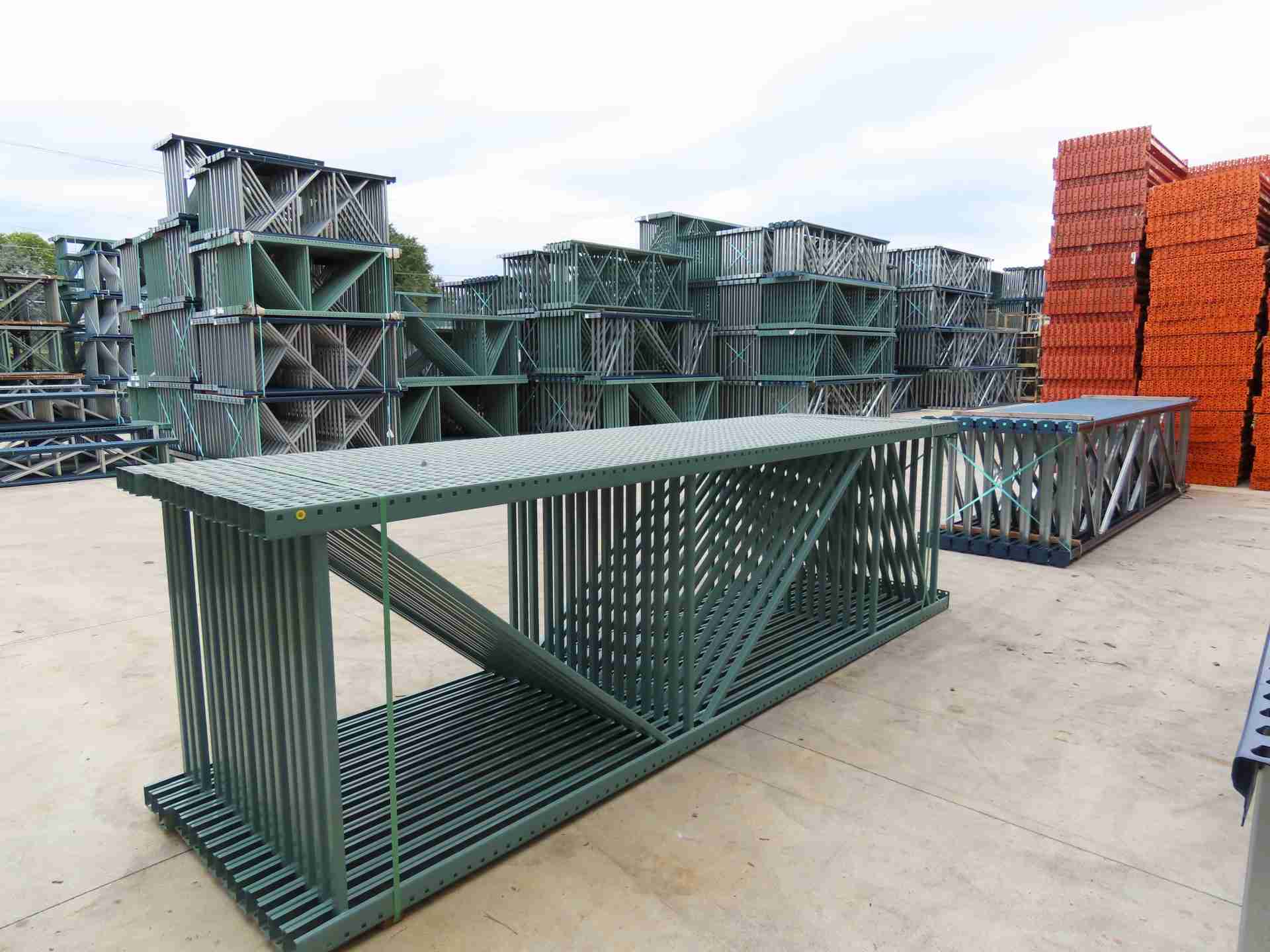
Is Your Warehouse Layout a Recipe for Disaster?
Is Your Warehouse Layout a Recipe for Disaster?
- Warehouse managers face challenges with inefficient layouts impacting productivity and costs.
- A poorly designed warehouse layout can hinder order fulfillment and create frustration.
- The layout is crucial to inventory management and acts as the backbone of warehouse operations.
- Pallet racking is a strategic tool that maximizes space and enhances accessibility for workers.
- Assessing and improving your layout can decrease order-picking time and reduce human error.
- A well-structured warehouse promotes employee satisfaction and instills client trust through timely deliveries.
- Careful evaluation of layout changes can prevent operational disasters and drive success.

Is Your Warehouse Layout a Recipe for Disaster?
Table Of Contents
- Is Your Warehouse Layout a Recipe for Disaster?
- Is Your Warehouse Layout Maximizing Space And Efficiency?
- Are You Experiencing Frequent Inventory Misplacements?
- How Does Your Warehouse Flow Impact Order Fulfillment Times?
- Are Narrow Aisles Causing Safety Issues For Your Staff?
- Is Your Storage Method Suitable For Your Product Types?
- How Often Do You Reevaluate Your Warehouse Layout?
- Conclusion
- Other Resources
- Glossary Of Terms
- Other Questions
- Checklist
Is Your Warehouse Layout Maximizing Space And Efficiency?
Is Your Warehouse Layout Maximizing Space and Efficiency?
When it comes to running a successful warehouse operation, a well-thought-out layout isn’t just a nice-to-have—it’s a necessity. Picture this: every inch of your warehouse brimming with productivity rather than potential pitfalls. Imagine a workspace where each item is easily accessible, allowing your team to work smarter, not harder. This vision can become your reality, and at the heart of this transformation lies effective pallet racking.
Now, let’s get real for a moment. You’ve invested in your warehouse for a reason, right? It’s more than just storage; it’s a hub of activity—where inventory flies in and out, operations run at full tilt, and profit margins are nurtured. Yet, ask yourself: Is your current setup actually making the most of your space? Too often, businesses fall into the trap of a cluttered, inefficient layout, where pallet racking systems are either too sparse, poorly organized, or stuck in a “one-size-fits-all” mind-set. This not only stifles productivity but can lead to costly delays, employee frustration, and yes, even lost sales.
What if you could take a step back and view your warehouse layout through a fresh lens? By implementing strategic pallet racking solutions, you can maximize vertical space while maintaining easy access to inventory. Consider how you currently store your products and ask: “Are my most-commonly-picked items easily accessible?” If not, your layout might be a barrier to your team’s efficiency rather than an enabler.
But it’s more than just stacking boxes higher. It’s about creating a flow. A well-organized warehouse encourages seamless movement of goods and personnel. You want your team to be able to navigate the space quickly and safely. When they’re not fumbling around or searching for misplaced items, they can focus on what truly matters: delivering exceptional service to your customers.
So, take action now. Analyze your workflow, reevaluate your pallet racking configurations, and don’t hesitate to consult with experts. Remember, a small investment in optimized space today can yield soaring results tomorrow. Make your warehouse not just a storage facility but a powerful engine driving your business forward. When every square foot of space tells a story of efficiency, the real winners will be you, your team, and your customers.
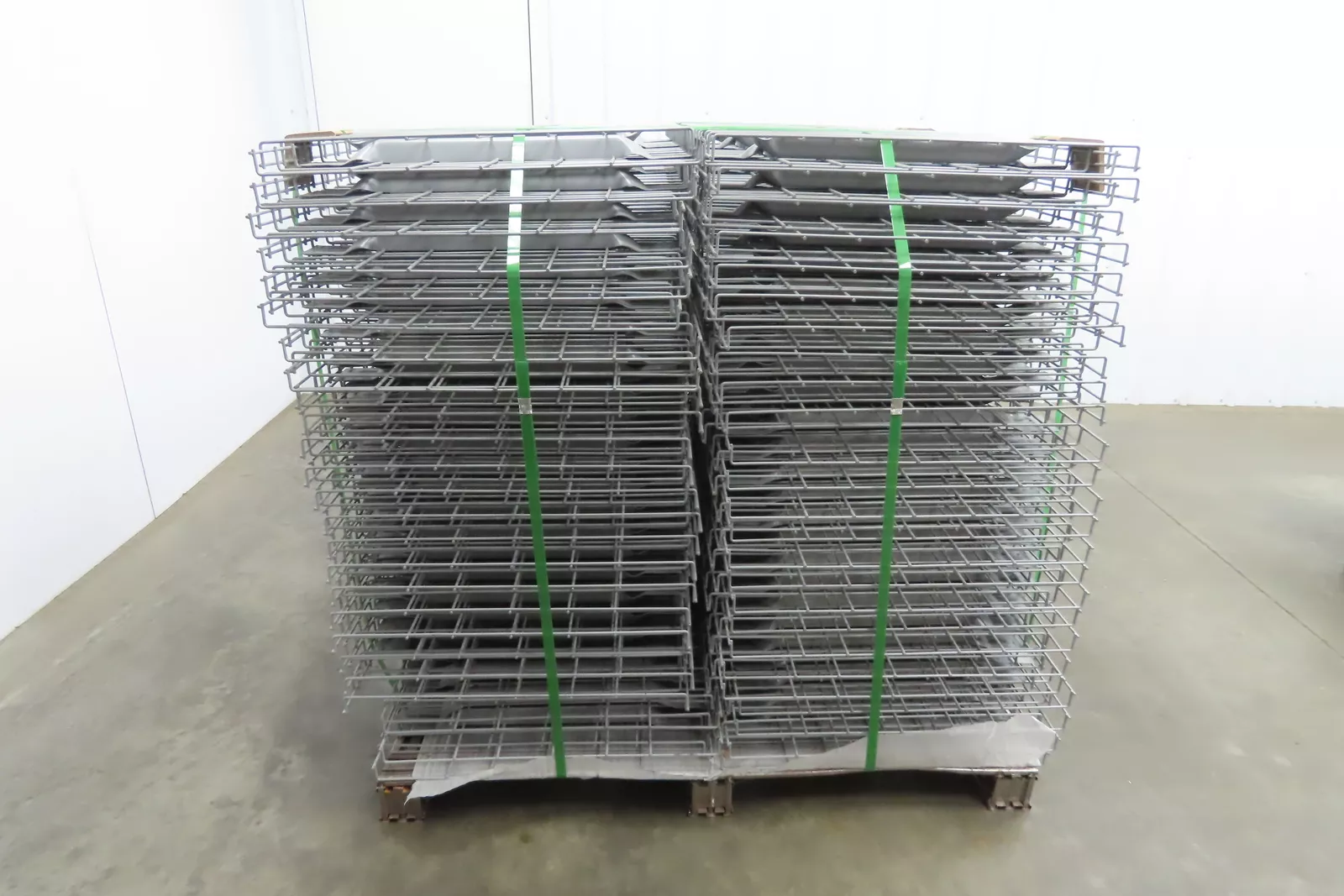
Is Your Warehouse Layout Maximizing Space And Efficiency?
Is Your Warehouse Layout Maximizing Space And Efficiency?
- A well-planned warehouse layout is essential for productivity and efficiency.
- Effective pallet racking can transform a warehouse into a productive space.
- A cluttered and inefficient layout can lead to delays, employee frustration, and lost sales.
- Strategic pallet racking solutions maximize vertical space and maintain easy inventory access.
- Creating a smooth flow in the warehouse is crucial for the quick and safe movement of goods and personnel.
- Regularly analyze workflows and reevaluate pallet racking configurations for optimal performance.
- Investing in an optimized layout can significantly enhance overall business operations and customer service.
Is Your Warehouse Layout Maximizing Space And Efficiency?
Are You Experiencing Frequent Inventory Misplacements?
Imagine walking into your warehouse, ready to conquer the day, only to be met with the sight of disarray. Pallet racking sits there, towering and underutilized, yet your team still can’t locate the stock they need. It’s a common struggle that many businesses face, and if you’re experiencing frequent inventory misplacements, you’re not alone.
Misplaced inventory not only leads to frustrated employees but also impacts your bottom line. Every misplaced product is a lost sale, a dissatisfied customer, and a dent in your reputation. Let’s face it, chaos in inventory is exhausting. But don’t despair; there are solutions that can transform your warehouse into a well-oiled machine.
The first step is embracing the power of organization. An efficient pallet racking system is crucial. If you haven’t optimized your storage, it’s time to reevaluate your approach. Your pallet racking can do more than just hold your stock; it can elevate your entire operational effectiveness. Consider investing in clearly labeling each rack and adopting a systematic approach to stock placement. Identification is key to swift retrieval. The happier your crew is when they can easily locate products, the more productive they become.
Next, think about technology. Modern inventory management systems don’t just streamline operations—they revolutionize them. By integrating your pallet racking with robust software, you can track inventory levels in real-time, receive alerts when items are low, and reduce human error. The confidence this brings to your team is palpable; no one wants to sift through endless aisles searching for an elusive carton. Instead, each employee can function with purpose, easily accessing what they need without the weight of uncertainty.
But remember, an efficient storage solution is just half the equation. Proper training is essential. Empower your staff with knowledge about how to effectively use the pallet racking and inventory system. When your team feels confident, they’ll bring that confidence to their daily tasks—and that’s the magic formula for success.
So, if you’re tired of the chaos of inventory misplacements weighing down your operations, take action today. Reassess your pallet racking, leverage technology, and invest in training. A streamlined inventory process isn’t just beneficial; it’s transformative, giving you a competitive edge and peace of mind you can count on. Trust in the process, and watch your efficiency soar!
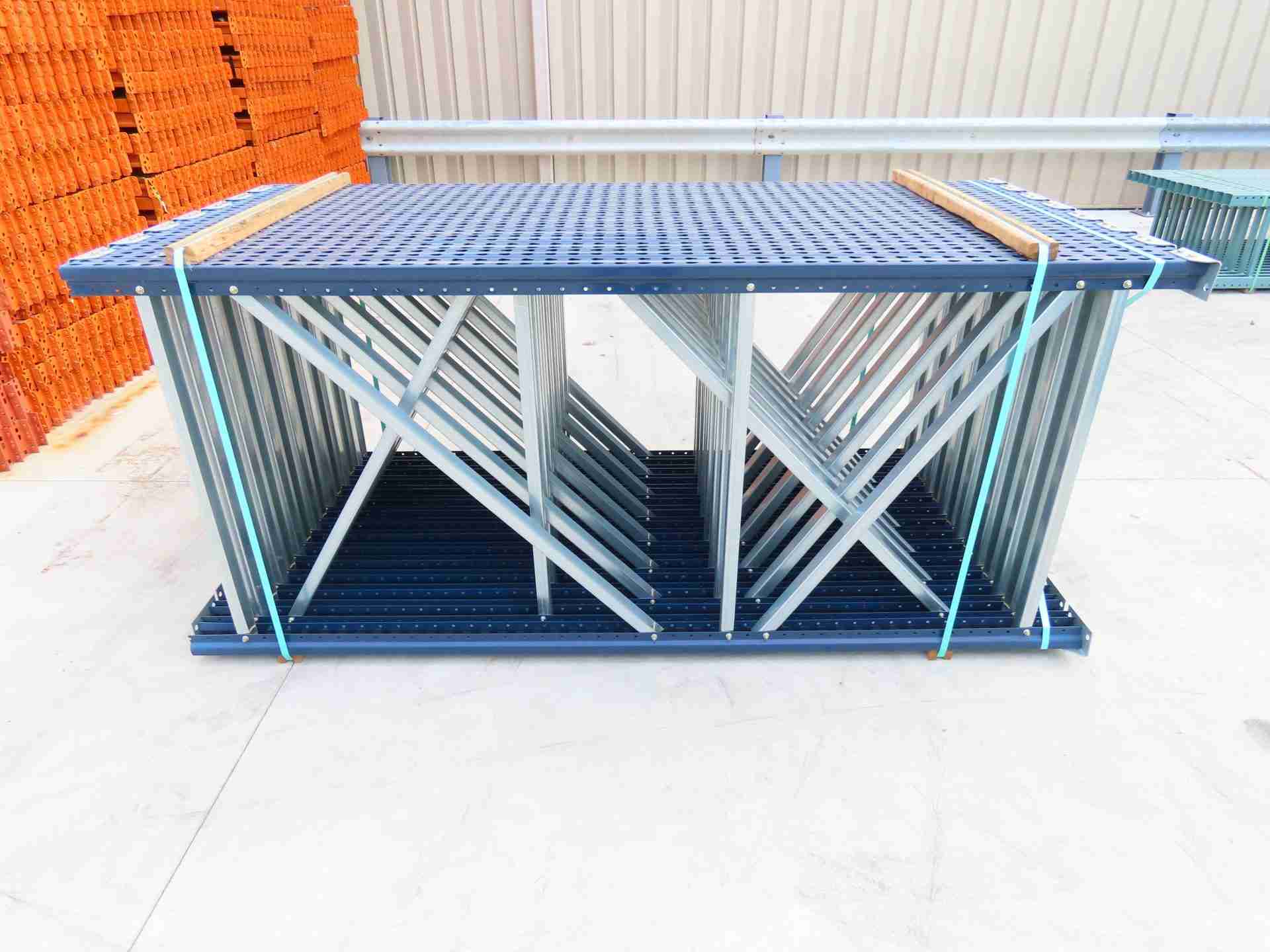
Are You Experiencing Frequent Inventory Misplacements?
Are You Experiencing Frequent Inventory Misplacements?
- Walking into a disorganized warehouse can hinder productivity.
- Frequent inventory misplacements frustrate employees and harm the bottom line.
- An efficient pallet racking system is essential for operational effectiveness.
- Labeling racks and adopting systematic stock placement aids in quick product retrieval.
- Integrating modern inventory management technology can streamline operations significantly.
- Proper training for staff on using inventory systems boosts confidence and productivity.
- Transforming your inventory process can provide a competitive edge and peace of mind.
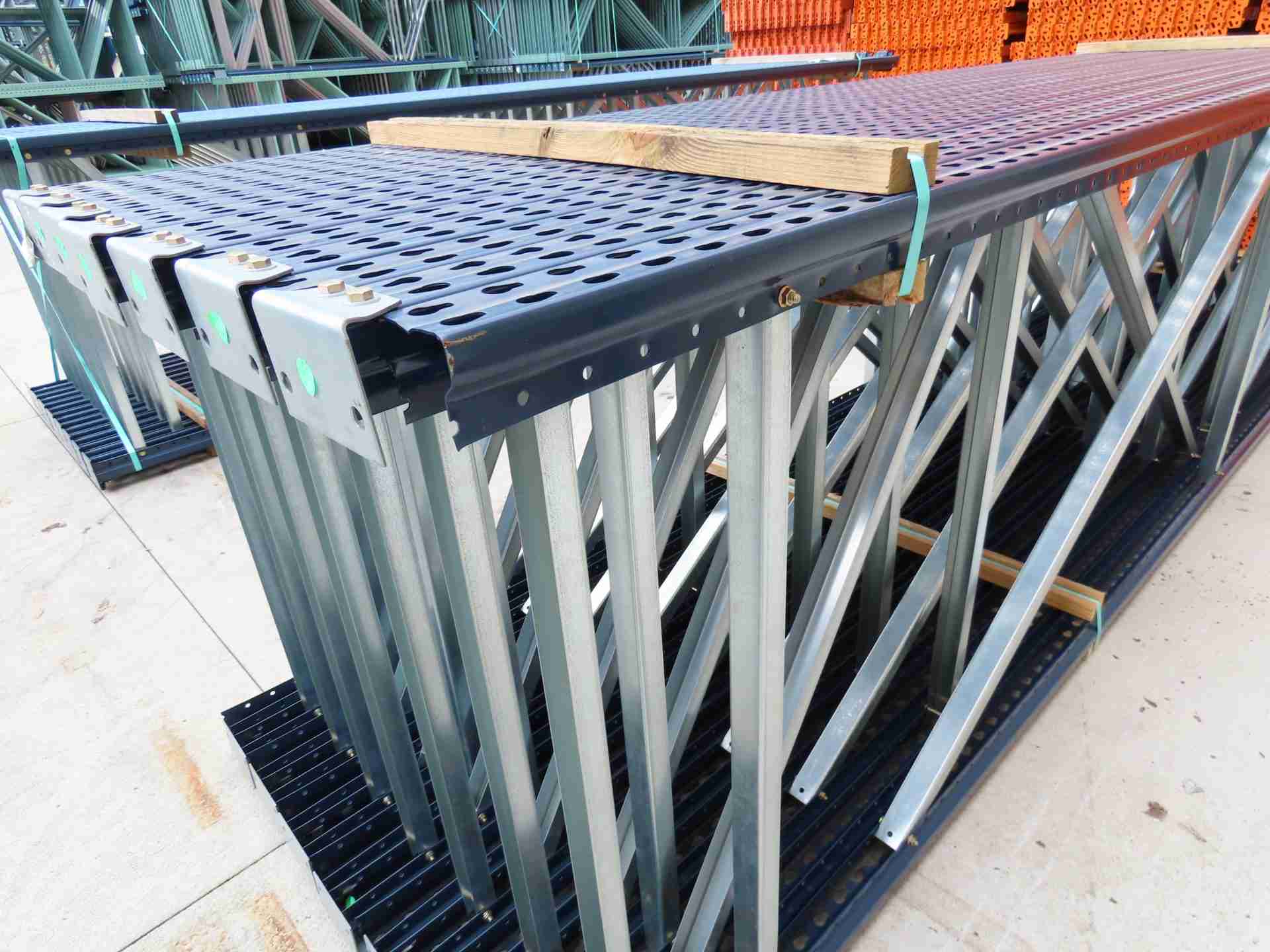
Are You Experiencing Frequent Inventory Misplacements?
How Does Your Warehouse Flow Impact Order Fulfillment Times?
Imagine this: a customer places an order, excited to receive their product. They envision it arriving promptly, and every minute that passes feels like an eternity. Now, think about the journey that item must take through your warehouse. The flow of goods in your facility—every twist and turn, every stop and start—can either make or break your fulfillment times. It’s more than just moving boxes; it’s about orchestrating a symphony of efficiency that leaves your customers raving.
At the heart of this orchestration lies an often-overlooked hero: pallet racking. Yes, the shelves that hold your inventory are not just passive structures; they are critical assets that dictate how smoothly products glide through the fulfillment process. When your pallet racking system is well-planned and intentionally designed, it streamlines the flow of goods, reduces retrieval times, and ultimately enhances customer satisfaction. Every inch of space matters. An optimized pallet racking layout can minimize unnecessary movements and allow stock to be accessed easily and quickly. This translates directly to faster order fulfillment times.
But there’s more to it. Visualize employees maneuvering through an organized warehouse, guided by clear paths and efficient access points. With effective pallet racking strategies, your team can shift from a frantic scramble to a nearly choreographed routine, fetching items with precision and speed. This isn’t just about saving time; it’s about creating a culture of efficiency where every employee feels empowered to contribute to the overall success.
Imagine the sales you can capture, the connections you can make, and the trust you can build by consistently delivering orders quickly. You’re not just shipping products; you’re fulfilling promises. And every fulfilled promise is another brick in the foundation of customer loyalty.
So, what will you do next? Take a close look at your warehouse flow. Evaluate your pallet racking system. Are there adjustments that could lead to a smoother process? Every moment saved can translate into happier customers and stronger business growth. Invest in optimizing your warehouse flow today, and watch your order fulfillment times—and your reputation—soar. Remember, in the world of business, time truly is money, and your warehouse efficiency is the key to unlocking both.
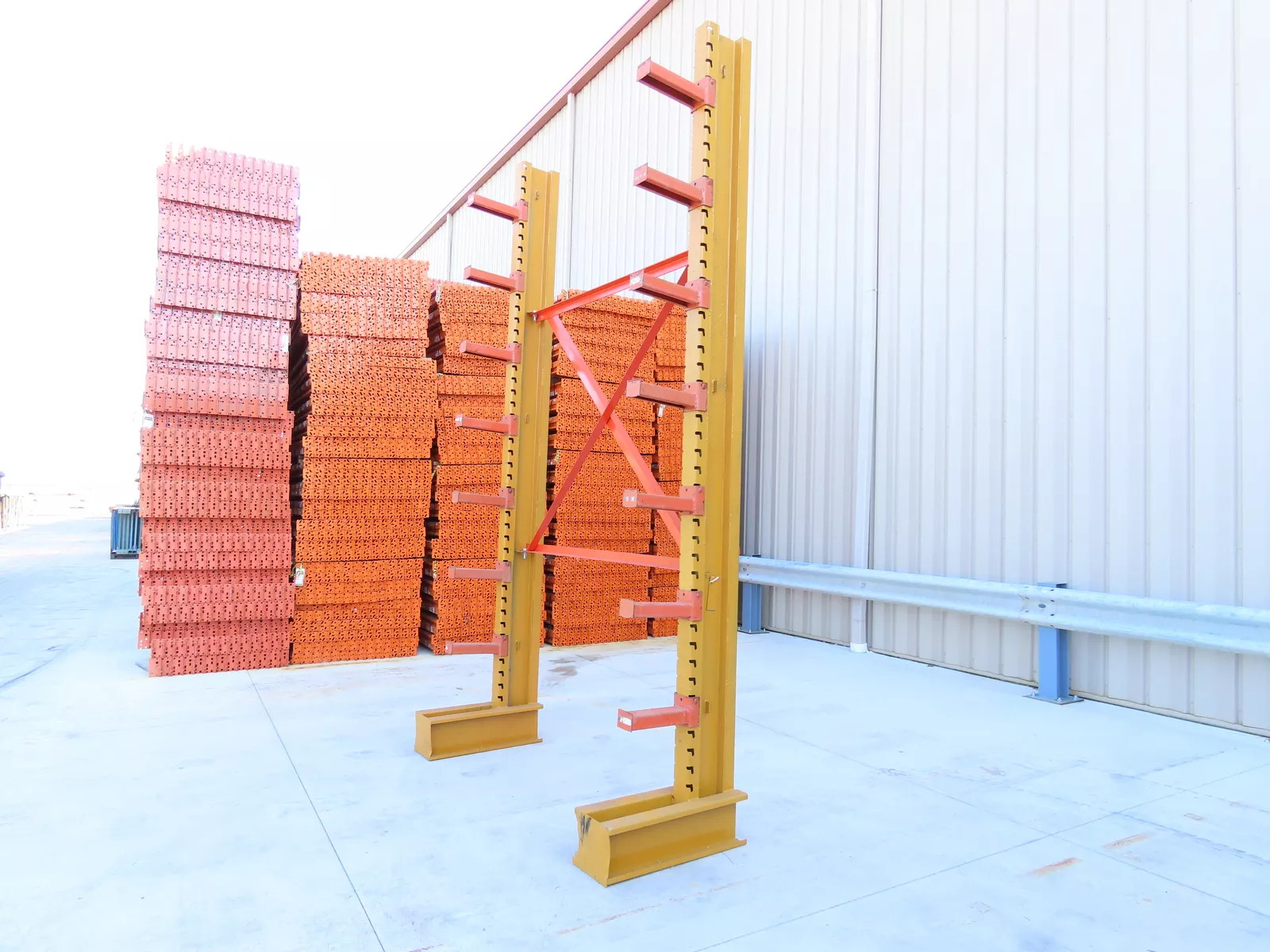
How Does Your Warehouse Flow Impact Order Fulfillment Times?
How Does Your Warehouse Flow Impact Order Fulfillment Times?
- Customer anticipation grows as they await their order, making fulfillment speed crucial.
- Pallet racking plays a key role in the efficiency of warehouse operations, influencing fulfillment times.
- A well-designed pallet racking system streamlines goods movement, reducing retrieval times.
- Optimized layouts minimize unnecessary movements, enhancing the speed of order fulfillment.
- Organized warehouses with clear access points enable employees to work efficiently and effectively.
- Fast order fulfillment builds customer loyalty and enhances business reputation.
- Evaluate and invest in warehouse flow improvements to boost fulfillment times and business growth.
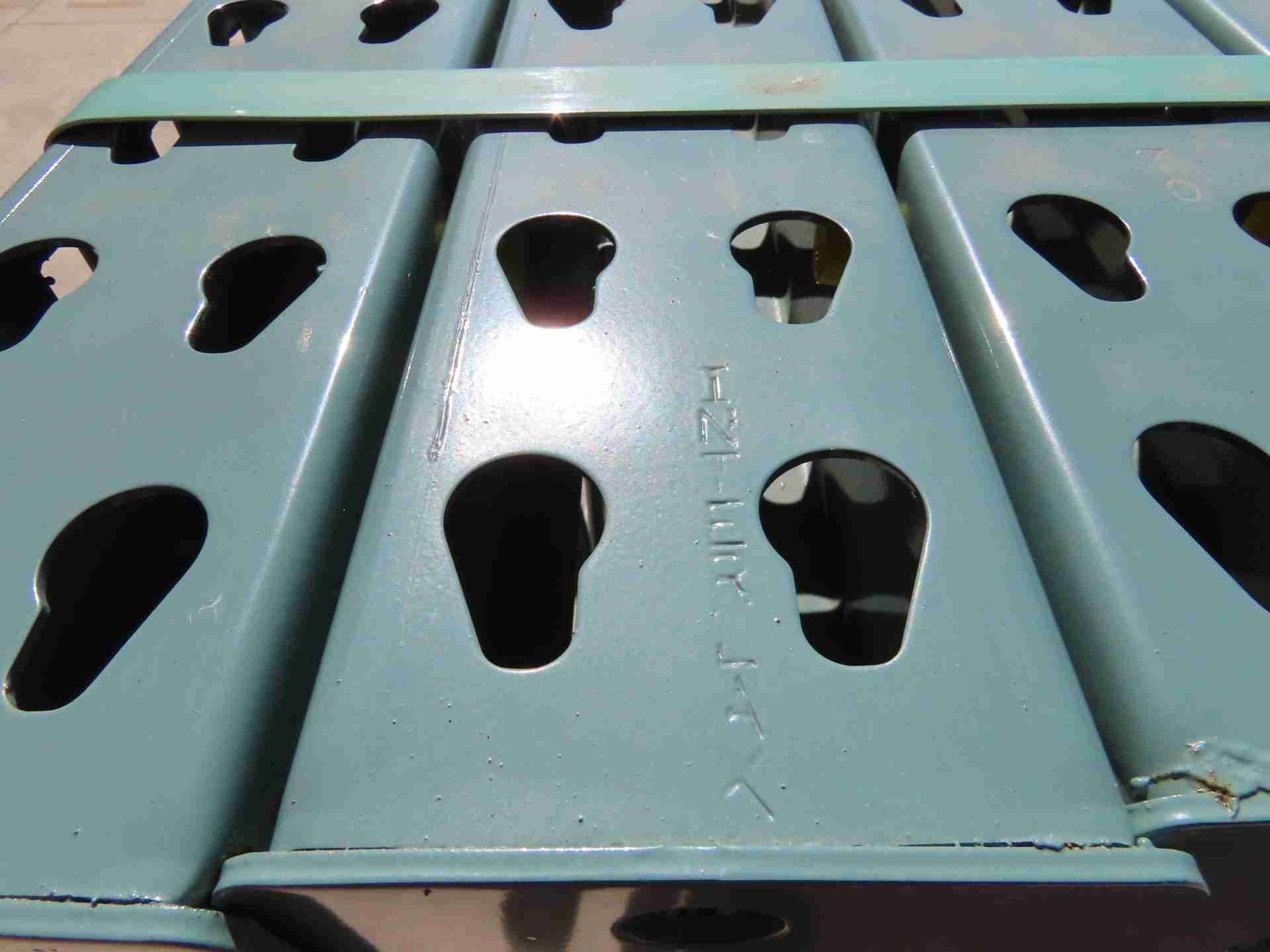
How Does Your Warehouse Flow Impact Order Fulfillment Times?
Are Narrow Aisles Causing Safety Issues For Your Staff?
Picture this: It’s a bustling day in your warehouse, filled with the hum of activity and the sound of machinery. Now, imagine your staff navigating through those narrow aisles amidst towering lines of pallet racking. Each turn carries the potential for accidents—not just to your inventory but more critically, to the dedicated individuals who keep your business running smoothly.
Narrow aisles may seem like an efficient way to maximize storage, but the reality can be quite different. Employees juggling high-stakes tasks in cramped spaces can lead to mistakes, mishaps, and injuries. When your staff is forced to maneuver around narrow aisles, they can’t execute their jobs safely or efficiently, ultimately affecting productivity and morale. You can almost hear the sigh of relief when they navigate a wide aisle instead. When they’re limited by space, their confidence wanes—and with it, so does your operation’s effectiveness.
Safety is not merely a buzzword; it is a cornerstone of any successful organization. You owe it to your staff to provide an environment where they can focus on their tasks without the looming stress of potential hazards. Our society thrives on connection, and that extends to our workplace relationships. A share in vision to ensure safety encapsulates trust—a critical component that is broken or forged in milliseconds depending on how your staff feels about their working conditions.
Investing time and resources into upgrading your warehouse shelving and layout isn’t just about aesthetics; it’s about fostering an atmosphere where your staff feels valued and protected. It’s about evaluating how pallet racking systems can be optimized to allow not just storage but safe, efficient accessibility, ensuring that every member of your team comes home unscathed at the end of the day.
Don’t let narrow aisles become the silent saboteurs of your operation. Instead, drive change by reassessing your warehouse layout. Talk to your staff—get their insights on safety, ease, and comfort in maneuvering. By taking these steps, you are not only investing in your facilities but showing your team that their safety, well-being, and opinions truly matter. Choose safety first; the rest will follow. Your team will thank you for it, your operations will flourish, and your reputation will soar.
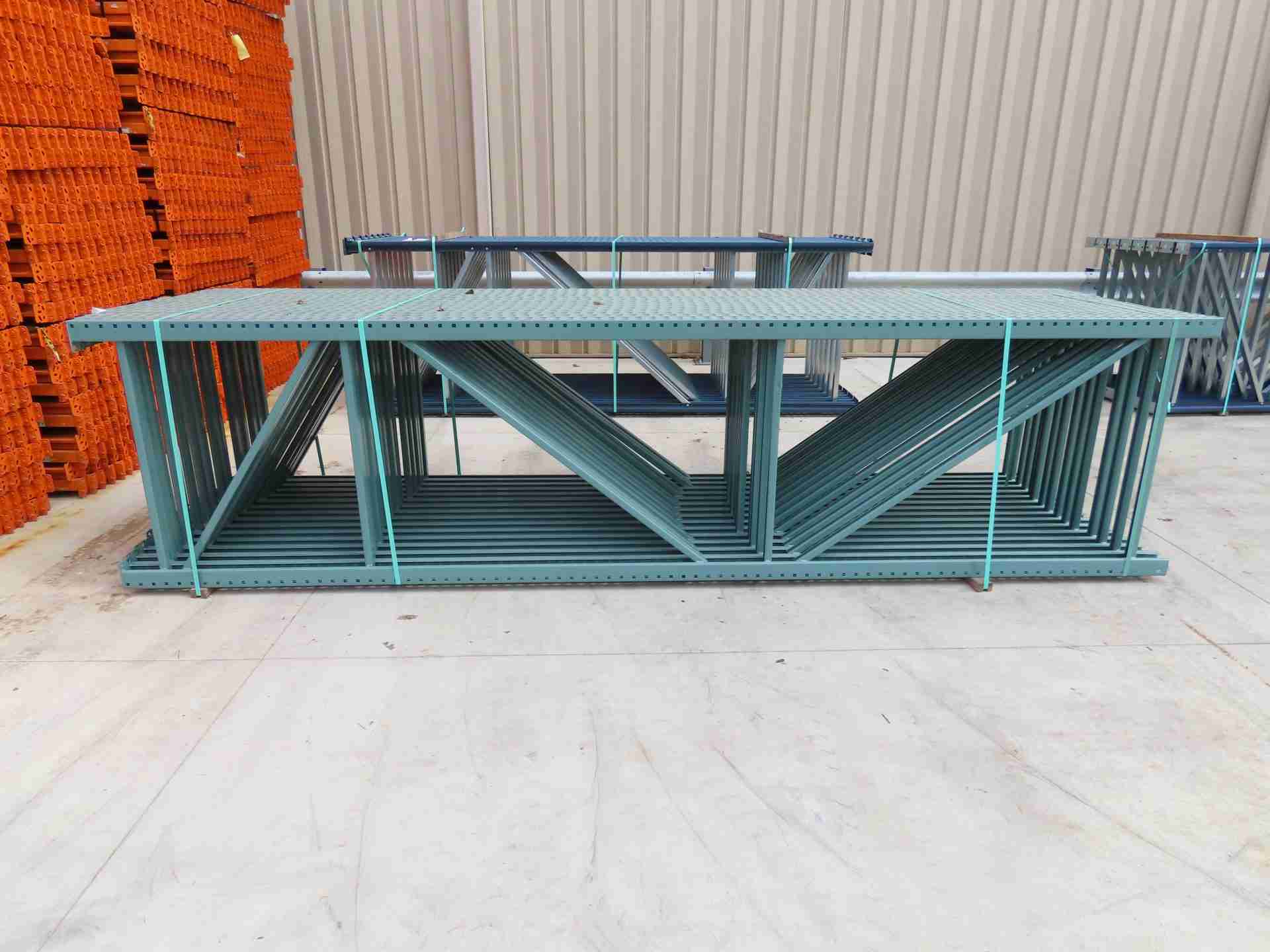
Are Narrow Aisles Causing Safety Issues For Your Staff?
Are Narrow Aisles Causing Safety Issues For Your Staff?
- Active warehouse environments present challenges as staff navigate narrow aisles amidst pallet racking.
- Narrow aisles can lead to accidents, affecting both inventory and employee safety.
- Cramped spaces reduce productivity and employee morale, making workers feel less confident.
- Prioritizing safety is essential for a successful organization and fosters trust among staff.
- Investing in warehouse layout improvements shows employees they are valued and protected.
- Reassessing aisle dimensions and layout enhances safety and accessibility for all team members.
- Engaging with staff about safety concerns demonstrates care for their well-being and opinions.
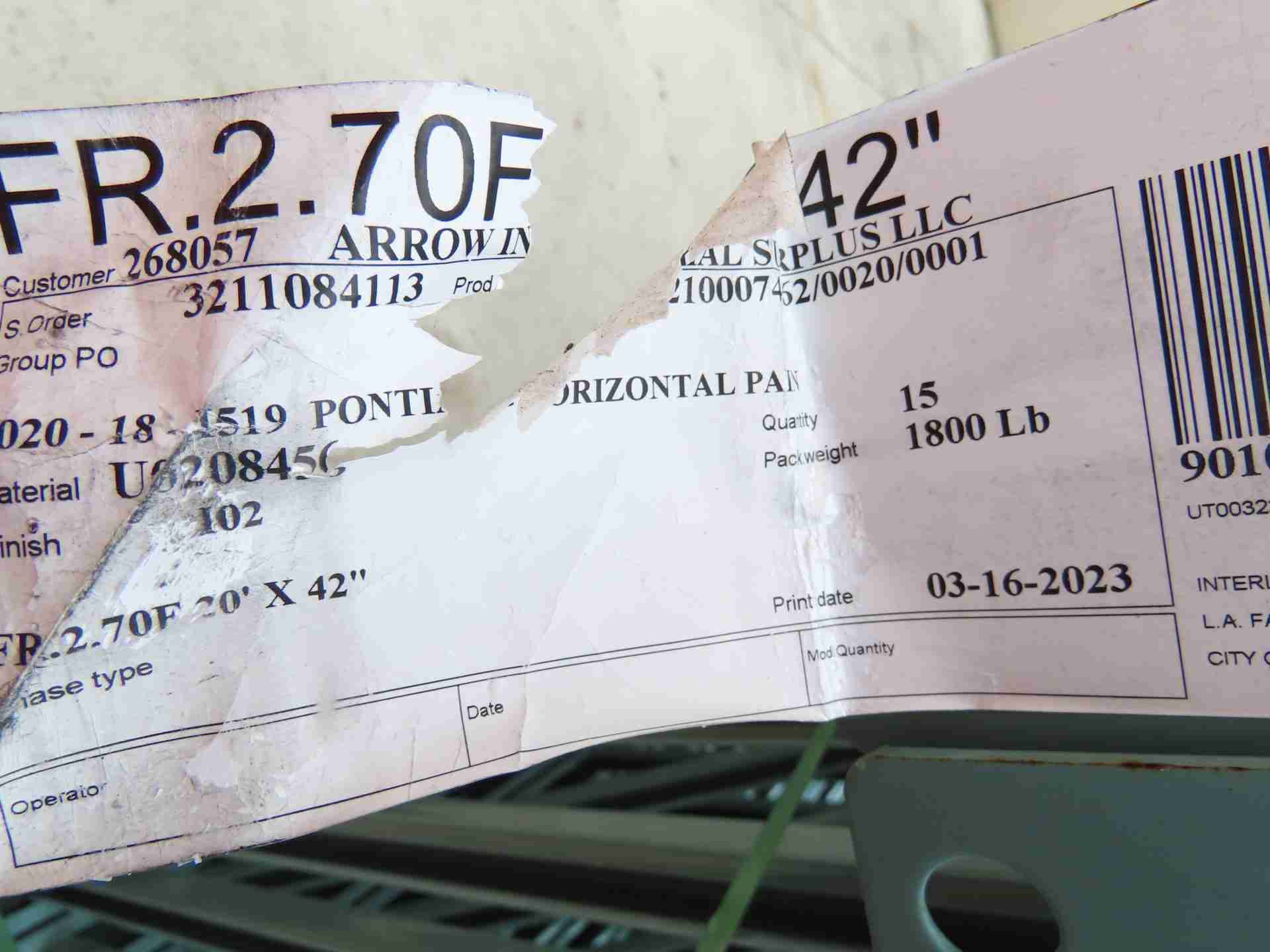
Are Narrow Aisles Causing Safety Issues For Your Staff?
Is Your Storage Method Suitable For Your Product Types?
Is Your Storage Method Suitable for Your Product Types?
When it comes to running an efficient business operation, the right storage method can make all the difference. The question is: is your storage method really suitable for your product types? Let’s break it down in a way that’s both engaging and practical.
Imagine walking into a warehouse where every piece of inventory is easily accessible—products lined up neatly, ready to ship at a moment’s notice. That’s the magic of Pallet Racking. It’s not just a convenience; it’s a game-changer. If you’re storing bulk items or anything that requires optimal space utilization, traditional shelving can feel like a square peg in a round hole. With Pallet Racking, you can maximize vertical space while ensuring that your products are safe and easy to retrieve.
But let’s get personal. What kind of products are you storing? Are they heavy machinery parts that require durability and strength? Or maybe you’re working with smaller, more delicate items that demand careful handling? Choosing the wrong storage solution means risking damage, loss of inventory, and ultimately, a hit to your bottom line. You wouldn’t slip your fragile glassware into a box made for garden tools, right? The same principle applies in your storage methods.
Consider this your wake-up call. Don’t let poor organization stifle your business potential. Assess your needs before picking a storage system. If you handle an extensive variety of products, versatile systems like Pallet Racking offer adjustments and solutions that can accommodate growth without a hitch.
Picture your workflow streamlined—in and out, quickly and efficiently. With the right setup, you’ll not only boost productivity but also enhance your customer experience. When your products are stored properly, you’re telling your clients, “We care about the details.” A well-organized inventory system translates to faster shipping times and happier customers.
So, roll up your sleeves and take a closer look at your current storage methods. Ask yourself—are they setting you up for success or holding you back? If you discover misalignments in your choices, consider implementing dedicated solutions like Pallet Racking. The cost of inaction is too high. Trust in a system that supports your operational goals and fosters growth. Equip your business with the confidence it deserves, and watch it soar. Take action—your inventory is waiting!

Is Your Storage Method Suitable For Your Product Types?
Is Your Storage Method Suitable For Your Product Types?
- Choosing the right storage method is crucial for efficient business operations.
- Pallet Racking allows for easy accessibility and maximizes vertical space, especially for bulk items.
- Using inappropriate storage can lead to inventory damage and negatively affect profits.
- Evaluate your product types to determine the best storage solutions that meet their needs.
- Versatile systems like Pallet Racking can accommodate various products and support business growth.
- Proper organization leads to improved workflow, productivity, and customer satisfaction.
- Assess your current storage methods regularly to ensure they align with your operational goals.
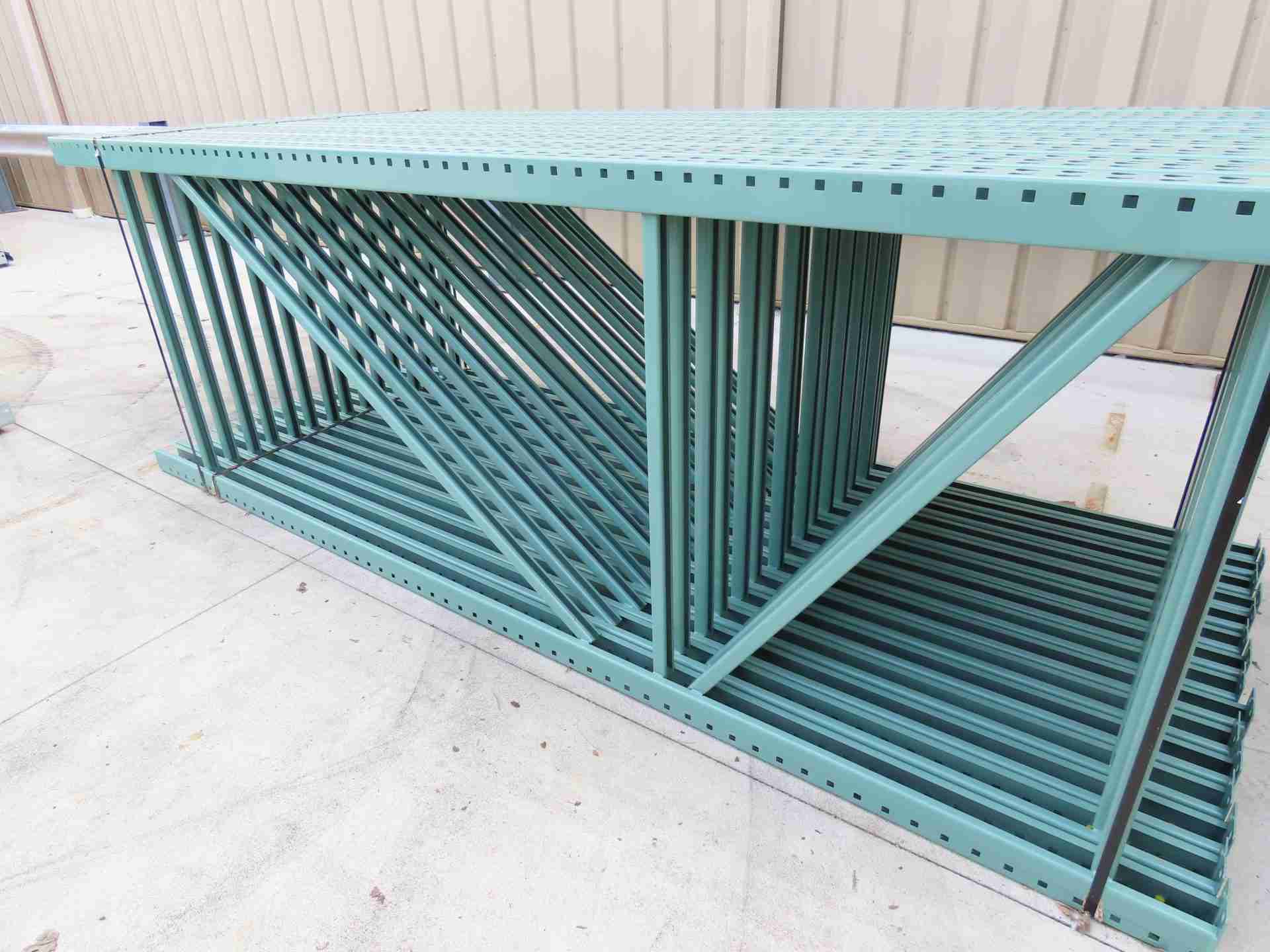
Is Your Storage Method Suitable For Your Product Types?
How Often Do You Reevaluate Your Warehouse Layout?
In the fast-paced world of logistics, it’s easy to get comfortable with your current warehouse layout. After all, the processes you have in place may be running smoothly—at least on the surface. But let’s pause and think for a moment: when was the last time you truly reevaluated your warehouse layout? It might be time to consider how the configuration impacts productivity and profits.
Imagine this: your team is spending too much time navigating through rows of pallet racking, searching for items that could be organized more efficiently. Every minute lost is money down the drain. Not only is this frustrating for your employees, but it can also lead to decreased morale and customer satisfaction. Customers expect faster deliveries, and if your warehouse setup isn’t optimized, you’re likely falling short.
Reevaluating your warehouse layout should be a regular ritual, not an annual chore. Proactively assessing your space allows you to capitalize on evolving technologies and market demands. Why hold onto a layout that may have worked years ago but now feels outdated? Small adjustments, whether it’s rearranging pallet racking or optimizing picking paths, can deliver significant improvements.
Think of your warehouse as an evolving ecosystem. It must adapt to the changing nature of your inventory, the increase in e-commerce demands, or even seasonal fluctuations. Each item has its own best location, especially in terms of how often it’s picked and shipped. A dynamic approach ensures that you are maximizing space and operational efficiency.
So, how often should you conduct a layout reevaluation? Aim for quarterly assessments, refining your arrangement based on performance data, employee feedback, and business shifts. Involve your team in this process—they’re the ones on the front lines, and their insights can reveal inefficiencies you might overlook.
Trust in this rhythm of constant improvement, and you’ll find that your productivity and customer satisfaction soar. Not only will your warehouse run like a well-oiled machine, but your bottom line will also reflect those transformative changes. Remember, a warehouse layout isn’t a set-it-and-forget-it aspect of your business; it’s a crucial element that, when actively managed, can lead to unprecedented growth and success.

How Often Do You Reevaluate Your Warehouse Layout?
How Often Do You Reevaluate Your Warehouse Layout?
- Regularly reevaluate your warehouse layout to enhance productivity and profits.
- Inefficient navigation through pallet racking can lead to wasted time and decreased morale.
- Customer satisfaction may decline if the warehouse setup is not optimized for faster deliveries.
- Consider layout reevaluation as a quarterly practice rather than an annual task.
- Adjustments such as rearranging pallet racking can lead to significant operational improvements.
- Involve your team in the reevaluation process to identify inefficiencies and inform adjustments.
- Active management of warehouse layout can lead to increased productivity and overall business growth.
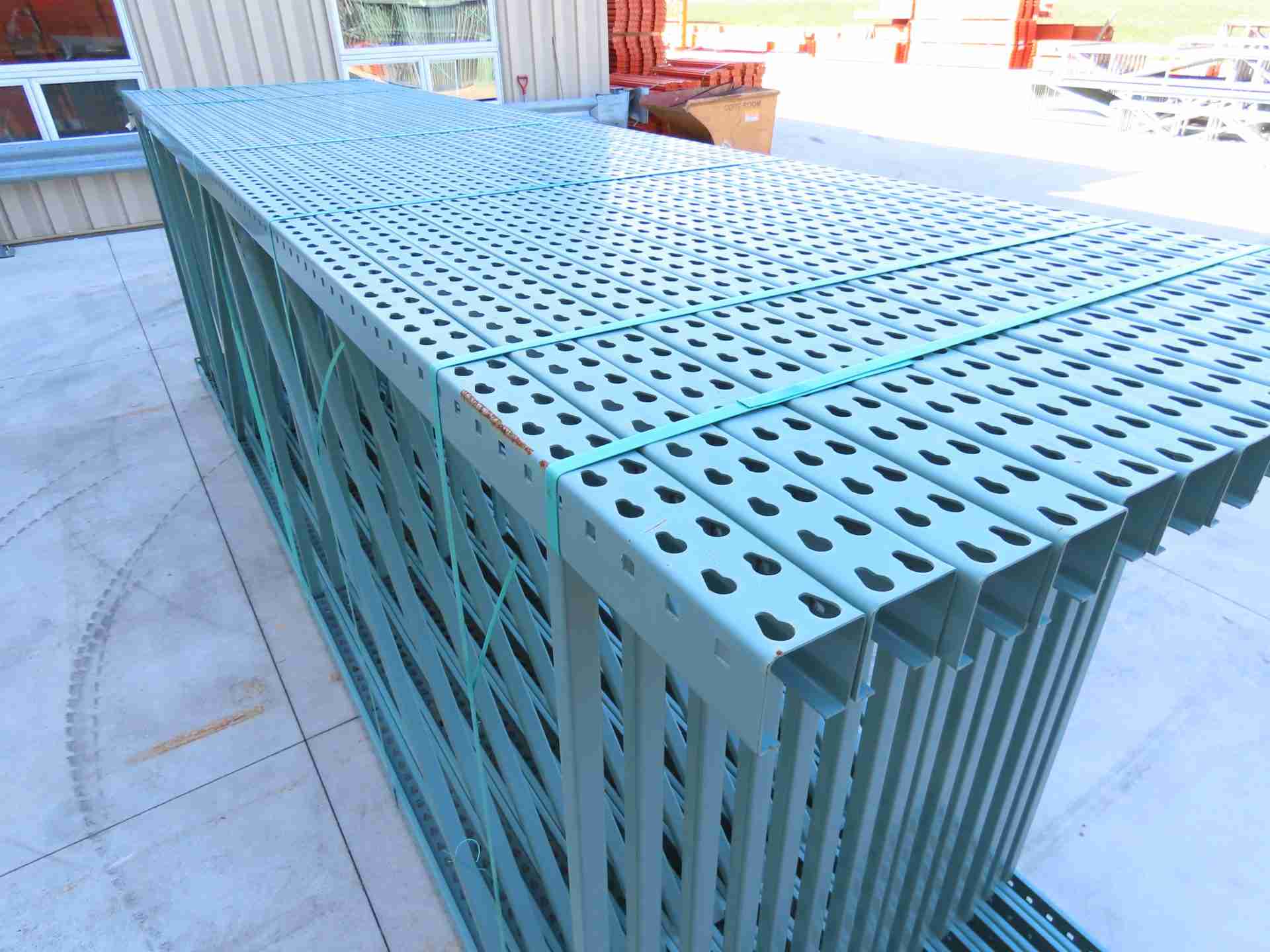
How Often Do You Reevaluate Your Warehouse Layout?
Conclusion
Conclusion: Transforming Your Warehouse – The Path to Limitless Efficiency
In the dynamic environment of today’s warehouses, the intricacies of layout design can be the difference between stagnation and thriving success. If you’ve recognized that your warehouse layout is a potential disaster waiting to unfold, fear not. You hold the power to transform inefficiencies into opportunities with simple yet strategic actions.
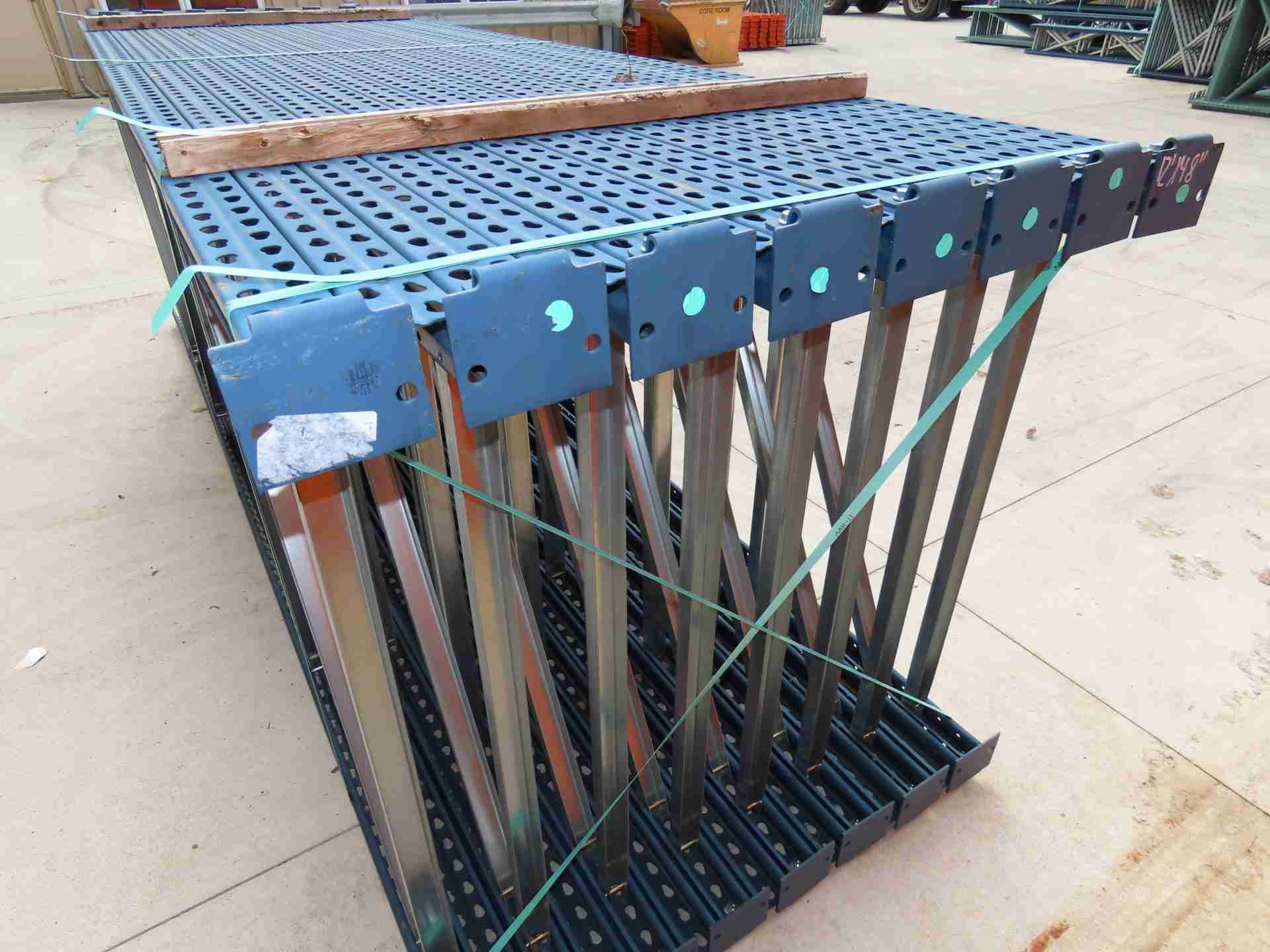
The backbone of your operations is powerful pallet racking—more than just a storage solution; it’s your key to maximizing space, enhancing workflow, and orchestrating seamless order fulfillment. Imagine your warehouse as an intricate orchestra, with every element in perfect harmony; optimizing your layout is the conductor that ensures every note is played perfectly.
Are you experiencing costly delays due to a poorly designed layout? Perhaps your aisles are too narrow, leading to safety hazards and employee frustrations? Or maybe your storage methods fail to accommodate your inventory’s unique needs? Ignoring these issues could spell disaster, but addressing them could unlock a reservoir of potential and profit.
With actionable strategies at your fingertips, it’s now time to initiate your transformation. Begin by assessing current operations: analyze your order-picking times, evaluate the flow of goods, and consider the overall ease of access within your workspace. Adopt technology and training methodologies that empower your staff to work confidently and efficiently.
But don’t just stop at minor tweaks! Evaluate your pallet racking systems—are they optimized for the types of products you store? Are your employees equipped to utilize them effectively? Make it your mission to create an environment that values not just efficiency but also the safety and confidence of your team. The results will translate into significant enhancements in customer satisfaction, with timely deliveries and reliable service fostered through your revamped layout.
Now, imagine a future where waste is minimized, and productivity soars. By calling Arrow Industrial Sales today at (574) 349-6575, you can jump-start this transformation. Expert guidance is just a phone call away, offering tailored solutions to ensure your warehouse remains in prime operating condition.
Time is of the essence—each moment lost to inefficiency is a moment against you. Don’t allow your warehouse to be just another center for storage; turn it into an operational powerhouse that propels your business forward. With proactive measures, your organization can maximize profitability, customer loyalty, and employee morale. The potential for success is limitless; seize it today!
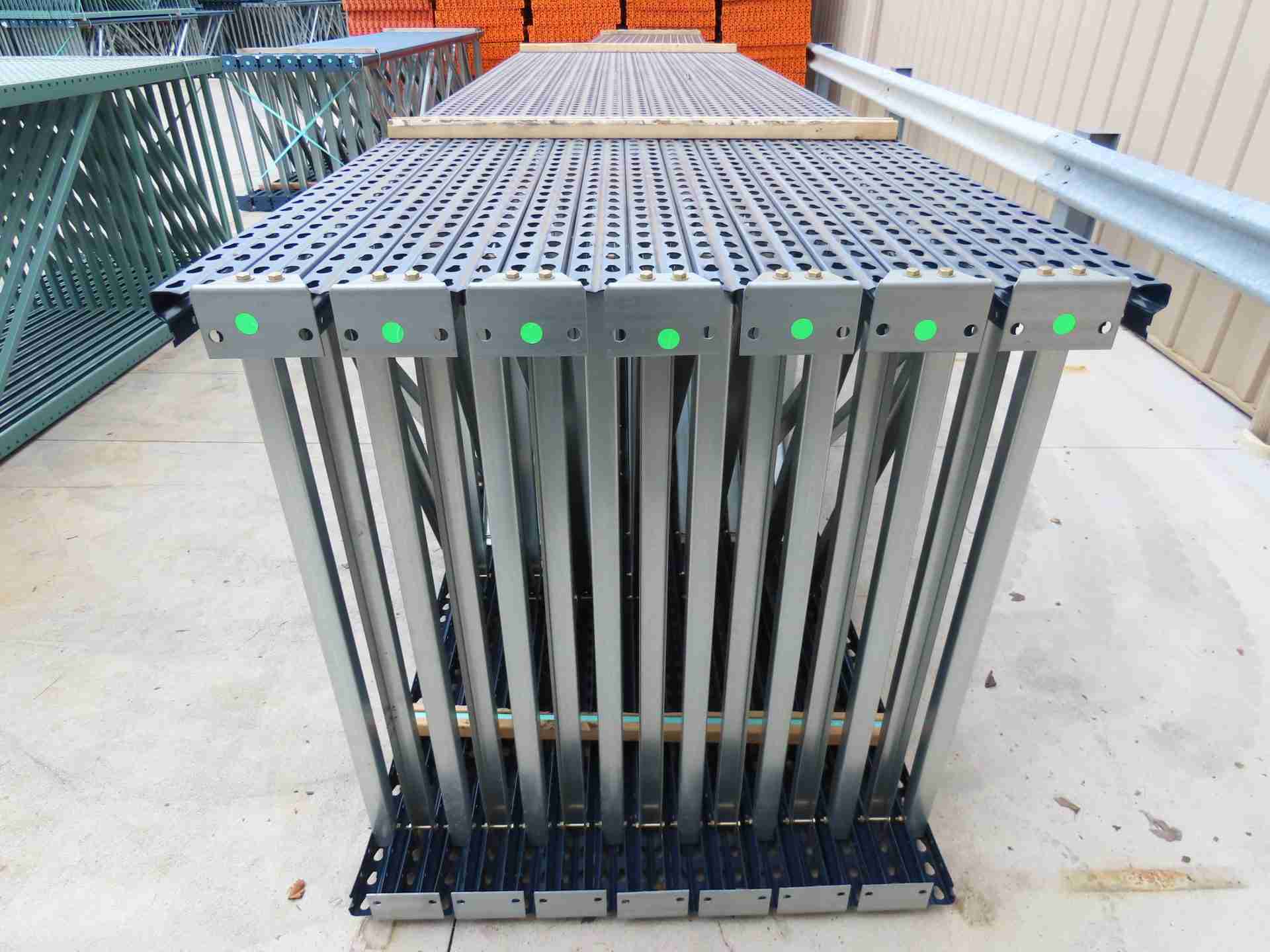
Conclusion
Conclusion:
- Warehouse layout design is crucial for operational success and efficiency.
- Effective pallet racking maximizes space, improves workflow, and enhances order fulfillment.
- Poorly designed layouts can lead to delays, safety hazards, and employee dissatisfaction.
- Assess current operations by analyzing order-picking times and evaluating product flow.
- Adopt technologies and training to empower staff for confident and efficient work.
- Optimize pallet racking systems for the specific needs of your inventory and ensure employee proficiency.
- Transform your warehouse into a more productive space to boost profitability, customer loyalty, and employee morale.
Conclusion
Other Resources
Other Resources
Here is a list of other resources you can review online to learn more:
- Bradford Systems
- Material Handling Safety
- IIWS Inc. Rack Installation Illinois & Rack Repairs Illinois
- Pallet Racks, Pallet Racking, Pallet Shelves in Stock – ULINE
- Interlake Mecalux
- ASSP
- Shipping Boxes, Packaging Materials, Pallet Racking
- Storage Equipment Manufacturers Association
- Cantilever Rack Configuration & Installation: A Comprehensive Guide – BMH
- IWLA
Use This Prompt To Get More Resources With Your Favorite Online AI Tool: Please provide me with a list of online articles with their URLs in a bulleted list that I can read regarding Is Your Warehouse Layout a Recipe for Disaster?
Other Resources
Glossary Terms
Is Your Warehouse Layout a Recipe for Disaster? – Glossary Of Terms
1. Aisle Width: The space between rows of shelves or racks; crucial for safe navigation of equipment and personnel.
2. Backhaul: The return trip of a delivery vehicle, often underutilized; optimizing backhauls can reduce costs and enhance efficiency.
3. Batch Picking: A picking method where multiple orders are collected simultaneously, improving efficiency but requiring careful layout for success.
4. Cross-Docking: A logistics practice where incoming goods are directly transferred to outbound vehicles, reducing storage time; layout must facilitate quick movement.
5. Docking Station: A designated area for loading and unloading goods; must be carefully designed to ensure safety and efficiency.
6. Ergonomics: The study of people’s efficiency in their working environment; good ergonomic design in a warehouse can prevent injuries and improve productivity.
7. FIFO (First In, First Out): An inventory management method aiming to sell older stock first; requires careful layout planning for accessibility.
8. Floor Plan: A detailed diagram showing the arrangement of spaces and equipment in the warehouse, essential for effective organization.
9. Heat Map: A visual representation of warehouse space usage or traffic flow; helps identify areas of congestion or inefficiency.
10. Inventory Turnover: A measure of how many times inventory is sold and replaced over a period; directly influenced by warehouse layout.
11. Just-In-Time (JIT): An inventory strategy that strives to improve a business’s return on investment by reducing in-process inventory; layout must support timely arrivals.
12. Kaizen: A Japanese term for continuous improvement, often applied in warehouses to streamline processes and layout.
13. Lean Warehousing: A methodology focused on minimizing waste while maximizing productivity; emphasizes efficient layout design.
14. Load Bearing Capacity: The maximum weight a shelf or rack system can hold, critical for safety and compliance in layout design.
15. Order Fulfillment: The process of receiving, processing, and delivering orders to customers; an effective layout supports quick fulfillment.
16. Pallet Racking: A storage solution using pallets to store items; the layout must ensure easy access and stability.
17. Picking Path: The route taken by warehouse staff to collect items; an optimized path minimizes time and effort.
18. Safety Stock: Extra inventory kept on hand to prevent stockouts; the layout should balance accessibility and security.
19. SKU (Stock Keeping Unit): A unique identifier for each distinct product or item; effective layout relies on strategic organization of SKUs.
20. Throughput: The rate at which goods are processed; influenced by layout efficiency, impacting overall operations.
21. Warehouse Management System (WMS): Software that supports daily operations in a warehouse; a well-planned layout enhances the effectiveness of WMS.
22. Warehouse Zones: Specific areas designated for different functions, such as receiving, storage, or shipping; critical for organized layout.
23. Workstation: An area where tasks are performed; must be ergonomically designed and strategically placed within the layout for efficiency.
24. Workflow: The sequence of processes through which a piece of work passes; an effective layout improves workflow.
25. Zoning: The practice of assigning specific areas for certain categories of items; crucial for efficient warehouse operation.
26. Emergency Exits: Designated escape routes in case of an emergency; layouts must ensure these are easily accessible and unobstructed.
27. Racking Systems: Structures used to store goods in a warehouse; should be designed for maximizing space while maintaining safety.
28. Conveyor Systems: Mechanical systems used to transport goods within the warehouse; layout must facilitate their integration.
29. Stock Location: The specific place where items are stored; must be planned to enhance accessibility and speed up picking.
30. Disaster Recovery Plan: A strategy outlining how to restore operations after a significant interruption; layout considerations are key for minimizing disruption.
Glossary Of Terms
Other Questions
Is Your Warehouse Layout a Recipe for Disaster? – Other Questions
If you wish to explore and discover more, consider looking for answers to these questions:
- What are the common pitfalls of a poorly designed warehouse layout?
- How can I assess the current efficiency of my warehouse layout?
- What are the best practices for designing an effective pallet racking system?
- How often should I update or change my warehouse layout?
- What technologies can help improve warehouse organization and efficiency?
- What specific factors should I consider when analyzing warehouse flow?
- How can I train my staff to use the pallet racking system more effectively?
- What metrics should I track to measure the success of my warehouse layout changes?
- How can I involve my team in the reevaluation process of the warehouse layout?
- What are the safety implications of using narrow aisles in warehouses?
- Are there specific storage solutions for fragile or delicate items in my inventory?
- What benefits does a well-organized warehouse layout provide to customer satisfaction?
- How can seasonal fluctuations affect my warehouse layout and storage methods?
- What visual markers can I use to improve inventory retrieval processes?
- How does poor warehouse layout impact employee morale and productivity?
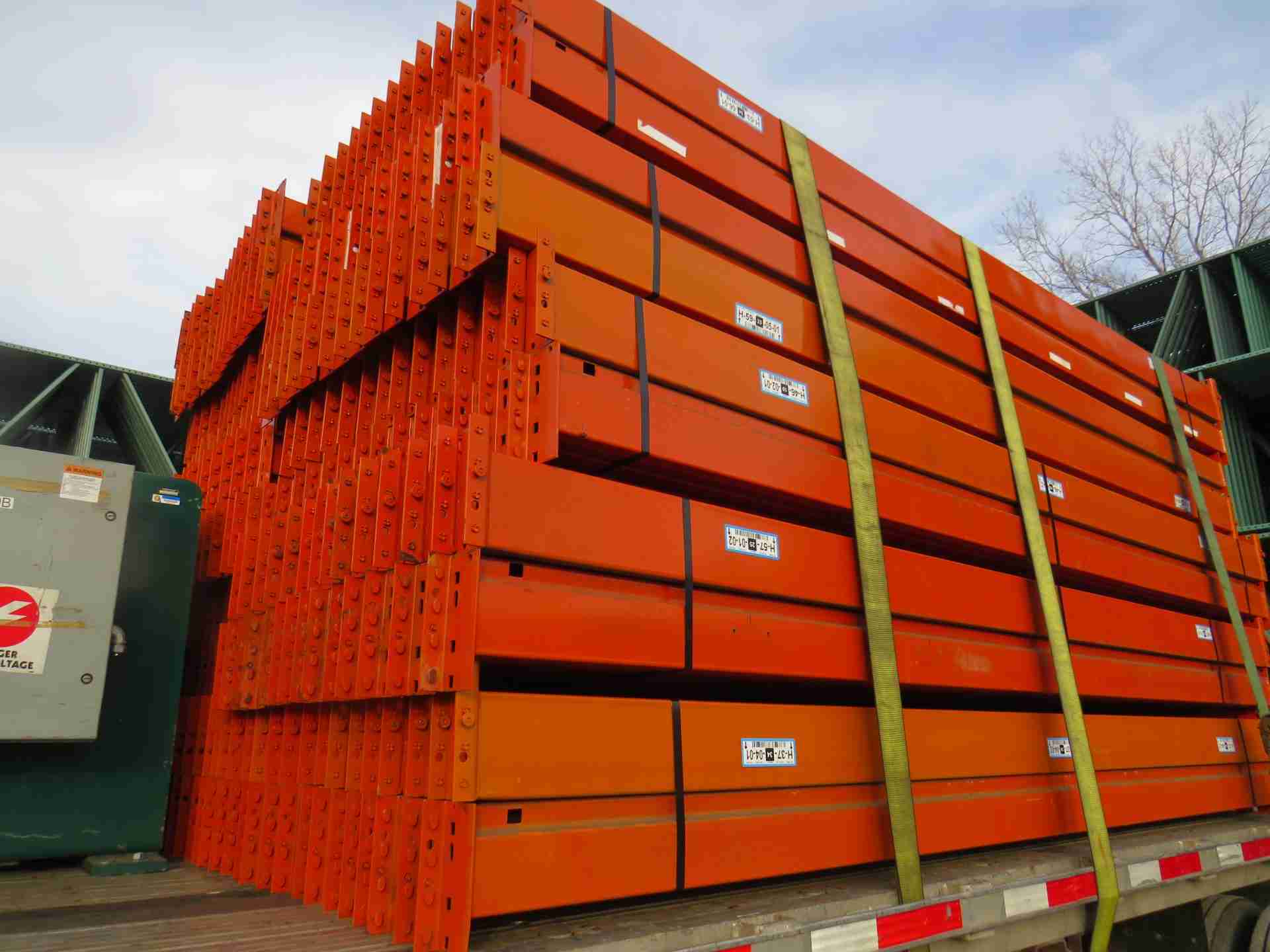
Other Questions
Checklist
Is Your Warehouse Layout a Recipe for Disaster? – A Checklist
Checklist for Optimizing Your Warehouse Layout
Evaluate Your Current Warehouse Layout
_____ Assess the flow of goods and personnel within the warehouse.
_____ Identify and document any bottlenecks affecting productivity.
_____ Analyze the efficiency of your pallet racking systems.
Optimize Space Utilization
_____ Ensure that your pallet racking maximizes vertical space.
_____ Analyze the accessibility of your most-commonly-picked items.
_____ Evaluate whether your current storage solutions fit the types of products being stored.
Promote Safety in Your Warehouse
_____ Identify narrow aisles and consider widening them for safety.
_____ Review any safety protocols and equipment in place for navigating the warehouse.
_____ Gather insights from staff on current safety challenges.
Streamline Inventory Management
_____ Implement a systematic approach to stock labeling and placement.
_____ Invest in inventory management technology for real-time tracking.
_____ Train staff on how to effectively use the inventory and pallet racking systems.
Reevaluate Warehouse Layout Regularly
_____ Schedule quarterly assessments of the warehouse layout.
_____ Incorporate employee feedback into layout evaluations.
_____ Stay updated on best practices and evolving trends in warehouse design.
Enhance Order Fulfillment Processes
_____ Map out order picking processes to identify improvement areas.
_____ Examine how design changes can reduce retrieval times.
_____ Cultivate a culture of efficiency among your team to enhance customer satisfaction.
Foster an Efficient Work Environment
_____ Ensure that all necessary tools and equipment are easily accessible.
_____ Create clear pathways for movement to promote speed and safety.
_____ Communicate the importance of layout optimization to all team members.
Actionable Steps for Improvement
_____ Prioritize actions based on the potential impact on productivity and safety.
_____ Set measurable goals related to layout efficiency and employee satisfaction.
_____ Keep track of changes made and their outcomes for future reference.
By following this checklist, you can make informed decisions that enhance the efficiency, safety, and productivity of your warehouse operations. Regular evaluations and adjustments will pave the way for long-term success.
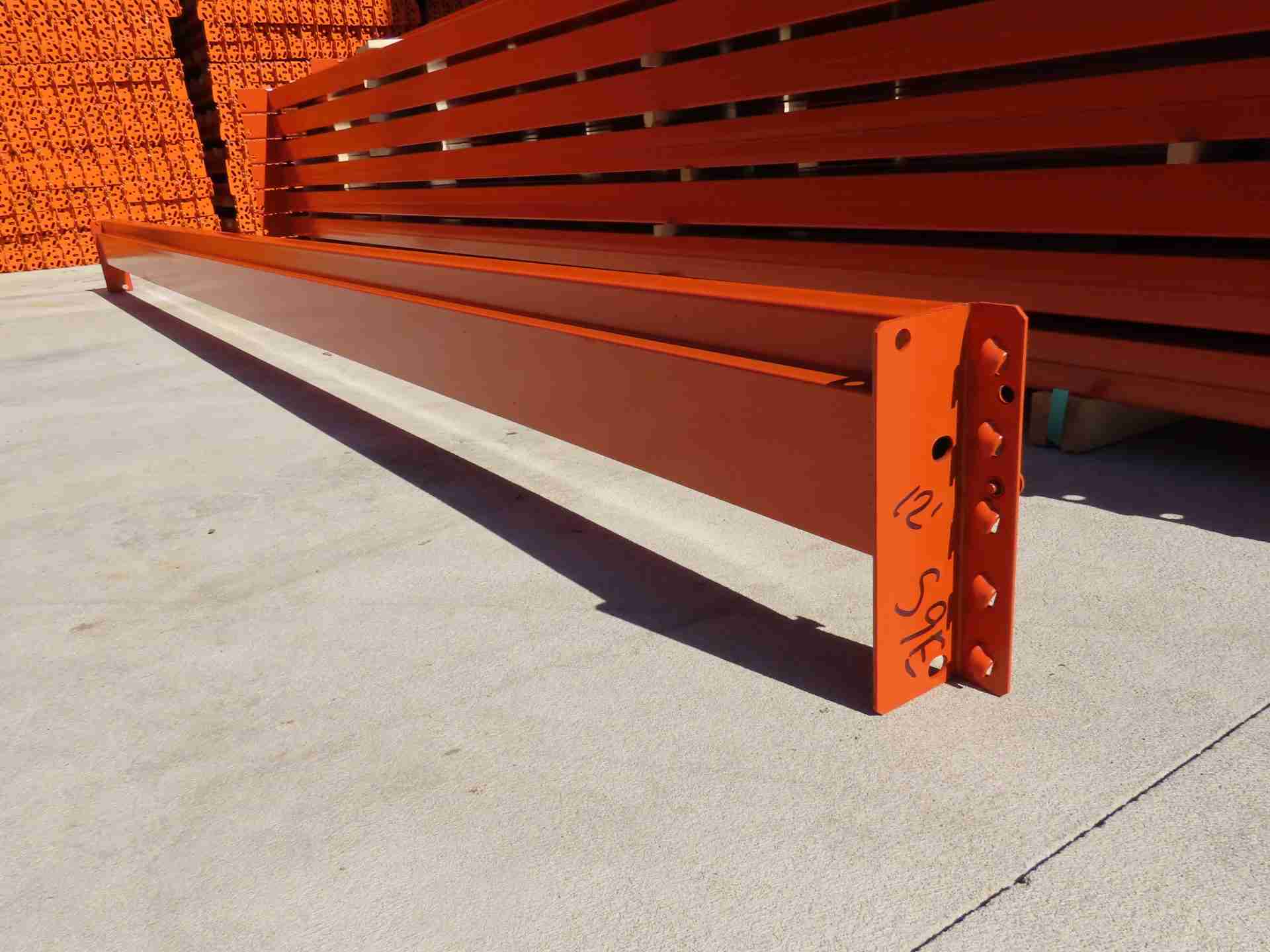
Checklist
At RackingWorld, we help guide you through selecting warehouse storage systems and racking.
Be sure to read our other related stories at RackingWorld to learn more about warehouse storage systems.
0 Comments