
Revolutionize Your Warehouse With Modern Pallet Rack Solutions
By Tom Seest
At RackingWorld, we help guide you through selecting warehouse storage systems and racking.
Be sure to read our other related stories at RackingWorld to learn more about warehouse storage systems.
Are Local Pallet Rack Suppliers Using Outdated Inventory?
In the fast-paced world of warehouse solutions, one question looms large: Are local pallet rack suppliers still relying on outdated inventory? It’s a pressing concern that calls for immediate attention, especially as efficiency becomes more critical than ever to operations. Businesses today are in a race to embrace modernization while cutting costs, which means that the last thing you want is to partner with a supplier that clings to old stock.
Imagine this scenario: You’re expanding your warehouse, and you need a robust pallet racking system to accommodate increased inventory. You turn to a local supplier, expecting cutting-edge solutions, only to find a dusty showroom filled with antiquated designs that may not even meet today’s safety standards. This isn’t just a minor inconvenience; it’s a direct threat to your operational effectiveness. Old pallet racking systems can lead to inefficiencies, increased safety risks, and ultimately, a hit to your bottom line—something you simply cannot afford.
What’s more alarming is how many suppliers are stuck in the past. Just recently, industry analyses have shown that many regional distributors, overwhelmed by the pressures of the pandemic, have not updated their inventory strategies. With e-commerce skyrocketing and supply chain challenges mounting, businesses cannot afford to lag behind. They need to leverage modern pallet racking technologies, such as adjustable systems that can optimize vertical space or innovative designs that facilitate easier access to goods.
Consider the supply chain innovations coming out of Europe, where manufacturers are incorporating smart technology into their pallet racking systems. These systems are not only designed for scalability but also integrate seamlessly with inventory management software to streamline operations. If your local supplier is still touting the same, outdated systems that were in vogue five years ago, it’s time to rethink your partnership.
By working with distributors who embrace modernization, you’re setting up your business for success. You can enhance operational efficiency, reduce the risk of accidents, and ultimately boost your bottom line. The pallet racking solutions available today offer customizable options that cater specifically to your warehouse needs, ensuring that you’re never stuck with outdated inventory.
Don’t let local suppliers drag you down with yesterday’s racking solutions. Seek out those who are committed to bringing you the latest innovations in pallet racking, and watch your operational efficiency soar. The future of your business depends on it!
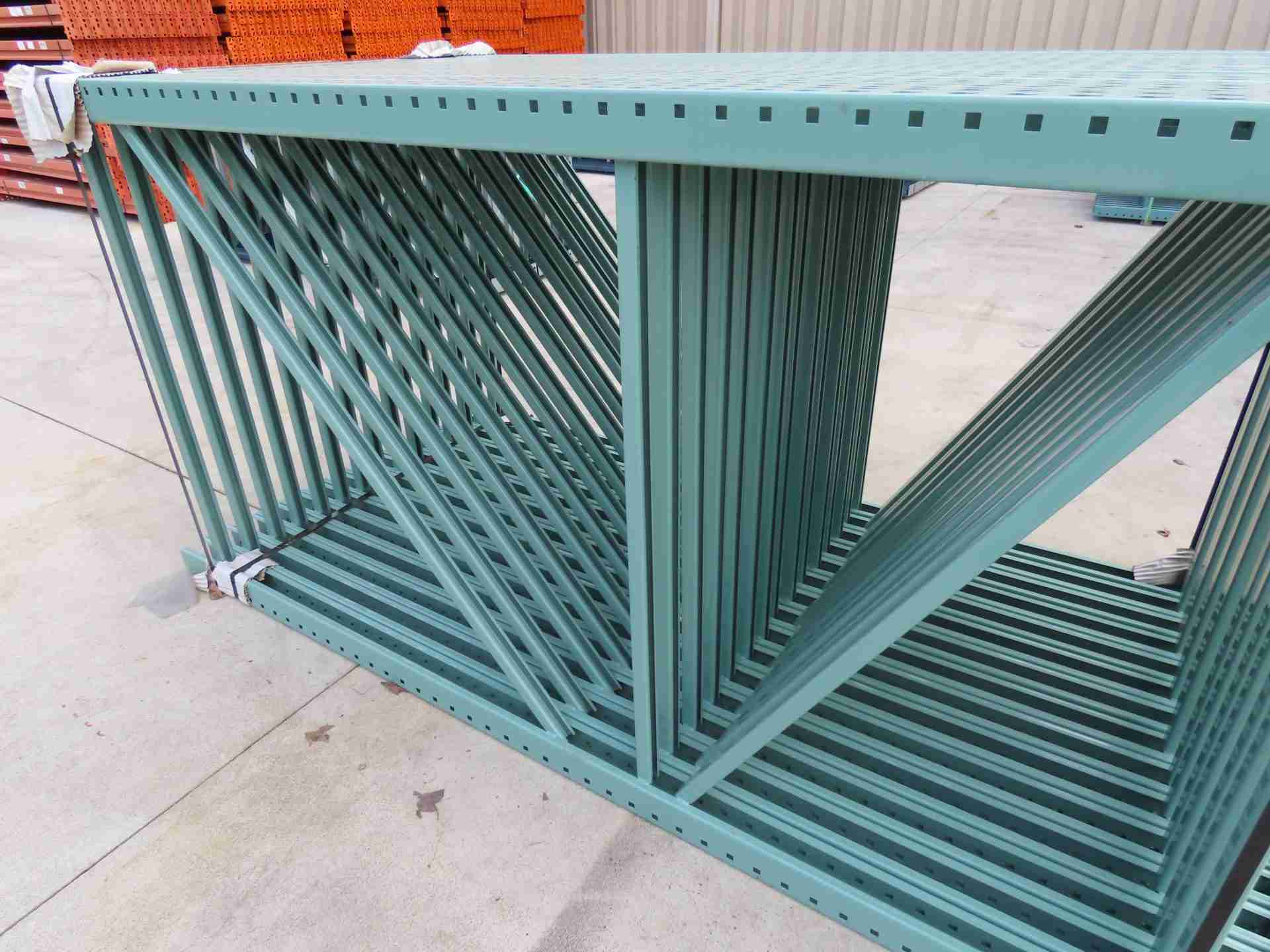
Are Local Pallet Rack Suppliers Using Outdated Inventory?
Are Local Pallet Rack Suppliers Using Outdated Inventory?
- Many local pallet rack suppliers may still be relying on outdated inventory, which can threaten operational efficiency.
- Outdated pallet racking systems pose safety risks, inefficiencies, and potential financial losses for businesses.
- Recent analyses indicate that regional distributors have not updated their inventory strategies post-pandemic.
- Modern pallet racking technologies, like adjustable systems, are crucial for optimizing warehouse space and operations.
- European manufacturers are incorporating smart technology into pallet racking systems, enhancing scalability and integration with inventory management.
- Partnering with modern distributors can improve operational efficiency and reduce accident risks, ultimately benefiting your bottom line.
- Businesses should seek suppliers committed to innovation in pallet racking to ensure they do not fall behind in a competitive market.

Are Local Pallet Rack Suppliers Using Outdated Inventory?
Table Of Contents
- Are Local Pallet Rack Suppliers Using Outdated Inventory?
- How Can I Identify Outdated Pallet Racks?
- What Are The Risks Of Using Old Pallet Racks?
- How Does Outdated Inventory Affect Warehouse Safety?
- Are There Benefits To Using Newer Pallet Rack Systems?
- What Signs Indicate A Supplier Is Behind In Inventory Trends?
- How Often Should Pallet Rack Inventory Be Updated?
- What Features Should I Look For In Modern Pallet Racks?
- Are Suppliers Transparent About Their Inventory Age?
- Conclusion
- Other Resources
- Glossary Of Terms
- Other Questions
- Checklist
How Can I Identify Outdated Pallet Racks?
In the world of warehousing and logistics, ensuring your operational efficiency is paramount. One of the often-overlooked components in this equation is the state of your pallet racking. Just like any other equipment, pallet racking systems can become outdated, leading to increased costs and potential hazards. Here’s how to identify those outdated pallet racks before they hold your business back.
1. Visual Inspection
Begin with a simple visual inspection. Are there signs of rust, deformation, or cracked welds? These indicators are glaringly obvious flags that your pallet racking may be past its prime. For instance, a recent incident reported in a major U.S. warehouse highlighted how corroded rack beams contributed to a catastrophic failure, causing significant downtime and repair costs. Ensure your pallet racks are in good physical condition to avoid similar fates.
2. Compliance with Standards
Many businesses may not be aware that pallet racking systems are subject to stringent safety standards. Check for compliance with OSHA and ANSI regulations. If your racks are older models manufactured before these regulations were implemented, consider replacing them. Compliance is non-negotiable; safety should always be your top priority, especially given the ever-evolving landscape of safety regulations in the U.S.—particularly in the wake of recent global supply chain challenges.
3. Load Capacity Awareness
Knowing your pallet racking’s load capacity is critical. Is your current system overload? If your warehouse has expanded or changed its inventory habits but your pallet racking hasn’t, it’s time for an evaluation. Outdated pallet racks might not bear the weight you demand of them, risking structural integrity. If you find yourself frequently reconfiguring loads to meet capacity, it’s a clear sign an upgrade is overdue.
4. Outdated Technology
Pallet racking systems have progressively embraced technology. Older models may lack features such as adjustable heights or modular designs that allow for easy reconfiguration. Compare your current racking system with the latest innovations available in the market, which not only enhance functionality but also optimize space—an essential factor in today’s busy warehouses.
5. Business Growth and Changes
Finally, consider the overall changes in your business model. If your company has recently expanded—adapting to e-commerce trends or increasing inventory diversity—your pallet racking should reflect that growth. Relying on outdated systems can stifle operational efficiency and lead to costly delays.
Identifying outdated pallet racking is crucial to maintaining a safe and efficient warehouse. Regular assessments, adherence to compliance, and keeping pace with evolving technology will ensure your operations are optimized for success. By taking the time to evaluate your existing pallet racking, you can prevent accidents, improve productivity, and ultimately bolster your bottom line.

How Can I Identify Outdated Pallet Racks?
How Can I Identify Outdated Pallet Racks?
- Operational efficiency in warehousing heavily relies on the condition of pallet racking systems.
- Conduct visual inspections for signs of rust, deformation, or cracked welds as indicators of outdated racks.
- Ensure compliance with OSHA and ANSI regulations; older racks may need replacement for safety.
- Be aware of your pallet racking’s load capacity; evaluate if adjustments are needed if loads are frequently reconfigured.
- Older pallet racking systems may lack modern features that enhance functionality and optimize space.
- Consider business growth and changes; outdated systems may hinder operational efficiency and cause delays.
- Regular assessments and updates to pallet racking are essential for safety, productivity, and financial success.

How Can I Identify Outdated Pallet Racks?
What Are The Risks Of Using Old Pallet Racks?
When it comes to maximizing warehouse efficiency, pallet racking remains an essential component. However, relying on old pallet racks can expose your business to significant risks that could put your operations, employees, and reputation on the line. It’s time to look beyond the initial investment and consider the long-term consequences of overlooking this critical aspect of your logistics infrastructure.
One of the foremost dangers of utilizing outdated pallet racking systems is safety. With wear and tear, older racks may not provide the structural integrity needed to support heavy inventories. A recent incident at a large distribution center involved several employees being injured when a dilapidated pallet rack collapsed under the weight of overstocked materials. Similar events are not uncommon—just a few months ago, a well-known retailer faced hefty fines after a safety inspection revealed numerous violations related to its aging warehousing equipment. The consequences of ignoring safety can be devastating, resulting in costly litigation, regulatory penalties, and a tarnished reputation.
Moreover, outdated pallet racking systems may not conform to modern safety standards or regulations. As rules and guidelines evolve, relying on old equipment can leave your organization non-compliant and susceptible to inspections. A failure to adhere to these regulations could lead to significant financial losses, as well as damage your brand image. In the era of social media, any negative report can spread like wildfire, threatening customer loyalty and operational viability.
Beyond safety and compliance, old pallet racks can hinder operational efficiency. New technologies and designs are constantly emerging, allowing businesses to increase storage density and streamline processes. Utilizing outdated systems may mean sacrificing vital space and slowing down productivity, which ultimately affects your bottom line. For instance, a company that recently upgraded its pallet racking saw a 30% increase in storage capacity, enabling faster fulfillment and ultimately better customer satisfaction.
In today’s ever-evolving marketplace, the agility and adaptability of your operations are crucial. Companies that cling to old pallet racking systems limit themselves and risk falling behind the competition. Why endure the inherent dangers or the inefficient use of space when the answer could be a simple upgrade?
The risks of using old pallet racks extend far beyond mere aesthetics—they can spell disaster for your safety, compliance, and competitiveness. Decisions made today significantly impact your trajectory tomorrow. Don’t just settle for the status quo; ensure your warehouse is poised for success by investing in reliable, modern pallet racking solutions that protect both your employees and your bottom line.

What Are The Risks Of Using Old Pallet Racks?
What Are The Risks Of Using Old Pallet Racks?
- Pallet racking plays a critical role in maximizing warehouse efficiency.
- Outdated pallet racks pose significant risks to operations, employees, and company reputation.
- Old rack systems can compromise safety, leading to potential injuries and costly litigation.
- Failure to comply with modern safety standards due to aging equipment can result in financial losses and damage to brand image.
- Using outdated racks may hinder operational efficiency, reducing storage capacity and productivity.
- Companies that do not upgrade their pallet racking systems risk falling behind competitors.
- Investing in modern pallet racking is essential for ensuring safety, compliance, and competitiveness in the logistics sector.

What Are The Risks Of Using Old Pallet Racks?
How Does Outdated Inventory Affect Warehouse Safety?
When it comes to maintaining a safe warehouse environment, outdated inventory poses a significant threat that can’t be ignored. As warehouses continue to evolve, one critical aspect remains the same: a cluttered, disorganized space is a breeding ground for accidents. Imagine a warehouse filled with cold technology, obsolete products, and outdated items taking up valuable space. Not only does this hamper efficiency, but it also creates a hazardous environment.
Take pallet racking, for instance. This common storage solution is designed to maximize vertical space, but if it’s cluttered with outdated inventory, it can become a recipe for disaster. Imagine a stack of dusty boxes from last year’s surplus lying atop an unstable pallet. When inventory isn’t rotated regularly, it can lead to hazards like product spills or even a risk of items falling. In fact, the Occupational Safety and Health Administration (OSHA) has noted that improper storage conditions are responsible for a significant percentage of warehouse injuries each year.
Additionally, outdated inventory tends to obscure visibility in the warehouse. A common scene involves workers navigating their way around various outdated products on the pallet racking, making it harder to find current, needed items. This not only leads to frustration but also increases the risk of accidents. In 2023, a major retail chain reported multiple employee injuries attributed to tripping over discarded product packaging cluttering their warehouse aisles, underscoring the need for diligent inventory management.
Furthermore, let’s talk about Drones and Autonomous Vehicles, which are quickly becoming invaluable assets in warehouse operations. However, if your workspace is cluttered with outdated inventory, these modern technologies may struggle to operate efficiently. Imagine drones attempting to navigate through a maze of last season’s stock. Instead of enhancing productivity and safety, these innovations are hampered by the very systems meant to improve operations.
Moreover, consider the environmental impact. As consumers increasingly demand sustainable practices, outdated inventory has the potential to lead toward waste. A warehouse filled with unsellable goods not only creates a physical hazard but also contributes to a negative public perception and potential backlash from eco-conscious customers.
Outdated inventory in your warehouse not only hinders operational efficiency but also poses serious safety risks. To foster a safe, productive environment—and ensure your warehousing operation thrives—it’s imperative to actively manage inventory and maintain pristine pallet racking systems. By doing so, you can elevate safety standards, enhance workforce morale, and improve overall performance. Don’t let outdated inventory weigh you down; tackle it head-on and create a workspace that reflects the efficiency and innovation of today’s market.

How Does Outdated Inventory Affect Warehouse Safety?
How Does Outdated Inventory Affect Warehouse Safety?
- Outdated inventory poses a significant safety threat in warehouses.
- Cluttered, disorganized spaces increase the risk of accidents and hamper efficiency.
- Improper storage conditions, like cluttered pallet racking, lead to workplace hazards such as spills or falling items.
- Outdated inventory obscures visibility and complicates navigation for workers, increasing the risk of trips and falls.
- Drones and Autonomous Vehicles struggle to operate efficiently in cluttered environments.
- Holding unsellable goods contributes to waste and may harm public perception as consumers demand sustainable practices.
- Active inventory management is essential for safety, efficiency, and overall performance in warehouse operations.

How Does Outdated Inventory Affect Warehouse Safety?
Are There Benefits To Using Newer Pallet Rack Systems?
In the fast-paced world of warehousing and logistics, outdated systems can cost businesses not just money, but also time and productivity. Enter newer pallet racking systems—a revolution in how warehouses operate. These systems are not just modern pieces of equipment; they bring a new level of efficiency, flexibility, and safety to inventory management.
First, let’s talk about efficiency. Progressive pallet racking designs, like selective racking and drive-in racking, allow companies to optimize space and streamline operations. For instance, a recent installation of a high-rise pallet rack system in a major retail distributor has resulted in a 30% increase in storage capacity without expanding the physical footprint. By maximizing vertical space, businesses can significantly reduce costs related to rental space and staffing. The result? More room for products and fewer headaches when it comes to inventory management.
Next, consider flexibility. With the rise of e-commerce and varying consumer demands, businesses must adapt swiftly. Newer pallet racking systems can be easily reconfigured to accommodate changing product sizes and volumes. A notable example is a tech company that recently updated its warehouse with adjustable pallet racking, allowing them to pivot quickly in response to fluctuating demand for their products. This adaptability not only saves valuable time during transitions but also reduces the potential for lost sales due to stockouts or overstock issues.
Safety is another keystone benefit that cannot be overlooked. New pallet racking systems often incorporate advanced technologies, such as improved load monitoring and enhanced material strength, which provide a safer working environment. For instance, during a recent safety audit in a warehouse utilizing outdated racks, investigators found that overloading was a recurring issue, leading to potential accidents. By adopting modern racks designed with safety features, companies can minimize these risks and foster a culture of safety that improves employee morale and productivity.
Lastly, let’s not forget the critical aspect of sustainability. Many new pallet racks are made from environmentally friendly materials and designed to be more energy-efficient. With consumers increasingly gravitating toward eco-conscious brands, leveraging these sustainable systems can enhance a company’s reputation and appeal.
The benefits of using newer pallet racking systems extend far beyond aesthetics. They represent a strategic investment in efficiency, flexibility, safety, and sustainability, which can set a business apart in today’s competitive landscape. Upgrade your pallet racking today and unlock the potential to transform your warehouse operations, increase profitability, and position your brand as a leader in innovation.

Are There Benefits To Using Newer Pallet Rack Systems?
Are There Benefits To Using Newer Pallet Rack Systems?
- Outdated systems in warehousing lead to losses in time, productivity, and money.
- Modern pallet racking systems enhance efficiency, flexibility, and safety in inventory management.
- Progressive designs like selective and drive-in racking optimize space, exemplified by a 30% increase in storage capacity in a major retail distributor.
- New pallet racking systems can be quickly reconfigured to meet changing product sizes and volumes, aiding companies in adapting to consumer demands.
- Safety improvements are significant, with advanced load monitoring and material strength reducing risks of accidents associated with outdated racks.
- Many new pallet racking systems are made from eco-friendly materials and designed for energy efficiency, supporting sustainability efforts.
- Investing in modern pallet racking enhances efficiency, flexibility, safety, and sustainability, giving businesses a competitive edge.

Are There Benefits To Using Newer Pallet Rack Systems?
What Signs Indicate A Supplier Is Behind In Inventory Trends?
In today’s fast-paced market, identifying a supplier lagging in inventory management can mean the difference between soaring sales and stagnant stock. Spiraling logistics, disrupted supply chains, and volatile consumer demand are the reality—yet savvy businesses can sidestep potential pitfalls by recognizing certain red flags.
1. Overstocked or Understocked Pallet Racking: One of the most telling signs is the state of your supplier’s pallet racking. If their warehouse is overflowing with goods or they’re struggling to keep essentials in stock, it’s time to pause and scrutinize their inventory practices. A cluttered warehouse filled with obsolete stock—not uncommon post-pandemic as many have over-purchased to ride the wave of consumer demand—signals a lack of strategic planning. Conversely, empty pallet racking indicates the supplier can’t meet demand, which is equally detrimental.
2. Frequent Stockouts: If you regularly encounter stockouts when ordering from a supplier, this is a significant warning signal. For example, in the tech industry, companies are still grappling with semiconductor shortages, leading to product unavailability. A supplier who cannot keep pace and consistently leaves you high and dry risks jeopardizing not only your business but also their own reputation.
3. Erratic Restocking Patterns: Consistency is key in supply chain management. If a supplier’s restocking patterns seem erratic, or if their lead times vary drastically without clear communication, they are likely struggling with inventory trends. Consider the retail giants who have leveraged data analytics to adjust their inventory swiftly—your supplier should be able to follow suit; if they can’t, it’s a clear indication they may be falling behind.
4. Poor Communication: Transparent communication regarding inventory levels and supply chain trends is paramount. A supplier who is vague or defensive about their inventory control processes might be hiding deeper issues. Ensure that they provide recent data and trends—this prepares you for changes ahead and builds trust.
5. Customer Complaints and Returns: Lastly, monitor your customer feedback. A spike in complaints regarding product availability or quality can often trace back to supplier woes. For instance, the backlash against various retailers for poor stock management during the holiday season highlights that customer satisfaction is a non-negotiable.
Recognizing these signs early allows you to pivot and find alternative suppliers or negotiate terms that better suit your needs, ensuring your business remains agile and ready to capitalize on market trends. Don’t let a lagging supplier pull you down; keep a close watch on inventory management trends and stay proactive!

What Signs Indicate A Supplier Is Behind In Inventory Trends?
What Signs Indicate A Supplier Is Behind In Inventory Trends?
- Identifying suppliers with poor inventory management can impact sales significantly.
- Overstocked or understocked pallet racking indicates poor inventory practices.
- Frequent stockouts are a major warning sign of a supplier’s unreliability.
- Erratic restocking patterns suggest a supplier is struggling to manage inventory trends.
- Poor communication about inventory levels can indicate deeper issues with a supplier.
- Increased customer complaints regarding availability or quality may reflect supplier problems.
- Recognizing these red flags early enables businesses to adjust and find better suppliers.

What Signs Indicate A Supplier Is Behind In Inventory Trends?
How Often Should Pallet Rack Inventory Be Updated?
In the fast-paced world of warehouse management, understanding how often to update your pallet rack inventory is crucial for maintaining efficiency and maximizing profitability. Imagine a well-oiled machine that runs smoothly—this is what your inventory system should be. Let’s explore why timely updates of pallet racking inventory should be at the top of your priority list.
First, consider the impact of outdated inventory data. Holding on to inaccurate information can lead to products being overstocked or out of stock when customers need them the most. Take, for instance, the recent surge in e-commerce demand during the pandemic. Many businesses faced stock shortages because they failed to update their pallet rack data frequently enough. A lack of real-time visibility into inventory not only frustrates customers but also hinders your ability to respond to market changes.
So, how often should you conduct inventory updates? The short answer is: as often as possible. In an ideal world, companies can perform daily or weekly audits, especially for fast-moving items stored on pallet racks. Let’s say you manage a warehouse specializing in consumer electronics. With new models hitting the shelves regularly, your inventory could change dramatically within a week. By implementing a weekly review and a rotational count, you can ensure that your pallet racking reflects current availability, minimizing excess stock and maximizing turnover rates.
However, updating inventory isn’t just about frequency; it’s also about leveraging technology. Modern warehouse management systems (WMS) offer real-time tracking capabilities. With barcoding systems and RFID technology, you can update your pallet rack inventory with just a few clicks. Consider a retail chain that invested in the latest inventory tracking technology. They not only managed to reduce stock discrepancies by 30% but also saw a significant improvement in customer satisfaction. This demonstrates that smart investments in technology are crucial for optimizing your inventory management strategy.
Furthermore, consider aligning your inventory updates with broader market events. For example, if you anticipate seasonal demand spikes, such as during the holidays, initiate more frequent inventory checks leading up to these periods. By doing so, your pallet racking will be ready for the increased influx, enabling you to meet customer expectations without a hitch.
Keeping your pallet rack inventory updated frequently is not just a best practice; it’s a competitive advantage. Evaluate your system, invest in the right technology, and make agility your mantra—your bottom line will thank you.

How Often Should Pallet Rack Inventory Be Updated?
How Often Should Pallet Rack Inventory Be Updated?
- Timely updates of pallet rack inventory are crucial for efficiency and profitability in warehouse management.
- Outdated inventory data can lead to overstocking or stockouts, particularly evident during the surge in e-commerce demand during the pandemic.
- Frequent inventory updates, ideally daily or weekly, are essential for managing fast-moving items.
- Implementing weekly reviews and rotational counts helps reflect current availability and minimize excess stock.
- Utilizing modern warehouse management systems (WMS) and technology like barcoding and RFID can streamline inventory updates.
- Align inventory checks with market events or seasonal demand spikes to ensure readiness for increased customer expectations.
- Frequent updates are a competitive advantage; investing in the right technology can enhance customer satisfaction and optimize inventory management.

How Often Should Pallet Rack Inventory Be Updated?
What Features Should I Look For In Modern Pallet Racks?
When it comes to optimizing warehouse space and enhancing operational efficiency, the right pallet racking systems are non-negotiable. Investing in modern pallet racking is not merely about storing goods; it’s about maximizing your return on investment through innovative solutions. So, what features should you prioritize?
1. Durability and Load Capacity
Today’s warehouses are bustling hubs of activity, and your pallet racks must stand up to the daily grind. Look for heavy-duty pallet racking that is constructed from high-quality steel to support significant weight loads. For example, if you’re in the automotive industry, you might require racking systems capable of holding thousands of pounds, ensuring heavy parts are stored safely and efficiently. Recent material shortages have ensured that robust, durable pallet racking systems are more vital than ever in maintaining operational continuity.
2. Adjustable Configurations
Flexibility is the name of the game in modern warehousing. The ability to adjust shelf heights and configurations can significantly improve your storage capabilities as your inventory needs evolve. Systems like selective pallet racking allow for quick adjustments to accommodate different sizes and types of goods. This is especially beneficial in industries such as e-commerce, where product lines change frequently and the need for adaptability is crucial.
3. Safety Features
No one benefits when an employee gets injured on the job. As regulations tighten around workplace safety, look for pallet racks with built-in safety features like anti-collapse bars and guards. Additionally, systems with bright color coding help identify storage levels and improve visibility, reducing the chances of accidents. With OSHA standards always evolving, ensuring your racking systems are compliant not only protects your staff but also shields you from fines and legal issues.
4. Space Optimization
In today’s economy, real estate is a precious commodity. Modern pallet racking systems should enable vertical storage solutions to maximize overhead space. Drive-in and push-back racking options can significantly enhance storage density, allowing you to hold more inventory without expanding your physical footprint. As supply chains continue to struggle with global issues, efficient space utilization may give you that competitive edge others are missing.
5. Integration with Technology
Look for pallet racks that allow integration with warehouse management systems, making inventory tracking and management more streamlined. Technologies such as RFID can work hand-in-hand with modern racking systems to enhance inventory accuracy.
By keeping these key features in mind, you can transform your warehouse into a realm of efficiency and safety, while positioning your business to thrive in an ever-evolving marketplace. The modern pallet racking you choose should serve not just as storage, but as an integral part of your overall strategy for growth and success.

What Features Should I Look For In Modern Pallet Racks?
What Features Should I Look For In Modern Pallet Racks?
- Durability and Load Capacity: Choose heavy-duty pallet racking made from high-quality steel to support significant weight loads, essential for bustling warehouses.
- Adjustable Configurations: Flexibility in shelf heights and configurations is crucial for adapting to evolving inventory needs, especially in industries like e-commerce.
- Safety Features: Look for features like anti-collapse bars and guards, and bright color coding to enhance visibility and comply with evolving OSHA standards.
- Space Optimization: Utilize vertical storage solutions like drive-in and push-back racking to maximize overhead space and improve storage density.
- Integration with Technology: Ensure pallet racks can integrate with warehouse management systems for streamlined inventory tracking and management.
- Focus on Efficiency and Safety: Selecting the right pallet racking contributes to operational efficiency and workplace safety, vital in a competitive marketplace.
- Strategic Investment: Modern pallet racking should serve as an integral part of your overall strategy for growth and success, beyond just storage.

What Features Should I Look For In Modern Pallet Racks?
Are Suppliers Transparent About Their Inventory Age?
In the fast-paced world of supply chain management, you must maintain a relentless focus on efficiency and reliability. One critical, yet often overlooked aspect is the transparency of inventory age offered by suppliers. This transparency—or lack thereof—can make or break a business’s profitability and reputation.
Imagine a warehouse filled with Pallet Racking, showcasing an array of products ready for distribution. But what if the products sitting on those racks were approaching their expiration dates or had been sitting stagnant for months? Without clear communication from your suppliers about inventory age, you could inadvertently sell expired or outdated products, leading to returns, lost sales, and a damaged reputation. Do you remember the backlash faced by major retailers during the pandemic when excess inventory turned out to be unsellable? The importance of knowing your merchandise’s shelf life is a lesson hard learned.
One recent event underscored this issue when a leading food supplier was scrutinized for not disclosing stock age, resulting in widespread food recalls. Shoppers turned to social media to voice their outrage. The fallout was swift: consumers lost trust, and the company saw a significant dip in sales. Such scenarios highlight why suppliers must be forthcoming about inventory age—both for the sake of customer safety and brand integrity.
Transparency can be a powerful differentiator in today’s market. Suppliers who openly share their inventory age not only foster trust but also empower their clients to make informed decisions. Contemplate a tech supplier that includes QR codes on their packaging, providing access to real-time inventory data, including age and turnover rates. This proactive approach not only reassures customers but also demonstrates a commitment to quality and service.
So, how do you find suppliers who prioritize transparency about inventory age? Begin by asking potential suppliers about their inventory management practices, particularly concerning aging products. Analyze their communication strategy: do they have a dedicated platform for reporting inventory age? Are they willing to share data on the movement of their products?
As businesses, we must insist on transparency. With the stakes higher than ever, understanding inventory age isn’t just a box to check; it’s a foundation for building long-lasting customer relationships. Seek suppliers that see the value in this transparency, and you’ll both thrive in the competitive landscape of today’s market.

Are Suppliers Transparent About Their Inventory Age?
Are Suppliers Transparent About Their Inventory Age?
- Efficiency and reliability are crucial in supply chain management.
- Transparency in inventory age from suppliers is vital for profitability and reputation.
- Lack of inventory age transparency can lead to selling expired or outdated products.
- Recent food supplier scrutiny highlights the consequences of not disclosing stock age.
- Suppliers that share inventory age foster trust and empower customer decision-making.
- Questions to ask potential suppliers include their inventory management practices and communication strategies regarding aging products.
- Insisting on transparency is essential for building long-lasting customer relationships in a competitive market.
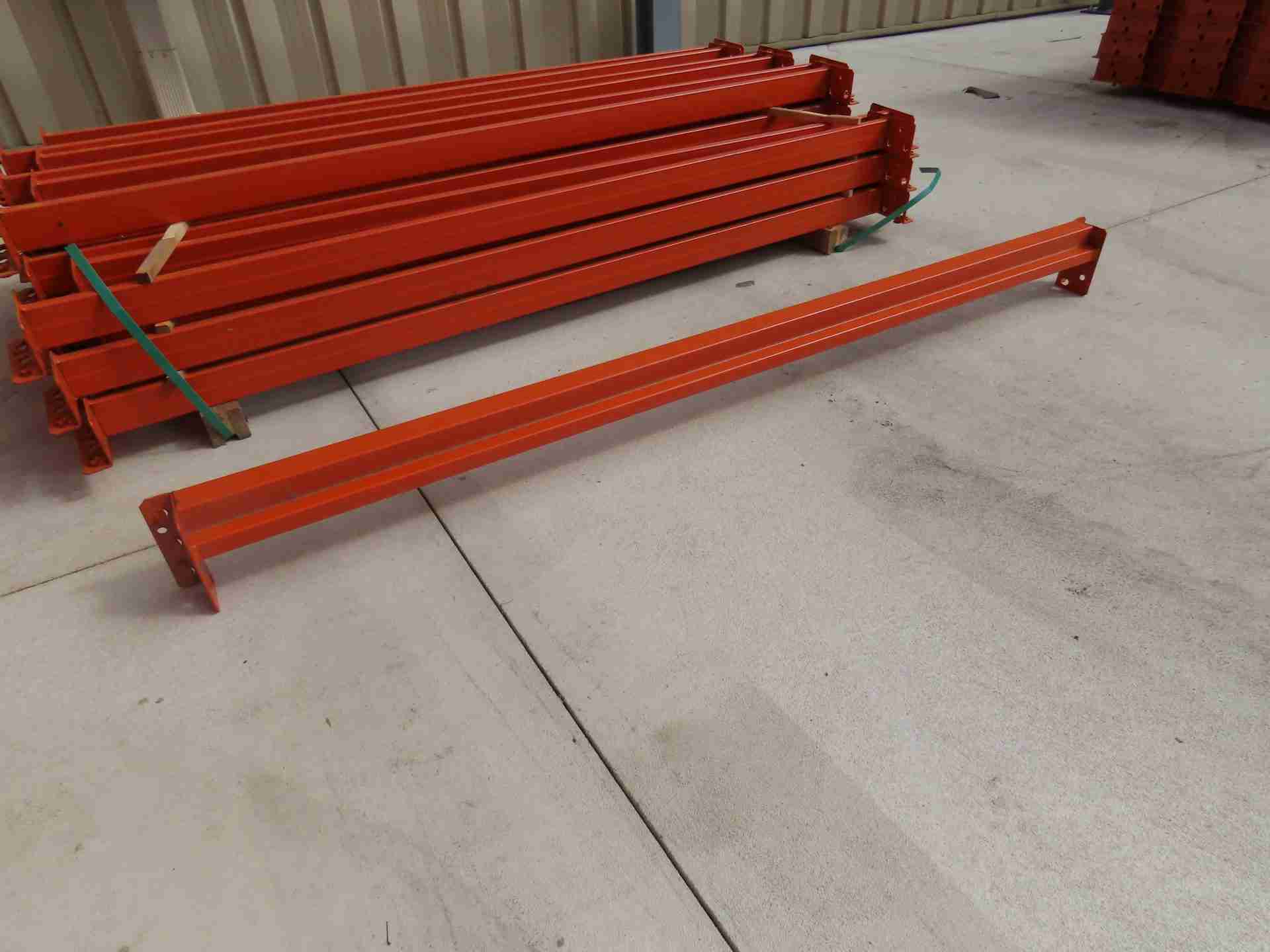
Are Suppliers Transparent About Their Inventory Age?
Conclusion
In today’s fast-evolving warehouse landscape, the questions surrounding outdated inventory and inefficient pallet rack systems are not just hypothetical—they’re your reality. Sticking with local suppliers who cling to antiquated principles can stifle your business’s growth, safety, and profitability. As we explored, relying on outdated pallet rack solutions can lead to a domino effect of inefficiencies, safety risks, and compliance issues that could jeopardize not just your operations but also your bottom line.
At Arrow Industrial Sales, we understand the overwhelming need for modernization during a time of unpredictable economic landscapes and rapid technological advances. Our focus is on offering you cutting-edge pallet racking solutions that are tailored to meet the unique demands of your warehouse space while enhancing your operational agility. By investing in our modern pallet racking systems, you not only enhance the safety of your environment but also unlock the potential for increased storage efficiencies and adaptable inventory management.
It’s crucial to recognize the signs of a lagging supplier and to gauge whether they are equipped with current, innovative inventory. Choose a partner who prioritizes transparency, actively communicates about inventory age, and aligns with the latest industry standards. In today’s competitive marketplace, time is of the essence—every moment you spend with outdated racking systems is a lost opportunity to optimize your business. Additionally, your ability to swiftly adapt to e-commerce demands and supply chain fluctuations hinges on your choice of supplier.
At Arrow Industrial Sales, we are passionate about transforming warehouses into well-oiled machines that drive efficiency and profitability. With customized solutions designed for today’s market, we empower businesses to soar above challenges and seize new opportunities. Don’t let complacency hold you back; the time for revolutionizing your warehouse operations is now!
Act Now! Call Arrow Industrial Sales at (574) 349-6575 to discover how our modern pallet racking solutions can streamline your operations and safeguard your future. Embrace the change and ensure your warehouse is ready for the challenges of tomorrow—before it’s too late!

Conclusion
Conclusion:
- Outdated inventory and pallet rack systems hinder warehouse operations and profitability.
- Partnering with local suppliers reliant on antiquated methods can stifle growth and safety.
- Using outdated pallet rack solutions risks inefficiencies and compliance issues.
- Arrow Industrial Sales offers modern pallet racking solutions tailored to unique warehouse needs.
- Investing in contemporary systems enhances safety and increases storage efficiency.
- Choosing the right supplier is critical for adapting to e-commerce demands and market fluctuations.
- Contact Arrow Industrial Sales at (574) 349-6575 to improve warehouse efficiency and future-proof your operations.

Conclusion
Other Resources

Other Resources
Here is a list of other resources you can review online to learn more:
- SEMA
- Interlake Mecalux
- Pallet Racking systems in Illinois and Great Lakes
- Pallet Racking systems in Illinois and Great Lakes
- RMI
- IIWS Inc. Rack Installation Illinois & Rack Repairs Illinois
- Teardrop Pallet Rack – Ridg-U-Rak
- BMH
- Teardrop Racks – Pallet Rack World
Use This Prompt To Get More Resources With Your Favorite Online AI Tool: Please provide me with a list of online articles with their URLs in a bulleted list that I can read regarding Are Local Pallet Rack Suppliers Using Outdated Inventory?

Other Resources
Glossary Terms
Are Local Pallet Rack Suppliers Using Outdated Inventory? – Glossary Of Terms
1. Pallet Rack: A storage system designed to hold palletized goods in warehouses, allowing for efficient organization and retrieval.
2. Inventory Management: The process of overseeing and controlling stock levels, including ordering, storage, and usage of products.
3. Outdated Inventory: Stock that is no longer current or relevant, often due to age, obsolescence, or changes in market demand.
4. Supplier: A company or individual that provides goods or services to another entity, particularly in a business context.
5. Stock Rotation: The practice of moving older inventory to the front of shelves and newer stock to the back to ensure older items are sold first.
6. Warehouse Optimization: The process of enhancing warehouse operations to maximize efficiency and minimize space and inventory costs.
7. FIFO (First In, First Out): An inventory management technique where the oldest stock is sold first to reduce waste and obsolescence.
8. LIFO (Last In, First Out): An inventory strategy where the most recently acquired items are sold before older stock.
9. Lead Time: The total time it takes from placing an order until the goods are received and available for use.
10. SKU (Stock Keeping Unit): A unique identifier for each distinct product and service that can be purchased, used for inventory management.
11. Inventory Turnover: A metric that measures how many times inventory is sold and replaced over a given period.
12. Obsolescence: The process of becoming outdated or no longer useful, often due to changes in technology or consumer preferences.
13. Demand Forecasting: The process of estimating future customer demand for a product or service to plan inventory levels.
14. Safety Stock: Extra inventory held to prevent stockouts caused by uncertainties in supply and demand.
15. Visual Management: Techniques used to communicate information visually to improve understanding and efficiency in inventory handling.
16. Inventory Audit: A systematic examination of the inventory levels and conditions to ensure accuracy and compliance with financial records.
17. Carrying Costs: The total costs associated with holding inventory, including storage, insurance, depreciation, and opportunity costs.
18. Warehouse Layout: The physical arrangement of storage areas, aisles, and workspaces in a warehouse for optimal efficiency.
19. Bulk Storage: A method of storing large quantities of products in a single location, often in pallets or bins.
20. Just-In-Time (JIT): An inventory strategy where materials are ordered and received only as they are needed in the production process.
21. Distribution Center: A specialized warehouse that focuses on the storage, handling, and distribution of products to retailers or customers.
22. Cycle Counting: An inventory auditing procedure that involves counting a portion of the inventory on a regular basis.
23. Return on Investment (ROI): A performance measure used to evaluate the efficiency or profitability of an investment relative to its cost.
24. Supplier Collaboration: Working closely with suppliers to improve inventory management, share information, and optimize processes.
25. Excess Inventory: Inventory levels that exceed the demand or capacity for which it was intended, leading to potential waste or storage issues.
26. Quality Control: The processes and procedures implemented to ensure that inventory meets specified quality standards.
27. Supply Chain Management: The management of the flow of goods and services, including all processes that transform raw materials into final products.
28. Pallet Dimensions: The measurements of pallets, which can affect storage capacity and compatibility with pallet racking systems.
29. Rust Prevention: Methods employed to protect metal racks and inventory from corrosion, which can impact the quality of goods stored.
30. Market Trends: Patterns and changes in consumer behavior, technology, or market dynamics that influence inventory management strategies.
Feel free to adjust or expand this list based on specific aspects of the topic you wish to emphasize

Glossary Of Terms
Other Questions
Are Local Pallet Rack Suppliers Using Outdated Inventory? – Other Questions
If you wish to explore and discover more, consider looking for answers to these questions:
- What are the signs that indicate I need to replace my current pallet racks?
- How do modern pallet rack solutions improve warehouse efficiency?
- What are the latest innovations in pallet racking technology?
- How does the cost of upgrading to modern pallet racks compare to maintaining old systems?
- What criteria should I use to evaluate potential pallet rack suppliers?
- How can mobile technology enhance pallet rack management?
- What role does pallet racking play in overall supply chain management?
- Are there specific industries that benefit more from modern pallet rack systems?
- What are the environmental benefits of using sustainable pallet racking systems?
- How can pallet racking systems be adapted for seasonal inventory changes?
- Are there specialized pallet racks for specific types of products?
- What training do employees need to safely use modern pallet racking systems?
- What are the potential costs associated with outdated pallet racking systems?
- How do different pallet racking configurations impact storage capacity?
- What are common compliance issues related to pallet racking systems?

Other Questions
Checklist
Are Local Pallet Rack Suppliers Using Outdated Inventory? – A Checklist
Visual Inspection
_____ Conduct regular visual inspections of pallet racks for signs of rust, deformation, or cracked welds.
_____ Check for any other physical damages or anomalies that could affect structural integrity.
Compliance Checks
_____ Ensure pallet racks comply with OSHA and ANSI safety standards.
_____ Review the manufacturing dates of racks to identify outdated models.
Evaluate Load Capacity
_____ Assess the load capacity of existing pallet racks.
_____ Review recent changes in inventory to ensure that racks can accommodate current needs without risk of overloading.
Technology Assessment
_____ Investigate if current pallet racks incorporate modern technology features (e. g. , adjustable heights, modular designs).
_____ Compare your systems with the latest market innovations for enhancements.
Business Adaptability
_____ Evaluate how well current pallet racking meets your business needs, especially if your inventory has changed or your business has expanded.
_____ Consider options for reconfiguration and adaptability to meet fluctuating demands.
Supplier Evaluation
_____ Inspect your local supplier’s inventory for signs of outdated or overstocked pallet racking systems.
_____ Assess a supplier’s restocking patterns and frequency of stockouts.
_____ Monitor communication quality with suppliers regarding inventory levels and trends.
Safety Features
_____ Verify that pallet racking systems have adequate safety features (e. g. , anti-collapse bars, guards).
_____ Ensure clear identification of storage levels through color coding and proper signage.
Regular Inventory Updates
_____ Establish a schedule for regular inventory updates (e. g. , daily or weekly).
_____ Utilize technology (like WMS, barcoding, or RFID) to improve inventory tracking.
Sustainability Considerations
_____ Investigate environmentally friendly options available for pallet racking.
_____ Assess the sustainability of your inventory management practices.
Transparency in Suppliers
_____ Ask suppliers about their practices regarding inventory age and disclosure.
_____ Seek suppliers who provide data on inventory turnover and age for better decision-making.
By following this checklist, you can ensure your warehouse is functionally optimized, compliant with safety standards, and aligned with modern practices. Regular assessments and proactive management will bolster operational efficiency and enhance your bottom line.

Checklist
At RackingWorld, we help guide you through selecting warehouse storage systems and racking.
Be sure to read our other related stories at RackingWorld to learn more about warehouse storage systems.
0 Comments