
Maximizing Efficiency And Space: Warehouse Racking Essentials
By Tom Seest
At RackingWorld, we help guide you through selecting warehouse storage systems and racking.
Be sure to read our other related stories at RackingWorld to learn more about warehouse storage systems.
How to Determine Warehouse Racking Requirements?
In today’s rapidly evolving supply chain landscape, determining the right warehouse racking requirements is more crucial than ever. With e-commerce booming and consumer expectations skyrocketing, the efficiency of your storage solutions can make or break your business. Here’s how to navigate through this process effectively.
1. Understand Your Inventory Needs
The first step is a thorough audit of your inventory. Are you dealing with large pallets of goods or smaller, individual items? Think about seasonal fluctuations—will you need more space during peak seasons? For instance, retailers like Walmart have had to adapt their racking amid increased demand and supply chain disruptions from global crises, including the COVID-19 pandemic. By understanding your inventory dynamics, you’ll know whether to invest in standard shelving, pallet racks, or even automated storage solutions.
2. Consider Your Warehouse Space
Next, take a close look at your warehouse layout. Measure the height and width of your space to see how high you can safely stack items. Implementing taller racking systems can maximize vertical space, leading to increased capacity without expanding your physical footprint. For example, if you’re currently using 8-foot racks but your warehouse can accommodate 20-foot racks, you could nearly triple your storage capacity. Just be sure to evaluate how that will impact accessibility and safety for your team.
3. Plan for Accessibility and Traffic Flow
After identifying your inventory and space, consider the workflow within your warehouse. A poorly designed racking system can lead to bottlenecks and inefficiencies. For example, think about how often items are picked—if you frequently sell items in smaller sizes, using a ‘pick module’ can ensure that your fastest-moving products are easily accessible. Research indicates that businesses with optimized picking areas can increase efficiency by as much as 30%.
4. Evaluate Industry Best Practices
Staying current on best practices in warehouse management will aid you in your decision-making. Many companies are turning to multi-tier racking systems or mobile shelving to adapt to changing demands and enhance flexibility. Analyzing trends, like increased automation and lean inventory practices, can spare your operation from costly shortcomings.
5. Consult with Experts for Tailored Solutions
Finally, don’t hesitate to seek expertise. Collaborating with racking specialists can provide insights specifically tailored to your warehouse needs. For instance, companies specializing in logistics and warehouse solutions are available to design a system that maximizes both capacity and efficiency.
By combining a clear understanding of your inventory, space, accessibility, industry trends, and professional insight, you can strategically determine your racking requirements and position your warehouse for success both now and in the future. Remember, a well-planned racking system isn’t just an investment in storage; it’s an investment in your business’s efficiency and growth.

How to Determine Warehouse Racking Requirements?
How to Determine Warehouse Racking Requirements?
- Understand Your Inventory Needs: Conduct a thorough inventory audit to determine storage needs based on item size and seasonal demands.
- Consider Your Warehouse Space: Measure the dimensions of your warehouse to maximize vertical space with taller racking systems.
- Plan for Accessibility and Traffic Flow: Design the racking system to minimize bottlenecks and enhance workflow efficiency.
- Evaluate Industry Best Practices: Stay updated on trends, such as multi-tier racking and automation, to optimize your warehouse operations.
- Consult with Experts for Tailored Solutions: Work with racking specialists to create customized solutions that meet your specific needs.
- Strategic Planning: Combine insights from inventory, space, accessibility, trends, and expertise for effective racking requirements.
- Investment in Efficiency: A well-planned racking system enhances business efficiency and supports future growth.

How to Determine Warehouse Racking Requirements?
Table Of Contents
- How to Determine Warehouse Racking Requirements?
- What Factors Influence Warehouse Racking Requirements?
- How Do You Calculate The Space For Racking?
- What Types Of Racking Systems Are Available?
- How Do You Assess Load Capacities For Racks?
- What Are The Benefits Of Using Pallet Racking?
- How Do Ceiling Height And Building Layout Affect Racking?
- What Safety Regulations Should I Consider For Racking?
- How Do I Choose The Right Material For Racking?
- What Role Does Inventory Turnover Play In Racking Needs?
- How Can I Optimize Racking For Picking Efficiency?
- What Are Common Layout Designs For Warehouse Racking?
- How Do Seasonal Demands Impact Racking Requirements?
- What Tools Can Help In Planning Warehouse Racking?
- How Often Should Racking Systems Be Assessed For Safety?
- What Costs Are Associated With Warehouse Racking Systems?
- Conclusion
- Other Resources
- Glossary Of Terms
- Other Questions
- Checklist
What Factors Influence Warehouse Racking Requirements?
When it comes to optimizing your warehouse operations, understanding the factors that influence racking requirements is crucial for maximizing efficiency and profitability. In today’s fast-paced market, businesses can’t afford to overlook how various elements shape their storage needs. Here’s what you should consider.
1. Inventory Type and Volume
The first key factor is the type and volume of inventory you handle. For instance, if your warehouse specializes in perishable goods like food and drinks, your racking must support quick accessibility and airflow—selective racking systems may serve you best. Conversely, e-commerce giants like Amazon utilize high-density racking to manage vast inventories of diverse products, allowing rapid retrieval and fulfillment.
2. Space Utilization
Efficient space utilization is paramount. Businesses are racing against the clock to make the most of every square foot, especially in a climate where commercial real estate can be prohibitively expensive. The current trend toward vertical storage—using taller racks to leverage height instead of floor space—has gained traction as warehouses look to double their storage capacity without expanding their footprint. For example, in response to the e-commerce boom triggered by the pandemic, companies have been installing selective and drive-in racks to optimize vertical space efficiently.
3. Order Picking Method
The manner in which orders are picked also greatly influences racking choices. In high-volume pick environments, systems like flow racking or pick modules boost order fulfillment speed. Consider the surge in online shopping. Retailers are adapting their racking solutions accordingly, integrating automated systems and mobile shelving to ensure rapid access to inventory while maintaining accuracy—critical components for customer satisfaction in today’s landscape.
4. Regulatory Requirements
In any industry, compliance cannot be overlooked. Depending on the nature of your products—especially in sectors like pharmaceuticals or hazardous materials—specific racking systems may be required to meet safety and regulatory standards. The recent increase in regulations surrounding workplace safety means that businesses must be vigilant in their choice of racking to avoid costly fines and accidents.
5. Technological Integration
Lastly, don’t underestimate the role of technology. As warehouses become smart operations—integrating RFID tracking and warehouse management systems (WMS)—the need for adaptable racking solutions that can accommodate these advancements is more important than ever. Companies such as Shopify are pushing the boundaries, investing in smart warehousing technologies that enhance picking accuracy and reduce errors.
In summary, your warehouse racking requirements are not a one-size-fits-all scenario. By carefully considering the above factors, you can build a storage solution that not only meets your current needs but is also adaptable for future growth, ensuring your business remains competitive in an ever-evolving marketplace.
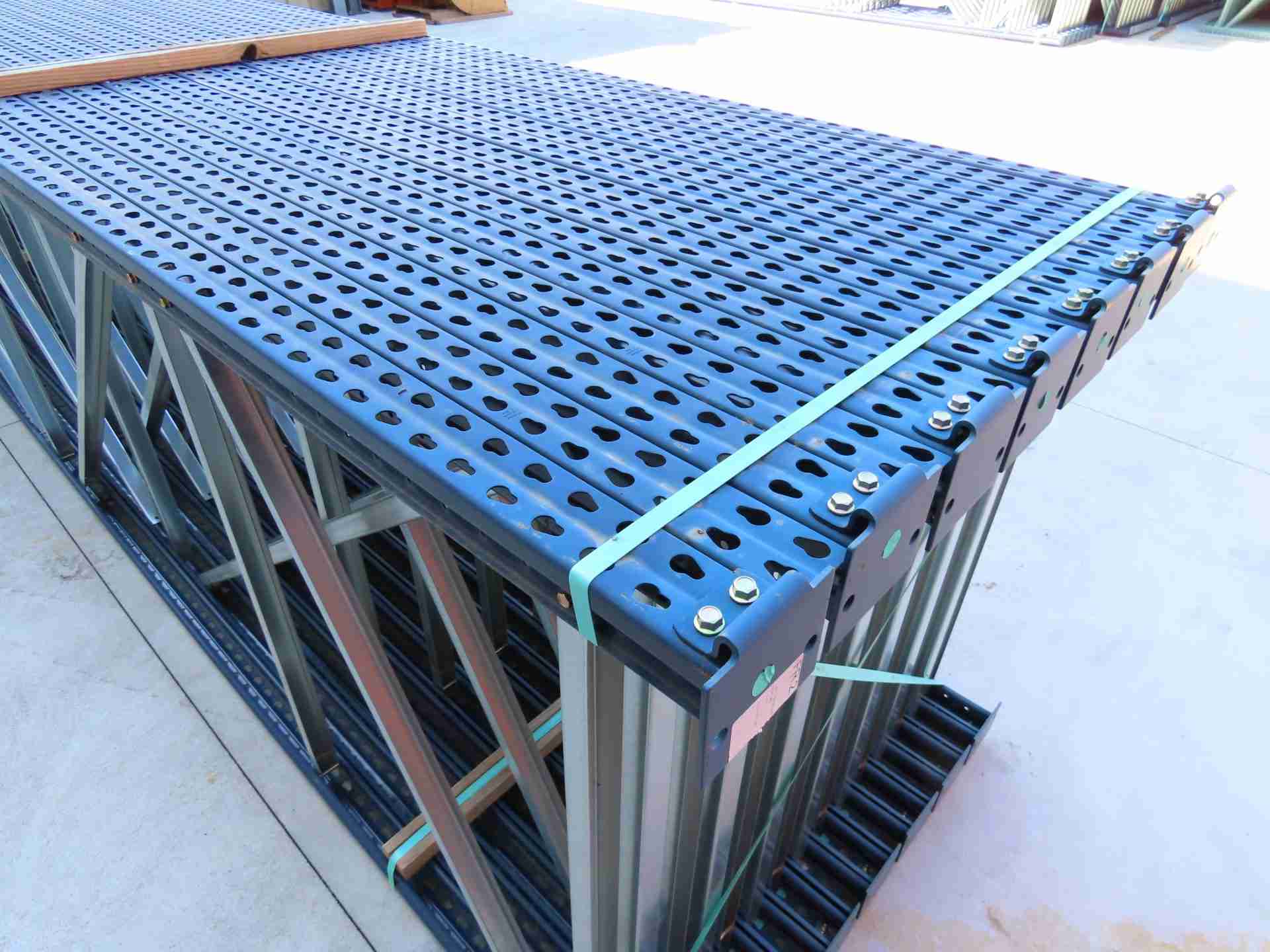
What Factors Influence Warehouse Racking Requirements?
What Factors Influence Warehouse Racking Requirements?
- Inventory Type and Volume: The type and quantity of inventory dictate racking needs; perishable goods require quick accessibility, while e-commerce necessitates high-density racking for diverse products.
- Space Utilization: Maximizing space is critical, with a trend towards vertical storage to increase capacity without expanding physical space, especially important in expensive real estate markets.
- Order Picking Method: The order fulfillment method influences racking choices, with high-volume environments benefiting from flow racking and automated systems for speed and accuracy.
- Regulatory Requirements: Compliance with regulations is vital; certain products necessitate specific racking solutions to adhere to safety and regulatory standards, particularly in sensitive industries.
- Technological Integration: Adapting racking systems to incorporate technology like RFID and WMS is essential for improving accuracy and efficiency in smart warehouses.
- Customization: Racking requirements are unique to each business, emphasizing the need for tailored solutions that address both current and future storage needs.
- Future Competitiveness: Building adaptable storage solutions is crucial for maintaining competitiveness in a rapidly changing market.

What Factors Influence Warehouse Racking Requirements?
How Do You Calculate The Space For Racking?
Calculating the space for racking isn’t just a logistics task; it’s a game-changing strategy in optimizing operational efficiency and significantly improving your bottom line. Every square foot of warehouse space is valuable, and understanding how to maximize that space can lead to increased productivity and reduced costs.
First, you need to assess your inventory. This includes evaluating the types of products you handle, their dimensions, and the quantity you stock. For instance, if you’re managing a warehouse for e-commerce, consider the trend of rapid delivery services that require efficiency. As more businesses pivot toward same-day shipping to meet consumer demands, optimizing racking space for accessibility is essential. Let’s say you have a mix of seasonal clothing items and electronics. Your racking needs will differ based on how often items move in and out.
Once you know your inventory, you can apply the ABC analysis technique, which categorizes inventory based on three criteria: frequency of movement (A for high, B for medium, C for low), value, and space consumption. For instance, high-turnover items like the latest gaming consoles might require proximity to the pick zone, while slower-moving seasonal items can be stored in less accessible areas or stacked higher, maximizing cubic space rather than just floor space.
Next, measure the total available space in your warehouse. Consider not just the floor area but also the vertical space. A common mistake is limiting consideration of only horizontal dimensions. Imagine a warehouse with 20-foot ceilings; if you only plan for single-height racking, you’re wasting an opportunity to stack your products higher. Utilize a racking calculator or layout software to visualize various configurations. These tools allow you to experiment with different arrangements, optimizing aisle width for equipment, which can be critical for both safety and operational efficiency.
Moreover, staying updated with regulations and current market demands is essential. For example, the increased focus on sustainability and eco-friendly practices means evaluating whether the materials used for racking align with your corporate responsibility goals.
As you finalize your calculations, remember to factor in future growth. Avoid racking systems that will become obsolete as your business expands. Implement systems that accommodate change to avoid costly renovations down the line. By proactively calculating your racking needs, you’re not just organizing space; you’re positioning your business for success in a dynamic market. Take charge of your inventory today—your profitability depends on it!

How Do You Calculate The Space For Racking?
How Do You Calculate The Space For Racking?
- Calculating racking space is crucial for optimizing operational efficiency and improving profitability.
- Assess your inventory by evaluating product types, dimensions, and stock quantities.
- Use the ABC analysis to categorize inventory based on movement frequency, value, and space consumption.
- Measure both horizontal and vertical space in the warehouse to maximize storage potential.
- Utilize racking calculators or layout software to optimize racking configurations and aisle widths.
- Stay updated on regulations and market demands, including sustainability considerations.
- Plan for future growth to avoid obsolete racking systems and costly renovations.

How Do You Calculate The Space For Racking?
What Types Of Racking Systems Are Available?
In today’s bustling logistics and retail environments, understanding the types of racking systems available can propel your business efficiency to new heights. With the rise of e-commerce and the escalating demand for quick fulfillment, choosing the right racking system is not just a matter of organization, but a vital strategy to enhance productivity and reduce overhead.
Selective Racking is one of the most popular choices due to its simplicity and versatility. Ideal for warehouses with a diverse product range, it allows easy access to individual pallets, reducing picking times and labor costs significantly. Think about companies like Amazon, which use selective racking in their vast networks of fulfillment centers to ensure quick sorting and dispatch of items. By utilizing selective racking, you can keep operations flowing smoothly while maintaining an organized inventory.
Drive-In Racking systems take efficiency to another level by maximizing vertical space and reducing aisle requirements. This type of racking is designed for high-density storage, making it perfect for businesses dealing with large quantities of similar products. For instance, cold storage facilities have embraced drive-in racking to accommodate perishable goods while ensuring efficient stock rotation. As supply chains adapt to the pressing need for space optimization—especially considering recent events that have pushed many businesses toward tighter inventory control—drive-in systems stand out as a smart option.
Mobile Racking is another innovative solution for businesses that face fluctuating inventory needs. Mobile racking systems can be compacted or expanded on-demand, allowing you to make the most of your available space without constructing new storage areas. This is particularly beneficial in industries like pharmaceuticals, where space is a premium and inventory sizes change frequently. Companies are discovering the profound impact of a mobile racking solution, especially in light of recent industry challenges that require agility and responsiveness.
If you’re looking for a robust and adaptable system, multi-tier racking might be your answer. By creating additional levels of storage space, businesses can utilize their vertical height effectively. This approach is increasingly common in retail settings where space is often limited, yet the demand for product variety remains high. Major retailers are currently leveraging multi-tier systems to enhance their ability to showcase products and improve customer experience.
Investing in the right racking system can significantly streamline your operations, optimize inventory management, and ultimately impact your bottom line. As we navigate the complexities of modern logistics, the question isn’t just about what type of racking to implement, but rather, how to implement it effectively to gain a competitive edge. Choose wisely, and watch your efficiency soar!

What Types Of Racking Systems Are Available?
What Types Of Racking Systems Are Available?
- Understanding different racking systems can enhance business efficiency in logistics and retail.
- Selective Racking is popular for its simplicity and versatility, allowing easy access to individual pallets.
- Drive-In Racking maximizes vertical space and is ideal for high-density storage of similar products.
- Mobile Racking provides flexible storage solutions that can adjust to fluctuating inventory needs.
- Multi-Tier Racking effectively utilizes vertical space, making it suitable for retail environments with limited space.
- Investing in the appropriate racking system can streamline operations and optimize inventory management.
- Choosing the right racking system is essential for gaining a competitive edge in modern logistics.

What Types Of Racking Systems Are Available?
How Do You Assess Load Capacities For Racks?
When it comes to maximizing efficiency in your warehouse or retail space, understanding load capacities for racks is non-negotiable. Think of it as the backbone of your operations—the more solid your foundations, the greater your potential for success. Assessing load capacities isn’t just about compliance; it’s about setting your business up for streamlined productivity and safety.
First, you need to start with the specifications provided by the rack manufacturer. Every rack type—from selective pallet racking to cantilever racks—comes with a clear set of engineering guidelines that dictate how much weight they can handle. For instance, if your business utilizes a selective pallet rack, the load capacity may vary based on the beam level and the depth of the rack. Ignoring these specifications can lead to catastrophic failures, costing you not just in product loss but more importantly in employee safety.
Next, consider the actual contents you plan on storing. You should weigh individual items or calculate the total weight of stacked goods accurately. As companies navigate supply chain disruptions and shifts in consumer demand—like those seen in the recent surge of e-commerce—it can be tempting to cram everything into your racks. Resist this urge! Instead, strategically distribute weight to optimize both safety and efficiency. For instance, if you’re storing heavy products such as industrial equipment on a cantilever rack, ensure that the load is well-balanced and utilize heavier duty supports for larger items.
Don’t overlook the regulatory frameworks in your area. Keeping abreast of the Occupational Safety and Health Administration (OSHA) guidelines, as these regulations have been tightened recently due to increased scrutiny around workplace safety, is essential. A good rule of thumb? Regularly schedule inspections and audits of your storage systems. After all, a proactive approach will save you from costly fines, not to mention the potential damage to your reputation.
Finally, engage your staff in the process. Train them to recognize signs of overloading or improper rack usage. Let them be your eyes and ears on the ground. Real-life observed scenarios from your own team can provide invaluable insights that even the best engineer may overlook.
In a world increasingly focused on safety and efficiency, taking the time to assess your rack load capacities isn’t just smart; it’s the forward-thinking strategy every entrepreneur should embrace. So take control of your environment—because when it comes to your business, every pound counts.

How Do You Assess Load Capacities For Racks?
How Do You Assess Load Capacities For Racks?
- Understanding load capacities for racks is essential for maximizing efficiency in warehouses and retail spaces.
- Start with the manufacturer’s specifications, which outline the weight limits for different rack types.
- Carefully calculate the total weight of items stored to avoid overloading racks and ensure employee safety.
- Distribute weight strategically to enhance both safety and operational efficiency.
- Stay informed about regulatory frameworks and OSHA guidelines to avoid fines and safety issues.
- Regularly conduct inspections and audits of storage systems to identify potential risks proactively.
- Engage and train staff to recognize signs of overloading and improper usage of racks for better safety management.

How Do You Assess Load Capacities For Racks?
What Are The Benefits Of Using Pallet Racking?
In an increasingly competitive marketplace, businesses are constantly seeking ways to enhance efficiency, reduce costs, and maximize space. One powerful solution that has emerged is pallet racking, a storage system that transforms cluttered warehouses into organized powerhouses of productivity.
Space Optimization
First and foremost, pallet racking dramatically increases the storage capacity of a warehouse. Conventional shelving takes up a significant amount of square footage, whereas pallet racking systems utilize vertical space, allowing businesses to build upward instead of outward. For example, a small distribution center can increase its storage capacity by over 30% without the need for an expensive expansion—an attractive solution at a time when real estate prices are surging in many urban areas.
Improved Accessibility
Next, let’s talk about efficiency. Modern pallet racking designs come equipped with features that simplify access to inventory. Consider the recent global supply chain challenges; businesses faced unprecedented delays and disruptions. By implementing an efficient pallet racking system, companies can streamline their operations, ensuring that fast-moving items are easily accessible. In a recent survey, companies that adopted advanced pallet racking systems reported up to a 50% reduction in picking times, getting products out the door faster than ever.
Safety and Organization
Safety is a critical concern in warehouse management, and pallet racking contributes to a safer workplace by keeping products organized and off the ground. When items are neatly shelved, the risk of accidents, such as trips or falls, diminishes significantly. Furthermore, clearly marked aisles and organized stock reduce confusion. This is particularly relevant when considering observational studies from OSHA which indicate that structured environments can lead to fewer workplace injuries.
Flexibility and Scalability
Another standout feature of pallet racking is its unparalleled flexibility. Businesses are dynamic; they offer new products, change seasons, or scale operations. Pallet racking systems can adapt to these changes seamlessly. For instance, during the 2020 pandemic, many retailers needed to pivot quickly, switching their inventory from traditional retail to online fulfillment. With pallet racking, they could quickly reorganize their warehouse to accommodate e-commerce demands, thus tapping into a rapidly growing market.
Cost-Efficiency
Lastly, let’s not forget about the print on the bottom line. By optimizing space, improving inventory accessibility, and enhancing organization, pallet racking systems yield significant cost savings over time. Businesses that invest in quality pallet racking often recoup their expenses in just a few months, making it not just a wise choice, but a highly cost-effective one as well.
In an era marked by rapid change and competition, investing in pallet racking is not merely advantageous—it’s essential. Maximizing storage, increasing efficiency, and ensuring safety will keep your business ahead of the curve, ready to tackle whatever challenges the evolving marketplace throws your way.

What Are The Benefits Of Using Pallet Racking?
What Are The Benefits Of Using Pallet Racking?
- Space Optimization: Pallet racking increases warehouse storage capacity by utilizing vertical space, allowing up to a 30% increase in storage without expansion.
- Improved Accessibility: Modern designs simplify inventory access, leading to up to a 50% reduction in picking times and faster product dispatch.
- Safety and Organization: Keeps products organized and off the ground, reducing the risk of workplace accidents and improving overall safety.
- Flexibility and Scalability: Easily adapts to changing business needs, allowing quick reorganization for new products or market shifts.
- Cost-Efficiency: Significant long-term cost savings through space optimization and improved access, often recouping initial investments in just months.
- Enhanced Productivity: Transforms cluttered warehouses into organized spaces that drive productivity and efficiency in operations.
- Essential Investment: In a competitive marketplace, investing in pallet racking is crucial for maximizing storage, efficiency, and business safety.

What Are The Benefits Of Using Pallet Racking?
How Do Ceiling Height And Building Layout Affect Racking?
When it comes to maximizing warehouse efficiency, ceiling height and building layout are critical yet often overlooked factors that can make or break your racking strategy. The right combination can amplify your storage capabilities, streamline operations, and significantly cut down on unnecessary costs. Let’s dive deeper into how these elements play a pivotal role.
First, consider ceiling height. Warehouses with lofty ceilings—typically over 30 feet—open the door to high-density storage solutions. High ceilings allow for the implementation of vertical racking systems, such as pallet racks, which can reach impressive heights of 30-50 feet with the right equipment. For example, companies like Amazon utilize such vertical strategies in their distribution centers to store thousands of products efficiently. The increased vertical space means more room for inventory without expanding your facility’s footprint.
Conversely, a low ceiling can hinder your racking options. You may be forced to rely on more traditional, less efficient setups, meaning you could end up wasting precious floor space. Imagine a 20-foot ceiling where you can only go two rows high versus a 40-foot ceiling where you can go four rows or more. The potential for inventory storage multiplies, directly impacting your operational efficiency.
Now let’s shift to building layout. The design of your warehouse can either facilitate seamless workflow or create bottlenecks. An optimum layout promotes efficient movement, allowing forklifts and staff to navigate effortlessly. Designs employing a grid system make it easier to locate products quickly, which is essential in today’s fast-paced market. For instance, the recent boom in e-commerce has pushed retailers to reassess their layouts to meet the increasing demand for quick order fulfillment.
Moreover, the strategic placement of racking systems can enhance accessibility. Ensure that high-traffic areas are free from obstructions and that racking is located near loading docks to minimize the time spent moving products in and out. This might sound straightforward, but it’s all too common to see poorly configured layouts that waste time and, ultimately, money.
In summary, by investing time and resources into understanding how ceiling height and building layout affect racking, businesses can greatly enhance their warehousing capabilities. Keeping an eye on current trends and effectively utilizing your space can pave the way for unprecedented growth and operational success. Don’t let your warehouse be an afterthought; make it a smart machine that works tirelessly in your favor.

How Do Ceiling Height And Building Layout Affect Racking?
How Do Ceiling Height And Building Layout Affect Racking?
- Ceiling height and building layout are crucial for maximizing warehouse efficiency and racking strategy.
- Warehouses with ceilings over 30 feet allow for high-density vertical storage solutions, increasing inventory capacity.
- Higher ceilings facilitate the use of vertical racking systems, significantly improving storage capabilities without expanding the facility.
- Low ceilings may limit racking options, resulting in inefficient use of floor space and reduced operational efficiency.
- An optimal building layout promotes seamless workflow, facilitating movement for forklifts and staff.
- Strategic placement of racking systems near loading docks enhances accessibility and minimizes product movement time.
- Understanding and optimizing ceiling height and layout can lead to improved warehousing capabilities and operational success.

How Do Ceiling Height And Building Layout Affect Racking?
What Safety Regulations Should I Consider For Racking?
When it comes to racking systems in warehouses and storage facilities, safety regulations are non-negotiable. Ignoring these rules can lead to catastrophic accidents, expensive fines, and even business shutdowns. The good news? Navigating through these regulations doesn’t have to feel like deciphering a foreign language. Let’s break it down into digestible pieces.
1. OSHA Guidelines: The Skeleton of Safety
The Occupational Safety and Health Administration (OSHA) provides a comprehensive framework for maintaining safe work environments, including racking systems. They stipulate that racking must be designed and installed based on load capacities, height limits, and spacing requirements. For instance, if you’re using pallet racks, every individual rack should be labeled with its load capacity clearly. Remember the tragic incident back in early 2022 where an overloaded racking system led to a fatality in a warehouse in Illinois? Preventing such mishaps starts with strict adherence to OSHA guidelines.
2. National Fire Protection Association (NFPA) Recommendations
Another critical set of regulations comes from the National Fire Protection Association. Their codes dictate how racking should be designed to prevent fire hazards, especially when storing flammable materials. If your facility houses items like chemicals or electronics, consider integrating fire suppression systems and ensuring that aisles are wide enough for fire response teams to navigate efficiently. Recent wildfires in California have highlighted how quickly a fire can spread in a warehouse environment, underscoring the importance of being proactive about fire safety.
3. Regular Inspections
It’s not just about the initial setup; ongoing safety checks are paramount. The American National Standards Institute (ANSI) recommends routine inspections and maintenance for racking systems. Conducting weekly checks for signs of wear and tear can save you from costly repairs and ensure compliance with safety standards. In fact, many businesses now use digital inspection systems to track and document issues over time, adding an additional layer of accountability.
4. Employee Training: The Unsung Hero of Safety
Lastly, don’t overlook the human element. Regularly train your employees on the proper use of racking systems, including loading protocols and emergency procedures. A well-trained staff can be your first line of defense against accidents. Real-world incidents, such as a well-publicized warehouse collapse from improper use of racking, emphasize that knowledge is just as important as the framework itself.
Adhering to safety regulations for racking systems is not merely about compliance; it’s about fostering a culture of safety that protects your employees and enhances your bottom line. Invest in safety today to reap rewards tomorrow, because in business, prevention is always more cost-effective than cure.

What Safety Regulations Should I Consider For Racking?
What Safety Regulations Should I Consider For Racking?
- OSHA Guidelines: Essential framework for safe racking system design and installation, focusing on load capacities and labeling.
- NFPA Recommendations: Codes aimed at preventing fire hazards, especially when storing flammable materials, emphasizing the need for fire suppression systems.
- Regular Inspections: Ongoing safety checks recommended by ANSI to detect wear and ensure compliance, with many businesses adopting digital inspection systems.
- Employee Training: Regular training on proper racking use and emergency procedures is crucial for accident prevention.
- Culture of Safety: Adhering to safety regulations fosters a protective environment for employees and enhances business performance.
- Prevention Over Cure: Investing in safety measures is more cost-effective in the long run than dealing with accidents.
- Historical Incidents: Learning from past accidents, such as the Illinois warehouse fatality and California wildfires, reinforces the importance of safety measures.
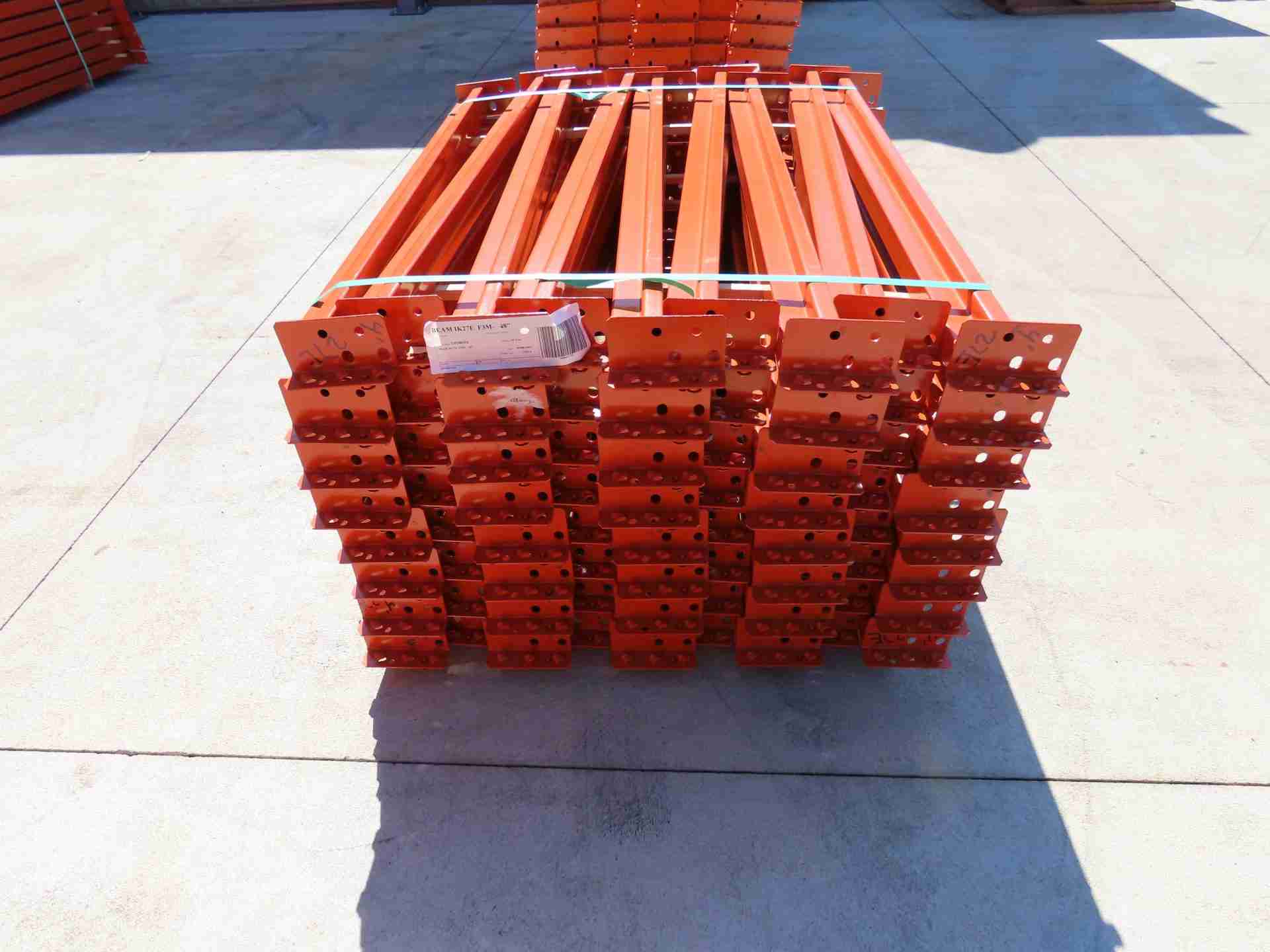
What Safety Regulations Should I Consider For Racking?
How Do I Choose The Right Material For Racking?
Selecting the perfect material for your racking system can drastically impact your operations, profitability, and even safety. In today’s fast-paced business landscape, it’s essential to weigh your options carefully to avoid costly mistakes. Here’s how to make an informed decision.
1. Understand Your Needs:
First, assess your specific requirements before diving into materials. Are you storing heavy industrial supplies, delicate electronics, or food products? Heavy-duty materials like steel would suit heavy machinery, while lighter materials like aluminum could work for less demanding applications. For example, with the recent surge in online shopping, many retailers have embraced metal racking for its durability and ability to handle increased inventory loads. Bracing yourself with insights helps avoid the one-size-fits-all trap.
2. Consider Environmental Factors:
Next, factor in your environment. If you’re operating in a warehouse subjected to high humidity or corrosive substances, look for weather-resistant options. Galvanized steel or powder-coated materials offer superior resistance to rust and degradation, ensuring longevity. The food industry, shaken by recent supply chain disruptions, illustrates the importance of using appropriate materials. Choosing rust-resistant racking for perishable goods not only maintains the quality, but it also complies with health regulations.
3. Think About Safety:
Incorporating safety into your material decision is non-negotiable. For example, using materials with a higher weight capacity can help prevent accidents. A well-engineered steel racking system supports safely stacked products and minimizes risk. As regulations tighten, especially post-pandemic—focusing on employee and customer safety—choosing materials that bolster your safety standards will not only comply with regulations but position you as a responsible business.
4. Future-proof Your Investment:
Be strategic about future growth. Choose versatile materials that can adapt to changes down the line. Modular systems, often made of steel, provide flexibility to adjust as your business evolves. The logistics sector faces unprecedented changes; investing in adaptable racking solutions now means you’ll avoid a costly overhaul later.
5. Budget Wisely:
Lastly, let’s not forget about cost. While cheaper options beckon, they can lead to snags. In a world where supply chain issues can rear their heads overnight, you don’t want to scrimp and end up with a racking system that fails when you need it most. Balance price against long-term reliability and performance—the most cost-effective material may not always carry the lowest initial sticker price.
By carefully considering these factors, you can exclude guesswork and position your business for sustained success. In a competitive landscape, making the right choice for your racking materials is an investment that pays dividends, ensuring efficiency, compliance, and growth for years to come.

How Do I Choose The Right Material For Racking?
How Do I Choose The Right Material For Racking?
- Understand Your Needs: Assess your storage requirements and choose appropriate materials; heavy-duty steel for industrial supplies or lighter aluminum for less demanding applications.
- Consider Environmental Factors: Take into account the operating environment; opt for weather-resistant materials like galvanized steel for areas with high humidity or corrosive substances.
- Think About Safety: Select materials with higher weight capacity to prevent accidents and ensure compliance with safety regulations.
- Future-proof Your Investment: Choose versatile materials, like modular steel systems, that can adapt to your business growth and changes.
- Budget Wisely: Balance the cost of materials with long-term reliability; avoid over-reliance on cheaper options that may lead to future issues.
- Ensure Sustained Success: Careful consideration of these factors can lead to efficiency, compliance, and growth in a competitive business landscape.

How Do I Choose The Right Material For Racking?
What Role Does Inventory Turnover Play In Racking Needs?
In today’s fast-paced retail and warehouse environments, understanding the relationship between inventory turnover and racking needs is essential for optimizing operations and boosting profitability. Inventory turnover—the rate at which stock is sold and replaced in a given period—directly influences how you should design your racking systems to meet dynamic demands.
Consider a high-demand product, like hand sanitizers during the COVID-19 pandemic. Businesses that maintained a high inventory turnover adjusted their racking systems to accommodate rapid replenishment and efficient picking processes. Could you imagine a warehouse that can’t keep up? For those retailers who recognized the trend and acted swiftly, like major pharmacy chains, the ability to adapt their racking layouts played a critical role in ensuring that products flew off the shelves without a hitch.
A higher inventory turnover ratio means you’re selling and restocking more frequently. Thus, flexibility in warehouse space becomes paramount. With such velocity, traditional static storage solutions fall short. Instead, investing in adjustable racking systems and dynamic storage options becomes vital. For instance, using mobile shelving units allows businesses to conserve space and easily adjust configurations based on fluctuating inventory levels. This approach can significantly enhance efficiency and responsiveness.
On the contrary, slow-moving products may occupy valuable real estate in your warehouse if your rack configuration doesn’t reflect their performance. For example, consider a fashion retailer handling seasonal stock. If summer attire remains stagnant well into autumn, that excessive inventory clogs your racking system and can lead to missed opportunities for faster-selling items. Implementing a first-in, first-out (FIFO) strategy in your racking can combat this issue, ensuring that older stock is prioritized over new arrivals.
Furthermore, current supply chain challenges emphasize the importance of analyzing inventory turnover rates. According to a recent report, businesses are experiencing delays in getting products to market due to transportation bottlenecks. Retailers with well-organized racking systems, tailored to their inventory turnover, can pivot quicker by identifying which products need more space and which should be relegated to back rows.
Ultimately, racking needs should reflect not just how much you’re selling, but how quickly. When designed strategically in relation to inventory turnover, your racking systems can not only drive efficiencies but can also contribute to greater sales potential. Make smart decisions now, and watch your revenue flow!

What Role Does Inventory Turnover Play In Racking Needs?
What Role Does Inventory Turnover Play In Racking Needs?
- Understanding the relationship between inventory turnover and racking needs is crucial for optimizing retail and warehouse operations.
- Inventory turnover directly influences racking system designs to accommodate dynamic demands.
- High inventory turnover allows for rapid replenishment and efficient picking, exemplified by businesses adapting to the demand for hand sanitizers during the COVID-19 pandemic.
- Flexible warehouse space is essential; traditional static storage solutions may not be adequate for high turnover rates.
- Adjustable racking systems and mobile shelving units enhance efficiency and responsiveness to fluctuating inventory levels.
- A first-in, first-out (FIFO) strategy can help manage slow-moving products and optimize warehouse space.
- Well-organized racking systems tailored to inventory turnover can increase sales potential and improve responsiveness to supply chain challenges.

What Role Does Inventory Turnover Play In Racking Needs?
How Can I Optimize Racking For Picking Efficiency?
In the fast-paced world of warehousing and logistics, optimizing your racking system is not just an operational necessity; it’s your gateway to increased efficiency, reduced costs, and, ultimately, enhanced profitability. With ecommerce demand soaring, especially post-pandemic, ensuring your warehouse strides ahead can markedly differentiate you from the competition.
First, evaluate your current racking layout. Are your high-demand products located near picking zones? A common mistake is placing these items in the far reaches of the warehouse, forcing workers to waste precious time. For example, retailers like Amazon have meticulously designed their fulfillment centers to ensure that best-sellers are never more than an arm’s reach away. Implementing a similar strategy in your racking setup can lead to a drastic reduction in picking time.
Secondly, consider adopting a dynamic storage system. Many businesses, noticing the shifting landscape in consumer preferences, have turned to modular and adjustable racking systems. By allowing flexibility in storage height and depth, you can easily adapt to fluctuating inventory levels, ensuring that your warehouse remains agile and responsive. Companies like Walmart are pioneering this approach, continuously reshaping their racking strategies to accommodate seasonal shifts and warehouse consolidations.
Next, leverage technology to transform traditional racking into a smart, data-driven solution. The integration of barcode systems and RFID technology provides real-time insights into inventory. This capability enables you to assess which products are frequently picked together and strategically group them—especially crucial during peak seasons like Black Friday or Cyber Monday. Imagine the impact of a streamlined picking path that guides workers efficiently from one product to the next, thereby slashing time wasted on unnecessary movement.
Lastly, engage your team by soliciting feedback on your racking layout. After all, who knows the picking process best? The frontline employees who navigate the aisles daily have invaluable insights that can lead to surprising efficiencies. Consider placing employee suggestion boxes or holding regular brainstorming sessions. It’s their experience and your racking finesse combined that can ignite unparalleled productivity.
Optimizing your racking for picking efficiency is not a one-size-fits-all strategy. It involves dynamic adjustments, embracing technology, and valuing employee input. As the supply chain landscape continues to evolve, remember: agility and efficiency are your best allies in capturing market share and staying ahead in this competitive arena. Reassess, redesign, and watch as your efficiency transforms, paving the way for a future where your warehouse operations not only keep pace but leap ahead.

How Can I Optimize Racking For Picking Efficiency?
How Can I Optimize Racking For Picking Efficiency?
- Optimizing racking systems enhances efficiency, reduces costs, and improves profitability in warehousing.
- Evaluate racking layout by placing high-demand products near picking zones to reduce picking time.
- Adopt dynamic storage systems to maintain flexibility in response to changing inventory levels.
- Leverage technology, such as barcode systems and RFID, for real-time inventory insights and efficient picking paths.
- Engage employees for feedback on racking layouts to identify improvements based on frontline experiences.
- Maintain an adaptable strategy that combines technology, employee input, and dynamic adjustments.
- Agility and efficiency are crucial for capturing market share in the evolving supply chain landscape.

How Can I Optimize Racking For Picking Efficiency?
What Are Common Layout Designs For Warehouse Racking?
In the world of warehousing, the way you arrange your racking can spell the difference between chaos and efficiency. Selecting the right layout design is critical for maximizing storage capacity and streamlining operations. Let’s explore some common racking layout designs that can revolutionize your warehouse space and drive your bottom line.
1. Traditional Pallet Racking:
This is the bread and butter of warehouse design and remains a popular choice among businesses. With vertical beams and horizontal supports, traditional pallet racking allows for easy access to stored goods. By utilizing standard-sized pallets, you can optimize vertical space and reduce clutter on the floor, all while maintaining straightforward accessibility. Imagine a food distributor whose pallets of canned goods are neatly organized within this system—reducing picking time by 30% and ensuring inventory is easily trackable.
2. Drive-In and Drive-Thru Racking:
In scenarios where inventory turnover is slower, drive-in racking can be a game-changer. This design allows forklifts to drive directly into the rack system, creating high-density storage. Drive-thru racks, on the other hand, allow access from both ends, giving you flexibility in managing incoming and outgoing stock. Recent trends in the e-commerce sector emphasize rapid fulfillment, and these systems can dramatically decrease the time taken to retrieve items from deep storage.
3. Cantilever Racking:
For those dealing with lengthy items like lumber or piping, cantilever racking is unparalleled. With arms extending from a vertical column, this system ensures easy access while maintaining stability. Companies in the construction industry find massive value in these racks, turning cumbersome inventory management into a streamlined process. In recent months, as supply chain disruptions have prompted a reevaluation of storage methods, many have turned to this versatile solution.
4. Mezzanine Systems:
If you’re facing space constraints, consider introducing a mezzanine level—essentially a second floor within your warehouse. This allows you to double your storage capacity without the need for a costly and time-consuming expansion. The opportunity to create customized shelving and workspace above can ease congestion and speed up order processing. Companies adapting to recent labor shortages are increasingly finding these options enticing, as they optimize space utilization while keeping a streamlined workforce.
5. Flow Racking:
Ideal for industries with high product turnover, flow racking facilitates the “first in, first out” (FIFO) method. This innovative design employs gravity to move products from the back of the rack to the front, ensuring that older stock is rotated efficiently. In times of fluctuating demand, such as during seasonal peaks, businesses must adapt quickly. Flow racking can be a vital asset in achieving this agility.
Selecting the right warehouse racking layout is not merely about fitting in as much product as possible. It’s about creating a well-oiled machine that enhances productivity and improves order fulfillment. By embracing these common designs, you can transform your warehouse from a storage space into a strategic asset in your business operations.

What Are Common Layout Designs For Warehouse Racking?
What Are Common Layout Designs For Warehouse Racking?
- Warehouse Racking Layout Importance: Proper arrangement of racking is crucial for efficient operations and maximizing storage capacity.
- Traditional Pallet Racking: The most common design, allowing easy access to standard-sized pallets and optimizing vertical space, leading to reduced picking time.
- Drive-In and Drive-Thru Racking: Suitable for slow inventory turnover, offering high-density storage and flexibility for incoming and outgoing stock.
- Cantilever Racking: Ideal for lengthy items like lumber, providing easy access and stability, particularly beneficial for the construction industry.
- Mezzanine Systems: A solution for space constraints, doubling storage capacity without major expansions and aiding in order processing efficiency.
- Flow Racking: Designed for high turnover, this system uses gravity to rotate stock efficiently, supporting the “first in, first out” (FIFO) method.
- Strategic Asset: The right racking design turns warehouses into productive environments, enhancing order fulfillment and overall business operations.

What Are Common Layout Designs For Warehouse Racking?
How Do Seasonal Demands Impact Racking Requirements?
In today’s fast-paced commercial landscape, businesses are not just competing on quality and price; they are also racing against time and seasonal shifts. These fluctuations influence inventory levels, which in turn can significantly impact racking requirements. Understanding these dynamics is essential for optimizing warehouse layout and maximizing efficiency.
Take, for instance, the retail industry, where spikes in demand typically coincide with holidays and seasonal events. Around the holiday season, companies like Amazon and Walmart experience unprecedented surges in online and in-store purchases. To accommodate a wider range of products — from toys to holiday décor — retailers must adapt their racking systems, often shifting from a just-in-time inventory model to a just-in-case approach. These adaptations could involve the introduction of vertical racks that take advantage of unused overhead space, which proves crucial in navigating the influx of seasonal products.
But it isn’t only about the big players. Consider small businesses or e-commerce platforms that specialize in seasonal goods. During summer months, outdoor equipment might fly off the shelves, necessitating dedicated racking systems that not only hold more but also ensure quick access to items like lawnmowers, grills, and gardening tools. When customers demand these items, the last thing you want is to have your inventory scattered across a disorganized warehouse.
On the flip side, seasonal variations can invite caution. If a business significantly ramped up its racking requirements for winter holiday items, what happens when January rolls around? Overestimating demand can lead to wasted space and resources. Businesses must carefully analyze historical sales data and market trends to make informed decisions about how much floor space they devote to seasonal inventory.
Moreover, recent events such as the pandemic have shifted consumer behavior, permanently changing how businesses plan for seasonal peaks. For instance, with the rise of hybrid work and an increasing emphasis on home-centric lifestyles, home office setups now see spikes in demand during back-to-school sales. Companies need flexible racking solutions that allow for quick reconfiguration to adapt to these new habits, keeping up with stock levels of office furniture and accessories, without losing efficiency.
Successfully managing racking requirements in relation to seasonal demands is not merely an operational concern; it’s a strategic advantage. Companies that can swiftly and effectively adjust their storage solutions in response to consumer behavior position themselves to seize new opportunities, reduce costs, and maximize profitability. Ultimately, understanding these demands can be the difference between thriving and merely surviving in today’s competitive market.

How Do Seasonal Demands Impact Racking Requirements?
How Do Seasonal Demands Impact Racking Requirements?
- Businesses today compete not only on quality and price but also on time and seasonal shifts, which affect inventory levels and racking requirements.
- The retail industry experiences demand spikes during holidays, prompting companies like Amazon and Walmart to adapt their racking systems for better inventory management.
- Small businesses and e-commerce platforms also need dedicated racking systems to handle seasonal goods effectively and ensure quick access to high-demand items.
- Overestimating demand can lead to wasted space and resources, necessitating careful analysis of historical sales data and market trends.
- Recent changes in consumer behavior, influenced by the pandemic, require flexible racking solutions to adapt to new demands, such as home office setups during back-to-school sales.
- Managing racking requirements in relation to seasonal demands provides a strategic advantage, enabling companies to adjust quickly and seize new opportunities.
- A comprehensive understanding of these dynamics can distinguish thriving companies from those merely surviving in a competitive market.

How Do Seasonal Demands Impact Racking Requirements?
What Tools Can Help In Planning Warehouse Racking?
When it comes to warehouse racking planning, leveraging the right tools can make all the difference between a streamlined operation and a chaotic mess. In today’s fast-paced environment, where efficiency is key, outdated methods simply won’t cut it. Here are some innovative tools that can elevate your racking strategy, making it not just practical, but downright profitable.
# 1. Warehouse Management Systems (WMS)
A robust Warehouse Management System is essential for modern operations. Tools like Fishbowl or NetSuite seamlessly integrate with your existing operations, allowing you to optimize inventory levels, track stock movements, and suggest the most efficient racking layouts based on real-time data. As supply chain disruptions continue to ripple through various industries, the ability to adjust quickly and effectively has never been more critical.
# 2. 3D Design Software
Visualizing your warehouse layout before committing to racking solutions is now easier than ever with 3D design software. Tools such as AutoCAD or SketchUp allow warehouse managers to create detailed blueprints of their space. This offers a tangible insight into how different racking configurations will affect overall flow and space utilization. Such foresight can minimize costly mistakes and help in maximizing storage efficiency, something especially relevant as e-commerce continues to surge and demand places extra pressure on logistics.
# 3. Simulation Tools
Have you ever wondered how different scenarios impact your warehouse performance? Simulation software like AnyLogic or FlexSim allows you to run real-life scenarios and predict outcomes. For example, if you’re considering a new racking system, these tools can analyze how it would affect picking times, labor efficiency, and overall productivity. As businesses adapt to the increasing demand for faster deliveries—highlighted by recent trends in consumer behavior—understanding these nuances can provide a competitive edge.
# 4. Automated Inventory Systems
The rise of automation is impossible to ignore. Automated inventory systems powered by tools like RFID technology can enhance inventory accuracy and streamline the picking process, which impacts how your racking system should be designed. Efficient racking means reduced time spent inventorying and more time delivering products to eager consumers.
# 5. Consultation Services
Lastly, industry experts and consultants offer invaluable insights. Professionals can provide tailored recommendations based on the unique needs of your operation, integrating technology with best practices to foster optimal racking solutions. Recent events, such as unforeseen global shipping delays, have further emphasized the importance of expert guidance in linking warehouse systems to broader supply chain resilience.
Using these tools will not only enhance your warehouse racking plans but will also future-proof your operations. Embrace the change, and watch your efficiency skyrocket. Your warehouse could soon become the well-oiled machine every supplier dreams of!

What Tools Can Help In Planning Warehouse Racking?
What Tools Can Help In Planning Warehouse Racking?
- Utilizing innovative tools can transform warehouse racking strategies from chaotic to streamlined.
- Warehouse Management Systems (WMS) like Fishbowl and NetSuite optimize inventory and racking layouts with real-time data.
- 3D design software such as AutoCAD and SketchUp allows for visualization of warehouse layouts before implementation.
- Simulation tools like AnyLogic and FlexSim help predict outcomes of different racking scenarios on performance.
- Automated inventory systems using RFID technology improve inventory accuracy and streamline the picking process.
- Consultation services from industry experts provide tailored solutions integrating technology and best practices.
- Implementing these tools enhances warehouse efficiency and future-proofs operations against disruptions.

What Tools Can Help In Planning Warehouse Racking?
How Often Should Racking Systems Be Assessed For Safety?
In today’s fast-paced logistics and warehousing environment, the safety of your employees and the integrity of your assets depend heavily on the condition of your racking systems. But how often should you assess these critical components? The answer lies in understanding the potential risks, your industry standards, and a proactive approach to safety.
First and foremost, consider the nature of your operations. If you’re in a high-frequency environment—think busy distribution centers or manufacturing facilities—your racking systems should be assessed at least once every six months. It’s essential to prioritize routine inspections, as these spaces see constant movement and pressure. For instance, last year, a major retailer faced severe backlash after a warehouse accident highlighted the dire need for regular safety checks. The fallout not only included financial penalties but also reputational damage that took years to rebuild.
In sectors dealing with heavy machinery or high-stacking systems, a quarterly assessment may be prudent. This frequency allows for immediate identification of any stress points or damages that can escalate into serious hazards. For example, consider the automotive industry, where supply chain disruptions have brought safety to the forefront. Just a few months ago, a supplier had to halt operations when faulty racking caused a cascade of inventory tumbling down. Their loss? Not just in product but in brand trust and reliability.
When it comes to facilities not under constant heavy strain, an annual assessment might suffice, but here’s the twist: regular informal checks should be integrated into daily operations. Encourage team members to report any abnormalities as they encounter them. The more eyes on the ground, the faster potential issues can be escalated for formal assessment.
Moreover, leveraging technology for assessments can optimize the process. Modern solutions—from smartphone applications that track and report racking conditions in real time to sensor-based monitoring systems—are game changers. They allow for immediate action to be taken before a minor issue becomes a catastrophe.
Regulatory bodies and safety organizations are advocates for frequent assessments, pointing out that a culture of safety not only protects your staff but also enhances operational efficiency. In today’s world, where each misstep can rip through your business like wildfire on a dry day, investing time and resources into regular racking system assessments is essential. Think beyond just compliance; consider it an integral component of your organizational strategy. Staying ahead of potential issues is not only a legal obligation—it’s a business imperative.

How Often Should Racking Systems Be Assessed For Safety?
How Often Should Racking Systems Be Assessed For Safety?
- The safety of employees and assets in logistics relies on proper racking system conditions.
- High-frequency environments should have racking systems assessed at least every six months.
- Quarterly assessments are recommended for sectors with heavy machinery or high-stacking systems.
- Facilities under less strain may suffice with annual assessments, supplemented by daily informal checks.
- Encouraging team members to report abnormalities can enhance issue identification.
- Technology, such as monitoring apps and sensor systems, can improve assessment efficiency.
- Regular assessments are crucial for safety culture, regulatory compliance, and business reliability.

How Often Should Racking Systems Be Assessed For Safety?
What Costs Are Associated With Warehouse Racking Systems?
When it comes to optimizing your warehouse space, understanding the costs associated with racking systems is crucial. It’s not just about the upfront price tag; it’s also about the ongoing expenses and potential savings that can dramatically impact your bottom line.
Upfront Costs
First and foremost, the initial investment in warehouse racking systems can vary greatly depending on the type and complexity of the system. For instance, standard selective pallet racks might cost between $100 to $500 per pallet position depending on size and loading requirements. In contrast, advanced options like drive-in or push-back racking systems can run you upwards of $1,200 per pallet position. The initial purchase price is only half the equation; shipping and installation will eat into your budget, too. Ensure you account for these costs as they can lead to surprising budget overruns.
Maintenance and Repairs
Let’s talk maintenance. Just like any other piece of equipment, racking systems require ongoing upkeep. Regular inspections for structural integrity, especially in high-traffic fulfillment centers, are crucial. The costs can range from $250 to $1,500 for regular inspections and minor repairs. Add to this the risk of accidents: a damaged rack can lead not just to costly repairs, but also potential downtime or even workplace injuries that could escalate into expensive legal battles. According to a recent OSHA report, 80% of warehouse injuries stem from improper handling of materials, highlighting the importance of maintaining your racking systems.
Opportunity Costs
Consider also the opportunity costs associated with inefficient storage systems. Poorly designed racking can lead to wasted space and inefficient picking, which in high-demand environments can be a financial black hole. For example, if your warehouse capacity is under-utilized due to ineffective racking, you may miss out on fulfilling lucrative orders or accommodating new inventory—a direct hit to your revenue.
Economic Shifts
With the ongoing evolution of e-commerce and global supply chains, adapting your warehouse racking can also bring savings through improved efficiency. According to recent industry analysis, warehouses that upgraded to more adaptive racking systems saw efficiency gains that translated into a 15% reduction in order fulfillment time, ultimately improving customer satisfaction and loyalty.
In essence, when investing in warehouse racking systems, consider the holistic view of costs—initial investment, maintenance, insurance, and opportunity costs. Make informed decisions that will not just benefit today’s operations but also position your business to thrive in an ever-changing market landscape. Don’t just think of racks; think of your bottom line!

What Costs Are Associated With Warehouse Racking Systems?
What Costs Are Associated With Warehouse Racking Systems?
- Understanding costs associated with racking systems is crucial for warehouse space optimization.
- Initial investment varies greatly; standard racks range from $100 to $500 per pallet position, while advanced systems can exceed $1,200.
- Shipping and installation costs can significantly impact the overall budget for racking systems.
- Regular maintenance is essential, with inspection and minor repair costs ranging from $250 to $1,500.
- Damaged racks pose risks of costly repairs, downtime, and potential legal issues due to workplace injuries.
- Inefficient racking can lead to opportunity costs; under-utilized space can hinder order fulfillment and revenue generation.
- Upgrading to adaptive racking systems can lead to efficiency gains and a 15% reduction in order fulfillment time.

What Costs Are Associated With Warehouse Racking Systems?
Conclusion
In the competitive landscape of modern warehousing, your racking system is not merely an oversight; it’s a strategic cornerstone that can dictate your operational efficiency, inventory management, and ultimately, your bottom line. At Arrow Industrial Sales, we understand that the right racking system is integral to maximizing both space and productivity.
To navigate this complexity, we recommend a structured approach to determining your warehouse racking requirements. Begin by conducting a comprehensive audit of your inventory—understanding the types and volumes you handle will inform whether you require standard shelving, high-density pallet racks, or even automated solutions. Don’t forget to evaluate your existing warehouse layout; leveraging vertical space can triple your capacity without any costly expansions.
Accessibility of inventory is key. A racking system designed with optimal traffic flow can improve efficiency by up to 30%, as evidenced in time studies from logistics giants. Remember, industry best practices are evolving; be agile enough to adapt to innovations like mobile shelving and multi-tier systems, especially as e-commerce continues to grow.
Consulting experts is essential. Collaborating with knowledgeable professionals like those at Arrow Industrial Sales will ensure tailored racking solutions that meet your unique operational needs. We can help you create a customized plan based on current trends, compliance factors, and technological advancements.
Now is the moment to act! Contact Arrow Industrial Sales at (574) 349-6575 for urgent guidance on your racking needs. The landscape of warehousing is shifting rapidly—don’t let your organization fall behind.
Our experts are ready to provide the insights you need to transform your operations effectively. Make the decisive choice to invest in your business’s future efficiency and growth today. Remember, in a world driven by precision and responsiveness, your warehouse deserves the best. Don’t wait—the time for re-evaluation and optimization is now!

Conclusion
Conclusion:
- Your racking system is a strategic cornerstone for operational efficiency and inventory management in warehousing.
- Conduct a comprehensive audit of your inventory to determine racking needs, including types and volumes of stored items.
- Evaluate your existing warehouse layout to maximize vertical space and improve capacity without costly expansions.
- Optimal traffic flow in your racking system can enhance efficiency by up to 30%.
- Stay updated on industry best practices and be agile in adopting innovations like mobile shelving and multi-tier systems.
- Consult with experts at Arrow Industrial Sales for tailored racking solutions.
- Contact Arrow Industrial Sales at (574) 349-6575 for guidance on optimizing your racking system.

Conclusion
Other Resources

Other Resources
Here is a list of other resources you can review online to learn more:
Use This Prompt To Get More Resources With Your Favorite Online AI Tool: Please provide me with a list of online articles with their URLS in a bulleted list that I can read regarding How to Determine Warehouse Racking Requirements?

Other Resources
Glossary Terms
How to Determine Warehouse Racking Requirements? – Glossary Of Terms
1. Warehouse Racking: The system of shelves or frameworks used to store goods in a warehouse efficiently.
2. Capacity: The maximum load that a racking system can support, often expressed in weight.
3. Load Bearing: The ability of a racking system to support weight safely and effectively.
4. Pallet Racking: A storage system designed for palletized goods where pallets are stored on horizontal beams.
5. Selective Racking: A type of racking system that allows easy access to each pallet or item stored.
6. Drive-In Racking: A high-density racking system that allows forklifts to drive directly into the racking for storage.
7. Push Back Racking: A racking system that allows pallets to be stored on inclined rails, moving back to create space for new inventory.
8. Cantilever Racking: A racking system with arms extending from a vertical column, ideal for storing long or bulky items.
9. Column: The vertical supports that hold the racking structure and help define its weight capacity.
10. Beam: Horizontal supports that hold the pallets or items in a racking system.
11. Safety Factor: A design consideration that adds a margin of safety beyond the maximum expected load.
12. Aisle Width: The distance between racking rows, crucial for maneuvering equipment like forklifts.
13. SKU (Stock Keeping Unit): A unique identifier for a specific product, used in inventory management.
14. Inventory Turnover: A measurement of how often inventory is sold and replaced over a specific period.
15. Utilization Rate: The percentage of available racking space that is being used effectively for storage.
16. Forklift Type: Different types of forklifts (e. g. , reach trucks, counterbalance trucks) needed based on racking configuration.
17. Racking Layout: The design of how racks are arranged in a warehouse to optimize space and access.
18. Vertical Space: The amount of storage space between the floor and ceiling of the warehouse, important for maximizing capacity.
19. Accessibility: The ease with which products can be retrieved from the racking system.
20. Cross-Docking: A logistics practice that involves unloading goods from incoming transport and loading them directly onto outbound transport.
21. Seismic Considerations: Design features put in place to ensure racking stability in the event of an earthquake.
22. Compliance: Meeting industry standards and government regulations related to safety and capacity of racking systems.
23. Customization: The process of tailoring racking systems to fit specific warehouse dimensions and product requirements.
24. Maintenance: Regular checks and repairs necessary to ensure racking systems are safe and operational.
25. Racking System Types: Categories of racking systems, including static, dynamic, and mobile racking.
26. Environmental Factors: Considerations such as temperature and humidity that can affect the type of racking used.
27. Ergonomics: The study of how racking design affects the ease and safety of retrieving products by warehouse employees.
28. Load Configuration: The way pallets or products are arranged on the racks to optimize storage efficiency.
29. Material Handling: The movement, protection, and storage of products throughout the manufacturing and warehousing process.
30. Management Software: Technology used to manage inventory levels, racking configurations, and space optimization in warehouses.

Glossary Of Terms
Other Questions
How to Determine Warehouse Racking Requirements? – Other Questions
If you wish to explore and discover more, consider looking for answers to these questions:
- What are the different types of warehouse racking systems available?
- How do I calculate the optimal layout for my warehouse racking system?
- What factors should I consider when selecting racking materials?
- How does inventory turnover affect my racking strategies?
- What are the potential risks of improper racking system maintenance?
- Are there specific safety regulations for different industries regarding racking systems?
- How can technology improve warehouse racking efficiency?
- What are some common mistakes to avoid when planning warehouse racking?
- How can seasonal demand fluctuations affect racking needs?
- What tools are available for effective warehouse racking planning and design?
- How often should warehouse racking systems be inspected for safety compliance?
- What additional costs should I be aware of besides the initial investment in racking systems?
- How can consulting with racking specialists benefit my warehouse operations?
- What role does employee training play in maintaining safe racking systems?

Other Questions
Checklist
How to Determine Warehouse Racking Requirements? – A Checklist
This checklist serves as a guide to help you assess and determine the optimal racking requirements for your warehouse, maximizing efficiency and safety in your operations.
1. Inventory Assessment
_____ Conduct a thorough inventory audit.
_____ Categorize inventory by size and type (large pallets vs. smaller items).
_____ Analyze seasonal fluctuations in inventory demands.
_____ Determine the frequency of item movement (high, medium, low).
2. Warehouse Space Analysis
_____ Measure warehouse dimensions (height, width, depth).
_____ Evaluate current racking height and loading capabilities.
_____ Assess current utilization of vertical space.
_____ Identify potential for expanding or optimizing layout.
3. Accessibility & Traffic Flow
_____ review the workflow within the warehouse.
_____ Map out current racking placements for accessibility.
_____ Plan for high-traffic areas to avoid bottlenecks.
_____ Evaluate the potential need for ‘pick modules’ for fast-moving items.
4. Industry Best Practices
_____ Research current trends in warehouse management (e. g. , automation).
_____ Analyze successful layouts from competitors or industry leaders.
_____ Stay updated on emerging racking technologies and solutions.
5. Safety Regulations
_____ Familiarize yourself with OSHA guidelines for racking safety.
_____ Check National Fire Protection Association codes for fire safety standards.
_____ Schedule regular inspections and maintenance procedures.
_____ Train staff on safe racking usage and load management.
6. Racking System Selection
_____ Evaluate different racking types (selective, drive-in, cantilever, etc. ).
_____ Determine load capacities for selected racking systems.
_____ Consider future scalability and flexibility of racking solutions.
_____ Assess material options for durability and environmental factors.
7. Technological Integration
_____ Consider integrating Warehouse Management Systems (WMS).
_____ Explore 3D design software for layout planning.
_____ Utilize simulation tools for different racking scenarios.
_____ Implement automated inventory management systems (e. g. , RFID).
8. Employee Engagement
_____ Involve staff in racking design and setup discussions.
_____ Solicit feedback on current system efficiencies and inefficiencies.
_____ Provide regular training sessions and updates on best practices.
9. Cost Analysis
_____ Review initial investment costs for various racking systems.
_____ Estimate ongoing maintenance and potential repair costs.
_____ Account for opportunity costs related to space underutilization.
_____ Consider potential savings from improved operational efficiency.
10. Continuous Improvement
_____ Schedule regular reviews of racking systems to adapt to changing needs.
_____ Monitor inventory turnover rates and adjust racking configurations accordingly.
_____ Assess the impact of seasonal demands on racking and make necessary modifications.
Using this checklist will guide you in making informed decisions about your warehouse racking strategy, ensuring efficiency, safety, and flexibility as your business evolves.

Checklist
At RackingWorld, we help guide you through selecting warehouse storage systems and racking.
Be sure to read our other related stories at RackingWorld to learn more about warehouse storage systems.
0 Comments