
Maximizing Storage Flexibility With Cantilever Racks
By Tom Seest
At RackingWorld, we help guide you through selecting warehouse storage systems and racking.
Be sure to read our other related stories at RackingWorld to learn more about warehouse storage systems.
Can Cantilever Racks Accommodate Different Product Sizes Easily?
In today’s ever-evolving business landscape, flexibility is key. Companies are increasingly faced with diverse inventory needs, especially with the rise of e-commerce and just-in-time shipping models. Enter cantilever racks – the unsung heroes of storage solutions. Their ingenious design allows businesses to adapt seamlessly to a wide range of product sizes, ensuring maximum efficiency and organization.
One of the standout features of cantilever racks is their customizable configuration. Whether you’re storing long lumber planks or large appliances, these racks can be effortlessly adjusted to meet your specific requirements. For instance, a manufacturer dealing in construction materials may have an extensive inventory that includes everything from steel beams to metal pipes. With cantilever racks, they can easily modify the arms to accommodate different lengths and weights, without the need for complex reconfiguration like you would find in traditional shelving.
Imagine a rapidly growing distributor of home improvement products who suddenly expands their line to include oversized garden furniture. Instead of scrambling to find a new storage solution, they can simply rearrange their existing cantilever racks. This adaptability not only saves time but also minimizes the potential for operational disruptions, allowing the business to maintain its competitive edge in a marketplace that’s continually shifting.
Moreover, the open design of cantilever racks maximizes accessibility. Unlike conventional shelving, which can restrict product placement due to fixed shelves, cantilever racks allow for easy loading and unloading. This is particularly beneficial during peak seasons—like the current uptick in outdoor furniture sales ahead of summer—when efficiency can make or break a company’s bottom line. Imagine the financial impact of a robust sales cycle, helped along by the smooth logistics made possible by optimized storage solutions.
In addition, manufacturers today are keen on sustainability. Cantilever racks, often constructed from durable materials, boast longevity and contribute less to landfill waste compared to other shelving options that may need constant replacement. This aligns perfectly with the growing demand for environmentally-friendly business practices, which many consumers actively seek out.
Cantilever racks prove to be a versatile storage solution that can easily accommodate varying product sizes, making them an essential asset for businesses poised for growth. With their ability to adapt as quickly as the market shifts—which is more crucial now than ever—these racks present an opportunity that savvy business owners should embrace to streamline their operations and achieve logistical excellence. Why settle for less when you can redefine your storage capabilities today?

Can Cantilever Racks Accommodate Different Product Sizes Easily?
Can Cantilever Racks Accommodate Different Product Sizes Easily?
- Flexibility is crucial in today’s dynamic business environment, especially with e-commerce growth.
- Cantilever racks provide customizable configurations for various product sizes, enhancing storage efficiency.
- These racks allow for easy adjustments without complex reconfiguration, ideal for diverse inventories.
- Companies can quickly adapt their storage solutions, like rearranging cantilever racks for new product lines.
- The open design of cantilever racks enhances accessibility, facilitating efficient loading and unloading.
- Manufacturers benefit from the longevity and sustainability of cantilever racks, reducing landfill waste.
- Cantilever racks are essential for businesses aiming for growth and logistical excellence in a competitive market.

Can Cantilever Racks Accommodate Different Product Sizes Easily?
Table Of Contents
- Can Cantilever Racks Accommodate Different Product Sizes Easily?
- Can Cantilever Racks Fit Various Product Dimensions Effectively?
- How Do Cantilever Racks Handle Different Weight Capacities?
- What Are The Key Benefits Of Using Cantilever Racks For Storage?
- Can Cantilever Racks Be Adjusted For Specific Product Sizes?
- Are Cantilever Racks Suitable For Heavy-Duty Applications?
- What Materials Are Best For Cantilever Racks?
- How Do You Determine The Right Size Cantilever Rack For Your Needs?
- What Are The Safety Considerations For Using Cantilever Racks?
- How Do Cantilever Racks Compare To Traditional Shelving Units?
- Can Cantilever Racks Help Improve Warehouse Organization?
- Conclusion
- Other Resources
- Glossary Of Terms
- Other Questions
- Checklist
Can Cantilever Racks Fit Various Product Dimensions Effectively?
When it comes to maximizing storage efficiency in warehouses, retail spaces, and distribution centers, the versatility of cantilever racks stands head and shoulders above traditional shelving solutions. The magic of cantilever racks lies in their unique design, allowing for the storage of products with varying dimensions—making them an essential asset in today’s dynamic market landscape.
Consider a lumber yard. Instead of being confined to predetermined shelf heights and depths, cantilever racks provide the flexibility to store long and heavy beams without a hitch. With adjustable arms, these racks can seamlessly accommodate loads ranging from short pipes to towering sheets of drywall. Seasonal fluctuations in inventory become a breeze to manage. When the demand for longer materials spikes, simply reposition your cantilever arms to create the optimal space. This adaptability can lead to a 30% increase in effective storage, which is crucial in a competitive marketplace where every inch of real estate counts.
Current events have spotlighted the global supply chain challenges faced by various industries. As businesses pivot to adapt to changing consumer behaviors—such as the shift towards e-commerce—efficiently handling diverse product dimensions becomes imperative. For example, a clothing retailer might need to store bulky winter coats alongside light summer dresses. Cantilever racks can easily adjust to house these differing sizes without compromising on accessibility. Products can be arranged based on volume and dimensions, optimizing not just space but also the flow of operations.
Take a moment to envision a manufacturing plant that produces both large machinery and smaller components. Rather than investing in a multitude of shelving solutions, their space could be maximized by employing a single cantilever rack system, adjustable for any size of product at any time. This strategic use of cantilever racks can free up valuable floor space while streamlining inventory management.
Moreover, the increasing emphasis on sustainability has led many companies to seek eco-friendly solutions. Utilizing cantilever racks can facilitate better organization, reduce waste, and enhance retrieval speeds—all of which contribute to a greener operation. By efficiently managing various product dimensions, businesses can lower their overall carbon footprint while improving their bottom line.
In a world where consumer demands continuously evolve, cantilever racks stand out as a revolutionary storage solution, proving that versatility and adaptability are not just beneficial—they’re essential for success. Whether you’re in construction, retail, or manufacturing, investing in cantilever racks may just be the game-changing decision your business needs.

Can Cantilever Racks Fit Various Product Dimensions Effectively?
Can Cantilever Racks Fit Various Product Dimensions Effectively?
- Cantilever racks provide superior storage efficiency compared to traditional shelving solutions.
- Their unique design allows for the storage of products with varying dimensions, ideal for dynamic market needs.
- Adjustable arms enable storage of long and heavy items, accommodating diverse inventory with ease.
- Repositioning arms to adjust for seasonal inventory fluctuations can lead to a 30% increase in effective storage.
- Cantilever racks are beneficial for various industries, including retail, where different product sizes need to be managed together.
- They help maximize space and streamline inventory management, allowing for better organization and retrieval speeds.
- Adopting cantilever racks aligns with sustainability efforts by reducing waste and lowering carbon footprints.

Can Cantilever Racks Fit Various Product Dimensions Effectively?
How Do Cantilever Racks Handle Different Weight Capacities?
In today’s fast-paced business world, efficiency is paramount. Whether you’re a small warehouse struggling to organize your inventory or a larger operation aiming to maximize space, understanding how cantilever racks manage various weight capacities is crucial. These innovative storage solutions offer unparalleled flexibility and strength, allowing businesses to optimize their warehousing approach to different product types.
Cantilever racks are designed with a robust frame and extendable arms that accommodate a diverse range of items, from heavy machinery to long, awkwardly shaped materials like timber or piping. What sets cantilever racks apart is their ability to support different weight classes without compromising integrity.
Consider the case of a construction supply company that recently adopted cantilever racking for their operations. Before implementing this system, the company struggled with inefficient aisle layouts and frequent product damage due to inadequate support. After transitioning to cantilever racks, they easily categorized light and heavy items into designated sections. This not only streamlined their workflow but also reduced instances of accidents—saving them both money and valuable time.
Another striking illustration can be found in the case of a furniture retailer. They used traditional shelving which limited their ability to showcase larger items. By shifting to cantilever racks, they were able to display bulky couches and dining sets with ease. The adjustable arms allowed them to create varying heights, thus accommodating a vast range of products while maintaining safety and accessibility.
Current developments in the industry also warrant our attention. With the rise of e-commerce and an increase in logistics demands—as seen in the surge of online shopping during recent global events—businesses need storage solutions that can evolve. Innovative designs in cantilever racking now offer customizable weight capacities. For instance, some manufacturers provide adjustable bracing and base widths tailored to the specific needs of clients, ensuring that every inch of space is utilized efficiently.
The key takeaway here is the adaptability of cantilever racks. Whether your business is handling lightweight, low-turnover items or heavy-duty material that demands robust support, these racks provide the necessary infrastructure. With the right configuration, you can manage inventory better, reduce labor costs, and enhance productivity.
By investing in cantilever racks, you prepare your business not just for today’s challenges but for tomorrow’s opportunities. Elevate your storage game and start experiencing the numerous benefits of this powerful solution—it’s time to transform your operations and watch your business thrive!

How Do Cantilever Racks Handle Different Weight Capacities?
How Do Cantilever Racks Handle Different Weight Capacities?
- Efficiency is crucial in today’s fast-paced business environment.
- Cantilever racks provide flexibility and strength for optimal inventory management.
- Designed with robust frames and extendable arms, they accommodate various items, including heavy machinery and awkwardly shaped materials.
- Real-world examples show that cantilever racks improve workflow and reduce product damage by organizing items into designated sections.
- They enable retailers to showcase larger products effectively, thanks to adjustable arms that allow varying heights.
- Current trends in e-commerce demand customizable racking solutions to meet specific business needs.
- Investing in cantilever racks prepares businesses for both current challenges and future opportunities, enhancing productivity and reducing labor costs.

How Do Cantilever Racks Handle Different Weight Capacities?
What Are The Key Benefits Of Using Cantilever Racks For Storage?
In today’s fast-paced business landscape, efficient storage solutions are not just advantageous; they are a necessity. Enter cantilever racks, the unsung heroes of the warehousing world. Primed for efficiency and maximizing space, these systems are revolutionizing how businesses store large and bulky items. Whether you’re in manufacturing, distribution, or retail, the benefits of cantilever racks are clear—and they could be the game-changer your operations need.
Space Optimization
One of the most compelling reasons to invest in cantilever racks is their ability to utilize vertical space. Traditional shelving can restrict your storage possibilities, but cantilever racks allow you to go sky-high by offering adjustable arms that can hold varying lengths and weights. Imagine your warehouse filled with endless row upon row of items—an eye-sore of chaos turned into an organized masterpiece. For example, a lumber yard can easily store different lengths of timber without the constraints of packed shelves. As companies increasingly face the pressures of rising real estate costs, the ability to maximize storage efficiency is more crucial than ever.
Versatility
Cantilever racks aren’t just for lumber; they are ideal for storing furniture, pipes, or other industrial materials. Their adaptable design makes them perfect for any business that requires a flexible storage solution. In today’s rapid economic shifts, having the ability to quickly adjust your storage capabilities can give you a competitive edge. Think about a small business pivoting to e-commerce, needing to store diverse inventory items, from oversized furniture to delicate equipment. With cantilever racks, scaling up is seamless.
Improved Product Accessibility
Accessing items shouldn’t feel like a treasure hunt. With cantilever racks, each item is readily available, reducing the time employees spend searching for what they need. This is a critical advantage in industries where speed translates to revenue, like the grocery sector, which recently saw a surge in demand for proper logistics management due to e-commerce growth. Efficient access leads to quicker picks and faster service, ultimately enhancing customer satisfaction.
Cost-Effectiveness
Cost savings are not merely an expense management strategy; they influence your business’s bottom line directly. With cantilever racks, you are investing in a long-term solution that minimizes damage to products, reduces labor costs associated with storage, and often requires less maintenance than traditional shelving systems.
In a world where efficiency is paramount, cantilever racks stand out as a robust solution for businesses looking to streamline operations and stay ahead of the competition. Their strategic design, coupled with flexibility and durability, make them a smart investment for any storage challenge. Don’t just store—store smarter!

What Are The Key Benefits Of Using Cantilever Racks For Storage?
What Are The Key Benefits Of Using Cantilever Racks For Storage?
- Efficient storage solutions are essential in today’s fast-paced business environment.
- Cantilever racks optimize vertical space, offering adjustable arms for varied item lengths and weights.
- They are versatile and suitable for a range of industries, including manufacturing, distribution, and retail.
- Improved product accessibility reduces time spent searching for items, enhancing operational efficiency.
- Cantilever racks offer cost-effectiveness by minimizing product damage and reducing labor costs.
- They provide a long-term solution that is easier to maintain compared to traditional shelving systems.
- Cantilever racks help businesses streamline operations and gain a competitive edge in the market.

What Are The Key Benefits Of Using Cantilever Racks For Storage?
Can Cantilever Racks Be Adjusted For Specific Product Sizes?
When it comes to maximizing your storage capabilities, cantilever racks are the unsung heroes of warehouse and retail solutions. But one question often arises: can these versatile storage systems be adjusted for specific product sizes? The answer is a resounding yes!
Cantilever racks are designed for flexibility, adapting to your business’s ever-changing needs. They excel in holding long, bulky items such as lumber, pipes, and textiles, but their true versatility lies in the ability to modify their configuration to suit a wide range of products. Whether you’re a growing e-commerce company needing to store seasonal inventory or a construction supplier managing diverse materials, these racks can be tailored to your specifications with ease.
For example, consider a building materials distributor who routinely fluctuates between different product lines. During peak construction season, they may need to stock larger lengths of plywood and two-by-fours. Cantilever racks allow them to simply adjust the arms—changing their height or the number of levels—to accommodate the varying sizes. Conversely, when off-season arrives, they can reconfigure the same system to store smaller items like nails or fasteners without investing in entirely different storage solutions.
Current trends in supply chain management further emphasize the necessity of adaptable storage systems. With disruptions in global logistics leading to fluctuating demand and inventory levels, businesses need a solution that evolves alongside these market changes. Adjusting cantilever racks not only streamlines the warehousing process but also contributes to overall efficiency by enabling quicker loading and unloading times—keeping those operations running smoothly.
Furthermore, with sustainability becoming a critical focus across industries, maximizing the use of space is essential. Cantilever racks facilitate efficient inventory management, reducing waste and enhancing productivity. In an era where sustainability practices can heavily influence consumer buying decisions, an optimized storage system reflects a commitment to operational excellence.
In short, cantilever racks offer a remarkable blend of adaptability and robustness. They empower businesses to stay responsive to fluctuations in product sizes and inventory needs without the burden of excessive costs. So whether you’re navigating a post-pandemic economic landscape or gearing up for a booming season, consider integrating adjustable cantilever racks into your storage strategy. The right setup could very well be the key to unlocking greater operational efficiency and maintaining a competitive edge.

Can Cantilever Racks Be Adjusted For Specific Product Sizes?
Can Cantilever Racks Be Adjusted For Specific Product Sizes?
- Cantilever racks are essential for maximizing storage capabilities in warehouses and retail environments.
- These racks are highly adaptable, allowing for modifications to accommodate various product sizes.
- They are particularly effective for storing long and bulky items like lumber, pipes, and textiles.
- Businesses can easily reconfigure cantilever racks to meet seasonal demands or product line changes.
- Adjustable cantilever racks enhance efficiency by streamlining loading and unloading processes.
- The use of cantilever racks supports sustainability by optimizing space and reducing waste.
- Overall, these racks provide a cost-effective solution for businesses to remain agile and competitive.

Can Cantilever Racks Be Adjusted For Specific Product Sizes?
Are Cantilever Racks Suitable For Heavy-Duty Applications?
When it comes to maximizing warehouse space and efficiently managing heavy loads, few solutions compare to cantilever racks. Designed with the heavy-duty user in mind, these racks boast a robust structure that provides unparalleled support for items ranging from lumber and steel pipes to furniture and beyond. But are they really the best fit for your heavy-duty applications? Let’s unravel this.
First, consider the flexibility that cantilever racks offer. These racks feature adjustable arms and can be configured to accommodate varying lengths and weights, making them ideal for bulky, cumbersome materials. For example, in the construction industry, where lumber and metal materials demand adaptable storage solutions, cantilever racks prove indispensable. They can be easily reconfigured to adapt to new stock quantities and sizes, saving businesses time and hassle when inventory changes. This adaptability is not just a luxury; it drastically enhances workflow and organization in busy environments.
Furthermore, cantilever racks excel in safety and stability. Engineered to distribute weight evenly and reduce strain on the support columns, they are built to endure the rigors of heavy-duty applications. Companies like Steel King have established their credibility in the market by showcasing how their cantilever solutions withstand the toughest conditions. A recent study highlighted by Material Handling & Logistics showed that warehouses implementing cantilever racks reported a 35% decrease in accidents related to shelving collapse—an impressive statistic that underscores the safety benefits of these racks.
Real-world examples highlight just how effective cantilever racks can be. For instance, major retailers such as The Home Depot have adopted cantilever solutions for their lumber departments. This choice not only optimizes space but also facilitates easy access for employees (and customers), showcasing the racks’ potential to improve operational efficiency in busy retail environments.
In the current landscape of rising material costs and supply chain challenges, the need for robust storage solutions is more pressing than ever. The versatility and strength of cantilever racks position them as a front-runner in the market, but it’s their alignment with evolving industry needs—like increased product diversity and improved safety standards—that seals the deal for many businesses.
If you’re grappling with the question of whether cantilever racks are suitable for heavy-duty applications, the answer is a resounding yes. Their adaptability, safety features, and proven efficacy make them an invaluable asset in any heavy-duty setting. Investing in cantilever racks is not just a logistical decision; it’s a strategic step towards a more organized, efficient, and safer workplace.

Are Cantilever Racks Suitable For Heavy-Duty Applications?
Are Cantilever Racks Suitable For Heavy-Duty Applications?
- Cantilever racks are designed for heavy-duty applications, providing robust support for various items like lumber, steel pipes, and furniture.
- They offer flexibility with adjustable arms, accommodating different lengths and weights, ideal for bulky materials in industries such as construction.
- Cantilever racks can be easily reconfigured to adjust to inventory changes, improving workflow and organization in warehouses.
- Engineered for safety and stability, cantilever racks distribute weight evenly, reducing strain and enhancing durability in heavy-duty environments.
- The use of cantilever racks has been associated with a 35% decrease in shelving collapse accidents, highlighting their safety benefits.
- Major retailers like The Home Depot utilize cantilever racks to optimize space and improve access for customers and employees.
- Cantilever racks are a strategic investment for businesses seeking efficient, organized, and safe storage solutions amidst rising material costs and supply chain challenges.

Are Cantilever Racks Suitable For Heavy-Duty Applications?
What Materials Are Best For Cantilever Racks?
When investing in cantilever racks, the material you choose can make or break your storage solution. The right materials not only ensure the longevity and stability of the rack but also significantly influence efficiency and safety within your warehouse or storage area. Let’s delve into the materials that stand at the forefront of the cantilever rack market, ensuring you make an informed choice.
1. Steel: The Gold Standard
Primarily, steel reigns supreme when discussing the best materials for cantilever racks. Known for its immense strength-to-weight ratio, steel can bear heavy loads without bending or warping over time. In an era where supply chains are under pressure due to unexpected global events, such as the pandemic-induced disruptions, robust storage solutions like steel cantilever racks have become essential. Manufacturers are learning from painful inventory shortages; heavy-duty steel racks enhance storage capacity while supporting larger loads, making them incredibly reliable investments.
2. Galvanized Steel: The Weather Warrior
If your storage needs extend outdoors or in humid environments, galvanized steel is your best friend. This corrosion-resistant material is coated with zinc to protect it from the elements. For businesses exposed to varying weather conditions—such as agricultural supply companies or outdoor retail stores—galvanized cantilever racks provide the durability needed to withstand rust and deterioration.
3. Aluminum: Lightweight and Versatile
When mobility and flexibility are paramount, aluminum cantilever racks shine. Lightweight yet sturdy, aluminum racks are favored in industries like manufacturing and shipping, where the need for quick reconfiguration and transport is a must. For instance, consider the recent surge in e-commerce shipping; warehouses require adaptable solutions to keep pace with consumer demand. Aluminum racks can be easily modified or relocated to meet changing inventory needs without the hefty weight of steel.
4. Wood: The Sustainable Choice
Don’t overlook wood, especially in environments where aesthetics matter, like furniture showrooms or retail spaces. Wooden cantilever racks provide a warm, organic look while still being quite sturdy for lighter loads. Not only are they aesthetically appealing, but with the rise in eco-conscious consumerism, using sustainable wood sources can enhance your brand’s perception and resonate with environmentally aware customers.
In Conclusion
Choosing the right material for your cantilever racks is more than a simple decision; it’s a critical investment in your operational efficiency. Whether it’s the unyielding strength of steel, the rust resistance of galvanized steel, the lightweight convenience of aluminum, or the sustainable charm of wood, each material comes with its own unique benefits tailored to meet specific needs. By selecting the best material for your cantilever racks, you set the stage for a more organized, efficient, and safe storage solution. Your choice today could shape your logistics for decades to come.

What Materials Are Best For Cantilever Racks?
What Materials Are Best For Cantilever Racks?
- Material Selection is Crucial: The right materials ensure longevity, stability, efficiency, and safety of cantilever racks.
- Steel as the Top Choice: Steel is renowned for its strength-to-weight ratio, capable of bearing heavy loads while remaining durable.
- Galvanized Steel for Outdoor Use: This corrosion-resistant material is ideal for humid environments and protects against rust.
- Aluminum for Flexibility: Lightweight and versatile, aluminum racks are excellent for industries needing quick reconfiguration.
- Wood for Aesthetics: Wooden racks offer a warm look and can appeal to eco-conscious consumers when sustainably sourced.
- Investment in Operational Efficiency: Choosing the right material is vital for effective storage solutions that enhance logistics.
- Long-Term Impact: The material choice can significantly shape your logistics and storage capabilities for years to come.

What Materials Are Best For Cantilever Racks?
How Do You Determine The Right Size Cantilever Rack For Your Needs?
Choosing the perfect cantilever rack isn’t merely a matter of space—it’s a strategic decision that can significantly impact your operations, efficiency, and even your bottom line. So, how do you determine the right size for your specific needs? Let’s break it down step-by-step.
First, assess your inventory. What types of goods are you storing? For instance, if you’re in the construction business and your primary items are long, heavy materials like lumber or pipes, your cantilever rack will need to accommodate these dimensions without compromising stability. Understanding the types and sizes of the items you’ll store is critical. The longer and heavier the items, the deeper and sturdier the rack you’ll require.
Next, consider the weight capacity. Each arm of a cantilever rack is rated for a specific weight. If you’re storing materials that are especially heavy, such as steel beams — which have seen a spike in demand due to infrastructure projects nationwide — you’ll need a rack that can handle this load. Remember, skimping on strength can lead to catastrophic failures and costly work interruptions.
Now, let’s talk about space utilization. It’s essential to calculate not only how much inventory you currently have but also how much you anticipate needing in the future. A business expanding due to an increase in demand—like those seen recently in the e-commerce sector—should invest in racks that allow for future growth rather than cramming everything into too-small units. Knowing your maximum needs up front saves expensive upgrades down the line.
Height is another crucial factor. If your warehouse has high ceilings, consider investing in vertical cantilever racks that allow you to take advantage of all that space. A recent report mentioned that companies that optimize vertical space can increase storage capacity by up to 30%.
Lastly, think about accessibility. A rack that’s too tall or deep can inhibit the retrieval of items, which could cost you valuable time and labor costs. Analyze your picking methods to ensure that your selection speed isn’t compromised. For high-traffic areas, perhaps a smaller, more accessible rack design is necessary compared to items stored in less frequented sections.
With all these factors in hand, you’ll be well-equipped to select a cantilever rack that not only meets your current needs but scales smoothly with your growing business, ensuring operational efficiency and success.

How Do You Determine The Right Size Cantilever Rack For Your Needs?
How Do You Determine The Right Size Cantilever Rack For Your Needs?
- Choosing a cantilever rack is a strategic decision impacting operations and efficiency.
- Assess your inventory to determine the types and sizes of goods stored.
- Consider the weight capacity of the rack arms to ensure they can handle heavy materials.
- Calculate current and future inventory needs to prevent space shortages.
- Utilize vertical space in warehouses with high ceilings to increase storage capacity.
- Ensure accessibility of racks for efficient retrieval of items to save time and labor costs.
- Selecting the right cantilever rack will support business growth and operational success.

How Do You Determine The Right Size Cantilever Rack For Your Needs?
What Are The Safety Considerations For Using Cantilever Racks?
When it comes to maximizing your storage space, cantilever racks stand out as a versatile solution for businesses looking to optimize their warehousing capabilities. However, as with any storage system, safety considerations should be at the forefront of your planning. Ignoring these factors can lead to costly accidents, lost inventory, and, worst of all, injuries to staff.
First and foremost, the structural integrity of your cantilever racks is crucial. Make sure to conduct regular inspections to ensure that the unit is in good condition. According to a recent report by the Occupational Safety and Health Administration (OSHA), more than 20% of workplace injuries result from improper storage systems. This makes routine maintenance and inspection a non-negotiable aspect of your safety protocol. Look for signs of wear, such as bending arms or rust, and replace any compromised parts immediately.
Load capacity is another key consideration. Each cantilever rack has a specified weight limit, and it’s essential to respect these limits. Overloading can cause rack collapse, potentially resulting in severe injuries and property damage. A recent incident at a warehouse in California highlighted this risk when overloading led to a catastrophic failure, injuring several workers and causing damages upwards of $500,000. Be proactive in training your staff on load limits and creating a clear system for labeling and monitoring inventory.
Equipping your cantilever racks with safety accessories can further enhance reliability. Safety pins, anti-tilt devices, and stop bars are excellent investments that can prevent unforeseen accidents. Just last year, a major grocery distributor implemented safety straps on their cantilever racks, significantly reducing incidents of tipping and ensuring that products were safely stored during transportation.
Finally, ensure that your workers receive comprehensive training on best practices in utilizing cantilever racks. This includes correct loading techniques and hazard recognition. Given the heightened focus on workplace safety in recent legislation and public policy, organizations that prioritize training not only protect their employees but also enhance their operational efficiency.
While cantilever racks can revolutionize your warehousing system, their success hinges on how well you address safety considerations. With regular maintenance, proper weight management, adequate safety devices, and robust employee training, you can create a safer workplace and avoid the pitfalls that plague less vigilant operations. Safety isn’t just good practice—it’s good business. Invest wisely, and reap the rewards of a secure and productive environment.

What Are The Safety Considerations For Using Cantilever Racks?
What Are The Safety Considerations For Using Cantilever Racks?
- Cantilever racks are versatile solutions for optimizing storage in warehouses.
- Prioritize safety considerations to avoid accidents, lost inventory, and employee injuries.
- Regular inspections are essential to ensure the structural integrity of cantilever racks.
- Observe weight limits to prevent rack collapse, which can lead to severe injuries and property damage.
- Equip racks with safety accessories like safety pins and anti-tilt devices to enhance reliability.
- Provide comprehensive training for employees on best practices and hazard recognition related to cantilever racks.
- Addressing safety considerations leads to a secure and productive work environment, benefiting both operations and business.

What Are The Safety Considerations For Using Cantilever Racks?
How Do Cantilever Racks Compare To Traditional Shelving Units?
In the world of warehousing and storage solutions, the choice between cantilever racks and traditional shelving units is pivotal, influencing not only efficiency but also the bottom line. While traditional shelving systems have long been the go-to choice for many businesses, cantilever racks are swiftly redefining standards in storage capabilities, particularly for long and bulky items.
Let’s face it: traditional shelving units have their limitations. They’re primarily designed for smaller, boxed items, making them ideal for retail environments and smaller warehouses. However, if you’re looking to store longer items like lumber, pipes, or furniture, these units can leave you in a bind. Enter the cantilever rack—a game-changer that lifts the burden of ineffective storage. Cantilever racks feature adjustable arms that extend out from a vertical support, allowing businesses to maximize vertical space while keeping heavy and awkwardly shaped items organized and easily accessible.
Consider a recent trend observed in the construction industry, where demand for materials like engineered lumber has surged. Projects are rapidly increasing, creating a pressing need for optimized storage solutions. Here, cantilever racks shine! Their ability to handle weighty loads and irregular shapes means that businesses can store more materials in less space. It’s not just about carrying the load; it’s about doing so in a way that enhances workflow and reduces safety risks. With cantilever racks, larger items are stored off the ground, which lessens the potential for accidents—an increasingly critical consideration as companies face stricter safety regulations.
Furthermore, cantilever racks are not just about function; they’re a financial boon. In a recent study, companies that switched to cantilever systems noted a 20% increase in storage capacity. Imagine turning wasted space into profitable inventory! That’s not merely an operational improvement; it’s a key differentiator in today’s competitive market.
Of course, implementing cantilever racks requires careful consideration of the specific needs of your operation. Their adaptability makes them suitable for various sectors, from manufacturing to retail and even distribution centers. But the initial investment may raise eyebrows; however, the long-term ROI speaks for itself. You’re not just purchasing a rack; you’re investing in streamlined operations and increased productivity.
While traditional shelving units may have their place, if your business is serious about evolving and optimizing storage solutions, cantilever racks are worth considering. They provide the flexibility, space efficiency, and safety that modern enterprises demand. It’s time to reevaluate your storage strategies and explore the potential of cantilever racks; the future of your warehouse might just depend on it.

How Do Cantilever Racks Compare To Traditional Shelving Units?
How Do Cantilever Racks Compare To Traditional Shelving Units?
- The choice between cantilever racks and traditional shelving units significantly impacts efficiency and cost in warehousing.
- Traditional shelving is suitable for smaller items but struggles with long and bulky objects like lumber and furniture.
- Cantilever racks offer adjustable arms for maximizing vertical space, facilitating organized access to heavy or awkwardly shaped items.
- With the rising demand for materials like engineered lumber in construction, cantilever racks provide optimized storage solutions for increased project efficiency.
- These racks reduce safety risks by storing larger items off the ground, which is essential amid stricter safety regulations.
- Companies switching to cantilever racks have reported a 20% increase in storage capacity, transforming wasted space into profitable inventory.
- While the initial investment may be higher, the long-term return on investment (ROI) justifies the costs through improved operations and productivity.

How Do Cantilever Racks Compare To Traditional Shelving Units?
Can Cantilever Racks Help Improve Warehouse Organization?
In the relentless quest for efficiency and organization, warehouses are the backbone of modern supply chains, and every square foot counts. Enter cantilever racks – the unsung heroes of storage solutions. With their unique design, cantilever racks not only maximize vertical space but also streamline operations, making them a game-changer for warehouses of all sizes.
Imagine a bustling distribution center filled with oversized items, awkwardly shaped inventory, or seasonal goods. Traditional shelving can quickly turn these spaces into chaos, leading to delays in picking and packing. But with cantilever racks, you can say goodbye to clutter and disorganization. These racks allow for easy access to diverse items, offering the flexibility to store longer loads like lumber, pipes, or furniture without the constraints of standard shelving. A recent survey from the Warehousing Education and Research Council highlights that businesses implementing cantilever systems reported a 25% increase in picking efficiency.
Consider the case of a mid-sized home improvement retailer that faced challenges with their inventory management. They switched to cantilever racks for their lumber and building materials section. The result? A more organized area, enhanced product visibility, and a noticeable drop in retrieval times. Employees can easily spot and access items, eliminating the frustrations of digging through crowded shelves. This improvement not only satisfies customers with quicker service but also boosts employee morale as they navigate an organized, efficient workspace.
But beyond improving organization, cantilever racks underscore a larger trend in the warehousing world – adaptability. In a time when e-commerce continues to rise steeply, as seen in recent industry reports indicating a remarkable growth trajectory, businesses must be prepared to adjust their storage solutions rapidly. Cantilever racks facilitate this transition, allowing warehouses to shift from traditional long-term storage to a more dynamic, fast-paced operation model.
Furthermore, cantilever racks can easily be customized to meet specific needs. Imagine integrating RFID technology with these systems. With the rise of smart warehouses, companies can now implement real-time inventory tracking, notifying staff of items needing replenishment or retrieval, which translates to cost savings and optimized operations.
Cantilever racks do more than just store items; they serve as a foundational element for a well-organized, efficient warehouse. Investing in these solutions can ultimately lead to higher productivity, improved customer satisfaction, and enhanced profitability, making them a vital addition to any warehouse organization strategy. If your warehouse struggles with space management or operational efficiency, perhaps it’s time to lean on the significant benefits of cantilever racks.

Can Cantilever Racks Help Improve Warehouse Organization?
Can Cantilever Racks Help Improve Warehouse Organization?
- Cantilever racks are essential for maximizing vertical space in warehouses, enhancing efficiency and organization.
- They offer flexibility to store oversized and awkwardly shaped items, improving access and reducing clutter.
- A survey indicated a 25% increase in picking efficiency for businesses using cantilever systems.
- They improve inventory management by enhancing product visibility and reducing retrieval times.
- Cantilever racks support the shift towards more adaptive storage solutions in response to e-commerce growth.
- These racks can be customized and integrated with technologies like RFID for real-time inventory tracking.
- Investing in cantilever racks leads to higher productivity, improved customer satisfaction, and enhanced profitability.
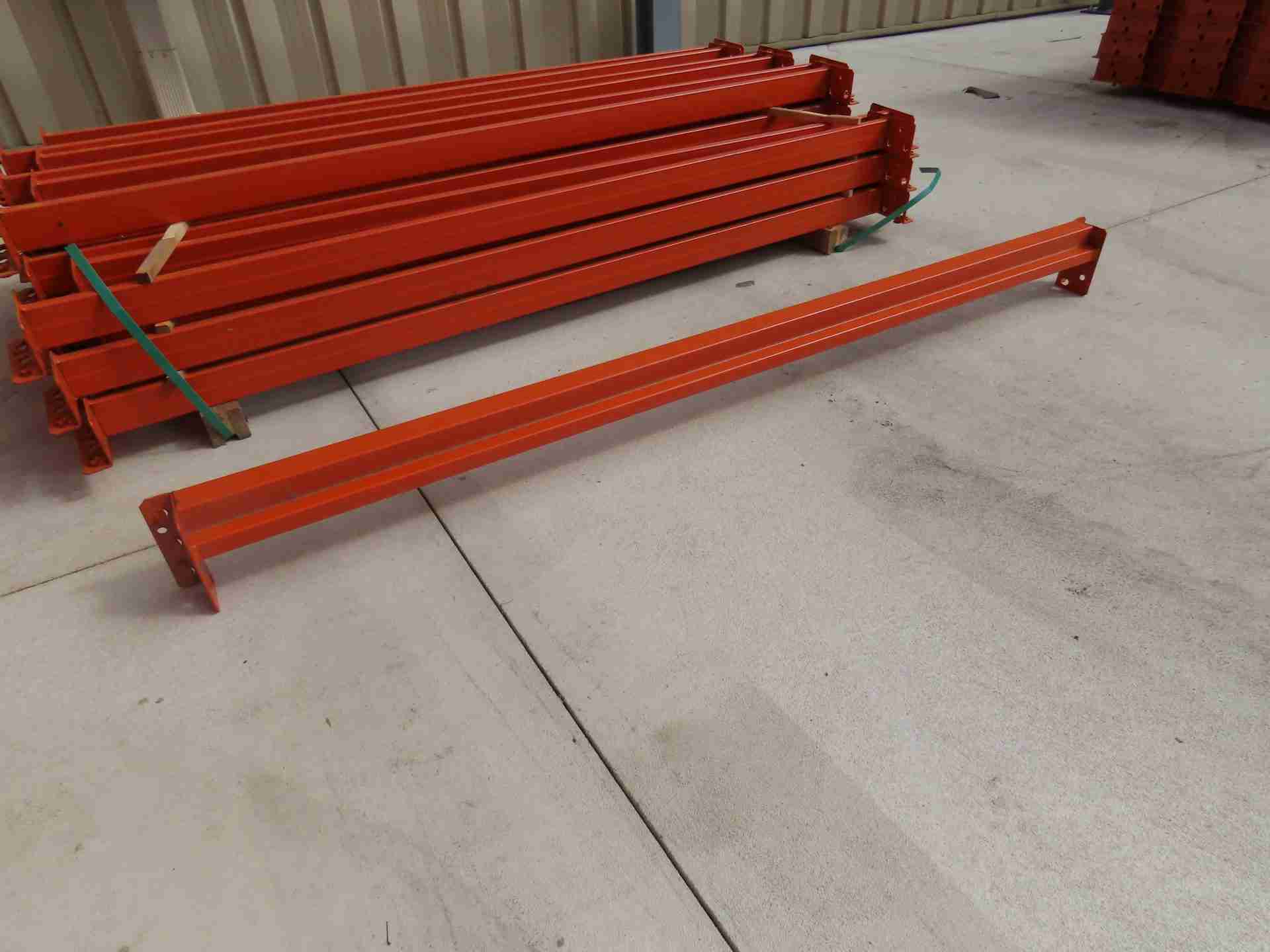
Can Cantilever Racks Help Improve Warehouse Organization?
Conclusion
As businesses navigate the fast-paced climate of today’s marketplace, storage flexibility has emerged as a critical success factor. Cantilever racks stand out as the game-changing solution that not only enhances operational efficiency but also empowers businesses to maximize their storage capabilities. The unique adaptability of cantilever racks allows them to accommodate a wide range of product dimensions and weights, making them ideal for any industry—from construction to retail.
Gone are the days of being constrained by fixed shelving; cantilever racks enable businesses to easily adjust to fluctuating inventory needs without the cumbersome reconfiguration associated with traditional storage systems. This adaptability directly translates to higher productivity rates, enhanced accessibility, and reduced operational disruptions during peak seasons. Consider the competitive advantage gained by retailers who can quickly reconfigure their storage to meet rising customer demands—each second saved in retrieval translates to increased profit potential.
Moreover, the sustainability aspect cannot be overlooked. With many businesses prioritizing eco-friendly practices, cantilever racks often serve as a long-term solution that minimizes waste and promotes responsible resource use. Their durable construction ensures longevity, meaning fewer replacements and a lower overall carbon footprint. By adopting these racks, you’re not just optimizing space; you’re also aligning your business with forward-thinking practices that resonate with conscientious consumers.
But the time to act is now! The market is ever-evolving, and those who hesitate in enhancing their storage solutions risk being outpaced by more agile competitors. Arrow Industrial Sales is here to provide the expertise and support you need to implement cantilever racks in your operation. Our team is devoted to helping you identify the right storage solutions that meet your unique requirements.
Don’t let inefficient storage hold your business back. Call Arrow Industrial Sales today at (574) 349-6575. Discover how cantilever racks can transform your storage capabilities and propel your business toward greater success. The future of optimized storage awaits—embrace it before your competition does!

Conclusion
Conclusion:
- Storage flexibility is essential for success in today’s fast-paced marketplace.
- Cantilever racks enhance operational efficiency and maximize storage capabilities.
- These racks accommodate diverse product dimensions and weights across industries.
- Cantilever racks allow for easy adjustments to fluctuating inventory needs.
- Implementing cantilever racks leads to higher productivity, better accessibility, and fewer operational disruptions.
- They promote sustainability by minimizing waste, ensuring durability, and reducing carbon footprint.
- Arrow Industrial Sales offers expertise in implementing cantilever racks to improve storage solutions.

Conclusion
Other Resources
Other Resources
Here is a list of other resources you can review online to learn more:
- “New Cantilever Racks and Racking Kits | Factory Direct …”
- “Cantilever Racks & Shelves – Meco & Red Steel”
- “Cantilever Racking – Heavy Duty Online Rack Builder”
- “Heavy Duty Cantilever Racks | Platforms and Ladders”
- “New Cantilever Rack Systems for Sale”
- “Cantilever Racks”
- “Cantilever Rack Storage”
- “Cantilever Racks”
- “1 Initial Regulatory Flexibility Analysis and Updated …”
- “2022 Sustainability Report – Arçelik”
- “STAKEHOLDER OUTREACH APPENDIX A”
- “Renovate/Expand Surgical Suite Fayetteville VAMC”
- “A Technical Manual for Material Choices in Sustainable …”

Other Resources
Glossary Terms
Can Cantilever Racks Accommodate Different Product Sizes Easily? – Glossary Of Terms
1. Cantilever Rack: A type of shelving system designed to store long, bulky items, featuring arms that extend from a vertical structure.
2. Adjustable Arms: Arm components on cantilever racks that allow users to modify the height and angle to better accommodate different sized products.
3. Load Capacity: The maximum weight that a rack or its components can safely hold without compromising structural integrity.
4. Base Column: The vertical support structure of a cantilever rack, which provides stability and load-bearing support for the arms and stored items.
5. Single-Sided Rack: A cantilever rack design that allows access to items from one side only, often utilized for wall placement or in constrained spaces.
6. Double-Sided Rack: A cantilever rack configuration that allows access to product on both sides, maximizing storage efficiency in open areas.
7. Beam: A horizontal support structure used in various rack systems, but in cantilever racks, referred specifically to the arms extending out from the vertical columns.
8. Cross Bracing: Diagonal supports used to stabilize the rack structure and prevent sideways movement or collapse.
9. Weight Distribution: The spread of weight across the bars and structures of the rack, influencing how products can be stored without damaging the rack.
10. Vertical Clearance: The available height space on a shelf or rack to accommodate taller items; essential for maximizing storage efficiency.
11. Load Barriers: Safety features, usually in the form of bumpers or guards, that prevent stored items from sliding off the arms.
12. SKU (Stock Keeping Unit): A unique identifier for a particular product in inventory management, which can influence rack design for varying sizes.
13. Modularity: Refers to the ability to easily add or rearrange components of a cantilever rack to adapt to different products or storage needs.
14. Custom Configurations: Tailored designs of cantilever racks to meet specific storage requirements for unusual or oversized items.
15. Shelf Level: The height of the arms or shelves on a rack which can be adjusted to accommodate products of various sizes.
16. Heavy-Duty Racks: Cantilever racks specifically designed to hold larger, heavier items safely.
17. Storage Optimization: Strategies or techniques utilized to make the best use of available space and maximize efficiency within a storage system.
18. Safety Factor: A design consideration that ensures a rack can support more than the maximum anticipated load to provide a margin of safety.
19. Forklift Access: The ability for forklifts to maneuver around the racks, important for efficiently handling large or bulky items.
20. Aisle Width: The space between rows of racks, which needs to accommodate various handling equipment for ease of access and safety.
21. Rack Depth: The distance from the front to the back of the rack, which can impact how products are stored and accessed.
22. Integrated Systems: Cantilever racks that are designed to work in conjunction with other storage solutions, enhancing flexibility.
23. Weight Labels: Indicators placed on racks that show maximum load capacities, promoting safety and compliance when stacking items.
24. Inspection Protocols: Procedures for regularly checking the integrity and safety of the cantilever racks, ensuring their continued viability.
25. Loading and Unloading Procedures: Established methods to safely place and remove items from racks without risking injury or damage.
26. Material Handling: The process of moving, protecting, and storing products throughout the manufacturing, warehousing, distribution, and consumption stages.
27. End Braces: Structural components positioned at the ends of a cantilever rack that enhance stability.
28. Rack Configuration: The overall layout and design of the rack system, which can be adjusted for different types of inventory.
29. Sustainability: Practices involved in the production and operation of cantilever racks that minimize environmental impact.
30. Inventory Turnover: A measure of how frequently inventory is sold and replaced over a specific period, affecting storage needs and rack adaptability.

Glossary Of Terms
Other Questions
Can Cantilever Racks Accommodate Different Product Sizes Easily? – Other Questions
If you wish to explore and discover more, consider looking for answers to these questions:
- What types of products are best suited for cantilever racks?
- How do cantilever racks compare in cost to traditional shelving?
- What are the dimensions of cantilever racks and how do I choose the right size?
- What maintenance is required for cantilever racks?
- Can cantilever racks be customized further for specific industries?
- How do cantilever racks affect workflow and efficiency during peak seasons?
- Are there any industry standards for installing cantilever racks?
- What safety features are available for cantilever racks?
- How do cantilever racks support inventory management systems?
- What are the environmental benefits of using cantilever racks?
- How do different materials used in cantilever racks affect their overall performance?
- What are the limitations of cantilever racks?
- Can cantilever racks be used in outdoor environments?
- What are common mistakes to avoid when implementing cantilever racks?
- How can I integrate cantilever racks with automated storage and retrieval systems?

Other Questions
Checklist
Can Cantilever Racks Accommodate Different Product Sizes Easily? – A Checklist
1. Assess Your Inventory Needs
_____ Identify the types of products you will store (e. g. , long, bulky, or irregular items).
_____ Determine the varying dimensions (length, width, height) of products.
_____ Analyze current and anticipated inventory levels for future growth considerations.
2. Consider Weight Capacity
_____ Review the weight specifications for different arms of the cantilever rack.
_____ Ensure the rack can support the heaviest items you’ll store.
_____ Develop a system for labeling and monitoring inventory weights.
3. Evaluate Space Utilization
_____ Measure available warehouse space, including vertical height.
_____ Optimize vertical space by choosing adjustable cantilever racks.
_____ Determine the best configuration for easy loading and unloading.
4. Plan for Accessibility
_____ Ensure that the rack design allows for easy access to items.
_____ Analyze picking methods to improve retrieval speed.
_____ Consider traffic flow within the warehouse when positioning racks.
5. Select the Right Materials
_____ Choose between materials (steel, galvanized steel, aluminum, wood) based on your needs.
_____ Consider environmental factors (corrosion resistance, weight, aesthetic).
_____ Evaluate the sustainability of the materials chosen.
6. Implement Safety Measures
_____ Conduct regular inspections for structural integrity.
_____ Train employees on load limits and best practices for using cantilever racks.
_____ Install safety accessories (anti-tilt devices, stop bars) to enhance security.
7. Develop a Maintenance Routine
_____ Establish a schedule for regular maintenance checks.
_____ Monitor for signs of wear, such as bending arms or rust.
_____ Replace any compromised parts to maintain safety and integrity.
8. Consider Customization Options
_____ Look into adjustable features for evolving inventory needs.
_____ Explore the integration of technology (e. g. , RFID for real-time inventory tracking).
_____ Plan for reconfiguring the space based on changing product sizes.
9. Measure Operational Efficiency
_____ Monitor picking efficiency post-implementation of cantilever racks.
_____ Evaluate retrieval times and overall workflow improvements.
_____ Gather feedback from staff on usability and organization.
10. Optimize for Sustainability
_____ Assess the reduction of waste and efficiency in material usage.
_____ Incorporate environmentally friendly practices in your storage operations.
_____ Highlight sustainability efforts in marketing to appeal to eco-conscious consumers.
This checklist can assist businesses in effectively leveraging cantilever racks to improve organization, efficiency, and adaptability in their warehousing operations.
Checklist
At RackingWorld, we help guide you through selecting warehouse storage systems and racking.
Be sure to read our other related stories at RackingWorld to learn more about warehouse storage systems.
0 Comments