
Maximizing Efficiency: Integrating Cantilever Racks With Automation
By Tom Seest
At RackingWorld, we help guide you through selecting warehouse storage systems and racking.
Be sure to read our other related stories at RackingWorld to learn more about warehouse storage systems.
Can Cantilever Racks Integrate with Automated Systems?
When it comes to optimizing storage solutions in modern warehouses, the question is no longer whether you’ll implement automation, but rather how quickly you can integrate it into your existing operations. Enter cantilever racks—a versatile storage solution that can seamlessly interface with automated systems, elevating your efficiency and effectiveness.
Cantilever racks are engineered to handle long and bulky items, making them ideal for industries like lumber, pipe, and furniture manufacturing. Their open design allows for easy loading and unloading, creating an ideal synergy with automated systems including robotic picking solutions and conveyor belts. Imagine the smooth flow of inventory: an automated arm deftly retrieves lumber from a cantilever rack and moves it to a production line without human intervention. This isn’t just theoretical; companies are adopting these next-generation setups to streamline their operations every day.
As reported in recent warehouse automation conferences, businesses now leverage enhanced software solutions that enable real-time inventory tracking. When paired with cantilever racks, these systems can pinpoint stock levels, manage reordering processes, and minimize storage space waste. For example, leading logistics firms are now utilizing advanced Artificial Intelligence (AI) to connect rack management systems to automated storage and retrieval systems (ASRS). This is not merely a trend; it’s a necessity in an increasingly competitive marketplace.
Take the case of a large home improvement retailer that upgraded its warehouse operations with cantilever racks integrated into their automated inventory system. This combination resulted in a 30% reduction in retrieval times, pushing their services to the next level. The automation freed up employees for higher-value tasks, dramatically increasing productivity. This immediate ROI showcases why businesses are racing to achieve similar setups.
Furthermore, the integration of IoT (Internet of Things) sensors within cantilever racks allows for better monitoring. Companies can gather data on usage patterns, enabling predictive analytics that preemptively streamlines operations. Imagine being able to forecast stock needs based on real-time data, ensuring that your inventory levels align perfectly with demand trends.
With e-commerce booming and consumer expectations rising, embracing cantilever racks integrated with automated systems is no longer just a smart move; it’s a vital strategy for survival. Stay ahead of the curve and explore how this dynamic duo can transform your warehouse into an agile powerhouse, ready to tackle the demands of today’s fast-paced market. Don’t be just another player in the field; lead the charge.

Can Cantilever Racks Integrate with Automated Systems?
Can Cantilever Racks Integrate with Automated Systems?
- Modern warehouses prioritize quick integration of automation in storage solutions.
- Cantilever racks are versatile and ideal for storing long and bulky items.
- They enhance operations by facilitating automated systems like robotic picking and conveyor belts.
- Real-time inventory tracking software coupled with cantilever racks helps businesses manage stock levels efficiently.
- Successful case studies show significant improvements, such as a 30% reduction in retrieval times.
- IoT sensors within cantilever racks allow for predictive analytics and better inventory management.
- Integrating cantilever racks with automation is essential for staying competitive in the booming e-commerce landscape.

Can Cantilever Racks Integrate with Automated Systems?
Table Of Contents
- Can Cantilever Racks Integrate with Automated Systems?
- What Are Cantilever Racks And How Do They Function?
- How Do Automated Systems Work With Cantilever Racks?
- What Are The Benefits Of Integrating Cantilever Racks With Automation?
- What Challenges May Arise During The Integration Process?
- How Can Businesses Assess Their Need For Automated Cantilever Racks?
- What Factors Should Be Considered When Choosing A System?
- Are There Specific Industries That Benefit Most From This Integration?
- How Do Costs Compare Between Manual And Automated Cantilever Racks?
- What Maintenance Is Required For Automated Cantilever Systems?
- How Can Integration Improve Inventory Management?
- What Technologies Are Involved In Automating Cantilever Racks?
- Can Existing Cantilever Racks Be Upgraded To Integrate Automation?
- What Safety Considerations Should Be Taken Into Account?
- How Can Companies Train Staff To Operate Automated Cantilever Systems?
- Conclusion
- Other Resources
- Glossary Of Terms
- Other Questions
- Checklist
What Are Cantilever Racks And How Do They Function?
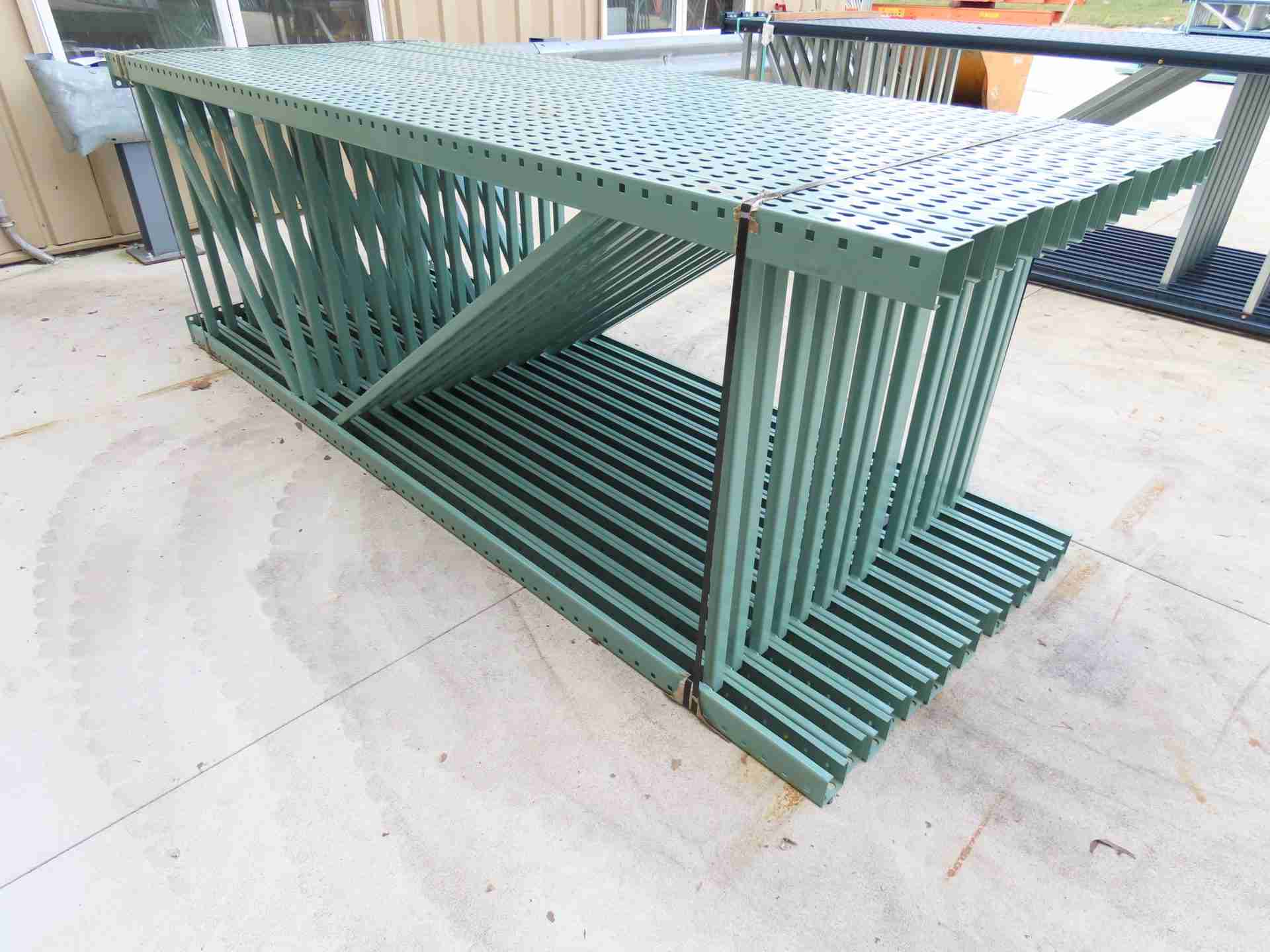
In the fast-paced world of warehousing and distribution, efficiency isn’t just an option; it’s a necessity. Enter cantilever racks: the unsung heroes of space optimization in storage systems. Designed for the safe and effective storage of long, bulky items like lumber, steel pipes, and furniture, these racks are the ultimate solution for industries ranging from retail to construction.
So how do cantilever racks work, and what sets them apart from traditional shelving systems? Imagine a sturdy arm protruding from a vertical column, much like a well-structured arm extending to hold up a weight. Each arm can be adjusted to accommodate various lengths and weights, allowing businesses the flexibility that static shelving simply can’t provide. This means you can tailor your storage setup to fit your unique inventory without wasting valuable floor space.
Consider a lumber yard that frequently sees seasonal fluctuations in demand. Using a cantilever rack system, they can easily adjust the heights and lengths of the arms to maximize storage capacity when wood sales spike in winter or trim back during the slower summer months. The adaptability helps keep operations streamlined and efficient—two traits that are critical when every square foot of space counts.
In addition to flexibility, cantilever racks offer increased accessibility. Unlike traditional shelving, there are no vertical obstructions between the stored items, meaning fork trucks or workers can retrieve items quickly and efficiently. This not only reduces labor time, but it also minimizes the risk of accidents and product damage—an essential consideration in today’s safety-conscious marketplace.
The benefits of adopting cantilever racks extend beyond mere storage. With sustainability increasingly at the forefront of business operations, consider how a well-organized storage process reduces waste. When you can easily locate items, you minimize overordering and avoid diminished product quality caused by long-term storage in unfavorable conditions. Moreover, in the wake of current global challenges like supply chain issues and the need for lean inventory practices, a cantilever rack system is a wise investment that can pay dividends for years.
In a world where efficiency, safety, and adaptability are key players in business success, cantilever racks stand as a formidable solution. Investing in these dynamic storage systems could very well be the catalyst that transforms your operational capabilities while driving profitability and customer satisfaction. Don’t let your warehouse run on outdated systems. Embrace the future of storage with cantilever racks, and watch your business soar.

What Are Cantilever Racks And How Do They Function?
What Are Cantilever Racks And How Do They Function?
- Cantilever racks are essential for efficient storage of long, bulky items like lumber and steel pipes.
- They offer flexibility by allowing adjustable arms to accommodate various lengths and weights, unlike static shelving.
- These racks are ideal for businesses with fluctuating inventory needs, helping to maximize storage capacity efficiently.
- Increased accessibility due to the absence of vertical obstructions enhances retrieval speed and reduces labor time.
- Cantilever racks help minimize accidents and product damage, supporting a safety-conscious work environment.
- A well-organized storage system reduces waste, prevents overordering, and improves product quality over time.
- Investing in cantilever racks can transform operations, drive profitability, and enhance customer satisfaction.

What Are Cantilever Racks And How Do They Function?
How Do Automated Systems Work With Cantilever Racks?
In today’s fast-paced logistics landscape, maximizing efficiency is essential for staying competitive. Enter automated systems designed specifically for cantilever racks, a robust storage solution engineered for heavy, bulky, and irregularly shaped items. The integration of automation with these racks is revolutionizing the way businesses manage inventory, reduce labor costs, and improve accuracy.
At the heart of this synergy lies advanced technology. Automated guided vehicles (AGVs) and robotic systems seamlessly navigate through cantilever storage aisles, retrieving and replenishing items with surgical precision. For instance, in a recent deployment at a leading home improvement retailer, AGVs equipped with advanced sensors and sophisticated software efficiently managed the retrieval of lumber and large construction materials directly from cantilever racks. The result? A 30% reduction in retrieval time and a dramatic decrease in workforce injuries associated with manual handling.
Moreover, when we think about inventory management, automated systems provide real-time tracking capabilities. Imagine a scenario where each item stored in a cantilever rack is tagged with RFID technology. In the event of fluctuating demand—like what occurred during supply chain disruptions in early 2023—inventory can be dynamically adjusted. Retailers can ensure they have the right amount of stock without overcommitting resources. Not only does this optimize storage space but it also enhances order accuracy, reducing returns and boosting customer satisfaction.
Industry leaders have begun to recognize the power of combining automation with cantilever racks. In sectors such as furniture, construction, and automotive, businesses are not merely investing in storage solutions—but in intelligent systems that yield a substantial return on investment. Take the automotive parts supplier who integrated automated cantilever systems recently; they reported a 50% increase in picking speed and significant labor savings, enabling the team to focus on higher-value tasks.
Automated systems working in tandem with cantilever racks also streamline the picking process. By utilizing smart conveyor systems and order-picking robots, businesses can accelerate fulfillment cycles. This is crucial not just for large-scale shippers, but for e-commerce retailers who need to meet the rapid delivery expectations set by industry giants.
In short, the marriage of automated systems and cantilever racks epitomizes the future of efficient warehousing and distribution. As more companies pivot to automation to enhance productivity and reduce costs, those who adopt these innovative solutions will undoubtedly come out on top in the ever-evolving marketplace. Embrace automation now, and set your business on the path to unparalleled success.

How Do Automated Systems Work With Cantilever Racks?
How Do Automated Systems Work With Cantilever Racks?
- Maximizing efficiency in logistics is crucial for competitiveness.
- Automated systems enhance cantilever racks for storing heavy and irregular items.
- Advanced technology like AGVs and robotic systems improve inventory management and reduce labor costs.
- Real-time tracking with RFID technology allows dynamic inventory adjustments during fluctuating demand.
- Industry leaders report significant benefits, such as faster picking speeds and labor savings, from automated systems.
- Smart conveyor systems and order-picking robots streamline the fulfillment process for both large and e-commerce businesses.
- The combination of automation and cantilever racks represents the future of efficient warehousing and distribution.

How Do Automated Systems Work With Cantilever Racks?
What Are The Benefits Of Integrating Cantilever Racks With Automation?
In today’s fast-paced, efficiency-driven world, businesses are constantly searching for ways to optimize operations and streamline processes. This is where the integration of cantilever racks with automation systems comes into play—a game-changing combination that can elevate your warehousing to new heights of efficiency and effectiveness.
Imagine a busy warehouse bustling with activity. Products of various sizes and weights are stored on traditional shelving, requiring manual labor to retrieve items. Now, picture the same warehouse equipped with state-of-the-art automated cantilever racks. Here, pallets and heavy items effortlessly glide in and out of storage, expertly managed by sophisticated robotics and software systems. This transformation not only reduces time but also minimizes labor costs, enabling you to allocate resources more effectively.
One significant benefit of integrating cantilever racks with automation is improved space utilization. With manual systems, the arrangement of products is often haphazard and unoptimized, leading to clutter and wasted square footage. Automated cantilever racks can be designed to maximize vertical space, compressing inventory into a smaller footprint. For instance, companies like Amazon are leveraging such systems to increase efficiency within their fulfillment centers, allowing them to manage growing inventory levels while maintaining the agility required to meet next-day shipping demands.
Moreover, this integration enhances inventory management and accuracy. Automated systems track inventory levels in real-time, significantly reducing human error and improving order accuracy. For example, a furniture retailer using automated cantilever racks can effortlessly monitor their inventory of long and heavy items—such as lumber and finished products—ensuring they always have the right amount on hand to meet customer demand. In the current retail environment, where supply chain disruptions are all too common, this level of accuracy can translate into improved customer satisfaction and loyalty.
Safety is another primary advantage. Manual handling of bulky items not only increases the risk of workplace accidents but can also lead to damage in goods. Automated cantilever racks eliminate the physical strain on employees, resulting in fewer workplace injuries and a more sustainable business model. Amid ongoing discussions about workplace safety regulations, this integration can position your company as a leader in employee well-being.
Lastly, in a world where sustainability is gaining paramount importance, automated cantilever racks can support green initiatives. By optimizing space and reducing energy costs through smart technologies, your business not only lowers its carbon footprint but also enhances its appeal to environmentally conscious consumers.
Incorporating automation with cantilever racks is not just a trend; it’s a transformative approach that can define the future of efficient, safe, and profitable warehousing. Don’t let outdated methods hold you back—embrace the power of integration and position your business for enduring success.

What Are The Benefits Of Integrating Cantilever Racks With Automation?
What Are The Benefits Of Integrating Cantilever Racks With Automation?
- Businesses seek to optimize operations and streamline processes in a fast-paced world.
- Integration of cantilever racks with automation enhances warehousing efficiency and effectiveness.
- Automated cantilever racks reduce retrieval times and labor costs, allowing better resource allocation.
- Improved space utilization is achieved by maximizing vertical space, leading to less clutter.
- Real-time inventory tracking reduces human error and ensures order accuracy, enhancing customer satisfaction.
- Automated systems improve workplace safety by minimizing manual handling and reducing workplace injuries.
- Sustainability is supported through optimized space and reduced energy costs, appealing to environmentally conscious consumers.

What Are The Benefits Of Integrating Cantilever Racks With Automation?
What Challenges May Arise During The Integration Process?
Integrating two businesses, whether through a merger, acquisition, or partnership, can feel like trying to combine oil and water. Companies often overlook the potential pitfalls that lurk behind what appears to be a straightforward process. It is essential to navigate these challenges deliberately or risk catastrophic consequences that can derail entire operations.
One of the most significant hurdles is the clash of corporate cultures. For instance, when a large tech corporation acquired a startup known for its innovative flexibility, they soon found that their bureaucratic processes stifled the startup’s creativity. Employees from both sides felt alienated, leading to high turnover and diminished productivity. The lesson here is clear: understanding and respecting cultural differences must be a priority. Failing to do so often results in disengaged employees and subpar business performance.
Another potential stumbling block is misalignment of strategic goals. Consider the ongoing challenges faced by companies in the retail sector due to shifts in consumer behavior, especially post-pandemic. When two retail entities merged, their differing visions for e-commerce integration created a confused company strategy, effectively neutralizing any potential synergy. Leaders must ensure that all stakeholders are on the same page regarding aspirations and outcomes, or they risk squandering resources on conflicting initiatives.
Communication during the integration process is equally crucial. A recent survey showed that more than 70% of mergers fail due to poor communication. When an automotive manufacturer acquired a battery company last year, initial enthusiasm waned as employees received mixed messages about job security and operational changes. If leaders communicate openly and transparently about the integration process, it fosters trust and alignment among teams, reducing resistance and enhancing collaboration.
Technology integration presents another layer of complexity. Recent acquisitions in the financial sector illustrate how mismatched technology platforms can lead to operational chaos, delays, and dissatisfied customers. Companies need to invest in a thorough tech assessment and often face unexpected costs and disruptions when attempting to unite incompatible systems.
Lastly, external factors can’t be ignored. Regulatory scrutiny and market volatility can hinder integrations, as seen in recent controversies surrounding antitrust challenges across industries. Companies must be prepared for potential delays in securing necessary approvals, causing operational uncertainty during critical integration phases.
In summary, while integrating businesses offers promising benefits, it is fraught with challenges from cultural clashes to technological difficulties. A thorough understanding of these pitfalls will not only improve the chances of a successful integration but also ensure long-term sustainability and growth for the newly formed entity.

What Challenges May Arise During The Integration Process?
What Challenges May Arise During The Integration Process?
- Integrating businesses involves significant challenges that can derail operations if not managed properly.
- Clashes of corporate cultures can alienate employees, resulting in high turnover and reduced productivity.
- Misalignment of strategic goals can neutralize potential synergies and create confusion in company strategy.
- Poor communication is a key factor in the failure of mergers, leading to mistrust and resistance among employees.
- Technology integration issues can cause operational chaos and customer dissatisfaction due to incompatible systems.
- External factors such as regulatory scrutiny and market volatility can create delays and uncertainty during integrations.
- A thorough understanding of these challenges can enhance the chances of successful integration and long-term growth.

What Challenges May Arise During The Integration Process?
How Can Businesses Assess Their Need For Automated Cantilever Racks?
In the rapidly evolving landscape of logistics and warehouse management, the question isn’t whether to embrace automation, but rather how to determine if it’s a necessity for your business’s current operations. Automated cantilever racks can significantly streamline storage efficiency, reduce labor costs, and enhance safety, but assessing your particular needs requires a strategic approach.
Step 1: Analyze Your Current Inventory Management Needs
Consider the nature of your inventory. Are you managing large, cumbersome items such as furniture, steel beams, or pipes? If so, traditional racks may limit your capacity and flexibility. Just last year, a major furniture retailer boosted its storage efficiency by 30% after transitioning to automated cantilever racks. Evaluate whether your business faces similar challenges with space optimization. If you’re constantly rearranging items or experiencing bottlenecks during shipments, it could be time to explore automation.
Step 2: Assess Labor Costs and Training Requirements
Labor is often a significant expense for businesses, particularly in industries reliant on manual handling. Evaluate your current workforce challenges: Are you struggling to find reliable staff? Are training costs adding up? For instance, a distribution center in the Midwest reported that automating their storage solutions cut labor costs by 20% while minimizing workplace injuries. Investing in automated cantilever racks may not just streamline operations but can also ensure compliance with safety regulations, as the need for manual lifting is greatly reduced.
Step 3: Consider Your Scalability Requirements
Ask yourself this: Is your business poised for growth? If your operations are expanding or you anticipate increased production, now is the perfect time to consider automation. Automated cantilever racks can be scaled easily to accommodate new product lines or inventory. With the recent uptick in eCommerce demand, many businesses, including a electronics components supplier, switched to automated systems to handle surging inventory levels without having to expand their physical footprint.
Step 4: Perform a Cost-Benefit Analysis
Lastly, conduct a thorough cost-benefit analysis. Calculate the initial investment against potential long-term savings from reduced labor costs, increased storage capacity, improved order fulfillment, and enhanced safety. As many industry leaders have recognized, the upfront costs can quickly be offset by these savings.
Assessing the need for automated cantilever racks is not just about evaluating your current operations—it’s about envisioning the future of your business. With the right analysis and foresight, you can make informed decisions that position your company for both immediate gains and long-term success. Embrace automation to not just survive but thrive in today’s competitive marketplace.

How Can Businesses Assess Their Need For Automated Cantilever Racks?
How Can Businesses Assess Their Need For Automated Cantilever Racks?
- Businesses must assess the necessity of automation, particularly regarding automated cantilever racks, to enhance storage efficiency and reduce costs.
- Evaluate current inventory management, particularly for large items, as manual systems may limit capacity and flexibility.
- Organizations suffering from space optimization challenges or shipment bottlenecks should consider transitioning to automated systems.
- Analyze labor costs, staffing challenges, and training expenses; automation can substantially lower labor costs and enhance safety compliance.
- Determine scalability requirements; automated cantilever racks are ideal for businesses anticipating growth and increased inventory demands.
- Conduct a cost-benefit analysis to compare initial investments with long-term savings from reduced labor costs and enhanced operations.
- Making informed decisions about automation can lead to both immediate and long-term business success in a competitive marketplace.

How Can Businesses Assess Their Need For Automated Cantilever Racks?
What Factors Should Be Considered When Choosing A System?
Choosing the right system for your business is akin to selecting the engine that propels your vehicle. A powerful engine can get you where you want to go swiftly and efficiently, while the wrong one can leave you stranded on the side of the road. Here are key factors to consider that will separate a good choice from a great one.
1. Scalability
More than ever, businesses need systems that can grow alongside them. Picture a start-up today that experiences rapid growth due to a viral social media campaign. If their system can’t handle the uptick in product orders or customer inquiries, they could lose not just sales but credibility. Opt for a system that offers modular components or cloud-based solutions, which can be easily scaled without extensive downtime or costs. Salesforce, for instance, offers a seamless path to upgrade as your business needs expand.
2. Ease of Use
What good is a cutting-edge system if your team can’t navigate it? Training takes time, which translates into lost revenue. A recent survey revealed that 70% of employees felt overwhelmed by new software implementations. Opt for systems with intuitive dashboards and user-friendly interfaces. Look for platforms with free trial periods so your team can explore before committing. Zoom is a prime example of software that has gained massive traction for its user-friendly design, impacting how we conduct business meetings worldwide.
3. Support and Integration
The best systems in the world come with outstanding customer support. A hiccup can derail operations, so you must ensure that a responsive support team backs your chosen system. Additionally, consider how well it integrates with existing tools. If your company relies heavily on Microsoft Office, a system that doesn’t synchronize could lead to chaos. HubSpot excels in offering integration options that ensure all your marketing, sales, and customer service tools work harmoniously.
4. Cost vs. Value
Of course, cost matters. But remember, the cheapest option often doesn’t deliver the value you need. Consider the total cost of ownership—sunk costs, hidden fees, and the return on investment the system will provide. For example, while some companies may skimp on cheaper solutions, they may incur escalating costs in staff time, training, or lost opportunities. Conduct a thorough cost-benefit analysis to gauge true value.
5. Industry Fit
Lastly, consider whether a system is tailored to your specific industry needs. Certain systems specialize in niches—like health care, retail, or manufacturing. Implementing a generic system might lack the features crucial for your operations. Evaluate industry-specific testimonials and case studies to ensure that the system aligns with your unique demands.
Navigating the myriad choices available can be overwhelming, but emphasizing these factors will help guide you toward the best system for your business. Choose wisely, and watch your organization soar!

What Factors Should Be Considered When Choosing A System?
What Factors Should Be Considered When Choosing A System?
- Scalability: Choose systems that can grow with your business, allowing for modular components or cloud solutions to handle increased demands.
- Ease of Use: Opt for user-friendly interfaces and intuitive dashboards to minimize training time and maximize productivity.
- Support and Integration: Ensure responsive customer support and compatibility with existing tools to prevent operational disruptions.
- Cost vs. Value: Evaluate the total cost of ownership and consider how cheaper options may lead to hidden costs and inefficiencies.
- Industry Fit: Select systems tailored to your specific industry needs to ensure the features align with your operations.
- Choose wisely: Emphasizing these factors will help you navigate the choices available and steer your business towards the best system.
- Watch your organization soar: Making the right choice can significantly enhance your business efficiency and credibility.

What Factors Should Be Considered When Choosing A System?
Are There Specific Industries That Benefit Most From This Integration?
In today’s fast-paced market, certain industries find themselves uniquely positioned to capitalize on the benefits of integration, particularly when it comes to leveraging technology and data. Companies that embrace this synergy not only streamline operations but also enhance customer experiences, ultimately driving profitability and growth. Let’s delve into a few key sectors where integration shines like a beacon in a foggy sea.
Retail stands out as a prime example. With the dramatic shift to e-commerce fueled by the pandemic, businesses are increasingly integrating online and offline channels. Take Walmart, for instance: their seamless integration of inventory systems across brick-and-mortar locations and their online platform allows customers to order products for pickup or delivery. This omnichannel approach not only enhances convenience for consumers but also boosts sales and reduces inventory costs—an essential win-win scenario in an industry known for tight margins.
Manufacturing is another sector reaping the rewards of integration, particularly through the Internet of Things (IoT). Companies like Siemens have leveraged integrated systems to monitor factory performance in real-time, allowing for rapid identification and correction of inefficiencies. This proactive approach has become critical amidst global supply chain disruptions noted in recent news cycles. By utilizing predictive analytics through integrated platforms, manufacturers can anticipate issues and adapt swiftly, staying one step ahead of market demand.
Healthcare is experiencing a transformation driven by integration. The COVID-19 pandemic highlighted significant gaps in data sharing and patient management among healthcare facilities. Organizations utilizing integrated software solutions can now streamline patient records, improving communication between providers, and delivering better patient care. For example, companies like Epic Systems are at the forefront of this integration trend, enabling hospitals to connect and share information seamlessly, thereby improving outcomes and reducing costs.
Furthermore, the financial services industry is leveraging integration to enhance customer experiences and increase security. As the trend toward digital banking accelerates, firms integrating AI and machine learning into their security systems can provide more robust fraud detection mechanisms. Current happenings, such as the rise of neobanks, exemplify this trend, with companies like Chime offering user-friendly services underpinned by sophisticated integrations.
In summary, integration is not just a luxury; it’s a necessity across several industries. From retail and manufacturing to healthcare and finance, those who harness the power of integration stand to outperform their competitors, create unparalleled customer satisfaction, and ultimately drive their businesses toward sustained success. Embracing this transformative approach is not merely optional—it’s imperative for those who aspire to lead rather than follow.

Are There Specific Industries That Benefit Most From This Integration?
Are There Specific Industries That Benefit Most From This Integration?
- Integration in various industries enhances technology and data usage, streamlining operations and improving customer experiences.
- The retail sector, particularly post-pandemic, benefits from integrating online and offline channels to boost sales and reduce inventory costs.
- Manufacturing leverages IoT for real-time monitoring, allowing quick identification of inefficiencies and better adaptation to market demands.
- Healthcare transformation is driven by integration, improving patient record management and communication among providers for better care.
- Financial services are enhancing customer experiences and security through integration, utilizing AI for improved fraud detection.
- As neobanks rise, firms like Chime exemplify how user-friendly services benefit from sophisticated integrations.
- Overall, integration is essential for business success across sectors; those who embrace it will outperform competitors and achieve sustained growth.

Are There Specific Industries That Benefit Most From This Integration?
How Do Costs Compare Between Manual And Automated Cantilever Racks?
When it comes to maximizing storage efficiency, the choice between manual and automated cantilever racks can significantly impact your bottom line. With advancements in technology and the pressing demands of today’s market, understanding the financial implications of each option is crucial for savvy business owners.
Let’s start with manual cantilever racks, the traditional workhorse of industrial storage. These systems require human labor to load and unload items, making them more cost-effective upfront. For instance, a medium-sized facility might invest around $10,000 to $30,000 in manual racks, depending on the size and capacity needed. This makes them attractive for businesses with limited budgets or those just starting out. However, the labor costs and potential for inefficiency add ongoing expenses. On average, skilled labor costs can range from $15 to $25 per hour. Over time, these operational costs can accumulate, eating into your profits.
Now, let’s talk about automated cantilever racks. These systems might have a higher initial investment, often ranging from $50,000 to upwards of $200,000 depending on technological complexity and features. However, they offer substantial long-term savings through increased efficiency and reduced labor costs. For example, a distribution center that relies on automated systems can reduce labor expenses by up to 30% because the technology allows for quicker loading, unloading, and inventory management. Plus, automated systems can lead to fewer errors in order fulfillment, directly impacting customer satisfaction and reducing costs associated with returns and restocking.
As we navigate the economic landscape shaped by global disruptions—like supply chain challenges amplified by the pandemic—businesses are seeking solutions that provide not just storage, but agility. Automated inventory systems can adapt to fluctuations in demand, allowing businesses to scale operations without the traditional lag time associated with manual processes.
Consider a recent case study from a midwestern home goods supplier that faced significant delays due to manual handling of their inventory. By transitioning to an automated cantilever rack system, they reported a 40% increase in picking speed and a 25% reduction in associated labor costs. In a world where speed and efficiency can be the difference between winning and losing market share, the return on investment for automation can be a game changer.
In summary, while manual cantilever racks may appear more economical initially, the hidden costs of labor and inefficiencies can accumulate. On the other hand, automated options may require a larger upfront investment but pave the way for greater efficiency and long-term savings. The choice is clear: invest in your future and choose a system that scales with your demands.

How Do Costs Compare Between Manual And Automated Cantilever Racks?
How Do Costs Compare Between Manual And Automated Cantilever Racks?
- The choice between manual and automated cantilever racks greatly affects storage efficiency and financial outcomes.
- Manual cantilever racks are more cost-effective upfront, with investments ranging from $10,000 to $30,000 for medium-sized facilities.
- Labor costs for manual systems can accumulate, averaging $15 to $25 per hour for skilled workers.
- Automated cantilever racks require higher initial investments, ranging from $50,000 to over $200,000, but offer significant long-term savings.
- Automation can reduce labor expenses by up to 30% and improve accuracy in order fulfillment, enhancing customer satisfaction.
- Automated systems adapt to market fluctuations, enabling businesses to scale operations efficiently.
- Although manual racks seem cheaper initially, hidden labor costs may lead to higher total expenses compared to the efficiencies of automation.

How Do Costs Compare Between Manual And Automated Cantilever Racks?
What Maintenance Is Required For Automated Cantilever Systems?
When it comes to maximizing efficiency in your design and warehousing environments, automated cantilever systems (ACS) provide an incredible solution. However, to fully unlock their potential, proper maintenance is non-negotiable. Neglecting this aspect can lead to costly downtime, inefficiencies, and even safety hazards.
First off, understanding that an automated cantilever system is a complex amalgamation of mechanical, electrical, and software components is crucial. Each of these elements demands proactive attention. Regular inspections should be a cornerstone of your maintenance plan. For instance, weekly check-ups can involve assessing the integrity of the structural framework. Inspect for signs of wear, rust, or misalignment—issues that can escalate quickly if left unattended. It’s akin to how savvy investors keep a vigilant eye on market trends; if something doesn’t look right, you must investigate before it spirals into a larger problem.
Next, let’s talk about lubrication. Automated cantilever systems rely heavily on moving parts, and these components require proper lubrication to function optimally. Establish a weekly routine to inspect and apply lubricants to the bearings, rollers, and tracks. Over time, neglecting this simple practice can lead to increased friction and, eventually, motor failure. Do you want to face the frustration of a breakdown? A swath of operations halted? Didn’t think so!
Then, there’s the software side of things. Regularly updating the system’s software is critical. As technology evolves, so do your maintenance requirements. Think of it like keeping up with the latest trends on social media; staying current ensures your system runs smoothly and minimizes security vulnerabilities. Events like the recent spike in cyberattacks emphasize just how vital this aspect has become.
Furthermore, don’t underestimate the power of employee training. Equip your team not just to use the automated cantilever system, but also to recognize signs that something is amiss. Regular training sessions that highlight maintenance protocols can go a long way in fostering a culture of vigilance and proactive management.
Finally, consider an annual professional maintenance contract. Many companies take this route to ensure that a well-trained technician performs a comprehensive system evaluation. This not only extends the life of your automated cantilever system but also safeguards your investment, akin to how a luxury vehicle requires regular expert tune-ups.
Effective maintenance of automated cantilever systems means more than just keeping the gears turning; it’s about realizing the full potential of your investment. Implement these strategies diligently, and watch efficiency soar while problems remain at bay!

What Maintenance Is Required For Automated Cantilever Systems?
What Maintenance Is Required For Automated Cantilever Systems?
- Automated cantilever systems (ACS) enhance efficiency in design and warehousing but require proper maintenance.
- Regular inspections are essential; assess the structural framework weekly for wear, rust, or misalignment.
- Proper lubrication of moving parts is crucial; establish a weekly routine for inspecting and applying lubricants.
- Regularly update software to keep up with technological advancements and minimize security vulnerabilities.
- Provide employee training to recognize maintenance needs and foster a culture of vigilance.
- Consider an annual professional maintenance contract for comprehensive evaluations by trained technicians.
- Effective maintenance maximizes the investment in ACS, ensuring efficiency and minimizing problems.

What Maintenance Is Required For Automated Cantilever Systems?
How Can Integration Improve Inventory Management?
In today’s fast-paced business environment, maintaining an efficient inventory is crucial for profitability and customer satisfaction. Companies are continuously facing challenges such as supply chain disruptions, fluctuating demand, and the ever-looming threat of obsolescence. The solution? Integration. Properly integrated systems can revolutionize how businesses manage their inventories by enhancing visibility, accuracy, and responsiveness.
Imagine a retail store that relies on disparate systems to track sales, shipments, and stock levels. The result? Chaos. A missed sale here, overstocked items there. Now, visualize the opposite: an integrated inventory management system where point-of-sale data feeds directly into the inventory database. As soon as a product sells, the stock level adjusts in real time. This scenario eliminates the guesswork and significantly improves operational efficiency.
Take a cue from automotive giants like Ford and General Motors, which have leveraged integrated inventory systems to streamline their supply chains. Following recent chip shortages that disrupted production lines globally, these companies revamped their inventory management practices. By integrating real-time data across multiple platforms, they have been able to forecast demand better, allocate resources efficiently, and reduce lead times.
But it’s not just about having systems that talk to each other; it’s about ensuring that information is actionable. Integrating tools like demand forecasting software with supply chain management platforms provides businesses a clearer picture. For instance, if a sudden spike in demand for a specific product is registered, an integrated system can automatically suggest ordering more stock or reallocating resources from less popular items.
Consider how Amazon, a leader in inventory management, uses integration to its advantage. Their sophisticated algorithms pull data from various touchpoints—from web searches, purchase history, and inventory levels—to predict what products are likely to fly off the shelves. This level of integration doesn’t just save costs; it enhances customer experience by ensuring that popular items are always in stock and available for quick delivery.
Effective inventory management starts with integration. The right systems can transform a cluttered, reactive process into a streamlined operation that not only meets customer demands but anticipates them. In a world where consumer preferences can change with the tide, an integrated inventory system is not just an option; it’s a necessity. As you evaluate your current processes, remember: integration isn’t just about efficiency; it’s about staying relevant in a market that never stops evolving.

How Can Integration Improve Inventory Management?
How Can Integration Improve Inventory Management?
- Efficient inventory management is crucial for profitability and customer satisfaction in a fast-paced business environment.
- Challenges include supply chain disruptions, fluctuating demand, and the threat of obsolescence.
- Integrated systems enhance visibility, accuracy, and responsiveness in inventory management.
- An integrated inventory system eliminates chaos by enabling real-time stock adjustments based on sales data.
- Companies like Ford and General Motors have revamped their inventory practices to better forecast demand and reduce lead times.
- Actionable information from integrated tools allows businesses to respond to sudden changes in demand effectively.
- Integration not only improves efficiency but also enhances customer experience by ensuring product availability.

How Can Integration Improve Inventory Management?
What Technologies Are Involved In Automating Cantilever Racks?
In the fast-paced world of warehousing and logistics, the race for efficiency is on, and one of the critical areas where innovation has taken center stage is in the automation of cantilever racks. The traditional methods of managing storage can no longer cut it in today’s dynamic supply chain environment. Thus, a suite of advanced technologies is now stepping in to transform how businesses store, retrieve, and manage heavy or oversized materials.
Robotics and Autonomous Vehicles
At the heart of automation is robotics. Autonomous Mobile Robots (AMRs) are revolutionizing the handling of materials stored on cantilever racks. Equipped with sensors and guided by sophisticated algorithms, these robots navigate aisles efficiently, significantly reducing labor costs and human error. A notable example is the recent partnership between major retailers and robotics companies that have implemented AMRs to streamline inventory management and distribution.
Artificial Intelligence and Machine Learning
AI and machine learning algorithms are essential in optimizing storage space and improving retrieval times. These technologies analyze data patterns, predicting which items are likely to be required in the near future. They can help automate reordering processes, ensuring that stock levels are always maintained. As evidenced by the recent advancements seen in companies adopting AI-driven warehouse management systems, businesses have reported a 20% increase in operational efficiency.
IoT Integration
The Internet of Things (IoT) has also found its place in automating cantilever racks. Sensors attached to storage units provide real-time monitoring of inventory levels, while wear-and-tear indicators on the racks alert managers to potential maintenance needs before they lead to costly failures. Companies like Amazon are investing heavily in IoT technologies to maintain their competitive edge, revealing just how crucial real-time data has become for operational success.
Management Software
Sophisticated warehouse management software integrates all these technologies into a cohesive system. Features like real-time tracking of inventory, predictive analytics, and user-friendly dashboards enable teams to make informed decisions on the fly. Recent reports indicate that companies using integrated management software have seen a 30-50% reduction in operational costs, proving that smart investments pay off.
In a world where every second counts and efficiency is key, the technologies involved in automating cantilever racks are not just enhancements—they’re necessities. As more businesses embrace these innovations, those that fall behind will find themselves losing not only material stock but market share.

What Technologies Are Involved In Automating Cantilever Racks?
What Technologies Are Involved In Automating Cantilever Racks?
- Automation of cantilever racks is essential for efficiency in warehousing and logistics.
- Autonomous Mobile Robots (AMRs) are transforming material handling on cantilever racks by reducing labor costs and human error.
- Artificial intelligence (AI) and machine learning optimize storage space and automate reordering processes, improving operational efficiency by 20%.
- The Internet of Things (IoT) enables real-time inventory monitoring and maintenance alerts, crucial for operational success.
- Integrated warehouse management software enhances decision-making with real-time tracking and predictive analytics, reducing operational costs by 30-50%.
- These advanced technologies have become necessities for businesses to remain competitive in a fast-paced market.
- Companies that fail to adopt automation technologies risk losing stock and market share.

What Technologies Are Involved In Automating Cantilever Racks?
Can Existing Cantilever Racks Be Upgraded To Integrate Automation?
In today’s fast-paced world, businesses are compelled to evolve or face the consequences. Upgrading your existing cantilever racks to integrate automation isn’t just an option; it’s a smart, strategic necessity. While some might think that automation is only for brand-new systems, the truth is far more exciting: existing setups can often be enhanced to accommodate sophisticated automation technologies, offering a significant competitive edge.
Take, for instance, the ever-changing landscape of e-commerce, propelled by companies like Amazon that demand efficiency and speed to satisfy consumer desires. With order fulfillment times shrinking and the volume of items soaring, businesses looking to keep pace must adapt. Traditional methods of storage and retrieval simply won’t cut it anymore. Companies are discovering that retrofitting their cantilever racks with automated solutions—like conveyor systems or robotic pickers—can save valuable labor time and reduce errors.
Consider a furniture manufacturer that utilizes cantilever racks for storing various lengths of wood and metal sheets. By integrating an automated retrieval system, this manufacturer not only reduces labor costs but also ensures precise inventory management. More importantly, in an environment where every second counts, automation systems can dramatically slash the time spent locating materials.
Current events underscore this shift towards automation. The World Economic Forum has consistently highlighted automation as a key driver of efficiency in supply chain management. As global supply chains struggle with disruptions due to geopolitical issues and natural disasters, businesses are increasingly looking for ways to reduce dependency on human labor while maximizing throughput. Upgrading existing infrastructures, including cantilever racks, allows companies to pivot and respond rapidly to market fluctuations.
And let’s not forget the tech-savvy consumer. The recent surge in demand for omnichannel shopping requires inventory systems that are agile. An upgraded cantilever rack system equipped with sensors and real-time inventory tracking can seamlessly integrate with online platforms, ensuring that stock levels are accurately reflected. This responsiveness not only enhances customer satisfaction but also builds brand loyalty.
In this era of uncertainty and rapid change, ignoring the potential of upgrading your existing cantilever racks is akin to shooting yourself in the foot. Embrace automation and turn your storage systems into streamlined, efficient operations that not only support current demands but also position your business for future success. The upgrade is not just an improvement—it’s a transformation, and it’s time to make the leap.

Can Existing Cantilever Racks Be Upgraded To Integrate Automation?
Can Existing Cantilever Racks Be Upgraded To Integrate Automation?
- Businesses must evolve to survive in today’s fast-paced world; upgrading cantilever racks to integrate automation is essential.
- Existing setups can often be enhanced with sophisticated automation technologies for a competitive advantage.
- E-commerce demands efficiency, pushing businesses to adapt storage and retrieval methods beyond traditional practices.
- Retrofitting cantilever racks with automated solutions, like conveyor systems or robotic pickers, can save labor time and reduce errors.
- Automated retrieval systems help manufacturers reduce costs and ensure precise inventory management, especially when time is crucial.
- The World Economic Forum emphasizes automation as vital for efficiency in supply chain management amidst global disruptions.
- Upgraded cantilever racks with sensors and real-time tracking enhance responsiveness to customer demands and strengthen brand loyalty.

Can Existing Cantilever Racks Be Upgraded To Integrate Automation?
What Safety Considerations Should Be Taken Into Account?
In today’s fast-paced world, safety is more than just a buzzword; it’s a critical component in building trust with your clients and ensuring your business remains viable. Whether you operate a retail store, manage a fleet of delivery vehicles, or run an online business, robust safety protocols not only protect your assets but also enhance your brand reputation.
First and foremost, consider the safety of your physical environment. Retail and service-led businesses must prioritize customer safety, especially in light of recent events such as the COVID-19 pandemic. For instance, the implementation of rigorous sanitization practices and crowd control measures can create a safer shopping experience, which in turn encourages consumer confidence. Think about how grocery chains have adapted by installing plexiglass shields at checkout counters and enforcing social distancing protocols. These measures not only safeguard customers but also reflect positively on the brand as a responsible community member.
Next, let’s turn our attention to your workforce. Employee safety is paramount; a healthy and secure team is often the heartbeat of any successful business. Regular training sessions focusing on workplace safety can mitigate risks and demonstrate an investment in employee well-being. Take the construction industry, for example. Following high-profile accidents in recent years, many companies are now adopting advanced technologies such as wearable safety gear that tracks workers’ health metrics in real-time, ensuring emergencies are addressed promptly.
Moreover, with the rise of online transactions, cybersecurity has become a pressing concern. Businesses must dedicate resources to protecting customer data from breaches and cyber-attacks. High-profile incidents—like the data breaches that affected millions at companies such as Target and Equifax—serve as a strong reminder of the importance of robust cybersecurity measures. Ensuring compliance with regulations such as GDPR not only protects your clients but also fortifies your brand reputation, creating loyalty among consumers who prioritize data security.
Lastly, consider how providing clear communication about your safety practices can elevate your business. During crises, transparency is key; customers respond positively to businesses that keep them informed about safety measures through emails, social media updates, and signage. For example, airlines have successfully conveyed their enhanced cleaning protocols to reassured travelers, resulting in a gradual return to air travel post-pandemic.
In summary, prioritizing safety across various dimensions not only shields you from potential liabilities but also cultivates customer loyalty and elevates your brand’s standing in the marketplace. In an era where safety equates to trust, don’t just aim to meet standards—exceed them.

What Safety Considerations Should Be Taken Into Account?
What Safety Considerations Should Be Taken Into Account?
- Safety is essential for building trust with clients and ensuring business viability.
- Physical safety measures in retail, such as sanitization and crowd control, enhance the shopping experience.
- Employee safety is crucial, with regular training and advanced technologies improving workplace conditions.
- Cybersecurity is increasingly important; businesses must protect customer data from breaches and comply with regulations.
- Transparent communication about safety practices fosters customer confidence and loyalty.
- Effective safety protocols not only protect assets but also enhance brand reputation.
- Going beyond safety standards can cultivate customer loyalty and elevate market standing.

What Safety Considerations Should Be Taken Into Account?
How Can Companies Train Staff To Operate Automated Cantilever Systems?
In today’s fast-paced industrial landscape, leveraging automation is no longer a luxury—it’s a necessity. Automated cantilever systems provide an efficient solution for storing and retrieving goods, but full optimization lies in expertly trained staff. Investing in a robust training program not only enhances operational efficiency but also minimizes costly errors and downtime.
First, companies should implement hands-on training sessions that utilize the actual equipment staff will operate. For example, a distribution center upgrading to a new automated cantilever system would benefit from a live demonstration of the system’s capabilities. Employees can learn how to troubleshoot and maintain the equipment through interactive, real-world scenarios, reinforcing knowledge through practice. This hands-on approach caters to various learning styles, ensuring better retention compared to typical lecture-based training.
Moreover, partnering with system manufacturers for training resources is a game changer. Leading providers like SSI SCHAEFER and Kardex Remstar offer comprehensive training programs, including on-site instruction and digital materials. Imagine having a seasoned technician from the manufacturer on-site to walk your team through operational intricacies! Not only does this create a direct channel for questions and immediate clarification, but it also builds trust in the technology being implemented.
Consider the recent trend within supply chains due to rising eCommerce demands. Companies like Amazon have publicly observed how automation impacts efficiency. By training staff to master these automated systems, businesses can keep pace with competitors and bolster their market share. For instance, a manufacturer that implemented automated cantilever systems saw a 30% increase in storage capacity and a 40% reduction in retrieval time, directly attributed to their effective staff training initiatives.
Additionally, creating a culture of continuous improvement within the organization can further enhance the efficacy of training. Offering regular workshops and refresher courses on new system updates and industry best practices keeps staff engaged and informed. Your workforce should feel empowered to suggest improvements, creating an environment where innovation thrives.
A comprehensive training strategy that combines hands-on experience, collaboration with manufacturers, and ongoing education will position your team to operate automated cantilever systems with confidence. As the business landscape evolves, those who prioritize workforce training and adaptability will emerge as leaders in their industries. Let’s not just automate; let’s optimize through empowered, knowledgeable staff.
How Can Companies Train Staff To Operate Automated Cantilever Systems?
How Can Companies Train Staff To Operate Automated Cantilever Systems?
- Automation is essential in the fast-paced industrial landscape, especially with automated cantilever systems for efficient storage and retrieval.
- Investing in robust training programs enhances operational efficiency and minimizes costly errors and downtime.
- Hands-on training sessions with actual equipment improve learning retention compared to traditional lecture-based methods.
- Partnering with system manufacturers for training resources offers on-site instruction and access to expert knowledge.
- Training staff on automated systems helps companies keep pace with competitors and improve market share.
- Creating a culture of continuous improvement through regular workshops empowers staff and encourages innovation.
- A comprehensive training strategy positions teams to confidently operate automated systems, fostering industry leadership.

How Can Companies Train Staff To Operate Automated Cantilever Systems?
Conclusion
In today’s competitive landscape, the integration of cantilever racks with automated systems has redefined the standards of efficiency and productivity in warehousing environments. The pressing need to adapt to market demands, streamline operations, and minimize costs makes this integration not just a strategic advantage, but a vital necessity. These innovative storage solutions are designed to handle long and cumbersome items, making them indispensable in sectors such as lumber, furniture manufacturing, and construction.
By embracing automation, businesses can transform their warehouses into agile powerhouses capable of navigating the complexities of modern logistics. An automated cantilever rack system reduces labor costs, accelerates retrieval times, and empowers employees to focus on higher-value tasks. Imagine the efficiency of automated guided vehicles (AGVs) gracefully managing the entry and exit of goods—this is no longer a futuristic vision, but a reality that businesses are leveraging every day. This seamless collaboration between equipment and technology not only enhances space utilization but is also pivotal for meeting growing consumer expectations in e-commerce and beyond.
However, successful integration doesn’t come without challenges. Businesses must carefully assess their current operations, identify potential roadblocks, and develop a tailored approach that embraces both technological and cultural transformation. Equipped with advanced software solutions and IoT technologies, today’s integrated systems provide real-time inventory tracking and predictive analytics, significantly improving decision-making and inventory management.
With an investment in automated cantilever racks, companies position themselves to thrive amid fluctuating market demands and supply chain disruptions. Investing in efficient storage solutions is about reducing operational risks as much as it is about enhancing capacity. Moreover, as consumer habits evolve and sustainability takes center stage, automation ensures that businesses operate not just effectively, but also responsibly.
In a world where every moment counts, the call to action is clear: Don’t let outdated practices restrain your growth potential. Now is the time to elevate your operational capabilities and seize the opportunity to integrate cantilever racks with automation. As the demand for warehouse efficiency reaches unprecedented levels, contact Arrow Industrial Sales at (574) 349-6575 to explore how we can help you transform your storage solutions into cutting-edge systems that maximize space and efficiency. Time is of the essence—take action today, and set your business on the path to sustained success!

Conclusion
Conclusion:
- Integration of cantilever racks with automated systems enhances efficiency and productivity in warehousing.
- These solutions are essential for industries handling long items like lumber, furniture, and construction materials.
- Automation reduces labor costs and retrieval times, allowing employees to focus on higher-value tasks.
- Automated guided vehicles (AGVs) are streamlining logistics and improving space utilization.
- Businesses must assess operations and embrace technological and cultural changes for successful integration.
- Investing in automated cantilever racks helps companies manage fluctuating market demands and operational risks.
- Elevating operational capabilities now is crucial for meeting increasing warehouse efficiency demands; contact Arrow Industrial Sales for support.

Conclusion
Other Resources

Other Resources
Here is a list of other resources you can review online to learn more:
- “Cantilever Racks”
- “Cantilever Racks”
- “MHI – The Industry That Makes Supply Chains Work”
- “September 2023 Material Handling Network”
- “Cantilever racks – Heinz Racking Systems”
- “New Cantilever Rack Systems for Sale”
- “20-21-22 JUNE 2019 India’s only marketplace for logistics …”
- “Site Map”
- “Future Trends of Cantilever Rack”
- “Cantilever Racking Specialists – Get the Right Racks”
- “Completed Project: Cantilever Racks for Lumber or Pipe …”
- “Industrial Archives”
- “International Logistics Management”
- “North America Outlook – issue 22”
- “Warehouse”
- “Cantilever Racks: The Secret Piece to Handling …”
Other Resources
Glossary Terms
Can Cantilever Racks Integrate with Automated Systems? – Glossary Of Terms
1. Cantilever Rack: A storage system designed with long arms protruding from a vertical structure, ideal for storing long, bulky, or irregularly shaped items.
2. Automated System: A technology-driven method or equipment designed to perform tasks with minimal human intervention, enhancing efficiency and accuracy.
3. Integration: The process of combining different systems or processes to work together seamlessly, improving overall functionality.
4. Warehouse Management System (WMS): Software that supports daily warehouse operations, including inventory management, order fulfillment, and tracking.
5. ASRS (Automated Storage and Retrieval System): A type of automated system that automatically places and retrieves loads from specific storage locations with minimal manual input.
6. Load Capacity: The maximum weight that a cantilever rack can safely support, determined by its design and materials.
7. Forklift Automation: The use of automated forklifts or robotic systems to handle the transportation of goods in warehouses.
8. Inventory Management: The process of overseeing and controlling the ordering, storage, and use of assets in a warehouse.
9. Horizontal Movement: The lateral displacement of items along a defined path, utilized in automated systems for efficient material handling.
10. Vertical Lift Module (VLM): An automated storage system that vertically stores items in a compact, space-saving manner, often integrated with cantilever racks.
11. Barcode Scanning: A method of automating data entry by using barcode scanners to identify and track inventory items.
12. Real-Time Tracking: The ability to monitor the status and location of items in a warehouse as activities occur, often facilitated by automated systems.
13. Pick-and-Place Robotics: Automated systems designed to pick items from storage locations and place them in designated areas, enhancing order fulfillment speed.
14. Safety Standards: Regulations and guidelines that ensure the safe design, installation, and operation of storage systems and automated technologies.
15. Space Optimization: Strategies to maximize storage space efficiency, often achieved through the integration of automated systems with cantilever racks.
16. Control System: The hardware and software that manage and direct the operation of automated equipment within warehouses.
17. Load Optimization: The practice of arranging items on storage racks to achieve maximum stability and accessibility.
18. Automation Benefits: Advantages gained from using automated systems, including increased efficiency, accuracy, and reduced labor costs.
19. Modular Design: A construction approach where components are designed for flexibility and scalability, allowing for easy integration of new technologies.
20. Cycle Counting: A periodic inventory auditing procedure that involves counting a subset of inventory to ensure accuracy without affecting operations.
21. System Compatibility: The ability of different systems or technologies to work together without issues during integration.
22. Data Analytics: The process of examining and interpreting data to make informed decisions and improve operational efficiency.
23. Robotic Arm: A programmable mechanical arm commonly used in automated systems for handling and transporting goods within warehouses.
24. Message Queue: A communication method used in automated systems to manage and direct tasks between different components of the system.
25. Ergonomics: Principles applied to the design of workspace and equipment to enhance worker comfort and efficiency, particularly relevant in automated setups.
26. Order Fulfillment: The complete process of receiving, processing, and delivering customer orders, often streamlined through automation.
27. Shelf Life: The length of time that products stored on racks remain usable or saleable, particularly relevant for perishable goods.
28. Load Configuration: The arrangement and organization of items stored on cantilever racks to maintain stability and facilitate access.
29. Maintenance Protocol: Established procedures to ensure the reliability and performance of cantilever racks and automated systems.
30. Return on Investment (ROI): A measure used to evaluate the efficiency or profitability of an investment, critical when considering integration of automated systems with existing storage structures.

Glossary Of Terms
Other Questions
Can Cantilever Racks Integrate with Automated Systems? – Other Questions
If you wish to explore and discover more, consider looking for answers to these questions:
- What are the key features of cantilever racks?
- How do cantilever racks differ from other storage systems?
- What specific technologies are available for automating cantilever racks?
- What is the process of retrofitting existing cantilever racks for automation?
- Can automated cantilever racks improve workplace safety?
- What are the maintenance requirements for cantilever rack systems?
- How does automation affect inventory turnover rates?
- What are the best practices for integrating IoT with cantilever racks?
- How do different industries implement automated cantilever systems?
- What specific challenges do businesses face when automating their warehouses?
- What are real-world case studies of successful cantilever rack automation?
- How can companies measure the ROI of integrating cantilever racks with automated systems?
- What training resources are available for staff learning to use automated cantilever systems?
- How does seasonal demand impact the use of cantilever racks?
- What are the environmental implications of automated cantilever rack systems?

Other Questions
Checklist
Can Cantilever Racks Integrate with Automated Systems? – A Checklist
1. Assess Your Current Setup
_____ Evaluate current inventory management practices.
_____ Identify any bottlenecks in the storage and retrieval process.
2. Understand Cantilever Racks
_____ Familiarize yourself with the functionality of cantilever racks.
_____ Determine if your product range suits cantilever storage.
3. Analyze Labor Costs and Needs
_____ Calculate current labor costs associated with manual handling.
_____ Assess the availability and reliability of workforce for operating manual systems.
4. Review Potential for Automation
_____ Research the latest automated guided vehicles (AGVs) or robotic picking solutions.
_____ Identify possible integrations with existing software systems for inventory tracking.
5. Consider IoT Integration
_____ Explore the benefits of IoT sensors for real-time inventory monitoring.
_____ Assess the ability to collect data for predictive analytics.
6. Conduct a Cost-Benefit Analysis
_____ Calculate the initial investment needed for automated cantilever racks.
_____ Consider long-term savings from reduced labor costs and increased efficiency.
7. Evaluate Scalability Options
_____ Determine if your selected system can scale as your inventory needs grow.
_____ Investigate modular components or cloud-based solutions for flexibility.
8. Plan for Training
_____ Identify training needs for staff to operate new automated systems.
_____ Schedule hands-on training sessions and refresher courses with equipment providers.
9. Ensure Safety Protocols Are in Place
_____ Review workplace safety guidelines related to automated systems.
_____ Update health and safety training focusing on new processes and equipment.
10. Monitor and Maintain the System
_____ Establish a routine maintenance schedule for the automated cantilever racks.
_____ Keep software and hardware up to date to ensure optimal performance.
11. Evaluate Integration with Existing Systems
_____ Ensure that new automation systems integrate well with current software and processes.
_____ Seek systems with excellent customer support and integration capabilities.
12. Measure Success and Continuous Improvement
_____ Set performance metrics to track efficiency and effectiveness post-integration.
_____ Seek feedback from staff and make incremental improvements as necessary.
Use this checklist to streamline your journey in integrating cantilever racks with automated systems, ensuring you maximize efficiency and stay competitive in your industry!

Checklist
At RackingWorld, we help guide you through selecting warehouse storage systems and racking.
Be sure to read our other related stories at RackingWorld to learn more about warehouse storage systems.
0 Comments