
Efficient Techniques For Dismantling Pallet Racking
By Tom Seest
At RackingWorld, we help guide you through selecting warehouse storage systems and racking.
Be sure to read our other related stories at RackingWorld to learn more about warehouse storage systems.
How to Take Down Pallet Racking?
How to Take Down Pallet Racking: A Step-by-Step Guide
Taking down pallet racking might seem daunting, but with the right approach, it can become an efficient and straightforward process. Whether you’re revamping your warehouse layout, retiring old shelving, or expanding your storage capabilities, dismantling pallet racking effectively ensures safety and prepares you for the next phase of your operation. Here’s how to do it right.
1. Assess and Plan
Before you dive in, start with a comprehensive assessment of the racking system. Identify any potential hazards, such as loose fittings or weight loads that could cause instability. This assessment not only helps in avoiding accidents but also assists in devising a systematic dismantling strategy. For instance, during the recent rapid expansions seen in retail warehousing, systems that once held seasonal inventory now need reconfiguration to accommodate a surge in e-commerce demands. A well-planned approach can mitigate unnecessary disruptions.
2. Gather Tools and Equipment
Once you’ve assessed the situation, gather the necessary tools. Typically, you’ll need wrenches, a power drill, and safety gear like gloves and goggles. If you’re dealing with larger systems, consider using a lift or scaffold. For example, critical industries coping with high supply demands due to current global logistics challenges are investing in the right tools to ensure that any modifications don’t lead to costly downtimes.
3. Begin with the Base
Start at the bottom. Detach the base plates and remove any securing hardware. It’s vital to maintain the structural integrity as you work. By releasing the bottom section first, you reduce the risk of any unforeseen collapses that could injure workers or cause damage. Remember, safety first—especially in fast-paced environments.
4. Work Upward
Continue disassembling the racking from the bottom up, detaching each shelf or beam one at a time. Keep a close eye on your workspace. As sections come down, ensure your area remains tidy to prevent tripping hazards or falling debris. In companies that recently faced mandatory health regulations, maintaining cleanliness during disassembly was crucial to avoid operational delays.
5. Document Everything
Finally, once you’ve successfully removed the racking, make sure to document every step. This includes taking photos and making notes about the configuration. This record not only aids future installations but also serves as a reference for safety compliance and asset management.
Incorporating these steps will not just facilitate a smooth removal of pallet racking but also promote a culture of safety and efficiency in your operation. Remember—every dismantling provides an opportunity for innovation. Use it wisely!

How to Take Down Pallet Racking?
How to Take Down Pallet Racking?
- Assess and Plan: Conduct a thorough evaluation of the racking system to identify hazards and develop a systematic dismantling strategy.
- Gather Tools and Equipment: Collect necessary tools such as wrenches and drills, and ensure safety gear is worn; larger systems may require lifts or scaffolds.
- Begin with the Base: Start disassembly from the bottom by detaching base plates and removing securing hardware to maintain structural integrity.
- Work Upward: Continue dismantling from the bottom upwards, detaching sections one at a time and maintaining cleanliness to prevent hazards.
- Document Everything: Take photos and notes of the disassembly to aid future installations and ensure safety compliance.
- Emphasize Safety and Efficiency: Prioritize a safe work environment throughout the process to minimize risks and promote operational efficiency.
- Use Opportunities for Innovation: View each dismantling as a chance to innovate and improve upon your storage solutions.

How to Take Down Pallet Racking?
Table Of Contents
- How to Take Down Pallet Racking?
- How Do I Safely Dismantle Pallet Racking?
- What Tools Do I Need For The Job?
- Are There Safety Precautions I Should Follow?
- How Do I Determine If A Racking System Can Be Dismantled?
- Can I Take Down Pallet Racking By Myself?
- What Are The Common Mistakes When Removing Pallet Racking?
- How Do I Dispose Of Old Pallet Racks Responsibly?
- What Should I Do With The Items Stored On The Racks?
- Is It Necessary To Follow A Specific Order To Take Racking Down?
- How Can I Prevent Damage To The Warehouse During Disassembly?
- What Permits Or Regulations Should I Consider?
- Are There Professional Services Available For Pallet Racking Removal?
- How Do I Assess The Condition Of The Pallet Racking Before Removal?
- What Happens If I Encounter Damaged Components While Taking It Down?
- What Are The Costs Associated With Removing Pallet Racking?
- How Can I Prepare The Work Area For The Disassembly Process?
- What Are Some Tips For Reassembling Pallet Racking In A New Location?
- Conclusion
- Other Resources
- Glossary Of Terms
- Other Questions
- Checklist
How Do I Safely Dismantle Pallet Racking?
Dismantling pallet racking might sound straightforward, but tackling it haphazardly can lead to injuries, costly damages, and unnecessary downtimes. When the time comes to reassess your warehouse configuration or undertake renovations, it’s essential to approach the dismantling process with methodical precision. Here’s how to do it safely and efficiently.
1. Planning is Key
Before you even think about grabbing a wrench, create a detailed plan. Analyze the racking system layout and determine the necessary tools and workforce involved. For instance, if your warehouse is undergoing a significant overhaul—like the one seen in many logistics firms racing to adapt to eCommerce demands—this strategy will be crucial. Assess the weight limits and load capacities of each rack section before proceeding. This ensures that when you start taking them down, you won’t be caught off guard by unexpected collapsing structures.
2. Equip Yourself and Your Team
Safety gear is non-negotiable. Full-body gloves, steel-toed boots, and helmets should be worn by all personnel involved in dismantling. Think of the recent events in manufacturing where OSHA (Occupational Safety and Health Administration) adherence took center stage after a series of unfortunate accidents. Equip your team with protective gear to mitigate risks significantly.
3. Execute with Methodology
Start with the lighter shelves or rows. Systematically remove load beams before disassembling vertical frames. Use a ladder if needed, and never override safety measures even if you’re in a rush. For example, a construction firm recently lost valuable time recovering from an injury-inducing incident due to neglecting proper procedures while dismantling. By taking a systematic approach, you’ll minimize the chance of injury and maintain productivity.
4. Assess and Clean Up
Once you’ve dismantled the racking, conduct an inspection of the area. Ensure that all components are safely stored and that the floor is clear of debris that could pose slipping hazards. Recycling or reselling any racking materials can not only clear space—think of how many firms today are emphasizing sustainability—but can also add a little revenue back into your pocket.
5. Training Equals Safety
Invest in your team’s knowledge about pallet racking dismantling. Provide training sessions that include visual demonstrations and hands-on reinforcement. Regular knowledge refreshers will empower your staff, turning them into more than just laborers—they become safety champions within your organization.
Incorporating these strategies will not only promote safety but also enhance the efficiency of your operations. Given the fast-paced nature of today’s logistics and warehouse environments, being prepared and informed is the best way to protect both your team and your bottom line.

How Do I Safely Dismantle Pallet Racking?
How Do I Safely Dismantle Pallet Racking?
- Planning is Key: Create a detailed plan for dismantling, analyzing the racking system layout and determining necessary tools and workforce.
- Equip Yourself and Your Team: Ensure all personnel wear safety gear such as gloves, steel-toed boots, and helmets to mitigate risks.
- Execute with Methodology: Start with lighter shelves, systematically remove load beams before disassembling vertical frames, and never compromise on safety.
- Assess and Clean Up: Inspect the area after dismantling, store components safely, and keep the floor clear of debris.
- Training Equals Safety: Invest in training sessions for your team, emphasizing hands-on reinforcement and regular knowledge refreshers.
- Promote Safety and Efficiency: Implementing these strategies enhances operational efficiency and protects team members.
- Be Prepared and Informed: Staying informed about safe dismantling practices is essential in fast-paced warehouse environments.

How Do I Safely Dismantle Pallet Racking?
What Tools Do I Need For The Job?
To thrive in today’s fast-paced business environment, having the right tools at your disposal is paramount. Whether you’re a startup visionary, a seasoned entrepreneur, or a professional seeking to enhance productivity, equipping yourself with the essential tools can mean the difference between success and stagnation. Let’s break down the categories of tools you should prioritize in your arsenal.
1. Communication Tools:
In an era where remote work has become the norm and global teams are common, robust communication tools are vital. Applications like Slack and Microsoft Teams facilitate seamless interactions, enabling quick decision-making and idea-sharing. Moreover, consider video conferencing platforms like Zoom, which can transform the way you engage with clients or team members. With hybrid work models taking center stage post-pandemic, the ability to connect effortlessly will keep your wheels turning.
2. Project Management Software:
Every project demands coordination and oversight, and this is where project management tools come into play. Platforms like Asana and Trello provide clear structures for timelines, responsibilities, and progress tracking. These tools not only enhance accountability but also aid in maintaining focus on objectives. You can even merge them with communication tools for optimal efficiency—think of it as having a GPS for your projects, guiding you through every twist and turn.
3. Marketing Automation Tools:
In a world drowning in information, cutting through the noise is imperative. Marketing automation platforms like HubSpot or Mailchimp allow you to streamline tasks such as email campaigns and social media postings. They help you engage your audience efficiently, ensuring you stay top-of-mind. Now that we’re seeing a resurgence of small businesses, leveraging these tools can elevate your marketing efforts, driving leads and conversions without drowning in manual tasks.
4. Financial Management Tools:
Navigating the financial landscape has become increasingly complex, especially in light of rising inflation and changing economic conditions. Tools like QuickBooks or FreshBooks provide insights into cash flow and budgeting, essential for making informed decisions. In unpredictable times, having a grip on your finances can not only sustain your business but also pave the way for growth.
5. Analytics Tools:
Data drives decisions in the modern marketplace, and utilizing analytics tools is non-negotiable. Google Analytics remains a robust choice for website insights, while social media platforms often include their own analytical capabilities. In today’s data-driven economy, understanding your audience’s behavior will arm you with the knowledge necessary to adapt your strategies effectively.
Investing in the right tools is not just about convenience; it’s about positioning yourself for success in an ever-evolving landscape. Remember, your tools should empower you to do what you do best—build relationships, drive productivity, and ultimately, achieve your goals. So get out there, equip yourself, and make the magic happen!

What Tools Do I Need For The Job?
What Tools Do I Need For The Job?
- Essential tools are crucial for success in today’s fast-paced business environment.
- Communication tools like Slack and Microsoft Teams facilitate seamless interactions, vital for remote and global teams.
- Project management software such as Asana and Trello help coordinate timelines, responsibilities, and progress tracking.
- Marketing automation tools like HubSpot and Mailchimp streamline tasks for efficient audience engagement.
- Financial management tools such as QuickBooks and FreshBooks provide essential insights into cash flow and budgeting.
- Analytics tools, including Google Analytics, are necessary for understanding audience behavior and adapting strategies.
- Investing in the right tools empowers businesses to build relationships, drive productivity, and achieve goals.

What Tools Do I Need For The Job?
Are There Safety Precautions I Should Follow?
In today’s rapidly changing world, safety is no longer just a precaution; it’s a necessity. Whether you’re networking at an industry event, engaging in online transactions, or simply enjoying a night out, it’s crucial to navigate the landscape with vigilance. The goal isn’t merely to avoid risks but to proactively manage them so you can focus on your ambitions.
First and foremost, consider the digital realm. Cybersecurity has become a hot topic, particularly in light of the alarming rise in data breaches. Just last year, high-profile companies faced devastating cyber attacks, causing irreversible damage to their reputations and customer trust. To shield yourself, always use strong, unique passwords for each of your accounts and enable two-factor authentication wherever possible. Simple acts, like regularly updating your software and being cautious of unsolicited messages, can dramatically reduce your vulnerability.
Next, let’s talk about in-person events. As we’ve seen with recent mass gatherings, the risk associated with crowded spaces is ever-present. Whether at trade shows, conferences, or social events, practicing situational awareness is essential. When you enter a room, take a moment to assess your surroundings. Identify emergency exits, observe the crowd’s energy, and ensure your phone is charged enough to facilitate quick communication if needed.
Moreover, when dealing with physical transactions — think buying or selling items — exercise caution. Platforms like Facebook Marketplace and Craigslist present opportunities, but they also attract shady characters. Always meet in public places, preferably during daylight hours. Trust your instincts; if something feels off, it probably is. For instance, a recent string of thefts involving online sales has raised alarms in many communities. Protect yourself by adhering to these simple safety protocols.
Lastly, embrace the use of technology to enhance your safety. Apps that track travel routes or share your location with trusted contacts can be lifesavers. In light of recent discussions around personal safety while traveling, make use of these tools. They not only help you stay connected but also send the message that you’re prepared and aware.
Prioritizing safety is not merely a reactive measure; it’s an empowering strategy that sets you apart in a competitive world. By implementing these practices in your daily life, you’re not only safeguarding yourself but also creating an environment that allows your ambitions to flourish. Remember, a proactive approach to safety is an investment in your future success.

Are There Safety Precautions I Should Follow?
Are There Safety Precautions I Should Follow?
- Safety has become a necessity in today’s rapidly changing world.
- Cybersecurity is critical; use strong passwords and enable two-factor authentication.
- Regularly update software and be cautious of unsolicited messages to reduce vulnerabilities.
- Practice situational awareness at in-person events by assessing surroundings and knowing emergency exits.
- Exercise caution during physical transactions; meet in public and trust your instincts.
- Use technology, such as safety apps, to track routes and share your location for added security.
- A proactive approach to safety is empowering and fosters an environment for ambitions to grow.

Are There Safety Precautions I Should Follow?
How Do I Determine If A Racking System Can Be Dismantled?
##
Dismantling a racking system is not merely an exercise in muscle and machinery; it requires strategic thinking, careful planning, and a solid understanding of the system’s design and purpose. Before you roll up your sleeves or hire a crew, let’s clarify the key factors that will help you confidently determine whether your racking system can be dismantled.
1. Evaluate the Design and Materials
Every racking system is designed with specific materials and configurations, influencing its dismantlability. Are the racks bolted together, or are they welded? For example, if you’re dealing with lightweight steel shelving that’s bolted, you’ll find dismantling is more straightforward—and potentially cost-effective—than a larger, heavier-duty welded system that requires cutting tools and welding expertise.
2. Identify the Manufacturer’s Guidelines
Look for your racking system’s manual or manufacturer’s guidelines. Reputable manufacturers offer resources that outline dismantling processes explicitly. Failure to follow these instructions can lead to safety issues or damage to components which could be reused or refurbished. This is crucial; in recent supply chain challenges due to manufacturers shutting down, knowing how to safely dismantle and store your existing systems can save time and money.
3. Check for Compliance and Safety Regulations
Local building codes and safety regulations play a significant role in dismantling processes. If your racking system was designed with specific load capacities and safety features, disregarding compliance could lead to liability issues. The recent uptick in warehouse inspections reminds us that safety is paramount—ensure that you’re up to code when planning the dismantling operation.
4. Assess the Condition of the Racking System
A thorough inspection of your racking system is essential. Look for signs of wear and tear, corrosion, or structural weaknesses. If the racking system is compromised, dismantling it safely becomes not just a matter of logistics but a matter of safety. For instance, during a recent high-profile warehouse collapse, ignored structural issues became a costly lesson in preventative safety measures. Don’t let your operation be another cautionary tale!
5. Plan for Reuse or Disposal
Finally, consider your goals. Are you dismantling to relocate or to replace? Outlining clear objectives can greatly inform your dismantling strategy. Just like savvy businesses pivot amid market shifts—consider how you can repurpose or sell off the racking systems you no longer need instead of merely disposing of them.
Determining whether a racking system can be dismantled involves more than just physical labor. By evaluating design, adhering to guidelines, ensuring compliance, and assessing the system’s condition, you can navigate this process efficiently and effectively—turning a potential burden into an opportunity.

How Do I Determine If A Racking System Can Be Dismantled?
How Do I Determine If A Racking System Can Be Dismantled?
- Dismantling a racking system requires strategic thinking, planning, and understanding of its design and purpose.
- Evaluate the design and materials of the racking system to understand its dismantlability (e.g., bolted vs. welded).
- Refer to the manufacturer’s guidelines for explicit dismantling processes to avoid safety issues and damage to reusable components.
- Ensure compliance with local building codes and safety regulations to prevent liability issues during dismantling.
- Conduct a thorough inspection of the racking system for wear and tear or structural weaknesses, prioritizing safety.
- Consider objectives for dismantling—relocation or replacement—and plan for potential reuse or disposal of the racking system.
- Assessing all these factors enables efficient and effective dismantling, turning a burden into an opportunity.

How Do I Determine If A Racking System Can Be Dismantled?
Can I Take Down Pallet Racking By Myself?
When it comes to efficient warehouse management, pallet racking systems are essential. However, there comes a time in every business’s journey when reconfiguration, redesign, or even downsizing becomes necessary. The question arises: can you safely take down pallet racking by yourself?
First, let’s address the important considerations. Pallet racking systems, while designed for functionality, can be complex in their assembly and disassembly. If you’re considering doing it yourself, you must weigh the pros and cons. On one hand, DIY disassembly can save you considerable costs—money that could be better spent on other pressing business needs. On the other hand, improper handling can lead to accidents, including injuries or damage to both the racking and the surrounding environment.
Consider the tragic warehouse accident in early 2023, where an improperly disassembled racking structure collapsed, resulting in injuries and significant financial repercussions for the business involved. Stories like these are a stark reminder that safety is paramount. If you lack experience or the right tools, it may elevate risks and ultimately outweigh any financial savings.
Now, if you decide to forge ahead, there are some essential steps to follow. Start by familiarizing yourself with the original assembly manual. Understanding how the system was built will provide insights into how it can be safely dismantled. Next, enlist a helper. Two heads are always better than one, especially when it comes to maneuvering large metal frames and securing loads.
In addition, proper equipment cannot be overlooked. Investing in the right tools—a socket wrench set, screwdrivers, and maybe even a forklift for larger racks—can mean the difference between a smooth operation and a disaster waiting to unfold.
Should you choose self-dismantling, keep your environment safe. Clear the area of unnecessary materials and ensure there’s plenty of room to maneuver. Establish directional communication with your helper; signals for lifting and moving pieces in unison can prevent accidents.
If this all sounds daunting and you’re uncertain about the process, it might be time to call in professionals. Outsourcing this task can provide peace of mind, with experts who know the pitfalls and potential dangers of pallet racking disassembly. Just as you wouldn’t risk the success of your marketing campaign by going it alone without expertise, consider why the same philosophy shouldn’t apply here.
The takeaway? While it is possible to take down pallet racking on your own, assessing your skills, tools, and the potential hazards is crucial. In the world of business, informed decisions are often the best decisions.
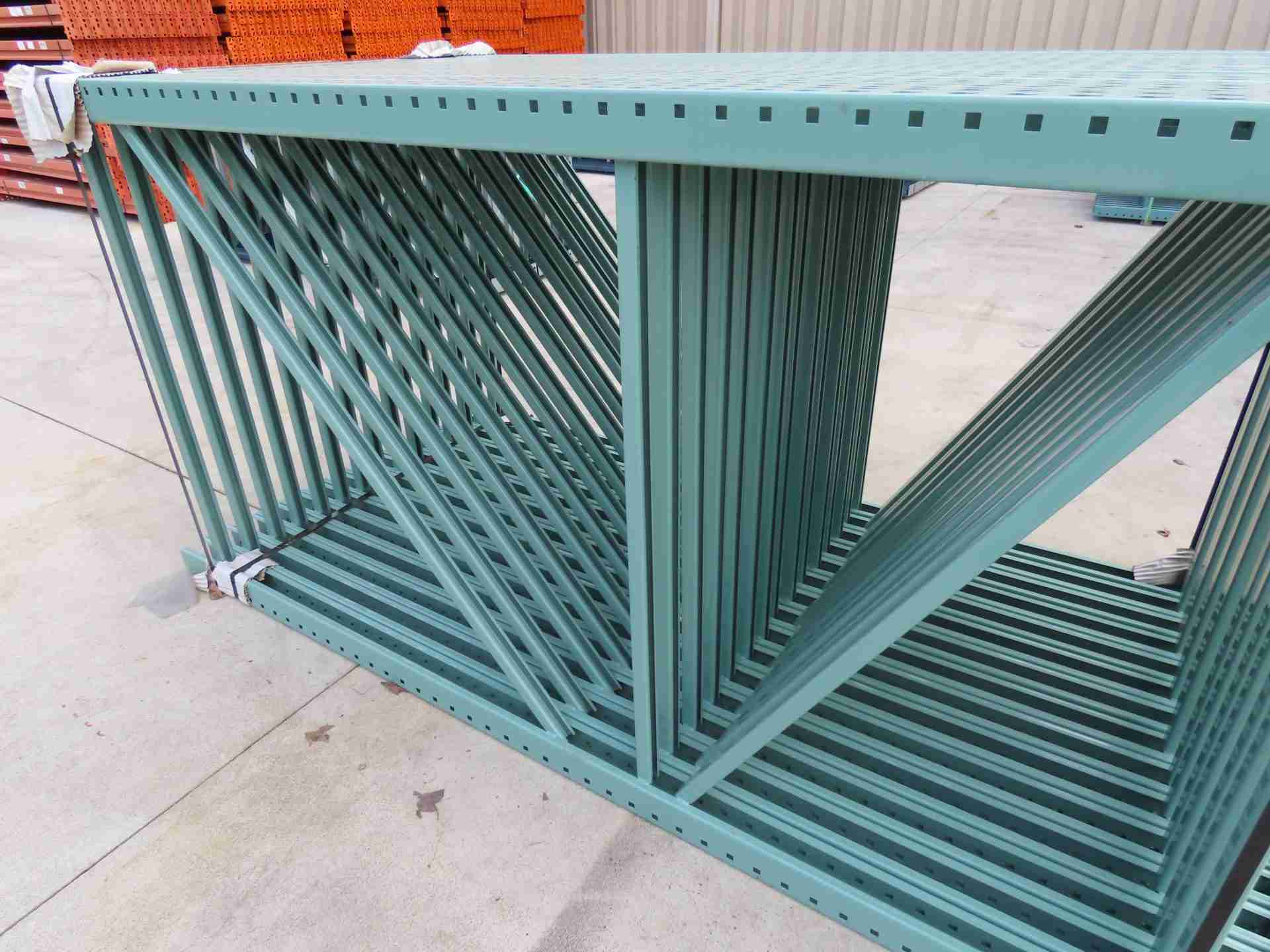
Can I Take Down Pallet Racking By Myself?
Can I Take Down Pallet Racking By Myself?
- Pallet racking systems are vital for efficient warehouse management but may require reconfiguration or downsizing.
- DIY disassembly can save costs but also involves risks such as accidents and damage if not handled properly.
- A 2023 warehouse accident highlights the dangers of improper dismantling, emphasizing the importance of safety.
- Familiarity with the original assembly manual is essential for safe disassembly.
- Having a helper and using proper equipment (e.g., socket wrench set, screwdrivers, fork lifts) is crucial for success.
- Ensure a safe working environment by clearing unnecessary materials and establishing communication with your helper.
- If uncertain, consider hiring professionals to avoid potential hazards and ensure a smooth disassembly process.

Can I Take Down Pallet Racking By Myself?
What Are The Common Mistakes When Removing Pallet Racking?
When it comes to decluttering your workspace or revamping your warehouse, removing pallet racking might seem like a straightforward task. However, without a strategic approach, it’s easy to make costly mistakes that can derail your project and impact your bottom line. Here are some of the most common pitfalls and how to sidestep them.
1. Skipping the Planning Phase
One of the biggest missteps is diving in without a comprehensive plan. Just like a poorly executed marketing campaign, a haphazard removal can result in chaos. Before you start tearing down racks, take the time to assess your needs. Are you redesigning the layout for efficiency, or simply getting rid of old racks? Conduct a thorough inventory of your products and space; this will help you identify the best new setup, ensuring you aren’t just rearranging problems.
*Example*: Recently, a major retail chain decided to clear out its warehouse for a brand refresh. They failed to identify which shelves were still in use, resulting in a massive loss of inventory due to items being misplaced. A loss that could have been avoided had they meticulously planned.
2. Neglecting Safety Procedures
Don’t underestimate the importance of safety. Often, workers overlook or bypass safety protocols when removing heavy equipment. This can lead to injuries or accidents, causing not only harm but also expensive delays. Ensure all personnel are trained in safety procedures and equipped with the right protective gear.
*Current Event Reference*: Consider the headlines surrounding warehouse accidents due to insufficient safety measures. During a recent industry conference, experts underscored the rising insurance costs attributed to safety negligence. Protect your business and employees; it’s not just good practice, it’s good business!
3. Ignoring Local Regulations
Local regulations often dictate how changes to warehouse structures can be implemented. Ignoring these rules can lead to fines or even forced reconstruction. Consult local ordinances and codes beforehand to ensure compliance.
*Example*: A recent news report highlighted a warehouse that faced hefty fines after removing racking without permits—a situation that could have been avoided with a simple call to local authorities.
4. Underestimating the Importance of Communication
When managing the removal of pallet racking, communication is key. Ensure that all team members are on the same page. Failing to communicate can lead to operational misunderstandings, stretching timelines, and increasing costs. Regularly update your team and encourage feedback throughout the process.
In summary, avoiding these common mistakes when removing pallet racking can save you time, money, and headaches. Arm yourself with a solid plan, prioritize safety, adhere to regulations, and communicate effectively—doing so will allow you to transform your space efficiently and safely.

What Are The Common Mistakes When Removing Pallet Racking?
What Are The Common Mistakes When Removing Pallet Racking?
- Plan Thoroughly: Skipping the planning phase can lead to chaos; assess your needs before starting.
- Prioritize Safety: Ensure all personnel are trained and equipped with protective gear to prevent accidents.
- Adhere to Local Regulations: Consult local ordinances to avoid fines or reconstruction due to non-compliance.
- Communicate Effectively: Keep all team members informed to prevent misunderstandings and delays.
- Conduct Inventory: Before removal, assess which racks are in use to avoid loss of inventory.
- Understand the Risks: Recognize safety negligence can increase insurance costs and impact business.
- Stay Updated: Encourage feedback and regular updates from your team throughout the process.

What Are The Common Mistakes When Removing Pallet Racking?
How Do I Dispose Of Old Pallet Racks Responsibly?
How Do I Dispose of Old Pallet Racks Responsibly?
When it comes to disposing of old pallet racks, the stakes are higher than simply clearing space in your warehouse. Responsible disposal is not just about following regulations; it’s about safeguarding your brand, enhancing sustainability, and creating economic opportunities. Your approach can send a message to customers and partners about your commitment to environmental responsibility and operational excellence.
First, consider evaluating your pallet racks for reuse. Many businesses find themselves in a similar situation and are eager for gently used racks at a fraction of the cost of new ones. Sites like eBay and Craigslist offer platforms for listing your old racks for sale or trade. Even more specialized avenues like social media groups for warehouse equipment can help you find your racks a new home. Not only does this keep your materials out of the landfill, but it can also generate some cash flow.
Suppose your racks are in poor condition and don’t meet safety regulations. In that case, recycling becomes the key player in your responsible disposal strategy. Many local scrap metal yards will accept the steel components of pallet racks for recycling, keeping crucial materials in the circular economy loop. Recent pushes for greener business practices, spurred by events like the global sustainability movement and local government initiatives, emphasize the importance of recycling metal in reducing carbon footprints.
Next, if your pallet racks contain any hazardous materials or if you’re unsure about compliance with local regulations, it’s best to consult a professional waste disposal service. Specialized companies understand the complexities of hazardous waste laws and can help ensure that your disposal processes are satisfying not only legal obligations but ethically sound as well.
Finally, if you want to make your disposal process even more eco-friendly, explore donation opportunities. Many nonprofit organizations and community centers are often grateful for industrial warehousing equipment. Organizations that support job creation and skills training might be thrilled to receive your pallet racks, promoting sustainable practices while uplifting your community.
To wrap it up, responsible disposal of old pallet racks is about more than just getting rid of unwanted inventory. It’s an opportunity to reinforce your commitment to sustainability, community, and ethical business practices. By taking the responsible route with your old racks, you’re not just cleaning up; you’re making a statement that resonates in today’s marketplace. The world respects those who act with purpose, and your conscientious choices can drive future business success.

How Do I Dispose Of Old Pallet Racks Responsibly?
How Do I Dispose Of Old Pallet Racks Responsibly?
- Responsible disposal of old pallet racks involves more than just clearing space; it reflects your commitment to environmental responsibility.
- Evaluate pallet racks for reuse; consider selling or trading them on platforms like eBay, Craigslist, or specialized social media groups.
- For racks in poor condition, recycling is essential; many scrap metal yards accept steel components for recycling.
- Local government initiatives and the global sustainability movement emphasize the importance of recycling for reducing carbon footprints.
- If hazardous materials are involved, consult with a professional waste disposal service to ensure compliance with regulations.
- Explore donation opportunities to nonprofits or community organizations that support industrial equipment, promoting sustainability and job creation.
- Responsible disposal reinforces your brand’s commitment to sustainability, ethical practices, and can drive future business success.

How Do I Dispose Of Old Pallet Racks Responsibly?
What Should I Do With The Items Stored On The Racks?
##
If you’ve been storing items on racks in your home or office, you might be feeling overwhelmed at the thought of what to do with them. But don’t fret! Your racks can be transformed from mere storage spaces into gold mines of opportunity and organization. Here’s your action plan to maximize the items collecting dust.
Assess and Categorize
First, take stock of what you have. Start by categorizing items: useful, sentimental, and excess. Remember the old adage, “One man’s trash is another man’s treasure”—this is especially true if you know how to market it. As we see with today’s booming resale market on platforms like Poshmark and eBay, your “excess” might be someone else’s must-have possession. Consider hosting a garage sale or listing items online. It’s not just decluttering; it’s a potential cash cow!
Donate or Recycle
Items that are still in good condition but no longer serve you can be donated to local charities, shelters, or thrift stores. As seen in the recent rise of sustainable living trends, people are looking for ways to support their communities while minimizing waste. By donating, you not only clear out space but also contribute to a larger purpose. If something is broken or not usable, remember to recycle it properly instead of letting it take up space in a landfill.
Create a Seasonal Rotation
For items you want to keep but don’t use year-round, think about creating a seasonal rotation. For example, holiday decorations can be stored neatly until the festive season rolls around. Store items off-season, keeping them organized and out of sight until needed. This tactic not only saves you space but also revives excitement when it’s finally time to bring those items back out.
Utilize Digital Solutions
In today’s digital age, consider transitioning some of your physical items into digital formats. For instance, you might scan old photographs or important documents and store them on a cloud service. Not only does this reduce physical clutter, but it also enhances accessibility. In a world where we’re all working toward more digital solutions, moving toward paperless organization is a smart move.
Set a Schedule for Re-evaluation
Finally, set a date on your calendar for regular assessments of what remains on your racks. Every three to six months, take a few hours to evaluate your items. If there’s anything that still hasn’t been used or appreciated, it might be time to let it go. Remember, the goal is not just to clear space but to create a curated environment that enhances your life.
Embrace the possibilities with the items stored on your racks! When you take deliberate action, you’ll transform clutter into opportunities and empty spaces into productive, inspiring environments.

What Should I Do With The Items Stored On The Racks?
What Should I Do With The Items Stored On The Racks?
- Assess and categorize items into useful, sentimental, and excess categories.
- Consider selling excess items through garage sales or online platforms like Poshmark and eBay.
- Donate usable items to local charities, shelters, or thrift stores to support the community.
- Recycle broken or unusable items instead of discarding them in landfills.
- Create a seasonal rotation for items you want to keep but don’t use year-round.
- Utilize digital solutions by converting physical items, such as old photographs, into digital formats.
- Set a regular schedule for re-evaluating items every three to six months to maintain an organized environment.

What Should I Do With The Items Stored On The Racks?
Is It Necessary To Follow A Specific Order To Take Racking Down?
Is It Necessary to Follow a Specific Order to Take Racking Down?
When it comes to racking down, many businesses face a common dilemma: is there a specific order that needs to be followed? The short answer is: yes, but not in the way you might think. There’s an art and science to dismantling racks that can translate into real savings, increased efficiency, and even improved safety, all within the confines of your operational goals.
Let’s consider a real-world example. In 2023, a major retail chain, faced with a supply chain crisis, decided to reconfigure its warehouse space to accommodate new product lines. They embarked on a massive racking down operation to streamline their inventory management. However, they learned the hard way that simply tearing down racks randomly had catastrophic effects. Not only did they misplace valuable inventory, but they triggered delays that ultimately impacted customer satisfaction.
So, what’s the secret to a successful racking down? It’s about establishing a methodical approach that creates clarity rather than chaos. Start by conducting a thorough inventory audit. Before you touch a single screw, document what’s on each rack—this ensures that you know exactly what you’re dealing with and allows you to categorize items based on their value, accessibility, and future relevance.
Next, prioritize the order. Deconstructing the racking system should start with the least important items. Think of it like peeling layers off an onion; you want to remove barriers without disrupting the core functions of your operations. For instance, if you’re breaking down a section that holds seasonal merchandise, do this first, then move to areas with higher traffic items.
Now, consider safety. Don’t overlook the importance of a well-laid-out plan. Just as one wouldn’t tackle a home renovation without ensuring a secure foundation, the same goes for racking down. Create a detailed checklist for each phase, and ensure that all workers are adequately trained in both the dismantling and the proper disposal of materials.
In current economic situations, many companies are assessing their warehouse needs amid shifting consumer demand. By taking a structured approach to racking down, you’ll not only save time and money but also position your business to pivot more effectively in the market.
Taking down racks isn’t just about getting the job done—it’s about doing it smartly. So ask yourself: are you creating a reaction or orchestrating a strategy? The success of your racking down operation depends on it.

Is It Necessary To Follow A Specific Order To Take Racking Down?
Is It Necessary To Follow A Specific Order To Take Racking Down?
- Racking down requires a specific order for optimal efficiency and safety.
- Random dismantling can lead to misplaced inventory and delays, impacting customer satisfaction.
- Conduct a thorough inventory audit before disassembling racks to understand existing items.
- Prioritize dismantling, starting with less important items to avoid disrupting core operations.
- Establish a detailed plan and checklist for the racking down process to ensure safety.
- Provide proper training for workers on dismantling and material disposal.
- A structured approach can save time and money while allowing businesses to adapt to changing market conditions.

Is It Necessary To Follow A Specific Order To Take Racking Down?
How Can I Prevent Damage To The Warehouse During Disassembly?
How Can I Prevent Damage to the Warehouse During Disassembly?
Effective warehouse disassembly is much more than just taking things apart—it’s about preserving the integrity of both your inventory and the environment in which you work. A careless dismantling process can lead to not only financial losses but also reputational damage. Here’s how you can ensure a smooth, damage-free dismantling operation, keeping your warehouse in pristine condition and your profits intact.
Plan Methodically: Just like a military operation, disassembly requires careful planning. Before you even touch a piece of equipment, create a detailed blueprint outlining what will be disassembled, in what order, and how. For instance, if you’re taking apart shelving units, consider the structural supports first. This won’t just save time; it will drastically reduce the risk of accidental damage. By prioritizing actions based on the layout of the warehouse, you create a more controlled and less chaotic environment.
Train Your Team: Nothing spells disaster faster than a disjointed team. Equip your staff with the right knowledge and tools. Conduct regular workshops on safe disassembly practices, focusing on proper lifting techniques and equipment handling protocols. Like the recent surge in electric vehicle manufacturing necessitating specialized knowledge, warehouse disassembly demands the same level of expertise. A well-trained team can spot issues before they escalate, such as an improperly secured load that could tip during a move.
Utilize Quality Equipment: Using subpar tools can lead to slips and falls, damaged infrastructure, and even costly injuries. Invest in high-quality dismantling gear, such as padded dollies and ergonomic lifting aids. Think about the fallout from recent supply chain disruptions: when you skimp on equipment, you invite setbacks that can ripple through your operations. A minimal financial investment in the right tools now can prevent exponential losses later.
Implement Safety Protocols: Along with tools, prioritize safety protocols. Mark off disassembly zones clearly, ensuring that non-essential personnel stay clear of the area. In light of recent recalls in various industries related to warehouse safety, implementing stringent safety measures not only protects your employees but positions you as a responsible business leader.
Conduct a Post-Disassembly Inspection: Finally, inspect the warehouse space after disassembly has been completed. Look for any potential hazards that may have arisen during the process and address them immediately. This proactive approach ensures sustained safety and mitigates risks, helping your organization avoid interruptions down the line.
With the right strategy, training, and equipment, you can navigate the complexities of warehouse disassembly without compromising your facility’s condition or your bottom line. In an ever-changing marketplace, being prepared isn’t just smart—it’s essential.

How Can I Prevent Damage To The Warehouse During Disassembly?
How Can I Prevent Damage To The Warehouse During Disassembly?
- Plan Methodically: Create a detailed blueprint outlining the disassembly order to minimize chaos and accidental damage.
- Train Your Team: Equip staff with knowledge and tools through regular workshops on safe disassembly practices.
- Utilize Quality Equipment: Invest in high-quality tools to prevent slips, falls, and injuries during the dismantling process.
- Implement Safety Protocols: Clearly mark disassembly zones to keep non-essential personnel safe and establish a responsible work environment.
- Conduct a Post-Disassembly Inspection: Review the space for hazards post-disassembly and address any issues immediately.
- Ensure Proactive Measures: Maintain safety and mitigate risks to prevent interruptions in operations.
- Be Prepared: Develop a comprehensive strategy to navigate warehouse disassembly effectively, protecting both inventory and profits.

How Can I Prevent Damage To The Warehouse During Disassembly?
What Permits Or Regulations Should I Consider?
What Permits or Regulations Should I Consider?
Navigating the maze of permits and regulations can feel intimidating, but it is an essential step for anyone eager to launch a successful business. Understanding these requirements not only saves you from costly fines but also builds a foundation of credibility and trust with your customers. Here, we break down the critical considerations you need to embrace to ensure your business is compliant and thriving.
First, start with your local zoning laws. These regulations dictate what type of business can operate in a specific area. For instance, if you’re looking to open a coffee shop in a residential neighborhood, you may find that the zoning laws restrict commercial activities. Failing to address this could lead to expensive relocation or, worse, forced closure. Investigate your city or county’s zoning map and consult local government resources to ensure your intended location is suitable.
Next, consider business licenses and permits required for your particular industry. For example, if you’re planning to sell food products, your local health department will require you to obtain health permits and pass inspections. In 2023, many areas tightened regulations around food safety following several high-profile incidents highlighting the importance of rigorous standards to protect consumers. Knowledge of these requirements not only ensures compliance but also positions you as a trustworthy business in the eyes of your clientele.
Don’t overlook industry-specific regulations. Suppose you’re entering the booming field of online retail. In that case, you need to be aware of e-commerce regulations, including data protection laws, such as the General Data Protection Regulation (GDPR) for any dealings with European customers. Just recently, other jurisdictions are following suit, updating privacy laws to enhance consumer protection. Adhering to these regulations is not merely a legal necessity; it’s an effective marketing strategy to showcase your commitment to customer privacy.
Furthermore, depending on your business type, you may need to acquire specific permits. Are you hosting events? Perhaps you’ll require a special events permit. Planning to launch a construction business? A contractor’s license is essential to guarantee professionalism and compliance in your operations.
Finally, keep abreast of changes in regulations. The legislative landscape can shift rapidly, especially with economic and social changes influencing legislation. Subscribe to local business newsletters or engage with local business associations to stay informed.
In short, the upfront effort to understand and secure necessary permits and regulations not only safeguards your business but amplifies your reputation. Don’t let compliance issues sabotage your success; instead, leverage them as a stepping stone on your path to prosperity.

What Permits Or Regulations Should I Consider?
What Permits Or Regulations Should I Consider?
- Navigating permits and regulations is essential for business success and credibility.
- Start by checking local zoning laws to ensure your business is permitted in your location.
- Obtain necessary business licenses and permits specific to your industry, especially for food-related businesses.
- Be aware of industry-specific regulations, including e-commerce and data protection laws like GDPR.
- Acquire specific permits as required, such as special events or contractor’s licenses.
- Stay informed about changes in regulations through newsletters and local business associations.
- Understanding and securing permits enhances your reputation and safeguards your business.

What Permits Or Regulations Should I Consider?
Are There Professional Services Available For Pallet Racking Removal?
In the world of logistics and warehousing, efficiency isn’t just a goal; it’s a necessity. Perhaps you’ve recently upgraded your facilities, or maybe your operational needs have shifted, rendering your current pallet racking system obsolete. Whatever the reason, the removal of pallet racking is not simply a matter of taking things down; it requires a careful, strategic approach to avoid costly disruptions.
The great news is that professional pallet racking removal services are thriving in the market today. They offer a solution that can save you time, money, and a heap of stress. Picture this: you’ve just received news that a competitor is reducing their shipping times and enhancing warehouse efficiency. If you want to keep up, you need to eliminate outdated systems and embrace a more modern setup quickly. Professional services step in here, managing the dismantling and removal with a level of expertise that means you can focus on your bottom line.
Consider companies like Warehouse Distributors Inc. or Racking Removal Group; these firms specialize in the safe, efficient dismantling of racking systems. They employ trained professionals who understand the intricacies of different systems—from selective racking to drive-in racks. With the pandemic reshaping consumer behaviors and e-commerce demand continuing to rise, the ability to adapt and optimize warehouse space is more critical than ever. Partnering with professionals allows you to pivot quickly and remain competitive.
It’s also worth noting the environmental aspect of pallet racking removal. With sustainability becoming a focal point across industries, reputable services often ensure that dismantled materials are either recycled or repurposed, aligning with corporate responsibility goals and current economic trends favoring eco-friendly practices.
Moreover, these services usually offer comprehensive packages that can include relocation, resale of the racking systems, and even mere consultation to strategize your future layout. This is an opportunity not just for removal but for a logistical makeover—think of it as a spring cleaning for your business operations, allowing you to optimize space and boost productivity.
With supply chain issues still prevalent and real-time logistics becoming key, don’t let outdated racking systems hold you back. Invest in professional services that provide more than just removal; partner with experts who empower your business to thrive in an ever-evolving marketplace. Your warehouse revolution starts now. Why wait?

Are There Professional Services Available For Pallet Racking Removal?
Are There Professional Services Available For Pallet Racking Removal?
- Efficiency in logistics and warehousing is essential, not optional.
- Removing outdated pallet racking systems requires a strategic approach to prevent disruptions.
- Professional pallet racking removal services can save time, money, and reduce stress.
- Companies like Warehouse Distributors Inc. and Racking Removal Group specialize in safe dismantling.
- These services help businesses adapt to rising e-commerce demands and changing operational needs.
- Reputable services often focus on sustainability by recycling or repurposing dismantled materials.
- Professional removal services may also offer additional support like relocation, resale, and consultation.

Are There Professional Services Available For Pallet Racking Removal?
How Do I Assess The Condition Of The Pallet Racking Before Removal?
When considering the removal of pallet racking, a meticulous assessment of its condition isn’t just a wise step; it’s a business essential. Whether you’re upgrading to more efficient storage solutions, downsizing, or relocating, understanding your racking system’s state can save you time and dollars in the long run. Let’s dive into the key areas you’ll need to evaluate.
1. Visual Inspection: The First Step
Start with a thorough visual inspection. Look for any obvious signs of damage, such as bent beams, rust, or cracks that can compromise the integrity of the racking. Use a checklist to ensure you cover all aspects: check upright frames, beams, and connectors. For instance, if you’re dealing with an older system that dates back to before the implementation of new safety standards, you might discover risks that not only affect productivity but could also lead to costly accidents.
2. Load Capacity and Rating Identification
Every pallet rack has a specified load capacity. This is typically labeled on the beams or uprights of the racking system. Understanding this capacity is crucial. If your current operations have changed – say, you’re now storing heavier items due to the rising trend of e-commerce fulfillment – you may need to reassess whether your existing racking can still bear the weight efficiently. Referring to guidelines from associations like the Material Handling Industry (MHI) can help you determine compliance with modern standards.
3. Age and Usage Assessment
Age is more than just a number when it comes to pallet racking. If your system has been in place for over ten years, it’s worth scrutinizing its performance closely. Look into its history—has it been subjected to heavy usage or accidents? Remember the recent widespread supply chain disruptions that pushed many warehouses to their limits, leading to increased wear and tear on their equipment. If your racking is starting to show signs of fatigue, it’s time to think about a fresh start.
4. Safety and Compliance Checks
Compliance with modern safety regulations is paramount. Conduct a check against OSHA (Occupational Safety and Health Administration) standards and your local regulations to ensure your racking is up to code. If you’re considering selling the racking post-removal, prospective buyers will likely inquire about its compliance history, affecting your resale value.
Conclusion
In today’s rapidly changing market landscape, a careful evaluation of your pallet racking’s condition before removal not only protects your investment but also enhances your operational efficiency. By taking these steps, you put your business in a stronger position for future growth and success. Remember, like any great investment, the best returns come from getting your fundamentals right.

How Do I Assess The Condition Of The Pallet Racking Before Removal?
How Do I Assess The Condition Of The Pallet Racking Before Removal?
- Visual Inspection: Conduct a thorough check for damage like bent beams and rust; use a checklist for all racking components.
- Load Capacity and Rating Identification: Understand your racking’s load capacity and reassess if operations have changed, especially with heavier items.
- Age and Usage Assessment: Pay close attention to racking systems over ten years old and consider wear from heavy usage or accidents.
- Safety and Compliance Checks: Ensure compliance with OSHA standards and local regulations, as this affects resale value.
- Importance of Assessment: Understanding the condition of pallet racking can save time and costs during upgrades or relocations.
- Market Adaptation: Evaluating racking condition enhances operational efficiency in a rapidly changing market landscape.
- Future Growth: Properly assessing and maintaining racking systems positions businesses for significant returns and success.

How Do I Assess The Condition Of The Pallet Racking Before Removal?
What Happens If I Encounter Damaged Components While Taking It Down?
When undertaking any dismantling project, be it industrial machinery, electronics, or even home appliances, the unexpected encounter of damaged components can be both a headache and a learning opportunity. It’s essential to have a game plan because how you react can mean the difference between a costly delay and a valuable opportunity to streamline your operations.
Firstly, recognize that damaged components are a common occurrence. For instance, the recent global supply chain disruptions have underscored the importance of preparedness in every aspect of operations. Many businesses found themselves facing damaged equipment and delayed replacements when they needed them most. Instead of panicking, take a strategic approach.
Assess and Identify
The first step when you spot a damaged component is to assess the extent of the damage. Take a close look at the affected area and identify what can be salvaged and what needs replacement. For example, if you’re disassembling an old server and find a damaged power supply, don’t just discard it. Consider the possibility that the damage might be localized, and components like capacitors can often be replaced cheaply. A thorough assessment can save you time and money by avoiding unnecessary purchases.
Document Everything
Next, document the damage. Take photos, note serial numbers, and record any other pertinent information. This can be crucial for warranty claims, insurance purposes, or even as a learning tool for future projects. In today’s tech-forward environment, documenting findings digitally can create robust insights for future efforts, transforming potential pitfalls into a goldmine of knowledge.
Consult and Collaborate
Reach out to experts or colleagues who might have faced similar issues. For example, in industries heavily impacted by recent natural disasters, many companies have begun sharing resources and knowledge on how to handle damaged equipment effectively. Networking can often provide a lifeline when you’re stuck. Whether it’s an online forum or a local business group, don’t hesitate to lean on your community for advice.
Plan for Recovery
Finally, develop a recovery plan. This might include sourcing replacement parts, scheduling repairs, or even repurposing components for other projects. Think of it not just as dealing with an inconvenience but as an opportunity to innovate. For instance, consider the rise of sustainability trends; repurposing damaged but functional parts aligns beautifully with eco-friendly practices, elevating your company’s image and aligning it with current market demands.
In summary, encountering damaged components during dismantling isn’t just a setback—it’s a moment ripe for strategic thinking and creative problem-solving. By assessing, documenting, consulting, and planning, you can turn challenges into opportunities that can bolster your bottom line and enhance your reputation in an ever-evolving market landscape.

What Happens If I Encounter Damaged Components While Taking It Down?
What Happens If I Encounter Damaged Components While Taking It Down?
- Encountering damaged components during dismantling projects is common and can lead to valuable insights.
- Global supply chain disruptions emphasize the need for preparedness and strategic response to damaged equipment.
- Begin by assessing the damage to determine what can be salvaged and what needs replacement.
- Document all findings through photos and notes for warranty claims, insurance, and future reference.
- Consult with experts or colleagues to gain insights and share resources for effective damage management.
- Develop a recovery plan to source replacement parts or repurpose components, fostering innovation.
- Transform challenges into opportunities to improve operations and enhance company reputation within the market.

What Happens If I Encounter Damaged Components While Taking It Down?
What Are The Costs Associated With Removing Pallet Racking?
When it comes to optimizing your warehouse space, the removal of pallet racking can feel like both an opportunity and a burden. While the potential for improved efficiency and a more tailored space can be enticing, the costs associated with dismantling and removing pallet racking can surprise many warehouse operators and managers. Understanding these costs upfront is key to making a financially sound decision.
First, consider the labor costs. Dismantling pallet racking isn’t just a simple task you can assign to your warehouse staff on their lunch break. It requires skilled workers who understand the intricacies of the racking systems. Hiring a professional service can ensure safety and efficiency, but it comes with a price tag. Nationally, you might expect to pay anywhere from $50 to $100 per hour for skilled labor, depending on your region. As an example, a mid-sized warehouse with extensive racking systems may incur labor costs exceeding $1,000 to remove outdated racking, especially if the installation was complex.
Next, think about disposal costs. Outdated or damaged racking needs to be responsibly disposed of, which can involve fees for recycling, transporting, or even landfilling materials. Depending on your local regulations and resources, disposal costs can add up. For example, a warehouse in an urban area may face higher disposal fees due to strict waste management policies, potentially adding another several hundred dollars to your total expense.
Moreover, what about the opportunity costs during the removal process? While your racking is being dismantled, your operations may experience a slow down. This downtime can have a ripple effect, reducing productivity and potentially delaying your order fulfillment. For a warehouse that earns significant revenue per hour, this could translate to lost profits—a cost that often goes overlooked.
Lastly, consider the potential for unexpected costs. Once you start taking down racking, you might uncover issues such as structural damage to the building or the need for renovations, like painting or repairs, to the walls that were previously covered. These surprises can double or triple your initial estimates.
In today’s climate of economic uncertainty and supply chain fluctuations, investing in efficiency through the removal of pallet racking can yield significant long-term benefits; however, doing it without a complete cost assessment could send your budget into chaos. Carefully weighing these factors ensures that you turn your warehouse into a well-oiled machine rather than a financial burden.

What Are The Costs Associated With Removing Pallet Racking?
What Are The Costs Associated With Removing Pallet Racking?
- Removing pallet racking offers opportunities for improved efficiency but can come with unexpected costs.
- Labor costs for dismantling require skilled workers, with rates averaging $50 to $100 per hour nationally.
- A mid-sized warehouse may incur over $1,000 in labor costs if the racking installation is complex.
- Disposal costs for outdated racking can add up, especially in urban areas with strict waste management policies.
- Operational downtime during racking removal can lead to lost profits, impacting overall productivity.
- Unexpected costs may arise from uncovered structural issues, potentially doubling or tripling initial estimates.
- A comprehensive cost assessment is critical to avoid budget chaos while optimizing warehouse space.

What Are The Costs Associated With Removing Pallet Racking?
How Can I Prepare The Work Area For The Disassembly Process?
How Can I Prepare the Work Area for the Disassembly Process?
Preparing your work area for the disassembly process is not merely a matter of convenience; it’s the cornerstone of a smooth and efficient project. Think of it as setting the stage for a performance—every tool in its place, every surface ready, and your mindset focused on a singular goal: achieving precision and eliminating errors. Here’s how to ensure your workspace is optimized for whatever disassembly task lies ahead.
First and foremost, declutter your work area. This might sound basic, but it cannot be overstated. A clean space fosters focus and minimizes distraction. In the era of remote work, with people transforming dining tables into offices, it’s easy to let chaos take over. For example, a recent survey found that 70% of remote workers felt more productive in an organized environment. Keep only the essentials at hand. Tools specific to the disassembly task—like screwdrivers, pliers, and containers for small parts—should be within arm’s reach. Get rid of anything that doesn’t belong.
Next, create a clear plan of action. A well-defined strategy serves as a roadmap for your disassembly process. This should include a step-by-step guide detailing which components will be disassembled and in what order. For high-stakes tasks—think of automotive or electronics repair—following the manufacturer’s service manual ensures you don’t miss vital steps. It’s akin to having a GPS in an unfamiliar city; navigating without it can lead to dead ends and frustration.
Furthermore, choose the right environment for the job. If you’re working on sensitive equipment, ensure the area is free from dust and moisture. Just last year, we witnessed a significant discourse on the impact of environmental factors on electronic devices—where a simple oversight led to costly repairs for many. If you’re working on a vehicle, for instance, a garage with adequate ventilation is key to avoid exposure to harmful fumes.
Lastly, utilize organization tools such as labels and storage boxes. When disassembling complex items—like computers—labels help you keep track of screws and components. This small act can save hours of reassembly time later on. In an age where time is money, this efficiency can literally translate to improved bottom lines.
In closing, whether you’re tackling a home improvement project or a professional task, a thoroughly prepared work area leads to a smoother disassembly process. Take the time to set the stage right, and you’ll not only save yourself from unnecessary headaches, but you’ll also emerge with results that shine—evidence of your preparedness and professionalism!

How Can I Prepare The Work Area For The Disassembly Process?
How Can I Prepare The Work Area For The Disassembly Process?
- Declutter your workspace to enhance focus and minimize distractions.
- Keep only essential tools, such as screwdrivers and pliers, within arm’s reach.
- Create a clear plan of action outlining the disassembly steps and order.
- Refer to the manufacturer’s service manual for high-stakes disassembly tasks.
- Choose the right environment, ensuring the area is free from dust and moisture.
- Utilize organization tools like labels and storage boxes to keep track of components.
- A well-prepared work area leads to a smoother disassembly process and improved results.

How Can I Prepare The Work Area For The Disassembly Process?
What Are Some Tips For Reassembling Pallet Racking In A New Location?
Reassembling pallet racking in a new location might seem like a straightforward task, but it’s an opportunity to optimize your storage capabilities and enhance operational efficiency. Here are some actionable tips that will not only make the process smoother but also help you maximize your return on investment.
1. Plan Strategically Before You Move
Before disassembling your pallet racks, create a detailed floor plan of your new location. Consider the layout of the warehouse, including aisle space and accessibility. This is your chance to rethink your design. For example, in light of the recent global supply chain challenges, many businesses are adopting a more compact design to facilitate quicker access to inventory. This could mean rearranging your racks to reduce travel time for picking employees, thus increasing efficiency.
2. Sort and Audit Your Inventory
Use this transition as a moment to audit your inventory. Determine what’s actively moving and what isn’t. Merging a relocating effort with an inventory review can help you get rid of obsolete items, thereby freeing up much-needed space. For instance, a logistics company recently found that 15% of its inventory was obsolete; by clearing this out before moving, they were able to allocate that space for fast-moving items, which streamlined their operations immensely.
3. Use Quality Tools and Equipment
Don’t cut corners on the tools you use for disassembly and reassembly. Having the right tools makes a significant difference. Invest in quality wrenches, impact drills, and lifting equipment to avoid damaging your racks during the move. Current advancements in equipment technology can offer tools that enhance safety and efficiency. Using electric pallet jacks powered by lithium batteries can make moving heavy parts easier and prevent workplace accidents.
4. Label Everything
As you disassemble your pallet racks, label every part meticulously—be it beams, uprights, or braces. Use colors or numbers to represent different sections of your new layout. This practice prevents any confusion, speeding up the reassembly process. In an industry where time equals money, a well-labeled system can shave hours off your work.
5. Assemble with Precision
When reassembling, follow manufacturer guidelines closely to ensure safety and stability. An improperly assembled rack can lead to hazardous situations. Ensure every bolt and fastener is tightened to specification. A recent OSHA report emphasized the importance of safety compliance, reminding us that attention to detail can protect not just your assets, but your workforce.
Moving can be a daunting task, but with these tips, you can turn your pallet racking relocation into a beneficial move. Start with careful planning, leverage current technology, and you’ll see the fruits of your labor in enhanced efficiency and greater profitability.

What Are Some Tips For Reassembling Pallet Racking In A New Location?
What Are Some Tips For Reassembling Pallet Racking In A New Location?
- Plan Strategically Before You Move: Create a detailed floor plan of the new location to optimize layout and accessibility, considering a more compact design for faster inventory access.
- Sort and Audit Your Inventory: Use the transition to audit inventory, identify obsolete items, and free up space for fast-moving products.
- Use Quality Tools and Equipment: Invest in high-quality tools to avoid damage during disassembly and reassembly; utilize modern equipment to enhance safety and efficiency.
- Label Everything: Meticulously label all parts during disassembly to expedite the reassembly process and reduce confusion.
- Assemble with Precision: Follow manufacturer guidelines closely during reassembly to ensure safety and stability; check that all bolts and fasteners are tightened correctly.
- Leverage Technology: Employ advancements like electric pallet jacks powered by lithium batteries for easier handling of heavy components.
- Focus on Efficiency and Profitability: Careful planning and execution of the relocation can lead to improved operational efficiency and increased profitability.

What Are Some Tips For Reassembling Pallet Racking In A New Location?
Conclusion
In wrapping up this essential guide on dismantling and reassembling pallet racking, it’s clear that navigating this process requires both strategic foresight and careful execution. The world of logistics and warehouse management is ever-evolving, driven by the need for increased efficiency, safety, and adaptability. As we’ve explored, whether you’re facing the daunting task of taking down old racking systems or looking to optimize your layout for burgeoning e-commerce demands, the stakes are high, and the journey requires a meticulous approach.
Firstly, one cannot underestimate the importance of a solid plan. Assess your racking systems with a keen eye—identify what can be salvaged, determine compliance with safety regulations, and ensure your team is equipped with the right tools and knowledge. Remember, proper preparation is not merely a tactical choice but rather a crucial ingredient for success in the competitive landscape of warehousing. The costly mistakes of rushing into disassembly without adequate planning underscore why this phase cannot be overlooked.
Moreover, the environmental considerations surrounding the disposal of old pallet racking also warrant attention. Organizations today are increasingly being judged not only on operational efficiency but also on their commitment to sustainability. Whether it involves reselling, recycling, or responsibly donating unwanted materials, your choices can reflect positively on your brand while contributing to broader ecological efforts.
Furthermore, as you pivot to the reassembly of racking in a new location, leveraging this moment to conduct a thorough inventory audit presents an invaluable opportunity. Rethink your storage strategies, embrace advanced tools for a safer work environment, and communicate effectively with your team throughout the transition. The benefits of deliberate labeling and meticulous assembly cannot be overstated, as these practices help mitigate errors and enhance overall safety.
Above all, the message is clear: proper dismantling and reassembly of pallet racking systems are not tasks to be taken lightly. They’re strategic operations that can either hinder or propel your business forward. As you consider your next steps, remember that the expertise and support of professionals can be a game changer, ensuring that the process is not only smoother but also positions your business to thrive in an increasingly complex marketplace.
For further assistance with your pallet racking needs, don’t hesitate to call Arrow Industrial Sales at (574) 349-6575. Your warehouse revolution awaits—act now!

Conclusion
Conclusion:
- Strategic foresight and careful execution are crucial for dismantling and reassembling pallet racking.
- A solid plan is essential: assess systems, identify salvageable components, ensure compliance, and prepare your team.
- Proper preparation is a critical ingredient for success in warehouse management.
- Environmental considerations in disposal are important; consider reselling, recycling, or donating materials.
- Reassembly offers an opportunity for a detailed inventory audit and rethinking storage strategies.
- Effective communication and organized labeling during assembly enhance safety and reduce errors.
- Professional expertise can streamline the dismantling and reassembly process, positioning your business for success.

Conclusion
Other Resources

Other Resources
Here is a list of other resources you can review online to learn more:
- “Factory Direct New Pallet Racks | Pallet Racking | Warehouse …”
- “International Standard Industrial Classification of All Economic …”
- “Pallet Racking & Warehouse Safety Essentials: Key Products”
- “Pallet Racking Installation | New and Used Warehouse Pallet …”
- “HEALTH & SAFETY”
- “Warehouse Safety Guide”
- “QP-REG-S-001 Rev. 3 Date: 25.06.09 Page: 2 of 141”
- “SAFETY MANUAL”
- “Safety Program & Procedures Manual”
- “Corporate Safety Manual”
- “Navy Supply Procedures P-485 VOL …”
- “Case: 1:24-cv-04998 Document #: 1 Filed: 06/17/24 Page …”
- “Loss Control Manual”
- “Cal/OSHA Pocket Guide for the Construction Industry”
- “Warehouse safety: 7 key points to consider”
- “PROGRAMMATIC HEALTH AND SAFETY PLAN …”
Bing Copilot Prompt: Please provide me with a list of online articles with their URLS in a bulleted list that I can read regarding How to Take Down Pallet Racking?

Other Resources
Glossary Terms
How to Take Down Pallet Racking? – Glossary Of Terms
1. Pallet Racking: A storage system designed for storing goods on pallets.
2. Deconstruction: The process of carefully taking apart a structure rather than demolishing it.
3. Safety Gear: Protective clothing and equipment, such as gloves and helmets, worn to ensure safety during dismantling.
4. Forklift: A powered industrial truck used to lift and move materials, often necessary for pallet racking.
5. Pallet: A flat transport structure that supports items in a stable fashion while being lifted by forklifts or pallet jacks.
6. Beam: The horizontal support component of pallet racking that holds pallets.
7. Upright: The vertical support structure of pallet racking that provides stability.
8. Anchors: Fasteners that secure the racking to the floor to provide stability.
9. Wrenches: Hand tools used for loosening or tightening bolts.
10. Bolts: Fasteners used to connect various parts of the pallet racking together.
11. Screwdrivers: Tools used to drive screws and disassemble parts of the racking system.
12. Pallet Jack: A manual or powered device used for lifting and moving pallets.
13. Clearance: The space needed to safely dismantle or maneuver equipment around the racking.
14. Inspection: The process of checking the condition of the racking and components before dismantling.
15. Disassembly Plan: A structured approach outlining how to safely take down pallet racking.
16. Load Capacity: The maximum amount of weight that the racking can safely hold.
17. Blueprints: Diagrams or designs that detail the layout and dimensions of the pallet racking system.
18. Storage Configuration: The arrangement of pallets and racking, which may affect the dismantling process.
19. Skid: A low-profile platform similar to a pallet, used for storage and transport.
20. Safety Protocols: Guidelines and procedures to ensure safety during the dismantling process.
21. Ergonomics: The study of how to design workspaces and tasks that optimize comfort and efficiency.
22. Material Handling Equipment: Tools like forklifts and pallet jacks used to move materials safely.
23. Rigging: The use of equipment to lift and move heavy racking components.
24. Decoupling: The process of disconnecting parts of the racking system from each other.
25. Recycling: The practice of reusing materials removed from the racking for other purposes.
26. Hazard Assessment: Evaluating potential dangers related to taking down the pallet racking.
27. Work Area: The designated space where dismantling will occur, kept clear of unnecessary items.
28. Personnel Training: Education provided to workers on safe practices while dismantling pallet racking.
29. Maintenance Records: Documentation that details the care and inspections of the racking systems.
30. Final Inspection: The last check to ensure the workspace is safe and all racking components are properly dismantled.

Glossary Of Terms
Other Questions
How to Take Down Pallet Racking? – Other Questions
If you wish to explore and discover more, consider looking for answers to these questions:
- What types of pallet racking systems are there?
- What are the best practices for safely dismantling pallet racking?
- Are there any tools specifically designed for pallet racking removal?
- How can I ensure my warehouse remains operational during the racking removal process?
- What are the safety regulations I need to follow when dismantling pallet racking?
- Is professional help necessary for taking down pallet racking?
- What are the implications of not properly documenting the dismantling process?
- How do I address potential hazards while disassembling pallet racking?
- Can I reuse or repurpose pallet racking after removal?
- What do I do if I find faulty components during the dismantling?
- How do I create an efficient storage layout after racking removal?
- What are the potential costs associated with hiring a professional service for dismantling?
- How can I train my team on pallet racking dismantling safety?
- What should I consider before deciding to take down pallet racking?
- How can I deal with items stored on pallet racks during the disassembly process?

Other Questions
Checklist
How to Take Down Pallet Racking? – A Checklist
Preparation Phase
1. Assess the Racking System
_____ Evaluate the design and materials (bolted vs. welded).
_____ Identify any hazards, loose fittings, or weight loads.
_____ Review manufacturer guidelines for dismantling.
2. Develop a Dismantling Plan
_____ Create a detailed step-by-step plan for dismantling the racks.
_____ Plan for the reconfiguration or replacement of the racking system.
_____ Ensure compliance with local building codes and safety regulations.
3. Gather Necessary Tools and Equipment
_____ Collect essential tools (wrenches, power drill) and safety gear (gloves, goggles).
_____ Consider equipment like lifts or scaffolding for larger systems.
Dismantling Process
4. Begin with the Base of the Rack
_____ Detach base plates and any securing hardware with care.
_____ Ensure structural integrity is maintained during dismantling.
5. Disassemble Racking from the Bottom Up
_____ Remove one shelf or beam at a time.
_____ Maintain a tidy workspace to avoid tripping hazards or falling debris.
6. Document the Process
_____ Take photos and make notes of the configuration.
_____ Keep records for safety compliance and future reference.
Safety Measures
7. Equip Team with Safety Gear
_____ Ensure all personnel wear full-body gloves, steel-toed boots, and helmets.
_____ Provide training on safety procedures related to pallet racking dismantling.
8. Implement Safety Protocols
_____ Clearly mark disassembly zones.
_____ Keep non-essential personnel away from dismantling areas.
Post-Dismantling & Disposal
9. Inspect and Clean Up the Area
_____ Conduct a thorough inspection to ensure no hazards remain.
_____ Clear debris to maintain a safe working environment.
10. Plan for Disposal or Reuse
_____ Evaluate racks for resale or recycling opportunities.
_____ Look into donation options for usable equipment.
Continuous Improvement
11. Invest in Staff Training
_____ Conduct regular training sessions focused on racking dismantling and safety.
_____ Encourage team members to become safety champions.
12. Review and Update Procedures
_____ After the dismantling process, review what went well and what could improve.
_____ Update procedures based on feedback and incident reports.
Additional Tips
_____ Maintain Communication: Ensure all team members are in sync throughout the dismantling process.
_____ Know Local Regulations: Stay informed about any fines or permits required before dismantling.
_____ Plan for Repairs: Be prepared for potential repairs to the warehouse structure after racking removal.
By following this checklist, you can dismantle pallet racking in an efficient, safe, and organized manner, ensuring a positive environment for all involved.

Checklist
At RackingWorld, we help guide you through selecting warehouse storage systems and racking.
Be sure to read our other related stories at RackingWorld to learn more about warehouse storage systems.
0 Comments