
Transforming Foundations: Embracing Change To Unlock True Potential
By Tom Seest
At RackingWorld, we help guide you through selecting warehouse storage systems and racking.
Be sure to read our other related stories at RackingWorld to learn more about warehouse storage systems.
When Growth Demands Structural Change
In any enterprise, there comes a time when holding onto the old ways feels like trying to fit a square peg in a round hole. We’ve all been there—working harder just to keep the gears turning, while new demands come crashing through the door. Growth can be a beautiful thing, but it often requires a hard look in the mirror. When your operation starts to swell, you can’t just throw more manpower at the problem; sometimes, you need to rethink the very structure of your business.
Take racking systems, for instance. These aren’t just metal hulks in warehouses; they’re the backbone of efficient operations. When inventory outgrows its home and chaos reigns amidst stacks of boxes, the decision to upgrade your racking systems isn’t just about optimizing space; it’s about reclaiming control. Struggling to find what you need in a mess can sap morale faster than a broken tool. On the flip side, a well-organized space where every item has its place fosters trust among team members—after all, nobody likes wasting time searching for a crucial part.
Let’s not shy away from the emotional toll of stagnation. There’s a weariness that comes from watching potential slip through your fingers, feeling as though your team is stranded in mud while others race ahead. When you commit to structural change, it’s more than a business decision; it’s a bold statement. You’re telling everyone involved that you believe in a better future, where they can thrive alongside the growth they’ve helped create.
This journey might require some uncomfortable conversations. It’s essential to gather input from every level of the team—after all, they’re the ones who understand the daily grind. Relying on their hands-on experience not only builds camaraderie but brings in valuable insights that could steer the ship in a promising direction. Gather those voices around the table, and you’ll craft a plan that resonates with the entire crew.
People want to feel a part of something bigger. When they see that their input matters and that the organization is not only growing but evolving responsively, a sense of ownership will bloom. Rather than merely chasing numbers, this transformation invites everyone into the fold, encouraging innovation and trust.
Ultimately, growth isn’t just about the balance sheets; it’s about cultivating a work environment that adapts and flourishes, where every individual knows they matter. Embracing structural change builds the foundation for lasting success—one that engages the heart, head, and gut, inviting everyone on the journey.

When Growth Demands Structural Change
When Growth Demands Structural Change
- Holding onto outdated methods can hinder growth and efficiency.
- Racking systems are crucial for operational efficiency and organizational control.
- Improved organization boosts morale and fosters trust among team members.
- Stagnation can lead to frustration and a sense of lost potential.
- Committing to structural change signifies belief in a better future for the team.
- Gathering input from all levels promotes camaraderie and valuable insights.
- Transformational changes encourage innovation and a sense of ownership among employees.

When Growth Demands Structural Change
Table Of Contents
- When Growth Demands Structural Change
- What Happens When Growth Outpaces Existing Structures?
- How Can We Adapt to Rapid Changes?
- What Role Do Leaders Play In Facilitating Change?
- Are Our Current Systems Sustainable for Future Growth?
- How Do We Balance Tradition with Innovation?
- What Can We Learn From Past Structural Changes?
- Conclusion
- Other Resources
- Glossary Of Terms
- Other Questions
- Checklist
What Happens When Growth Outpaces Existing Structures?
When growth surges ahead of the systems designed to manage it, the wheels can quickly start to wobble. Picture a bustling factory where production has ramped up—orders are flying in, and excitement fills the air. Yet, underneath that buzz, the racking systems start groaning under the weight of increased inventory. Cracks appear in the carefully constructed framework that once handled operations with ease. It’s a relatable struggle; it’s like trying to stuff a summer’s worth of clothes into a winter coat.
Just as an overstuffed closet can lead to chaos, so can a company that expands without updating its infrastructure. The stories of businesses facing these growing pains show how a lack of necessary upgrades can lead to bottlenecks, employee burnout, and even customer dissatisfaction. Growth is exhilarating, yet it brings challenges that can gnaw at the foundation of success. It invites sleepless nights for managers who wonder if the systems in place can hold up or if they’ll buckle under pressure.
From a rational perspective, addressing these misalignments is as critical as tightening bolts on a racking system. A well-designed structure not only supports the physical load but also ensures that the organization can adapt and thrive. Think of it as a sturdy bridge prepared for a storm. When businesses fail to invest in up-to-date equipment and processes, they risk the type of erosion that can ultimately undermine trust with clients and employees alike.
Ethically, companies have a responsibility to foster environments where workers feel valued and secure. When systems lag behind growth, frustration can fester. Employees are the backbone of any venture, and they deserve tools and resources that reflect their hard work. A company that invests in its infrastructure sends a clear message: we’re in this together, and your efforts matter.
The narrative of growth is rife with lessons, and shared experiences forge paths for new strategies. Engaging with the workforce, soliciting feedback on what’s needed, and replacing outdated racking systems can galvanize a team. It’s about building a culture where everyone is rowing in the same direction, reaping the rewards of teamwork and shared investment.
Ultimately, when growth outpaces existing structures, it’s an opportunity to reassess—an opening to fortify the foundation and move forward even stronger. Embracing change isn’t just an operational necessity; it’s a chance to create a legacy built on resilience and trust.

What Happens When Growth Outpaces Existing Structures?
What Happens When Growth Outpaces Existing Structures?
- Rapid growth can overwhelm existing systems, leading to operational difficulties.
- Failure to upgrade infrastructure can result in bottlenecks, employee burnout, and customer dissatisfaction.
- Addressing misalignments in business operations is essential for stability.
- Companies must invest in updated equipment and processes to maintain trust with clients and employees.
- Organizations have an ethical responsibility to ensure employees feel valued and supported.
- Engaging the workforce and soliciting feedback can enhance team cohesion and performance.
- Growth presents an opportunity to reinforce foundational structures and embrace positive change.

What Happens When Growth Outpaces Existing Structures?
How Can We Adapt to Rapid Changes?
Adapting to rapid changes can feel like a tough climb, much like hauling heavy materials up a racking system. You’ve got to dig deep, find your footing, and keep moving. Change doesn’t just knock on the door; sometimes it barges in without a welcome. But just like we’ve learned to navigate shifting conditions on the job, we can transform uncertainty into opportunity.
Think of the last time you faced a challenge that made you question your stability. Perhaps it was a sudden shift in workplace protocols or an unexpected downturn in business. It’s easy to let panic take the wheel, but remember: every challenge is also a chance to learn. Trust in your instincts and the skills you’ve honed over the years. Approach change like you would a new racking system—study it, understand its structure, and find the best way to utilize it without toppling over.
It’s not only about grit; it’s also about gathering knowledge. Rely on the wisdom of those around you. The experience of your colleagues, their stories of handling adversity, can serve as invaluable guides. This collective wisdom forms the foundation of a strong network, one that nurtures confidence and fosters resilience. Sharing your experiences with others creates a sense of camaraderie that softens the edges of uncertainty.
Try to stay grounded in your values during these transitions. Ethical decisions support not just the bottom line but the fabric of your community. When changes occur, assess how they align with your principles. Engage others in the conversation; social connection can help normalize feelings of confusion and fear. People are more likely to rally together when they understand that they’re all in this together.
Remember that rapid change isn’t just a business reality; it’s a human experience. We’re all part of a larger narrative, and we can write that story together. Implementing change requires patience and understanding, like getting accustomed to a new setup in the warehouse. You might stumble, but you’ll also find your way.
Ultimately, adapting to rapid changes demands more than just tactical adjustments; it requires a mindset shift. Embrace the unknown with the resolve of someone who’s seen it all before. With hands-on experience, humility, and a network that supports—and challenges—you can navigate through the chaos and emerge stronger, just like a well-organized racking system ready to handle anything that comes its way.

How Can We Adapt to Rapid Changes?
How Can We Adapt to Rapid Changes?
- Adapting to rapid changes requires resilience and effort, akin to navigating heavy materials.
- Challenges can lead to panic, but they also provide opportunities for learning.
- Trust your instincts and leverage the skills developed over time.
- Gather knowledge from colleagues; their experiences are invaluable in overcoming adversity.
- Stay grounded in your values during transitions and assess how changes align with your principles.
- Engage in social connections to normalize feelings of confusion and fear in times of change.
- Embracing change necessitates a mindset shift to navigate chaos effectively and emerge stronger.

How Can We Adapt to Rapid Changes?
What Role Do Leaders Play In Facilitating Change?
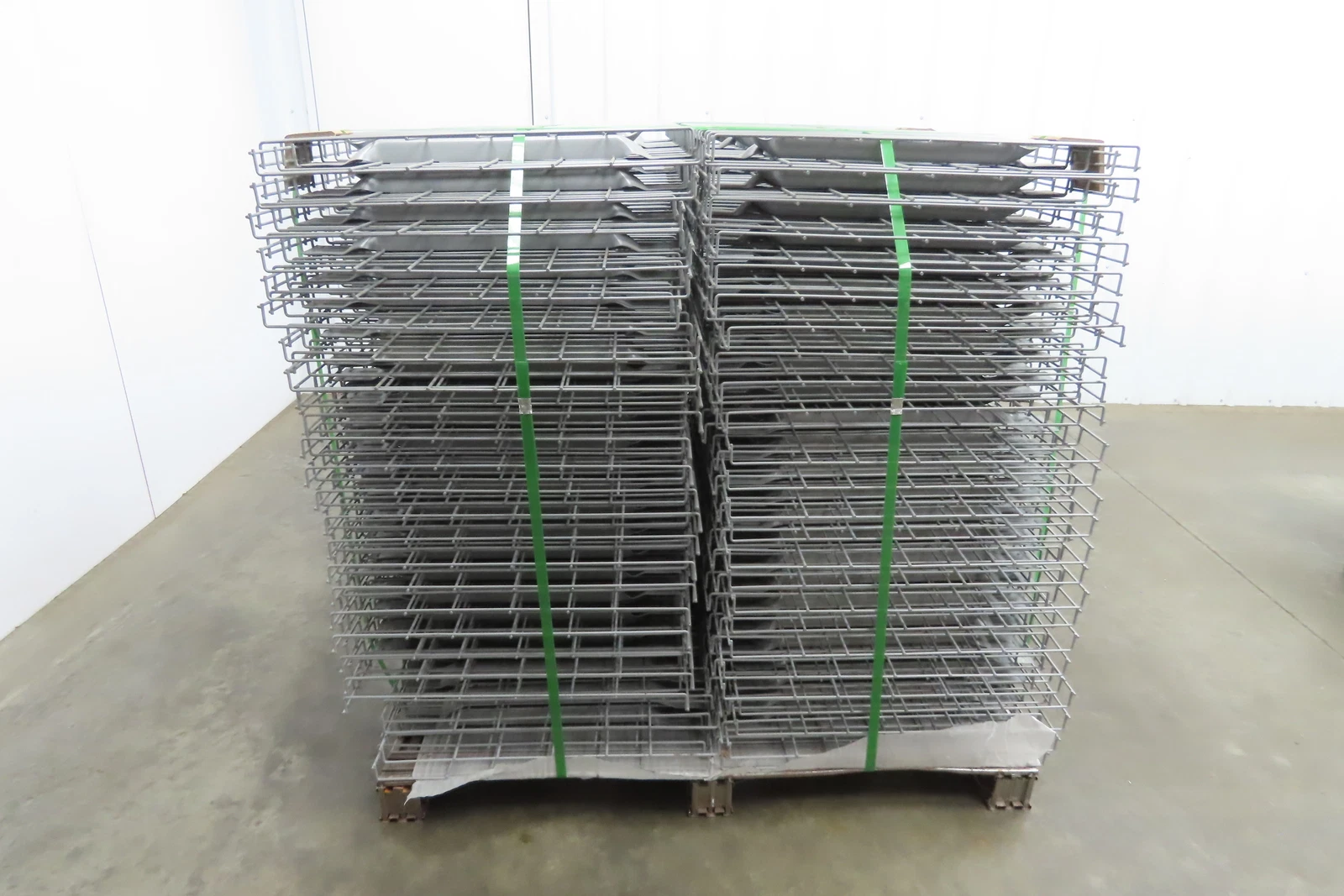
Change is like lifting an old racking system that’s been rusting in a warehouse for years. It’s cumbersome, daunting, and sometimes you wonder if it’s even worth the trouble. But just like a skilled leader knows their equipment inside and out, they also understand the best way to navigate through the bumps and scrapes of transformation.
Leaders are the ones who lay the groundwork. They dig deep to understand the pitfalls that lie in wait, tackling resistance head-on. It’s about acknowledging the fears and unease that come with change. A leader shares stories from the frontlines—like the time they wrestled with an outdated process until they figured out a better way. Those tales resonate. They’re reminders that everyone has faced their own racking systems of discomfort, and through vulnerability, a leader builds bridges of trust.
It’s also about grounding decisions in solid reasoning. When a leader proposes a shift, they back it up with data. Maybe it’s statistics showing how new practices could double efficiency or case studies revealing how others have navigated similar waters. This rational approach reassures the team that the change isn’t just a whim; it’s a strategic move backed by evidence.
Then comes the ethical play. It’s crucial for leaders to communicate openly about the “why” behind each change. When team members understand that their wellbeing is at the forefront of these decisions, it stirs a sense of camaraderie. They feel included in shaping the future, fostering a culture where everyone’s voice holds weight.
A strong leader also showcases authority—not through power, but through knowledge and experience. They present themselves not as distant figures, but as fellow workers in the trenches. It’s in the everyday grit and grind that they earn respect and inspire action.
Lastly, leaders create a shared vision. They paint a picture of what lies ahead—an organized, efficient workspace free from clutter and chaos. It’s the allure of a new system, one that promises a smoother workflow and fewer headaches. Engaging the team in this narrative not only inspires confidence, it empowers each individual to participate in the process.
Facilitating change is about rolling up sleeves, sharing the load, and ensuring that every member feels they have a stake in the outcome. That’s how leaders help navigate through the storm, transforming challenges into opportunities for growth.
What Role Do Leaders Play In Facilitating Change?
What Role Do Leaders Play In Facilitating Change?
- Change is challenging, similar to moving an old, cumbersome racking system.
- Effective leaders understand the process of change and navigate its difficulties.
- Leaders address resistance by acknowledging fears and sharing personal stories of overcoming challenges.
- Decisions are backed by data and rationale, assuring teams that changes are strategic and evidence-based.
- Ethical communication about the reasons for change fosters camaraderie and inclusion among team members.
- Leaders gain respect through knowledge and shared experiences rather than authority.
- Creating a shared vision inspires confidence and empowers team members to engage in the change process.

What Role Do Leaders Play In Facilitating Change?
Are Our Current Systems Sustainable for Future Growth?
When you look around at our current systems—whether it’s our racking systems in warehouses or the processes that run our cities—there’s a knot in your stomach that screams, “Is this it?” We’ve built a world on convenience, but many of these so-called advancements come with hidden costs. The racking systems that hold our goods today might just be a metaphor for how we’re stacking our lives: precarious, overloaded, and one wrong move away from collapse.
The grinding truth is that modern conveniences have ushered in an era of disposability. We’re told to upgrade to the latest tech, but what happens to the old stuff? Our waste piles up like forgotten dreams. As we push for efficiency and speed, we often overlook the fundamental question: is this sustainable? The numbers might look good on paper, but when you peel back the layers, the real tale is often one of exploitation—of resources, labor, and the very environment we depend upon.
Imagine a place where the air is clean, lakes are teeming with life, and communities thrive not just on profits, but on purpose. Sounds reassuring, doesn’t it? This isn’t just a pie-in-the-sky dream; it’s a call to action that resonates with people who care about their children’s futures. It takes a collective effort grounded in ethical responsibility to shift our focus from short-term gains to long-term sustainability. It’s about those connections we build with one another and the land we call home.
We are at a crossroads. The stories we tell in our neighborhoods, craft in our shops, and share over dinner tables can either encourage complacency or inspire movements. Authorities in sustainability advocate for smarter systems and processes that not only support growth but enrich our communities. The narrative doesn’t have to end with profit margins alone; it can include resilience, harmony, and balance.
Let’s draw from our hands-on experiences. We’ve all had jobs where efficiency is king, but we’ve seen firsthand the toll it can take. Heartfelt conversations about sustainability fuel momentum. When businesses and individuals stand together, advocating for sensible racking systems and mindful consumption, we build a future worth trusting. Our choices today lay the groundwork for tomorrow. In a world demanding accountability, we have the power to turn the tide—one rickety racking system at a time.

Are Our Current Systems Sustainable for Future Growth?
Are Our Current Systems Sustainable for Future Growth?
- Current systems showcase convenience but reveal hidden costs and unsustainable practices.
- Modern conveniences contribute to disposability and growing waste, raising sustainability concerns.
- A vision for the future includes clean environments and purposeful community growth.
- Shifting focus from short-term gains to long-term sustainability requires collective ethical responsibility.
- Stories shared in communities can inspire movements or promote complacency in sustainability efforts.
- Advocating for smarter systems can enrich communities while supporting growth and resilience.
- Individual choices today are crucial for creating a sustainable future and demanding accountability.

Are Our Current Systems Sustainable for Future Growth?
How Do We Balance Tradition with Innovation?
Balancing tradition with innovation is like walking a tightrope, especially in industries where legacy practices hold considerable weight. Take racking systems, for example. These setups have been relied upon for decades to organize and support the heavy lifting of warehouses and storerooms, providing reliability that’s hard to shake off. Yet, as the world spins faster into an age of automation and smart technology, sticking to old ways without considering the new can leave us adrift.
Consider a seasoned warehouse manager who has spent years mastering the art of optimizing space using traditional racking systems. He knows every inch of this place like the back of his hand. But just as he’s comfortable, he sees young employees, brimming with tech-savviness, struggling with outdated methods. The heart of the matter is connection—between generations, between time-honored practices and the new techniques of inventory management and data analytics.
Rationally, there’s a strong case to be made here. Implementing innovative systems can significantly boost efficiency. Predictive software can calculate stock needs before they’re even low. That means less waste and more sales—a win-win. But, while crunching numbers is crucial, it can’t be the only measure of success. Ethical considerations come into play when reflecting on the workforce. Embracing change shouldn’t mean disregarding those who’ve dedicated their lives to these traditional systems. Training and integrating new methods must include them, not ditch their expertise because it seems dated.
Narratively, think of the stories within a warehouse—every dent in the shelving, every scar from years of relentless service. These racking systems are not just tools; they are part of a community’s story. Infusing innovation into these tales, by perhaps enhancing racking with smart technology, doesn’t erase that story. Instead, it adds layers to it, allowing those who have been here long enough to teach the newcomers the ropes while also learning to adapt.
Socially, we need to foster an environment where these two worlds meet. Manufacturers, managers, and workers all have a part to play. When they come together to share knowledge, bridge the gaps, and find a harmonious blend of old and new, that’s where innovation thrives. It’s not about wiping the slate clean, but rather about respecting what has come before while setting sights on what’s ahead.

How Do We Balance Tradition with Innovation?
How Do We Balance Tradition with Innovation?
- Balancing tradition with innovation is crucial in industries with strong legacy practices.
- Racking systems have been vital for efficient warehouse organization for decades.
- The rise of automation and smart technology makes it essential to adapt while respecting traditional methods.
- Connection between generations is key, as younger employees struggle with outdated practices.
- Implementing innovative systems can enhance efficiency and reduce waste through predictive software.
- Ethical considerations must include training and integrating traditional workers into new methods.
- Fostering collaboration among manufacturers, managers, and workers leads to successful innovation.

How Do We Balance Tradition with Innovation?
What Can We Learn From Past Structural Changes?
In every industry and trade, we’ve seen our share of upheavals. Take the rise of racking systems, for example. Years back, warehouses were filled with makeshift shelving or piles that looked more like a game of Jenga than a well-organized operation. Those days came with their own set of headaches—damaged goods, lost items, and a workforce that felt more like a hamster on a wheel than a team working toward a common goal.
Now, racking systems transformed all that. They brought order to chaos and breathed life into storage. A simple shift in how we stored goods changed the way companies operated. It’s not just about the metal and wood; it’s about the structure behind it. When we talk about structural changes, we’re not only discussing physical alterations. We’re digging into how those changes ripple through an organization—boosting efficiency, morale, and even safety.
Consider the stories from the warehouse floor. Workers had to adapt to new systems, and they often stepped up in remarkable ways. Employees, feeling unheard in the old setup, now found themselves at the center of decision-making processes, sharing insights and feeling valued. Those moments weren’t just about productivity; they were about empowerment. Moreover, the ethics of ensuring a safe environment became critical. When people are organized and see the fruits of their labor, trust builds—not only in the system but in each other.
Racking systems taught us an important lesson: we are capable of change when the need arises, and that change doesn’t have to feel like a burden. Done right, it fosters connection and fuels collaboration. With the right structure in place, the team pulls together, and everyone begins to see their role more clearly.
As we move forward, remember these lessons. Whenever we contemplate structural changes, whether they’re in the workplace, community, or broader society, we should look back to those foundational moments. There’s power in the past, a wealth of knowledge waiting to be tapped. How we respond to change defines our journey—and when we embrace it with humility and a willingness to learn, we pave the way for a brighter, more cohesive future.

What Can We Learn From Past Structural Changes?
What Can We Learn From Past Structural Changes?
- Historically, warehouses used inadequate shelving, leading to disorganization and lost goods.
- Racking systems have revolutionized storage, enhancing organization and operational efficiency.
- Changes in storage methods have improved employee morale and safety within organizations.
- Workers adapt to new systems and gain a sense of empowerment through involvement in decision-making.
- Trust builds among employees when they see the positive impact of structured systems on their work.
- Successful change fosters collaboration and helps teams understand their roles better.
- Reflecting on past changes can inform future structural adjustments in various contexts.

What Can We Learn From Past Structural Changes?
Conclusion
When growth pushes a business beyond its old structures, it’s like trying to squeeze into a too-small jacket; something’s got to change. A thriving enterprise often faces the tough choice of holding on to the familiar or risking the leap into new territory. Upgrading systems—like racking solutions—goes beyond mere efficiency; it’s about reclaiming control and fostering an environment where teamwork flourishes. Employees become disengaged when they wade through chaos to find necessary items, but a well-organized operation ignites morale. Everyone deserves a workspace where they feel they belong and know their contributions count.
As businesses evolve, it’s critical to engage everyone, gathering insights from those who live the day-to-day grind. This collective voice not only strengthens camaraderie but also creates a plan every team member can rally around. Change birthed from shared input fosters commitment, making employees part of something monumental rather than just numbers on a report. Ultimately, growth must resonate on personal and collective levels, valuing every individual’s effort.
Adaptation during rapid change can be daunting. It’s about mindset, digging deep to find resilience rather than succumbing to panic. Remembering past challenges can turn overwhelming situations into valuable learning experiences. By valuing the wisdom gained from navigating turbulence together, teams can foster a supportive culture—not just around equipment but in moral commitment. Ethical choices weigh heavily, as organizations have a responsibility to empower their workers and ensure their environments reflect their worth.
Leadership becomes crucial in this transformative process. Great leaders face resistance with empathy and open dialogues, sharing their own journeys to support and inspire trust among the team. They ground their decisions in data, showcasing the benefits of changes that promote well-being and security while empowering voices across the workforce.
When evaluating current systems, reflection on sustainability is paramount. Convenience often comes with hidden costs; maintaining outdated structures can lead to waste and inefficiency. We’re at a crossroads, and our choices today shape our community’s future. Balancing innovation with tradition honors legacy while inviting progress—fostering an environment where stories blend, as new voices learn from seasoned hands.
Ultimately, structural adjustments teach us about capacity for change, collaboration, and trust. Past lessons serve as a reminder that progress doesn’t have to be burdensome. With the right approach, embracing change lays the groundwork for a success that nurtures growth, strengthens community ties, and ensures every individual feels valued in the journey ahead.
Conclusion
Conclusion:
- Growth requires businesses to adapt their structures for continued success.
- Upgrading systems fosters teamwork and improves employee morale by reducing chaos.
- Engaging all employees in the change process strengthens camaraderie and commitment.
- Leadership is key in navigating change, emphasizing empathy and open communication.
- Reflection on sustainability is essential to avoid inefficiencies and hidden costs.
- Balancing innovation with tradition promotes a community that values both new and seasoned perspectives.
- Structural changes can enhance collaboration, trust, and overall growth, ensuring every individual feels valued.

Conclusion
Other Resources
Other Resources
Here is a list of other resources you can review online to learn more:
- Warehouse Racking Systems: Beginner’s Guide to Rack Systems
- IIWS Inc. Rack Installation Illinois & Rack Repairs Illinois
- What is Selective Racking: Understanding Benefits & Options
- Teardrop Pallet Rack – Ridg-U-Rak
- Illinois Pallet Racking – Storage Solutions
- Arrow Industrial Sales
- MHI
- Storage Equipment Manufacturers’ Association
- Warehouse Storage Racks
- The Ultimate Pallet Racking Guide – Speedrack West
- IWLA
- IIWS Inc. Rack Installation Illinois & Rack Repairs Illinois
- Illinois
- WERC
- Pallet Racking systems in Illinois, Great Lakes
- Rack Manufacturers Institute
- New Cantilever Racks and Racking Kits
- Intro to Warehouse Racks & Warehouse Racking Systems – ShipBob
- Warehousing Education and Research Council: https://www.werc.org/
- Heavy-Duty Cantilever Storage Racks
Use This Prompt To Get More Resources With Your Favorite Online AI Tool: Please provide me with a list of online articles with their URLs in a bulleted list that I can read regarding When Growth Demands Structural Change

Other Resources
Glossary Terms
When Growth Demands Structural Change – Glossary Of Terms
1. Adaptability: The ability to adjust to new conditions or changes within an organization.
2. Agility: The capability to respond swiftly to market changes and demands.
3. Change Management: The process of preparing and supporting individuals and organizations in making organizational change.
4. Complexity: The state of having multiple interconnected parts that can lead to varied outcomes during growth.
5. Consolidation: The process of combining separate entities or functions to enhance efficiency.
6. Decentralization: Distributing authority and decision-making powers away from a central authority within an organization.
7. Disruption: Significant changes that challenge existing business models or structures.
8. Efficiency: The ability to achieve maximum productivity with minimum wasted effort or expense.
9. Empowerment: Granting individuals or teams the authority to make decisions and take action.
10. Flexibility: The quality of being open to change and new ideas in response to growth.
11. Innovation: The process of creating new ideas, products, or methods that improve operations.
12. Integration: The act of combining different systems, processes, or departments to work together effectively.
13. Metrics: Standards or measures used to evaluate the performance or progress of an organization.
14. Organizational Culture: The values, beliefs, and behaviors that shape how work gets done in an organization.
15. Portfolio Diversification: Spreading investments across various assets to reduce risk during growth phases.
16. Restructuring: The process of reorganizing a company’s structure and operations for improved efficiency.
17. Scalability: The capability of a system or organization to expand and accommodate growth efficiently.
18. Stakeholders: Individuals or groups that have an interest in the success and decisions of an organization.
19. Streamlining: The process of simplifying operations to enhance speed and reduce costs.
20. Sustainability: The ability to maintain growth without compromising future resources or capabilities.
21. Synergy: The combined effect of multiple parts working together, leading to greater output than individual efforts.
22. Transformation: A comprehensive change that alters the fundamental aspects of an organization.
23. Transition: The process of moving from one state or condition to another within an organization.
24. Value Proposition: The promise of value to be delivered to customers that differentiates a brand from competitors.
25. Vision: A clear and compelling picture of the future that guides an organization’s path forward.
26. Workflow: The sequence of processes through which a piece of work passes from initiation to completion.
27. Collaboration: Working together across teams or departments to achieve common goals, especially during change.
28. Leadership: The act of guiding and influencing others within an organization, crucial during structural changes.
29. Resource Allocation: The distribution of resources among various projects or business units to optimize performance.
30. Upheaval: A significant disruption or radical change within an organization caused by rapid growth.

Glossary Of Terms
Other Questions
When Growth Demands Structural Change – Other Questions
If you wish to explore and discover more, consider looking for answers to these questions:
- What are the measurable signs that our current structure is no longer adequate?
- How much will replacing or upgrading racking systems cost, including installation and downtime?
- What is the expected return on investment (ROI) and payback period for structural upgrades?
- How long does a typical racking-system upgrade take from planning to full operation?
- How can we minimize operational disruption and service delays during the transition?
- Which stakeholders should be involved in planning and decision-making, and when?
- How do we prioritize which areas or systems to change first?
- What safety risks arise during and after structural changes, and how are they mitigated?
- What regulatory codes, industry standards, or certifications apply to our new systems?
- How will new structures integrate with existing software (ERP/WMS) and workflows?
- What training will staff need, how long will it take, and who will deliver it?
- How do we manage resistance from employees who prefer traditional methods?
- What communication plan ensures transparency and buy-in across the organization?
- How do we measure success—what KPIs should be tracked before and after change?
- What pilot or phased-implementation approaches can we use to reduce risk?
- How do we choose vendors and evaluate proposals for equipment and services?
- Are there financing or leasing options to spread capital expenses?
- How will structural changes affect labor needs, roles, and headcount?
- What are the environmental and sustainability impacts of the proposed changes?
- Can we repurpose, recycle, or resell old equipment to offset costs?
- How do we ensure the new design is scalable for future growth?
- What maintenance plans and lifecycle costs should we budget for?
- How will the changes improve inventory accuracy, picking times, and order fulfillment?
- What contingency plans exist if the new system fails to deliver expected benefits?
- How do we align structural changes with broader business strategy and growth forecasts?
- What legal, insurance, or liability considerations accompany major infrastructure changes?
- How can we incorporate automation and smart technologies without alienating current staff?
- What lessons can we learn from similar companies that have made comparable changes?
- How do we evaluate trade-offs between short-term costs and long-term resilience?
- What role do external consultants or engineers play, and when should we hire them?
- How do we document decisions, standards, and procedures to preserve institutional knowledge?
- What metrics will we use to track employee morale and engagement through the transition?
- How will changes impact customer experience, lead times, and service-level agreements?
- What are the security implications (physical and data) of the new layout or technology?

Other Questions
Checklist
When Growth Demands Structural Change – A Checklist
Early Warning Signs
✅______ Inventory overflows or frequent stock relocations
✅______ Picking and put-away times trending upward
✅______ Spike in errors, rework, or damaged goods
✅______ Employee burnout or rising turnover
✅______ Customer delays or missed SLAs
✅______ Near misses or congestion in aisles and handoffs
Structural and Process Assessment
✅______ Audit current racking capacity, load ratings, and utilization
✅______ Map material flow from receiving to shipping
✅______ Analyze slotting strategy and SKU velocity
✅______ Review WMS/ERP accuracy, scanning, and data integrity
✅______ Identify maintenance backlogs and compliance gaps
✅______ Quantify current throughput, cycle times, and space density
Team Engagement
✅______ Gather input from the floor, supervisors, and support functions
✅______ Form a cross-functional change team with clear roles
✅______ Capture pain points and quick wins from daily operations
✅______ Validate assumptions with frontline observations and data
Future-State Design
✅______ Define objectives: capacity, speed, accuracy, flexibility
✅______ Set design criteria: safety factors, growth horizon, peak loads
✅______ Evaluate storage options (selective, double-deep, push-back, pallet flow, cantilever, mezzanine, automation)
✅______ Optimize layout: aisle widths, pick paths, replenishment lanes, staging
✅______ Standardize labeling, signage, and location logic
✅______ Align technology: WMS features, barcode/RFID, dashboards, alerts
Business Case and Risk
✅______ Build TCO/ROI model (capex, opex, labor, space savings, service gains)
✅______ Compare scenarios (retrofit vs. expand vs. automate)
✅______ Plan phased implementation to minimize downtime
✅______ Pilot test high-impact changes before full rollout
✅______ Identify operational risks and mitigation actions
People, Training, and Culture
✅______ Communicate the “why,” desired outcomes, and timelines
✅______ Involve change champions from each shift and area
✅______ Provide training on new equipment, SOPs, and systems
✅______ Update roles, responsibilities, and escalation paths
✅______ Recognize contributions and reinforce desired behaviors
Implementation Readiness
✅______ Vet vendors and partners; confirm specifications and lead times
✅______ Secure permits and approvals; verify site conditions
✅______ Plan cutover: inventory moves, temporary storage, staffing
✅______ Execute 5S to declutter and prepare spaces
✅______ Verify installation quality, load plaques, and documentation
✅______ Validate data (locations, SKUs, min/max, reorder logic)
Sustainability and Ethics
✅______ Reuse, resell, or recycle legacy equipment where feasible
✅______ Prioritize durable, modular, and repairable solutions
✅______ Reduce waste via better slotting and demand visibility
✅______ Improve ergonomics and material handling efficiency
✅______ Track energy and resource impacts of design choices
Leadership Actions
✅______ Model transparency and invite constructive feedback
✅______ Set clear decision criteria and document trade-offs
✅______ Hold regular updates; remove blockers quickly
✅______ Connect changes to purpose, values, and customer impact
Balance Tradition with Innovation
✅______ Preserve proven practices that still add value
✅______ Pair veteran experts with tech-savvy teammates
✅______ Phase in new tools while honoring existing know-how
✅______ Convert tacit knowledge into updated SOPs and training
Post-Launch and Continuous Improvement
✅______ Track KPIs: throughput, accuracy, space utilization, lead time, OT/labor, service levels
✅______ Run Gemba walks and pulse checks with frontline teams
✅______ Triage issues quickly; adjust slotting and layout as data evolves
✅______ Conduct a lessons learned review and refresh the roadmap
✅______ Celebrate milestones and publish before-and-after results

Checklist
At RackingWorld, we help guide you through selecting warehouse storage systems and racking.
Be sure to read our other related stories at RackingWorld to learn more about warehouse storage systems.
0 Comments