
Transforming Speed Into Value: Elevate Your Impact And Growth
By Tom Seest
At RackingWorld, we help guide you through selecting warehouse storage systems and racking.
Be sure to read our other related stories at RackingWorld to learn more about warehouse storage systems.
The Economics Of Faster Turnaround
In the world of warehousing and distribution, time equals money. A faster turnaround isn’t just a nice-to-have; it’s the lifeblood of thriving businesses. Picture a bustling warehouse, filled with Racking Systems that stretch high into the sky, all calibrated for maximum efficiency. You’ve got your crew working hard, moving products in and out, but what’s the secret sauce that keeps the wheels turning smoothly? It’s all about reducing time wasted and maximizing productivity.
When you streamline operations, the results speak for themselves. Imagine receiving an order on Monday, and by Tuesday morning, it’s out the door headed for your customer. That’s not just good service; it’s a game-changer. Customers talk, and word of mouth travels faster than any advertisement. A reputation for quick delivery builds trust. That trust is invaluable, especially in an industry where competition is fierce and margins are tight.
But it’s not just about speed—there’s a deeper story here. Think about the families behind those warehouse doors. The workers rely on efficient systems to ensure they’re not spending their days lost in confusing processes, stressing over timelines. When businesses invest in better racking systems and logistics solutions, they’re investing in their people’s well-being. This whole community benefits when a company thrives, creating jobs and boosting local economies.
The ethical approach is clear. By prioritizing fast turnarounds, companies demonstrate a commitment to their customers and employees, showing they care about delivering value and maintaining livelihoods. Every minute saved in processing time can bring a sigh of relief; for the workers, it means less rushed chaos and smoother days on the floor.
In a rapidly changing market, adaptability becomes crucial. When you embrace faster turnaround times, you’re not just reacting to the competition; you’re setting the pace. With every decision to enhance efficiency, you position your business at the forefront of industry standards—and there’s power in leading the pack.
Let’s not forget—the tools to achieve this aren’t just about investing in technology; they’re about the heart and grit of everyday workers. Harnessing that spirit while beefing up systems shows that you’re in it together, creating a shared narrative of success. The journey toward faster, smoother logistics invites everyone to play their part, all while paving the way for a more prosperous tomorrow.
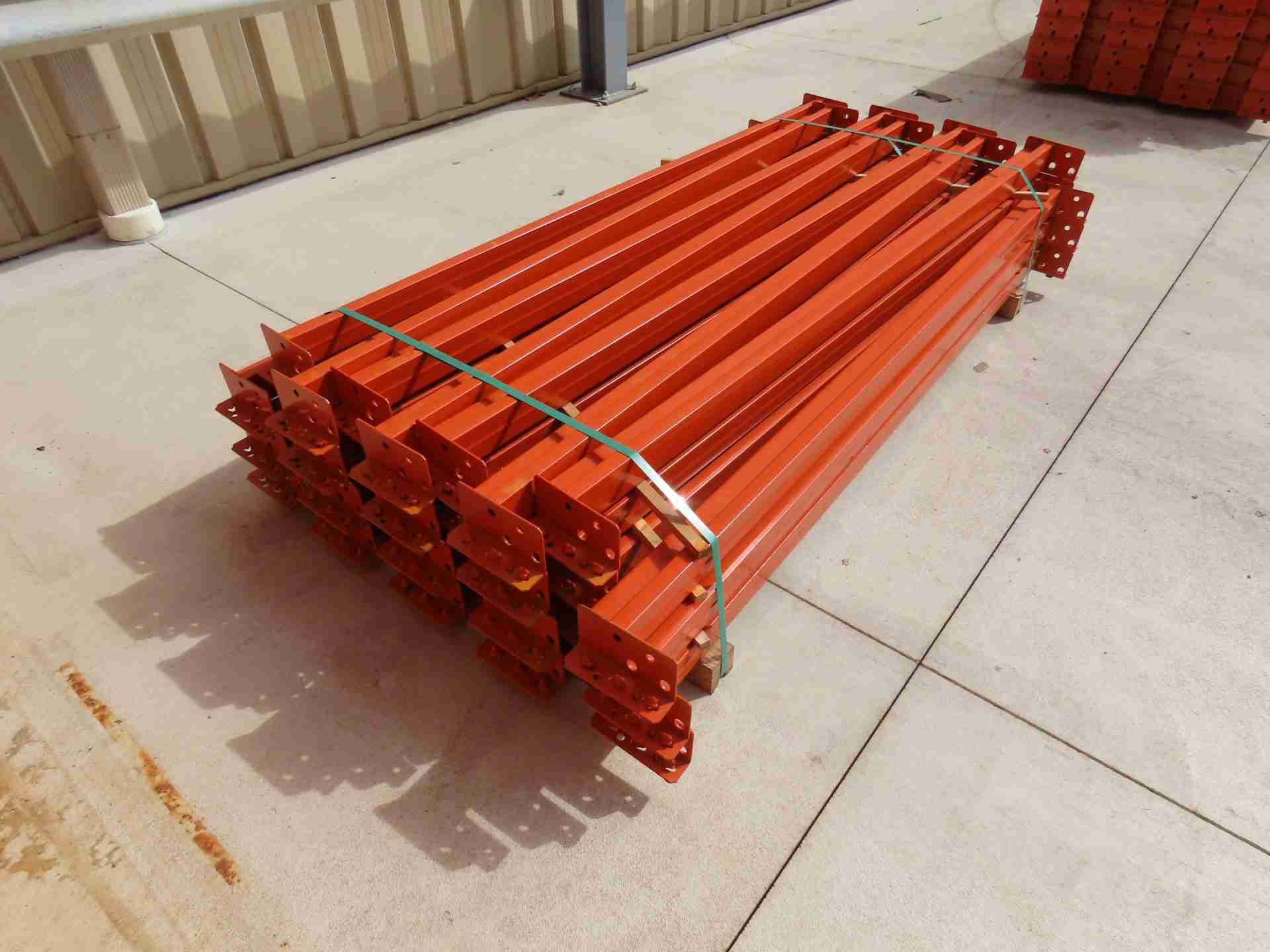
The Economics Of Faster Turnaround
The Economics Of Faster Turnaround
- In warehousing and distribution, quick turnaround is essential for business success.
- Efficient racking systems significantly enhance productivity and reduce wasted time.
- Streamlined operations lead to faster delivery times, improving customer satisfaction and trust.
- Investing in better logistics supports worker well-being and reduces operational stress.
- Companies prioritizing speed demonstrate commitment to both customers and employees.
- Adaptability in a changing market allows businesses to lead in efficiency and innovation.
- Success relies on both technology and the dedication of everyday workers in the logistics process.
The Economics Of Faster Turnaround
Table Of Contents
- The Economics Of Faster Turnaround
- How Can Faster Turnaround Times Improve Our Daily Lives?
- What Are the Hidden Costs Of Delays In Service?
- How Does Speed Impact Customer Satisfaction and Loyalty?
- Can Quicker Responses Foster Better Relationships In Business?
- What Ethical Dilemmas Arise From Prioritizing Speed Over Quality?
- How Do Companies Measure the Value Of Time In Their Operations?
- Conclusion
- Other Resources
- Glossary Of Terms
- Other Questions
- Checklist
How Can Faster Turnaround Times Improve Our Daily Lives?
In today’s fast-paced world, faster turnaround times can radically shift our daily lives for the better. Imagine stepping into a warehouse structured with racking systems that maximize efficiency. You’ve got orders flying out the door instead of sitting idle on a shelf, and that’s not just a dream—it’s a reality when processes are streamlined.
Think about waiting for a delivery or standing in line at the grocery store. Every second feels like an eternity. Fast turnaround means less waiting and more doing. It’s about cutting down on the waste of time that seems to creep into our lives. When businesses optimize their operations, they not only get products out quicker but also respect the customer’s time. This connection builds trust. A business that values efficiency shows it values its customers, and that doesn’t go unnoticed in a world where convenience tends to be king.
The emotional angle drives home how improved processes can enhance our everyday interactions. Consider a parent rushing to pick up their child from school. They already juggle a thousand things, and any efficiency gained in errands means a little more peace of mind. With systems that enable quicker service, getting back to what truly matters—family, friends, and life’s little moments—becomes attainable instead of a constant battle against the clock.
From an ethical standpoint, faster turnaround times can lead to a reduction in wasted resources. Companies adopting these systems often create a healthier work environment. When employees know their work contributes to a more dynamic and responsive organization, it fosters a sense of pride and ownership. There’s a certain joy that comes from knowing your contribution leads to a cause that keeps the wheels turning.
Narratively, think about the neighbor who runs a small business out of their garage. They’ve invested time, sweat, and a bit of their heart into making it a success. When they employ smarter systems and cut their turnaround time, it’s not just about profit; it’s about providing a service that matters to their community. Seeing that small business grow into something greater brings us all together.
Faster turnaround times are not just an operational metric; they reflect a shift towards understanding our needs as individuals and as a community. Improved efficiency means we can reclaim our time, nurture our relationships, and enhance our lives in ways that matter, all starting with something as simple—and as transformative—as effective racking systems.
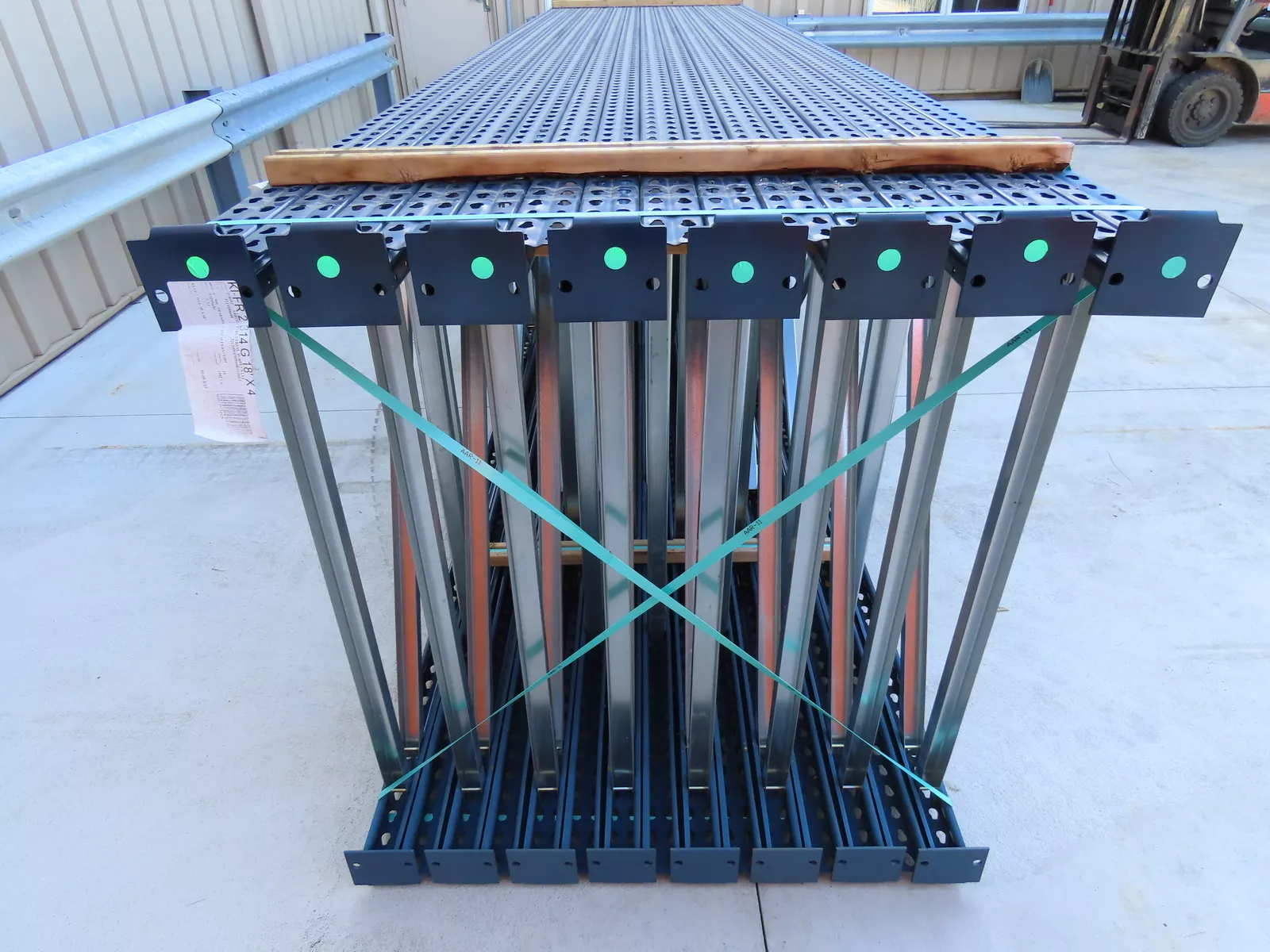
How Can Faster Turnaround Times Improve Our Daily Lives?
How Can Faster Turnaround Times Improve Our Daily Lives?
- Faster turnaround times can significantly improve daily life by maximizing efficiency in operations.
- Streamlined processes reduce waiting time for deliveries and services, enhancing overall productivity.
- Optimizing operations fosters customer trust, as efficient businesses demonstrate respect for consumers’ time.
- Improved processes contribute to better emotional well-being, allowing individuals to focus on important personal moments.
- Faster turnaround reduces resource waste and can lead to healthier work environments for employees.
- Efficient systems empower small businesses to thrive, benefiting both the business owners and their communities.
- Overall, enhanced efficiency promotes personal relationships and community engagement by reclaiming valuable time.

How Can Faster Turnaround Times Improve Our Daily Lives?
What Are the Hidden Costs Of Delays In Service?
When a service is delayed, the consequences can ripple out in ways that aren’t immediately obvious. Picture a warehouse full of Racking Systems. They’re meant to hold up the weight of your business, both physically and metaphorically. But when the service you rely on falters, it’s like leaving the doors wide open on a stormy night; problems start piling up before you know it.
From a rational standpoint, delays can lead to lost revenue. Each day that your products sit idle on those racking systems instead of moving out the door translates to money that’s just slipping through your fingers. Clients get impatient, orders get pushed back, and suddenly your company’s reputation is at stake. Those negative reviews don’t just impact one sale; they can tarnish your brand for years.
Emotionally, think about the workers who count on your business to fulfill their roles. Each delay doesn’t just mean a lag in service; it means stress. Employees worry about job security when targets aren’t met. The atmosphere shifts from one of teamwork to one of tension, impacting motivation and morale. When the clock keeps ticking without resolution, what starts as a minor inconvenience can grow into a full-blown crisis, undermining trust from your staff and your customers alike.
Ethically, the implications of these delays cannot be overlooked. You’ve built relationships with clients who expect a certain standard—delivering on promises is part of that social contract. If you can’t uphold your end, it raises concerns about accountability and commitment. It makes people question not just your service but the integrity of your business.
On a gut level, think about how you feel when something you’ve counted on just doesn’t come through. It simple: frustration. Every delayed shipment, every postponed project feels like one more brick on your chest. You don’t just lose time; you lose confidence.
These hidden costs of delays in service can feel overwhelming, but recognizing them is the first step in reclaiming control. Like a well-placed racking system that optimizes space, understanding the full impact of these delays allows you to reorganize priorities. By addressing the root causes, fostering transparency, and engaging with everyone involved, you’ll not only recover lost trust but strengthen connections that matter. Let’s take action together, one reliable service at a time, because in the end, we’re all in this together.
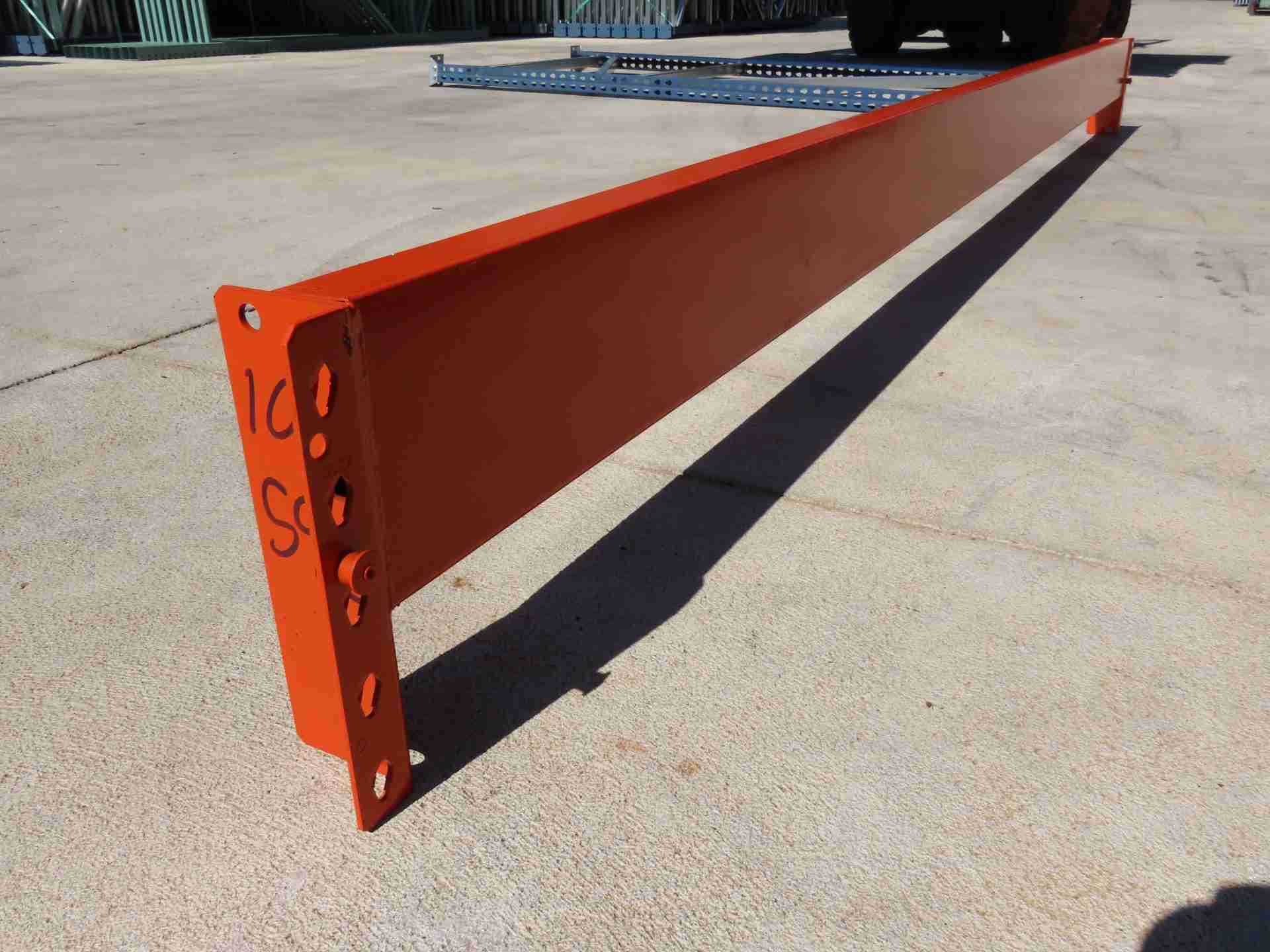
What Are the Hidden Costs Of Delays In Service?
What Are the Hidden Costs Of Delays In Service?
- Service delays can have unforeseen consequences, impacting business operations and stability.
- Delays lead to lost revenue as idle products mean money not being generated.
- Client impatience and negative reviews can damage a company’s reputation long-term.
- Workers experience stress and decreased morale due to missed service targets.
- Ethically, failing to meet commitments undermines client trust and raises accountability concerns.
- Delays cause frustration and loss of confidence, affecting overall organizational health.
- Recognizing and addressing the root causes of delays helps reclaim control and rebuild trust.

What Are the Hidden Costs Of Delays In Service?
How Does Speed Impact Customer Satisfaction and Loyalty?
In the fast-paced world we navigate today, speed can make or break a customer’s experience, influencing both satisfaction and loyalty in ways that are as crucial as they are complex. Think about it: when you need a solution pronto, whether it’s a racking system for your warehouse or something as simple as a cup of coffee, the ticking clock shapes your expectations. Every moment spent waiting can feel like a lifetime, stirring frustrations that can overshadow an otherwise good experience.
On the emotional front, speed connects directly to how valued a customer feels. If a business consistently delivers quickly and efficiently, customers start to associate that speed with care and respect. They’ll remember the times they called for help and got immediate answers, rather than being stuck listening to elevator music for what seems like an eternity. We all appreciate when someone respects our time—it’s that unspoken bond that fosters loyalty.
Rationally, quick service is inherently practical. When you’re managing a bustling operation reliant on racking systems, every second counts. Delays can cascade into larger problems, affecting inventory flow and potentially squeezing profit margins. A company that understands this and acts accordingly earns its credibility by not just acknowledging customer needs but addressing them head-on. It shows they understand the stakes involved, making them a trustworthy partner.
Ethically, businesses bear the responsibility of delivering on promises made. If they advertise speedy service but fall short, disappointment is inevitable. Customers feel deceived, which can tarnish trust faster than a missed delivery can affect sales.
Every encounter becomes a narrative woven into the fabric of customer experience. When clients recount their tales of quick resolutions or seamless transactions, they become advocates, sharing their positive stories with friends and family, creating a ripple effect of trust.
Socially, speed speaks volumes. In a world where customers can easily share their experiences online, a few testimonials highlighting rapid service can draw in more clients than any flashy advertisement ever could. It’s a modern form of word-of-mouth where the buzz travels, and loyalty builds through shared respect for one another’s time.
When businesses recognize the importance of speed in their service delivery, they nurture a culture of loyalty that benefits everyone. Customers want to know they’re backing a company that values their time as much as they do.

How Does Speed Impact Customer Satisfaction and Loyalty?
How Does Speed Impact Customer Satisfaction and Loyalty?
- Speed significantly influences customer experience, satisfaction, and loyalty.
- Quick service is linked to how valued customers feel, fostering a sense of care and respect.
- Delays in service can lead to operational issues and impact profit margins.
- Businesses must fulfill promises of speedy service to maintain trust and credibility.
- Positive experiences with quick resolutions can turn customers into advocates who share their stories.
- In the digital age, rapid service garners attention and loyalty through online testimonials.
- Recognizing the importance of speed enhances customer loyalty and business reputation.
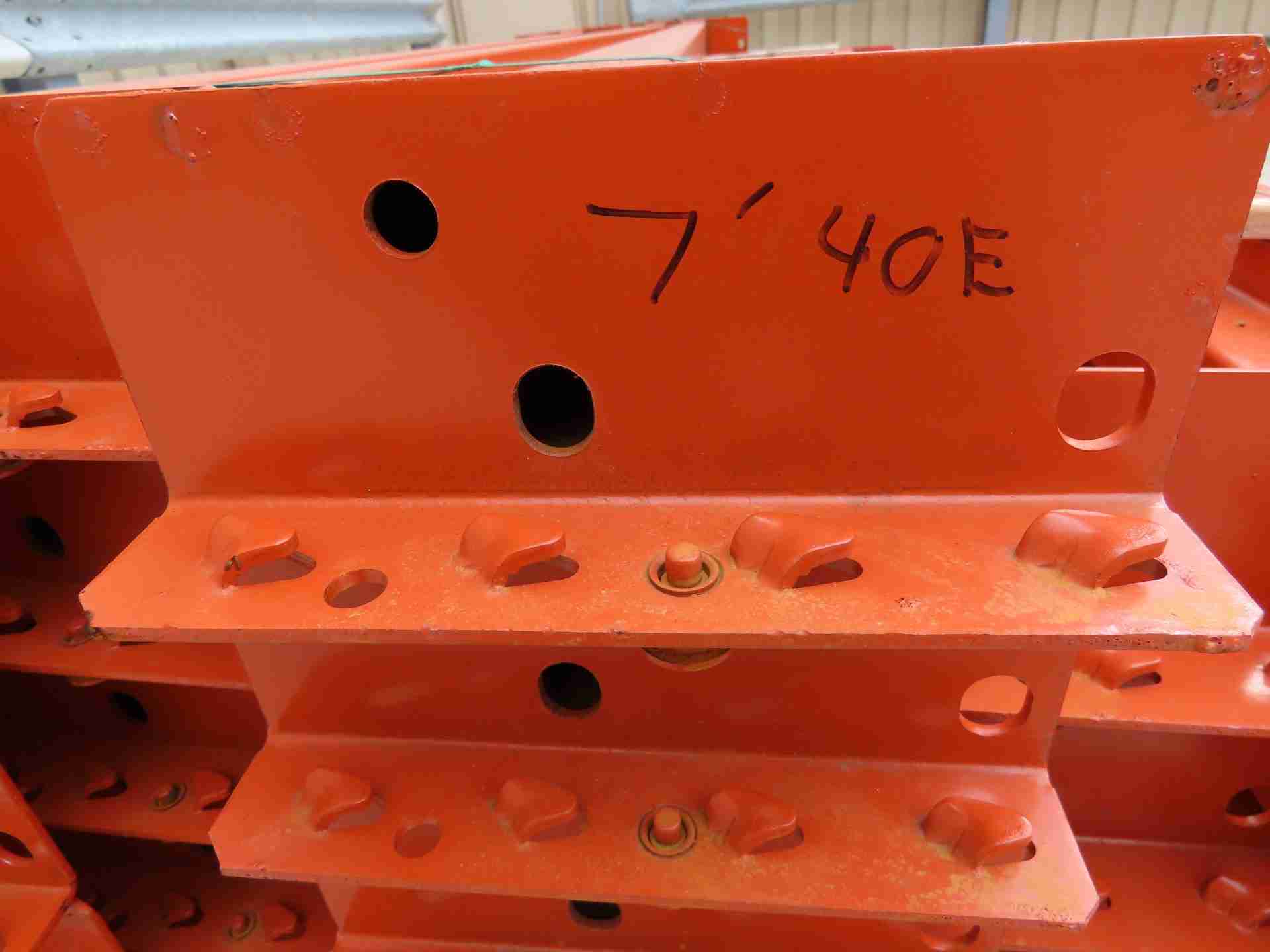
How Does Speed Impact Customer Satisfaction and Loyalty?
Can Quicker Responses Foster Better Relationships In Business?
In the hustle and bustle of everyday business, the importance of timely communication can often get lost in the noise. Picture this: you’re in a factory, surrounded by racking systems filled with valuable components, each item playing its part in the larger picture. Like those components, relationships in business need the right support to function effectively. When responses come swiftly, it fosters a sense of trust and reliability, akin to knowing that the racking systems won’t collapse under pressure.
Consider the heart of the matter. People want to feel valued, and quick responses signal that their needs are a priority. A customer waits for an answer to a pressing question about an order. If they hear back promptly, it’s not just about the information—they feel respected. It builds a bridge of confidence. On the other hand, delays can seem like a shrug of the shoulders, leading to frustration and a feeling of being sidelined.
Rationally speaking, faster responses can streamline operations and enhance efficiency. In a world where every second counts, businesses that prioritize quick communication often find themselves ahead of the curve. When inquiries are met with a prompt “We’ve got you covered” rather than a long silence, it can break the bottleneck that often derails projects. This efficiency doesn’t just make work flow smoother; it strengthens partnerships, ensuring everyone is on the same page, like workers in tandem at a well-oiled machine.
Ethically, it’s about doing right by others— treating customers, colleagues, and partners as you’d want to be treated. When businesses adopt a culture of quick responses, they signal that they care about their connections, leading to a workplace built on mutual respect. Authority figures in any industry understand that the buck stops with them. Those who champion swift communication set a standard that others often follow, creating a ripple effect that cultivates a culture of accountability.
Narratively, imagine a situation where a supplier is waiting on a shipment confirmed three days too late. The delay jeopardizes production, and tensions rise like steam in an overheated engine. Now, flip the script: a prompt reply reassures that everyone is in this together. It prepares the ground for teamwork, fostering connection and collaboration.
Building relationships through quicker responses isn’t just good practice—it’s common sense. It’s about creating an environment where each party feels supported and valued, making the business world a little more human. In a landscape crowded with choices, those who respond swiftly and sincerely will always stand out, just like the sturdiness of reliable racking systems in a thriving facility.
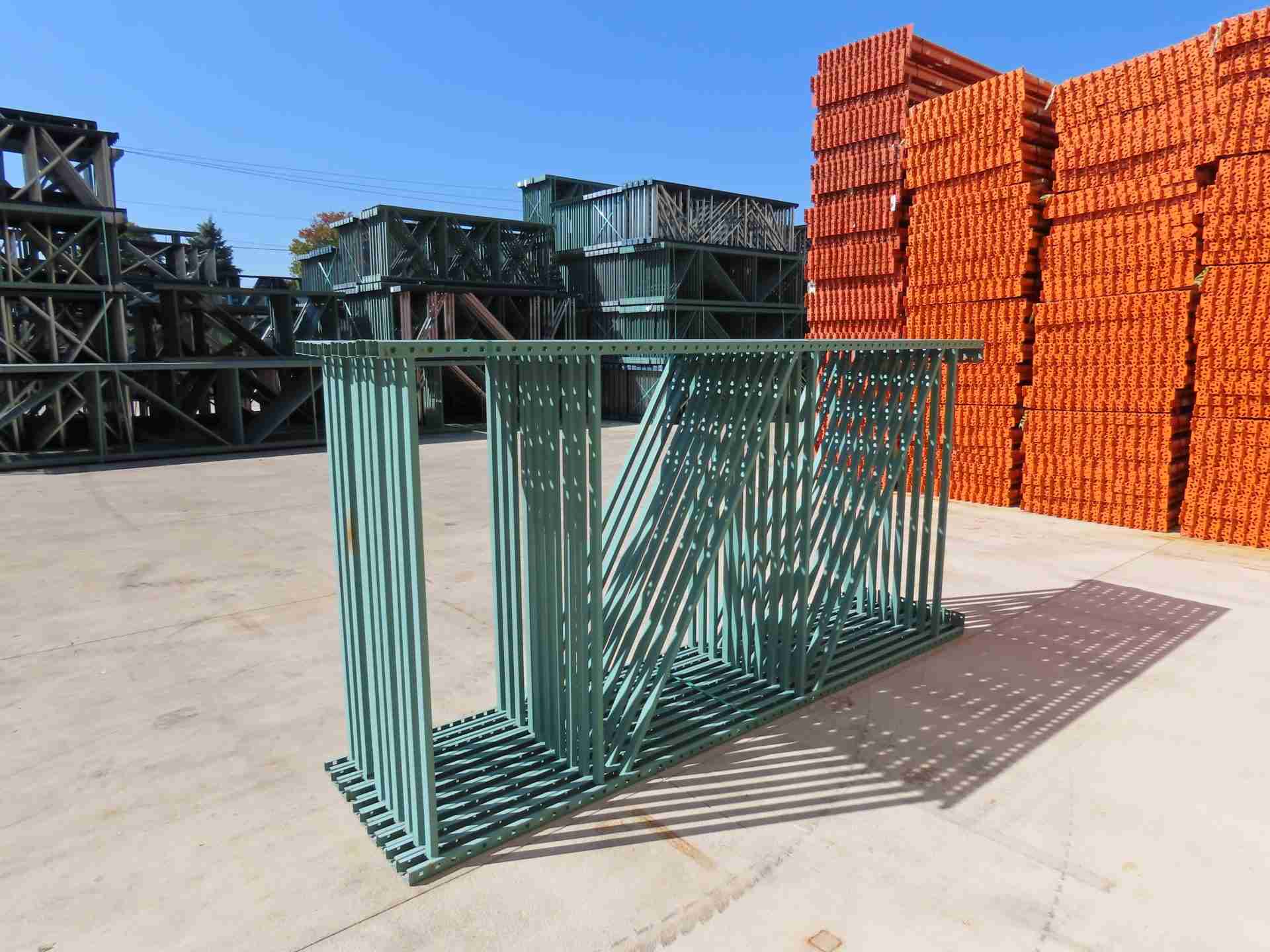
Can Quicker Responses Foster Better Relationships In Business?
Can Quicker Responses Foster Better Relationships In Business?
- Timely communication is essential in business and can be overlooked amid daily operations.
- Quick responses foster trust and reliability, akin to well-supported systems in a factory.
- People want to feel valued; prompt replies signal that their needs are prioritized.
- Delays can lead to frustration, whereas fast responses enhance efficiency and collaboration.
- Cultivating a culture of quick communication promotes mutual respect in the workplace.
- Leadership in swift communication creates accountability and sets standards for others.
- Building relationships through quick responses is practical and humanizes business interactions.

Can Quicker Responses Foster Better Relationships In Business?
What Ethical Dilemmas Arise From Prioritizing Speed Over Quality?
In the rush to meet deadlines, we often find ourselves cutting corners, especially in industries where Racking Systems play a crucial role in logistics and storage. The pressure to deliver quickly can lead to compromised integrity in design, safety, and overall functionality. It’s a familiar story that many of us can relate to: when deadlines loom large, the temptation to choose speed over quality grows stronger, often leading to choices we wouldn’t normally make.
First, there’s the emotional weight of seeing a poorly executed project result in accidents. Imagine a warehouse worker facing the consequences of a hastily installed racking system. A system that could have supported their efforts is now a potential hazard, risking injuries or worse. The gut-wrenching reality is that lives are at stake. Choosing speed blinds us to the human element, replacing thoughtful consideration with reckless urgency.
Logically, the fallout doesn’t just affect physical safety; it can tear apart the very fabric of trust within a team or company. When shortcuts result in flaws, it breeds a culture of blame and resentment. Workers see the disconnect between management’s demands and the quality product they strive to deliver. That’s a tough pill to swallow in a world where pride in one’s work matters.
Ethically, what do we say about our values when efficiency trumps safety? Customers may not realize the rushed process behind the scenes, yet they bear the brunt of the consequences. When a product fails, their trust erodes. And in industries relying on Racking Systems, client loyalty is built on the promise of dependable service and high standards. If that promise is broken in the name of expedience, it doesn’t just hurt a single project; it tarnishes the reputation of the entire industry.
Authority figures often preach about the importance of balance—the need for speed given today’s market demands but balanced with quality and safety. Yet, if the people at the top are only looking at the numbers on a chart, they miss the pulse of their operation. Their decisions have real-world impacts, and when those decisions prioritize haste, the ripple effects touch every part of the workflow, ultimately leaving a scar on the fabric of corporate integrity.
In this light, we must foster a culture that values thoughtful execution over hasty results. Trust and quality are built not by racing to the finish line but by putting in the hard work and care that every racking system, every shelf, and every project deserves. It’s time to pause, reflect, and choose wisely, not just for today but for the lasting relationships we build within our communities and the industries we serve.

What Ethical Dilemmas Arise From Prioritizing Speed Over Quality?
What Ethical Dilemmas Arise From Prioritizing Speed Over Quality?
- Cutting corners in Racking Systems due to deadline pressures compromises design, safety, and functionality.
- Rushed projects can lead to accidents, endangering workers and undermining thoughtful considerations.
- Shortcuts create a culture of blame and resentment within teams, harming trust and morale.
- Efficiency over safety erodes customer trust, jeopardizing loyalty in industries reliant on Racking Systems.
- Leadership prioritizing speed can overlook the real-world impacts of their decisions, affecting workflow integrity.
- A culture of thoughtful execution is necessary to ensure quality and safety in projects.
- Reflecting on our approach fosters lasting relationships within communities and industries.
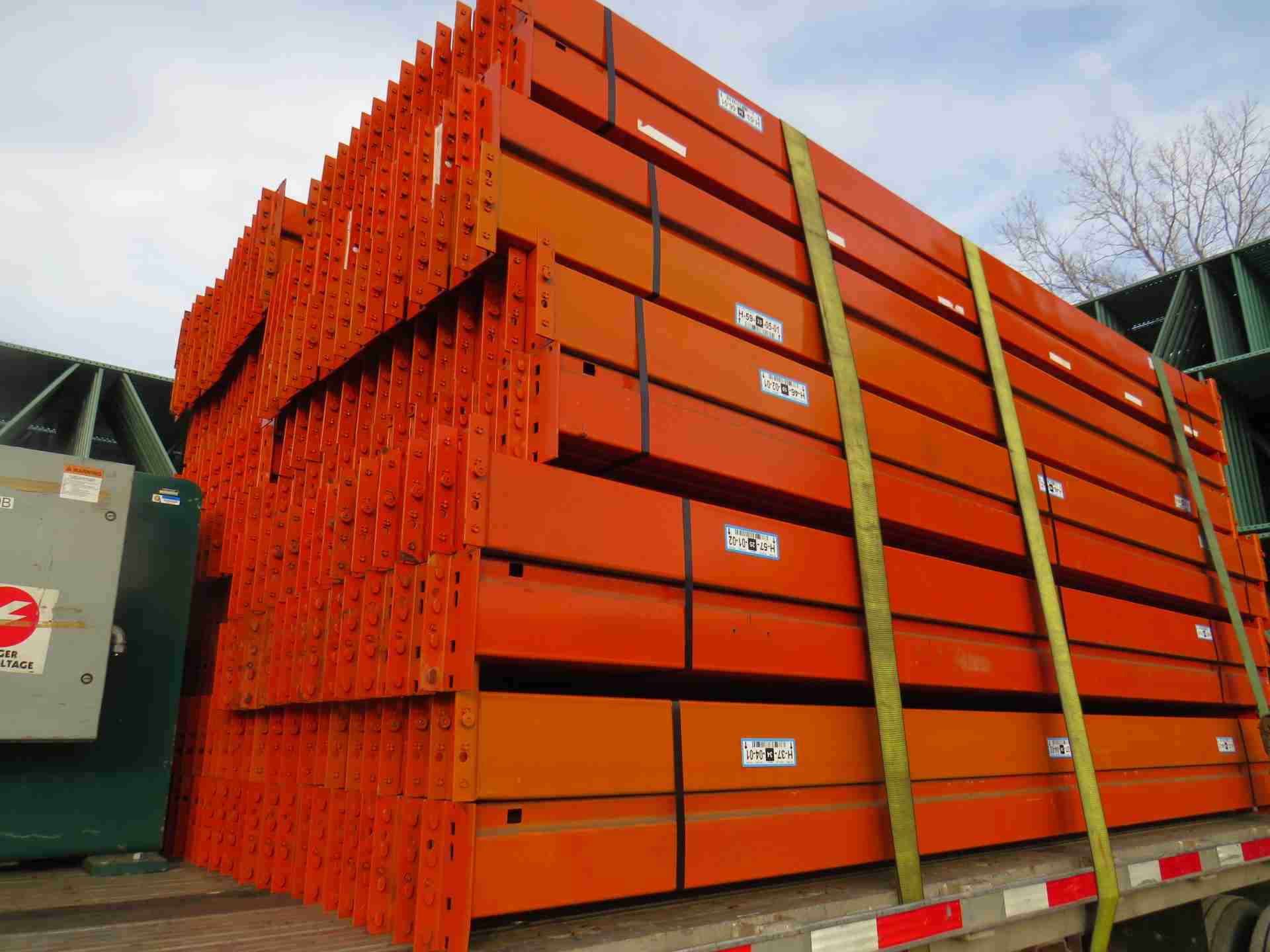
What Ethical Dilemmas Arise From Prioritizing Speed Over Quality?
How Do Companies Measure the Value Of Time In Their Operations?
In the hustle and bustle of the warehouse, where racking systems tower overhead like silent sentinels, the true value of time emerges—not just as a number on a clock, but as the lifeblood of operations. When companies measure time, they’re looking beyond the hours worked; they’re assessing every second saved and every minute wasted.
Imagine a team, weary yet determined, packing orders with precision. Each item picked and placed on that racking system represents not just effort but a connection to customers waiting on the other end. A company that gets this right knows that time equals trust. When orders are shipped out faster, customers feel valued—they’re not just another number; they’re part of a story where their needs are met with speed and efficiency. That emotional bond is what keeps them coming back.
Now, through a rational lens, consider how time affects costs. Time spent on inefficient processes means money out the door. Companies that invest in optimizing their operations, perhaps by upgrading their racking systems or implementing better inventory management practices, are not just spending; they’re planning for the future. They understand that every minute saved in processing can lead to better profits down the line. Engaging with data, they calculate the ROI on these improvements and see a clearer picture of how time translates to money.
On an ethical level, time also represents respect. By valuing employees’ time, companies create a culture where workers feel appreciated. A well-structured schedule and streamlined operations show that management cares about their workforce, fostering loyalty and reducing turnover. It becomes a cycle of respect that improves morale and productivity alike.
With the authority of years of hands-on experience, seasoned professionals underline that time wasted is opportunity lost. They share stories of companies that turned things around by introducing smarter racking systems, which streamlined their operations dramatically. The tale of a simple adjustment that led to a newfound efficiency resonates well, making the abstract concept of time tangible and relatable.
Measuring the value of time in operations isn’t just about crunching numbers; it’s about connecting dots while keeping an eye on the human element. Time, when properly valued, fosters a sense of responsibility across the board—creating a culture of accountability and excellence. Every second counts, and every effort adds up, driving home the message that in the world of business, time truly is money.

How Do Companies Measure the Value Of Time In Their Operations?
How Do Companies Measure the Value Of Time In Their Operations?
- The warehouse environment highlights the importance of time as a key operational element.
- Measuring time involves assessing both saved seconds and wasted minutes.
- Efficient order packing fosters trust and emotional connections with customers.
- Time inefficiencies lead to financial losses; companies must invest in optimizing operations.
- Valuing employees’ time enhances workplace culture, loyalty, and productivity.
- Experienced professionals emphasize the lost opportunities from wasted time.
- A holistic approach to time management promotes accountability and operational excellence.

How Do Companies Measure the Value Of Time In Their Operations?
Conclusion
In the bustling world of warehousing and distribution, time is not merely a number; it’s the essence of profitability and trust. A fast turnaround stands at the heart of any successful operation, elevating a business’s impact while ensuring customers feel valued. This isn’t just about having slick racking systems and efficient processes—it’s about the lives affected behind those warehouse doors. Families depend on reliable, timely service to ease their daily burdens. When businesses streamline operations, they’re not merely optimizing for speed; they’re enhancing the well-being of their workers and communities.
Investing in effective logistics reflects an ethical commitment to both employees and customers. It shows respect for their time and means fewer headaches and anxieties for those on the floor. In a market characterized by fierce competition, a reputation for quick, dependable service can transform customer trust into unwavering loyalty. People speak, and when they share positive experiences, it resonates like wildfire, attracting more business than any advertisement could ever muster.
However, that thriving atmosphere can quickly turn sour if speed overshadows quality. The hidden costs of delays—financial losses, employee stress, and eroded customer trust—can feel overwhelming. Each day that a product remains unshipped is lost revenue, and the weight of unmet promises is heavy. Workers become anxious when their success seems tied to unyielding timelines, and tension brews. Acknowledging these realities can spark a renewal of focus on efficiency and candid communication, creating a work environment where everyone thrives.
Speed directly influences customer satisfaction and loyalty. Rapid responses to inquiries foster a sense of respect, while delays can make customers feel neglected. When businesses prioritize timely communication and swift service, they cultivate a loyal following, acknowledging that every second counts. In a digital age where social connections amplify experiences, a reputation for speed can shift market dynamics.
Yet, amid this urgency, one must guard against sacrificing integrity for haste. Ethics play a critical role; when corners are cut, safety and quality suffer, jeopardizing not only business success but also the lives involved. The push for rapid completions should never come at the expense of fundamental values or employee well-being.
Ultimately, businesses must measure the value of time thoughtfully. Each second impacts operations, customer experience, and team morale. When time is respected and optimized, a culture of accountability, excellence, and community is born. In this dance of speed and quality, there’s a path forward that doesn’t just embrace fast service but truly enriches lives, fostering relationships built on trust and respect.

Conclusion
Conclusion:
- Time is crucial in warehousing and distribution, influencing profitability and customer trust.
- A fast turnaround enhances business impact and customer value, affecting lives behind warehouse doors.
- Effective logistics demonstrate ethical commitment to employees and customers, reducing stress and enhancing experiences.
- A reputation for quick, dependable service fosters customer loyalty and attracts new business.
- Speed should not come at the expense of quality; delays can lead to financial losses and eroded trust.
- Timely communication and swift service are essential for customer satisfaction in a competitive market.
- Businesses must balance speed with integrity to ensure safety and quality, fostering a culture of accountability and excellence.

Conclusion
Other Resources

Other Resources
Here is a list of other resources you can review online to learn more:
- CA Wire
- BMH Equipment LLC
- BMH
- Warehouse Automation
- Intro to Warehouse Racks & Warehouse Racking Systems – ShipBob
- Pallet Racking 101: A Comprehensive Guide & Options Explained
- Warehouse Racking Layout: The Ultimate Guide – Conger
- Cantilever Rack Configuration & Installation: A Comprehensive Guide – BMH
- Illinois
- Teardrop Pallet Rack – Ridg-U-Rak
- Teardrop Uprights
- Warehouse Racking System: Powerful Guide to Optimise, 2024
- Pallet Racking systems in Illinois and Great Lakes
- Warehousing and Fulfillment
- Teardrop Industrial Shelving Rack
- Mustang Material Handling
- Wolter
- Cantilever Racks Chicago
- CMMA
- Warehouse Racking Chicago, IL
Use This Prompt To Get More Resources With Your Favorite Online AI Tool: Please provide me with a list of online articles with their URLs in a bulleted list that I can read regarding The Economics Of Faster Turnaround

Other Resources
Glossary Terms
The Economics Of Faster Turnaround – Glossary Of Terms
1. Turnaround: The time taken to complete a business process from start to finish.
2. Efficiency: The ability to accomplish a task with the least amount of wasted resources.
3. Productivity: The measure of output produced relative to input used over a specific period.
4. Supply Chain: The network of organizations involved in producing and delivering a product to consumers.
5. Lead Time: The period between the initiation of a process and its completion.
6. Inventory: The stock of goods held by a business to meet customer demand.
7. Workflow: The sequence of processes through which a piece of work passes from initiation to completion.
8. Capacity: The maximum amount of work that an organization is capable of completing in a given period.
9. Cost-Benefit Analysis: A method of comparing the costs and benefits of a decision to assess its value.
10. Just-in-Time: An inventory management strategy that aligns production with demand to minimize inventory costs.
11. Lean Manufacturing: A production practice that considers the expenditure of resources in any aspect other than the direct creation of value for the end customer as wasteful.
12. Bottleneck: A point in a process where the flow of operations is limited, causing delays.
13. Process Improvement: The proactive task of identifying, analyzing, and improving existing business processes.
14. Demand Forecasting: The process of predicting future customer demand to optimize inventory and production.
15. Benchmarking: The practice of comparing business processes and performance metrics to industry bests or best practices.
16. Agile Methodology: A project management framework that promotes iterative development and flexibility.
17. Quality Control: The processes and procedures in place to ensure that products meet specified standards.
18. Lean Six Sigma: A combined methodology that focuses on improving performance by systematically removing waste and reducing variation.
19. Transportation Management: The planning and execution of the movement of goods, often to improve efficiency and reduce costs.
20. Automation: The use of technology to perform tasks with minimal human intervention.
21. Scalability: The capability of a business to grow and manage increased demand without compromising performance.
22. Cycle Time: The total time from the beginning to the end of a process.
23. Resource Allocation: The distribution of available resources among various projects or business units.
24. Return on Investment (ROI): A measure used to evaluate the efficiency of an investment relative to its cost.
25. Value Stream Mapping: A visual tool used to analyze the flow of materials and information currently required to bring a product or service to a consumer.
26. Risk Management: The identification, assessment, and prioritization of risks followed by coordinated efforts to minimize, monitor, and control the probability of unfortunate events.
27. Project Management: The discipline of planning, executing, and closing projects to achieve specific goals within a specified time frame.
28. Capacity Planning: The process of determining the production capacity needed to meet changing demands for products.
29. Customer Satisfaction: A measure of how products and services meet or surpass customer expectations.
30. Stakeholder: Any individual or group that has an interest or concern in a business and can affect or be affected by its operations.
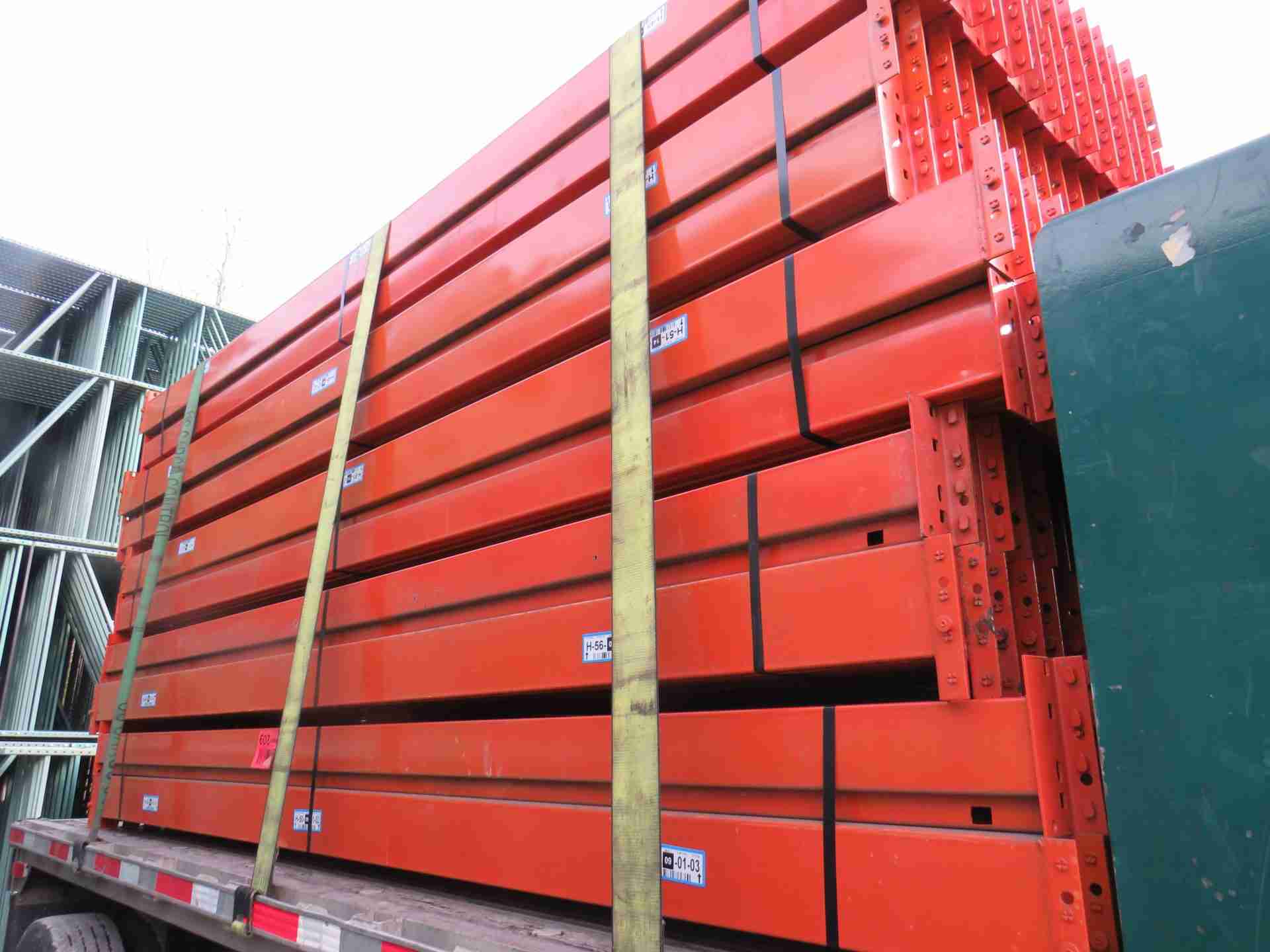
Glossary Of Terms
Other Questions
The Economics Of Faster Turnaround – Other Questions
If you wish to explore and discover more, consider looking for answers to these questions:
- What specific metrics and KPIs should we track to measure turnaround improvement?
- How do you calculate the ROI of investing in new racking systems or automation?
- What are the typical upfront and ongoing costs of upgrading warehouse infrastructure?
- How long does it usually take to implement changes that materially improve turnaround times?
- Which technologies (WMS, RFID, conveyors, robotics) deliver the fastest payoff for turnaround?
- How do faster turnaround times affect inventory carrying costs and stock levels?
- What are the common operational bottlenecks that most warehouses overlook?
- How do you prioritize improvements when budget and space are limited?
- What training and staffing changes are required to sustain faster throughput?
- How do you measure and improve pick/pack accuracy while increasing speed?
- What are the hidden risks of accelerating processes (errors, safety, quality failures)?
- How should a company balance speed with product and workplace safety?
- What governance or compliance issues could faster operations trigger?
- How do faster turnarounds influence customer service contracts, SLAs, and expectations?
- How can small or family-run businesses afford and adopt speed-enhancing changes?
- What role do vendors and suppliers play in achieving faster end-to-end turnaround?
- How does turnaround speed impact returns processing and reverse logistics?
- Which metrics best capture the human impact (morale, fatigue, turnover) of increased speed?
- How do you design a change-management plan to introduce faster processes without disruption?
- What are best practices for benchmarking turnaround against competitors or industry standards?
- How does faster warehouse throughput affect last-mile delivery performance?
- What contingency plans should be in place for supply-chain disruptions when operating at higher speed?
- How do you quantify the reputational value of faster delivery (referrals, repeat business)?
- What sustainability trade-offs arise from increasing speed (energy use, waste)?
- How does improved turnaround interact with demand forecasting and inventory planning?
- What is the lifecycle and maintenance cost of higher-performance racking and automation?
- How do you select and evaluate vendors for racking systems and warehouse technology?
- What financing options or incentives exist to support warehouse modernization?
- How can businesses ensure data integrity and visibility as operations speed up?
- What are practical pilot-test approaches to validate speed improvements before full rollout?
- How do seasonal peaks and variable demand affect decisions about investing in speed?
- Which organizational structures best support sustained faster turnaround (centralized vs. decentralized)?
- What legal and insurance implications arise from faster, higher-intensity warehouse operations?
- How do you measure the human cost vs. business benefit when speeding up workflows?
- What case studies or real-world examples demonstrate successful speed-to-value transformations?

Other Questions
Checklist
The Economics Of Faster Turnaround – A Checklist
Customer Promise and Value
✅______ Define clear service-level promises (e.g., same- or next-day shipping cutoff times).
✅______ Identify what speed means to your customers and how it drives loyalty.
✅______ Prioritize orders by customer value and SLA commitments.
End-to-End Flow and Waste Removal
✅______ Map the full order-to-cash process with timestamps for each step.
✅______ Quantify wait versus work time; remove queues and handoff delays.
✅______ Eliminate rework and redundant touches; standardize exception paths.
Racking, Layout, and Material Flow
✅______ Verify racking capacity ratings and up-to-date safety inspections.
✅______ Slot fast movers in the golden zone near packing and shipping.
✅______ Create fast lanes and cross-dock paths for high-velocity SKUs.
✅______ Maintain clear labeling, aisle discipline, and 5S in all zones.
Inventory Accuracy and Availability
✅______ Maintain real-time inventory visibility in a single source of truth.
✅______ Run frequent cycle counts; fix root causes of variances.
✅______ Tune min/max, safety stock, and reorder points to lead-time variability.
Labor, Training, and Culture
✅______ Cross-train teams to flex during peaks and absences.
✅______ Document standard work and takt expectations for key roles.
✅______ Use daily standups and visual boards to surface blockers quickly.
Order Processing and Systems
✅______ Automate order ingestion; eliminate manual rekeying.
✅______ Prioritize work queues by SLA, promise date, and value.
✅______ Deploy scanners and pick-to-light or voice where ROI is positive.
✅______ Integrate WMS and ERP for seamless data flow and alerts.
Picking, Packing, and Staging
✅______ Align picking method (batch, zone, or wave) to order profiles.
✅______ Minimize touches; pre-stage materials and use hands-free tools.
✅______ Right-size packaging; standardize dunnage and label workflows.
✅______ Stage by carrier and route with clear cutoff times.
Shipping and Carrier Handoffs
✅______ Lock carrier pickup windows; send pre-alerts and manifests.
✅______ Measure dock-to-truck dwell; remove yard and door bottlenecks.
✅______ Provide customers with real-time tracking and delivery ETAs.
Response and Communication Speed
✅______ Set internal response-time standards for tickets, calls, and chats.
✅______ Proactively notify customers of exceptions and new ETAs.
✅______ Maintain a clear escalation path and single point of contact.
Quality, Safety, and Reliability
✅______ Enforce “no-shortcut” safety rules; empower stop-the-line authority.
✅______ Track first-pass yield, damage rates, and mis-picks.
✅______ Keep preventive maintenance current on racking and equipment.
Metrics and Dashboards
✅______ Order cycle time (receipt to ship) and dock-to-stock time.
✅______ OTIF (On-Time, In-Full) and SLA hit rate.
✅______ Pick rate and pick-and-pack accuracy.
✅______ Expedite rate and causes.
✅______ Returns due to late delivery or damage.
✅______ Customer CSAT and NPS, and repeat purchase rate.
✅______ Employee engagement and turnover.
Cost of Delay and ROI
✅______ Quantify revenue and profit at risk per hour or day of delay for top SKUs and customers.
✅______ Track cost-to-serve by segment versus service levels.
✅______ Model payback periods for process, racking, and technology improvements.
Ethics, Trust, and Well-Being
✅______ Align marketing claims with actual speed and reliability.
✅______ Publish transparent SLAs; offer remediation when misses occur.
✅______ Protect employee well-being (breaks, overtime limits, safe staffing).
Continuous Improvement and Learning
✅______ Run weekly Kaizen focused on one bottleneck at a time.
✅______ Conduct post-mortems on misses with corrective actions and owners.
✅______ Share wins and lessons to reinforce a speed-with-quality culture.
Resilience and Peak Readiness
✅______ Maintain peak season playbooks and flexible staffing plans.
✅______ Pre-negotiate alternate carriers and suppliers.
✅______ Test downtime and contingency procedures and data backups regularly.

Checklist
At RackingWorld, we help guide you through selecting warehouse storage systems and racking.
Be sure to read our other related stories at RackingWorld to learn more about warehouse storage systems.
0 Comments